Interviews are opportunities to demonstrate your expertise, and this guide is here to help you shine. Explore the essential Process optimization and improvement experience interview questions that employers frequently ask, paired with strategies for crafting responses that set you apart from the competition.
Questions Asked in Process optimization and improvement experience Interview
Q 1. Explain your experience with Lean methodologies.
Lean methodologies focus on eliminating waste and maximizing value from a customer’s perspective. My experience encompasses various Lean tools and principles, including:
- Value Stream Mapping: I’ve used this extensively to visually represent the flow of materials and information in a process, identifying areas of waste and inefficiency. For instance, in a previous role, we mapped the order fulfillment process, revealing significant delays due to inefficient inventory management.
- 5S (Sort, Set in Order, Shine, Standardize, Sustain): I’ve implemented 5S in various workplace settings to create a more organized and efficient work environment. This resulted in reduced search times for materials and improved safety in a manufacturing facility I worked with.
- Kaizen (Continuous Improvement): I actively promote a culture of continuous improvement, encouraging small, incremental changes to improve efficiency and quality. We used Kaizen events to identify and address numerous small inefficiencies in a software development lifecycle, leading to faster release cycles.
- Kanban: I’ve utilized Kanban systems to visualize workflow, limit work in progress, and improve process flow. This was especially effective in managing a software development project where it helped prioritize tasks and reduce bottlenecks.
My application of Lean principles has consistently resulted in improved productivity, reduced lead times, and increased customer satisfaction.
Q 2. Describe your experience with Six Sigma methodologies.
Six Sigma is a data-driven methodology focused on reducing variation and defects in processes. My experience includes working across various Six Sigma levels (Green Belt, Black Belt), utilizing its statistical tools and techniques. I’ve worked with:
- DMAIC (Define, Measure, Analyze, Improve, Control): A structured problem-solving approach I’ve used repeatedly (detailed further in the next answer).
- Control Charts: These are essential for monitoring process stability and identifying potential issues before they become significant problems. I’ve used them to track defect rates and adjust processes accordingly in a production line.
- Statistical Process Control (SPC): I’ve applied SPC techniques to analyze process data, identify sources of variation, and implement corrective actions. This was instrumental in reducing the number of defective units produced in a packaging process.
- Design of Experiments (DOE): I’ve used DOE to understand the impact of various factors on process outputs, allowing for optimization of parameters and improved process performance. For example, we optimized a chemical process by systematically altering parameters like temperature and pressure.
My Six Sigma experience has provided a rigorous framework for identifying and resolving process issues, leading to substantial cost savings and improved quality.
Q 3. What is DMAIC and how have you used it?
DMAIC is a five-phase improvement cycle used in Six Sigma projects. It provides a structured approach to problem-solving and process optimization:
- Define: Clearly define the problem, project goals, and customer requirements. This often involves setting clear metrics for success.
- Measure: Gather data to understand the current state of the process and measure key performance indicators (KPIs). We use tools like process capability analysis to evaluate current performance.
- Analyze: Analyze the data to identify the root causes of the problem. This involves using statistical tools like Pareto charts and fishbone diagrams.
- Improve: Develop and implement solutions to address the root causes. This often involves brainstorming sessions and pilot testing.
- Control: Implement controls to ensure that the improvements are sustained. This includes monitoring KPIs and making adjustments as needed.
For example, in a recent project, we used DMAIC to reduce customer service call wait times. We defined the problem as excessive wait times, measured average wait times, analyzed call patterns to identify peak hours and frequent call reasons, improved call routing and staffing levels, and implemented a monitoring system to maintain the improvement.
Q 4. Explain your experience with process mapping.
Process mapping involves visually representing the steps in a process. This helps in understanding the flow of materials, information, and tasks. I’ve used various process mapping techniques, including:
- Flowcharts: These provide a simple visual representation of the sequence of steps in a process, highlighting decision points and loops.
- Swimlane diagrams: These show the responsibilities of different individuals or departments within a process.
- Value stream maps: These are more detailed maps that visualize the entire flow of materials and information, identifying areas of waste and inefficiency.
For example, in a healthcare setting, I mapped the patient admission process, identifying bottlenecks and redundancies. This mapping exercise was crucial in redesigning the process to improve efficiency and patient satisfaction.
Q 5. How do you identify process bottlenecks?
Identifying process bottlenecks involves analyzing the flow of work and identifying points where work slows down or stops. Techniques I use include:
- Process mapping: Visualizing the process helps pinpoint areas with high wait times or excessive work in progress.
- Data analysis: Analyzing process data, such as cycle times and throughput, can reveal bottlenecks. This might involve looking at task completion rates, resource utilization, and queuing times.
- Observations: Direct observation of the process can reveal bottlenecks that might not be apparent from data analysis alone.
- Interviews: Speaking with those involved in the process can highlight challenges and frustrations related to specific stages.
For example, in a manufacturing plant, we identified a bottleneck at the quality inspection station due to slow inspection times. By redesigning the inspection process and adding more inspectors, we eliminated the bottleneck and increased throughput.
Q 6. Describe a time you improved a process. What were the results?
In a previous role, we improved the order fulfillment process for an e-commerce company. The process was slow, leading to late deliveries and customer complaints. We used a combination of Lean and Six Sigma methodologies:
- Value stream mapping: Identified several areas of waste, including excessive inventory, inefficient picking and packing, and delays in shipping.
- 5S implementation: Improved warehouse organization, reducing search times for items.
- Process optimization: Redesigned the picking and packing process, optimizing routes and reducing unnecessary movements.
- Data analysis: Used control charts to monitor order fulfillment times and ensure consistent performance.
Results: Order fulfillment time was reduced by 40%, leading to significantly improved on-time delivery rates and increased customer satisfaction. We also saw a reduction in warehouse operating costs due to improved efficiency.
Q 7. What metrics do you use to measure process improvement?
The metrics I use to measure process improvement depend on the specific process and goals, but common examples include:
- Cycle time: The time it takes to complete a process.
- Throughput: The rate at which the process produces outputs.
- Defect rate: The percentage of defective outputs.
- Customer satisfaction: Measured through surveys or feedback.
- Cost savings: Reduction in operational costs.
- Lead time: Time from order placement to delivery.
- First-pass yield: Percentage of items passing inspection on the first attempt.
By tracking these metrics before and after process improvements, we can quantitatively demonstrate the impact of our efforts.
Q 8. How do you handle resistance to change during process improvement initiatives?
Resistance to change is a common hurdle in process improvement. It stems from fear of the unknown, loss of control, or perceived extra workload. My approach is multifaceted and focuses on communication, collaboration, and demonstrating value.
- Early and Open Communication: I begin by transparently communicating the why behind the change, outlining its benefits for the team and the organization as a whole. This involves actively listening to concerns and addressing them directly.
- Involving Stakeholders: I actively involve affected individuals in the design and implementation process. This gives them a sense of ownership and reduces resistance. For example, in a recent project optimizing our customer onboarding process, I held workshops with the sales and customer support teams to gather their input on pain points and potential solutions.
- Pilot Projects and Gradual Rollout: Instead of a big bang approach, I often suggest starting with a pilot project to demonstrate the effectiveness of the changes in a small, controlled environment. This allows us to fine-tune the process and address any unforeseen issues before a full-scale deployment.
- Highlighting Successes and Celebrating Wins: Regularly acknowledging progress and celebrating successes, no matter how small, boosts morale and reinforces the positive impact of the changes. This builds momentum and keeps the team motivated.
- Providing Training and Support: I ensure adequate training and ongoing support are provided to help individuals adapt to the new processes. This addresses concerns about increased workload or skill gaps.
By adopting this holistic strategy, I’ve consistently managed to reduce resistance and achieve successful process improvements.
Q 9. What is your experience with process automation tools?
My experience encompasses a range of process automation tools, from Robotic Process Automation (RPA) platforms like UiPath and Automation Anywhere to workflow management systems such as Jira and Asana, and Business Process Management Suites (BPMS) like Pega and Appian.
In a previous role, we used UiPath to automate a highly repetitive data entry task, significantly reducing processing time and human error. The UiPath studio allowed us to design bots that extracted data from emails, PDFs, and databases, and then automatically populated the information into our CRM system. This freed up valuable employee time for more strategic tasks.
I’m also proficient in integrating automation tools with data analytics platforms, enabling us to track process efficiency, identify bottlenecks, and continuously improve the automated workflows. For instance, we used the data collected by Jira to identify common issues and refine our workflows within the project management system itself, leading to reduced project cycle times.
My approach emphasizes selecting the right tool for the specific process and integrating it seamlessly into the existing infrastructure. I always consider factors such as cost, scalability, and ease of implementation when choosing an automation tool.
Q 10. Explain your understanding of Kaizen.
Kaizen, meaning ‘change for the better’ in Japanese, is a philosophy that promotes continuous improvement through small, incremental changes. It’s a collaborative approach that empowers every employee to identify and resolve problems in their immediate work environment. It’s not about radical, disruptive changes but rather about making consistent, small improvements over time.
In practice, Kaizen involves:
- Identifying Waste (Muda): This includes activities that don’t add value to the product or service. Examples include unnecessary movement, waiting time, defects, and overproduction.
- Involving Everyone: Kaizen encourages everyone to participate in the improvement process, sharing ideas and contributing solutions.
- Small, Incremental Changes: Implementing small, manageable changes allows for quick feedback loops and easier adaptation.
- Continuous Improvement: Kaizen is an ongoing process, not a one-time event. The focus is on consistently improving processes and seeking out new opportunities for optimization.
I’ve implemented Kaizen successfully in several projects. For example, in one instance, we used Kaizen principles to optimize our order fulfillment process. By simply reorganizing the warehouse layout and standardizing picking procedures, we reduced order processing time by 15%.
Q 11. Describe your experience with root cause analysis.
Root cause analysis (RCA) is a systematic approach to identify the underlying causes of problems, rather than just addressing the symptoms. This ensures that issues are resolved permanently and prevent recurrence. I have extensive experience using various RCA techniques, including the ‘5 Whys,’ Fishbone diagrams (Ishikawa diagrams), and Fault Tree Analysis (FTA).
The ‘5 Whys’ is a simple yet effective method that involves repeatedly asking ‘why’ to drill down to the root cause. For example, if a customer complaint is that the product arrived late, we might ask:
- Why was the product late? (Answer: The shipment was delayed.)
- Why was the shipment delayed? (Answer: The carrier experienced unexpected delays.)
- Why did the carrier experience delays? (Answer: They had a shortage of drivers.)
- Why was there a driver shortage? (Answer: Poor staffing and planning.)
- Why was there poor staffing and planning? (Answer: Lack of proper forecasting and resource allocation.)
This reveals the root cause as inadequate forecasting and resource allocation.
I’ve also used Fishbone diagrams to visually represent the potential causes of a problem and identify the most significant contributors. This is particularly useful for complex problems with multiple contributing factors.
My choice of RCA technique depends on the complexity of the problem and the available data. The key is to be systematic, data-driven, and collaborative to ensure an accurate and effective root cause identification.
Q 12. How do you prioritize process improvement projects?
Prioritizing process improvement projects requires a structured approach that balances urgency, impact, and feasibility. I typically use a framework that considers several key factors:
- Business Value: This assesses the potential financial impact, efficiency gains, customer satisfaction improvements, or risk mitigation associated with each project. I use metrics like Return on Investment (ROI), cost savings, and reduction in defect rates to quantify the value.
- Urgency: Some projects may have immediate needs, such as resolving critical operational issues or addressing urgent customer complaints. These projects typically receive higher priority.
- Feasibility: This evaluates the resources (time, budget, personnel) required to implement each project and the likelihood of success. Projects that are less resource-intensive and have higher chances of success are prioritized.
- Alignment with Strategic Goals: Projects that directly support the organization’s overall strategic objectives are given higher priority.
I often use a prioritization matrix, such as a weighted scoring system, to rank projects based on these criteria. This provides a transparent and objective basis for decision-making. The matrix enables a clear visual representation of the relative importance of each project, which aids in resource allocation and project scheduling.
Q 13. What is your experience with data analysis in process improvement?
Data analysis is fundamental to effective process improvement. It helps identify areas for improvement, measure the impact of changes, and track progress over time. I use a variety of data analysis techniques, including:
- Descriptive Statistics: This involves summarizing and describing the key characteristics of the data, such as mean, median, mode, standard deviation, and percentiles. This helps to understand the current state of the process.
- Process Mining: This technique leverages event logs to provide insights into actual process execution, revealing deviations from the designed process and bottlenecks.
- Regression Analysis: This is used to identify relationships between different variables and understand the impact of specific factors on process performance. For example, analyzing the relationship between order volume and delivery time can highlight bottlenecks or capacity limitations.
- Control Charts: These are used to monitor process stability over time and detect anomalies. This helps to identify when intervention is required.
In a recent project, we used process mining to analyze our invoice processing workflow. This revealed significant bottlenecks caused by manual data entry errors. By implementing automated data entry, we drastically reduced processing time and error rates.
I’m proficient in using data analysis tools such as SQL, R, and Python, along with visualization tools like Tableau and Power BI, to extract insights and communicate findings effectively.
Q 14. How do you ensure process improvements are sustainable?
Sustainability of process improvements is crucial to ensure long-term success. My approach focuses on several key areas:
- Embedding Improvements in Standard Operating Procedures (SOPs): Clearly documenting the improved processes and incorporating them into formal SOPs ensures that the changes are followed consistently. Regular reviews and updates of these SOPs are crucial to maintaining their relevance.
- Training and Skill Development: Providing ongoing training and support to employees is essential to ensuring they understand and effectively use the new processes. This includes refresher training and opportunities for continuous learning.
- Monitoring and Measurement: Implementing Key Performance Indicators (KPIs) and regularly tracking progress allows us to detect any deviations from the desired outcomes and promptly address any emerging issues. Regular performance reviews and process audits reinforce accountability.
- Building Ownership and Accountability: Engaging employees in the improvement process fosters ownership and encourages them to maintain the changes. This includes assigning roles and responsibilities for ongoing monitoring and improvement.
- Creating a Culture of Continuous Improvement: Cultivating a culture of continuous improvement, where employees are encouraged to suggest and implement improvements, ensures that the improvement efforts are sustained over time.
By focusing on these elements, I ensure the changes are not just implemented but become integral to the organizational culture, leading to sustainable and lasting improvements.
Q 15. What is your experience with change management methodologies?
Change management is crucial for successfully implementing process improvements. My experience spans various methodologies, including Kotter’s 8-Step Process, ADKAR (Awareness, Desire, Knowledge, Ability, Reinforcement), and Prosci’s methodology. I’ve found that a successful approach involves a blend of these, tailored to the specific organizational culture and the scale of the change. For instance, in a recent project involving the implementation of a new CRM system, we used Kotter’s model to build momentum, focusing on creating a sense of urgency and empowering a strong change team. We also incorporated ADKAR to address individual resistance by focusing on building knowledge and providing training, ensuring team members understood the ‘why’ behind the change and were equipped with the skills to use the new system effectively. This multi-pronged approach ensured smooth adoption and minimal disruption.
- Kotter’s 8-Step Process: Focuses on creating urgency, building a guiding coalition, forming a strategic vision, enlisting a volunteer army, enabling action by removing obstacles, generating short-term wins, sustaining acceleration, and anchoring new approaches in the culture.
- ADKAR: A model that focuses on managing individual change through awareness, desire, knowledge, ability, and reinforcement. This is particularly useful in addressing resistance at a personal level.
- Prosci’s Methodology: A structured approach that includes planning, execution, and reinforcement phases, emphasizing stakeholder management and communication.
Career Expert Tips:
- Ace those interviews! Prepare effectively by reviewing the Top 50 Most Common Interview Questions on ResumeGemini.
- Navigate your job search with confidence! Explore a wide range of Career Tips on ResumeGemini. Learn about common challenges and recommendations to overcome them.
- Craft the perfect resume! Master the Art of Resume Writing with ResumeGemini’s guide. Showcase your unique qualifications and achievements effectively.
- Don’t miss out on holiday savings! Build your dream resume with ResumeGemini’s ATS optimized templates.
Q 16. Describe your experience with Value Stream Mapping.
Value Stream Mapping (VSM) is a powerful lean tool I’ve used extensively to visualize and analyze the flow of materials and information in a process. It helps identify bottlenecks, waste, and areas for improvement. In one project, we mapped the order fulfillment process for an e-commerce company. The VSM revealed a significant bottleneck in the warehousing stage due to inefficient picking and packing processes. By using VSM, we could clearly show the process flow, identify non-value-added activities (like excessive travel time for pickers), and then propose solutions such as implementing a new warehouse layout and utilizing barcode scanning technology. The visual nature of VSM made it easy to communicate the issues and proposed solutions to all stakeholders, leading to buy-in and faster implementation of improvements.
Typically, a VSM includes:
- Current State Map: A detailed visualization of the existing process, highlighting all steps, materials, and information flow.
- Future State Map: A proposed improved process, eliminating waste and improving efficiency.
- Key Performance Indicators (KPIs): Metrics to track the effectiveness of the implemented changes.
Q 17. What is your experience with different process improvement frameworks (e.g., Agile, Scrum)?
My experience with process improvement frameworks extends to Agile, Scrum, and Lean methodologies. While they have unique characteristics, they all share the common goal of iterative improvement and continuous delivery of value. I’ve successfully applied Scrum in software development projects, utilizing sprints, daily stand-ups, and retrospectives to enhance team collaboration and deliver working software increments. In other projects, we used Lean principles to eliminate waste and streamline processes across different departments, leading to significant improvements in cycle times and reduced costs. The choice of framework depends heavily on the context of the project; for instance, Agile and Scrum are best suited for projects that require flexibility and adaptability, while Lean focuses on minimizing waste and maximizing efficiency.
- Agile: An iterative approach focused on delivering value quickly and adapting to changing requirements.
- Scrum: A specific Agile framework that utilizes sprints, roles (Product Owner, Scrum Master, Development Team), and artifacts (Product Backlog, Sprint Backlog, Increment).
- Lean: A methodology that focuses on eliminating waste, maximizing value, and continuous improvement.
Q 18. How do you communicate process improvements to stakeholders?
Communicating process improvements effectively is critical for buy-in and successful implementation. My approach involves various methods tailored to the audience. I use clear and concise language, avoiding technical jargon whenever possible. Visual aids like charts, graphs, and VSMs are invaluable in illustrating the ‘before’ and ‘after’ states of the process. I also leverage storytelling to illustrate the impact of the improvements. For example, I might share success stories of other teams who have implemented similar changes or quantify the benefits (e.g., reduced cycle time, cost savings) in a way that resonates with stakeholders. This multi-faceted approach fosters collaboration and encourages active participation. Regular feedback sessions are also crucial for monitoring progress and addressing any concerns.
Q 19. Explain your experience with process documentation.
Process documentation is essential for maintaining consistency, training new employees, and providing a reference point for future improvements. My approach involves creating clear and concise documentation, including flowcharts, swim lane diagrams, and detailed process descriptions. I utilize standardized notation and templates to ensure consistency. The level of detail varies depending on the audience and the complexity of the process. For instance, a high-level overview might suffice for executive stakeholders, while more detailed procedural documentation is necessary for operational staff. I always involve subject matter experts in the documentation process to ensure accuracy and completeness. Moreover, I ensure documentation is regularly reviewed and updated to reflect current practices and improvements. Using tools like Lucidchart or Visio significantly aids in the creation of visually appealing and easily understood documentation.
Q 20. How do you measure the ROI of process improvement initiatives?
Measuring the ROI of process improvement initiatives is essential for demonstrating value and securing future investments. This involves identifying key metrics before and after the implementation of changes. These metrics can include cycle time reduction, cost savings, defect reduction, customer satisfaction scores, and employee productivity. For example, if a process improvement initiative resulted in a 20% reduction in cycle time and a 10% reduction in defects, we can calculate the associated cost savings and improved customer satisfaction. It is crucial to establish a baseline before implementing changes to accurately assess the impact. Presenting ROI data in a clear and concise manner, with visual aids like charts and graphs, is essential for communicating the value to stakeholders and securing continued investment in process optimization.
Q 21. What is your experience with process redesign?
Process redesign involves fundamentally restructuring a process to improve efficiency, effectiveness, and quality. My approach is systematic, starting with a thorough understanding of the existing process, its objectives, and pain points. This often involves stakeholder interviews, process mapping, and data analysis. Then, I brainstorm alternative process designs, considering various factors such as technology, resources, and regulatory compliance. I prioritize simplicity and automation wherever possible. Once a preferred design is selected, I develop a detailed implementation plan, including resource allocation, timelines, and communication strategies. I also incorporate mechanisms for monitoring and evaluating the redesigned process, ensuring continuous improvement. For instance, in a recent project involving a customer onboarding process, we redesigned the process by automating many manual tasks, resulting in a significant reduction in processing time and improved customer satisfaction.
Q 22. How do you deal with conflicting priorities in process improvement projects?
Conflicting priorities are a common challenge in process improvement. My approach involves a structured prioritization framework. First, I clearly define all project goals and map them against business objectives. Then, I use a weighted scoring system, considering factors like impact, urgency, feasibility, and resource availability. This allows me to objectively compare different initiatives. For example, if a project promises significant cost savings but requires substantial upfront investment, while another offers smaller, quicker wins, the scoring system will help decide which to tackle first. Finally, I communicate the prioritization rationale transparently to all stakeholders, ensuring buy-in and managing expectations.
Visual tools, like a prioritization matrix, can be extremely useful here. This allows everyone involved to understand the rationale behind the chosen priorities and fosters collaboration. Regularly reviewing and adjusting priorities, as new information becomes available, is also critical.
Q 23. Describe your experience working in cross-functional teams.
I thrive in cross-functional teams. In my previous role at [Previous Company Name], I led a team comprising engineers, marketing specialists, and customer service representatives to optimize the customer onboarding process. My experience highlights the importance of clear communication, active listening, and empathy. I facilitated regular team meetings, using techniques like brainstorming and SWOT analysis, to leverage the diverse perspectives and expertise of each member. Successful collaboration involves acknowledging different working styles, establishing shared goals, and celebrating collective achievements. Constructive conflict resolution is key – disagreements are viewed as opportunities for improvement, not roadblocks.
For example, while the engineers focused on technical aspects, the marketing team brought insights into customer preferences. By synthesizing these perspectives, we identified areas for streamlining the process and improved customer satisfaction by 20%.
Q 24. What are your strengths and weaknesses regarding process optimization?
My strengths lie in my analytical abilities, coupled with a pragmatic approach. I’m adept at using data-driven methods to identify bottlenecks, analyze process flows, and measure improvement. I can translate complex data into actionable insights, clearly communicating my findings to both technical and non-technical audiences. I’m also proficient in several process improvement methodologies, including Lean, Six Sigma, and Agile.
However, my weakness is sometimes getting too deeply involved in the details, losing sight of the bigger picture. I’m actively working on improving this by using time management techniques and regularly stepping back to review progress against overall goals. I also seek feedback regularly to ensure my focus aligns with the broader objectives of the project.
Q 25. How do you stay current with best practices in process optimization?
Staying current in process optimization demands continuous learning. I subscribe to industry publications like [Mention relevant publications], attend webinars and conferences, and actively participate in online forums and professional networks. I also engage in peer learning by exchanging experiences with colleagues and attending workshops. Focusing on specific areas, such as emerging technologies like AI in process automation, keeps my skills sharp and adaptable.
Moreover, I routinely review case studies and research papers to understand how other organizations have successfully implemented process improvements. This allows me to adapt best practices to my context and learn from both successes and failures.
Q 26. Describe a situation where a process improvement failed. What did you learn?
In a previous project aimed at automating a manual data entry process, we initially underestimated the complexity of data migration. We failed to adequately address data cleansing and validation, leading to inaccurate outputs and significant delays. The automation effort was ultimately less efficient than the manual process, resulting in project failure.
The key learning was the importance of thorough upfront planning and risk assessment. We underestimated the hidden complexities within the data. Now, I emphasize a rigorous data analysis phase prior to any automation initiative. We meticulously identify and address data quality issues before embarking on automation, significantly reducing the risk of failure.
Q 27. What is your preferred process improvement software?
My preferred process improvement software depends on the specific needs of the project. For workflow mapping and analysis, I frequently use [Mention Specific Software, e.g., Lucidchart]. For data analysis and statistical process control, I utilize [Mention Specific Software, e.g., Minitab or R]. And for project management and collaboration, I’m comfortable with tools like [Mention Specific Software, e.g., Jira or Asana]. Choosing the right tool is crucial for efficiency and effective collaboration. The software’s capability to integrate with other systems is also a significant factor in my decision making process.
Q 28. What are some common pitfalls to avoid in process improvement?
Common pitfalls in process improvement include:
- Lack of clear goals and metrics: Without well-defined goals and measurable metrics, it’s impossible to track progress or assess success.
- Insufficient stakeholder buy-in: Resistance from stakeholders can sabotage even the best-designed initiatives. Active engagement and communication are essential.
- Ignoring the human element: Processes are performed by people. Failure to consider their needs, training, and feedback leads to implementation challenges.
- Overlooking data analysis: Relying on assumptions rather than data-driven insights can result in ineffective changes.
- Failing to document changes: Proper documentation is critical for maintaining improvements over time and sharing knowledge.
- Lack of continuous improvement: Process optimization is an ongoing journey, not a one-time event. Regular monitoring and adjustment are vital.
Avoiding these pitfalls requires a structured approach that prioritizes planning, communication, data-driven decision-making, and continuous learning.
Key Topics to Learn for Process Optimization and Improvement Interviews
- Lean Principles & Methodology: Understanding concepts like Value Stream Mapping, Kaizen, 5S, and their practical application in identifying and eliminating waste.
- Six Sigma Methodology: DMAIC (Define, Measure, Analyze, Improve, Control) framework and its use in data-driven process improvement projects. Familiarize yourself with statistical tools used in Six Sigma.
- Process Mapping & Analysis: Creating process maps (flowcharts, swim lane diagrams), identifying bottlenecks, and analyzing process efficiency using various metrics.
- Root Cause Analysis (RCA): Techniques like the 5 Whys, Fishbone diagrams, and Pareto analysis to pinpoint the underlying causes of process inefficiencies.
- Change Management: Strategies for effectively implementing process improvements and managing stakeholder resistance to change.
- Data Analysis & Interpretation: Skills in using data to measure process performance, identify trends, and support improvement initiatives. Familiarity with relevant software (e.g., Excel, Tableau) is beneficial.
- Process Automation & Technology: Understanding the role of technology in automating processes and improving efficiency. Consider exploring relevant software or tools used in your field.
- Project Management Fundamentals: Applying project management principles to plan, execute, and monitor process improvement projects.
- Metrics and KPIs: Defining and tracking key performance indicators (KPIs) to measure the success of process optimization initiatives.
- Continuous Improvement Mindset: Demonstrating a commitment to ongoing process improvement and a proactive approach to identifying areas for enhancement.
Next Steps
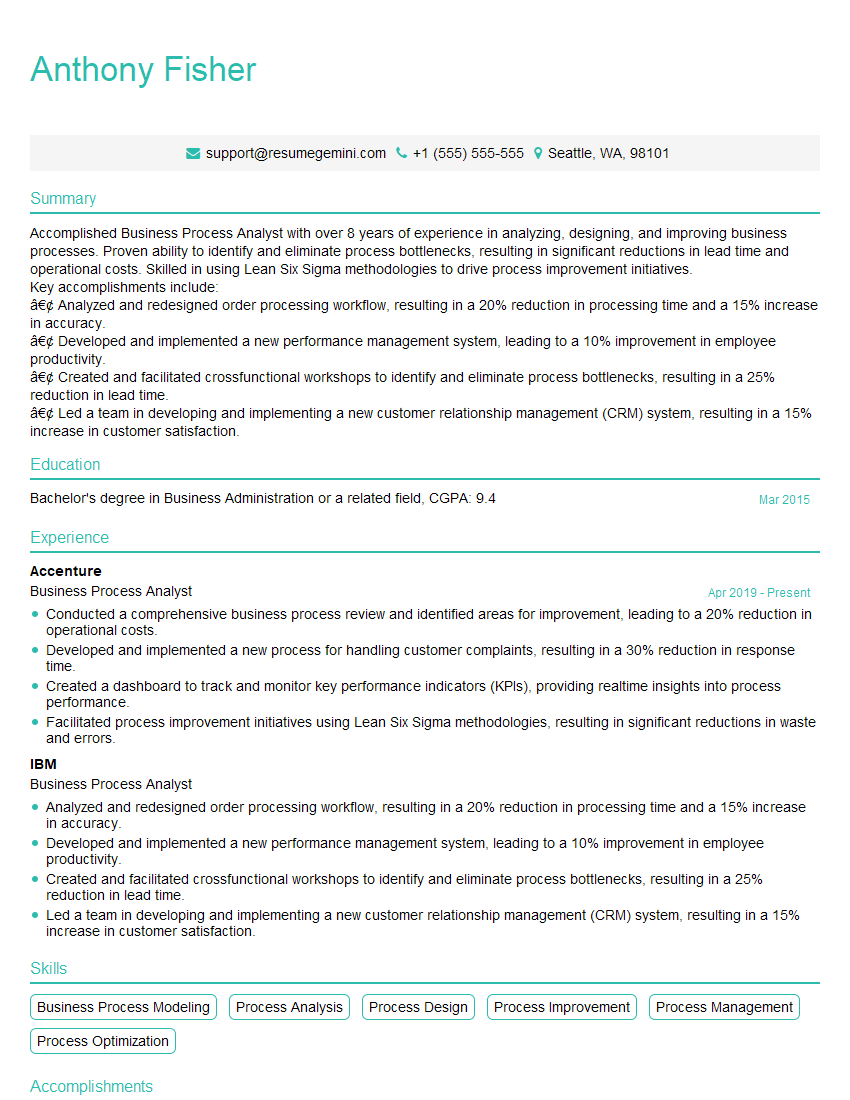
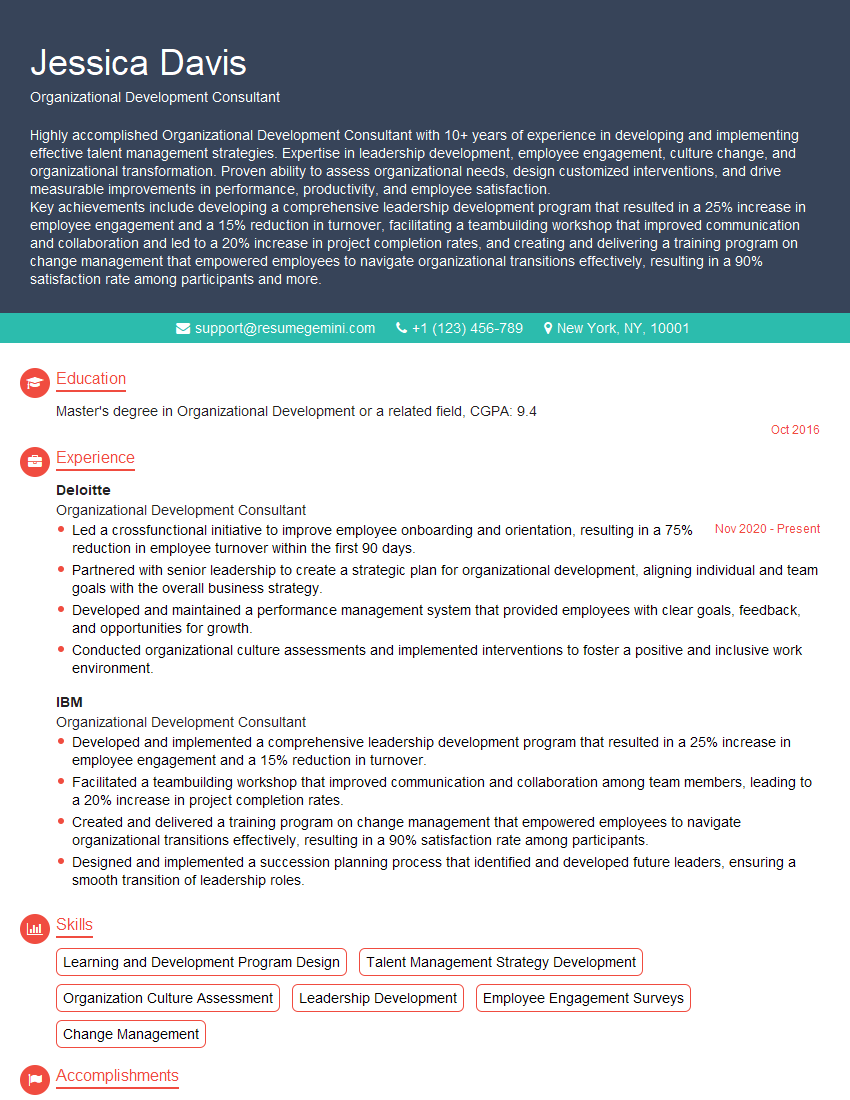
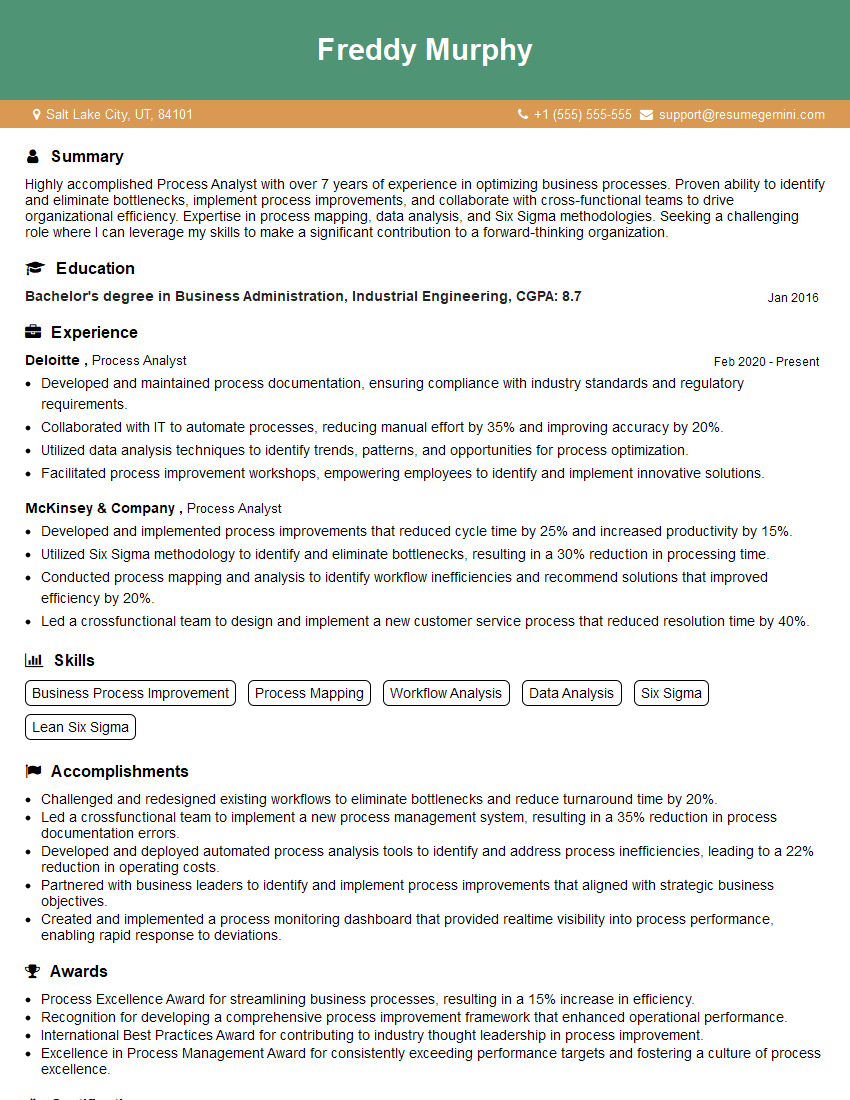
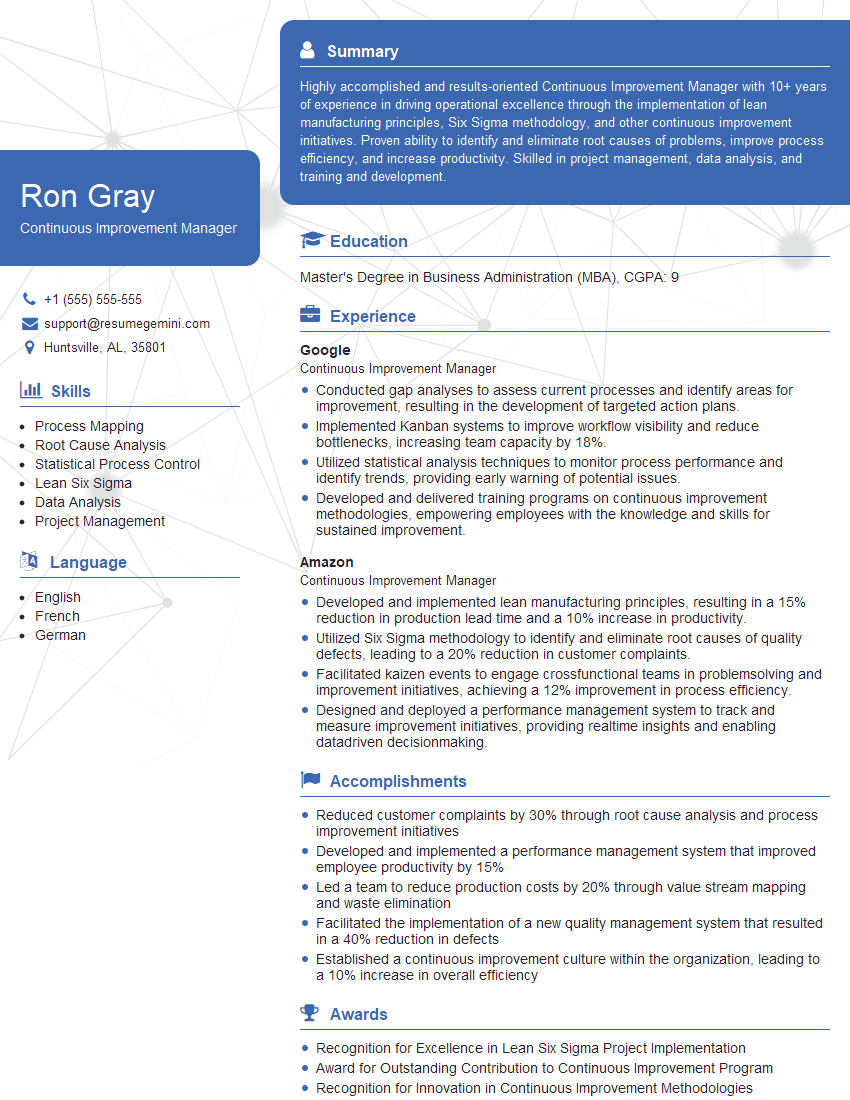
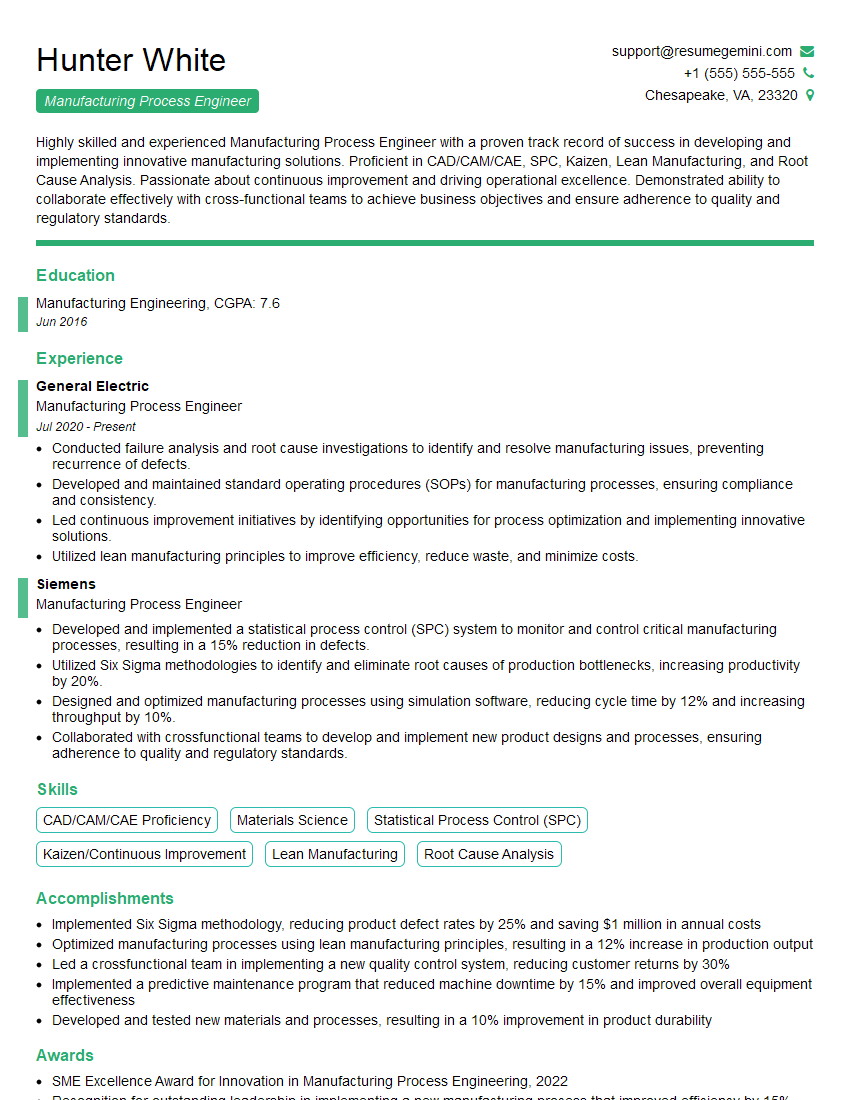
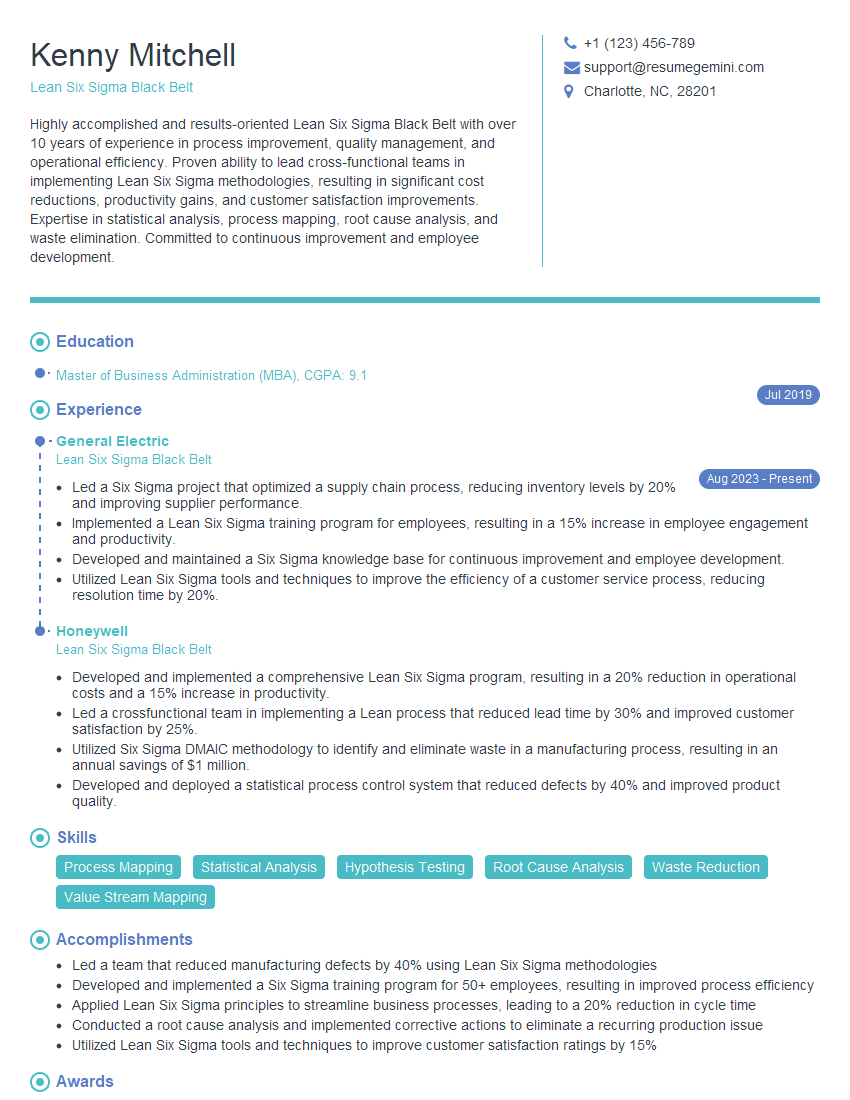
Mastering process optimization and improvement skills is crucial for career advancement in today’s competitive job market. These skills demonstrate your ability to add significant value to any organization by increasing efficiency, reducing costs, and improving overall performance. To maximize your job prospects, it’s vital to create a resume that effectively communicates your expertise to Applicant Tracking Systems (ATS). ResumeGemini is a trusted resource to help you build a professional and ATS-friendly resume that highlights your achievements and skills in process optimization and improvement. Examples of resumes tailored to this experience are available to help you craft a compelling application.
Explore more articles
Users Rating of Our Blogs
Share Your Experience
We value your feedback! Please rate our content and share your thoughts (optional).
What Readers Say About Our Blog
Very informative content, great job.
good