The right preparation can turn an interview into an opportunity to showcase your expertise. This guide to Produce Quality Parts interview questions is your ultimate resource, providing key insights and tips to help you ace your responses and stand out as a top candidate.
Questions Asked in Produce Quality Parts Interview
Q 1. Describe your experience with various quality control methodologies.
My experience encompasses a wide range of quality control methodologies, focusing on both preventative and reactive approaches. I’ve extensively utilized methods like Six Sigma, employing DMAIC (Define, Measure, Analyze, Improve, Control) cycles to systematically identify and eliminate sources of variation and defects. This involves collecting and analyzing data, identifying root causes using tools like Pareto charts and fishbone diagrams, and implementing solutions for continuous improvement. I’m also proficient in Total Quality Management (TQM), implementing company-wide quality standards and fostering a culture of continuous improvement among all team members. Furthermore, my experience includes using Acceptance Sampling techniques, where a random sample of the produced parts is inspected to estimate the quality of the entire batch, allowing for efficient quality checks without the need for 100% inspection. This is especially useful when dealing with large production runs. Finally, I’ve worked with Design of Experiments (DOE), a powerful statistical method used for optimizing processes by systematically varying input parameters and analyzing their impact on the quality of output.
Q 2. Explain your understanding of statistical process control (SPC).
Statistical Process Control (SPC) is a powerful tool for monitoring and controlling process variation. It utilizes statistical methods to track key process characteristics over time and identify anomalies that indicate potential problems. Central to SPC are control charts, graphical tools that display data points plotted against time, alongside control limits based on the process’s inherent variability. Common control charts include X-bar and R charts for variable data and p-charts or c-charts for attribute data. For instance, in a manufacturing setting, an X-bar and R chart might track the average diameter and range of a machined part. If a data point falls outside the control limits or a pattern emerges (like a run of points above or below the centerline), it signals a shift in the process, requiring investigation. This proactive approach allows for the detection of problems before they lead to widespread defects. I have successfully used SPC to significantly reduce defect rates in several projects by identifying and addressing underlying causes of process instability.
Q 3. How do you identify and address root causes of quality defects?
Identifying root causes of quality defects is a systematic process that requires a structured approach. I typically employ a combination of techniques, starting with thorough data collection and analysis. This might involve analyzing defect reports, inspecting defective parts, and reviewing process parameters. From there, I use tools like 5 Whys – repeatedly asking “Why?” to drill down to the underlying cause – and fishbone diagrams (Ishikawa diagrams) to visually map potential causes grouped by categories like materials, methods, manpower, machinery, measurements, and environment. For example, if we find consistently high defect rates in a specific area of a component, the 5 Whys might reveal that it’s due to improper tooling, which in turn is due to inadequate maintenance, ultimately stemming from insufficient training for maintenance personnel. Once the root cause is identified, I work with the team to implement corrective actions, often involving process improvements, operator training, equipment upgrades, or material changes. Critically, verification steps are essential to ensure that the implemented solution effectively addresses the problem and prevents recurrence.
Q 4. What are your experiences with different inspection tools and techniques?
My experience with inspection tools and techniques is extensive. I’m proficient in using various measuring instruments such as calipers, micrometers, height gauges, and optical comparators to accurately measure dimensions and tolerances. I’m also skilled in using advanced metrology equipment like coordinate measuring machines (CMMs) for precise 3D measurements and surface roughness analysis. Beyond dimensional inspection, I have experience with non-destructive testing (NDT) methods, including visual inspection, liquid penetrant testing, magnetic particle inspection, and ultrasonic testing to detect internal flaws or defects without damaging the part. For instance, ultrasonic testing helps detect subsurface cracks in welds. Furthermore, I’m adept at using digital inspection tools such as automated optical inspection (AOI) systems for high-throughput inspections and identifying subtle defects that might be missed by human inspectors. Selecting the appropriate tool depends on the specific requirements of the part and the types of defects being sought.
Q 5. Explain your experience with quality management systems (e.g., ISO 9001).
I have extensive experience working within the framework of ISO 9001 quality management systems. This involves understanding and implementing all aspects of the standard, from establishing quality objectives and documenting processes to conducting internal audits and managing nonconformances. This includes experience with establishing and maintaining a quality manual, developing and implementing procedures, managing corrective and preventive actions, and ensuring that all activities comply with the standard’s requirements. In previous roles, I’ve actively participated in ISO 9001 certification audits, leading to successful certifications. The principles of ISO 9001, such as a focus on customer satisfaction, continuous improvement, and risk-based thinking, have guided my approach to quality assurance, ensuring consistency, traceability, and effectiveness across all operations. Understanding this standard allows for efficient management and clear communication across all production areas.
Q 6. How do you handle conflicting priorities between speed and quality?
Balancing speed and quality is a constant challenge in manufacturing. There’s always pressure to meet deadlines, but compromising quality is unacceptable. My approach involves proactively addressing potential conflicts through careful planning and risk assessment. Firstly, I emphasize the importance of defining clear quality standards before production begins. This involves setting realistic targets and carefully considering process capabilities. Secondly, I focus on process optimization to enhance efficiency without sacrificing quality. This often involves identifying and eliminating bottlenecks, improving workflows, and implementing automation where appropriate. Thirdly, strong communication and collaboration between different teams—engineering, production, and quality control—are crucial to ensuring alignment and preventing conflicts. Finally, prioritizing tasks based on risk and impact helps to ensure that critical quality aspects aren’t overlooked in the rush to meet deadlines. For example, instead of rushing production of a large batch of parts, it is often better to produce smaller batches with tighter quality control to identify issues early and address them before significant rework becomes necessary.
Q 7. Describe your experience with implementing corrective and preventive actions (CAPA).
Implementing Corrective and Preventive Actions (CAPA) is crucial for preventing recurring quality issues. My approach involves a structured process, beginning with a thorough investigation of the nonconformity. This involves identifying the root cause using techniques such as the 5 Whys and fishbone diagrams, as mentioned earlier. Once the root cause is identified, a corrective action is implemented to address the immediate problem. This could involve fixing a faulty machine, retraining an operator, or revising a process. However, a crucial element is the implementation of preventive actions to prevent the issue from happening again. This might include implementing new process controls, improving training programs, upgrading equipment, or revising procedures. Finally, effectiveness verification is critical to determine whether the actions were successful in addressing the root cause and preventing future occurrences. The whole CAPA process is carefully documented and reviewed regularly to ensure continuous improvement. I’ve consistently used this systematic approach to reduce recurring quality issues and enhance the overall effectiveness of the quality system.
Q 8. How familiar are you with different types of quality audits?
I’m intimately familiar with various quality audit types, each serving a unique purpose in ensuring product conformity and process efficiency. These range from the simple to the highly complex, and my experience covers them all.
- First-Article Inspection (FAI): This verifies the first manufactured part against the design specifications. It’s crucial for ensuring the production process starts correctly. I’ve used FAI extensively to catch design flaws or manufacturing inconsistencies early in the production cycle, preventing costly rework later. For example, on a recent project involving precision machined parts, the FAI identified a minor dimensional discrepancy that, if left unchecked, would have resulted in assembly failures.
- In-Process Inspection: This is a continuous monitoring of the production process at different stages, ensuring parts remain within tolerances throughout manufacturing. We might utilize Statistical Process Control (SPC) charts to monitor critical dimensions. This allowed me to detect a gradual drift in a critical parameter during a high-volume run, preventing a large batch of non-conforming parts.
- Final Inspection: This is the final check before products ship, ensuring all parts meet quality standards and are free from defects. This often includes functional testing, depending on the product. In one instance, final inspection revealed a subtle wiring issue in a complex assembly that was undetectable earlier in the process.
- Supplier Audits: These evaluate the quality systems of suppliers to ensure they consistently deliver high-quality materials and components. I’ve personally conducted several supplier audits, identifying and resolving issues like inconsistent material properties that impacted the reliability of our finished products.
- Internal Audits: These assess the effectiveness of a company’s quality management system (QMS) against standards like ISO 9001. These audits ensure our processes are effective and aligned with best practices.
My expertise extends to understanding the intricacies of each audit type and tailoring their application to the specific needs of the project and product.
Q 9. Describe your approach to continuous improvement in a manufacturing environment.
Continuous improvement is the lifeblood of any successful manufacturing environment. My approach centers on the PDCA cycle (Plan-Do-Check-Act) and a data-driven mindset.
- Plan: This phase involves identifying areas needing improvement. This might involve analyzing defect rates, cycle times, or customer feedback. For instance, I once used Pareto analysis to identify the top 20% of defects contributing to 80% of our quality issues, allowing us to focus improvement efforts effectively.
- Do: This involves implementing changes, such as new processes or technologies, based on the planning phase. This could range from adjusting machine parameters to implementing a new training program for operators.
- Check: This involves monitoring the effects of the implemented changes and collecting data. This is where SPC charts and other data analysis techniques come into play.
- Act: This is where we standardize successful changes and address any remaining issues. This phase ensures that improvements are sustained and become part of the standard operating procedure.
Beyond PDCA, I embrace lean manufacturing principles like Kaizen (continuous improvement) and 5S (sort, set in order, shine, standardize, sustain) to optimize processes and eliminate waste. This holistic approach ensures sustainable improvements in quality, efficiency, and cost-effectiveness. I’ve seen firsthand how implementing these methods can significantly reduce defect rates and improve overall productivity.
Q 10. Explain your understanding of tolerance and specifications in manufacturing.
Tolerances and specifications are fundamental to manufacturing quality. Specifications define the ideal characteristics of a part—its dimensions, material properties, and performance requirements. Tolerances, on the other hand, define the acceptable range of variation from these ideal specifications. Think of it like this: the specification is the bullseye of a target, and the tolerance is the size of the circle around it – the acceptable range of shots still considered ‘on target’.
For example, a specification might state that a shaft needs to be 10mm in diameter. The tolerance might be ±0.1mm, meaning a shaft between 9.9mm and 10.1mm is acceptable. Parts outside this range are considered defective. These are usually defined using engineering drawings and specifications. Understanding these parameters is critical to designing robust processes that consistently produce parts within the required tolerance.
I have extensive experience in interpreting and applying tolerances and specifications, particularly in scenarios involving complex geometries and tight tolerance requirements. My proficiency in using measuring instruments and statistical analysis ensures consistent adherence to design requirements.
Q 11. How do you prioritize tasks in a fast-paced production setting while maintaining quality standards?
Prioritizing tasks in a fast-paced setting while maintaining quality is a juggling act that requires a strategic approach. My method combines urgency and importance, using tools like a Kanban board to visualize workflows and identify bottlenecks.
- Urgency/Importance Matrix: I categorize tasks based on their urgency and importance. Urgent and important tasks receive immediate attention. Important but not urgent tasks are scheduled proactively. Less important tasks are delegated or deferred.
- Risk Assessment: I assess the potential impact of delays on quality and schedule tasks accordingly. For example, tasks directly impacting product safety or compliance will always take precedence.
- Communication: Clear and consistent communication with the team is essential. This ensures everyone understands priorities and potential roadblocks can be identified and addressed quickly.
- Data-Driven Decisions: I use real-time data on production performance and defect rates to inform prioritization. This ensures that resources are focused on the most impactful areas.
This multi-faceted approach allows me to effectively balance speed and quality in high-pressure situations. By staying organized, communicating effectively, and utilizing data-driven decision-making, I can ensure that both production targets and quality standards are consistently met.
Q 12. Describe your experience with data analysis and interpretation to identify quality trends.
Data analysis is indispensable in identifying quality trends and improving processes. My experience encompasses various techniques, from simple statistical analysis to advanced data mining.
- Statistical Process Control (SPC): I use control charts (like X-bar and R charts) to monitor process parameters over time, detect anomalies, and identify sources of variation. For instance, I’ve used SPC to identify a cyclical pattern in a machining process, ultimately tracing the problem to a worn machine component.
- Descriptive Statistics: I utilize measures like mean, standard deviation, and range to summarize and interpret data from inspections, testing, and production records. This helps identify areas needing attention and measure the effectiveness of corrective actions.
- Regression Analysis: I use regression techniques to explore relationships between different variables and predict potential quality issues. This might involve analyzing the relationship between machine settings and defect rates.
- Data Visualization: I utilize various visualizations (histograms, scatter plots, etc.) to communicate findings clearly to stakeholders and facilitate better understanding of quality trends.
My proficiency in these techniques has enabled me to identify recurring quality issues, predict potential problems, and quantify the impact of implemented improvements. The ability to translate raw data into actionable insights is critical for proactive quality management.
Q 13. How would you handle a situation where a production line is producing defective parts?
Discovering a production line producing defective parts requires immediate and decisive action. My approach is structured and systematic:
- Immediate Stoppage: The first step is to immediately stop the production line to prevent further production of defective parts. This prevents a larger accumulation of defective products and minimizes waste.
- Containment: Identify and isolate all affected parts to prevent them from entering the supply chain. This includes proper labeling and storage of the defective parts.
- Root Cause Analysis: Employ techniques like the 5 Whys or Fishbone diagrams (described in the next question) to identify the root cause of the defect. This is critical for effective problem resolution.
- Corrective Action: Implement corrective actions to address the root cause. This might involve machine adjustments, operator retraining, or material replacement.
- Verification: After implementing the corrective actions, verify the effectiveness through further testing and inspection to ensure the problem is resolved.
- Preventive Action: Implement preventive measures to avoid recurrence of the same problem. This could involve process changes, improved training, or better quality control procedures.
Throughout this process, open communication with the team and relevant stakeholders is paramount. Transparency and collaboration are vital for effective problem-solving and minimizing disruption to the production schedule.
Q 14. Explain your experience with root cause analysis techniques, such as 5 Whys or Fishbone diagrams.
Root cause analysis is essential for preventing recurring quality issues. I’m proficient in using several techniques, including the 5 Whys and Fishbone diagrams (also known as Ishikawa diagrams).
- 5 Whys: This is an iterative questioning technique to drill down to the root cause of a problem by repeatedly asking ‘Why?’ For example:
Problem: High defect rate on part X.
Why? Machine A is misaligned.
Why? The machine wasn’t properly calibrated.
Why? The calibration procedure wasn’t followed.
Why? Operator training was inadequate.
Why? The training materials were outdated.
In this case, updating the training materials is the root cause solution. - Fishbone Diagram: This visual tool helps brainstorm potential causes categorized by major contributing factors (e.g., Manpower, Materials, Machines, Methods, Measurements, Environment). It systematically explores all possible causes to identify the root cause.
I’ve used both these techniques extensively to identify the root causes of various quality problems, ranging from minor process inconsistencies to significant production failures. Combining these methods with data analysis provides a comprehensive and effective approach to problem-solving, leading to sustainable improvements in quality and efficiency.
Q 15. What metrics do you use to measure the effectiveness of quality control programs?
Measuring the effectiveness of quality control programs relies on a multifaceted approach, going beyond simply identifying defects. We need to assess the program’s impact on various key performance indicators (KPIs). These metrics can be broadly categorized into:
- Defect Rates: This is the most fundamental metric, tracking the number of defective units produced relative to the total output. A lower defect rate indicates a more effective program. For example, a reduction from 5% to 1% defect rate clearly demonstrates improvement.
- Cost of Quality (COQ): This encompasses all costs associated with preventing, detecting, and correcting defects. It includes costs of inspection, rework, scrap, warranty claims, and lost sales. A decrease in COQ signifies a more efficient and effective quality control system. A successful program would show a trend of decreasing COQ over time.
- Process Capability Indices (Cp, Cpk): These metrics measure how well a process is capable of meeting specified tolerances. Higher Cp and Cpk values (ideally above 1.33) indicate a robust and stable process less prone to producing defects. For example, if a process has a Cp of 1.5, it means the process spread is only 66% of the allowed tolerance.
- Customer Satisfaction: Ultimately, the effectiveness of a quality control program is reflected in customer satisfaction. This can be measured through surveys, feedback forms, and warranty claims. Higher customer satisfaction scores indicate a successful program.
- Yield: This measures the percentage of good units produced relative to the total number of units started. Increased yield directly reflects the effectiveness of quality control in minimizing waste and maximizing efficiency.
- Time to resolution: A quick resolution time for quality issues indicates an efficient and responsive quality control system. This allows for prompt corrective actions and reduces downtime.
By monitoring these metrics regularly and analyzing trends, we can identify areas for improvement and ensure the ongoing effectiveness of our quality control program.
Career Expert Tips:
- Ace those interviews! Prepare effectively by reviewing the Top 50 Most Common Interview Questions on ResumeGemini.
- Navigate your job search with confidence! Explore a wide range of Career Tips on ResumeGemini. Learn about common challenges and recommendations to overcome them.
- Craft the perfect resume! Master the Art of Resume Writing with ResumeGemini’s guide. Showcase your unique qualifications and achievements effectively.
- Don’t miss out on holiday savings! Build your dream resume with ResumeGemini’s ATS optimized templates.
Q 16. How would you communicate quality issues to management and other stakeholders?
Communicating quality issues effectively requires a clear, concise, and data-driven approach. My strategy involves several key steps:
- Identify and Document: First, I thoroughly document the quality issue, including the type of defect, its severity, the affected parts, the root cause (if known), and the potential impact.
- Data Visualization: I use visual aids like charts (Pareto charts to show the most frequent defects, control charts to track trends) and tables to present the data clearly and concisely. This makes it easier for stakeholders to grasp the magnitude and impact of the problem.
- Targeted Communication: Depending on the severity and scope of the issue, I tailor my communication to the relevant stakeholders. Minor issues might be addressed within the team, while major issues require immediate escalation to management.
- Formal Reports: For significant quality problems, I prepare formal reports including the documented facts, data analysis, proposed corrective actions, and estimated costs/timeline for resolution. These reports are distributed to upper management, relevant departments, and possibly even clients depending on the situation.
- Proactive Communication: Instead of waiting for problems to escalate, I also proactively communicate the effectiveness of our quality control measures and any potential risks or areas of concern. This fosters a culture of continuous improvement.
- Collaboration: I encourage open communication and collaboration among all stakeholders to find the best solutions and prevent future occurrences. This includes regular meetings and feedback sessions.
For instance, if a significant defect rate spike is observed in a particular assembly process, I would present a comprehensive report with supporting data, propose corrective actions like operator retraining or equipment recalibration, and present a projected timeline for remediation to management. This ensures everyone is on the same page and working towards the same goals.
Q 17. Describe your experience with different types of quality control charts (e.g., control charts, Pareto charts).
I have extensive experience using various quality control charts. Control charts are essential for monitoring process stability, while Pareto charts help prioritize improvement efforts by identifying the most significant contributors to defects.
- Control Charts: These charts visually display process data over time, helping to identify trends, shifts, and outliers. I commonly use
X-bar and R charts(for variable data) andp-chartsandc-charts(for attribute data). For example, anX-bar and R chartwould track the average dimension and range of a specific part’s length, highlighting any deviations from the target value or increase in variation. A point consistently outside the control limits signals an issue requiring investigation.p-chartstrack the proportion of defective parts, andc-chartstrack the number of defects per unit. - Pareto Charts: These charts visually represent the relative frequency of different defects, allowing us to focus our improvement efforts on the ‘vital few’ rather than the ‘trivial many.’ This is based on the Pareto principle (80/20 rule). For example, a Pareto chart might reveal that 80% of product rejects are due to just two specific causes, allowing us to prioritize corrective actions on those two issues.
In practice, I use these charts in conjunction with other tools like root cause analysis (e.g., fishbone diagrams) to fully understand the underlying causes of quality problems and to implement effective corrective actions.
Q 18. How do you ensure that quality standards are maintained throughout the entire production process?
Maintaining quality standards throughout the production process requires a holistic and proactive approach that incorporates several key strategies:
- Robust Design and Process Definition: We begin with a meticulous design and validation process, defining clear specifications and tolerances for each component and assembly. This involves using tools like Design of Experiments (DOE) to identify and optimize process parameters for optimal performance.
- Preventive Measures: We emphasize preventative measures rather than reactive problem-solving. This includes proper training for operators, regular equipment maintenance, using high-quality raw materials, and implementing standardized work instructions.
- In-process Inspection and Monitoring: We don’t wait until the end of the process to check for defects. In-process inspections at various stages ensure that problems are detected and corrected early, preventing defects from propagating through the entire production line. Statistical Process Control (SPC) techniques are regularly employed to ensure process stability and consistency.
- Supplier Quality Management: We carefully select and manage our suppliers, implementing rigorous quality control measures at the source. This includes regular audits and assessments to ensure that our suppliers meet our quality standards.
- Continuous Improvement: We embrace a culture of continuous improvement, regularly reviewing our processes and implementing corrective actions to prevent future issues. This includes using tools like Lean Manufacturing principles and Six Sigma methodologies.
- Documentation and Traceability: Comprehensive documentation is crucial, allowing us to trace materials and processes throughout the entire production chain. This assists in tracking down root causes for defects and improving traceability.
Imagine a scenario where a batch of parts fails a final inspection. A thorough investigation using the above process would ideally reveal a root cause in an earlier stage (e.g., incorrect calibration of a machine during a mid-production check), allowing us to correct the process at the source and prevent future failures.
Q 19. Explain your understanding of process capability analysis (e.g., Cp, Cpk).
Process capability analysis is crucial for assessing whether a process can consistently produce parts within specified customer requirements (tolerances). Cp and Cpk are two key indices used in this analysis.
- Cp (Process Capability): This index indicates the inherent capability of a process regardless of its centering. It’s the ratio of the tolerance range (Upper Specification Limit – Lower Specification Limit) to six times the process standard deviation (6σ). A
Cpvalue of 1 indicates that the process spread is equal to the tolerance, while a value greater than 1 indicates that the process is capable of meeting the specifications. - Cpk (Process Capability Index): This index considers both the capability and the centering of the process. It takes into account the process mean’s deviation from the target value. A
Cpkvalue greater than 1 indicates that the process is capable and centered. A value less than 1 signifies the process is not capable of meeting the specifications.
Cp and Cpk are calculated using statistical methods. For example, if the Upper Spec Limit (USL) is 10, the Lower Spec Limit (LSL) is 0, and the process standard deviation (σ) is 0.5, then Cp = (10-0) / (6*0.5) = 3.33. If the process mean is 5, then Cpk = min[(10-5)/(3*0.5), (5-0)/(3*0.5)] = 3.33. A high Cp and Cpk value signifies a more capable process. These values allow us to determine if adjustments (e.g., process optimization, equipment recalibration) are necessary to improve the process’s capability to consistently produce parts within the required specifications.
Q 20. Describe your experience with calibration of measuring equipment.
Calibration of measuring equipment is paramount for ensuring the accuracy and reliability of our quality control data. This is a systematic process that involves comparing the readings of our measuring equipment to those of a known standard (traceable to national or international standards).
- Frequency: Calibration is performed regularly, according to a pre-defined schedule based on the equipment’s type, usage frequency, and criticality. Some equipment might require daily or weekly calibration, while others might require calibration annually or even less frequently.
- Procedure: The calibration process typically involves several steps: preparing the equipment, comparing its readings against a known standard, documenting the results, and adjusting the equipment (if necessary) to meet the required accuracy. Calibration certificates or reports are generated to document the calibration results.
- Standard Operating Procedures (SOPs): We follow well-defined SOPs to ensure consistency and traceability throughout the calibration process. This ensures that the calibration is performed correctly and the results are reliable.
- Record Keeping: Meticulous record-keeping is essential for demonstrating compliance and identifying trends in equipment performance. This includes maintaining calibration certificates, repair records, and other relevant documentation.
- Selection of Calibration Labs: For critical measuring equipment, we often utilize accredited calibration laboratories to ensure the accuracy and reliability of the calibration process.
Failure to calibrate equipment properly can lead to inaccurate measurements, resulting in defective parts being accepted or good parts being rejected. For example, an improperly calibrated micrometer could lead to errors in component dimensions, causing assembly problems downstream. Regular calibration minimizes these risks and ensures the accuracy of our quality control data.
Q 21. How familiar are you with different types of testing methods (e.g., destructive, non-destructive)?
I’m familiar with various testing methods, both destructive and non-destructive. The choice of method depends on the nature of the part, the required information, and the cost-benefit analysis.
- Destructive Testing: These methods involve damaging or destroying the sample to obtain the required information. Examples include:
- Tensile testing: Determining the strength and ductility of materials.
- Impact testing: Assessing the material’s resistance to sudden impacts.
- Hardness testing: Measuring the resistance of a material to indentation.
- Non-Destructive Testing (NDT): These methods do not damage or destroy the sample, allowing for repeated testing or use of the part after the inspection. Examples include:
- Visual inspection: Observing the part for surface defects.
- Ultrasonic testing: Using sound waves to detect internal flaws.
- Radiographic testing (X-ray): Using X-rays to detect internal flaws.
- Magnetic particle testing: Detecting surface and near-surface cracks in ferromagnetic materials.
- Liquid penetrant testing: Detecting surface-breaking defects in non-porous materials.
For instance, while tensile testing is crucial for determining the ultimate strength of a material, it destroys the test sample. However, methods like ultrasonic testing can be used repeatedly on the same part without causing damage. The selection of the appropriate testing method requires careful consideration of factors such as cost, available equipment, required accuracy, and the potential consequences of undetected defects.
Q 22. Describe your experience with implementing and maintaining quality documentation.
Implementing and maintaining quality documentation is crucial for ensuring consistent product quality and regulatory compliance. This involves creating and updating a system of documents that clearly define processes, specifications, and standards. My experience spans developing and managing various documentation types, including work instructions, inspection checklists, quality control plans, and design specifications.
For example, in a previous role, we transitioned from a paper-based system to a digital quality management system (QMS). This involved meticulously digitizing existing documents, creating new templates for efficiency, and implementing version control to ensure everyone was working with the most up-to-date information. We also established a robust training program to familiarize all team members with the new system and procedures. This transition greatly improved traceability, reduced errors, and simplified audits. We implemented a system of document approval workflows, ensuring that all documents were reviewed and authorized by appropriate personnel before release, minimizing the risk of releasing inaccurate or incomplete information.
Q 23. How do you ensure the accuracy and reliability of inspection results?
Accuracy and reliability of inspection results are paramount. I employ several strategies to ensure this. Firstly, thorough calibration and regular maintenance of all inspection equipment is vital. This includes using certified standards and maintaining detailed calibration records. Secondly, inspectors receive rigorous training on proper inspection techniques, using the right tools for the job and interpreting specifications correctly.
We utilize statistical process control (SPC) methods to monitor inspection data and identify potential trends or inconsistencies. This allows for proactive identification of issues and prevents defects from becoming widespread. Regular inter-inspector comparisons are conducted to verify consistency in interpretation and measurement. Finally, a robust audit trail is maintained for all inspection activities, ensuring full traceability and accountability. Imagine a scenario where we’re inspecting machined parts for dimensional accuracy; using SPC charts helps us detect any systematic drift in measurements, prompting a timely investigation and correction of the underlying process.
Q 24. Explain your understanding of different types of defects and their classifications.
Defects can be classified in various ways depending on the context, but common approaches include classifying by severity, type, and cause. Severity classifications often range from critical (safety hazard) to minor (cosmetic). Types of defects can include dimensional errors (e.g., wrong length, diameter), material flaws (e.g., cracks, inclusions), functional failures (e.g., part doesn’t operate as designed), and cosmetic issues (e.g., scratches, discoloration).
For example, a crack in a critical structural component would be a critical defect, potentially leading to catastrophic failure. Conversely, a minor scratch on a non-critical surface might be classified as a minor cosmetic defect. Understanding the root cause is just as important. A defect might stem from faulty raw materials, an improperly calibrated machine, insufficient operator training, or even a design flaw. By classifying defects and analyzing their root causes, we can implement targeted corrective actions to prevent recurrence.
Q 25. How do you train and mentor other team members on quality control procedures?
Training and mentoring are crucial for maintaining consistent quality standards. My approach combines classroom instruction, on-the-job training, and ongoing feedback. Classroom sessions cover quality procedures, relevant standards, and the use of inspection equipment. On-the-job training involves shadowing experienced inspectors and performing inspections under supervision, gradually increasing responsibility.
I also provide ongoing mentorship, offering guidance, answering questions, and providing constructive feedback on performance. I regularly review inspection results, identify areas for improvement, and provide coaching to help team members develop their skills. Imagine training a new inspector on using a calibrated micrometer. Initial training involves theoretical instruction, followed by practical exercises with close supervision. As they gain proficiency, their independence increases, but regular monitoring and feedback continue to ensure consistent accuracy and adherence to procedures.
Q 26. Describe your experience with using quality management software.
I’ve extensive experience with various quality management software (QMS) such as ISO 9001 compliant systems. These systems enable efficient documentation management, track non-conformances, manage corrective and preventive actions (CAPA), and analyze quality data. For instance, I’ve utilized software to track supplier performance, analyze defect rates, generate quality reports, and manage the entire product lifecycle from design to delivery.
One particular software package I am proficient in allows for real-time data entry from the production floor, generating immediate alerts for exceeding quality thresholds. This proactive approach minimizes downtime and prevents the production of non-compliant parts. The software also facilitates the generation of insightful reports, allowing for data-driven decision-making to improve processes and prevent future defects.
Q 27. How would you handle a situation where a supplier is providing sub-standard parts?
Dealing with a supplier providing substandard parts requires a systematic approach. First, I’d initiate a thorough investigation to verify the non-conformity, gathering evidence such as inspection reports, photographs, and test data. Next, I’d immediately communicate the issue to the supplier, providing detailed information on the defects and their impact. Then, I’d work collaboratively with the supplier to identify the root cause of the problem, proposing corrective actions to prevent recurrence.
Depending on the severity and frequency of the issue, I might implement actions like temporarily suspending shipments, requiring corrective actions before resuming production, or even seeking alternative suppliers. Proper documentation throughout this process is crucial, from initial notification to the implementation and verification of corrective actions. Strong communication and a collaborative approach are key to maintaining a healthy supplier relationship while ensuring we receive high-quality components.
Q 28. What are your strategies for preventing quality defects from occurring in the first place?
Preventing defects is far more cost-effective than dealing with them after they occur. My strategies focus on proactive measures. This begins with robust design for manufacturability (DFM), ensuring the product design is inherently capable of being manufactured to the required quality standards. This includes selecting appropriate materials, tolerances, and manufacturing processes.
Furthermore, I emphasize process control and continuous improvement. This includes implementing process capability studies (e.g., Cp, Cpk) to assess the ability of processes to meet specifications, using Statistical Process Control (SPC) charts to monitor process performance and detect anomalies in real-time, and regularly conducting process audits to identify weaknesses and areas for improvement. Investing in proper operator training, using clear work instructions, and providing regular feedback create a culture of quality where everyone takes responsibility for preventing defects. This proactive approach minimizes waste, ensures consistent product quality, and improves overall efficiency.
Key Topics to Learn for Produce Quality Parts Interview
- Quality Control Processes: Understanding and applying various quality control methodologies like Statistical Process Control (SPC), Six Sigma, and ISO standards within a production environment focusing on produce.
- Produce Handling and Storage: Knowing best practices for handling and storing produce to maintain quality, minimize waste, and extend shelf life. This includes understanding temperature control, humidity levels, and proper sanitation procedures.
- Defect Identification and Classification: Ability to identify and categorize various defects in produce, understanding their causes and the impact on quality and marketability. This often involves visual inspection, but also potentially utilizing technology like imaging systems.
- Traceability and Record Keeping: Understanding the importance of maintaining accurate records throughout the produce supply chain, enabling efficient traceability in case of recalls or quality issues.
- Food Safety Regulations: Familiarity with relevant food safety regulations and standards (e.g., FDA, USDA) that impact produce quality and handling.
- Problem-Solving and Root Cause Analysis: Demonstrating the ability to identify and address quality issues, using root cause analysis techniques to prevent recurrence. This includes analyzing data, identifying trends, and proposing effective solutions.
- Continuous Improvement: Understanding and applying Lean Manufacturing principles and other continuous improvement methodologies to optimize processes and enhance produce quality consistently.
- Technological Applications: Familiarity with technologies used in produce quality control, such as automated sorting systems, imaging technology, and data analytics software.
Next Steps
Mastering the intricacies of Produce Quality Parts significantly enhances your career prospects in the food industry, opening doors to roles with greater responsibility and higher earning potential. To maximize your chances of securing your dream role, crafting an ATS-friendly resume is crucial. This ensures your qualifications are effectively conveyed to hiring managers and Applicant Tracking Systems. We strongly recommend leveraging ResumeGemini to build a compelling and effective resume. ResumeGemini provides a streamlined and user-friendly platform, and we offer examples of resumes specifically tailored to the Produce Quality Parts field to guide you through the process. Invest in your future – build a resume that truly showcases your abilities.
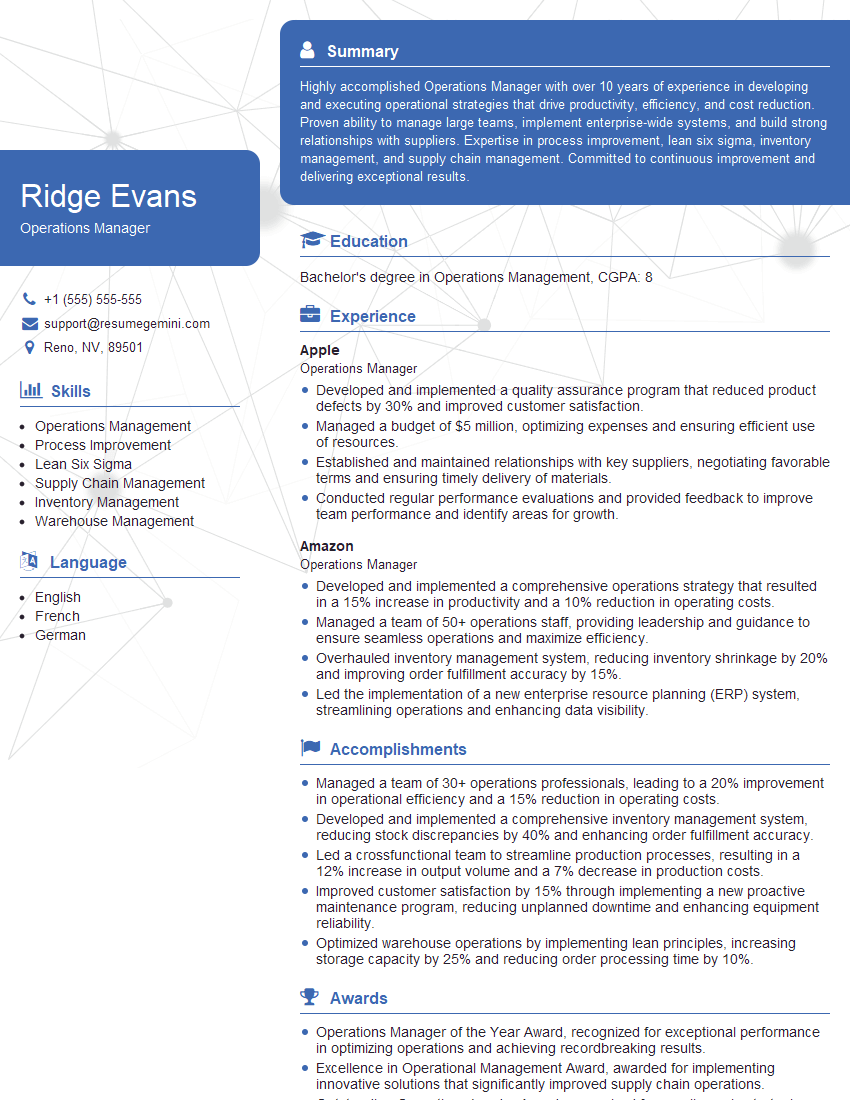
Operations Manager Resume Sample
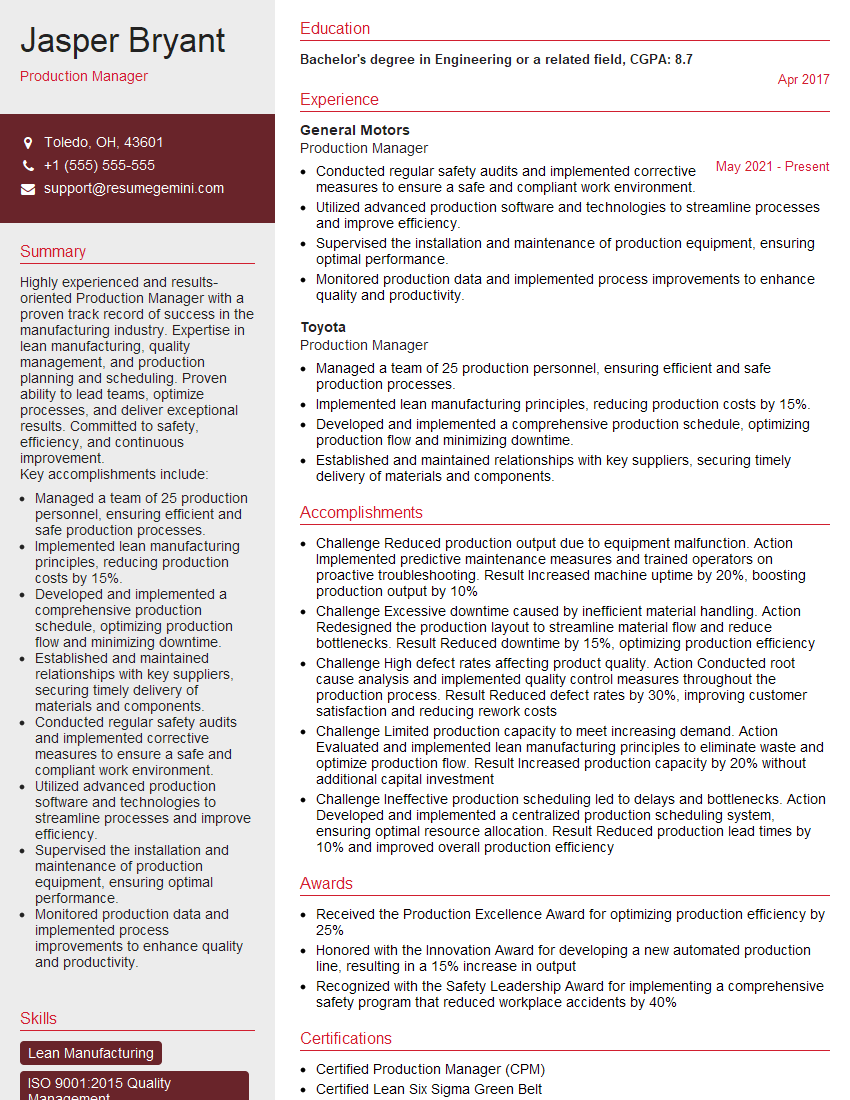
Production Manager Resume Sample
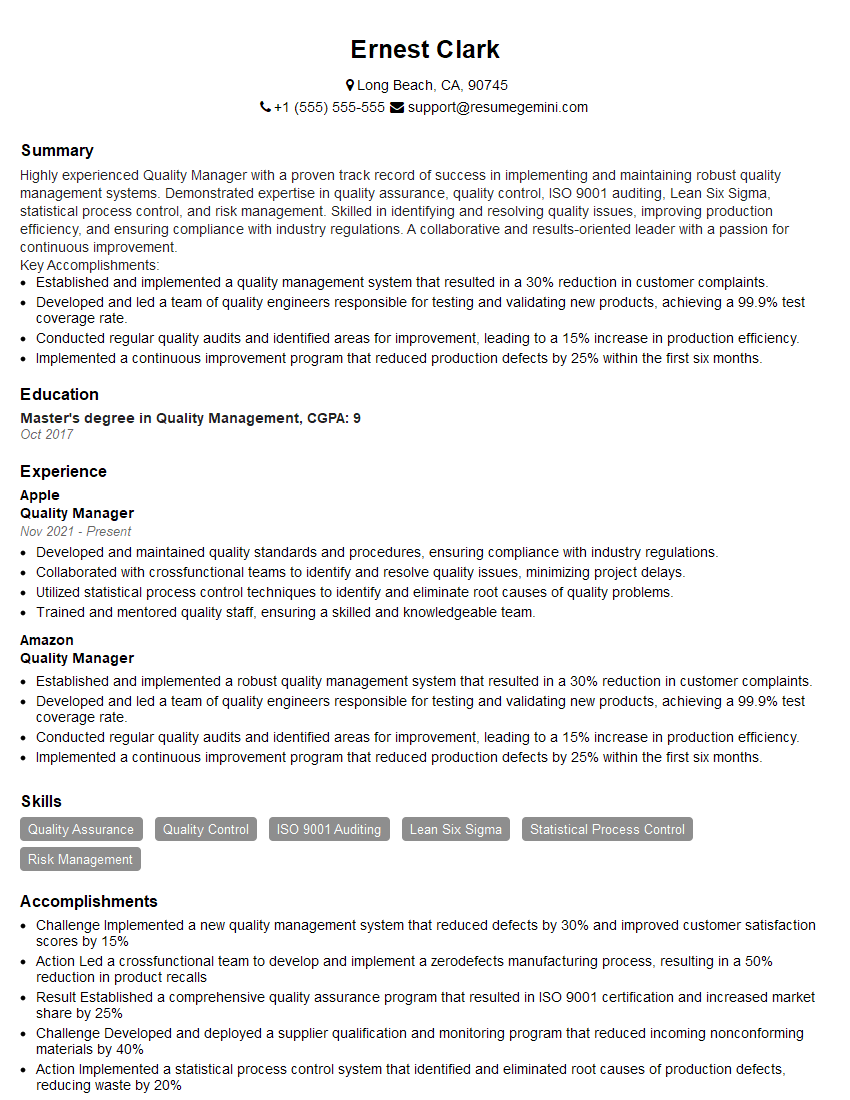
Quality Manager Resume Sample

Quality Assurance Manager Resume Sample
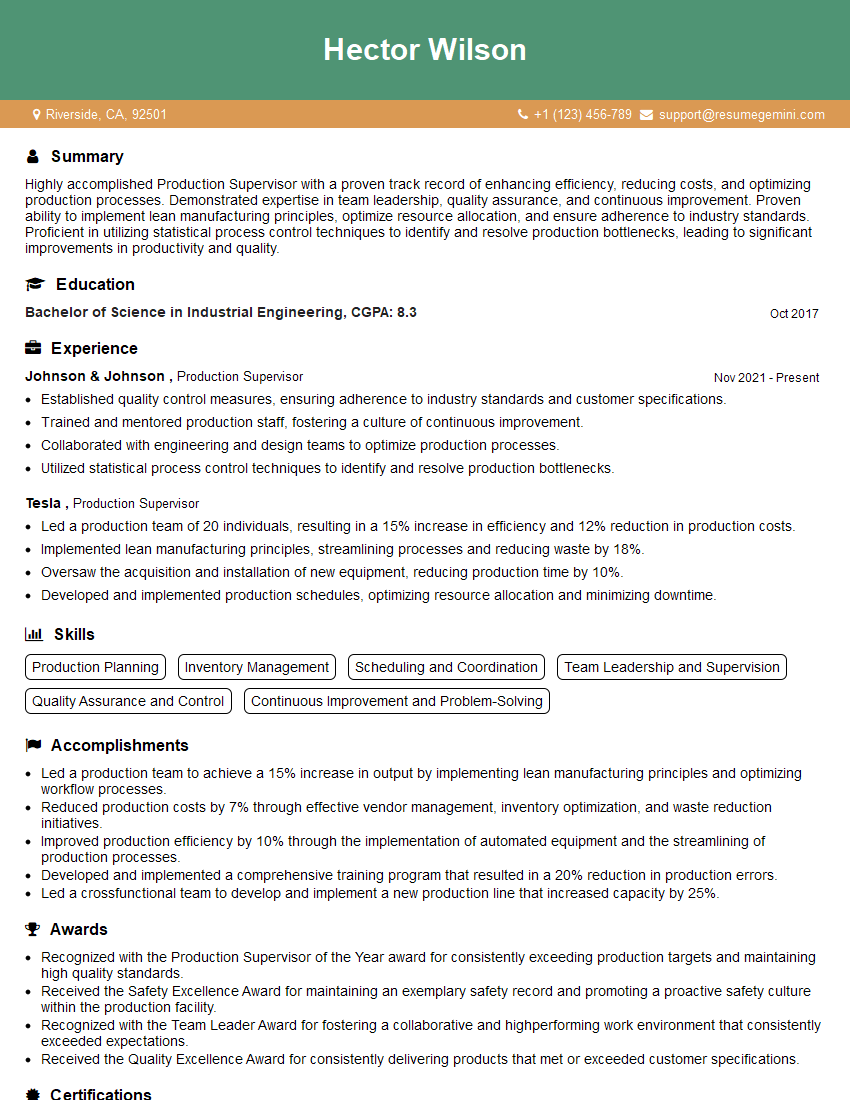
Production Supervisor Resume Sample
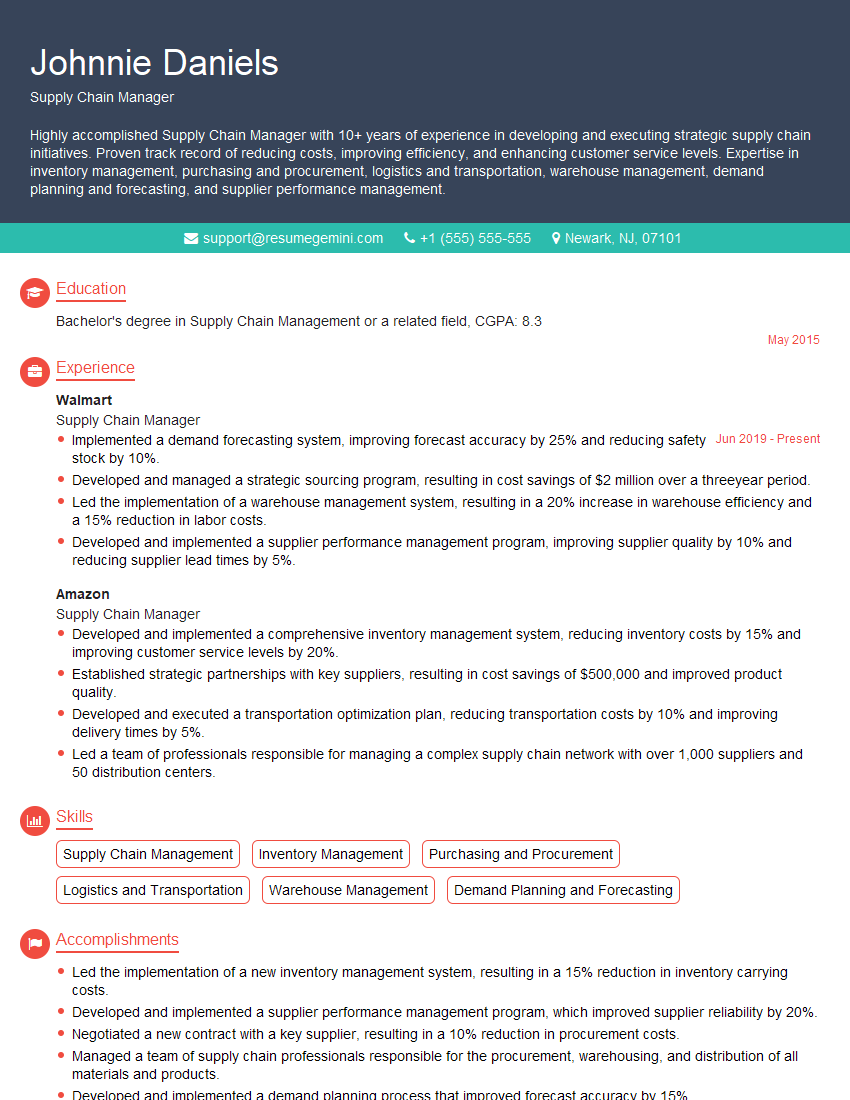
Supply Chain Manager Resume Sample
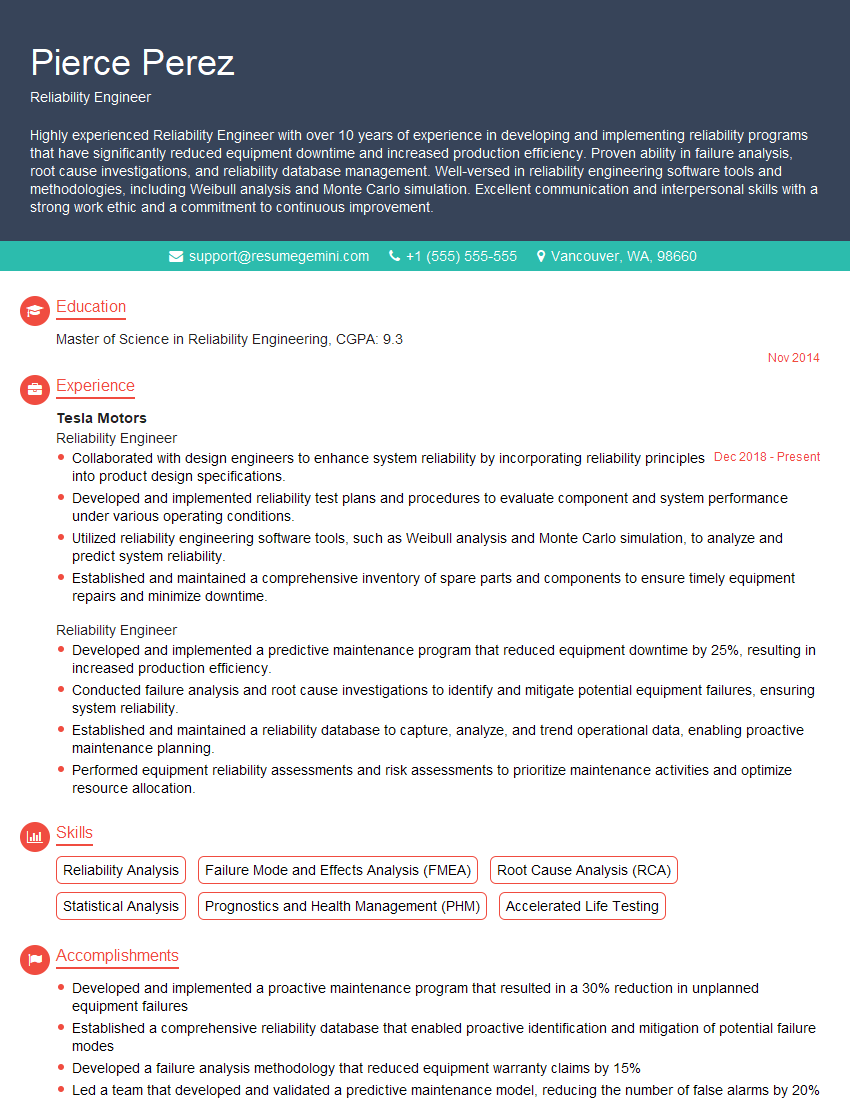
Reliability Engineer Resume Sample
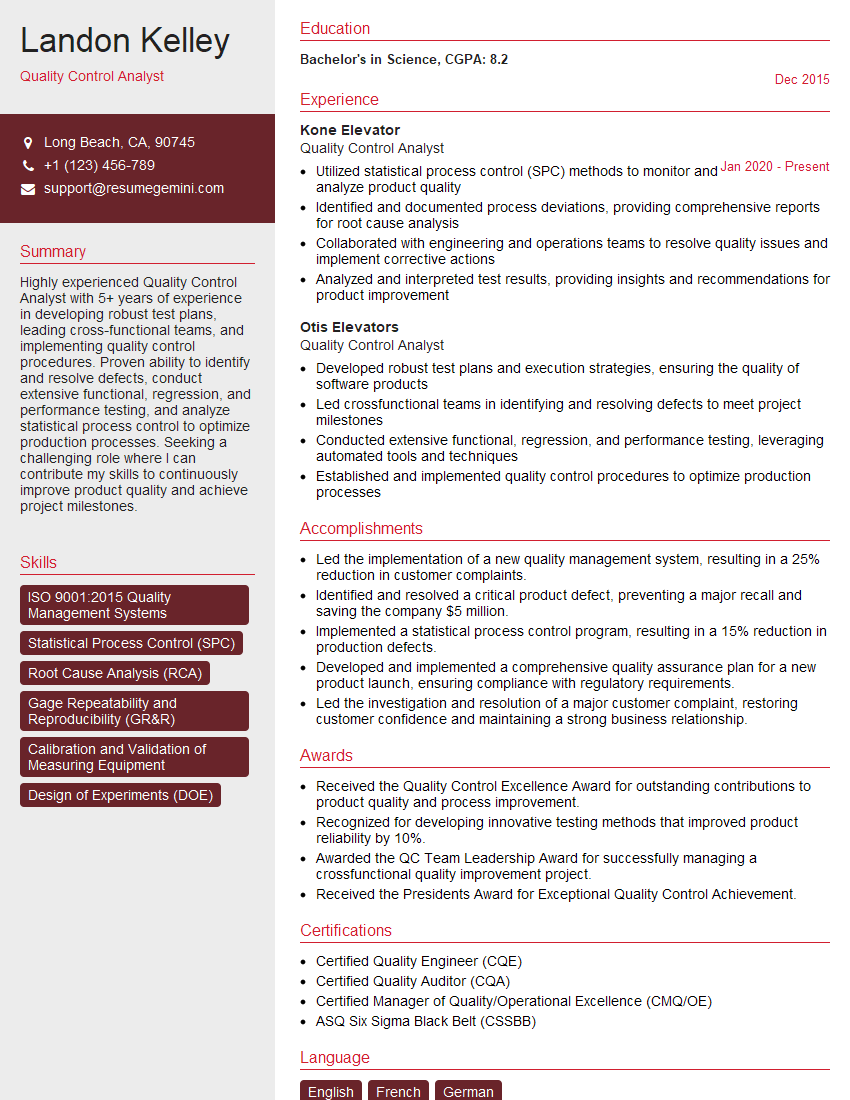
Quality Control Analyst Resume Sample
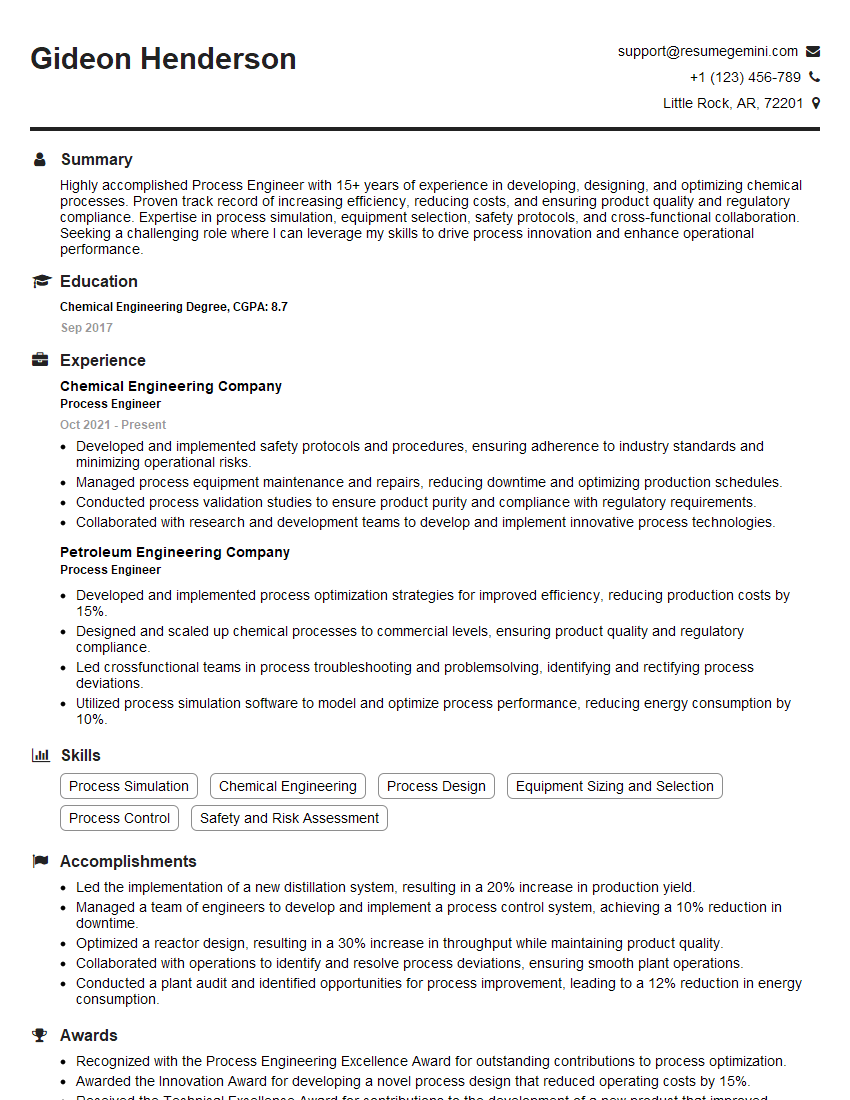
Process Engineer Resume Sample
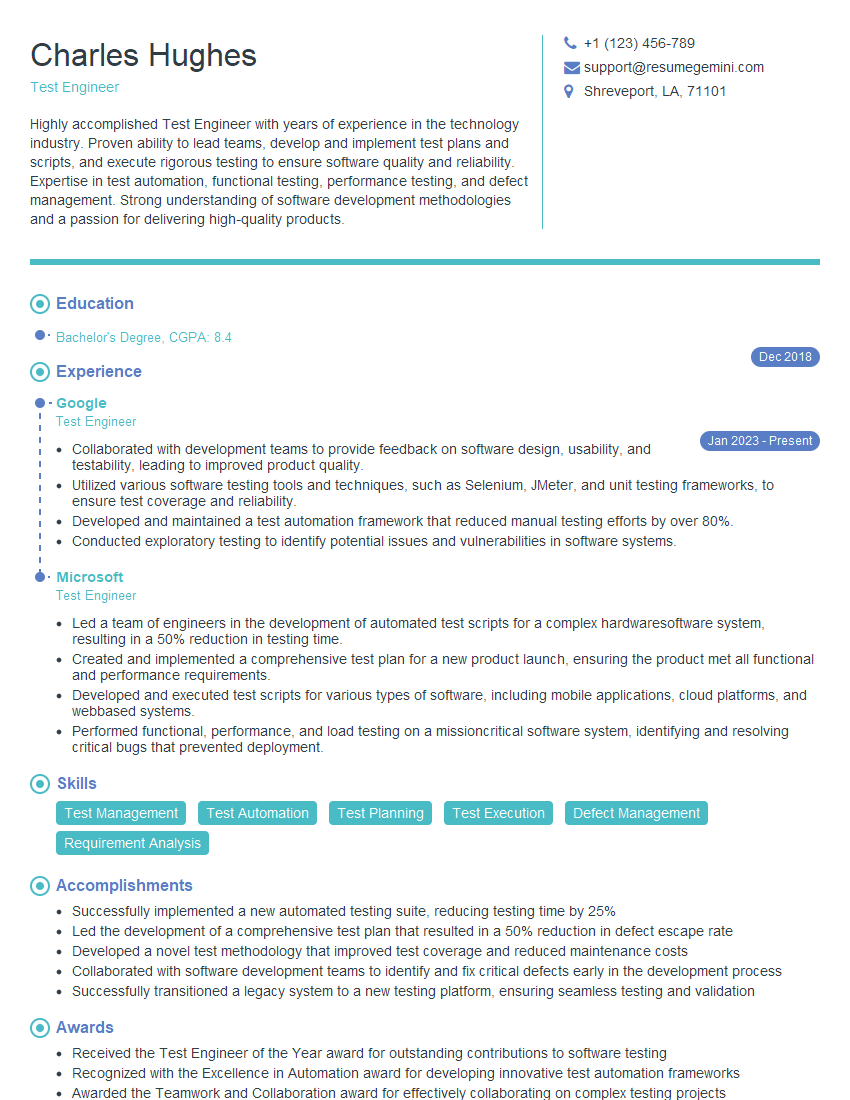
Test Engineer Resume Sample
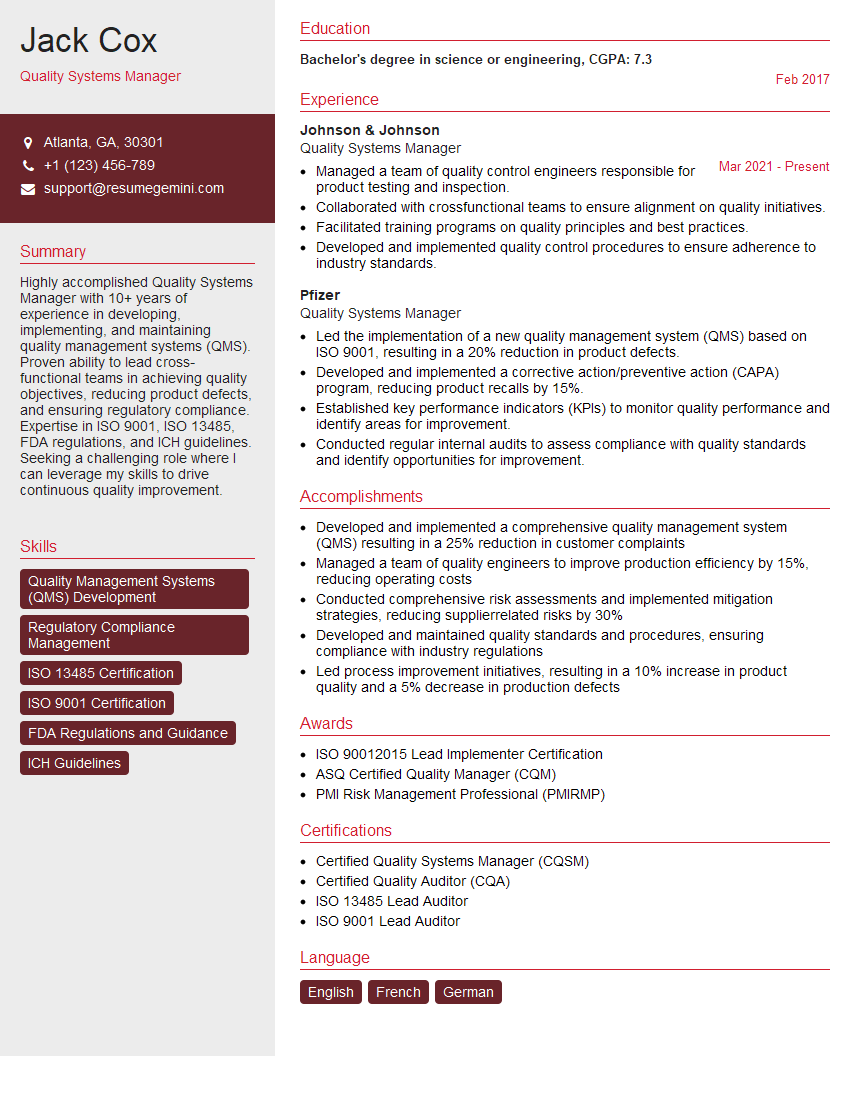
Quality Systems Manager Resume Sample
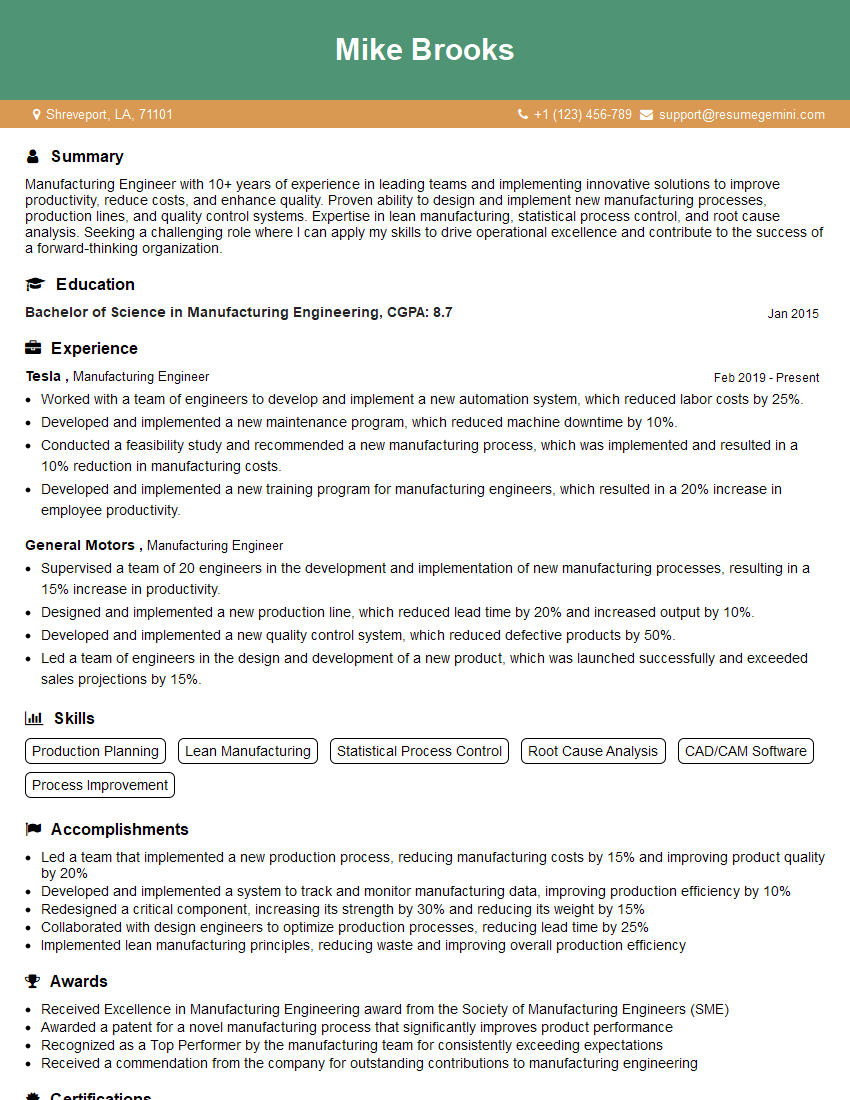
Manufacturing Engineer Resume Sample
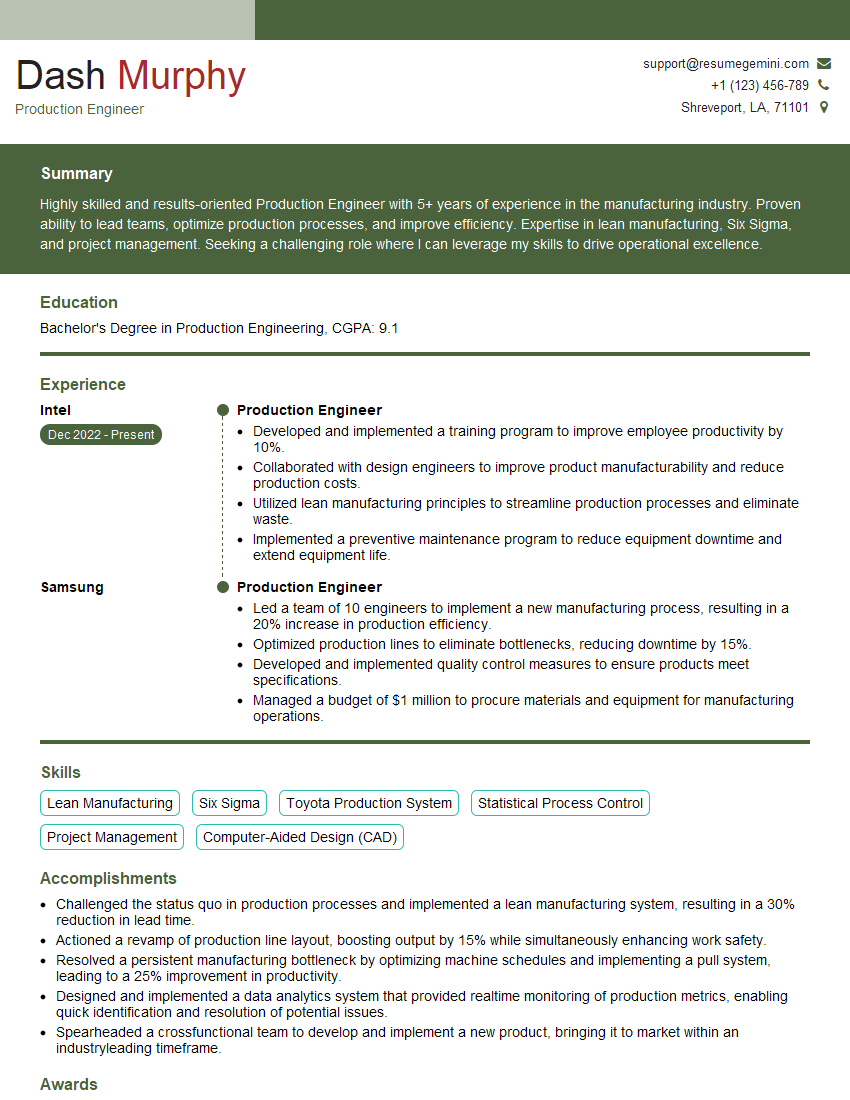
Production Engineer Resume Sample
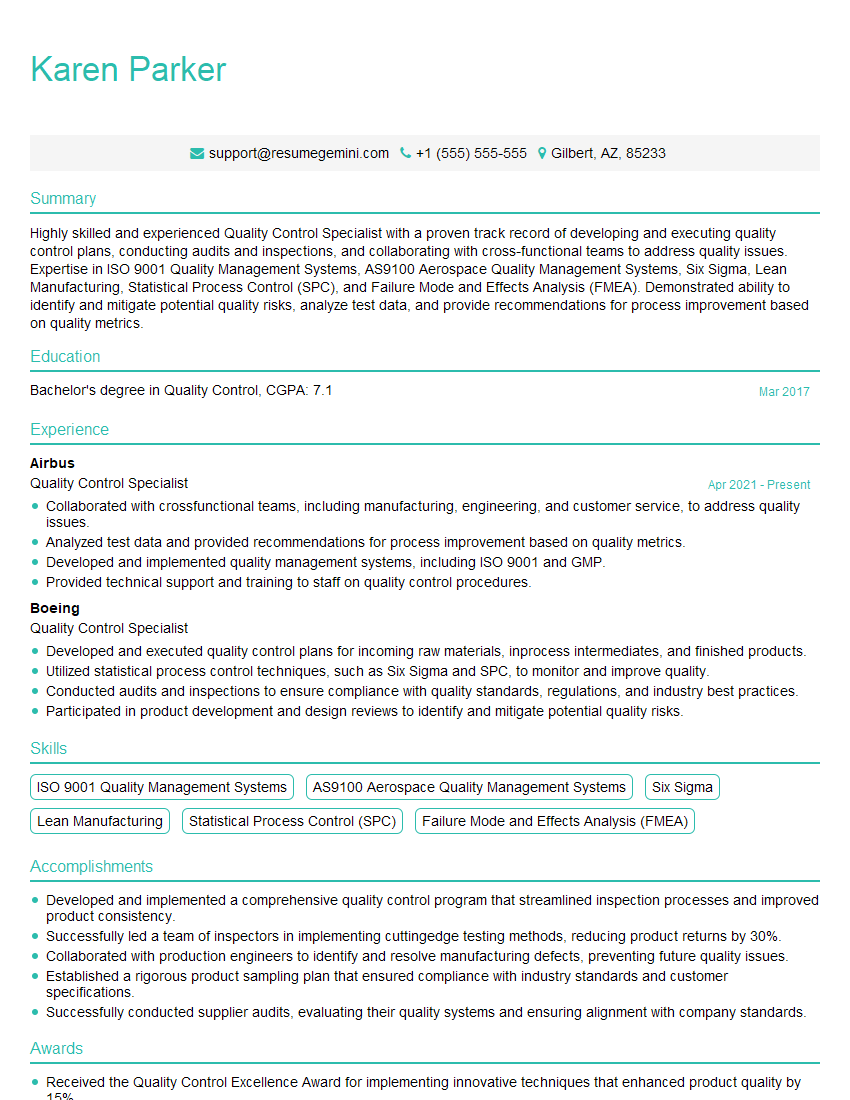
Quality Control Specialist Resume Sample

Quality Assurance Engineer Resume Sample
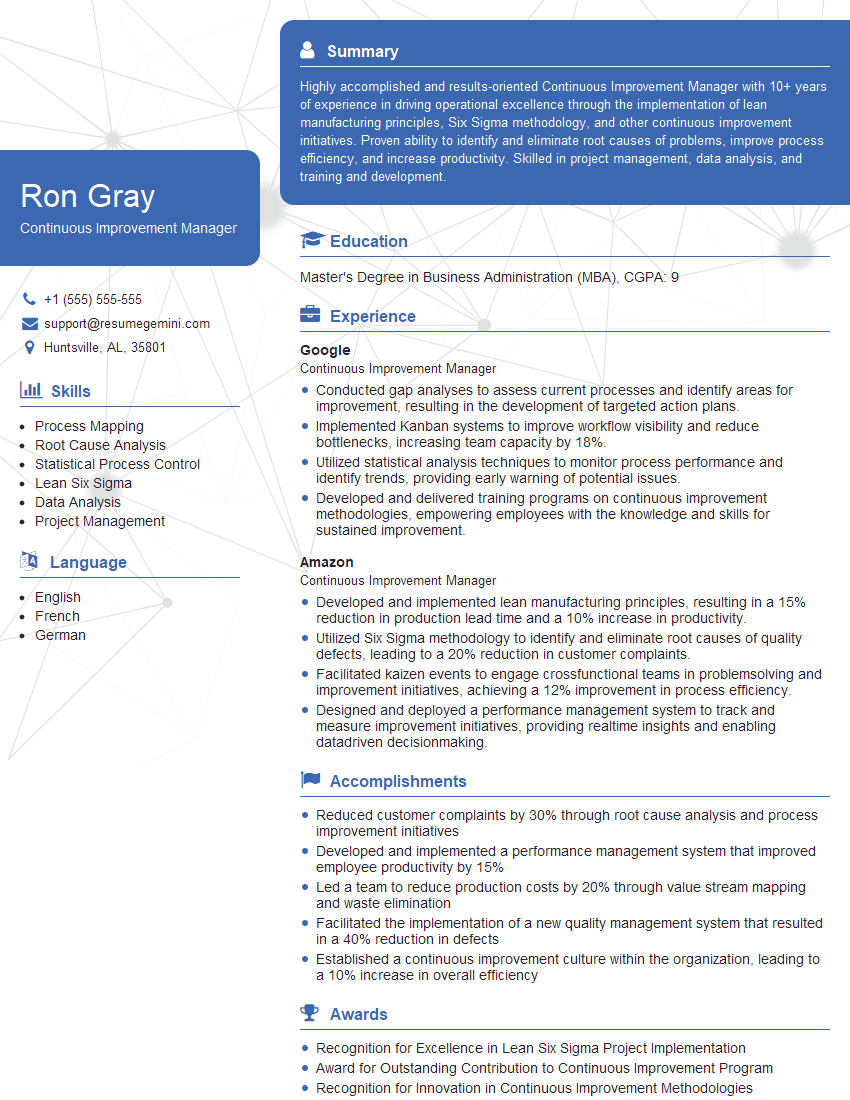
Continuous Improvement Manager Resume Sample
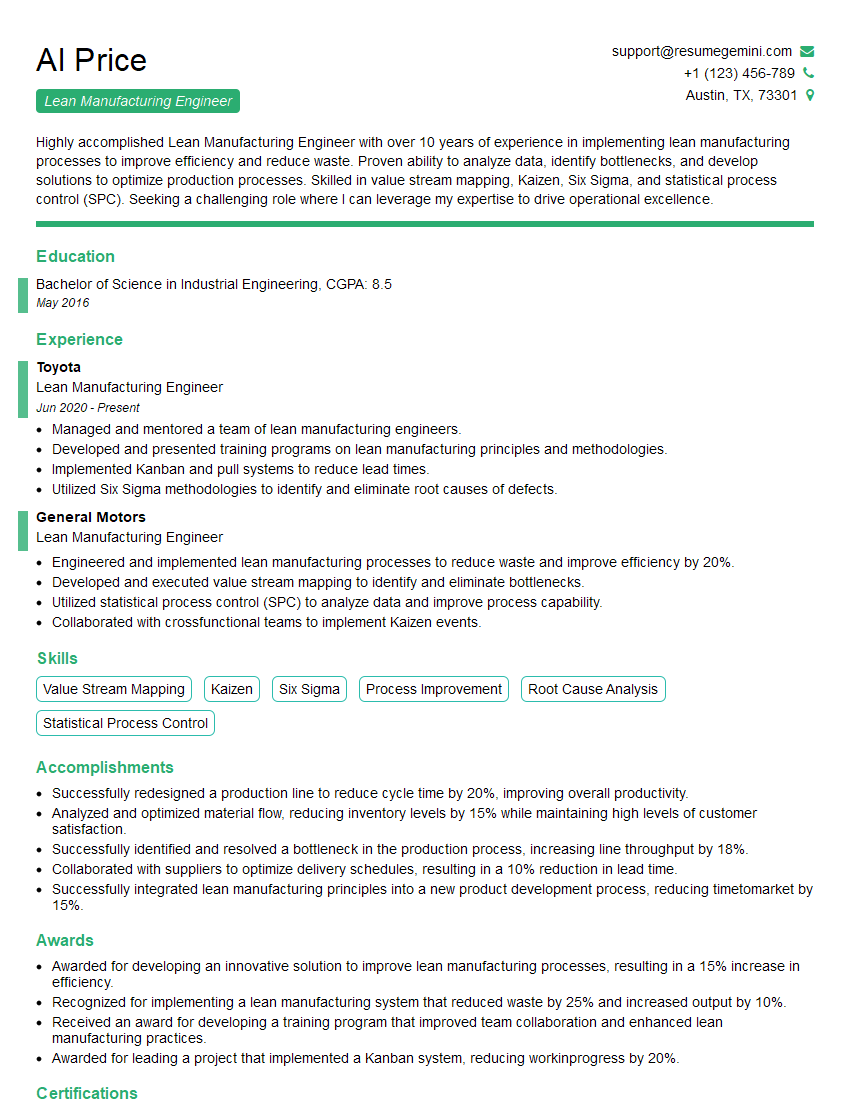
Lean Manufacturing Engineer Resume Sample
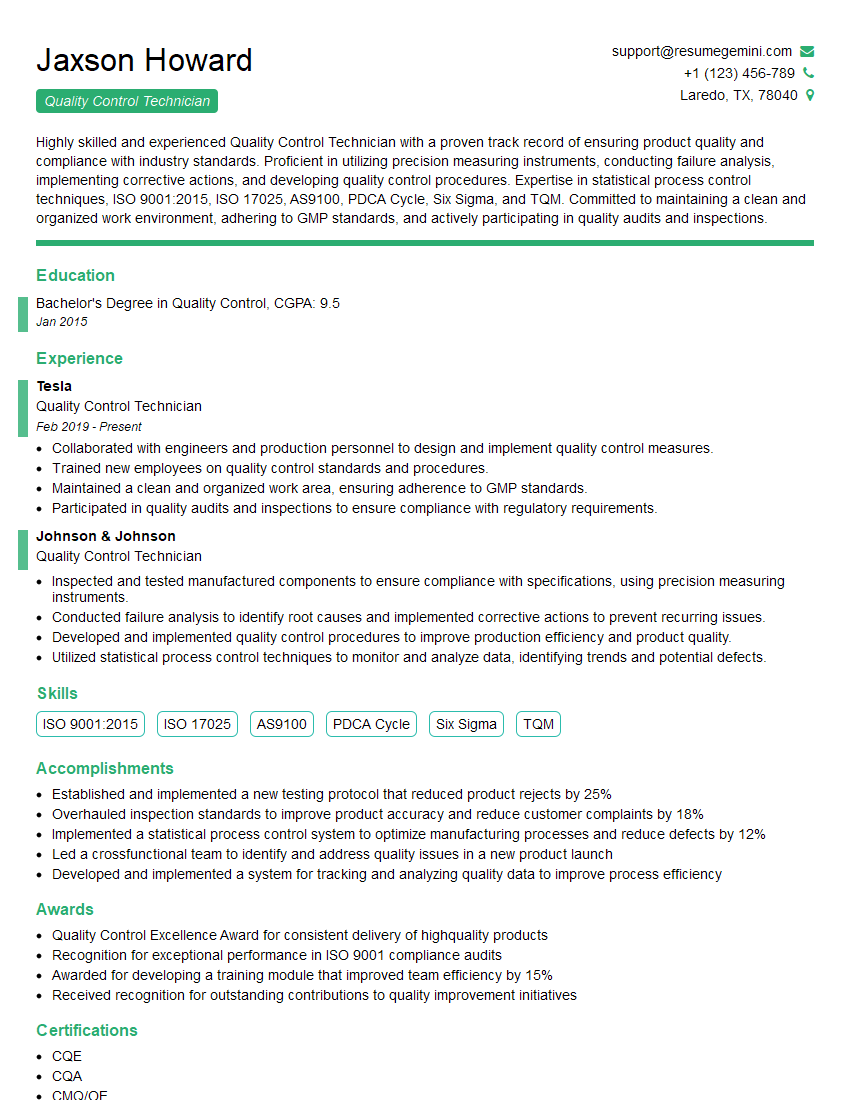
Quality Control Technician Resume Sample

Metrology Technician Resume Sample
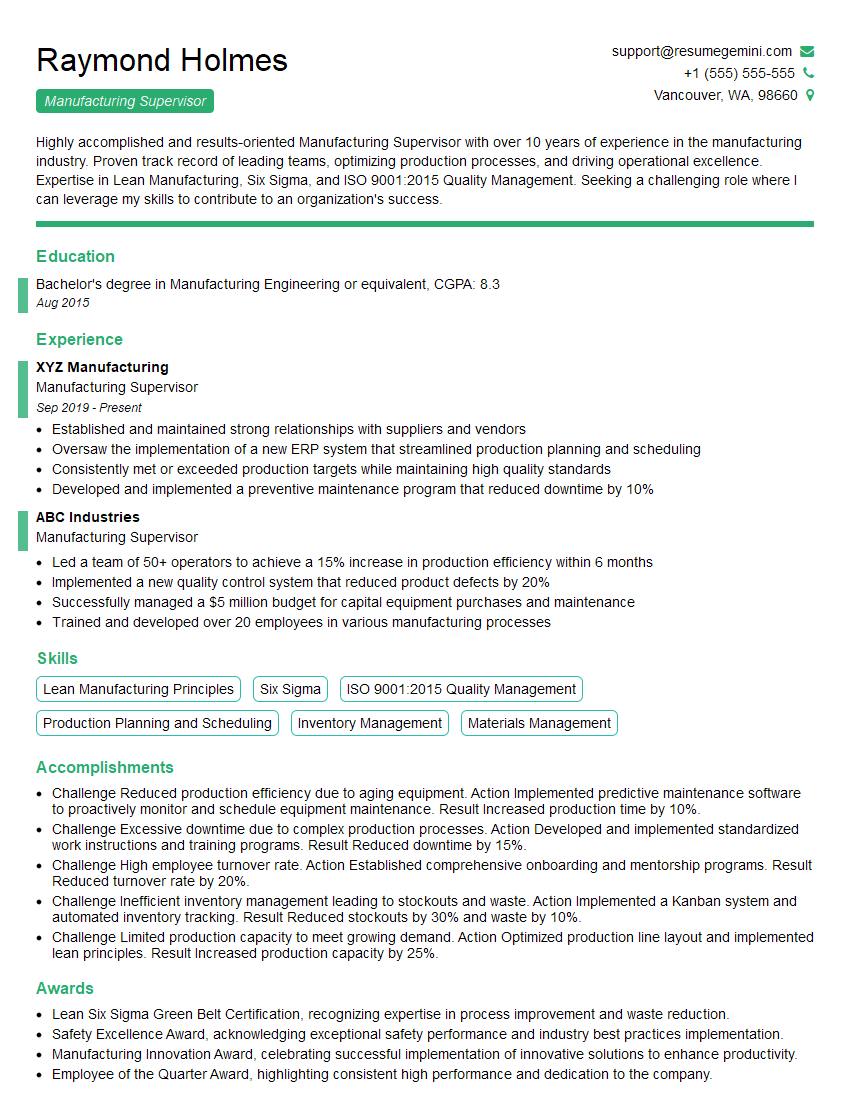
Manufacturing Supervisor Resume Sample
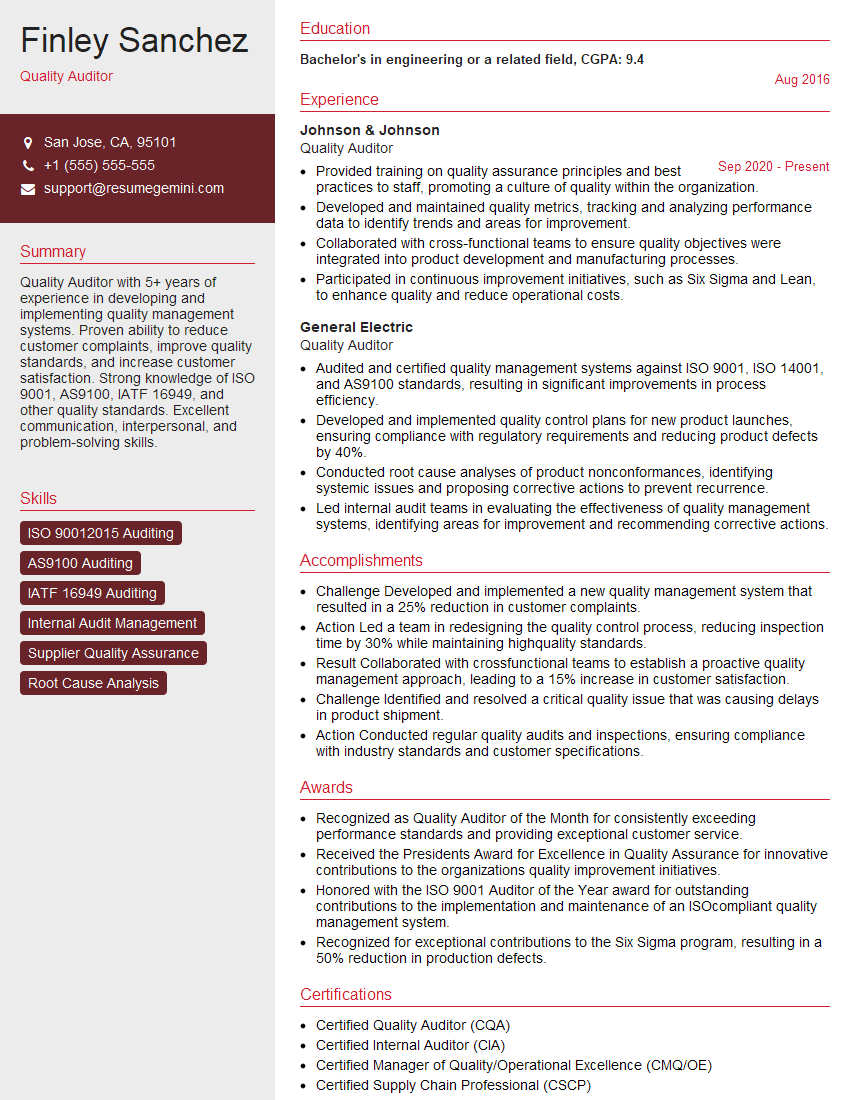
Quality Auditor Resume Sample
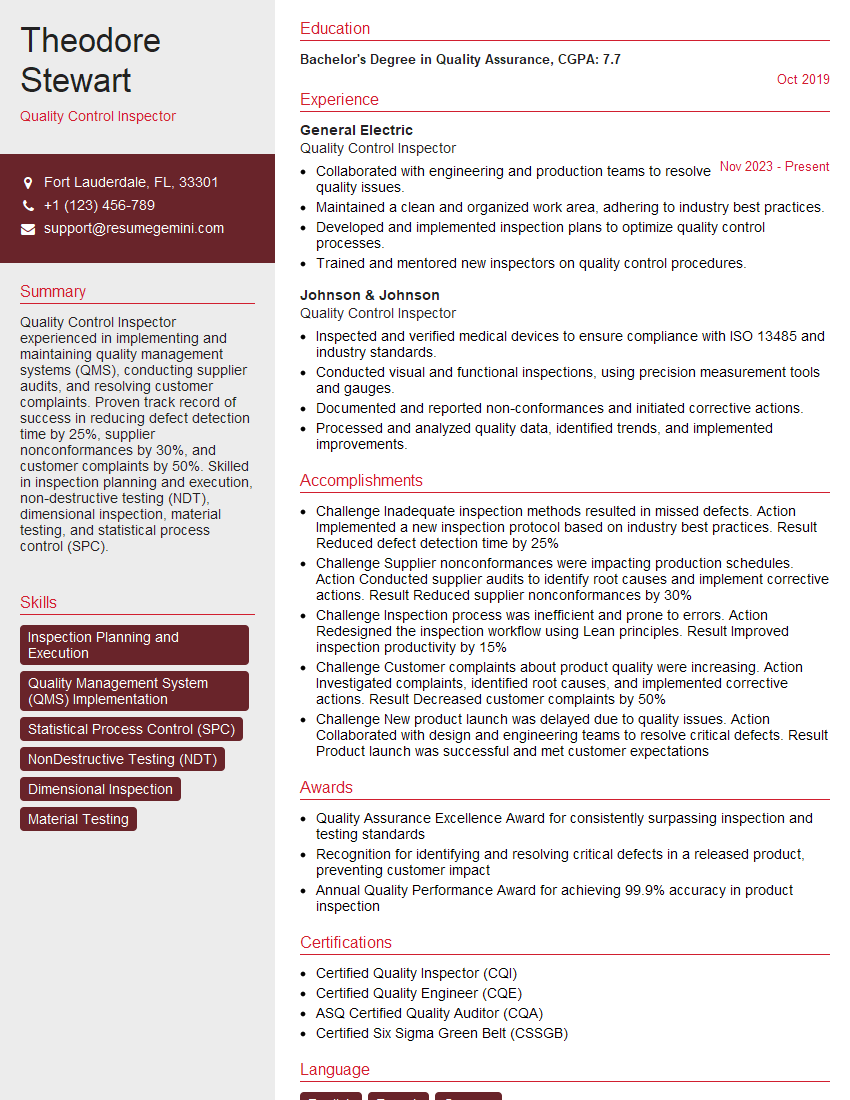
Quality Control Inspector Resume Sample
- Operations Manager
- Production Manager
- Quality Manager
- Quality Assurance Manager
- Production Supervisor
- Supply Chain Manager
- Reliability Engineer
- Quality Control Analyst
- Process Engineer
- Test Engineer
- Quality Systems Manager
- Manufacturing Engineer
- Production Engineer
- Quality Control Specialist
- Quality Assurance Engineer
- Continuous Improvement Manager
- Lean Manufacturing Engineer
- Quality Control Technician
- Metrology Technician
- Manufacturing Supervisor
- Quality Auditor
- Quality Control Inspector
Explore more articles
Users Rating of Our Blogs
Share Your Experience
We value your feedback! Please rate our content and share your thoughts (optional).
What Readers Say About Our Blog
Very informative content, great job.
good