Interviews are opportunities to demonstrate your expertise, and this guide is here to help you shine. Explore the essential Product Recall Procedures interview questions that employers frequently ask, paired with strategies for crafting responses that set you apart from the competition.
Questions Asked in Product Recall Procedures Interview
Q 1. Describe your experience managing a product recall from initiation to closure.
Managing a product recall is a complex, multi-stage process demanding meticulous planning and execution. I’ve been involved in several recalls, from initial detection of a potential issue to the final closure. One particular recall involved a faulty batch of children’s toys with a small, detachable part posing a choking hazard.
The process began with internal investigation and confirmation of the defect. This involved reviewing manufacturing data, analyzing customer complaints, and conducting thorough testing. Once the defect was confirmed, we immediately initiated the recall process. This involved notifying regulatory bodies (like the CPSC in the US), identifying affected products using batch numbers and serial numbers, and developing a comprehensive communication plan for customers. We then established a dedicated recall hotline and website, providing clear instructions on how to return the defective product for a refund or replacement. The logistics of collecting the recalled products, disposing of them safely, and ensuring customer satisfaction were significant challenges. Finally, we conducted a thorough post-recall analysis to understand the root cause, prevent future occurrences, and improve our quality control measures. This post-mortem was critical in updating our internal processes. The closure involved confirming that all recalled products were accounted for and that all customer issues were resolved. Throughout the entire process, effective communication and transparency with customers, regulatory agencies, and internal teams were paramount.
Q 2. What are the key steps involved in initiating a product recall?
Initiating a product recall is a critical process that needs to be swift and decisive. The key steps include:
- Defect Detection: This could be triggered by customer complaints, internal quality control testing, or reports from regulatory agencies. Imagine a situation where our internal quality control discovered a potential electrical fault in a newly released appliance.
- Internal Investigation: A thorough investigation to verify the defect and its potential impact. We’d assess the severity of the defect – in the appliance example, could it cause fires or electrocution?
- Risk Assessment: Evaluating the potential risks to consumers, determining the urgency of the recall. A fire risk is clearly more urgent than a minor cosmetic flaw.
- Recall Strategy Development: This involves developing a plan outlining how the recall will be executed, including identifying affected products, communication strategies, and logistics for product retrieval.
- Regulatory Notification: Contacting the relevant regulatory bodies immediately. Failing to notify can lead to hefty fines and severe legal consequences.
- Recall Implementation: Executing the recall strategy, communicating with customers, retailers, and distributors. This also includes establishing a system for product return and replacement or refund.
Q 3. Explain the difference between a voluntary and mandatory recall.
The primary difference between voluntary and mandatory recalls lies in who initiates them. A voluntary recall is initiated by the manufacturer or distributor of the product. This often happens when a company discovers a defect and decides to recall the product before a government agency mandates it. It’s proactive and demonstrates a commitment to customer safety. A mandatory recall is ordered by a government agency (like the FDA in the US for food products, or the CPSC for consumer products) after an investigation confirms a serious safety hazard. The agency has the authority to compel the company to recall the product.
Think of it like this: voluntary recalls are like taking preventative medicine; mandatory recalls are like receiving emergency surgery. Both address the problem, but the initiative and approach differ drastically.
Q 4. How do you identify the root cause of a product defect leading to a recall?
Identifying the root cause is crucial not only for addressing the immediate recall but also for preventing future incidents. We use a multi-pronged approach that typically involves:
- Data Analysis: Analyzing customer complaints, warranty claims, manufacturing records, and quality control reports to identify patterns and trends.
- Failure Analysis: Conducting detailed testing and analysis of the defective products to understand the mechanisms of failure.
- Supplier Audits: Reviewing the processes of suppliers to identify potential sources of defects.
- Design Reviews: Examining the product design to identify any weaknesses or potential flaws.
- Root Cause Analysis Techniques: Utilizing tools like the 5 Whys, Fishbone diagrams, and Fault Tree Analysis to systematically identify the underlying cause(s).
For example, in the case of the children’s toy recall mentioned earlier, our failure analysis revealed that the adhesive used to attach the small part wasn’t strong enough under normal use. Further investigation identified a change in the adhesive supplier a month prior to the problem emerging.
Q 5. What are the legal and regulatory requirements for product recalls in your industry?
Legal and regulatory requirements for product recalls vary by industry, country, and the specific product involved. However, some common requirements include:
- Timely Notification: Prompt notification of relevant regulatory agencies and consumers. The timeframes are often strictly defined.
- Recall Plan: A comprehensive plan detailing how the recall will be conducted.
- Product Identification: Clear and accurate identification of affected products using batch numbers, serial numbers, or other identifiers.
- Communication Strategy: A plan to communicate effectively with consumers, including providing clear instructions and contact information.
- Traceability: The ability to trace the product’s journey from manufacturer to consumer.
- Record Keeping: Maintaining detailed records of the recall process, including customer contact details and product return data.
- Compliance Reporting: Providing regular reports to regulatory agencies on the progress of the recall.
Non-compliance can result in significant fines, legal action, and reputational damage.
Q 6. How do you communicate effectively with customers during a product recall?
Effective communication during a recall is critical to minimize negative impacts on the company’s reputation and customer relationships. Key aspects of this include:
- Transparency: Openly acknowledging the issue and providing honest information to customers.
- Clarity: Using simple, easy-to-understand language in all communications.
- Timeliness: Communicating promptly and regularly to keep customers updated.
- Multiple Channels: Utilizing multiple channels, including press releases, website updates, social media, email, and phone hotlines.
- Empathy: Showing understanding and concern for customer inconvenience or worry.
- Accessibility: Ensuring that communication is accessible to all customers, including those with disabilities.
For instance, in the toy recall, we used a multilingual website, social media campaigns targeted at parents, and a dedicated hotline with multiple language support.
Q 7. Describe your experience developing and implementing recall communication plans.
Developing and implementing effective recall communication plans requires meticulous planning and a multi-faceted approach. I’ve led the development of several such plans, focusing on:
- Target Audience Segmentation: Identifying specific customer groups (e.g., age, location, purchase channel) and tailoring communication accordingly.
- Message Development: Crafting clear, concise, and accurate messages that convey the necessary information without causing unnecessary alarm.
- Channel Selection: Selecting the most appropriate communication channels to reach each target audience (press releases for media, email for direct customer contact, social media for wider reach).
- Timeline Development: Establishing a timeline for communication, ensuring that messages are delivered promptly and consistently.
- Feedback Mechanism: Incorporating a feedback mechanism to track customer responses and address any concerns or questions.
- Monitoring and Evaluation: Continuously monitoring the effectiveness of the communication plan and making adjustments as needed.
For the toy recall, our plan included a phased approach: initial press release, followed by email notifications to registered customers, social media updates, and finally, a broader public awareness campaign.
Q 8. What metrics do you use to measure the effectiveness of a product recall?
Measuring the effectiveness of a product recall isn’t simply about the number of units returned. It’s a multifaceted assessment focusing on minimizing harm and reputational damage. We use a range of key performance indicators (KPIs) to gauge success.
- Return Rate: The percentage of recalled products successfully returned. A high return rate signifies effective communication and outreach to consumers.
- Complaint Resolution Rate: This measures how efficiently consumer complaints related to the recalled product are addressed and resolved. A swift and effective response process is crucial.
- Customer Satisfaction: Post-recall surveys help determine customer satisfaction with the recall process itself. This reveals if customers felt informed, supported, and valued throughout the process.
- Incident Rate Post-Recall: This KPI tracks the number of incidents or injuries related to the product *after* the recall. A significant reduction signifies the recall’s success in mitigating further harm.
- Time to Completion: How quickly the recall was executed. Faster recalls minimize risks and disruptions.
- Cost Efficiency: While minimizing costs is vital, it shouldn’t compromise effectiveness. We measure cost per unit recalled to ensure efficiency.
For example, in a previous recall of a faulty children’s toy, we aimed for a 95% return rate. Through a multi-pronged communication strategy including email, social media, and traditional media, we achieved 97%, exceeding our target and indicating high effectiveness. We also saw a 90% customer satisfaction rate in post-recall surveys.
Q 9. How do you manage the logistics of a product recall, including inventory and distribution?
Managing the logistics of a product recall is a complex operation requiring meticulous planning and execution. It’s akin to orchestrating a large-scale reverse supply chain.
- Inventory Tracking: We utilize sophisticated inventory management systems that provide real-time visibility into the location of every recalled product, from the warehouse to the retail shelf. This often involves integrating our system with retailers’ systems.
- Distribution Network Mapping: We create detailed maps of our distribution network, identifying all points where the product is located. This allows us to prioritize areas for retrieval based on risk factors like proximity to consumers and potential for harm.
- Transportation Management: We engage specialized transportation companies with experience in handling sensitive goods to ensure safe and timely retrieval of the recalled products. This includes proper packaging and handling procedures to avoid damage or contamination.
- Return Processing: Efficient return processing is key. We establish designated return centers with clear instructions for consumers and retailers on how to return products. We streamline the process of inspecting, documenting, and disposing of the returned items according to regulations.
For instance, during a food recall, we partnered with a third-party logistics provider experienced in food handling to collect and destroy recalled products. They used GPS-enabled tracking on every shipment to ensure accountability and transparency.
Q 10. How do you ensure compliance with all relevant regulations during a recall?
Compliance is paramount. We adhere strictly to all relevant regulations, including those from the Consumer Product Safety Commission (CPSC), the Food and Drug Administration (FDA), and other international bodies if applicable. Our compliance strategy is proactive and multi-layered.
- Regulatory Knowledge: Our team has extensive experience interpreting and applying relevant regulations. We maintain up-to-date knowledge of evolving legal frameworks and best practices.
- Internal Compliance Procedures: We have documented procedures for every stage of the recall process, ensuring each step aligns with regulatory requirements. These procedures are reviewed and updated regularly.
- Documentation: We meticulously document every aspect of the recall, including communication with authorities, the tracking of returned units, and financial records. Comprehensive documentation is crucial for audits and investigations.
- Third-Party Audits: Periodically, we conduct third-party audits to ensure our recall processes are fully compliant. This provides an independent assessment and helps identify areas for improvement.
In a previous recall involving a medical device, our detailed documentation and proactive communication with the FDA resulted in a smooth and efficient recall process, avoiding any legal repercussions.
Q 11. What is your experience with recall tracking and reporting systems?
I have extensive experience with recall tracking and reporting systems. We utilize purpose-built software solutions designed for managing product recalls, offering real-time visibility and comprehensive reporting capabilities.
- Data Management: These systems allow us to efficiently manage all relevant data points, from product identification numbers to consumer contact information, ensuring accurate tracking and reporting.
- Real-time Tracking: We can monitor the progress of the recall in real-time, identifying any bottlenecks or challenges.
- Reporting and Analytics: The systems generate comprehensive reports on key metrics, allowing us to evaluate the effectiveness of the recall and make data-driven decisions.
- Integration: Ideally, the system integrates with other enterprise systems, such as CRM, ERP, and inventory management, ensuring seamless data flow.
For example, one system we’ve used features a dashboard that provides at-a-glance view of key recall metrics, including the number of units returned, customer complaints, and financial expenses. This allows for proactive management and timely interventions.
Q 12. Describe your experience working with government agencies during a recall.
Working with government agencies during a recall requires transparency, collaboration, and prompt communication. I have a proven track record of effectively coordinating with various agencies like the CPSC and FDA.
- Proactive Communication: We immediately notify the relevant agencies upon identifying a safety issue and provide regular updates throughout the recall process.
- Collaboration: We work closely with the agencies to ensure our recall plan is aligned with their requirements and best practices. This includes joint planning and implementation.
- Data Sharing: We share all relevant data with the agencies, maintaining transparency and facilitating their oversight.
- Compliance with Requirements: We adhere strictly to all agency requirements and directives, ensuring a seamless and compliant recall process.
In one instance, our proactive communication and collaboration with the FDA during a food recall significantly expedited the process. Their guidance and support ensured a smooth and efficient recall, preventing widespread health risks.
Q 13. How do you manage the financial implications of a product recall?
The financial implications of a product recall can be significant, encompassing various costs.
- Product Retrieval and Disposal: The cost of retrieving recalled products from various channels, including retailers and consumers, along with the cost of safe disposal.
- Communication and Outreach: The expense of notifying consumers, retailers, and distributors of the recall, including marketing and public relations costs.
- Legal and Regulatory Fees: Legal and consulting fees related to compliance, investigations, and potential litigation.
- Replacement or Refund Costs: Costs associated with replacing or refunding recalled products to consumers.
- Production Downtime: Losses incurred due to production downtime while correcting the safety issue.
We mitigate these costs by implementing a robust recall plan, prioritizing efficient product retrieval, and negotiating favorable terms with suppliers and logistics providers. For example, we used a cost-benefit analysis to justify investment in improved quality control measures post-recall to prevent future incidents and associated costs.
Q 14. How do you mitigate the impact of a product recall on brand reputation?
Protecting brand reputation during a recall is critical. Our approach is multifaceted and focuses on transparency, accountability, and swift action.
- Transparency: We openly communicate the issue, the recall plan, and how we are addressing consumer concerns. We don’t try to hide or downplay the problem.
- Accountability: We take ownership of the situation and apologize sincerely for any inconvenience or harm caused. We demonstrate accountability for the situation.
- Swift Action: We act quickly to implement the recall plan, minimizing the duration of the disruption and showing consumers we are committed to resolving the issue.
- Proactive Communication: We use multiple communication channels, including press releases, social media, and direct customer outreach, to ensure widespread awareness of the recall and to address consumer questions promptly.
- Post-Recall Engagement: We follow up with customers after the recall to assess their satisfaction and address any lingering concerns.
For instance, in a recall involving a software glitch, we proactively issued a public apology, outlining the problem and the corrective measures. We kept customers updated throughout the process, resulting in a relatively minimal impact on brand trust. This proactive approach maintained consumer confidence by demonstrating that we valued their safety and their business.
Q 15. What is your experience with root cause analysis techniques for product recalls?
Root cause analysis is crucial in product recalls, as it helps us understand why a defect occurred, not just that it did. This prevents future issues and ensures the recall is effective. I’ve extensively used several techniques, including the '5 Whys' method, fault tree analysis, and fishbone diagrams. For example, during a recall involving faulty circuit boards, we used the '5 Whys' – repeatedly asking 'why' to drill down to the root cause. We found the initial problem was a supplier using substandard solder, ultimately leading to intermittent connections. Fault tree analysis was then employed to visualize all potential contributing factors and their relationships, enabling a comprehensive understanding and corrective action plan.
Fishbone diagrams, or Ishikawa diagrams, offer a visual way to brainstorm and categorize potential causes, helping to assemble a holistic view of the problem. Using these techniques has allowed us to move beyond superficial fixes and target the core issue, leading to more efficient and complete recall processes and the implementation of robust preventative measures.
Career Expert Tips:
- Ace those interviews! Prepare effectively by reviewing the Top 50 Most Common Interview Questions on ResumeGemini.
- Navigate your job search with confidence! Explore a wide range of Career Tips on ResumeGemini. Learn about common challenges and recommendations to overcome them.
- Craft the perfect resume! Master the Art of Resume Writing with ResumeGemini’s guide. Showcase your unique qualifications and achievements effectively.
- Don’t miss out on holiday savings! Build your dream resume with ResumeGemini’s ATS optimized templates.
Q 16. Explain your understanding of risk assessment in relation to product recalls.
Risk assessment in product recalls is the process of identifying, analyzing, and evaluating potential hazards associated with a defective product. It determines the severity of the risk (the potential harm) and the likelihood of the harm occurring. This informs decision-making throughout the recall process, from prioritizing actions to communicating with stakeholders and regulators. We use a structured approach, considering factors such as the nature of the defect (e.g., fire hazard vs. minor cosmetic flaw), the number of affected units, and the potential for serious injury or death. For example, a product with a high likelihood of causing fire would be prioritized over one with a cosmetic flaw, even if more units of the latter were affected. This assessment helps us to determine the appropriate scale and urgency of the recall response.
Q 17. How do you prioritize recalls based on severity and risk?
Prioritizing recalls involves a careful balancing act. We use a risk matrix combining severity and probability. Severity is rated based on potential harm (e.g., death, serious injury, minor injury, property damage). Probability considers the likelihood of the hazard occurring given the number of affected units and their use. A high-severity, high-probability recall (e.g., a faulty car braking system) takes precedence over a low-severity, low-probability recall (e.g., a minor cosmetic defect). We employ a scoring system to quantify risk, ensuring objective prioritization. The matrix visually displays each recall’s risk level, aiding in decision-making and resource allocation. We also consider factors such as regulatory deadlines and public perception when making our final decisions.
Q 18. How do you document all aspects of a product recall to ensure traceability?
Comprehensive documentation is paramount. We maintain a detailed, centralized database of all recall-related information, accessible to all relevant personnel. This includes:
- Product identification: Lot numbers, serial numbers, manufacturing dates.
- Defect description: Detailed explanation of the problem and its potential consequences.
- Affected units: Precise number and location of affected products.
- Recall strategy: Detailed plan of action, including communication protocols and corrective measures.
- Timeline: Record of key events, from initial defect discovery to recall completion.
- Communication logs: Record of interactions with customers, regulators, and other stakeholders.
- Corrective actions: Description of how the defect was addressed, whether through repair, replacement, or redesign.
Q 19. Describe a time you had to make a difficult decision during a product recall.
During a recall of a children’s toy, we discovered a potential choking hazard affecting a limited number of units, but those units were already widely distributed. We had two options: a large-scale recall incurring significant costs and potential negative publicity, or a targeted recall focused only on the affected lot numbers. The targeted recall had a much smaller reach but carried a higher risk of missing some affected units. This meant balancing cost-effectiveness with the safety of children. After extensive discussions and risk assessment, including consulting with legal and regulatory experts, we opted for a targeted recall combined with a public awareness campaign. We prioritized direct communication with retailers and consumers via multiple channels to maximize reach and minimize potential risk. Though costly, this approach proved effective in minimizing harm and avoiding unnecessary disruption for consumers.
Q 20. How do you handle media inquiries during a product recall?
Media relations during a recall are crucial. We establish a dedicated communications team that proactively manages all media inquiries. We develop a comprehensive communications plan ahead of time, including key messages, spokesperson training, and crisis communication protocols. We aim for transparency and accuracy in our communications, providing factual information promptly. We assign a single spokesperson to maintain a consistent message and control the narrative. We track media coverage and monitor public sentiment to adjust our communication strategy as needed. Transparency builds trust, and timely, accurate information minimizes negative impacts. Providing clear and consistent communication is vital in such circumstances.
Q 21. How do you collaborate effectively with internal and external stakeholders during a recall?
Effective collaboration is vital during a recall. We utilize cross-functional teams encompassing representatives from engineering, quality assurance, legal, marketing, customer service, and supply chain management. For external stakeholders, we maintain open communication with regulatory bodies (like the FDA or CPSC), distributors, retailers, and suppliers. We use regular meetings, status updates, and shared document repositories to keep all stakeholders informed and aligned. Clear roles and responsibilities are defined upfront to avoid confusion and duplication of effort. We build strong relationships based on trust and mutual respect. By fostering collaborative working relationships, we can effectively manage the recall and mitigate its negative impact.
Q 22. How do you ensure product recall processes are continually improved?
Continuously improving product recall processes requires a systematic approach combining data analysis, process review, and proactive measures. We utilize a robust Post-Recall Analysis (PRA) process. After each recall, a dedicated team analyzes the root cause, evaluating every step from initial defect detection to final consumer remediation. This analysis identifies areas for improvement in our detection systems, communication protocols, and overall recall efficiency. We then implement changes to our Standard Operating Procedures (SOPs) to prevent similar issues in the future. For example, if a recall highlights communication gaps with retailers, we might invest in new software to improve real-time data sharing. This continuous feedback loop, driven by data and focused on prevention, is crucial to building a more resilient and effective recall system.
We also regularly conduct internal audits and simulations to test the effectiveness of our existing procedures under various scenarios. These exercises identify weaknesses before they become real-world problems. Furthermore, we actively track industry best practices and emerging technologies to incorporate the most effective methods for risk mitigation and recall management. This could involve exploring AI-powered defect detection tools or implementing blockchain technology for enhanced product traceability.
Q 23. What are the key performance indicators (KPIs) you monitor for product recall effectiveness?
Key Performance Indicators (KPIs) for product recall effectiveness are multifaceted and focus on speed, accuracy, and consumer safety. We monitor several key metrics, including:
- Recall Completion Rate: Percentage of recalled products successfully retrieved from the market and consumers.
- Time to Initiate Recall: The time elapsed between defect identification and the official recall announcement. A shorter timeframe minimizes potential harm.
- Consumer Response Rate: Percentage of consumers who respond to recall notices and return affected products. This indicates the effectiveness of our communication strategy.
- Number of Adverse Events: The number of reported injuries or incidents related to the recalled product after recall initiation. This is a critical measure of recall success and safety.
- Cost of Recall: While cost is important, it’s secondary to safety. We track costs to identify areas for efficiency improvements without compromising safety.
- Customer Satisfaction during Recall: We actively solicit feedback to understand consumer experience during the recall. High satisfaction indicates smoother processes and better communication.
By tracking these KPIs, we gain valuable insights into our recall process effectiveness, allowing for targeted improvement efforts and data-driven decision-making.
Q 24. What is your experience with different recall strategies (e.g., direct, indirect)?
Recall strategies are chosen based on the severity of the defect, the distribution network, and the product’s characteristics.
- Direct Recall: This involves directly contacting consumers who purchased the affected product, usually through mail, email, or phone. It is most effective for products with readily available purchase data (e.g., products sold online with registered accounts).
- Indirect Recall: This method focuses on intermediaries in the supply chain, such as retailers and distributors. They, in turn, notify consumers who bought the product from them. This approach is suitable for products with a wider distribution network or where direct consumer contact information is unavailable.
- Hybrid Recall: Often, a combination of direct and indirect strategies is implemented, utilizing the strengths of both. For example, directly contacting major retailers while also employing a public announcement and a website dedicated to the recall.
For example, a recall of a high-risk medical device may necessitate a direct recall with personalized notifications and detailed instructions. On the other hand, a recall of a low-risk food product might primarily use an indirect strategy focusing on retailer notifications and media alerts.
My experience includes successfully managing both direct and indirect recalls, adapting the strategy based on the product’s characteristics and risk level.
Q 25. How do you ensure data accuracy and integrity throughout the recall process?
Data accuracy and integrity are paramount throughout the recall process. We leverage a dedicated, secure database to manage recall information. This database houses consumer contact details, product serial numbers, purchase locations, and incident reports. Strict protocols ensure data accuracy and prevent unauthorized access. These protocols include:
- Data Validation: We implement rigorous checks at each stage of data entry and updates to prevent errors. Data input forms are designed to minimize potential mistakes, and data validation rules are implemented to automatically catch inconsistencies.
- Data Auditing: Regular audits are performed to verify data accuracy and identify any anomalies. These audits track changes made to the database and ensure data integrity.
- Access Control: Access to the recall database is strictly controlled and limited to authorized personnel with appropriate security clearances. Each access attempt is logged for auditing purposes.
- Data Backup and Recovery: A robust backup and recovery system ensures data availability and protection against data loss or corruption. Data is routinely backed up to a secure offsite location.
By implementing these measures, we maintain the highest standards of data quality, enabling effective decision-making and efficient recall operations.
Q 26. How do you manage the ethical considerations involved in a product recall?
Ethical considerations are central to every stage of a product recall. Transparency, honesty, and consumer safety guide all our decisions. We prioritize consumer well-being above all else. This means promptly notifying consumers, providing clear and concise information about the risks and remediation steps, and offering fair and equitable solutions. We never attempt to minimize or downplay the severity of the defect.
We also adhere to all relevant regulations and industry standards. Maintaining open communication with regulatory bodies and providing complete and accurate information are crucial aspects of our ethical approach. We proactively address any concerns raised by stakeholders and cooperate fully in any investigations. Transparency builds trust, demonstrating our commitment to acting responsibly and protecting consumer safety.
For example, if a recall reveals a design flaw resulting from cost-cutting measures, we would fully disclose this information to consumers without obfuscation, even if it negatively impacts our brand image. Our priority is to regain consumer trust through honest and open communication.
Q 27. What types of documentation are crucial for a successful product recall?
Thorough documentation is critical for a successful product recall. It protects the company from potential legal liabilities and facilitates efficient recall management. Crucial documents include:
- Recall Initiation Report: Outlines the reasons for the recall, the affected products, and the initial recall strategy.
- Recall Plan: A comprehensive document outlining detailed steps and timelines for the recall process.
- Communication Plan: Details how consumers and stakeholders will be notified and the messaging to be used.
- Product Traceability Records: Documents tracking the product’s journey from manufacturing to the consumer.
- Incident Reports: Records of consumer complaints, adverse events, and other incident-related information.
- Recall Progress Reports: Regularly updated reports showing the status of the recall and any challenges encountered.
- Post-Recall Analysis Report: A detailed evaluation of the recall, identifying its strengths and weaknesses, and providing recommendations for improvement.
All documentation must be accurate, complete, and readily accessible. We use a secure document management system to ensure easy access and version control.
Q 28. Explain your understanding of the different stages of a product lifecycle and how recalls might occur at each stage.
Understanding the product lifecycle is essential for effective recall management. Recalls can occur at any stage:
- Research & Development: Defects discovered during testing or prototyping may lead to a pre-launch recall or redesign.
- Manufacturing: Quality control failures can result in recalls of batches or entire production runs.
- Distribution: Damage during transportation or storage can necessitate a recall of affected shipments.
- Retail: Problems identified by retailers after sale, like improper labeling or unexpected behavior, might trigger a recall.
- Use/Consumption: Post-market surveillance may identify defects leading to a recall after the product has reached the consumer (e.g., a safety hazard discovered after widespread product use).
Each stage has unique challenges. For example, a manufacturing defect necessitates tracing the affected batches while a post-market issue requires swift consumer communication and remediation. A proactive approach incorporating rigorous quality control at every stage, combined with robust post-market surveillance, minimizes the likelihood of recalls but doesn’t eliminate the need for a well-defined recall procedure.
Key Topics to Learn for Product Recall Procedures Interview
- Understanding Recall Classifications: Learn the different classes of recalls (Class I, II, III) and their implications for severity and response strategy. This includes understanding the regulatory frameworks governing recalls.
- Developing a Recall Plan: Explore the critical components of a comprehensive recall plan, including identifying the affected products, tracing distribution channels, and notifying consumers effectively. Consider practical exercises involving hypothetical scenarios.
- Communication & Public Relations: Master the art of crafting clear and concise communication materials for consumers, regulatory bodies, and internal stakeholders. Understand the importance of transparency and managing public perception during a recall.
- Root Cause Analysis (RCA): Learn various RCA methodologies and their application in identifying the underlying causes of product failures leading to recalls. Practice applying these techniques to case studies.
- Inventory Management & Traceability: Understand how efficient inventory management systems and robust traceability processes are crucial for swift and effective recall execution. Explore the role of technology in streamlining these processes.
- Legal & Regulatory Compliance: Become familiar with relevant regulations and legal frameworks governing product recalls in your industry. Understand potential liabilities and responsibilities related to recall management.
- Post-Recall Analysis & Corrective Actions: Learn the importance of conducting post-recall analyses to identify areas for improvement and implement effective corrective actions to prevent future occurrences. This includes documenting lessons learned.
- Teamwork & Collaboration: Recognize the importance of effective teamwork and collaboration across different departments (e.g., quality control, legal, marketing) during a recall event. Practice collaborative problem-solving scenarios.
Next Steps
Mastering Product Recall Procedures demonstrates a crucial skill set highly valued in many industries, significantly enhancing your career prospects. An ATS-friendly resume is vital for getting your application noticed by recruiters. To present your skills effectively, consider using ResumeGemini, a trusted resource for building professional and impactful resumes. Examples of resumes tailored to highlight expertise in Product Recall Procedures are available to help you showcase your qualifications. Invest time in building a compelling resume that reflects your knowledge and experience – it’s a critical step in securing your dream role.

Operations Manager Resume Sample
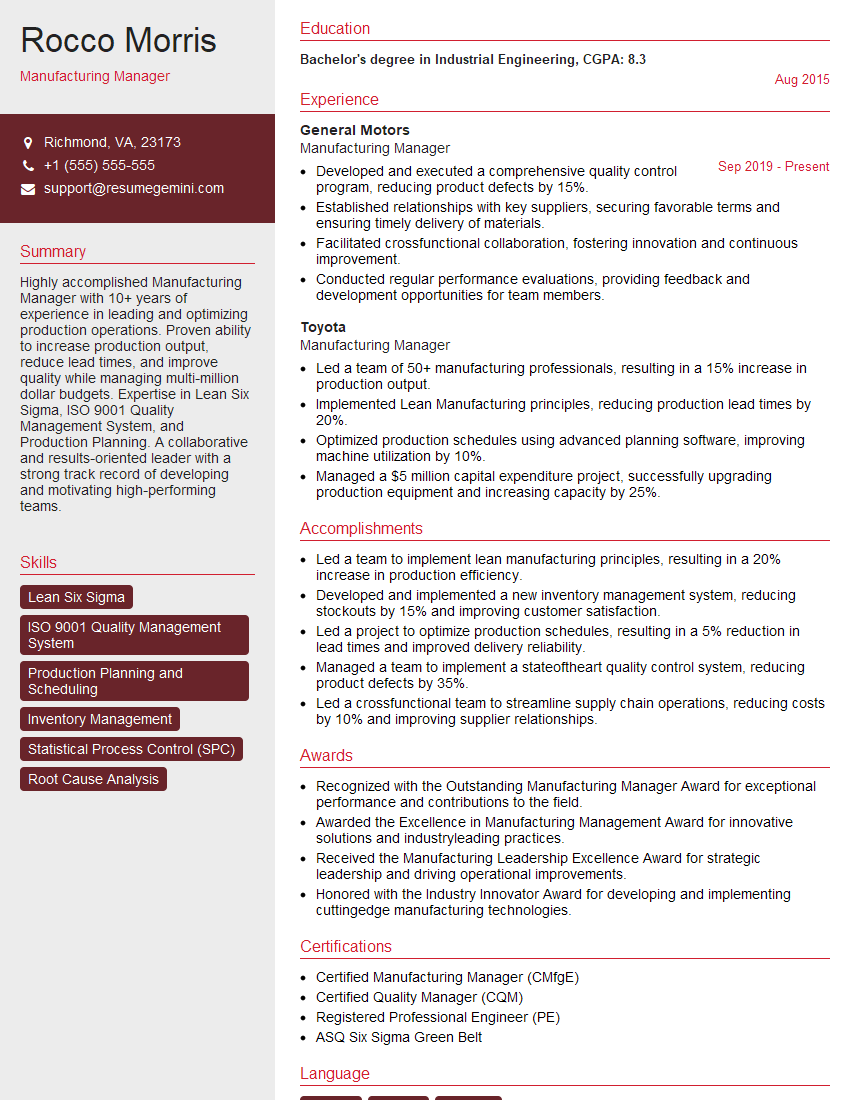
Manufacturing Manager Resume Sample
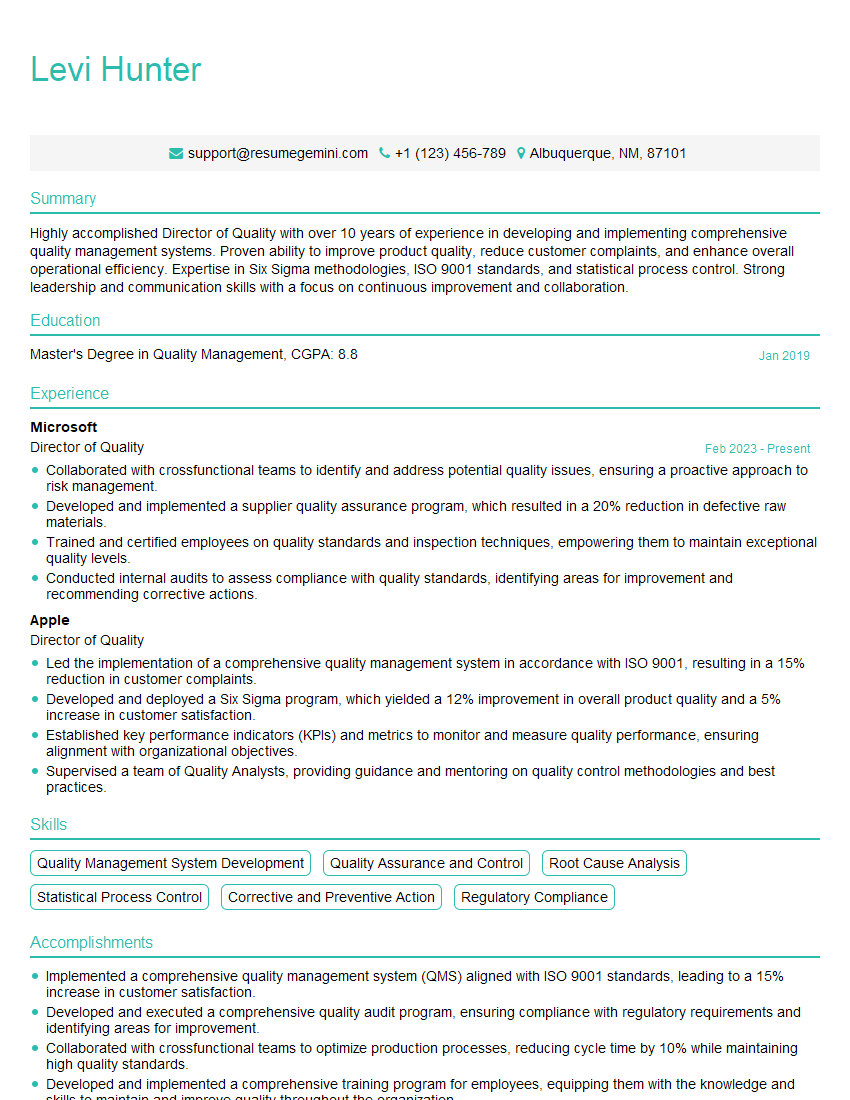
Director of Quality Resume Sample
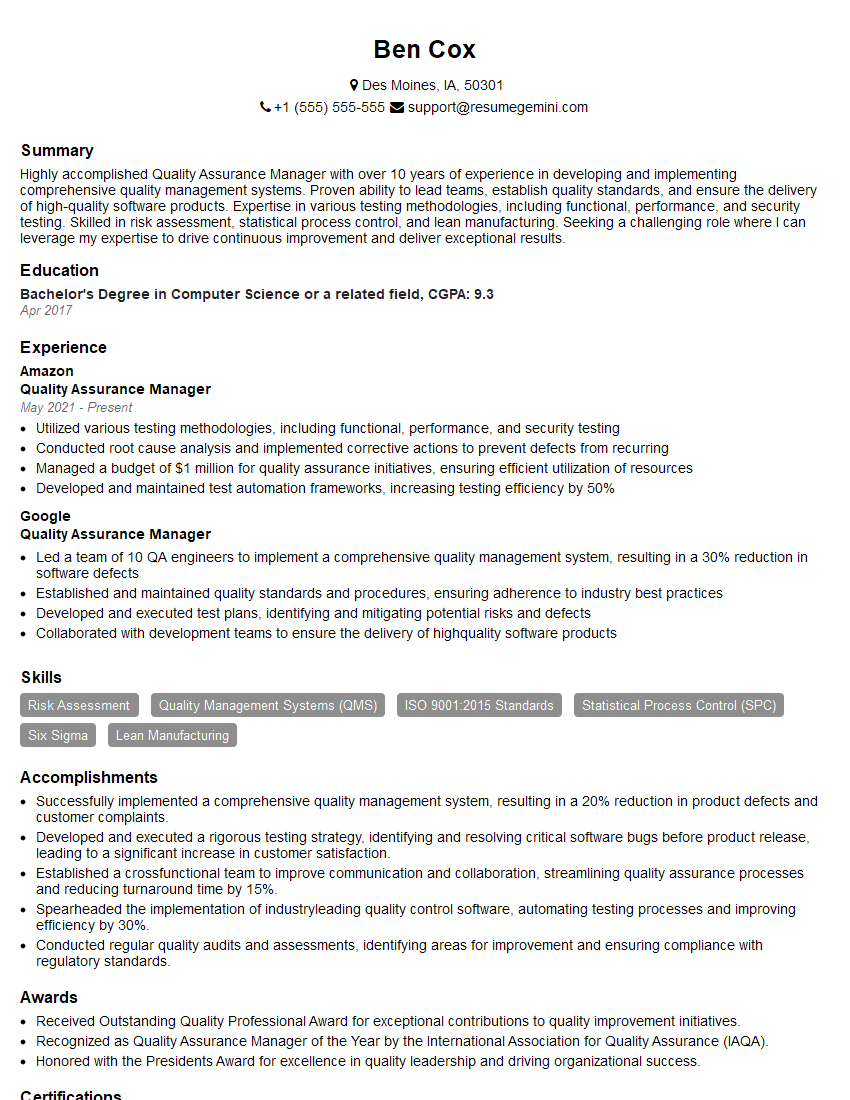
Quality Assurance Manager Resume Sample
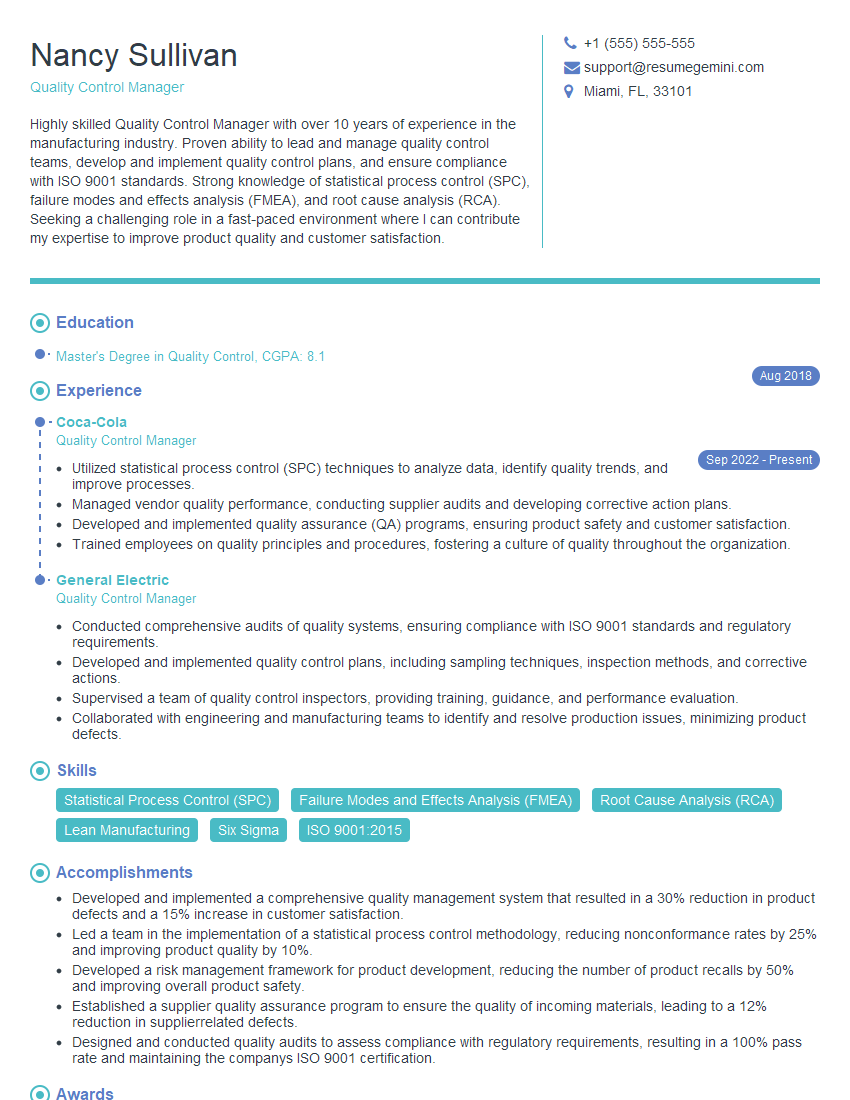
Quality Control Manager Resume Sample
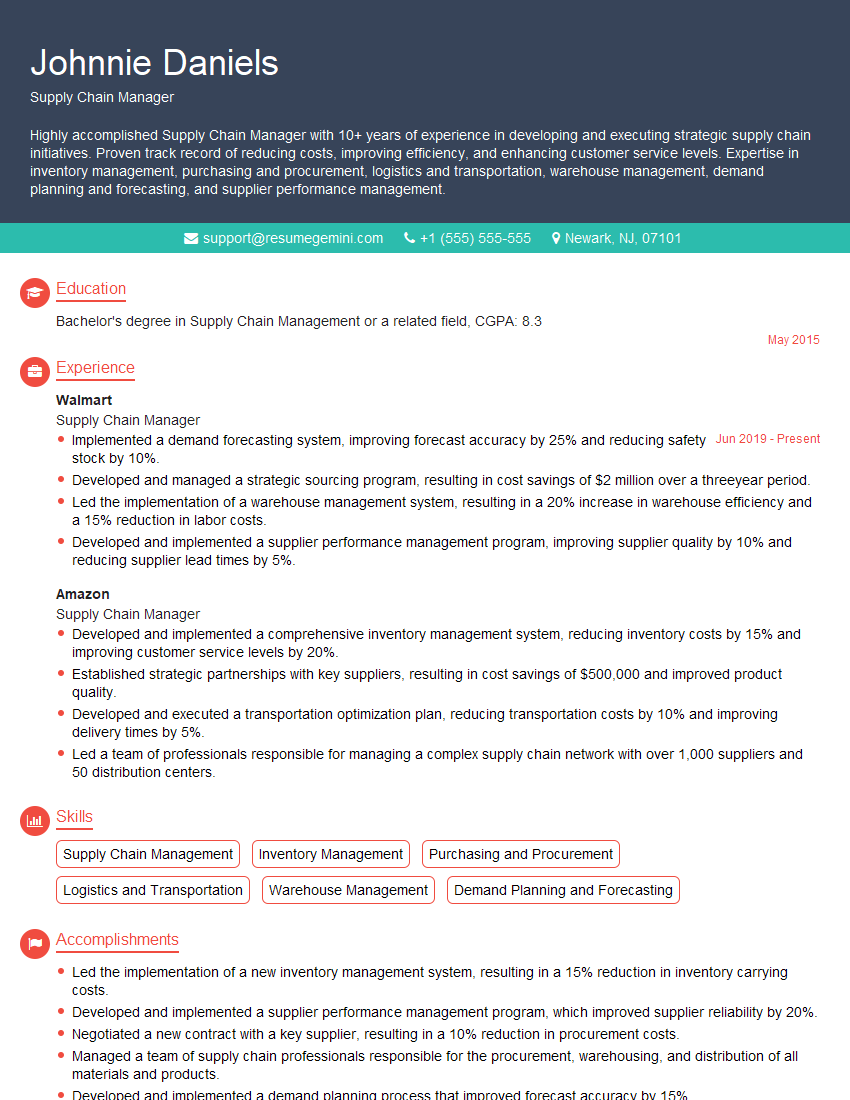
Supply Chain Manager Resume Sample
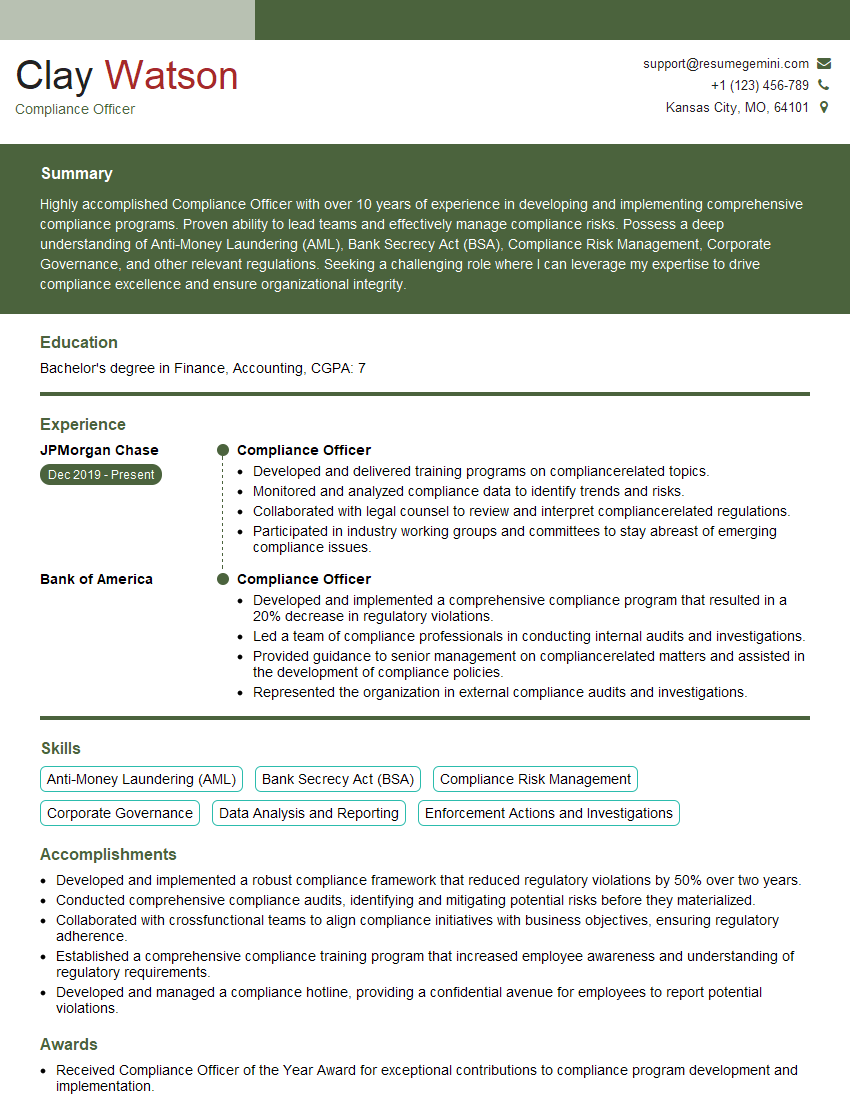
Compliance Officer Resume Sample
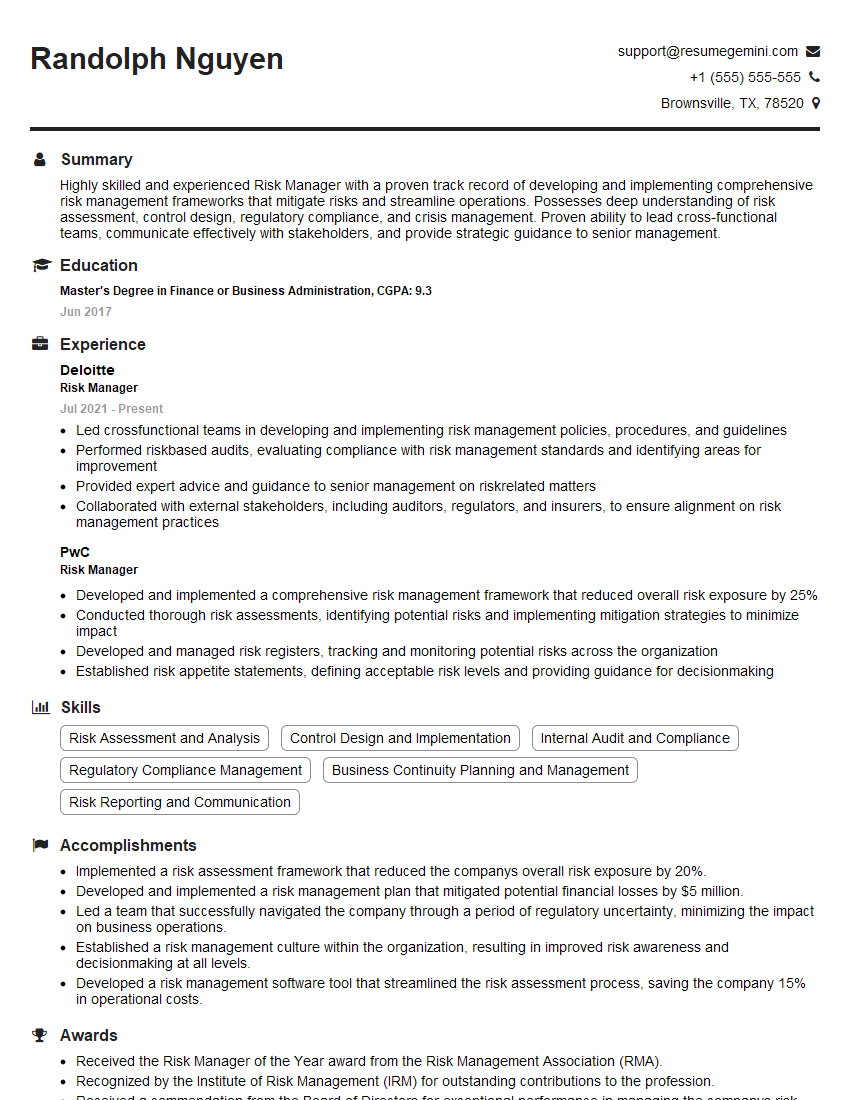
Risk Manager Resume Sample
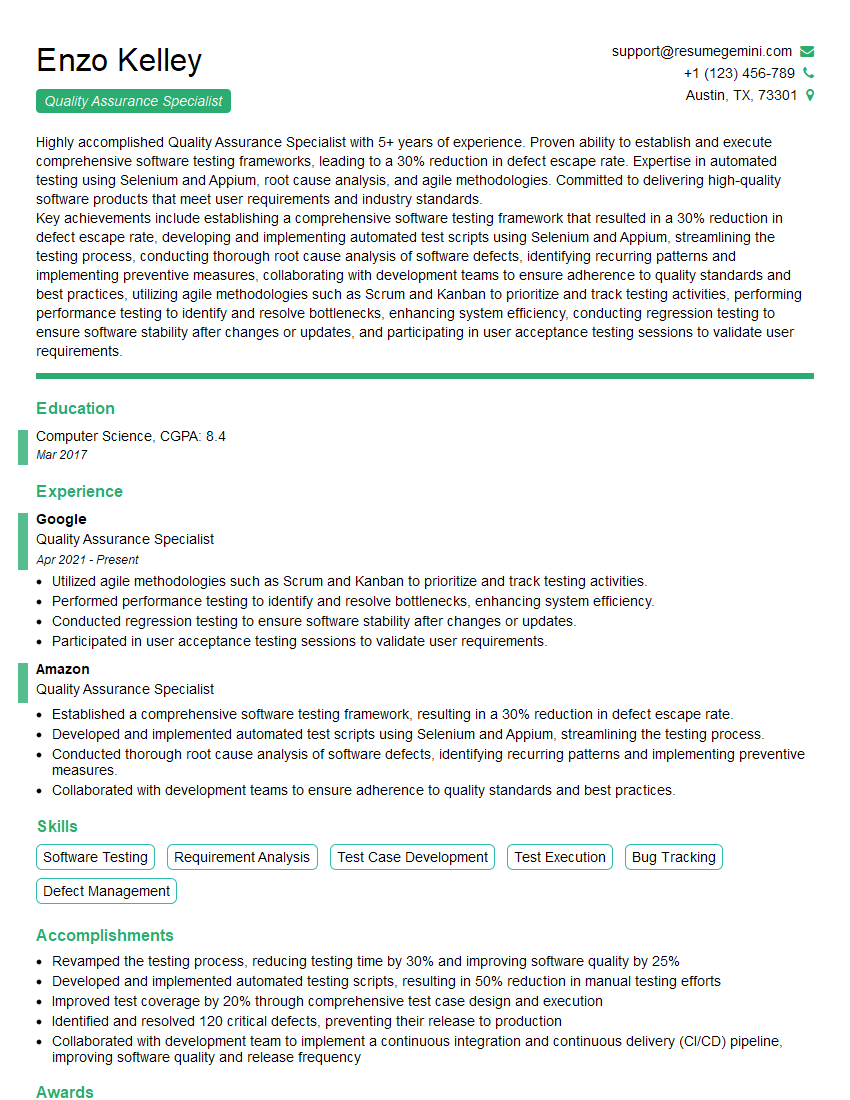
Quality Assurance Specialist Resume Sample
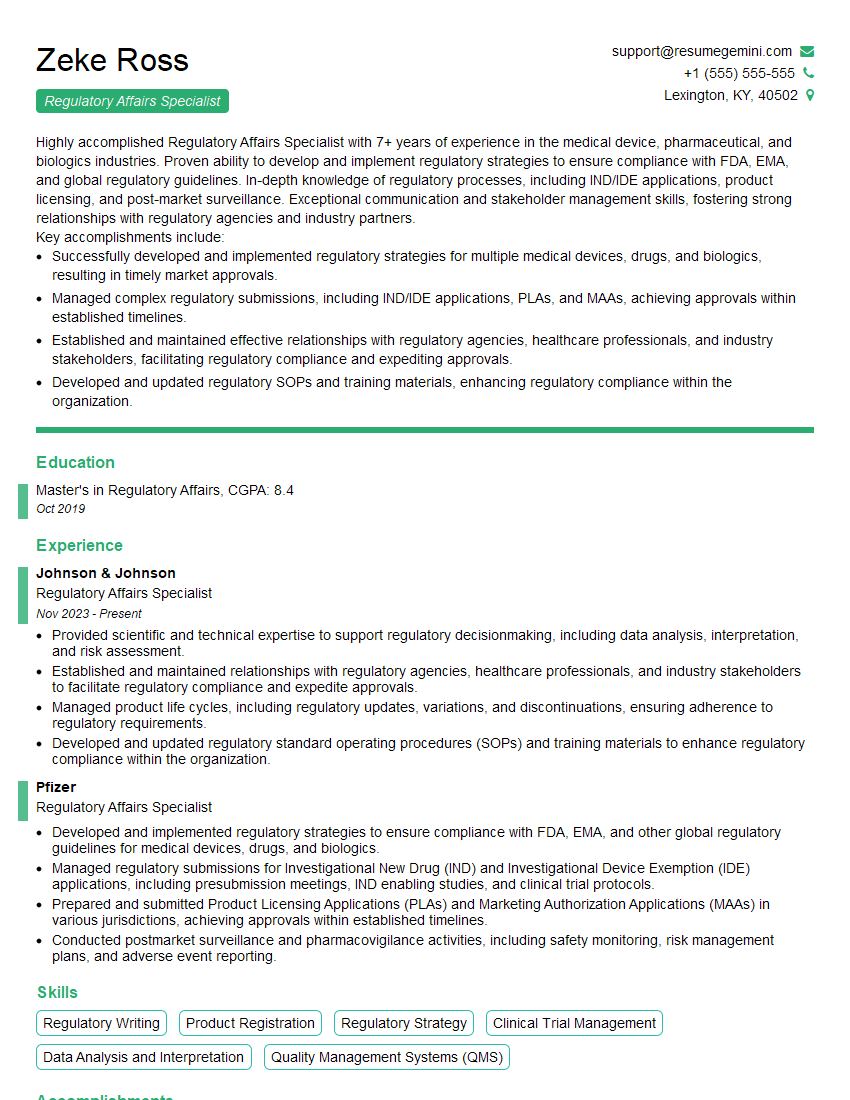
Regulatory Affairs Specialist Resume Sample
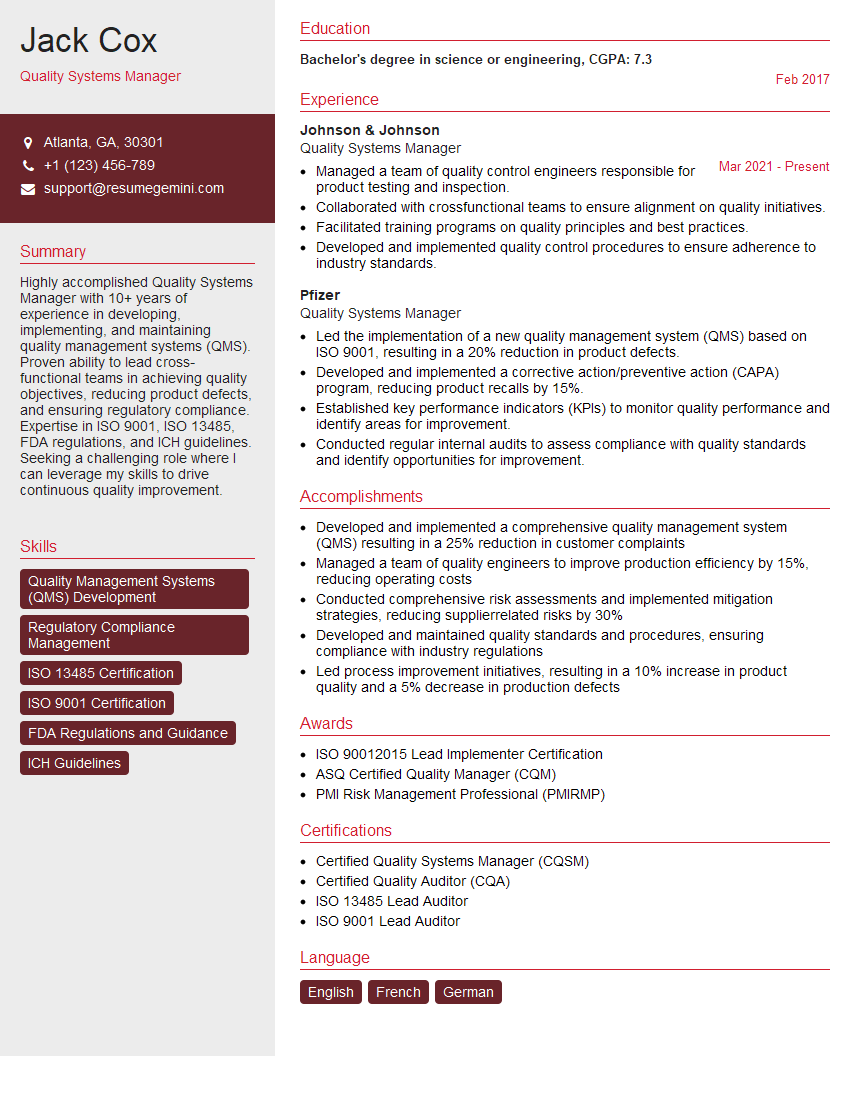
Quality Systems Manager Resume Sample
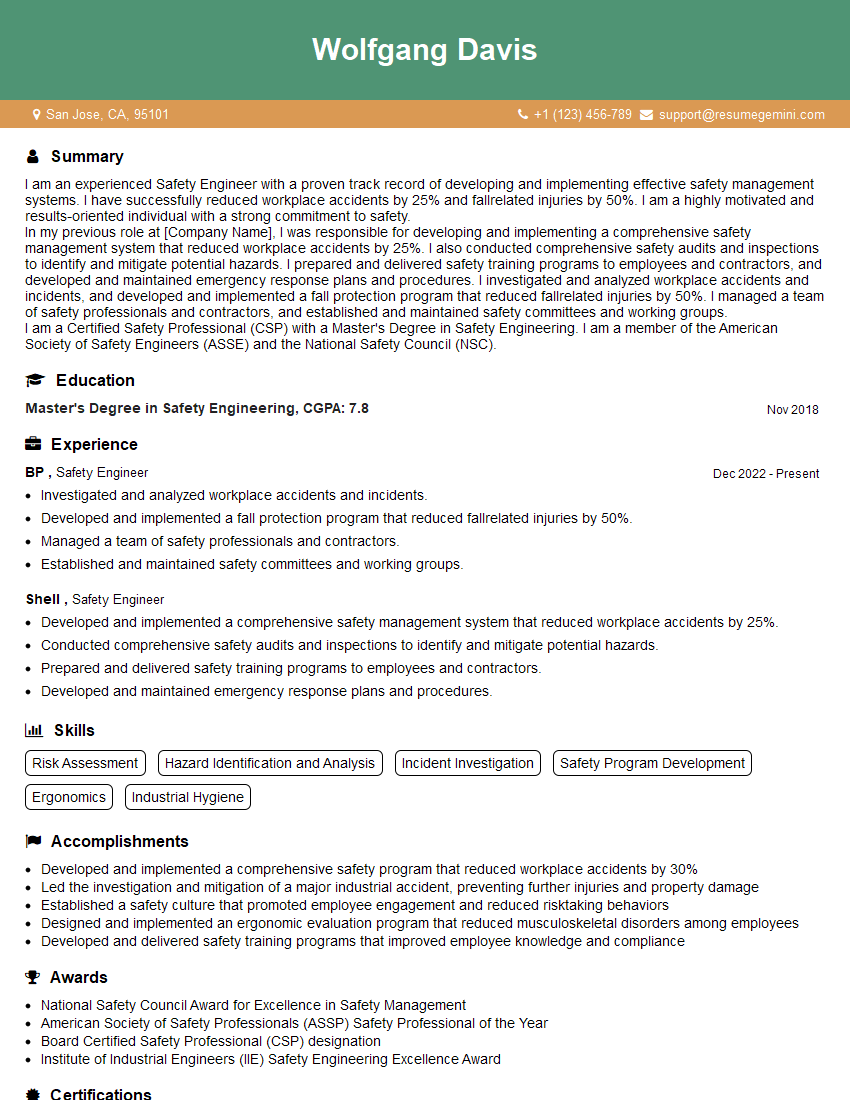
Safety Engineer Resume Sample
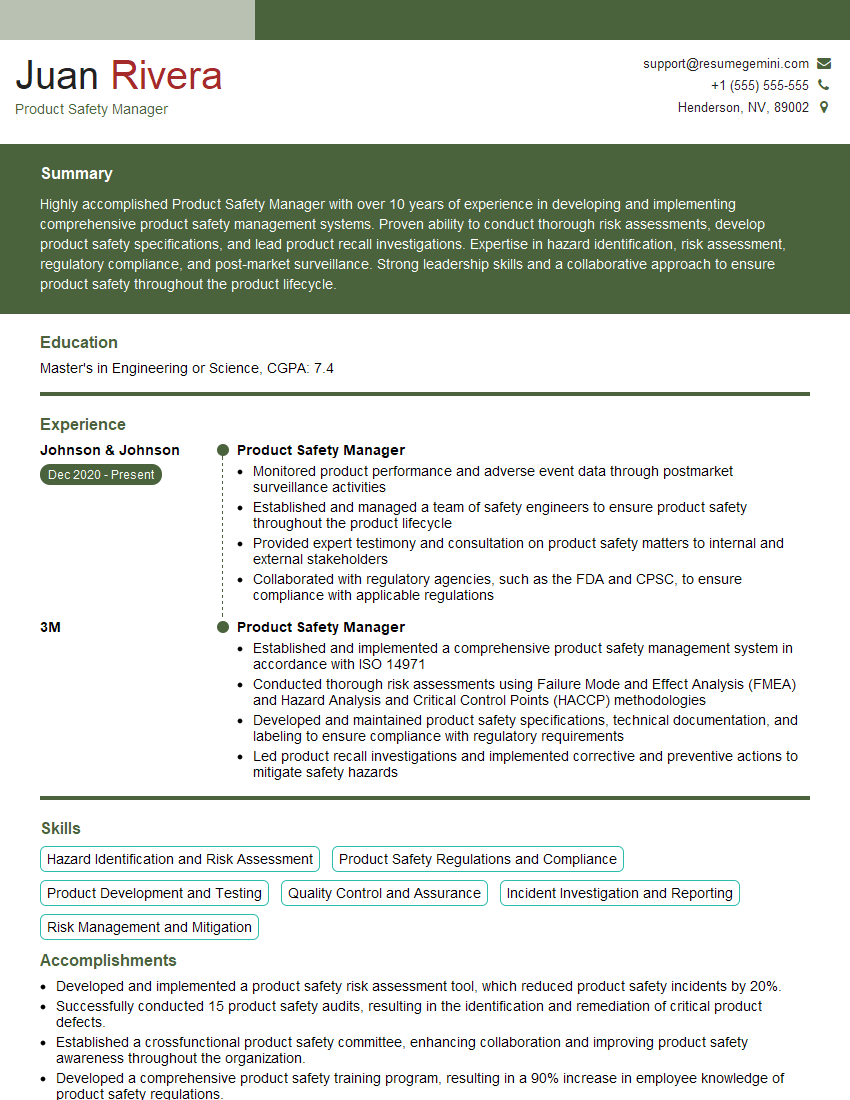
Product Safety Manager Resume Sample
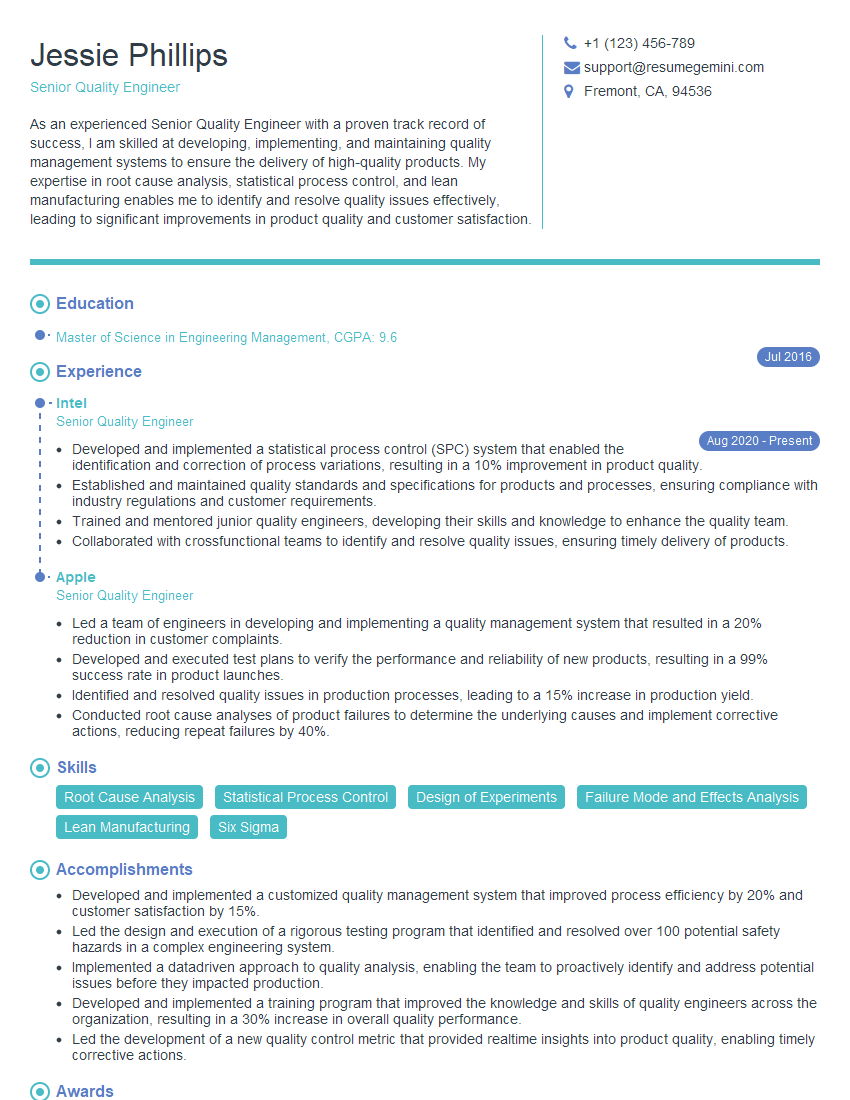
Senior Quality Engineer Resume Sample
- Operations Manager
- Manufacturing Manager
- Director of Quality
- Quality Assurance Manager
- Quality Control Manager
- Supply Chain Manager
- Compliance Officer
- Risk Manager
- Quality Assurance Specialist
- Regulatory Affairs Specialist
- Quality Systems Manager
- Safety Engineer
- Product Safety Manager
- Senior Quality Engineer
Explore more articles
Users Rating of Our Blogs
Share Your Experience
We value your feedback! Please rate our content and share your thoughts (optional).
What Readers Say About Our Blog
Very informative content, great job.
good