Interviews are opportunities to demonstrate your expertise, and this guide is here to help you shine. Explore the essential Product Safety Hazard Evaluation interview questions that employers frequently ask, paired with strategies for crafting responses that set you apart from the competition.
Questions Asked in Product Safety Hazard Evaluation Interview
Q 1. Describe your experience conducting Failure Mode and Effects Analysis (FMEA).
Failure Mode and Effects Analysis (FMEA) is a systematic, proactive method used to identify potential failure modes in a product or process and assess their potential effects. My experience with FMEA spans numerous projects across diverse industries, including medical devices and consumer electronics. I’ve led FMEA workshops, trained teams on FMEA methodologies, and implemented FMEA throughout the product lifecycle, from design to manufacturing and beyond.
A typical FMEA process involves assembling a cross-functional team. We meticulously examine each component and function of a product, identifying potential failure modes. For each failure mode, we assess its severity, the likelihood of occurrence (probability), and the likelihood of detecting the failure before it reaches the end-user (detection). These three factors are then used to calculate a Risk Priority Number (RPN), which helps us prioritize corrective actions.
For example, during an FMEA for a heart rate monitor, we identified a potential failure mode where the sensor could malfunction due to moisture ingress. We assessed the severity as high (potential harm to the patient), the likelihood as moderate (depending on environmental factors), and the detection as low (difficult to detect during routine testing). This resulted in a high RPN, leading us to implement design changes, such as improved sealing, to mitigate the risk. This process is iterative; we re-evaluate RPNs after implementing control measures to ensure the risk is acceptably low.
Q 2. Explain the difference between hazard identification and risk assessment.
Hazard identification and risk assessment are two distinct but interconnected steps in product safety evaluation. Hazard identification is the process of finding what could potentially cause harm. Think of it as brainstorming all the possible ‘what ifs’ related to your product. Risk assessment, on the other hand, takes those hazards and evaluates the likelihood and severity of the harm they might cause. It’s about answering ‘how likely and how bad could it be?’
For instance, a sharp edge on a toy (hazard identification) might be assessed as a high-risk item if the likelihood of a child cutting themselves is high and the severity of the cut could be significant (risk assessment). The risk assessment guides decisions on how to manage or mitigate these hazards. We need to identify hazards first before we can assess their risk.
Q 3. What are the key elements of a robust hazard analysis report?
A robust hazard analysis report should include several key elements. First, a clear and concise description of the product, its intended use, and the target user group is crucial. The report should then detail the methodology used for hazard identification – was it a FMEA, HAZOP (Hazard and Operability study), or other techniques? The report must clearly list all identified hazards, along with a thorough description of each hazard’s potential consequences.
Crucially, the report must present the risk assessment for each hazard, including the severity, probability, and RPN (or equivalent). For each hazard, details on the proposed control measures to mitigate or eliminate the risk are essential. Finally, a residual risk assessment, showing the risk level after controls are implemented, and a justification for the acceptability of the remaining risk must be included. The report should be well-documented, traceable, and auditable, ideally using a consistent format.
Q 4. How do you prioritize hazards based on severity and likelihood?
Prioritizing hazards based on severity and likelihood is critical. This usually involves a risk matrix, where severity and likelihood are rated on a scale (e.g., 1-5, low to high). The RPN (Risk Priority Number) is a common method. It’s calculated by multiplying the severity, likelihood, and detection ratings. Hazards with higher RPNs warrant immediate attention and mitigation efforts.
For example:
- Hazard A: Severity: 4, Likelihood: 2, Detection: 1; RPN = 8
- Hazard B: Severity: 2, Likelihood: 5, Detection: 3; RPN = 30
Even though Hazard A has a higher likelihood, Hazard B has a much higher RPN because its severity is greater. This means we prioritize Hazard B for mitigation. We might use a risk matrix with a visual representation, allowing for quick and easy identification of high-risk hazards.
Q 5. Describe your familiarity with relevant safety standards (e.g., ISO 14971).
I have extensive familiarity with relevant safety standards, most notably ISO 14971, ‘Medical devices — Application of risk management to medical devices.’ I understand its principles and application in managing risks associated with medical devices throughout their lifecycle. This includes understanding the requirements for risk analysis, risk evaluation, risk control, and post-market surveillance. My experience extends beyond ISO 14971 to other standards as necessary, such as IEC 60601 for electrical safety in medical equipment or relevant standards for other product types. I can apply the principles and requirements of these standards to real-world situations and help organizations meet compliance requirements.
Q 6. Explain your experience with different risk control methods (e.g., elimination, substitution, engineering controls).
My experience encompasses a wide range of risk control methods. I regularly employ a hierarchy of controls, starting with the most effective: elimination. If a hazard can be completely eliminated from the design, that’s ideal. If elimination isn’t feasible, I look at substitution, replacing hazardous components with safer alternatives.
Engineering controls, such as incorporating safety features into the design, are a next step. For example, adding a safety interlock to prevent access to moving parts or using flame-retardant materials. Administrative controls, such as training and procedures, are also valuable, but they don’t inherently reduce the hazard itself. They are used to manage the risk of the hazard occurring. Finally, Personal Protective Equipment (PPE), such as gloves or safety glasses, is a last resort and should be carefully selected to provide adequate protection.
Q 7. How do you determine the acceptability of residual risk after implementing control measures?
Determining the acceptability of residual risk after implementing control measures involves a combination of factors. First, the residual risk is assessed using the same methods as the initial risk assessment to quantify the level of risk remaining. Then, this residual risk is compared against predetermined acceptance criteria. These criteria often involve considering the societal and regulatory context. What is acceptable risk for a toy might be completely unacceptable for a medical device.
In some cases, a risk tolerance level is established beforehand, setting a maximum acceptable RPN value. If the residual risk is above this level, further control measures need to be implemented. There may be circumstances, such as cost or technical feasibility, where residual risk may not be reduced to zero, but is considered acceptable given all relevant factors and is documented accordingly. This decision-making process needs to be transparent, well-documented, and supported by a thorough risk analysis.
Q 8. Describe your experience with hazard and operability studies (HAZOP).
Hazard and Operability studies (HAZOP) are a systematic technique used to identify potential hazards and operability problems in a process or system before they occur. It involves a multidisciplinary team reviewing a process flow diagram, considering deviations from the intended operating parameters. These deviations, called ‘hazards’, are assessed for their potential consequences and the likelihood of occurrence.
My experience with HAZOP spans over ten years, encompassing various industries including pharmaceuticals, chemical processing, and food manufacturing. I’ve led numerous HAZOP studies, both as a facilitator and a participant, covering diverse systems from complex chemical reactors to automated packaging lines. I’m proficient in using the established HAZOP guide words (e.g., ‘no,’ ‘more,’ ‘less,’ ‘part of,’ ‘reverse,’ ‘other than’) to explore potential deviations and their consequences. For instance, in a pharmaceutical manufacturing process, a HAZOP might identify the hazard of ‘no flow’ in a critical ingredient delivery line. This would lead to a thorough investigation of the consequences (e.g., batch failure, product contamination) and the implementation of safeguards (e.g., flow sensors, alarms, backup systems).
I’m particularly skilled in using HAZOP to identify less obvious hazards, such as those related to human error, equipment failure, and external factors like power outages. The output of a HAZOP is typically a detailed report documenting all identified hazards, their consequences, and recommended mitigation measures.
Q 9. How do you communicate safety concerns to different stakeholders?
Communicating safety concerns effectively requires tailoring the message to the audience. For technical teams, I use precise language and data, referencing specific safety standards and risk assessment findings. For example, I might present a detailed risk matrix illustrating the severity and likelihood of a hazard. With senior management, I focus on the business implications of safety issues, such as potential financial losses, legal liabilities, and reputational damage. With regulatory bodies, I adhere to their specific reporting requirements, presenting clear, concise, and documented evidence.
Visual aids such as flowcharts, diagrams, and tables are invaluable tools, simplifying complex information and making it easier to grasp. I also prioritize open and honest communication, ensuring all stakeholders understand the potential risks and the rationale behind proposed mitigation strategies. I find that active listening and addressing concerns effectively builds trust and fosters collaboration.
Q 10. Explain your understanding of root cause analysis techniques.
Root cause analysis (RCA) is a systematic investigation into the underlying causes of an incident or problem, going beyond the immediate symptoms to identify the fundamental factors that contributed to its occurrence. Understanding the root cause is crucial for preventing recurrence.
I have extensive experience using various RCA techniques, including the ‘5 Whys’, fault tree analysis (FTA), and fishbone diagrams (Ishikawa diagrams). The ‘5 Whys’ method involves repeatedly asking ‘why’ to drill down to the root cause. For example, if a machine malfunctions, the first ‘why’ might be ‘because a sensor failed’. The second ‘why’ could be ‘because the sensor was not properly calibrated’. Continuing this process eventually reveals the root cause, perhaps a lack of proper maintenance protocols.
FTA is a more formal and structured method, representing the relationship between multiple contributing factors using a tree-like diagram. Fishbone diagrams help visually organize potential causes categorized by factors such as people, materials, methods, and equipment. The choice of technique depends on the complexity of the problem and the available data. The goal is always to identify the root cause and implement effective corrective actions.
Q 11. How do you handle situations where safety standards conflict?
Conflicting safety standards are a real challenge. My approach involves a systematic evaluation of all relevant standards, weighing their relative importance and applicability to the specific product or process. I consider the regulatory landscape, industry best practices, and the potential consequences of non-compliance with each standard. Documentation is critical—meticulously recording the evaluation process, justifying the chosen approach, and highlighting any potential risks associated with the decision.
In cases where a compromise is necessary, I prioritize the most stringent standard that ensures the highest level of safety. When multiple standards offer conflicting requirements, I may need to seek clarification from the relevant regulatory bodies or engage with industry experts to determine the best course of action. The decision-making process is carefully documented and justified to ensure transparency and accountability.
Q 12. Describe a time you identified a critical safety hazard and the steps you took to mitigate it.
During a project involving a new medical device, I identified a critical safety hazard related to the device’s power supply. Initial testing revealed that under certain conditions, the device could deliver an unexpectedly high voltage, potentially harming the patient.
My immediate response was to halt further testing and initiate a thorough investigation. We utilized FTA to identify the contributing factors, discovering a flaw in the circuit design that could lead to voltage surges. We then formed a cross-functional team to develop and implement a multi-layered mitigation strategy, including a redesigned circuit, enhanced software controls, and rigorous testing protocols to ensure that the voltage levels always remained within safe limits. This included modifying the original design plans, implementing more robust quality control measures, and retraining staff on the device’s safe operation.
The steps involved close collaboration with engineers, regulatory affairs specialists, and clinicians. We carefully documented all findings and actions, ensuring compliance with relevant safety standards and regulatory requirements. The redesigned device underwent extensive testing and successfully passed all safety evaluations before being released to the market.
Q 13. What is your experience with regulatory compliance concerning product safety?
My experience with regulatory compliance is extensive. I’m intimately familiar with various product safety regulations, including those from agencies like the FDA (Food and Drug Administration), the EPA (Environmental Protection Agency), and the CPSC (Consumer Product Safety Commission). My work has consistently focused on ensuring compliance with relevant standards throughout the entire product lifecycle, from design and development to manufacturing, distribution, and post-market surveillance.
I’ve been directly involved in preparing regulatory submissions, conducting safety assessments, and managing compliance audits. I understand the importance of maintaining detailed records and implementing robust quality management systems. This includes establishing clear lines of responsibility, implementing procedures for managing and reporting safety incidents, and staying updated on evolving regulatory changes. A recent example involved guiding a company through a recall procedure, ensuring that the process adhered to all applicable regulations and minimized the impact on consumers.
Q 14. How do you stay updated on current product safety regulations and best practices?
Staying current with product safety regulations and best practices is paramount in my field. I actively monitor publications from regulatory agencies, participate in industry conferences and webinars, and subscribe to relevant professional journals. This proactive approach helps me identify emerging trends and potential risks early on.
I also maintain memberships in professional organizations, such as the Institute of Industrial Engineers (IIE) and the American Society of Safety Professionals (ASSP), to access valuable resources and network with other experts in the field. Furthermore, continuous professional development, including regular training courses and workshops, is a key element of keeping abreast of new regulations, technologies, and methodologies. I use this knowledge to update our internal procedures and protocols, ensuring the company stays at the forefront of product safety best practices.
Q 15. Explain your experience with safety data sheets (SDS) and their application.
Safety Data Sheets (SDS), formerly known as Material Safety Data Sheets (MSDS), are documents that provide comprehensive information on the potential hazards associated with a chemical product and how to work safely with it. My experience encompasses creating, reviewing, and interpreting SDSs across a wide range of industries, from manufacturing to healthcare. I’m proficient in ensuring compliance with globally recognized standards such as Globally Harmonized System of Classification and Labelling of Chemicals (GHS).
For example, in a previous role, I was responsible for updating the SDS for a newly formulated cleaning solution. This involved identifying all potential hazards, including flammability, toxicity, and potential for skin irritation. We then detailed safe handling procedures, first aid measures, and personal protective equipment (PPE) requirements. The updated SDS was crucial for ensuring the safe use of the product by our employees and customers, complying with all relevant regulations and minimizing the risk of accidents.
Beyond simply understanding the information presented, I’m adept at identifying discrepancies or omissions in SDSs. In one instance, I discovered a critical flaw in a supplier’s SDS regarding the disposal of a chemical waste. My intervention led to a corrected SDS and an updated waste disposal plan, preventing a potential environmental hazard.
Career Expert Tips:
- Ace those interviews! Prepare effectively by reviewing the Top 50 Most Common Interview Questions on ResumeGemini.
- Navigate your job search with confidence! Explore a wide range of Career Tips on ResumeGemini. Learn about common challenges and recommendations to overcome them.
- Craft the perfect resume! Master the Art of Resume Writing with ResumeGemini’s guide. Showcase your unique qualifications and achievements effectively.
- Don’t miss out on holiday savings! Build your dream resume with ResumeGemini’s ATS optimized templates.
Q 16. What are your strengths and weaknesses in conducting product safety hazard evaluations?
My strengths lie in my systematic and analytical approach to hazard identification and risk assessment. I’m highly proficient in applying various hazard evaluation techniques, including Failure Mode and Effects Analysis (FMEA), Fault Tree Analysis (FTA), and Hazard and Operability Studies (HAZOP). I am also skilled at communicating complex technical information clearly and concisely to diverse audiences, including engineers, management, and regulatory bodies.
One area where I continually strive for improvement is my experience with emerging technologies. While I quickly adapt and learn new methodologies, staying ahead of the curve on the latest safety standards and technologies related to rapidly evolving products requires ongoing effort and commitment to continuous professional development. For instance, I’m currently expanding my knowledge of AI-powered safety analysis tools.
Q 17. How do you handle pressure and tight deadlines in a safety-critical environment?
Working in a safety-critical environment inevitably involves pressure and tight deadlines. My approach is to prioritize tasks effectively, using tools like project management software to track progress and identify potential bottlenecks. I find it helpful to break down large projects into smaller, manageable steps and to proactively communicate any challenges or potential delays to stakeholders. Collaboration is key – working closely with the team ensures everyone understands priorities and contributes effectively.
For instance, during the launch of a new medical device, we faced a very tight deadline for completing the safety evaluation. By delegating tasks effectively, implementing regular status updates, and prioritizing critical aspects, we successfully met the deadline without compromising on safety. My calm demeanor under pressure ensures the team remains focused on the task at hand and maintains a consistent high level of performance.
Q 18. Describe your experience using safety management systems (SMS).
My experience with Safety Management Systems (SMS) encompasses implementation, auditing, and improvement. I understand the importance of integrating SMS into all aspects of product development and lifecycle management. This includes defining roles and responsibilities, establishing procedures for hazard identification and risk assessment, implementing control measures, and regularly monitoring and reviewing the effectiveness of the system. I’m familiar with various SMS frameworks, including ISO 45001 (Occupational Health and Safety) and AS/NZS 4801 (Occupational Health and Safety Management Systems).
In a previous role, I led the implementation of an SMS for a manufacturing plant. This involved conducting gap analysis, developing risk assessments for various processes, implementing control measures, and providing regular training for employees. The result was a significant reduction in workplace accidents and improved overall safety culture.
Q 19. Explain your understanding of human factors in product safety.
Understanding human factors is paramount in product safety. It recognizes that human behavior, capabilities, and limitations significantly influence product safety. This includes considering human error, cognitive biases, ergonomic design, and user interface design. A product might be technically safe, but if it’s difficult or confusing to use, it increases the risk of accidents.
For example, I participated in the redesign of a complex piece of machinery. By incorporating ergonomic principles and user-centered design, we improved the ease of use and reduced the potential for operator error, leading to a significantly safer machine.
This understanding extends beyond the physical interaction to encompass the cognitive aspects of safety. For instance, clear and concise instructions and warnings are essential to ensure that users understand and can effectively mitigate potential risks.
Q 20. How do you balance safety considerations with design and cost constraints?
Balancing safety, design, and cost is a constant challenge. It’s crucial to remember that safety is not a negotiable aspect of a product. However, this doesn’t mean safety measures must be prohibitively expensive. A systematic risk assessment, where risks are prioritized based on severity and likelihood, allows for a cost-effective approach to safety. We focus on implementing cost-effective controls that mitigate the most significant hazards first.
For example, during the development of a consumer product, we identified a potential hazard that could be mitigated by either a significantly more expensive component or a simpler, less costly design change coupled with improved user instructions. By carefully analyzing the risk and the cost-benefit ratio, we chose the more cost-effective option while ensuring an acceptable level of safety. The key is to find creative, pragmatic solutions that meet safety requirements without unnecessary expense.
Q 21. Describe your experience with safety testing and validation methods.
My experience with safety testing and validation methods is extensive. This includes conducting various types of testing, such as mechanical testing (e.g., tensile strength, fatigue testing), environmental testing (e.g., temperature cycling, humidity testing), and electrical safety testing. I’m also familiar with simulations and modeling techniques to assess the safety of products before they are manufactured. Validation involves demonstrating that the product meets its specified safety requirements and performs as intended in its intended use.
For example, I was involved in the testing and validation of a new medical device. This included conducting rigorous mechanical and electrical safety tests, as well as performing simulations to assess the device’s performance under various conditions. We used a combination of experimental methods and simulations to ensure that the device met all the relevant safety standards. The validation process ensured that the device was safe and effective before it was released to the market.
Q 22. How do you incorporate user feedback into product safety improvements?
User feedback is absolutely critical in refining product safety. We don’t just passively collect it; we actively solicit it through multiple channels. This includes post-purchase surveys, social media monitoring, customer service interactions, and even field observation studies. Imagine a child’s toy – if we only relied on internal testing, we might miss a small design flaw that a child easily exploits. User feedback helps us identify these unforeseen risks.
Once feedback highlighting a potential hazard is received, we meticulously analyze it. We determine the severity and frequency of the reported problem, then we categorize it based on the potential risk to users. This might involve using a risk matrix that considers both the likelihood and the severity of harm. For example, a minor scratch on a surface is low risk, whereas a sharp edge that could cause a serious cut is high risk. We then prioritize our response based on this risk assessment and implement corrective actions, which might include design modifications, improved warnings, or even a recall. We follow up to ensure the changes address the issue and improve product safety.
Q 23. Explain your understanding of different types of product recalls and their implications.
Product recalls are a serious undertaking, triggered when a product poses a substantial risk to the consumer. They’re classified in different ways, but a common categorization involves the scope and urgency of the action. A Class I recall is the most serious, indicating a reasonable probability that use of the product will cause serious adverse health problems or death. For example, a faulty heart medication would necessitate a Class I recall. A Class II recall indicates a product might cause temporary or medically reversible adverse health consequences. Think of a toy with small parts that could pose a choking hazard. Lastly, a Class III recall represents a situation where the product is unlikely to cause adverse health consequences. This could be a minor labeling error, for instance.
The implications of a recall are far-reaching. Beyond the financial costs of retrieving and replacing or repairing products, there are reputational damages to consider. Consumer trust is crucial, and a recall, even a Class III one, can erode that trust. This is why proactive safety evaluations and stringent quality controls are paramount to minimize the risk of recalls in the first place. Effective recall management involves a clear communication strategy to keep customers informed and ensure a smooth return process.
Q 24. How familiar are you with probabilistic risk assessment methods?
I’m very familiar with probabilistic risk assessment (PRA) methods. These methods use quantitative techniques to estimate the likelihood and consequences of potential hazards. Instead of solely relying on qualitative judgments like ‘high’ or ‘low’ risk, PRA incorporates statistical data and models to provide a more precise risk quantification. This allows for a more data-driven approach to safety management.
Common PRA techniques include Fault Tree Analysis (FTA), Event Tree Analysis (ETA), and Bayesian networks. For instance, FTA helps visualize how multiple events could lead to a top-level hazard, like a system failure. It’s like building a tree, where the branches represent the failure of individual components and the root represents the overall system failure. We can assign probabilities to each failure event, which the software then uses to calculate the overall probability of the top event. This numerical output provides a concrete metric for prioritizing safety improvements.
Q 25. Describe your experience with the development of safety procedures and work instructions.
Throughout my career, I’ve been heavily involved in developing and implementing comprehensive safety procedures and work instructions. These aren’t just theoretical documents; they’re actionable guides that must be easily understood by workers at all skill levels. My approach focuses on clarity, simplicity, and visual aids. We often use flowcharts, diagrams, and checklists to present information in a user-friendly format.
For example, when developing safety procedures for operating a complex piece of machinery, I’d start with a thorough hazard analysis to identify all potential risks. Then, I would create a step-by-step guide covering safe operation, emergency procedures, and routine maintenance tasks. These procedures would include clear visual cues like color-coded warnings and illustrations. Regular reviews and updates of these procedures are crucial to ensure they remain relevant and effective as technology and processes change. Finally, training programs are essential to ensure everyone working with the equipment fully understands the procedures and can apply them in practice.
Q 26. How do you contribute to a safety culture within an organization?
Building a strong safety culture isn’t about imposing rules; it’s about fostering a shared commitment to safety. This requires a multi-pronged approach. It starts with visible leadership commitment, where safety is not just discussed but actively demonstrated at all levels of the organization.
I contribute through various initiatives: conducting regular safety training, providing open communication channels for reporting hazards, actively participating in safety committees, and celebrating safety successes. We also regularly conduct safety audits and near-miss reporting to proactively identify and address potential issues before they become accidents. A crucial aspect involves open dialogue – creating a culture where employees feel empowered to raise safety concerns without fear of retribution. Involving employees in developing and implementing safety protocols strengthens ownership and accountability. Think of it as a team sport: everyone is playing to win by ensuring a safe and healthy workplace.
Q 27. Describe your experience with incident investigation and reporting.
Incident investigation and reporting are essential for continuous improvement in product safety. When an incident occurs, my approach follows a structured methodology. First, we secure the scene (if applicable) and ensure the safety of everyone involved. Then, we gather factual information through witness statements, physical evidence, and documentation review. We meticulously document every step of the investigation.
Following a thorough data collection phase, we analyze the root causes of the incident using techniques like ‘5 Whys’ or fault tree analysis to understand the underlying causes, not just the symptoms. This process goes beyond identifying who or what caused the immediate incident and drills down to find out the systems or processes that contributed to the accident. The findings of the investigation are then documented in a comprehensive report that outlines the causes, contributing factors, and recommended corrective actions. This report is crucial for updating safety procedures, improving product design, and preventing similar incidents in the future. Furthermore, we follow up to ensure the implemented corrective actions are effective.
Key Topics to Learn for Product Safety Hazard Evaluation Interview
- Hazard Identification & Analysis: Understand methodologies like HAZOP (Hazard and Operability Study), FMEA (Failure Mode and Effects Analysis), and FTA (Fault Tree Analysis) for identifying potential hazards in product design and operation.
- Risk Assessment & Mitigation: Learn to quantify risks using various scales and matrices, and develop effective strategies for mitigating identified hazards. This includes understanding risk acceptance criteria and regulatory compliance.
- Standards & Regulations: Familiarize yourself with relevant safety standards (e.g., ISO, IEC, UL) and regulations (e.g., CE marking, FDA regulations) applicable to your industry and product types. Understanding their practical application is crucial.
- Testing & Verification: Grasp the importance of various testing methodologies (destructive and non-destructive) used to validate product safety and compliance with standards. Be prepared to discuss practical examples.
- Documentation & Reporting: Understand the crucial role of clear and comprehensive documentation in safety evaluations, including incident reports, risk assessments, and test results. This includes knowing how to effectively communicate technical information to both technical and non-technical audiences.
- Case Studies & Problem Solving: Practice applying your knowledge to hypothetical scenarios and real-world case studies. Be prepared to discuss your problem-solving approach and decision-making process in a product safety context.
- Root Cause Analysis: Develop skills in identifying the underlying causes of incidents and near misses, employing techniques such as the 5 Whys and fishbone diagrams.
Next Steps
Mastering Product Safety Hazard Evaluation is vital for career advancement in this critical field. It demonstrates a commitment to safety and a deep understanding of product development best practices, opening doors to more senior roles and increased responsibility. To maximize your job prospects, creating a strong, ATS-friendly resume is essential. ResumeGemini is a trusted resource that can help you build a professional and impactful resume, showcasing your skills and experience effectively. Examples of resumes tailored to Product Safety Hazard Evaluation are available to guide you.

Compliance Officer Resume Sample
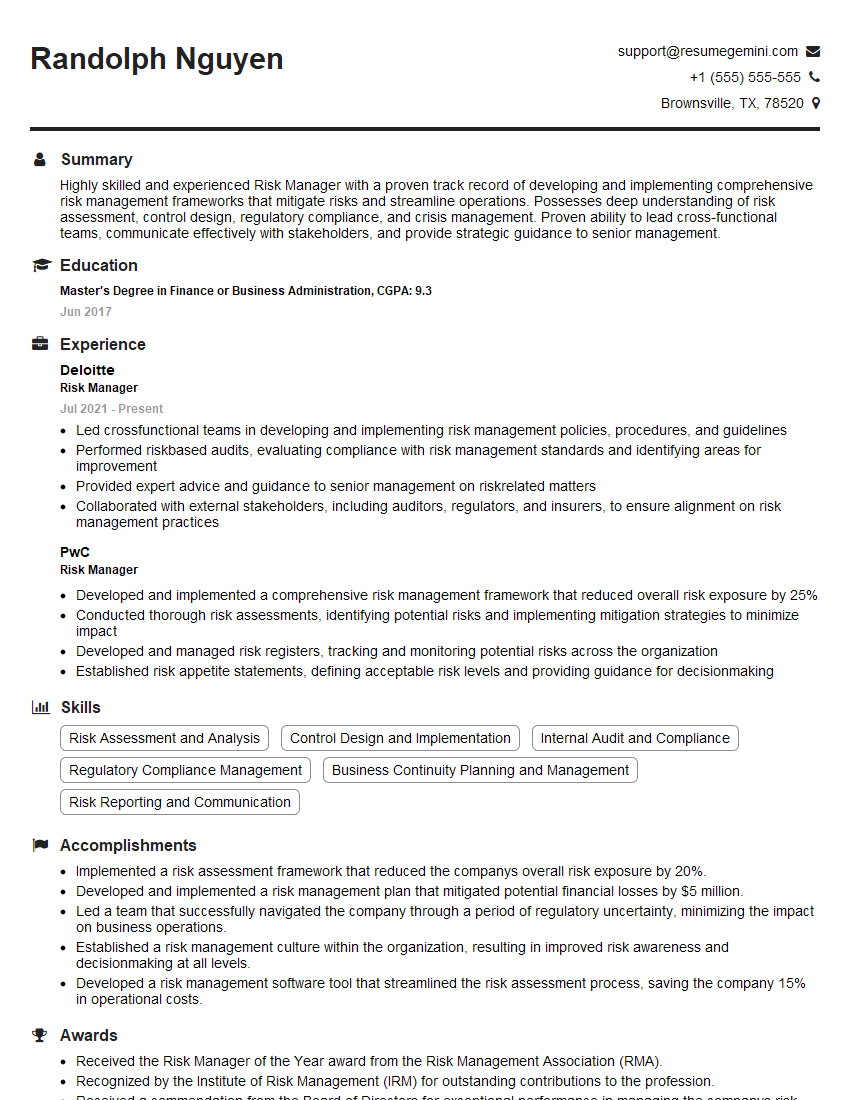
Risk Manager Resume Sample
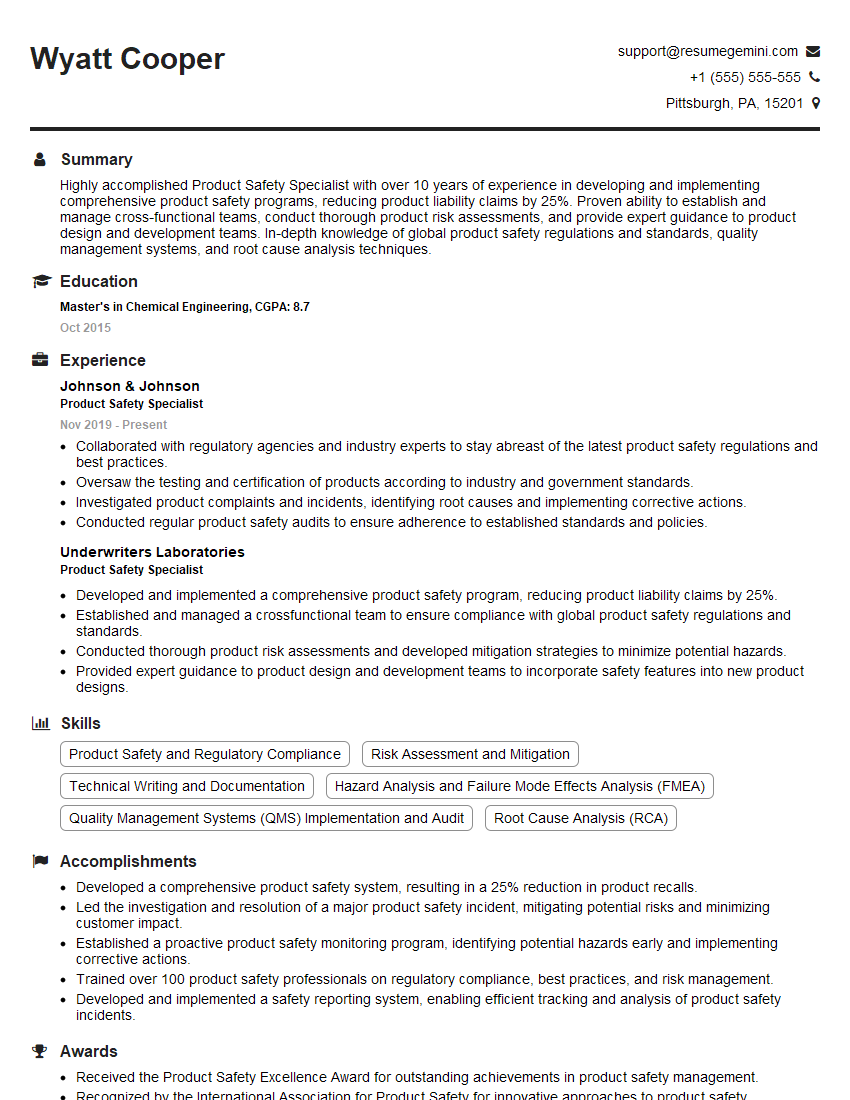
Product Safety Specialist Resume Sample
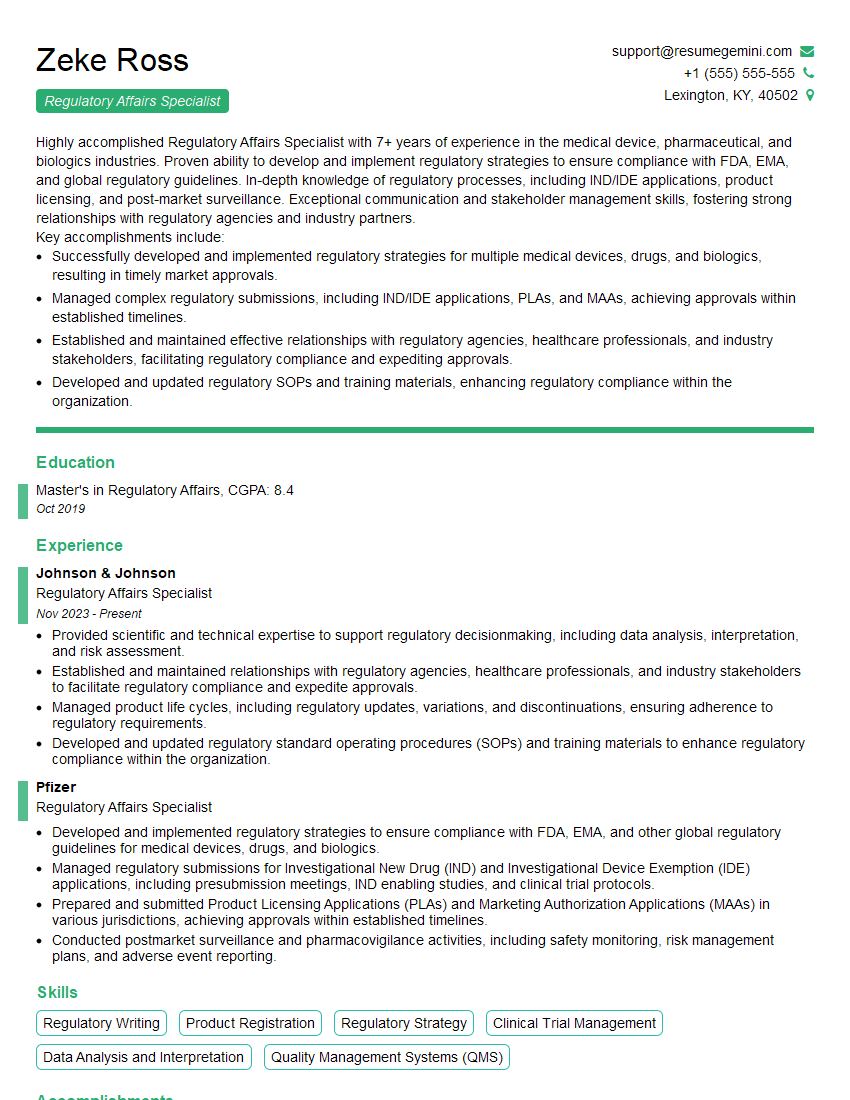
Regulatory Affairs Specialist Resume Sample
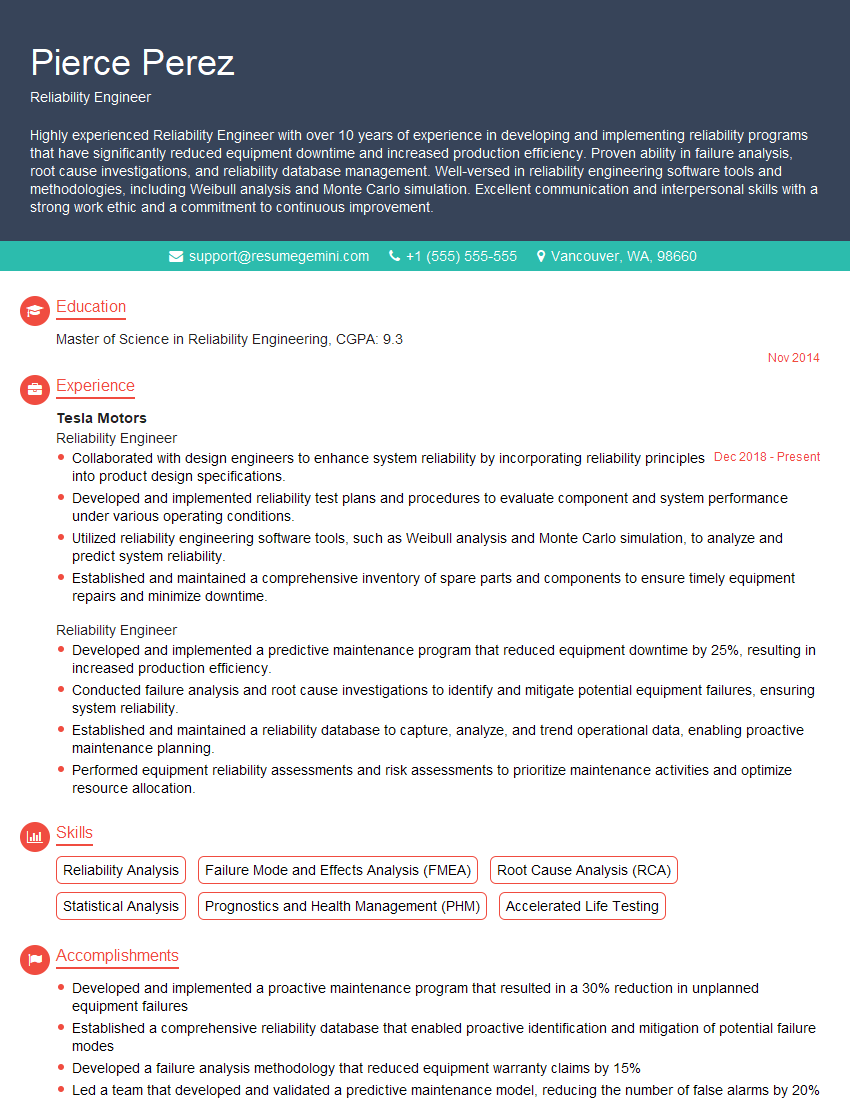
Reliability Engineer Resume Sample
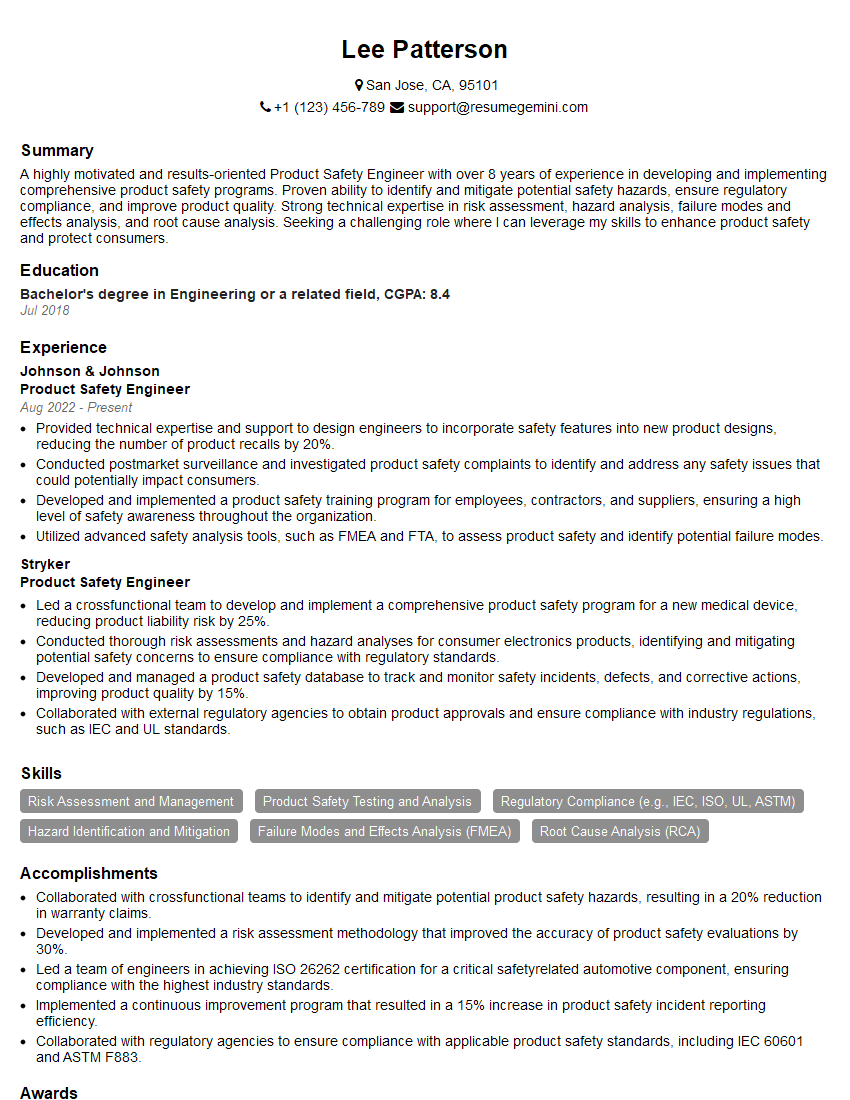
Product Safety Engineer Resume Sample
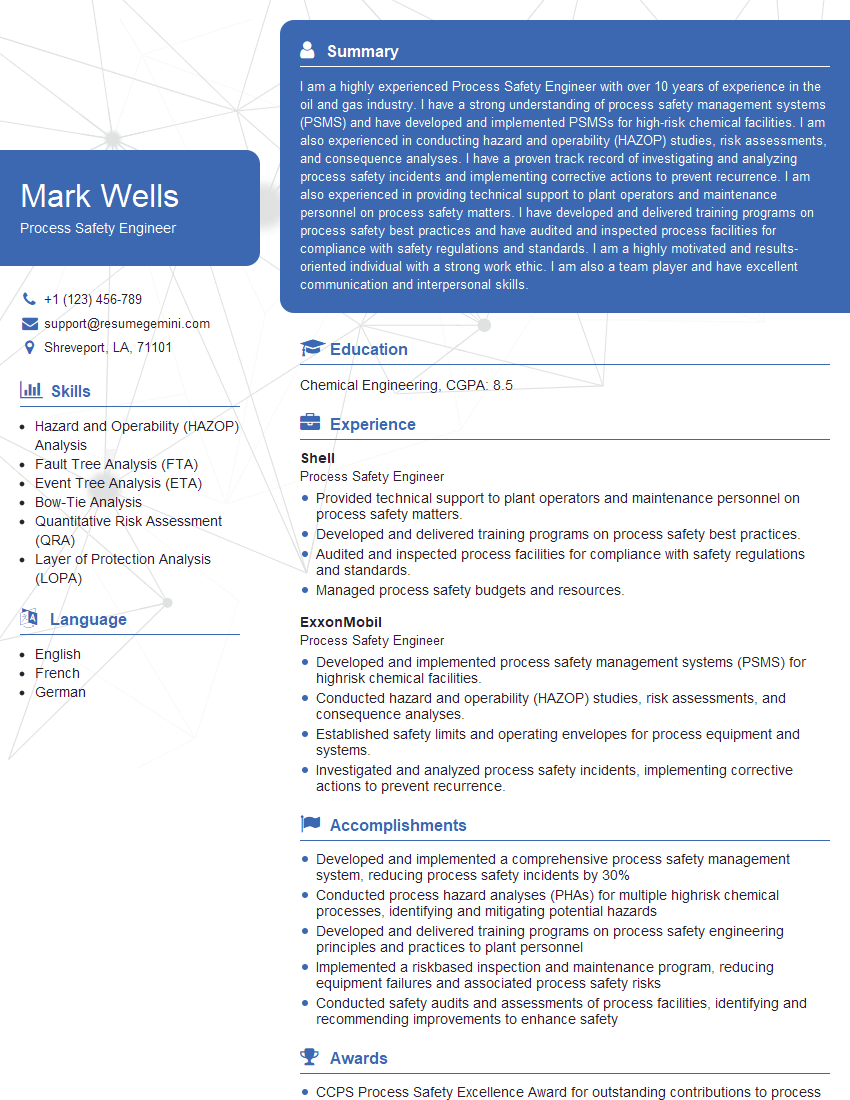
Process Safety Engineer Resume Sample
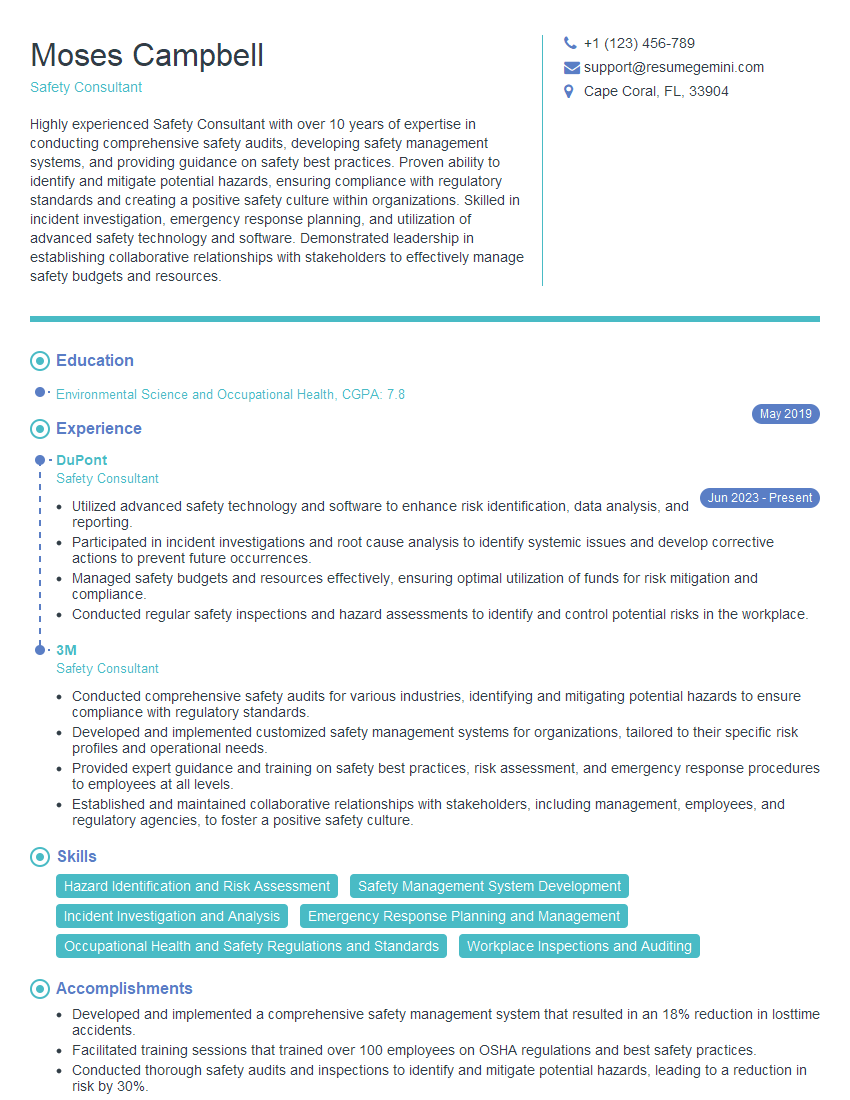
Safety Consultant Resume Sample
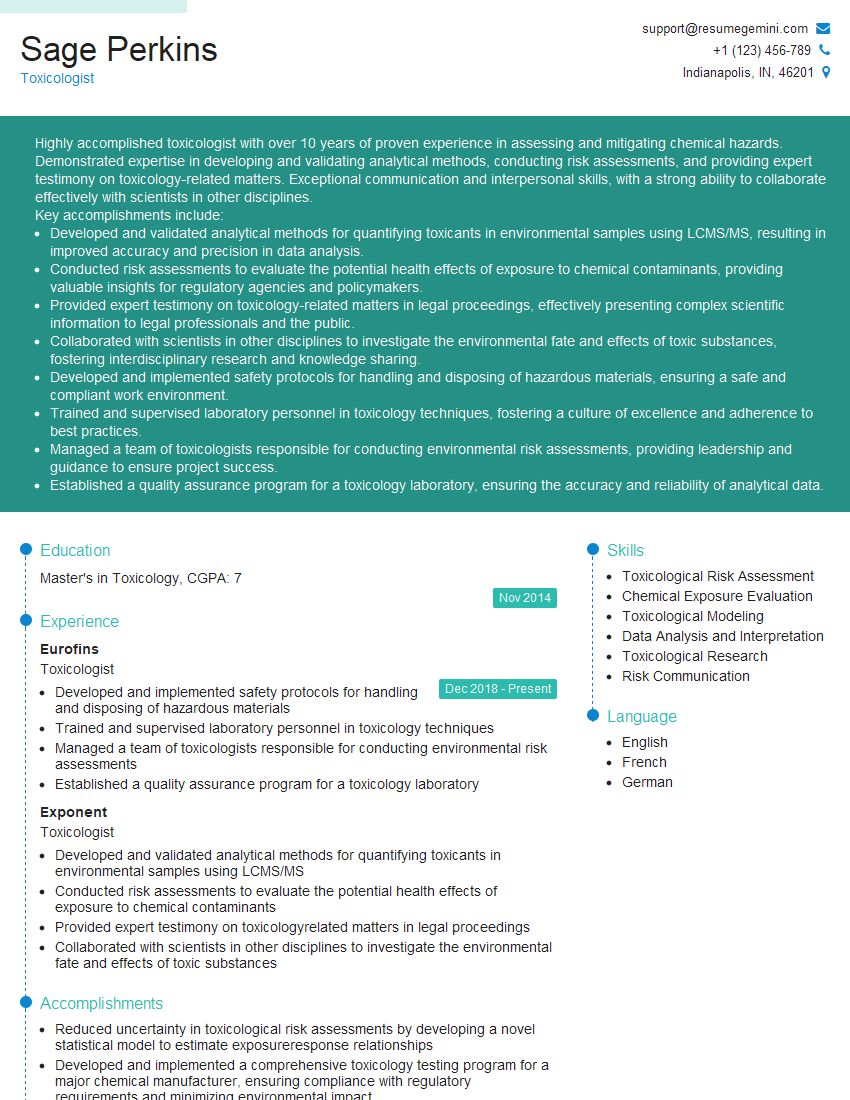
Toxicologist Resume Sample
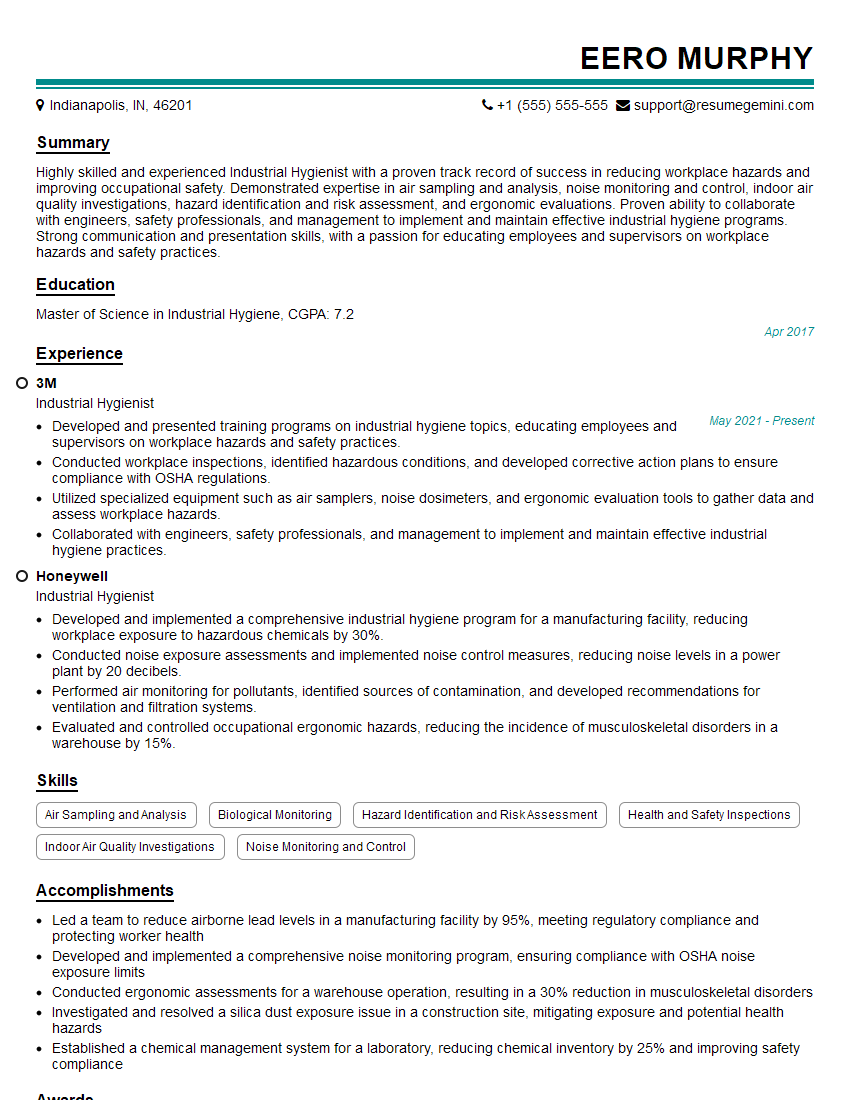
Industrial Hygienist Resume Sample
Explore more articles
Users Rating of Our Blogs
Share Your Experience
We value your feedback! Please rate our content and share your thoughts (optional).
What Readers Say About Our Blog
Very informative content, great job.
good