Unlock your full potential by mastering the most common Product Safety Management System Development interview questions. This blog offers a deep dive into the critical topics, ensuring you’re not only prepared to answer but to excel. With these insights, you’ll approach your interview with clarity and confidence.
Questions Asked in Product Safety Management System Development Interview
Q 1. Describe your experience implementing a Product Safety Management System (PSMS).
Implementing a Product Safety Management System (PSMS) involves a systematic approach to identifying, analyzing, and controlling hazards associated with a product throughout its lifecycle. My experience includes leading the development and implementation of PSMS across various industries, from medical devices to consumer electronics. This involved a phased approach starting with a comprehensive gap analysis against relevant standards (like ISO 14971) and regulatory requirements. We then defined roles and responsibilities, established documentation procedures, and implemented risk assessment methodologies. For example, in one project involving a new line of smartwatches, we employed Failure Mode and Effects Analysis (FMEA) to identify potential hazards related to battery life, material selection, and software functionality. The PSMS also included a robust post-market surveillance system for continuous monitoring and improvement.
The key to success was fostering a culture of safety across the organization, ensuring all personnel understood their role in maintaining product safety. Regular training, internal audits, and management reviews were crucial in maintaining the system’s effectiveness. Furthermore, we utilized dedicated software to manage risks, track corrective actions, and maintain necessary documentation. The result was a demonstrably safer product and a more efficient, proactive approach to product safety management.
Q 2. Explain the role of ISO 14971 in product safety.
ISO 14971:2019, Medical devices — Application of risk management to medical devices, is an internationally recognized standard that provides a framework for managing risks associated with medical devices. However, its principles are widely applicable to product safety across many industries. It defines a systematic process for identifying hazards, analyzing risks, and implementing risk control measures throughout a product’s lifecycle. The standard emphasizes a proactive approach to risk management, focusing on preventing hazards rather than simply reacting to incidents. It details the process from hazard identification and analysis through risk evaluation, risk control, and risk acceptance. Key elements include the use of risk matrices to quantify risks, clear documentation of all processes, and regular reviews of the risk management process. Thinking of it like building a house: ISO 14971 is the blueprint ensuring the structure is safe and sound, not just aesthetically pleasing.
Q 3. How do you conduct a hazard analysis and risk assessment?
Conducting a hazard analysis and risk assessment involves a structured approach to identifying potential hazards and evaluating the associated risks. It typically starts with a brainstorming session involving cross-functional teams (engineers, designers, manufacturing, etc.) to identify potential hazards associated with the product’s design, manufacturing, use, and disposal. Techniques such as Fault Tree Analysis (FTA), Failure Mode and Effects Analysis (FMEA), and HAZOP (Hazard and Operability Study) are commonly employed. For instance, in the design of a children’s toy, we might use FMEA to identify potential choking hazards from small parts, or sharp edges.
Following hazard identification, we evaluate the risks associated with each hazard using a risk matrix that considers the likelihood of occurrence and the severity of the potential harm. This helps prioritize risks and determine appropriate risk control measures. Once risks are assessed, we implement control measures to mitigate them (e.g., redesigning the toy to eliminate small parts or rounding sharp edges). The process is iterative, with regular reviews to ensure the effectiveness of the implemented controls and to address emerging risks.
Q 4. What are the key elements of a robust risk management plan?
A robust risk management plan encompasses several key elements: Firstly, a clearly defined risk management process, including roles, responsibilities, and timelines. This ensures accountability and consistency. Secondly, a comprehensive hazard identification and analysis methodology using appropriate tools and techniques. Thirdly, a well-defined risk evaluation criteria based on severity and likelihood, enabling objective risk prioritization. Fourthly, a detailed implementation plan for risk control measures, including engineering controls, administrative controls, and personal protective equipment (where applicable). Fifthly, a systematic monitoring and review process to track the effectiveness of controls and identify emerging risks. Finally, a clear escalation procedure for critical risks and incidents is crucial for timely response and proactive mitigation. This whole framework should be well documented and readily accessible to relevant personnel.
Q 5. Describe your experience with regulatory compliance (e.g., FDA, CE marking).
My experience with regulatory compliance includes navigating the complexities of FDA regulations for medical devices and CE marking for products sold within the European Economic Area. This involved understanding the specific requirements for each product category, including design controls, testing protocols, and post-market surveillance. For medical devices, this means detailed documentation of pre-clinical and clinical testing, as well as compliance with quality system regulations (e.g., ISO 13485). For CE marking, it entails demonstrating conformity with relevant EU directives and standards, including technical file preparation and assessment of conformity. In practice, this often includes working closely with Notified Bodies to ensure successful certification. Successfully managing regulatory compliance involves a proactive approach, staying updated on regulatory changes, and building strong relationships with regulatory agencies. I’ve been directly involved in successful regulatory submissions, resulting in product approvals and market access.
Q 6. How do you manage product recalls effectively?
Effective product recall management necessitates a well-defined plan activated promptly upon identification of a safety issue. This starts with a thorough investigation to determine the root cause of the problem, the scope of the affected products, and the potential risks to consumers. This is followed by a rapid communication strategy, notifying relevant authorities (like the FDA or equivalent) and affected customers. A clear recall strategy is crucial; this involves tracing affected products, coordinating with distributors and retailers, and establishing a system for returning and remediating or disposing of defective products. Throughout the process, careful documentation is paramount. Post-recall, a thorough analysis is needed to understand the cause of the failure, implement corrective actions to prevent future incidents, and enhance the PSMS. A successful recall minimizes risk to consumers, protects brand reputation, and ultimately strengthens product safety protocols.
Q 7. Explain your understanding of fault tree analysis (FTA).
Fault Tree Analysis (FTA) is a top-down, deductive approach used to identify the various combinations of events that could lead to a specific undesirable event or system failure (a ‘top event’). It visually represents these potential failure causes as a tree diagram, branching down from the top event to basic events (failures that are considered to be fundamental and unanalyzable). Each branch represents a potential cause, and the connections between branches show how the basic events contribute to the top event. For example, consider a top event of a car accident. Branches could include ‘driver error’, ‘brake failure’, ‘road hazard’ – each further branching into more detailed causes. FTA helps in understanding the complex relationships between events leading to failure, enabling identification of critical causes requiring mitigation or prevention. This systematic approach facilitates the identification of areas where risk can be most effectively controlled, informing decisions about risk mitigation strategies.
Q 8. How do you identify and mitigate potential safety hazards in the design phase?
Identifying and mitigating safety hazards during the design phase is crucial for preventing accidents and ensuring product safety. We employ a proactive approach, integrating safety considerations into every stage of the design process, rather than addressing them as an afterthought. This involves several key steps:
Hazard Analysis: We systematically analyze the product’s intended use, potential misuse, and foreseeable operating conditions to identify potential hazards. This might involve brainstorming sessions, checklists, or more formal hazard and operability studies (HAZOP).
Risk Assessment: Once hazards are identified, we assess the associated risks, considering the likelihood of the hazard occurring and the severity of the potential consequences. This often involves a risk matrix, allowing us to prioritize hazards based on their risk level (likelihood x severity).
Design for Safety: We incorporate safety features into the product design to eliminate or mitigate identified hazards. This could include using inherently safer materials, incorporating safety guards, implementing fail-safe mechanisms (redundancy), or adding warning labels. For example, in designing a power tool, we might include a dead-man switch to prevent accidental operation.
Verification and Validation: We verify that the safety measures implemented are effective through simulations, prototyping, and testing. This helps us validate that the design meets the required safety standards and regulations.
For instance, in a previous project designing a children’s toy, we identified a choking hazard from small parts. Our risk assessment showed a high likelihood and severity. The design was modified to eliminate small parts and use larger, safer components. Rigorous testing ensured the redesigned toy met all relevant safety standards.
Q 9. Describe your experience with failure mode and effects analysis (FMEA).
Failure Mode and Effects Analysis (FMEA) is a crucial tool for proactively identifying potential failures in a system and assessing their impact. My experience with FMEA spans various projects, from medical devices to consumer electronics. I’ve led FMEA workshops, facilitated team discussions, and documented findings in accordance with industry best practices. The process typically involves:
Defining the system: Clearly outlining the system’s components and their functions.
Identifying potential failure modes: Brainstorming possible ways each component could fail.
Assessing severity, occurrence, and detection: Rating each failure mode on a scale for severity (impact on safety and functionality), occurrence (likelihood of failure), and detection (how easily the failure can be detected). This usually leads to a Risk Priority Number (RPN) calculation (Severity x Occurrence x Detection).
Developing corrective actions: Identifying and implementing actions to reduce the risk associated with high-RPN failure modes.
Monitoring effectiveness: Tracking the effectiveness of corrective actions and updating the FMEA as needed.
In one project, an FMEA revealed a potential failure in a pressure sensor within a medical device. The high RPN prompted us to implement redundancy with a secondary sensor, significantly reducing the risk of system failure and ensuring patient safety.
Q 10. How do you ensure product safety throughout the entire product lifecycle?
Ensuring product safety throughout the entire product lifecycle requires a comprehensive and systematic approach. This involves integrating safety considerations into each phase, from design and development to manufacturing, distribution, use, and end-of-life management. Key aspects include:
Design Phase: As discussed earlier, implementing hazard analysis, risk assessment, and design for safety.
Manufacturing Phase: Implementing quality control procedures to ensure that the product is manufactured to the specified safety standards. This includes regular inspections, audits, and testing to catch potential defects early.
Distribution Phase: Ensuring that the product is properly packaged, labeled, and transported to minimize the risk of damage or injury during shipping. Using appropriate packaging, and ensuring appropriate handling instructions are provided.
Use Phase: Providing clear and comprehensive user instructions, warnings, and safety information to help users operate the product safely. Implementing user training and support where needed.
End-of-life Phase: Developing procedures for safe disposal or recycling of the product to minimize environmental impact and prevent hazards associated with improper disposal.
Post-market Surveillance: Continuously monitoring product performance after it’s launched to identify any potential safety issues that may have not been detected earlier. This involves collecting and analyzing feedback from customers, distributors, and regulatory authorities.
This holistic approach helps to build a robust safety culture and ensures that safety is a priority at every stage of the product’s life.
Q 11. What are your strategies for communicating safety information to stakeholders?
Effective communication of safety information is vital for ensuring product safety. My strategies for communicating this information to various stakeholders include:
User Manuals and Instructions: Creating clear, concise, and easily understandable user manuals that include comprehensive safety information, warnings, and instructions for safe use and maintenance.
Labels and Markings: Using clear and prominent labels and markings on the product itself to communicate safety information, including warnings and precautions.
Safety Data Sheets (SDS): Providing SDSs for hazardous materials used in the product, detailing their potential hazards and how to handle them safely.
Training Programs: Developing and delivering training programs for employees, distributors, and users on safe product handling, operation, and maintenance.
Website and Online Resources: Providing easily accessible online resources, including FAQs, videos, and additional safety information.
Regular Communication with Stakeholders: Maintaining open communication channels with all stakeholders, including customers, distributors, and regulatory agencies, to share safety information, address concerns, and collect feedback.
The key is to tailor the communication to the audience, using appropriate language and media. For example, user manuals should be clear and straightforward, while technical communications for engineers might require more detailed explanations.
Q 12. How do you handle safety incidents and near misses?
Handling safety incidents and near misses requires a structured approach focused on both immediate response and long-term prevention. Our process involves:
Immediate Response: Securing the situation, providing any necessary medical attention, and notifying relevant authorities as required. Documentation of the incident is essential.
Investigation: Conducting a thorough investigation to determine the root cause(s) of the incident, involving relevant personnel and employing systematic investigative techniques.
Corrective Actions: Implementing corrective actions to prevent recurrence of the incident. This may involve design modifications, process improvements, or changes to training materials.
Communication: Communicating the findings of the investigation and implemented corrective actions to relevant stakeholders, including customers and regulatory agencies.
Documentation: Maintaining detailed records of the incident, investigation, corrective actions, and any follow-up activities.
Near misses are treated with the same seriousness as incidents, recognizing that they represent opportunities to prevent future accidents. They are analyzed using the same methods to identify and address potential weaknesses in the system.
Q 13. Explain your experience with root cause analysis (RCA).
Root Cause Analysis (RCA) is a critical process for identifying the underlying causes of incidents and near misses. My experience encompasses various RCA methodologies, including the “5 Whys,” fault tree analysis, and fishbone diagrams. The goal is to go beyond superficial explanations to uncover the fundamental reasons why an event occurred. The process typically involves:
Gathering Data: Collecting relevant information from various sources, including witnesses, documentation, and physical evidence.
Identifying Contributing Factors: Pinpointing all factors that contributed to the incident.
Determining Root Causes: Using a chosen RCA methodology to systematically drill down to the root causes, avoiding blaming individuals.
Developing Corrective Actions: Identifying and implementing effective corrective actions to address the root causes.
Verification and Validation: Verifying the effectiveness of the implemented corrective actions.
For example, in a previous incident involving a product malfunction, the initial investigation pointed to a component failure. Using the “5 Whys” technique, we uncovered the root cause: inadequate supplier quality control leading to defective components. This led us to implement stricter supplier oversight and quality control procedures.
Q 14. How do you manage and maintain safety documentation?
Managing and maintaining safety documentation is crucial for demonstrating compliance with regulations and ensuring product safety. We use a robust system that incorporates:
Centralized Repository: Storing all safety-related documentation in a centralized, secure, and readily accessible location, often using a document management system.
Version Control: Implementing version control to track changes and ensure that everyone is working with the most up-to-date versions of documents.
Access Control: Restricting access to documents based on roles and responsibilities to protect confidential information.
Regular Reviews and Updates: Conducting regular reviews and updates of safety documentation to reflect any changes in product design, manufacturing processes, or regulations.
Document Retention Policy: Establishing a clear document retention policy to determine how long safety-related documentation should be retained.
Auditing: Conducting regular audits to ensure that the safety documentation is complete, accurate, and up-to-date.
This ensures that safety information is easily accessible, consistently maintained, and readily available for audits or investigations.
Q 15. Describe your familiarity with different safety standards and regulations.
My familiarity with safety standards and regulations is extensive, encompassing international, national, and industry-specific requirements. I have direct experience working with standards like ISO 14971 (Medical Devices Risk Management), IEC 60601 (Medical Electrical Equipment), and various directives such as the EU’s RoHS (Restriction of Hazardous Substances) and REACH (Registration, Evaluation, Authorisation and Restriction of Chemicals). My understanding extends to specific regulations impacting different product categories, including those for toys, consumer electronics, and food-contact materials. I stay updated on regulatory changes through continuous professional development and engagement with industry groups and regulatory bodies. For example, I recently completed a training course on the updated requirements of the Medical Device Regulation (MDR) in the EU, ensuring our PSMS remains compliant with the latest directives. This proactive approach guarantees our product safety processes remain aligned with the most current legislative landscapes.
- ISO 14971: This is a cornerstone standard for risk management in medical devices, which I have used extensively to conduct hazard analysis and risk assessments.
- IEC 60601: This standard governs the safety of medical electrical equipment, requiring rigorous testing and documentation.
- RoHS & REACH: These EU regulations control the use of hazardous substances in products, mandating compliance through material selection and testing.
Career Expert Tips:
- Ace those interviews! Prepare effectively by reviewing the Top 50 Most Common Interview Questions on ResumeGemini.
- Navigate your job search with confidence! Explore a wide range of Career Tips on ResumeGemini. Learn about common challenges and recommendations to overcome them.
- Craft the perfect resume! Master the Art of Resume Writing with ResumeGemini’s guide. Showcase your unique qualifications and achievements effectively.
- Don’t miss out on holiday savings! Build your dream resume with ResumeGemini’s ATS optimized templates.
Q 16. How do you prioritize safety risks based on severity and likelihood?
Prioritizing safety risks involves a structured approach using risk matrices that consider both severity and likelihood. Severity refers to the potential harm caused by a hazard (e.g., minor injury, serious injury, death), while likelihood refers to the probability of the hazard occurring. A common method is to assign numerical scores to each factor, then multiply them to determine a risk priority number (RPN). Higher RPNs indicate higher-priority risks requiring immediate attention. For example, a hazard with high severity (e.g., death) and high likelihood (e.g., frequent occurrence) would have a much higher RPN than a hazard with low severity (e.g., minor discomfort) and low likelihood (e.g., rare occurrence). We use this data-driven methodology to focus resources effectively on the most critical safety issues, ensuring a prioritized approach to mitigation.
We also utilize Failure Mode and Effects Analysis (FMEA) to identify potential failure modes and their effects on the product and users. This technique allows for a proactive approach to identifying potential risks before they manifest. After identifying and prioritizing risks, we develop mitigation strategies tailored to each risk level. These strategies range from simple design changes to more complex system-level modifications and process changes.
Q 17. How do you ensure that your PSMS is regularly reviewed and updated?
Regular review and update of our PSMS are crucial for maintaining effectiveness and compliance. We have a scheduled, documented review process built into our system, typically occurring annually or whenever significant changes occur (e.g., new products, regulatory updates, incidents). The review process includes a comprehensive evaluation of our processes, procedures, effectiveness, and compliance with relevant standards and regulations. Our team, comprised of members across different functions, reviews performance indicators, incident reports, and audit findings to identify areas for improvement. For instance, if an audit highlights a deficiency in our documentation management process, we promptly revise our procedures and provide training to ensure compliance. This iterative process guarantees our PSMS remains a dynamic and evolving system, continuously adapting to meet the changing needs of our products and the regulatory landscape. We maintain a version-controlled documentation system, which allows us to track all changes and amendments to the PSMS.
Q 18. Explain your experience with safety training programs.
I have extensive experience designing and implementing safety training programs tailored to different roles and responsibilities within the organization. These programs are not simply compliance-driven; instead, they foster a strong safety culture. We employ a multi-faceted approach, combining classroom training, online modules, hands-on workshops, and regular refreshers. The content is customized to various levels: from general awareness sessions for all employees to specialized training for engineers, quality control personnel, and production staff. For example, our engineers receive detailed training on risk assessment methodologies (e.g., FMEA), while production workers receive hands-on training on safe operating procedures for machinery. We track employee participation and understanding through quizzes and assessments to ensure the effectiveness of our training. Our training programs also incorporate real-world case studies and lessons learned from past incidents to reinforce the importance of safety practices. Post-training evaluations regularly assess program efficacy and inform future curriculum adjustments.
Q 19. How do you collaborate with cross-functional teams on safety initiatives?
Collaboration is vital for effective safety initiatives. I foster strong working relationships with cross-functional teams, including engineering, manufacturing, quality assurance, and legal, through regular meetings, shared documentation platforms, and open communication channels. Effective communication is key to ensure everyone understands their roles and responsibilities. We use collaborative project management tools to track progress on safety-related projects and to ensure alignment across teams. For example, when developing a new product, I work closely with the engineering team from the initial design phase to ensure safety considerations are integrated into the design process. During manufacturing, I collaborate with the production team to ensure safe operating procedures are followed. This holistic, collaborative approach ensures that safety is prioritized throughout the entire product lifecycle.
Q 20. Describe a time you had to make a difficult decision related to product safety.
In a previous role, we discovered a potential safety issue with a product already on the market. The issue was not critical, but had the potential to cause minor injuries in a small percentage of users. The decision was whether to issue a costly recall, or to attempt a less expensive solution through a software patch. Recall would have severely impacted our timeline and budget. However, prioritizing user safety, we opted for a full recall, even though it was a difficult and expensive decision. We opted for this approach because we believed it was the safest and most responsible action to take. The recall resulted in a temporary financial setback, but ultimately protected our brand reputation and prevented potential harm to our customers. This experience reinforced my commitment to putting user safety above all else, demonstrating that sometimes the most challenging decisions are the most important.
Q 21. How do you balance safety with cost and time constraints?
Balancing safety with cost and time constraints requires a strategic approach. It’s not a matter of compromising safety; instead, it’s about finding the most cost-effective and timely solutions that meet the required safety standards. We use risk assessment techniques to identify and prioritize safety risks, allowing us to focus resources on the most critical issues. For example, if a potential hazard has a low likelihood and low severity, we may opt for a less expensive mitigation strategy compared to one with high likelihood and high severity. We also involve cost and time considerations in our risk assessment and mitigation planning process. The goal is not to cut corners on safety but to optimize resources to effectively address the most significant risks within reasonable budgetary and time constraints. We may explore different solutions and evaluate their trade-offs. Open communication with stakeholders is critical to ensure everyone understands the trade-offs and are aligned on the final decision.
Q 22. What metrics do you use to measure the effectiveness of your PSMS?
Measuring the effectiveness of a Product Safety Management System (PSMS) requires a multifaceted approach, going beyond simply the absence of incidents. We use a combination of leading and lagging indicators.
Lagging Indicators: These reflect past performance. Examples include the number of product recalls, customer complaints related to safety, and the number of reported injuries or incidents linked to our products. A low number of these is a positive sign, indicating a well-functioning PSMS. For instance, a reduction in customer complaints regarding a specific product feature over time demonstrates the effectiveness of implemented safety improvements.
Leading Indicators: These predict future performance and are crucial for proactive safety management. Examples include the completion rate of safety audits and inspections, the effectiveness of our corrective and preventative action (CAPA) process (measured by recurrence rates), employee training completion rates, and the number of near-miss incidents reported (demonstrating a culture of safety reporting). A high rate of near-miss reporting, coupled with prompt investigation and remediation, actually suggests a healthy PSMS as it fosters early detection and prevention.
Data Analysis: We analyze this data using statistical process control (SPC) charts to identify trends and patterns. This helps us understand which areas of our PSMS are particularly effective and which need improvement. For example, a sudden spike in a specific type of customer complaint might point to a flaw in a recent product batch or a gap in our quality control process.
Q 23. How do you stay up-to-date on changes in safety regulations and standards?
Staying current with evolving safety regulations and standards is critical. We employ a multi-pronged strategy:
Subscription to Regulatory Databases: We subscribe to databases that provide updates on relevant regulations, such as those from governmental agencies and international standardization organizations (like ISO). This ensures we are notified immediately of changes.
Industry Associations and Conferences: Active participation in industry associations and attending relevant conferences provides valuable networking opportunities and insights into emerging safety concerns and best practices. This often allows us to anticipate changes before they are formally implemented.
Internal Knowledge Sharing: We maintain a dedicated team responsible for monitoring regulatory changes and sharing updates internally through training programs and newsletters. This ensures company-wide awareness.
Regular Audits: Our internal audits incorporate a review of compliance with the latest safety standards and regulations. Any discrepancies are immediately addressed through CAPA processes.
Imagine it like a ship constantly navigating – we need up-to-date charts (regulations) and a skilled navigator (our dedicated team) to avoid potential hazards.
Q 24. How do you manage safety risks related to outsourced manufacturing?
Managing safety risks associated with outsourced manufacturing necessitates a robust system of oversight and collaboration. We establish clear safety expectations and requirements in our supplier contracts, including:
Detailed Specifications: Our contracts specify the precise safety standards our suppliers must adhere to, aligning with international standards and local regulations. This is not just a checklist but incorporates detailed specifications on material selection, manufacturing processes, and quality control measures.
Regular Audits and Inspections: We conduct regular audits of our suppliers’ facilities to verify their compliance with our safety requirements. This may involve both on-site visits and reviewing their internal documentation. These audits are unannounced to ensure authenticity.
Continuous Improvement Programs: We work with our suppliers to implement continuous improvement programs aimed at enhancing their safety culture and processes. This includes offering training and support when needed.
Incident Reporting and Response: We have a system in place for our suppliers to immediately report any safety incidents or near misses. A clear escalation protocol is established to respond efficiently and transparently to any issues.
The key is building trust and establishing a collaborative relationship with our suppliers to ensure shared accountability for product safety. Transparency and clear communication are paramount.
Q 25. Explain your understanding of the legal responsibilities related to product safety.
Legal responsibilities related to product safety are significant and vary by jurisdiction, but generally involve ensuring products are safe for their intended use and meet all applicable regulations. This includes:
Compliance with Regulations: We must ensure our products comply with all relevant safety standards and regulations, which may include specific testing requirements, labeling guidelines, and warnings. Non-compliance can lead to significant legal consequences.
Product Liability: We are legally liable for injuries or damages caused by defects in our products. This responsibility extends beyond the manufacturing stage and encompasses the entire product lifecycle. Product recalls are an example of fulfilling this responsibility.
Transparency and Disclosure: We have a legal obligation to provide complete and accurate information about our products, including potential risks. This often involves providing clear and concise warnings and instructions.
Record Keeping: Meticulous record-keeping is crucial for demonstrating compliance. This encompasses design documentation, test results, incident reports, and any corrective actions taken.
Ignoring these legal responsibilities can result in hefty fines, lawsuits, reputational damage, and even criminal charges.
Q 26. How do you incorporate user feedback into your product safety strategy?
User feedback is an invaluable source of information for improving product safety. We actively solicit and analyze user feedback through various channels:
Customer Surveys: Regular surveys assess user experience and identify potential safety concerns. These surveys are designed to be clear, concise, and easy for users to complete.
Social Media Monitoring: We actively monitor social media platforms for mentions of our products, particularly those highlighting safety-related issues. This provides real-time insight into potential problems.
Customer Service Interactions: We analyze customer service interactions to identify recurring safety-related complaints. This data is particularly useful in revealing underlying design flaws or procedural issues.
Product Reviews: Online product reviews offer insights into user experiences, including potential safety hazards. We analyze these reviews to spot trends and emerging concerns.
All feedback is categorized and analyzed to determine whether it indicates a genuine safety concern requiring investigation and remediation. For example, repeated complaints about a product’s instability might prompt a redesign or the implementation of additional safety warnings.
Q 27. Describe your experience with implementing preventative and corrective actions (CAPA).
Corrective and Preventative Action (CAPA) is a cornerstone of our PSMS. Our CAPA process follows a structured approach:
Incident Identification and Reporting: Any safety incident, near miss, or customer complaint is promptly reported and investigated. A clear reporting process ensures that nothing slips through the cracks.
Root Cause Analysis: A thorough root cause analysis (RCA) is conducted to identify the underlying causes of the incident, not just the symptoms. Techniques like Fishbone diagrams or 5 Whys are frequently used. This prevents similar incidents from happening again.
Corrective Action: Appropriate corrective actions are implemented to address the immediate problem. This might involve recalling affected products, modifying the design, or implementing improved manufacturing processes.
Preventative Action: Preventative actions are implemented to prevent recurrence. This might involve updating training materials, improving quality control procedures, or enhancing design specifications.
Effectiveness Verification: The effectiveness of both corrective and preventative actions is verified through follow-up monitoring. This ensures that the implemented changes are truly effective in preventing future incidents. This might involve tracking the number of similar incidents after the CAPA is implemented.
A well-documented and consistently applied CAPA process demonstrates a proactive approach to product safety and continuous improvement.
Q 28. How do you ensure the effectiveness of your product safety testing procedures?
Ensuring the effectiveness of our product safety testing procedures involves several key elements:
Test Plan Development: A comprehensive test plan is developed for each product, outlining the specific tests to be conducted, the testing methods, and the acceptance criteria. The plan ensures that all relevant aspects are covered.
Accreditation and Calibration: We use accredited testing laboratories and ensure that all testing equipment is properly calibrated. This guarantees the reliability and validity of our test results.
Internal Audits: Regular internal audits assess the effectiveness of our testing processes and identify areas for improvement. This includes reviewing test reports, examining methodologies, and checking compliance to standards.
External Audits: Periodic external audits by independent third-party organizations provide an objective assessment of our testing procedures and compliance with relevant standards. This creates additional layers of oversight.
Documentation and Traceability: Meticulous documentation is maintained throughout the testing process. This enables full traceability of test results and ensures that the data can be easily accessed and reviewed. This allows for future analysis and understanding of trends.
By adhering to these principles, we ensure that our testing procedures are rigorous, reliable, and provide a high degree of confidence in the safety of our products.
Key Topics to Learn for Product Safety Management System Development Interview
- Hazard Identification and Risk Assessment: Understanding methodologies like FMEA (Failure Mode and Effects Analysis) and HAZOP (Hazard and Operability Study) to proactively identify potential hazards and assess their risks.
- Safety Standards and Regulations: Familiarity with relevant international and industry-specific standards (e.g., ISO 14971, IEC 60601) and their practical application in product development.
- Risk Mitigation Strategies: Exploring various techniques to control and mitigate identified risks, including design modifications, safety features, and warnings.
- Safety Lifecycle Management: Understanding the integration of safety considerations throughout the entire product lifecycle, from concept to disposal.
- Documentation and Traceability: Mastering the creation and maintenance of comprehensive safety documentation, ensuring traceability of safety-related decisions and actions.
- Incident Reporting and Investigation: Knowledge of processes for reporting and investigating safety incidents, performing root cause analysis, and implementing corrective actions.
- Safety Testing and Verification: Understanding various testing methodologies to validate the effectiveness of implemented safety measures and confirm compliance with regulations.
- Communication and Collaboration: Effective communication and collaboration skills to effectively convey safety information to stakeholders across different teams and departments.
- Regulatory Compliance and Auditing: Knowledge of regulatory compliance requirements and the procedures for conducting internal and external safety audits.
- Data Analysis and Reporting: Utilizing data analysis techniques to track safety performance, identify trends, and support continuous improvement initiatives.
Next Steps
Mastering Product Safety Management System Development is crucial for career advancement in industries prioritizing safety and compliance. A strong understanding of these principles opens doors to leadership roles and higher earning potential. To significantly boost your job prospects, creating an ATS-friendly resume is essential. ResumeGemini is a trusted resource that can help you build a compelling and effective resume showcasing your skills and experience. Examples of resumes tailored to Product Safety Management System Development are available to guide you.
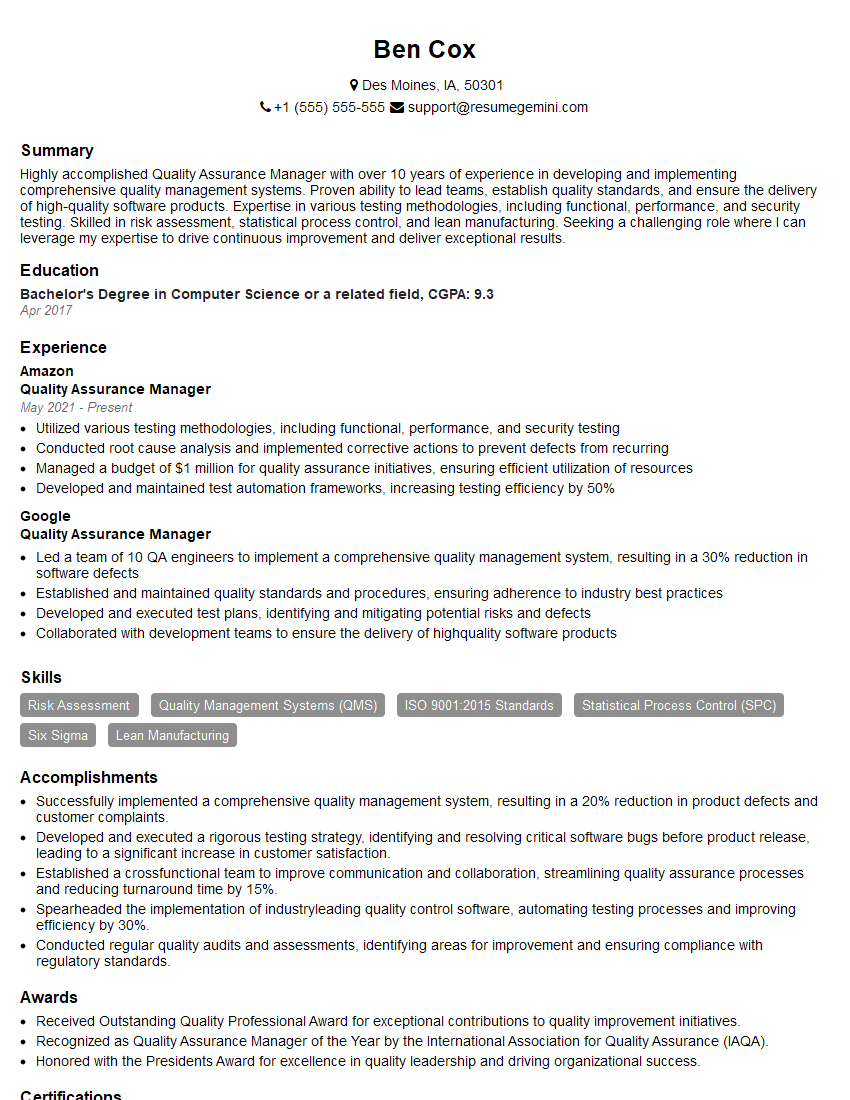
Quality Assurance Manager Resume Sample
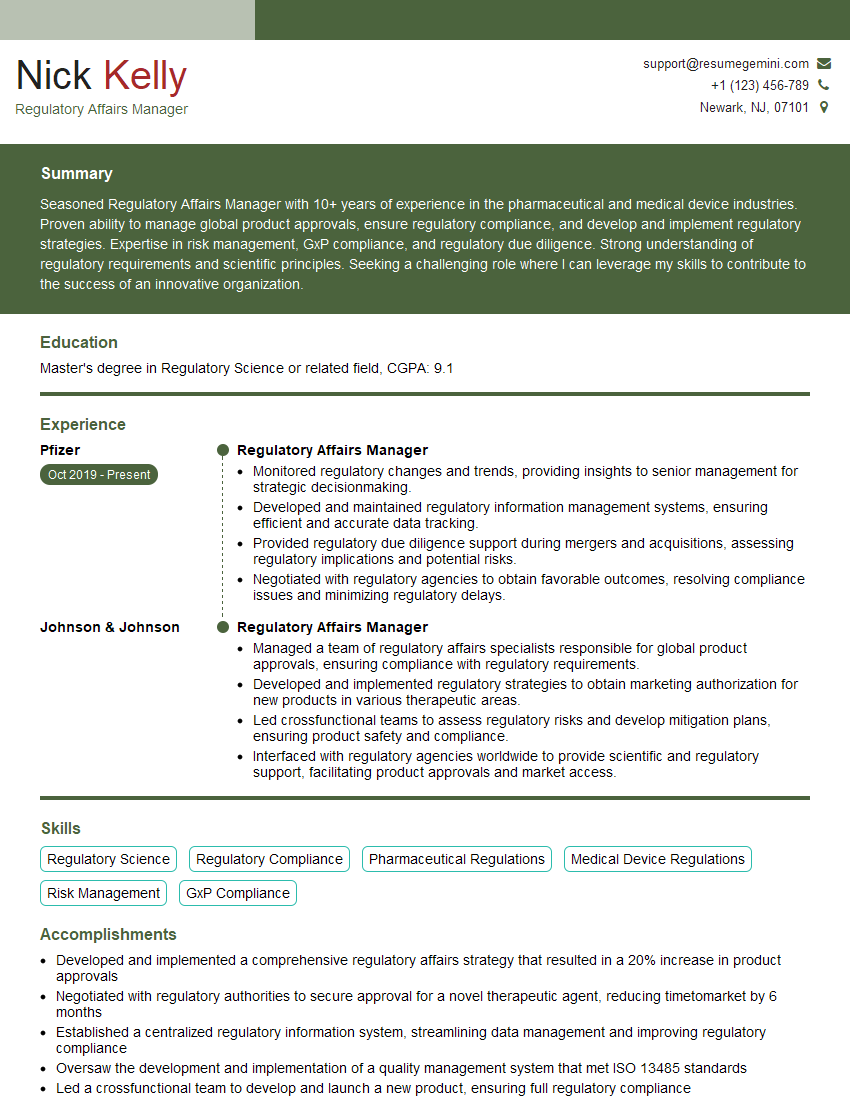
Regulatory Affairs Manager Resume Sample
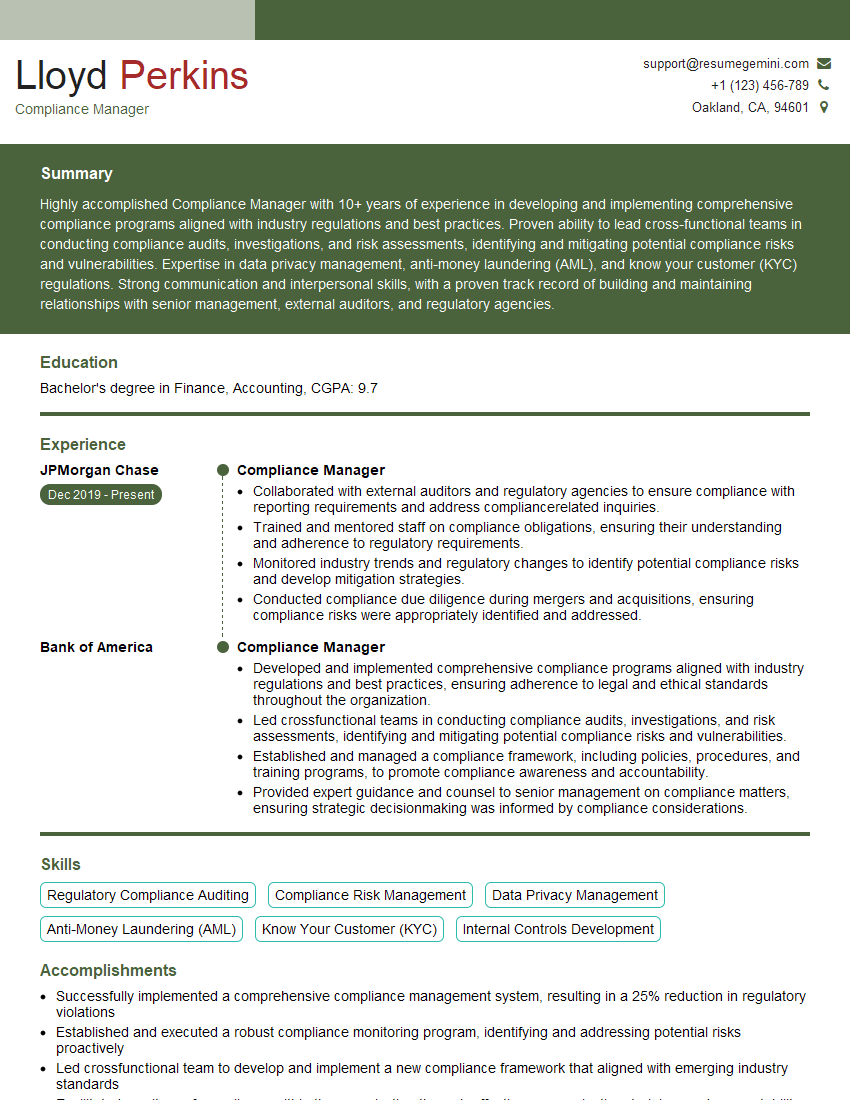
Compliance Manager Resume Sample
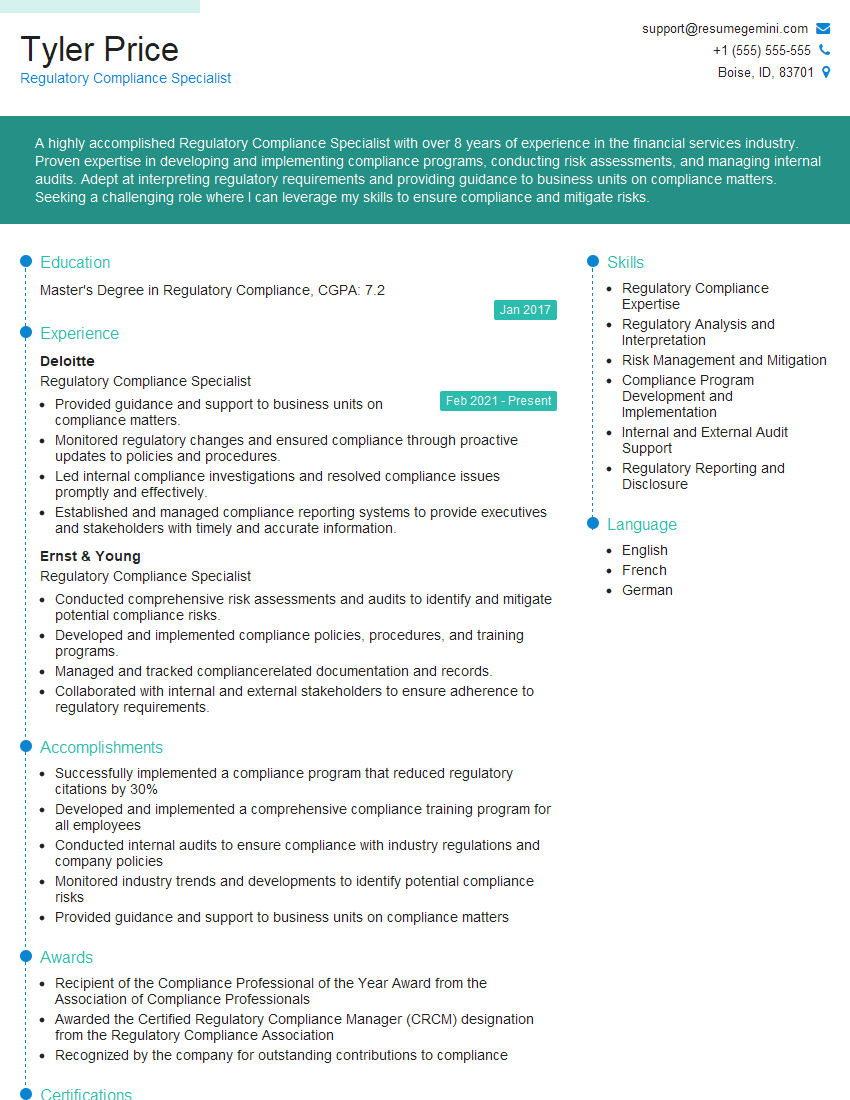
Regulatory Compliance Specialist Resume Sample
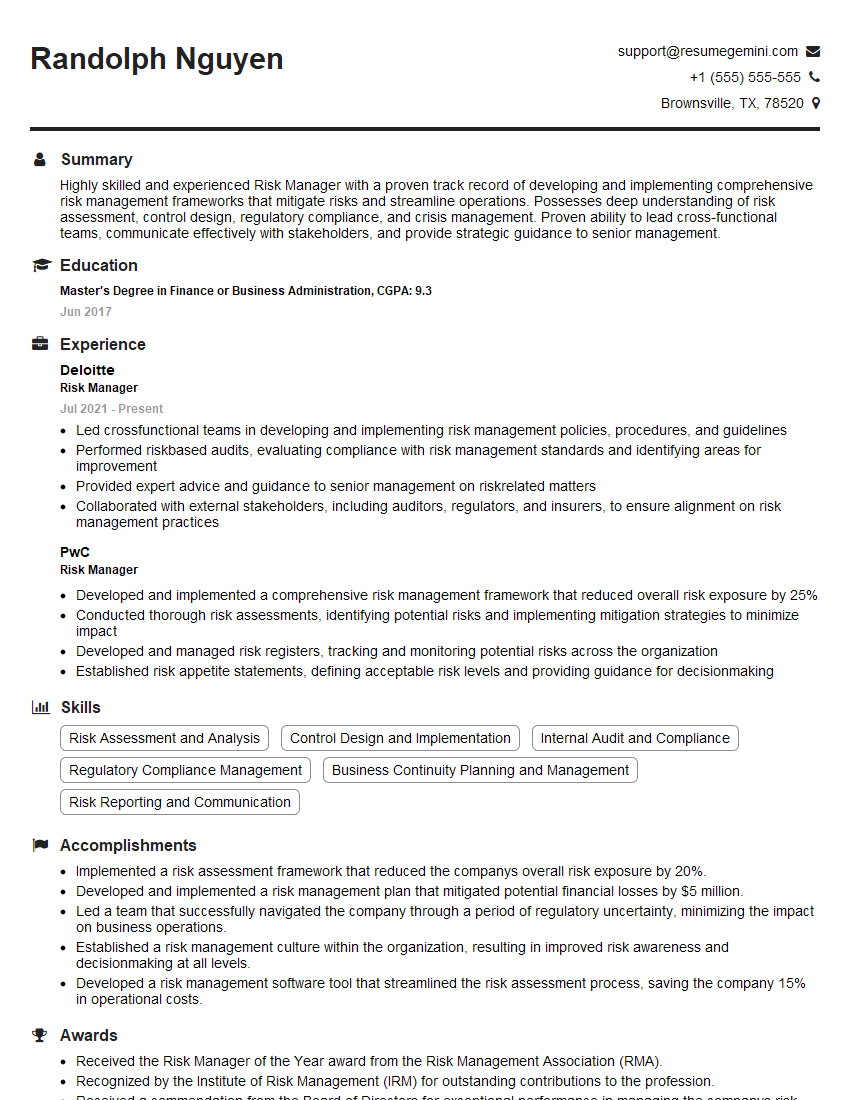
Risk Manager Resume Sample
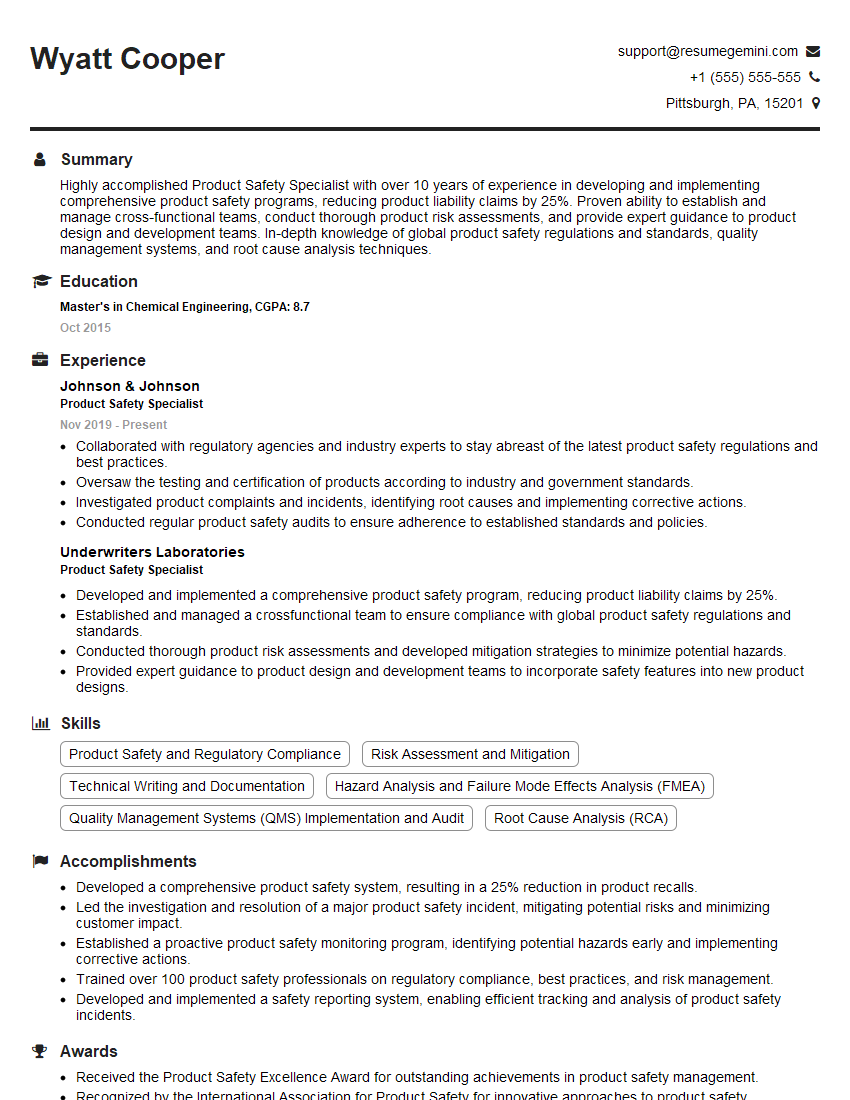
Product Safety Specialist Resume Sample
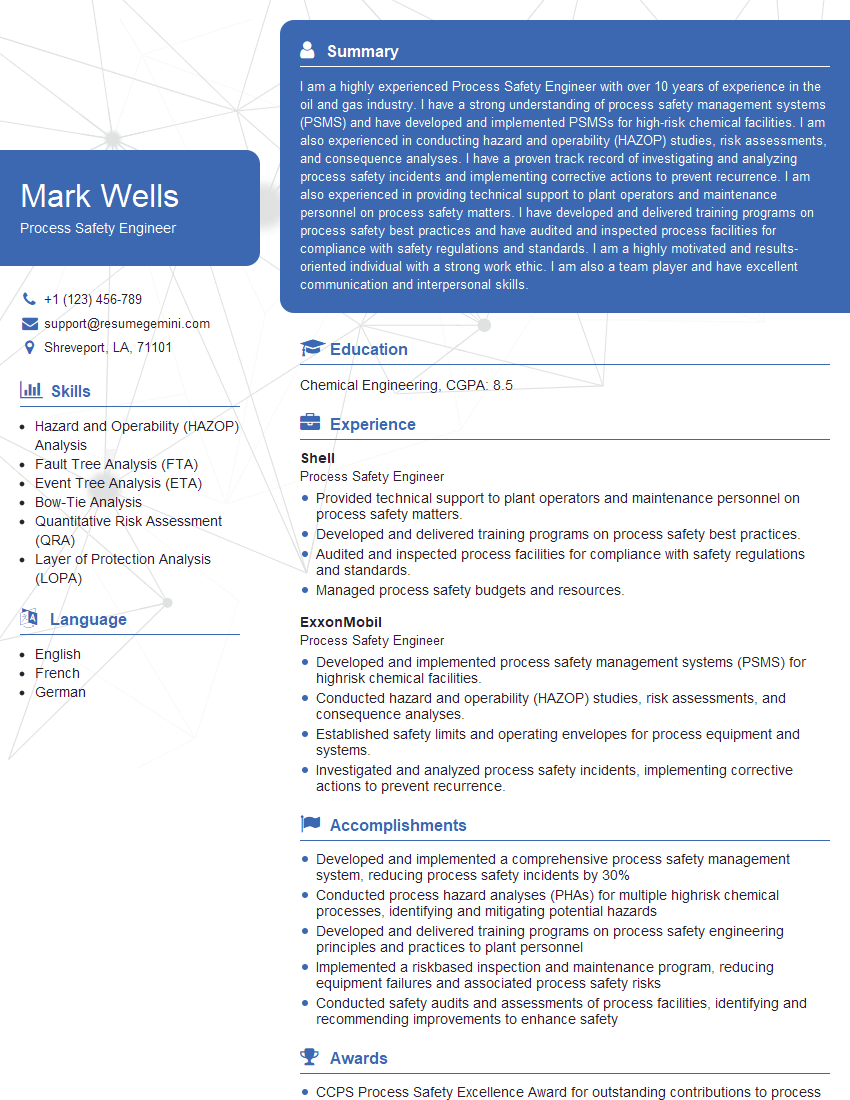
Process Safety Engineer Resume Sample
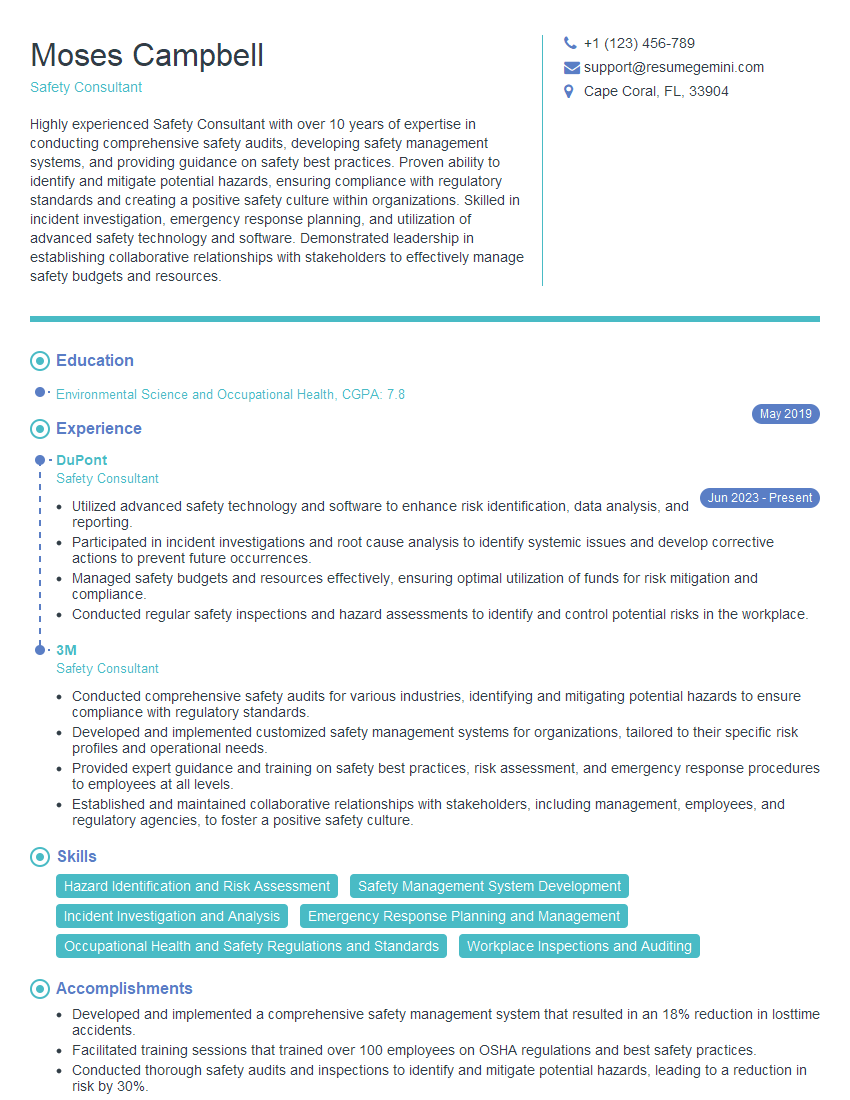
Safety Consultant Resume Sample
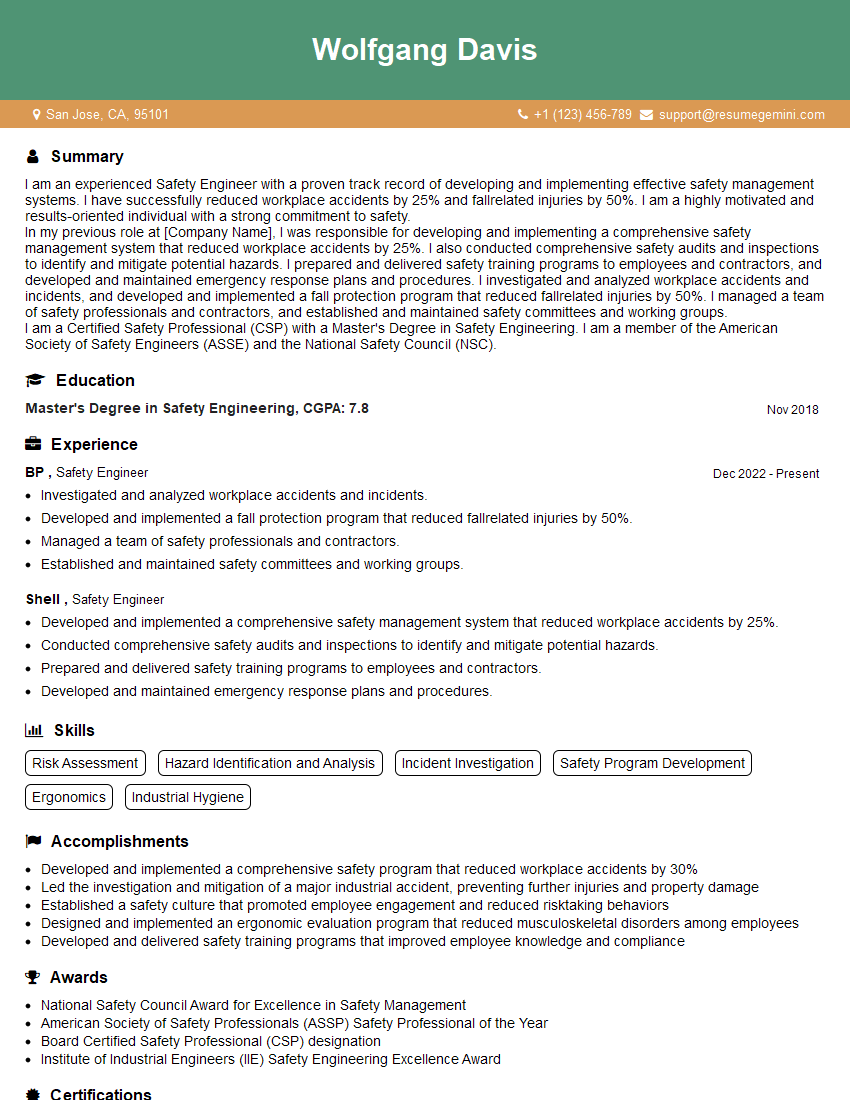
Safety Engineer Resume Sample
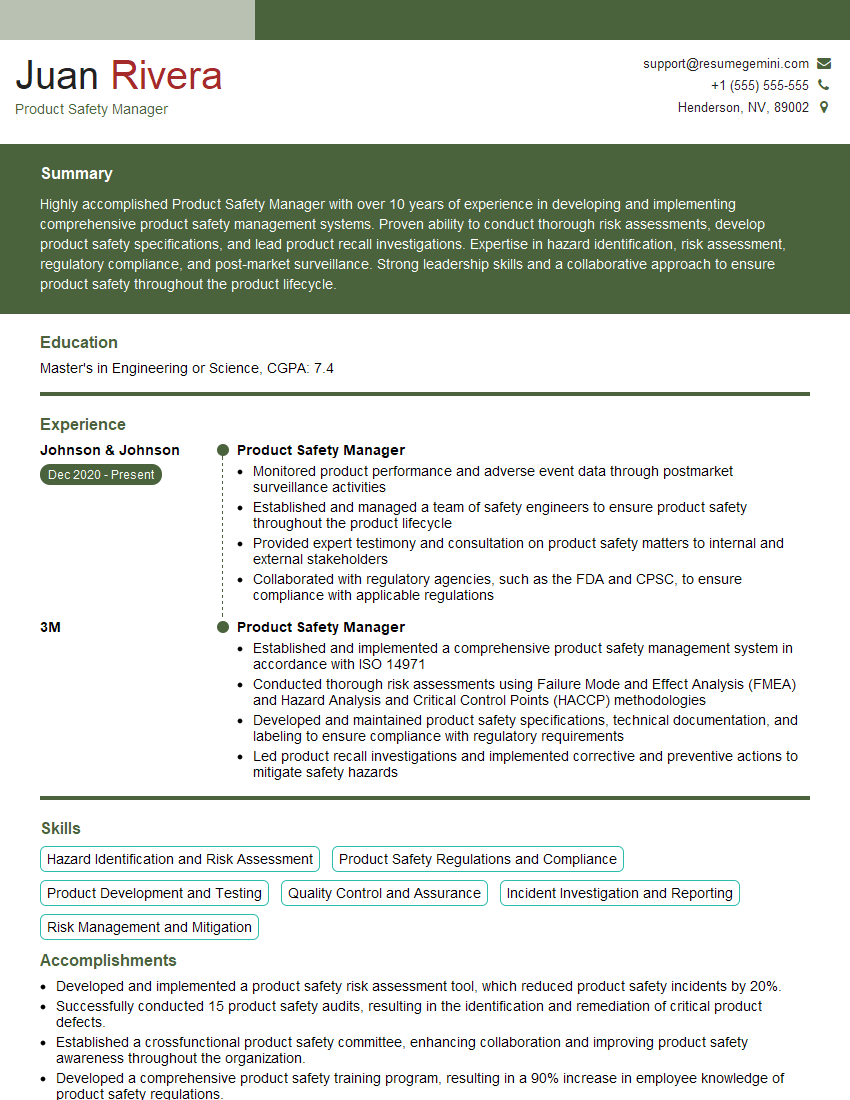
Product Safety Manager Resume Sample
Explore more articles
Users Rating of Our Blogs
Share Your Experience
We value your feedback! Please rate our content and share your thoughts (optional).
What Readers Say About Our Blog
Very informative content, great job.
good