Preparation is the key to success in any interview. In this post, we’ll explore crucial Product Safety Regulations interview questions and equip you with strategies to craft impactful answers. Whether you’re a beginner or a pro, these tips will elevate your preparation.
Questions Asked in Product Safety Regulations Interview
Q 1. Explain your understanding of the Consumer Product Safety Improvement Act (CPSIA).
The Consumer Product Safety Improvement Act (CPSIA) of 2008 is a U.S. federal law significantly impacting the safety of children’s products. It aims to reduce the risk of injury or death associated with hazardous products. Key aspects include stricter standards for lead and phthalates in children’s products, mandatory third-party testing and certification for many items, and enhanced tracking and recall procedures. Think of it as a comprehensive overhaul of safety regulations for products marketed to children, bringing much-needed consistency and rigor to the process.
For example, before CPSIA, lead paint on toys was a more significant problem. CPSIA mandates specific limits on lead content, requiring manufacturers to conduct rigorous testing to ensure compliance. This has resulted in safer products for children.
Beyond lead and phthalates, CPSIA also addresses choking hazards and other potential dangers, ensuring a greater level of safety for children’s products. It highlights the importance of proactive safety measures rather than reactive responses to injuries.
Q 2. Describe your experience with ISO 14971 Risk Management.
ISO 14971 is an internationally recognized standard for risk management applied to medical devices, but its principles are widely applicable to various products. It’s a systematic process for identifying, analyzing, and evaluating risks associated with a product throughout its lifecycle. My experience involves leading risk management activities, from initial hazard identification using techniques like fault tree analysis and Failure Modes and Effects Analysis (FMEA), to risk evaluation using risk matrices and implementing risk control measures. I’ve successfully integrated ISO 14971 principles into product development processes, ensuring that potential hazards are addressed early and effectively.
For instance, in a recent project involving a new type of children’s toy, we identified a potential choking hazard related to small parts. Using FMEA, we analyzed the likelihood and severity of this hazard, implemented design changes to mitigate the risk (larger parts, stronger connections), and documented the entire process according to ISO 14971. This ensured the toy met safety standards while also providing a clear audit trail for regulatory compliance.
Q 3. How do you conduct a hazard analysis for a new product?
Conducting a thorough hazard analysis for a new product is crucial to ensure safety. It typically involves a multi-stage process. First, I would assemble a cross-functional team encompassing design, engineering, and safety experts. Then, we would brainstorm potential hazards associated with the product’s design, intended use, misuse, and even its disposal. This brainstorming often uses techniques like HAZOP (Hazard and Operability Study) or a simple checklist based on prior experience and known hazards for similar products.
Next, we would systematically analyze each identified hazard, considering its severity, likelihood of occurrence, and potential consequences. This analysis might involve using a risk matrix to prioritize hazards based on the calculated risk level. The process isn’t just about identifying problems; it’s about proactively eliminating or mitigating those problems using appropriate engineering controls, warnings, or instructions. For example, if we identify a sharp edge as a hazard on a kitchen appliance, we would redesign the appliance to eliminate the sharp edge or implement safety guards to mitigate the potential for cuts. Finally, we document the entire process, including all identified hazards, risk assessments, and mitigation strategies.
Q 4. What is your experience with regulatory compliance reporting?
My experience in regulatory compliance reporting spans several jurisdictions and product categories. I’m proficient in preparing and submitting reports to agencies like the Consumer Product Safety Commission (CPSC) in the U.S., the European Commission (EC) regarding CE marking, and other relevant bodies worldwide. This includes preparing reports on testing results, incidents, recalls, and any other information required by regulations. I understand the importance of accurate and timely reporting, ensuring complete transparency with regulatory authorities. A key part of this involves maintaining meticulous records of testing, design changes, and any issues that arise during the product’s lifecycle.
For instance, I’ve managed the reporting process for a recall of a product due to a fire hazard. This involved prompt notification to the relevant agencies, collaboration with legal counsel, and coordinating communications with customers. Successful management of such events minimizes negative impacts on the brand while demonstrating a commitment to product safety.
Q 5. Explain the difference between a recall and a corrective action.
A recall and a corrective action are both responses to product safety issues, but they differ significantly in scope and implementation. A recall is a formal action requiring the return of a product from consumers due to a safety hazard that poses a serious risk of injury or death. Think of it as a large-scale, proactive measure to remove potentially dangerous products from the market. A corrective action, on the other hand, is a broader term encompassing any action taken to address a non-conformance or defect, which might be a more minor issue, and may not require direct consumer involvement. This could range from a simple design modification to improved manufacturing processes.
For example, a recall might be issued for a faulty children’s toy that could cause suffocation, while a corrective action might involve updating product instructions to clarify proper usage to prevent less severe injuries.
Q 6. How would you handle a situation where a product fails to meet safety standards?
If a product fails to meet safety standards, my immediate response would be to initiate a thorough investigation to determine the root cause of the failure. This involves reviewing testing data, manufacturing records, and customer reports. Next, we’d engage in immediate corrective actions to address the failure, which might involve halting production, modifying the design or manufacturing process, or issuing a field notification to customers. The severity of the non-compliance dictates the urgency and scope of our response. For more serious issues, a recall might be necessary. Throughout this process, transparent communication with regulatory bodies is essential, along with maintaining comprehensive documentation for future reference and potential audits.
For example, if during routine testing, we discover a flaw in a product’s design that could lead to a fire hazard, we would immediately halt production, rectify the design flaw, and consider issuing a field notification to customers who have already purchased the product.
Q 7. Describe your experience with different safety testing methods.
My experience encompasses a wide range of safety testing methods, including mechanical testing (e.g., tensile strength, impact resistance), flammability testing (e.g., UL 94, ASTM D635), electrical safety testing (e.g., dielectric strength, insulation resistance), chemical testing (e.g., lead content, phthalate levels), and toxicological testing (e.g., skin irritation, eye irritation). The specific tests employed depend on the product’s nature, intended use, and applicable regulations. I understand the importance of selecting appropriate testing standards and ensuring the validity and reliability of test results. This includes understanding the limitations of each test and ensuring that the test results accurately reflect the product’s safety performance.
For example, when testing a children’s toy, we would perform tests to assess its mechanical strength, to ensure it can withstand normal use and resist breakage, and also check its chemical composition, to ensure it’s free from harmful substances like lead and phthalates. The process follows established standards and is thoroughly documented, creating a robust safety profile for the product.
Q 8. What is your experience with CE marking or other international safety standards?
My experience with CE marking and other international safety standards is extensive. CE marking, for example, indicates conformity with health, safety, and environmental protection requirements within the European Economic Area. I’ve been involved in ensuring products meet these requirements across a wide range of sectors, including medical devices, electrical appliances, and toys. This involves understanding the specific directives and standards applicable to each product category. Beyond CE marking, I’m also familiar with standards like UL (Underwriters Laboratories) in the US, CSA (Canadian Standards Association) in Canada, and various ISO standards related to product safety management systems. For instance, I’ve worked with companies to implement ISO 14971, which is a critical standard for managing risks associated with medical devices. My experience ensures products not only meet the minimum legal requirements but also exceed them, minimizing risks and ensuring consumer confidence.
For example, in a recent project involving a new line of electric kettles, I guided the manufacturer through the process of achieving both CE marking and UL certification, ensuring compliance with electromagnetic compatibility (EMC) directives, low-voltage directives, and relevant safety standards specific to electrical appliances. This included thorough testing, documentation, and auditing.
Q 9. How familiar are you with the process of obtaining product certifications?
Obtaining product certifications is a multi-stage process that requires meticulous attention to detail. It typically begins with identifying the relevant standards and regulations for the product in question. This is followed by designing and manufacturing the product in accordance with these standards. Rigorous testing is then conducted to verify compliance. This testing might be conducted internally or by a third-party accredited testing laboratory. Once testing is complete and successful, the certification body reviews the documentation—including design specifications, test results, and quality management system documentation—to verify compliance. Upon successful review, the certification is granted, often involving the issuance of a certificate and the right to display a certification mark on the product.
For instance, obtaining a medical device certification involves navigating stringent regulatory requirements like FDA 510(k) clearance in the US or CE marking under the Medical Device Regulation (MDR) in Europe. Each step, from initial design review to post-market surveillance, needs meticulous documentation and adherence to specific regulatory guidelines.
Q 10. Explain your experience with root cause analysis in product safety incidents.
Root cause analysis (RCA) is crucial in product safety incidents to prevent recurrence. My approach involves using a combination of techniques, often beginning with a thorough investigation to gather all relevant data. This includes reviewing incident reports, conducting interviews with witnesses, examining the failed product, and analyzing any available data logs. Common RCA methodologies I employ include the ‘5 Whys,’ fault tree analysis, and fishbone diagrams. The goal is to identify not just the immediate cause but also the underlying systemic issues that contributed to the incident.
For example, in an incident involving a malfunctioning power tool, a simple RCA might reveal a faulty switch as the immediate cause. However, a deeper analysis—using the ‘5 Whys’—might uncover underlying issues such as inadequate quality control during the manufacturing process or insufficient training for assembly line workers. This deeper understanding allows for the implementation of comprehensive corrective actions, ensuring similar incidents are prevented.
Q 11. How do you stay updated on changes in product safety regulations?
Staying updated on changes in product safety regulations is an ongoing process. I utilize multiple strategies to ensure I’m always current. This includes regularly reviewing updates from relevant regulatory bodies such as the FDA, the European Commission, and national standards organizations. I also actively participate in industry conferences, workshops, and webinars to learn about evolving best practices and emerging regulatory trends. Subscription to relevant newsletters and industry journals also keeps me informed of significant changes. Moreover, maintaining a network of contacts within the regulatory and compliance fields helps ensure timely access to critical information.
Think of it like staying current with medical knowledge for a doctor. Continuous learning is essential to ensure that the advice given is accurate and up-to-date.
Q 12. Describe your experience with creating and maintaining safety documentation.
Creating and maintaining safety documentation is paramount for demonstrating compliance and minimizing liability. This involves developing a comprehensive system for documenting all aspects of product safety, from design specifications and risk assessments to test results and corrective actions. I’m proficient in creating various safety documents, including safety data sheets (SDS), hazard analyses, risk assessments (using tools like FMEA – Failure Mode and Effects Analysis), and technical files required for certification. The documentation is meticulously organized and maintained, ensuring easy access and traceability. Version control is implemented to track changes and modifications over time.
For example, a well-maintained technical file for a medical device will include design specifications, test reports, clinical data (if applicable), and details of any corrective actions taken based on post-market surveillance or incident reports. This ensures compliance with regulatory requirements and provides a comprehensive history of the product’s safety performance.
Q 13. How do you prioritize risks associated with product safety?
Prioritizing risks associated with product safety requires a systematic approach. I utilize risk assessment methodologies like Failure Mode and Effects Analysis (FMEA) to identify potential hazards and evaluate their severity, probability of occurrence, and detectability. This allows for the ranking of risks based on a risk priority number (RPN), which helps determine which risks require immediate attention and which can be addressed later. This prioritization helps focus resources effectively on the most critical safety issues. Further, risk mitigation strategies are developed and implemented to reduce the RPN of high-priority risks.
Imagine a scenario with a new toy. Using FMEA, we might identify the risk of small parts detaching as a high-priority risk (high severity, high probability, low detectability) and implement measures like stronger bonding and rigorous testing to mitigate the risk. This structured approach ensures that the most significant safety concerns are addressed first.
Q 14. What is your experience with managing product safety audits?
Managing product safety audits involves planning, coordination, and follow-up. I’m experienced in handling both internal and external audits, ensuring that all relevant aspects of the product safety management system are thoroughly reviewed. This includes preparing for the audit by gathering necessary documentation and identifying potential areas of concern. During the audit, I ensure open communication with the auditors, addressing their questions and concerns promptly and professionally. Following the audit, I meticulously review the audit findings, developing and implementing corrective actions to address any non-conformances or areas for improvement. Regular internal audits are key in maintaining a robust safety management system.
In a recent example involving an external audit for a medical device manufacturer, I worked collaboratively with the audit team to ensure seamless access to documentation and transparent communication throughout the process. This resulted in a successful audit, showcasing the effectiveness of our product safety management system and demonstrating our commitment to regulatory compliance.
Q 15. Explain your understanding of product liability laws.
Product liability laws hold manufacturers, distributors, and sellers responsible for injuries or damages caused by defective products. These laws aim to protect consumers and ensure businesses prioritize safety. The specifics vary by jurisdiction, but generally, a plaintiff needs to prove the product was defective, the defect caused the injury, and they suffered damages. There are three main types of defects: manufacturing defects (a single product is flawed), design defects (the entire design is inherently unsafe), and marketing defects (inadequate warnings or instructions). For example, a manufacturer of children’s toys might be liable if a small part breaks off, posing a choking hazard (manufacturing defect), or if the toy’s design inherently makes it too easy for a child to injure themselves (design defect). Understanding these nuances is crucial for mitigating risk.
Successfully defending against a product liability claim often involves demonstrating adherence to industry standards, rigorous quality control processes, and clear product warnings. It’s a complex area requiring proactive risk assessment and mitigation strategies throughout the product lifecycle.
Career Expert Tips:
- Ace those interviews! Prepare effectively by reviewing the Top 50 Most Common Interview Questions on ResumeGemini.
- Navigate your job search with confidence! Explore a wide range of Career Tips on ResumeGemini. Learn about common challenges and recommendations to overcome them.
- Craft the perfect resume! Master the Art of Resume Writing with ResumeGemini’s guide. Showcase your unique qualifications and achievements effectively.
- Don’t miss out on holiday savings! Build your dream resume with ResumeGemini’s ATS optimized templates.
Q 16. How do you incorporate safety into the product design process?
Safety is integrated into product design from the very beginning, following a ‘Safety by Design’ philosophy. This isn’t an afterthought; it’s a core principle guiding every stage. We use techniques like Failure Mode and Effects Analysis (FMEA) to identify potential hazards and their severity, occurrence, and detectability. This allows us to prioritize safety improvements based on their potential impact. For example, in designing a power tool, we’d analyze potential failures like overheating, electrical shock, or blade ejection, assigning risk scores to each. This informs design choices, such as incorporating thermal protection, double insulation, and safety guards.
We also employ Design for Reliability (DFR) principles to ensure the product’s durability and resistance to wear and tear, reducing the chances of failures that could lead to harm. Furthermore, we conduct thorough prototyping and testing, incorporating user feedback and rigorous safety testing, which often exceeds regulatory minimums. This ensures the product functions as intended and minimizes risks to the end-user.
Q 17. What is your experience with conducting safety training for employees?
I have extensive experience developing and delivering safety training programs for employees at all levels, from factory floor workers to managers. My approach focuses on interactive learning, utilizing case studies, simulations, and hands-on activities. I tailor the content to the specific roles and responsibilities of each group, ensuring everyone understands the safety protocols relevant to their work. For example, factory workers receive training on machine operation and lockout/tagout procedures, while managers learn about risk assessment and incident investigation. I always emphasize the importance of reporting near misses and implementing corrective actions.
These programs are documented and regularly reviewed and updated, reflecting changes in regulations, technology, and best practices. Effective training reduces accidents and improves employee engagement, creating a safer and more productive work environment. Post-training assessments are conducted to ensure knowledge retention and competency.
Q 18. How do you handle conflicts between product functionality and safety requirements?
Conflicts between product functionality and safety requirements are inevitable. The key is finding a balance, and this involves a multi-disciplinary approach. We convene a team including engineers, designers, legal counsel, and safety specialists. We thoroughly document all considerations, carefully evaluating the risks and benefits of each design decision. Risk matrices are utilized to assess the likelihood and severity of potential hazards, helping us objectively prioritize safety improvements. Sometimes, compromises are necessary, but safety always takes precedence. If a feature poses an unacceptable risk, we will either modify the design to mitigate the risk or remove the feature altogether.
For example, if a new feature improves functionality but makes the product slightly more difficult to use safely, we may provide enhanced user instructions, add safety interlocks, or incorporate intuitive safety features to balance the functionality with acceptable risk. The decision-making process is always documented, supporting our due diligence.
Q 19. How do you assess the potential for product tampering and sabotage?
Assessing the potential for product tampering and sabotage is a critical aspect of product safety. We employ a multi-layered approach, starting with design considerations. This includes incorporating tamper-evident packaging, secure enclosures, and physical barriers that make tampering more difficult. We also conduct threat assessments, identifying potential vulnerabilities and developing strategies to mitigate them. These assessments consider various scenarios, including intentional damage or malicious modification.
Beyond design, we implement robust supply chain security measures, tracking materials and components throughout the production process. This minimizes the opportunities for malicious actors to compromise the product. We also monitor the market for reports of tampering or similar incidents, adapting our strategies as needed. This proactive approach is crucial to ensure product integrity and protect consumers.
Q 20. Explain your approach to managing safety concerns from customers or distributors.
Managing safety concerns from customers or distributors is paramount. We have a dedicated team responsible for investigating and responding to such reports. Our process involves promptly acknowledging the report, gathering detailed information about the incident, and conducting a thorough investigation. This might include inspecting the product, reviewing production records, and interviewing relevant personnel. We maintain transparent communication with the customer or distributor throughout the investigation, providing regular updates.
Based on our findings, we take appropriate corrective actions, ranging from providing replacement products or issuing product recalls to implementing design modifications or improving manufacturing processes. We also use this information to improve our product safety protocols and prevent similar incidents from occurring in the future. This proactive approach builds trust with our customers and reinforces our commitment to product safety.
Q 21. What are some of the most common product safety hazards you’ve encountered?
Over my career, I’ve encountered a range of common product safety hazards. These include: electrical hazards (short circuits, shocks, fires), mechanical hazards (pinch points, sharp edges, moving parts), chemical hazards (toxic substances, flammability), and ergonomic hazards (repetitive strain injuries, awkward postures). For example, in the past, I’ve worked on a project where a power tool design needed revision because the placement of the power button created a significant risk of accidental activation, which would lead to injury. Furthermore, I’ve been involved in addressing instances of inadequate warnings leading to misuse and subsequent injury.
Identifying and mitigating these hazards requires a comprehensive approach, utilizing risk assessments, design reviews, rigorous testing, and effective communication. Continuous improvement in design and manufacturing practices are essential for preventing and reducing these common hazards.
Q 22. How do you ensure the safety of products throughout the entire supply chain?
Ensuring product safety throughout the supply chain requires a holistic approach, starting from design and extending to post-market surveillance. Think of it like a relay race – each stage needs to hand off the baton of safety seamlessly.
- Design Phase: We incorporate safety considerations from the outset, conducting thorough hazard analyses (like Failure Mode and Effects Analysis or FMEA) to identify potential risks and design them out. This includes selecting safe materials and components and incorporating safety features.
- Manufacturing Phase: Rigorous quality control measures are implemented at each stage of production. This involves regular inspections, testing, and audits to verify that products meet safety standards and specifications. We also work closely with our manufacturing partners to ensure they adhere to our strict safety protocols.
- Distribution and Logistics: Proper packaging and handling procedures are critical. We utilize appropriate packaging to prevent damage during transport and storage, and we train our logistics partners on safe handling practices. Tracking and traceability are also essential for quick response to potential issues.
- Post-Market Surveillance: This is the final, and arguably most important, leg of the race. We actively monitor product performance after launch, collecting data on incidents, complaints, and adverse events. This information is analyzed to identify potential safety hazards and inform corrective actions, including recalls if necessary. A robust feedback loop is key here.
For example, in a previous role, we implemented a traceability system using barcodes and RFID tags to track products from raw material sourcing to end-user delivery. This enabled us to quickly identify the source of a faulty batch and initiate a prompt recall, minimizing potential harm.
Q 23. Describe your understanding of the role of data analysis in product safety.
Data analysis is the engine room of modern product safety. It allows us to move from reactive to proactive safety management. We utilize data to identify trends, predict potential hazards, and continuously improve our safety processes.
- Incident Reporting and Analysis: We meticulously track and analyze incident reports, identifying common causes and patterns of failures. This helps us prioritize corrective actions and prevent future incidents. For example, if we notice a high number of incidents related to a specific component, we can investigate the root cause and implement design changes or stricter quality control measures.
- Predictive Modeling: Advanced statistical methods can help predict potential safety issues before they occur. By analyzing historical data and incorporating external factors (e.g., environmental conditions, user behavior), we can develop models that anticipate risks and guide preventative actions.
- Risk Assessment and Prioritization: Data analysis allows for a more objective and data-driven risk assessment. Instead of relying solely on intuition, we leverage data to quantify risks and prioritize safety improvement initiatives. This enables us to allocate resources effectively to address the most critical safety concerns.
Imagine trying to manage product safety without data – it’s like navigating a ship without a chart. Data analysis provides the essential insights to steer clear of hazards and reach our safety destination.
Q 24. Explain your experience with using specific safety software or tools.
I have extensive experience using various safety software and tools, including PLM (Product Lifecycle Management) systems, quality management systems (like ISO 9001 compliant software), and specialized safety assessment tools.
- PLM Systems: These systems help manage product data throughout its lifecycle, ensuring traceability and facilitating collaboration among different teams. I’ve used
TeamcenterandWindchillin previous roles, leveraging their capabilities for document control, change management, and risk assessment. - Quality Management Systems Software: These systems enable us to manage non-conformances, track corrective actions, and conduct audits, ensuring adherence to quality and safety standards. I have experience implementing and using software platforms like
Oracle E-Business Suitefor quality management. - Specialized Safety Assessment Tools: Tools like FMEA software help automate hazard identification and risk assessment. I’ve used several dedicated tools that allow us to systematically analyze potential failures, evaluate their severity, and implement appropriate mitigation strategies.
These tools are not just about ticking boxes; they empower us to make informed decisions, collaborate effectively, and ultimately create safer products.
Q 25. How do you handle pressure to launch a product before thorough safety testing is complete?
Pressure to launch a product ahead of schedule is a common challenge, but compromising safety is never an option. My approach involves a firm and ethical stance, backed by data and sound justification.
- Data-Driven Decision Making: I would present a clear and compelling case based on the remaining safety testing required and the potential risks of premature launch. I’d quantify the risks using data from risk assessments and illustrate the potential consequences of a safety failure.
- Collaboration and Communication: I would actively engage with stakeholders, explaining the safety implications clearly and professionally. I would involve senior management to create a unified understanding and support for the prioritization of safety.
- Risk Mitigation Strategies: If a delay is unavoidable, I’d propose alternative strategies, such as a phased launch or a limited release in a controlled market to gather further safety data.
- Documentation and Traceability: Thorough documentation of all safety testing and decision-making processes is critical, providing an audit trail that demonstrates our commitment to safety.
Ultimately, my goal is to find a solution that balances business needs with the paramount importance of product safety. It’s a delicate balancing act, but safety always takes precedence.
Q 26. What is your experience with communicating safety information effectively to different stakeholders?
Effective communication is crucial for ensuring product safety. I tailor my communication style to the audience, using clear, concise language and avoiding technical jargon when communicating with non-technical stakeholders.
- Stakeholder Engagement: I develop and maintain strong relationships with all stakeholders, including internal teams, suppliers, regulators, and consumers. This ensures open communication and transparency.
- Multiple Communication Channels: I utilize a variety of communication channels, including formal reports, presentations, training sessions, and informal meetings, ensuring the right information reaches the right people at the right time.
- Visual Aids and Simple Language: When communicating technical information, I use visual aids like charts, diagrams, and infographics to make complex data easier to understand. I avoid technical jargon and explain technical concepts in plain language.
- Feedback Mechanisms: I establish feedback mechanisms to ensure that information is understood and that stakeholders have opportunities to ask questions and express concerns. This is crucial for building trust and ensuring everyone is on the same page.
For example, in a recent product recall, I worked with the marketing and customer service teams to develop clear and concise communications that explained the situation to consumers, while also maintaining a positive brand image. Transparency and prompt action are key.
Q 27. Describe your experience with implementing and maintaining safety management systems.
Implementing and maintaining a robust safety management system (SMS) is a continuous process requiring proactive planning, execution, and monitoring. Think of it as building and maintaining a strong house – it requires a solid foundation and ongoing upkeep.
- Risk Assessment and Mitigation: Regular risk assessments are conducted to identify and mitigate potential hazards. This includes incorporating industry best practices and regulatory requirements.
- Process Documentation and Standardization: All safety-related processes are meticulously documented, standardized, and made accessible to all relevant personnel. This ensures consistency and reduces the risk of errors.
- Training and Competency: Comprehensive training programs are developed and delivered to ensure that employees have the knowledge and skills to perform their roles safely and effectively. Competency assessments are conducted regularly.
- Internal Audits and Inspections: Regular internal audits and inspections are conducted to verify the effectiveness of the SMS. These audits identify areas for improvement and help maintain compliance with regulations and standards.
- Continuous Improvement: The SMS is continuously improved through the implementation of corrective and preventive actions based on audit findings, incident reports, and ongoing performance monitoring.
In a previous role, I successfully implemented an SMS based on ISO 45001, leading to a significant reduction in workplace accidents and improvements in overall safety performance.
Q 28. How do you measure the effectiveness of your product safety program?
Measuring the effectiveness of a product safety program requires a multi-faceted approach, focusing on both leading and lagging indicators.
- Lagging Indicators (outcomes): These measure the results of our safety efforts, providing insights into past performance. Examples include the number of incidents, the number of product recalls, and the number of customer complaints related to safety issues. A reduction in these metrics indicates a more effective program.
- Leading Indicators (processes): These measure the effectiveness of our processes and predict future performance. Examples include the number of safety audits conducted, the number of safety training hours provided, and the timeliness of corrective actions taken. Improvements in these indicators signal a stronger safety culture and more robust processes.
- Key Performance Indicators (KPIs): We establish specific, measurable, achievable, relevant, and time-bound KPIs to track progress and identify areas for improvement. This may involve tracking the percentage of products that pass safety testing, the time it takes to respond to safety incidents, or the cost associated with safety-related issues. These KPIs provide a quantifiable measure of our success.
Regularly reviewing and analyzing these indicators provides valuable insights into the performance of our safety program, enabling us to identify areas for improvement and continuously enhance our processes. It’s all about continuous learning and improvement.
Key Topics to Learn for Product Safety Regulations Interview
- Hazard Identification and Risk Assessment: Understand methodologies for identifying potential hazards associated with products throughout their lifecycle, from design to disposal. Learn how to conduct thorough risk assessments and prioritize hazards based on severity and likelihood.
- Relevant Legislation and Standards: Familiarize yourself with key international, national, and regional regulations and standards (e.g., ISO, CE marking, etc.) applicable to various product categories. Understand how these standards are applied in practical scenarios.
- Product Design for Safety: Grasp the principles of incorporating safety into product design from the outset. This includes understanding safety factors, material selection, and design features that mitigate risks.
- Testing and Certification: Learn about different testing methods used to verify product compliance with safety regulations. Understand the role and importance of third-party certification bodies.
- Compliance and Reporting: Familiarize yourself with procedures for maintaining compliance, documenting safety processes, and reporting incidents or non-conformances.
- Recall Procedures and Management: Understand the processes involved in initiating and managing product recalls, including communication strategies and consumer relations.
- Ethical Considerations and Due Diligence: Explore the ethical responsibilities of product safety professionals and the importance of proactive due diligence to prevent accidents.
- Problem-Solving in Product Safety: Practice applying your knowledge to hypothetical scenarios. Consider how you would approach resolving safety issues or non-conformances.
Next Steps
Mastering Product Safety Regulations is crucial for career advancement in this critical field. A strong understanding of these regulations demonstrates competence and commitment to consumer safety, opening doors to leadership roles and increased earning potential. To maximize your job prospects, creating an ATS-friendly resume is essential. ResumeGemini is a trusted resource to help you build a compelling and effective resume that showcases your skills and experience. Examples of resumes tailored to Product Safety Regulations are available within ResumeGemini to help guide your process.
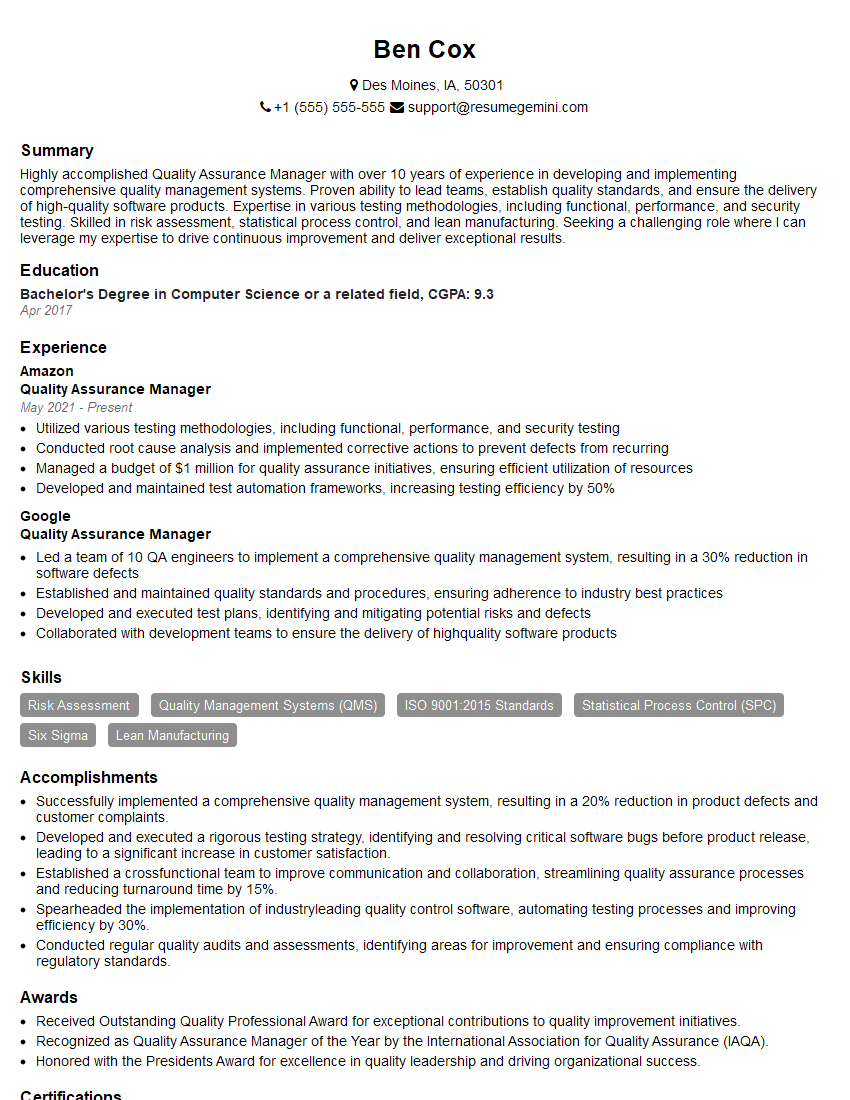
Quality Assurance Manager Resume Sample
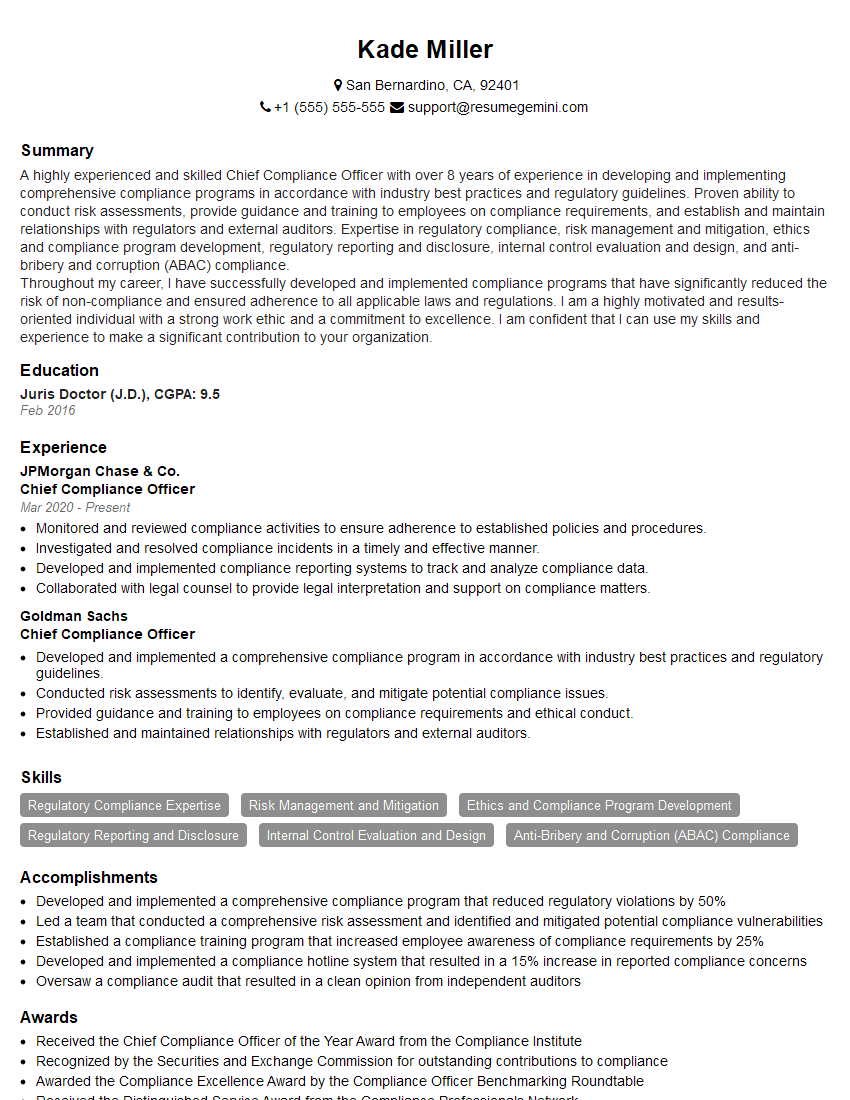
Chief Compliance Officer Resume Sample
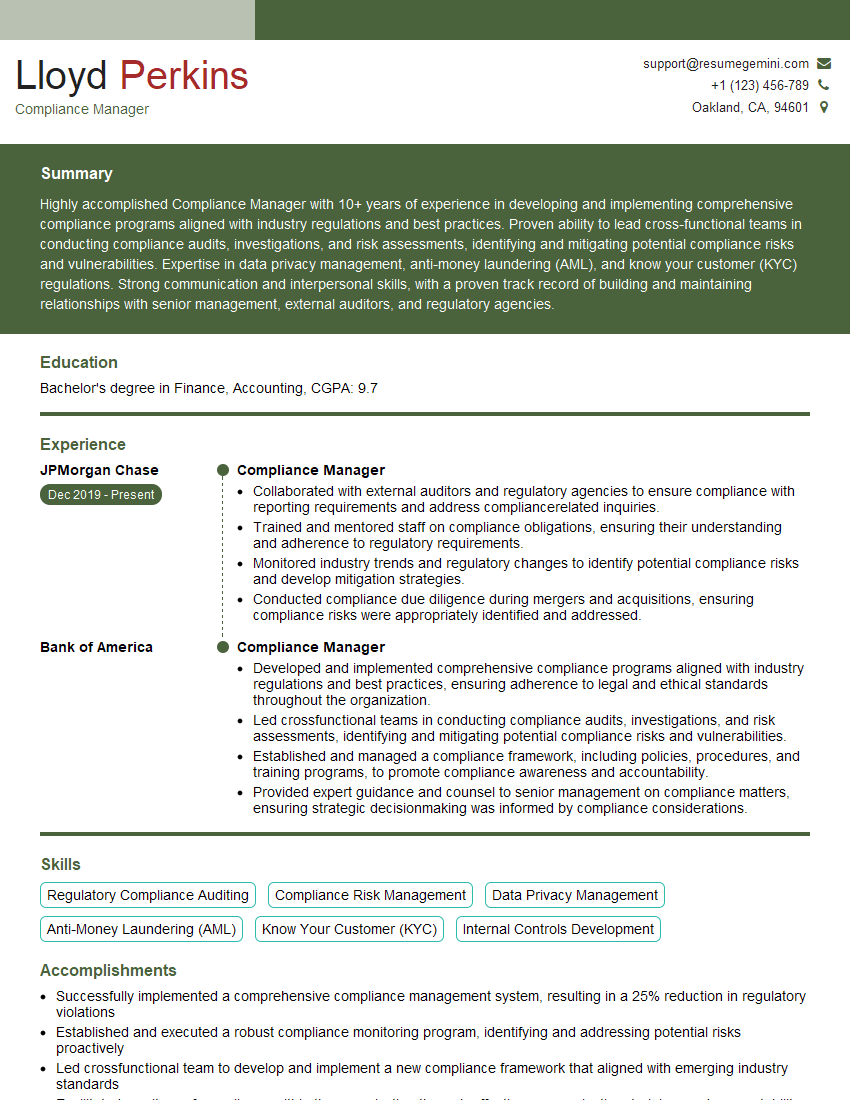
Compliance Manager Resume Sample

Compliance Officer Resume Sample
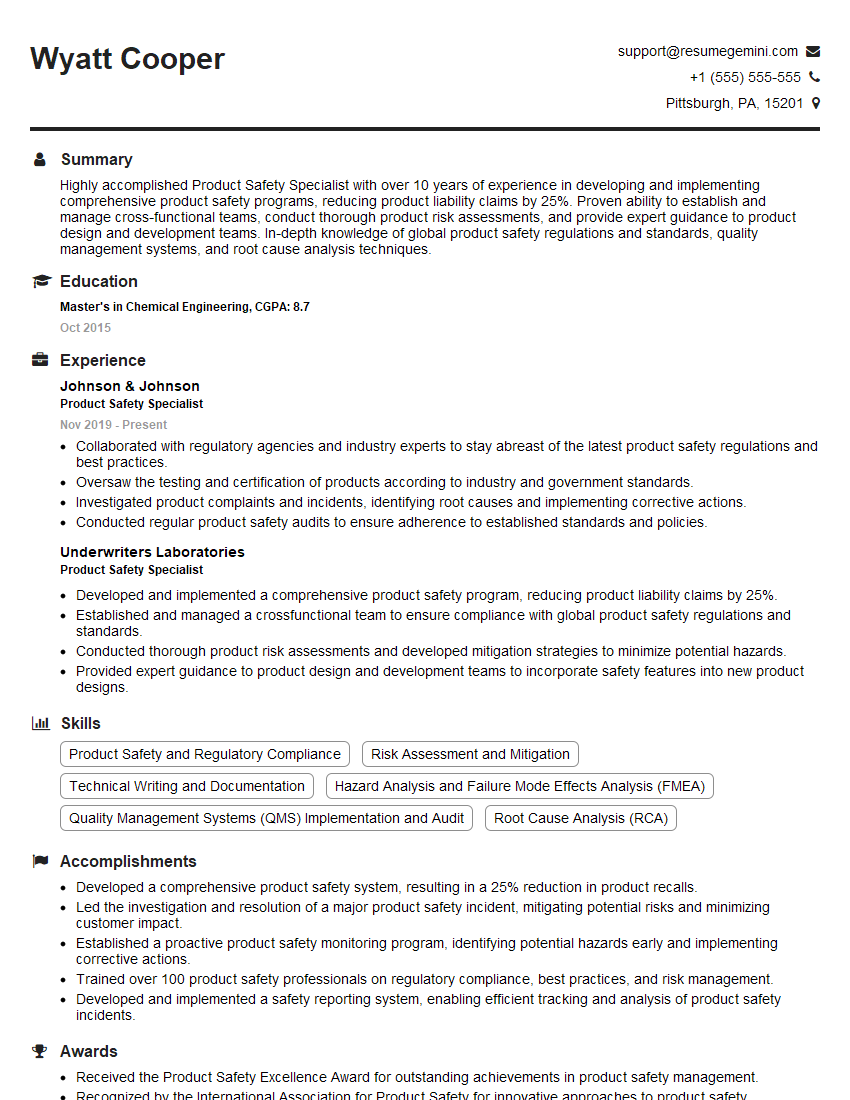
Product Safety Specialist Resume Sample
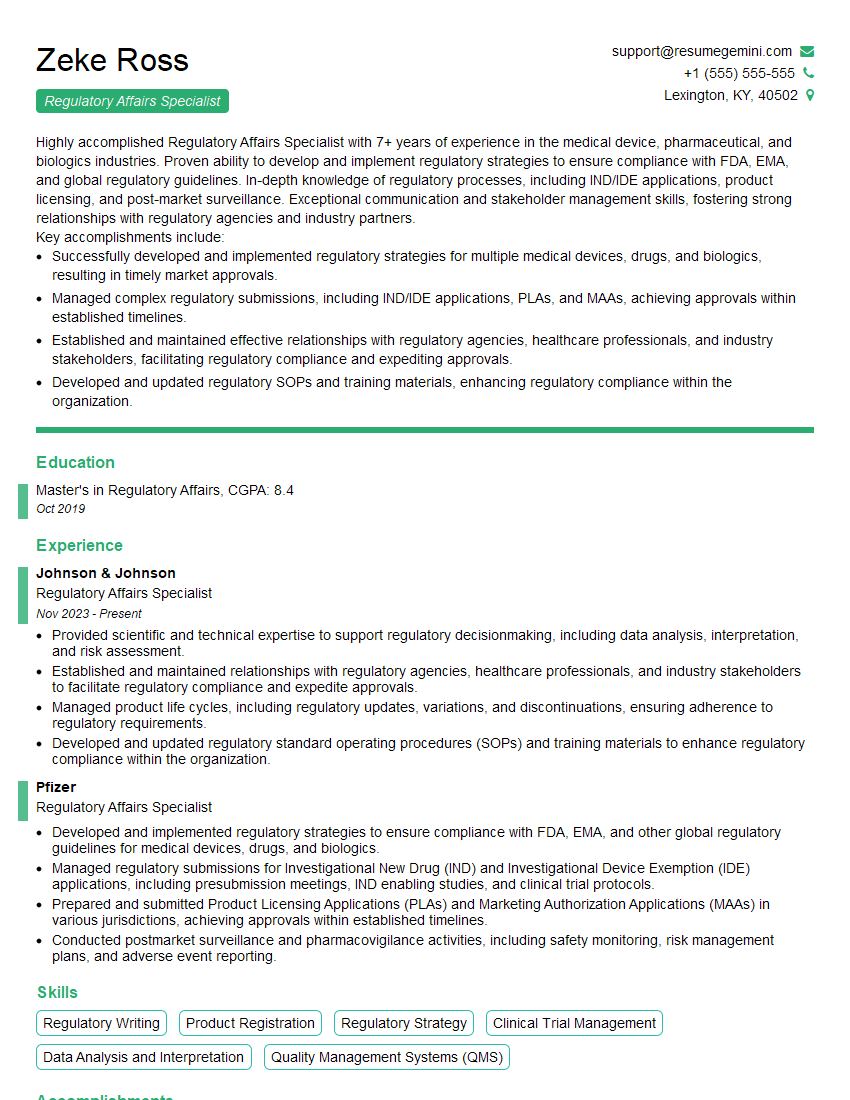
Regulatory Affairs Specialist Resume Sample
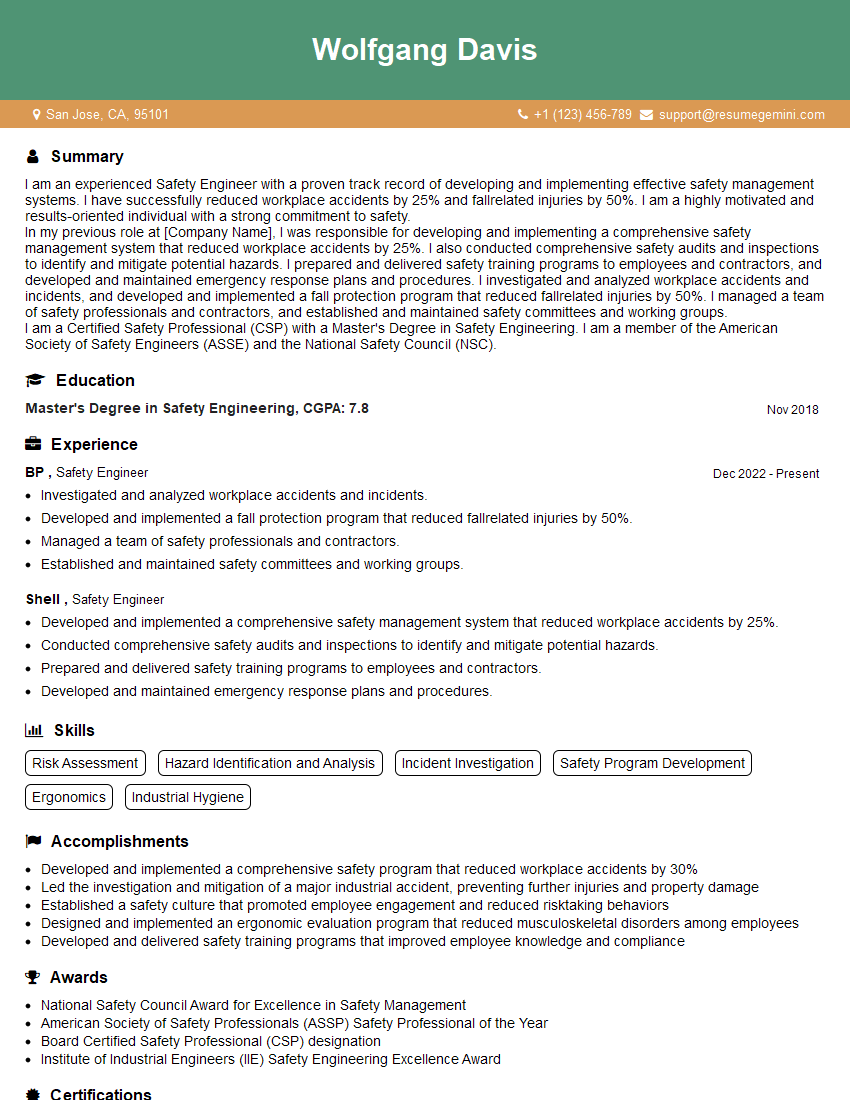
Safety Engineer Resume Sample
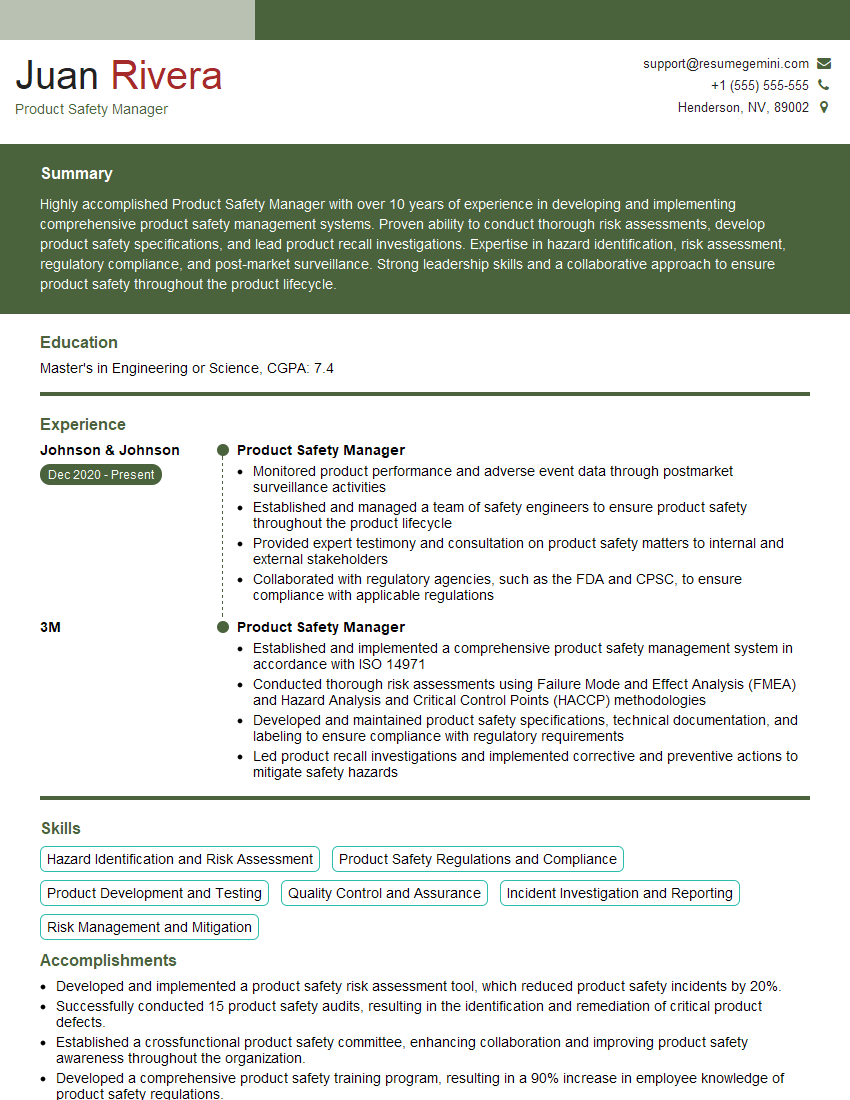
Product Safety Manager Resume Sample
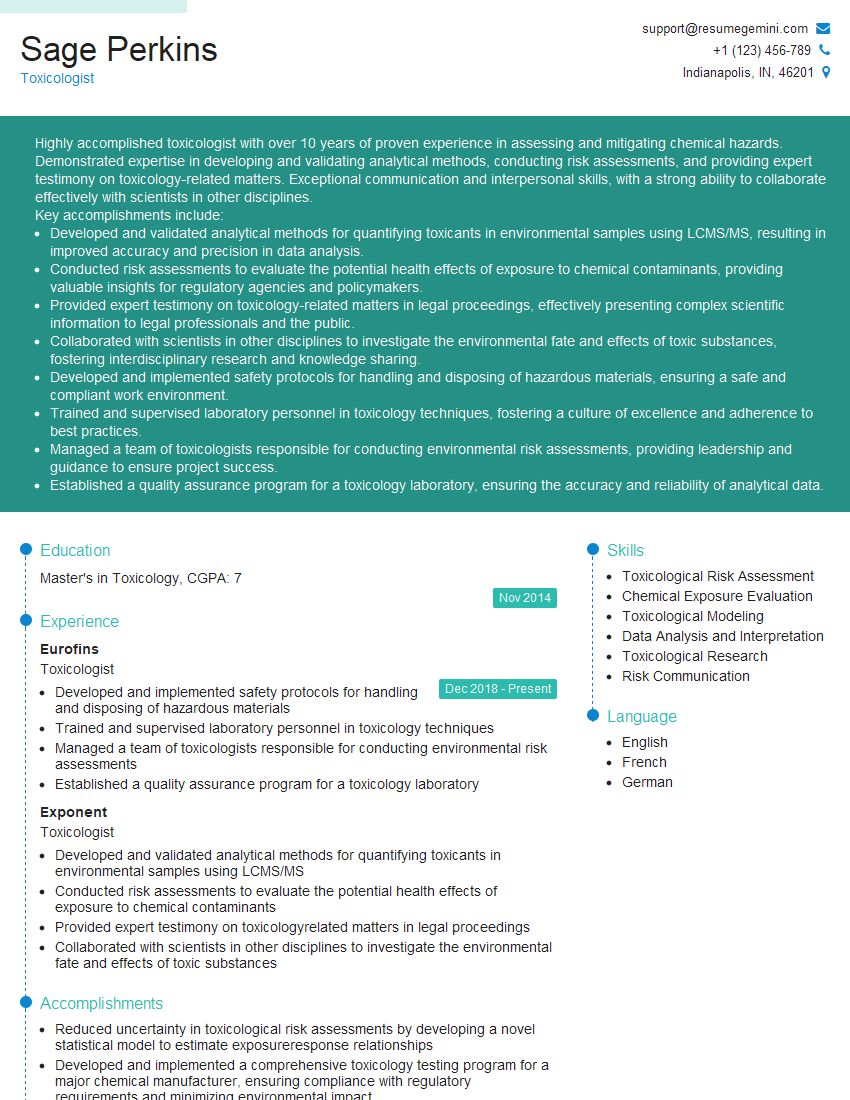
Toxicologist Resume Sample
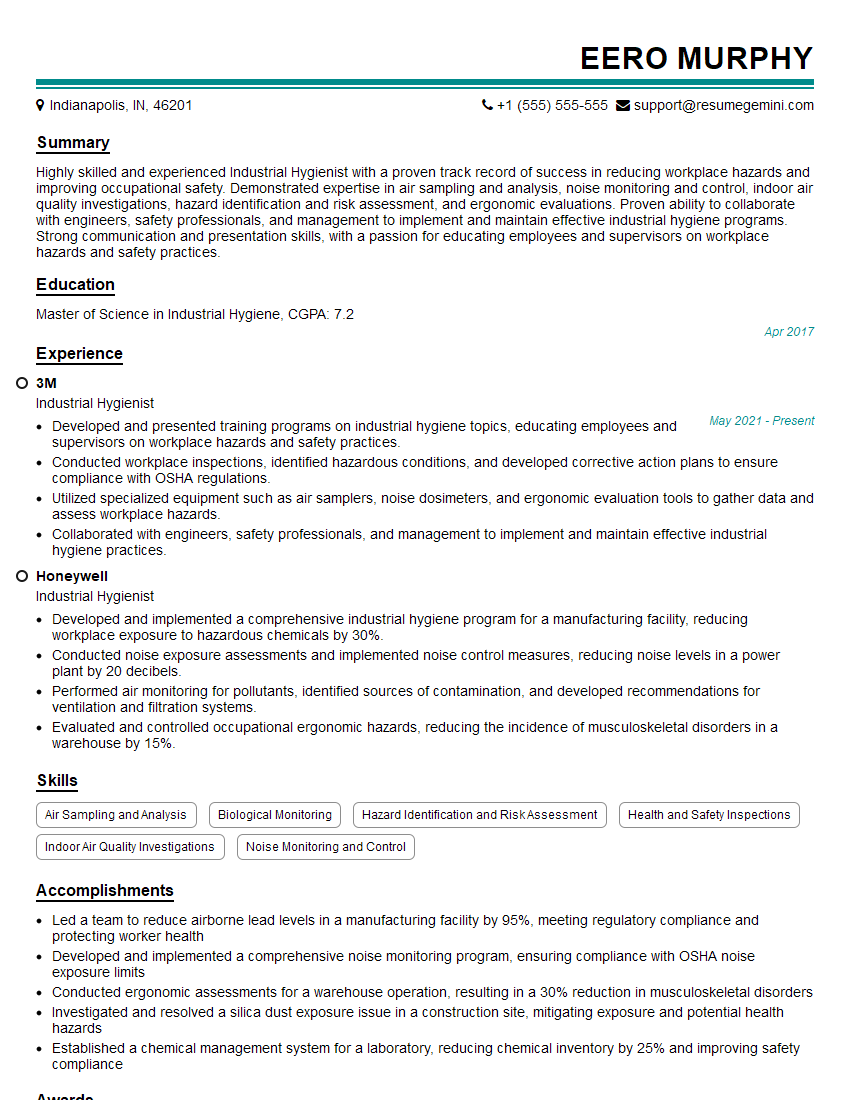
Industrial Hygienist Resume Sample
Explore more articles
Users Rating of Our Blogs
Share Your Experience
We value your feedback! Please rate our content and share your thoughts (optional).
What Readers Say About Our Blog
Very informative content, great job.
good