Are you ready to stand out in your next interview? Understanding and preparing for Product Safety Training interview questions is a game-changer. In this blog, we’ve compiled key questions and expert advice to help you showcase your skills with confidence and precision. Let’s get started on your journey to acing the interview.
Questions Asked in Product Safety Training Interview
Q 1. Describe your experience with ISO 14971 risk management.
ISO 14971 is the internationally recognized standard for risk management of medical devices. My experience encompasses its full lifecycle, from initial hazard identification through risk analysis, evaluation, control, and post-market surveillance. I’ve been directly involved in developing and implementing risk management plans, using techniques like Failure Mode and Effects Analysis (FMEA) and Fault Tree Analysis (FTA). For example, in one project involving a novel surgical instrument, we used FMEA to identify potential hazards associated with each component, assigning risk priority numbers (RPNs) based on severity, probability, and detectability. This led to design modifications that significantly reduced the overall risk profile, ensuring patient safety. I’m also proficient in using risk matrices to visually represent and communicate risk levels to stakeholders, facilitating informed decision-making.
Furthermore, I have experience in conducting periodic risk reviews to ensure the effectiveness of implemented control measures and updating the risk management plan as needed, reflecting a commitment to ongoing product safety improvement. This is critical because new information or changes to product design and usage can impact the original risk assessment.
Q 2. Explain the process of conducting a hazard analysis.
A hazard analysis systematically identifies potential hazards associated with a product throughout its lifecycle. It’s a crucial step in proactive risk management. The process typically involves these steps:
- Hazard Identification: Brainstorming, checklists, fault tree analysis, and hazard and operability studies (HAZOP) are employed to identify all potential hazards. This involves considering various scenarios, including misuse and unintended use.
- Hazard Analysis: Each identified hazard is analyzed to determine its severity, probability of occurrence, and the potential consequences. Tools like FMEA and FTA are often used to quantify risk. For instance, if a product has a sharp edge, we’d assess the likelihood of someone cutting themselves and the severity of the potential injury.
- Risk Evaluation: The risk associated with each hazard is evaluated to determine its acceptability. This often uses a risk matrix that plots severity against probability to categorize risk as low, medium, or high.
- Risk Control: If the risk is unacceptable, control measures are implemented to mitigate or eliminate the hazard. This could involve design changes, warnings, user training, or administrative controls. For example, we might add a protective cover to the sharp edge, provide clear instructions for safe usage, or develop a training program emphasizing correct handling procedures.
- Risk Monitoring: The effectiveness of the control measures is monitored and the risk assessment is reviewed periodically (at least annually or with any significant design change). This ensures continued product safety and effectiveness.
Q 3. What are the key differences between FDA and EU product safety regulations?
While both the FDA (Food and Drug Administration) and the EU (European Union) aim to ensure product safety, their regulatory frameworks differ significantly. The FDA primarily regulates products related to food, drugs, cosmetics, and medical devices in the United States, while the EU’s regulations cover a broader range of products and have a more harmonized approach across member states.
- Focus: The FDA tends to focus on pre-market approval and post-market surveillance, whereas the EU emphasizes conformity assessment procedures and the CE marking to demonstrate compliance.
- Regulations: The FDA uses a combination of statutes, regulations, and guidance documents, while the EU relies on directives and regulations, often with specific standards (e.g., EN standards).
- Enforcement: Both organizations have robust enforcement mechanisms, but their approaches may vary. The FDA has more direct regulatory power, while the EU relies on a network of notified bodies for conformity assessment.
- Labeling and Instructions: Specific requirements exist for product labeling and instructions, and these often vary between regions. For instance, the FDA’s requirements for medical device labeling are quite extensive.
Navigating these differences requires careful consideration of the target market, as failure to comply with both sets of regulations (where applicable) can lead to product recalls, fines, and legal action.
Q 4. How do you perform a product recall?
A product recall is a coordinated effort to remove a defective or unsafe product from the market. It’s a complex process involving several stages:
- Identify the Problem: This typically starts with customer complaints, internal quality control checks, or regulatory alerts indicating a safety hazard.
- Investigate the Root Cause: A thorough investigation is needed to understand why the defect occurred and assess the scope of the problem.
- Develop a Recall Strategy: This involves identifying affected products, developing communication materials (press releases, customer letters), establishing a return process, and allocating resources. A recall strategy must meet regulatory requirements.
- Notify Stakeholders: Customers, distributors, retailers, and regulatory agencies must be promptly notified. The notification must clearly outline the risk, identify the affected products, and explain the return or repair process.
- Implement the Recall: This involves actively collecting the affected products from the market, providing refunds or replacements, and keeping detailed records of the entire process.
- Post-Recall Analysis: After the recall, a thorough analysis is crucial to understand the effectiveness of the process, identify areas for improvement, and prevent similar incidents in the future.
Effective recall management requires precise record-keeping, clear communication, and close collaboration with all stakeholders. The objective is to minimize risk to consumers and maintain public trust.
Q 5. How do you ensure compliance with relevant safety standards?
Ensuring compliance with relevant safety standards involves a multi-faceted approach:
- Identify Applicable Standards: The first step is determining which standards apply to the product, based on its type, intended use, and target market (e.g., UL, IEC, ANSI, ISO).
- Design for Compliance: Incorporating safety considerations into the product design from the outset is crucial. This includes selecting safe materials, employing appropriate manufacturing processes, and conducting thorough testing.
- Testing and Verification: Rigorous testing is essential to verify that the product meets all relevant safety requirements. This may involve internal testing, third-party testing, and certification by a recognized testing laboratory.
- Documentation: Maintaining comprehensive documentation is vital, including design specifications, test reports, and compliance certificates. This documentation must be available for audits and regulatory inspections.
- Continuous Monitoring: Continuous monitoring of the product’s performance and compliance with standards is necessary. Regular reviews and audits help identify any potential safety issues and facilitate corrective actions.
- Training: Employees involved in product design, manufacturing, and quality control must receive appropriate training in relevant safety standards and regulations.
Proactive compliance not only prevents potential safety incidents but also builds consumer trust and safeguards the company’s reputation.
Q 6. Describe your experience with product testing and certification.
My experience in product testing and certification spans various methodologies and standards. I’ve been involved in both internal testing and working with external accredited testing laboratories. For instance, I oversaw the testing and certification of a new line of power tools, ensuring compliance with relevant safety standards like UL and IEC. This involved coordinating with the lab, reviewing test reports, and managing the certification process.
I’m familiar with various testing methods, including mechanical testing (e.g., impact, tensile strength), electrical testing (e.g., insulation resistance, dielectric strength), and environmental testing (e.g., temperature cycling, humidity, vibration). Understanding the specific requirements of different standards and selecting appropriate test methods is critical to ensure comprehensive and reliable results. Furthermore, I’ve managed the generation of technical files for compliance and successfully navigated the process of obtaining certifications for various products across different jurisdictions.
Q 7. Explain the role of a safety data sheet (SDS).
A Safety Data Sheet (SDS), formerly known as a Material Safety Data Sheet (MSDS), is a document that provides comprehensive information on the hazards of a chemical product and how to handle it safely. It’s a critical tool for ensuring workplace safety and protecting individuals who may come into contact with the chemical. An SDS typically includes:
- Product Identification: Name, manufacturer information, emergency contact details.
- Hazard Identification: Classification of hazards (e.g., flammability, toxicity), health effects, and pictograms.
- Composition/Information on Ingredients: Chemical composition, including hazardous components and their concentrations.
- First-aid Measures: Steps to take in case of exposure.
- Fire-fighting Measures: Appropriate extinguishing agents and procedures.
- Accidental Release Measures: Steps to take in case of spills or leaks.
- Handling and Storage: Precautions to take when handling and storing the chemical.
- Exposure Controls/Personal Protection: Personal protective equipment (PPE) required and engineering controls to minimize exposure.
- Physical and Chemical Properties: Physical characteristics of the substance.
- Stability and Reactivity: Potential hazards associated with chemical instability.
- Toxicological Information: Health effects from exposure.
- Ecological Information: Environmental impact.
- Disposal Considerations: Safe disposal methods.
- Transport Information: Regulations for safe transportation.
- Regulatory Information: Relevant regulations and compliance information.
SDSs are essential for chemical safety management, ensuring that employees and other individuals are adequately informed of the risks associated with specific chemicals and can take the necessary precautions to protect their health and safety.
Q 8. How would you handle a product safety incident?
Handling a product safety incident requires a swift, organized, and methodical approach. The first step is to immediately secure the situation, prioritizing the safety of individuals potentially affected. This might involve recalling a faulty product, halting production, or issuing a safety alert. Then, a thorough investigation is launched to determine the extent of the incident and identify anyone injured or affected.
Next, we conduct a detailed root cause analysis (which I’ll elaborate on in the next answer). Once the root cause is identified, we implement corrective and preventive actions to prevent recurrence. This may involve design modifications, improved manufacturing processes, enhanced testing protocols, or additional safety warnings. Throughout the process, open communication with relevant stakeholders – customers, regulatory bodies, and internal teams – is crucial. Transparency builds trust and helps manage reputational risks. For example, if a child’s toy was found to have a small, detachable part posing a choking hazard, we would immediately recall the toy, investigate the manufacturing process that led to the defect, redesign the toy to eliminate the hazard, and notify consumers. Detailed documentation of each step is essential for both internal learning and potential legal requirements.
Q 9. Describe your experience with root cause analysis.
Root cause analysis (RCA) is a critical process for identifying the fundamental reasons behind a product safety incident, going beyond simply addressing the symptoms. I’ve extensively used several methods, including the ‘5 Whys’ technique, fishbone diagrams (Ishikawa diagrams), and fault tree analysis. The ‘5 Whys’ involves repeatedly asking ‘why’ to peel back layers of explanation until the root cause is uncovered. For instance, if a product malfunctioned, we might ask: Why did it malfunction? (Faulty component). Why was the component faulty? (Defective manufacturing process). Why was the process defective? (Lack of quality control). Why was quality control lacking? (Insufficient training). Why was training insufficient? (Budget constraints).
Fishbone diagrams help visually organize potential causes, categorized by factors like materials, methods, manpower, and machinery. Fault tree analysis is a more formal, deductive approach that builds a model showing how various contributing factors can lead to a specific failure. The choice of method depends on the complexity of the incident. The goal, regardless of the method, is to identify systemic issues rather than merely addressing individual failures. This allows for the implementation of effective, long-term solutions that prevent future incidents.
Q 10. What are your preferred methods for safety training?
My preferred methods for safety training are multi-faceted and tailored to the specific audience and subject matter. I believe in a blended learning approach that combines various methods for maximum impact. This includes:
- Interactive workshops: Hands-on activities, group discussions, and case studies provide engaging learning experiences.
- E-learning modules: These offer flexibility and accessibility, allowing employees to learn at their own pace.
- On-the-job training: Mentoring and shadowing experienced professionals provide practical application of learned knowledge.
- Simulations and role-playing: These help employees practice handling real-world scenarios, such as responding to emergencies.
- Gamification: Incorporating game elements into training can increase engagement and retention.
Regular refresher courses and updates are crucial to keep training relevant and ensure employees are aware of evolving regulations and best practices. The key is to make training engaging, relevant, and practical. For example, a training module on forklift safety might include a virtual simulation of operating a forklift and navigating a warehouse, followed by a hands-on training session with a real forklift.
Q 11. What is your experience with different safety management systems?
I have experience with various safety management systems (SMS), including ISO 45001 (Occupational Health and Safety), ISO 14001 (Environmental Management), and HACCP (Hazard Analysis and Critical Control Points) in food safety. These systems share common elements, such as risk assessment, hazard identification, and preventive measures. However, each system has specific requirements and focuses on different aspects. ISO 45001, for example, covers a broad range of occupational hazards, while HACCP focuses specifically on food safety hazards.
My experience involves implementing and maintaining these systems, conducting audits, and ensuring compliance. Understanding these systems allows for a holistic approach to safety, integrating different aspects for a comprehensive safety program. For instance, in a manufacturing setting, implementing ISO 45001 might involve a robust risk assessment process to identify and mitigate workplace hazards, while integrating HACCP principles if the facility produces food products. The successful implementation of these systems relies heavily on effective communication, training, and employee involvement.
Q 12. How do you ensure ongoing compliance with safety regulations?
Ensuring ongoing compliance with safety regulations requires a proactive and systematic approach. This involves establishing a robust system for monitoring changes in regulations, conducting regular audits to assess compliance, and implementing corrective actions where necessary. This includes staying updated on changes to relevant standards (such as those published by OSHA, ANSI, or other applicable regulatory bodies), attending industry conferences and seminars, and subscribing to relevant industry publications. A dedicated team should be responsible for monitoring regulatory changes and ensuring that the company’s practices remain up-to-date.
Regular internal audits, conducted by trained personnel, are essential to identify potential non-compliance issues early on. These audits should cover all aspects of the product lifecycle, from design and manufacturing to distribution and use. Corrective and preventive actions (CAPA) should be documented and tracked to ensure effectiveness. Furthermore, engaging with regulatory bodies and actively participating in industry initiatives helps maintain awareness of best practices and potential changes in regulations. This proactive approach helps minimize risks and avoids potential penalties.
Q 13. Explain your understanding of product liability.
Product liability refers to the legal responsibility of manufacturers, distributors, and sellers for injuries or damages caused by defective products. This liability can stem from design defects, manufacturing defects, or inadequate warnings or instructions. A design defect means the product was inherently unsafe due to its design; a manufacturing defect is a flaw introduced during the production process; an inadequate warning means the product lacked sufficient information to alert users to potential risks. Understanding product liability is crucial for proactively mitigating potential risks and protecting the company from legal actions.
To minimize product liability risks, manufacturers must implement rigorous quality control measures, conduct thorough testing, provide clear and comprehensive instructions and warnings, and maintain detailed records of the product’s design, manufacturing, and distribution. This includes having a robust recall plan in place in case a product defect is discovered. Furthermore, establishing a culture of safety throughout the organization is paramount in preventing incidents and reducing the likelihood of product liability claims. Ignoring product safety can lead to substantial financial losses, reputational damage, and legal consequences.
Q 14. What is your approach to risk mitigation?
My approach to risk mitigation is based on a systematic process that involves identifying potential hazards, assessing their likelihood and severity, implementing control measures, and monitoring effectiveness. I utilize risk assessment techniques such as Failure Mode and Effects Analysis (FMEA) and HAZOP (Hazard and Operability Study). FMEA systematically examines potential failure modes in a system and evaluates their potential impact. HAZOP is a structured approach for identifying hazards associated with process operations.
Risk mitigation strategies are tailored to the specific hazard and may include design changes, process improvements, safety devices, administrative controls (such as procedures and training), and personal protective equipment (PPE). After implementing controls, regular monitoring and evaluation are crucial to ensure their ongoing effectiveness. This iterative process ensures that risks are managed effectively and continuously improved upon. For example, identifying a risk of electrical shock from a product might lead to implementing insulation improvements, adding ground wires, and including prominent warnings in the user manual.
Q 15. Describe a time you identified a safety hazard.
Identifying safety hazards requires a proactive and observant mindset. During a training session on operating a new piece of machinery, I noticed the emergency stop button was poorly placed and difficult to reach quickly in case of a malfunction. This violated several safety protocols, including accessibility and ease of use in emergency situations.
My immediate action was to document this finding with photographs and detailed notes. I then communicated my concerns to the facility manager and the training materials developer. We discussed possible solutions, such as relocating the button to a more ergonomically sound position and revising the training materials to emphasize its importance and location. The button was promptly relocated, and the training materials updated. This incident highlighted the importance of comprehensive risk assessments and regular equipment checks in preventing accidents.
Career Expert Tips:
- Ace those interviews! Prepare effectively by reviewing the Top 50 Most Common Interview Questions on ResumeGemini.
- Navigate your job search with confidence! Explore a wide range of Career Tips on ResumeGemini. Learn about common challenges and recommendations to overcome them.
- Craft the perfect resume! Master the Art of Resume Writing with ResumeGemini’s guide. Showcase your unique qualifications and achievements effectively.
- Don’t miss out on holiday savings! Build your dream resume with ResumeGemini’s ATS optimized templates.
Q 16. How do you communicate safety information effectively?
Effective communication of safety information hinges on clarity, engagement, and tailored delivery. I employ a multi-pronged approach that combines different methods to suit diverse learning styles and comprehension levels. This includes:
- Visual aids: Diagrams, videos, and real-world demonstrations make abstract concepts easily understandable. For instance, using a video demonstrating the proper use of PPE is much more effective than simply reading instructions.
- Interactive sessions: Hands-on activities, quizzes, and Q&A sessions encourage active participation and reinforce learning. A simulation of an emergency situation can effectively teach proper response procedures.
- Layered communication: I provide information at various levels of detail to accommodate different roles and responsibilities. For example, senior management receives concise summary reports, while workers receive detailed operating procedures.
- Multiple formats: I use a combination of written materials (manuals, checklists), presentations, and online modules to reach a broader audience and cater to different learning preferences.
- Feedback mechanisms: Post-training surveys and regular check-ins provide valuable feedback on training effectiveness and identify areas for improvement. This ensures that the information sticks.
Q 17. Explain your experience with regulatory audits.
I have extensive experience with regulatory audits, particularly those focusing on OSHA and other relevant industry standards. My role typically involves preparing for the audit by conducting thorough internal audits, ensuring all documentation is up-to-date and compliant, and training personnel on audit procedures. During the audit, I actively participate by providing evidence of compliance, addressing auditor queries, and proactively highlighting any identified gaps.
For example, during a recent audit focusing on lockout/tagout procedures, the auditor discovered a minor inconsistency in our documentation. By providing a clear explanation of our corrective actions and the subsequent training we implemented to address the issue, we successfully navigated the audit with minimal findings. The experience reinforced the importance of meticulous record-keeping and continuous improvement in our safety management system.
Q 18. How do you stay updated on changes in safety regulations?
Staying abreast of evolving safety regulations requires a multifaceted approach. I actively monitor governmental websites (like OSHA’s website), industry publications, and professional organizations for updates and changes. I subscribe to relevant newsletters, attend industry conferences and workshops, and participate in professional development courses to maintain my knowledge.
Additionally, I maintain a network of contacts within the safety field, allowing for the sharing of best practices and insights into emerging safety concerns. This holistic approach ensures that our safety protocols and training remain current and effective.
Q 19. What is your experience with incident reporting and investigation?
My experience with incident reporting and investigation follows a structured methodology. The process begins with immediate response to the incident, ensuring the safety of all involved and taking necessary steps to prevent further harm. Following this, a thorough investigation is conducted to determine the root cause of the incident. This includes collecting evidence (witness statements, photographs, incident reports), analyzing data, and identifying contributing factors.
For example, after a minor workplace injury, I followed a detailed incident reporting procedure. This included documenting the injury, conducting interviews, identifying the root cause (improper use of equipment), and implementing corrective actions such as updated training and safety guidelines. The key is to learn from incidents and implement preventive measures to minimize future occurrences.
Q 20. How do you prioritize safety risks?
Prioritizing safety risks involves a systematic approach using risk assessment matrices. These matrices typically consider the likelihood and severity of potential hazards. A risk score is then assigned based on this assessment, allowing for prioritization of the most critical hazards. This often uses a simple ranking system where a higher score indicates higher risk and priority.
For example, a risk matrix might assess the likelihood of a chemical spill as ‘high’ and its severity as ‘high,’ resulting in a high-priority risk requiring immediate attention. Conversely, a low-likelihood, low-severity risk (like minor paper cuts) might receive lower priority, though still requiring attention.
Q 21. Describe your experience with safety data analysis.
Safety data analysis plays a crucial role in identifying trends, predicting potential incidents, and evaluating the effectiveness of safety interventions. I’m proficient in using statistical methods and data visualization techniques to analyze safety data, such as incident reports, near-miss reports, and inspection findings. This data is analyzed to identify patterns, root causes, and trends in safety incidents, enabling proactive risk mitigation strategies.
For example, analyzing incident reports might reveal a correlation between a particular type of equipment and increased injury rates, leading to revised training procedures or equipment upgrades. Using data visualization tools, we can clearly show the impact of safety training or equipment modifications on accident rates, demonstrating the effectiveness of implemented changes.
Q 22. How do you ensure effective implementation of safety training?
Effective safety training implementation isn’t just about delivering a course; it’s about fostering a culture of safety. It requires a multi-pronged approach focusing on needs assessment, engaging content, diverse delivery methods, and robust evaluation.
- Needs Assessment: Before designing any training, I conduct a thorough assessment to identify specific hazards and employee skill gaps. This might involve reviewing incident reports, conducting job hazard analyses, and interviewing employees at all levels. For example, a factory might need different training for machine operators than for maintenance staff.
- Engaging Content: Safety training should be engaging and relevant, not just a dry recitation of rules. I utilize interactive elements like simulations, case studies, and gamification to boost retention. Imagine a scenario-based training module where employees virtually respond to a fire or equipment malfunction.
- Diverse Delivery Methods: Learning styles vary, so I offer diverse delivery methods including online modules, in-person workshops, and on-the-job coaching. This caters to different preferences and ensures comprehensive learning. For instance, online modules can be used for initial training, followed by hands-on practice and instructor-led sessions for reinforcement.
- Robust Evaluation: Effective training needs continuous monitoring. I employ various evaluation methods like pre- and post-tests, observations, and performance evaluations to assess the effectiveness of the training and identify areas for improvement. Regular feedback from employees also provides crucial insights.
Q 23. Explain your familiarity with different types of safety testing.
My familiarity with safety testing encompasses various methods, each designed to assess different aspects of product safety. These include:
- Mechanical Testing: This involves subjecting products to physical stress like impact, compression, and tensile forces to determine their durability and resistance to damage. For example, drop tests are commonly used to assess the robustness of consumer electronics.
- Electrical Testing: This assesses the safety of electrical products, ensuring they meet standards for insulation resistance, ground fault protection, and voltage surge protection. Think of testing appliances for proper grounding to prevent electrical shocks.
- Chemical Testing: This involves analyzing materials for hazardous substances, flammability, and toxicity, particularly crucial in industries like manufacturing toys or food packaging. This ensures products don’t release harmful substances.
- Environmental Testing: This evaluates product performance and durability under various environmental conditions, such as temperature extremes, humidity, and exposure to UV radiation. Imagine testing a smartphone’s functionality in extreme heat or cold.
- Software Testing: In the context of products with embedded software, rigorous testing is crucial to ensure safe and reliable operation, free from software glitches that might compromise safety.
My experience includes specifying the appropriate test methods based on product type, regulatory requirements, and potential hazards.
Q 24. What is your experience with developing safety protocols?
Developing safety protocols involves a systematic process that ensures all potential hazards are addressed. This starts with a thorough hazard identification and risk assessment, followed by the development of preventative measures and emergency response plans.
- Hazard Identification: This involves systematically identifying all potential hazards associated with a product or process. Techniques include Job Safety Analysis (JSA), Failure Mode and Effects Analysis (FMEA), and HAZOP (Hazard and Operability Study).
- Risk Assessment: This involves evaluating the likelihood and severity of each identified hazard to prioritize risk mitigation efforts. This often uses a risk matrix to categorize hazards by probability and consequence.
- Control Measures: Once risks are assessed, appropriate control measures are implemented. These can be engineering controls (e.g., machine guards), administrative controls (e.g., safety procedures), or personal protective equipment (PPE).
- Emergency Response Planning: Detailed emergency response plans are developed to outline procedures for handling accidents and emergencies, including evacuation plans, first aid protocols, and communication strategies.
- Documentation and Review: All safety protocols are meticulously documented and regularly reviewed and updated to reflect changes in processes, technology, or regulatory requirements.
For example, I’ve developed safety protocols for a chemical manufacturing plant, incorporating specific procedures for handling hazardous materials, emergency shutdowns, and spill response.
Q 25. Describe your experience with creating and delivering safety training materials.
I have extensive experience creating and delivering engaging safety training materials, tailoring them to diverse audiences and learning styles. This involves using various media and techniques to ensure maximum comprehension and retention.
- Needs Analysis: Before developing any material, I conduct a thorough needs analysis to understand the target audience’s existing knowledge, learning styles, and specific training needs.
- Content Development: I develop training materials using various methods such as presentations, videos, interactive modules, and hands-on exercises. The content is designed to be clear, concise, and engaging, using real-world examples and case studies to make the information relatable.
- Delivery Methods: I utilize various delivery methods, including online learning platforms, instructor-led training, and on-the-job training, depending on the audience and subject matter.
- Evaluation and Revision: After delivery, I evaluate the effectiveness of the training using feedback from participants and performance data. This helps in revising the materials to improve clarity, effectiveness, and engagement.
For example, I developed an interactive online module on lockout/tagout procedures for electrical maintenance technicians, incorporating simulations and quizzes to test comprehension.
Q 26. How do you manage safety concerns from stakeholders?
Managing safety concerns from stakeholders requires open communication, transparency, and a collaborative approach. It involves actively listening to concerns, investigating thoroughly, and implementing effective solutions.
- Open Communication Channels: Establishing clear communication channels allows stakeholders to easily raise concerns. This could involve regular meetings, feedback forms, or an anonymous reporting system.
- Thorough Investigation: When a safety concern is raised, a thorough investigation is conducted to determine the root cause, assess the risk, and develop appropriate corrective actions. This may involve interviewing witnesses, reviewing documentation, and conducting inspections.
- Collaborative Solutions: Solutions are developed collaboratively with stakeholders, ensuring buy-in and commitment to implementing the changes. This might involve working with employees, managers, and safety committees to find the most effective solution.
- Transparency and Feedback: Stakeholders are kept informed of the investigation findings, proposed solutions, and the implementation progress. Feedback is actively solicited and incorporated into the process.
For instance, I successfully managed concerns regarding a new piece of machinery by collaborating with the engineers, operators, and safety committee to develop and implement additional safety guards and operating procedures.
Q 27. What is your experience in working with international safety standards?
My experience encompasses working with a wide range of international safety standards, including ISO, IEC, and regional standards. Understanding these standards is crucial for ensuring product compliance and global market access.
- ISO Standards: I am familiar with ISO standards related to quality management (ISO 9001), environmental management (ISO 14001), and occupational health and safety (ISO 45001). These provide frameworks for establishing and maintaining safety management systems.
- IEC Standards: I have experience with IEC standards related to electrical safety, particularly those applicable to electrical equipment and appliances. These standards outline specific requirements for design, testing, and certification.
- Regional Standards: I’m aware of regional safety standards like those in the European Union (CE marking), North America (UL, CSA), and others, which may vary depending on the target market.
- Compliance Procedures: I understand the procedures for ensuring compliance with relevant standards, including documentation requirements, testing procedures, and certification processes.
For example, I helped a company achieve CE marking for a new product by guiding them through the necessary testing and documentation requirements to ensure compliance with EU directives.
Q 28. Describe your approach to building a strong safety culture.
Building a strong safety culture is a continuous process that requires leadership commitment, employee engagement, and a focus on proactive risk management. It’s about creating an environment where safety is valued above all else.
- Leadership Commitment: Visible and consistent leadership commitment is crucial. Leaders must actively demonstrate their dedication to safety, lead by example, and actively participate in safety initiatives.
- Employee Engagement: Employees must be actively involved in the safety process. This can be achieved through safety committees, regular safety meetings, and feedback mechanisms. Empowering employees to identify and report hazards is critical.
- Proactive Risk Management: A strong safety culture focuses on proactive risk management, not just reactive response to incidents. This involves conducting regular hazard assessments, implementing effective control measures, and continuously improving safety procedures.
- Communication and Training: Clear and consistent communication about safety matters is paramount. Regular safety training is provided to educate employees on potential hazards, safe work practices, and emergency procedures.
- Recognition and Rewards: Recognizing and rewarding safe behavior reinforces the importance of safety and motivates employees to maintain high safety standards.
For example, I’ve worked with organizations to implement safety suggestion programs, recognizing and rewarding employees who identify and propose effective safety improvements.
Key Topics to Learn for Your Product Safety Training Interview
Ace your interview by mastering these essential areas of Product Safety Training. Remember, understanding the “why” behind the concepts is just as important as knowing the “how”.
- Hazard Identification and Risk Assessment: Learn to identify potential hazards in product design, manufacturing, and use. Practice applying various risk assessment methodologies (e.g., FMEA, FTA) to prioritize and mitigate risks.
- Regulatory Compliance: Familiarize yourself with relevant safety standards and regulations (e.g., ISO, CE marking, FDA regulations). Understand how to ensure your products meet these requirements throughout their lifecycle.
- Safety Testing and Certification: Grasp the principles of various safety testing procedures and the importance of third-party certifications. Be prepared to discuss different testing methods and their applications.
- Product Design for Safety: Explore the role of safety in the product design process. Understand how to incorporate safety considerations from the initial concept phase to the final product launch.
- Incident Investigation and Reporting: Learn how to effectively investigate product-related incidents, analyze root causes, and implement corrective actions. Familiarize yourself with reporting procedures and documentation requirements.
- Communication and Collaboration: Product safety is a team effort. Understand the importance of clear communication and collaboration with engineers, manufacturers, and regulatory bodies.
- Continuous Improvement: Product safety is an ongoing process. Be prepared to discuss strategies for continuous improvement in safety management systems.
Next Steps: Launch Your Product Safety Career
Mastering Product Safety Training opens doors to exciting career opportunities in a field committed to protecting consumers. To maximize your job prospects, crafting a strong, ATS-friendly resume is crucial. This is where ResumeGemini can help!
ResumeGemini offers a powerful platform to build a professional resume that highlights your skills and experience effectively. Leverage their tools to create a compelling narrative that showcases your expertise in Product Safety Training. We provide examples of resumes tailored to this specific field to help you get started.
Invest the time to build a remarkable resume – it’s your first impression and a key step towards your dream career in Product Safety.

Quality Assurance Manager Resume Sample
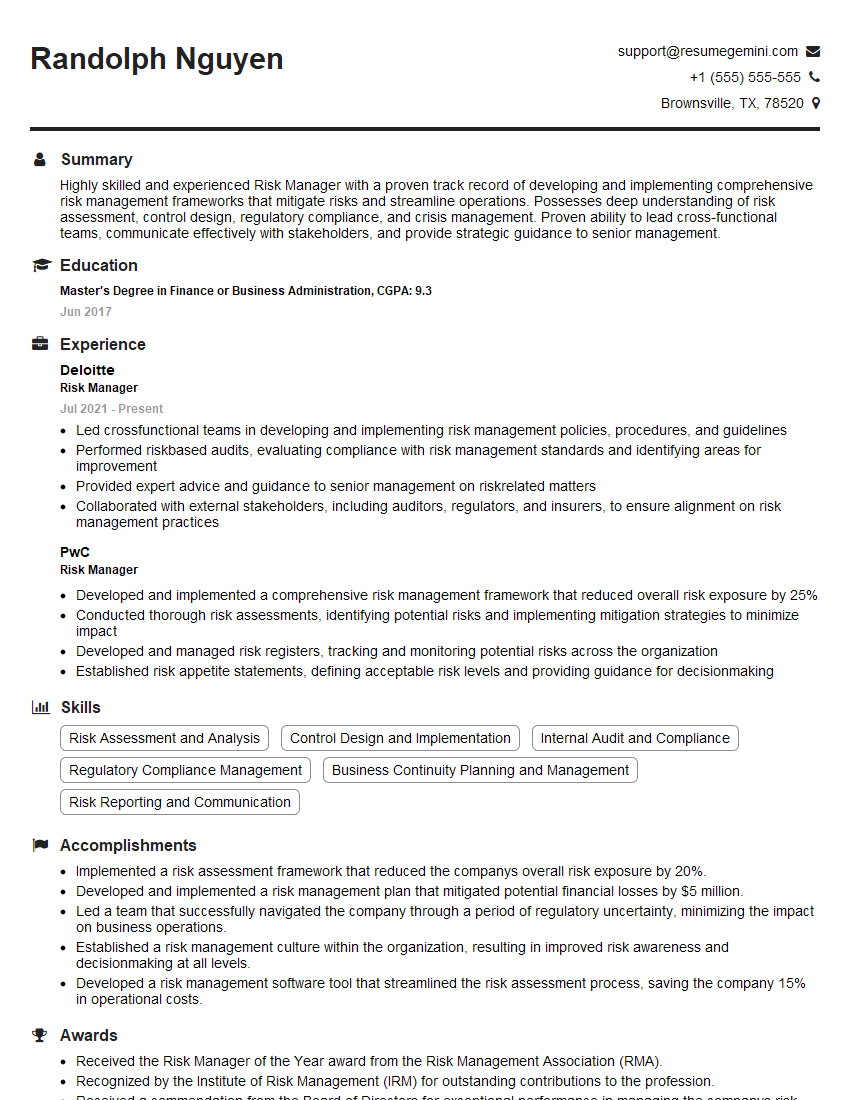
Risk Manager Resume Sample
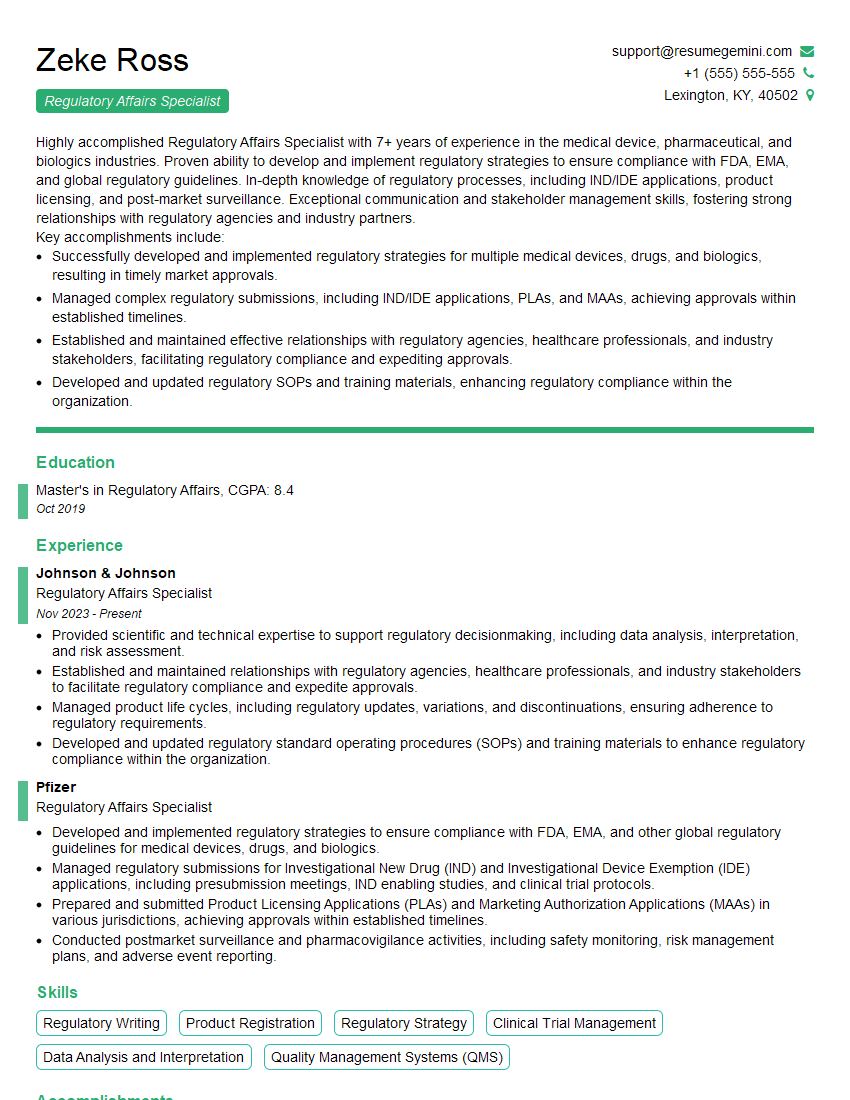
Regulatory Affairs Specialist Resume Sample
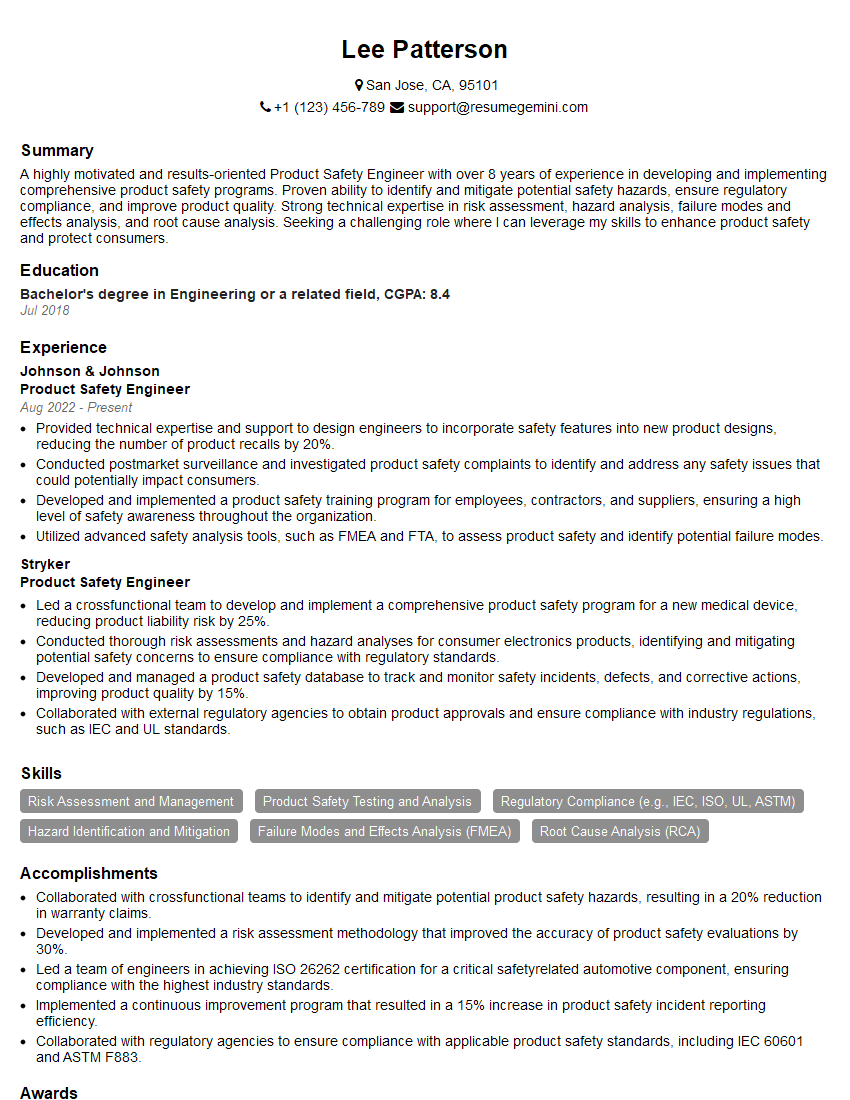
Product Safety Engineer Resume Sample
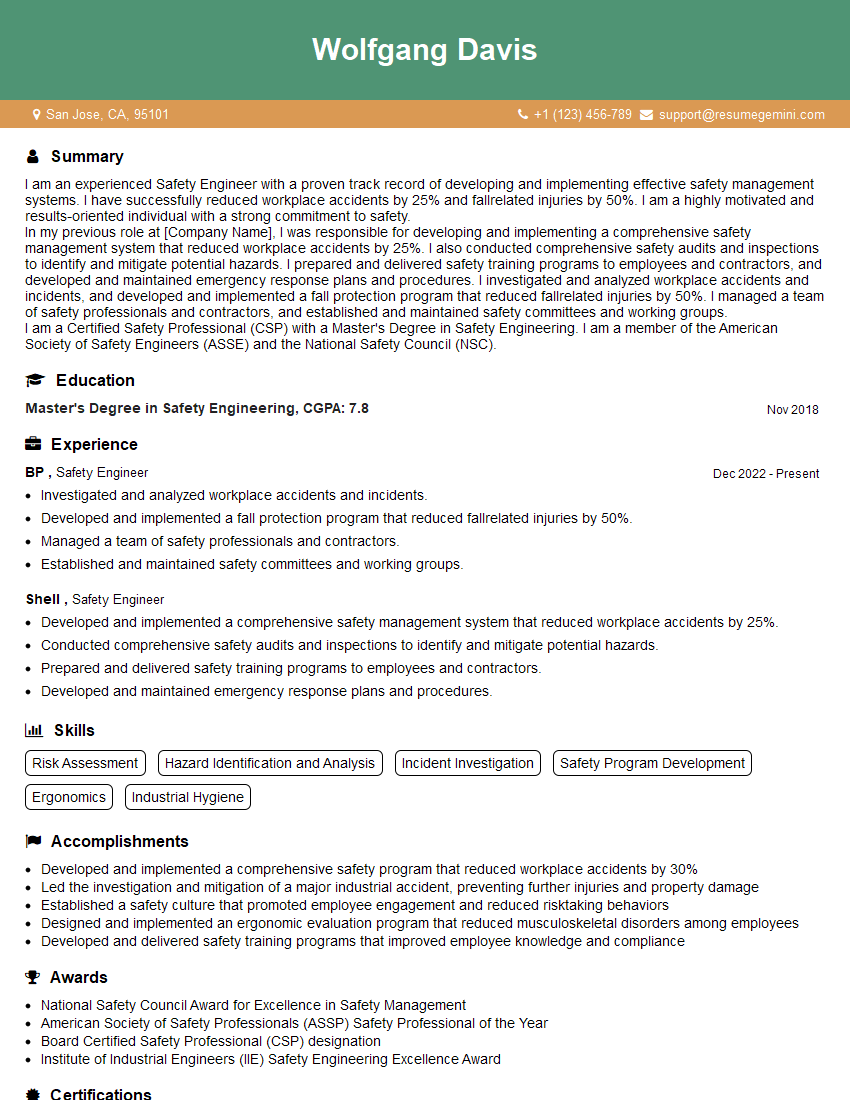
Safety Engineer Resume Sample
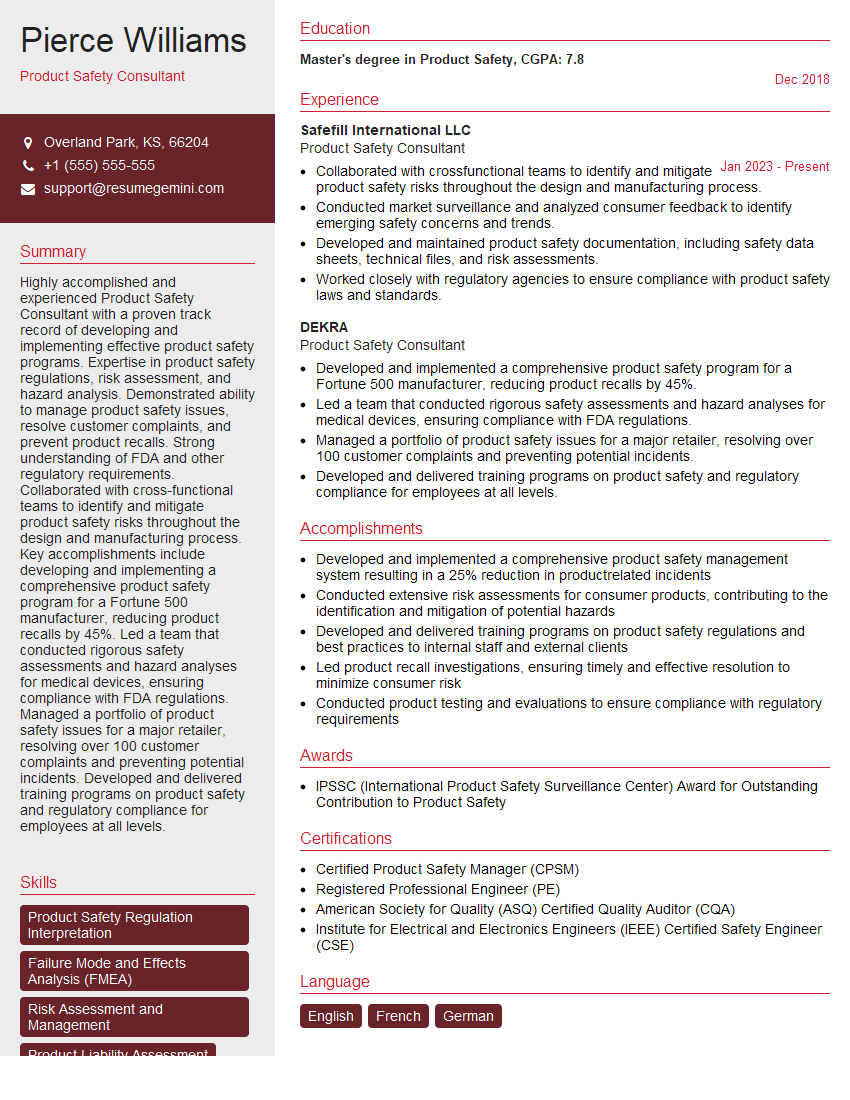
Product Safety Consultant Resume Sample
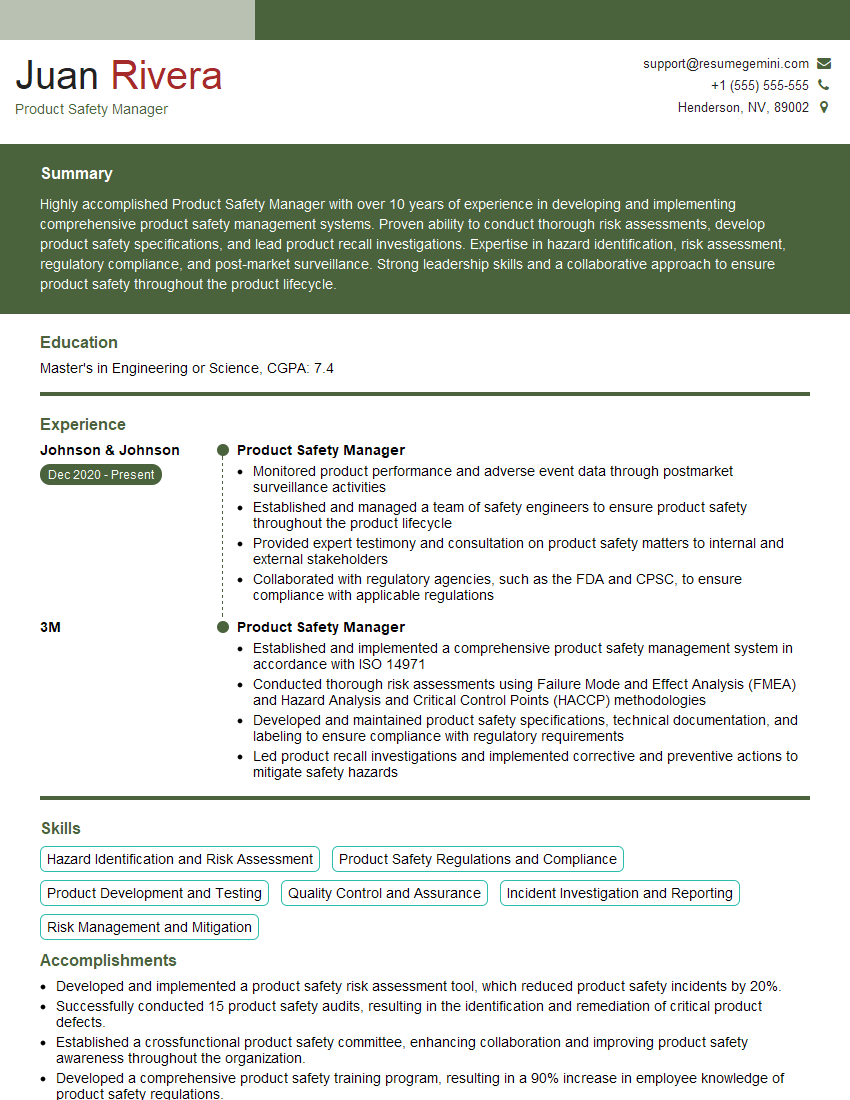
Product Safety Manager Resume Sample
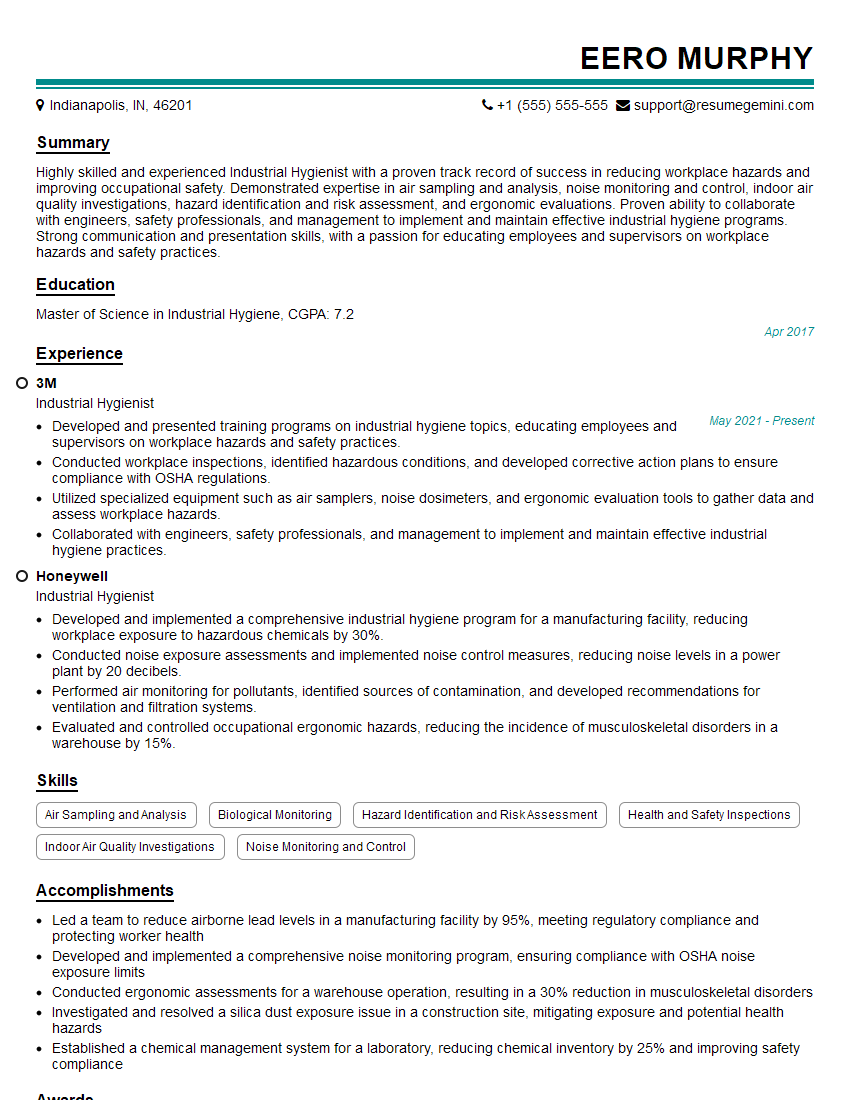
Industrial Hygienist Resume Sample
Explore more articles
Users Rating of Our Blogs
Share Your Experience
We value your feedback! Please rate our content and share your thoughts (optional).
What Readers Say About Our Blog
Very informative content, great job.
good