Preparation is the key to success in any interview. In this post, we’ll explore crucial Cropping Systems Management interview questions and equip you with strategies to craft impactful answers. Whether you’re a beginner or a pro, these tips will elevate your preparation.
Questions Asked in Cropping Systems Management Interview
Q 1. Describe the different types of cropping systems.
Cropping systems are the planned sequences and arrangements of crops grown on a given piece of land over time. They vary widely depending on factors like climate, soil type, market demand, and farmer goals. We can broadly categorize them into several types:
- Monoculture: This involves growing a single crop repeatedly on the same land. While efficient for large-scale operations, it can lead to soil depletion and increased pest and disease susceptibility. Example: A large field dedicated solely to corn year after year.
- Crop Rotation: This entails planting different crops in a planned sequence on the same land over several years. This system is crucial for improving soil health and reducing pest pressure. Example: Rotating corn, soybeans, and wheat in a three-year cycle.
- Intercropping: Growing two or more crops simultaneously in the same field. This maximizes land use and can improve resource utilization. Example: Planting beans with corn – the beans fix nitrogen, benefiting the corn.
- Relay Cropping: Planting a second crop before the first crop is harvested. This allows for efficient use of growing seasons. Example: Sowing wheat into a maturing barley crop.
- Mixed Cropping (or Polyculture): Growing several crops together in a more complex spatial arrangement than intercropping. This mimics natural ecosystems and enhances biodiversity. Example: A diverse garden with vegetables, herbs, and flowers planted together.
The choice of cropping system depends on many factors, and often a combination of these systems is employed to optimize yields and sustainability.
Q 2. Explain the principles of crop rotation and its benefits.
Crop rotation is the practice of planting different crops in a planned sequence on the same land over several years. The principles are based on understanding the nutrient requirements and soil impacts of different crops. For example, legumes (like beans or peas) fix nitrogen in the soil, improving its fertility for subsequent crops that are heavy nitrogen users (like corn or wheat).
- Nutrient Management: Different crops have different nutrient needs. Rotation helps balance nutrient extraction and replenishment, reducing the need for synthetic fertilizers.
- Pest and Disease Control: Rotating crops disrupts the life cycles of many pests and diseases, minimizing their impact.
- Weed Management: Different crops have varying susceptibility to weeds. Rotation can help manage weed populations.
- Soil Improvement: The choice of crops can improve soil structure, water infiltration, and overall soil health. For example, cover crops can be included in the rotation to prevent erosion and improve organic matter.
Benefits include improved soil fertility, reduced pest and disease pressure, enhanced weed control, and increased overall productivity and sustainability of the farm. Poorly planned rotations, however, can have negative consequences, so careful consideration is essential.
Q 3. How do you select appropriate crop varieties for a given region and soil type?
Selecting appropriate crop varieties is crucial for successful cropping. The selection process involves considering several factors:
- Climate: The region’s temperature, rainfall, and frost-free period dictate which crops will thrive. A heat-tolerant variety is needed in a hot, dry climate, for instance.
- Soil Type: Different crops have different soil requirements. Sandy soils need varieties adapted to low water-holding capacity, while clay soils need varieties tolerant of poor drainage.
- Soil pH: The acidity or alkalinity of the soil influences nutrient availability and crop growth. Some crops prefer acidic soils, others prefer alkaline soils.
- Pest and Disease Resistance: Selecting varieties resistant to common local pests and diseases minimizes crop losses.
- Maturity Period: The growing season’s length determines the appropriate maturity period for the chosen crop. Short-season varieties are suitable for regions with short growing seasons.
- Market Demand: The demand for specific varieties in the local or regional market influences the crop selection.
Farmers often consult local agricultural extension services, seed catalogs, and research data to make informed decisions. For example, a farmer in a region prone to drought would select drought-resistant varieties of corn or wheat.
Q 4. What are the key factors influencing crop yield?
Crop yield is influenced by a complex interplay of factors, broadly categorized as:
- Genetic Factors: The inherent yield potential of the chosen variety is a fundamental factor. Improved varieties offer higher yields.
- Environmental Factors: These include climate (temperature, rainfall, sunlight), soil conditions (fertility, texture, water-holding capacity), and pest and disease pressure.
- Management Practices: These encompass planting density, fertilization, irrigation, weed control, pest and disease management, and harvesting techniques. Efficient management practices significantly impact yields.
- Soil Health: Healthy soils with good structure, organic matter content, and beneficial microbial populations support better crop growth and higher yields.
Optimizing all these factors is crucial for achieving high yields. A simple example: insufficient water during critical growth stages severely limits yield potential, regardless of the variety or fertilization strategy.
Q 5. Discuss the importance of soil health in cropping systems.
Soil health is paramount in sustainable cropping systems. It’s not merely the absence of disease, but rather a holistic measure of the soil’s ability to function as a living ecosystem. A healthy soil provides:
- Nutrient Cycling: Healthy soils effectively cycle nutrients, reducing the need for synthetic fertilizers.
- Water Infiltration and Retention: Good soil structure allows for better water infiltration, reducing runoff and improving water use efficiency. It also retains water, benefiting crops during dry periods.
- Erosion Control: Healthy soils are more resistant to erosion, preserving topsoil and preventing land degradation.
- Pest and Disease Suppression: Healthy soils support beneficial microorganisms that suppress pests and diseases.
- Enhanced Crop Growth: Healthy soils provide a favorable environment for root growth, nutrient uptake, and overall plant health.
Improving soil health involves practices like cover cropping, no-till farming, crop rotation, and the use of organic amendments. Think of soil health as the foundation of a healthy and productive cropping system; without it, yields suffer and sustainability is compromised.
Q 6. Explain different soil testing methods and their interpretation.
Soil testing is essential for understanding soil nutrient levels and pH. Several methods exist:
- Chemical Analysis: A laboratory-based method that involves extracting soil samples and analyzing them for various nutrients (nitrogen, phosphorus, potassium, etc.) and pH. This is the most accurate method.
- Rapid Tests: These provide quick, on-site estimates of nutrient levels and pH. They are less precise than laboratory analysis but are useful for preliminary assessments or large-scale surveys. Examples include soil test kits for home gardeners.
- Visual Observation: Experienced agronomists can often make preliminary assessments based on visual observations of soil color, texture, and structure. This method is subjective and should be supplemented with other methods.
Interpretation: The results of soil tests provide crucial information for fertilizer recommendations. For example, if a test reveals low phosphorus levels, the farmer would need to incorporate phosphorus-rich fertilizers into their management plan. Laboratory reports typically include recommendations based on the crop to be grown and local conditions. Understanding the test results and acting upon them is key to optimizing nutrient management and avoiding nutrient deficiencies or excesses.
Q 7. How do you manage soil fertility and nutrient deficiencies?
Managing soil fertility and nutrient deficiencies requires a comprehensive approach:
- Soil Testing: Regular soil testing is fundamental to understanding nutrient levels and pH. This guides the appropriate fertilization strategy.
- Organic Amendments: Adding compost, manure, or cover crops improves soil organic matter, nutrient availability, and soil structure. These are sustainable ways to enhance soil fertility.
- Fertilizers: Synthetic fertilizers can be used to supplement nutrient deficiencies identified through soil testing. Appropriate selection and application rates are crucial to avoid environmental damage and maximize nutrient uptake.
- Crop Rotation: Rotating crops with different nutrient requirements helps balance nutrient extraction and replenishment, reducing the need for synthetic fertilizers.
- Cover Cropping: Cover crops improve soil health and nutrient cycling, minimizing erosion and nutrient losses.
- Nutrient Management Plans: Developing a tailored nutrient management plan based on soil test results, crop requirements, and environmental considerations is crucial for sustainable and efficient nutrient management. This avoids over-fertilization and minimizes environmental impact.
For instance, if a soil test reveals a potassium deficiency in a field where potatoes will be planted (potatoes are heavy potassium users), the farmer will incorporate potassium-rich fertilizer based on the specific recommendations provided by the test report.
Q 8. Describe various irrigation techniques and their suitability for different crops.
Irrigation is the artificial application of water to land to assist in the production of crops. Different crops have varying water requirements, making the choice of irrigation technique crucial. Several methods exist, each with its own advantages and disadvantages.
- Flood Irrigation: Water is simply flooded across the field. This is inexpensive but inefficient, leading to high water waste and potential nutrient runoff. Suitable for level fields and crops tolerant of temporary waterlogging, like rice.
- Furrow Irrigation: Water flows along furrows or channels between crop rows. More efficient than flooding but still prone to runoff. Suitable for crops like corn and potatoes.
- Drip Irrigation: Water is delivered directly to the roots through a network of tubes and emitters. Highly efficient, minimizes water waste and nutrient runoff, ideal for water-sensitive crops like tomatoes and strawberries.
- Sprinkler Irrigation: Water is sprayed over the field using sprinklers. More efficient than flooding or furrow irrigation, suitable for uneven terrains and crops like alfalfa and orchards.
- Center Pivot Irrigation: A mechanized system where a sprinkler system rotates around a central pivot point. Covers large areas efficiently, well-suited for large-scale farming of crops like wheat and corn.
Choosing the right irrigation method depends on factors like crop water requirements, topography, soil type, water availability, and cost. For instance, drip irrigation is ideal in arid regions with high-value crops due to its efficiency, while flood irrigation might be appropriate for rice paddies in regions with abundant water.
Q 9. What are the principles of integrated pest management (IPM)?
Integrated Pest Management (IPM) is a sustainable approach to pest control that aims to minimize the use of pesticides while effectively managing pest populations. It relies on a combination of strategies to prevent and suppress pest damage economically and environmentally sound.
- Monitoring and Identification: Regular monitoring of crops for pests and diseases is essential to detect infestations early. Accurate identification of the pest allows for targeted control measures.
- Prevention: Implementing practices that discourage pest infestations, such as crop rotation, selecting resistant varieties, and proper sanitation, are crucial preventative steps. Think of it like preventative medicine for your crops!
- Cultural Control: Utilizing agricultural practices to disrupt the pest’s life cycle. Examples include tilling the soil to kill pests, adjusting planting times to avoid peak pest activity, and creating habitats that attract natural predators.
- Biological Control: Introducing natural enemies of the pest, such as beneficial insects or microorganisms, to reduce pest populations. Ladybugs eating aphids are a classic example.
- Chemical Control: Using pesticides only as a last resort and in a targeted manner, applying them only when necessary and at the lowest effective rate. This minimizes environmental impact and reduces the risk of pesticide resistance.
IPM requires a holistic approach, combining these strategies to develop a customized management plan for each specific situation. It’s not a one-size-fits-all solution but a flexible framework adapted to the specific needs of each farm.
Q 10. How do you identify and control common crop diseases and pests?
Identifying and controlling crop diseases and pests requires a systematic approach. Accurate identification is the first step, often involving visual inspection, laboratory analysis, and knowledge of local pest and disease prevalence.
- Visual Inspection: Carefully examine plants for symptoms like discoloration, wilting, lesions, unusual growths, or insect presence. Take note of the location and extent of damage.
- Laboratory Analysis: If visual inspection is inconclusive, send samples to a diagnostic lab for confirmation of the disease or pest. This is especially critical for diseases.
- Control Strategies: Control methods vary depending on the identified pest or disease. These may include:
- Cultural Controls: Crop rotation, proper sanitation, resistant varieties.
- Biological Controls: Introducing natural enemies.
- Chemical Controls: Using pesticides (only as a last resort, following label instructions carefully).
For example, if you identify powdery mildew on your cucurbits (squash, cucumbers), you could implement cultural controls like improving air circulation, removing infected leaves, and using resistant varieties. If the infection is severe, a fungicide application (chemical control) might be necessary, but always prioritize preventative measures first.
Q 11. Explain the role of cover crops in sustainable agriculture.
Cover crops are plants grown primarily for the benefit of the soil rather than for direct harvest. They play a vital role in sustainable agriculture by enhancing soil health and improving crop yields.
- Soil Improvement: Cover crops improve soil structure by increasing organic matter content, enhancing water infiltration, and reducing erosion. Their roots help prevent compaction.
- Nutrient Cycling: They fix atmospheric nitrogen, reducing the need for nitrogen fertilizers. Legumes are particularly effective at this.
- Weed Suppression: They compete with weeds, reducing weed pressure and the need for herbicides.
- Pest and Disease Control: Some cover crops can suppress pests and diseases, reducing the need for pesticides.
- Erosion Control: Their extensive root systems anchor the soil, preventing erosion and runoff.
For example, planting rye as a winter cover crop can protect soil from erosion over winter and then be incorporated into the soil in spring, adding organic matter and improving soil structure for the subsequent crop.
Q 12. Discuss the importance of weed management in cropping systems.
Weed management is crucial for successful cropping systems. Weeds compete with crops for resources like water, nutrients, and sunlight, leading to reduced yields and quality. They can also harbor pests and diseases.
- Prevention: Clean seed, tillage practices to bury weed seeds, and crop rotation can prevent weed establishment.
- Mechanical Control: Tilling, hand weeding, mowing, and cultivating physically remove weeds. This is labor-intensive but avoids chemicals.
- Chemical Control: Herbicides are effective but can have environmental and health impacts; therefore, integrated weed management approaches are preferred.
- Biological Control: Using natural enemies like insects or pathogens to control weeds. This is often a long-term strategy requiring careful research and implementation.
- Cultural Control: Practices like adjusting planting density, mulching, and using cover crops can suppress weeds.
Effective weed management requires a combination of strategies adapted to the specific weeds and cropping system. A farmer might use tillage to control annual weeds, then incorporate a cover crop to suppress perennial weeds in a long-term plan.
Q 13. How do you assess the economic viability of a cropping system?
Assessing the economic viability of a cropping system involves comparing the costs and benefits of the system over time. It’s a crucial step in determining the profitability and sustainability of a farming operation.
- Cost Analysis: Include all costs, such as seeds, fertilizers, pesticides, labor, machinery, irrigation, and land rental.
- Revenue Projections: Estimate the yield and market price of the crops to project revenue. Consider factors like market fluctuations and potential losses.
- Profitability Analysis: Subtract the total costs from the total revenue to determine the net profit. Calculate key metrics like net return per hectare or per unit of labor.
- Risk Assessment: Identify potential risks, such as weather variability, pest infestations, disease outbreaks, and market price fluctuations. Consider insurance options or alternative strategies to mitigate risks.
- Long-Term Sustainability: Evaluate the long-term impacts of the cropping system on soil health, water resources, and environmental sustainability. Are there any long-term costs associated with degradation?
A comprehensive economic analysis should incorporate all these aspects to provide a realistic picture of the financial performance and sustainability of the cropping system. Consider using financial modeling tools and seeking advice from agricultural economists.
Q 14. What are the environmental impacts of different cropping systems?
Different cropping systems have varying environmental impacts. Sustainable practices aim to minimize negative effects and enhance beneficial ones.
- Soil Erosion and Degradation: Intensive tillage systems can lead to increased soil erosion and degradation, while no-till systems help conserve soil and improve its structure.
- Water Quality: Runoff from fields can contaminate water bodies with fertilizers, pesticides, and sediments. Implementing buffer strips and efficient irrigation techniques can reduce this impact.
- Greenhouse Gas Emissions: Certain farming practices can contribute to greenhouse gas emissions. No-till farming, cover cropping, and reduced fertilizer use can help mitigate these emissions.
- Biodiversity: Monoculture systems can reduce biodiversity, whereas diverse cropping systems can support a wider range of species. Integrated pest management reduces reliance on pesticides, supporting beneficial insects and other wildlife.
- Energy Consumption: Intensive cropping systems often require high energy inputs for machinery, irrigation, and fertilizer production. Sustainable practices focus on reducing energy consumption.
Evaluating the environmental impacts requires considering various factors. Life cycle assessments and environmental impact assessments can provide a comprehensive evaluation of a cropping system’s effects. The goal is to implement practices that minimize negative impacts and promote environmental sustainability.
Q 15. Describe your experience with precision agriculture technologies.
My experience with precision agriculture technologies spans over a decade, encompassing various aspects from data acquisition to analysis and implementation. I’ve worked extensively with GPS-guided machinery, variable rate technology (VRT) for fertilizer and pesticide application, remote sensing using drones and satellites for crop monitoring, and yield mapping. For instance, I oversaw a project where we used GPS-guided tractors to apply nitrogen fertilizer at varying rates based on soil nutrient maps generated from remote sensing data. This resulted in a 15% increase in yield while reducing fertilizer costs by 10%. Another example involved using drone imagery to detect early signs of disease outbreaks, allowing for timely intervention and preventing widespread crop damage.
I’m also proficient in using various software platforms for data analysis and visualization, including GIS software for spatial analysis and precision farming software packages for creating prescription maps and managing data from various sensors and machinery.
Career Expert Tips:
- Ace those interviews! Prepare effectively by reviewing the Top 50 Most Common Interview Questions on ResumeGemini.
- Navigate your job search with confidence! Explore a wide range of Career Tips on ResumeGemini. Learn about common challenges and recommendations to overcome them.
- Craft the perfect resume! Master the Art of Resume Writing with ResumeGemini’s guide. Showcase your unique qualifications and achievements effectively.
- Don’t miss out on holiday savings! Build your dream resume with ResumeGemini’s ATS optimized templates.
Q 16. How do you use data analysis to improve crop production?
Data analysis is crucial for improving crop production. I use data from various sources – yield monitors, soil sensors, weather stations, remote sensing – to understand crop health, nutrient requirements, and environmental conditions. This data is then analyzed to identify patterns, trends, and anomalies. For example, analyzing yield data over multiple years helps to identify areas with consistently lower yields, prompting investigation into potential soil limitations or pest infestations. Similarly, analyzing sensor data on soil moisture content allows for optimized irrigation scheduling, saving water and improving crop yields.
I employ statistical methods, spatial analysis techniques, and machine learning algorithms to extract meaningful insights from the data. This might involve creating predictive models for crop yields, optimizing fertilizer application rates, or developing strategies for pest and disease management. A recent project involved using machine learning to predict the optimal planting date based on historical weather data and soil conditions, leading to a noticeable improvement in crop establishment.
Q 17. Explain the concept of no-till farming and its advantages and disadvantages.
No-till farming is a soil management technique that eliminates the conventional practice of tillage. Instead of plowing or disking the soil, seeds are directly planted into the existing residue from previous crops. This approach offers several advantages:
- Reduced soil erosion: The residue cover protects the soil from wind and water erosion.
- Improved soil health: No-till practices enhance soil structure, water infiltration, and organic matter content.
- Water conservation: Reduced evaporation and improved water infiltration lead to better water use efficiency.
- Reduced labor and fuel costs: Eliminating tillage significantly reduces machinery use and fuel consumption.
However, there are also disadvantages:
- Weed control challenges: No-till farming may require more sophisticated weed management strategies, potentially involving herbicides.
- Increased reliance on herbicides: This can be environmentally concerning and might necessitate careful monitoring.
- Potential for pest and disease buildup: Residue management is crucial to prevent the build-up of pests and diseases.
- Initial setup costs: Specialized equipment might be needed for no-till planting.
The success of no-till farming depends heavily on careful consideration of the local environment, soil type, and crop selection. It’s not a one-size-fits-all solution and requires adaptation based on specific circumstances.
Q 18. Discuss the challenges of climate change on crop production.
Climate change poses significant challenges to crop production globally. Increased frequency and intensity of extreme weather events such as droughts, floods, heatwaves, and frost can severely damage crops, leading to yield losses and economic instability. Changes in temperature and precipitation patterns can also affect crop growth cycles, impacting planting dates and harvest times. Shifting climatic zones can make certain regions unsuitable for cultivating specific crops previously well-suited to the environment.
Furthermore, rising atmospheric CO2 concentrations can affect crop physiology and nutrient content, potentially reducing nutritional value and increasing susceptibility to pests and diseases. These changes also pose challenges for water resource management, impacting irrigation and overall agricultural productivity.
Q 19. How do you adapt cropping systems to climate change?
Adapting cropping systems to climate change requires a multifaceted approach involving several strategies. One key approach is the selection of climate-resilient crop varieties that are better adapted to drought, heat, salinity, or other extreme weather conditions. This often involves incorporating drought-tolerant or heat-tolerant genes through breeding programs or using alternative crops that are more suitable to the changing climate.
Implementing water-efficient irrigation techniques such as drip irrigation and precision irrigation can help conserve water resources and mitigate the impact of droughts. Improving soil health through no-till farming and cover cropping enhances water retention and improves soil resilience. Diversifying cropping systems by incorporating diverse crops and rotations can enhance resilience to pests and diseases and reduce the overall impact of environmental fluctuations. Agroforestry practices, incorporating trees into agricultural landscapes, can provide shade, improve soil conditions, and enhance climate resilience.
Q 20. What are the different types of farm machinery used in cropping systems?
A wide range of farm machinery is employed in cropping systems, categorized broadly by function. These include:
- Tillage equipment: Plows, disks, harrows, and cultivators for soil preparation (though usage is decreasing with the rise of no-till).
- Planting equipment: Planters, seed drills, and transplanters for sowing seeds or seedlings.
- Fertilizer and pesticide application equipment: Sprayers, spreaders, and injectors for applying inputs.
- Harvesting equipment: Combines, harvesters, and pickers for gathering crops.
- Irrigation equipment: Center pivot irrigation systems, drip irrigation systems, and sprinkler systems for water application.
- Precision agriculture equipment: GPS-guided tractors, auto-steer systems, sensors, and data loggers for precise management of inputs.
The specific machinery used depends on the crop type, farming practices, scale of operations, and available resources.
Q 21. Explain your experience with farm record keeping and data management.
Farm record keeping and data management are crucial for efficient and sustainable farming. Throughout my career, I’ve utilized various methods, ranging from traditional pen-and-paper record-keeping to sophisticated farm management software. I am adept at tracking crucial data points including planting dates, fertilizer application rates, pest control measures, irrigation schedules, and harvest yields. This data is meticulously recorded, ensuring accuracy and allowing for detailed analysis.
I am proficient in using farm management software to integrate data from different sources, perform analyses, and generate reports. This allows for informed decision-making, optimized resource allocation, and improved profitability. For instance, I’ve developed customized spreadsheets and databases to track key performance indicators (KPIs) across various fields and seasons, allowing for comparisons and trend identification. This robust data management approach allows for continuous improvement in farm operations and contributes significantly to efficient resource use.
Q 22. How do you ensure food safety and quality in crop production?
Ensuring food safety and quality in crop production is paramount. It involves a multifaceted approach encompassing various stages, from seed selection to post-harvest handling. We begin by selecting disease-resistant and high-quality seed varieties. This minimizes the risk of contamination and reduces the need for excessive pesticide use.
Throughout the growing season, we implement integrated pest management (IPM) strategies. IPM emphasizes a holistic approach, utilizing biological controls, crop rotation, and targeted pesticide application only when absolutely necessary. This reduces reliance on harmful chemicals, ensuring a safer end product. Regular monitoring of soil health, using techniques like soil testing, helps us to tailor fertilization and nutrient management strategies. This avoids nutrient deficiencies that could compromise quality and make the crop susceptible to diseases.
Post-harvest handling is crucial. Proper cleaning, sorting, and storage techniques minimize microbial contamination and spoilage. We also adhere strictly to Good Agricultural Practices (GAP) guidelines, including meticulous record-keeping to trace the entire process from field to table. For example, in my previous role, we implemented a rigorous system of traceability, using unique lot numbers to track each batch of produce. This allowed us to immediately identify and isolate any potential contamination source, preventing widespread problems.
Ultimately, consistent implementation of these practices, coupled with regular quality checks at each stage, safeguards both the safety and quality of the crop, ensuring consumer confidence and promoting sustainable agricultural practices.
Q 23. Describe your experience with crop insurance and risk management.
Crop insurance and risk management are inextricably linked in modern agriculture. My experience involves understanding various insurance policies, assessing their suitability for specific crops and regions, and advising farmers on optimal coverage. I’ve worked with both multi-peril crop insurance (MPCI) and specialized policies covering specific risks like hail or drought.
Beyond insurance, risk management encompasses broader strategies. Diversification, for example, is crucial. Planting a variety of crops reduces the impact of a single crop failure. Implementing soil conservation techniques minimizes erosion risks and improves overall yield stability. Developing strong market linkages ensures access to stable prices and reduces the volatility associated with fluctuating market demands. I’ve helped several farmers develop comprehensive risk management plans, taking into account their specific vulnerabilities, financial capacity, and market access.
For instance, I worked with a group of farmers in a region prone to flooding. We developed a plan that combined flood insurance with elevated planting and drainage systems. This significantly reduced their risk profile and provided financial security, even in challenging years. Risk management, therefore, extends far beyond just insurance; it’s a holistic strategy aimed at building resilience within the farming system.
Q 24. How do you address water scarcity in your cropping system?
Addressing water scarcity requires a multi-pronged approach focusing on conservation and efficient utilization. My experience has centered around implementing water-smart irrigation techniques, such as drip irrigation and sprinkler systems, which deliver water directly to the plant roots, minimizing evaporation and runoff. These methods are far more efficient than traditional flood irrigation.
We also explore water harvesting techniques, including the construction of small reservoirs or the use of rainwater harvesting systems. These systems collect and store rainwater, providing a supplementary water source during dry spells. This minimizes reliance on external water sources.
Soil health plays a significant role. Improved soil structure increases water retention capacity, reducing irrigation needs. This can be achieved through practices like cover cropping and no-till farming. Drought-resistant crop varieties are also critical, choosing those best suited to the region’s climatic conditions. For example, in a recent project, we successfully implemented a water-efficient cropping system that reduced water consumption by 30% without significantly impacting yields, leading to significant cost savings and enhanced environmental sustainability.
Q 25. What is your experience with different tillage practices?
My experience encompasses a wide range of tillage practices, from conventional tillage to no-till farming and conservation tillage techniques. Conventional tillage, while effective in weed control, can lead to soil erosion and degradation. No-till farming, on the other hand, leaves crop residues on the soil surface, protecting it from erosion, improving soil structure, and enhancing water retention.
Conservation tillage methods represent a middle ground, employing reduced tillage intensity while still addressing weed control. This might involve techniques like strip-till or ridge-till, which minimally disturb the soil. The choice of tillage method depends on several factors including soil type, climate, and the specific cropping system.
For example, in a project involving sandy soil prone to erosion, we successfully transitioned farmers from conventional tillage to no-till, resulting in a significant reduction in soil erosion and an improvement in soil organic matter content. The selection of the most appropriate tillage practice requires careful consideration of its impact on soil health, water management, and overall farm sustainability.
Q 26. Explain your experience in utilizing GIS and remote sensing in agriculture.
GIS and remote sensing technologies are invaluable tools in modern agriculture, providing crucial data for precise management decisions. My experience includes using GIS software to create farm maps, delineate fields, and analyze soil properties and topographical features. Remote sensing data, obtained from satellites or drones, allows for large-scale monitoring of crop health, identifying areas experiencing stress due to water deficiency, nutrient imbalance, or pest infestation.
This data informs targeted interventions, allowing for precision application of fertilizers, pesticides, and irrigation. For example, by analyzing satellite imagery, we can identify areas with low plant vigor and adjust irrigation strategies accordingly. Similarly, drone-based imagery provides high-resolution data allowing for more accurate assessments of crop health and yield predictions. This data-driven approach improves efficiency, minimizes resource waste, and enhances overall crop production.
We leverage GIS and remote sensing data to create predictive models for crop yield and pest outbreaks. These models help anticipate potential problems and allows for proactive management strategies, reducing the risk of significant yield losses. This technology is vital in optimizing resource allocation and improving the efficiency of agricultural operations.
Q 27. How do you ensure sustainable water usage in your cropping system?
Sustainable water usage in cropping systems is essential for long-term viability and environmental protection. This involves adopting water-efficient irrigation methods, as discussed earlier, combined with meticulous water management practices. Careful scheduling of irrigation, based on soil moisture monitoring and weather forecasts, ensures water is applied only when needed.
Implementing water-harvesting techniques captures rainwater for later use, reducing reliance on groundwater or surface water sources. Improving soil health, through practices like cover cropping and no-till farming, enhances the soil’s water retention capacity, thereby decreasing irrigation needs. Furthermore, the selection of drought-resistant crop varieties minimizes the demand for irrigation during periods of water scarcity.
Integrating these strategies into a holistic water management plan significantly reduces water consumption while maintaining or even enhancing crop yields. For instance, in a project focused on water conservation, we implemented a combination of drip irrigation, rainwater harvesting, and soil health improvements, resulting in a 40% reduction in water usage without compromising crop production. This showcases how a comprehensive approach can lead to both economic and environmental benefits.
Q 28. Describe your experience with crop diversification strategies.
Crop diversification strategies are key to building resilient and sustainable farming systems. My experience encompasses developing crop rotation plans to improve soil health, control pests and diseases, and increase biodiversity. Intercropping, the simultaneous cultivation of two or more crops in the same field, is another approach I’ve employed. This enhances resource utilization, reduces weed pressure, and diversifies income streams for farmers.
Agroforestry, the integration of trees into agricultural landscapes, provides additional benefits such as improved soil fertility, windbreaks, and carbon sequestration. The choice of diversification strategy depends on several factors including market demand, regional climate, and farmer preferences.
For example, I worked with a group of farmers to integrate legumes into their maize-based cropping system. This improved soil nitrogen levels, reducing reliance on synthetic fertilizers, increased biodiversity, and enhanced overall system productivity. Crop diversification goes beyond merely planting different crops; it’s about creating a more balanced and resilient agricultural ecosystem, enhancing both profitability and environmental sustainability.
Key Topics to Learn for Cropping Systems Management Interview
- Crop Physiology and Nutrition: Understanding plant growth stages, nutrient requirements, and the impact of soil conditions on crop yield. Consider practical applications like fertilizer management and irrigation scheduling.
- Soil Health and Management: Explore soil testing methods, organic matter management, and sustainable soil conservation practices. Think about real-world examples of how different tillage practices affect soil structure and water retention.
- Pest and Disease Management: Review integrated pest management (IPM) strategies, biological control methods, and the responsible use of pesticides. Be prepared to discuss case studies where IPM successfully mitigated crop losses.
- Weed Management: Understand various weed control strategies, including cultural, mechanical, and chemical methods. Discuss the economic and environmental implications of different approaches.
- Crop Rotation and Diversification: Explore the benefits of crop rotation for soil health, pest and disease control, and overall farm productivity. Consider examples of successful crop rotations in different climates and soil types.
- Precision Agriculture Technologies: Familiarize yourself with GPS-guided machinery, remote sensing, and data analysis tools used in modern cropping systems. Be ready to discuss how these technologies improve efficiency and resource management.
- Sustainable Cropping Systems: Understand the principles of sustainable agriculture, including water conservation, reduced reliance on synthetic inputs, and biodiversity enhancement. Be prepared to discuss the challenges and opportunities of transitioning to sustainable cropping practices.
- Economic Analysis of Cropping Systems: Understand cost-benefit analysis, budgeting, and risk management in agricultural production. This includes evaluating the profitability of different cropping systems.
Next Steps
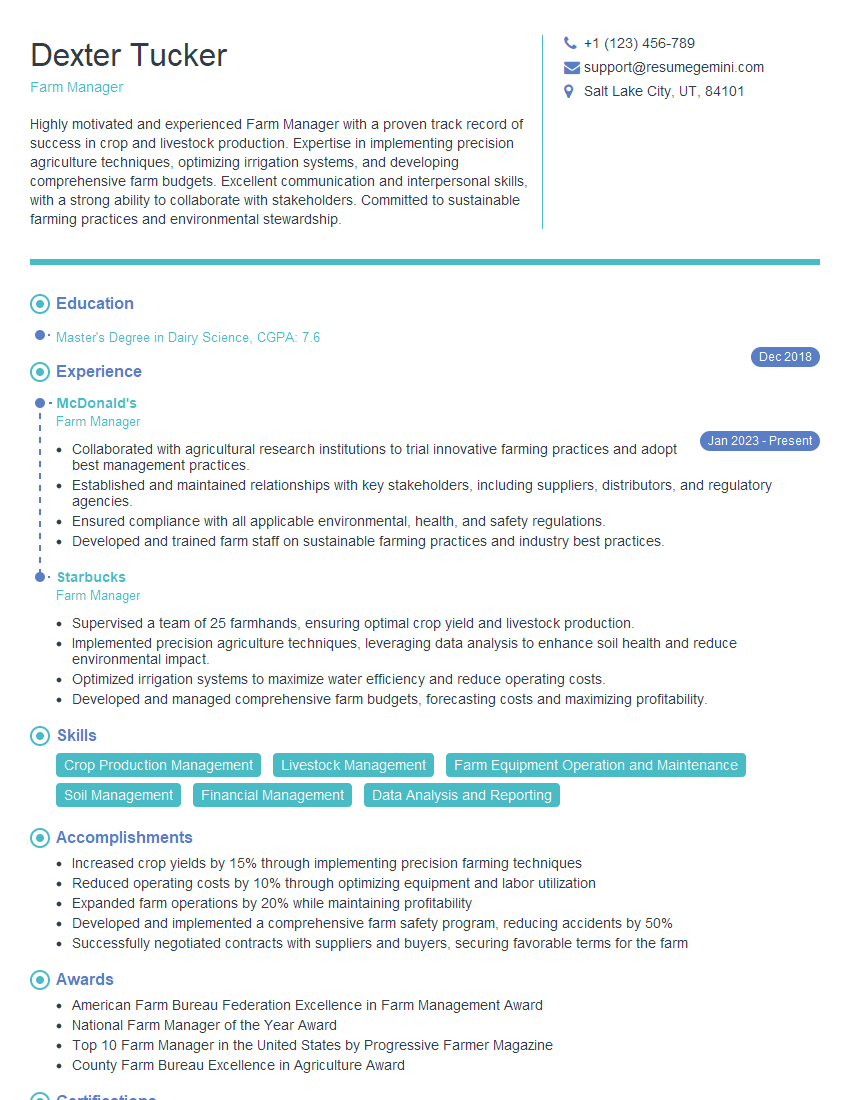
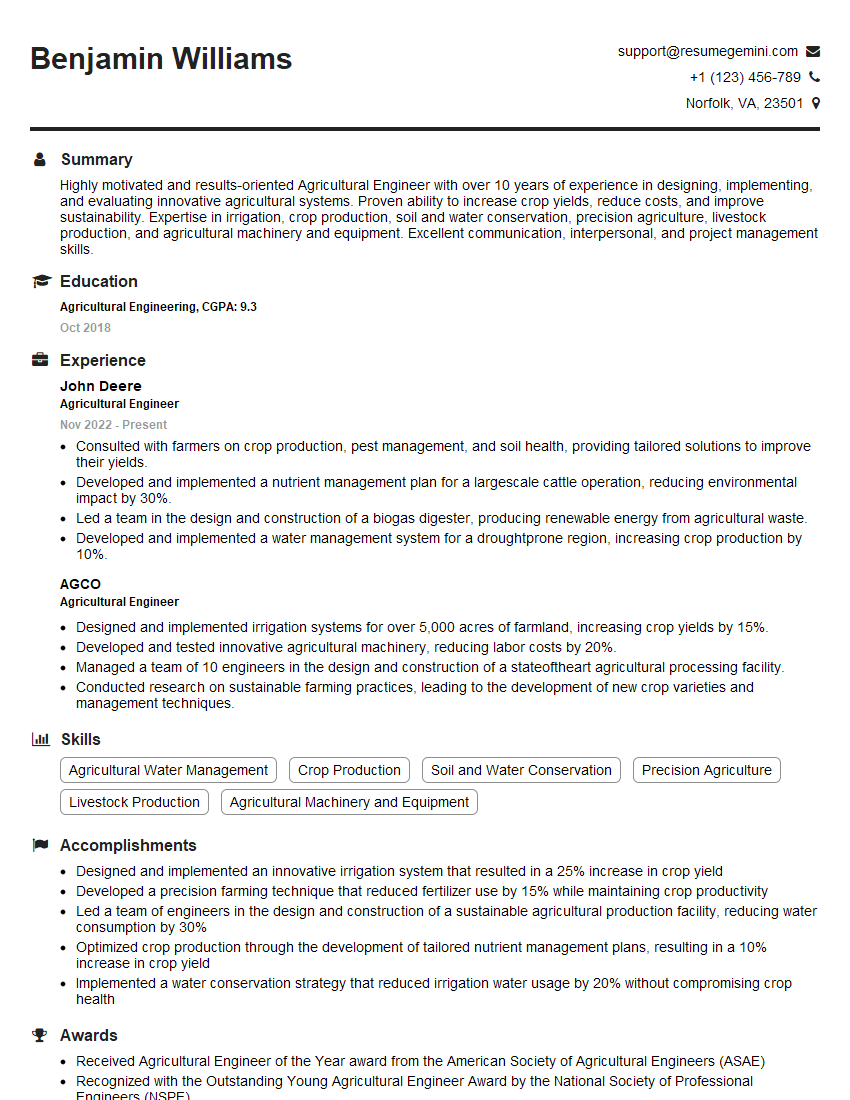
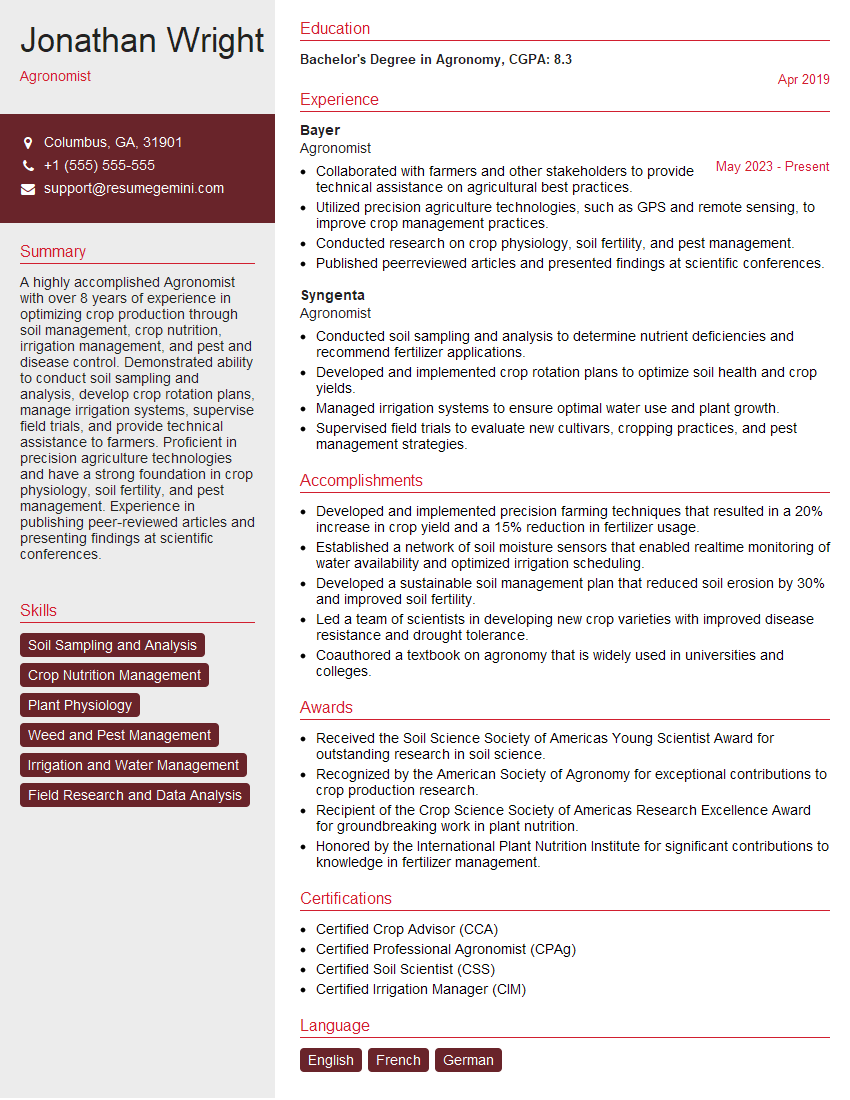
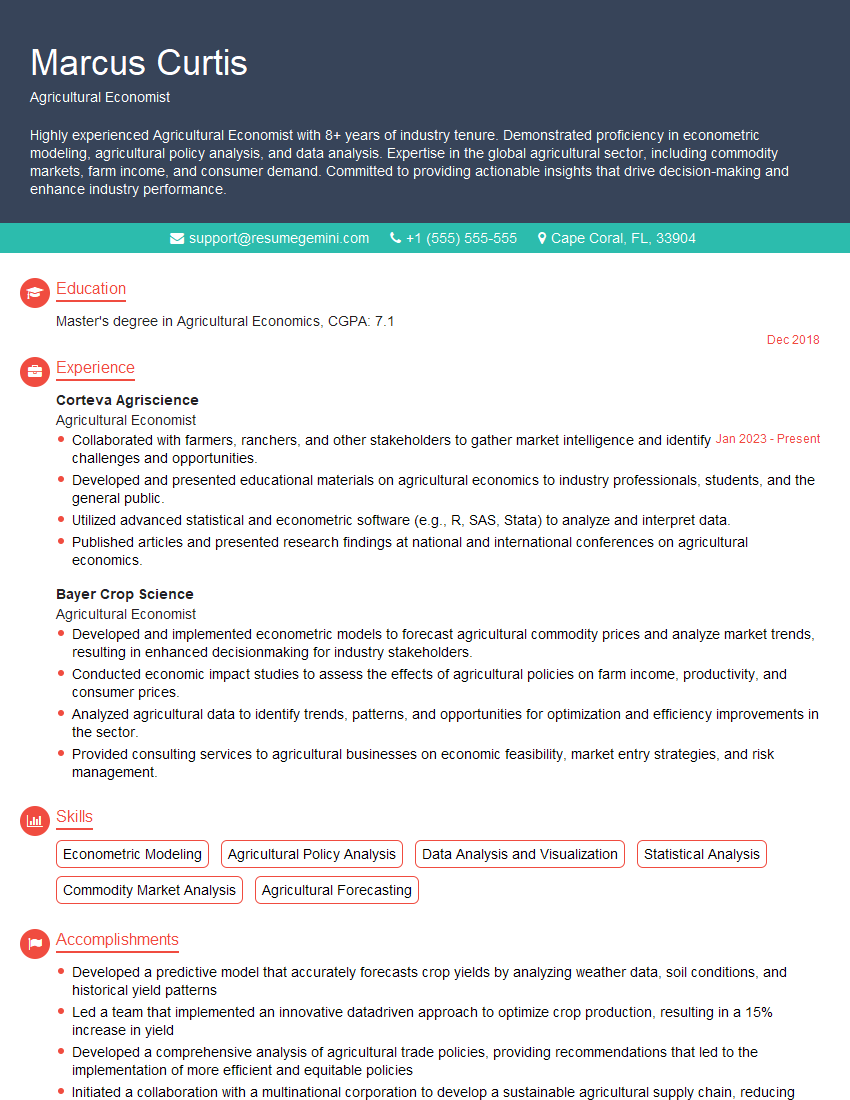
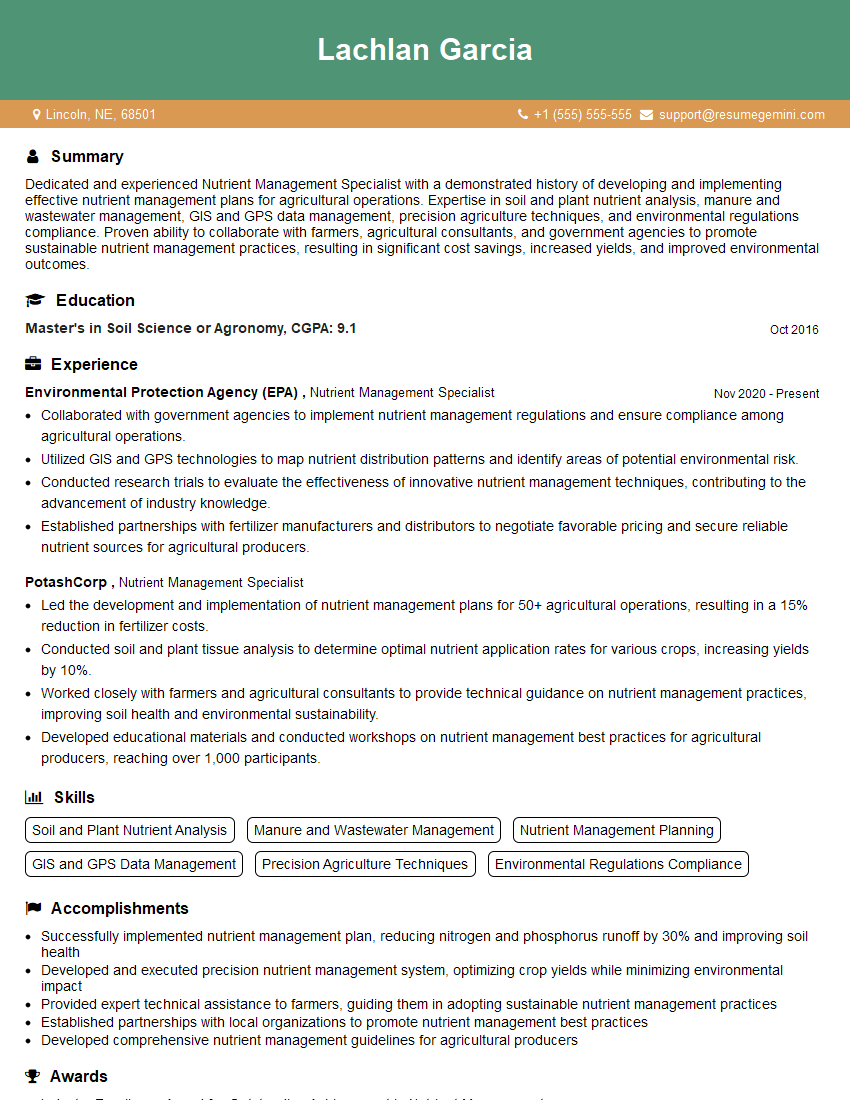
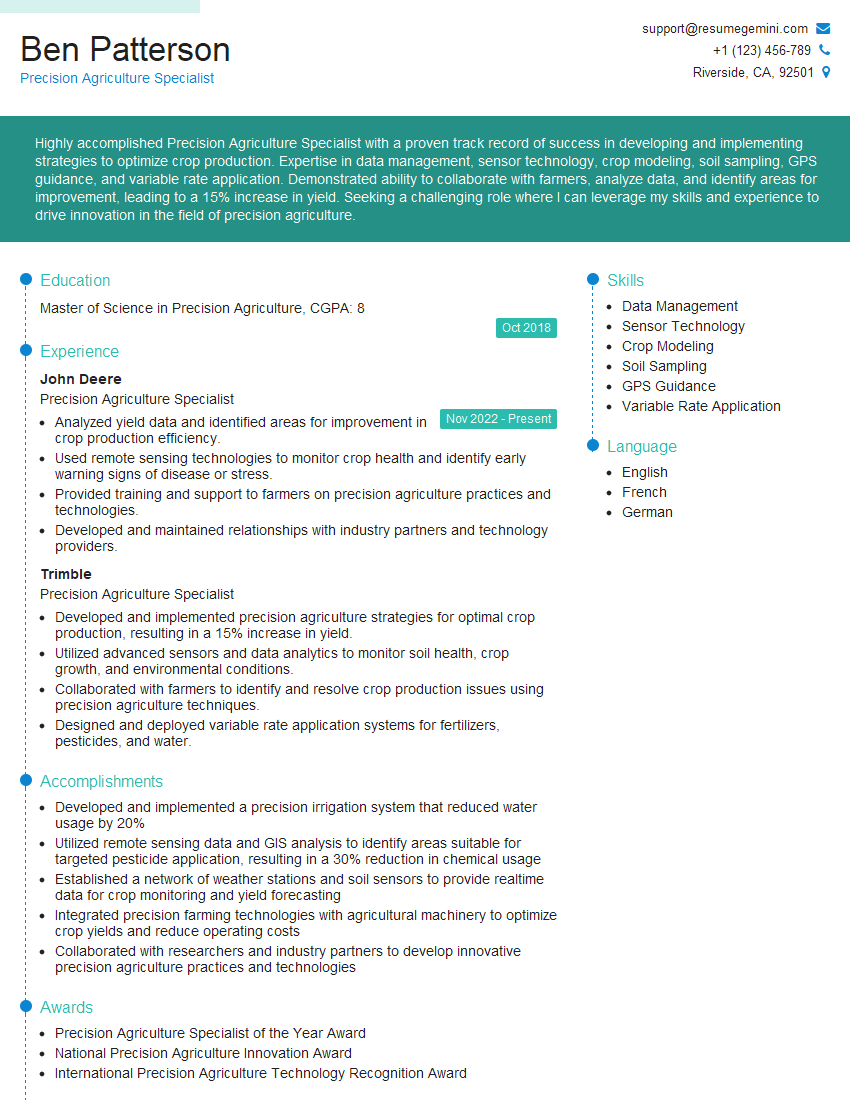
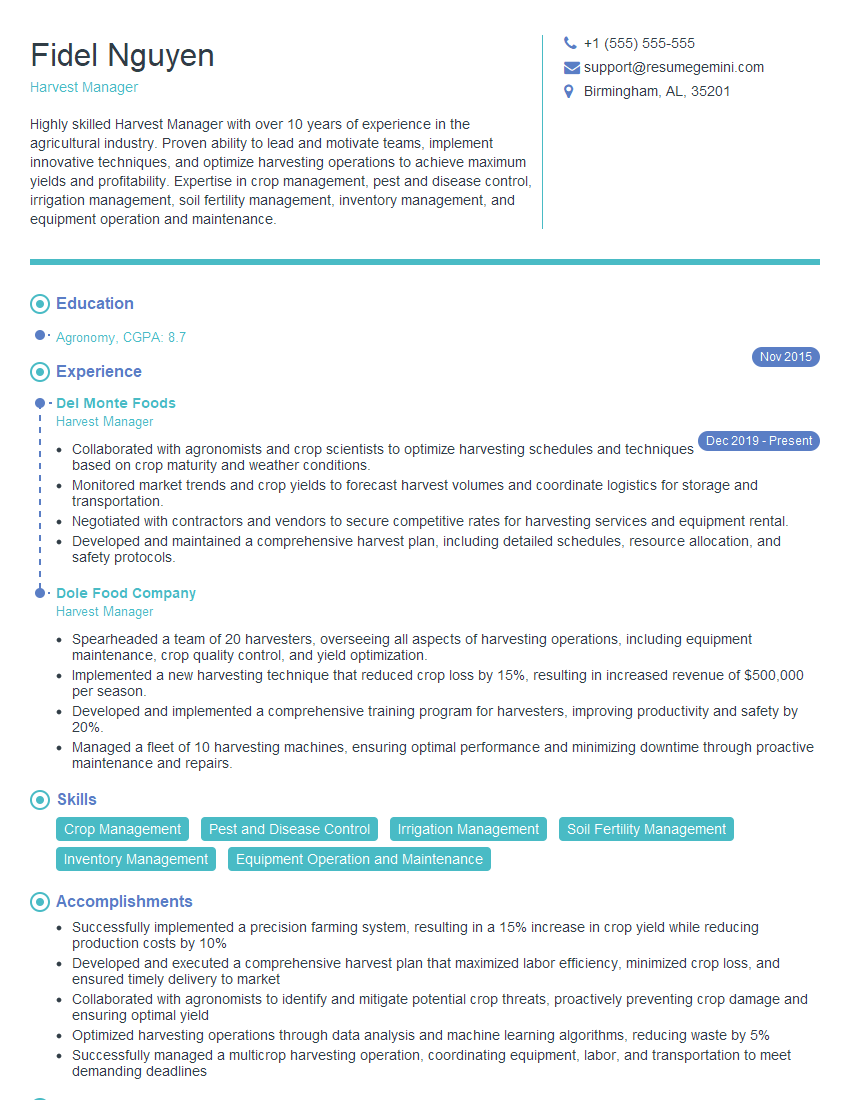
Mastering Cropping Systems Management is crucial for a successful and rewarding career in agriculture. A strong understanding of these principles will open doors to exciting opportunities in research, consulting, and farm management. To maximize your job prospects, creating an ATS-friendly resume is essential. ResumeGemini is a trusted resource that can help you build a professional and impactful resume tailored to the specific requirements of Cropping Systems Management roles. Examples of resumes tailored to this field are available to help you craft the perfect application.

Explore more articles
Users Rating of Our Blogs
Share Your Experience
We value your feedback! Please rate our content and share your thoughts (optional).
What Readers Say About Our Blog
Very informative content, great job.
good