Feeling uncertain about what to expect in your upcoming interview? We’ve got you covered! This blog highlights the most important Product Wrapping interview questions and provides actionable advice to help you stand out as the ideal candidate. Let’s pave the way for your success.
Questions Asked in Product Wrapping Interview
Q 1. What types of wrapping materials are you familiar with?
My experience encompasses a wide range of wrapping materials, chosen based on product fragility, shipping conditions, and cost-effectiveness. This includes:
- Paper-based materials: Corrugated cardboard boxes, kraft paper, tissue paper, and custom printed boxes are frequently used for their versatility and recyclability. For instance, delicate glassware might require additional tissue paper cushioning within a sturdy cardboard box.
- Plastic films: Shrink wrap, stretch film, and polybags offer excellent protection against moisture and dust. Shrink wrap, for example, is ideal for bundling multiple items together, creating a tamper-evident seal. Stretch film is great for palletizing and securing larger items during shipping.
- Foam cushioning: Expanded polystyrene (EPS) foam, polyethylene (PE) foam, and bubble wrap provide excellent shock absorption for fragile items. Think of how electronics are often packed with layers of bubble wrap to protect them during transit.
- Other materials: This could include things like air pillows, void fill peanuts, and specialized protective inserts molded to the exact shape of a product for ultimate protection.
The selection of the material depends heavily on the specific product and its requirements.
Q 2. Describe your experience with hand-wrapping versus automated wrapping.
I have extensive experience in both hand-wrapping and automated wrapping processes. Hand-wrapping is ideal for small-batch orders, custom packaging, or products with unique shapes that require careful, individual attention. For example, I’ve hand-wrapped bespoke gifts with intricate paper folds and ribbons, ensuring a premium presentation. It provides flexibility but is less efficient for large volumes.
Automated wrapping, using machinery, is far more efficient for high-volume production. I’ve worked with various automated wrapping systems, from simple tape applicators to complex robotic systems that handle wrapping and palletizing. Automated systems ensure consistent wrapping quality and significantly increase throughput. However, they require significant upfront investment and may not be suitable for products with high variability.
Q 3. How do you ensure the product is securely wrapped to prevent damage?
Secure wrapping is paramount to prevent damage during transit. My approach involves several key steps:
- Product assessment: First, I assess the product’s fragility and dimensions to determine the appropriate wrapping materials and techniques.
- Cushioning and protection: I use adequate cushioning materials like bubble wrap, foam inserts, or air pillows to absorb shocks and vibrations. Fragile items might require custom-fit inserts for optimal protection.
- Proper wrapping technique: The chosen wrapping material must be applied correctly to ensure secure containment. For example, shrink wrap requires even heat distribution for a tight, wrinkle-free seal. Stretch film needs to be applied with consistent tension to prevent slippage.
- Secondary packaging: A sturdy outer container, like a cardboard box, provides further protection and helps maintain structural integrity during shipping.
- Sealing: Appropriate sealing methods, such as heat sealing or tape sealing, must be used to ensure the package remains closed and secure throughout transit.
Regular quality checks throughout the process are crucial to identify and address any potential issues.
Q 4. What are the common challenges you face in product wrapping, and how do you overcome them?
Common challenges in product wrapping include:
- Damage during transit: This can be mitigated through careful selection of packaging materials, appropriate cushioning, and robust outer packaging.
- Material waste: This is addressed through careful material planning and optimization of the wrapping process, potentially using automated systems that minimize waste.
- Inconsistency in wrapping quality: This is countered by using standardized procedures, proper training of personnel, and implementing quality control checks at various stages.
- Balancing speed and quality: This often involves finding the right balance between manual and automated processes to optimize speed without sacrificing quality. Lean manufacturing principles can be invaluable here.
- Keeping up with evolving regulations and sustainability concerns: Staying informed about environmental regulations and consumer preferences for sustainable packaging is vital. This includes exploring eco-friendly alternatives and optimizing packaging design to reduce material use.
Overcoming these challenges requires a proactive approach involving continuous improvement, thorough training, and the implementation of effective quality control measures.
Q 5. Explain your experience with different types of wrapping machines.
My experience includes working with a variety of wrapping machines, including:
- Case erectors: These machines automatically form cardboard boxes from flat blanks, increasing efficiency and consistency in box formation.
- Shrink wrappers: These apply and shrink plastic film around products, creating a tight, tamper-evident seal. Different types are available for various product sizes and shapes.
- Stretch wrappers: These machines wrap stretch film around pallets of products, securing them for transportation and preventing damage.
- Tape sealing machines: These automate the process of applying adhesive tape to seal boxes, improving speed and consistency.
- Automated packaging lines: These integrate multiple machines into a single system, allowing for automated and efficient packaging of products from start to finish.
The choice of machine depends on the specific needs of the product and the production volume. I am comfortable troubleshooting and maintaining most common models.
Q 6. How do you maintain efficiency while adhering to quality standards in product wrapping?
Maintaining efficiency while adhering to quality standards requires a balanced approach that incorporates:
- Process optimization: Identifying and eliminating bottlenecks in the wrapping process through lean manufacturing techniques.
- Proper training: Ensuring that all personnel are properly trained on the use of equipment and adherence to quality standards.
- Regular maintenance: Performing scheduled maintenance on wrapping machinery to minimize downtime and maintain consistent performance.
- Quality control checks: Implementing regular quality checks at various stages of the process to ensure that the wrapped products meet the required standards.
- Data analysis: Tracking key metrics such as production output, waste levels, and defect rates to identify areas for improvement.
By focusing on these aspects, it is possible to achieve a high level of efficiency without compromising on product quality.
Q 7. How familiar are you with various sealing methods (e.g., heat sealing, tape sealing)?
I am very familiar with various sealing methods. Each has its own advantages and disadvantages:
- Heat sealing: This involves using heat to melt and fuse plastic films together, creating a strong and airtight seal. It’s efficient and effective but requires specific equipment and is only suitable for heat-sealable materials.
- Tape sealing: This uses adhesive tape to seal boxes or other containers. It’s versatile and easy to implement but can be slower than heat sealing and may not provide as strong a seal, especially in humid conditions. Different tapes exist for different applications, like water-activated tape for extra strength.
- Glue sealing: This method uses adhesive glue to seal boxes or other packaging. It can provide a strong seal and is suitable for various materials but requires careful application to avoid messy results.
- Ultrasonic sealing: This method uses high-frequency sound waves to weld plastic films together. It offers a very clean and strong seal without the use of heat or adhesives, ideal for sensitive products.
The best sealing method depends on the type of packaging material and the desired level of security and aesthetics.
Q 8. Describe your process for handling fragile or irregularly shaped items.
Handling fragile or irregularly shaped items requires a multi-layered approach focused on maximizing protection and minimizing damage during transit. It begins with a careful assessment of the item’s vulnerabilities. For example, a glass vase needs protection against impact and shock, while a oddly shaped piece of art might require custom bracing to prevent shifting.
- Custom Cushioning: I utilize various cushioning materials tailored to the item’s fragility and shape. For delicate glass items, I might nestle them in shredded paper or use custom-fit foam inserts. Irregularly shaped items often benefit from void-fill materials like bubble wrap or packing peanuts to prevent movement within the box.
- Specialized Containers: Standard boxes may not suffice. For extreme fragility, I might use double-walled cardboard boxes or even custom-made wooden crates. Irregular shapes might need custom-cut cardboard inserts or foam padding to create a secure fit.
- Strategic Placement: The orientation of the item inside the container is crucial. Fragile parts should face outward, minimizing stress on vulnerable areas. Heavy items should be placed at the bottom to avoid crushing lighter objects.
- Multiple Layers of Protection: I often employ a layered approach. This could involve wrapping the item in bubble wrap, placing it inside a protective sleeve, and then adding more cushioning before sealing it in a sturdy box. Think of it like a Russian nesting doll – each layer adds an extra layer of protection.
For instance, when packaging a delicate porcelain figurine, I would first wrap it individually in acid-free tissue paper, then use bubble wrap, followed by placing it into a custom-fit foam insert within a double-walled cardboard box filled with packing peanuts.
Q 9. What are your strategies for minimizing waste during the wrapping process?
Minimizing waste in product wrapping involves a holistic strategy encompassing material selection, efficient wrapping techniques, and waste diversion programs.
- Right-Sizing Packaging: Using appropriately sized boxes and other packaging materials prevents excess material from being used. We measure items accurately to avoid overly large boxes.
- Recyclable and Sustainable Materials: Prioritizing eco-friendly options like recycled cardboard, biodegradable fillers (e.g., starch-based peanuts), and reusable packaging whenever possible significantly reduces waste.
- Optimized Wrapping Techniques: Efficient wrapping techniques minimize the amount of material required while ensuring adequate product protection. Proper training for staff on this is essential.
- Waste Reduction Programs: Implementing processes for sorting and recycling materials like cardboard, plastic, and paper reduces landfill waste and lowers environmental impact. We also utilize programs to repurpose or donate excess packaging materials whenever possible.
- Modular Packaging: Using custom-fit inserts and dividers ensures that only the necessary amount of packaging material is used. This eliminates excess space and wasted material.
For example, instead of using excessive amounts of bubble wrap, we might use a combination of custom-fit foam inserts and strategically placed air pillows to secure fragile items within a compact box.
Q 10. How do you ensure proper labeling and identification of products?
Accurate labeling and product identification are crucial for efficient order fulfillment and customer satisfaction. This starts with a clear understanding of the required information and the appropriate method for displaying it.
- Clear and Concise Labeling: Labels must clearly show the product name, SKU (Stock Keeping Unit) number, quantity, and any relevant handling instructions (e.g., “fragile,” “this side up”).
- Barcode and RFID Tags: Integrating barcodes or RFID (Radio-Frequency Identification) tags allows for automated tracking and identification throughout the supply chain. This streamlines logistics and minimizes errors.
- Shipping Labels: Accurate and complete shipping labels, including the recipient’s address, return address, and any special delivery instructions, are essential for efficient delivery.
- Custom Labels: For specialized products or high-value items, custom labels might be needed to provide detailed information or branding.
- Quality Control Checks: Regular checks throughout the labeling process ensure labels are correctly affixed, legible, and accurately reflect product information.
We use a label printer with a quality check function that automatically detects errors and prints a replacement label if needed. This step significantly reduces errors and ensures all packages are correctly identified.
Q 11. What is your experience with different packaging materials (e.g., cardboard, plastic, bubble wrap)?
Experience with various packaging materials is key to selecting the optimal solution for each product. Each material offers unique strengths and weaknesses.
- Cardboard: Offers good protection, is relatively inexpensive, recyclable, and readily available in various sizes and strengths. However, it can be less effective for extremely fragile items.
- Plastic: Provides excellent protection against moisture and impact but is less environmentally friendly. Various types exist, including polyethylene film, polystyrene, and polypropylene, each with its properties.
- Bubble Wrap: A highly effective cushioning material for fragile items, providing excellent shock absorption. However, it can be bulky and less sustainable than other options.
- Foam: Offers excellent cushioning and can be custom-cut to fit specific products, reducing wasted space. Types include polyethylene foam, polyurethane foam, and expanded polystyrene foam.
- Paper-based Fillers: Shredded paper, air pillows, and honeycomb paper are eco-friendly alternatives to plastic fillers, offering cushioning without the environmental concerns.
I’ve worked extensively with all these materials, selecting the most appropriate based on product fragility, shape, shipping distance, and environmental considerations. For example, I might use corrugated cardboard for a heavier item, bubble wrap for a fragile ceramic vase, and biodegradable packing peanuts for an eco-conscious client.
Q 12. Describe your experience with quality control procedures related to product wrapping.
Quality control in product wrapping is paramount to ensure product integrity and customer satisfaction. My approach involves several key steps.
- Visual Inspection: A thorough visual check of each package at various stages of the process detects any obvious defects, such as damaged boxes, improperly sealed packages, or incorrect labeling.
- Random Sampling: Periodically, a random sample of packages is selected for more detailed inspection, including checking the effectiveness of cushioning and the overall security of the packaging.
- Weight Checks: In some instances, weight checks are conducted to ensure that the packaging is adequately filled and that no items are missing.
- Drop Tests: For particularly fragile items, drop tests might be conducted to assess the effectiveness of the packaging under realistic shipping conditions.
- Documentation: Maintaining detailed records of quality control checks and any identified issues allows for continuous improvement and tracking of performance.
We maintain a detailed log of all quality control checks, documenting any defects found and corrective actions taken. This data informs our continuous improvement efforts, helping us refine our packaging processes and minimize defects over time.
Q 13. How do you identify and report packaging defects?
Packaging defects are identified through a combination of visual inspection, quality control checks, and customer feedback. Once identified, the appropriate steps are taken to rectify the situation.
- Immediate Action: Any immediate defects identified during the packaging process are rectified immediately. This might involve repackaging the item or replacing damaged materials.
- Reporting Procedures: A formal reporting process ensures that all defects are documented, categorized (e.g., damage type, material failure), and reported to the appropriate personnel.
- Root Cause Analysis: After identifying a defect, a root cause analysis helps determine the underlying cause. This may reveal issues with material selection, packing methods, or equipment malfunction.
- Corrective Actions: Based on the root cause analysis, corrective actions are implemented to prevent similar defects from occurring in the future. This may involve revising packaging procedures, replacing equipment, or retraining staff.
- Customer Communication: In cases where defects cause damage to the customer’s product, prompt communication and resolution are essential, often involving replacement or refund.
We use a digital defect tracking system, where each defect is logged, analyzed, and assigned a unique identifier. This allows us to monitor trends, identify recurring issues, and track the effectiveness of corrective actions.
Q 14. How do you maintain a clean and organized work area in a fast-paced environment?
Maintaining a clean and organized workspace in a fast-paced environment requires a structured approach and a commitment to consistent practices.
- 5S Methodology: Adopting the 5S methodology (Sort, Set in Order, Shine, Standardize, Sustain) promotes workplace organization and efficiency. This involves regularly sorting materials, organizing the workspace, cleaning the area, standardizing processes, and sustaining these improvements.
- Designated Storage Areas: Clearly designated areas for packaging materials, tools, and waste help maintain order and prevent clutter. Using labeled containers and shelves further enhances organization.
- Regular Cleaning: Regular cleaning throughout the day prevents the build-up of debris and maintains a safe and efficient workspace. This involves sweeping, wiping down surfaces, and disposing of waste properly.
- Workflow Optimization: Optimizing workflows ensures materials are easily accessible and that packaging processes are streamlined. This minimizes movement and reduces the likelihood of clutter.
- Teamwork and Communication: Maintaining a clean and organized workspace is a team effort. Effective communication ensures everyone is aware of cleaning responsibilities and contributes to maintaining a clean environment.
We hold regular team meetings to review our 5S implementation, address any issues, and make improvements. This collaborative approach ensures everyone is invested in maintaining a clean and efficient workspace.
Q 15. Explain your experience with inventory management related to wrapping materials.
Effective inventory management of wrapping materials is crucial for smooth production and cost control. My approach involves a multi-pronged strategy focusing on accurate forecasting, real-time tracking, and proactive replenishment. I utilize inventory management software to track stock levels, monitor consumption rates, and generate automated alerts for low stock or potential shortages. This allows for timely ordering and prevents production delays. For instance, in my previous role, we implemented a system that predicted demand based on historical sales data and seasonal trends, reducing our excess inventory by 15% and minimizing stockouts.
Furthermore, I conduct regular physical inventory counts to verify accuracy and identify discrepancies. This ensures the data in the system accurately reflects the on-hand quantities. We also implement a robust system for managing damaged or obsolete materials, ensuring proper disposal or write-off procedures. This meticulous approach minimizes waste and maintains the integrity of our supply chain.
Career Expert Tips:
- Ace those interviews! Prepare effectively by reviewing the Top 50 Most Common Interview Questions on ResumeGemini.
- Navigate your job search with confidence! Explore a wide range of Career Tips on ResumeGemini. Learn about common challenges and recommendations to overcome them.
- Craft the perfect resume! Master the Art of Resume Writing with ResumeGemini’s guide. Showcase your unique qualifications and achievements effectively.
- Don’t miss out on holiday savings! Build your dream resume with ResumeGemini’s ATS optimized templates.
Q 16. What is your approach to troubleshooting issues with wrapping equipment?
Troubleshooting wrapping equipment requires a systematic and methodical approach. My first step is always to ensure operator safety by shutting down the machine and following established lockout/tagout procedures. Then, I gather information from the operator about the nature of the malfunction, including any error messages displayed on the machine’s control panel. I’ll often start with the simplest checks – power supply, sensor readings, and basic mechanical functions – before moving to more complex diagnostics.
For example, if a stretch wrapper isn’t applying enough film tension, I might first check the film roll for proper installation and ensure the tensioning mechanism is functioning correctly. If the problem persists, I would consult the machine’s manual, or contact the manufacturer’s technical support. If needed, I can also perform basic maintenance tasks such as lubrication or cleaning. A thorough understanding of the machine’s mechanics and electrical systems is key, and continuous professional development keeps my skills sharp.
Q 17. How do you handle variations in order volume and deadlines?
Handling variations in order volume and deadlines requires flexibility and adaptability. I utilize various strategies to maintain efficiency and meet customer demands. For example, during peak seasons, we might implement overtime shifts or temporarily hire additional staff to increase our wrapping capacity. Conversely, during slower periods, we can strategically adjust our workforce and prioritize preventative maintenance on our equipment.
Prioritization is key; I use project management tools to schedule tasks and track progress, ensuring urgent orders are addressed first. Effective communication with the production team and customers is vital to manage expectations and keep everyone informed of any potential delays. We maintain a close relationship with our suppliers to ensure a reliable supply of materials, even during periods of high demand. Think of it like a conductor of an orchestra, ensuring all instruments play in harmony to create a beautiful, timely final product.
Q 18. How do you prioritize tasks in a high-volume production setting?
In a high-volume production setting, task prioritization is crucial for maximizing efficiency and meeting deadlines. I employ a combination of methods including urgency and importance matrices, prioritizing tasks based on their impact on overall production and due dates. This often involves a combination of ‘urgent and important’ tasks (e.g., addressing a machine malfunction affecting current production) alongside ‘important but not urgent’ tasks (e.g., preventative maintenance to avoid future breakdowns).
I also utilize lean manufacturing principles to identify and eliminate bottlenecks. This might involve streamlining workflows, optimizing equipment placement, and improving material flow. Regular team meetings allow for open communication and collaboration, ensuring everyone is informed and working towards common goals. Finally, clear communication and defined responsibilities are critical to ensure that tasks are completed accurately and efficiently.
Q 19. Describe your experience with safety procedures related to packaging machinery.
Safety is paramount in any packaging environment. My experience includes extensive training and adherence to strict safety protocols, including lockout/tagout procedures, proper use of personal protective equipment (PPE), and regular safety inspections. I’m familiar with various types of packaging machinery and their associated hazards, including moving parts, sharp edges, and potential for entanglement. I ensure all operators are properly trained and understand the risks involved in operating the equipment.
Regular safety meetings are essential, where we review safety procedures and address any potential hazards. We actively promote a safety-first culture where employees are encouraged to report any unsafe conditions or near misses. In addition to standard safety procedures, I ensure that all equipment is regularly inspected and maintained to prevent malfunctions that could lead to accidents. We maintain detailed safety records to track incidents, near misses and training to ensure continuous improvement.
Q 20. How do you ensure compliance with industry regulations regarding product packaging?
Compliance with industry regulations is non-negotiable. I have a thorough understanding of regulations like FDA (Food and Drug Administration) guidelines for food packaging, or relevant regulations specific to the industry and geographic region. This includes understanding labeling requirements, material specifications, and appropriate testing procedures. I ensure all packaging materials meet the necessary standards and are properly labeled to comply with relevant regulations. This often involves working closely with suppliers to verify the compliance of the materials they provide.
Regular audits are conducted to ensure ongoing compliance. We maintain detailed records of all testing and certifications to demonstrate adherence to relevant regulations. We actively stay updated on any changes or updates to these regulations through industry publications and professional development. Proactive compliance minimizes risks, protects our brand reputation, and ensures customer trust. Non-compliance can have serious consequences, making this a top priority.
Q 21. What is your understanding of different types of packaging seals and their applications?
Packaging seals play a vital role in protecting products and maintaining their integrity. Different types of seals are employed depending on the product’s characteristics, storage conditions, and required shelf life. For example, heat seals are common for flexible packaging like pouches and bags, using heat to bond the material. Adhesive seals, utilizing pressure-sensitive adhesives, provide a strong and tamper-evident closure. Induction seals provide a hermetic seal, protecting products from moisture and contamination, particularly useful for food and pharmaceutical products.
Other types include ultrasonic sealing (using high-frequency sound waves), crimp seals (mechanical compression), and ultrasonic seals. The choice of seal depends on various factors including the material properties of the packaging, the desired level of protection, and production speed. My expertise lies in selecting the optimal seal type for each product, considering cost-effectiveness and ensuring the final seal meets the desired level of quality and protection.
Q 22. What is your experience with using packing lists and shipping manifests?
Packing lists and shipping manifests are crucial for efficient order fulfillment in product wrapping. A packing list details the contents of each individual package, ensuring accuracy and preventing errors. A shipping manifest, on the other hand, provides a summary of all packages in a shipment, including details like weight, dimensions, and destination. My experience involves extensive use of both. I’ve worked with both paper-based and digital systems, and am proficient in verifying the accuracy of both documents against the physical products being shipped. For example, in my previous role, I was responsible for ensuring that every item listed on a packing list for a high-value electronics order was correctly included in the package, and that the corresponding shipping manifest accurately reflected the total number of packages and their weights for the courier. This meticulous approach minimized the risk of mis-shipments and customer complaints.
Q 23. How do you contribute to a team effort in a packaging environment?
Teamwork is essential in a fast-paced packaging environment. I actively contribute by assisting colleagues when needed, sharing my knowledge of efficient wrapping techniques, and proactively identifying and resolving potential bottlenecks. For example, if one team member is struggling to keep up with a particular product, I might offer to help with that specific item or suggest a different wrapping method to improve speed and consistency. I also communicate effectively with other team members to ensure that everyone is informed about any changes or challenges that arise. In one instance, we were facing a surge in orders. By collaborating with the team and identifying a faster folding technique for a specific packaging material, we were able to significantly improve our overall output without sacrificing quality.
Q 24. Describe a time you had to adapt your wrapping technique for a challenging product.
I once had to adapt my wrapping technique for a very delicate glass sculpture. Standard bubble wrap wasn’t sufficient to protect it during transit. After careful consideration, I devised a layered system. First, I wrapped each individual piece in acid-free tissue paper to prevent scratching. Then, I used custom-cut foam inserts to create a snug, secure fit within a custom-sized cardboard box. This box was then lined with additional bubble wrap before being sealed with reinforced packing tape. This multi-layered approach ensured the sculpture arrived safely and undamaged, demonstrating my ability to think creatively and implement solutions for challenging products.
Q 25. What are some ways to improve efficiency in a product wrapping process?
Improving efficiency in product wrapping involves several strategies:
- Optimize workstation layout: Ensure easy access to all materials and tools, minimizing wasted movement.
- Standardize wrapping techniques: Train all team members on the most efficient methods for each product type.
- Implement automation: Where feasible, automated wrapping machines can significantly increase speed and reduce labor costs.
- Use ergonomic tools: Investing in comfortable and efficient tools can prevent injuries and improve productivity.
- Inventory management: Maintain sufficient stocks of packaging materials to avoid delays.
Q 26. How would you handle a situation where a machine malfunctions during a peak production period?
During a peak production period, a machine malfunction is a critical incident. My approach would be:
- Assess the situation: Immediately determine the severity of the malfunction and the extent of the production disruption.
- Report the issue: Inform my supervisor and the maintenance team.
- Implement contingency plans: If possible, switch to manual wrapping for that particular product or redistribute tasks among the team.
- Prioritize orders: Focus on fulfilling urgent orders first.
- Collaborate with the team: Maintain a positive and supportive environment to ensure everyone understands the situation and is working towards a resolution.
Q 27. Describe your experience with different types of shrink wrap applications.
My experience encompasses various shrink wrap applications, including L-seal, center-seal, and modified atmosphere packaging (MAP). I’m familiar with different shrink film types, such as PVC, polyolefin, and polyethylene, and understand their properties and suitability for various products. For instance, I’ve used L-seal shrink wrap for bundling multiple items together, while center-seal is ideal for individually wrapping products. MAP, which involves modifying the gas composition inside the packaging to extend shelf life, is an application I’ve used for food products, requiring precise handling and adherence to safety protocols. The selection of the appropriate shrink wrap method and film type depends heavily on the product’s characteristics, its susceptibility to damage, and its required shelf life. Experience allows for accurate assessment and efficient application.
Q 28. How familiar are you with sustainable packaging practices and materials?
I’m highly familiar with sustainable packaging practices and materials. This includes using recycled and biodegradable materials such as cornstarch-based films and paper-based alternatives to plastic. I understand the importance of reducing packaging waste by optimizing packaging sizes and minimizing material usage. I am also knowledgeable about the principles of reducing, reusing, and recycling packaging materials. In my previous role, we successfully transitioned from using non-recyclable PVC shrink wrap to a fully recyclable polyolefin alternative, significantly reducing our environmental impact. This involved evaluating various alternatives, considering factors such as cost, performance, and recyclability. The shift required team training and adjustments to our existing procedures, showcasing my commitment to environmentally friendly practices.
Key Topics to Learn for Product Wrapping Interview
- Materials Science & Selection: Understanding various wrapping materials (paper, plastic film, corrugated cardboard, etc.), their properties (strength, flexibility, barrier properties), and suitability for different products.
- Packaging Design Principles: Applying principles of aesthetics, ergonomics, and functionality to create effective and appealing product wraps. This includes considerations of size, shape, and ease of opening/closing.
- Production Processes: Familiarity with different wrapping techniques (manual, automated, semi-automated), machinery involved, and potential challenges in production (e.g., speed, efficiency, waste reduction).
- Cost Optimization: Analyzing material costs, labor costs, and production efficiency to minimize overall packaging expenses while maintaining quality and functionality.
- Sustainability & Environmental Impact: Knowledge of eco-friendly packaging materials, waste reduction strategies, and compliance with environmental regulations.
- Quality Control & Assurance: Implementing quality control measures throughout the wrapping process to ensure product protection, consistent appearance, and adherence to specifications.
- Automation and Technology: Understanding the role of automation in modern product wrapping, including robotic systems, automated packaging lines, and related software.
- Problem-Solving & Troubleshooting: Ability to identify and resolve issues related to material defects, machinery malfunctions, and packaging inefficiencies.
Next Steps
Mastering product wrapping opens doors to diverse and rewarding roles within the manufacturing, logistics, and retail sectors. To maximize your job prospects, creating a strong, ATS-friendly resume is crucial. ResumeGemini offers a trusted platform to build a professional resume that highlights your skills and experience effectively. We provide examples of resumes tailored to Product Wrapping to help you present yourself in the best possible light. Take the next step toward your dream career – build your resume with ResumeGemini today!
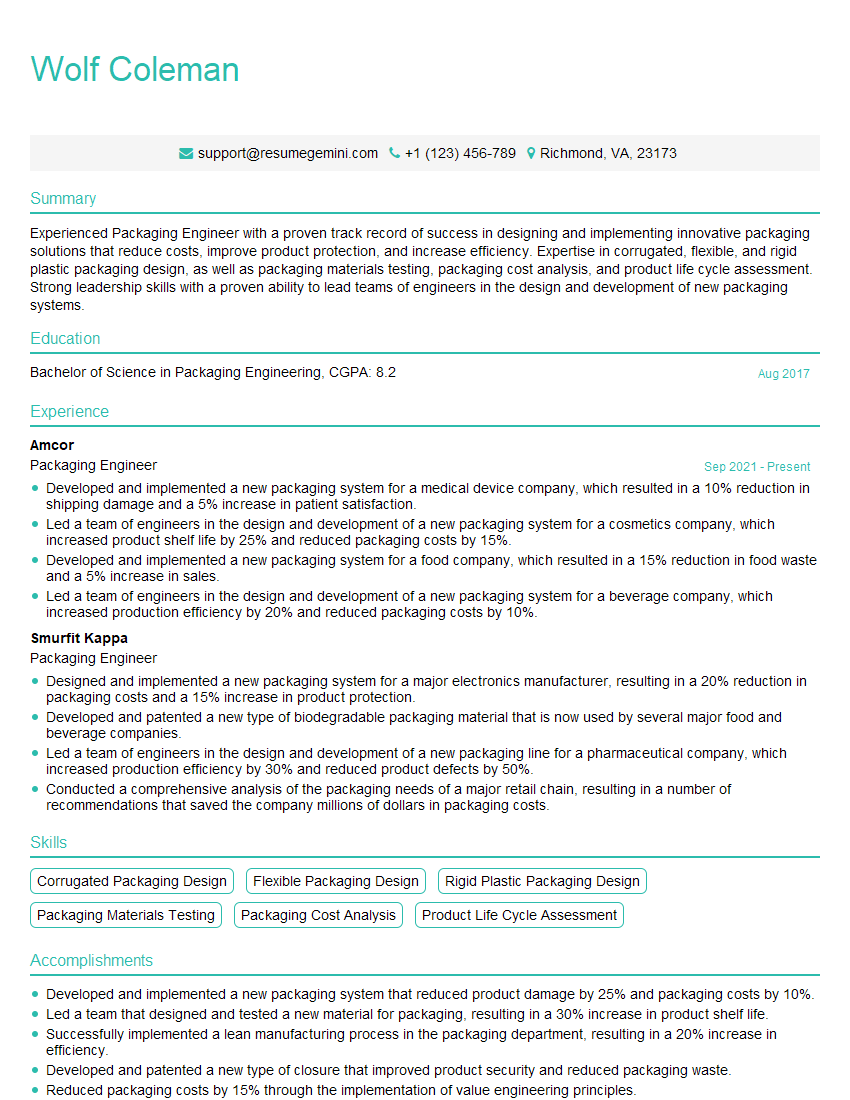
Packaging Engineer Resume Sample
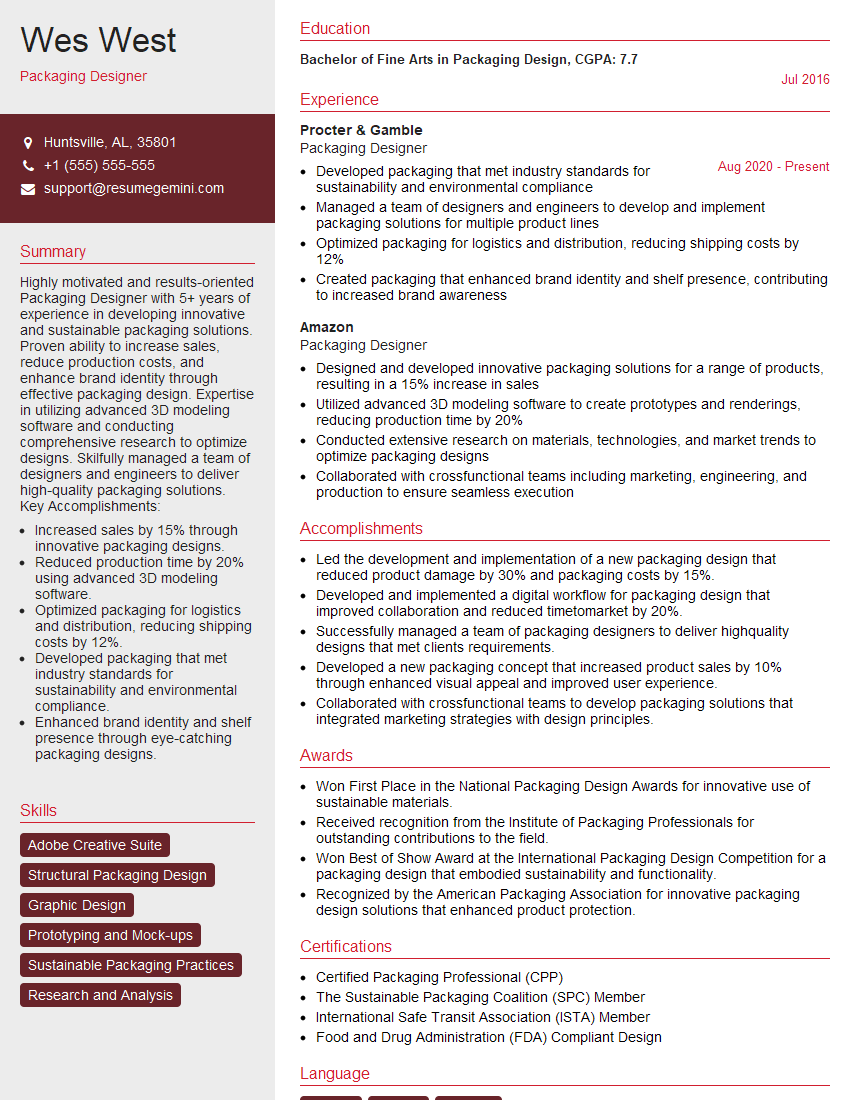
Packaging Designer Resume Sample
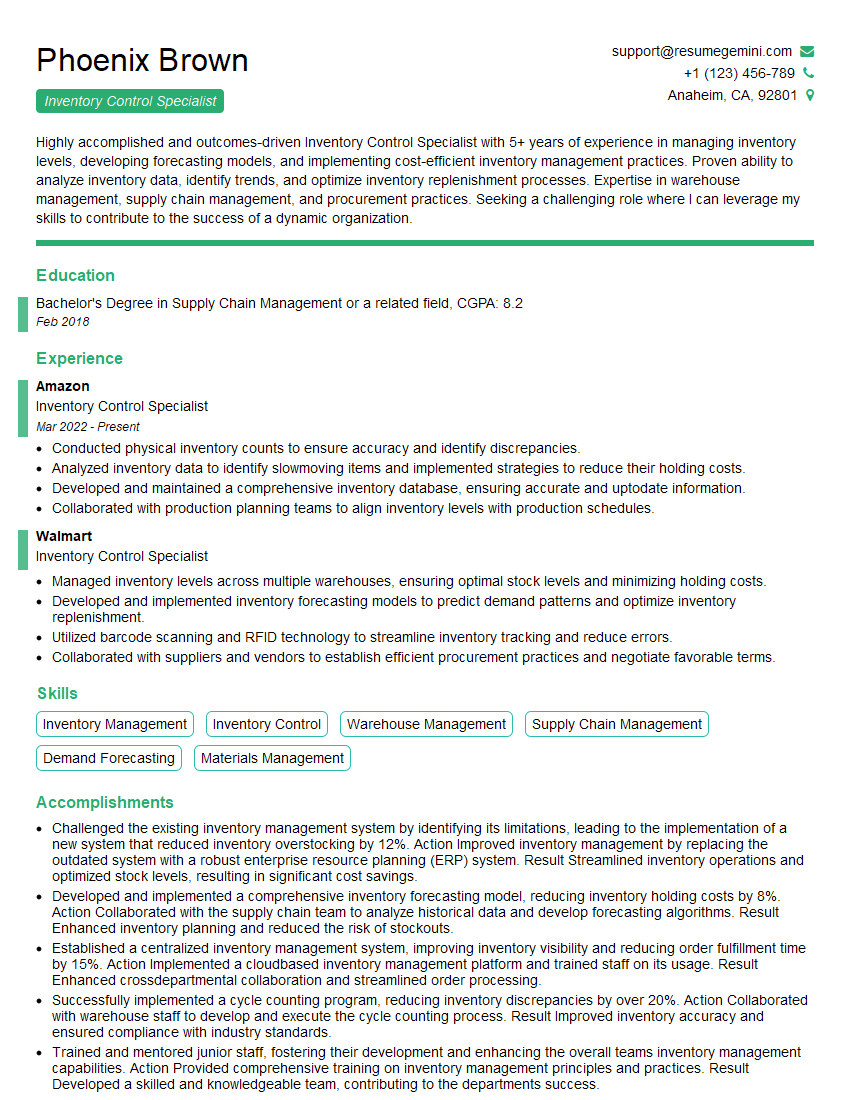
Inventory Control Specialist Resume Sample
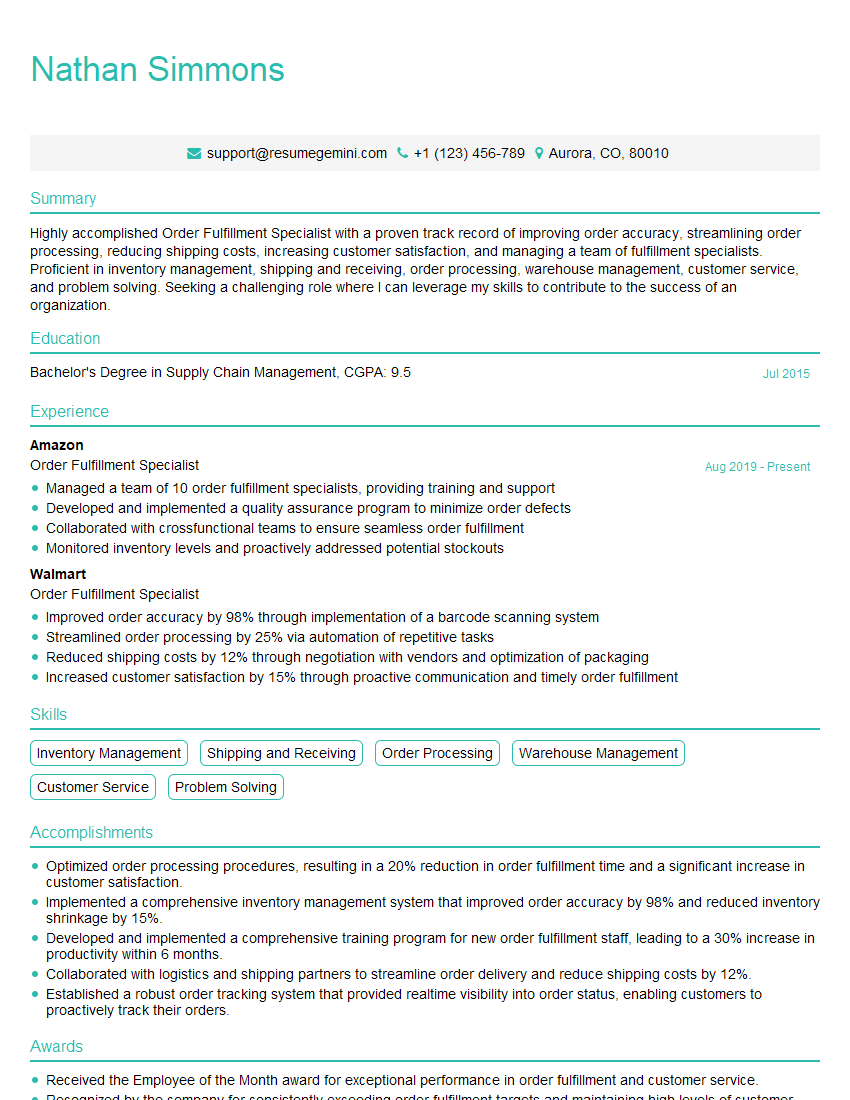
Order Fulfillment Specialist Resume Sample

Shipping and Receiving Clerk Resume Sample
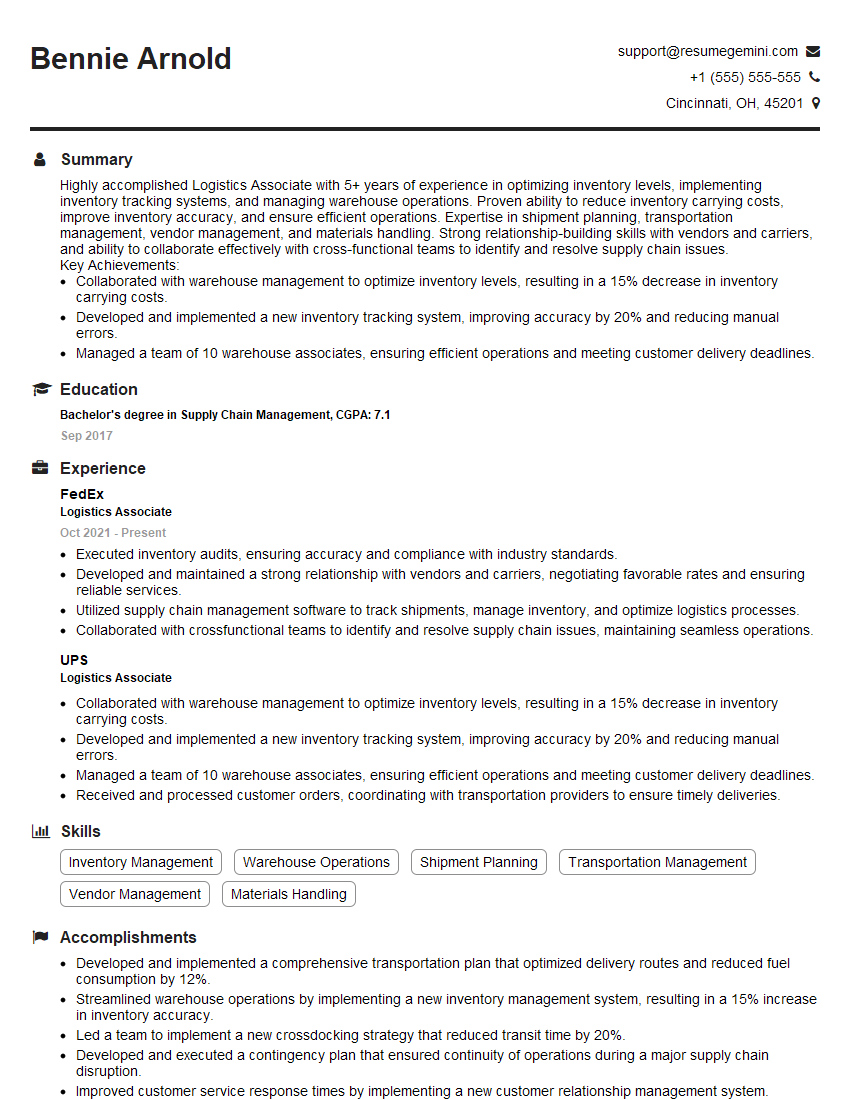
Logistics Associate Resume Sample
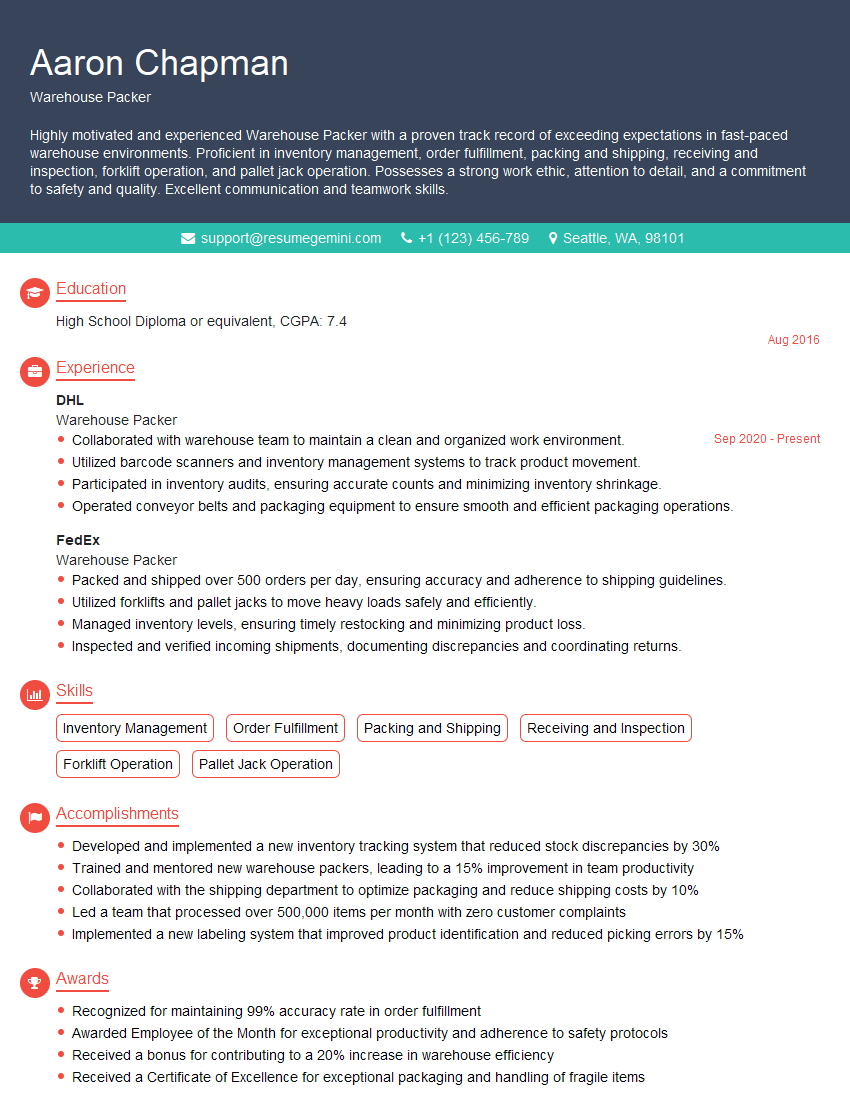
Warehouse Packer Resume Sample
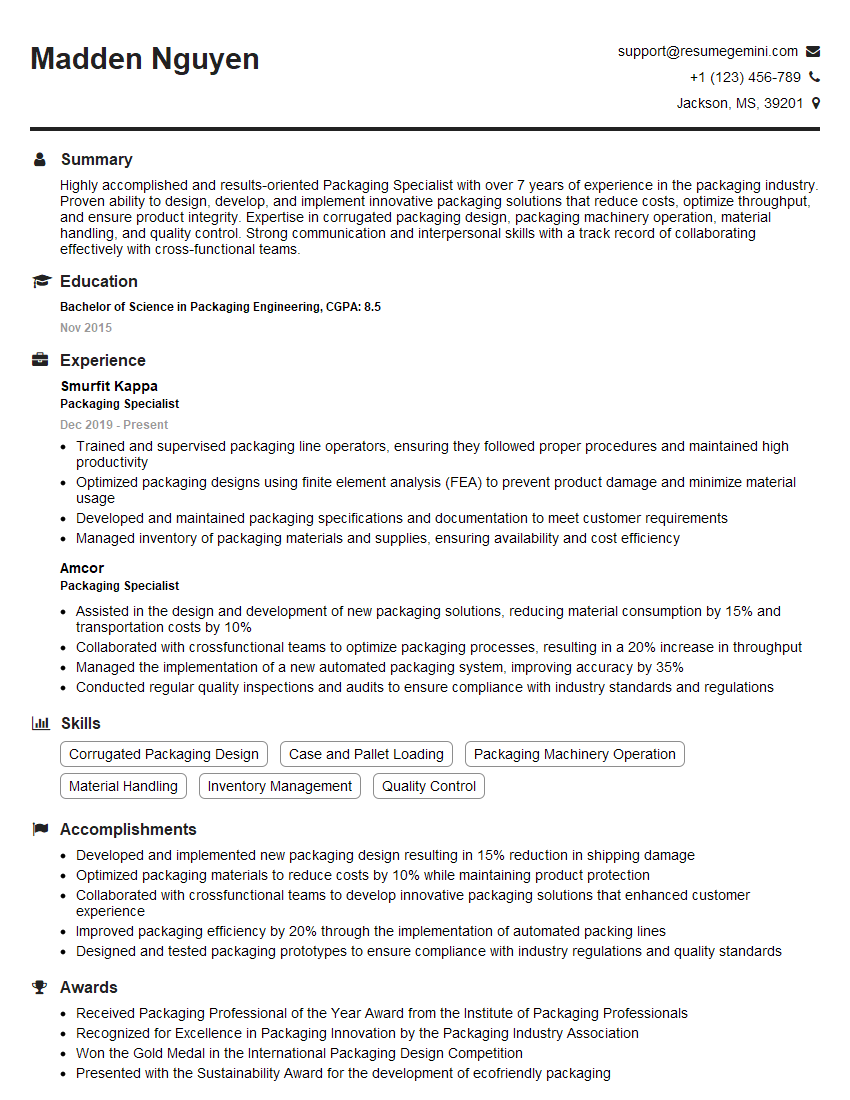
Packaging Specialist Resume Sample
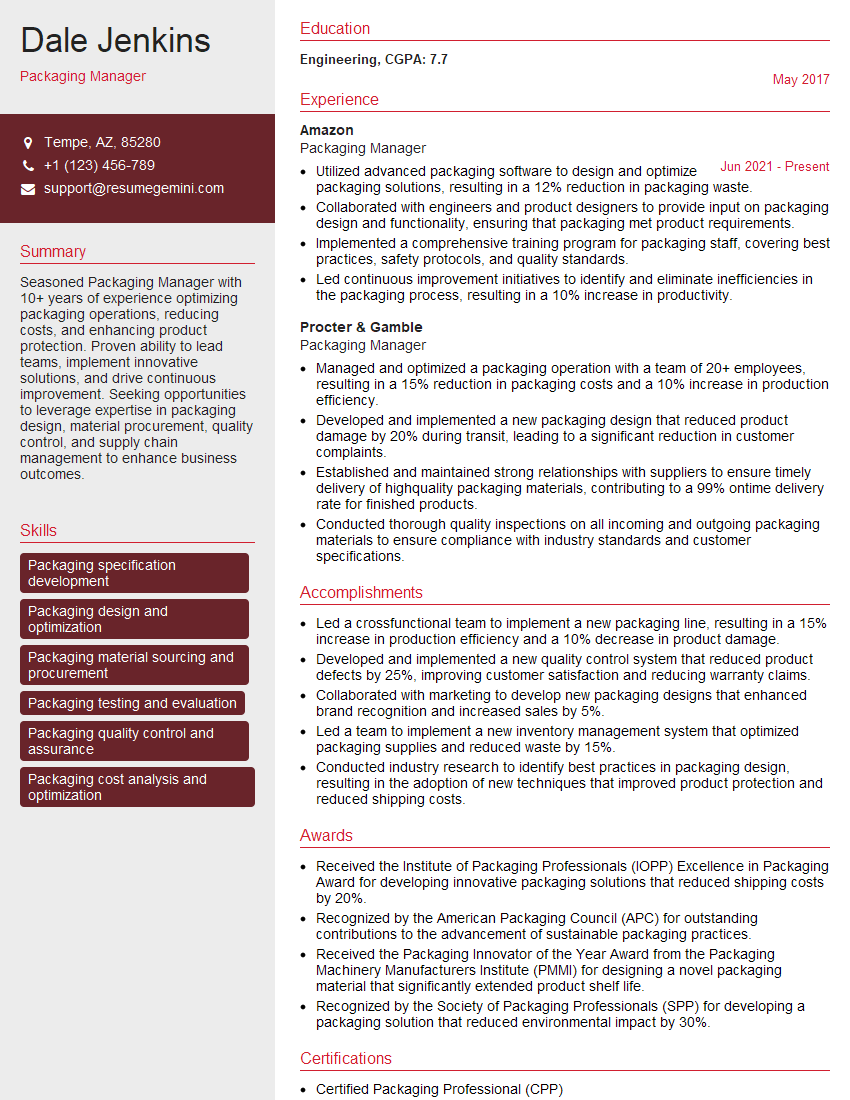
Packaging Manager Resume Sample
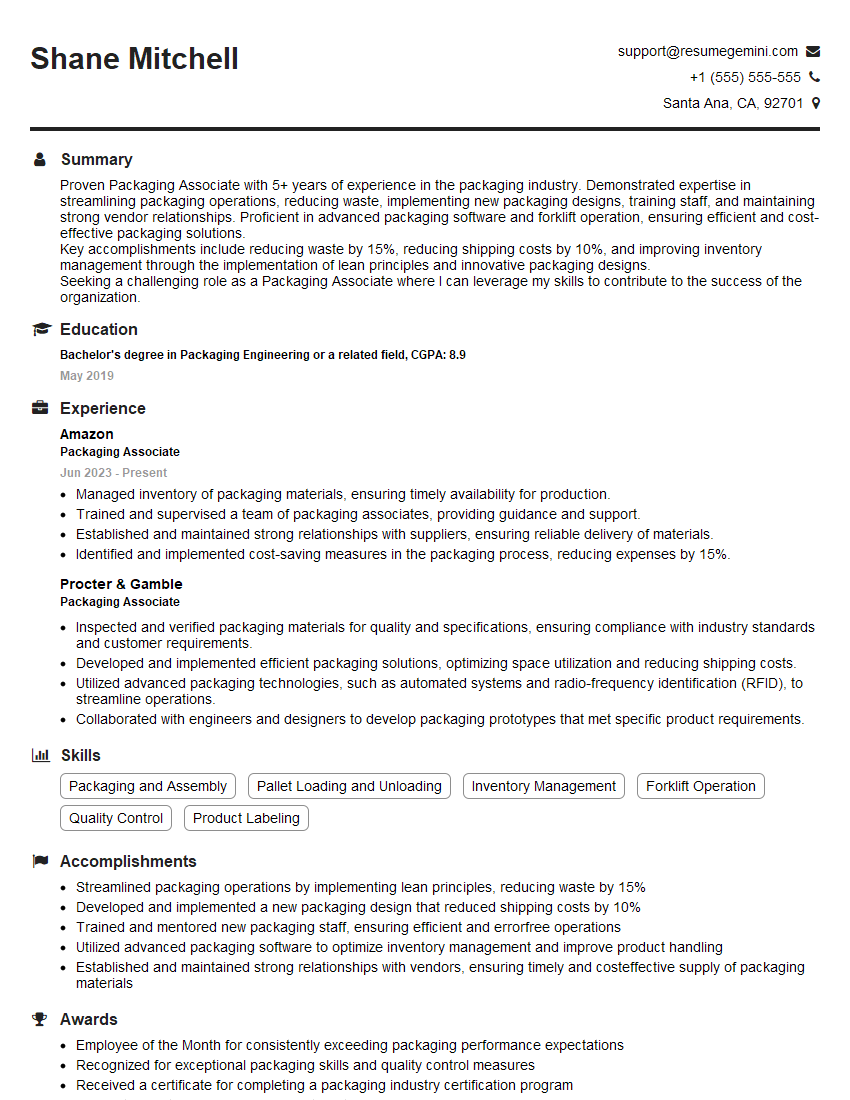
Packaging Associate Resume Sample
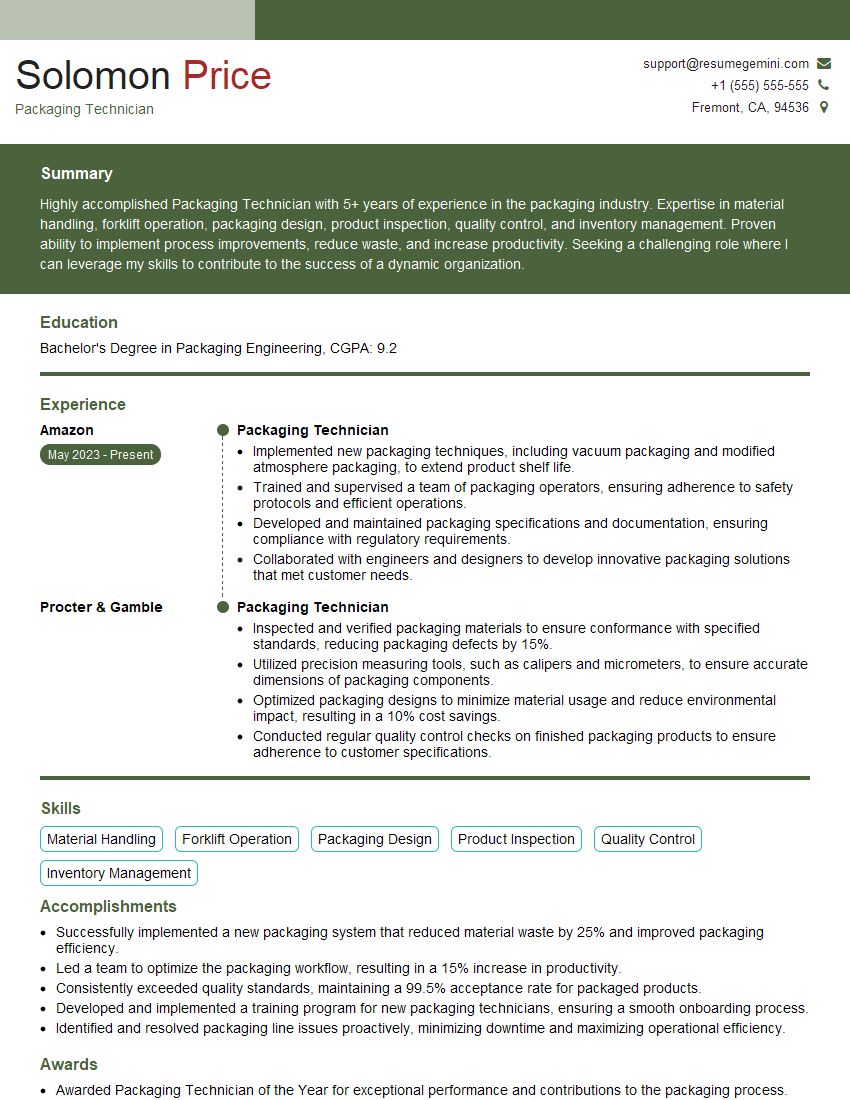
Packaging Technician Resume Sample
Explore more articles
Users Rating of Our Blogs
Share Your Experience
We value your feedback! Please rate our content and share your thoughts (optional).
What Readers Say About Our Blog
Very informative content, great job.
good