Interviews are opportunities to demonstrate your expertise, and this guide is here to help you shine. Explore the essential Window Display Conceptualization interview questions that employers frequently ask, paired with strategies for crafting responses that set you apart from the competition.
Questions Asked in Window Display Conceptualization Interview
Q 1. Describe your process for conceptualizing a window display.
My process for conceptualizing a window display is a meticulous blend of creativity and strategic thinking. It starts with a deep understanding of the brand’s current marketing campaign and its target audience. I begin by gathering information: What’s the story we want to tell? What’s the desired emotional response? What are the key products being featured? This initial research phase is crucial.
- Market Research: Understanding current trends and competitor strategies is key.
- Brand Briefing: A thorough review of the brand’s style guide, values, and current marketing initiatives.
- Mood Board Creation: Visually representing the overall aesthetic and feeling of the display through images, textures, and color palettes.
- Sketching and Layout Design: Translating the mood board into tangible design plans, including product placement, prop selection, and mannequin styling.
- 3D Modeling (Optional): Utilizing 3D software for complex displays to visualize the final result before implementation.
This structured approach ensures the window display is not only visually appealing but also effectively communicates the brand message and drives sales. I always consider the physical space and its limitations, ensuring practicality aligns with creative vision.
Q 2. How do you incorporate brand identity into window display design?
Incorporating brand identity is paramount. It’s about creating a visual representation of the brand’s personality and values. I achieve this through careful selection of:
- Color Palette: Utilizing brand-specific colors and their variations to create a cohesive look.
- Typography: If text is used, ensuring it aligns with the brand’s font choices and style.
- Materials and Textures: Selecting materials (wood, metal, fabric) that resonate with the brand’s aesthetic and message. For example, a luxury brand might utilize high-end materials like polished marble, while a more casual brand might opt for natural wood and cotton.
- Imagery and Graphics: Employing visuals consistent with the brand’s existing marketing materials, such as logos, patterns, or photography styles.
- Overall Style: Maintaining a consistent visual language that reflects the brand’s overall image – minimalist, modern, rustic, etc.
For example, if designing a display for a high-end jewelry brand, I would focus on luxurious materials, elegant lighting, and sophisticated styling to convey exclusivity and prestige. For a trendy streetwear brand, the approach would be significantly different, emphasizing bold colors, playful props, and a more informal feel.
Q 3. Explain your experience with different display techniques (e.g., mannequin styling, prop placement).
My experience with various display techniques is extensive. I’m proficient in mannequin styling, prop selection and placement, and creating dynamic visual narratives. Mannequin styling goes beyond simply dressing them; it involves posing them to convey emotion and showcase the clothing effectively. I consider posture, movement, and the overall story the mannequin helps tell. Prop placement is about creating visual interest and guiding the customer’s eye through the display. I use a combination of techniques, including:
- Focal Point Creation: Using strategic lighting and prop placement to draw attention to specific products or areas.
- Visual Hierarchy: Arranging elements in a way that guides the viewer’s eye through the display, creating a sense of flow and narrative.
- Negative Space: Understanding the importance of empty space to prevent the display from feeling cluttered and overwhelming.
- Storytelling: Using props and mannequins to create a miniature scene or narrative that engages the viewer.
For instance, for a spring collection, I might use pastel colors, floral props, and mannequins in relaxed poses to convey a sense of lightness and freshness.
Q 4. How do you manage time constraints and deadlines in a fast-paced retail environment?
In fast-paced retail, time management is crucial. I employ several strategies:
- Detailed Project Timeline: Creating a realistic schedule that breaks down the project into manageable tasks, assigning specific deadlines to each phase.
- Prioritization: Focusing on the most critical aspects first, ensuring the most impactful elements are completed on time.
- Efficient Communication: Maintaining clear and consistent communication with the team and stakeholders to address any potential delays or roadblocks promptly.
- Contingency Planning: Building in buffer time to accommodate unexpected issues or delays.
- Delegation (if applicable): Effectively delegating tasks to team members to optimize efficiency.
I use project management tools to track progress, manage deadlines and resources. Proactive planning and efficient execution are my key to success in this demanding environment.
Q 5. How do you stay current with trends in visual merchandising?
Staying current with visual merchandising trends requires continuous effort. I utilize several methods:
- Industry Publications and Blogs: Regularly reading relevant publications and blogs to stay abreast of the latest trends and techniques.
- Trade Shows and Conferences: Attending industry events to network with peers and learn about new products and innovations.
- Social Media and Online Platforms: Following influential visual merchandisers and brands on social media platforms like Instagram and Pinterest.
- Competitor Analysis: Observing and analyzing window displays of competitors to identify successful strategies and innovative ideas.
- Retail Store Visits: Regularly visiting stores in various sectors to observe different approaches to visual merchandising.
By actively engaging with these resources, I ensure my designs remain fresh, innovative, and aligned with contemporary visual merchandising practices.
Q 6. Describe a time you had to overcome a challenge in a window display project.
In one project for a high-end clothing boutique, we faced a last-minute challenge. The custom-made mannequins arrived damaged, just days before the display launch. Instead of panicking, I immediately assessed the situation. We didn’t have time to order replacements. My solution was to improvise. We used existing props – elegant draped fabrics and unique stands – to create a display that, while different from the original design, highlighted the clothing’s elegance and sophistication equally effectively. We used strategic lighting and clever draping to create a sense of depth and movement, effectively showcasing the garments and creating a visually stunning, albeit different, display. The final result was surprisingly successful, earning positive feedback and proving adaptability is vital in this field.
Q 7. How familiar are you with different lighting techniques for window displays?
Lighting is crucial for creating the desired atmosphere and enhancing product visibility. I’m familiar with various techniques:
- Accent Lighting: Highlighting specific products or areas of the display using focused spotlights or track lighting.
- Ambient Lighting: Creating a general, overall illumination that sets the mood and complements the accent lighting.
- Backlighting: Illuminating objects from behind to create a halo effect and add depth.
- LED Lighting: Utilizing energy-efficient LEDs that offer versatile color options and precise control over light intensity.
- Color Temperature: Understanding the impact of different color temperatures (warm, cool, neutral) on the overall atmosphere of the display.
I consider the type of products being displayed, the desired mood, and the overall aesthetic when choosing lighting techniques. For example, warm, inviting lighting might be suitable for a home goods store, while cool, modern lighting would be more appropriate for a tech retailer. Proper lighting dramatically impacts the overall success of a window display, boosting product appeal and creating a memorable experience for passersby.
Q 8. How do you ensure your window displays are accessible to all customers?
Accessibility in window displays is paramount. It’s not just about following regulations; it’s about ensuring everyone feels welcome and can experience the visual storytelling. My approach focuses on multiple strategies:
- Clear and concise messaging: Avoid cluttered displays and use large, easily readable fonts. Consider using clear, simple language that is easy to understand and doesn’t rely on visual cues alone.
- Diverse representation: I strive to showcase diversity in models and imagery, reflecting the variety of customers we serve. This creates a sense of inclusivity and belonging.
- Color contrast: I pay close attention to color contrast between text, graphics, and background to ensure readability for individuals with visual impairments. Tools like WebAIM’s contrast checker are invaluable.
- Tactile elements (where appropriate): For certain displays, incorporating tactile elements, like textured materials or raised lettering, can enhance the experience for visually impaired customers. This needs to be carefully integrated to avoid compromising the overall aesthetic.
- Alternative text and descriptions: While not directly on the display, providing accessible descriptions of the window display online (on the company website or social media) can be valuable for those who cannot see it in person.
For instance, during a recent campaign for a clothing retailer, I ensured that product information on the display was available in Braille and large print formats in addition to the usual visual display. This small step greatly enhanced the inclusivity of the campaign.
Q 9. How do you measure the success of a window display?
Measuring the success of a window display involves a multifaceted approach. It’s not solely about aesthetics but also its effectiveness in driving sales and brand engagement. I employ several key metrics:
- Foot traffic increase: Monitoring foot traffic near the store, ideally using counter sensors or video analytics, helps determine if the window display is attracting more customers to the storefront.
- Sales conversion rate: Tracking sales of products featured in the window display helps determine the direct impact on sales. This helps correlate specific displays with sales performance.
- Social media engagement: Monitoring mentions and shares of the window display on social media platforms offers insights into brand awareness and customer perception. A branded hashtag related to the display can facilitate this tracking.
- Customer surveys and feedback: Gathering feedback through in-store surveys or online polls can provide valuable qualitative data on customer perception and understanding of the messaging.
- Competitor analysis: Comparing the effectiveness of our displays to those of competitors provides valuable context and benchmarks for success. This analysis helps to understand best practices in the market.
For example, during a holiday promotion, we noticed a significant increase in both foot traffic and sales of featured items after we implemented a new window display featuring interactive elements. This data clearly demonstrated the positive impact of the redesigned window.
Q 10. How do you collaborate with other teams (e.g., marketing, buying) to create effective window displays?
Collaboration is key to creating impactful window displays. I work closely with several teams:
- Marketing: They provide the overall campaign strategy, brand guidelines, and target audience insights. This helps ensure the window display aligns with broader marketing objectives and messaging.
- Buying: They provide information on product availability, pricing, and promotional strategies. This ensures the displayed products are both attractive and readily available.
- Visual Merchandising: Working with the VM team is essential for practical implementation. They handle the logistics of sourcing materials, constructing the display, and maintaining it.
- Store Management: Involving store managers provides valuable on-the-ground perspective regarding local demographics and customer preferences. This ensures relevance and resonance with the local community.
For a recent campaign, I worked closely with the marketing team to understand their campaign goals and messaging. We then collaborated with the buying team to select products that were both aligned with the campaign and in stock. This collaborative approach ensured a cohesive and successful campaign.
Q 11. What software programs are you proficient in for window display design?
Proficiency in relevant software is essential for creating high-quality window displays. I am adept at using several programs:
- Adobe Photoshop: For image manipulation, creating graphics, and designing overall display layouts.
- Adobe Illustrator: For creating vector graphics, logos, and typography elements that scale without losing quality.
- Adobe InDesign: For creating detailed mock-ups and layout plans for complex displays, ensuring accurate sizing and placement of elements.
- SketchUp or similar 3D modeling software: To create three-dimensional models of complex window display designs to visualize the final product and identify potential issues early in the design process.
- Microsoft PowerPoint or Keynote: For presentations and communication of display concepts to stakeholders.
For example, I recently utilized SketchUp to create a 3D model of a window display incorporating interactive elements. This allowed me to better visualize the flow and functionality of the display before its physical construction.
Q 12. How do you adapt your design approach for different store locations or target markets?
Adapting designs to different locations and target markets requires a nuanced understanding of local contexts and consumer preferences. I adjust several aspects of the design:
- Cultural considerations: I consider local customs, traditions, and cultural sensitivities when designing displays, avoiding any elements that might be offensive or misinterpreted.
- Demographics: I tailor the messaging, imagery, and product selection to reflect the demographics of the target market. This ensures that the display resonates with the local community.
- Local events and trends: I incorporate local events, holidays, or current trends into the design to increase relevance and engagement.
- Store architecture: I adapt the design to suit the specific physical constraints of each store location, such as window size, shape, and lighting. This involves adjusting the layout and scale to fit the space optimally.
For instance, when designing for a store in a high-traffic tourist area, I focused on eye-catching visuals and universal themes, while for a store in a more residential neighborhood, I used a more subtle and community-focused approach.
Q 13. Describe your experience with budgeting and resource allocation for window displays.
Budgeting and resource allocation are crucial for effective window display creation. I approach this by:
- Defining scope and objectives: Clearly defining the goals and scope of the display helps determine the necessary resources and budget allocation. This often involves considering the campaign’s duration and objectives.
- Material costing: Accurately estimating the cost of materials, including props, signage, lighting, and any other necessary elements is essential for effective budgeting.
- Labor costs: Factoring in labor costs for design, construction, and installation is important. This may involve calculating the time needed from various teams.
- Contingency planning: Including a contingency fund for unexpected costs or repairs helps to manage potential risks and prevents budget overruns. This often entails considering potential damage or material shortages.
- Prioritization: Prioritizing essential elements and allocating resources accordingly ensures that the most critical components are of high quality. This helps to maximize the impact of the budget.
For a recent project, I created a detailed budget breakdown outlining costs for materials, labor, and a contingency fund. This helped me secure the necessary approvals and ensured that the project stayed on track and within budget.
Q 14. How do you handle unexpected issues or damage to a window display?
Handling unexpected issues or damage to a window display requires quick thinking and resourcefulness. My approach is:
- Assessment and documentation: I immediately assess the extent of the damage and document it thoroughly with photographs and notes. This is essential for insurance claims and to understand the nature of the problem.
- Temporary fix (if possible): If the damage is minor and doesn’t compromise safety, I implement a temporary fix to maintain visual appeal until a permanent solution can be implemented. This may involve rearranging elements or using temporary materials.
- Communication: I promptly communicate the issue to relevant stakeholders, including store management, maintenance staff, and potentially suppliers. This ensures everyone is informed and collaborative solutions can be found.
- Repair or replacement: I arrange for the repair or replacement of damaged components as quickly as possible, prioritizing the safety and visual appeal of the display. This often involves collaborating with the visual merchandising team.
- Root cause analysis: After the issue is resolved, I conduct a root cause analysis to identify the underlying cause of the damage to prevent similar issues in the future. This may involve reviewing installation procedures or material selection.
For example, during a storm, a portion of a window display was damaged by high winds. I immediately documented the damage, implemented a temporary fix, and worked with the maintenance team to repair the display before the end of the business day. This ensured minimal disruption and preserved the visual impact of the display.
Q 15. How do you maintain the visual appeal of a window display over time?
Maintaining a window display’s visual appeal over time requires a proactive approach that combines regular upkeep with strategic planning. It’s not just about the initial wow factor; it’s about sustaining it.
Regular Cleaning and Maintenance: Dusting, polishing, and checking for damage are crucial. Think of it like maintaining a beautiful garden – regular weeding and pruning keeps it vibrant.
Strategic Product Rotation: Don’t let displays become stale. Rotate products regularly, highlighting new arrivals and seasonal items. This keeps the display fresh and engaging, preventing customer fatigue.
Subtle Adjustments: Small changes can make a big difference. Rearranging props, adding new accessories, or simply switching out the color palette can revitalize a display without a complete overhaul. Imagine a chef subtly changing spices to enhance a dish; similar principles apply here.
Themed Refreshes: Tie in seasonal changes or short-term promotions with themed updates. A back-to-school themed refresh in August, for example, would require minimal effort but greatly impact relevance. This gives the window a ‘new look’ without excessive cost or effort.
Monitoring and Adapting: Regularly observe customer reactions to the window. Are people stopping? What seems to draw their attention? This feedback informs future adjustments and ensures the display remains effective.
Career Expert Tips:
- Ace those interviews! Prepare effectively by reviewing the Top 50 Most Common Interview Questions on ResumeGemini.
- Navigate your job search with confidence! Explore a wide range of Career Tips on ResumeGemini. Learn about common challenges and recommendations to overcome them.
- Craft the perfect resume! Master the Art of Resume Writing with ResumeGemini’s guide. Showcase your unique qualifications and achievements effectively.
- Don’t miss out on holiday savings! Build your dream resume with ResumeGemini’s ATS optimized templates.
Q 16. Explain your understanding of retail psychology and its application in window display design.
Retail psychology is the understanding of how consumers think, feel, and behave in retail environments. Applying this to window display design means crafting displays that tap into those psychological triggers to drive sales and engagement.
Visual Merchandising: Color psychology, for example, plays a key role. Warm colors like red and orange are associated with energy and excitement, while cool colors like blue and green evoke calmness and trust. The selection of colors greatly impacts the overall atmosphere.
Creating Desire: Displays should evoke a sense of aspiration or longing in the viewer. Showcasing lifestyle imagery rather than just products helps achieve this. Imagine a display featuring a stylish couple enjoying a picnic with products subtly integrated into the scene, rather than just a row of picnic baskets.
Scarcity and Urgency: Limited-edition products or time-sensitive promotions should be prominently featured. This taps into the fear of missing out (FOMO), motivating immediate action. A clearly visible sign mentioning a sale that is ending soon works wonders here.
Storytelling: Effective displays tell a story. They create a narrative that draws the customer in, inviting them to explore the store. This helps create an emotional connection, moving beyond the mere transaction.
Clarity and Simplicity: Avoid visual clutter. A clean, uncluttered display is more effective than one that is overly busy and confusing. The message should be immediately clear and easily digestible. Think of how a minimalist poster effectively communicates; this is an important principle for design.
Q 17. How do you incorporate seasonal changes or promotions into your window display strategy?
Seasonal changes and promotions are crucial elements in a dynamic window display strategy. They keep the displays relevant and engaging throughout the year.
Seasonal Themes: Embrace the spirit of each season. For example, create a cozy, warm atmosphere during winter with plush textures and rich colors, while spring displays might feature lighter colors and fresh flowers.
Holiday Promotions: Use window displays to showcase holiday-specific products and promotions. Christmas displays featuring ornaments, Halloween displays with spooky props, and so on. This makes the space feel both festive and inviting.
Timely Sales: Highlight current sales and discounts directly in the window display. Clear signage and attractive product placements are essential. Think clear messages like “50% Off”, “Sale Ends Soon”, etc.
Thematic Consistency: While incorporating seasonal changes, maintain visual consistency with the brand’s overall aesthetic. A strong brand image should run consistently throughout the year, ensuring recognizability.
Planning and Preparation: Plan seasonal and promotional displays well in advance. This allows sufficient time for sourcing materials, designing layouts, and executing the changes efficiently.
Q 18. What are some key considerations for creating effective window displays for online stores?
Creating effective window displays for online stores is a unique challenge, as there’s no physical storefront. However, we can leverage digital mediums to achieve similar results.
High-Quality Visuals: Use professional photography and videography to showcase products in an appealing and realistic manner. Think about lifestyle shots that display the product in a natural environment.
Interactive Elements: Incorporate interactive elements like animated GIFs, 360° product views, and virtual try-ons to enhance engagement. This creates an immersive experience for the customer.
Strategic Placement of Banners and Ads: If displayed on a website, strategically place high-quality banners and advertisements that mirror the look and feel of a physical window display. These act as ‘virtual windows’ to grab attention.
Storytelling Through Digital Media: Use storytelling techniques in videos, image carousels, and social media to create an emotional connection with the customer. This goes beyond just product presentation.
Responsive Design: Ensure that the digital window display is optimized for various screen sizes and devices for an optimal viewing experience. This includes responsiveness to mobile, tablet, and desktop displays.
Q 19. Describe your experience working with different types of retail spaces (e.g., large department stores, small boutiques).
My experience spans a range of retail spaces, each presenting unique challenges and opportunities.
Large Department Stores: These spaces demand large-scale displays that are impactful from a distance. Coordination with internal teams and managing logistics are critical aspects. For example, I worked on a project where we used large-scale projections on the windows of a department store to showcase a new fashion line, which involved meticulous planning and collaboration with the marketing and technology teams.
Small Boutiques: Smaller spaces require a more intimate and carefully curated approach. Focus is on high-quality visuals and attention to detail. For instance, I designed a window display for a small jewelry boutique, emphasizing elegance and exclusivity using minimalistic lighting and carefully selected props. The personal touch was important here.
Adaptability: The key is adaptability. My approach adjusts to the specific constraints and opportunities offered by the retail environment. Understanding the store’s target audience is crucial regardless of size or type.
Q 20. How do you balance creativity with commercial objectives in window display design?
Balancing creativity and commercial objectives is crucial for effective window display design. It’s about finding the sweet spot where artistry meets sales.
Defining Clear Objectives: Start with clear, measurable objectives. What is the ultimate goal? Increase foot traffic? Promote a specific product? The creative concept needs to align directly with the business goal.
Target Audience Focus: Design decisions should always consider the target audience. What will resonate with them? Understanding their preferences and aspirations guides the creative process.
Data-Driven Decisions: Use data to inform design choices. Analytics can track foot traffic and sales after a window display is changed, offering valuable insights for future displays.
Iterative Design Process: Embrace an iterative process that incorporates feedback and adjustments along the way. This ensures the display remains effective and relevant.
Brand Alignment: Maintain a balance between creative expression and brand consistency. The display should capture attention, but also reflect the brand’s personality and values.
Q 21. Describe your experience with creating interactive or engaging window displays.
Interactive and engaging window displays greatly enhance customer experience and memorability.
Technology Integration: I’ve used interactive touch screens to showcase product information, augmented reality (AR) experiences that let customers virtually “try on” clothes or accessories, and even incorporated motion sensors that trigger light or sound effects. This makes for a much more immersive experience.
Kinetic Displays: Moving elements like rotating mannequins, water features, or light shows add a dynamic element to the display. This catches the eye and keeps people engaged longer than a static display.
Interactive Games and Contests: Engaging customers through simple games or contests linked to social media can boost interaction and brand awareness. This builds buzz and creates a more enjoyable experience.
Social Media Integration: Encouraging customers to take photos and share their experiences on social media with a unique hashtag increases visibility. This leverages user-generated content for amplification.
Sustainability: I strive to incorporate sustainable materials and practices into interactive displays. This reflects current social trends and brand responsibility. For example, we could use recycled materials for props and minimize energy consumption in interactive elements.
Q 22. How do you source props and materials for window displays?
Sourcing props and materials for window displays is a crucial aspect of the design process. It’s a multi-faceted approach that combines creativity, resourcefulness, and a keen eye for detail. My process begins with a thorough understanding of the brand’s identity and the overall campaign message. This informs my choices.
- Wholesale Suppliers: I leverage relationships with wholesalers specializing in display materials, mannequins, props, and unique artifacts. They offer a wide variety of options at competitive prices, often with bulk discounts.
- Thrift Stores and Antique Shops: These are treasure troves of unique and affordable props. Finding unexpected items that perfectly complement the theme adds a layer of authenticity and intrigue.
- Online Marketplaces: Platforms like Etsy, eBay, and Alibaba offer access to a global marketplace, allowing me to source specialized items or hard-to-find props.
- Local Craftsmen and Artists: Collaborating with local artists can bring a bespoke touch to a window display. It helps support local businesses and yields truly original pieces that are difficult to replicate.
- Recycling and Repurposing: I’m a firm believer in sustainability. Often, ordinary items can be repurposed into stunning display elements, reducing waste and adding a unique, environmentally conscious angle.
Ultimately, successful sourcing involves a balance of planning, exploration, and a willingness to think outside the box. For example, for a winter fashion display, instead of buying new snow, I might use recycled white plastic bags cleverly manipulated to create a snowy effect.
Q 23. What are some of your favorite examples of effective window displays, and why?
My appreciation for effective window displays comes from their ability to encapsulate a brand’s essence and allure customers in a captivating way. Here are a few favorites and why:
- Tiffany & Co.’s iconic displays: Their consistently elegant and minimalist approach, featuring a few key pieces perfectly illuminated, creates an aura of luxury and exclusivity. It’s a masterclass in less-is-more design.
- Selfridges’ creative and often whimsical installations: They’re not afraid to push boundaries and experiment with unusual materials and bold concepts. Their displays are memorable and generate significant social media buzz, perfectly exemplifying experiential retail.
- Hermès’ understated sophistication: Their displays often highlight the craftsmanship and quality of their products. The focus is on subtle details and impeccable presentation. The overall effect speaks volumes about the brand’s heritage and high-end positioning.
These examples, while varied in style, demonstrate the power of a strong concept, strategic use of lighting and color, and a focus on storytelling to create an impactful window display.
Q 24. How do you handle constructive criticism of your window display designs?
Constructive criticism is invaluable in refining a design. I view it as an opportunity for growth and improvement. My approach to handling constructive criticism is multi-pronged:
- Active Listening: I listen carefully to the feedback, asking clarifying questions to fully understand the perspective being offered.
- Objective Evaluation: I analyze the critique objectively, separating personal opinions from valid design concerns. I consider if the feedback aligns with the project’s goals and the overall brand message.
- Collaboration and Discussion: I encourage open discussion, seeking to understand the rationale behind the criticism. This collaborative process often leads to innovative solutions and strengthens the final product.
- Documentation and Iteration: I document all feedback received and use this information to refine and improve the design. I may create multiple iterations, testing different approaches based on the suggestions.
For example, if feedback suggests a display is too cluttered, I might revisit the layout, simplifying elements to improve visual clarity and impact.
Q 25. Describe your understanding of color theory and its impact on window display design.
Color theory is fundamental to successful window display design. It’s the science and art of using color to create a specific mood, enhance brand identity, and attract attention. Understanding color relationships is paramount:
- Color Harmonies: Using analogous colors (colors next to each other on the color wheel) creates a sense of calm and harmony, while complementary colors (opposite each other on the color wheel) offer a more vibrant and contrasting effect.
- Color Psychology: Different colors evoke different emotions. Warm colors like red and orange can create energy and excitement, while cool colors like blue and green often convey calmness and serenity. This understanding helps me tailor the color palette to the brand and its desired message.
- Color Temperature: The temperature of a color (warm or cool) influences the overall feel of a display. I carefully choose the temperature to complement the products and seasonal themes.
- Color Contrast: Strategic use of contrast is crucial for drawing the eye to focal points. A well-placed pop of color against a neutral background can effectively highlight key products.
For instance, a luxury jewelry display might utilize a sophisticated monochromatic palette with subtle metallic accents to exude elegance, while a youthful fashion display might incorporate bright, bold colors to create a vibrant and energetic atmosphere.
Q 26. How do you ensure the safety and security of window displays and their components?
Safety and security are paramount when designing and installing window displays. My approach involves a multi-layered strategy:
- Secure Mounting: All display elements must be securely mounted using appropriate hardware and techniques. This prevents damage or accidents due to shifting or falling objects.
- Material Selection: I choose durable and weather-resistant materials whenever possible, especially for outdoor displays. This ensures longevity and protects against damage from the elements.
- Regular Inspections: Regular inspections are vital to identify and address any potential safety hazards promptly. This is particularly important during inclement weather or high-traffic periods.
- Emergency Procedures: I develop and implement clear emergency procedures for handling incidents, such as broken glass or structural damage. This includes contact information for repair services and emergency responders.
- Theft Prevention: For valuable or easily stolen items, we employ security measures like alarms, protective casings, or discreet surveillance.
For example, when working with fragile items, I might use protective acrylic cases or strategically position them to minimize risk of breakage. Regular inspections, even daily for high-risk displays, ensure prompt attention to any deterioration or damage.
Q 27. How do you adapt your designs for various window sizes and shapes?
Adapting designs for various window sizes and shapes is a key skill. It requires flexibility and a deep understanding of design principles:
- Modular Design: I often employ modular design principles, breaking down the display into smaller, self-contained units. These units can be easily rearranged and scaled to fit different spaces.
- Proportion and Scale: Understanding the importance of proportion and scale is crucial. Elements should be sized appropriately relative to the window’s dimensions to avoid a cluttered or unbalanced look.
- Visual Flow and Focal Points: Guiding the viewer’s eye through the display is essential. This is achieved by strategically placing focal points and using visual cues to create a clear path.
- Space Optimization: Maximizing the available space efficiently, making use of vertical space and minimizing wasted area is crucial for smaller windows.
- Creative Solutions: I look for creative ways to address limitations. For example, an unusually shaped window might inspire a unique and memorable design.
For a narrow, tall window, I might opt for a vertical arrangement emphasizing height, whereas a wide, shallow window might benefit from a horizontal layout emphasizing breadth. Adaptability is key to creating effective displays in any space.
Q 28. Explain your experience with managing a team of visual merchandisers.
Managing a team of visual merchandisers involves fostering creativity, collaboration, and efficiency. My approach centers on clear communication, delegation, and mentorship:
- Clear Communication: I maintain open and consistent communication, ensuring everyone understands the project goals, deadlines, and individual responsibilities. Regular team meetings are essential for updates and brainstorming.
- Effective Delegation: I delegate tasks based on individual strengths and skills, empowering team members to take ownership and contribute their expertise.
- Mentorship and Training: I provide regular mentorship and training opportunities, focusing on skill development and staying current with industry trends. This supports continuous improvement and fosters growth within the team.
- Performance Feedback: I provide constructive feedback on performance, both positive reinforcement and suggestions for improvement. This ensures the team’s continued success and satisfaction.
- Team Building: I encourage a positive and collaborative team environment. This fosters creativity and improves overall productivity.
A successful team relies on mutual respect, effective communication, and a shared commitment to achieving excellent results. I strive to cultivate a dynamic environment where every team member feels valued and empowered to contribute their best work.
Key Topics to Learn for Window Display Conceptualization Interview
- Visual Merchandising Principles: Understanding the fundamental principles of visual merchandising, including color theory, balance, and composition, to create impactful displays.
- Brand Storytelling through Displays: Learning how to translate brand identity and messaging into compelling visual narratives within the window display context. Practical application: Developing a concept for a window display that communicates a specific brand message and target audience.
- Space Planning & Design: Mastering the efficient use of space and the arrangement of products to maximize visual appeal and customer engagement. Practical application: Sketching and presenting different layout options for a given window space, considering factors like product placement, lighting, and signage.
- Material Selection & Implementation: Understanding the properties and aesthetics of various materials used in window displays, and the practical skills for their effective use. Practical application: Choosing appropriate materials to achieve specific visual effects, considering budget and practicality.
- Lighting & Technology Integration: Exploring the role of lighting in enhancing the visual impact of window displays and how to integrate technology (e.g., digital screens, interactive elements) to create a more engaging experience. Practical application: Designing a lighting scheme to highlight specific products or create a particular mood.
- Trend Analysis & Forecasting: Staying updated on current trends in retail design and visual merchandising to create innovative and relevant window displays. Practical application: Researching current fashion and design trends to inform the conceptualization of a window display.
- Budgeting & Project Management: Understanding the financial constraints involved in window display creation and managing resources effectively to deliver projects on time and within budget. Practical application: Creating a detailed budget and timeline for a window display project.
Next Steps
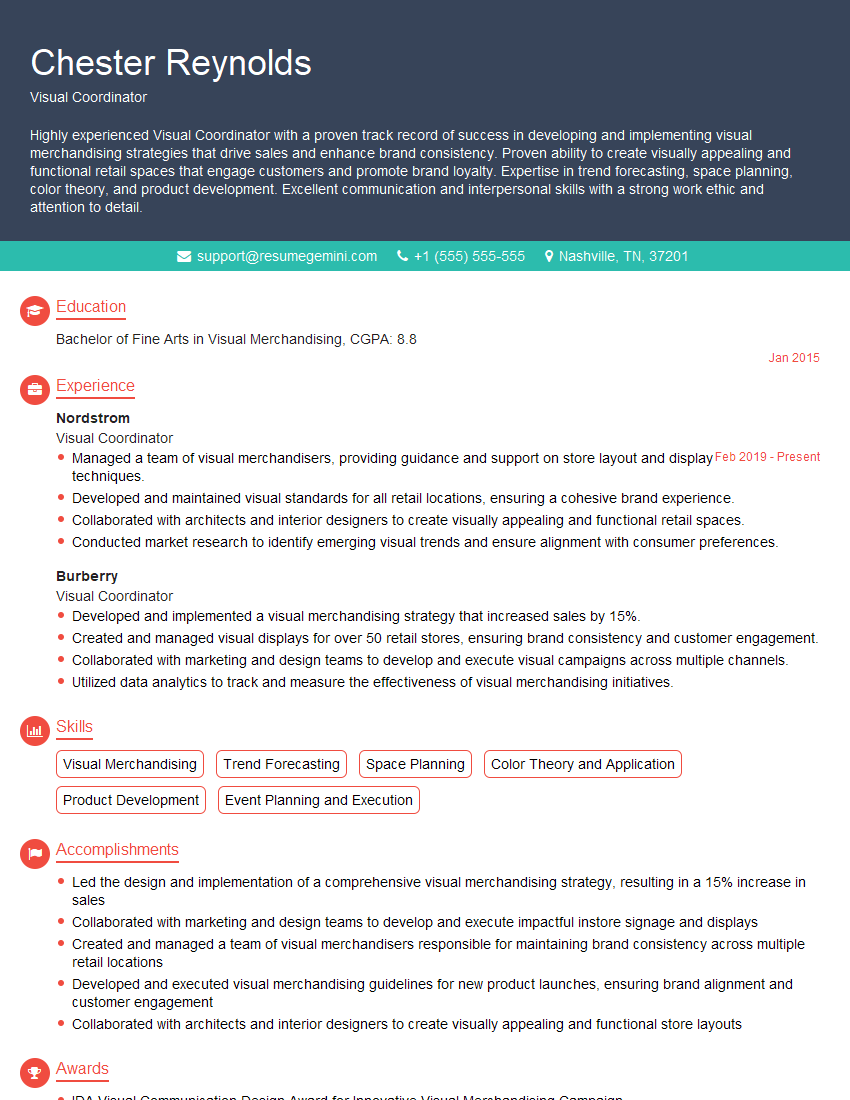
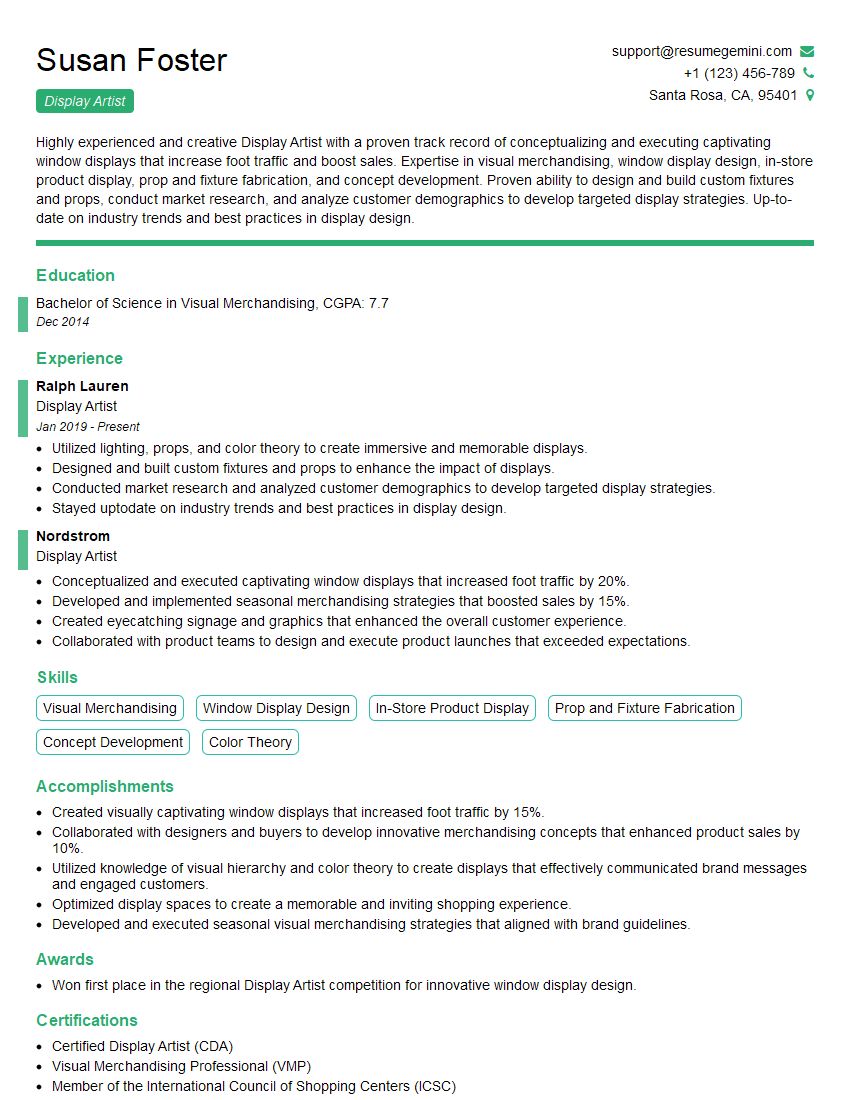
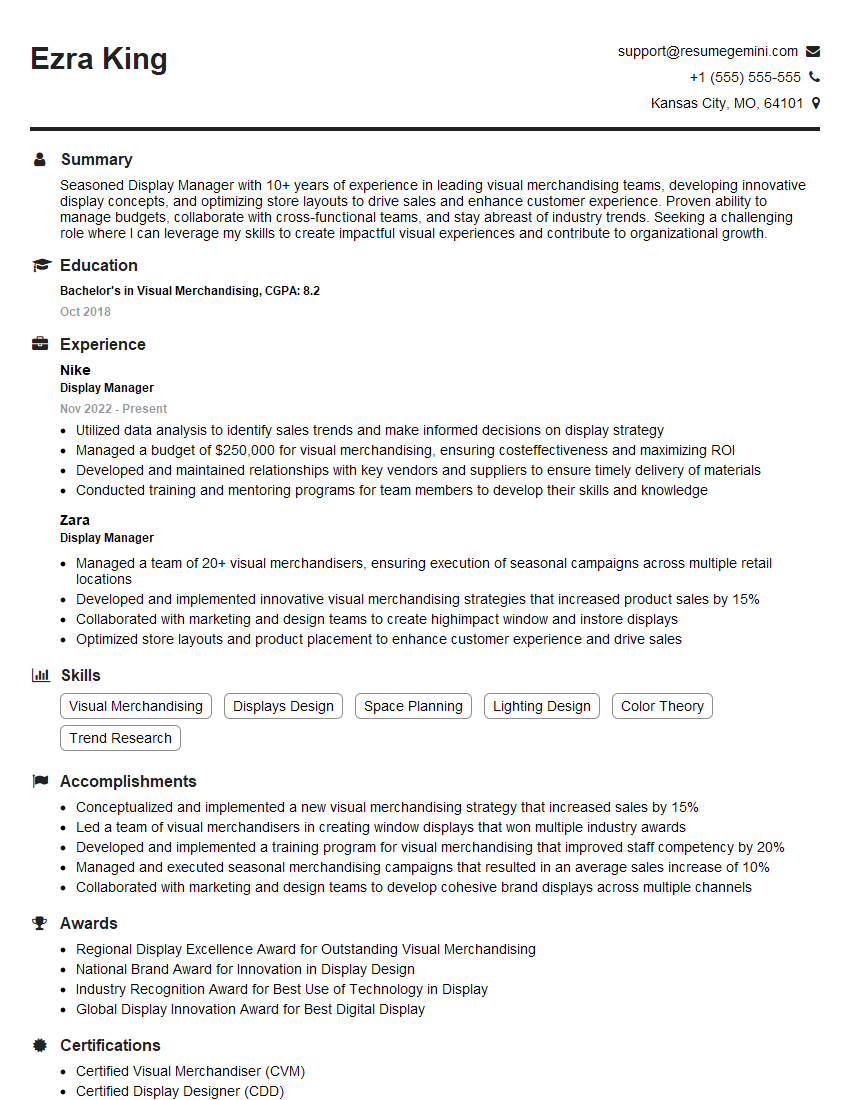
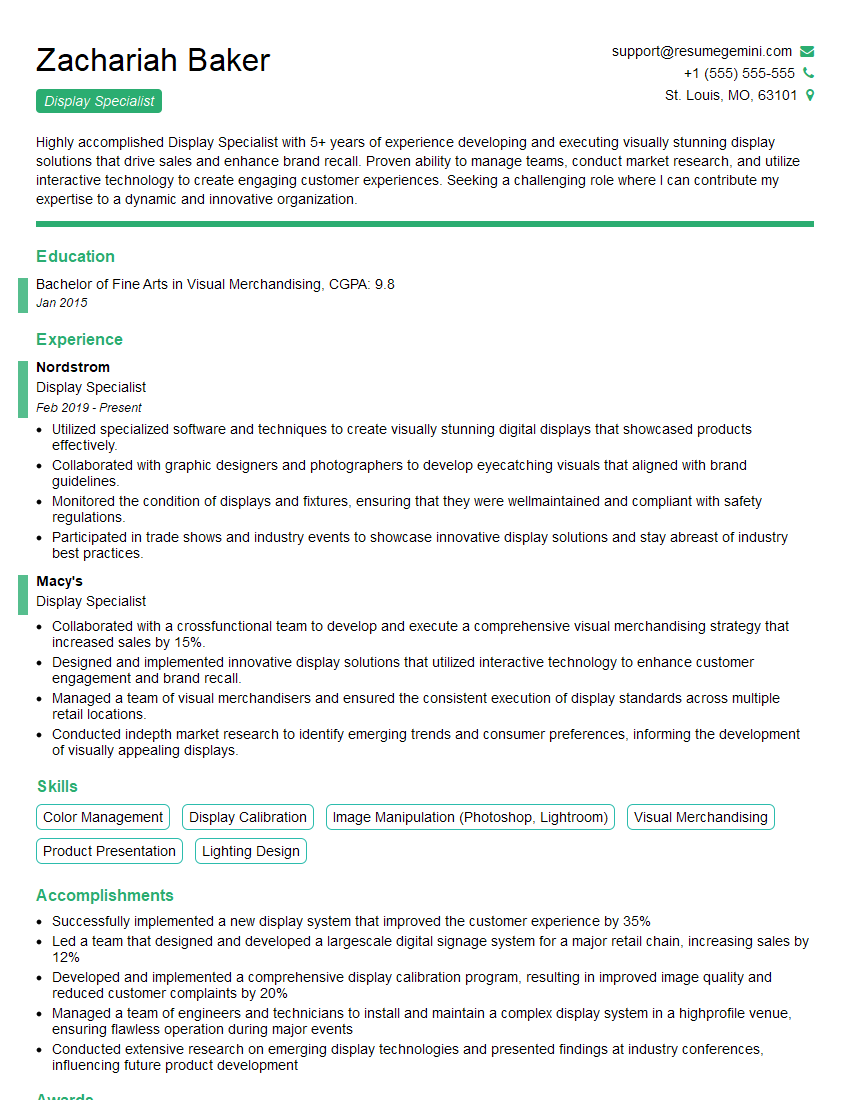
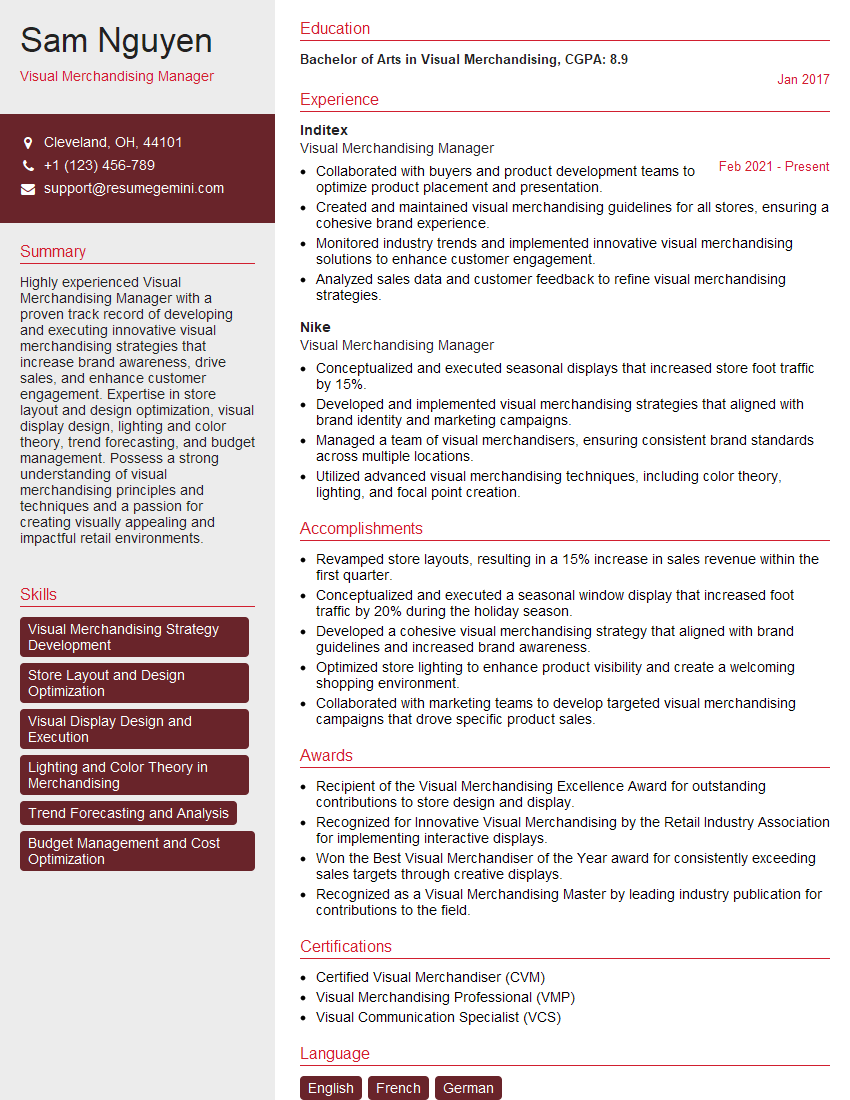
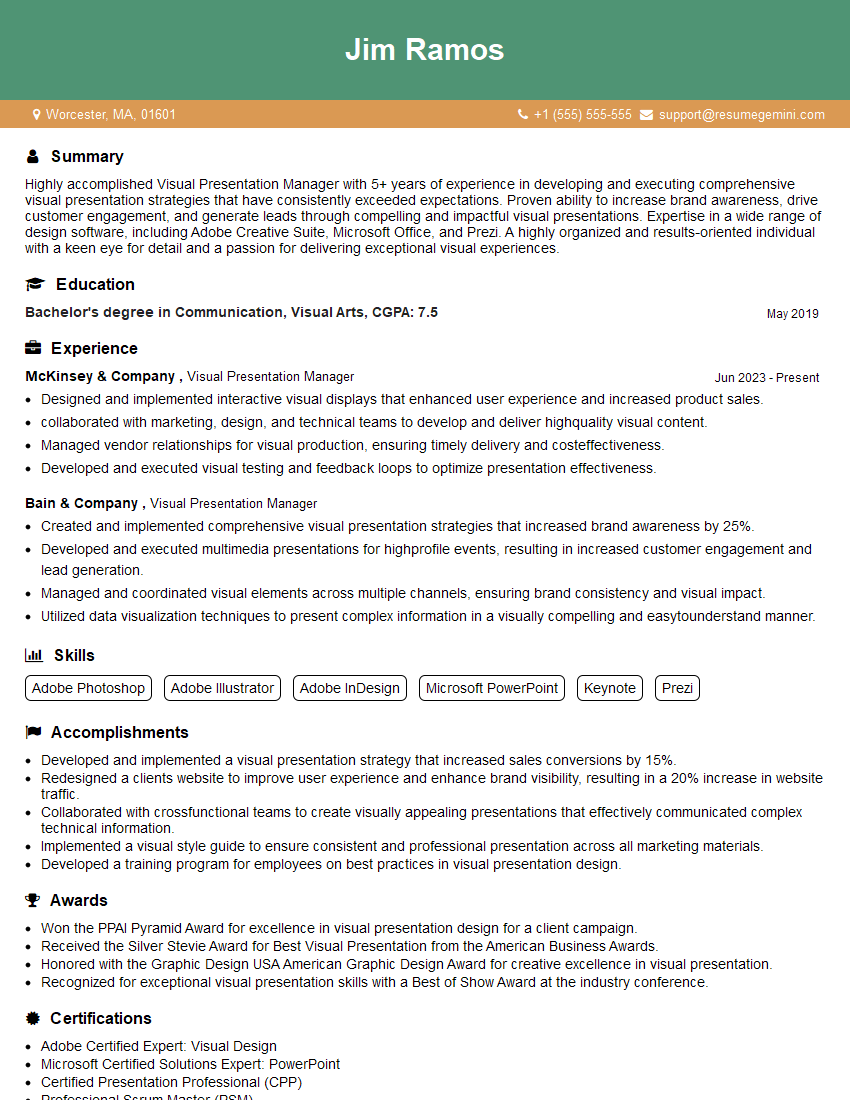
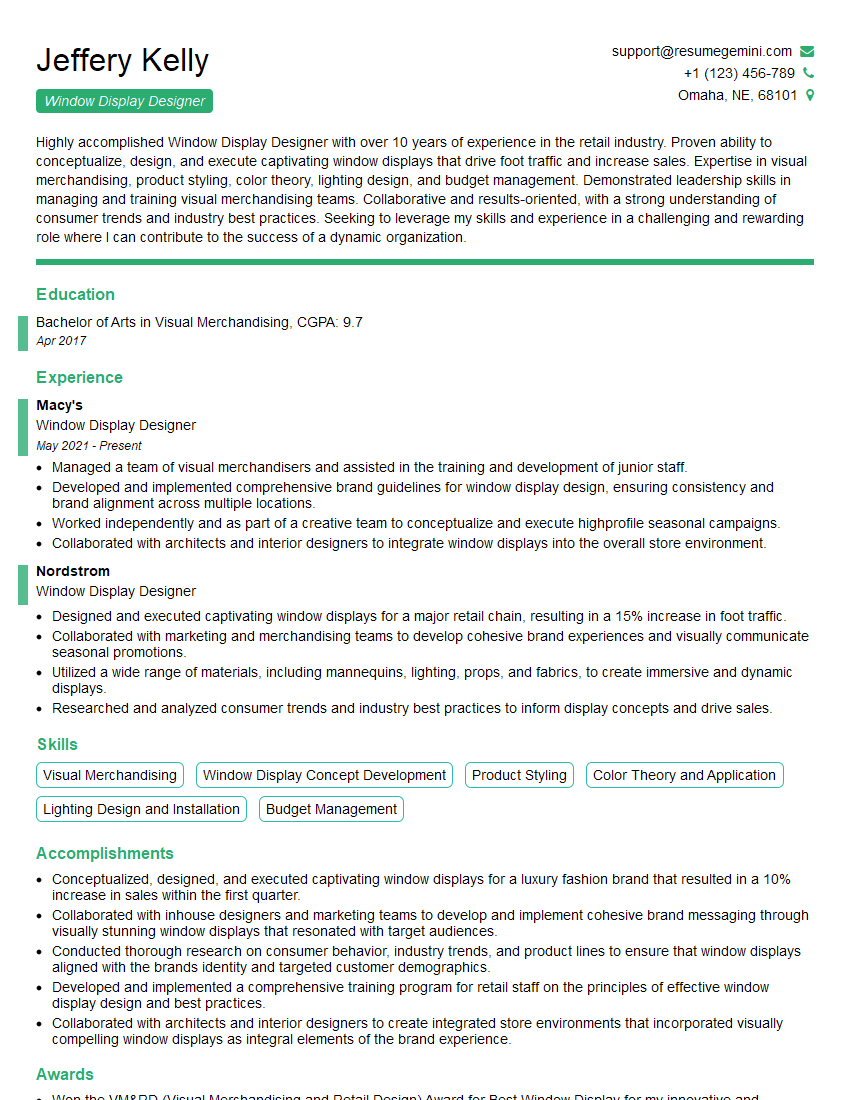
Mastering Window Display Conceptualization significantly enhances your career prospects in visual merchandising, retail design, and related fields. A strong understanding of these principles opens doors to exciting opportunities and allows you to showcase your creative talent and problem-solving skills. To increase your chances of landing your dream job, it’s crucial to have an ATS-friendly resume that highlights your skills and experience effectively. ResumeGemini is a trusted resource that can help you craft a professional and impactful resume tailored to your specific needs. Examples of resumes tailored to Window Display Conceptualization are available, empowering you to showcase your qualifications compellingly.
Explore more articles
Users Rating of Our Blogs
Share Your Experience
We value your feedback! Please rate our content and share your thoughts (optional).
What Readers Say About Our Blog
Very informative content, great job.
good