Preparation is the key to success in any interview. In this post, we’ll explore crucial Production and line efficiency interview questions and equip you with strategies to craft impactful answers. Whether you’re a beginner or a pro, these tips will elevate your preparation.
Questions Asked in Production and line efficiency Interview
Q 1. Describe your experience with Lean manufacturing principles.
Lean manufacturing is a philosophy focused on eliminating waste and maximizing value for the customer. It’s not just about cost reduction; it’s about optimizing the entire production process. My experience involves implementing various Lean tools and techniques, including:
- Value Stream Mapping: I’ve used this extensively to visually map the entire flow of materials and information, identifying bottlenecks and areas for improvement. For instance, in a previous role, we used VSM to streamline our packaging process, reducing lead time by 15%.
- 5S Methodology: Implementing 5S (Sort, Set in Order, Shine, Standardize, Sustain) to create a more organized and efficient workspace. This improved safety and reduced search time for materials significantly.
- Kaizen Events: I’ve participated in numerous Kaizen events – focused improvement projects – where teams collaborate to identify and solve problems quickly. One successful Kaizen event resulted in a 20% reduction in defect rates on a specific assembly line.
- Kanban Systems: Implementing Kanban systems for improved workflow visibility and control. This helped reduce work-in-progress (WIP) and minimize inventory costs.
Essentially, my Lean experience is about applying a systematic approach to waste reduction, improving flow, and empowering employees to contribute to continuous improvement.
Q 2. Explain your understanding of Six Sigma methodologies.
Six Sigma is a data-driven methodology focused on minimizing variation and defects in a process. It aims to achieve near-perfection (3.4 defects per million opportunities) by using statistical methods and structured problem-solving techniques. My understanding encompasses:
- DMAIC (Define, Measure, Analyze, Improve, Control): This is the core framework used for process improvement. I’ve led numerous DMAIC projects, from defining project goals to implementing control plans to maintain improvements.
- Statistical Process Control (SPC): I’m proficient in using control charts (e.g., X-bar and R charts) to monitor process stability and identify potential issues before they become major problems.
- Design of Experiments (DOE): I understand how to design experiments to identify the key factors influencing a process and optimize its performance. In one project, DOE helped us determine the optimal settings for a machine, increasing output by 10%.
- Lean Six Sigma: I’ve also utilized the principles of Lean within a Six Sigma framework, combining the focus on eliminating waste with the precision of Six Sigma’s statistical methods for a highly effective approach.
My approach emphasizes data analysis and a rigorous, scientific methodology to ensure improvements are sustainable and measurable.
Q 3. How would you identify and eliminate bottlenecks in a production line?
Identifying and eliminating bottlenecks requires a systematic approach. I typically start by:
- Mapping the Value Stream: This creates a visual representation of the entire production process, making it easier to identify areas where work is piling up or slowing down.
- Analyzing Process Times: Measuring the cycle time at each step of the process helps pinpoint the bottlenecks – stages with the longest processing times or highest WIP.
- Observing the Production Line: Direct observation can reveal hidden bottlenecks, such as poorly designed layouts, insufficient equipment, or skill gaps among workers.
- Data Analysis: Using production data, such as defect rates, downtime, and output, can highlight areas requiring attention. Statistical process control charts can be particularly useful here.
- Root Cause Analysis: Once bottlenecks are identified, a thorough root cause analysis (e.g., using the 5 Whys technique) is needed to determine the underlying reasons for the constraint.
- Implementing Solutions: Solutions could range from equipment upgrades and process redesign to training programs for employees and improved material handling.
- Monitoring and Measurement: Continuously monitoring the impact of the implemented solutions is crucial to ensure effectiveness and make further adjustments as necessary.
For example, in a previous role, we discovered a bottleneck at the inspection stage. Through root cause analysis, we found that the inspection equipment was outdated and unreliable. Upgrading the equipment eliminated the bottleneck and significantly increased throughput.
Q 4. What metrics do you use to measure production line efficiency?
Several key metrics are used to measure production line efficiency:
- Overall Equipment Effectiveness (OEE): This is a crucial metric that combines availability, performance, and quality rate to give a holistic view of equipment efficiency. A high OEE indicates optimal utilization of equipment.
- Throughput: This measures the total output of a production line over a specific period. It’s important to track throughput to understand production capacity.
- Cycle Time: The time it takes to produce one unit. Reducing cycle time is a key goal for improving efficiency.
- Defect Rate: The percentage of defective units produced. Reducing defects reduces waste and improves quality.
- Lead Time: The time it takes for a product to move through the entire production process. Shorter lead times translate to faster delivery and better customer satisfaction.
- Inventory Turnover: How quickly inventory is converted into sales. Efficient production minimizes inventory and improves turnover.
I typically use a combination of these metrics to get a comprehensive picture of the production line’s performance and identify areas for improvement.
Q 5. Describe a time you improved production line efficiency. What was the impact?
In a previous role, we faced a significant bottleneck in the assembly process of a key product, resulting in frequent production delays and missed deadlines. The bottleneck was caused by a slow and inefficient manual process in a specific assembly station.
To improve efficiency, we implemented a three-pronged approach:
- Process Redesign: We redesigned the workflow at the bottleneck station, streamlining the steps and eliminating unnecessary movements. This involved observing the current process, mapping it out, and then proposing alternative methods.
- Automation: We introduced a semi-automated system for a portion of the assembly work, significantly reducing the manual labor and increasing speed. This required investment in new equipment but the payback period was under a year.
- Employee Training: We provided additional training to the assembly team on the new process and equipment to ensure smooth operation and reduce errors.
The impact was significant: We reduced the cycle time at the bottleneck station by 40%, increased overall throughput by 25%, and significantly reduced the number of production delays. This resulted in increased customer satisfaction and improved profitability.
Q 6. How do you handle unexpected downtime or production issues?
Unexpected downtime or production issues require a quick and organized response. My approach involves:
- Immediate Action: The first step is to secure the area, ensure worker safety, and stop the problem from escalating further.
- Problem Identification: Quickly identify the nature and extent of the problem. This often involves gathering information from operators, supervisors, and maintenance personnel.
- Root Cause Analysis: Initiate a rapid root cause analysis (often using a simplified version of a standard methodology like 5 Whys) to pinpoint the underlying causes of the downtime.
- Temporary Fix (if needed): Implement temporary fixes or workarounds to get production back online as quickly as possible while the root cause is being addressed. This might involve rerouting work to a different line or using backup equipment.
- Permanent Solution: Develop and implement a permanent solution to prevent similar issues from recurring in the future. This might involve equipment repairs, process improvements, or operator retraining.
- Documentation and Reporting: Thoroughly document the incident, including the root cause, corrective actions taken, and preventative measures implemented. This information is crucial for continuous improvement.
This structured approach ensures a timely response to downtime, minimizes production losses, and helps prevent future occurrences.
Q 7. What are your preferred methods for root cause analysis in production?
My preferred methods for root cause analysis in production include:
- 5 Whys: This is a simple but effective technique that involves repeatedly asking “why” to drill down to the root cause of a problem. It’s useful for quick investigations and identifying readily apparent issues.
- Fishbone Diagram (Ishikawa Diagram): This visual tool helps brainstorm potential causes by categorizing them (e.g., manpower, materials, methods, machinery, measurement, environment). It’s helpful for involving a wider team in the analysis.
- Pareto Analysis: This statistical method helps identify the most significant causes of a problem by ranking them based on their impact. It helps focus on the vital few, rather than the trivial many.
- Fault Tree Analysis (FTA): A more complex method used for analyzing complex systems. FTA helps systematically identify all potential causes leading to a specific failure event, It’s useful for critical problems requiring in-depth investigation.
The choice of method depends on the complexity of the problem and the time available. For quick fixes, 5 Whys might be sufficient, while more complex problems might require a Fishbone diagram or even FTA.
Q 8. Explain your experience with Kaizen events or similar improvement initiatives.
Kaizen, meaning ‘change for the better’ in Japanese, is a philosophy of continuous improvement. My experience involves leading and participating in numerous Kaizen events, focusing on streamlining processes and eliminating waste. These events typically involve cross-functional teams working together for a short, focused period (e.g., a week) to identify and implement improvements.
In one instance, we tackled a bottleneck in our packaging line. Through a Kaizen event, we analyzed the process step-by-step, mapping the workflow and identifying areas of inefficiency. This revealed unnecessary movements and redundant steps. By implementing simple changes like rearranging workstations and standardizing packaging procedures, we reduced cycle time by 15% and improved overall efficiency. We used tools like Value Stream Mapping to visually represent the process, identify waste (muda), and track progress.
Another example involved improving the setup time for a critical machine. Using the 5S methodology (Sort, Set in Order, Shine, Standardize, Sustain) and Single Minute Exchange of Die (SMED) techniques within the Kaizen event, we reduced setup time by 60%, significantly increasing the machine’s overall utilization.
Q 9. How do you prioritize competing demands on a production line?
Prioritizing competing demands on a production line requires a structured approach. I use a combination of methods, including:
- Urgency and Importance Matrix: Categorizing tasks based on their urgency and importance helps to focus efforts on the most critical issues first. High-urgency, high-importance tasks get immediate attention.
- Production Schedule and Capacity Planning: A well-defined production schedule, factoring in available capacity and lead times, guides prioritization. This ensures that critical orders are met while considering resource constraints.
- Lean Principles: Identifying and addressing bottlenecks is paramount. By focusing on constraints and removing impediments to flow, we can improve overall throughput and meet more demands simultaneously.
- Data-Driven Decision Making: Using key performance indicators (KPIs) like on-time delivery, production yield, and defect rates helps in identifying and resolving the most impactful issues.
For example, if an urgent customer order with a tight deadline conflicts with a scheduled preventative maintenance, I would assess the potential impact of delaying maintenance against the risks of missing the order’s deadline. Data on past maintenance issues and order fulfillment performance guides my decision.
Q 10. Describe your experience with different scheduling techniques (e.g., Kanban, FIFO).
I have extensive experience with various scheduling techniques.
- FIFO (First-In, First-Out): A simple and widely used method where orders are processed in the order they arrive. It’s easy to understand and implement but might not be optimal for maximizing throughput or prioritizing urgent orders.
- Kanban: A visual scheduling system that uses cards or signals to manage workflow and inventory. It promotes a pull system, where production is triggered by actual demand, reducing waste and improving flow. I’ve used Kanban to optimize production lines by visualizing bottlenecks and work-in-progress, allowing for better coordination between different stages of the production process.
- MRP (Material Requirements Planning): A more sophisticated approach that utilizes computer software to plan and manage inventory based on forecasted demand and production schedules. I’ve used MRP systems in environments with complex bill-of-materials and long lead times to effectively manage raw material inventory and prevent shortages.
The choice of scheduling technique depends on the specific needs of the production environment. For a simple production line with limited variation in products, FIFO might suffice. However, for complex environments with multiple product variations and fluctuating demand, Kanban or MRP might be more appropriate.
Q 11. How familiar are you with different inventory management systems?
My familiarity with inventory management systems extends to various methods, including:
- Just-in-Time (JIT): Minimizing inventory by receiving materials only when needed. This reduces storage costs and minimizes waste, but requires close coordination with suppliers and a highly efficient production system.
- Economic Order Quantity (EOQ): A mathematical model used to determine the optimal order quantity to minimize the total cost of inventory. I have used EOQ calculations to optimize ordering policies for raw materials and components.
- ABC Analysis: Categorizing inventory items based on their value and consumption rate (A – high value, B – medium value, C – low value). This helps to focus resources on managing high-value items more effectively.
- Vendor-Managed Inventory (VMI): Allowing suppliers to manage inventory levels based on real-time consumption data. This reduces the burden on the manufacturing facility and can lead to improved efficiency.
I’ve applied these methods in various settings, tailoring the approach to the specific characteristics of the products, supply chain, and demand patterns. For instance, in high-volume, low-variety production, JIT is often effective, while for low-volume, high-variety production, a more robust system like MRP may be needed.
Q 12. How do you balance production speed with product quality?
Balancing production speed and product quality is crucial for maximizing profitability and customer satisfaction. It’s not a trade-off but rather an optimization problem.
I approach this through several strategies:
- Process Capability Analysis: Evaluating the process’s ability to meet quality specifications. If the process is not capable of consistently producing quality products at the desired speed, improvements to the process itself are needed before increasing speed.
- Statistical Process Control (SPC): Continuously monitoring the production process using control charts to identify variations and potential quality issues early on. Early detection allows for prompt corrective actions and prevents defects from accumulating.
- Automation and Technology: Employing automated systems and advanced technologies can enhance both speed and consistency. For example, robots can perform repetitive tasks with greater speed and precision, reducing human error and improving quality.
- Employee Training and Empowerment: Well-trained employees are more likely to identify and address quality issues proactively. Empowering them to stop the line when necessary is vital for maintaining quality standards.
The key is to find the optimal balance. Rushing production without adequate quality controls can lead to high defect rates, rework, and customer dissatisfaction. Conversely, prioritizing quality at the expense of speed can lead to missed deadlines and lost opportunities.
Q 13. Explain your understanding of Total Productive Maintenance (TPM).
Total Productive Maintenance (TPM) is a proactive approach to equipment maintenance that aims to maximize equipment effectiveness and minimize downtime. It’s more than just preventative maintenance; it involves a holistic approach involving all employees in maintaining equipment.
My understanding encompasses:
- Autonomous Maintenance: Empowering operators to perform basic maintenance tasks, such as cleaning and lubrication, improving their understanding of the equipment and reducing reliance on specialized maintenance personnel.
- Preventative Maintenance: Scheduled maintenance activities to prevent equipment failures, prolonging equipment lifespan and reducing unexpected downtime.
- Planned Maintenance: Systematic planning and scheduling of maintenance activities based on equipment condition and operational needs.
- Early Failure Detection: Implementing systems to detect potential equipment failures early, such as vibration analysis or predictive maintenance software, enabling timely intervention and preventing major breakdowns.
In a previous role, implementing TPM resulted in a 20% reduction in equipment downtime and a 10% increase in overall equipment effectiveness (OEE). This was achieved through a combination of autonomous maintenance training for operators, optimized preventative maintenance schedules, and the implementation of predictive maintenance tools.
Q 14. How do you use data analytics to improve production line efficiency?
Data analytics plays a vital role in improving production line efficiency. I leverage data from various sources—manufacturing execution systems (MES), supervisory control and data acquisition (SCADA) systems, and quality control databases—to identify trends, patterns, and areas for improvement.
Here’s how I apply data analytics:
- Identifying Bottlenecks: Analyzing production data to pinpoint bottlenecks and constraints hindering overall throughput. This involves examining cycle times, machine utilization, and defect rates at each stage of the production process.
- Predictive Maintenance: Using historical data to predict equipment failures and schedule maintenance proactively. This minimizes downtime and prevents costly breakdowns.
- Quality Improvement: Analyzing quality data to identify root causes of defects and implement corrective actions. Control charts and statistical methods are used to track process variation and identify assignable causes of defects.
- Performance Monitoring and KPI Tracking: Continuously monitoring key performance indicators (KPIs) to track progress and identify areas needing improvement. This provides insights into overall line efficiency and allows for timely adjustments.
For example, by analyzing historical data on machine downtime, we identified a pattern of frequent failures on a particular machine during peak production hours. This led to a proactive maintenance strategy, reducing downtime and improving overall production output. Similarly, analyzing defect rates helped identify a specific process step contributing to a high defect rate. Process adjustments and operator retraining addressed this issue resulting in a significant reduction in defects.
Q 15. Describe your experience with implementing new technologies in a production environment.
Implementing new technologies in a production environment requires a structured approach that balances innovation with operational continuity. My experience includes leading the integration of automated guided vehicles (AGVs) in a warehouse setting, which drastically reduced material handling time and improved inventory accuracy. This involved several key phases: thorough needs assessment, vendor selection, detailed planning (including integration with existing systems), rigorous testing, and comprehensive training for the workforce. We used a phased rollout, starting with a pilot program in a small section of the warehouse to identify and resolve any unforeseen issues before full implementation. Another example involved the introduction of a new ERP system to manage production scheduling, inventory, and quality control. This demanded significant change management, including extensive training for all staff and the development of clear communication protocols. In both cases, success hinged on meticulous planning, effective communication, and a commitment to continuous improvement.
Career Expert Tips:
- Ace those interviews! Prepare effectively by reviewing the Top 50 Most Common Interview Questions on ResumeGemini.
- Navigate your job search with confidence! Explore a wide range of Career Tips on ResumeGemini. Learn about common challenges and recommendations to overcome them.
- Craft the perfect resume! Master the Art of Resume Writing with ResumeGemini’s guide. Showcase your unique qualifications and achievements effectively.
- Don’t miss out on holiday savings! Build your dream resume with ResumeGemini’s ATS optimized templates.
Q 16. What are some common causes of production line inefficiencies?
Production line inefficiencies stem from a variety of sources, often interconnected. Common culprits include:
- Equipment downtime: Malfunctions, breakdowns, and inadequate maintenance contribute significantly to lost productivity. Imagine a bottling line where a faulty labeling machine halts the entire process.
- Process bottlenecks: A slow stage in the production line can cause a backup of work, delaying the entire process. This is like a traffic jam – one slow car holds up everyone else.
- Poor material flow: Inefficient material handling, storage, and delivery can lead to delays and wasted time. Think of a kitchen where ingredients are not readily accessible to the cooks.
- Lack of skilled labor: A shortage of trained personnel or inadequate training can hinder productivity and increase error rates.
- Quality issues: Defects require rework, scrap, and overall loss of efficiency.
- Suboptimal layout: A poorly designed production layout can lead to unnecessary movement and wasted time.
- Ineffective scheduling: Poor planning of production schedules can result in idle time and wasted resources.
Addressing these issues often requires a combination of technical solutions (e.g., predictive maintenance), process improvements (e.g., lean manufacturing techniques), and improved training and employee engagement.
Q 17. How do you manage a team during periods of high production demand?
Managing a team during high production demand requires clear communication, effective delegation, and a focus on maintaining employee morale and well-being. My approach involves:
- Clear communication: Regular updates and transparent communication about production goals and challenges are crucial. This builds trust and keeps everyone informed.
- Prioritization and delegation: Tasks are prioritized based on urgency and impact, and responsibilities are delegated effectively based on team members’ skills and strengths.
- Flexible scheduling: If needed, adjustments to work schedules (within legal limits) can help accommodate increased demand. This might involve overtime or adjusted shift patterns.
- Employee support: Providing adequate resources, acknowledging hard work, and creating a positive and supportive work environment are vital for maintaining morale and avoiding burnout. This might involve offering additional breaks or team social events.
- Continuous monitoring and adjustments: Regularly monitoring progress and making necessary adjustments to the production plan helps maintain efficiency and meet deadlines.
I’ve found that empowering team members, giving them ownership of their tasks, and fostering a collaborative environment are key to navigating high-pressure situations successfully.
Q 18. What is your approach to problem-solving in a fast-paced production setting?
My approach to problem-solving in a fast-paced production setting is rooted in a structured, data-driven methodology. I utilize a variation of the DMAIC (Define, Measure, Analyze, Improve, Control) methodology commonly used in Six Sigma.
- Define the problem: Clearly articulate the problem, its impact, and the desired outcome. This often involves collecting data to quantify the issue.
- Measure the problem: Gather relevant data to understand the scope and magnitude of the problem. This may involve analyzing production data, conducting time studies, or interviewing team members.
- Analyze the root cause: Use various analytical tools (e.g., fishbone diagrams, Pareto charts) to identify the root cause(s) of the problem. This requires critical thinking and a systematic approach to eliminate possibilities.
- Improve the process: Develop and implement solutions to address the root causes identified in the previous step. This may involve changes to equipment, processes, or training.
- Control the solution: Implement monitoring mechanisms to ensure that the implemented solutions are effective and maintain the improved performance. This could involve implementing new standard operating procedures or adjusting existing ones.
For example, if a production line experiences frequent jams, I would systematically investigate potential causes: equipment malfunction, material quality issues, operator error, etc. This would involve data analysis, observation, and possibly even simulations before implementing a solution.
Q 19. How do you ensure compliance with safety regulations on the production line?
Ensuring compliance with safety regulations is paramount in a production environment. My approach is proactive and multi-faceted:
- Regular safety audits and inspections: Conducting regular inspections helps identify potential hazards and ensure compliance with all relevant regulations.
- Comprehensive safety training: Providing thorough safety training to all personnel is essential. This includes emergency procedures, safe operating practices, and the use of personal protective equipment (PPE).
- Implementing safety protocols and procedures: Clearly defined and communicated safety protocols and procedures are critical. This ensures consistent adherence to safety standards.
- Maintaining accurate records: Keeping detailed records of safety training, inspections, and incidents is vital for demonstrating compliance and identifying areas for improvement.
- Promoting a safety-first culture: Creating a strong safety culture where everyone feels responsible for safety is critical. This involves open communication, employee participation in safety programs, and recognizing and rewarding safe behaviors.
- Investing in safety equipment: Regular maintenance and appropriate investment in safety equipment is vital. This includes providing necessary PPE, ensuring that machinery is properly guarded, and installing safety systems.
I believe that a strong safety culture, fostered through education, training, and proactive measures, is far more effective than reactive measures after an incident has occurred.
Q 20. How familiar are you with different types of production layouts?
I am familiar with various production layouts, each with its own strengths and weaknesses. These include:
- Product layout (assembly line): Items move along a line, with each workstation performing a specific task. Efficient for high-volume, standardized products but inflexible to changes.
- Process layout (functional layout): Similar machines or processes are grouped together. Flexible for handling diverse products but can lead to longer processing times and material handling inefficiencies.
- Fixed-position layout: The product remains stationary while workers and materials move around it. Suitable for large, bulky products like ships or buildings but requires careful coordination.
- Cellular layout (group technology): Machines are grouped into cells to produce families of similar parts. Combines the efficiency of product layouts with the flexibility of process layouts.
- Combined layouts: Often, a hybrid approach is utilized combining elements of various layouts to optimize efficiency depending on the specific production needs.
The choice of layout depends on factors like product volume, variety, process complexity, and space constraints. I have experience in selecting and implementing the most appropriate layout for specific manufacturing scenarios, considering factors such as material handling, workflow, and ergonomics.
Q 21. Describe your experience with process mapping and workflow analysis.
Process mapping and workflow analysis are fundamental to improving production efficiency. My experience encompasses various techniques, from simple flowcharts to more advanced value stream mapping.
Process mapping visually represents the steps in a production process, allowing for identification of bottlenecks, redundancies, and areas for improvement. For example, mapping the process of order fulfillment might reveal delays in the packaging or shipping stages. Workflow analysis goes further by assessing the flow of materials, information, and resources throughout the process. This can involve analyzing cycle times, analyzing data from different sources to find the root cause, and measuring the impact of workflow changes. By using these techniques, I’ve identified and eliminated unnecessary steps, streamlined workflows, and significantly reduced production times. I’m proficient in using various software tools to create and analyze process maps and to simulate process improvement options. Data-driven insights from workflow analysis are vital to quantifying improvements and measuring ROI for implemented changes.
Q 22. How do you communicate effectively with different stakeholders in a production environment?
Effective communication in a production environment hinges on understanding your audience and tailoring your message accordingly. I use a multi-faceted approach. For example, when communicating with the shop floor team, I prioritize clear, concise instructions, often using visual aids like diagrams or short videos. With upper management, I focus on data-driven reports and key performance indicators (KPIs) to demonstrate progress and potential challenges. For cross-functional teams, like engineering or quality control, I facilitate collaborative meetings, ensuring everyone has a voice and clear understanding of shared goals.
- Visual Aids: Using charts and graphs to present complex data, making it easily digestible.
- Regular Feedback Loops: Establishing consistent channels for feedback, both upwards and downwards, to ensure everyone is informed and feels heard.
- Active Listening: Prioritizing listening to understand concerns and perspectives from all stakeholders before responding.
For instance, during a recent production bottleneck, I used a combination of a visual representation of the workflow and a concise email to the management team, highlighting the root cause (a faulty machine) and proposed solutions (expedited repair and temporary alternative process). I also held a brief, focused meeting with the shop floor team to clearly communicate the temporary adjustments to their workflow.
Q 23. What are your strategies for motivating a production team?
Motivating a production team requires a blend of recognition, empowerment, and clear expectations. I believe in fostering a culture of collaboration and continuous improvement. My strategies include:
- Recognition and Rewards: Publicly acknowledging achievements, both big and small, and implementing a system of incentives for exceeding targets. This could involve team lunches, bonuses, or even simple verbal praise.
- Empowerment and Autonomy: Giving team members ownership of their work and the opportunity to suggest improvements. This fosters a sense of responsibility and engagement.
- Clear Goals and Feedback: Setting clear, achievable goals with regular feedback sessions to track progress and address any challenges proactively.
- Training and Development: Investing in the team’s skills through training and development opportunities, showing commitment to their growth.
In a past role, I implemented a suggestion box system which allowed the team to contribute ideas for improving efficiency. One team member’s suggestion, a simple modification to the assembly line, resulted in a 15% increase in output. The team received a bonus for this accomplishment, reinforcing the value of their contributions.
Q 24. How do you handle conflict within a production team?
Conflict is inevitable in any team environment. My approach to handling conflict involves addressing it directly, fairly, and promptly. I try to understand the root cause of the conflict before attempting to resolve it. This often involves:
- Facilitating Open Dialogue: Bringing involved parties together in a neutral setting to discuss the issue openly and honestly.
- Active Listening and Empathy: Listening to each party’s perspective without judgment, aiming to understand their feelings and concerns.
- Mediation: Guiding the discussion toward a mutually acceptable solution, focusing on finding common ground.
- Documentation: Documenting the conflict, the resolution process, and the agreed-upon outcome.
For instance, I once had a disagreement between two team leaders regarding resource allocation. Instead of taking sides, I facilitated a meeting where they both explained their perspectives. By highlighting the shared goal of maximizing production efficiency, I guided them toward a compromise that allocated resources effectively and satisfied both parties.
Q 25. How do you measure the effectiveness of your production efficiency improvements?
Measuring the effectiveness of production efficiency improvements requires a clear set of metrics and a robust data collection system. Key indicators include:
- Overall Equipment Effectiveness (OEE): This metric measures the percentage of time equipment is producing good parts.
- Throughput: The rate at which finished goods are produced.
- Lead Time: The time it takes for a product to move through the production process.
- Defect Rate: The percentage of defective products produced.
- Labor Costs per Unit: The cost of labor associated with producing a single unit.
We can track these metrics before and after implementing improvements to quantify their impact. For instance, if implementing a new process reduces lead time by 20% and simultaneously lowers the defect rate by 10%, we have quantifiable evidence of the improvement’s success. Regular monitoring and analysis of these metrics ensure ongoing improvement and adaptation.
Q 26. Describe your experience with capacity planning and forecasting.
Capacity planning and forecasting are crucial for optimizing production and resource allocation. My experience encompasses various techniques, including:
- Demand Forecasting: Analyzing historical sales data, market trends, and seasonality to predict future demand for products.
- Capacity Analysis: Assessing the current production capacity, including equipment, labor, and materials, to identify potential bottlenecks.
- Simulation Modeling: Using software to simulate different production scenarios, allowing us to test different capacity plans and identify potential risks.
- Scenario Planning: Developing contingency plans for different demand levels, allowing us to adapt quickly to unexpected changes.
In a previous role, I utilized a forecasting model which predicted a surge in demand during the holiday season. Based on this forecast, I implemented a plan to increase production capacity by hiring temporary staff and optimizing overtime schedules. This ensured we met the increased demand without compromising quality or incurring excessive costs.
Q 27. How do you ensure the accuracy of production data and reporting?
Ensuring the accuracy of production data and reporting is paramount for making informed decisions. My strategies include:
- Automated Data Collection: Implementing automated data collection systems (e.g., sensors, machine learning) to minimize manual data entry errors.
- Data Validation and Verification: Establishing procedures to verify the accuracy of collected data, including regular audits and cross-checking data from multiple sources.
- Real-Time Monitoring: Using real-time dashboards to track key metrics and identify anomalies immediately.
- Data Governance: Implementing a robust data governance framework to define data quality standards, roles and responsibilities.
For example, we implemented a system of automated data collection from machines on the shop floor which eliminated manual data entry errors and dramatically increased the speed and accuracy of our production reporting.
Q 28. What is your experience with implementing and managing a production budget?
My experience with production budgeting involves developing and managing budgets that align with production goals and resource constraints. This process includes:
- Budget Development: Working with various stakeholders (e.g., finance, operations) to develop a comprehensive budget that accurately reflects projected costs and revenue.
- Cost Estimation: Accurately estimating direct and indirect costs associated with production, including materials, labor, equipment, and overhead.
- Budget Monitoring: Regularly tracking actual costs against the budget and identifying any variances.
- Variance Analysis: Investigating the causes of budget variances and taking corrective action to keep the project on track.
In a past project, I developed a detailed budget that accurately predicted costs for a new product launch. Through careful monitoring and proactive adjustments, we were able to stay within budget and launch the product successfully, exceeding profitability projections.
Key Topics to Learn for Production and Line Efficiency Interviews
- Lean Manufacturing Principles: Understanding concepts like Kaizen, 5S, and Value Stream Mapping is crucial. Consider how these principles improve workflow and reduce waste.
- Production Scheduling & Planning: Explore different scheduling techniques (e.g., Kanban, MRP) and their practical applications in optimizing production flow and meeting deadlines. Analyze scenarios where different scheduling methods are most effective.
- Line Balancing & Optimization: Learn how to analyze production lines to identify bottlenecks and inefficiencies. Practice calculating cycle times and takt times to improve overall line efficiency.
- Quality Control & Improvement: Understand statistical process control (SPC) and its role in maintaining consistent product quality. Explore methods for identifying and addressing root causes of defects.
- Inventory Management: Familiarize yourself with inventory control techniques (e.g., JIT, EOQ) and their impact on production efficiency and cost reduction. Consider the trade-offs between inventory levels and potential stockouts.
- Process Improvement Methodologies: Gain proficiency in Six Sigma, DMAIC, or other process improvement methodologies. Understand how to apply these frameworks to solve real-world production challenges.
- Data Analysis & Reporting: Develop skills in interpreting production data to identify trends, patterns, and areas for improvement. Practice creating reports and visualizations to effectively communicate findings.
- Safety and Ergonomics: Understand the importance of a safe and efficient work environment. Be prepared to discuss best practices related to workplace safety and ergonomics within a production setting.
Next Steps
Mastering production and line efficiency principles is essential for career advancement in manufacturing and operations. Demonstrating a strong understanding of these concepts significantly improves your job prospects. To make a strong first impression, create an ATS-friendly resume that highlights your relevant skills and experience. ResumeGemini is a trusted resource that can help you build a professional and impactful resume tailored to the Production and Line Efficiency field. Examples of resumes specifically designed for this area are available to help you craft the perfect application.
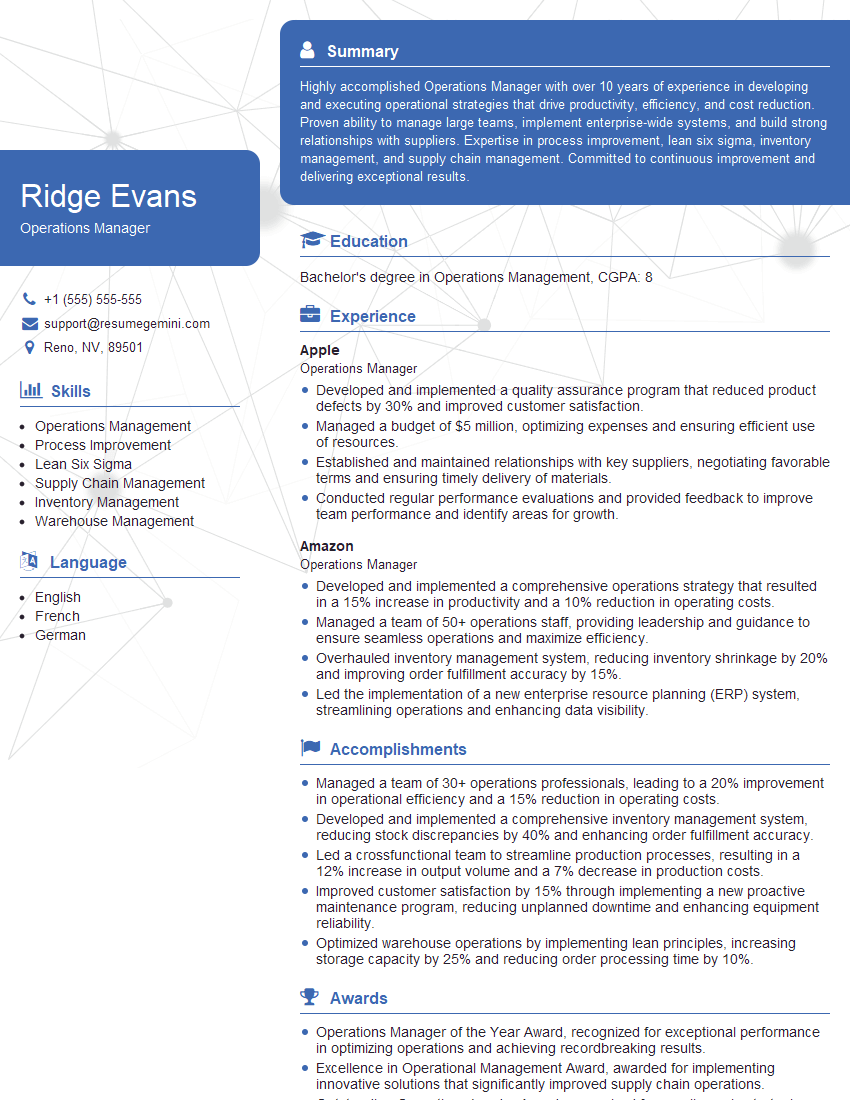
Operations Manager Resume Sample
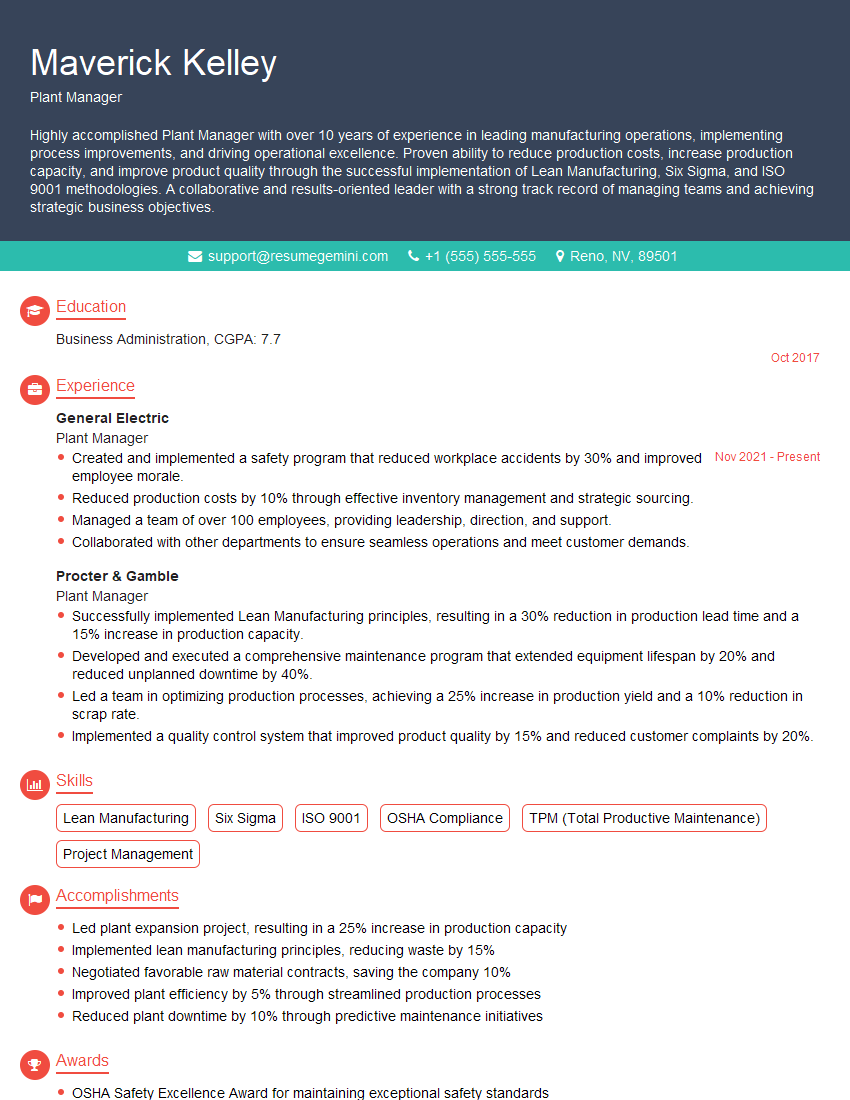
Plant Manager Resume Sample
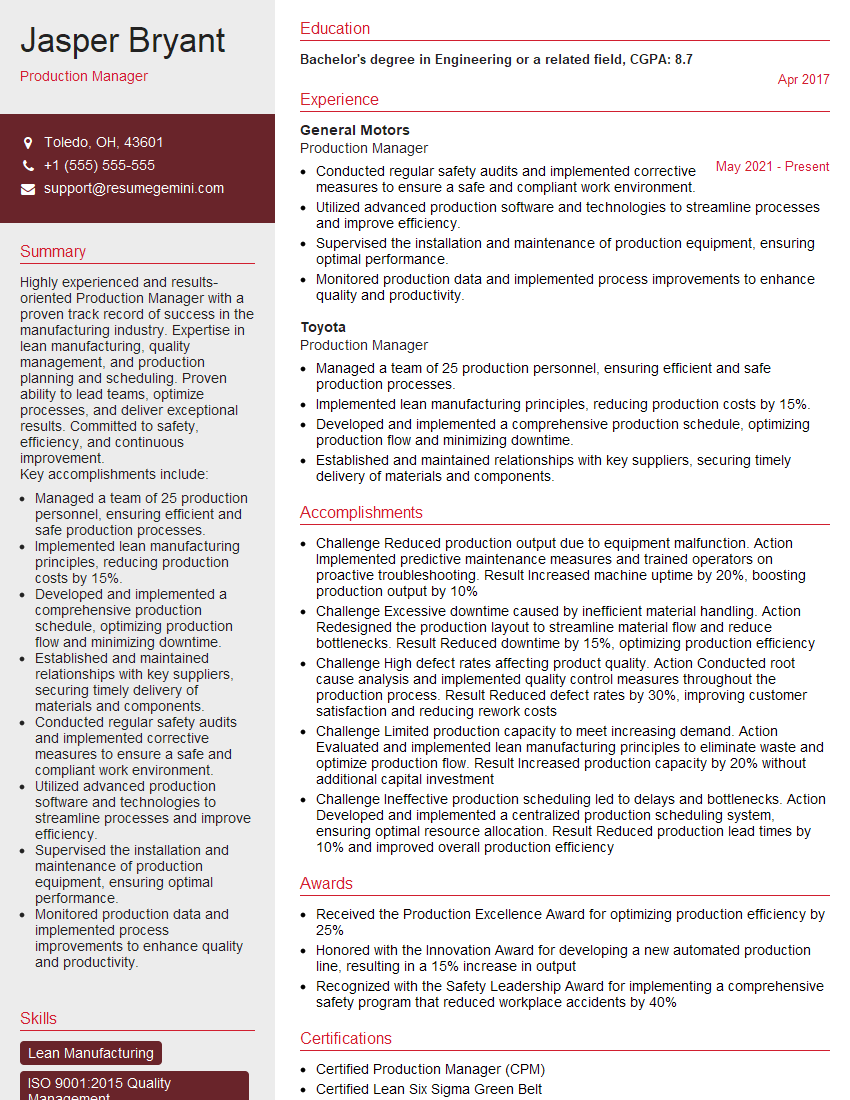
Production Manager Resume Sample
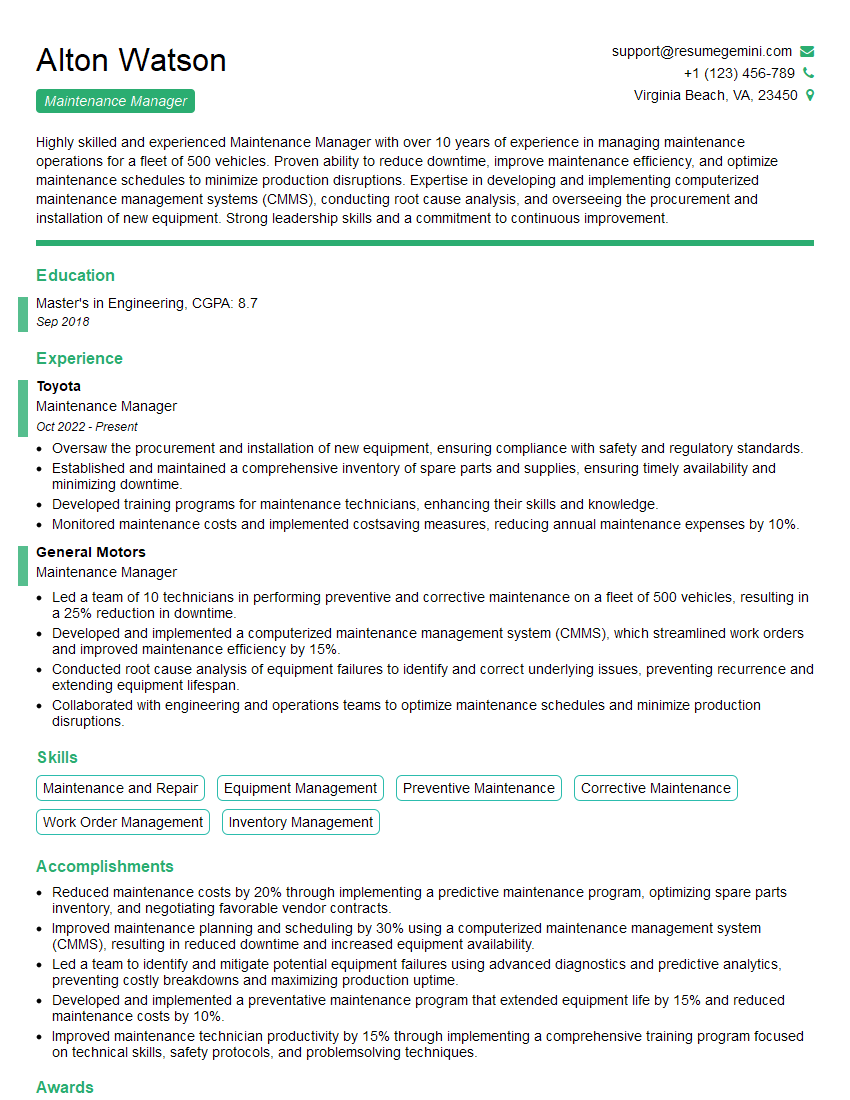
Maintenance Manager Resume Sample
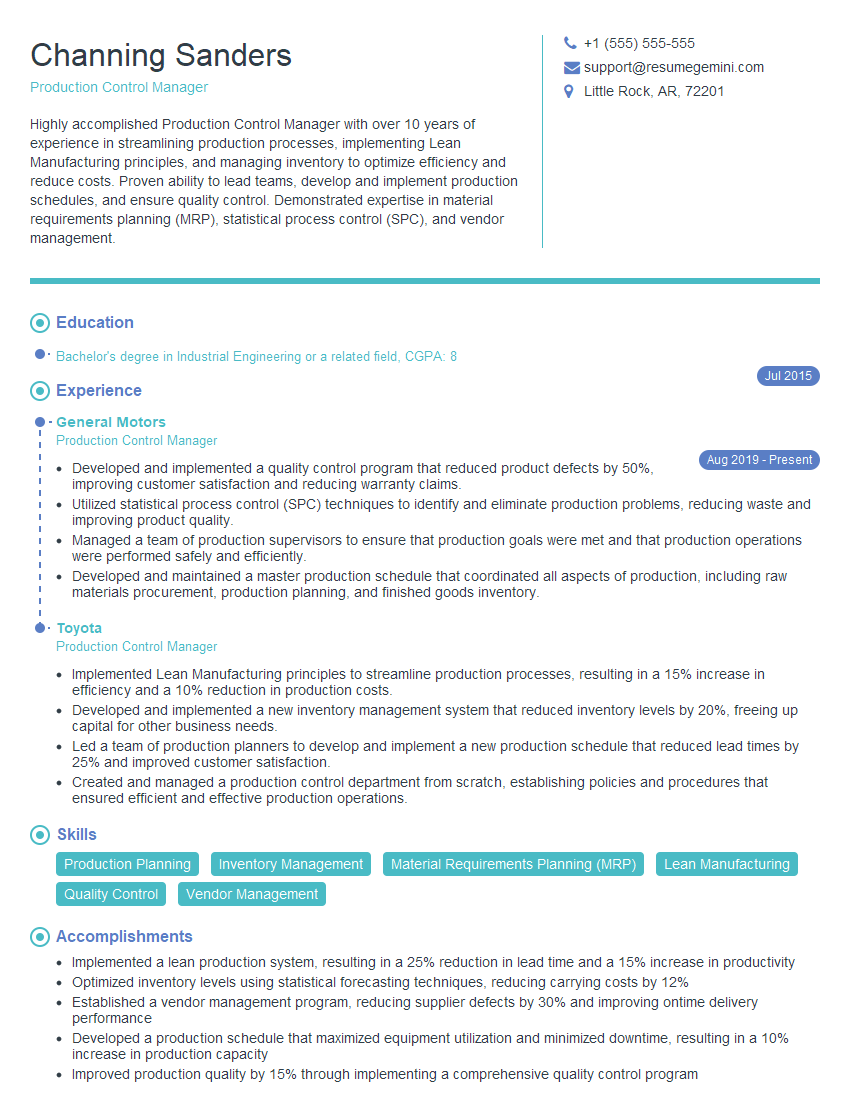
Production Control Manager Resume Sample
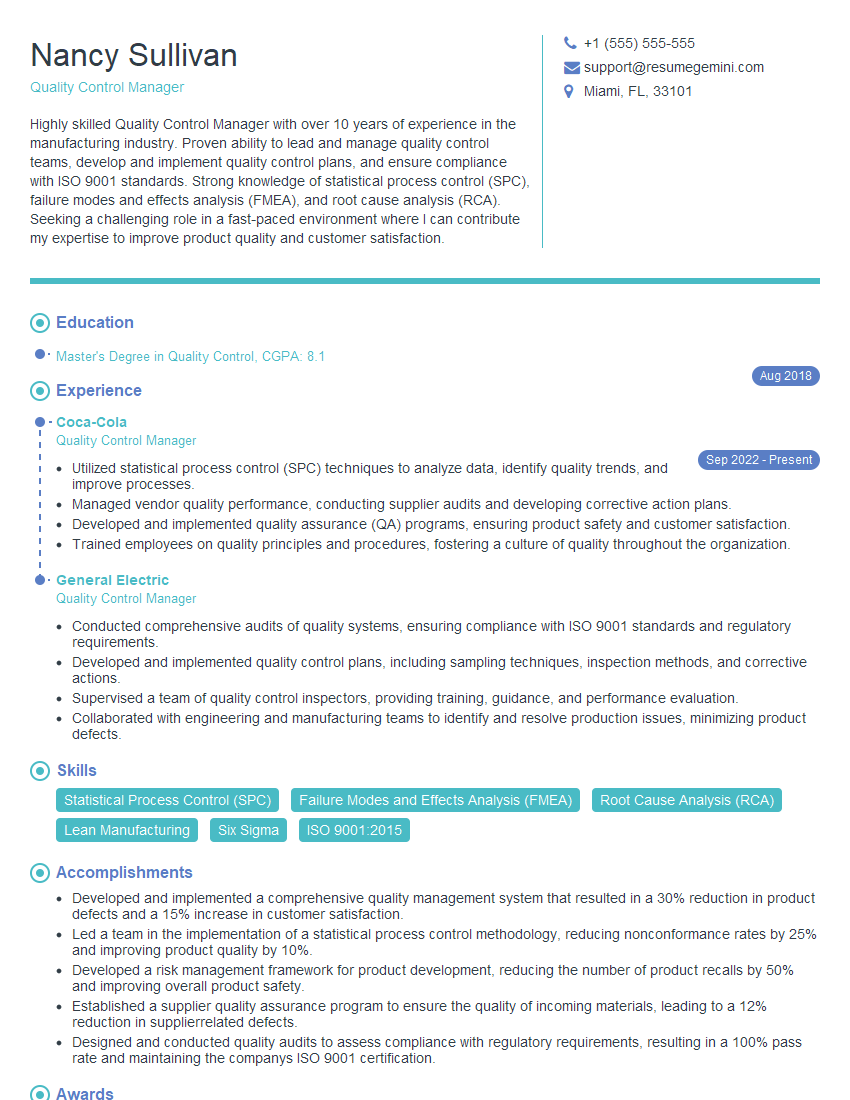
Quality Control Manager Resume Sample
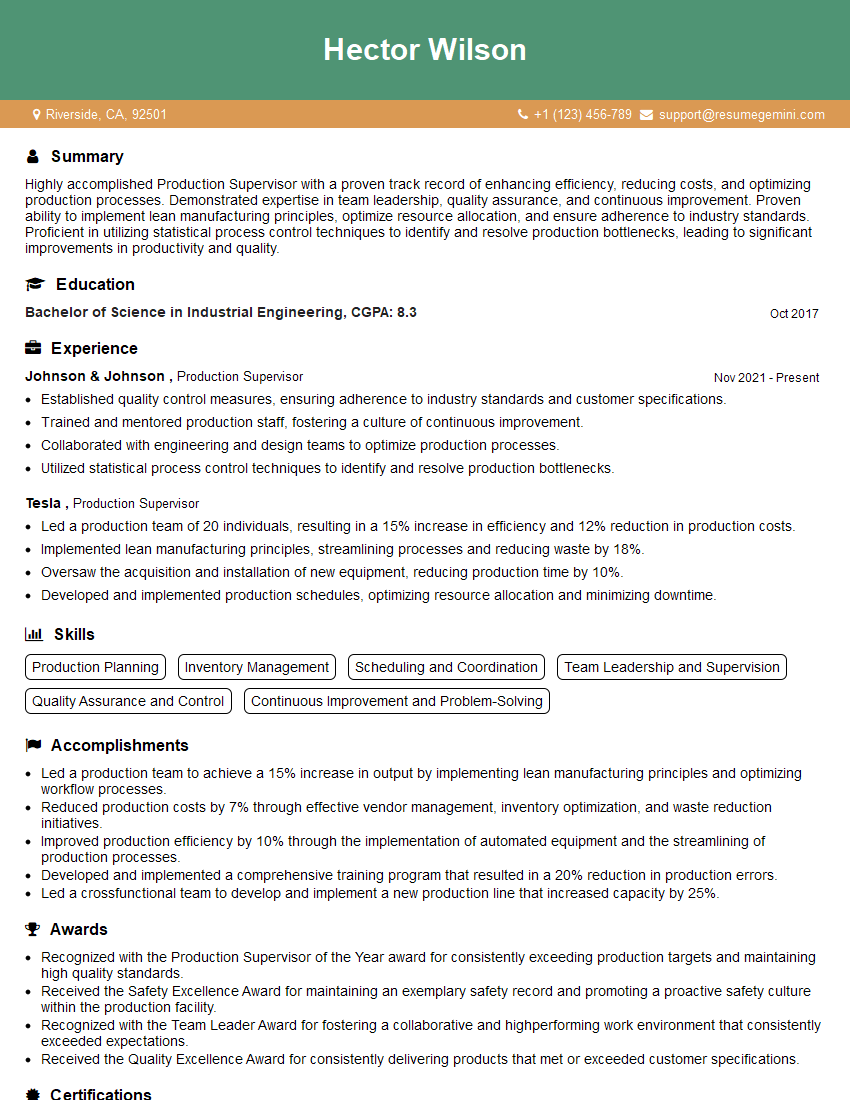
Production Supervisor Resume Sample
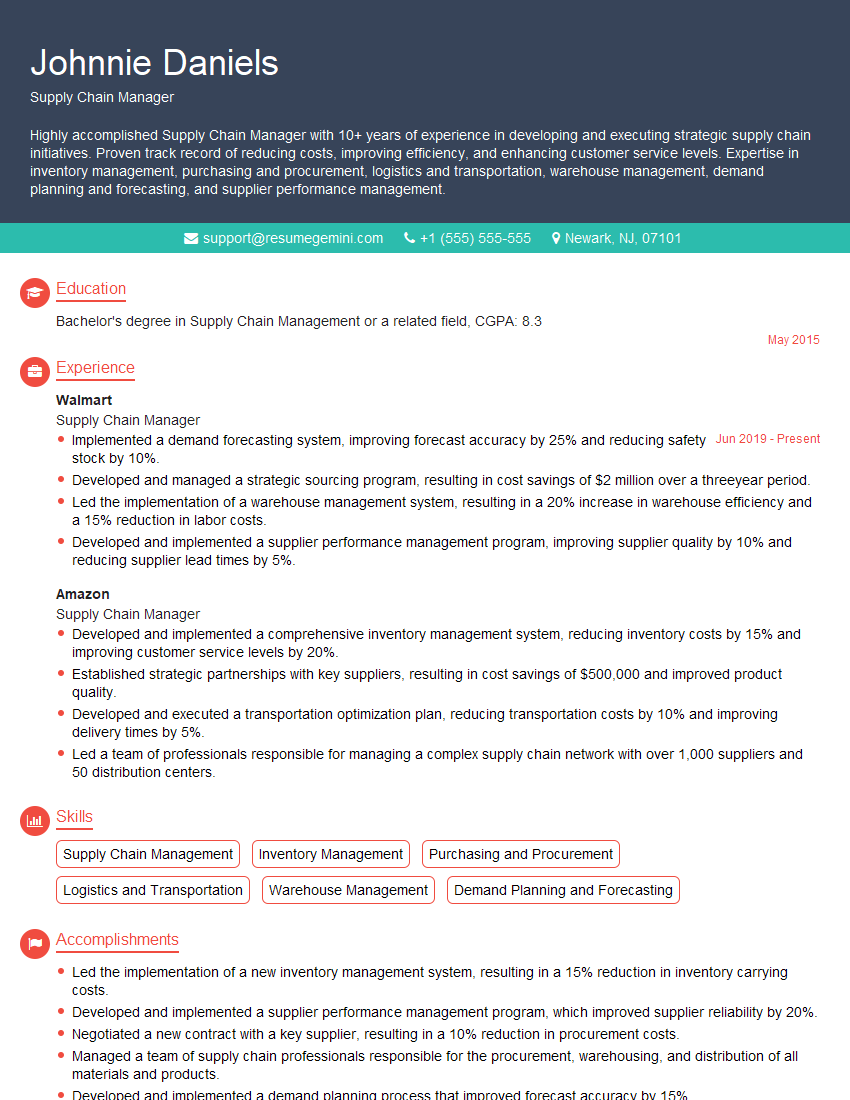
Supply Chain Manager Resume Sample
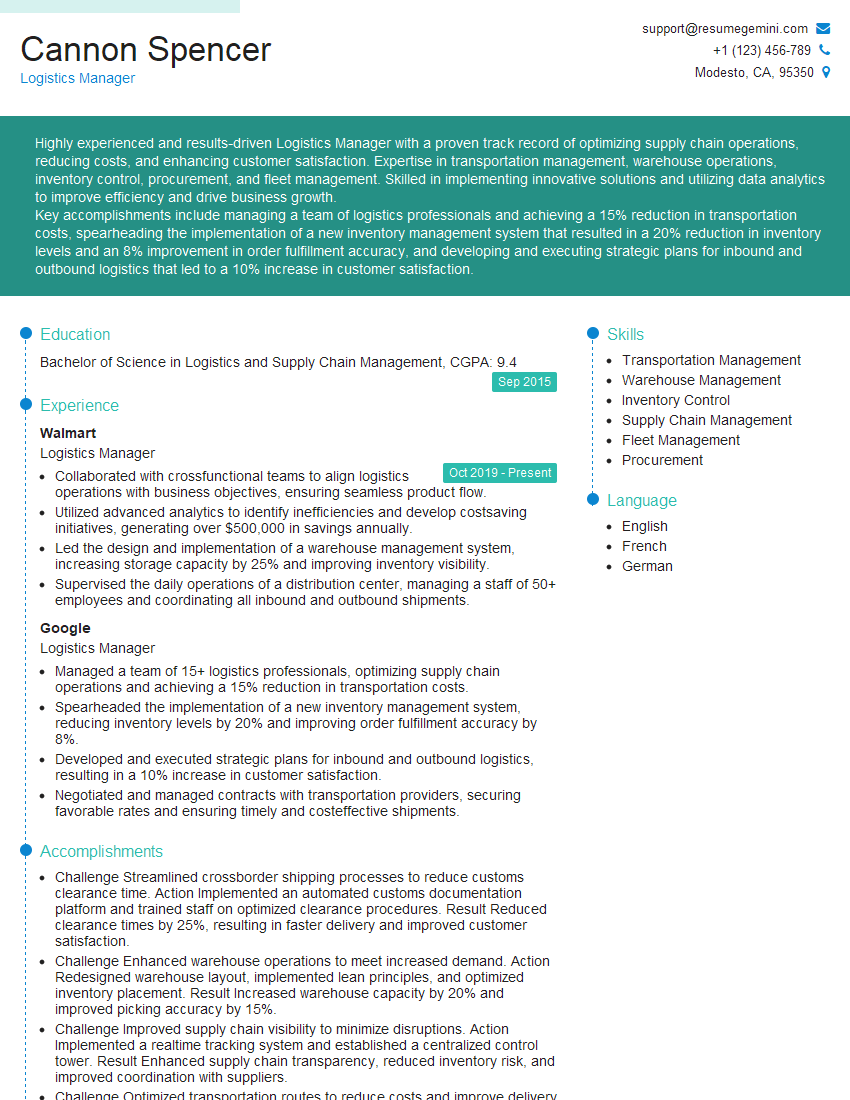
Logistics Manager Resume Sample
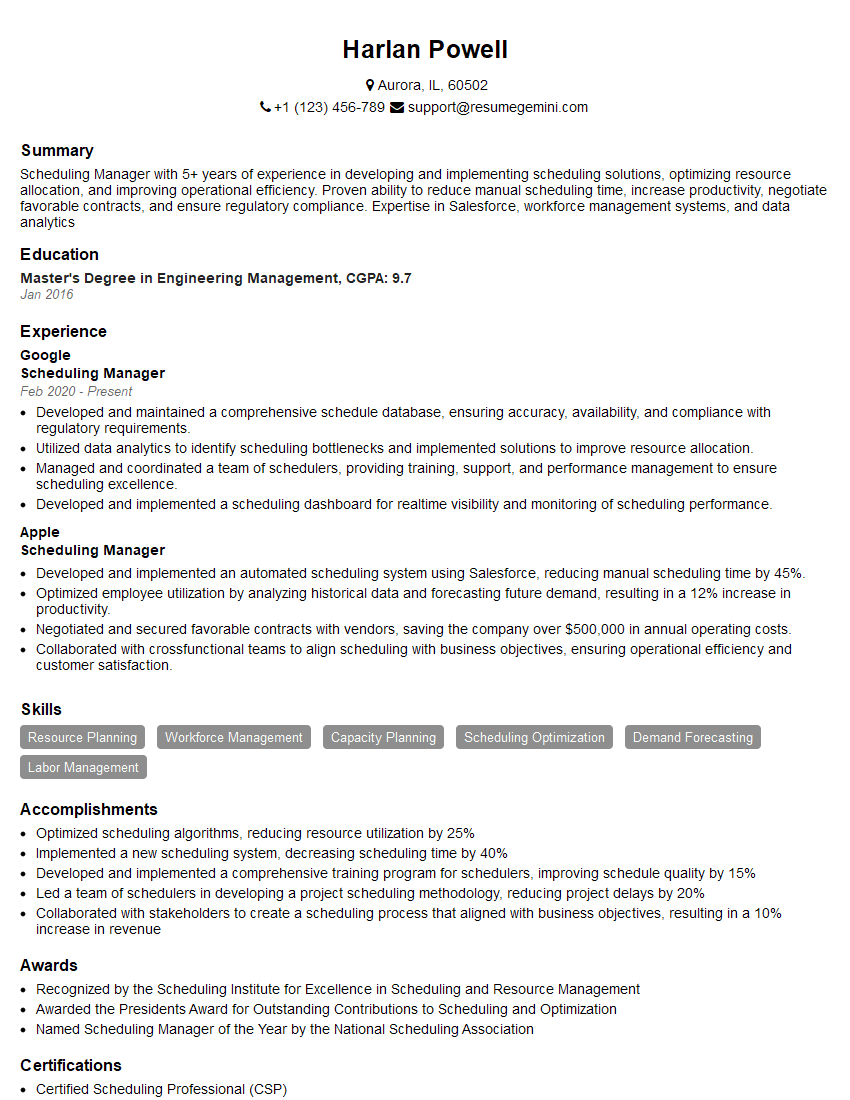
Scheduling Manager Resume Sample
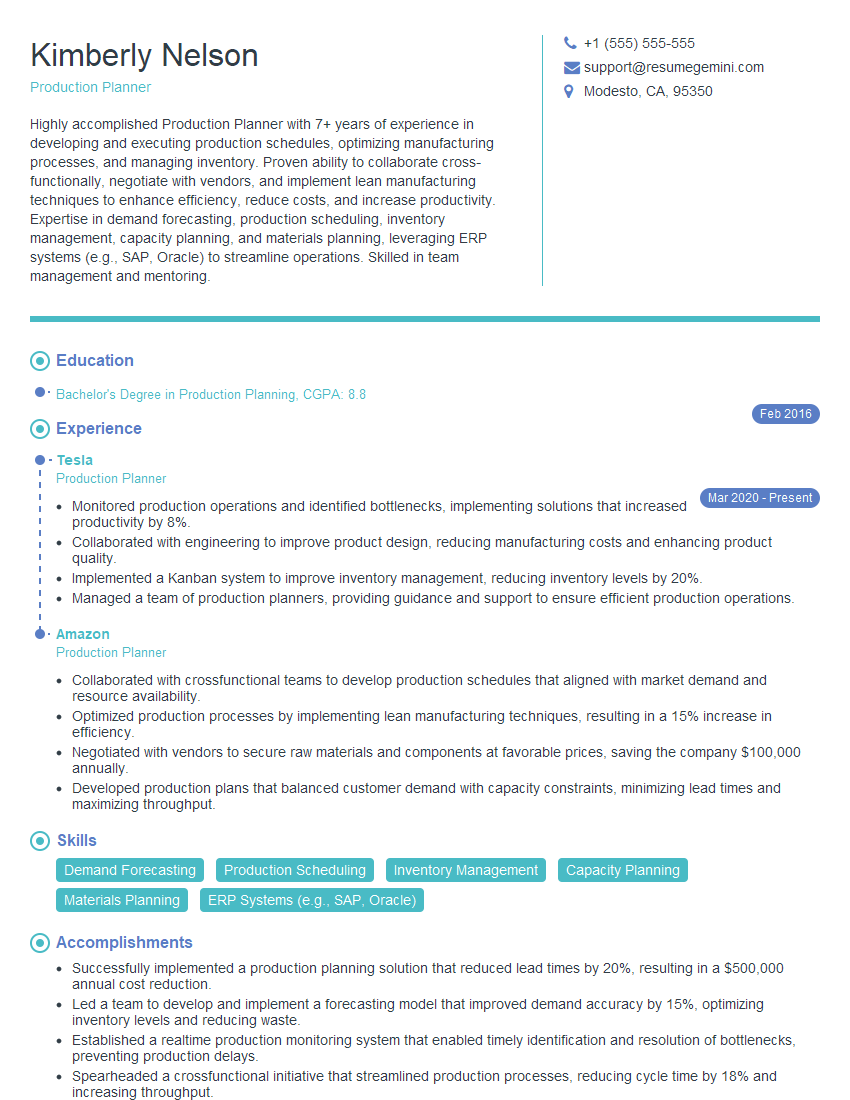
Production Planner Resume Sample
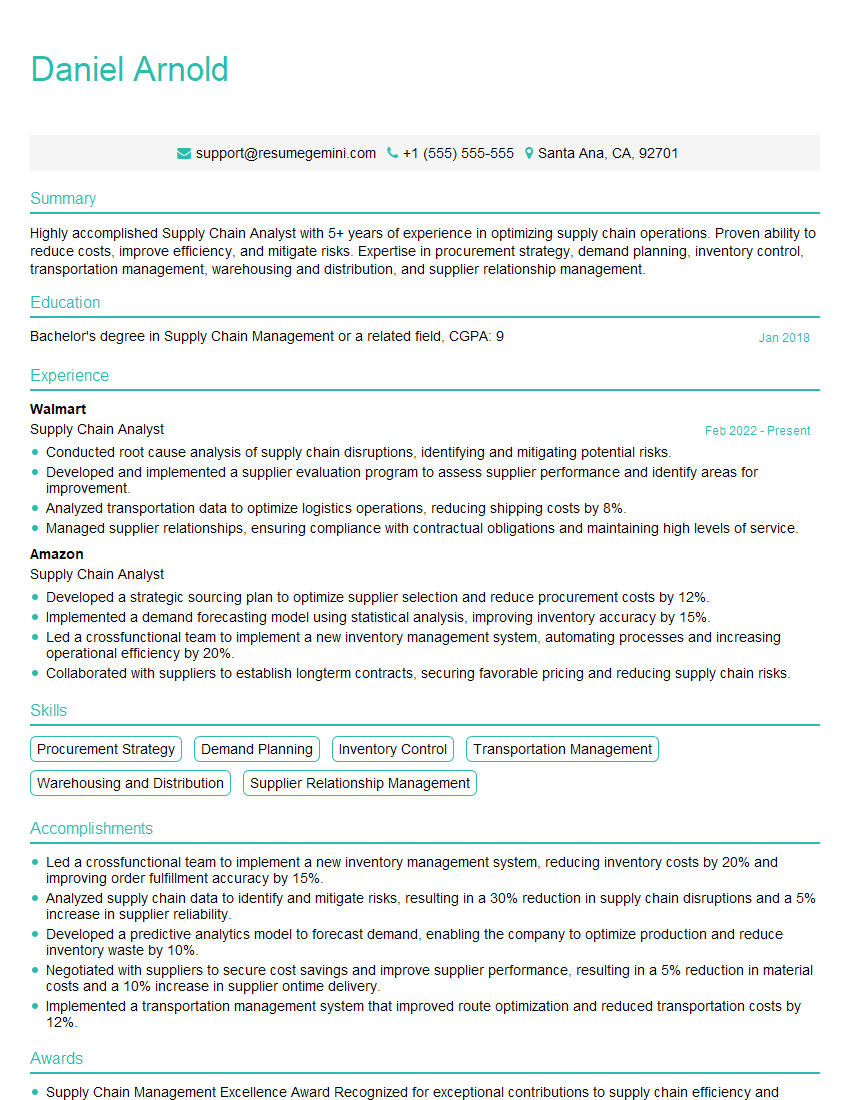
Supply Chain Analyst Resume Sample
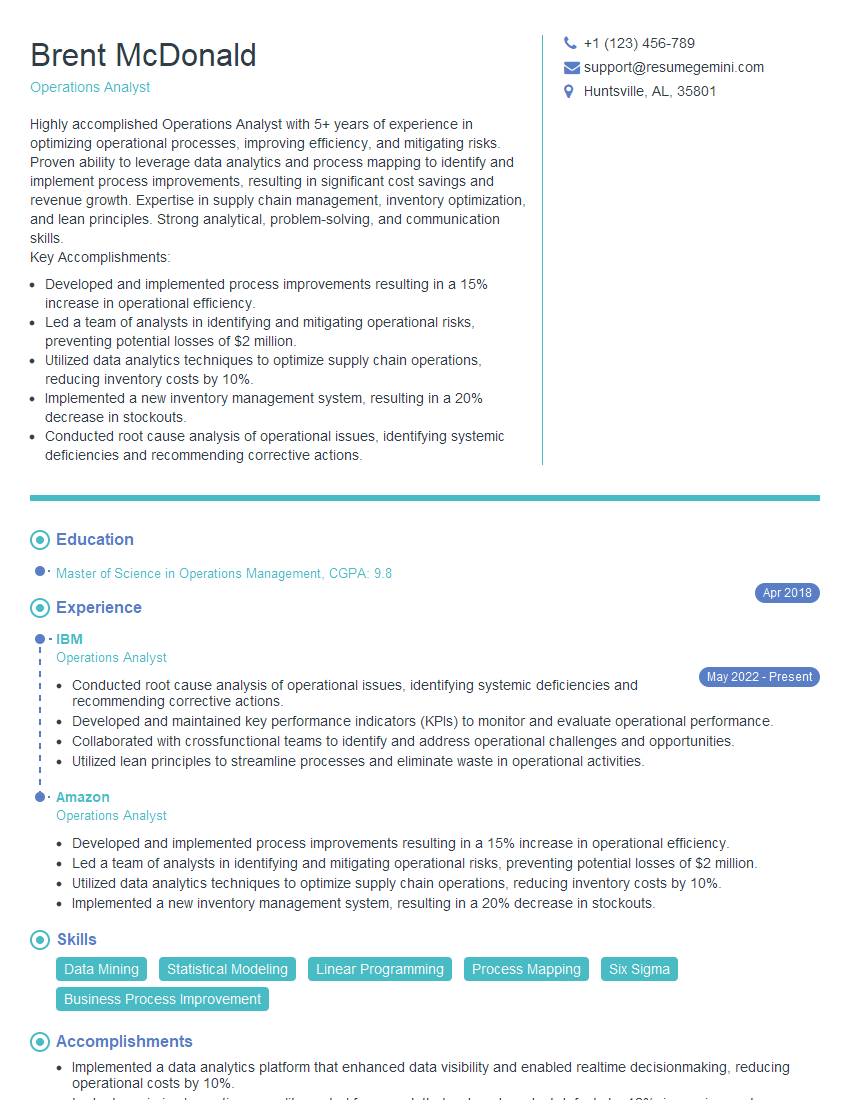
Operations Analyst Resume Sample
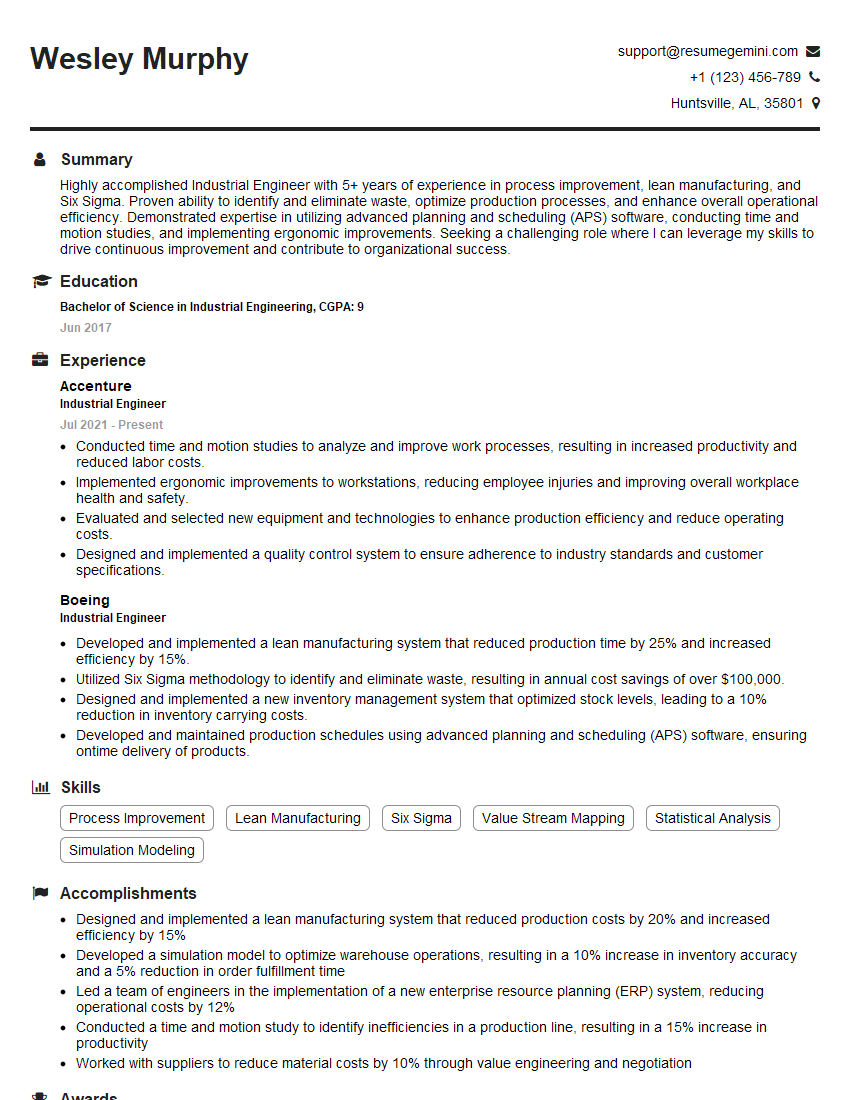
Industrial Engineer Resume Sample
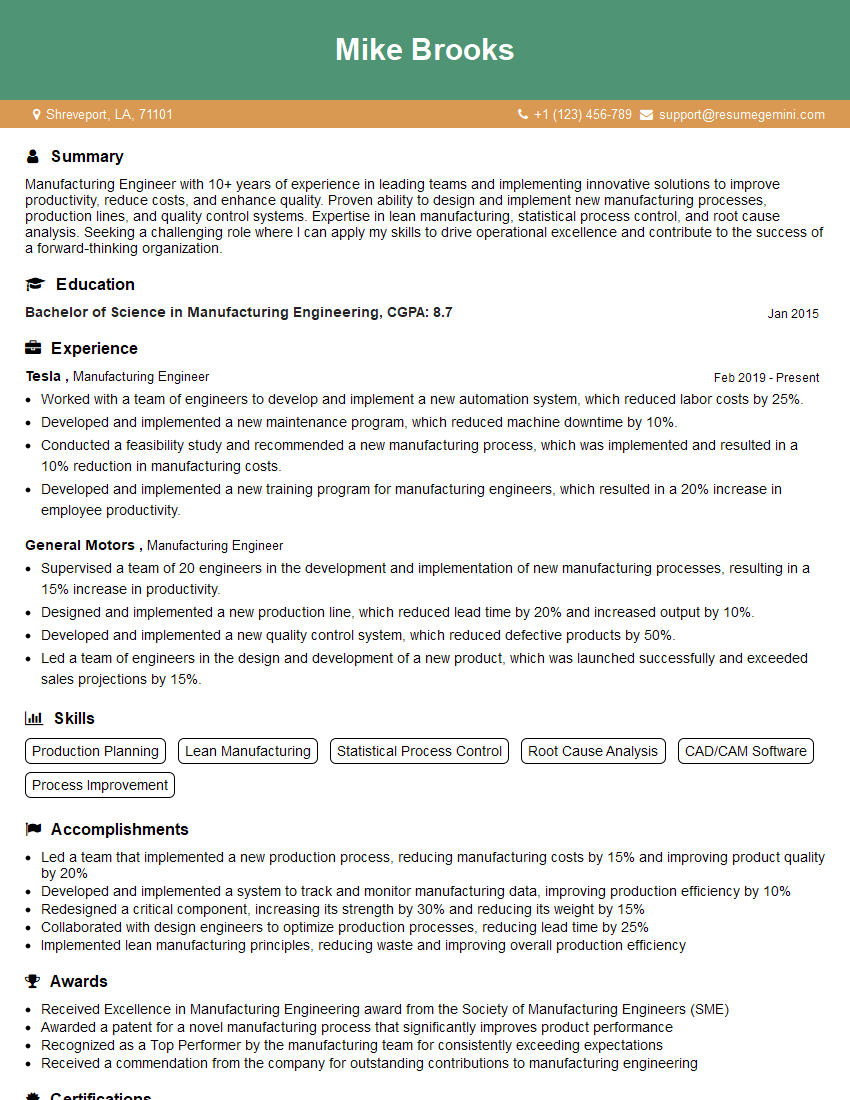
Manufacturing Engineer Resume Sample
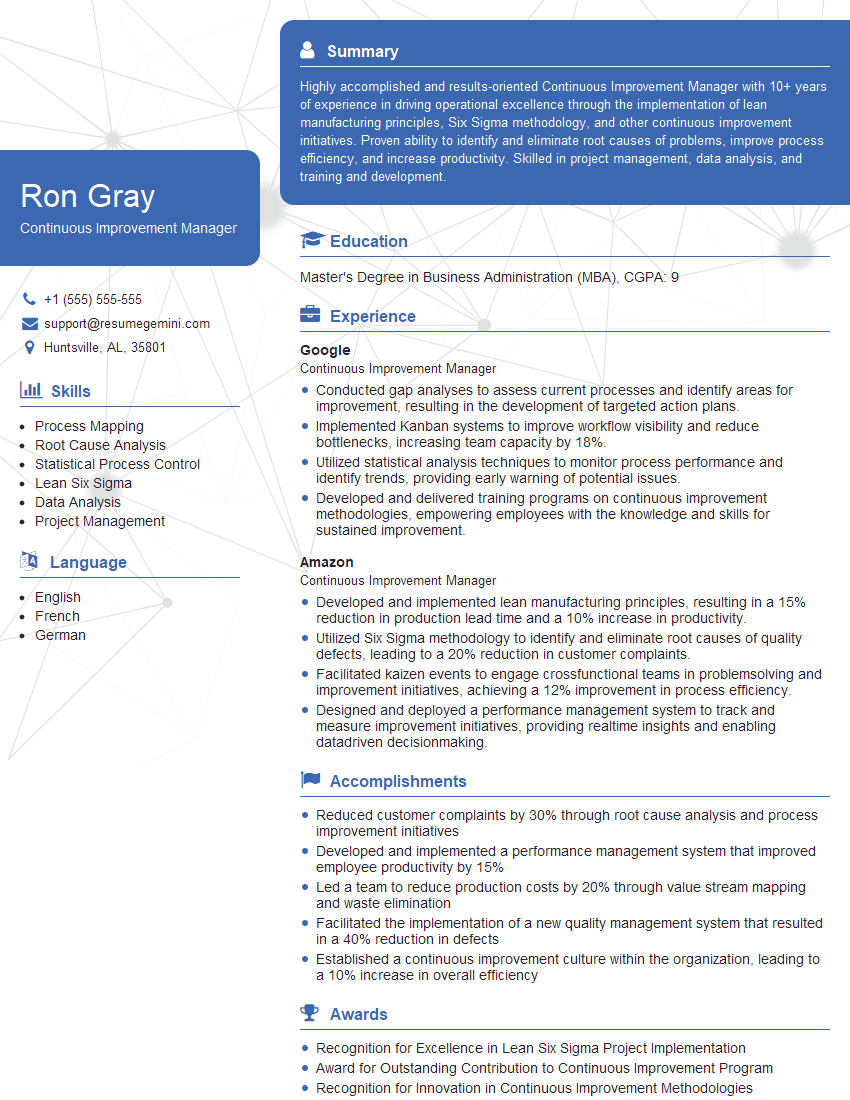
Continuous Improvement Manager Resume Sample
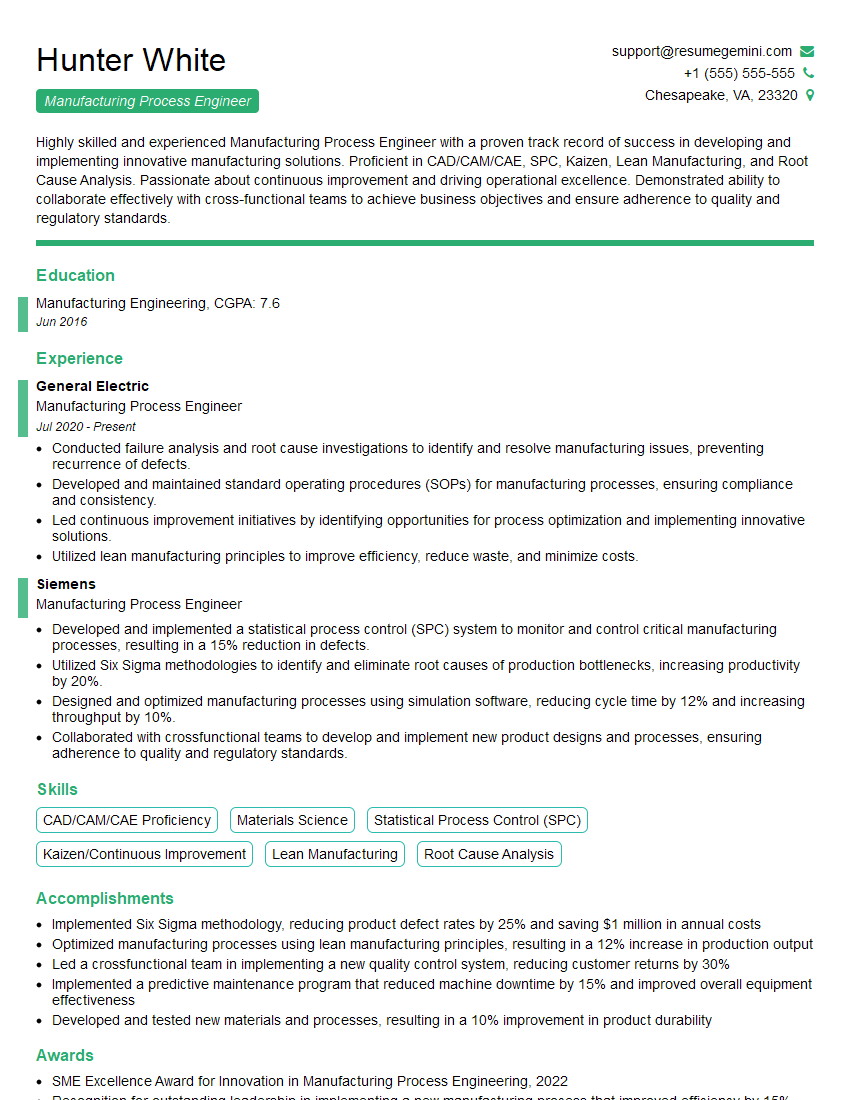
Manufacturing Process Engineer Resume Sample
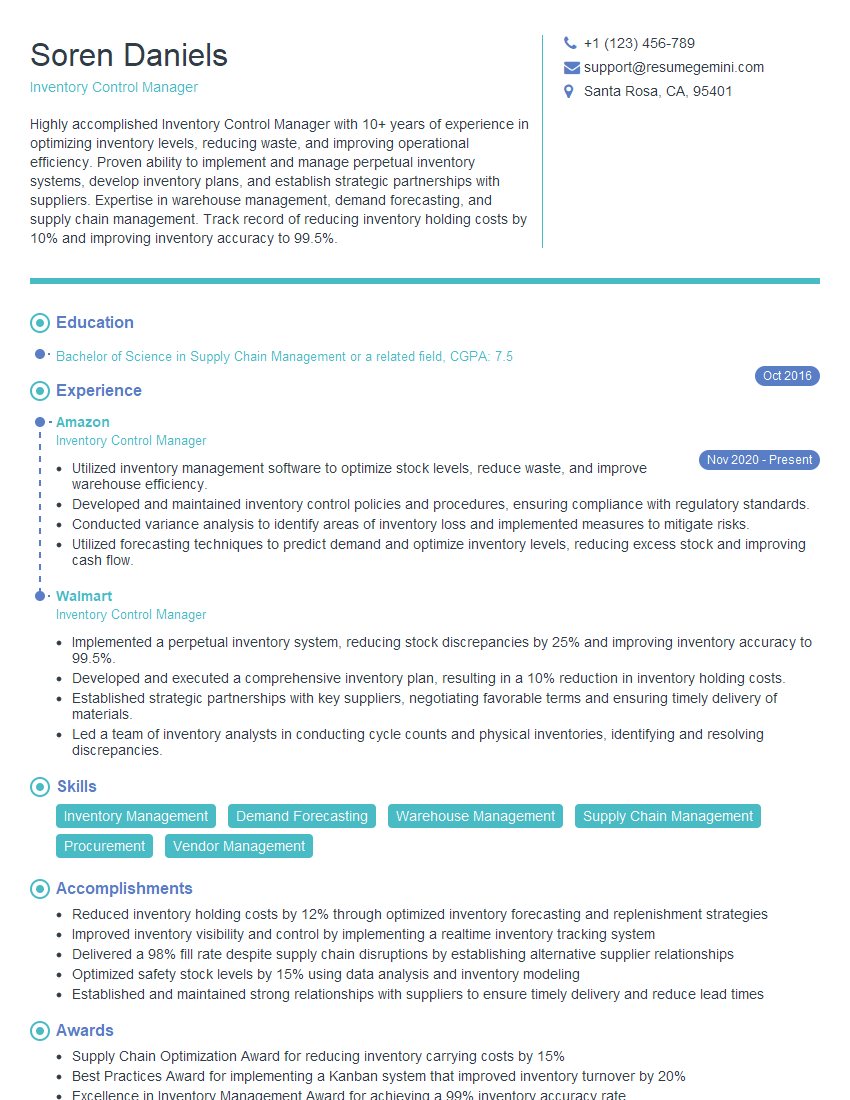
Inventory Control Manager Resume Sample
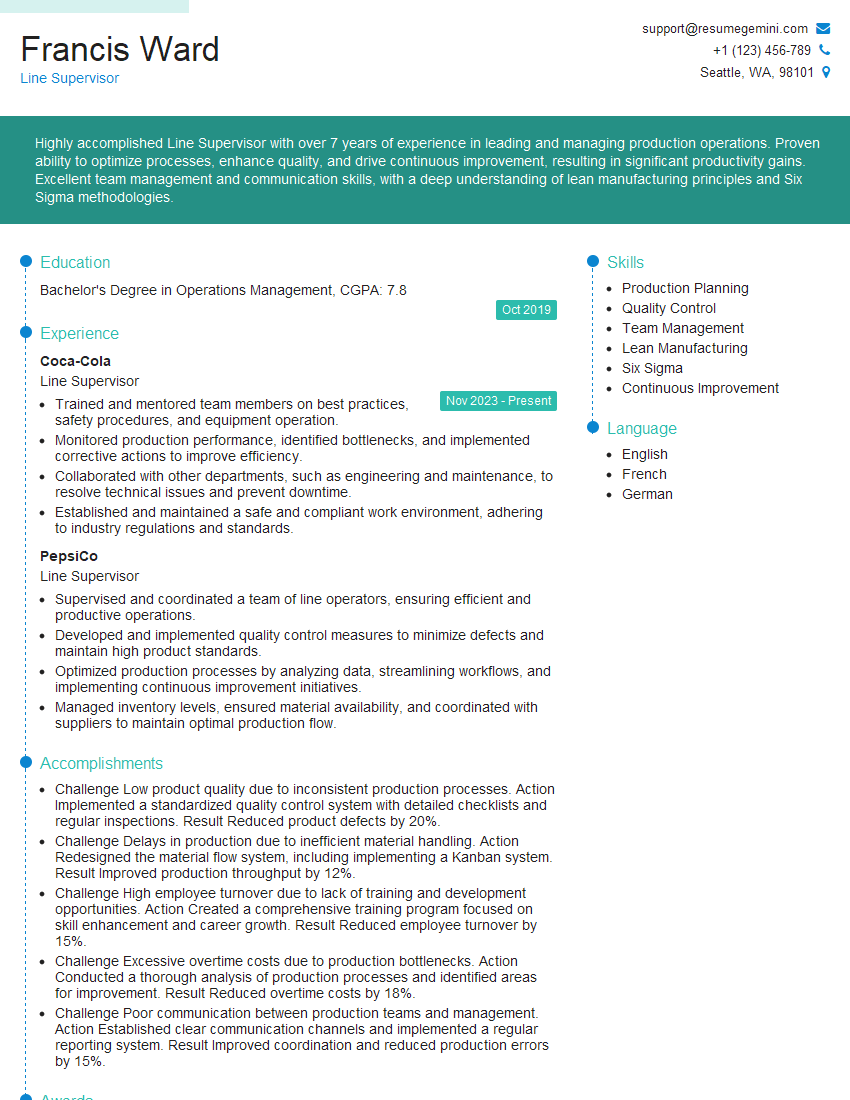
Line Supervisor Resume Sample
- Operations Manager
- Plant Manager
- Production Manager
- Maintenance Manager
- Production Control Manager
- Quality Control Manager
- Production Supervisor
- Supply Chain Manager
- Logistics Manager
- Scheduling Manager
- Production Planner
- Supply Chain Analyst
- Operations Analyst
- Industrial Engineer
- Manufacturing Engineer
- Continuous Improvement Manager
- Manufacturing Process Engineer
- Inventory Control Manager
- Line Supervisor
Explore more articles
Users Rating of Our Blogs
Share Your Experience
We value your feedback! Please rate our content and share your thoughts (optional).
What Readers Say About Our Blog
Very informative content, great job.
good