Every successful interview starts with knowing what to expect. In this blog, we’ll take you through the top Traceability and Inventory Management interview questions, breaking them down with expert tips to help you deliver impactful answers. Step into your next interview fully prepared and ready to succeed.
Questions Asked in Traceability and Inventory Management Interview
Q 1. Explain the importance of traceability in a supply chain.
Traceability in a supply chain is the ability to track a product’s journey from its origin to the end consumer. Think of it like a detailed family tree for your goods, showing every step of its life. This isn’t just about knowing where something was made; it’s about understanding every process, every hand that touched it, and every location it passed through.
Its importance is multifaceted. For consumers, traceability offers transparency, building trust and allowing informed choices. For businesses, it’s crucial for quality control, recall management (imagine needing to quickly identify and remove contaminated products!), risk mitigation (identifying potential bottlenecks or vulnerabilities), and regulatory compliance (many industries have strict traceability requirements). A simple example: a chocolate bar. Traceability would allow you to trace the cocoa beans back to the farm, the processing plant, the manufacturer, and the distributor, all the way to the store shelf.
- Enhanced Quality Control: Quickly identify and isolate the source of defects.
- Improved Recall Management: Efficiently remove affected products from the market.
- Reduced Risk: Proactively identify and mitigate potential supply chain disruptions.
- Increased Consumer Confidence: Transparency builds trust and loyalty.
Q 2. Describe different methods for tracking inventory.
Inventory tracking methods vary depending on the scale and complexity of the operation. Small businesses might use simple spreadsheets, while large enterprises rely on sophisticated software systems. Here are some common approaches:
- Manual Tracking: Using physical counts and spreadsheets. This is prone to errors and inefficient for large inventories.
- Barcode/RFID Systems: Products are tagged with barcodes or RFID tags, scanned at various points in the supply chain. This provides real-time visibility into inventory levels and location.
- Warehouse Management Systems (WMS): Integrated software solutions that manage all aspects of warehouse operations, including inventory tracking, order fulfillment, and labor management. WMS uses barcode and RFID data for automated tracking and reporting.
- Radio Frequency Identification (RFID): RFID tags can be read from a distance, providing faster and more accurate tracking than barcodes, especially for large quantities of items.
- Internet of Things (IoT) sensors: These devices can monitor inventory levels, temperature, and other relevant parameters in real-time.
Imagine a clothing retailer. They might use barcodes on each item, scanned at the point of sale and when received from suppliers. Their WMS system then updates inventory levels automatically.
Q 3. What are the key performance indicators (KPIs) for inventory management?
Key Performance Indicators (KPIs) for inventory management provide insights into the efficiency and effectiveness of your inventory strategies. They help you identify areas for improvement and optimize your processes.
- Inventory Turnover Rate: Measures how quickly inventory is sold and replaced. A higher rate generally indicates efficient inventory management.
- Holding Costs: The cost of storing and maintaining inventory (warehouse rent, insurance, etc.). Aim to minimize these costs.
- Stockout Rate: The percentage of times a product is unavailable when demanded. Low stockout rates are essential for customer satisfaction.
- Inventory Accuracy: The percentage of inventory records that accurately reflect the physical inventory. High accuracy is critical for making informed decisions.
- Order Fill Rate: The percentage of orders fulfilled completely and on time. A higher rate shows efficient order processing and inventory availability.
For example, a high inventory turnover rate suggests strong sales, while a high stockout rate indicates potential issues with forecasting or supply chain management.
Q 4. How do you handle inventory discrepancies?
Inventory discrepancies, the difference between recorded and physical inventory, require a systematic approach to resolve. Ignoring them leads to inaccurate data and poor decision-making.
- Identify the Discrepancy: Conduct a physical inventory count and compare it to your system’s records. Identify specific items with discrepancies.
- Investigate the Cause: Common causes include data entry errors, theft, damage, misplacement, or inaccurate receiving processes.
- Reconcile the Discrepancy: Adjust your inventory records to reflect the physical count. Document the reason for the discrepancy.
- Implement Preventative Measures: Address the root cause of the discrepancy to prevent future occurrences. This could involve improved data entry procedures, enhanced security measures, or better inventory tracking systems.
- Regular Cycle Counting: Conduct regular partial counts of inventory to detect discrepancies early, rather than waiting for a full physical inventory.
Let’s say a physical count reveals 10 fewer widgets than recorded. Investigation might reveal a packaging error at the receiving dock, leading to an adjustment of records and improved dock procedures.
Q 5. Explain the concept of First-In, First-Out (FIFO) and Last-In, First-Out (LIFO).
FIFO (First-In, First-Out) and LIFO (Last-In, First-Out) are inventory costing methods that affect how the cost of goods sold (COGS) is calculated. They also influence the value of ending inventory.
FIFO: Assumes the oldest items in inventory are sold first. This is often more realistic, especially for perishable goods. In a FIFO system, the cost of goods sold reflects the cost of the oldest inventory.
LIFO: Assumes the newest items in inventory are sold first. This is less common and generally not allowed under IFRS (International Financial Reporting Standards). In a LIFO system, the cost of goods sold reflects the cost of the newest inventory.
Example: A bakery receives a batch of flour at $10 per bag and later another at $12 per bag. Under FIFO, the $10 flour is used first and the COGS would reflect the $10 cost. Under LIFO, the $12 flour would be used first. LIFO can be advantageous during inflation, as it leads to higher COGS and thus lower taxable income.
Q 6. What are the benefits of using a Warehouse Management System (WMS)?
A Warehouse Management System (WMS) is a software solution that optimizes warehouse operations and provides significant benefits.
- Improved Inventory Accuracy: Real-time tracking minimizes discrepancies and ensures accurate inventory records.
- Enhanced Efficiency: Optimizes warehouse layout, order picking, and putaway processes, resulting in faster order fulfillment.
- Reduced Labor Costs: Automates many tasks, reducing the need for manual labor and minimizing errors.
- Better Space Utilization: Optimizes storage space and improves slotting strategies, maximizing warehouse capacity.
- Improved Order Accuracy: Reduces errors in order picking and packing, leading to higher customer satisfaction.
- Enhanced Visibility: Real-time data provides comprehensive insights into inventory levels, location, and movement.
Imagine a large distribution center using a WMS. The system directs workers to the optimal locations for picking orders, minimizing travel time and increasing efficiency. It also tracks the location of every item, ensuring accurate inventory counts and efficient stock replenishment.
Q 7. How do you optimize inventory levels to minimize costs?
Optimizing inventory levels requires a delicate balance between meeting customer demand and minimizing holding costs. Here’s a multi-pronged approach:
- Demand Forecasting: Accurately predicting future demand using historical data, market trends, and seasonality. Sophisticated forecasting techniques can help you anticipate fluctuations.
- Safety Stock: Maintaining a buffer stock to account for unexpected demand surges or supply chain disruptions. This balance between risk and cost is key.
- li>Inventory Turnover Analysis: Regularly analyze your inventory turnover rate to identify slow-moving or obsolete items. This informs decisions about pricing strategies or disposal.
- Economic Order Quantity (EOQ): A mathematical model that determines the optimal order quantity to minimize the total cost of inventory (ordering and holding costs). This requires careful consideration of variables.
- Just-in-Time (JIT) Inventory: A system where inventory arrives only when needed. This minimizes holding costs but increases reliance on reliable suppliers.
- Vendor Managed Inventory (VMI): Allowing suppliers to manage your inventory levels based on their knowledge of your demand and their own supply chain.
A retailer might use demand forecasting to anticipate peak holiday season sales, adjust safety stock levels accordingly, and then employ a VMI system with their key suppliers for fast-moving items.
Q 8. Describe your experience with inventory forecasting techniques.
Inventory forecasting is crucial for optimizing stock levels and preventing stockouts or overstocking. It involves predicting future demand based on historical data, market trends, and other relevant factors. I have extensive experience using various techniques, including:
Simple Moving Average (SMA): This method averages demand over a specified period. For example, a 3-month SMA would average the demand of the last three months to predict the next month’s demand. It’s simple to understand and implement but doesn’t account for seasonality or trends.
Exponential Smoothing: This method assigns more weight to recent data, making it more responsive to changes in demand. It’s particularly useful when dealing with fluctuating demand. Different variations exist, such as single, double, and triple exponential smoothing, each with varying levels of sophistication in handling trends and seasonality.
ARIMA (Autoregressive Integrated Moving Average): A more advanced statistical model that captures complex patterns in demand data, including seasonality and trends. It requires more data and statistical expertise but can provide highly accurate forecasts. I’ve successfully utilized ARIMA in situations with significant seasonality, like predicting demand for winter coats.
Causal Forecasting: This technique considers external factors influencing demand, such as promotional campaigns, economic conditions, or competitor actions. For example, anticipating increased demand during a holiday season based on past sales data and promotional plans.
My experience includes selecting the appropriate method based on data characteristics and business needs, validating forecast accuracy, and continuously refining the forecasting process to improve its effectiveness. I’ve also worked on incorporating qualitative insights from sales teams and market research to enhance forecast accuracy.
Q 9. Explain your experience with different inventory valuation methods.
Inventory valuation methods determine the cost of goods sold (COGS) and the value of ending inventory. Different methods yield varying results, influencing financial statements and profitability. My experience includes working with several methods, including:
First-In, First-Out (FIFO): Assumes that the oldest inventory items are sold first. This method is generally preferred as it reflects the actual flow of goods and provides a more accurate cost of goods sold during periods of inflation. Imagine a bakery selling bread – FIFO implies they sell the oldest loaves first.
Last-In, First-Out (LIFO): Assumes that the newest inventory items are sold first. LIFO is less commonly used, particularly under IFRS, as it can lead to a mismatched cost of goods sold and ending inventory valuation during inflation. It can, however, be beneficial in reducing taxable income in inflationary periods.
Weighted-Average Cost: Calculates the average cost of all inventory items. This method simplifies accounting but might not reflect the true cost of goods sold if the cost of inventory fluctuates significantly.
The choice of method depends on various factors, including accounting standards, tax implications, and the specific characteristics of the inventory. I’ve been involved in analyzing the impact of each method on financial statements and recommending the most appropriate method based on the company’s objectives.
Q 10. How do you manage obsolete or slow-moving inventory?
Managing obsolete or slow-moving inventory is crucial for maintaining profitability and minimizing storage costs. My approach involves a multi-pronged strategy:
Identification: Regularly reviewing inventory levels to identify items that haven’t moved for a certain period (e.g., six months, one year). This often involves using ABC analysis to prioritize attention on high-value slow-movers.
Analysis: Investigating the reasons for obsolescence or slow movement. Is it due to changing customer preferences, technological advancements, or poor forecasting? This analysis informs the next steps.
Action Plan: Implementing strategies to reduce or eliminate the slow-moving inventory. Options include:
- Price reductions and promotions: Boosting sales by discounting the slow-moving items.
- Repackaging or rebranding: Giving the items a new look or appeal.
- Liquidation: Selling the items at a loss to recover some value.
- Donation or recycling: If the items are unusable or have no market value.
Prevention: Implementing measures to prevent future accumulation of obsolete inventory. This includes improving demand forecasting, strengthening supplier relationships, and implementing a more robust inventory management system.
For example, in a previous role, we identified a batch of outdated electronics. We analyzed why they weren’t selling and conducted a targeted promotional campaign combined with a price reduction, successfully clearing most of the inventory.
Q 11. What is the role of technology in improving traceability and inventory management?
Technology plays a transformative role in enhancing traceability and inventory management. It provides real-time visibility, automation, and data-driven decision-making capabilities. Some key technologies include:
Barcode and RFID systems: These technologies automate data collection, improving accuracy and speed of inventory tracking. RFID offers advantages in managing large volumes of items or items that are difficult to track manually.
Warehouse Management Systems (WMS): Software solutions that manage and optimize warehouse operations, including inventory control, order fulfillment, and warehouse layout. They significantly improve efficiency and accuracy.
Enterprise Resource Planning (ERP) Systems: Integrated systems that manage various business functions, including inventory management, finance, and customer relationship management (CRM). They provide a holistic view of the business and facilitate better decision-making.
Cloud-based solutions: Cloud platforms offer scalability, accessibility, and cost-effectiveness, making inventory management systems more accessible and flexible.
Data analytics and business intelligence: Analyzing inventory data to identify trends, patterns, and potential problems. This allows for proactive decision-making and process optimization.
For instance, implementing an RFID system in a retail environment greatly enhanced the accuracy of stock counts, reduced shrinkage, and optimized replenishment cycles.
Q 12. Describe a time you had to implement a new inventory management system.
In my previous role at a manufacturing company, we transitioned from a legacy, manual inventory system to a modern ERP system. This implementation was a significant undertaking requiring careful planning and execution. The process involved:
Needs assessment: Identifying the key requirements and challenges of the existing system, involving stakeholders across different departments.
Software selection: Evaluating and selecting a suitable ERP system that met our needs and integrated with existing systems.
Data migration: Carefully migrating existing inventory data to the new system, ensuring data integrity and accuracy. This involved data cleaning and validation.
Training and user adoption: Providing comprehensive training to all users on the new system to ensure smooth adoption.
Go-live and post-implementation support: Managing the transition to the new system and providing ongoing support to address any issues.
The implementation significantly improved inventory accuracy, reduced lead times, and enhanced overall operational efficiency. Challenges included user resistance to change and ensuring accurate data migration. We overcame these by engaging users early in the process, providing comprehensive training, and establishing clear communication channels.
Q 13. How do you ensure data accuracy in inventory management?
Data accuracy is paramount in inventory management. Inaccurate data leads to poor decision-making, stockouts, overstocking, and financial losses. My approach to ensuring data accuracy encompasses several key strategies:
Regular cycle counting: Implementing a cycle counting program to regularly verify inventory levels, identifying discrepancies early.
Automated data capture: Utilizing barcode or RFID systems to automate data collection, minimizing manual errors.
Data validation and reconciliation: Regularly comparing inventory data from different sources to identify and resolve inconsistencies.
Process controls: Implementing standard operating procedures (SOPs) to ensure consistency and accuracy in inventory transactions.
Employee training: Providing training to all personnel involved in inventory management to ensure they understand and follow established procedures.
System audits: Conducting regular audits of the inventory management system to identify weaknesses and areas for improvement.
For example, I implemented a system of regular data reconciliation between our physical stock counts and our ERP system, which identified and corrected inconsistencies, improving inventory accuracy by 15% within six months.
Q 14. Explain your experience with cycle counting.
Cycle counting is a crucial inventory management technique that involves regularly counting a small portion of inventory instead of performing a complete physical inventory count. It’s more efficient and less disruptive than a full count. My experience includes:
Developing a cycle counting schedule: Creating a schedule to count different inventory items at regular intervals based on their value and movement. High-value items are typically counted more frequently.
Assigning responsibilities: Delegating the responsibility for counting to specific team members, ensuring clear guidelines and procedures are followed.
Reconciling discrepancies: Investigating and resolving discrepancies between the cycle count results and the inventory records. This often involves tracing the source of the error and implementing corrective actions.
Using technology to support cycle counting: Utilizing barcode scanners or handheld devices to automate data collection and improve efficiency.
Analyzing cycle counting data: Using the data to identify trends, patterns, and potential problems in the inventory management process.
In a previous role, we implemented a cycle counting program that reduced inventory discrepancies significantly, leading to improved stock accuracy and cost savings.
Q 15. How do you handle stockouts and overstocking situations?
Stockouts and overstocking represent two sides of the same coin – both significantly impacting profitability and customer satisfaction. Stockouts lead to lost sales, unhappy customers, and potential damage to brand reputation. Overstocking ties up capital in unsold inventory, increasing storage costs, potential obsolescence, and the risk of markdowns.
My approach to mitigating these issues involves a multi-pronged strategy. First, I leverage accurate demand forecasting techniques, incorporating historical sales data, seasonal trends, and external factors like economic conditions. This helps in predicting future demand with greater accuracy. Second, I implement robust inventory management systems that provide real-time visibility into stock levels, allowing for proactive adjustments. This might involve using sophisticated software with features like automated reordering points and safety stock calculations.
For example, in a previous role managing inventory for a fast-moving consumer goods (FMCG) company, we implemented a system that integrated point-of-sale data with our warehouse management system. This provided real-time sales data, enabling us to quickly identify products experiencing unexpected spikes in demand and adjust our ordering accordingly to prevent stockouts. Conversely, it also helped us identify slow-moving items and adjust production or purchasing strategies to prevent overstocking.
Finally, collaborative relationships with suppliers are crucial. Open communication and effective supply chain planning help ensure timely replenishment and prevent disruptions. This includes negotiating flexible contracts that allow for adjustments to order quantities based on actual demand.
Career Expert Tips:
- Ace those interviews! Prepare effectively by reviewing the Top 50 Most Common Interview Questions on ResumeGemini.
- Navigate your job search with confidence! Explore a wide range of Career Tips on ResumeGemini. Learn about common challenges and recommendations to overcome them.
- Craft the perfect resume! Master the Art of Resume Writing with ResumeGemini’s guide. Showcase your unique qualifications and achievements effectively.
- Don’t miss out on holiday savings! Build your dream resume with ResumeGemini’s ATS optimized templates.
Q 16. How do you ensure compliance with industry regulations related to inventory and traceability?
Compliance with industry regulations is paramount in inventory and traceability management, particularly in sectors like food and pharmaceuticals where product safety and quality are critical. This often involves adhering to regulations such as the FDA’s Food Safety Modernization Act (FSMA) or the Drug Supply Chain Security Act (DSCSA).
My approach begins with a thorough understanding of the relevant regulations applicable to the industry and product type. This includes maintaining detailed documentation of the entire product lifecycle, from raw material sourcing to final delivery. This documentation must be easily retrievable and auditable. I implement robust tracking systems (often involving barcode or RFID technology) to ensure complete traceability – the ability to trace a product’s journey back to its origin and forward to its final destination.
Furthermore, I implement rigorous quality control procedures throughout the supply chain, including regular audits and inspections to verify compliance. This might involve working with external certification bodies to obtain relevant certifications (like ISO 9001 for quality management systems or ISO 22000 for food safety management systems). Regular employee training on regulatory requirements is also crucial to maintaining consistent compliance.
For instance, in a previous role involving the distribution of pharmaceuticals, we had to ensure full compliance with DSCSA, implementing a serialization system to track each individual product through the entire supply chain. This included integrating our systems with the systems of our suppliers and customers to ensure seamless data exchange.
Q 17. What is your experience with RFID or barcode technology in inventory management?
RFID (Radio-Frequency Identification) and barcode technologies are indispensable tools in modern inventory management. Barcodes offer a cost-effective solution for tracking individual items, while RFID offers advantages in terms of speed, accuracy, and the ability to track multiple items simultaneously without line-of-sight requirements.
My experience encompasses both technologies. I’ve worked extensively with barcode systems in various settings, including retail and warehousing environments. These involve using barcode scanners to track inventory movement, update stock levels, and manage receiving and shipping processes. The data captured is typically integrated with an inventory management system (IMS) to provide real-time visibility.
In more sophisticated environments, I’ve leveraged RFID technology. For example, in a project involving managing high-value assets, we implemented an RFID system that automatically tracked the location and movement of each asset within a warehouse, eliminating manual counting and reducing the risk of loss or theft. The real-time data provided by the RFID system allowed for optimized space utilization and improved inventory accuracy.
The choice between barcode and RFID depends on several factors including budget, the value of the goods being tracked, the need for real-time data, and the environment in which the tracking will take place. For high-value items or those requiring precise tracking in a dynamic environment, RFID is often the preferred choice. For lower-value items, barcodes provide an effective and cost-efficient alternative.
Q 18. Explain your understanding of supply chain risk management related to inventory.
Supply chain risk management related to inventory focuses on identifying, assessing, and mitigating potential disruptions that could impact inventory levels and the ability to meet customer demand. These risks can stem from various sources, including supplier failures, natural disasters, geopolitical instability, or unforeseen demand fluctuations.
My approach to managing these risks involves a comprehensive risk assessment process. This starts with identifying potential risks through brainstorming sessions, analyzing historical data, and considering external factors that could impact the supply chain. Once risks are identified, I assess their likelihood and potential impact on inventory levels and business operations. This assessment guides the development of mitigation strategies.
Examples of mitigation strategies include: diversifying suppliers to reduce dependence on a single source, implementing safety stock levels to buffer against unexpected demand surges, developing contingency plans to address potential disruptions, and establishing strong relationships with logistics providers to ensure reliable transportation. The use of technology, such as advanced analytics and real-time tracking, plays a crucial role in proactive risk management.
For example, during a period of geopolitical instability, we anticipated potential disruptions to our supply chain by identifying alternative suppliers. This proactive measure allowed us to maintain inventory levels even when primary sources faced interruptions.
Q 19. How do you integrate inventory management with other business processes?
Inventory management is not an isolated function; it’s deeply intertwined with various other business processes. Effective integration is key to optimizing overall business performance. The key to successful integration lies in using a centralized inventory management system that seamlessly communicates with other systems.
For example, integration with the procurement system automates purchasing orders based on predefined reorder points, ensuring timely replenishment. Integration with the sales and order fulfillment systems provides real-time visibility into customer orders, allowing for accurate forecasting and efficient allocation of inventory. Integration with the financial system facilitates accurate cost accounting, tracking inventory valuation, and managing inventory-related expenses.
In a previous role, we integrated our inventory management system with our enterprise resource planning (ERP) system. This created a centralized platform that provided real-time visibility into inventory levels, sales data, purchasing orders, and financial information. This improved efficiency, reduced errors, and enabled more informed decision-making across different departments.
Furthermore, integrating with customer relationship management (CRM) systems can allow for personalized inventory management decisions based on customer behaviors, preferences, and demand forecasts.
Q 20. Describe your experience with different inventory control techniques (e.g., ABC analysis).
Various inventory control techniques help optimize inventory levels and minimize costs. ABC analysis is a popular method that categorizes inventory items based on their value and consumption. This involves classifying items into three categories: A (high-value items), B (medium-value items), and C (low-value items).
My experience includes using ABC analysis to prioritize inventory management efforts. High-value (A) items receive the most attention, with more rigorous tracking, forecasting, and control measures implemented. Medium-value (B) items receive moderate attention, while low-value (C) items receive less scrutiny, often with simpler inventory control methods. This approach allows for efficient allocation of resources, focusing on the most critical items.
Other inventory control techniques I’ve used include:
- Economic Order Quantity (EOQ): A model that helps determine the optimal order quantity to minimize total inventory costs.
- Just-in-Time (JIT) inventory management: A system that aims to minimize inventory holding costs by receiving materials only when needed.
- First-In, First-Out (FIFO): An inventory accounting method that assumes the oldest items are sold first.
- Last-In, First-Out (LIFO): An inventory accounting method that assumes the newest items are sold first.
The choice of inventory control technique depends on the specific characteristics of the business, the nature of the inventory, and the overall business objectives. A combination of these techniques is often employed for optimal results.
Q 21. How do you use data analytics to improve inventory management decisions?
Data analytics plays a critical role in improving inventory management decisions. By analyzing historical data, sales trends, and other relevant factors, we can gain valuable insights that inform more accurate forecasting and optimized inventory control.
My approach to using data analytics involves several key steps. First, I collect and integrate data from various sources, including sales data, purchasing data, inventory data, and supplier data. Then, I use statistical modeling and forecasting techniques to predict future demand and optimize inventory levels. This might involve time series analysis, regression modeling, or machine learning algorithms.
For example, I used predictive analytics to forecast demand for seasonal items. This allowed us to proactively adjust inventory levels, ensuring sufficient stock during peak periods while minimizing excess inventory during off-peak periods. This resulted in significant cost savings and improved customer satisfaction.
Furthermore, data analytics helps identify slow-moving or obsolete items, enabling proactive measures to clear out excess inventory and prevent losses. It also enables performance monitoring of the overall inventory management system, identifying areas for improvement and optimization. Visualizations like dashboards provide easy-to-understand summaries of key inventory metrics, making it easier to track performance and identify potential problems.
Q 22. How do you maintain the accuracy and integrity of inventory data?
Maintaining accurate and integral inventory data is paramount for efficient operations. It’s like keeping a perfectly organized pantry – you always know what you have and how much. This involves a multi-faceted approach:
- Regular Cycle Counting: Instead of a single, massive yearly inventory count, we perform frequent cycle counts of smaller sections. This minimizes disruption and allows for quicker identification of discrepancies. For instance, we might count all items in aisle 3 on Monday, aisle 7 on Wednesday, and so on.
- Barcode/RFID Technology: Utilizing barcode scanners or RFID (Radio-Frequency Identification) tags ensures quick and accurate data capture during receiving, picking, and put-away processes. This significantly reduces human error compared to manual data entry.
- Automated Data Entry: Integrating inventory systems with point-of-sale (POS) systems and warehouse management systems (WMS) automates data flow, minimizing manual intervention and the associated risks of errors. This is like having a smart pantry that automatically updates its inventory every time an item is added or removed.
- Data Reconciliation: Regularly comparing inventory records with physical counts and reconciling any differences. Investigating the root cause of discrepancies is crucial to prevent future errors. This might involve reviewing picking lists, reviewing supplier invoices, and checking for damaged goods.
- Robust Inventory Management System (IMS): Employing a strong IMS with features like real-time tracking, low-stock alerts, and reporting tools allows for proactive monitoring and management of inventory levels. Think of this as having a digital assistant for your pantry, alerting you when you’re running low on essentials.
Q 23. Explain your understanding of different inventory costing methods.
Inventory costing methods determine the value assigned to goods in stock. The choice depends on the industry, business goals, and the complexity of the inventory. Here are some common methods:
- First-In, First-Out (FIFO): This assumes that the oldest items are sold first. It’s simple to understand and provides a more accurate reflection of current costs, especially in industries with perishable goods. Imagine a bakery – they sell the oldest bread first.
- Last-In, First-Out (LIFO): This assumes that the newest items are sold first. It can be beneficial for tax purposes in times of inflation by reducing taxable income, but it can misrepresent the value of ending inventory.
- Weighted-Average Cost: This method calculates the average cost of all items purchased over a period. It’s straightforward and reduces fluctuations in cost compared to FIFO or LIFO. Think of blending coffee beans from different batches – you get a consistent average quality and price.
- Specific Identification: This method tracks the cost of each individual item. It’s accurate but more time-consuming and suitable for high-value, low-volume items like diamonds or luxury cars.
The choice of method has a direct impact on financial statements and therefore needs careful consideration.
Q 24. What software or tools are you proficient in for inventory management?
I’m proficient in several software and tools for inventory management, including:
- SAP ERP: A comprehensive enterprise resource planning system with robust inventory management modules.
- Oracle NetSuite: A cloud-based ERP system offering strong inventory control features.
- Microsoft Dynamics 365: Another cloud-based ERP system with capabilities for inventory tracking and management.
- Fishbowl Inventory: A popular inventory management software designed specifically for small to medium-sized businesses.
- Spreadsheet Software (Excel, Google Sheets): While less sophisticated, spreadsheets can be useful for managing simpler inventory systems, particularly for smaller businesses.
My experience extends to using barcode scanners, RFID readers, and various reporting and analytics tools integrated with these systems.
Q 25. How do you communicate inventory information to relevant stakeholders?
Communicating inventory information effectively is critical for smooth operations and collaboration. I use various methods depending on the audience and information:
- Regular Reports: Generating reports on key metrics (e.g., stock levels, turnover rates, order fulfillment times) for management and stakeholders.
- Dashboards: Using real-time dashboards to visualize inventory data and provide an at-a-glance overview of key indicators. This allows quick identification of potential problems.
- Email Updates: Sending timely email alerts about low stock levels, upcoming deliveries, or potential supply chain disruptions. This proactive communication ensures everyone is informed.
- Meetings: Holding regular meetings with relevant teams (e.g., purchasing, sales, warehouse) to discuss inventory performance, challenges, and solutions. This fosters collaboration and problem-solving.
- Inventory Management System Access: Granting access to the inventory management system to authorized personnel (depending on their roles and responsibilities), enabling self-service access to information.
Q 26. Describe your experience with root cause analysis related to inventory problems.
Root cause analysis is crucial for resolving inventory problems and preventing recurrence. I typically employ the ‘5 Whys’ technique or a Fishbone diagram (Ishikawa diagram) to identify the root cause.
For example, I once investigated a situation where we experienced a significant stockout of a key component. Using the 5 Whys:
- Why did we have a stockout? Because we ran out of the component.
- Why did we run out? Because our forecast was inaccurate.
- Why was the forecast inaccurate? Because we didn’t account for seasonal demand fluctuations.
- Why didn’t we account for seasonal fluctuations? Because our forecasting model lacked sufficient historical data.
- Why was the historical data insufficient? Because our data collection processes were inconsistent.
This identified the root cause as inconsistent data collection, allowing us to implement improved data gathering processes and a refined forecasting model to prevent future stockouts.
Q 27. How do you measure the effectiveness of your inventory management strategies?
Measuring the effectiveness of inventory management strategies involves tracking key performance indicators (KPIs):
- Inventory Turnover Rate: Measures how efficiently inventory is sold. A higher turnover rate generally indicates efficient inventory management.
- Stockout Rate: Measures the frequency of stockouts. A lower rate indicates improved inventory planning and forecasting.
- Carrying Costs: Represents the costs associated with storing and maintaining inventory (storage, insurance, obsolescence). Lower carrying costs are desirable.
- Order Fulfillment Rate: Measures the percentage of orders fulfilled on time and in full. High fulfillment rates signify effective inventory management and supply chain operations.
- Inventory Accuracy: Measures the degree to which recorded inventory matches physical inventory. Higher accuracy indicates better inventory control.
By regularly monitoring these KPIs, we can identify areas for improvement and adjust our strategies accordingly. For instance, a consistently high stockout rate might signal a need to refine forecasting models or increase safety stock levels.
Q 28. Describe a situation where you had to improve traceability in a supply chain.
In a previous role, we experienced challenges with traceability in our supply chain, particularly with raw materials sourced from multiple suppliers. This led to difficulties in identifying the source of defective products and tracking materials through the production process.
To improve traceability, we implemented a comprehensive system using unique batch numbers and QR codes for each raw material lot. These codes were scanned at every stage of the production process – from receiving to finished goods. We integrated this system with our inventory management system, enabling real-time tracking of materials. This enhanced our ability to quickly identify the source of defects, facilitating timely corrective actions and minimizing waste. Furthermore, it provided better transparency to our customers about the origin and history of our products, enhancing trust and brand reputation.
Key Topics to Learn for Traceability and Inventory Management Interview
- Inventory Control Methods: Understand various inventory management techniques like FIFO, LIFO, weighted average cost, and their practical implications on cost accounting and reporting.
- Demand Forecasting & Planning: Explore different forecasting methods and their application in optimizing inventory levels and minimizing stockouts or overstocking. Consider seasonal variations and market trends.
- Supply Chain Visibility: Discuss the importance of real-time data and integrated systems for tracking inventory movement throughout the supply chain. Understand the role of RFID, barcode scanning, and other technologies.
- Traceability Systems: Delve into the implementation and management of traceability systems, including lot tracking, batch tracking, and serial number tracking. Understand how these systems ensure product safety and compliance.
- Warehouse Management Systems (WMS): Learn about the functionalities and benefits of WMS software, including inventory tracking, order fulfillment, and warehouse optimization strategies. Be prepared to discuss different WMS solutions.
- Data Analysis & Reporting: Discuss your proficiency in analyzing inventory data to identify trends, inefficiencies, and areas for improvement. Understand key performance indicators (KPIs) related to inventory management.
- Inventory Optimization Strategies: Explore techniques for minimizing holding costs, reducing waste, and improving overall inventory efficiency. Consider strategies like lean inventory management and just-in-time (JIT) inventory.
- Risk Management & Mitigation: Discuss potential risks associated with inventory management, such as theft, damage, obsolescence, and supply chain disruptions, and how to mitigate these risks.
- Software & Technology Proficiency: Be ready to discuss your experience with relevant software and technologies, such as ERP systems, inventory management software, and data analytics tools.
- Problem-Solving & Decision-Making: Prepare to discuss scenarios requiring quick problem-solving and decision-making related to inventory discrepancies, supply chain challenges, and inventory optimization.
Next Steps
Mastering Traceability and Inventory Management is crucial for career advancement in logistics, supply chain, and operations management. These skills are highly sought after, leading to increased opportunities and higher earning potential. To maximize your job prospects, create an ATS-friendly resume that highlights your relevant skills and experience. ResumeGemini is a trusted resource that can help you build a professional and impactful resume, ensuring your qualifications stand out. Examples of resumes tailored to Traceability and Inventory Management are available to guide you.

Operations Manager Resume Sample
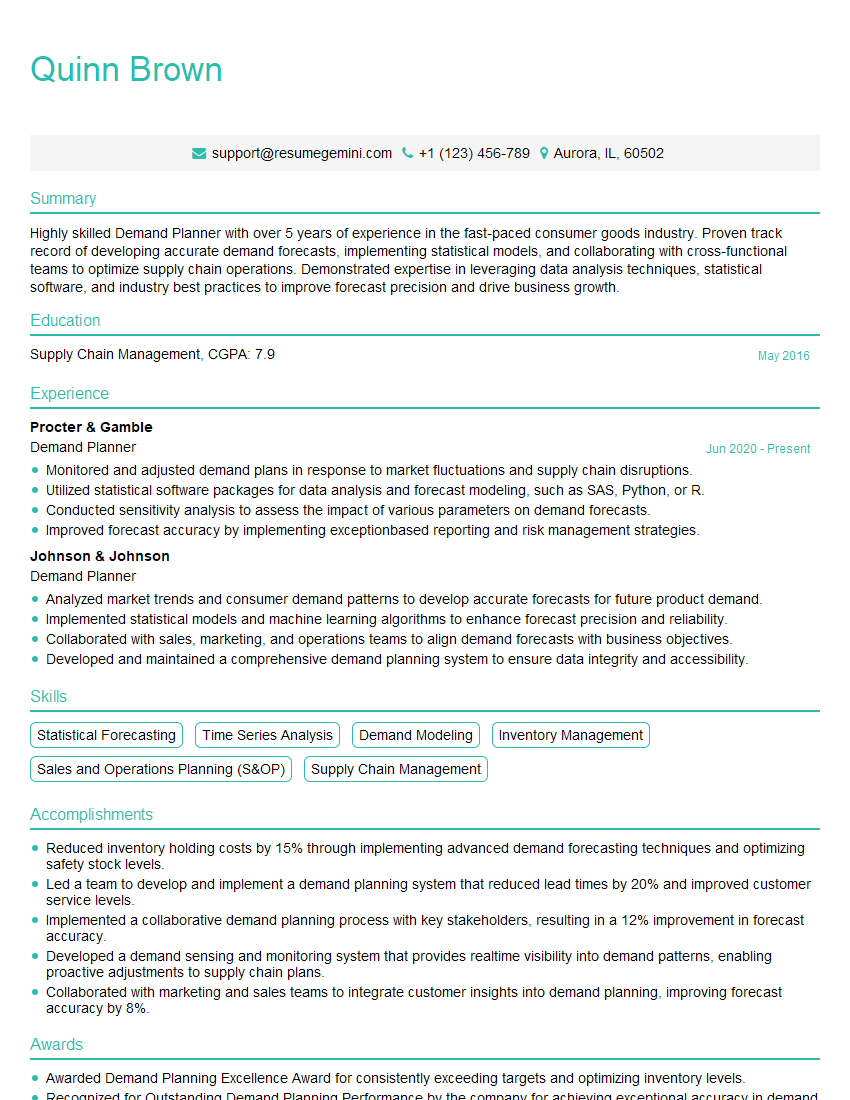
Demand Planner Resume Sample
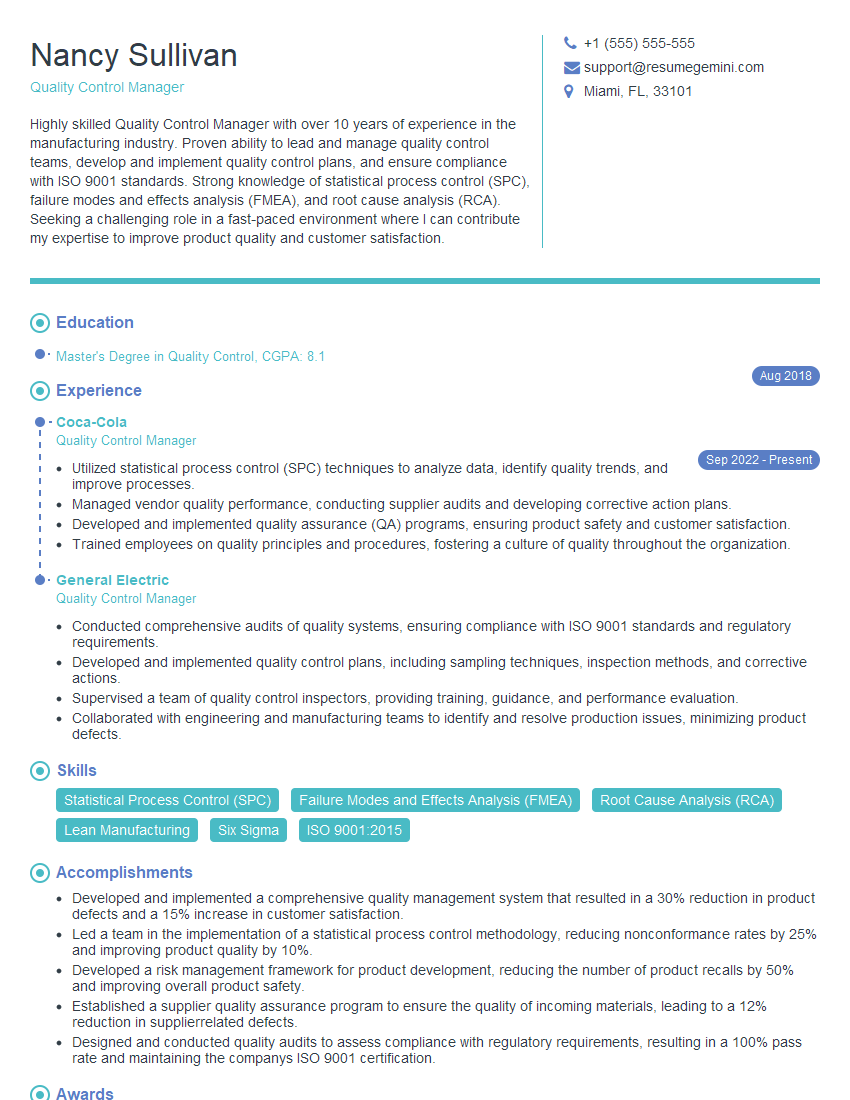
Quality Control Manager Resume Sample
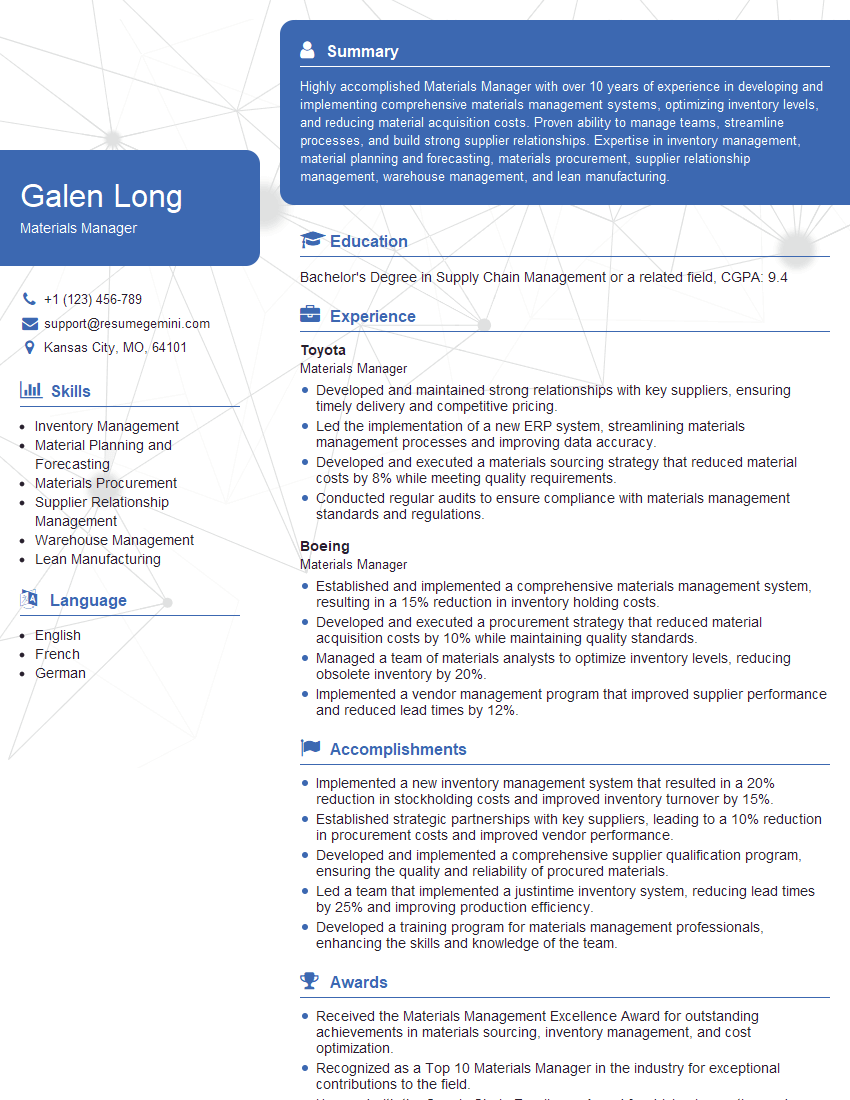
Materials Manager Resume Sample

Procurement Manager Resume Sample
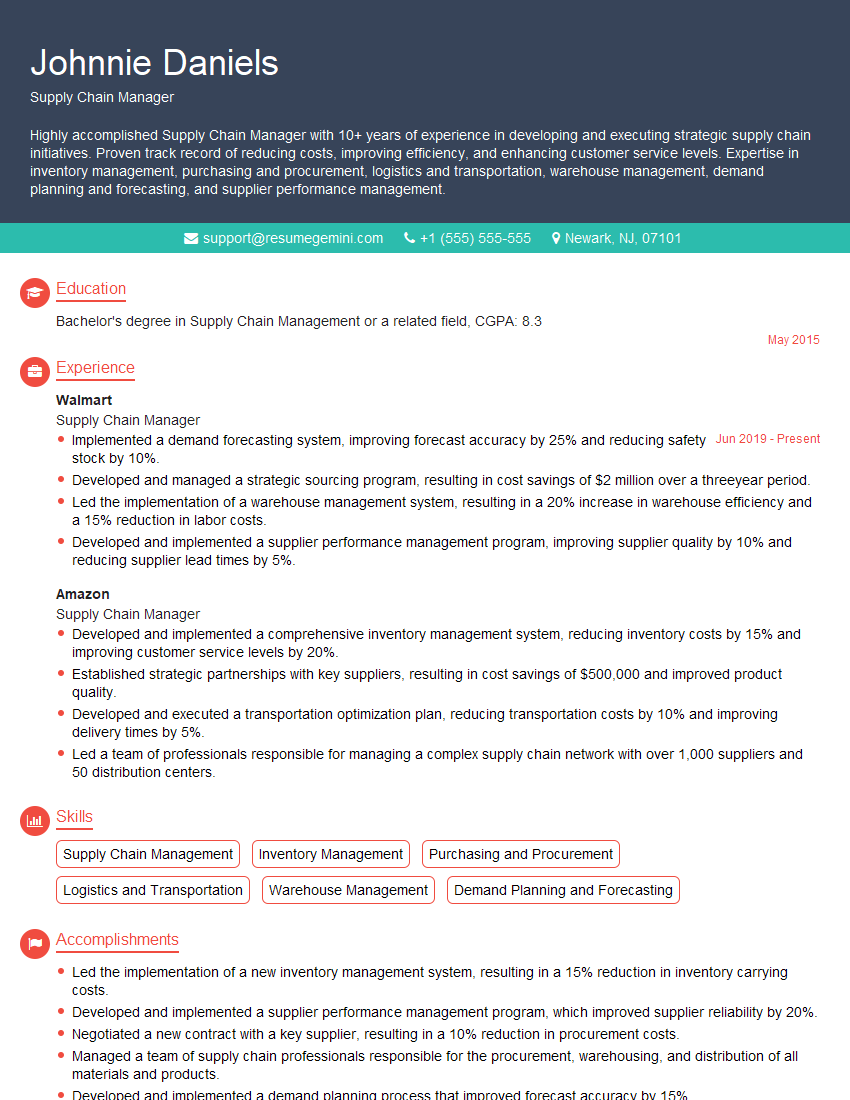
Supply Chain Manager Resume Sample
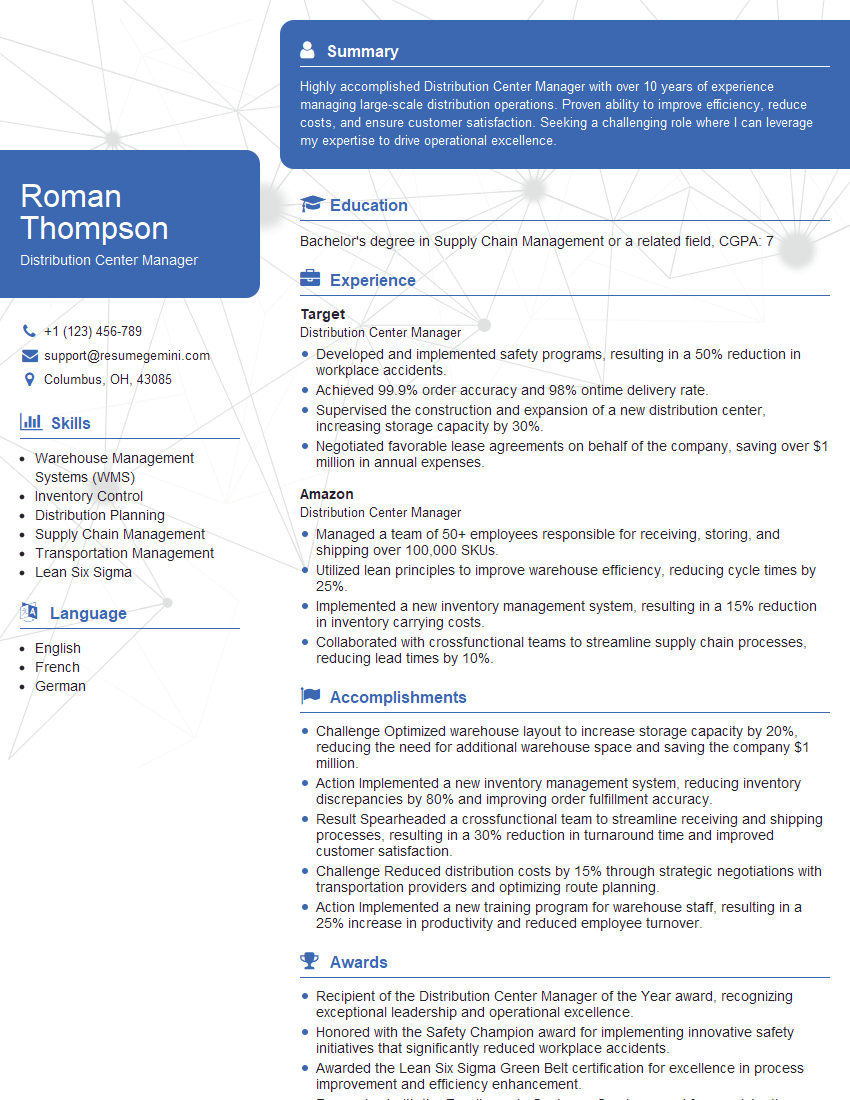
Distribution Center Manager Resume Sample
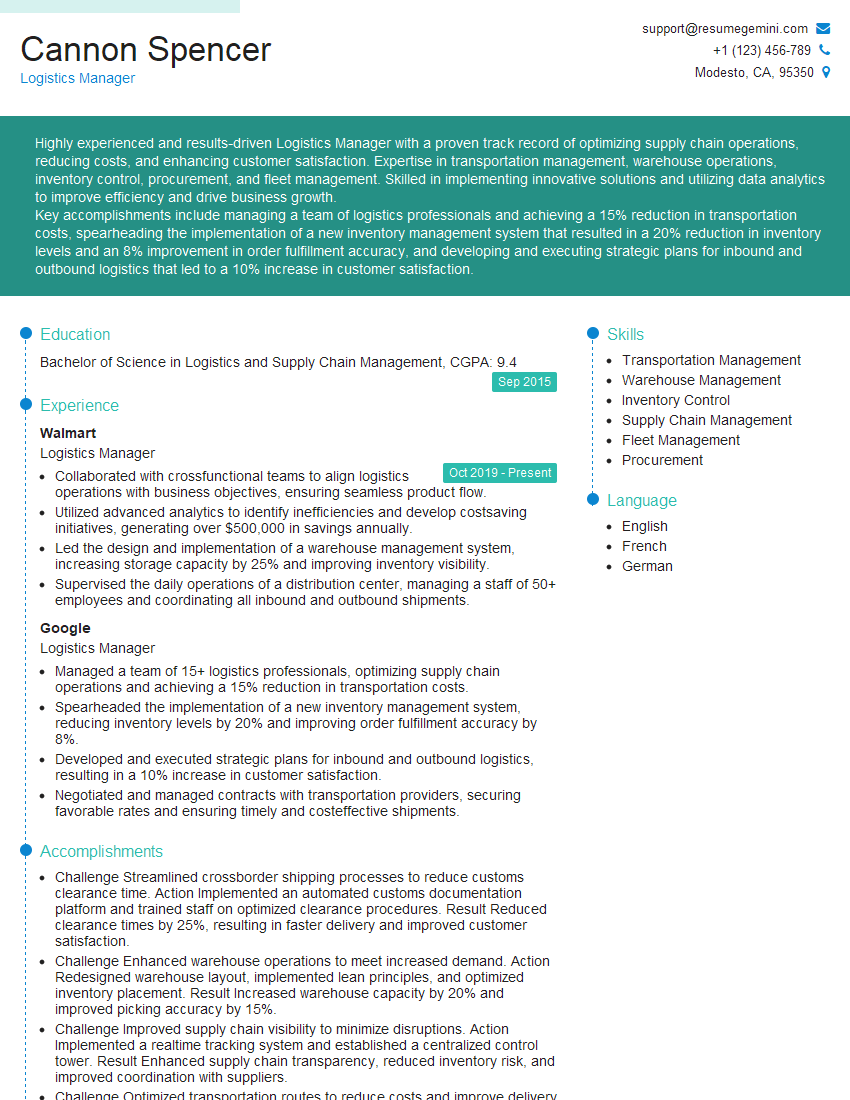
Logistics Manager Resume Sample
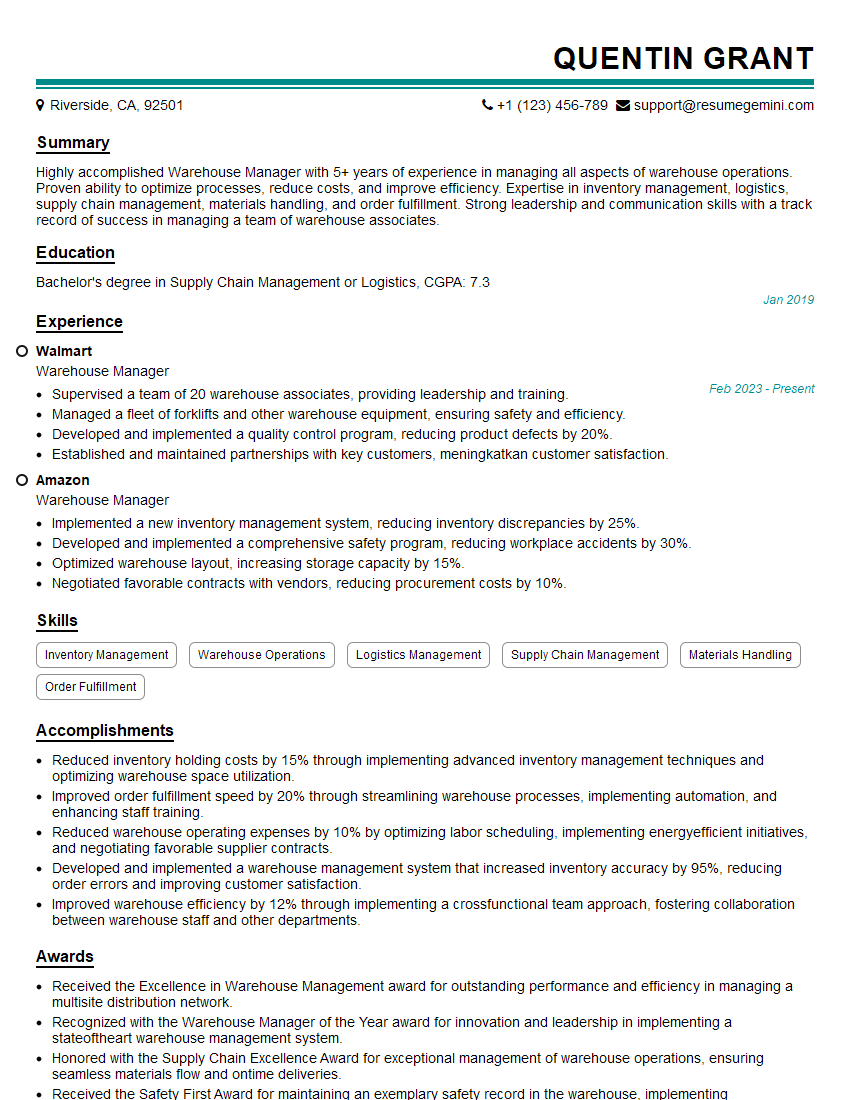
Warehouse Manager Resume Sample
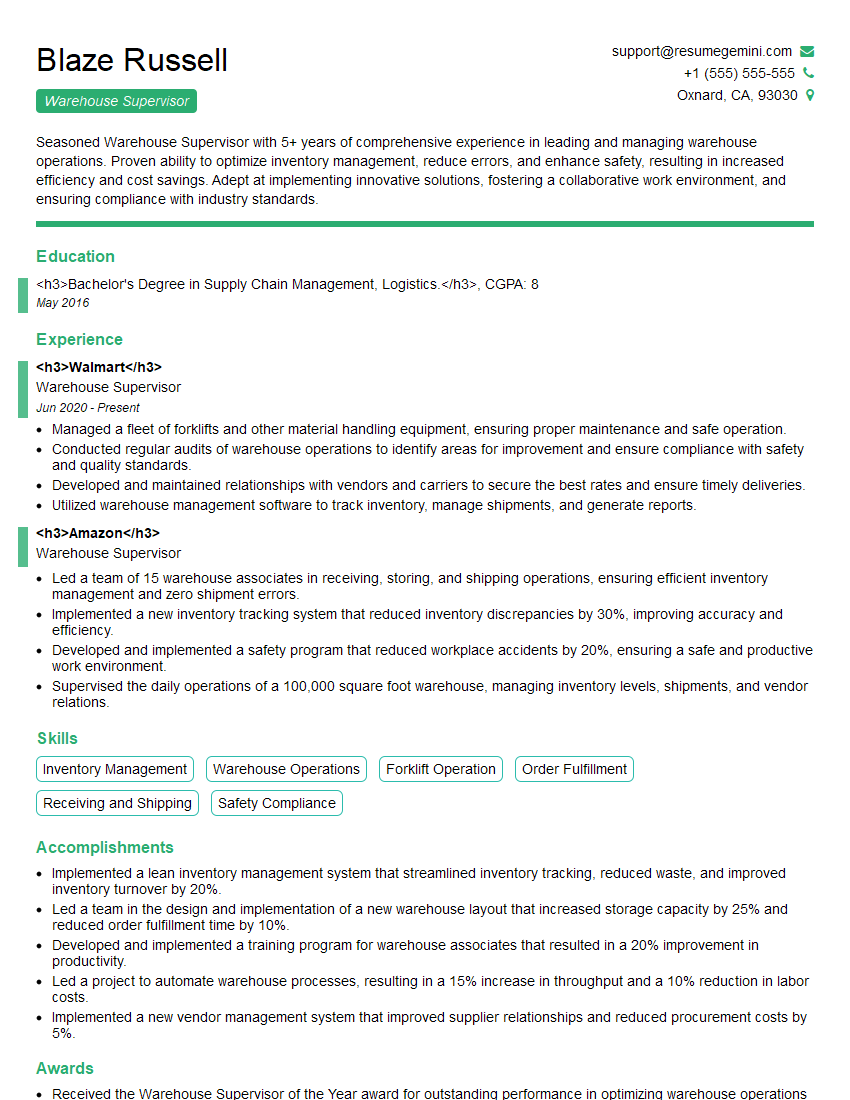
Warehouse Supervisor Resume Sample
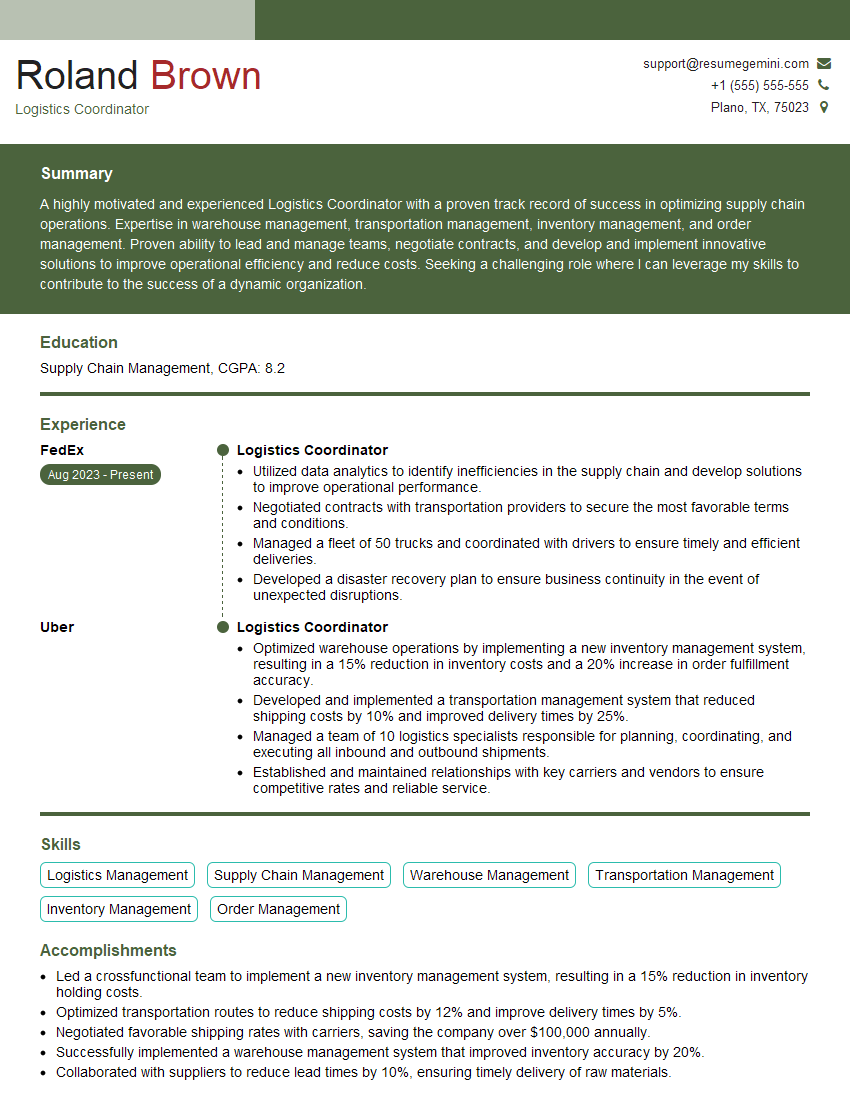
Logistics Coordinator Resume Sample
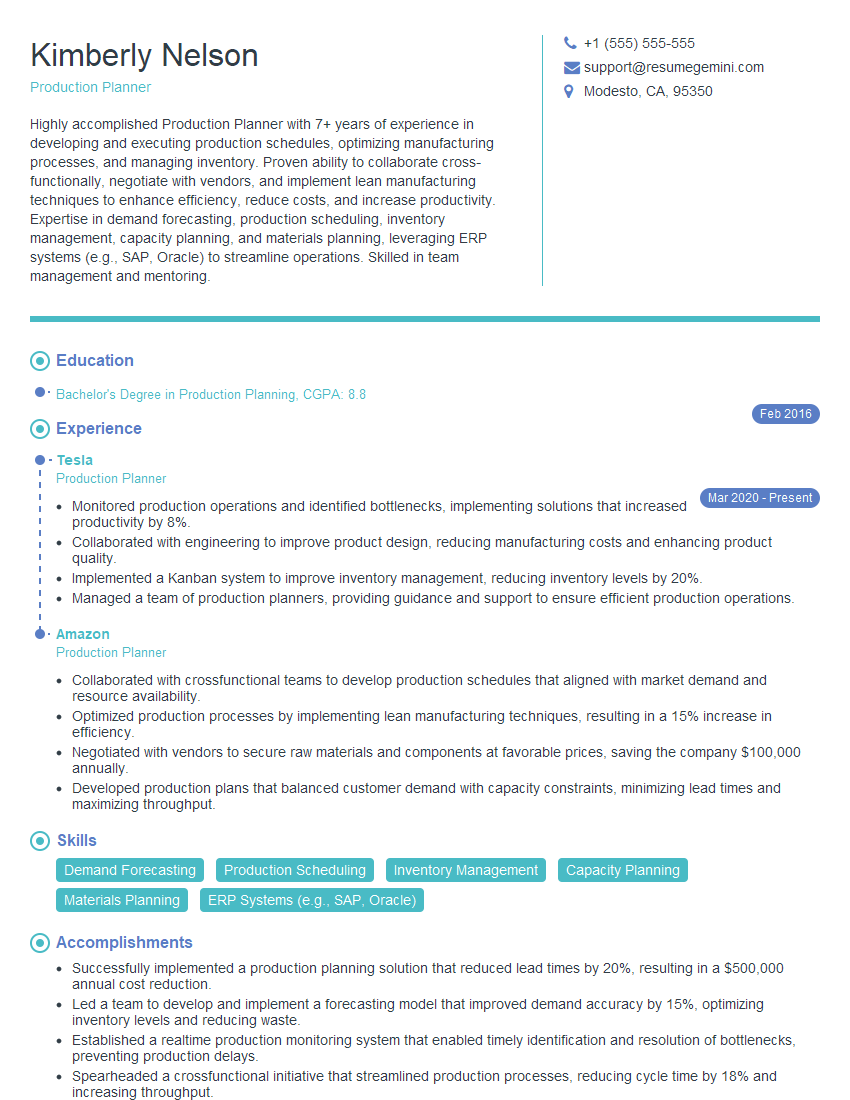
Production Planner Resume Sample
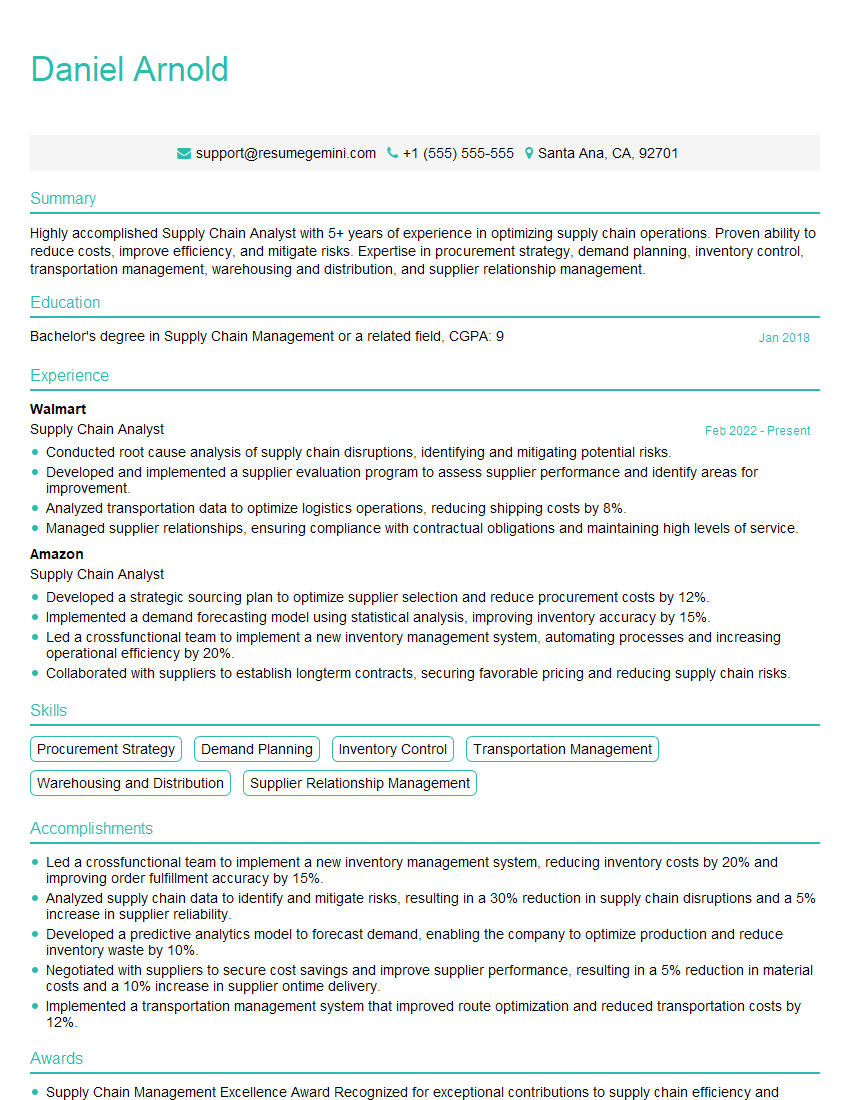
Supply Chain Analyst Resume Sample
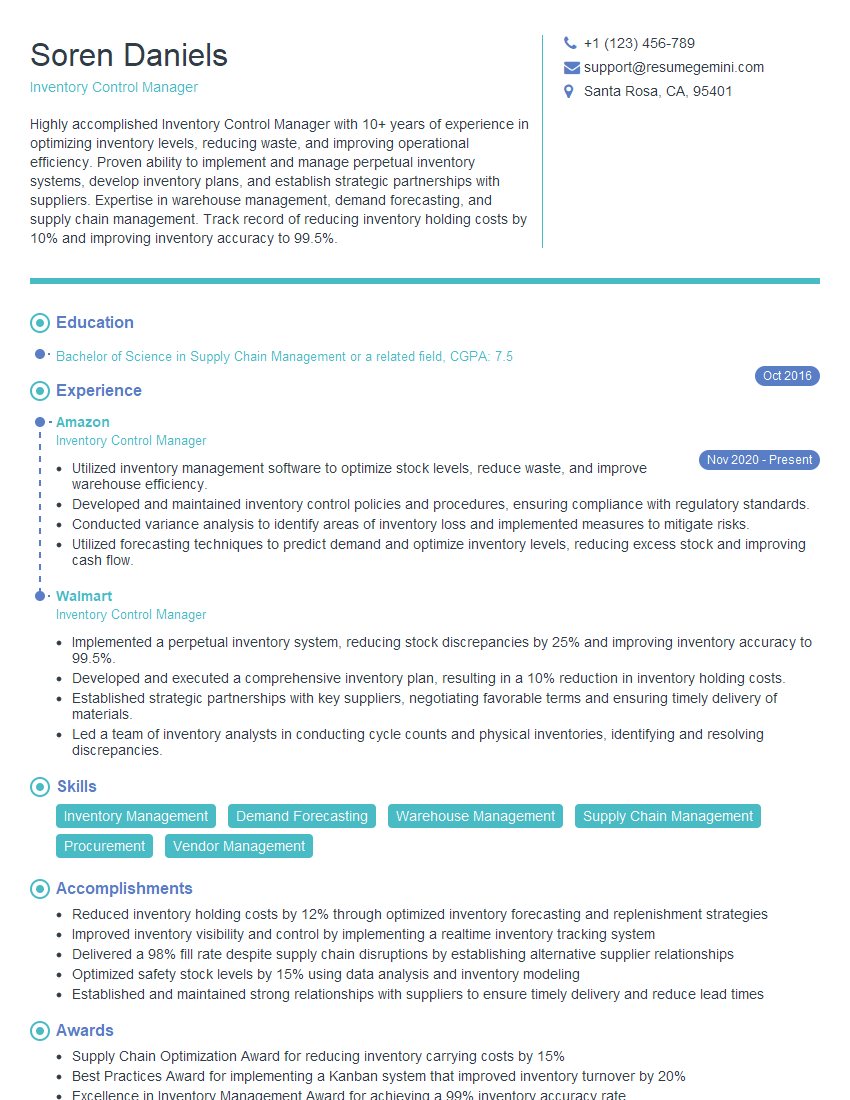
Inventory Control Manager Resume Sample
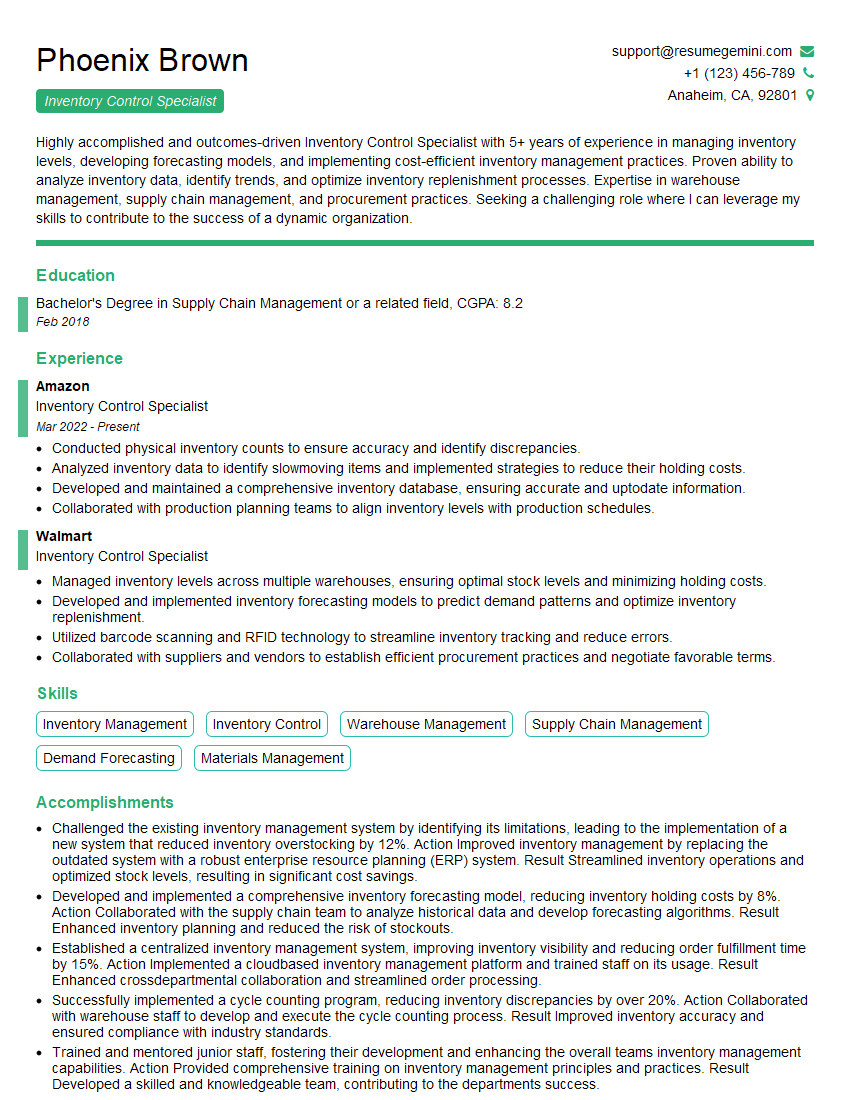
Inventory Control Specialist Resume Sample
- Operations Manager
- Demand Planner
- Quality Control Manager
- Materials Manager
- Procurement Manager
- Supply Chain Manager
- Distribution Center Manager
- Logistics Manager
- Warehouse Manager
- Warehouse Supervisor
- Logistics Coordinator
- Production Planner
- Supply Chain Analyst
- Inventory Control Manager
- Inventory Control Specialist
Explore more articles
Users Rating of Our Blogs
Share Your Experience
We value your feedback! Please rate our content and share your thoughts (optional).
What Readers Say About Our Blog
Very informative content, great job.
good