The thought of an interview can be nerve-wracking, but the right preparation can make all the difference. Explore this comprehensive guide to Proficiency in Aviation Safety Procedures interview questions and gain the confidence you need to showcase your abilities and secure the role.
Questions Asked in Proficiency in Aviation Safety Procedures Interview
Q 1. Explain the significance of ICAO Annex 19.
ICAO Annex 19, Safety Management, is the cornerstone of a proactive safety approach in aviation. It provides a global framework for States and organizations to establish and operate effective Safety Management Systems (SMS). Think of it as the instruction manual for building a robust safety culture within the aviation industry. It doesn’t prescribe specific solutions, but instead outlines the principles and elements necessary for creating a system tailored to an organization’s specific needs and risks.
Its significance lies in its universality. By providing a common standard, Annex 19 facilitates international cooperation and ensures a consistent level of safety across the globe. It promotes consistent reporting, analysis, and mitigation of safety hazards, ultimately leading to improved safety performance across all aspects of aviation.
Q 2. Describe the process of conducting a safety audit.
Conducting a safety audit is a systematic process of evaluating an organization’s safety performance against established standards and best practices. Imagine it as a thorough health check for an aviation operation. It involves a detailed review of procedures, documentation, and actual practices to identify potential hazards and weaknesses in the safety management system.
- Planning & Scoping: Defining the scope, objectives, and methodology of the audit. This includes identifying the areas to be reviewed and the specific standards against which performance will be measured (e.g., ICAO Annex 6, specific operational manuals).
- Data Collection: Gathering evidence through interviews, document review, observation of operations, and analysis of safety data. This is where auditors look for gaps between planned procedures and actual practice.
- Findings & Analysis: Evaluating the collected evidence to identify safety concerns, hazards, and areas for improvement. This requires expert judgement to determine the significance of any observed deficiencies.
- Reporting & Recommendations: Documenting the findings, conclusions, and recommendations for corrective action. A clear and concise report facilitates effective communication of findings and informs management’s response.
- Follow-up: Monitoring the implementation of corrective actions to ensure effectiveness and to close out identified deficiencies.
For example, an audit might examine an airline’s maintenance program to ensure compliance with regulatory requirements and identify potential issues that could lead to aircraft malfunction.
Q 3. What are the key elements of a robust safety management system (SMS)?
A robust SMS is built upon four key pillars: safety policy, safety risk management, safety assurance, and safety promotion. Imagine them as the four legs of a table; if one is weak, the entire structure is unstable.
- Safety Policy: A formally documented statement that outlines the organization’s commitment to safety, defining roles, responsibilities, and resources allocated to safety. It sets the tone from the top.
- Safety Risk Management: The systematic process of identifying, analyzing, and mitigating safety risks. This involves hazard identification, risk assessment, and the implementation of control measures (think of this as proactive hazard avoidance).
- Safety Assurance: Processes used to verify the effectiveness of safety risk controls and the overall SMS. This includes audits, inspections, monitoring safety data, and using this information to improve the system (think of this as ongoing validation).
- Safety Promotion: Activities that foster a strong safety culture, encouraging employees to report hazards without fear of reprisal and actively participate in safety improvement. This includes training, communication, and fostering a culture of open reporting (think of this as continuous improvement).
For example, a robust SMS will include procedures for reporting near misses, a process for conducting risk assessments for new operations, regular safety training for staff, and effective methods for disseminating safety information.
Q 4. How do you identify and assess aviation safety risks?
Identifying and assessing aviation safety risks is a continuous process. It involves a combination of proactive and reactive methods. Think of it like a detective solving a crime; you need to gather clues, analyze evidence, and build a case to understand the risk.
- Hazard Identification: This involves systematically identifying potential hazards through various methods like brainstorming, checklists, historical data analysis, and accident/incident reporting. Examples include potential runway incursions, bird strikes, or equipment malfunction.
- Risk Assessment: Once hazards are identified, they are assessed based on the likelihood of occurrence and severity of potential consequences. Techniques like HAZOP (Hazard and Operability Study) and bow-tie analysis are commonly employed to visually map out risks and preventative measures.
- Risk Mitigation: Based on the risk assessment, appropriate control measures are implemented to mitigate the identified risks. This might include changes to procedures, training, equipment upgrades, or changes to operational policies.
- Risk Monitoring & Review: The effectiveness of the control measures is continually monitored and reviewed to ensure they are still effective and appropriate. Risk assessments should be regularly updated to reflect changes in operations and technology.
For example, identifying the risk of pilot fatigue might involve analyzing pilot duty times, flight schedules, and rest periods to determine the likelihood and consequences of fatigue-related incidents.
Q 5. Outline the steps involved in investigating an aviation accident.
Investigating an aviation accident is a complex process that aims to determine the cause(s) of the accident to prevent similar events from occurring in the future. Think of it as a detailed scientific inquiry aiming to learn from mistakes.
- Securing the Accident Site: This involves protecting the site from unauthorized access and preserving evidence.
- Gathering Evidence: This involves collecting physical evidence (wreckage, flight recorders), interviewing witnesses, reviewing flight plans and maintenance logs, and analyzing weather data.
- Data Analysis: This involves meticulously analyzing the gathered evidence to identify contributing factors and causal chains. This often involves specialist expertise in areas such as meteorology, human factors, and engineering.
- Determining the Probable Cause: This involves drawing conclusions based on the analysis of evidence, identifying the most likely factors that led to the accident. This might involve multiple contributing factors.
- Safety Recommendations: Based on the findings, safety recommendations are developed to prevent future occurrences. This might include regulatory changes, modifications to procedures, or changes to aircraft design.
An example is analyzing flight recorder data to determine the sequence of events leading to a loss of control incident, and then possibly recommending modifications to pilot training or aircraft design based on the identified shortcomings.
Q 6. What is the role of human factors in aviation safety?
Human factors are pivotal in aviation safety. They encompass the physical and mental capabilities and limitations of pilots, air traffic controllers, maintenance personnel, and other aviation professionals. Think of it as acknowledging that humans, while capable, are also fallible. Understanding human limitations is key to designing safer systems and procedures.
Human factors contribute to accidents through various means including: fatigue, stress, inadequate training, poor communication, decision-making errors, and situational awareness deficiencies. By understanding how these factors interact with the operational environment, we can design safer procedures, cockpits, and training programs. For example, designing cockpits with clear displays and intuitive controls, developing standardized communication protocols, and implementing fatigue management programs are all examples of addressing human factor considerations.
Q 7. Explain the principles of Just Culture in aviation.
Just Culture in aviation is a philosophy that aims to balance accountability with a focus on learning from errors and near misses. It promotes a culture where individuals are encouraged to report errors without fear of blame, while still holding individuals accountable for reckless behavior. It’s about finding the right balance between accountability and learning.
The core principles include:
- Reporting culture: Encourage open reporting of errors and near misses without fear of punishment.
- Accountability: Holding individuals accountable for their actions, particularly reckless behavior or gross negligence.
- Learning from errors: Using errors as opportunities to learn and improve systems and procedures.
- Transparency: Openly sharing information about errors and their causes to promote learning and prevent recurrence.
A just culture distinguishes between human error, at-risk behavior, and reckless behavior, applying different levels of accountability to each. It aims to create a supportive environment where safety is valued above blame, fostering a safer and more reliable aviation system.
Q 8. Describe different types of safety reporting systems.
Aviation safety reporting systems are crucial for proactively identifying and addressing potential hazards. They vary in their approach, but all aim to encourage the reporting of safety concerns without fear of reprisal. Several key types exist:
- Voluntary Reporting Programs (VRPs): These are anonymous or confidential systems where individuals can report safety concerns without fear of disciplinary action. The focus is on learning from incidents, not assigning blame. For example, a pilot might report a near-miss due to unexpected weather conditions without fearing repercussions.
- Mandatory Occurrence Reporting (MOR): Certain events, often defined by regulations, must be reported. This ensures that serious incidents are investigated thoroughly. Examples include aircraft accidents, serious incidents, and significant system failures. These reports are often detailed and contribute significantly to safety investigations.
- Safety Management System (SMS) Reporting Systems: Integrated within an organization’s SMS, these systems manage all safety reports, categorizing them by hazard type, severity, and corrective action required. These systems leverage data analysis to improve safety procedures proactively. This might include a company-specific database that tracks all near-misses, incidents, and safety suggestions across all company operations.
- Confidential Just Culture Reporting Systems: These aim to balance accountability with a focus on learning. They encourage reporting while still addressing individual responsibility, but with a focus on system-level improvements rather than solely individual blame. This allows employees to raise concerns without the fear of punishment, while still ensuring accountability for serious negligence.
The choice of system or a combination thereof depends on the organization’s size, complexity, and safety culture.
Q 9. How do you manage safety performance indicators (KPIs)?
Managing Safety Performance Indicators (KPIs) involves a systematic approach to track, analyze, and improve safety performance. It’s not just about collecting data; it’s about using that data to drive meaningful change. Effective KPI management includes:
- Defining Relevant KPIs: Identify KPIs relevant to your specific operations. This might include things like the number of safety incidents, the number of corrective actions implemented, the time taken to complete safety investigations, or the number of safety suggestions received.
- Data Collection and Analysis: Establish a robust system for collecting accurate and timely data related to your KPIs. Use data analysis techniques to identify trends, patterns, and areas for improvement. This might involve using spreadsheets, databases, or specialized safety management software.
- Setting Targets and Monitoring Progress: Set realistic and measurable targets for each KPI. Regularly monitor progress against these targets and identify any deviations. This could involve monthly review meetings to assess KPI performance.
- Implementing Corrective Actions: When deviations from targets are identified, investigate the root causes and implement appropriate corrective actions. This might include process improvements, training programs, or changes to procedures.
- Regular Review and Adjustment: KPIs should be regularly reviewed and adjusted to ensure they remain relevant and effective. The aviation environment is dynamic, and your KPIs need to evolve to reflect this.
Imagine using a KPI tracking the number of runway incursions. Consistent tracking highlights areas needing immediate attention, such as improved communication protocols or additional training.
Q 10. What are your strategies for effective safety communication?
Effective safety communication is paramount in aviation. It’s about ensuring that the right information reaches the right people at the right time. My strategies include:
- Multi-Channel Communication: Utilize a variety of communication channels to reach a wider audience. This might include newsletters, safety briefings, toolbox talks, company intranets, and safety alerts.
- Clear and Concise Messaging: Ensure all safety messages are clear, concise, and easy to understand, avoiding technical jargon where possible. Use visual aids and simple language to enhance comprehension.
- Feedback Mechanisms: Establish mechanisms for receiving feedback on safety communications. This helps identify areas for improvement and ensures that information is well-received.
- Regular Communication: Maintain regular communication on safety issues, both proactively and reactively. Regular updates keep everyone informed and engaged.
- Training in Communication Skills: Provide training to staff on effective communication techniques, particularly regarding the delivery of safety-critical information.
- Transparency and Openness: Foster a culture of transparency and openness in safety matters. This encourages reporting and enhances trust.
For example, if there’s a new procedure implemented, it would be communicated through multiple channels (e.g., email, briefing, posters) ensuring that every employee understands the changes and how they affect their job.
Q 11. Describe your experience with safety training programs.
My experience with safety training programs is extensive. I have been involved in designing, delivering, and evaluating training programs for various aviation roles. This includes:
- Needs Analysis: Conducting thorough needs assessments to identify training gaps and tailor training content to address specific needs. This might involve surveys, interviews, and incident analysis.
- Developing Training Materials: Creating engaging and effective training materials, including presentations, handouts, videos, and interactive exercises. I prioritize real-world scenarios and case studies.
- Delivering Training: Employing various training methodologies, such as lectures, simulations, role-playing, and practical exercises, to enhance learning and retention.
- Evaluating Training Effectiveness: Developing and implementing methods to evaluate the effectiveness of training programs, including pre- and post-training assessments, feedback surveys, and performance monitoring. This helps to refine future training.
- Keeping Training Current: Ensuring that training programs are updated regularly to reflect changes in regulations, procedures, and best practices. This is crucial in the dynamic aviation industry.
For example, I developed a simulator-based training program for pilots on emergency landing procedures. The program used realistic scenarios and provided immediate feedback, improving pilot reaction time and decision-making skills.
Q 12. Explain the concept of safety risk mitigation.
Safety risk mitigation is the process of identifying, analyzing, and reducing the likelihood or severity of safety hazards. It’s a proactive approach to prevent accidents and incidents. The process typically involves:
- Hazard Identification: Identifying potential hazards through various methods, such as hazard checklists, risk assessments, and incident reporting.
- Risk Analysis: Assessing the likelihood and severity of each identified hazard. This often involves using a risk matrix to prioritize hazards based on their potential impact.
- Risk Evaluation: Determining the acceptability of the residual risk after mitigation measures are applied. This is usually based on organizational tolerance levels.
- Risk Control: Implementing control measures to reduce the likelihood or severity of the hazard. This could involve engineering controls (e.g., safety equipment), administrative controls (e.g., new procedures), or personal protective equipment (PPE).
- Monitoring and Review: Regularly monitoring the effectiveness of the control measures and reviewing the risk assessment to ensure it remains relevant and accurate.
Imagine a scenario where a specific type of engine failure is identified as a potential hazard. Mitigation could involve enhanced maintenance procedures, improved engine design, or pilot training on emergency procedures for that specific failure.
Q 13. How do you handle safety-related emergencies?
Handling safety-related emergencies requires a calm, decisive, and systematic approach. My response would involve:
- Immediate Action: Taking immediate action to address the immediate threat to safety, following established emergency procedures. This might involve activating emergency services, evacuating personnel, or securing the area.
- Incident Management: Following a structured incident management process to control the situation, minimize further harm, and preserve evidence. This typically involves a clearly defined chain of command and communication protocols.
- Investigation: Conducting a thorough investigation into the root causes of the emergency. This will be objective and impartial to avoid repetition.
- Corrective Actions: Implementing appropriate corrective actions to prevent recurrence. This might involve changes to procedures, equipment upgrades, or additional training.
- Reporting and Documentation: Accurately reporting the incident to relevant authorities and maintaining thorough documentation throughout the process.
In a scenario like a runway incursion, the immediate action would be to halt all operations on that runway, ensure that the aircraft involved are clear, and then begin a thorough investigation into the sequence of events that led to the incursion.
Q 14. What is your understanding of regulatory compliance in aviation?
Regulatory compliance in aviation is crucial for ensuring safety and maintaining operational standards. My understanding encompasses:
- Knowledge of Regulations: A thorough understanding of all applicable national and international regulations, including those from bodies like the FAA (Federal Aviation Administration) or EASA (European Union Aviation Safety Agency).
- Staying Updated: Keeping abreast of any changes or updates to regulations and ensuring that all operational procedures remain compliant.
- Internal Audits: Conducting regular internal audits to assess compliance with regulations and identify any areas needing improvement.
- Documentation: Maintaining accurate and up-to-date documentation related to compliance, including maintenance records, training records, and safety reports.
- Working with Regulatory Authorities: Effectively collaborating with regulatory authorities during inspections and addressing any concerns or non-compliances promptly.
For example, understanding and adhering to regulations surrounding aircraft maintenance scheduling, pilot licensing, and flight operations is non-negotiable for maintaining safe and legal operations.
Q 15. How do you ensure effective safety management across different departments?
Effective safety management transcends departmental silos. It requires a unified approach where safety is everyone’s responsibility. I ensure this by fostering a strong safety culture through several key strategies:
- Cross-departmental collaboration: Regular meetings and joint training programs involving maintenance, operations, air traffic control, and administrative staff ensure shared understanding of safety procedures and potential hazards. This includes establishing clear communication channels and shared accountability for safety.
- Integrated safety management systems (SMS): Implementing a robust SMS framework that aligns with international standards (like ICAO’s Annex 19) ensures consistent safety practices across all departments. This includes hazard identification, risk assessment, risk mitigation, and continuous improvement processes.
- Shared safety goals and KPIs: Establishing clear safety goals and key performance indicators (KPIs) that are tracked and reviewed across departments promotes shared ownership and accountability for safety performance. Regular performance reviews should include safety metrics.
- Transparent communication: Open communication about safety incidents and near misses – without blame – is crucial. This allows for learning from mistakes and preventing future occurrences. A blame-free reporting culture is essential.
For example, in a previous role, we integrated our maintenance department’s findings directly into the flight operations risk assessment process. This resulted in a 15% reduction in incidents related to aircraft malfunctions within six months.
Career Expert Tips:
- Ace those interviews! Prepare effectively by reviewing the Top 50 Most Common Interview Questions on ResumeGemini.
- Navigate your job search with confidence! Explore a wide range of Career Tips on ResumeGemini. Learn about common challenges and recommendations to overcome them.
- Craft the perfect resume! Master the Art of Resume Writing with ResumeGemini’s guide. Showcase your unique qualifications and achievements effectively.
- Don’t miss out on holiday savings! Build your dream resume with ResumeGemini’s ATS optimized templates.
Q 16. Describe your experience with safety data analysis and reporting.
Safety data analysis is the cornerstone of proactive safety management. My experience encompasses data collection, analysis, and reporting using both qualitative and quantitative methods. I’m proficient in using various software tools for this purpose.
- Data Collection: This involves gathering data from various sources including accident and incident reports, maintenance logs, flight data recorders (FDRs), and operational records. This data needs to be accurate, complete, and timely.
- Data Analysis: I use statistical methods and trend analysis to identify patterns, root causes, and contributing factors to safety occurrences. This may involve identifying recurring issues, understanding the frequency and severity of hazards, and pinpointing areas needing immediate attention.
- Reporting: I prepare clear, concise, and action-oriented safety reports that highlight findings, recommendations, and implemented corrective actions. These reports are tailored to the audience, from frontline staff to senior management.
In one instance, I analyzed flight data to identify a subtle increase in landing incidents during low visibility conditions. My report led to updated training procedures and changes to operational guidelines, resulting in a significant drop in such incidents. I also often utilize visual aids like charts and graphs to make complex data easier to understand for non-technical audiences.
Q 17. How do you balance safety with operational efficiency?
Balancing safety and operational efficiency is not a compromise; it’s a synergistic relationship. Cutting corners on safety to improve efficiency is unacceptable. Instead, I approach this through:
- Risk-based decision-making: This involves evaluating the risks associated with different operational choices and selecting the option that minimizes risk while maintaining acceptable levels of efficiency. Cost-benefit analysis is sometimes a component but safety should always be prioritized.
- Process optimization: Streamlining operational processes can improve efficiency without compromising safety. This might involve implementing new technologies or optimizing workflows. It requires careful consideration to ensure that new processes don’t introduce new risks.
- Investing in safety technology: Implementing advanced technologies, such as collision avoidance systems (CAS) or automated weather observation systems (AWOS), enhances safety while often improving efficiency in the long run.
- Continuous improvement: Regularly reviewing and updating safety procedures and operational practices allows for finding more effective ways to improve efficiency while maintaining or improving safety standards.
For example, implementing a more efficient flight planning system reduced flight times slightly while simultaneously reducing pilot workload and improving situational awareness, thereby contributing to increased safety.
Q 18. Explain your approach to proactive safety management.
Proactive safety management focuses on preventing accidents before they happen. My approach involves:
- Hazard identification and risk assessment: Regularly identifying potential hazards through various methods such as checklists, safety audits, and safety reporting systems. This is followed by a thorough risk assessment to determine the likelihood and severity of potential hazards.
- Safety promotion and training: Conducting regular safety training programs for all staff, covering topics such as human factors, risk management, and emergency procedures. A strong safety culture is cultivated through consistent reinforcement.
- Safety audits and inspections: Regularly conducting safety audits and inspections to ensure compliance with safety regulations and identify areas needing improvement. These audits are not punitive but rather opportunities for continuous learning and betterment.
- Safety communication and feedback: Establishing open communication channels to encourage safety reporting and feedback from all levels of the organization. This empowers individuals to contribute to a safer work environment.
One example is using a bow-tie analysis to identify preventative and mitigating controls for a specific hazard, like bird strikes at an airport. By proactively implementing these controls, we successfully reduced the likelihood of such incidents.
Q 19. How do you ensure the effectiveness of your safety recommendations?
The effectiveness of safety recommendations depends on implementation and follow-up. I ensure effectiveness by:
- Clear and actionable recommendations: Framing recommendations in a clear and concise manner, outlining specific actions to be taken and assigning responsibility for implementation.
- Prioritization and feasibility: Prioritizing recommendations based on their potential impact and feasibility. High-impact, easily implemented recommendations are addressed first.
- Implementation tracking and monitoring: Monitoring the implementation of recommendations and tracking progress against timelines. This often involves regular meetings and reports.
- Follow-up and evaluation: Following up on the implemented measures to evaluate their effectiveness and make adjustments as needed. This is a cyclical process of continuous improvement.
- Feedback mechanisms: Creating channels for feedback on implemented recommendations, allowing for adjustments and refinements based on real-world experience.
For instance, after recommending a change to pre-flight checklists, I monitored the implementation through observation and data analysis. This allowed me to verify the effectiveness of the change and make minor adjustments for better overall impact.
Q 20. What are some common safety hazards in aviation and how do you mitigate them?
Aviation faces numerous safety hazards, broadly categorized as:
- Human factors: Pilot fatigue, stress, decision-making errors, and inadequate training are significant contributors to incidents. Mitigation involves robust training programs, crew resource management (CRM) training, and fatigue management strategies.
- Environmental factors: Weather conditions (e.g., low visibility, turbulence), wildlife strikes (bird strikes), and runway incursions pose significant threats. Mitigation involves weather forecasting, wildlife management programs, and enhanced ground control procedures.
- Mechanical factors: Aircraft malfunctions, system failures, and inadequate maintenance can lead to incidents. Mitigation involves stringent maintenance schedules, regular inspections, and advanced diagnostics.
- Organizational factors: Inadequate safety management systems, insufficient communication, and organizational pressures can create an environment conducive to accidents. Mitigation involves robust safety management systems, fostering a strong safety culture, and transparent communication.
For example, to mitigate bird strikes, we implemented a comprehensive bird hazard management plan that included habitat modification near runways, regular bird surveys, and pilot training on bird avoidance techniques.
Q 21. Describe a time you had to deal with a difficult safety-related issue.
During a routine safety audit, we uncovered a significant discrepancy in maintenance records regarding a critical aircraft component. Initial investigation suggested a potential cover-up to avoid delaying a flight. This was a serious breach of safety protocols.
My approach involved:
- Immediate investigation: I assembled a team to thoroughly investigate the discrepancy, interviewing personnel and reviewing all relevant documentation.
- Non-punitive approach: While emphasizing the severity of the issue, I maintained a non-punitive approach to encourage open communication and collaboration during the investigation.
- Root cause analysis: We conducted a root cause analysis to understand the underlying factors contributing to the discrepancy, uncovering significant pressure from management to maintain on-time performance.
- Corrective actions: We implemented corrective actions including improved record-keeping procedures, additional oversight of maintenance activities, and retraining of personnel on safety procedures. Most importantly, we addressed the root cause of the pressure to compromise safety.
- Management intervention: The findings were presented to senior management, leading to changes in organizational culture to prioritize safety over on-time performance.
This experience highlighted the importance of a strong safety culture and robust reporting system where issues are addressed proactively and without fear of retribution. The outcome was a significant improvement in maintenance record accuracy and a renewed commitment to safety across the organization.
Q 22. What are your knowledge of Emergency Response Plan (ERP)?
An Emergency Response Plan (ERP) is a documented process outlining the actions to be taken in the event of an aviation emergency. It’s not just a static document; it’s a living, breathing strategy that’s regularly reviewed and updated. A well-structured ERP covers all phases of an emergency, from initial detection and notification to evacuation, rescue, and post-incident investigation. Think of it as a detailed playbook for handling any unexpected situation, ensuring a coordinated and efficient response that prioritizes safety.
A comprehensive ERP typically includes:
- Emergency Notification Procedures: Defining how alerts are issued to relevant personnel, including pilots, air traffic control, emergency services, and company management.
- Emergency Communication Protocols: Specifying communication channels and methods, including frequencies, contact lists, and reporting structures.
- Emergency Response Teams: Identifying roles and responsibilities of each team member, from first responders to medical personnel and public relations officials.
- Evacuation Procedures: Detailed instructions for passenger and crew evacuation, including the use of emergency equipment and safety procedures.
- Post-Incident Procedures: Covering investigation, damage assessment, recovery efforts, and communication with stakeholders.
For example, an ERP for a regional airport might differ significantly from that of a major international hub, reflecting variations in infrastructure, resources, and potential hazards.
Q 23. How familiar are you with different types of aircraft accident investigations?
Aircraft accident investigations are rigorous processes aimed at determining the root causes of incidents, preventing future occurrences, and improving safety. There are several types of investigations, categorized by severity and nature:
- Accident Investigation: This is for events resulting in fatalities or serious injuries, substantial aircraft damage, or an aircraft missing a substantial portion of its structure. These investigations are typically thorough and involve multiple agencies.
- Incident Investigation: This covers events that did not lead to fatalities or serious injuries but could have, or those that resulted in substantial damage without causing harm. These are less extensive but still crucial for identifying potential hazards.
- Serious Incident Investigation: These sit between accidents and incidents, involving events with significant potential for harm, even if no harm resulted.
The methods used can include:
- Witness Interviews: Gathering statements from pilots, air traffic controllers, ground crew, and passengers.
- Flight Data Recorder (FDR) and Cockpit Voice Recorder (CVR) Analysis: Examining flight data and cockpit conversations to recreate the flight’s sequence.
- Wreckage Examination: A meticulous examination of the aircraft’s remains to identify points of failure or damage.
- Meteorological Data Analysis: Studying weather conditions at the time of the incident.
Different governing bodies, such as the NTSB (National Transportation Safety Board) in the US or the AAIB (Air Accidents Investigation Branch) in the UK, handle investigations, adhering to international standards like ICAO Annex 13.
Q 24. What is your experience with safety regulations (e.g., FAA, EASA)?
My experience encompasses a deep familiarity with both FAA (Federal Aviation Administration) and EASA (European Union Aviation Safety Agency) regulations. I understand the nuances of their respective rule sets, including Part 121 (US air carrier operations), Part 91 (US general aviation operations), and EASA Part-OPS (European air operations regulations). This includes a solid grasp of airworthiness directives (ADs), operational regulations, maintenance requirements, and safety management system (SMS) mandates. I’ve worked directly with these regulations in various roles, ensuring compliance and proactively mitigating safety risks.
For instance, I’ve been involved in audits, ensuring compliance with regulations related to flight operations, maintenance programs, and safety management systems. I understand the importance of staying updated on regulatory changes and their impact on operational procedures. I’m also familiar with the process of obtaining and maintaining necessary certifications and approvals. A strong understanding of these regulations is paramount for maintaining a high level of aviation safety.
Q 25. How do you stay current with aviation safety best practices?
Staying current with aviation safety best practices requires a multi-faceted approach. I actively engage in several methods:
- Professional Organizations: Membership in organizations like the AIAA (American Institute of Aeronautics and Astronautics) or similar bodies provides access to conferences, publications, and networking opportunities.
- Regulatory Updates: I closely monitor changes to regulations from the FAA, EASA, and ICAO, ensuring I’m up-to-date on amendments and new requirements.
- Industry Publications and Journals: Reading aviation safety journals and publications keeps me informed about current trends, accident investigations, and technological advancements.
- Safety Conferences and Seminars: Attending conferences allows direct interaction with industry experts and access to the latest research and findings.
- Online Resources and Databases: Utilizing online resources like the FAA’s website and other reputable databases provides access to accident reports, safety bulletins, and best practice guides.
For example, regularly reviewing safety alerts and bulletins issued by regulatory bodies allows proactive identification and mitigation of potential hazards. This proactive approach significantly contributes to a safer operational environment.
Q 26. Explain your understanding of Crew Resource Management (CRM).
Crew Resource Management (CRM) is a widely adopted approach that emphasizes teamwork and communication in aviation. It goes beyond simple cooperation; it’s about creating a cockpit environment where everyone’s input is valued, errors are minimized, and potential hazards are proactively addressed. Think of it as a structured approach to maximize crew efficiency and safety.
Key elements of CRM include:
- Effective Communication: Clear, concise, and timely communication between pilots and other crew members. This includes active listening, clear instructions, and confirming understanding.
- Situational Awareness: Maintaining a comprehensive understanding of the aircraft’s state, the environment, and potential hazards.
- Decision-Making: A collaborative approach to decision-making, considering all available information and perspectives.
- Leadership and Followership: Understanding roles and responsibilities, with effective leadership balancing authority with teamwork and collaboration.
- Workload Management: Efficiently distributing tasks and managing workload to prevent overload and maintain optimal performance.
CRM training helps crew members develop skills in communication, conflict resolution, and assertive behavior, leading to improved crew coordination and significantly enhanced safety.
Q 27. How do you ensure effective implementation of safety policies and procedures?
Effective implementation of safety policies and procedures requires a structured approach. It begins with clear communication and training, ensuring that everyone understands their roles and responsibilities.
My approach involves:
- Clear Communication: Disseminating policies and procedures clearly and concisely, using multiple channels as needed (e.g., manuals, presentations, online training).
- Comprehensive Training: Providing effective training programs that cover the practical application of policies and procedures. This includes hands-on training and realistic simulations to build competency.
- Regular Audits and Inspections: Conducting regular audits and inspections to assess compliance and identify areas for improvement. This provides a feedback loop to identify training gaps or areas needing policy refinement.
- Performance Monitoring: Tracking key performance indicators (KPIs) related to safety to identify trends and address potential issues proactively.
- Feedback Mechanisms: Establishing mechanisms for feedback from employees, allowing them to report concerns or suggest improvements.
- Continuous Improvement: Regularly reviewing and updating policies and procedures based on feedback, accident investigations, and best practices.
For example, a safety management system (SMS) provides a framework for continuous improvement, allowing for the systematic identification, analysis, and mitigation of safety hazards.
Q 28. Describe your proficiency with aviation safety software and tools.
I’m proficient with several aviation safety software and tools, including:
- Flight Data Analysis Software: I’m experienced with software used to analyze flight data recorder (FDR) data, identifying trends, anomalies, and potential safety issues. This includes tools for reconstructing flights and identifying contributing factors to incidents.
- Safety Management System (SMS) Software: I’m familiar with software platforms designed to manage safety reports, track hazard identification, and facilitate risk mitigation efforts.
- Maintenance Tracking Software: I have experience using software to manage aircraft maintenance records, ensuring compliance with regulations and minimizing the risk of maintenance-related issues.
- Accident Investigation Software: This includes tools for organizing and analyzing data collected during accident investigations. This often involves charting timelines, connecting data points, and identifying correlations.
Proficiency in these tools enables efficient analysis of data, leading to faster identification of hazards and better informed decision-making. Furthermore, I am adept at learning and adapting to new software as the field continues to evolve.
Key Topics to Learn for Proficiency in Aviation Safety Procedures Interview
- Risk Management Frameworks: Understand and apply various risk management models (e.g., SHELL model, Swiss cheese model) to analyze and mitigate aviation safety hazards. Consider practical scenarios where these models are applied.
- Accident Investigation and Reporting: Familiarize yourself with the process of investigating aviation accidents, including data collection, analysis, and reporting methodologies. Be prepared to discuss the importance of human factors in accident causation.
- Safety Management Systems (SMS): Demonstrate a thorough understanding of SMS principles, including proactive hazard identification, risk assessment, and mitigation strategies. Discuss practical implementations within an aviation organization.
- Human Factors in Aviation Safety: Explore the impact of human factors (e.g., fatigue, stress, communication breakdowns) on safety performance. Be ready to discuss mitigation techniques and training programs.
- Emergency Response Procedures: Understand various emergency procedures, including emergency response plans, evacuation procedures, and post-incident management. Practice applying these procedures in hypothetical scenarios.
- Regulatory Compliance: Demonstrate knowledge of relevant aviation safety regulations and standards (e.g., ICAO, FAA). Be prepared to discuss how these regulations are implemented and enforced.
- Safety Audits and Inspections: Understand the purpose and process of safety audits and inspections. Be able to discuss your experience in conducting or participating in such activities.
Next Steps
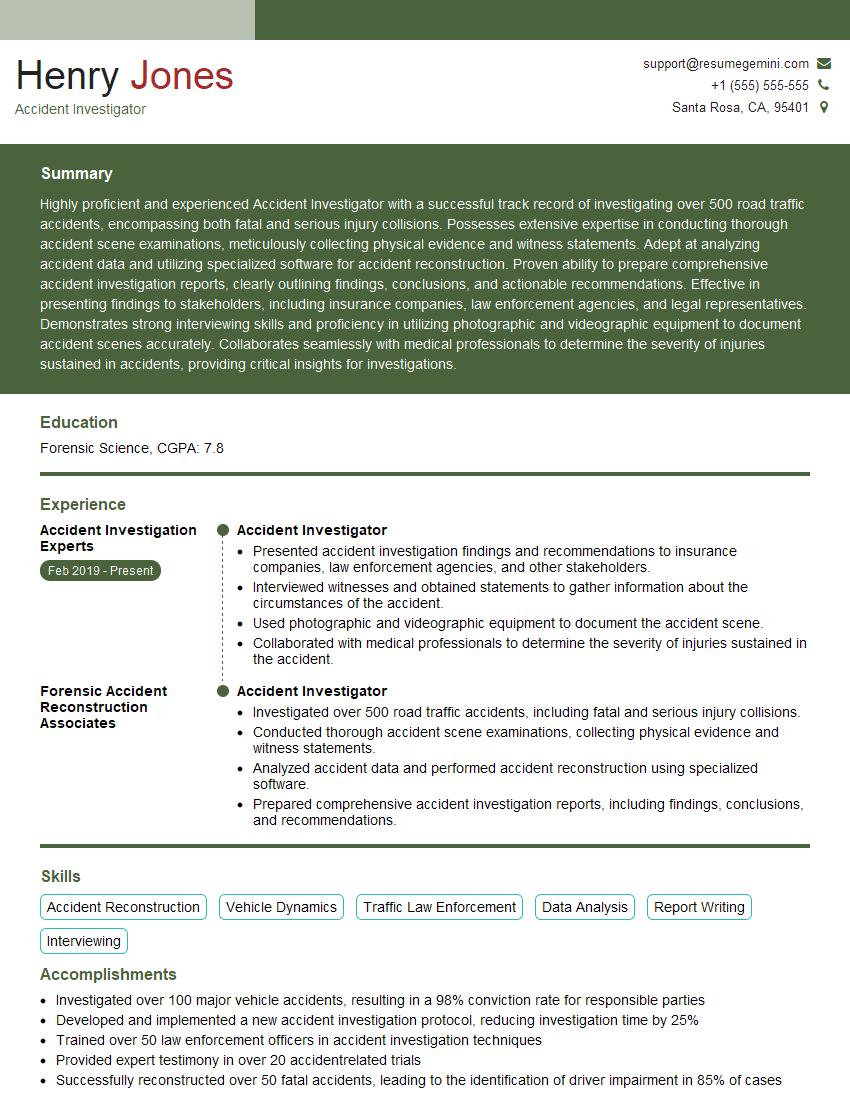
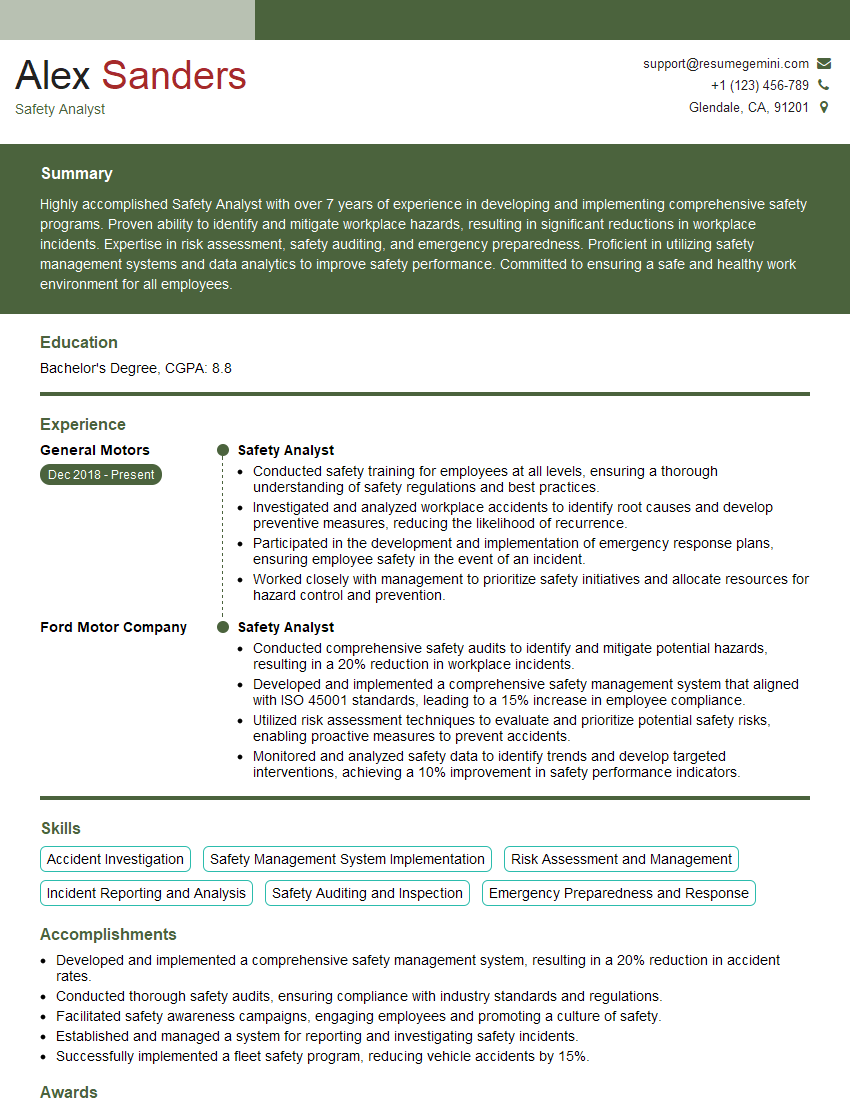
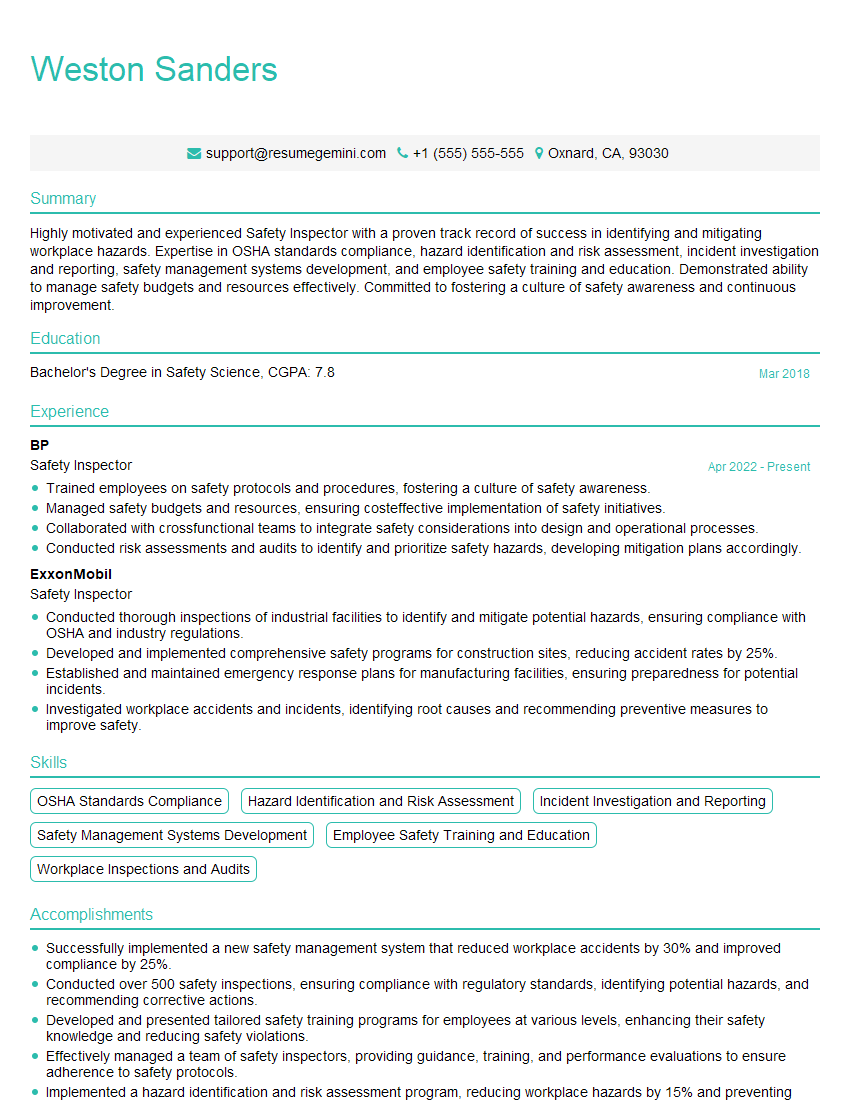
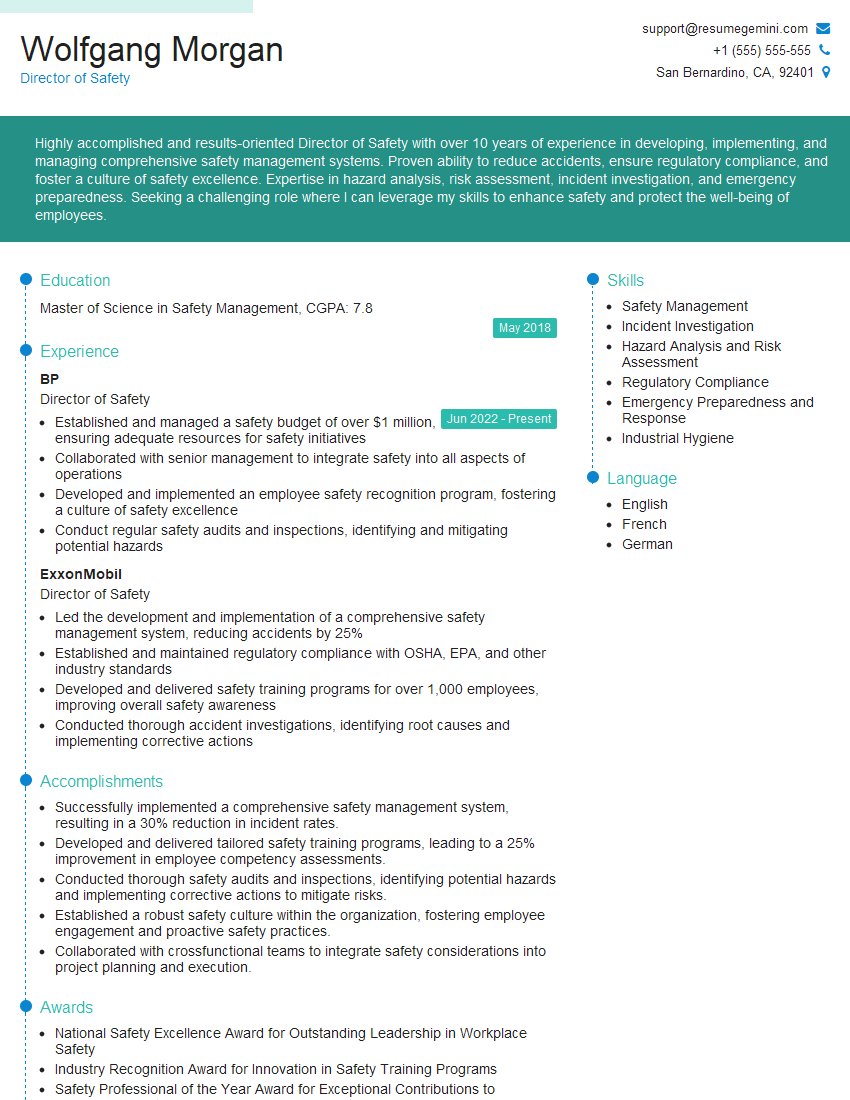
Mastering Proficiency in Aviation Safety Procedures is crucial for career advancement in the aviation industry, opening doors to more senior roles and greater responsibilities. A strong resume is your first step towards showcasing this expertise. To maximize your job prospects, create an ATS-friendly resume that highlights your skills and experience effectively. ResumeGemini is a trusted resource that can help you build a professional and impactful resume. We provide examples of resumes tailored to Proficiency in Aviation Safety Procedures to guide you through the process. Invest time in crafting a compelling resume – it’s your key to unlocking exciting career opportunities.
Explore more articles
Users Rating of Our Blogs
Share Your Experience
We value your feedback! Please rate our content and share your thoughts (optional).
What Readers Say About Our Blog
Very informative content, great job.
good