Preparation is the key to success in any interview. In this post, we’ll explore crucial Proficiency in Use of Test Equipment interview questions and equip you with strategies to craft impactful answers. Whether you’re a beginner or a pro, these tips will elevate your preparation.
Questions Asked in Proficiency in Use of Test Equipment Interview
Q 1. Describe your experience with oscilloscopes.
Oscilloscopes are indispensable tools for visualizing and analyzing electronic signals. My experience spans various models, from basic dual-channel oscilloscopes to advanced mixed-signal oscilloscopes (MSOs) with capabilities like protocol decoding and waveform math. I’m proficient in using both analog and digital oscilloscopes, understanding their strengths and limitations.
For instance, I’ve extensively used oscilloscopes to debug embedded systems, troubleshooting issues like timing problems, glitches, and signal integrity problems. I’ve used them to analyze the performance of power supplies, identifying noise and ripple, and also utilized advanced features like cursors and measurements to quantitatively analyze waveforms’ parameters like amplitude, frequency, rise time, and pulse width. I’m also familiar with various triggering modes and their applications in capturing specific events within complex signal patterns.
During a recent project, an intermittent fault in a communication protocol was causing data loss. By using an oscilloscope’s advanced triggering and decoding capabilities, I isolated the issue to a timing discrepancy within the clock signal, providing crucial evidence for software engineers to fix the problem.
Q 2. How do you calibrate a multimeter?
Calibrating a multimeter ensures its readings are accurate and reliable. The process varies depending on the multimeter’s type and features, but generally involves using known voltage, current, or resistance standards. Many modern multimeters feature self-calibration functions, simplifying this process significantly.
For example, if calibrating the DC voltage function, you would use a precision voltage source (a calibration standard). You would apply a known voltage to the multimeter and adjust the instrument (if possible) or record any deviation from the known value to create a correction factor. For resistance calibration, you’d use precision resistors with known tolerances. Similarly, for current calibration, a precision current source would be utilized.
It’s crucial to consult the multimeter’s manual for specific calibration instructions, as incorrect procedures could damage the instrument or compromise its accuracy. Proper calibration is essential to maintain the instrument’s precision and ensure valid measurements.
Q 3. Explain the difference between accuracy and precision in measurement.
Accuracy and precision are distinct but related concepts in measurement. Accuracy refers to how close a measurement is to the true value, while precision refers to the reproducibility of the measurement – how close repeated measurements are to each other.
Think of it like shooting arrows at a target: High accuracy means your arrows are clustered around the bullseye (close to the true value). High precision means your arrows are clustered tightly together, regardless of whether they’re near the bullseye. You can have high precision but low accuracy (arrows tightly clustered far from the bullseye), high accuracy but low precision (arrows scattered but centered around the bullseye), or ideally both high accuracy and high precision.
In a practical context, a precisely calibrated multimeter might consistently give readings that are all within 0.1 volts of each other (high precision), but if the multimeter is not correctly zeroed, these readings might all be 0.5 volts off from the true value (low accuracy).
Q 4. What are common sources of error in test equipment?
Several factors can introduce errors in test equipment readings. These include:
- Calibration errors: Instruments drift over time, requiring periodic calibration to maintain accuracy.
- Environmental factors: Temperature fluctuations, humidity, and electromagnetic interference (EMI) can affect readings.
- Operator error: Incorrect probe connections, improper settings, or faulty reading interpretation can lead to mistakes.
- Instrument aging: Components wear out, leading to degraded performance and accuracy.
- Probe limitations: The probe itself might introduce impedance mismatches or capacitance, affecting high-frequency measurements.
- Resolution limitations: The instrument might not have sufficient resolution to measure small changes.
For instance, a faulty probe connection can lead to erroneous readings, while operating a multimeter in a high-EMI environment can introduce noise into the measurements.
Q 5. How do you troubleshoot a faulty test instrument?
Troubleshooting a faulty test instrument involves a systematic approach:
- Visual inspection: Check for obvious physical damage, loose connections, or burned components.
- Calibration check: Calibrate the instrument to verify if the issue is due to calibration drift.
- Functional test: Perform basic tests using known standards to pinpoint the affected function.
- Check documentation: Consult the instrument’s manual for troubleshooting guides and error codes.
- Isolate the fault: If a specific component or circuit seems to be the cause, further investigation or repair might be required.
- Seek expert help: If the problem persists, consult a qualified technician for professional repair or replacement.
For example, if a multimeter’s current measurement function is faulty, I would first check the fuses and connections. Then, I’d try measuring a known current using a precision current source, comparing the reading to the known value. If the deviation is significant, I’d know the issue lies within the current measurement circuit, possibly requiring professional repair.
Q 6. What safety precautions do you take when using test equipment?
Safety is paramount when using test equipment. Here are some key precautions:
- Always follow safety instructions: Consult the instrument’s manual thoroughly.
- Proper grounding: Ensure the equipment and the test setup are properly grounded to prevent electrical shocks.
- Use appropriate PPE: Wear safety glasses and insulated gloves when dealing with high voltages or currents.
- Avoid working alone: If working with high voltages, it’s crucial to have someone nearby for assistance.
- Be aware of potential hazards: Understand the risks involved in working with specific test equipment and voltage levels.
- Power down before connecting or disconnecting: Avoid electrical shorts and accidental shocks.
A simple example is always ensuring the power is turned off before making any connections to the circuit under test. Ignoring this precaution can lead to damage to the instrument or even serious injury.
Q 7. What experience do you have with spectrum analyzers?
I have extensive experience with spectrum analyzers, using them to analyze signals in the frequency domain. My experience includes using both standalone spectrum analyzers and those integrated into more comprehensive test equipment setups. I’m proficient in using various measurement functions, such as power measurements, channel power measurements, and frequency response analysis.
I’ve utilized spectrum analyzers to identify sources of interference in wireless communication systems, to analyze the spectral characteristics of various signals, including radio frequency (RF) signals, and to measure the noise floor of different systems. One instance involved using a spectrum analyzer to diagnose interference on a cellular base station. By carefully analyzing the frequency spectrum, we identified a spurious signal that was causing dropped calls. This led us to pinpoint the source and resolve the issue successfully.
I am also familiar with various analysis techniques including swept frequency measurements, and different display formats like log and linear scales to effectively analyze complex signals.
Q 8. Describe your experience with automated test equipment (ATE).
My experience with Automated Test Equipment (ATE) spans over eight years, encompassing various industries like telecommunications and automotive. I’ve worked extensively with both commercially available ATE systems, such as Teradyne UltraFLEX and NI PXI systems, and custom-built solutions. My responsibilities have ranged from test program development and debugging to equipment maintenance and troubleshooting. For example, in my previous role at Acme Telecom, I was instrumental in developing a new ATE program to test the functionality of high-speed data modems, resulting in a 30% reduction in testing time and a significant improvement in defect detection rates. This involved intricate programming using languages like TestStand and LabVIEW, combined with a deep understanding of hardware interactions, including digital, analog, and RF signals.
I’m proficient in various aspects of ATE, including:
- Developing and debugging test programs using various programming languages and test software.
- Integrating ATE systems with other automated manufacturing equipment.
- Analyzing test results to identify and resolve failures.
- Maintaining and troubleshooting ATE hardware and software.
Q 9. How familiar are you with different types of signal generators?
My familiarity with signal generators extends to various types, including:
- Function Generators: These are essential for generating standard waveforms like sine, square, triangle, and ramp waves, crucial for testing amplifier response or filter characteristics. I’ve used Agilent 33220A extensively in my work.
- Arbitrary Waveform Generators (AWGs): AWGs offer greater flexibility, enabling the generation of complex and custom waveforms. This is particularly useful in simulating real-world signals for testing communication systems or high-speed digital circuits. I have experience with Tektronix AWG70000 series.
- RF Signal Generators: These are vital for testing RF and microwave components, generating signals over a wide range of frequencies. My experience includes using Rohde & Schwarz SMB100A for wireless communication testing.
Understanding the specifications of each generator, such as frequency accuracy, amplitude stability, and harmonic distortion, is crucial to obtaining accurate and reliable test results. I’m adept at selecting the appropriate generator based on the specific requirements of the test, ensuring the optimal signal quality for accurate measurements.
Q 10. Explain your experience with data acquisition systems.
My experience with data acquisition systems (DAQ) involves using both hardware and software to capture and analyze various signals. I’ve worked with both general-purpose DAQ systems like National Instruments (NI) cDAQ and more specialized systems tailored for specific applications, such as high-speed digital signal acquisition. I have extensive experience using NI LabVIEW to program DAQ systems, configure channels, control sampling rates, and process the acquired data. In one project, I used a NI cDAQ system with multiple modules to simultaneously measure temperature, pressure, and vibration data from a complex mechanical system, allowing for comprehensive analysis of its performance.
My proficiency extends to:
- Selecting appropriate sensors and transducers for specific measurements.
- Designing and implementing data acquisition systems using appropriate hardware and software.
- Processing and analyzing acquired data using signal processing techniques.
- Generating reports and visualizations to present the results clearly and effectively.
Q 11. How do you ensure the accuracy of your measurements?
Ensuring measurement accuracy is paramount. My approach involves a multi-faceted strategy:
- Calibration: Regularly calibrating all test equipment against traceable standards is fundamental. I follow strict calibration schedules and maintain detailed records. Out-of-tolerance equipment is immediately removed from service.
- Proper Setup: Correctly connecting equipment and using appropriate cables and connectors is critical. I meticulously check all connections and configurations before each test.
- Environmental Control: Temperature and humidity can affect measurement accuracy. I ensure the test environment is controlled and stable to minimize these effects, using climate-controlled labs where necessary.
- Statistical Analysis: Repeating measurements and performing statistical analysis helps identify outliers and assess the overall uncertainty of the measurements. I use statistical software such as Minitab to analyze data and determine confidence intervals.
- Using High-Quality Equipment: I always prefer and advocate for using high-quality, well-maintained equipment with known specifications and low measurement uncertainty.
Through this systematic approach, I strive for the highest degree of accuracy and reliability in all my measurements.
Q 12. What software are you proficient in for data analysis and reporting?
My proficiency in software for data analysis and reporting includes:
- LabVIEW: For data acquisition, processing, and visualization.
- MATLAB: For advanced signal processing, statistical analysis, and algorithm development.
- Python (with libraries like NumPy, SciPy, and Pandas): For data manipulation, analysis, and generating custom reports.
- Microsoft Excel and Power BI: For creating clear and concise reports with visualizations for stakeholders.
- Minitab: For statistical process control and analysis of measurement data.
My choice of software depends on the complexity of the data and the reporting requirements. I’m adept at selecting the most appropriate tools for the task at hand.
Q 13. Describe a time you had to troubleshoot a complex test equipment issue.
During a critical project involving high-frequency RF testing, our spectrum analyzer started displaying erratic readings, leading to inconsistent test results. Initial troubleshooting steps, such as checking cables and connections, proved fruitless. I systematically investigated possible causes: I checked the analyzer’s internal calibration, verified the signal source stability, and even considered environmental factors like electromagnetic interference. It turned out to be a faulty internal component in the spectrum analyzer – a defective pre-amplifier.
My methodical approach, which involved:
- Isolating the problem – identifying the specific test that produced erroneous readings.
- Eliminating potential external factors – checking cabling and external interference.
- Focusing on the equipment itself – examining the spectrum analyzer’s internal systems.
- Consulting documentation – reviewing the analyzer’s specifications and troubleshooting guide.
- Contacting manufacturer support – obtaining service advice or a replacement part.
allowed us to quickly pinpoint the source of the issue, minimizing project downtime. This experience highlighted the importance of systematic troubleshooting and accessing appropriate technical support.
Q 14. How do you maintain and calibrate test equipment?
Maintaining and calibrating test equipment is an ongoing process crucial to ensuring accuracy and reliability. My approach involves:
- Regular Cleaning: Keeping equipment clean and free of dust and debris helps prevent damage and maintain optimal performance.
- Scheduled Calibration: Following manufacturer recommendations for calibration and using accredited calibration laboratories ensures traceability and accuracy. Calibration certificates are meticulously maintained.
- Preventive Maintenance: Performing regular checks, such as inspecting cables, connectors, and power supplies, prevents potential problems before they occur.
- Proper Storage: Storing equipment in appropriate environmental conditions helps extend its lifespan and maintain its accuracy.
- Documentation: Maintaining detailed records of calibration and maintenance activities ensures compliance with standards and facilitates troubleshooting.
By proactively maintaining our test equipment, we significantly reduce the risk of measurement errors and extend the lifespan of expensive instruments.
Q 15. What is your experience with environmental test chambers?
My experience with environmental test chambers spans over seven years, encompassing various chamber types including temperature and humidity chambers, thermal shock chambers, and altitude chambers. I’ve used them extensively for qualification testing of electronic components and systems, ensuring their reliability under diverse environmental conditions. For example, I recently used a temperature and humidity chamber to test the performance of a new line of smartwatches across a range of temperatures (-40°C to +85°C) and humidity levels (5% to 95%). This involved meticulously monitoring parameters like temperature, humidity, and dew point using the chamber’s built-in sensors and data logging software, ensuring accurate and repeatable results. I’m proficient in setting up test profiles, interpreting chamber readings, and troubleshooting any malfunctions.
Furthermore, I understand the importance of proper chamber calibration and preventative maintenance to maintain accuracy and extend the chamber’s lifespan. I’ve personally performed calibrations using certified reference equipment and have the knowledge to interpret calibration certificates to ensure the chamber operates within the specified tolerances. This ensures the validity and reliability of our test results.
Career Expert Tips:
- Ace those interviews! Prepare effectively by reviewing the Top 50 Most Common Interview Questions on ResumeGemini.
- Navigate your job search with confidence! Explore a wide range of Career Tips on ResumeGemini. Learn about common challenges and recommendations to overcome them.
- Craft the perfect resume! Master the Art of Resume Writing with ResumeGemini’s guide. Showcase your unique qualifications and achievements effectively.
- Don’t miss out on holiday savings! Build your dream resume with ResumeGemini’s ATS optimized templates.
Q 16. Explain your understanding of different types of sensors.
My understanding of sensors encompasses a wide range, from basic temperature and pressure sensors to sophisticated optical and chemical sensors. I’m familiar with various sensor technologies, including resistive, capacitive, inductive, piezoelectric, and optical sensors. Each technology has its strengths and weaknesses, making certain sensors more suitable for specific applications.
- Temperature Sensors: Thermocouples, RTDs (Resistance Temperature Detectors), and thermistors are commonly used for temperature measurements, each with different accuracy, response time, and temperature range capabilities. For example, thermocouples are robust and can withstand high temperatures, while thermistors offer high sensitivity at a specific temperature range.
- Pressure Sensors: These include strain gauge, capacitive, and piezoelectric pressure sensors, applicable in various applications from tire pressure monitoring to industrial process control. The choice depends on factors such as pressure range, accuracy, and response time.
- Optical Sensors: These utilize light to detect properties like displacement, color, or chemical composition. Applications include spectrophotometry and laser distance measurement.
Understanding sensor specifications, including accuracy, resolution, linearity, and drift, is crucial for selecting the appropriate sensor and interpreting the data accurately. I’ve worked extensively with data acquisition systems to interface with different sensors, calibrate them, and analyze the collected data.
Q 17. How familiar are you with network analyzers?
I have extensive experience using network analyzers, primarily for characterizing the performance of RF and microwave components and systems. My experience includes both vector network analyzers (VNAs) and scalar network analyzers (SNAs). I’m proficient in performing S-parameter measurements, impedance measurements, and return loss measurements. I understand the importance of proper calibration techniques (e.g., short-open-load-through) to ensure accurate measurements.
For instance, I recently used a VNA to characterize the performance of a high-frequency amplifier, measuring its gain, return loss, and phase shift across a wide frequency range. The data obtained was crucial in optimizing the amplifier’s design and ensuring it met the required specifications. I’m familiar with various software packages used to control VNAs, analyze measurement data, and generate reports. Understanding error correction techniques and the limitations of the instruments is key to reliable measurements. I also have experience troubleshooting network analyzer issues and interpreting error messages.
Q 18. Describe your experience with power supplies.
My experience with power supplies covers a wide range of types, including linear, switching, programmable, and DC power supplies. I’ve worked with both benchtop and embedded power supplies in various applications, from testing electronic circuits to powering complex systems. I’m familiar with their specifications, such as voltage, current, and output impedance, and understand how to select the appropriate power supply for a given application.
For example, while testing a new microcontroller board, I used a programmable DC power supply to precisely control the voltage and current supplied to the board, allowing me to systematically investigate its power consumption and performance under different operating conditions. I’ve also used power supplies with features like remote sensing and current limiting for precise control and protection of sensitive equipment. Furthermore, safety procedures are paramount; I always ensure correct wiring and grounding to avoid potential hazards.
Q 19. How do you handle discrepancies in test results?
Handling discrepancies in test results requires a systematic and methodical approach. The first step is to thoroughly review the test setup, ensuring proper calibration of equipment and accurate connection of devices. I meticulously examine the data for any anomalies, comparing the results against expected values and specifications.
If the discrepancy persists, I investigate potential sources of error, including environmental factors (temperature, humidity), equipment limitations, and human error. I might repeat the test using different equipment or a different approach to rule out systematic errors. If the discrepancy is significant and cannot be resolved through these steps, I document the findings thoroughly, including all relevant data and observations. This detailed documentation is crucial for future analysis and troubleshooting. In some cases, consultation with other engineers or experts may be necessary to determine the root cause of the discrepancy and ensure the validity of the results.
Q 20. What are the limitations of different types of test equipment?
Every piece of test equipment has limitations. These limitations are often defined by its specifications and must be carefully considered when planning and conducting tests.
- Digital Multimeters (DMMs): Limited bandwidth, accuracy limitations dependent on the range, and potential for errors due to incorrect probe usage. The accuracy of a DMM is dependent upon the range being used; higher ranges tend to have lower resolution and accuracy.
- Oscilloscope: Bandwidth limitations affect the fidelity of high-frequency signals. Probe loading can affect circuit behavior and introduce errors. Limited sample rate affects the ability to capture fast transients.
- Network Analyzers: Accuracy is affected by frequency, measurement range, and calibration errors. They can be expensive and require specialized knowledge to operate effectively.
- Environmental Test Chambers: Non-uniformity of temperature or humidity within the chamber can introduce errors. Chamber calibration is crucial for accuracy. There are limitations to the speed of temperature transitions, depending on the chamber design.
Understanding these limitations is vital for accurate and reliable test results. Choosing the right equipment for a specific application and using it correctly are key to minimizing potential errors.
Q 21. Explain your experience with digital multimeters (DMMs).
I have extensive experience using digital multimeters (DMMs), which are fundamental tools in any electrical engineering environment. I’m proficient in using DMMs to measure voltage, current, resistance, capacitance, and frequency. I understand the importance of selecting the appropriate range for measurement to ensure accuracy and prevent damage to the DMM or the circuit under test. I’m also familiar with different DMM functionalities, including diode testing, continuity testing, and temperature measurement (with suitable probes).
Beyond basic measurements, I’ve used DMMs to troubleshoot circuits, identify faulty components, and verify circuit functionality. For example, I recently used a DMM to diagnose a power supply issue in a prototype device. By systematically measuring voltages and currents at different points in the circuit, I was able to pinpoint the location of the fault and facilitate a timely repair. Proper understanding of safety precautions when working with DMMs is essential to prevent electric shocks and damage to the equipment.
Q 22. How do you select the appropriate test equipment for a specific task?
Selecting the right test equipment is crucial for accurate and efficient testing. It’s like choosing the right tool for a job – using a hammer to screw in a screw is inefficient and potentially damaging. The selection process involves several key steps:
- Understanding the DUT (Device Under Test): First, you need a thorough understanding of the device’s specifications, operating parameters, and the specific parameters you need to measure (voltage, current, frequency, impedance, etc.).
- Identifying the Measurement Requirements: Determine the accuracy, resolution, and precision needed for your measurements. A high-precision measurement might require a more expensive instrument than a quick, rough estimate.
- Considering the Test Environment: Factors like temperature, humidity, and electromagnetic interference (EMI) can affect the test results. Select equipment that can operate reliably within the environment.
- Choosing the Right Instrument: Based on the above factors, you can select the appropriate instrument. For example, to measure precise DC voltage, a digital multimeter with high resolution is ideal. For high-frequency signal analysis, an oscilloscope is necessary.
- Checking Compatibility: Ensure the equipment is compatible with the DUT’s interfaces (e.g., BNC, SMA connectors). Consider safety aspects, like proper grounding and voltage ratings.
Example: If I’m testing the bandwidth of a high-speed amplifier, I wouldn’t use a basic oscilloscope; I’d need a high-bandwidth oscilloscope with appropriate probes. Similarly, for low-level signal measurements, I’d choose an instrument with low noise and high input impedance to avoid affecting the signal.
Q 23. Describe your experience with function generators.
I have extensive experience with function generators, using them for a variety of tasks including circuit testing, component characterization, and educational demonstrations. I’m proficient with both analog and digital function generators.
My experience includes generating various waveforms such as sine waves, square waves, triangle waves, and arbitrary waveforms. I’m comfortable adjusting parameters like amplitude, frequency, offset, and duty cycle to simulate different real-world scenarios. I’ve used function generators to test amplifiers, filters, and other circuits by injecting signals and observing the output. I understand the importance of calibrating the function generator to ensure accuracy. For instance, I’ve used a frequency counter to verify the output frequency of the generator before using it for critical measurements.
Furthermore, I’m experienced in using the modulation capabilities of function generators, such as amplitude modulation (AM) and frequency modulation (FM), to simulate real-world signal environments.
Example: During a recent project, I used a function generator to test the frequency response of a bandpass filter. By sweeping the frequency of the input signal and observing the output amplitude, I was able to determine the filter’s bandwidth and center frequency.
Q 24. How familiar are you with statistical process control (SPC)?
Statistical Process Control (SPC) is a crucial methodology for monitoring and controlling the variability within a process. It’s not just about detecting defects; it’s about understanding the underlying causes of variation and improving the process’s consistency and capability.
My familiarity with SPC includes using control charts (like X-bar and R charts, p-charts, and c-charts) to analyze data and identify trends and outliers. I’m comfortable interpreting control chart patterns to determine if a process is in statistical control or if corrective actions are needed. I’ve used SPC in testing to analyze the variation in measurements over time and to ensure that the testing process itself is consistent and reliable. This helps identify potential issues with the test equipment or the testing procedure itself.
Example: In a previous role, we used control charts to monitor the variability in the resistance of resistors being manufactured. By analyzing the data on a control chart, we identified a trend of increasing resistance, which led us to investigate and fix a problem in the manufacturing process.
Q 25. What is your experience with documenting test procedures?
Documenting test procedures is critical for reproducibility, traceability, and regulatory compliance. A well-written procedure ensures that the test can be performed consistently by different individuals and at different times, leading to reliable and comparable results.
My experience includes creating detailed test procedures that include: a clear objective, a list of necessary equipment, a step-by-step procedure with diagrams or schematics, data recording methods, acceptance criteria, and safety precautions. I use clear and concise language, avoiding ambiguity and jargon whenever possible. I’ve used various documentation tools, from simple word processors to specialized laboratory information management systems (LIMS).
Example: I once created a comprehensive test procedure for verifying the functionality of a complex embedded system. This document outlined each test step, including the expected results, the tools required, and the methods for troubleshooting potential problems. This ensured consistent testing across multiple test engineers and iterations.
Q 26. Explain your understanding of test equipment specifications.
Test equipment specifications are critical for understanding the capabilities and limitations of an instrument. They define the accuracy, precision, resolution, and other performance characteristics. Understanding these specifications ensures you’re using the right tool for the job and interpret results correctly.
Key aspects of test equipment specifications include:
- Accuracy: How close a measurement is to the true value.
- Precision: How close repeated measurements are to each other.
- Resolution: The smallest increment that the instrument can measure.
- Bandwidth: For instruments measuring frequency-dependent signals (like oscilloscopes), this is the range of frequencies that can be accurately measured.
- Input Impedance: Important for avoiding loading effects on the circuit under test.
- Noise Level: The amount of unwanted electrical noise introduced by the instrument.
Example: An oscilloscope’s specifications will list its bandwidth (e.g., 1 GHz), sampling rate, and vertical resolution. Knowing these parameters is crucial for selecting the correct oscilloscope for a particular application. If I need to measure high-frequency signals, a high-bandwidth oscilloscope is essential.
Q 27. How do you ensure the traceability of your measurements?
Ensuring traceability of measurements is essential for quality control and regulatory compliance. Traceability establishes a chain of custody for measurements, showing how the results are related to national or international standards.
I achieve measurement traceability through several methods:
- Calibration: Regularly calibrating test equipment against traceable standards. This ensures that the instrument’s readings are accurate and reliable. Calibration certificates provide the documentation for traceability.
- Standard Operating Procedures (SOPs): Following documented SOPs during testing ensures consistency and reduces errors.
- Data Logging: Maintaining detailed records of all measurements, including the equipment used, its calibration status, the date and time of the measurement, and the environmental conditions. This data forms a complete audit trail.
- Using Traceable References: Whenever possible, using traceable standards and reference materials.
Example: When using a multimeter to measure voltage, I ensure it’s calibrated to a traceable standard, and I record the calibration certificate number along with the measurement data. This creates a complete chain of traceability, linking my measurements to a recognized standard.
Q 28. Describe your experience with troubleshooting high-speed digital circuits.
Troubleshooting high-speed digital circuits requires specialized knowledge and equipment. The high speeds involved mean signals can be easily affected by impedance mismatches, noise, and timing issues.
My approach typically involves:
- Using High-Bandwidth Instruments: Employing high-bandwidth oscilloscopes (capable of capturing fast rise and fall times), logic analyzers, and protocol analyzers to capture and analyze the signals.
- Careful Signal Integrity Analysis: Checking for reflections, crosstalk, and signal attenuation using appropriate probes and techniques. Eye diagrams are invaluable here.
- Systematic Approach: Starting with a visual inspection of the PCB and checking for obvious defects (solder bridges, open circuits). Then progressing through systematic tests, starting with basic checks like power supply levels and then using more advanced techniques based on the findings.
- Using Logic Analyzers: Capturing and analyzing the digital signals to pinpoint errors in timing or data flow. This can involve examining state machines and looking for glitches or race conditions.
- Protocol Analyzers: For communication protocols, using protocol analyzers to decode the transmitted data and identify communication errors.
Example: I once worked on a high-speed serial communication circuit that was experiencing intermittent errors. Using a logic analyzer, I identified a timing glitch caused by a poorly routed trace on the PCB. By rerouting the trace, the issue was resolved.
Key Topics to Learn for Proficiency in Use of Test Equipment Interview
- Understanding Test Equipment Fundamentals: Grasping the theoretical principles behind various test equipment like oscilloscopes, multimeters, function generators, and spectrum analyzers. This includes understanding their operating principles, limitations, and potential sources of error.
- Practical Application and Calibration: Demonstrate hands-on experience in setting up, calibrating, and operating different types of test equipment. Be prepared to discuss specific examples of troubleshooting equipment malfunctions and ensuring accurate measurements.
- Data Acquisition and Analysis: Discuss techniques for acquiring and interpreting data from test equipment. This includes understanding signal processing concepts, data analysis methods, and the importance of accurate data recording and documentation.
- Safety Procedures and Best Practices: Highlight your understanding of safety regulations and best practices related to handling and using test equipment. This includes proper grounding, safety precautions, and avoiding potential hazards.
- Troubleshooting and Problem-solving: Be prepared to discuss your approach to troubleshooting equipment issues and identifying the root cause of measurement errors. Showcase your analytical skills and ability to systematically solve problems.
- Specific Test Equipment Expertise: Depending on the job description, delve deeper into specific equipment types relevant to the role. For example, if the role involves high-frequency circuits, emphasize your knowledge of network analyzers.
Next Steps
Mastering proficiency in the use of test equipment is crucial for career advancement in many technical fields. It demonstrates a strong foundation in practical skills and problem-solving abilities, highly valued by employers. To significantly increase your job prospects, focus on creating an ATS-friendly resume that highlights your skills and experience effectively. ResumeGemini is a trusted resource to help you build a professional and impactful resume. We offer examples of resumes tailored to Proficiency in Use of Test Equipment to guide you through the process. Let us help you present your qualifications in the best possible light!
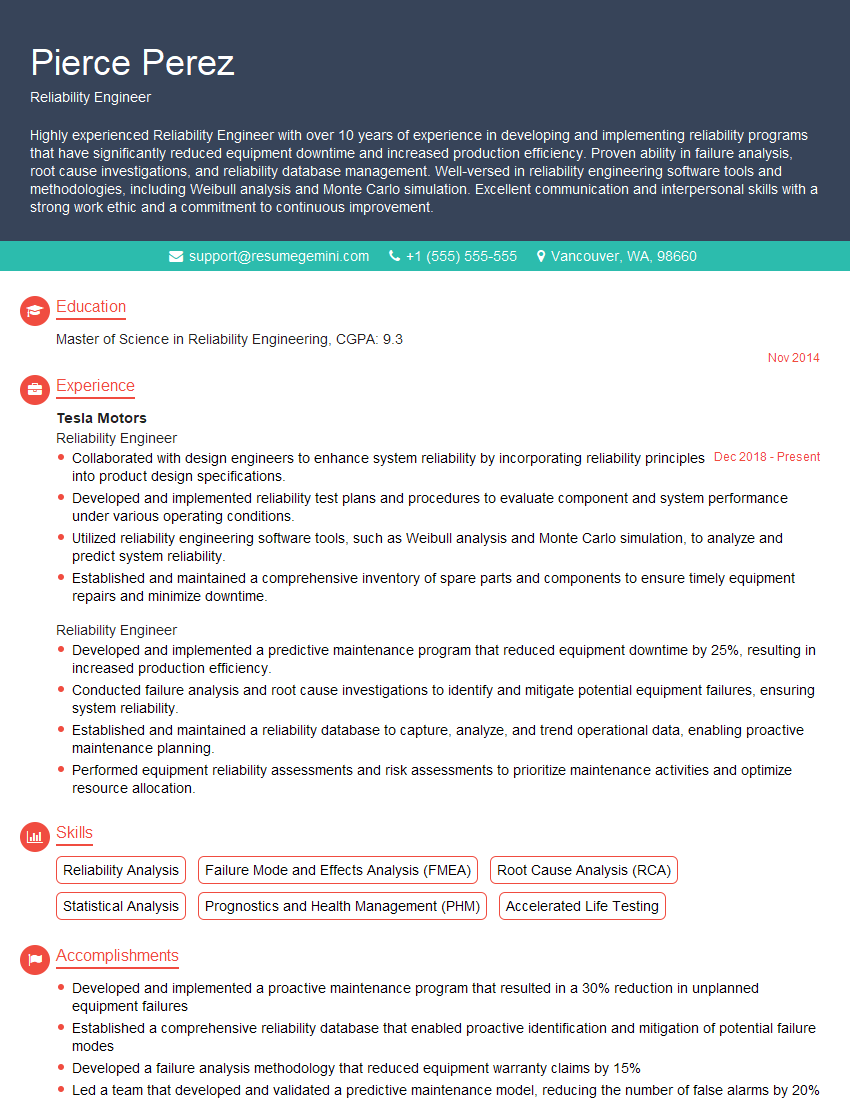
Reliability Engineer Resume Sample
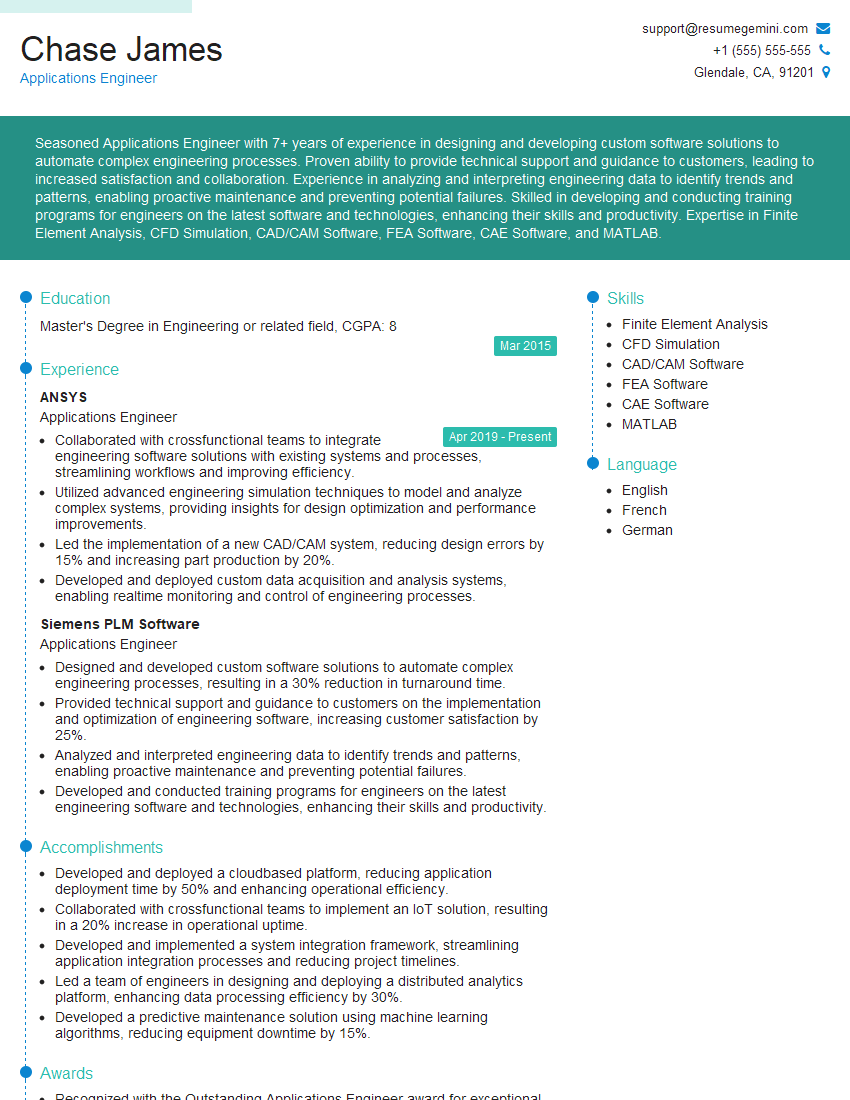
Applications Engineer Resume Sample
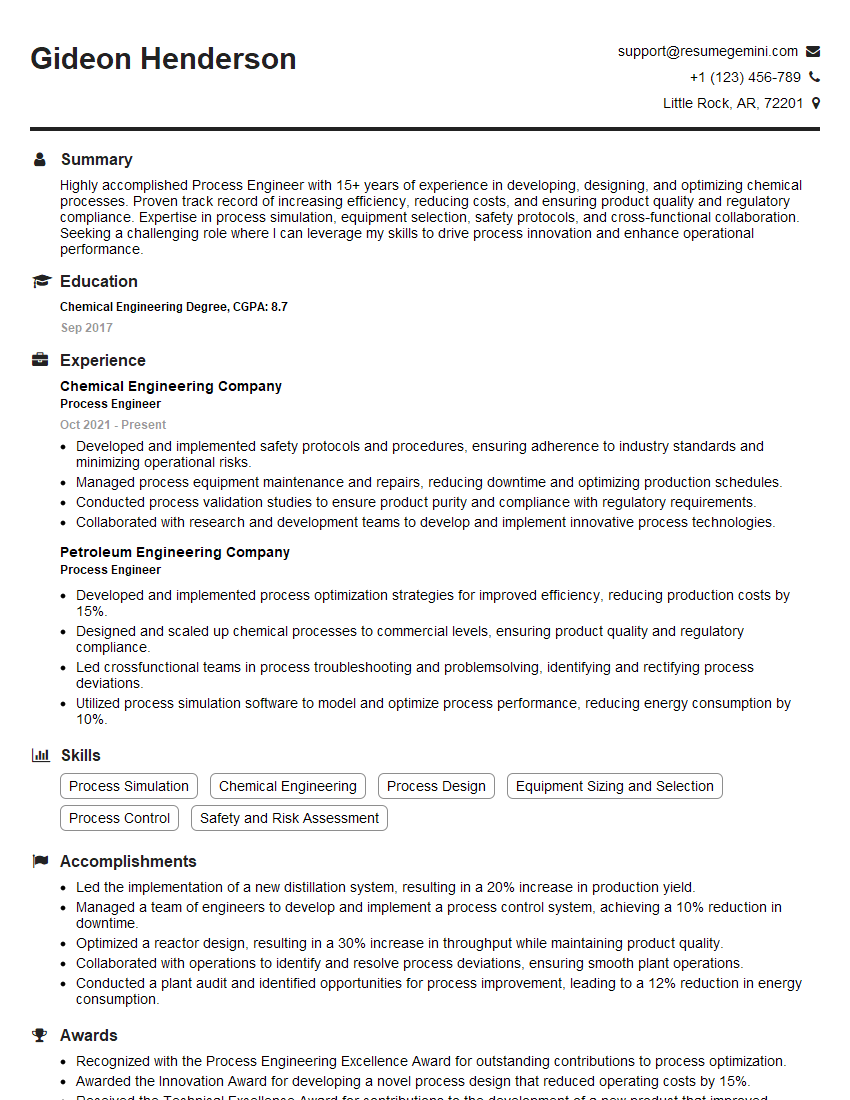
Process Engineer Resume Sample

Technical Support Engineer Resume Sample
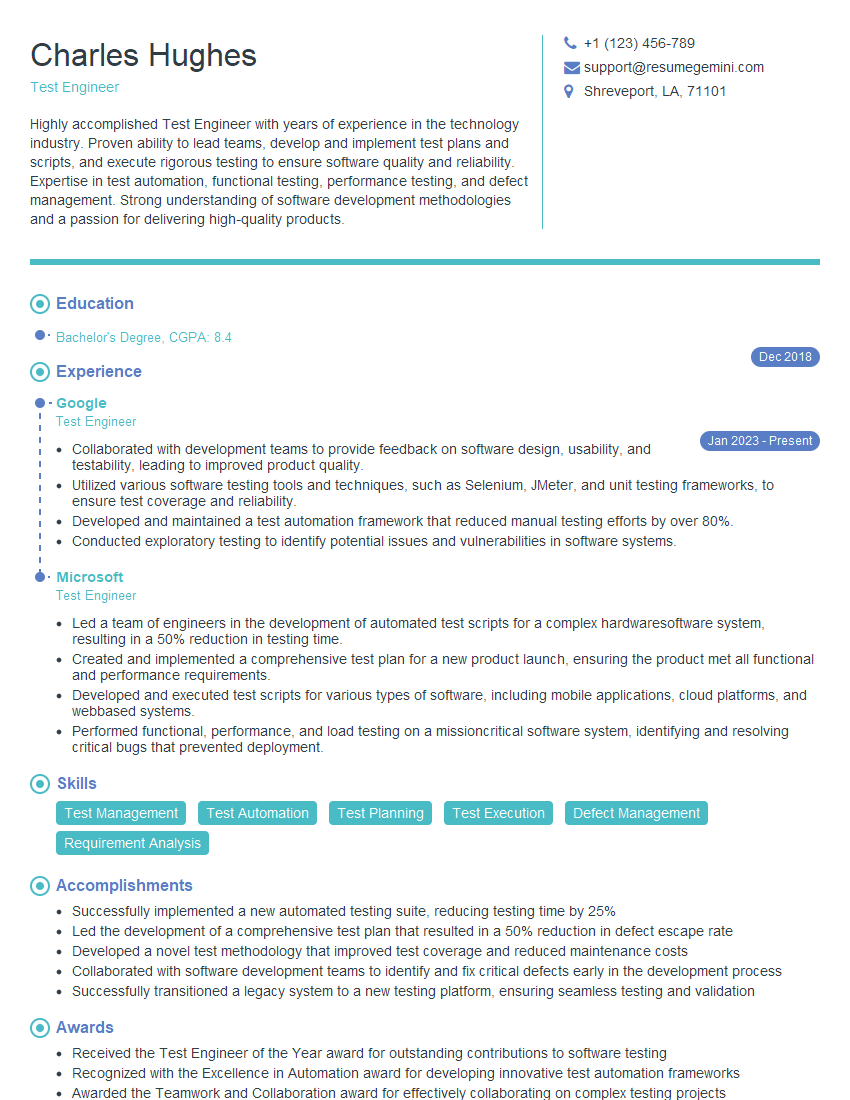
Test Engineer Resume Sample
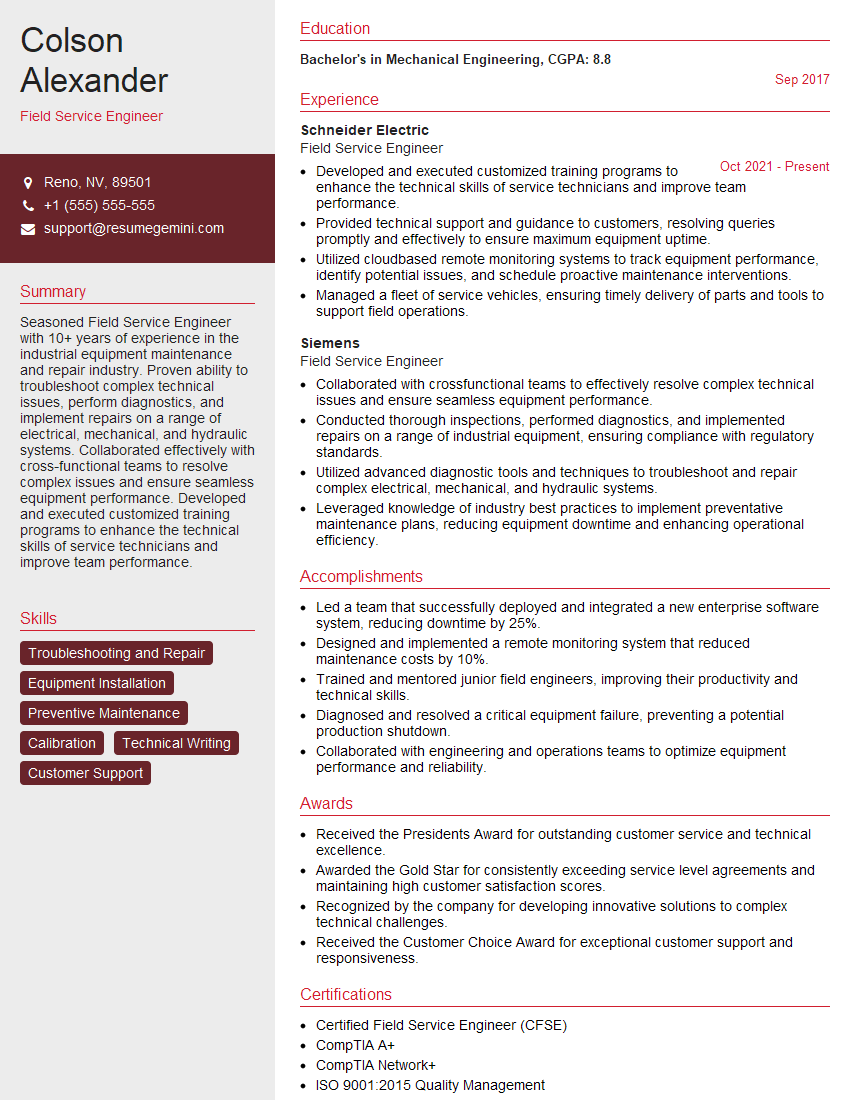
Field Service Engineer Resume Sample

Hardware Engineer Resume Sample
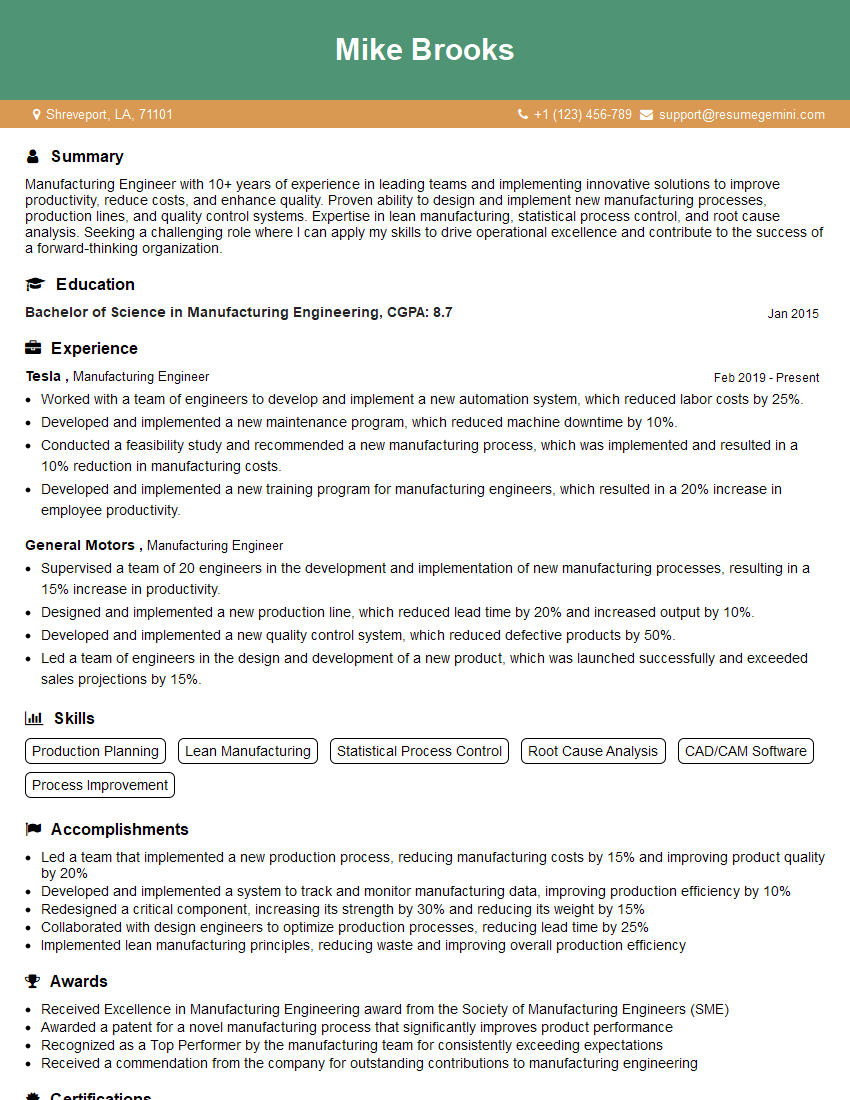
Manufacturing Engineer Resume Sample
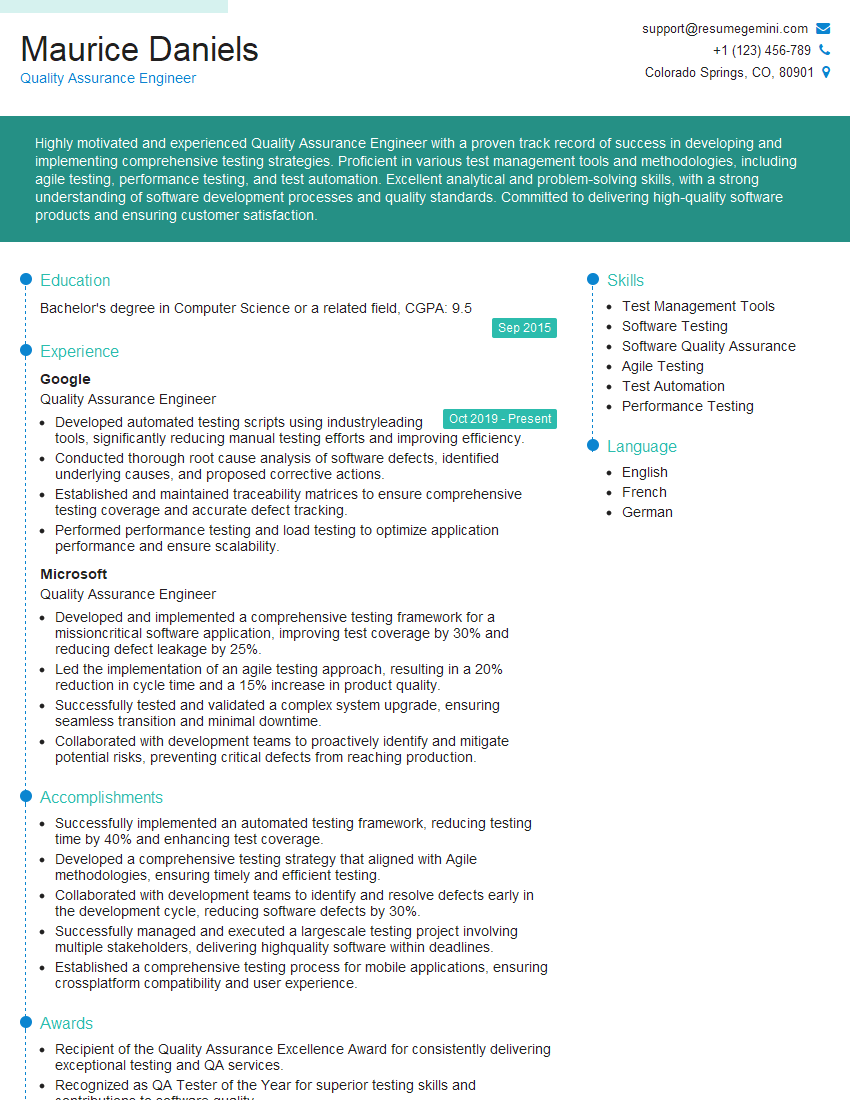
Quality Assurance Engineer Resume Sample
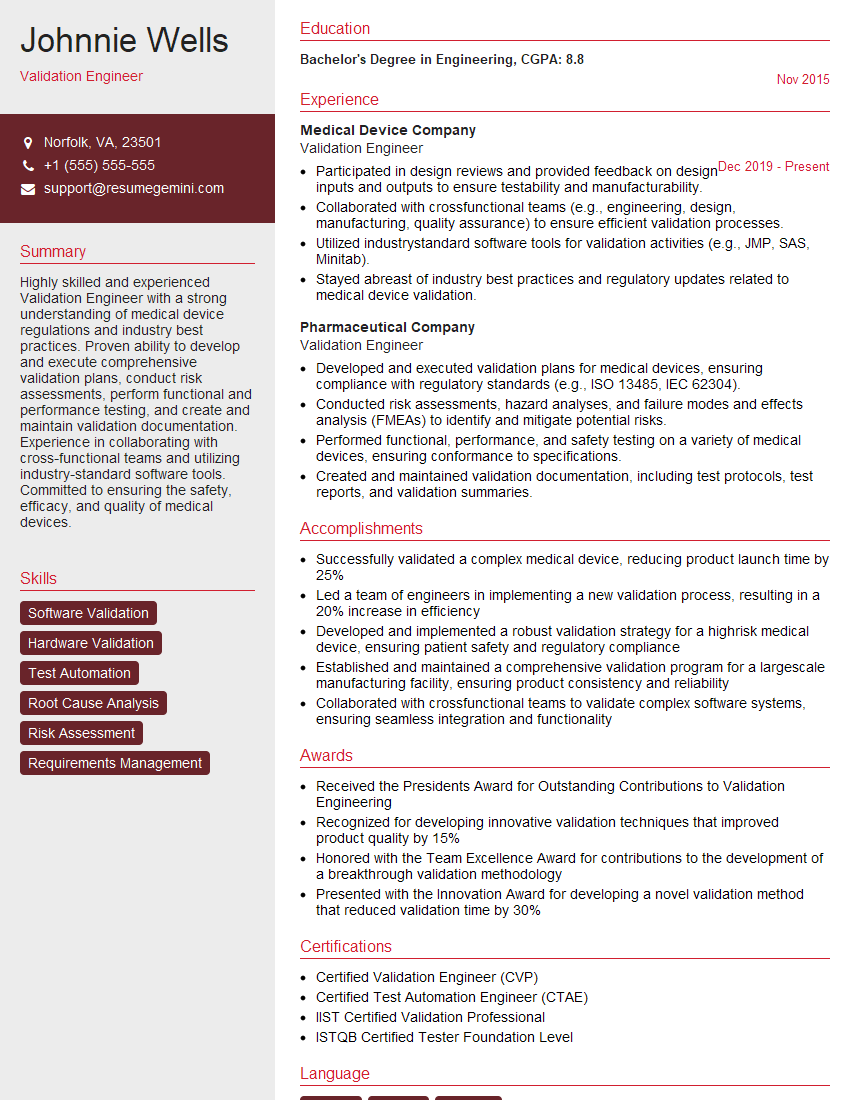
Validation Engineer Resume Sample
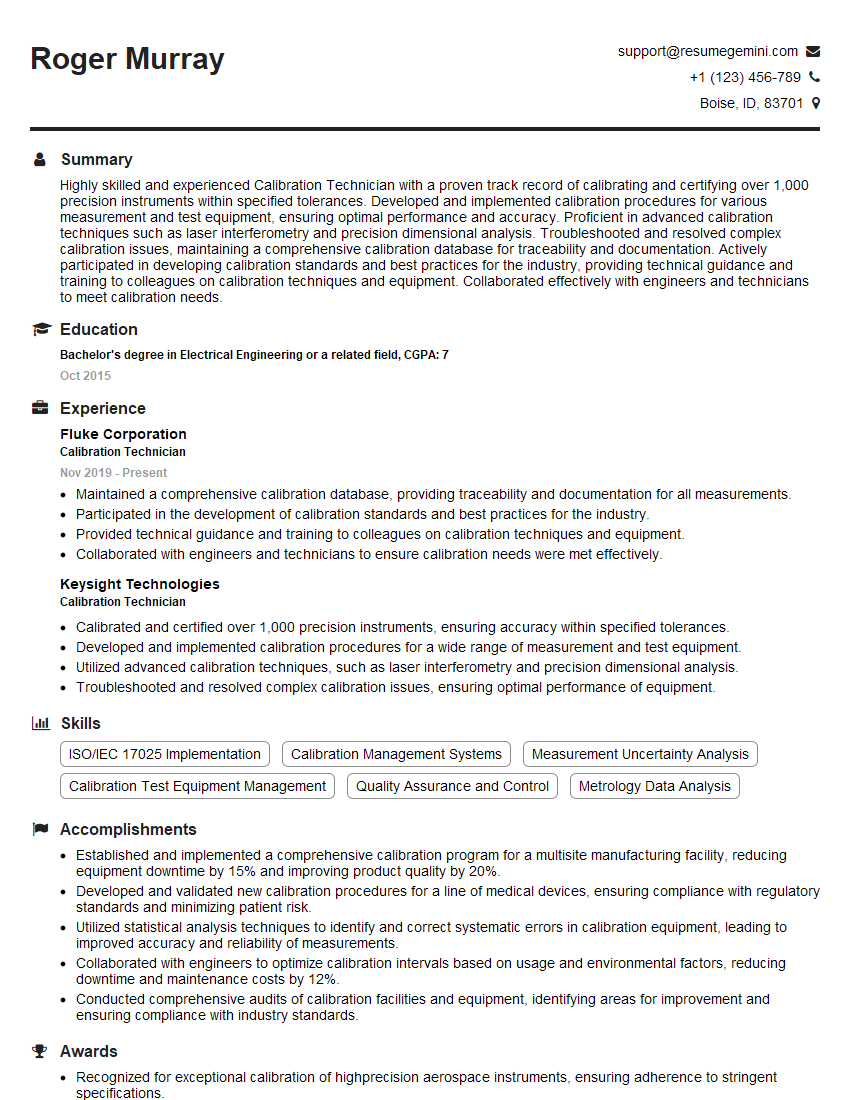
Calibration Technician Resume Sample
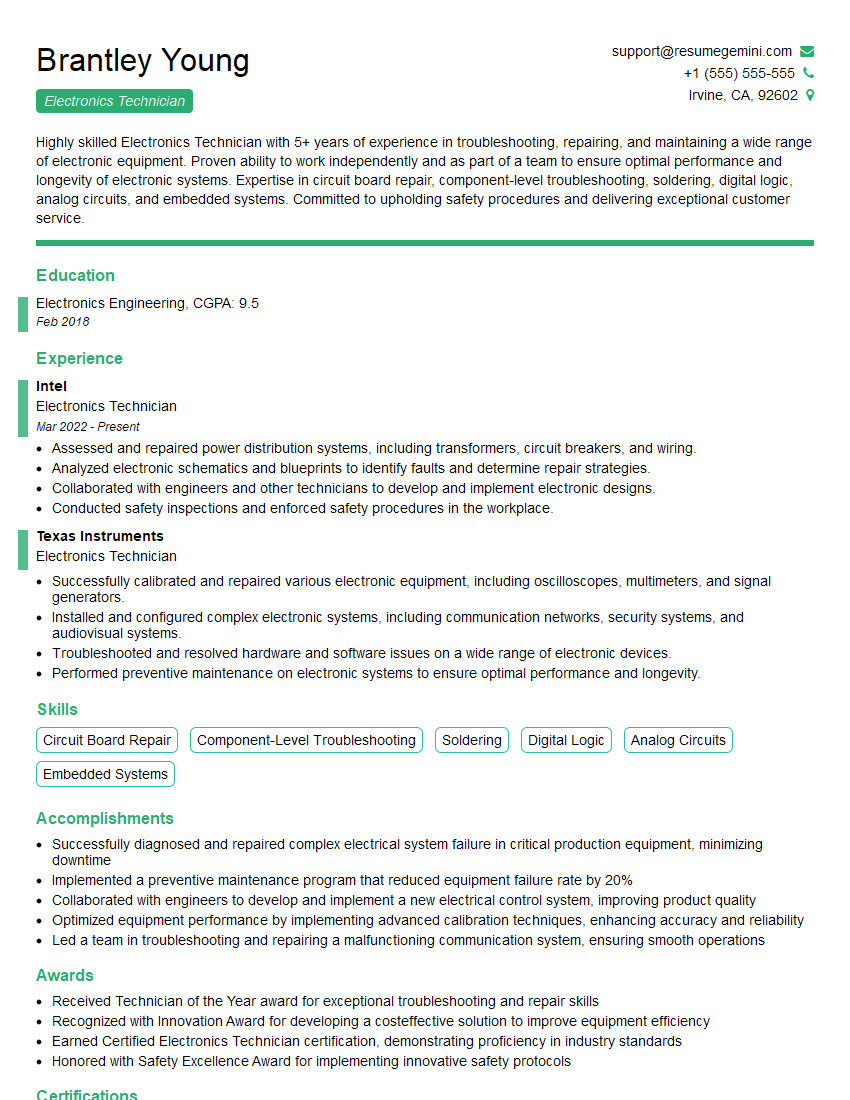
Electronics Technician Resume Sample
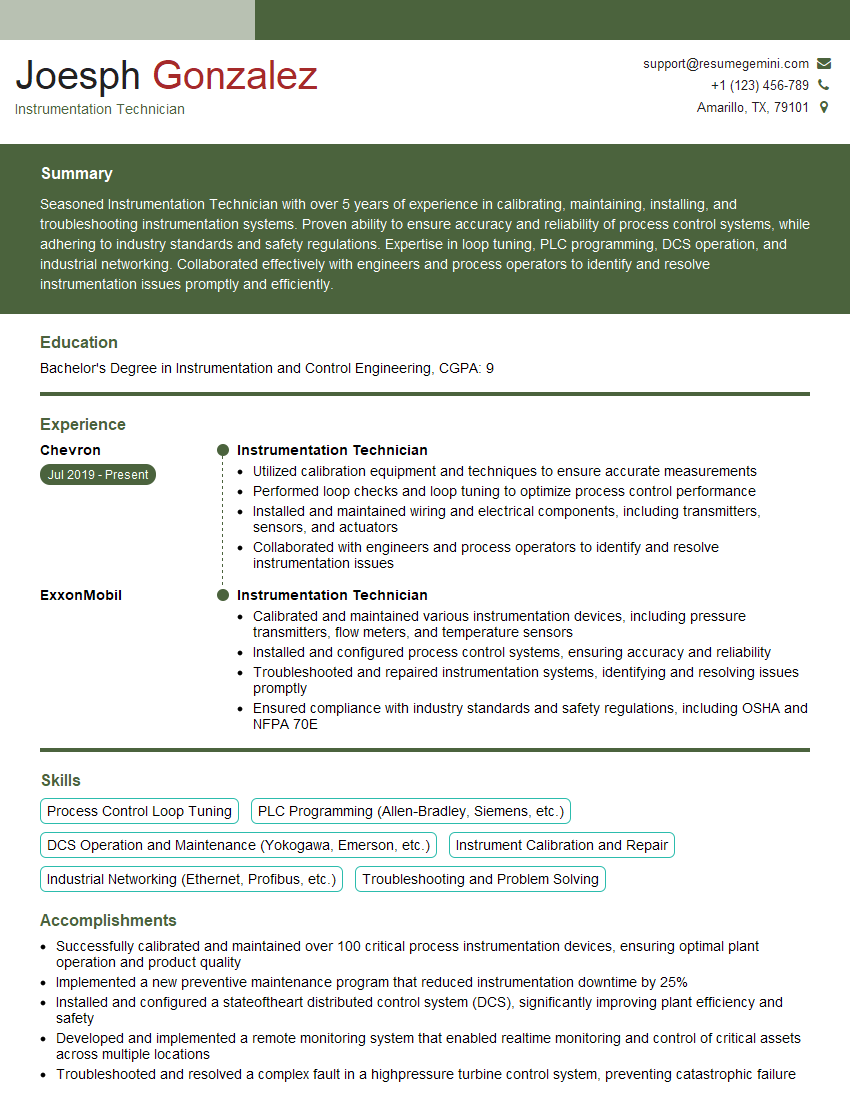
Instrumentation Technician Resume Sample
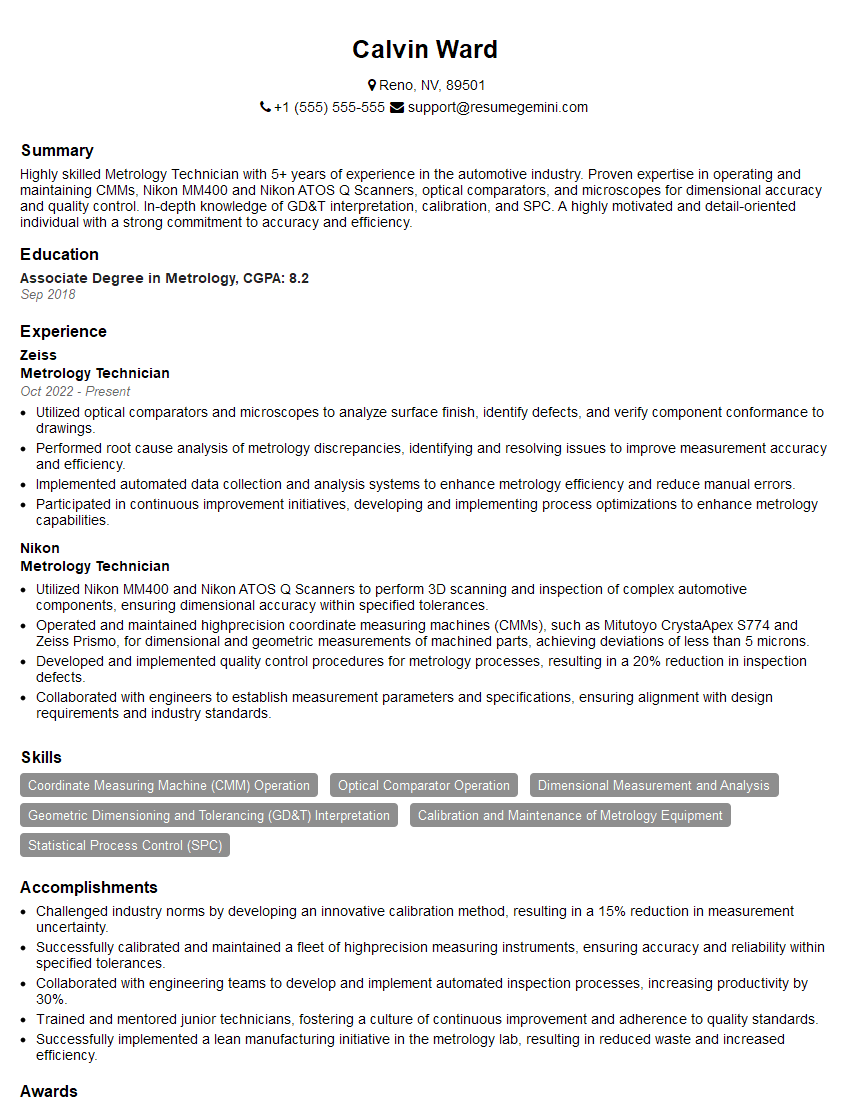
Metrology Technician Resume Sample

Quality Control Inspector Resume Sample
- Reliability Engineer
- Applications Engineer
- Process Engineer
- Technical Support Engineer
- Test Engineer
- Field Service Engineer
- Hardware Engineer
- Manufacturing Engineer
- Quality Assurance Engineer
- Validation Engineer
- Calibration Technician
- Electronics Technician
- Instrumentation Technician
- Metrology Technician
- Quality Control Inspector
Explore more articles
Users Rating of Our Blogs
Share Your Experience
We value your feedback! Please rate our content and share your thoughts (optional).
What Readers Say About Our Blog
Very informative content, great job.
good