The thought of an interview can be nerve-wracking, but the right preparation can make all the difference. Explore this comprehensive guide to Commitment to providing highquality products and services interview questions and gain the confidence you need to showcase your abilities and secure the role.
Questions Asked in Commitment to providing highquality products and services Interview
Q 1. Describe your approach to ensuring product quality throughout the development lifecycle.
My approach to ensuring product quality is a holistic one, integrated throughout the entire software development lifecycle (SDLC). It’s not just a final check; it’s a continuous process embedded in every phase. I believe in a proactive, rather than reactive, approach to quality.
Requirement Gathering and Analysis: Thorough requirements gathering is crucial. Ambiguity leads to defects. I ensure clear, testable requirements are documented, often using techniques like user stories and use cases. We prioritize and refine these requirements collaboratively, involving all stakeholders.
Design and Development: We employ coding best practices, including code reviews, pair programming, and adherence to coding style guides. Regular unit testing and integration testing are performed to catch defects early.
Testing: A robust testing strategy is essential. This includes unit testing, integration testing, system testing, user acceptance testing (UAT), and performance testing. We utilize various testing methods such as black-box, white-box, and grey-box testing, depending on the specific requirements.
Deployment and Monitoring: Post-deployment, we continuously monitor the product’s performance and stability using various tools and metrics. We use feedback from users to identify areas for improvement.
Continuous Improvement: Regular retrospectives are conducted to identify areas where the quality process can be improved. This is a cyclical process, constantly striving for excellence.
For example, in a recent project, we implemented a continuous integration/continuous delivery (CI/CD) pipeline which automated much of our testing and deployment processes, significantly reducing the time to market and improving the overall quality of our deliverables.
Q 2. How do you identify and address potential quality issues before product launch?
Identifying and addressing potential quality issues before launch involves a multi-pronged strategy focused on prevention and early detection.
Static Analysis: We utilize static code analysis tools to automatically detect potential bugs and vulnerabilities in the code before it’s even run. This helps in catching coding errors, style violations, and security flaws early.
Code Reviews: Peer code reviews are a fundamental part of our process. Multiple developers review each other’s code, catching errors, improving code readability, and enforcing coding standards.
Test-Driven Development (TDD): In many projects, we utilize TDD, where tests are written before the code itself. This ensures that the code meets the specified requirements and helps prevent defects from being introduced in the first place.
Prototyping and User Feedback: We create prototypes early in the development cycle to gather feedback from users and identify potential usability issues. This helps in addressing potential issues before significant resources are invested.
Risk Assessment: We proactively identify potential risks to product quality and develop mitigation strategies. This includes things like identifying dependencies on third-party libraries and understanding potential security vulnerabilities.
For instance, in one project, a static analysis tool identified a potential memory leak that could have caused significant performance issues later. Addressing this early saved us significant time and effort.
Q 3. What metrics do you use to measure product quality?
Measuring product quality requires a comprehensive approach, utilizing both qualitative and quantitative metrics. We track various metrics across the entire SDLC.
Defect Density: The number of defects found per unit of code (e.g., lines of code or function points). Lower defect density indicates higher quality.
Defect Severity: The impact of a defect on the system. We categorize defects by severity (critical, major, minor) to prioritize fixing the most impactful issues first.
Test Coverage: The percentage of code covered by automated tests. High test coverage is a strong indicator of good test quality.
Mean Time To Failure (MTTF): The average time the system runs before a failure occurs. A higher MTTF signifies better reliability.
Customer Satisfaction (CSAT): We use surveys and feedback mechanisms to measure how satisfied customers are with the product. This provides valuable insights into usability and overall quality.
Net Promoter Score (NPS): This measures customer loyalty and willingness to recommend the product. A high NPS suggests strong product quality and customer satisfaction.
These metrics are tracked using various tools and dashboards. Regular reporting allows us to monitor progress and identify areas needing attention.
Q 4. Explain your experience with different quality assurance methodologies (e.g., Agile, Waterfall).
I have extensive experience working with both Agile and Waterfall methodologies, and I understand their strengths and weaknesses regarding quality assurance.
Waterfall: In Waterfall, quality assurance is typically a separate phase, often towards the end of the project. This approach can lead to costly rework if defects are discovered late. However, its structured approach can be beneficial for projects with well-defined requirements and minimal anticipated changes.
Agile: Agile methodologies integrate quality assurance throughout the development cycle. Regular testing, continuous feedback, and short iterations allow for early detection and resolution of issues. This approach is more flexible and adaptable to changing requirements but requires a high degree of collaboration and communication.
My approach is adaptable to the chosen methodology. Regardless of the methodology, my focus remains on building a culture of quality and proactively preventing defects.
Q 5. How do you handle conflicting priorities between speed of delivery and product quality?
Balancing speed of delivery and product quality is a constant challenge. It’s not a simple trade-off; instead, it requires a strategic approach that prioritizes quality without sacrificing time to market. This is where effective prioritization and risk management are key.
Prioritization: We use techniques like MoSCoW (Must have, Should have, Could have, Won’t have) to prioritize features based on business value and risk. Features that are critical to the core functionality and pose high risks if not implemented correctly are prioritized higher.
Risk Management: We identify potential risks that could impact quality and develop mitigation strategies. This involves careful consideration of technical complexity, dependencies, and potential integration issues.
Incremental Delivery: Releasing features incrementally allows for continuous feedback and iteration, which helps manage risk and improve quality over time.
Automation: Automating testing and deployment processes can significantly improve speed while maintaining quality.
It’s about finding the optimal balance. Sometimes, a slight delay in delivery to ensure high quality is justified; at other times, strategic prioritization allows for a faster release without compromising on core quality aspects.
Q 6. Describe a time you had to make a difficult decision to maintain product quality.
In a previous project, we were under immense pressure to meet a tight deadline. A key feature was nearing completion, but testing revealed a critical bug that could have resulted in data corruption. The temptation was to release the feature with the bug and fix it later.
However, I made the difficult decision to delay the release by a week to fix the bug thoroughly. This decision involved difficult conversations with stakeholders, explaining the risk and the importance of prioritizing quality over speed. While it impacted the timeline, it prevented a much more significant issue downstream—potential data loss and the associated reputational damage and remediation costs. The stakeholder ultimately understood the importance of the decision. The additional week allowed us to thoroughly test the correction, preventing future problems and proving the value of my commitment to quality.
Q 7. How do you communicate quality concerns to stakeholders?
Communicating quality concerns effectively requires a clear, concise, and data-driven approach. I tailor my communication to the audience and the context of the situation.
Clear and Concise Reporting: I provide regular reports on quality metrics, highlighting any significant issues or trends. These reports include specific examples and data to support my claims.
Risk Assessment and Mitigation Plans: When communicating serious quality concerns, I present a clear risk assessment, outlining the potential impact and proposing specific mitigation strategies.
Collaboration and Transparency: I foster an environment of open communication and collaboration. I involve relevant stakeholders in the decision-making process, ensuring they understand the situation and are part of the solution.
Appropriate Channels: I use appropriate communication channels, such as email, project management tools, or meetings, depending on the urgency and audience.
For example, if a critical bug is discovered, I would immediately escalate the issue to the project manager and relevant stakeholders, providing detailed information about the bug’s severity and potential impact. I would then collaborate with the team to develop a plan to address the issue and prevent similar issues in the future.
Q 8. What tools and techniques do you use to track and manage quality issues?
Tracking and managing quality issues requires a multi-faceted approach. I leverage a combination of tools and techniques, tailored to the specific project needs. This often involves a blend of proactive and reactive strategies.
Bug Tracking Systems: Jira, Bugzilla, or Azure DevOps are essential for logging, prioritizing, and tracking defects. We use these to assign ownership, monitor progress, and ensure issues are resolved effectively. For example, in a recent project, Jira allowed us to categorize bugs by severity and impact, prioritizing critical issues immediately.
Quality Metrics Dashboards: Visual dashboards provide a high-level overview of key quality metrics such as defect density, resolution time, and customer satisfaction. These dashboards allow for quick identification of trends and potential problems. We utilize these to monitor performance and identify areas requiring improvement. Think of it like a car’s dashboard – it gives a snapshot of vital information.
Code Reviews: Regular code reviews are crucial for catching defects early in the development lifecycle. Peer reviews, combined with automated static analysis tools (like SonarQube), help identify potential issues before they become major problems. I actively participate in code reviews and champion this practice to ensure high quality.
Testing methodologies: We use a combination of unit, integration, system, and user acceptance testing (UAT) to thoroughly evaluate the product. Test cases are documented and managed meticulously, ensuring comprehensive coverage. A recent project required extensive integration testing; by systematically testing interfaces between modules, we prevented major integration problems before reaching UAT.
Q 9. How do you ensure the quality of external vendor deliverables?
Ensuring the quality of external vendor deliverables requires a proactive and structured approach. It starts with careful vendor selection and extends to rigorous oversight throughout the process.
Vendor Selection: Thorough due diligence is paramount. We assess a vendor’s experience, reputation, and capabilities before awarding any contracts. This includes reviewing past performance, references, and understanding their quality management systems.
Clear Specifications and Contracts: Detailed specifications and contracts outline deliverables, timelines, and quality standards. This leaves no room for ambiguity and ensures everyone is on the same page. Key performance indicators (KPIs) should be defined and incorporated into the contract to measure success.
Regular Communication and Monitoring: Frequent communication is vital to track progress and address any issues promptly. We typically have regular meetings and project status reports to monitor progress and identify potential problems early on.
Quality Inspections and Acceptance Testing: Before final acceptance, rigorous inspections and acceptance testing are performed to verify that the deliverables meet the agreed-upon standards. This may involve independent testing or using a third-party auditor.
Performance-based incentives: Incorporating performance-based incentives in the contract motivates vendors to deliver high-quality products on time.
Q 10. How do you contribute to a culture of quality within a team?
Building a culture of quality within a team is a continuous process that involves fostering a shared commitment to excellence. It’s not just about following processes; it’s about building a mindset.
Lead by Example: As a senior member, I model the desired behaviours, demonstrating a commitment to quality in all aspects of my work. This includes meticulously documenting my work, conducting thorough testing, and actively participating in code reviews.
Team Training and Education: Investing in training and development enhances team members’ knowledge and skills in quality assurance techniques. This could include workshops on testing methodologies or best practices.
Open Communication and Feedback: Creating a safe space where team members feel comfortable sharing feedback and raising concerns is crucial. Regular team meetings, retrospectives, and one-on-one sessions facilitate open dialogue and continuous improvement.
Celebrating Successes: Acknowledging and celebrating achievements fosters a positive and motivating work environment. Recognising contributions to quality reinforces desired behaviours.
Continuous Improvement Mindset: Embracing a culture of continuous improvement, where we regularly evaluate processes and seek out opportunities for enhancement, is vital. This can involve regular retrospectives or utilizing Kaizen principles.
Q 11. Describe your experience with quality audits and inspections.
I have extensive experience in conducting and participating in both quality audits and inspections. My experience spans various methodologies and project types.
Audits: I’ve participated in ISO 9001 audits, assessing the effectiveness of quality management systems. This involved reviewing documentation, interviewing personnel, and observing processes to identify areas of strength and weakness. This often helps organizations achieve ISO certifications and streamline their processes.
Inspections: I’ve led numerous inspections of software code, documentation, and test results. This process involves a structured review to verify compliance with standards and requirements. For instance, I recently led an inspection to ensure adherence to coding standards and security best practices. This uncovered potential vulnerabilities and led to improvements in code quality and security.
Reporting and Corrective Actions: Following audits and inspections, I’ve prepared comprehensive reports detailing findings, and worked with teams to develop and implement corrective actions to address identified issues. The key here is to prevent similar issues from happening again, and it’s important to use this information to improve future projects. I’ve found root cause analysis to be invaluable in this process.
Q 12. How do you prioritize different quality aspects (e.g., functionality, usability, performance)?
Prioritizing different quality aspects requires a balanced approach, taking into account project goals, user needs, and business constraints. This often involves using a weighted scoring system or prioritization matrix.
Prioritization Matrix: A simple matrix can be used to weigh different quality attributes against their importance to the project’s success. For example, functionality might be given a higher weight than usability in a critical system, while usability might be paramount in a consumer-facing application.
Weighted Scoring System: Assign weights to each quality aspect based on its relative importance. For instance, functionality might receive a weight of 40%, usability 30%, performance 20%, and security 10%. Then, assess each aspect based on its current level of quality, multiply by the weight, and sum the results for an overall quality score.
Risk Assessment: Identify and assess the risks associated with shortcomings in each quality aspect. This helps determine which aspects require the most immediate attention. A high-risk, low-impact issue might be prioritized over a low-risk, high-impact one based on the potential for catastrophic failures.
Stakeholder Alignment: Align with stakeholders on the relative importance of different quality aspects. This ensures that everyone is on the same page and that efforts are focused on the areas that matter most to the overall success of the project.
Q 13. How do you incorporate user feedback to improve product quality?
User feedback is invaluable for improving product quality. It provides direct insights into how users interact with the product and identify areas for improvement. Several techniques can be employed to effectively incorporate this feedback.
Surveys and Questionnaires: These provide structured data on user experiences and preferences, helping pinpoint areas for improvement. I’ve used SurveyMonkey and similar tools to gather quantitative data effectively.
Usability Testing: Observe users interacting with the product to identify usability issues and areas of confusion. This provides qualitative data that complements quantitative data from surveys. This can be done remotely or in-person using tools like UserTesting.
Beta Testing: Release early versions of the product to a select group of users for feedback and bug reporting. This allows for the identification and resolution of defects before a wider release, saving time and resources. It provides realistic feedback from the target audience.
Social Media Monitoring: Monitor social media platforms for comments and feedback about the product. This provides valuable real-time insights into user experiences and opinions. Tools like Brandwatch can aid this process.
Feedback Loop: Establish a clear feedback loop to enable users to easily report issues and provide suggestions. This might involve in-app feedback forms, dedicated support channels, or online forums. Regularly review and act on this feedback to demonstrate responsiveness and commitment to user satisfaction.
Q 14. How do you balance the cost of quality assurance with other project constraints?
Balancing the cost of quality assurance with other project constraints requires a strategic approach. It’s not about minimizing QA but about optimizing its effectiveness within the given budget and timeline.
Risk-Based Testing: Focus testing efforts on areas of the product that pose the highest risk. This allows for efficient allocation of resources by targeting the most critical components and features. It’s crucial to define what is high-risk early on.
Automated Testing: Automate repetitive testing tasks such as unit testing and regression testing. This reduces testing time and costs while improving consistency and accuracy. Tools like Selenium and Appium play a pivotal role here.
Prioritization: Prioritize critical features and functionalities for rigorous testing. This allows for a focus on the essential aspects while limiting testing on less critical areas. The value of the feature, and potential impact of a failure should drive this decision.
Cost-Benefit Analysis: Conduct a cost-benefit analysis to determine the optimal level of quality assurance investment. Compare the cost of finding and fixing defects during development versus the cost of addressing them after release. This will provide quantitative justification for the level of QA needed.
Shift-Left Testing: Integrate quality assurance activities early in the software development lifecycle. By identifying and resolving defects early, organizations prevent the costs associated with fixing problems later in the process.
Q 15. What is your understanding of Six Sigma or other quality management systems?
Six Sigma is a data-driven methodology aimed at minimizing defects and variability in any process. It uses statistical methods to identify and eliminate causes of errors, ultimately improving quality and efficiency. Think of it like a highly precise target – Six Sigma strives for near-perfection. Other quality management systems, like ISO 9001, focus on establishing a robust quality management system through documented processes and regular audits, ensuring consistent quality outputs. While Six Sigma focuses on minimizing variation and defects through statistical analysis, ISO 9001 provides a framework for the entire quality management system, including documentation, internal audits, and continuous improvement. I’ve personally used both in different projects; Six Sigma for streamlining a manufacturing process, and ISO 9001 to ensure compliance within a software development lifecycle.
For instance, in a previous role, we used Six Sigma’s DMAIC (Define, Measure, Analyze, Improve, Control) methodology to reduce customer order processing time. Through data analysis, we identified bottlenecks and implemented improvements, resulting in a 30% reduction in processing time.
Career Expert Tips:
- Ace those interviews! Prepare effectively by reviewing the Top 50 Most Common Interview Questions on ResumeGemini.
- Navigate your job search with confidence! Explore a wide range of Career Tips on ResumeGemini. Learn about common challenges and recommendations to overcome them.
- Craft the perfect resume! Master the Art of Resume Writing with ResumeGemini’s guide. Showcase your unique qualifications and achievements effectively.
- Don’t miss out on holiday savings! Build your dream resume with ResumeGemini’s ATS optimized templates.
Q 16. How do you stay current with best practices in quality assurance?
Staying current with best practices in quality assurance is crucial. I achieve this through several avenues: actively participating in professional organizations like ASQ (American Society for Quality), attending industry conferences and webinars, regularly reading industry publications and journals, and networking with other quality professionals. Online learning platforms also offer valuable resources and certifications. I also make it a point to regularly review and update my knowledge on emerging technologies and their impact on quality management, such as AI-powered quality control systems.
For example, I recently completed a course on applying machine learning techniques to predictive quality control, which has significantly improved our ability to anticipate and prevent defects in a complex manufacturing process.
Q 17. Describe your experience with root cause analysis and corrective actions.
Root cause analysis (RCA) is vital for preventing future defects. My approach involves using various techniques, including the ‘5 Whys’ method, Fishbone diagrams (Ishikawa diagrams), and Fault Tree Analysis (FTA). After identifying the root cause, corrective actions are implemented and verified for effectiveness. This requires meticulous documentation and follow-up to ensure that the problem is truly resolved.
In one instance, we experienced a high failure rate in a particular component. Using the 5 Whys, we discovered the root cause was a faulty supplier providing substandard materials. We switched suppliers, implemented stricter incoming inspection procedures, and saw a dramatic decrease in component failures. This process involved meticulously documenting each step, from the initial problem identification to the verification of the corrective actions.
Q 18. How do you measure the effectiveness of quality assurance initiatives?
Measuring the effectiveness of quality assurance initiatives requires a multi-faceted approach. Key Performance Indicators (KPIs) are crucial. These can include defect rates, customer satisfaction scores (CSAT), process cycle time, and cost of poor quality (COPQ). Data is collected and analyzed regularly to track progress and identify areas for improvement. Regular audits – both internal and external – also play a significant role in assessing the effectiveness of our quality systems.
For example, we track our defect rate per million opportunities (DPMO) and compare it against our Six Sigma targets. We also regularly survey customers to gauge their satisfaction with our products and services, and this feedback directly influences our quality improvement strategies.
Q 19. How do you handle customer complaints related to product quality?
Customer complaints are treated with utmost seriousness. A structured process is followed, starting with acknowledging the complaint promptly and empathetically. Then, a thorough investigation is undertaken to determine the root cause of the problem. Once the root cause is identified, appropriate corrective and preventative actions are implemented to prevent recurrence. Finally, the customer is updated on the progress and resolution of their complaint. Customer feedback is vital for continuous improvement.
Recently, we received a complaint about a faulty product. We immediately contacted the customer, offered a replacement, and launched an internal investigation. This investigation led to the identification and correction of a flaw in our manufacturing process. The customer was kept informed throughout the process and expressed satisfaction with our response.
Q 20. Describe your experience with defect tracking and resolution.
Defect tracking and resolution require a robust system. We utilize a defect tracking system, often software-based, to log, categorize, and prioritize defects. This system tracks the lifecycle of a defect, from initial reporting to resolution and verification. Key information, including the nature of the defect, its location, and the steps taken to resolve it, are meticulously documented. Regular reports are generated to monitor trends and identify recurring issues.
For example, our defect tracking system allows us to identify patterns in defects, such as those related to specific production lines or components. This allows for targeted interventions and prevents widespread issues.
Q 21. How do you ensure consistency in product quality across different production runs or batches?
Ensuring consistent product quality across different production runs requires a strong emphasis on process control and standardization. This involves meticulous adherence to documented procedures, standardized operating procedures (SOPs), and regular calibration of equipment. Statistical Process Control (SPC) charts are used to monitor process variables and detect any deviations from established norms. Regular audits and inspections ensure compliance with standards and identify potential issues early on.
In a previous role, we implemented a robust system for monitoring critical process parameters in our manufacturing process. This involved using SPC charts to track key variables, and any significant deviations immediately triggered corrective actions. This ensured consistency in product quality across all batches.
Q 22. How do you adapt your quality assurance approach to different project contexts?
My approach to quality assurance is highly adaptable, depending on the project’s size, complexity, technology stack, and client needs. For small, agile projects, I might favor a lightweight approach emphasizing continuous integration and frequent testing. This could involve utilizing automated unit tests, quick integration tests, and informal exploratory testing by the development team. For larger, more complex projects with stringent regulatory requirements (like medical devices or financial systems), a more formal approach is necessary. This might involve detailed test plans, comprehensive test cases, formal testing phases (unit, integration, system, acceptance), and rigorous documentation compliant with industry standards like ISO 9001. I also tailor my approach to the client’s risk tolerance. A client comfortable with iterative development might prefer frequent feedback and iterative testing, whereas a client with a high risk aversion might need a more thorough, upfront testing strategy.
For example, in a recent project developing a mobile application, we utilized agile methodologies with daily stand-ups and continuous integration, focusing heavily on automated unit and UI tests. However, for a previous project involving a critical banking system, we followed a waterfall methodology with meticulously planned test phases, detailed test documentation, and extensive user acceptance testing (UAT).
Q 23. What is your experience with different testing methodologies (e.g., unit, integration, system)?
I have extensive experience with various testing methodologies, including unit, integration, system, acceptance, performance, and security testing. Unit testing focuses on individual components or modules of code, ensuring they function correctly in isolation. I frequently use frameworks like JUnit (Java) or pytest (Python). Integration testing verifies the interactions between different modules. System testing evaluates the entire system as a whole. Acceptance testing confirms that the system meets the client’s requirements. Performance testing measures the system’s responsiveness, stability, and scalability under various loads. Security testing identifies vulnerabilities and ensures the system is protected against malicious attacks.
In a recent project, I implemented a comprehensive test suite covering all levels. We used JUnit for unit tests, automated integration tests using Selenium for UI interaction, and performed load testing using JMeter to simulate peak user loads. This ensured robustness and reliability throughout the software development lifecycle.
Q 24. How do you ensure the documentation accurately reflects the product’s quality?
Ensuring documentation accurately reflects the product’s quality requires a multi-faceted approach. First, I advocate for creating clear and concise documentation from the project’s outset. This should include detailed requirements specifications, design documents, test plans, and test results. Documentation should be version-controlled and easily accessible to all stakeholders. Throughout the development process, the documentation needs to be updated to reflect any changes or modifications made. Crucially, test results and bug reports are meticulously documented, providing evidence of the system’s quality or areas requiring improvement. Regular reviews and audits of the documentation are critical to maintaining accuracy and completeness. A good practice is to have multiple people review the documents to ensure clarity and prevent oversights.
For instance, in one project, we used a wiki-based system for documentation that allowed for collaborative editing and version history tracking. This ensured everyone had access to the most up-to-date information, and the version history provided an audit trail for any changes made.
Q 25. How do you contribute to continuous improvement of quality processes?
I actively contribute to continuous improvement of quality processes through several key activities. I regularly analyze test results to identify trends and patterns in defects. This data helps pinpoint areas where processes need improvement, whether it’s in the development process, testing methodology, or requirements gathering. I participate in defect review meetings to analyze the root causes of failures and recommend preventative measures. I champion the adoption of new tools and technologies that enhance testing efficiency and effectiveness. I also regularly review and update testing standards and procedures to ensure they remain relevant and effective. Finally, I advocate for a culture of continuous learning and improvement within the team, promoting knowledge sharing and collaboration.
For example, after identifying a recurring issue with a particular type of defect, I proposed a new coding standard to address the root cause. This resulted in a significant reduction in similar defects in subsequent projects.
Q 26. Describe a time when you identified a critical quality defect and the steps you took to resolve it.
In a previous project developing an e-commerce platform, we discovered a critical defect in the payment processing module during system testing. A race condition allowed duplicate orders to be processed, leading to potential financial losses. I immediately escalated the issue to the project manager and development team. We investigated the root cause, which was identified as a flaw in the database transaction handling. A hotfix was developed and rigorously tested, addressing the race condition. We implemented stricter code reviews, and added automated tests to prevent similar issues in the future. Furthermore, we added more comprehensive logging to the payment module for easier debugging.
The key was the systematic approach: identifying, analyzing, resolving, documenting, and preventing future occurrences.
Q 27. How do you incorporate quality considerations into project planning and estimation?
Quality considerations are woven into project planning and estimation from the very beginning. I advocate for including ample time for testing in the project schedule, not as an afterthought, but as an integral part of the process. When estimating effort, I factor in the time required for test planning, test case creation, test execution, defect resolution, and test reporting. I work collaboratively with the development team to identify potential risks and incorporate appropriate quality control measures into the project plan. This might involve establishing clear acceptance criteria, defining metrics for success, and specifying the testing approach to be used. This proactive approach helps ensure that sufficient resources and time are allocated to deliver high-quality products.
For example, during a project kickoff meeting, I make sure to discuss testing strategies and estimate the effort required for each testing phase. This includes identifying potential risks and suggesting mitigation strategies.
Q 28. What are your strategies for preventing quality issues in future projects?
My strategies for preventing quality issues in future projects are proactive and multifaceted. They involve fostering a strong quality culture within the team, emphasizing prevention over detection. This includes promoting code reviews, pair programming, and the use of static code analysis tools to identify potential defects early in the development cycle. Regular training and mentoring on best practices in software development and testing are also important. I emphasize the use of automated testing to increase testing coverage and reduce the risk of human error. Continuously improving our processes through regular retrospectives and lessons learned sessions helps us refine our approach and address potential weaknesses. Finally, robust requirements gathering and clear communication with stakeholders helps ensure that everyone understands the requirements and that the final product meets expectations.
For instance, establishing a clear definition of ‘done’ for each user story, incorporating automated checks for that definition, and consistent use of a style guide are all preventive measures I incorporate to enhance the overall quality of projects.
Key Topics to Learn for Commitment to Providing High-Quality Products and Services Interview
- Understanding Quality Standards: Define and explain different quality standards (e.g., ISO 9001) and their relevance to your field. Consider how these standards translate into practical actions within a workplace.
- Customer Focus: Discuss how a commitment to high-quality directly impacts customer satisfaction and loyalty. Provide examples of how you’ve prioritized customer needs in past roles.
- Process Improvement: Describe your experience with identifying and addressing process inefficiencies to enhance product or service quality. Showcase your problem-solving skills and ability to implement solutions.
- Continuous Improvement Methodologies (e.g., Lean, Six Sigma): Explain your familiarity with these methodologies and how they contribute to maintaining and improving quality. Consider sharing specific examples of their application.
- Quality Control and Assurance: Describe your understanding of quality control processes and your role in ensuring products or services meet specified standards. Highlight your experience with testing, inspection, or other quality assurance methods.
- Teamwork and Collaboration: Explain how effective teamwork and collaboration are crucial for delivering high-quality products and services. Provide specific instances where you contributed to a team effort that resulted in a high-quality outcome.
- Problem-Solving and Root Cause Analysis: Detail your approach to identifying and resolving quality issues. Showcase your ability to conduct root cause analysis and implement effective corrective actions.
Next Steps
Mastering the concept of commitment to high-quality products and services is essential for career advancement. Demonstrating this commitment through concrete examples in your resume will significantly improve your chances of securing your desired role. Building an ATS-friendly resume is crucial for getting your application noticed. We strongly encourage you to leverage ResumeGemini, a trusted resource, to craft a compelling and effective resume that highlights your skills and experience in this area. Examples of resumes tailored to showcasing a commitment to providing high-quality products and services are available to help you build your own.

Operations Manager Resume Sample
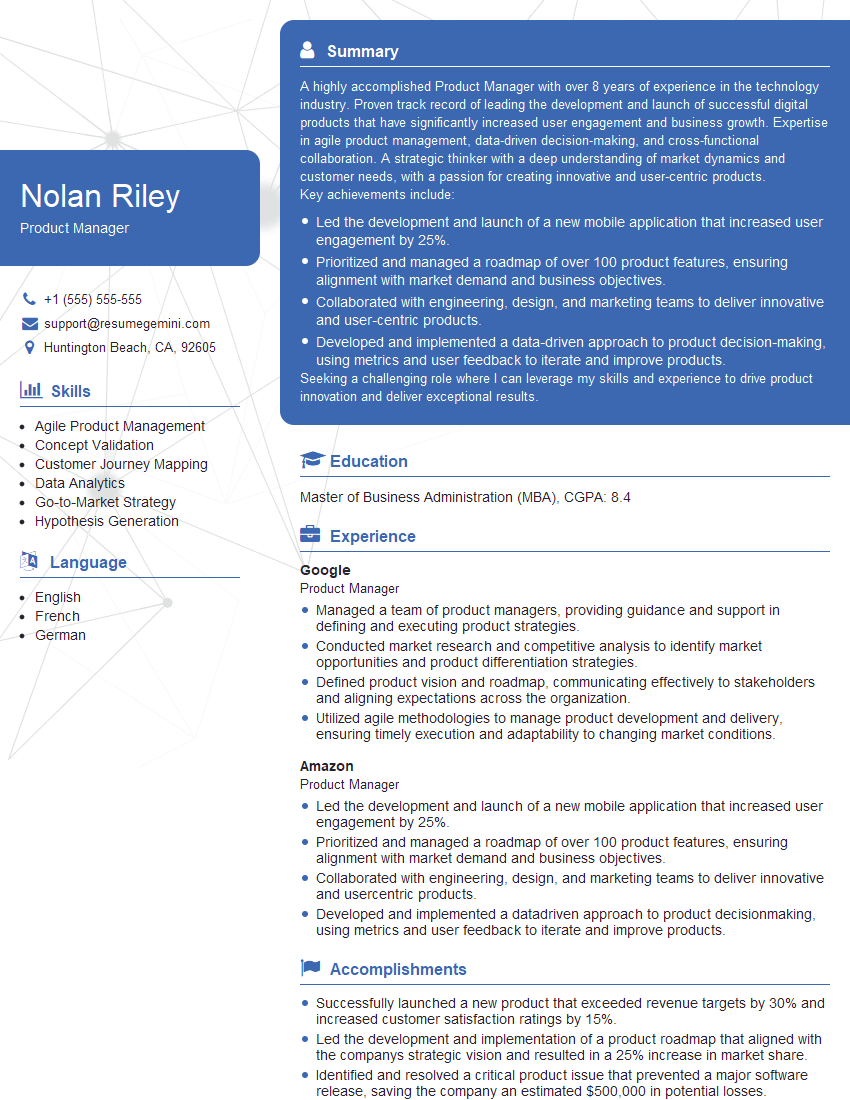
Product Manager Resume Sample
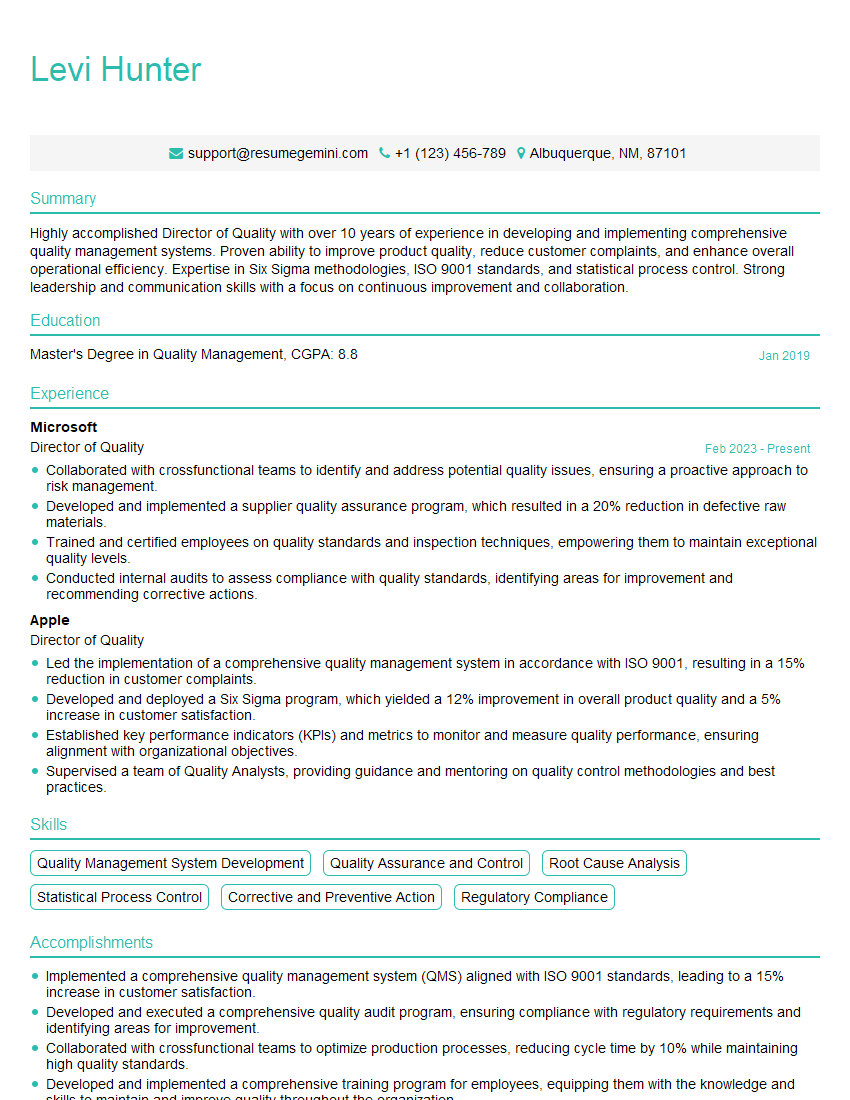
Director of Quality Resume Sample
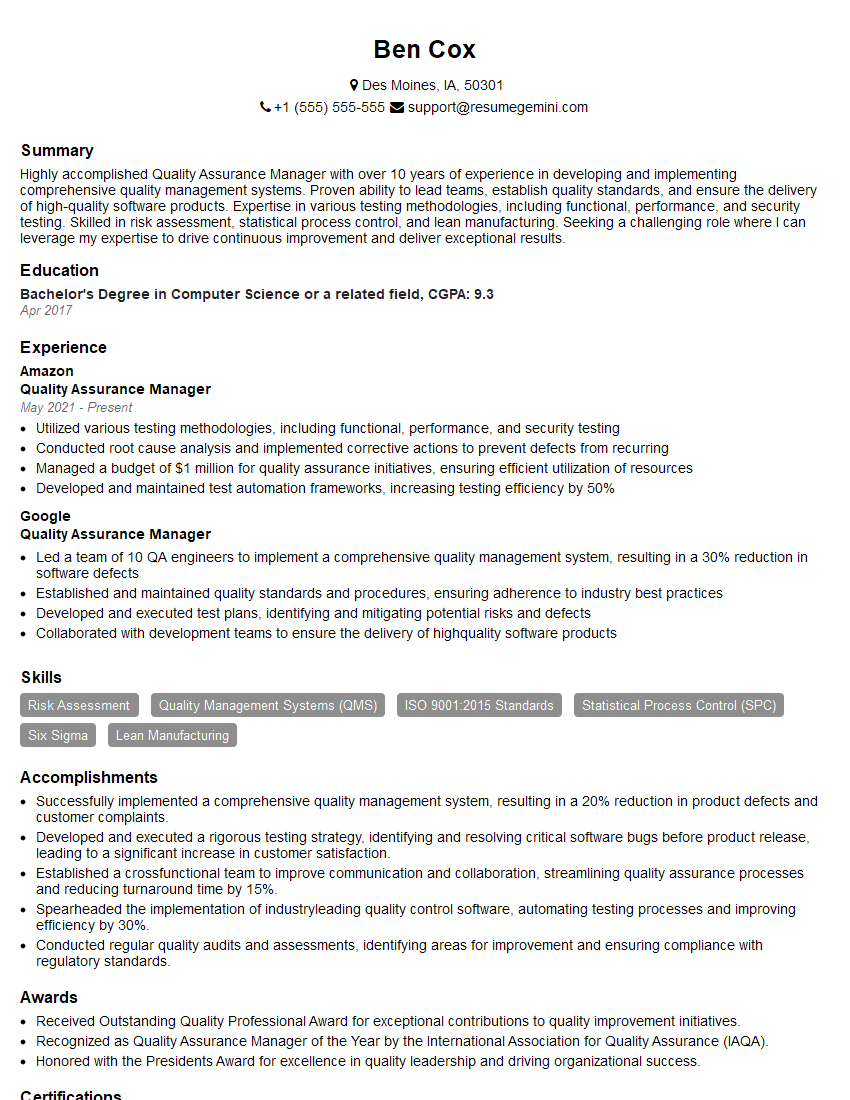
Quality Assurance Manager Resume Sample
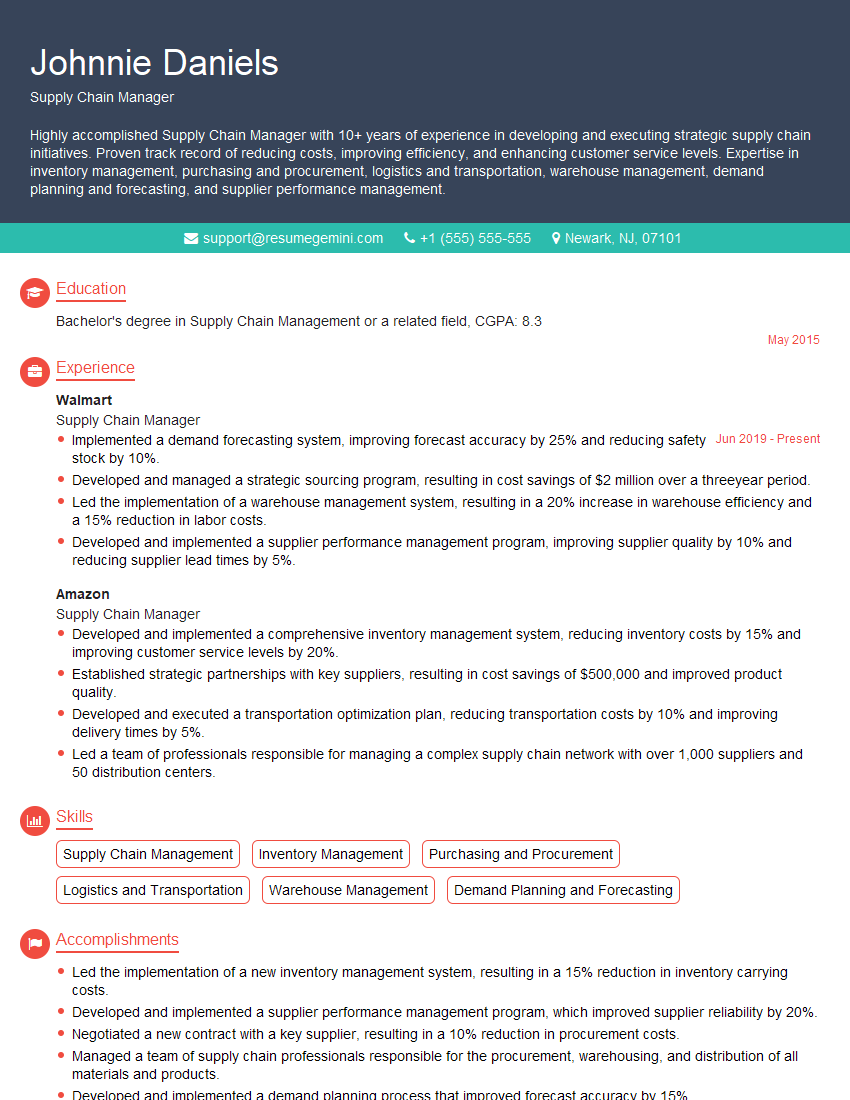
Supply Chain Manager Resume Sample

Project Manager Resume Sample

Compliance Officer Resume Sample
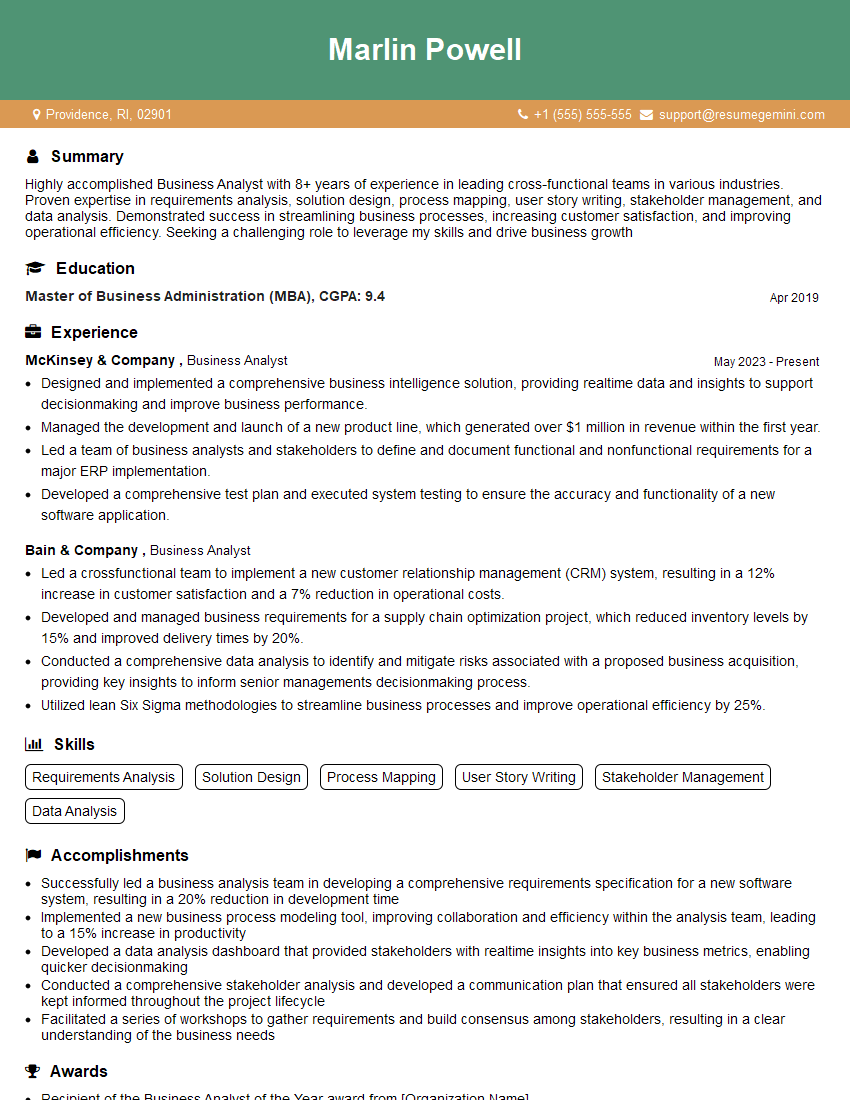
Business Analyst Resume Sample
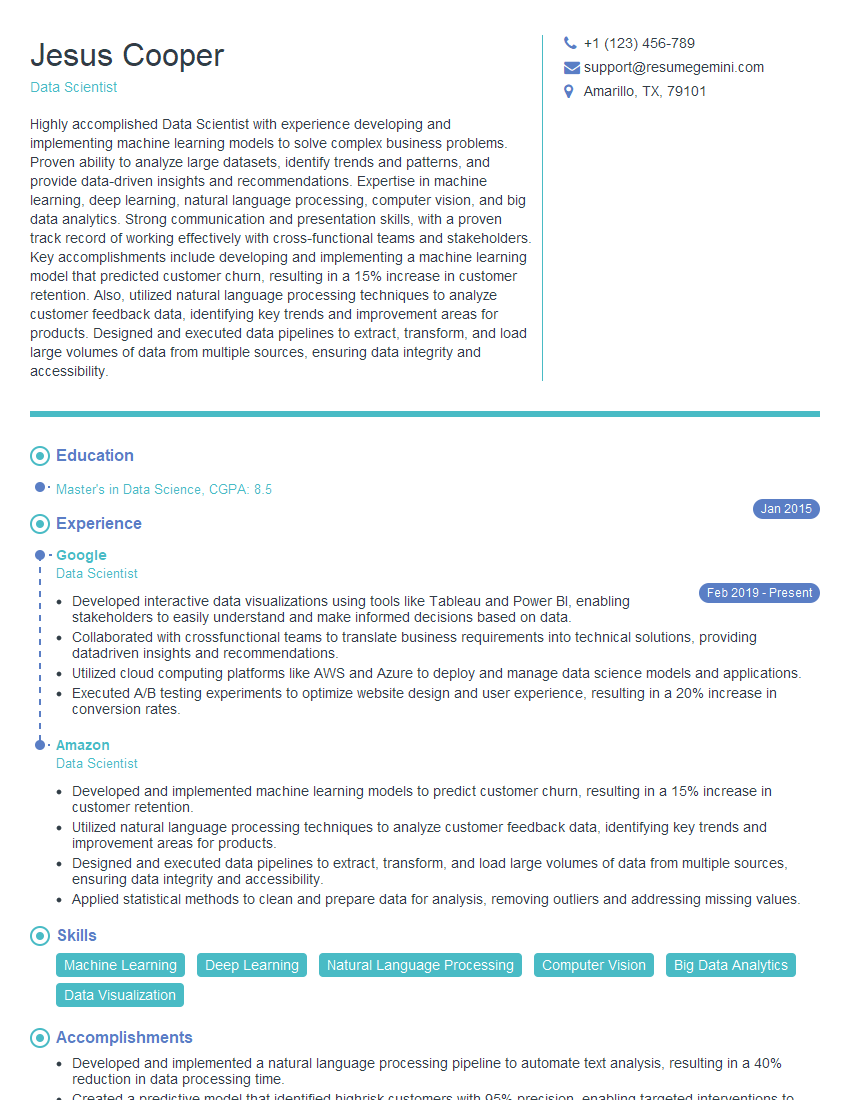
Data Scientist Resume Sample
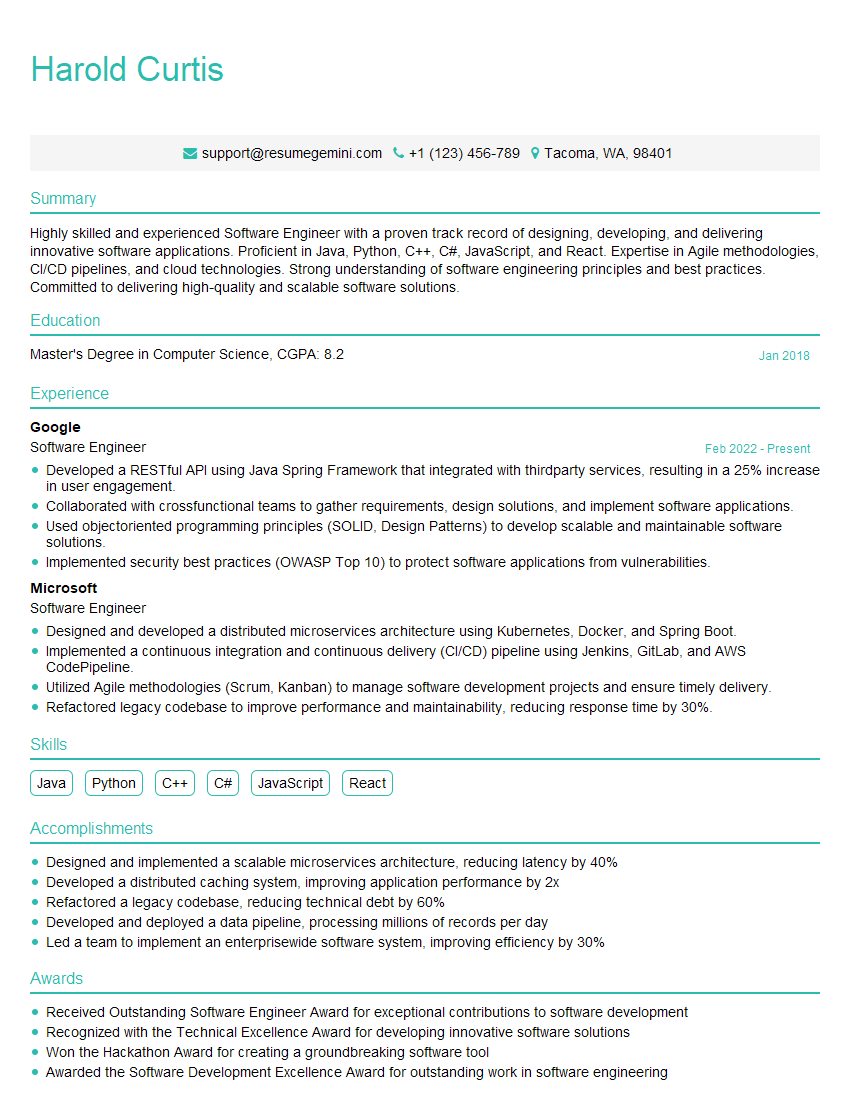
Software Engineer Resume Sample
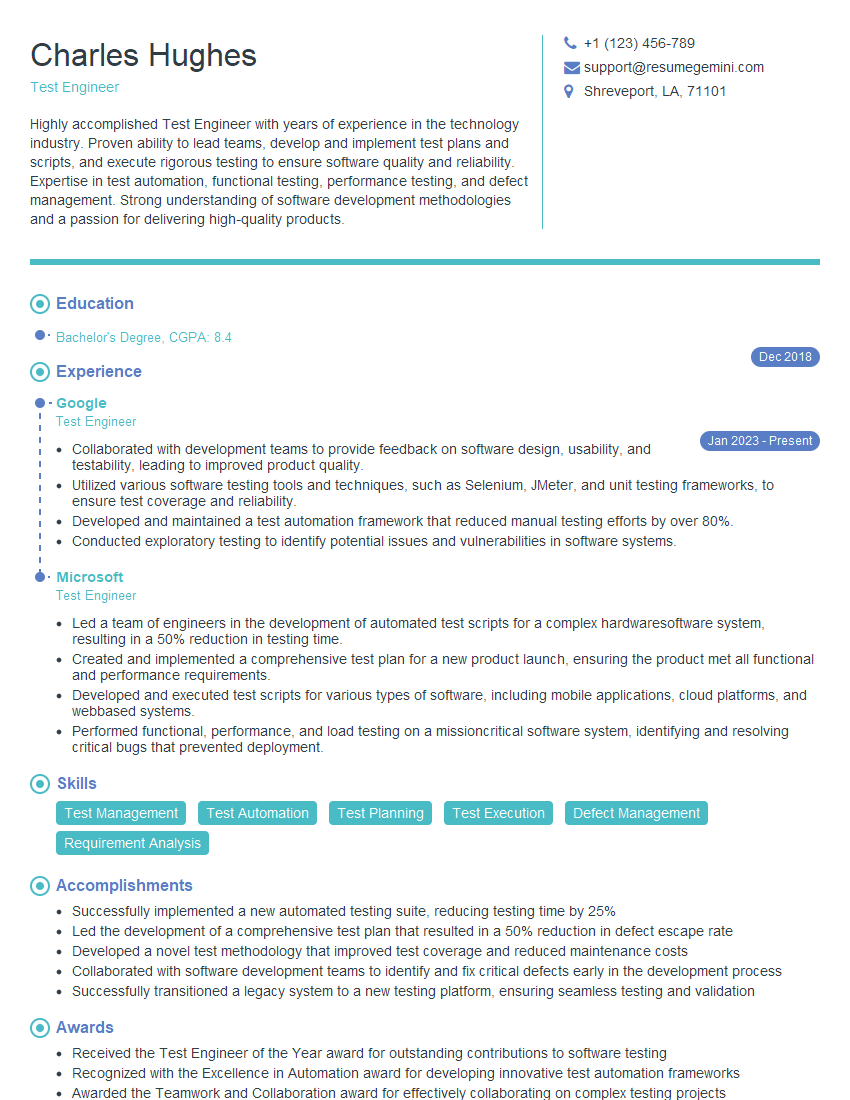
Test Engineer Resume Sample

Senior Software Engineer Resume Sample
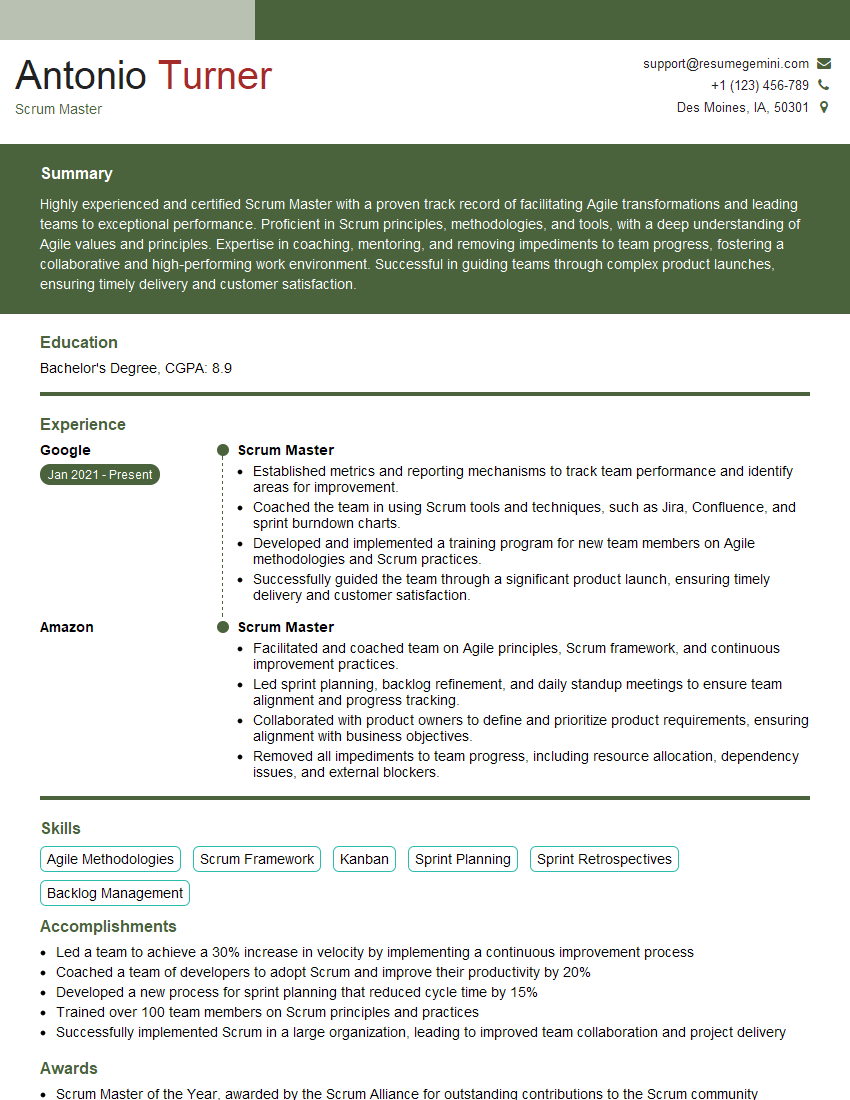
Scrum Master Resume Sample
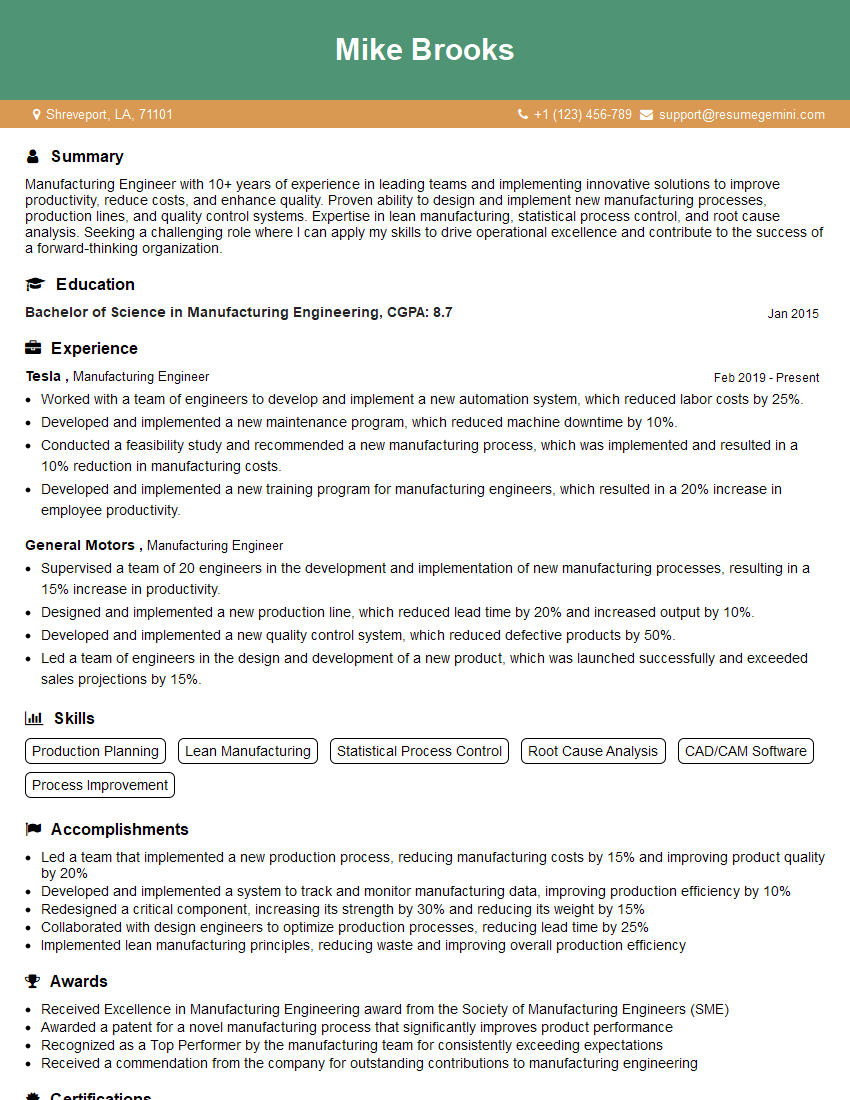
Manufacturing Engineer Resume Sample
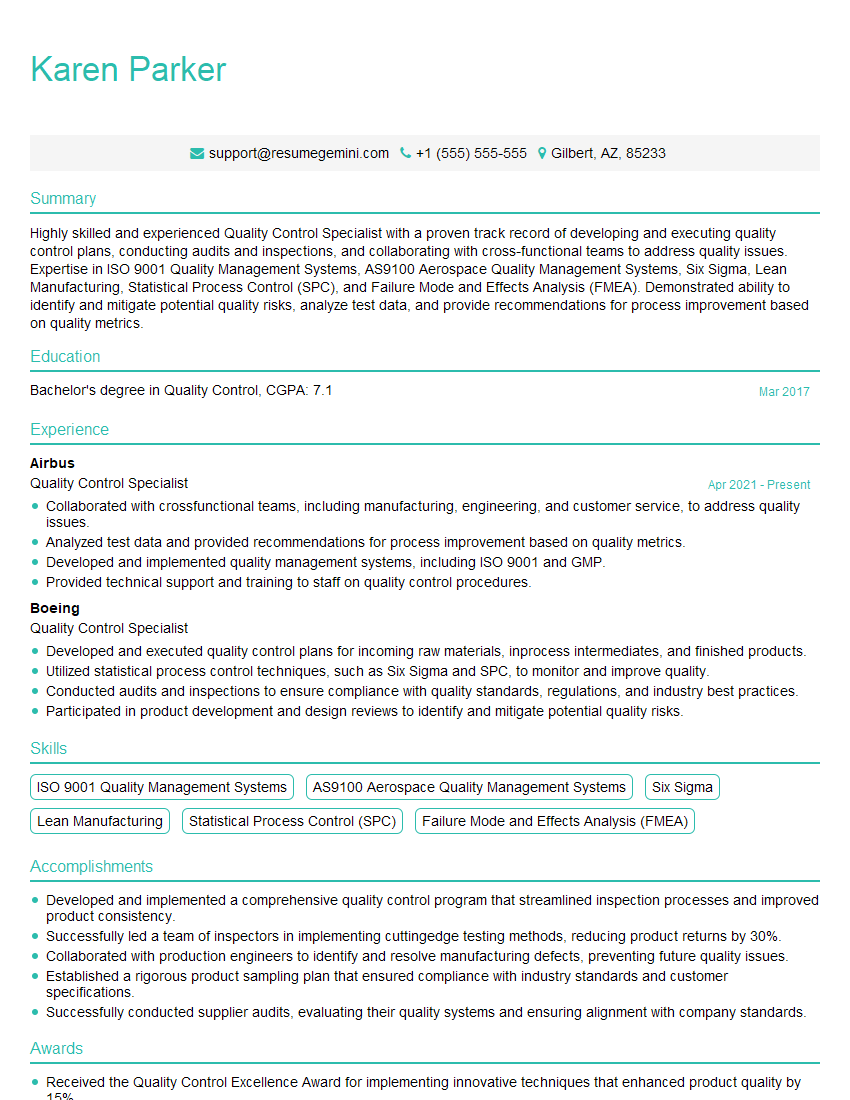
Quality Control Specialist Resume Sample
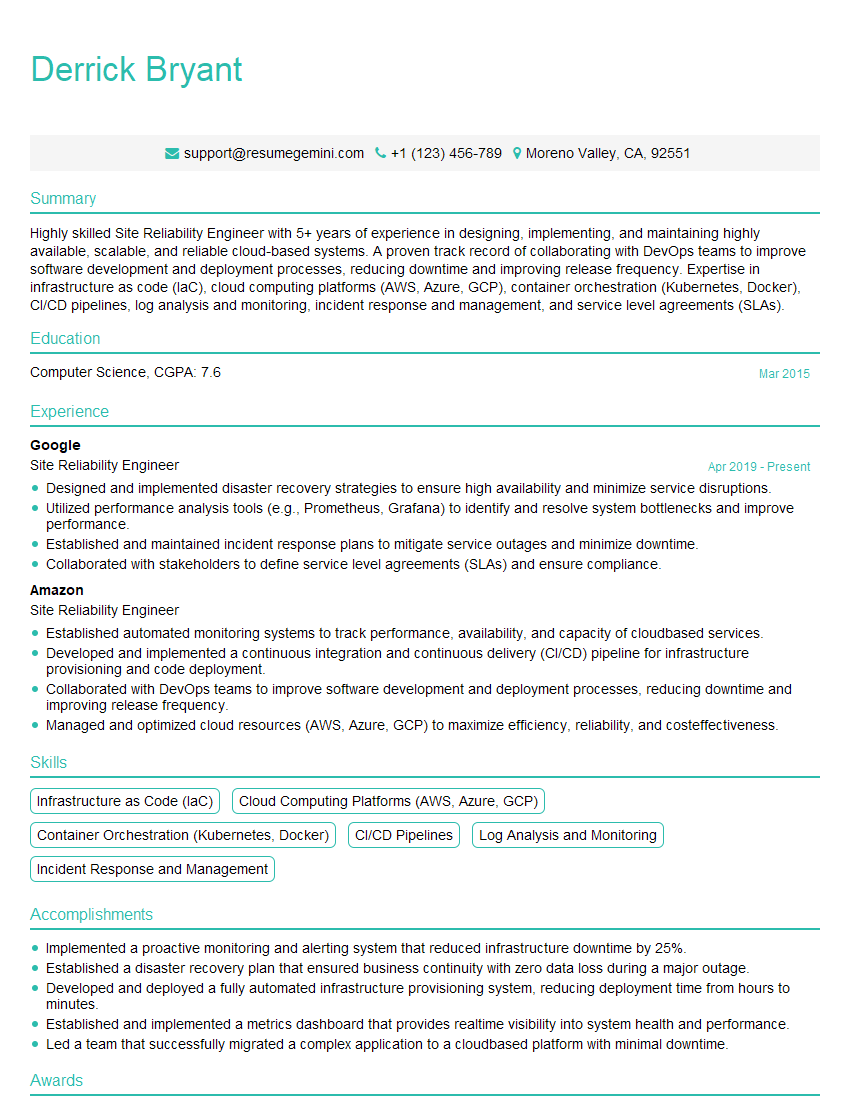
Site Reliability Engineer Resume Sample

Technical Writer Resume Sample
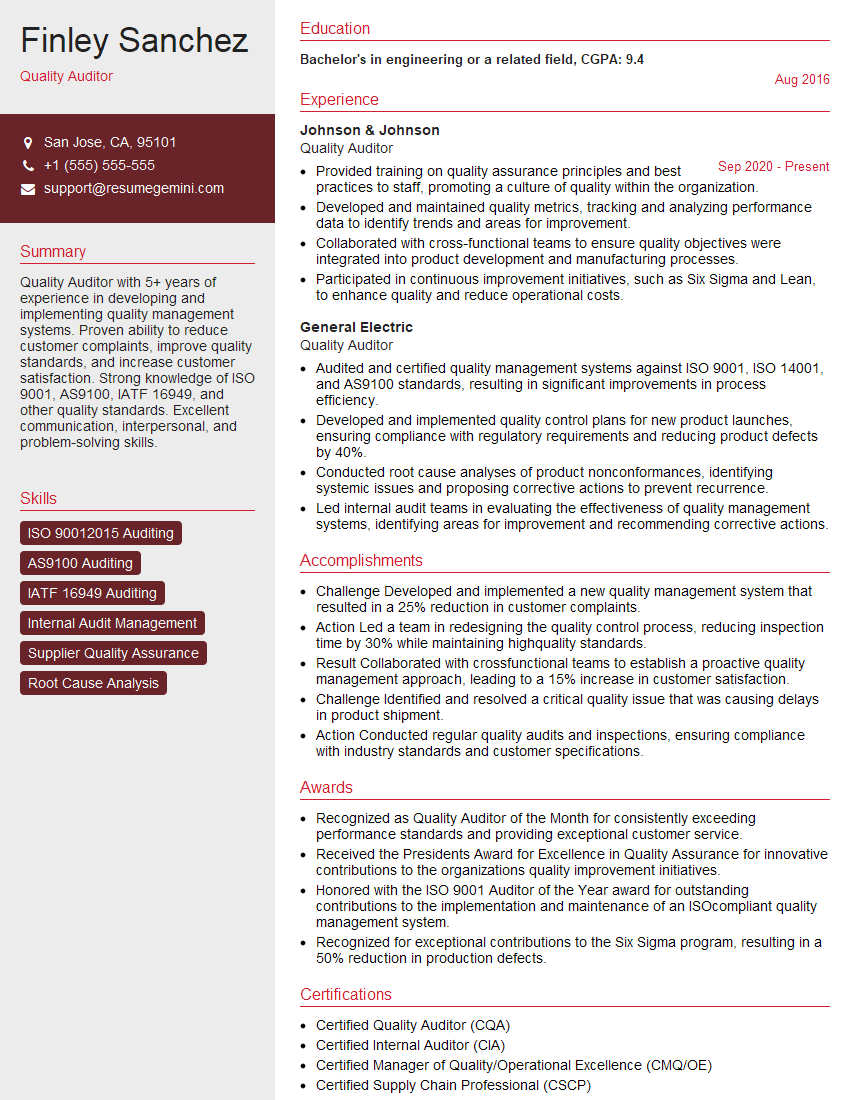
Quality Auditor Resume Sample
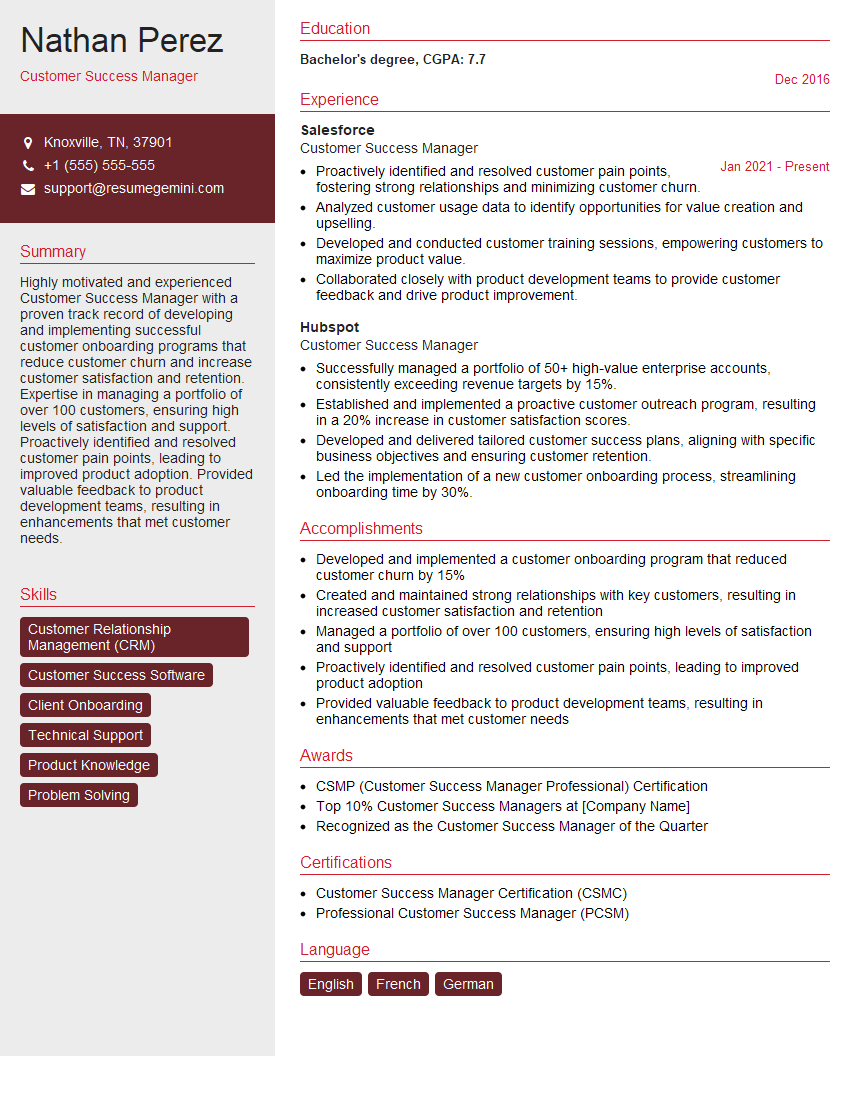
Customer Success Manager Resume Sample
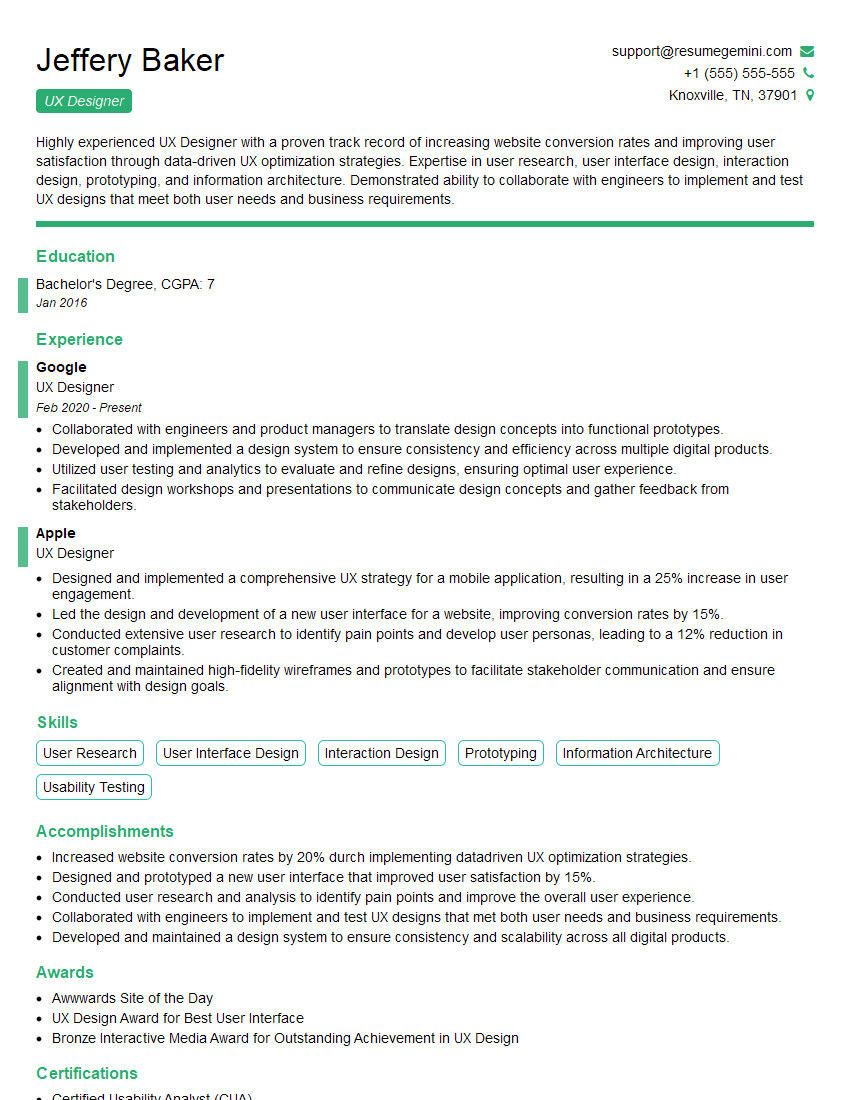
UX Designer Resume Sample
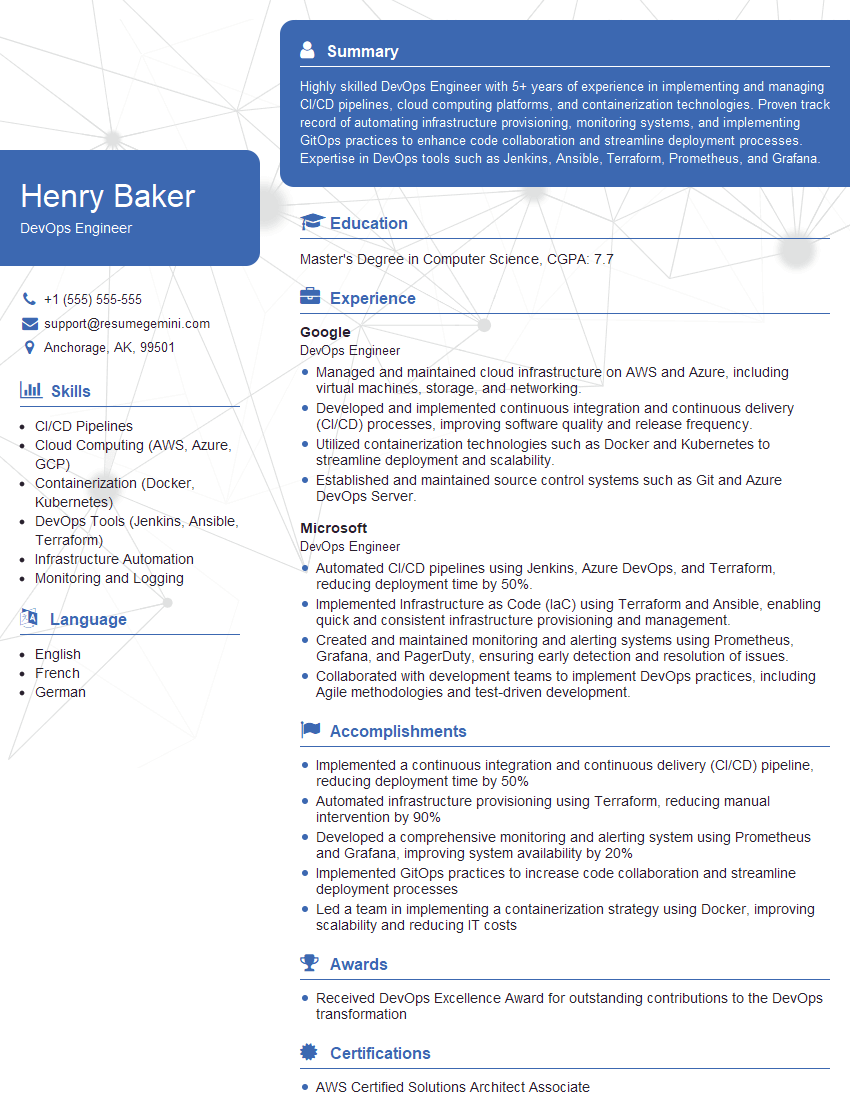
DevOps Engineer Resume Sample
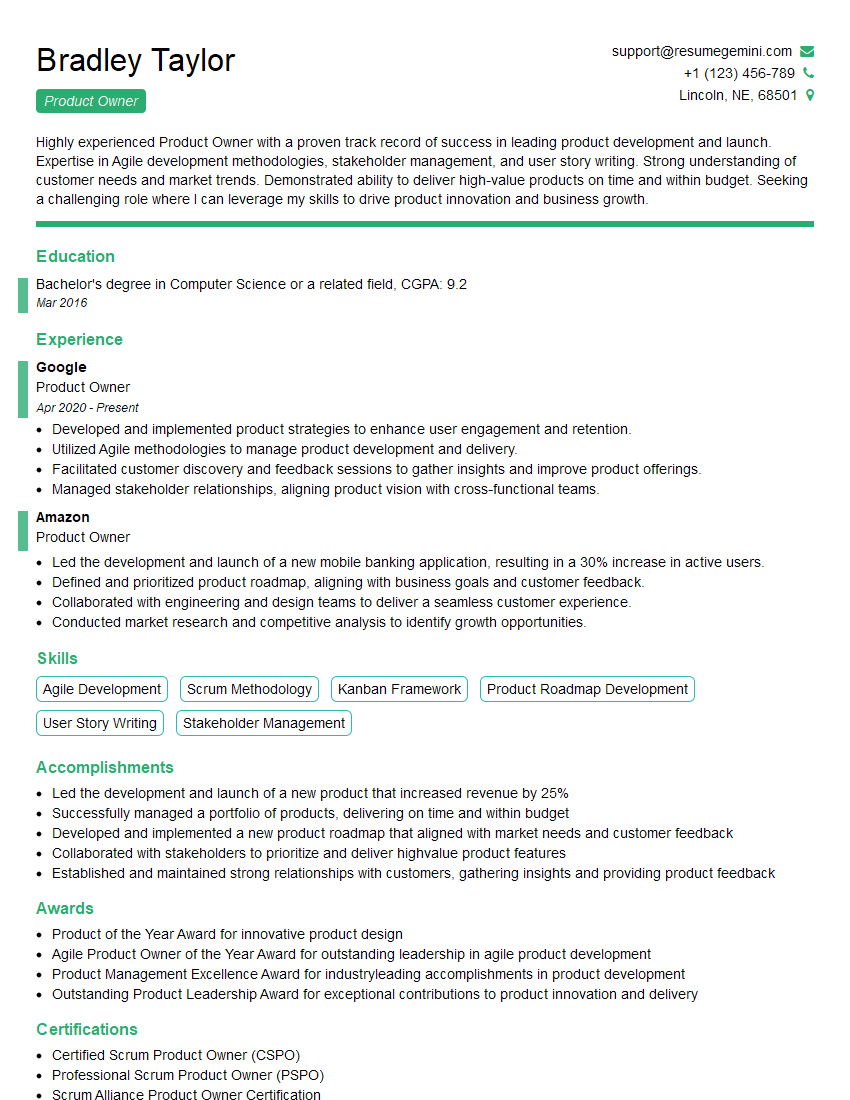
Product Owner Resume Sample
- Operations Manager
- Product Manager
- Director of Quality
- Quality Assurance Manager
- Supply Chain Manager
- Project Manager
- Compliance Officer
- Business Analyst
- Data Scientist
- Software Engineer
- Test Engineer
- Senior Software Engineer
- Scrum Master
- Manufacturing Engineer
- Quality Control Specialist
- Site Reliability Engineer
- Technical Writer
- Quality Auditor
- Customer Success Manager
- UX Designer
- DevOps Engineer
- Product Owner
Explore more articles
Users Rating of Our Blogs
Share Your Experience
We value your feedback! Please rate our content and share your thoughts (optional).
What Readers Say About Our Blog
Very informative content, great job.
good