The thought of an interview can be nerve-wracking, but the right preparation can make all the difference. Explore this comprehensive guide to Proficiency in Using Measuring and Inspection Tools interview questions and gain the confidence you need to showcase your abilities and secure the role.
Questions Asked in Proficiency in Using Measuring and Inspection Tools Interview
Q 1. Explain the difference between accuracy and precision in measurement.
Accuracy and precision are crucial in measurement, but they represent different aspects of the measurement’s quality. Accuracy refers to how close a measurement is to the true or accepted value. Think of it like aiming for the bullseye on a dartboard; a high accuracy means your darts are clustered near the center. Precision, on the other hand, describes how close repeated measurements are to each other. High precision means your darts are clustered tightly together, regardless of whether they are near the bullseye. You can have high precision with low accuracy (darts clustered tightly, but far from the center) or high accuracy with low precision (darts scattered around the bullseye). In manufacturing, high accuracy and precision are both essential for producing parts that meet specifications.
Example: Let’s say the true diameter of a shaft is 10mm. A measurement of 10.1mm is more accurate than 9.8mm, while repeated measurements of 10.1, 10.2, and 10.1mm demonstrate good precision.
Q 2. What are the common types of calipers and their applications?
Calipers are versatile measuring instruments used to determine the dimensions of objects. Several types exist, each with specific applications:
- Outside Calipers: Used to measure the external dimensions of objects, like the diameter of a cylinder or the width of a block. Think of them as a larger, more precise version of a simple ruler.
- Inside Calipers: Designed to measure the internal dimensions of objects, such as the diameter of a hole or the width of a groove. They’re essentially the opposite of outside calipers.
- Vernier Calipers: Offer greater accuracy than basic calipers, typically measuring to 0.01mm or 0.001 inches. They use a vernier scale for more precise readings, allowing for highly accurate measurements of both external and internal dimensions.
- Dial Calipers: These calipers use a dial indicator to display measurements, providing easy-to-read measurements. They are often preferred for repetitive measurements due to their ease of use.
- Digital Calipers: The most modern type, these utilize electronic sensors to display digital measurements on an LCD screen, offering fast and precise readings. They’re particularly useful in applications where quick and highly precise measurement is required.
The choice of caliper depends on the specific application and required precision. For instance, you might use vernier calipers for precise measurements in a machine shop, while dial calipers may be suitable for quick quality checks on an assembly line.
Q 3. How do you use a micrometer to measure a cylindrical part?
Measuring a cylindrical part with a micrometer involves several steps:
- Clean both the micrometer and the part: Any debris can affect the measurement.
- Close the micrometer spindle gently: Ensure the anvil and spindle are clean and free of debris.
- Position the cylindrical part between the anvil and the spindle: Ensure the part is firmly seated, but avoid excessive force that might distort it.
- Rotate the thimble slowly until the part is snugly held: Avoid excessive pressure, which can lead to inaccurate measurements.
- Read the measurement: This usually involves reading the main scale and the thimble scale. Many micrometers have clear markings, and the measurement will be a combination of the main scale and thimble reading. Practice is key for this.
- Record the measurement: Note down the measurement and identify the units (mm or inches).
- Repeat the measurement multiple times: Obtain at least 3 measurements from different locations on the cylinder to ensure accuracy and account for any variations in the cylinder’s shape.
Micrometers are extremely precise instruments, so handling them with care is essential. Practicing with micrometers on calibrated gauge blocks will improve your proficiency.
Q 4. Describe the process of verifying the calibration of a measuring tool.
Verifying the calibration of a measuring tool is crucial to ensure accurate and reliable measurements. The process typically involves comparing the tool’s readings to a known standard. Here’s how it’s done:
- Identify the standard: This might be a certified gauge block, a calibrated master gauge, or a certified reference standard traceable to a national metrology institute.
- Clean both the measuring tool and the standard: Any dirt or debris can interfere with accurate readings.
- Perform the comparison: Use the measuring tool to measure the standard, following the tool’s instructions carefully. For instance, for a caliper, take multiple readings at different points on the standard, and for a micrometer, follow the steps as detailed in the previous answer.
- Analyze the results: Compare the readings obtained from the measuring tool to the known value of the standard. Check if the readings fall within the acceptable tolerance range. Tolerance is the permitted variation in a measurement.
- Document the findings: Record all the measurements and the comparison results. Create a calibration certificate if the measurements do not fall within the acceptable tolerance.
- Take corrective action (if needed): If the measuring tool’s readings are outside the acceptable tolerance, the tool needs to be adjusted or repaired, or it might need to be recalibrated by a qualified technician.
Regular calibration is vital for maintaining the accuracy of measuring tools, and the frequency depends on the type of tool, its usage, and the required precision.
Q 5. What are the different types of surface finish measurement techniques?
Surface finish measurement techniques assess the texture and roughness of a surface. Different methods are used depending on the required level of detail and the type of surface being inspected. Common techniques include:
- Profilometry: This technique uses a stylus that traces the surface profile and generates a three-dimensional image, which can then be analyzed for roughness parameters (like Ra, Rz).
- Optical Techniques: These methods utilize optical interferometry or confocal microscopy to measure surface roughness. They’re non-contact methods and are ideal for delicate or soft surfaces.
- Contact Measurement: A stylus is dragged over the surface, and its movement relative to a datum line generates a trace. This is then analyzed to provide roughness parameters.
- Non-contact Measurement: Using a laser or other optical sensors without physically touching the surface, thereby avoiding damage to delicate materials. Often employed in automated inspection systems.
The choice of method depends on factors such as the material’s properties, the required precision, and the size and shape of the surface.
Q 6. How do you interpret a tolerance specification on an engineering drawing?
Tolerance specifications on engineering drawings define the permissible variations in a dimension. They’re crucial to ensure that manufactured parts fit together and function correctly. Tolerances are usually expressed as plus or minus values (+/-). For example, a dimension specified as ’10 ± 0.1mm’ means that the actual dimension can range from 9.9mm to 10.1mm and still be considered acceptable. The interpretation depends on the type of tolerance indicated and the applicable standard. There are various methods for denoting tolerances such as bilateral, unilateral, and limits and fits which specify acceptable ranges. Understanding these is crucial to manufacturing parts to specification and determining whether parts are acceptable following measurement. There are specific standards such as ISO 286 for limits and fits and ISO 1101 for geometrical tolerances.
Example: A drawing might specify a shaft diameter as ‘25.00mm +/- 0.05mm’. This means the acceptable diameter range is between 24.95mm and 25.05mm. Any shaft outside this range is considered out of tolerance and likely unsuitable for assembly.
Q 7. Explain the principles of optical comparators and their use in inspection.
Optical comparators are precision inspection instruments that project an enlarged image of a part onto a screen, allowing for detailed visual inspection. They work on the principles of optics, using a projector to create a magnified image and a screen with comparison charts (master profiles or templates) of acceptable shapes and sizes. The part’s silhouette is superimposed against a reference image to detect deviations from specifications.
Use in Inspection: Optical comparators are used for:
- Checking part profiles and outlines: Ensuring that the part’s shape matches the design specifications.
- Detecting small surface defects: Magnification allows for the identification of flaws that might be invisible to the naked eye.
- Comparing part dimensions against the reference image: Measuring the part’s overall size and shape.
Optical comparators provide a rapid and easy-to-use method of inspecting parts, and often offer considerable magnification so even small defects can be identified. They are widely used in quality control and inspection processes in various industries, particularly for parts with complex geometries.
Q 8. What are the common types of non-destructive testing (NDT) methods?
Non-destructive testing (NDT) methods are crucial for evaluating the integrity of materials and components without causing damage. They allow us to identify flaws, defects, or inconsistencies in a product’s structure. Common methods include:
- Visual Inspection: The simplest method, involving a thorough visual examination for surface cracks, corrosion, or dimensional inaccuracies. Think of a mechanic checking for leaks in a car engine.
- Liquid Penetrant Testing (LPT): This method uses a dye to detect surface-breaking flaws. The dye penetrates the crack, and a developer reveals the flaw. Imagine using food coloring to find a small crack in a ceramic bowl.
- Magnetic Particle Testing (MT): Used for ferromagnetic materials, this method involves magnetizing the part and applying magnetic particles. These particles accumulate at the flaws, making them visible. It’s like using iron filings to visualize magnetic field lines around a magnet; the filings cluster where the field is disrupted by a crack.
- Ultrasonic Testing (UT): This method uses high-frequency sound waves to detect internal flaws. The waves reflect off discontinuities, revealing their location and size. Think of sonar used by ships to detect underwater objects; UT works similarly but within a material.
- Radiographic Testing (RT): Uses X-rays or gamma rays to penetrate the material and create an image revealing internal flaws. It’s similar to an X-ray of a human body, but for materials.
- Eddy Current Testing (ECT): This method uses electromagnetic induction to detect surface and near-surface flaws in conductive materials. Changes in the material’s conductivity cause changes in the eddy current, indicating the presence of a flaw. This is a very sensitive method for detecting small cracks.
The choice of NDT method depends on the material, the type of flaw expected, and the required sensitivity.
Q 9. How do you use a dial indicator for precise measurements?
A dial indicator, or dial gauge, is a precision measuring instrument used to measure small displacements or deviations. To use it accurately:
- Mount the indicator securely: Ensure the indicator is firmly mounted on a stable base using a magnetic stand or a suitable fixture. Any movement of the base will introduce error.
- Zero the indicator: Bring the indicator probe into contact with the reference surface. Then zero the indicator using the adjustment knob. This sets the starting point for measurement.
- Establish a consistent measurement technique: Apply a constant force when taking the measurement. Avoid bouncing the probe against the surface, which can lead to inaccurate readings. Maintain the same angle and approach each time for repeatable results.
- Read the indicator correctly: The dial indicator displays the measurement in a scale that you need to interpret correctly. Note the unit of measurement (usually thousandths or ten-thousandths of an inch or micrometers).
- Consider the indicator’s resolution and accuracy: Always check the accuracy of the indicator and ensure its resolution is appropriate for the measurement task. Trying to measure microns with an indicator only accurate to tenths of a millimeter will be futile.
- Account for temperature variations: Significant temperature changes can affect the accuracy of measurements. Ensure your measurement environment is stable.
For example, when checking the runout on a shaft, I’d mount the dial indicator to a magnetic base firmly attached to the machine bed. I’d then rotate the shaft slowly and observe the indicator’s needle to measure the maximum deviation from the center.
Q 10. Explain the concept of Gage R&R studies.
Gage R&R (Gauge Repeatability and Reproducibility) studies assess the variation in measurements caused by the measuring instrument (repeatability) and the operator using the instrument (reproducibility). The goal is to determine if the measurement system is capable of accurately reflecting the actual variation in the parts being measured. It’s important because inconsistent measurement data can lead to incorrect conclusions regarding product quality.
The study involves multiple operators measuring the same parts multiple times. Statistical analysis is then performed to calculate:
- Repeatability (EV): Variation in measurements taken by a single operator using the same gauge on the same part.
- Reproducibility (AV): Variation in measurements of the same part by different operators using the same gauge.
- Total Gage Variation (GV): The combined variation from repeatability and reproducibility.
These values are compared to the overall part-to-part variation. A small Gage Variation compared to the part-to-part variation indicates a good measurement system. A large Gage Variation, relative to part-to-part variation, points to a poor measurement system that needs improvement. This might involve calibrating the gauge, retraining operators, or replacing the gauge with a more precise one.
Q 11. What are the common sources of measurement error?
Measurement errors can creep in from various sources, impacting the accuracy and reliability of results. Common sources include:
- Instrument error: The gauge itself may be inaccurate due to wear, miscalibration, or inherent limitations in its design. A worn micrometer, for instance, could give consistently inaccurate readings.
- Environmental factors: Temperature, humidity, and vibration can influence measurements. High temperatures might cause expansion, altering dimensions; vibrations can cause inconsistencies.
- Operator error: Improper use of the gauge, incorrect reading of the scale, and inconsistent application of force are common sources of human error. For example, not maintaining a consistent force while using a caliper can introduce error.
- Part variation: Differences in the parts being measured can be a source of variation that’s not related to the measurement system. This needs to be considered when analyzing results.
- Fixturing errors: Inaccurate or improperly designed fixtures can misalign the part during measurement, leading to erroneous results.
- Calibration issues: If the instrument isn’t regularly calibrated against a known standard, the measurements will drift over time.
Understanding these sources is critical for implementing proper control measures and improving measurement accuracy.
Q 12. How do you handle discrepancies between measured values and specifications?
Discrepancies between measured values and specifications require a systematic approach to investigation and resolution. The process involves:
- Verification of the measurement system: Confirm the accuracy and calibration status of the measuring instrument. Is the instrument properly calibrated and functioning correctly?
- Re-measurement: Repeat the measurement multiple times using the same instrument and, ideally, a different operator. This helps rule out random errors.
- Investigation of potential error sources: Consider environmental factors, operator technique, and the condition of the part being measured. Are there any environmental factors that might influence the result?
- Analysis of the root cause: If discrepancies persist, a root cause analysis is required to identify the underlying problem. For example, using a control chart to identify an assignable cause of variation.
- Corrective action: Based on the root cause analysis, corrective actions are implemented. This could involve recalibrating equipment, retraining operators, or even redesigning the part.
- Documentation: The entire process, including the findings and corrective actions, should be documented for traceability and future reference. Maintain clear records of the findings and actions taken.
For instance, if a part consistently fails a dimension check, we’d examine the measuring equipment, re-measure the part, and potentially inspect the manufacturing process for deviations.
Q 13. Describe your experience using CMM (Coordinate Measuring Machine).
I have extensive experience using Coordinate Measuring Machines (CMMs) for high-precision dimensional inspection. My experience includes programming CMMs using various software packages (e.g., PC-DMIS, Calypso) to create measurement routines. I’m proficient in creating complex measurement strategies, utilizing different probing techniques (e.g., touch-trigger, scanning) to capture detailed dimensional information. In my previous role, I used a CMM to inspect complex aerospace components, ensuring they met stringent tolerances. I’ve also been involved in developing and implementing CMM measurement procedures, ensuring consistency and accuracy across multiple inspection processes. Further, I have experience in analyzing CMM data, generating reports, and identifying deviations from specifications, supporting continuous improvement initiatives within manufacturing processes.
A specific example involved inspecting a turbine blade. Using a scanning probe, I created a 3D model of the blade’s surface and analyzed it for deviations from the CAD model. This level of detail helped identify subtle imperfections that might have gone undetected by other methods, ultimately ensuring the quality and performance of the critical component.
Q 14. What are the different types of gauges used in manufacturing?
Manufacturing utilizes a wide range of gauges for precise measurements. These can be categorized as:
- Linear Gauges: These measure linear dimensions. Examples include:
- Micrometers: Precisely measure small distances.
- Calipers: Measure internal, external, and depth dimensions.
- Height Gauges: Measure heights.
- Angle Gauges: Measure angles. Examples include protractors and sine bars.
- Surface Gauges: Measure surface roughness and finish.
- Thread Gauges: Check the accuracy of threads.
- Plug Gauges and Ring Gauges: Used for go/no-go inspection of cylindrical parts.
- Bore Gauges: Measure the diameter of internal bores with high accuracy.
- Special Gauges: Custom designed gauges for specific applications.
The choice of gauge depends on the specific dimension being measured, the required accuracy, and the shape of the part. For example, while a micrometer offers high precision for linear measurements, a dial indicator is more suited for measuring deviations from a reference point.
Q 15. How do you ensure traceability in your measurement processes?
Traceability in measurement ensures we can link a measurement result back to its origin, verifying its accuracy and reliability. Think of it like a chain of custody for data. It’s crucial for quality control and meeting regulatory requirements. We achieve this through a robust system involving:
- Calibration Certificates: Every measuring instrument undergoes regular calibration against traceable standards. These certificates document the instrument’s accuracy and validity within a specific timeframe, creating the first link in the chain.
- Unique Identification Numbers: Each tool and fixture is uniquely identified (e.g., serial numbers, barcodes). This allows us to track its use and calibration history within our system.
- Measurement Data Logging: All measurements are recorded electronically, often within a dedicated software system. This data includes the instrument ID, date, time, operator, and of course, the measurement itself. This meticulous record-keeping provides a complete audit trail.
- Standard Operating Procedures (SOPs): We follow strict SOPs for measurement processes, ensuring consistency and reducing variability. These procedures detail how measurements are taken and data is recorded, further strengthening traceability.
For example, if a faulty part is identified, we can instantly trace back the measuring instrument used, its calibration status, and the operator who performed the measurement, allowing for rapid investigation and corrective actions.
Career Expert Tips:
- Ace those interviews! Prepare effectively by reviewing the Top 50 Most Common Interview Questions on ResumeGemini.
- Navigate your job search with confidence! Explore a wide range of Career Tips on ResumeGemini. Learn about common challenges and recommendations to overcome them.
- Craft the perfect resume! Master the Art of Resume Writing with ResumeGemini’s guide. Showcase your unique qualifications and achievements effectively.
- Don’t miss out on holiday savings! Build your dream resume with ResumeGemini’s ATS optimized templates.
Q 16. Describe your experience with statistical process control (SPC).
Statistical Process Control (SPC) is a crucial methodology for monitoring and controlling process variation. I’ve extensively used SPC techniques, particularly Control Charts (like X-bar and R charts, and p-charts) to identify trends, shifts, and out-of-control conditions in our manufacturing processes. This involved collecting data from various measurement points, plotting it on control charts, and interpreting the results.
For instance, in a project involving the manufacturing of precision components, we used X-bar and R charts to monitor the diameter of a critical feature. By analyzing the control charts, we could quickly identify when the process was drifting outside acceptable limits. This proactive approach enabled us to address potential issues before they led to significant defects. We also utilized capability analysis (Cp, Cpk) to evaluate the process’s ability to consistently meet the specified tolerances. This gave us a quantitative assessment of our process performance, allowing us to make data-driven improvements.
Q 17. How do you identify and handle out-of-tolerance parts?
Identifying out-of-tolerance parts is a crucial step. My approach involves a multi-step process:
- Verification: The first step involves verifying the measurement, repeating the process using a different instrument or operator to rule out measurement error. This is especially important when dealing with expensive or critical parts.
- Root Cause Analysis: If the out-of-tolerance condition is confirmed, we conduct a thorough root cause analysis to identify the underlying issue. This might involve reviewing the process parameters, inspecting the equipment, or analyzing raw materials.
- Corrective Action: Based on the root cause analysis, we implement corrective actions. This could involve adjusting machine settings, replacing faulty tooling, or retraining operators.
- Disposition: A decision is made on how to handle the out-of-tolerance parts. Options include rework, scrap, or concession (allowing parts within a specified deviation to be used).
- Documentation: All steps of the process, including the initial measurement, verification, root cause analysis, corrective actions, and disposition, are meticulously documented.
For example, if a batch of machined parts showed consistently out-of-tolerance dimensions, we might investigate the machine’s wear and tear, the accuracy of its tooling, or even the quality of the raw material used. This systematic approach helps to prevent similar issues from recurring.
Q 18. Explain the importance of proper tool maintenance and storage.
Proper tool maintenance and storage are fundamental to accurate measurements and the longevity of the instruments. Neglecting these can lead to inaccurate readings, costly repairs, and even safety hazards.
- Cleaning: Tools should be cleaned regularly to remove debris and prevent corrosion. The cleaning method depends on the tool material (e.g., gentle wiping for delicate optical instruments, appropriate solvents for others).
- Calibration: Regular calibration against traceable standards is essential to ensure accuracy. Calibration intervals vary depending on the tool and its usage.
- Storage: Tools must be stored in appropriate conditions – clean, dry, and protected from damage or extreme temperatures. Specialized cases or containers often provide optimal protection.
- Inspection: Before each use, a quick visual inspection is recommended to check for any obvious damage or signs of wear.
Imagine a micrometer with debris clogging its threads – readings would be inaccurate and potentially damage the part being measured. Following a systematic maintenance schedule is crucial for maintaining accuracy and preventing such incidents.
Q 19. What software are you familiar with for data acquisition and analysis in measurement?
I am proficient in several software packages for data acquisition and analysis in measurement. These include:
- LabVIEW: I’ve used LabVIEW for programming data acquisition systems, automating measurements, and performing complex data analysis.
- Matlab: Matlab is another powerful tool for data analysis, statistical modeling, and generating reports.
- Statistical software packages (Minitab, JMP): These packages are excellent for performing statistical process control (SPC), capability analysis, and other statistical analyses.
- CMM software (e.g., PC-DMIS, Calypso): For coordinate measuring machines (CMMs), I am experienced with dedicated software for programming inspection routines, data acquisition, and reporting.
The choice of software depends on the specific application and the complexity of the measurement task.
Q 20. How would you troubleshoot a faulty measuring instrument?
Troubleshooting a faulty measuring instrument requires a systematic approach. Here’s a step-by-step process:
- Verify the Measurement: Repeat the measurement several times to confirm the fault. Use different measuring instruments if possible for comparison.
- Check Calibration Status: Ensure the instrument has been recently calibrated and is within its calibration validity period. If not, recalibration is necessary.
- Inspect the Instrument: Carefully inspect the instrument for any physical damage, dirt, or debris that might be affecting its operation.
- Check for Power Issues (if applicable): If the instrument is electronic, verify power supply and connections.
- Consult the Manual: Refer to the instrument’s manual for troubleshooting information and common problems.
- Seek Expert Assistance: If the problem persists, seek assistance from a qualified technician or the instrument’s manufacturer.
For example, if a digital caliper consistently displays inaccurate readings, we’d first check its calibration. If calibrated, then we’d check for any damage to the sliding mechanism or the display. If the problem is still present, we seek professional assistance.
Q 21. What safety precautions do you take when using measuring tools?
Safety is paramount when using measuring tools. My safety precautions include:
- Proper Handling: Using tools as intended; avoiding force, dropping, or mishandling them.
- Eye Protection: Using safety glasses or goggles, especially when working with sharp objects or potential flying debris.
- Sharp Objects: Handling sharp tools (e.g., calipers, micrometers) with care to prevent cuts or injuries.
- Electrical Safety (if applicable): Following appropriate electrical safety procedures when using electronic instruments, ensuring proper grounding and avoiding contact with live wires.
- Personal Protective Equipment (PPE): Using appropriate PPE such as gloves or safety shoes as needed, depending on the working environment and tools used.
- Proper Work Area: Maintaining a clean and organized work area free from clutter and tripping hazards. Good lighting is essential for accurate readings and safety.
By consistently adhering to these precautions, I minimize the risk of accidents and ensure a safe working environment.
Q 22. Describe your experience using laser measurement devices.
My experience with laser measurement devices spans several years and various applications. I’ve extensively used laser distance meters (LDMs) for precise distance measurements in construction and manufacturing settings. These devices are incredibly accurate, especially for longer distances where traditional tape measures fall short. I’ve also worked with laser scanners, which create 3D point clouds, providing incredibly detailed measurements of complex geometries. This technology is particularly useful for reverse engineering parts or capturing as-built conditions of large structures. For example, I used a laser scanner to accurately measure the dimensions of a turbine blade for quality control, identifying a minute imperfection that would have otherwise gone unnoticed. I’m proficient in operating different types of laser measurement devices and interpreting their data, including understanding potential sources of error, such as environmental factors like temperature and humidity, and correctly accounting for these in my measurements.
Beyond simple distance measurements, I have experience using laser trackers for high-precision coordinate measurement. These systems, often used in aerospace and automotive industries, allow for highly accurate measurement of complex parts and assemblies. They are powerful tools for ensuring precise alignment and dimensional accuracy.
Q 23. How do you document your inspection findings?
Documenting inspection findings is crucial for maintaining quality control and traceability. My process involves a multi-step approach, ensuring clarity and completeness. First, I use a standardized inspection checklist, tailored to the specific component or process. This checklist ensures that all critical aspects are reviewed. I then record my findings directly onto this checklist, including numerical measurements, visual observations (often accompanied by photographs or sketches), and any deviations from specifications. I use clear and concise language to avoid ambiguity. For complex inspections, I utilize a detailed report format, including sections for identification of the inspected item, date and time of inspection, measurement data, and a clear summary of findings with recommendations for corrective actions. All documentation is meticulously stored in a secure, organized database, with version control to maintain a clear audit trail. Think of it like a meticulously kept lab notebook – everything is documented so others can understand what happened, when, and why.
Q 24. Explain your understanding of ISO 9001 quality standards.
ISO 9001 is a globally recognized quality management system standard. It outlines requirements for establishing, implementing, maintaining, and continually improving a quality management system (QMS). My understanding of ISO 9001 extends to its core principles, including customer focus, leadership, engagement of people, process approach, improvement, evidence-based decision making, and relationship management. I’m familiar with the documentation requirements, including quality manuals, procedures, and work instructions. In practical terms, ISO 9001 helps organizations ensure consistency in their processes, leading to higher quality products or services. I’ve directly contributed to implementing ISO 9001 in previous roles by developing and maintaining inspection procedures, training personnel on quality standards, and participating in internal audits to ensure compliance. A clear understanding of ISO 9001 translates directly into more efficient and reliable quality control processes.
Q 25. What is your experience with different types of material testing?
My experience with material testing encompasses a range of techniques depending on the material properties being investigated. I’m proficient in tensile testing to determine the strength and elasticity of materials, hardness testing using methods like Rockwell and Brinell to assess material resistance to indentation, and impact testing (Charpy and Izod) to measure a material’s ability to absorb energy upon impact. I’ve also used techniques like fatigue testing to determine material behavior under repeated stress cycles and dimensional metrology for precise measurements of material properties. I have hands-on experience working with various materials, including metals, polymers, and composites, adapting testing methods according to the specific material and application. For instance, I utilized tensile testing to determine the yield strength of a newly developed alloy for use in aircraft construction, ensuring it met the necessary safety standards.
Q 26. How do you select the appropriate measuring tool for a given task?
Selecting the appropriate measuring tool depends on several factors, including the required accuracy, the size and shape of the object being measured, the material properties, and the environment. For example, a simple micrometer is ideal for precise measurements of small parts, while a caliper might be suitable for larger objects. For very precise measurements, laser measurement systems are often necessary. Rough measurements can be done with tape measures or rulers. The material being measured can also dictate the tool choice; for instance, a surface roughness gauge would be required to assess surface finish, while a specialized tool may be needed for measuring the internal diameter of a pipe. Understanding the limitations of each tool is crucial. Always consider the resolution, accuracy, and repeatability of a measurement tool to ensure it meets the requirements of the task at hand. If the situation calls for higher precision than the available tools provide, it is crucial to escalate the need for more appropriate equipment.
Q 27. Describe your experience using vision systems for automated inspection.
My experience with vision systems for automated inspection primarily involves working with systems that utilize machine vision cameras, along with specialized software for image processing and analysis. These systems can be programmed to identify defects, measure dimensions, and verify the presence of components with high speed and accuracy. I’m proficient in setting up and calibrating these systems, programming inspection routines, and interpreting the results. A recent project involved developing a vision system for automated inspection of circuit boards, identifying even minute solder defects that might have been overlooked by manual inspection. This not only increased production efficiency but also significantly improved the overall quality of the finished product. The ability to integrate these systems into existing manufacturing processes is a key skill, ensuring the smooth functioning of the automated quality control loop. The setup and calibration of these systems often needs to be fine tuned, and my experience includes managing various challenges that may arise.
Q 28. What are your strengths and weaknesses regarding using measuring and inspection tools?
My strengths lie in my meticulous attention to detail, my ability to quickly learn and adapt to new technologies and measuring tools, and my problem-solving skills. I’m adept at interpreting complex measurement data and identifying sources of error. I’m also comfortable working both independently and as part of a team. A particular strength is my ability to translate complex technical information into clear, understandable reports and presentations for non-technical audiences.
As for weaknesses, I’m always striving to improve my proficiency with newer, more specialized 3D scanning and metrology software, keeping up with the rapidly evolving advancements in this field. Though I possess a solid foundation, actively pursuing further training in advanced software will further enhance my efficiency and capabilities.
Key Topics to Learn for Proficiency in Using Measuring and Inspection Tools Interview
- Understanding Measurement Systems: Explore various measurement systems (metric, imperial), their conversions, and the appropriate selection based on application and industry standards. Consider the limitations and potential sources of error in each system.
- Mastering Specific Tools: Gain proficiency in using calipers (vernier, digital), micrometers, dial indicators, height gauges, surface plate, and other relevant inspection tools. Practice precise measurements and understand the functionalities of each instrument.
- Inspection Techniques: Learn about different inspection methods including visual inspection, dimensional inspection, surface finish inspection, and material testing. Understand the importance of proper documentation and reporting procedures.
- Interpreting Technical Drawings and Specifications: Develop the ability to accurately interpret blueprints, engineering drawings, and manufacturing specifications to guide your measurements and inspections.
- Quality Control and Assurance: Understand the principles of quality control and assurance, including statistical process control (SPC) and its relevance to accurate measurement and inspection. Learn about tolerance analysis and its implications.
- Troubleshooting and Problem-Solving: Practice identifying and resolving measurement discrepancies. Develop strategies for dealing with faulty tools, inaccurate readings, and inconsistencies in measurement.
- Safety Procedures: Familiarize yourself with the safety regulations and protocols associated with the handling and operation of measuring and inspection tools.
Next Steps
Mastering proficiency in using measuring and inspection tools is crucial for career advancement in many manufacturing, engineering, and quality control roles. These skills demonstrate attention to detail, precision, and problem-solving abilities—highly valued attributes in today’s competitive job market. To significantly boost your job prospects, creating an ATS-friendly resume is essential. ResumeGemini can help you build a compelling resume that highlights your skills and experience effectively. ResumeGemini provides examples of resumes tailored to Proficiency in Using Measuring and Inspection Tools, ensuring your application stands out. Invest the time to craft a professional resume—it’s your first impression and a key to unlocking your career goals.

Quality Control Manager Resume Sample

Production Supervisor Resume Sample

Quality Assurance Specialist Resume Sample
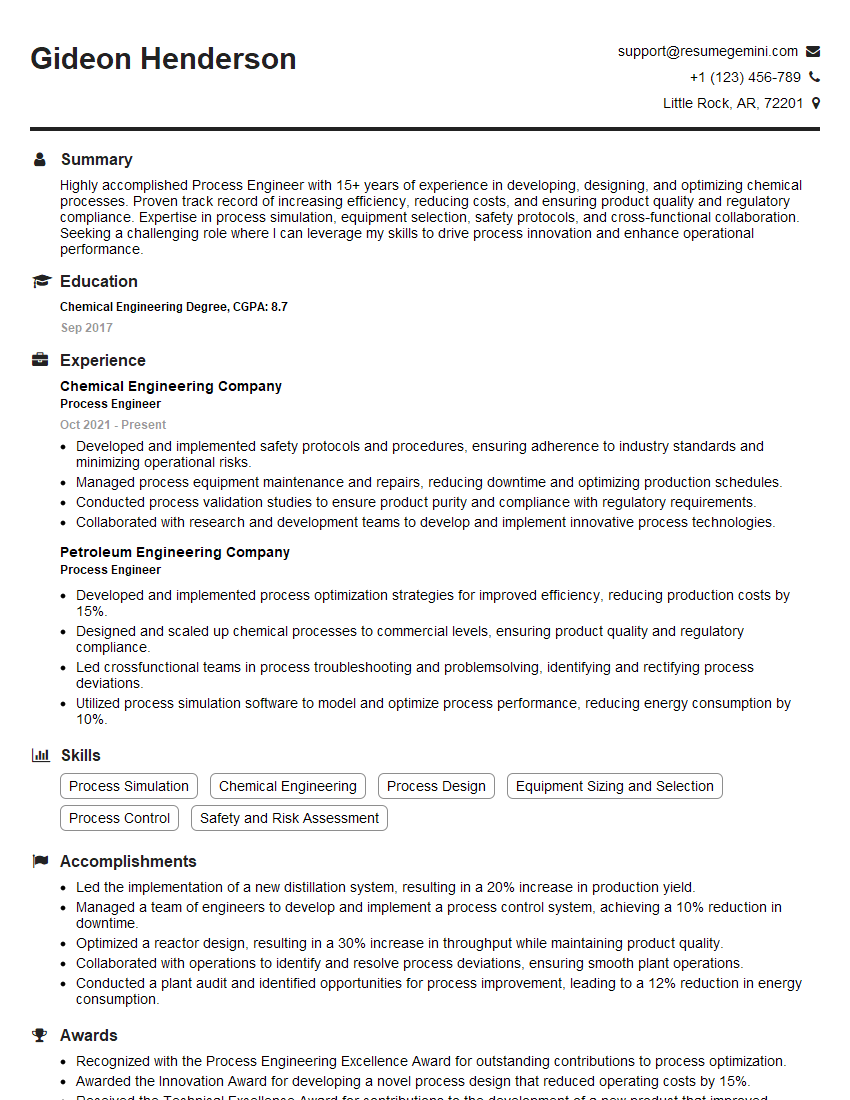
Process Engineer Resume Sample

Test Engineer Resume Sample

Maintenance Technician Resume Sample

Field Service Engineer Resume Sample
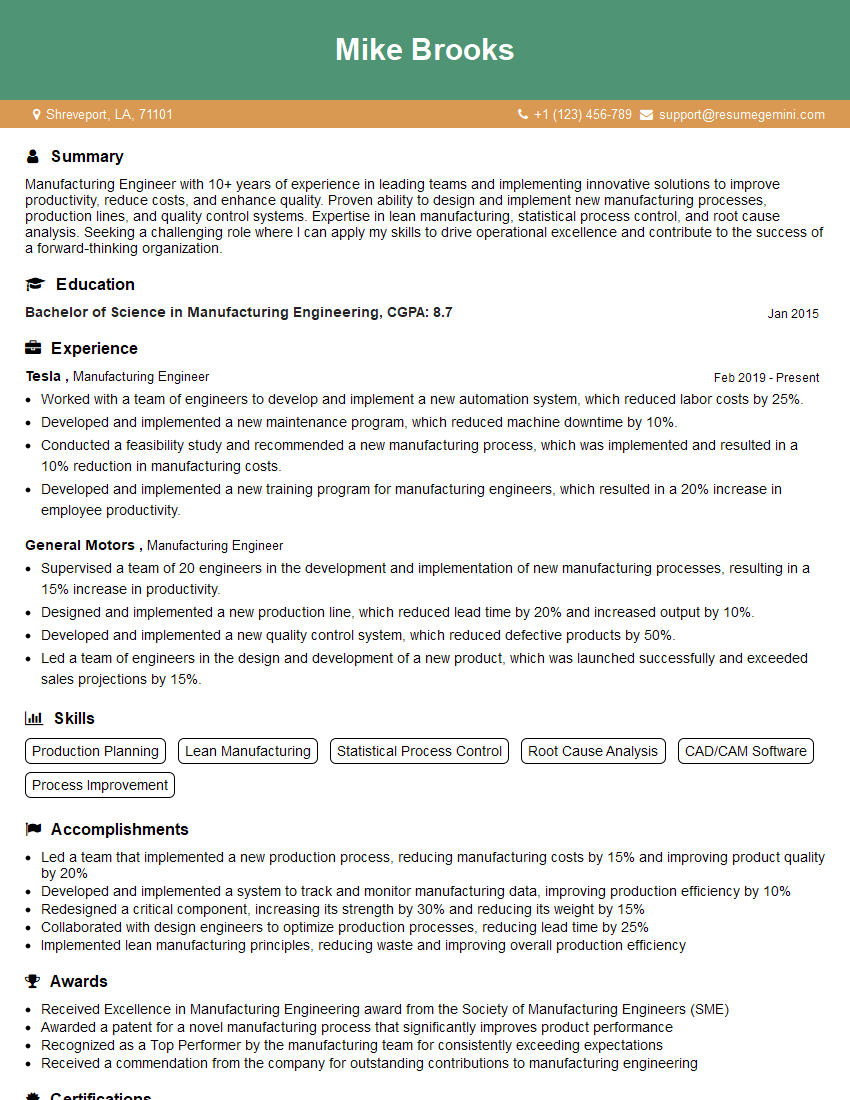
Manufacturing Engineer Resume Sample

Metrologist Resume Sample

Quality Assurance Engineer Resume Sample
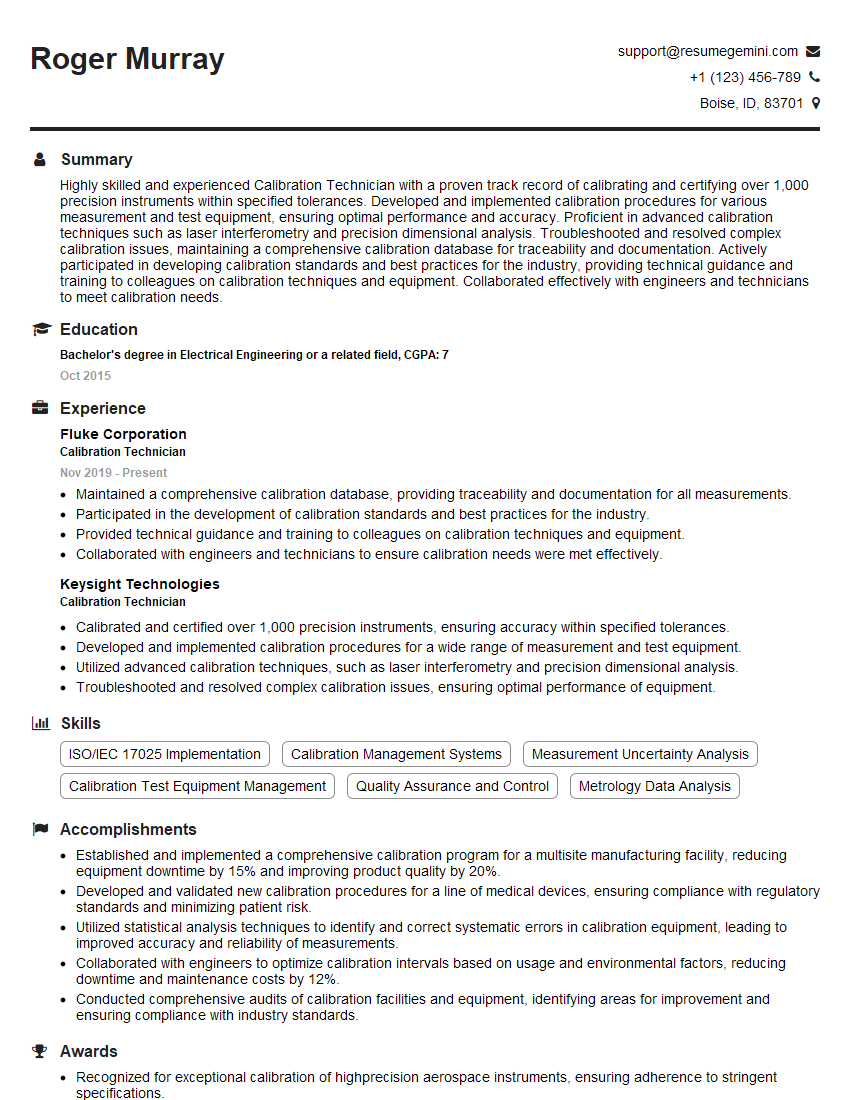
Calibration Technician Resume Sample

Robotics Technician Resume Sample

Quality Control Technician Resume Sample

Calibration Specialist Resume Sample
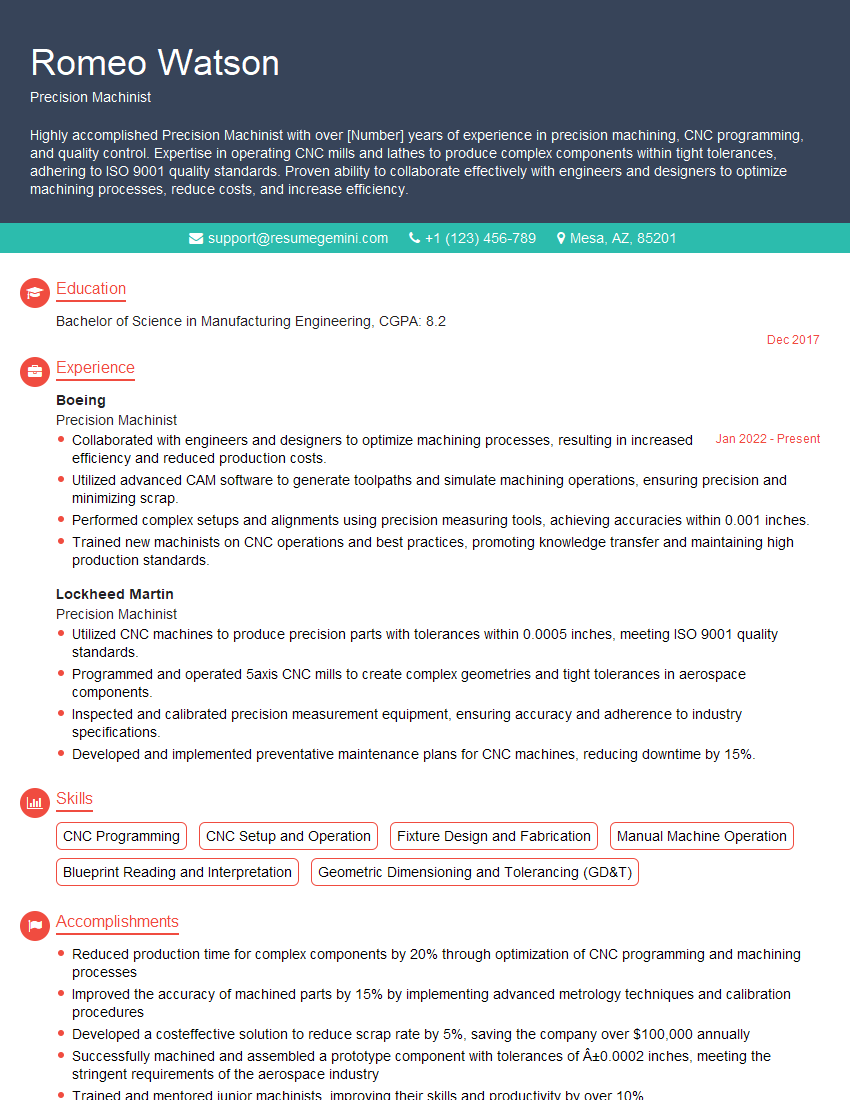
Precision Machinist Resume Sample

Tool and Die Maker Resume Sample

Dimensional Inspector Resume Sample

Mechanical Inspector Resume Sample

Quality Control Inspector Resume Sample
- Quality Control Manager
- Production Supervisor
- Quality Assurance Specialist
- Process Engineer
- Test Engineer
- Maintenance Technician
- Field Service Engineer
- Manufacturing Engineer
- Metrologist
- Quality Assurance Engineer
- Calibration Technician
- Robotics Technician
- Quality Control Technician
- Calibration Specialist
- Precision Machinist
- Tool and Die Maker
- Dimensional Inspector
- Mechanical Inspector
- Quality Control Inspector
Explore more articles
Users Rating of Our Blogs
Share Your Experience
We value your feedback! Please rate our content and share your thoughts (optional).
What Readers Say About Our Blog
Very informative content, great job.
good