Feeling uncertain about what to expect in your upcoming interview? We’ve got you covered! This blog highlights the most important Proficient in First Aid and Emergency Response interview questions and provides actionable advice to help you stand out as the ideal candidate. Let’s pave the way for your success.
Questions Asked in Proficient in First Aid and Emergency Response Interview
Q 1. Describe the steps involved in performing CPR on an adult.
Performing CPR (Cardiopulmonary Resuscitation) on an adult involves a sequence of actions designed to restore breathing and circulation. It’s crucial to remember that early CPR significantly increases the chances of survival.
- Check for Responsiveness: Gently shake the person and shout, “Are you okay?” If there’s no response, proceed.
- Call for Help: Immediately call emergency services (911 or your local equivalent). If someone else is available, have them call while you begin CPR.
- Check for Breathing: Look, listen, and feel for normal breathing for no more than 10 seconds. Absence of normal breathing indicates the need for CPR.
- Chest Compressions: Position yourself with your hands interlocked, heel of one hand on the center of the chest (between the nipples), and begin compressions. Push hard and fast, at a rate of 100-120 compressions per minute, allowing the chest to fully recoil after each compression. The depth of compressions should be at least 2 inches (5 cm).
- Rescue Breaths: After 30 chest compressions, give two rescue breaths. Tilt the head back, lift the chin, pinch the nose, and seal your mouth over the person’s mouth. Give two slow breaths, each lasting about 1 second, watching for chest rise.
- Continue CPR: Continue cycles of 30 chest compressions and two rescue breaths until help arrives or the person shows signs of life, such as breathing or movement.
Important Note: This is a simplified overview. Proper CPR training is essential to learn the techniques correctly and confidently. Hands-on training from a certified instructor is strongly recommended.
Q 2. Explain the difference between stable and unstable side positioning.
Stable and unstable side positioning, also known as the recovery position, are used to help maintain an open airway and prevent aspiration (inhalation of vomit or fluids) in unconscious but breathing individuals. The key difference lies in the stability of the person’s position.
- Stable Side Positioning: This is used when the person is relatively stable and not at immediate risk of vomiting or further injury. The person is gently rolled onto their side, supporting their head and neck. This position helps keep the airway open and allows any fluids to drain.
- Unstable Side Positioning: This is used when the person is severely injured, unstable, or at high risk of vomiting. The goal is similar—to protect the airway—but more care must be taken to prevent further injury during the repositioning. This may involve additional support and careful movement of the person’s body to prevent worsening injuries.
For example, someone who has fainted and is breathing normally may be placed in a stable side position. However, someone with a suspected spinal injury would require a more cautious, potentially unstable side positioning technique to avoid further harm.
Q 3. How would you assess a patient’s airway, breathing, and circulation?
Assessing a patient’s airway, breathing, and circulation (ABCs) is the foundation of initial emergency assessment. This rapid assessment helps prioritize treatment.
- Airway: Check for airway obstructions. Look for any obvious blockages (e.g., vomit, foreign objects) and listen for abnormal breathing sounds. If obstructed, clear the airway using appropriate techniques (e.g., finger sweep for visible objects).
- Breathing: Look for chest rise and fall, listen for breath sounds, and feel for air movement on your cheek near their mouth or nose. If breathing is absent or inadequate, begin rescue breaths.
- Circulation: Check for a pulse (carotid or femoral) and assess skin color (pale, cyanotic [blue], flushed). If there is no pulse, begin chest compressions.
Think of it like this: you need a clear path (airway) for air to flow, the air must be moving (breathing), and the blood must be circulating (circulation) to deliver oxygen to the body’s tissues.
Q 4. What are the signs and symptoms of a stroke?
Stroke is a medical emergency caused by a disruption of blood flow to the brain. Recognizing the signs and symptoms is crucial for timely intervention. The FAST acronym is a helpful mnemonic:
- F – Face: Ask the person to smile. Does one side of their face droop?
- A – Arms: Ask the person to raise both arms. Does one arm drift downward?
- S – Speech: Ask the person to repeat a simple sentence. Is their speech slurred or strange?
- T – Time: If you observe any of these signs, call emergency services immediately. Time is brain; the faster treatment begins, the better the outcome.
Other symptoms can include sudden numbness or weakness (especially on one side of the body), sudden confusion, trouble seeing, trouble walking, dizziness, severe headache with no known cause. Remember, even if symptoms seem to resolve, it’s still crucial to seek medical attention, as a transient ischemic attack (TIA, or mini-stroke) can precede a more serious stroke.
Q 5. How would you manage a patient experiencing a severe allergic reaction?
Anaphylaxis is a severe, life-threatening allergic reaction. Immediate action is crucial.
- Call Emergency Services: This is the first and most critical step.
- Administer Epinephrine (if trained and available): If the person has an epinephrine auto-injector (EpiPen or similar), administer it according to the instructions. This is the most effective treatment.
- Maintain Airway: Keep the airway open. If breathing is difficult, consider placing the person in a position to help them breathe better.
- Monitor Vital Signs: Continuously check breathing, pulse, and level of consciousness.
- Provide Comfort and Support: Stay with the person and offer reassurance until emergency medical services arrive.
It is vital that individuals with severe allergies carry their epinephrine auto-injectors and are trained on their proper use. Even with treatment, anaphylaxis can be fatal if not addressed quickly and effectively.
Q 6. Describe the proper procedure for controlling external bleeding.
Controlling external bleeding involves several steps to stop the flow of blood.
- Direct Pressure: Apply direct pressure to the wound using a clean cloth or dressing. Press firmly and continuously for at least 15 minutes. If the dressing becomes soaked, do not remove it; instead, add more on top and continue applying pressure.
- Elevation: If possible, elevate the bleeding extremity above the heart to help reduce blood flow to the area.
- Pressure Points: If direct pressure alone is not effective, consider applying pressure to a pressure point (a location where a major artery can be compressed against a bone) to help slow the bleeding. Proper training is essential to know the locations of pressure points.
- Tourniquet (Last Resort): A tourniquet should only be used as a last resort, when other methods are unsuccessful, and significant life-threatening bleeding persists. Proper training on tourniquet application is crucial to avoid causing additional damage.
Remember to always seek medical attention after controlling external bleeding, even if it seems to have stopped. Some injuries may require stitches or further treatment to prevent complications.
Q 7. What are the different types of shock, and how would you treat each?
Shock is a life-threatening condition where the body’s tissues and organs aren’t getting enough blood and oxygen. Different types of shock have varied underlying causes.
- Hypovolemic Shock (low blood volume): Caused by significant blood loss (e.g., severe bleeding), dehydration, or burns. Treatment focuses on stopping the bleeding, replacing fluids, and maintaining body temperature.
- Cardiogenic Shock (heart failure): Caused by the heart’s inability to pump enough blood. Treatment may include medications to support heart function and potentially advanced life support measures.
- Anaphylactic Shock (allergic reaction): Caused by a severe allergic reaction. Treatment involves administering epinephrine (if trained and available), maintaining the airway, and supportive care.
- Septic Shock (infection): Caused by an overwhelming infection. Treatment includes antibiotics and supportive care to address the infection and support organ function.
- Neurogenic Shock (nervous system dysfunction): Caused by damage to the nervous system, often resulting in decreased blood vessel tone. Treatment focuses on stabilizing the spine (if necessary), addressing underlying causes, and supporting blood pressure.
The treatment of shock requires swift action and often involves advanced medical care. General management principles include ensuring an open airway, maintaining body temperature, providing oxygen if available, and treating the underlying cause.
Q 8. How do you prioritize multiple casualties in a mass casualty incident?
Prioritizing multiple casualties in a mass casualty incident (MCI) is crucial and relies on the principle of triage, which means sorting patients based on the severity of their injuries and the likelihood of survival with immediate treatment. We use a system like START (Simple Triage and Rapid Treatment) or SALT (Start, Assess, Life-Threatening, Treatment/Transport). These systems categorize patients into four groups:
- Immediate (Red): These patients have life-threatening injuries requiring immediate attention, like severe bleeding, compromised airway, or respiratory arrest. For example, someone with a penetrating chest wound and absent breath sounds would be in this category.
- Delayed (Yellow): These patients have injuries that are serious but not immediately life-threatening. They need treatment, but it can wait until after the immediate cases. A patient with a closed fracture and moderate bleeding would fall here.
- Minimal (Green): These patients have minor injuries requiring minimal care. A patient with a small laceration, for example.
- Expectant (Black): These patients have unsurvivable injuries, even with medical intervention. Resources are not allocated to them, but comfort measures are provided. An example might be someone with extensive burns and multiple traumatic injuries, showing signs of profound shock.
The process involves rapidly assessing each patient, assigning them a category, and then providing the appropriate level of care based on their priority. It’s a dynamic process, meaning patients’ conditions can change, requiring reassessment and recategorization.
Q 9. Explain the use of an AED (Automated External Defibrillator).
An AED (Automated External Defibrillator) is a life-saving device used to treat sudden cardiac arrest (SCA). SCA occurs when the heart suddenly stops beating effectively, cutting off blood flow to the brain and other vital organs. An AED analyzes the heart’s rhythm and, if a shockable rhythm (like ventricular fibrillation or pulseless ventricular tachycardia) is detected, delivers a controlled electrical shock to try to restore a normal heartbeat.
How to use an AED:
- Turn on the AED: Follow the clear voice prompts.
- Attach the pads: Place the pads on the patient’s bare chest, as indicated on the pads.
- Analyze the rhythm: The AED will analyze the heart rhythm and advise whether a shock is needed.
- Deliver the shock (if advised): Ensure no one is touching the patient during this time. The machine will deliver the shock automatically.
- Begin CPR: Immediately start CPR (chest compressions and rescue breaths) after the shock, continuing until the patient shows signs of life or professional help arrives.
AEDs are designed to be user-friendly, with clear instructions. Even without prior medical training, anyone can learn to use an AED effectively with proper training. It’s a vital tool in saving lives during SCA.
Q 10. How would you handle a patient who is experiencing a seizure?
A seizure is a sudden, uncontrolled electrical disturbance in the brain. Managing a seizure focuses on ensuring the patient’s safety and preventing further injury.
Steps to take during a seizure:
- Protect the patient from injury: Gently move any nearby objects that could cause harm. Do not try to restrain the patient.
- Turn the patient on their side: This helps maintain an open airway and prevents choking on vomit or saliva.
- Time the seizure: Note how long the seizure lasts. Seizures lasting longer than 5 minutes are considered prolonged and require immediate medical attention.
- After the seizure: Once the seizure stops, the patient may be confused or drowsy. Check their airway, breathing, and circulation. Keep them comfortable, monitor their breathing, and turn them on their side (recovery position) to prevent choking.
- Call emergency medical services (EMS): If the seizure lasts longer than 5 minutes, the patient has difficulty breathing, or this is their first seizure, call emergency services immediately.
Remember, never put anything in the patient’s mouth during a seizure. This is a common misconception and can cause injury.
Q 11. What are the steps involved in immobilizing a suspected spinal injury?
Immobilizing a suspected spinal injury is crucial to prevent further damage to the spinal cord. This process involves carefully stabilizing the head, neck, and spine to reduce movement. We use a spinal board, cervical collar, and head immobilization straps.
Steps for spinal immobilization:
- Manual stabilization: Before moving the patient, manually stabilize the head and neck to prevent any movement. This typically involves holding the head in a neutral position.
- Apply a cervical collar: Carefully place a cervical collar around the patient’s neck to limit neck movement.
- Logroll the patient onto the spinal board: This is done by multiple rescuers to minimize spinal movement. The rescuers keep the spine aligned during the entire process.
- Secure the patient to the board: Use straps to secure the patient’s torso and head to the spinal board.
- Monitor the patient’s vital signs: Continuously assess the patient’s breathing and circulation.
This procedure requires proper training and teamwork. Improper immobilization can lead to further injury, so it is crucial that this is only attempted by trained first responders. A suspected spinal injury should always warrant immediate medical attention.
Q 12. Describe the proper way to handle a suspected broken bone.
Handling a suspected broken bone (fracture) involves stabilizing the injured area to prevent further damage and pain. Avoid moving the injured area, except when absolutely necessary.
Steps for managing a suspected broken bone:
- Assess the situation: Check the patient for other injuries.
- Immobilize the fracture: Use a splint, sling, or other improvised materials to keep the broken bone still and prevent movement. Proper splinting should include the joints above and below the fracture site.
- Control any bleeding: Apply direct pressure to any bleeding wounds.
- Elevate the injured area (if possible): Elevating the limb can help reduce swelling.
- Monitor the patient for signs of shock: This includes pale skin, rapid pulse, and shallow breathing.
- Call emergency medical services (EMS): A suspected fracture should always warrant a visit to a medical facility for proper diagnosis and treatment.
Improper splinting can exacerbate the injury, so, if unsure about proper techniques, it’s always safer to wait for qualified medical professionals.
Q 13. How do you recognize and manage a patient with hypothermia?
Hypothermia is a dangerously low body temperature, usually below 95°F (35°C). Symptoms include shivering, confusion, slurred speech, slow heart rate, and loss of coordination. In severe cases, the person may become unconscious.
Managing hypothermia:
- Gentle warming: Move the patient to a warm environment. Avoid sudden or rapid rewarming, which can cause cardiac issues.
- Remove wet clothing: Replace with dry clothing or blankets.
- Provide warm fluids (if conscious): Offer warm, sweet drinks, avoiding alcohol and caffeine.
- Insulate the patient: Use blankets or sleeping bags to trap body heat.
- Monitor vital signs: Continuously monitor breathing, pulse and temperature.
- Call emergency medical services (EMS): Hypothermia is a serious condition, always seek professional medical attention.
Remember, gentle rewarming is key. Rapid rewarming can be dangerous. For example, placing someone in a hot bath immediately can be harmful.
Q 14. How do you recognize and manage a patient with hyperthermia?
Hyperthermia is an abnormally high body temperature, often above 104°F (40°C). Causes include heatstroke, heat exhaustion, and prolonged exposure to high temperatures. Symptoms include headache, dizziness, nausea, confusion, rapid pulse, and high body temperature.
Managing hyperthermia:
- Move to a cool place: Immediately move the patient to a cool, shaded area or air-conditioned space.
- Cool the body: Apply cool compresses or wet cloths to the forehead, neck, and armpits. You can also use a fan to increase evaporative cooling.
- Remove excess clothing: Loosen or remove clothing to aid in cooling.
- Provide cool fluids: Offer water or sports drinks. Avoid alcohol and caffeine.
- Monitor vital signs: Regularly check the patient’s temperature, pulse, and breathing.
- Call emergency medical services (EMS): If the patient shows signs of altered mental status, seizures, or their temperature continues to rise, call for immediate medical assistance.
Rapid cooling is crucial in cases of heatstroke, as it can be life-threatening. For instance, immersing the patient in cool water (if appropriate and safe) can be very effective. Never use ice directly on the skin, as this can cause vasoconstriction and slow down cooling.
Q 15. What are the signs and symptoms of a heart attack?
Heart attacks, also known as myocardial infarctions, occur when blood flow to a part of the heart is blocked, usually by a blood clot. Recognizing the signs and symptoms is crucial for timely intervention. Symptoms can vary, but common indicators include:
- Chest pain or discomfort: This is often described as pressure, squeezing, fullness, or pain in the center of the chest lasting more than a few minutes, or going away and coming back.
- Shortness of breath: Difficulty breathing can occur with or without chest pain.
- Pain spreading to other areas: The pain might radiate to the left arm, jaw, neck, back, or stomach.
- Other symptoms: These can include breaking out in a cold sweat, nausea, lightheadedness, or sudden dizziness. Women may experience less typical symptoms like unusual fatigue or back pain.
It’s important to remember that not everyone experiences all these symptoms, and some individuals may have a silent heart attack with minimal or no noticeable symptoms. If you suspect a heart attack, seek immediate medical attention by calling emergency services.
Career Expert Tips:
- Ace those interviews! Prepare effectively by reviewing the Top 50 Most Common Interview Questions on ResumeGemini.
- Navigate your job search with confidence! Explore a wide range of Career Tips on ResumeGemini. Learn about common challenges and recommendations to overcome them.
- Craft the perfect resume! Master the Art of Resume Writing with ResumeGemini’s guide. Showcase your unique qualifications and achievements effectively.
- Don’t miss out on holiday savings! Build your dream resume with ResumeGemini’s ATS optimized templates.
Q 16. How do you perform a finger sweep to clear an obstructed airway?
A finger sweep to clear an obstructed airway is only performed if you can visually see the obstruction and the victim is unconscious. It’s a last resort and should be done with extreme caution. Incorrect performance can cause further injury. In most cases, chest thrusts (for adults) or back blows/chest thrusts (for infants and children) are the preferred methods for clearing an obstructed airway.
If a visual obstruction is present and the individual is unconscious, follow these steps:
- Place the victim on their back on a flat surface.
- Open their mouth.
- Use your index finger, hooked like a hook, to gently sweep across the surface of the mouth and tongue to remove any visible object.
- Avoid inserting your finger too deeply; you could push the obstruction further down.
- After removing the obstruction, check for breathing and begin CPR if needed.
Remember, training is vital before attempting this technique. Improper performance can lead to further complications.
Q 17. What are the limitations of your first aid knowledge and skills?
My first aid and emergency response knowledge and skills are extensive but not without limitations. I am proficient in basic life support (BLS), including CPR and AED use, wound management, and stabilization of injuries. However, I am not trained in advanced life support (ALS) procedures such as administering medications, intubation, or performing complex surgical interventions. I lack the training and equipment to handle situations requiring specialized medical expertise, such as major trauma, complex medical emergencies, or certain types of poisoning. My skills are limited to providing immediate, temporary care until professional medical assistance arrives.
Furthermore, my ability to effectively assist is impacted by factors outside of my control such as the availability of resources, the severity of the injury or illness, and the presence of environmental hazards.
Q 18. Describe a time you had to make a quick decision in a stressful emergency situation.
During a volunteer event at a local marathon, a runner collapsed near the finish line. He was unconscious, not breathing, and had no pulse. The immediate area was crowded and chaotic, with panicked onlookers. I had to quickly assess the situation, determine the need for immediate CPR, and simultaneously coordinate with fellow volunteers to clear the space and call for emergency medical services. The pressure to act decisively and efficiently under extreme time constraints was immense. I initiated CPR while another volunteer called 911 and a third helped manage the crowd. Thankfully, the runner regained consciousness after several minutes of CPR. This experience reinforced the importance of clear communication, decisive action, and efficient team coordination in emergency situations.
Q 19. How would you handle a situation where a patient refuses treatment?
If a patient refuses treatment, my priority is to respect their autonomy. I would first calmly and clearly explain the potential risks of refusing care and the benefits of receiving treatment, ensuring I use language they can understand. I would document their refusal thoroughly, including the reasons given for refusal if any, and obtain their signature on a refusal form (if possible and legally required). I would then inform them of alternative resources, such as their own doctor or other accessible medical services. Finally, I would continue to monitor the patient’s condition, offering further assistance if their circumstances change and they are willing to reconsider.
Patient autonomy is paramount; I cannot force treatment onto someone against their will.
Q 20. What safety precautions would you take when dealing with a potentially hazardous scene?
Safety is paramount when dealing with a potentially hazardous scene. Before approaching, I would assess the situation from a safe distance, looking for immediate dangers such as downed power lines, unstable structures, or the presence of hazardous materials. If necessary, I would request assistance from emergency services or other trained professionals equipped to handle specific hazards. I would wear appropriate personal protective equipment (PPE), including gloves, eye protection, and potentially a mask or gown depending on the situation. I would ensure the scene is secured as much as possible to prevent further injury to myself or others. Maintaining a safe distance and continually reassessing the situation for evolving dangers are critical steps in ensuring safety for everyone involved.
Q 21. How do you document your actions and observations during an emergency?
Accurate and thorough documentation is vital for legal and medical reasons. My documentation would include the following elements:
- Date, time, and location of the incident: Precise details are crucial.
- Patient details: Name (if known), age, and any relevant medical information shared by the patient or bystanders.
- Initial assessment: A clear description of the patient’s condition upon arrival, including vital signs (pulse, respiration, level of consciousness), and obvious injuries.
- Actions taken: A chronological account of the first aid provided, including the specific techniques used and the patient’s response.
- Observations: Any significant changes in the patient’s condition throughout the process.
- Treatment refusal (if applicable): Documentation of the patient’s refusal to receive treatment, including the reasons they provided.
- Handoff report: A detailed account of the patient’s condition and treatment provided when handing over care to paramedics or other medical professionals.
I would use a standardized reporting format, often a pre-printed form, or a digital recording system as appropriate, to maintain consistency and completeness.
Q 22. Explain your understanding of the Good Samaritan laws in your jurisdiction.
Good Samaritan laws are designed to protect individuals from liability when they provide emergency medical assistance to someone in need. These laws vary by jurisdiction, but generally, they offer protection to people who act reasonably and in good faith, without expectation of compensation. They typically don’t cover gross negligence or recklessness. For example, in my jurisdiction, the law protects me if I perform CPR on a stranger who collapses in a public place and act within the scope of my training. However, if I intentionally caused harm or acted in a way that a reasonably prudent person wouldn’t, I could still face legal consequences. It’s crucial to understand the specific details of the Good Samaritan laws in your area, as they can differ significantly.
Q 23. What continuing education or training have you undertaken in first aid and emergency response?
My continuing education is a cornerstone of my professional practice. I regularly complete advanced first aid and emergency response training. This includes advanced cardiac life support (ACLS), pediatric advanced life support (PALS), and trauma management courses. Recently, I completed a course on wilderness first aid, significantly expanding my skills to handle situations beyond typical urban settings. I also actively participate in continuing professional development (CPD) webinars and workshops to stay abreast of the latest advancements and best practices in the field. Maintaining these certifications demonstrates my ongoing commitment to providing the highest quality of care.
Q 24. Describe your experience with various types of medical equipment used in emergency response.
My experience with medical equipment is extensive and spans a variety of settings. I’m proficient in using automated external defibrillators (AEDs), both in recognizing rhythms and delivering shocks, as well as in the post-shock care. I’m skilled in operating and maintaining oxygen delivery systems, including bag-valve masks and nasal cannulas. I have experience with various types of splints and bandages for immobilizing injuries, and I’m trained in using suction devices to clear airways. Further, I’m familiar with the use of intravenous (IV) lines and administering medications under the supervision of licensed medical professionals. For example, during a recent volunteer event, I successfully used an AED to restart the heart of an individual suffering from sudden cardiac arrest, following all safety procedures and post-shock protocols. This experience underscores the critical importance of proper equipment use and ongoing training.
Q 25. What is your understanding of infection control and prevention measures?
Infection control is paramount in emergency response. My understanding incorporates standard precautions, including the use of personal protective equipment (PPE) like gloves, masks, eye protection, and gowns, depending on the situation. I’m meticulous in hand hygiene, using both handwashing techniques and alcohol-based sanitizers. Proper disposal of sharps and contaminated materials is strictly adhered to according to established protocols. I understand the importance of cleaning and disinfecting equipment after each use. For instance, if dealing with a patient with an open wound, I’d ensure not only the appropriate PPE is utilized but also that the used materials are disposed of correctly and all surfaces and equipment are thoroughly disinfected. This diligent approach minimizes the risk of infection transmission, both to myself and to other patients.
Q 26. Explain your experience working within a team during emergency situations.
Teamwork is fundamental in emergency situations. I’ve worked extensively in team-based settings, participating in simulated emergency scenarios and real-life responses. My role often involves efficiently assessing the situation, communicating clearly with team members, and delegating tasks based on each individual’s skills. Effective communication, clear roles, and mutual respect are key to success. For instance, during a mass casualty incident simulation, I seamlessly integrated with other responders, efficiently triaging patients based on severity of injury and directing other team members to provide appropriate assistance. Successful teamwork in such high-pressure situations is crucial for optimal patient outcomes.
Q 27. How would you communicate effectively with a patient and their family during a medical crisis?
Communication is critical during a medical crisis. I prioritize clear, concise, and empathetic communication with both the patient and their family. I use simple, easy-to-understand language, avoiding medical jargon unless necessary. I actively listen to their concerns and provide honest and straightforward updates, even in difficult situations. I also provide reassurance and support, creating a safe and comfortable environment. For example, I would explain the situation to the family in simple terms, answering their questions patiently and honestly while remaining sensitive to their emotional state. It’s crucial to maintain a balance between providing necessary information and preventing unnecessary anxiety.
Q 28. How do you handle stress and pressure in emergency situations?
Managing stress and pressure in emergency situations requires a combination of training, preparation, and self-awareness. My training incorporates stress management techniques, including deep breathing exercises and mindfulness practices. I focus on maintaining a calm and organized approach, prioritizing tasks effectively, and relying on my training. Regular physical exercise and sufficient rest are also vital for maintaining resilience. Furthermore, regular debriefings after stressful events are essential for processing emotions and improving future responses. For instance, following a particularly challenging emergency call, I engaged in a debriefing session with my team to analyze our actions, identify areas for improvement, and support each other’s emotional well-being. This holistic approach allows me to remain effective and maintain my composure under immense pressure.
Key Topics to Learn for Proficient in First Aid and Emergency Response Interview
- Primary Assessment: Understanding the importance of scene safety, initial patient assessment (ABCs – Airway, Breathing, Circulation), and recognizing life-threatening conditions. Practical application: Describing your approach to a simulated emergency scenario, prioritizing actions based on patient needs.
- CPR and AED Use: Mastering the techniques of cardiopulmonary resuscitation (CPR) for adults, children, and infants, and the proper use of an automated external defibrillator (AED). Practical application: Explaining the steps involved in performing CPR, including chest compressions and rescue breaths, and demonstrating understanding of AED operation.
- Bleeding Control: Understanding different types of bleeding and appropriate methods for controlling them, including direct pressure, elevation, and tourniquet application. Practical application: Describing scenarios where different bleeding control techniques are necessary and the rationale behind your choices.
- Shock Management: Recognizing the signs and symptoms of shock and implementing appropriate management strategies. Practical application: Explaining how you would manage a patient in shock, including positioning and maintaining body temperature.
- Fracture and Injury Management: Understanding different types of fractures and injuries and how to provide basic first aid, including splinting and immobilization. Practical application: Explaining the principles of splinting and demonstrating knowledge of different splinting techniques.
- Emergency Response Procedures: Understanding the importance of activating emergency medical services (EMS), providing clear and concise information to dispatchers, and following established protocols. Practical application: Describing your steps in handling a serious injury or illness, including calling for help and relaying critical information.
- Legal and Ethical Considerations: Understanding the legal and ethical responsibilities associated with providing first aid and emergency response. Practical application: Discussing the importance of obtaining consent and respecting patient confidentiality.
Next Steps
Mastering Proficient in First Aid and Emergency Response significantly enhances your career prospects in various fields demanding quick thinking and decisive action under pressure. A strong resume is key to showcasing these skills to potential employers. Creating an ATS-friendly resume is crucial to ensuring your application gets noticed. ResumeGemini is a trusted resource to help you build a professional and impactful resume that highlights your qualifications. Examples of resumes tailored to Proficient in First Aid and Emergency Response are available to guide you.
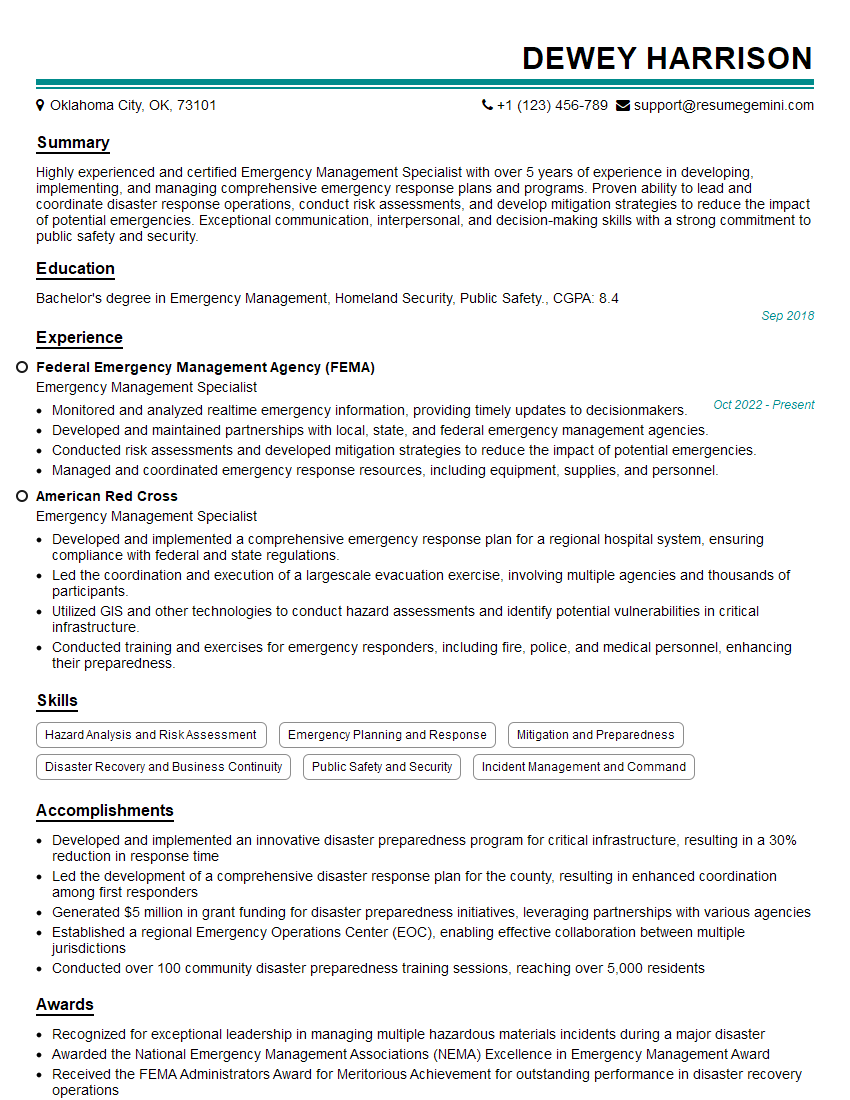
Emergency Management Specialist Resume Sample
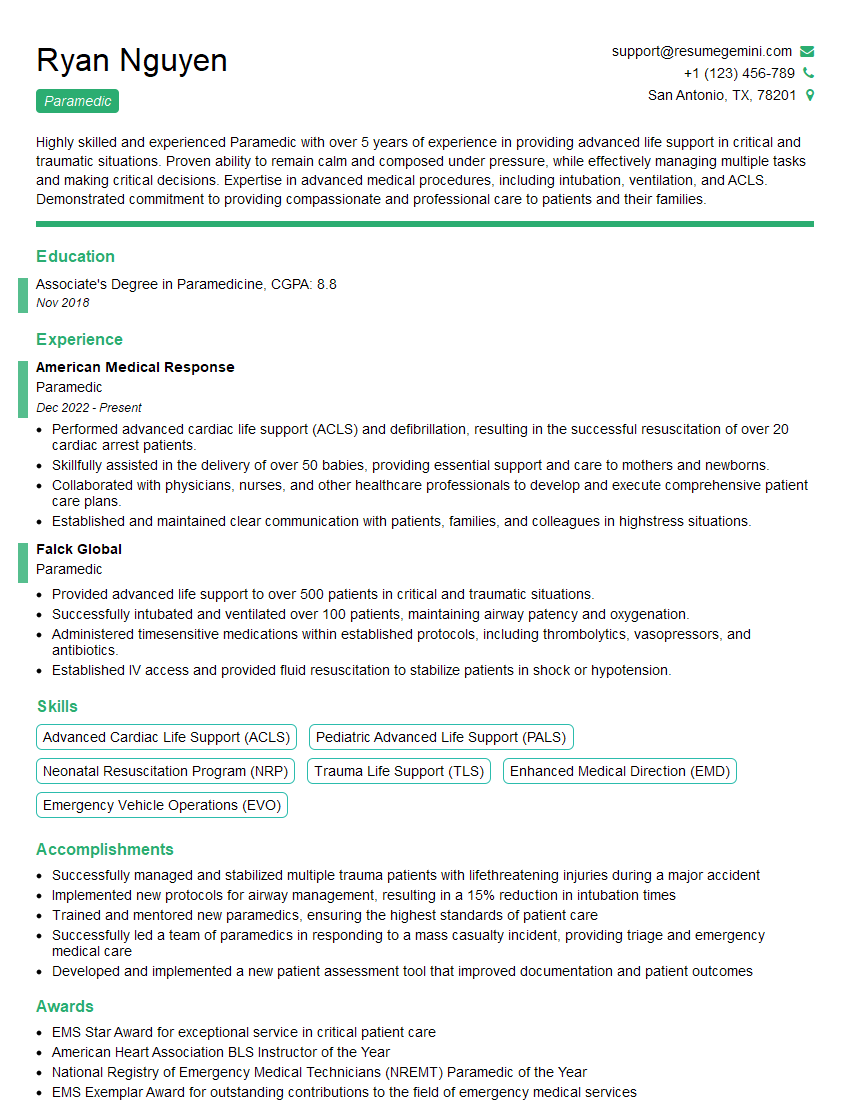
Paramedic Resume Sample
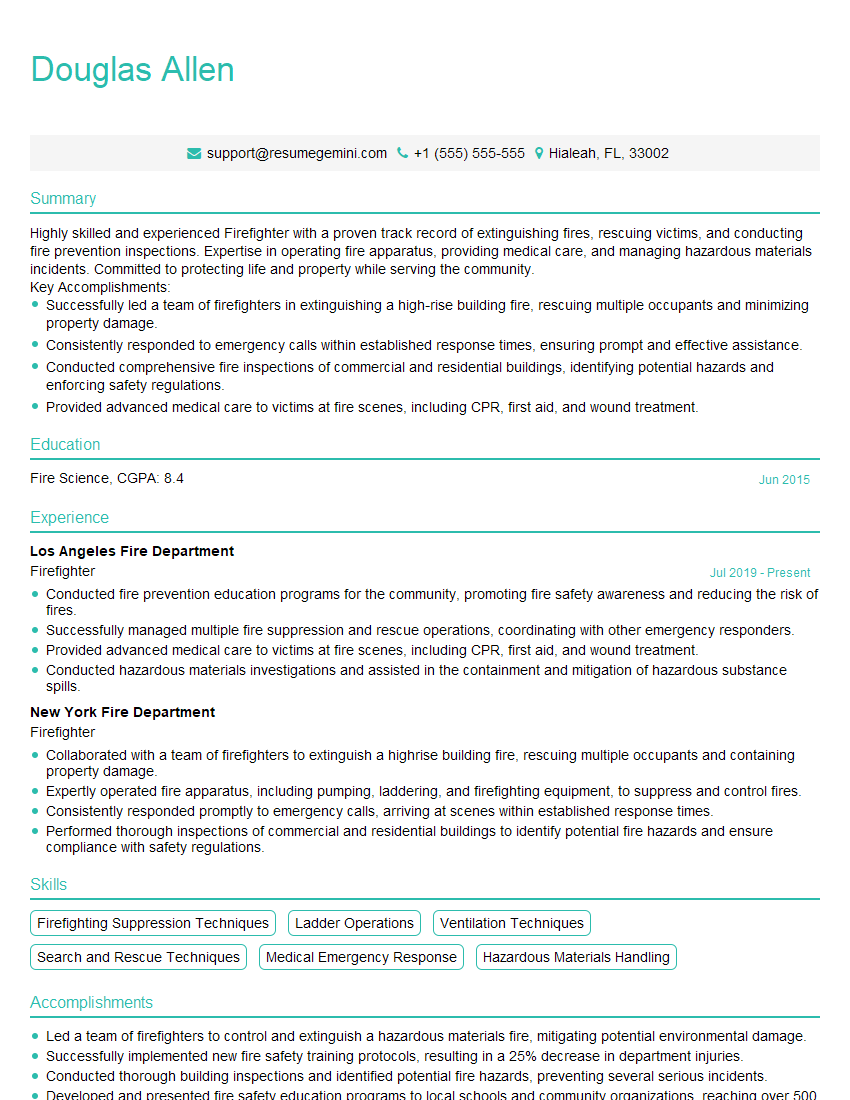
Firefighter Resume Sample
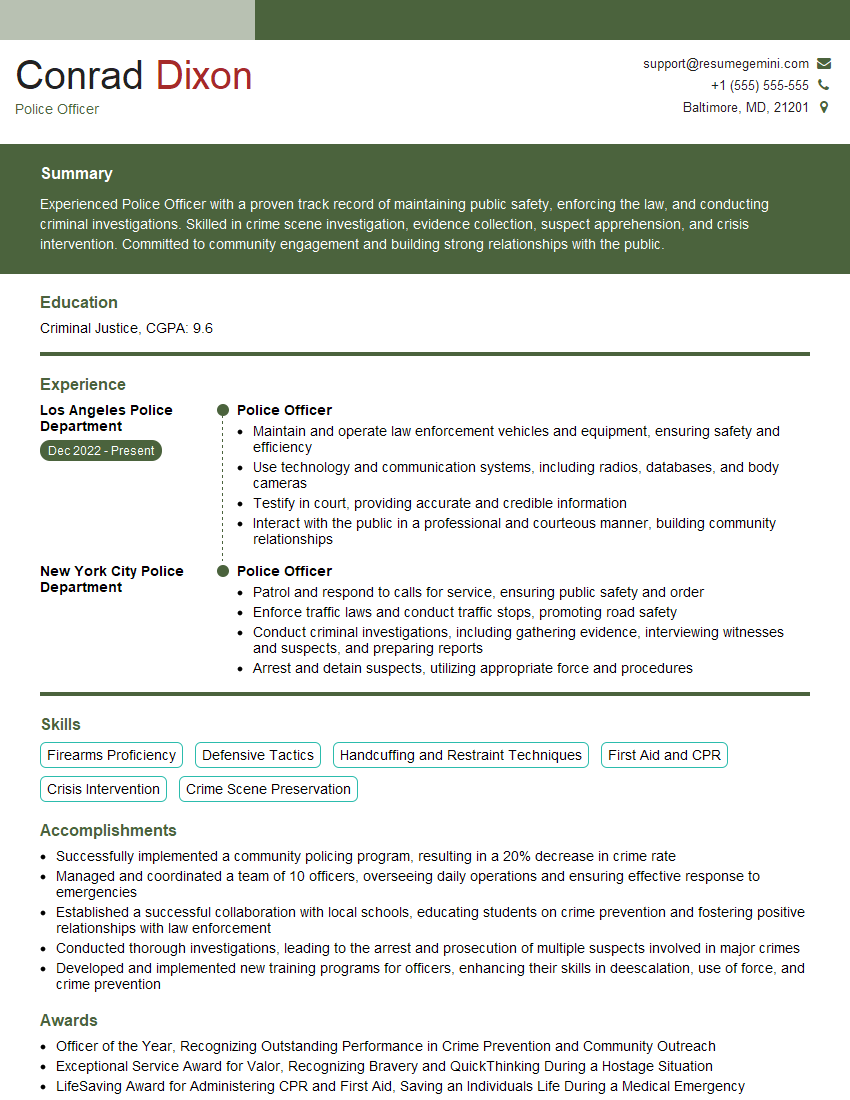
Police Officer Resume Sample

Physician Assistant Resume Sample
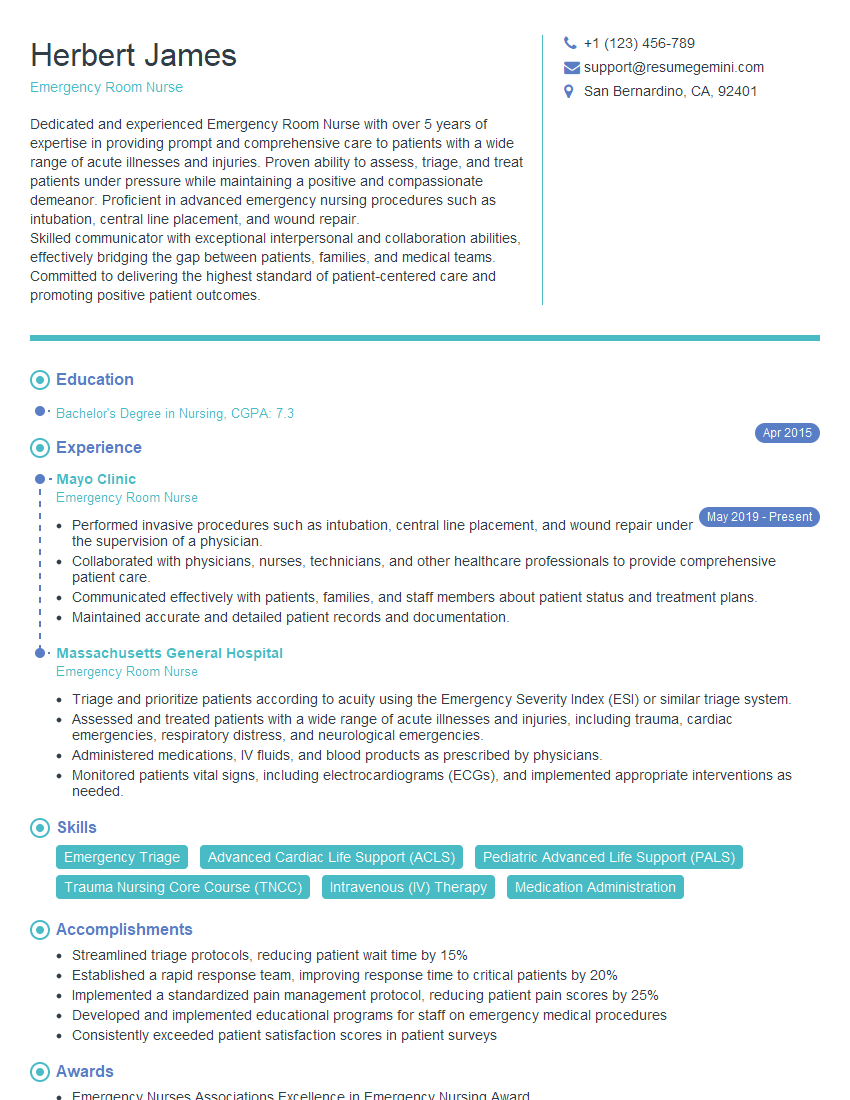
Emergency Room Nurse Resume Sample
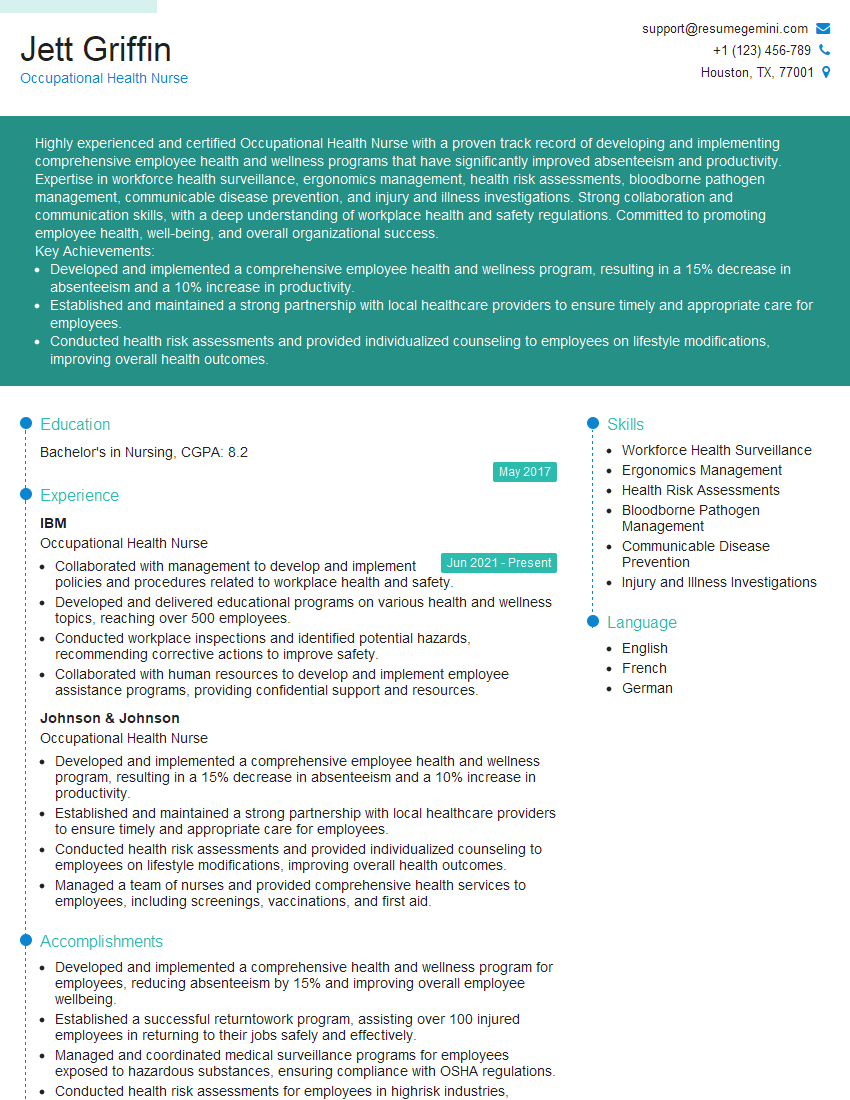
Occupational Health Nurse Resume Sample
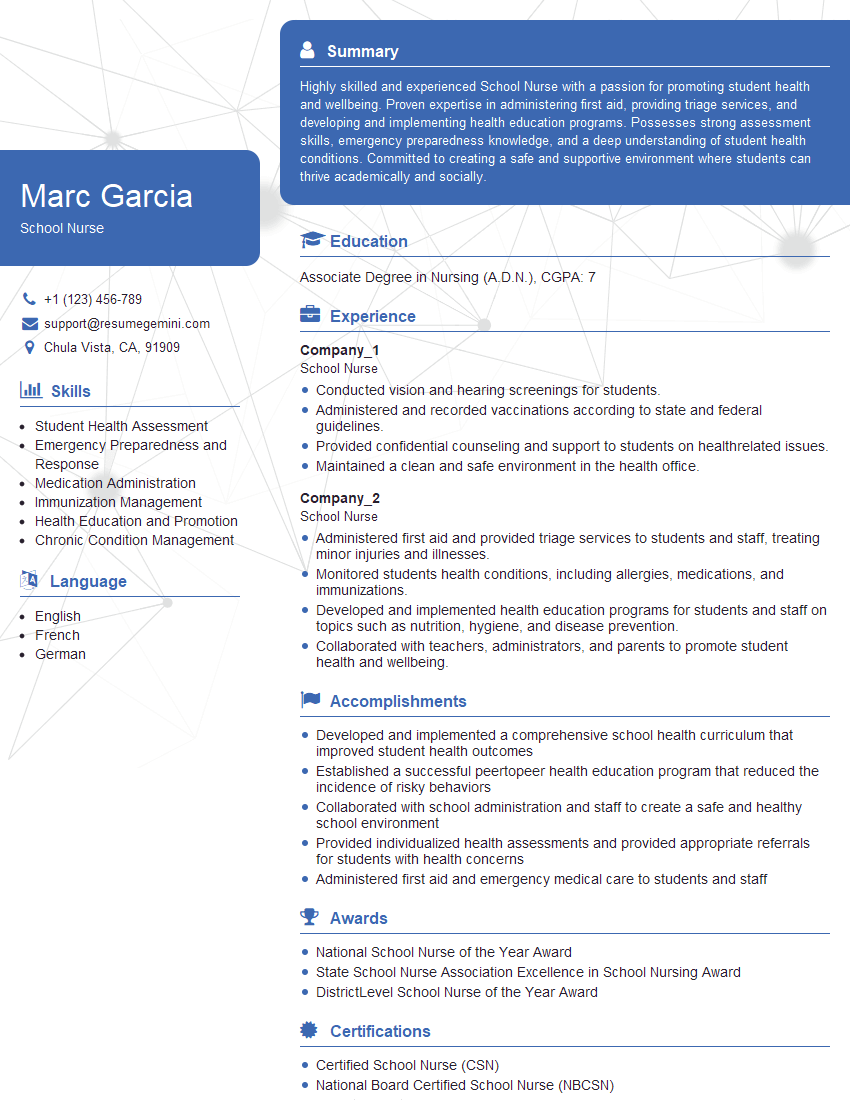
School Nurse Resume Sample
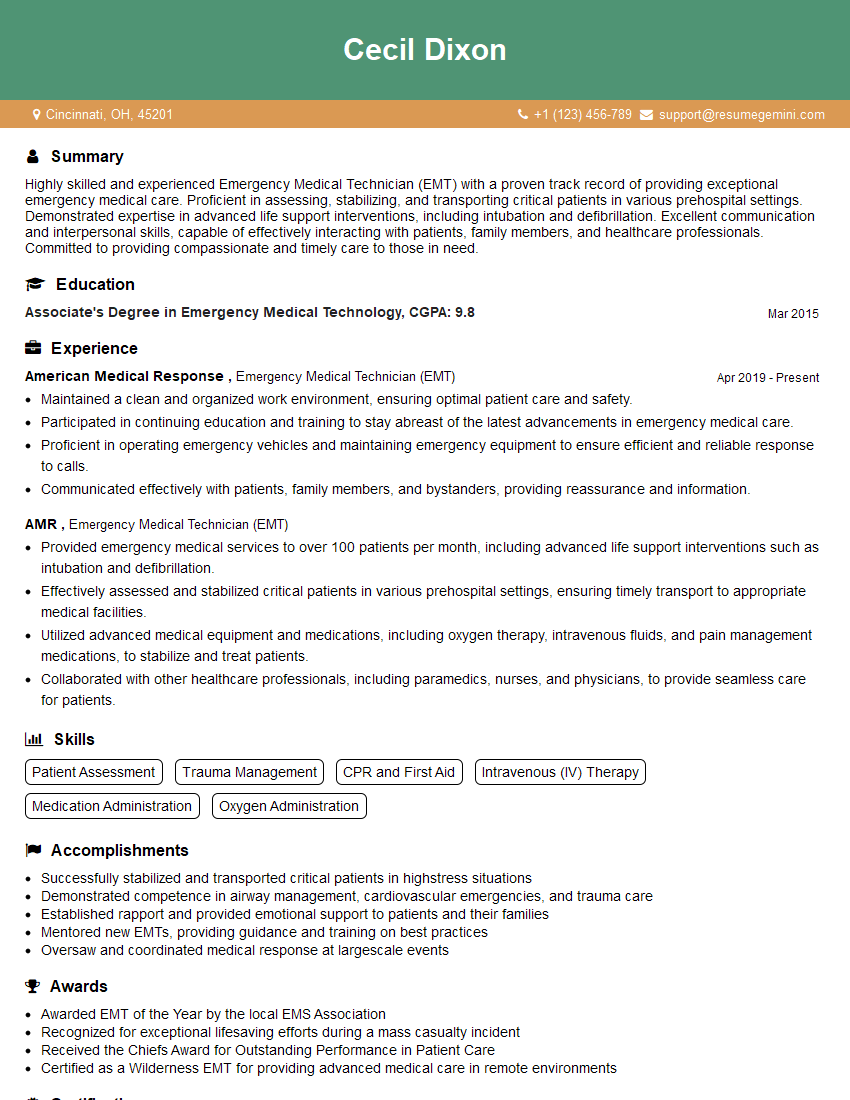
Emergency Medical Technician (EMT) Resume Sample
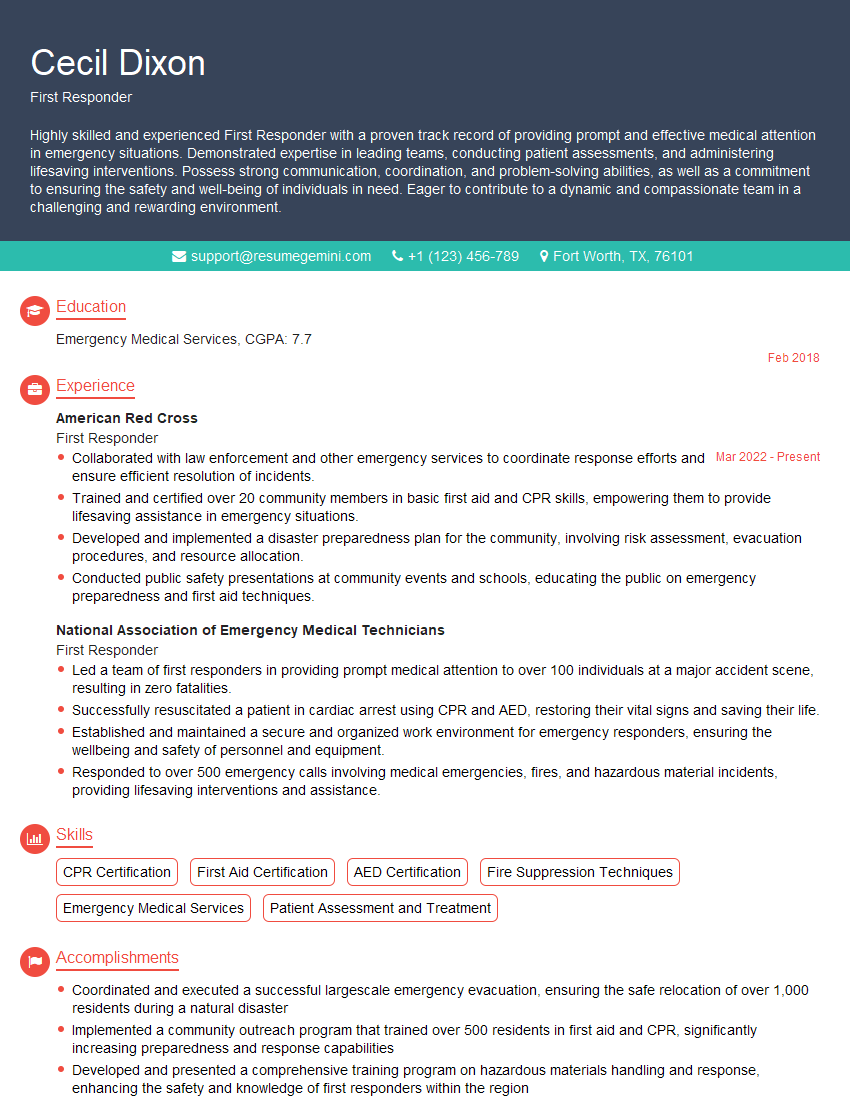
First Responder Resume Sample
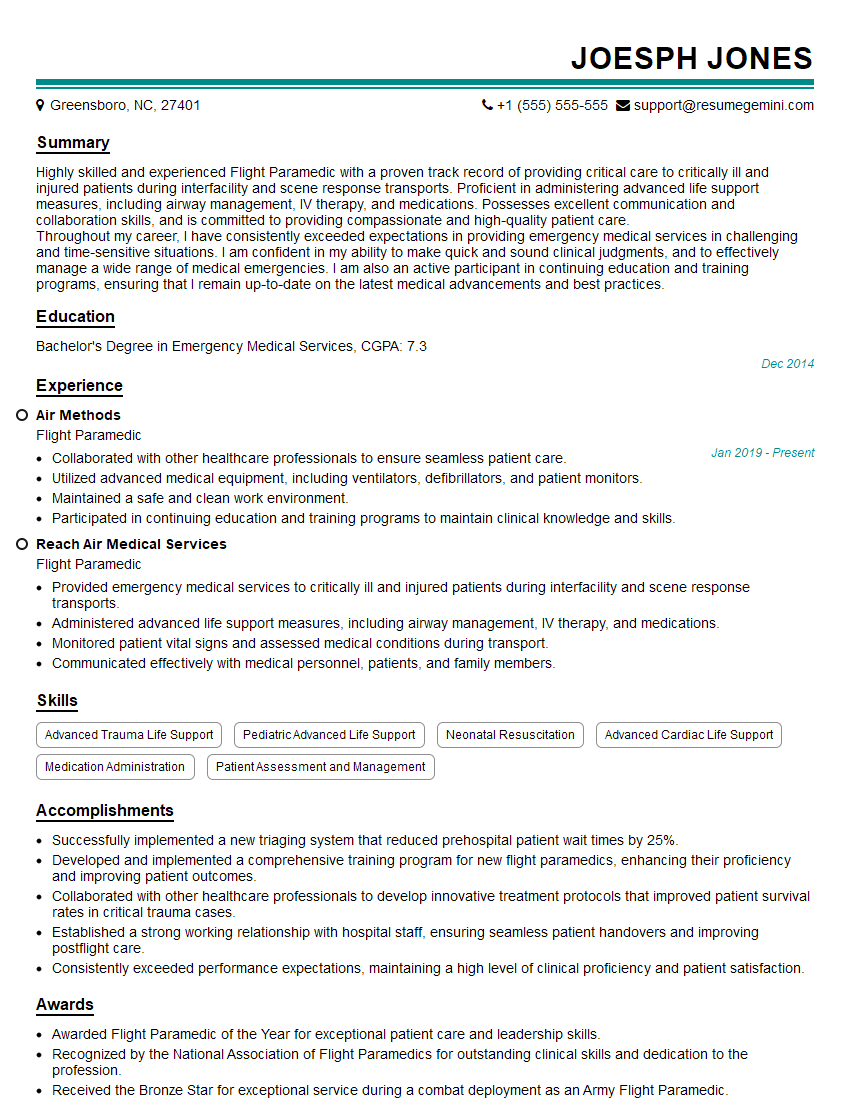
Flight Paramedic Resume Sample
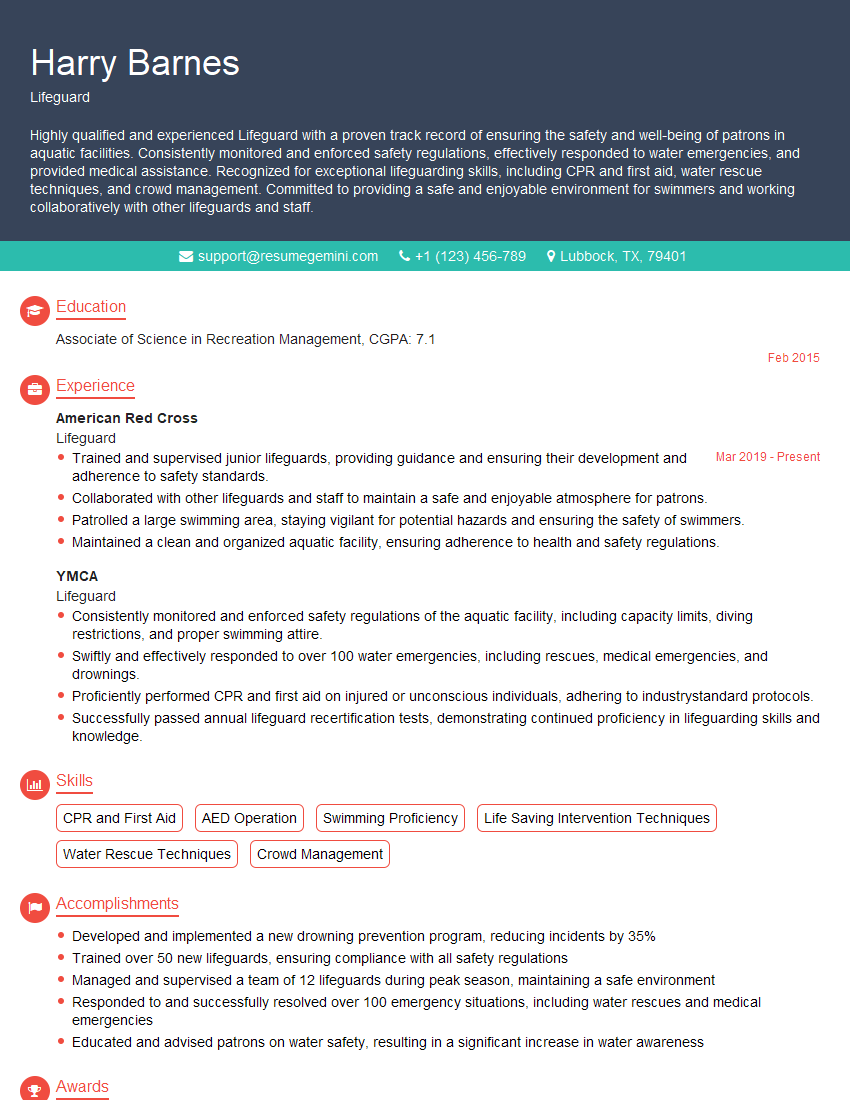
Lifeguard Resume Sample
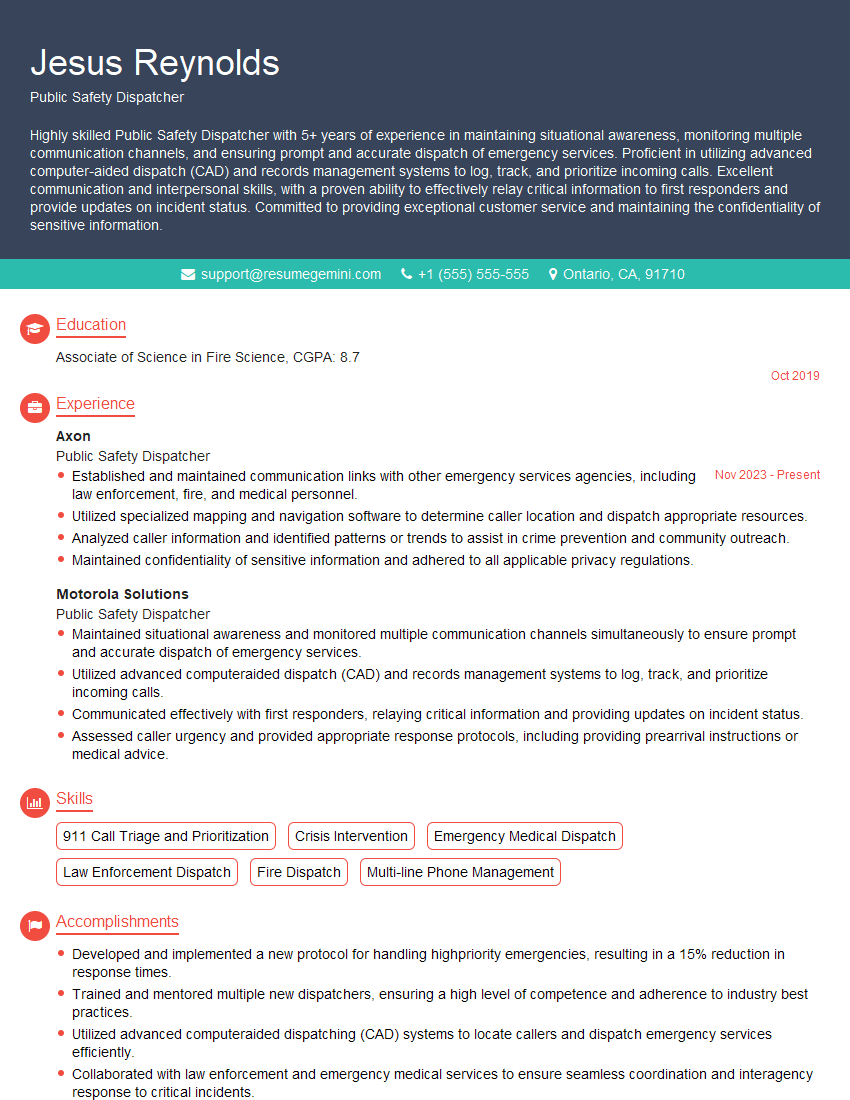
Public Safety Dispatcher Resume Sample
Explore more articles
Users Rating of Our Blogs
Share Your Experience
We value your feedback! Please rate our content and share your thoughts (optional).
What Readers Say About Our Blog
Very informative content, great job.
good