Interviews are opportunities to demonstrate your expertise, and this guide is here to help you shine. Explore the essential Proficient in Legal and Ethical Standards interview questions that employers frequently ask, paired with strategies for crafting responses that set you apart from the competition.
Questions Asked in Proficient in Legal and Ethical Standards Interview
Q 1. Describe your understanding of the Sarbanes-Oxley Act (SOX).
The Sarbanes-Oxley Act of 2002 (SOX) is a landmark piece of US legislation designed to protect investors from fraudulent accounting practices. It arose in response to major corporate accounting scandals like Enron and WorldCom. At its core, SOX aims to improve the accuracy and reliability of corporate financial reporting.
Key aspects of SOX include:
- Increased corporate responsibility for financial reporting: Executives must personally certify the accuracy of financial statements, facing significant penalties for misrepresentation.
- Enhanced auditor independence: Auditors are subject to stricter rules to prevent conflicts of interest and ensure objectivity.
- Establishment of the Public Company Accounting Oversight Board (PCAOB): This independent body oversees the audits of public companies, adding another layer of accountability.
- Stricter regulations on internal controls: Companies must establish and maintain robust internal controls over financial reporting, which are regularly audited.
Imagine SOX as a rigorous framework designed to prevent another Enron. It’s about transparency, accountability, and restoring trust in the financial markets. It impacts all aspects of financial reporting within publicly traded companies.
Q 2. Explain the concept of ‘materiality’ in a legal context.
Materiality, in a legal context, refers to the significance of a fact or piece of information. A fact is considered ‘material’ if it would reasonably influence the decision of a user of the information. This applies across various legal fields, including accounting, securities law, and contract law.
For example, in accounting, a misstatement in a company’s financial statements is material if it would have altered a reasonable investor’s perception of the company’s financial position. A small error in a multi-billion dollar company’s income statement might be immaterial, while a smaller error in a smaller company’s income statement might be material. The determination of materiality often involves professional judgment and considers both the quantitative and qualitative aspects of the information.
Think of it like this: if a fact is so minor it wouldn’t change anyone’s mind about something, it’s immaterial. But if it’s significant enough to make a difference, then it’s material.
Q 3. What is the difference between legal and ethical responsibilities?
Legal responsibilities are obligations imposed by law. Failure to meet legal responsibilities can result in legal penalties, such as fines or imprisonment. Ethical responsibilities, on the other hand, are obligations based on moral principles and values. While there may not be direct legal consequences for breaching ethical responsibilities, such actions can damage reputation, trust, and relationships.
For instance, a company might have a legal responsibility to pay its taxes, failure to do so is a legal offense. Ethically, the same company may have a responsibility to treat its employees fairly, which might not have immediate legal repercussions but could damage employee morale and the company’s reputation. Essentially, the law sets the minimum standard of conduct, while ethics strive for higher moral standards.
Q 4. How would you handle a situation where company policy conflicts with your personal ethics?
When company policy conflicts with my personal ethics, I would first attempt to understand the rationale behind the company policy. It’s possible there’s a legitimate business reason I’m not initially aware of. I would then engage in a dialogue with my supervisor or a member of the ethics committee, explaining my ethical concerns in a professional and constructive manner, providing specific examples of the conflict.
If the conflict remains unresolved after internal attempts, I would consider the potential consequences of violating my ethical principles. This might involve seeking advice from a legal professional or an ethics hotline. In extreme cases, where the ethical violation is significant and potentially harmful, I may need to consider alternative employment.
My approach prioritizes open communication and a commitment to finding a resolution while upholding my ethical standards. The goal is to find a solution, ideally by adjusting the policy or finding an acceptable alternative. However, it is imperative to remember that some situations may require a difficult decision where upholding personal ethics might necessitate leaving the organization.
Q 5. Define ‘confidentiality’ in the context of professional practice.
Confidentiality, in a professional practice, refers to the obligation to protect sensitive information entrusted to you by clients, employers, or other stakeholders. This involves safeguarding information that is not publicly known and would be harmful if disclosed. Maintaining confidentiality is crucial for building trust, maintaining professional integrity, and often legally mandated by professional codes of conduct and applicable laws.
Examples of confidential information vary widely depending on the profession, but can include client financial data (accounting), patient medical records (healthcare), or legal strategies (law). The breach of confidentiality can lead to severe consequences, including legal liability, loss of reputation, and professional sanctions.
Q 6. What are the key elements of a strong corporate compliance program?
A strong corporate compliance program is essential for preventing legal and ethical violations and maintaining a culture of integrity. Key elements include:
- Clear written policies and procedures: These policies must be easily accessible and understandable to all employees.
- Effective training programs: Employees need to understand the company’s compliance policies and procedures, and how to report violations.
- Dedicated compliance officer or department: A responsible individual or team should oversee the compliance program and ensure its effectiveness.
- Regular audits and monitoring: The compliance program needs to be regularly reviewed and updated to address any weaknesses or emerging risks.
- Confidential reporting mechanisms: Employees need a safe way to report potential violations without fear of retaliation.
- Disciplinary measures: The company needs clear disciplinary procedures for employees who violate compliance policies.
- Ongoing evaluation and improvement: The compliance program should be regularly assessed and improved to remain effective.
A strong compliance program is not just about avoiding legal trouble; it’s about fostering a culture of ethics and responsibility, which is beneficial for the company’s reputation, sustainability, and profitability.
Q 7. Explain the concept of due diligence in a legal context.
Due diligence, in a legal context, refers to the investigation or audit of a business or property prior to entering into a transaction or making an investment. It’s about ensuring that all relevant information is known and assessed before committing to a deal. The goal is to minimize risk and make informed decisions.
For example, before acquiring a company, a buyer would conduct due diligence to verify financial statements, assess legal liabilities, and evaluate operational risks. Similarly, lenders conduct due diligence before granting loans to assess the creditworthiness of the borrower. Failure to conduct proper due diligence can lead to significant losses and legal repercussions.
Think of due diligence as a thorough background check before making a major decision. It’s a process to prevent costly surprises and ensure that the transaction or investment is sound.
Q 8. How would you assess the ethical implications of a proposed business decision?
Assessing the ethical implications of a business decision requires a systematic approach. I use a framework that considers the impact on various stakeholders, including employees, customers, shareholders, and the wider community. This involves:
- Identifying Stakeholders: Who will be affected by this decision, both directly and indirectly?
- Analyzing Potential Impacts: What are the potential positive and negative consequences for each stakeholder group? Consider financial, social, environmental, and reputational impacts.
- Applying Ethical Frameworks: I would apply relevant ethical frameworks, such as utilitarianism (greatest good for the greatest number), deontology (duty-based ethics), and virtue ethics (character-based approach) to evaluate the decision’s moral permissibility.
- Considering Legal Compliance: Is the decision compliant with all applicable laws and regulations? This includes not only explicit rules but also the spirit of the law.
- Documenting the Process: Maintaining a clear record of the ethical considerations and the decision-making process is crucial for transparency and accountability.
For example, consider a decision to outsource manufacturing to a country with lower labor costs. An ethical assessment would examine the potential negative impact on domestic workers, the working conditions in the foreign factory, and the environmental impact of transportation. If these negative impacts outweigh the financial benefits, the decision might be deemed unethical, even if legally permissible.
Q 9. Describe your experience with conducting internal investigations.
I have extensive experience conducting internal investigations, focusing on maintaining objectivity and fairness throughout the process. My approach typically involves:
- Securing Evidence: Gathering relevant documents, interviewing witnesses, and preserving digital data in a forensically sound manner.
- Developing a Timeline: Creating a detailed timeline of events to understand the sequence and context of actions.
- Interviewing Witnesses: Conducting structured interviews with individuals involved, ensuring that their rights are protected and that the interviews are documented thoroughly.
- Analyzing Evidence: Carefully reviewing all gathered evidence to identify patterns, inconsistencies, and potential violations of law or company policy.
- Preparing a Report: Producing a comprehensive report detailing findings, conclusions, and recommendations for corrective action.
In a recent investigation, I uncovered a case of potential insider trading. By meticulously reviewing financial transactions and employee communications, I was able to build a strong case, leading to disciplinary actions and preventing significant financial losses for the company.
Q 10. What are your strategies for mitigating legal and regulatory risks?
Mitigating legal and regulatory risks requires a proactive and multi-faceted approach. My strategies include:
- Risk Assessment: Regularly assessing potential legal and regulatory risks across all business operations.
- Policy Development: Establishing clear, comprehensive, and regularly updated policies and procedures that address legal and ethical issues.
- Compliance Training: Providing mandatory training programs for employees on relevant laws, regulations, and company policies.
- Internal Controls: Implementing robust internal controls to ensure compliance and prevent misconduct.
- Monitoring and Auditing: Conducting regular monitoring and audits to identify and address compliance gaps.
- Legal Counsel: Maintaining open communication and seeking guidance from legal counsel when needed.
For instance, a proactive approach to data privacy might involve implementing strong data encryption, conducting regular security assessments, and training employees on data protection best practices. This helps mitigate the risk of data breaches and associated legal liabilities.
Q 11. How do you stay updated on changes in relevant laws and regulations?
Staying updated on changes in relevant laws and regulations requires a continuous effort. I utilize several methods:
- Subscription to Legal Databases: I subscribe to legal databases such as LexisNexis and Westlaw to receive alerts on relevant legislative and regulatory changes.
- Professional Development: I attend industry conferences, webinars, and workshops to stay abreast of current developments and best practices.
- Networking with Professionals: Maintaining a network of contacts within the legal and compliance fields provides insights and updates.
- Regulatory Agency Websites: Regularly reviewing the websites of relevant regulatory agencies for announcements and updates.
- Legal Newsletters and Publications: Subscribing to relevant legal newsletters and publications keeps me informed about emerging legal issues.
This multi-pronged approach allows me to anticipate potential risks and ensure that our company’s operations remain compliant.
Q 12. Explain the concept of whistleblower protection.
Whistleblower protection refers to laws and policies designed to safeguard individuals who report illegal or unethical activities within their organizations. These protections are crucial for fostering a culture of ethical conduct and accountability. Key aspects of whistleblower protection typically include:
- Confidentiality: Protecting the identity of the whistleblower from retaliation.
- Retaliation Protection: Preventing employers from taking adverse actions against whistleblowers, such as termination, demotion, or harassment.
- Reporting Mechanisms: Establishing clear and accessible channels for reporting misconduct, often including anonymous reporting options.
- Investigation and Response: Ensuring that reported allegations are investigated promptly and thoroughly, with appropriate action taken if misconduct is found.
The goal is to encourage individuals to report wrongdoing without fear of reprisal, thereby protecting the organization and the public interest.
Q 13. Describe a time you had to make a difficult ethical decision. What was the outcome?
In a previous role, I faced a difficult ethical dilemma regarding a potential conflict of interest involving a senior manager and a vendor. The manager was subtly influencing decisions in favor of the vendor, despite evidence suggesting a less expensive and more efficient alternative.
My ethical decision was to report my concerns through the appropriate internal channels, documenting all evidence I had gathered. While this decision initially created tension, the internal investigation ultimately confirmed my suspicions. The senior manager faced disciplinary action, and the company adopted measures to prevent similar occurrences. The outcome was positive in that it upheld ethical standards and reinforced the importance of transparency and accountability within the organization. It also showed that reporting misconduct, even if difficult, is the right thing to do.
Q 14. How would you address a potential conflict of interest?
Addressing a potential conflict of interest requires a proactive and transparent approach. My strategy involves:
- Disclosure: Openly disclosing the potential conflict of interest to relevant parties, including supervisors and potentially the ethics committee.
- Recusal: If possible, I would recuse myself from any decisions or actions where a conflict of interest exists, ensuring objectivity and impartiality.
- Mitigation Strategies: If recusal is not feasible, I would implement mitigation strategies to minimize the impact of the conflict, such as seeking external advice or implementing additional oversight.
- Documentation: Maintaining thorough documentation of the conflict of interest, the steps taken to address it, and the decisions made.
For example, if I have a personal relationship with a potential client, I would disclose this relationship to my supervisors before undertaking any work for that client. This transparency ensures that all parties are informed and can make informed decisions about whether to proceed.
Q 15. What is your understanding of data privacy regulations (e.g., GDPR, CCPA)?
Data privacy regulations are crucial for protecting personal information. Regulations like the General Data Protection Regulation (GDPR) in Europe and the California Consumer Privacy Act (CCPA) in California, represent a shift towards giving individuals more control over their data. They establish strict rules around how businesses collect, use, store, and share personal data.
GDPR focuses on the consent of the data subject, data portability, and the right to be forgotten. It applies to any organization processing personal data of individuals within the EU, regardless of the organization’s location. CCPA, while similar in spirit, focuses on California residents and provides them with rights to access, delete, and opt-out of the sale of their personal data. Both regulations impose hefty fines for non-compliance.
For example, a company using GDPR compliant practices would ensure they obtain explicit consent before collecting any personal data, provide clear and concise privacy policies, and establish robust data security measures. Similarly, a company adhering to CCPA would need to provide a clear way for California residents to exercise their rights, including the right to know what data is being collected and the right to have that data deleted.
Career Expert Tips:
- Ace those interviews! Prepare effectively by reviewing the Top 50 Most Common Interview Questions on ResumeGemini.
- Navigate your job search with confidence! Explore a wide range of Career Tips on ResumeGemini. Learn about common challenges and recommendations to overcome them.
- Craft the perfect resume! Master the Art of Resume Writing with ResumeGemini’s guide. Showcase your unique qualifications and achievements effectively.
- Don’t miss out on holiday savings! Build your dream resume with ResumeGemini’s ATS optimized templates.
Q 16. How would you respond to allegations of unethical conduct within your team?
Allegations of unethical conduct are taken extremely seriously. My response would follow a structured approach: Firstly, I would ensure a safe and confidential environment for the accuser to report details without fear of reprisal. I would then thoroughly investigate the allegations, gathering evidence from multiple sources and interviewing involved parties. This includes reviewing relevant documents, communications and workflows.
Depending on the severity of the allegations, I’d involve HR and potentially legal counsel. Transparency and fairness are paramount. If the allegations are substantiated, disciplinary actions would be taken, aligned with company policy and potentially legal requirements. If the allegations are unsubstantiated, I would clearly communicate the findings, emphasizing the importance of maintaining ethical conduct.
For instance, if an allegation involves data privacy breach, I would first ascertain the extent of the breach, then report it according to relevant regulations (like GDPR or CCPA), notify affected individuals, and work to remedy the situation and prevent future occurrences.
Q 17. Describe your approach to resolving ethical dilemmas in the workplace.
Resolving ethical dilemmas requires a systematic approach. I would begin by clearly defining the problem, identifying all stakeholders involved, and examining the relevant ethical principles at play (e.g., confidentiality, fairness, integrity). I would then explore potential solutions, considering their consequences for each stakeholder. This involves consulting relevant codes of conduct, professional guidelines and legal frameworks.
A useful framework I often use is the ‘ethics triangle’ which considers the legal, ethical, and practical implications of each option. Choosing a solution necessitates careful weighing of these factors. Documentation is essential for transparency and accountability. The chosen solution must be communicated clearly to all stakeholders involved.
For example, if faced with a conflict between protecting client confidentiality and a legal obligation to disclose information, I would seek legal advice to determine the appropriate course of action. My decision would be documented, showing careful consideration of all factors and demonstrating due diligence.
Q 18. Explain the importance of maintaining client confidentiality.
Maintaining client confidentiality is fundamental to building trust and upholding professional integrity. It’s not just a matter of professional ethics; often, it’s legally mandated. Breaching confidentiality can lead to significant legal repercussions, including lawsuits and damage to reputation.
Confidentiality protects sensitive client information like financial details, business strategies, and personal data. To maintain it, I follow strict protocols: limiting access to client information to authorized personnel only, using secure systems for storage and transmission of data, and adhering to client confidentiality agreements. Furthermore, I ensure that all team members understand and adhere to these protocols.
Imagine a scenario where a client shares a crucial business strategy. Disclosing this information, even inadvertently, could severely harm the client and damage my professional reputation irreparably. Therefore, rigorous adherence to confidentiality protocols is non-negotiable.
Q 19. How do you ensure compliance with anti-bribery and corruption laws?
Compliance with anti-bribery and corruption laws (like the Foreign Corrupt Practices Act in the US or the UK Bribery Act) is critical. It’s about operating with transparency and integrity. I would ensure compliance through a multi-pronged approach.
This includes implementing a robust anti-bribery and corruption policy, providing regular training to all employees on these laws, establishing a clear and accessible whistleblowing mechanism, and conducting regular risk assessments to identify and mitigate potential vulnerabilities. Due diligence on business partners is also crucial to ensure they share the same commitment to ethical conduct.
For instance, before engaging with a new international partner, we would conduct thorough background checks to avoid any association with corrupt practices. Any gifts or hospitality received must be documented and appropriately managed to avoid any perception of bribery.
Q 20. What is your experience with contract review and negotiation?
I have extensive experience in contract review and negotiation. My approach involves a thorough understanding of the contract’s purpose, identifying key terms and conditions, and assessing potential risks and liabilities.
This involves scrutinizing clauses related to payment terms, liability limitations, intellectual property rights, and confidentiality. During negotiations, I prioritize clear and concise communication, seeking to achieve mutually beneficial outcomes. I’m adept at using negotiation tactics to balance competing interests and achieve favorable terms for my clients.
For example, in negotiating a software licensing agreement, I would carefully review clauses related to intellectual property ownership, usage rights, and limitations of liability to protect my client’s interests and ensure the agreement aligns with their business goals.
Q 21. Describe your familiarity with intellectual property laws.
My familiarity with intellectual property (IP) laws encompasses trademarks, patents, copyrights, and trade secrets. I understand the importance of protecting IP rights and the legal ramifications of infringement.
This includes understanding how to register and enforce IP rights, as well as how to draft contracts that effectively protect IP assets. I’m familiar with various IP licensing models and the implications of open-source software.
For example, when working on a technology project, I would ensure that all software code, designs, and branding are appropriately protected through copyright registration and non-disclosure agreements. Understanding IP laws allows me to proactively identify and mitigate potential risks and to structure agreements that optimize the protection of client IP.
Q 22. How would you handle a situation where you suspect illegal activity within the organization?
Suspecting illegal activity within an organization is a serious matter requiring a careful and ethical approach. My first step would be to document all evidence meticulously, ensuring its integrity and chain of custody. This might involve preserving emails, records, or any other relevant data. Then, I would confidentially report my concerns through the appropriate internal channels, following the company’s whistleblower policy if one exists. This could involve reporting to my supervisor, compliance officer, or a designated ethics hotline. If the internal channels prove ineffective or the alleged illegal activity is serious and poses an immediate threat, I would consider reporting it to the relevant external authorities, such as law enforcement or regulatory agencies. Throughout this process, I would maintain a detailed record of all actions taken, dates, individuals involved, and any responses received. It’s crucial to prioritize ethical conduct and legal compliance throughout, ensuring actions align with professional standards and relevant laws.
Example: Imagine discovering evidence of accounting fraud. I would meticulously document all suspicious transactions and then report my findings to the internal audit department and my supervisor, keeping a detailed log of my actions and communications. If the issue wasn’t adequately addressed internally, and the fraud was substantial, I would consider reporting it to the Securities and Exchange Commission.
Q 23. What is your understanding of corporate governance principles?
Corporate governance encompasses the system of rules, practices, and processes by which a company is directed and controlled. Its core aim is to ensure accountability, fairness, and transparency in how the company operates. Key principles include:
- Board of Directors’ Oversight: An effective board provides strategic direction, monitors management, and ensures accountability.
- Executive Compensation: Compensation structures should be aligned with long-term value creation and ethical conduct.
- Shareholder Rights: Shareholder rights, including voting and access to information, must be protected.
- Risk Management: Companies should have robust systems to identify, assess, and mitigate risks.
- Ethical Conduct: A strong ethical culture must permeate the organization, fostering responsible behaviour at all levels.
- Transparency and Disclosure: Accurate and timely financial reporting and communication are essential for building trust with stakeholders.
Practical Application: A well-governed company establishes clear lines of authority, regularly evaluates its risk profile, and fosters a culture of compliance. This reduces the likelihood of scandals, improves investor confidence, and enhances long-term sustainability.
Q 24. Explain the difference between civil and criminal liability.
Civil and criminal liability represent different legal consequences for wrongdoing. Civil liability involves a private dispute between individuals or entities where one party claims harm caused by the actions of another. The remedy typically involves financial compensation or equitable relief, such as an injunction. The burden of proof is lower, often requiring a ‘preponderance of the evidence’.
Criminal liability, on the other hand, involves a violation of a criminal statute, pursued by the government. Penalties can range from fines and imprisonment to other sanctions. The burden of proof is much higher, requiring ‘beyond a reasonable doubt’.
Example: Suppose a company pollutes a river. This could lead to civil liability if affected landowners sue for damages. However, if the pollution violated environmental laws, the company could also face criminal liability, resulting in fines and even imprisonment for executives.
Q 25. What is your experience with conducting risk assessments?
I have extensive experience conducting risk assessments, utilizing frameworks such as NIST Cybersecurity Framework and ISO 31000. My approach involves a systematic process:
- Identify Assets: Determining the organization’s valuable assets, both tangible and intangible (e.g., data, reputation, intellectual property).
- Identify Threats: Analyzing potential threats to these assets, encompassing internal and external factors (e.g., cyberattacks, natural disasters, regulatory changes).
- Assess Vulnerabilities: Evaluating the organization’s weaknesses that could be exploited by identified threats.
- Analyze Risks: Combining the likelihood and impact of each threat to determine the overall risk level.
- Develop Mitigation Strategies: Designing and implementing measures to reduce the likelihood or impact of identified risks, including preventative controls, detective controls, and corrective controls.
- Monitor and Review: Regularly monitoring the effectiveness of implemented controls and revising the assessment as needed.
Example: In a previous role, I conducted a risk assessment for a financial institution, identifying key vulnerabilities related to cybersecurity and developing a comprehensive mitigation strategy that included enhanced network security, employee training, and incident response planning.
Q 26. Describe your experience with legal research and analysis.
My legal research and analysis skills are well-honed, encompassing both primary and secondary sources. I’m proficient in using legal databases such as Westlaw and LexisNexis, and I’m skilled in identifying relevant statutes, case law, and regulations. My approach is methodical, starting with clear identification of the legal issue, followed by a systematic review of relevant legal authorities. I then analyze the cases and statutes, focusing on relevant facts, holdings, and reasoning, to develop a well-supported legal opinion. My experience also includes preparing legal memoranda, briefs, and other legal documents.
Example: In a recent project, I researched the legal implications of a specific contract dispute, analyzing relevant contract law principles and case precedents to provide informed legal advice.
Q 27. How would you explain complex legal concepts to a non-legal audience?
Explaining complex legal concepts to a non-legal audience requires clear, concise communication and relatable analogies. I avoid jargon and technical terms whenever possible, using plain language and simple examples to illustrate key ideas. I also break down complex topics into smaller, manageable parts, focusing on the practical implications rather than abstract legal principles. Visual aids, such as charts or diagrams, can also be helpful in improving understanding.
Example: When explaining ‘negligence’ to a non-legal audience, I might use the analogy of a car accident: If a driver fails to exercise reasonable care and causes an accident, they could be held liable for negligence. This clarifies the concept without resorting to complex legal definitions.
Key Topics to Learn for Proficient in Legal and Ethical Standards Interview
- Legal Frameworks & Regulations: Understanding relevant laws, regulations, and compliance standards within your industry. Consider exploring specific acts and their implications.
- Ethical Decision-Making Models: Familiarize yourself with frameworks like utilitarianism, deontology, and virtue ethics, and how to apply them to real-world scenarios.
- Data Privacy & Security: Explore the legal and ethical considerations surrounding data handling, storage, and protection, including relevant legislation (e.g., GDPR, CCPA).
- Conflict of Interest Management: Learn how to identify, analyze, and mitigate potential conflicts of interest, both personal and professional.
- Professional Conduct & Codes of Ethics: Review and understand the specific codes of conduct and ethical guidelines relevant to your profession. Be prepared to discuss examples of ethical dilemmas and how you would approach them.
- Whistleblowing & Reporting Mechanisms: Understand the procedures and implications of reporting ethical violations within your organization.
- Intellectual Property Rights: Grasp the legal and ethical aspects of intellectual property, including copyright, patents, and trademarks.
- Practical Application: Prepare examples from your experience (or hypothetical scenarios) demonstrating your ability to apply these principles in real-world situations. Consider case studies or hypothetical dilemmas.
Next Steps
Mastering Proficient in Legal and Ethical Standards is crucial for career advancement. Employers highly value candidates who demonstrate a strong understanding of these principles, ensuring responsible and compliant practices. To significantly boost your job prospects, create an ATS-friendly resume that highlights your relevant skills and experiences. ResumeGemini is a trusted resource that can help you build a professional resume that makes a lasting impression. We provide examples of resumes tailored to demonstrate Proficient in Legal and Ethical Standards, showcasing how to effectively present your qualifications to potential employers.
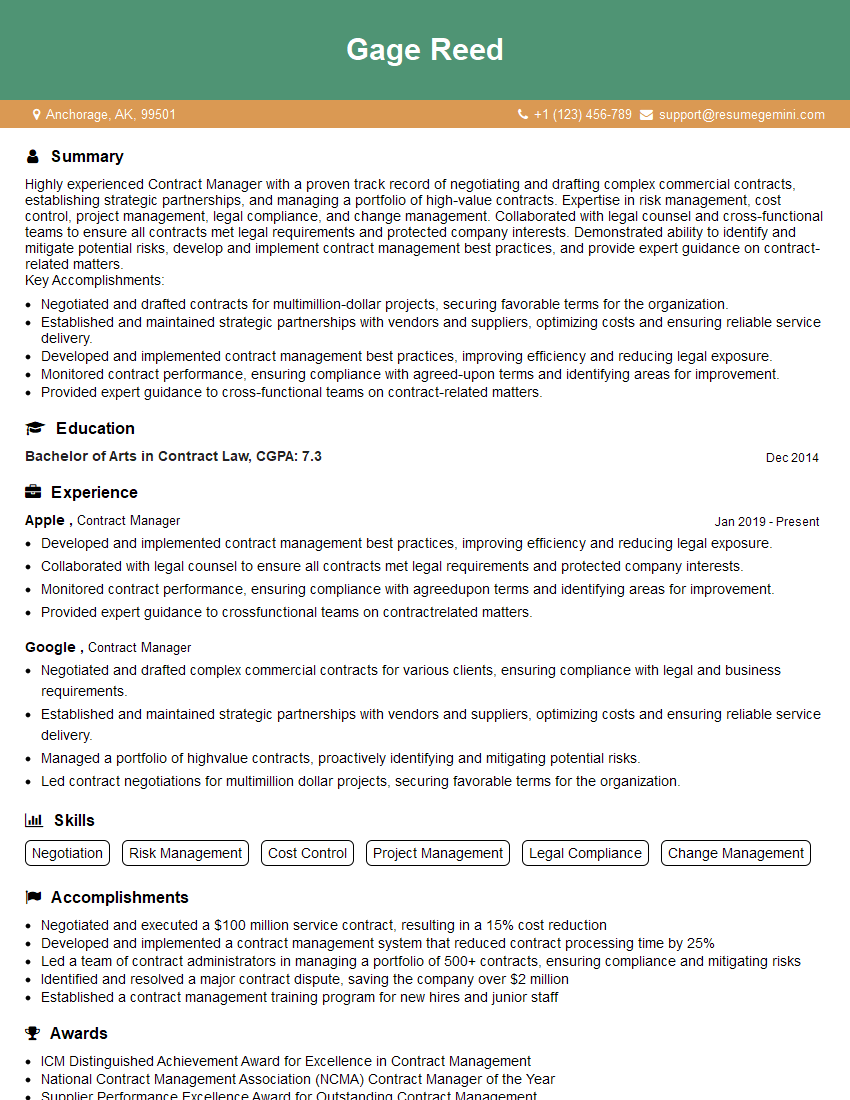
Contract Manager Resume Sample
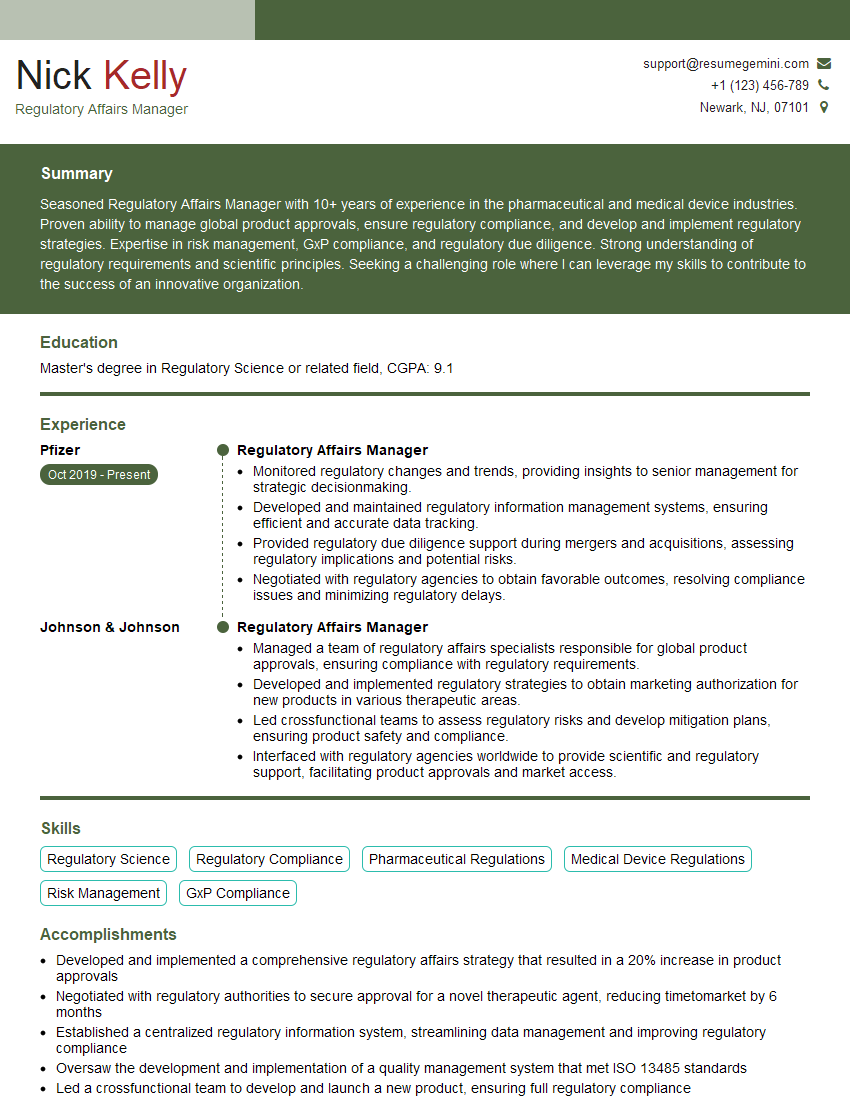
Regulatory Affairs Manager Resume Sample
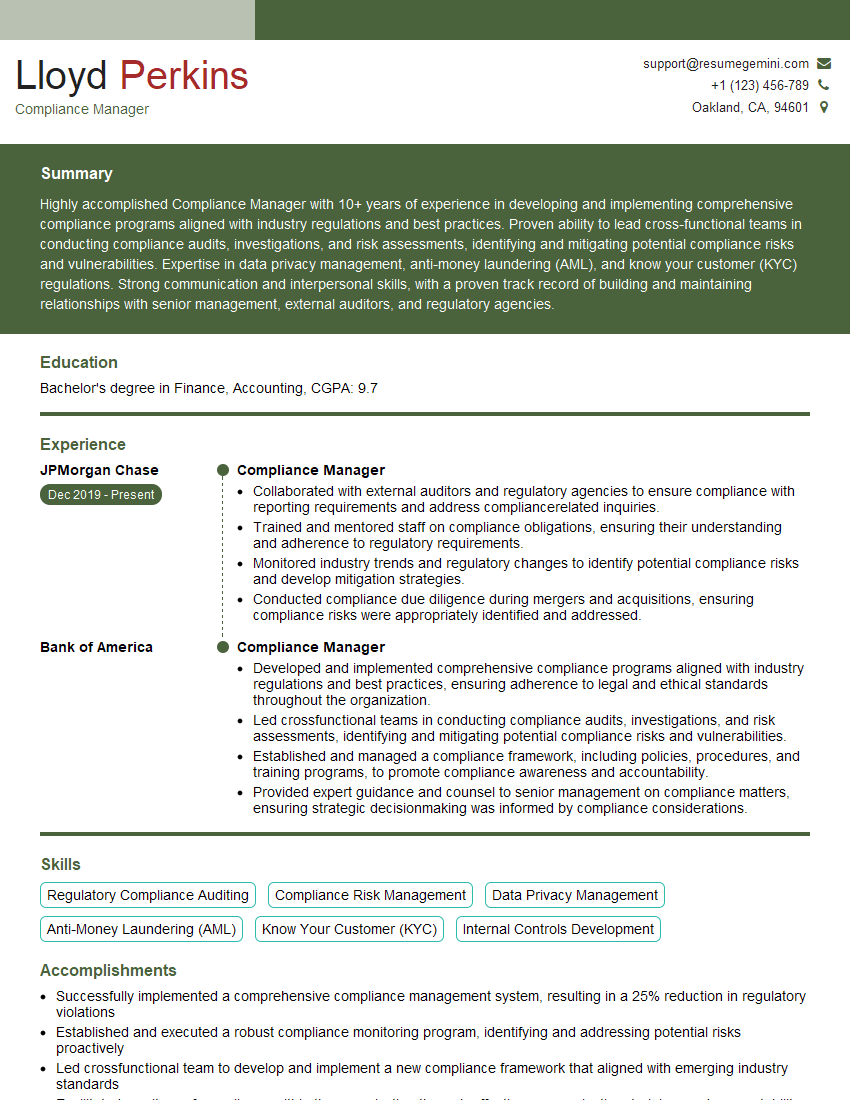
Compliance Manager Resume Sample

Compliance Officer Resume Sample
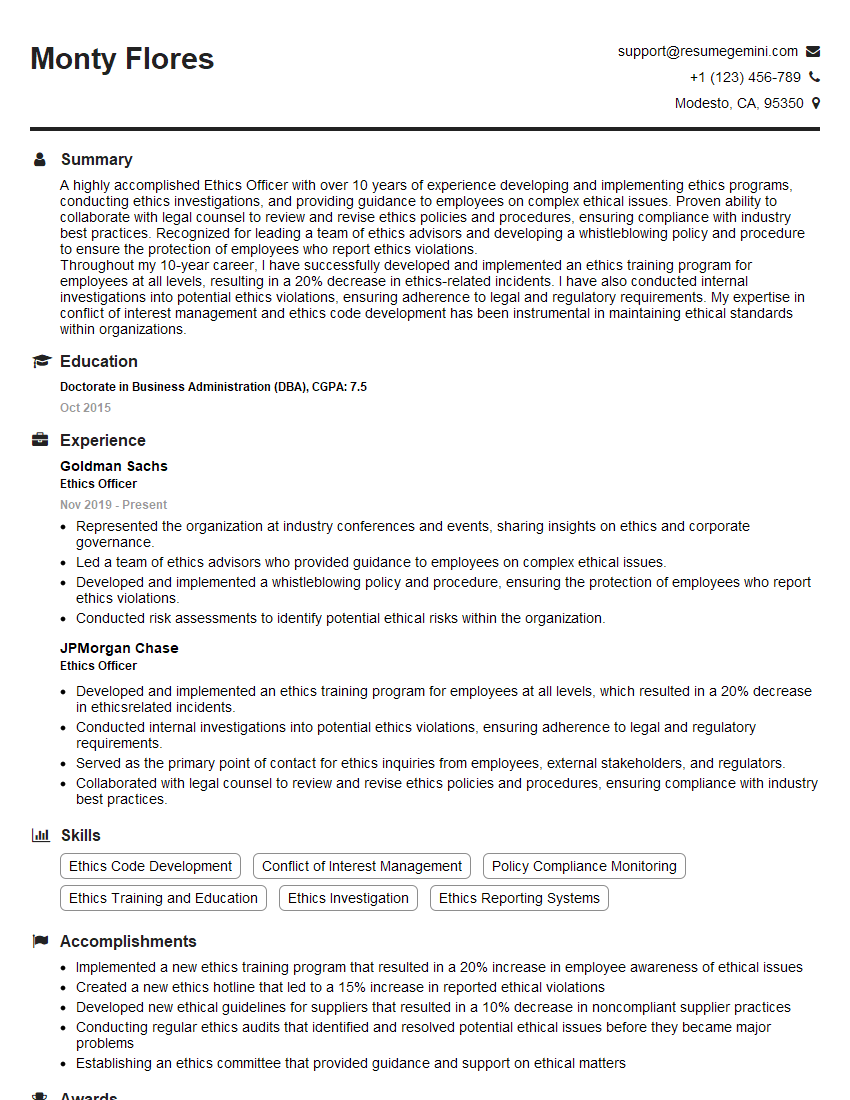
Ethics Officer Resume Sample
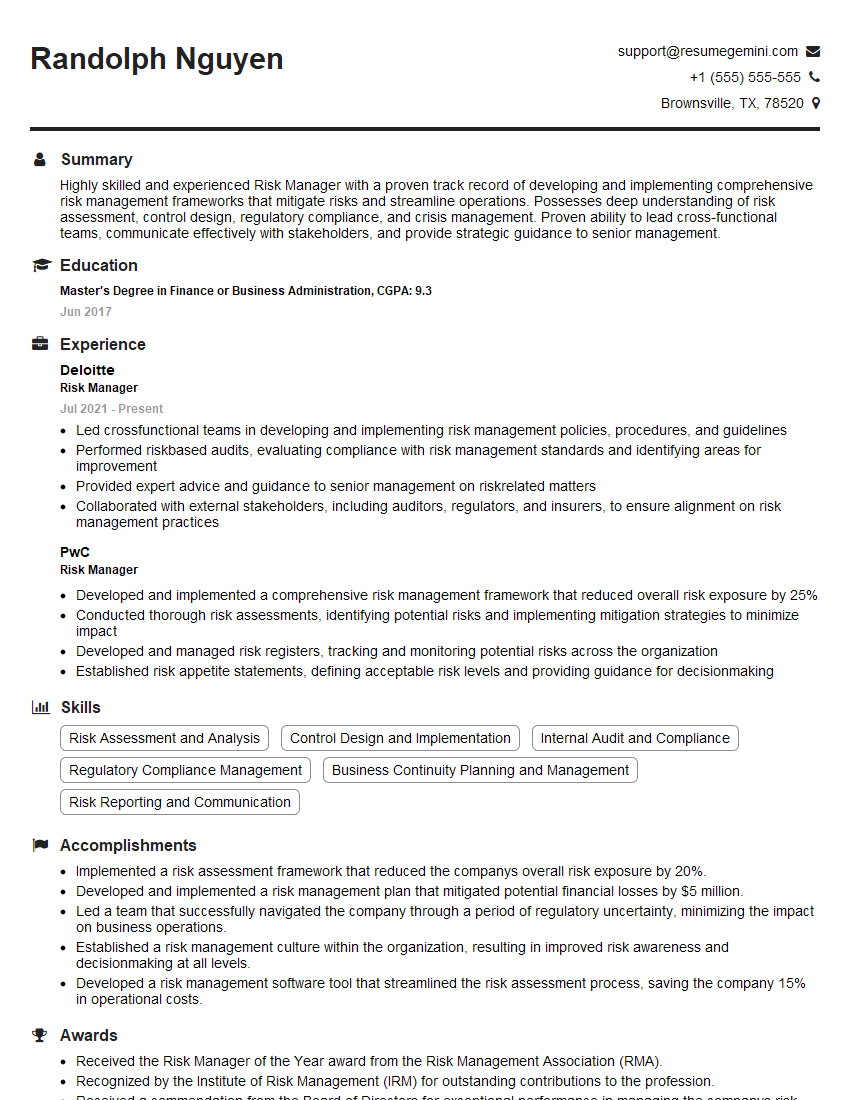
Risk Manager Resume Sample
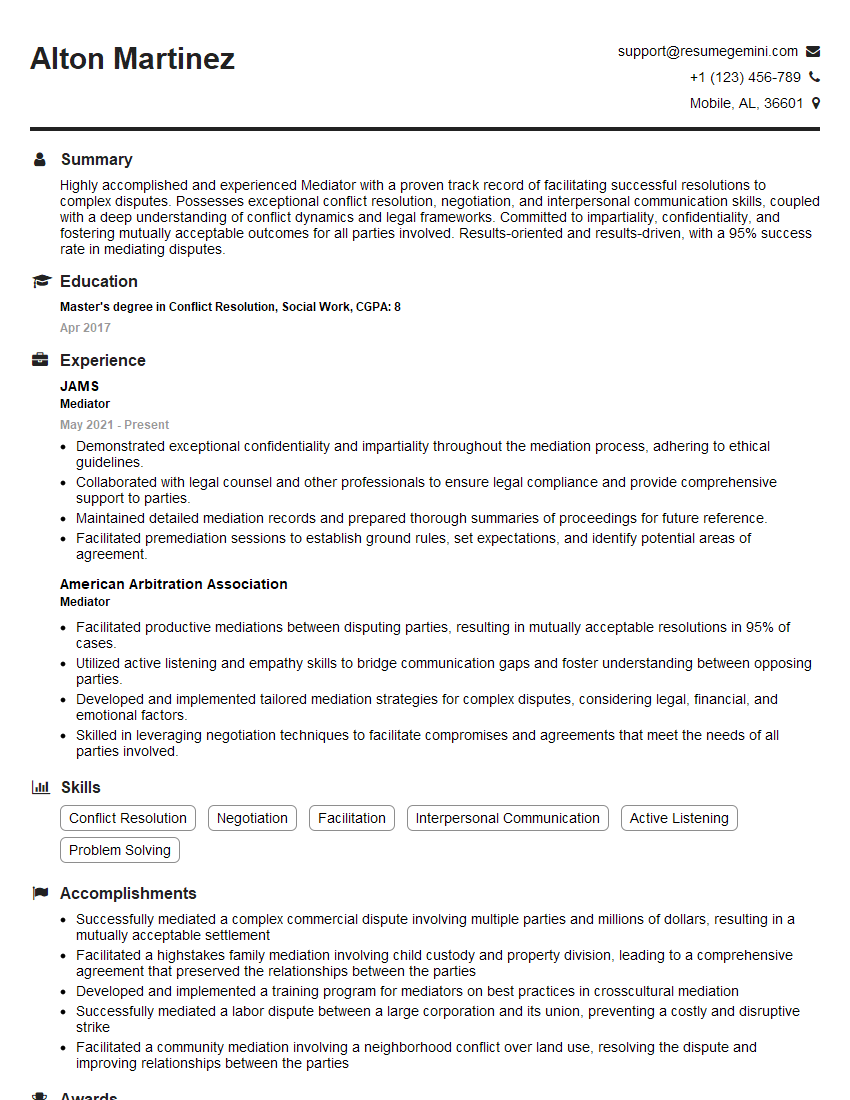
Mediator Resume Sample
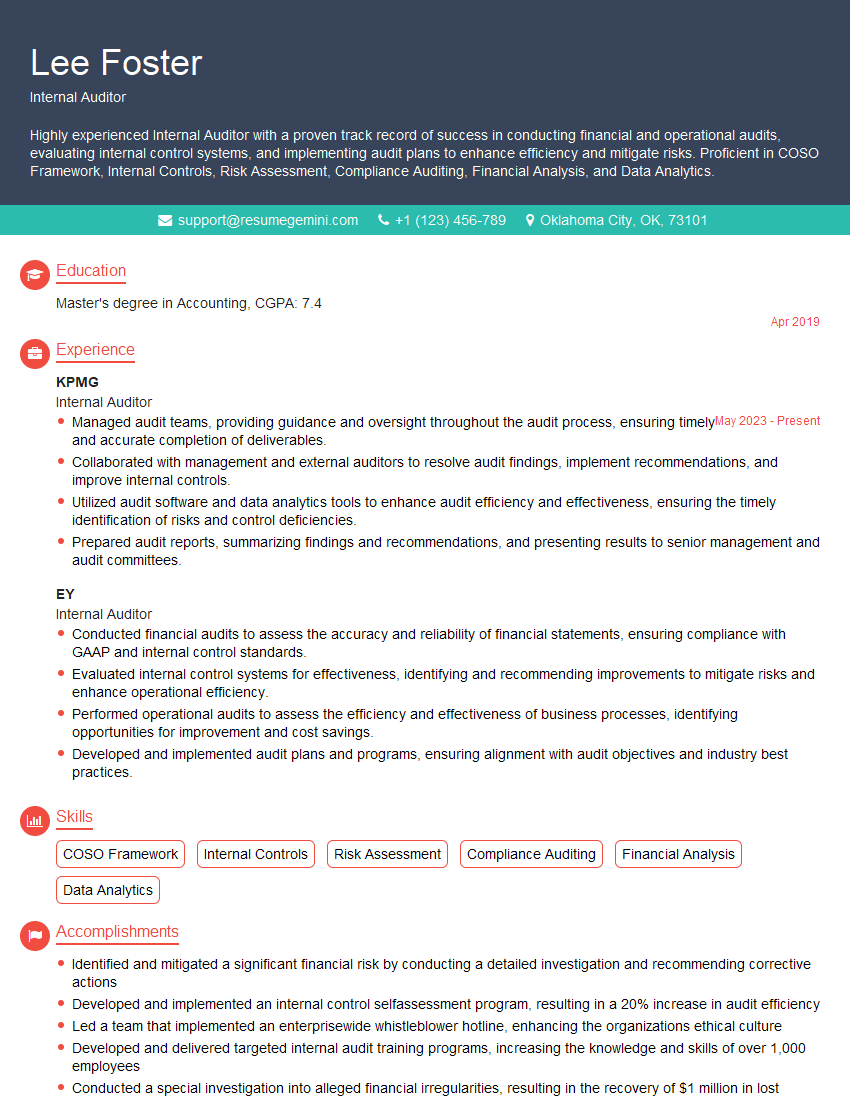
Internal Auditor Resume Sample
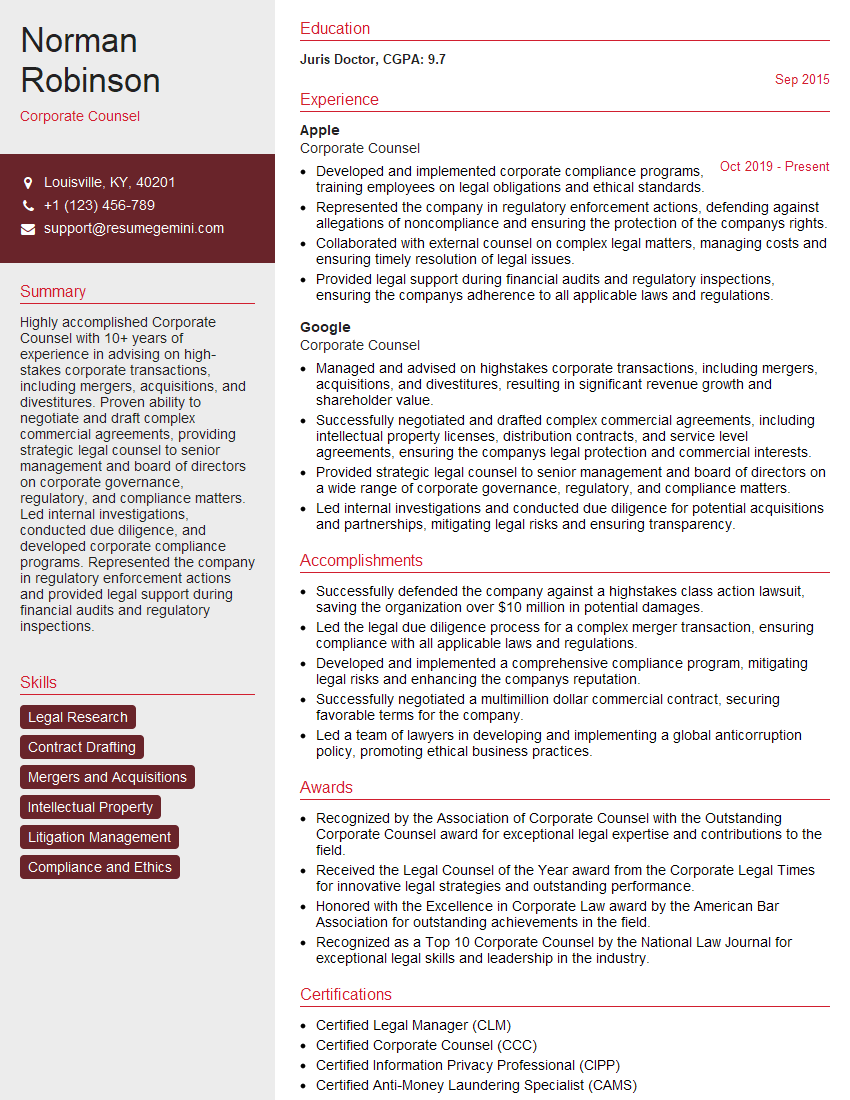
Corporate Counsel Resume Sample
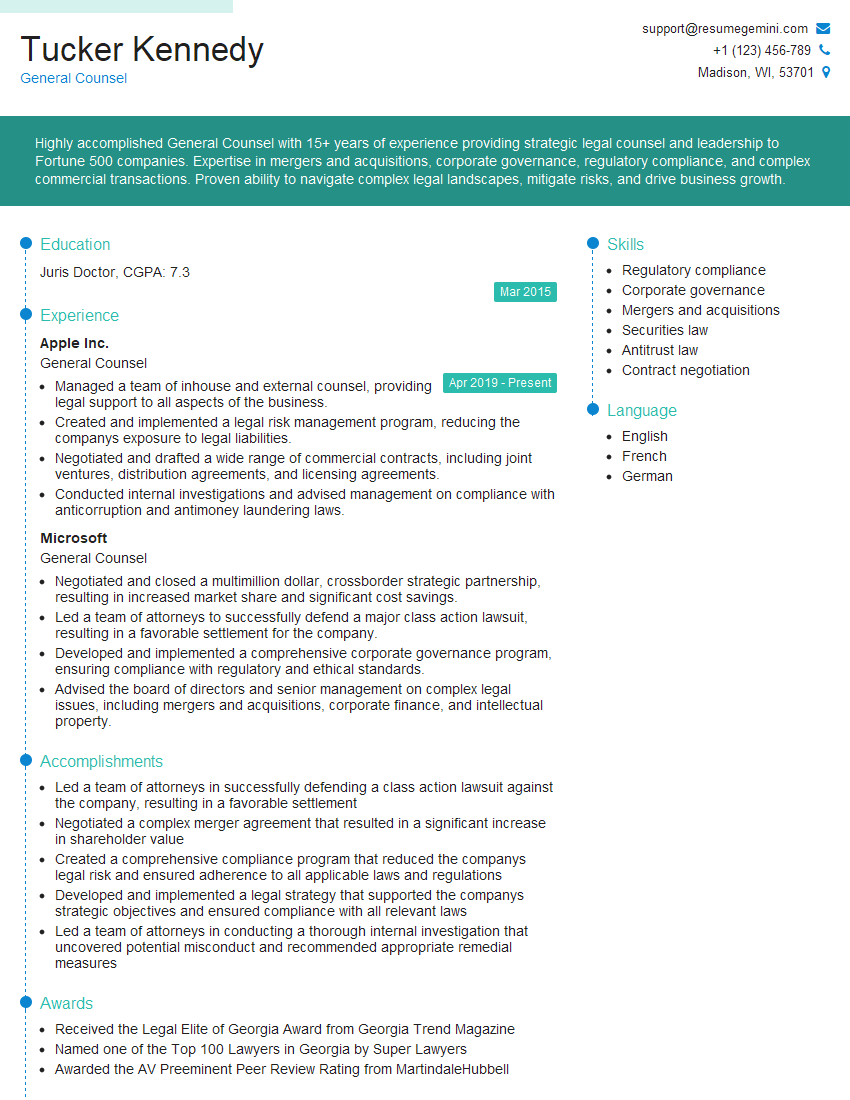
General Counsel Resume Sample
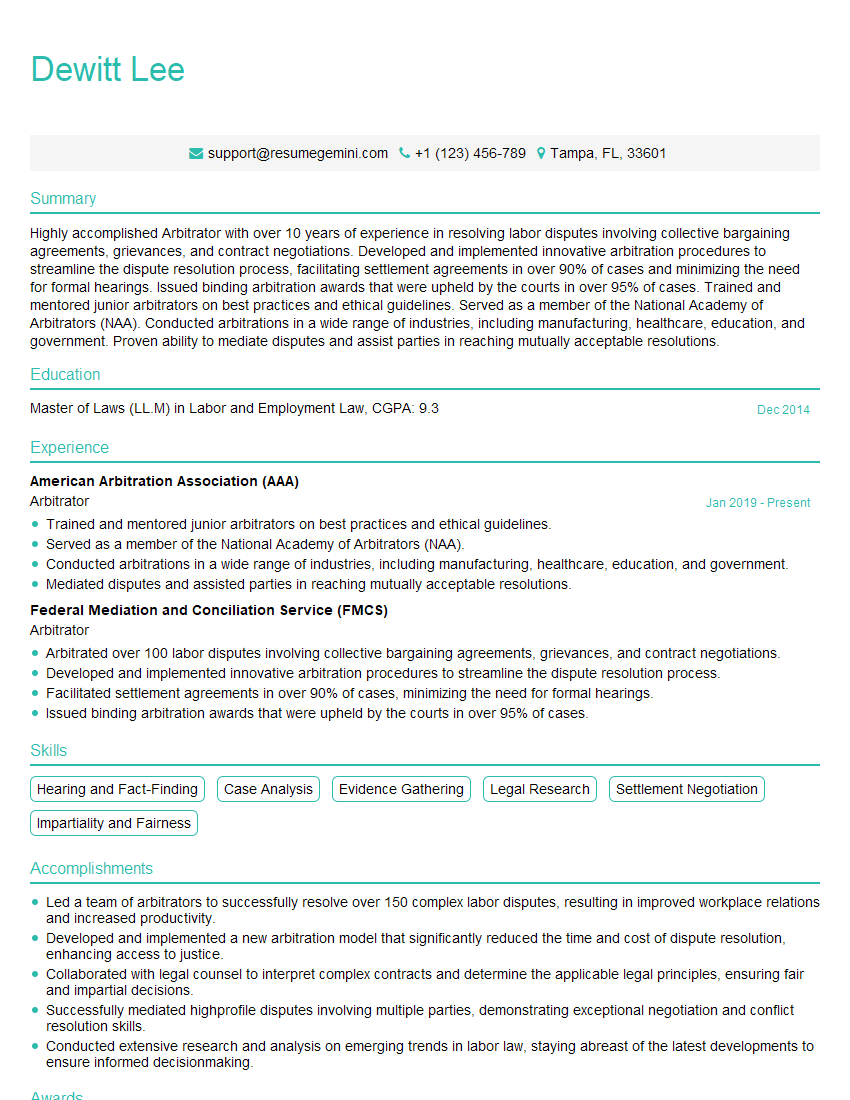
Arbitrator Resume Sample
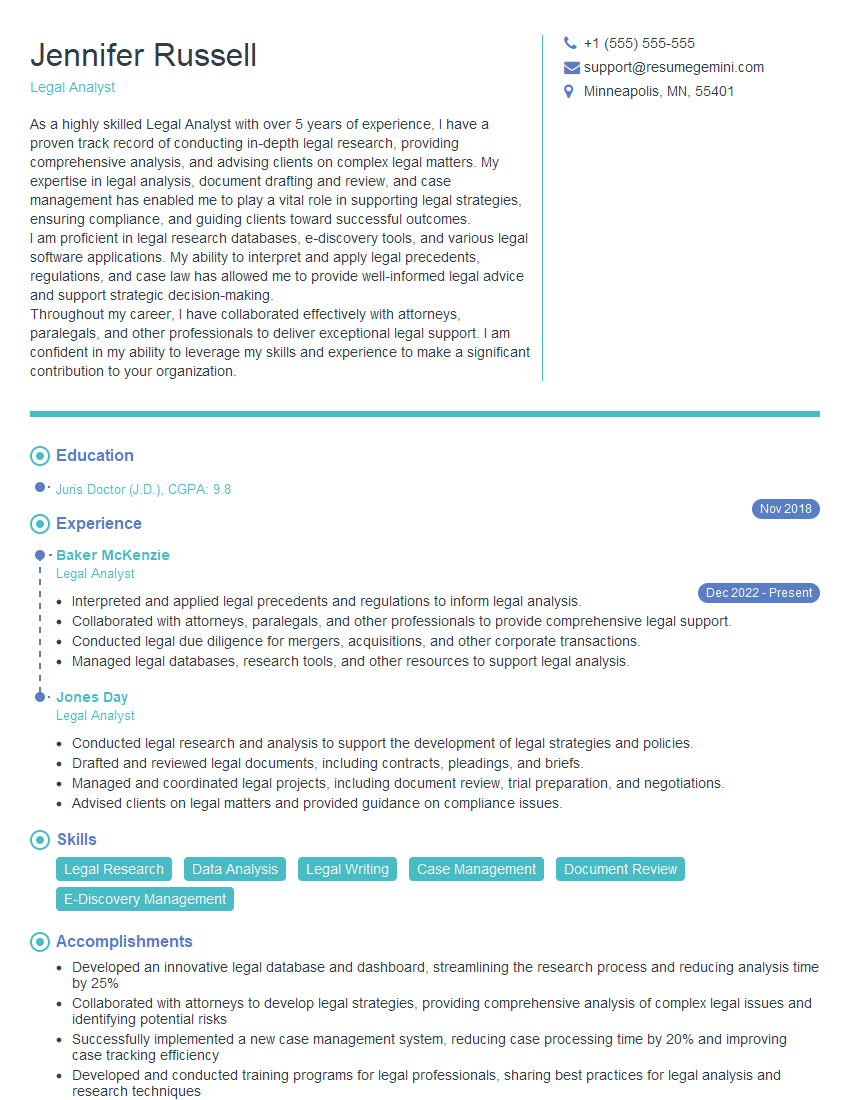
Legal Analyst Resume Sample
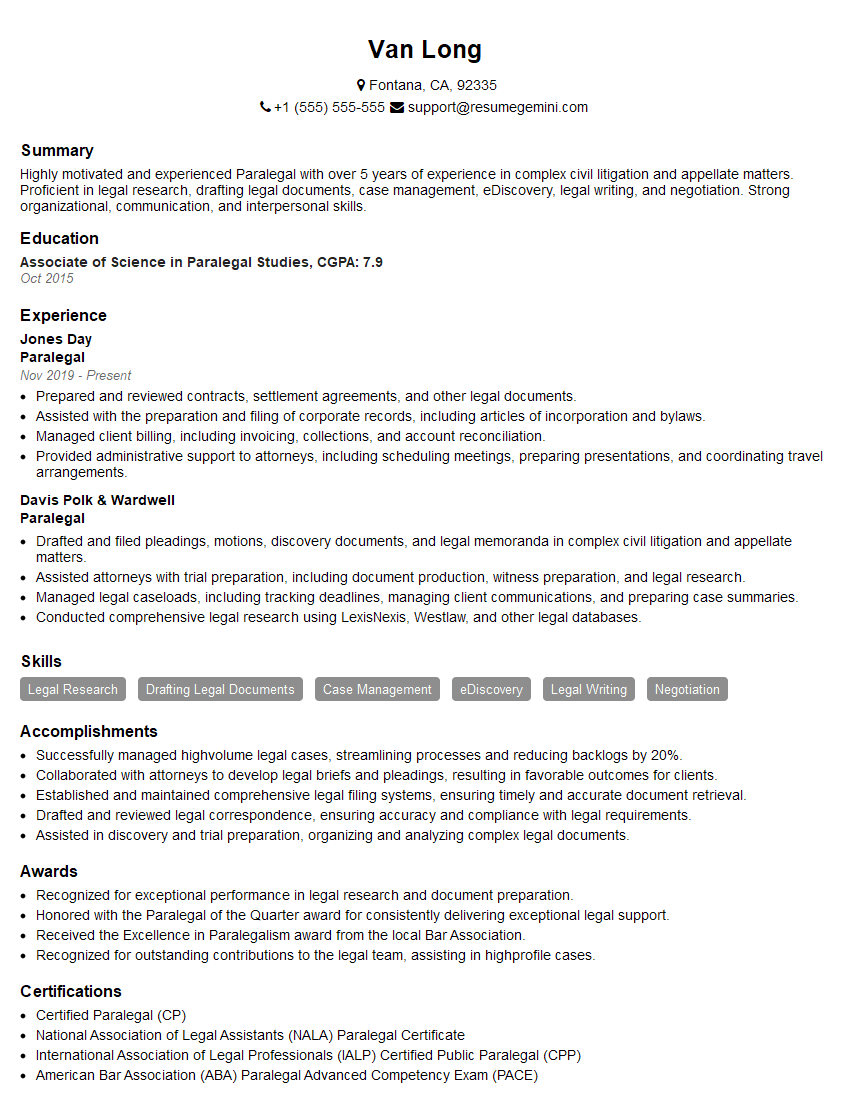
Paralegal Resume Sample
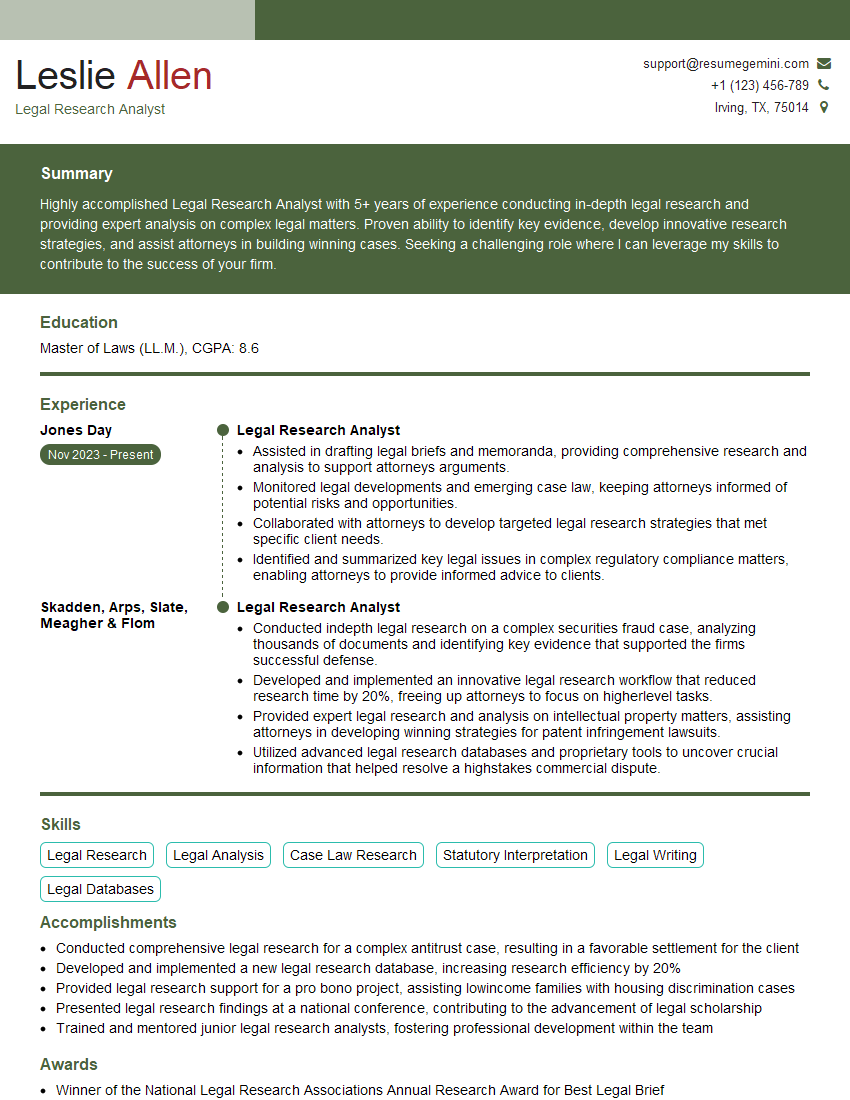
Legal Research Analyst Resume Sample
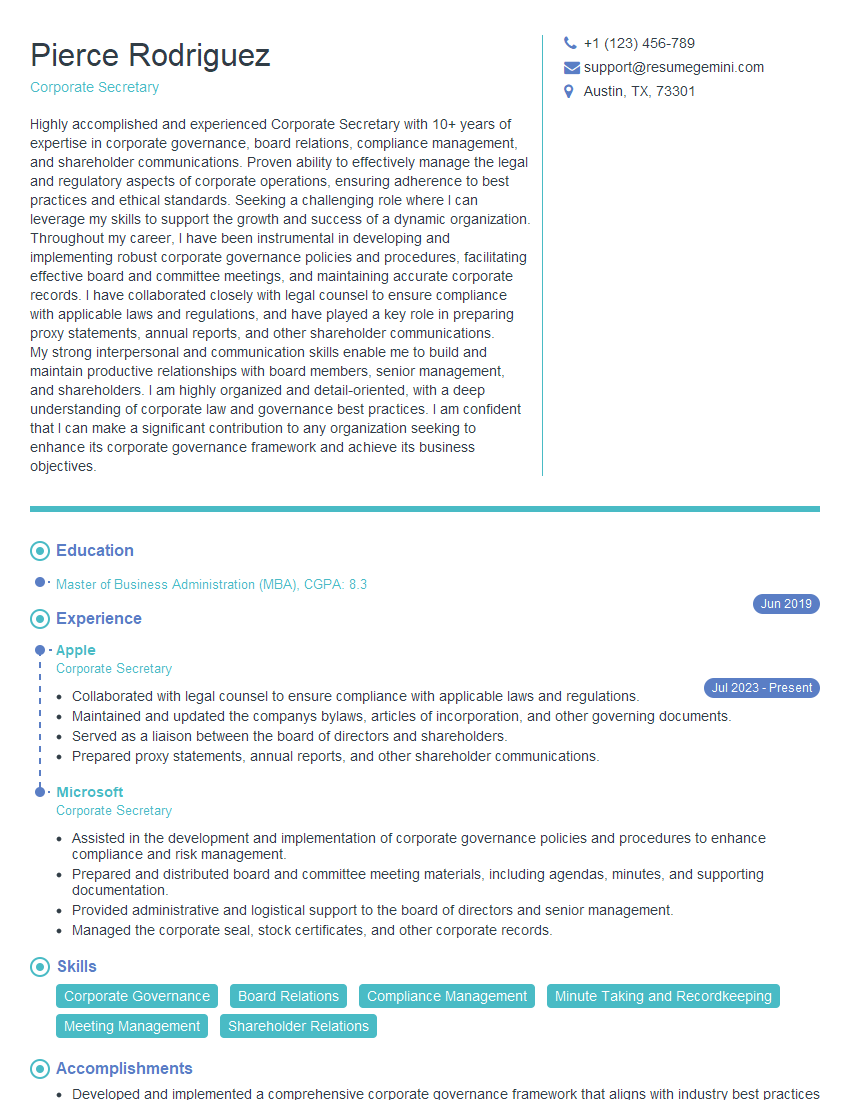
Corporate Secretary Resume Sample
Explore more articles
Users Rating of Our Blogs
Share Your Experience
We value your feedback! Please rate our content and share your thoughts (optional).
What Readers Say About Our Blog
Very informative content, great job.
good