The right preparation can turn an interview into an opportunity to showcase your expertise. This guide to Proficient in Mixing and Applying Mirror Adhesive interview questions is your ultimate resource, providing key insights and tips to help you ace your responses and stand out as a top candidate.
Questions Asked in Proficient in Mixing and Applying Mirror Adhesive Interview
Q 1. What types of mirror adhesives are you familiar with?
Mirror adhesives come in several types, each with its own properties and ideal applications. My experience encompasses working with a variety of them, including:
- Epoxy-based adhesives: These are two-part systems known for their exceptional strength and durability. They offer excellent adhesion to a wide range of substrates and are ideal for larger mirrors or those in high-traffic areas. Think of them as the heavy-duty workhorses of the mirror adhesive world.
- Silicone-based adhesives: These are typically one-part systems, making them easier to use. They offer good adhesion and flexibility, making them suitable for smaller mirrors or those where some movement or vibration might occur. They’re known for their flexibility and ability to accommodate minor substrate movement.
- Acrylic-based adhesives: These are often water-based and are known for their ease of cleanup and lower VOC content, making them a more environmentally friendly option. They offer a good balance of strength and flexibility.
The best choice depends heavily on the size and weight of the mirror, the substrate material, and the environmental conditions the mirror will be exposed to. For instance, a large mirror in a bathroom with high humidity might benefit from a high-strength epoxy, while a smaller decorative mirror on a wooden frame might be fine with a silicone adhesive.
Q 2. Describe the proper mixing ratio for your preferred mirror adhesive.
My preferred adhesive is a high-strength, two-part epoxy designed specifically for mirrors. The precise mixing ratio is critical for achieving optimal performance and avoiding issues like weak bonds or premature curing. The manufacturer’s instructions must always be followed precisely, but generally, it involves a 1:1 ratio by volume or weight, depending on the specific product. Imagine mixing paint – you wouldn’t just haphazardly throw colors together; the same precision is required here.
I typically use a calibrated mixing stick or a scale to ensure accuracy. Thorough mixing is also vital; using a spatula, I carefully fold the two components together until a uniform color is achieved. Any streaks or variations indicate incomplete mixing, which could compromise the bond. I always perform a small test application to ensure the mix is correct before applying it to the mirror itself.
Q 3. What safety precautions are necessary when working with mirror adhesive?
Safety is paramount when handling mirror adhesives, especially epoxies. Key precautions include:
- Ventilation: Work in a well-ventilated area, as some adhesives release fumes that can be irritating or harmful. Opening windows and using a respirator can help mitigate this.
- Protective Gear: Always wear safety glasses to protect your eyes from splashes and gloves to prevent skin contact. Long sleeves and pants are also a good idea.
- Skin Contact: In case of skin contact, immediately wash the affected area with soap and water. For eye contact, flush thoroughly with water for at least 15 minutes and seek medical attention.
- Proper Disposal: Dispose of empty containers and any unused adhesive according to local regulations. Never pour them down the drain.
Before starting any work, I always review the adhesive’s Safety Data Sheet (SDS) to fully understand its hazards and recommended handling procedures. This is an essential step in any professional project.
Q 4. How do you ensure proper adhesive coverage on the mirror?
Achieving proper adhesive coverage is vital for a strong and lasting bond. I use a notched trowel to apply a consistent bead of adhesive, ensuring that the entire back surface of the mirror is covered. The size of the notch depends on the adhesive’s viscosity and the size of the mirror. Using too much adhesive leads to messy overflow, while using too little compromises the bond. I aim for a thin, even layer, removing any excess adhesive immediately to prevent it from drying and making the surface uneven or causing a mess. I find it helpful to use a small roller to further ensure full contact between the adhesive and the mirror’s back, removing trapped air.
I always use a leveling technique ensuring that the adhesive is evenly distributed preventing gaps.
Q 5. What are the signs of improperly mixed adhesive?
Signs of improperly mixed adhesive can include:
- Uneven color or consistency: Streaks or clumps indicate incomplete mixing and a potentially weakened bond.
- Premature setting: If the adhesive sets too quickly, it suggests that it’s not properly mixed, and the bond will likely be weak.
- Poor adhesion: If the mirror doesn’t adhere securely to the substrate, it’s a clear indication that something went wrong, likely related to the adhesive’s inadequate mixing or application.
- Excessive shrinkage or cracking after curing: This usually signals a problem with the adhesive’s curing process, likely stemming from a mixing error.
If I encounter any of these signs, I immediately discard the batch and prepare a fresh mixture, carefully following the manufacturer’s instructions. Quality control is essential to prevent costly mistakes down the line.
Q 6. How do you clean up excess adhesive?
Cleaning up excess adhesive depends heavily on the type of adhesive and how long it’s been exposed to air. For wet adhesive (before curing), a damp cloth is often sufficient. For epoxy, I use a plastic scraper to remove any excess before it cures and then wipe with a solvent-dampened cloth, again, depending on the type of adhesive. If the adhesive is already cured, it’s much more difficult to remove and often requires a specialized adhesive remover. Always refer to the manufacturer’s instructions before attempting to remove cured adhesive.
It is crucial to allow proper curing time to allow the adhesive to dry completely and achieve the required strength for the mirror.
Q 7. Explain the process of applying mirror adhesive to various substrates (e.g., wood, glass, metal).
Applying mirror adhesive to various substrates requires careful consideration of the substrate’s properties and the adhesive’s characteristics.
- Wood: Ensure the wood surface is clean, dry, and free of dust or debris. A light sanding might be necessary. Epoxy or silicone adhesives work well. I often add extra support on the back of the frame if it is relatively thin.
- Glass: Clean the glass surface thoroughly to ensure optimal adhesion. Acetone or isopropyl alcohol is typically used for this. Most mirror adhesives adhere well to glass. Make sure the glass is fully dry before applying the adhesive to prevent bubbles.
- Metal: Metal surfaces need to be clean and free of rust, grease, or other contaminants. A degreaser might be necessary. Epoxy adhesives are usually preferred for metal due to their high strength. Ensure the metal is stable and not prone to expansion or contraction.
Regardless of the substrate, I always follow these steps: preparation, adhesive application, mirror placement, and curing time. Each step is equally important in preventing a failure. Before permanently attaching the mirror, I often perform a dry run to assess its fit and position. This prevents unnecessary work and ensures accurate placement.
Q 8. How do you prevent air bubbles from forming during adhesive application?
Preventing air bubbles when applying mirror adhesive is crucial for a flawless, long-lasting installation. Think of it like frosting a cake – you want a smooth, even surface. The key is a methodical and controlled application process.
- Use a notched trowel: This tool helps to distribute the adhesive evenly and creates channels that allow air to escape. The size of the notch will depend on the adhesive and the size of the mirror; consult the manufacturer’s instructions.
- Apply adhesive in sections: Don’t try to cover the entire surface at once. Apply the adhesive to a manageable section, then carefully place the mirror down, working slowly to avoid trapping air.
- Use a squeegee or roller: Gently squeegee or roll the mirror from the center outwards to push out any remaining air bubbles. Start in the center and work your way to the edges to avoid trapping air near the sides.
- Work in a clean environment: Dust and debris can interfere with the adhesive’s ability to bond properly and create imperfections. Ensure the surface and mirror are thoroughly clean before application.
For example, on a large vanity mirror, I might work in quadrants, applying adhesive to one quadrant, carefully positioning that section of the mirror, then moving on to the next. This prevents the adhesive from setting before I can fully place the mirror and work out any air bubbles.
Q 9. What is the ideal working time for the adhesive you typically use?
The ideal working time for mirror adhesive varies greatly depending on the specific product, temperature, and humidity. Always check the manufacturer’s data sheet. Generally, it’s critical to work quickly but carefully. Most adhesives have an open time—that is, how long you have to adjust the mirror before the adhesive starts to set significantly—typically ranging from 5 to 20 minutes. After that, repositioning becomes very difficult and could damage the adhesive bond. I always factor in the size of the mirror, the complexity of the installation, and the environmental conditions to ensure that I have sufficient time to complete the application. This planning ensures a perfect alignment before the adhesive cures.
Q 10. How do you handle different sizes and shapes of mirrors during installation?
Handling different sizes and shapes of mirrors requires adaptability and precision. It’s similar to building with different sized puzzle pieces—each requires its own approach to fit and secure them perfectly.
- Pre-planning and measurements: Accurate measurements are essential for all types of mirrors. This ensures accurate adhesive application and prevents any unnecessary stress or damage.
- Support systems: For larger mirrors, temporary support systems may be necessary to help position and hold the mirror in place while the adhesive sets. This could involve using assistants or specialized suction cups.
- Specialized techniques: Irregular shapes may need specialized adhesive application. For instance, using smaller notched trowels for intricate areas is essential for complete coverage and a clean finish.
For instance, installing a large, rectangular mirror for a walk-in closet is significantly different than handling a small, round mirror for a bathroom. The larger mirror would require multiple people and perhaps a temporary support structure, while the small one can be handled by a single person.
Q 11. What techniques do you use to ensure the mirror is perfectly aligned?
Perfect alignment is paramount. Imagine a beautiful painting slightly off-center—it ruins the whole effect! This involves meticulous planning and execution.
- Use of laser levels: These ensure precise horizontal and vertical alignment, particularly crucial for larger mirrors.
- Measuring and marking: Precise measurements and markings on the installation surface act as guides to help achieve correct placement.
- Temporary supports: Using spacers or temporary supports helps hold the mirror in place until the adhesive sets.
- Multiple checks: I always check the alignment from multiple angles before fully committing the mirror to the adhesive. Even slight misalignments can be easily corrected in the initial moments.
For a large mirror, I might use a laser level to mark the center point on the wall, then use a tape measure to ensure the mirror is perfectly centered and level.
Q 12. What tools and equipment are necessary for efficient mirror installation?
Efficient mirror installation requires a specialized toolkit. You’re not just sticking something on the wall; you are creating a beautiful, functional element.
- Notched trowel: For controlled adhesive application.
- Squeegee or roller: To remove air bubbles and ensure even pressure.
- Measuring tape and level: To ensure precise measurements and alignment.
- Laser level (for larger mirrors): For enhanced accuracy.
- Safety glasses and gloves: Protecting yourself from potential hazards.
- Putty knife or scraper: To remove excess adhesive.
- Cleaning supplies: Isopropyl alcohol and lint-free cloths to prepare the surface.
- Temporary supports (e.g., suction cups, spacers): For larger or oddly-shaped mirrors.
Q 13. How do you ensure the adhesive bond is strong and durable?
A strong, durable adhesive bond is the foundation of a successful mirror installation. It’s like building a house—a strong foundation is essential. Several factors contribute to this.
- Surface preparation: A clean, dry, and appropriately primed surface is crucial. The surface needs to be free of dust, grease, or any other contaminants that could interfere with adhesion.
- Correct adhesive selection: Choosing the right adhesive for the mirror type, substrate, and environmental conditions is critical. Some adhesives are better suited for certain materials than others.
- Proper application technique: Even distribution of the adhesive, ensuring no gaps or air pockets, is essential for a complete bond. Using the right tool for the job, like a notched trowel, helps ensure this.
- Correct curing time: Allowing the adhesive to cure properly as per the manufacturer’s instructions is critical for maximum bond strength.
I always ensure the surface is meticulously cleaned and primed before application to maximize the bond’s strength. For instance, on a bathroom wall, I’d ensure all moisture is removed and the surface is completely dry before proceeding.
Q 14. How do you handle situations where the adhesive doesn’t adhere properly?
When adhesive doesn’t adhere properly, it’s like a building with a weak foundation—it needs immediate attention. Problem-solving is key.
- Identify the cause: Is the surface properly prepared? Is the adhesive still within its usable lifespan? Is the temperature or humidity outside the recommended range for the adhesive?
- Remove the mirror carefully: If the adhesive bond is weak, carefully remove the mirror using appropriate tools, preventing damage to both the mirror and the wall.
- Clean the surface thoroughly: Remove any residue from the failed adhesive.
- Re-apply the adhesive, ensuring correct procedure: Following the steps outlined earlier meticulously, paying close attention to each detail.
- Consider alternative solutions: In some cases, if the original adhesive proves ineffective, using a different type of adhesive specifically suited to the materials might be necessary.
One time, I encountered a situation where the adhesive wasn’t sticking properly due to excessive humidity. By waiting for a drier day and utilizing a specialized adhesive designed for humid environments, I was able to complete the installation successfully.
Q 15. What are the common causes of mirror failure after installation?
Mirror failure after installation is usually due to improper adhesive application or substrate preparation. Think of it like building a house – if the foundation (substrate) isn’t right or the mortar (adhesive) isn’t properly applied, the whole structure (mirror) will fail. Common causes include:
- Inadequate surface preparation: Dust, grease, or moisture on the surface prevents proper adhesion. I’ve seen mirrors fall because someone skipped the crucial cleaning step.
- Incorrect adhesive selection: Using the wrong type of adhesive for the substrate or environment can lead to bonding failure. For example, using a silicone adhesive designed for high humidity in a dry environment might lead to premature cracking.
- Insufficient adhesive coverage: Applying too little adhesive results in weak bonding and increases the risk of the mirror detaching.
- Improper curing time: Not allowing sufficient time for the adhesive to fully cure before applying stress to the mirror can compromise the bond.
- Substrate issues: A weak or damaged substrate, like a wall with crumbling plaster, will never offer proper support, no matter how good the adhesive is. I once had to re-do a job because the drywall was unsound.
- Environmental factors: Extreme temperature fluctuations or high humidity can weaken the adhesive bond over time, causing the mirror to detach.
Career Expert Tips:
- Ace those interviews! Prepare effectively by reviewing the Top 50 Most Common Interview Questions on ResumeGemini.
- Navigate your job search with confidence! Explore a wide range of Career Tips on ResumeGemini. Learn about common challenges and recommendations to overcome them.
- Craft the perfect resume! Master the Art of Resume Writing with ResumeGemini’s guide. Showcase your unique qualifications and achievements effectively.
- Don’t miss out on holiday savings! Build your dream resume with ResumeGemini’s ATS optimized templates.
Q 16. How do you deal with uneven surfaces before applying adhesive?
Uneven surfaces are a major obstacle in mirror installation. Imagine trying to glue a picture to a bumpy wall; it won’t stick evenly. To address this, I use a combination of techniques depending on the severity of the unevenness. Minor imperfections can often be handled with a high-quality adhesive that can fill small gaps and ensure proper adhesion. For more significant irregularities, I’ll first use a suitable filler like spackle or joint compound to create a smooth, level surface. After it dries completely, I sand it down for a perfect finish before cleaning thoroughly and applying the adhesive.
For extremely uneven surfaces, I might consider using adhesive shims or support systems to ensure a stable bond. The key is to create a stable, even surface before applying the adhesive to ensure a long-lasting, aesthetically pleasing installation.
Q 17. What is your experience with different types of substrates for mirror installation?
My experience spans various substrates, including drywall, tile, wood, glass, and concrete. Each substrate requires a tailored approach. For instance:
- Drywall: Requires proper surface preparation, including cleaning and priming to ensure optimal adhesion.
- Tile: Often requires a specialized adhesive designed for bonding to ceramic or porcelain surfaces. Cleaning is crucial, as tile can be surprisingly porous.
- Wood: Needs to be inspected for stability and moisture content, selecting an appropriate adhesive to account for potential expansion and contraction.
- Glass: This requires a very strong adhesive, often with a specialized primer, especially for larger mirrors.
- Concrete: Can be challenging due to its porosity and potential for moisture, requiring a moisture barrier and a strong, flexible adhesive.
Choosing the right adhesive and primer for each substrate is key to a successful installation. I always consult the manufacturer’s recommendations for both the adhesive and the substrate.
Q 18. Describe your experience with using caulking to finish mirror installations.
Caulking is the finishing touch in most mirror installations. It’s not just about aesthetics; it serves crucial practical purposes. I typically use a high-quality paintable silicone caulk to create a watertight seal between the mirror edge and the wall, preventing moisture penetration. This is especially important in bathrooms and kitchens. The caulk also hides minor imperfections and provides a clean, professional finish.
The application technique is essential: I apply a thin, even bead of caulk, carefully smoothing it with a damp finger or a caulk tool to ensure a seamless and aesthetically pleasing result. It’s crucial to let the caulk fully cure before cleaning the excess, ensuring a strong and durable seal.
Q 19. What are the potential hazards associated with handling mirrors?
Mirrors, while beautiful, present several hazards. The most obvious is the risk of shattering, resulting in sharp, potentially dangerous fragments. Handling large mirrors requires extra caution due to their weight and fragility. Improper handling can cause cracks or breakage. Another concern is eye injuries from shards of broken glass. There’s also a risk of chemical exposure from adhesives and cleaners.
I remember one instance where a mirror slipped and almost fell, highlighting the importance of having a helper when working with larger sizes. Safety is paramount.
Q 20. What safety equipment do you use during mirror installation?
Safety is my top priority. For mirror installation, I always use:
- Safety glasses: To protect my eyes from flying debris during cutting or breakage.
- Gloves: To protect my hands from cuts, chemical irritants, and adhesive residue.
- A sturdy work surface: To prevent the mirror from sliding or falling.
- Appropriate lifting equipment: Such as suction cups or mirror lifting straps for large or heavy mirrors to prevent back strain and dropping the mirror.
- Proper ventilation: When using adhesives or cleaning products with strong fumes.
It’s better to be over-prepared than under-prepared when dealing with mirrors. My personal motto is ‘safety first, beauty second.’
Q 21. How do you dispose of used adhesive and other waste materials?
Proper disposal of waste materials is crucial for both environmental and safety reasons. Used adhesive, depending on its type, needs to be handled according to local regulations. Many adhesive manufacturers provide specific instructions on proper disposal. For example, certain adhesives might require special containers for hazardous waste. I always carefully read and follow these instructions.
Broken mirror fragments are also hazardous waste. I carefully collect them in heavy-duty containers, avoiding direct contact with the shards. These are usually disposed of according to local waste disposal regulations for hazardous materials. It’s important to remember that seemingly harmless materials can have unexpected environmental impacts if not disposed of correctly.
Q 22. Describe your experience with using specialized tools for adhesive application.
Specialized tools are crucial for precise and efficient mirror adhesive application. My experience encompasses using a variety of tools, each tailored to specific tasks. For example, I’m proficient with notched trowels for even adhesive distribution, ensuring a consistent bond thickness vital for preventing air bubbles and ensuring even pressure. I also use dispensing guns for controlled application of adhesives from cartridges, particularly beneficial with larger mirrors or intricate designs. For cleaning and surface preparation, I utilize scrapers, brushes, and lint-free cloths, each chosen based on the substrate and adhesive type. Finally, I regularly employ measuring tools like rulers and levels for precise positioning and alignment, ensuring a professional finish. My experience extends to understanding the nuances of each tool, knowing when to use a specific tool for optimal results, such as using a smaller notched trowel for smaller mirrors or corners to avoid wasting adhesive.
Q 23. What is your experience with different types of mirror backing?
I’ve worked extensively with various mirror backing types, each possessing unique properties influencing adhesive selection and application techniques. Common types include silicone-based backings, which are excellent for moisture resistance and flexibility, making them ideal for uneven surfaces. I also have experience with self-adhesive mirrors with pre-applied backing, which simplifies the process. These are suitable for smaller, less demanding applications. However, for larger, more critical installations, I often utilize mirrors requiring separate adhesive application. My experience includes working with different thicknesses of backing material and understanding how this affects the adhesive bond and potential for warping or stress. Choosing the right adhesive is critical based on the backing type, and I have expertise in identifying appropriate adhesives for each situation, understanding potential chemical interactions.
Q 24. How do you prepare the surface for optimal adhesive bonding?
Surface preparation is paramount for a long-lasting, strong mirror bond. I follow a rigorous, multi-step process. First, a thorough cleaning is crucial. I use appropriate solvents to remove any dust, grease, or other contaminants. This step is critical because even small particles can compromise the bond. Next, I assess the surface for irregularities. For minor imperfections, I may use a filler to create a smooth, even surface. Larger imperfections may necessitate structural repairs before proceeding. Finally, after cleaning and any necessary repairs, I ensure the surface is completely dry to prevent moisture issues that could weaken the bond. I always prioritize thorough cleaning and dryness as even seemingly minor contaminants can lead to adhesive failure and costly rework.
Q 25. What are the different types of curing times for mirror adhesives?
Mirror adhesive curing times vary significantly depending on the adhesive type, environmental conditions (temperature and humidity), and the thickness of the adhesive layer. Some adhesives boast short curing times, allowing for near-immediate handling within hours. However, full strength and complete curing often take considerably longer, potentially days or even weeks, for maximum bond strength. I always consult the manufacturer’s specifications before any installation, as this information is vital in planning the project timeline and handling procedures. For instance, I recently worked with a fast-curing epoxy adhesive that allowed for initial handling within 24 hours, but a full 7-day curing period was needed to reach peak strength before the mirror could be subjected to higher stresses.
Q 26. How do you manage your workload and meet deadlines during installations?
Effective workload management is critical for timely project completion. I begin by meticulously reviewing project specifications, measuring the area and calculating the required materials and time. I then break down larger installations into manageable tasks, creating a detailed schedule that includes preparation, application, curing, and any final touches. I maintain open communication with clients throughout the process, providing updates and addressing any concerns. To meet deadlines, I prioritize tasks based on urgency and dependencies, focusing on the most time-sensitive aspects first. Unexpected issues are always anticipated, so I build buffer time into the schedule to allow for flexibility and adjustments. This proactive approach ensures projects remain on track and minimizes potential delays.
Q 27. Describe a time you had to troubleshoot a problem during a mirror installation.
During a recent large-scale mirror installation, we encountered a problem with inconsistent adhesive bonding in one section. Upon inspection, we discovered a small area of residual silicone sealant on the wall that hadn’t been fully removed during the initial surface preparation. This resulted in poor adhesion in that specific section. The solution involved carefully removing the affected section of the mirror, thoroughly cleaning the wall to eliminate the silicone residue, reapplying the adhesive with extra care, and reinstalling the mirror section. This experience reinforced the importance of rigorous surface preparation and the need for careful attention to detail throughout the entire installation process. The project concluded successfully without any compromise on the final product quality, underscoring the importance of thorough troubleshooting skills.
Key Topics to Learn for Proficient in Mixing and Applying Mirror Adhesive Interview
- Understanding Adhesive Types: Learn the different types of mirror adhesives (e.g., epoxy, silicone, urethane), their properties, and appropriate applications for various mirror sizes and substrates.
- Mixing Ratios and Techniques: Master the precise mixing ratios for different adhesives, ensuring consistent viscosity and optimal bonding strength. Practice various mixing techniques to avoid inconsistencies.
- Surface Preparation: Understand the critical importance of proper surface preparation (cleaning, priming) for achieving a strong, long-lasting bond. Learn to identify and address potential surface imperfections.
- Application Methods: Become proficient in different application methods, including beading, spreading, and using specialized tools. Understand the impact of adhesive thickness and distribution on the final bond.
- Curing Process and Environmental Factors: Learn about the curing process of different adhesives, including temperature and humidity considerations. Understand how to troubleshoot issues related to improper curing.
- Troubleshooting and Problem Solving: Develop skills in identifying and resolving common issues such as air bubbles, uneven adhesion, and adhesive failure. Learn to analyze the root cause and implement corrective actions.
- Safety Procedures and Regulations: Familiarize yourself with safety regulations and best practices for handling mirror adhesive, including proper ventilation, personal protective equipment (PPE), and waste disposal.
- Quality Control and Inspection: Understand the importance of quality control procedures and how to inspect the finished product for flaws or imperfections.
Next Steps
Mastering the art of mixing and applying mirror adhesive is crucial for career advancement in many industries, opening doors to specialized roles and higher earning potential. A well-crafted resume is your key to unlocking these opportunities. Creating an ATS-friendly resume that highlights your skills and experience is essential for getting noticed by recruiters. ResumeGemini is a trusted resource to help you build a professional and impactful resume. We provide examples of resumes tailored to showcasing proficiency in mixing and applying mirror adhesive to help you get started. Take the next step towards your dream career today!
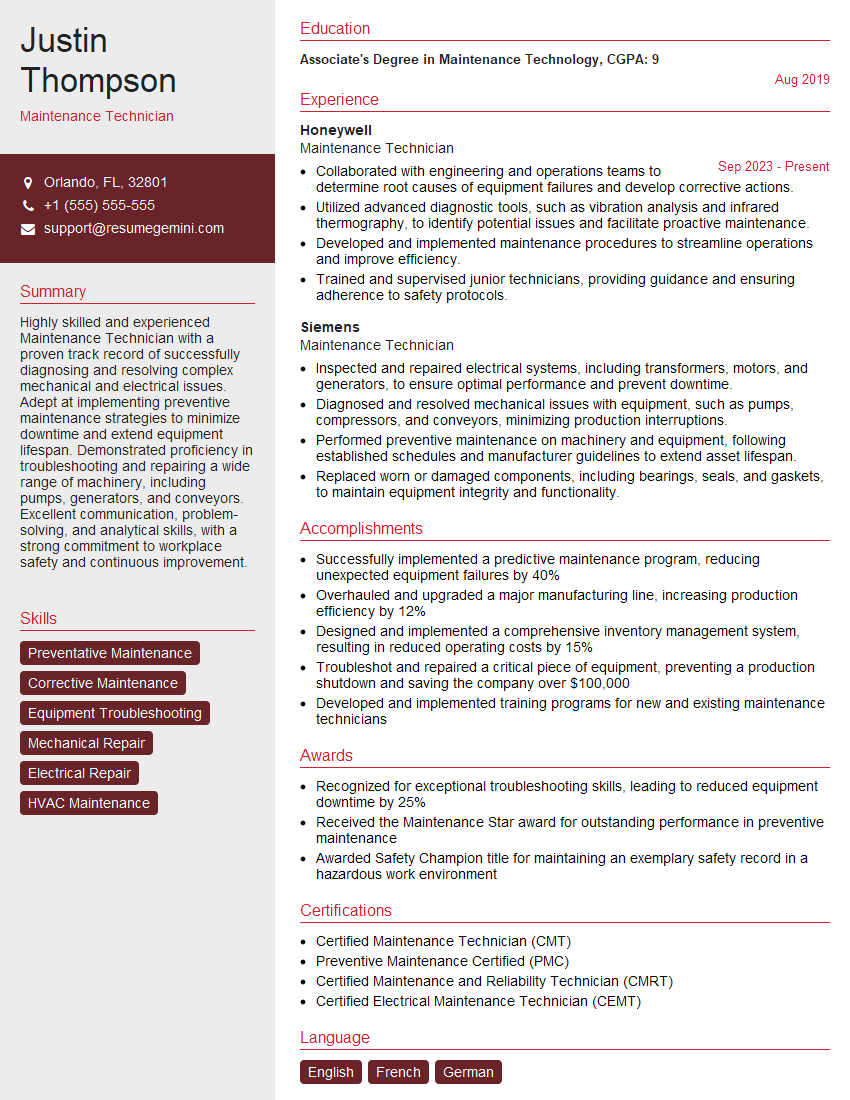
Maintenance Technician Resume Sample
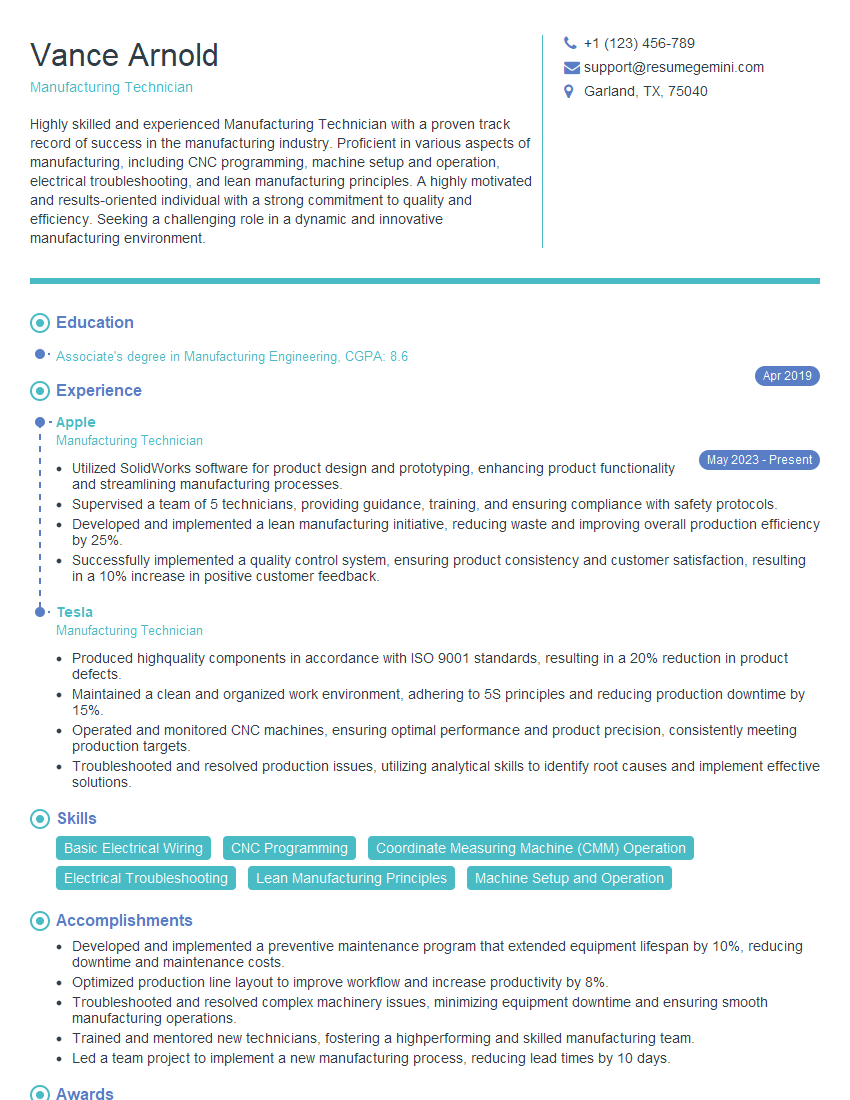
Manufacturing Technician Resume Sample
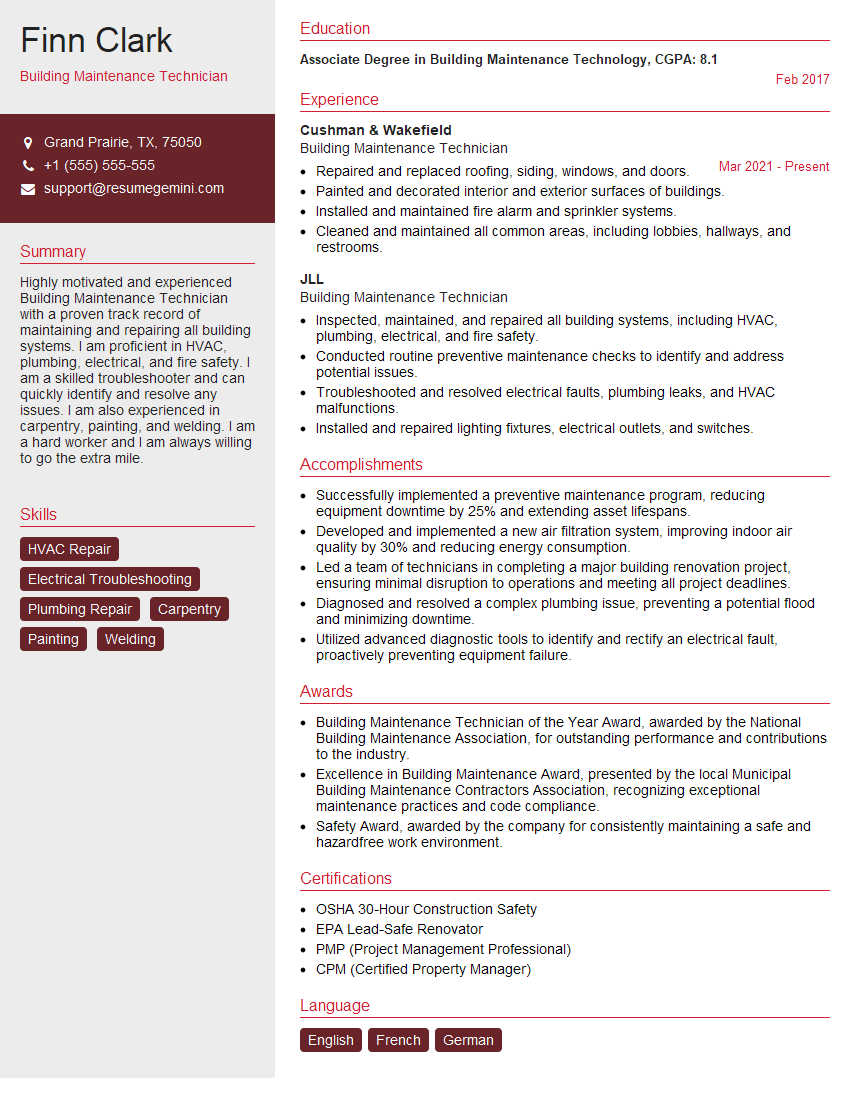
Building Maintenance Technician Resume Sample
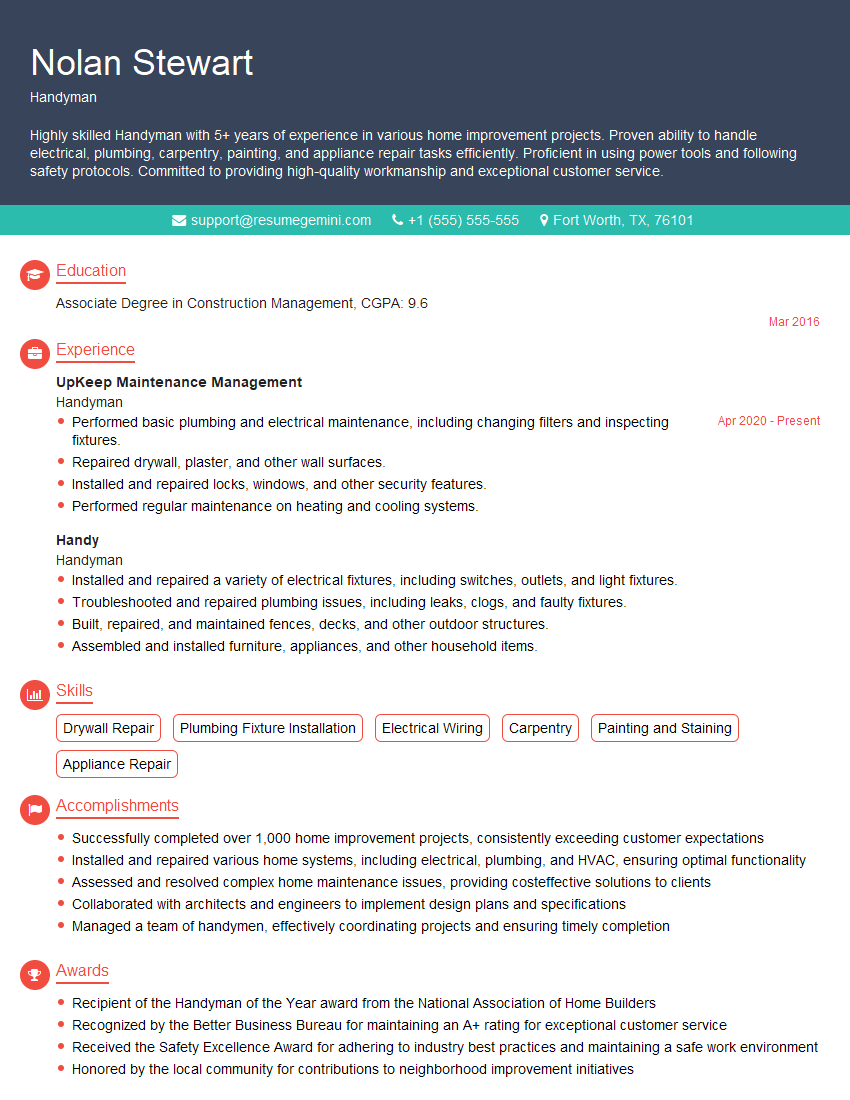
Handyman Resume Sample
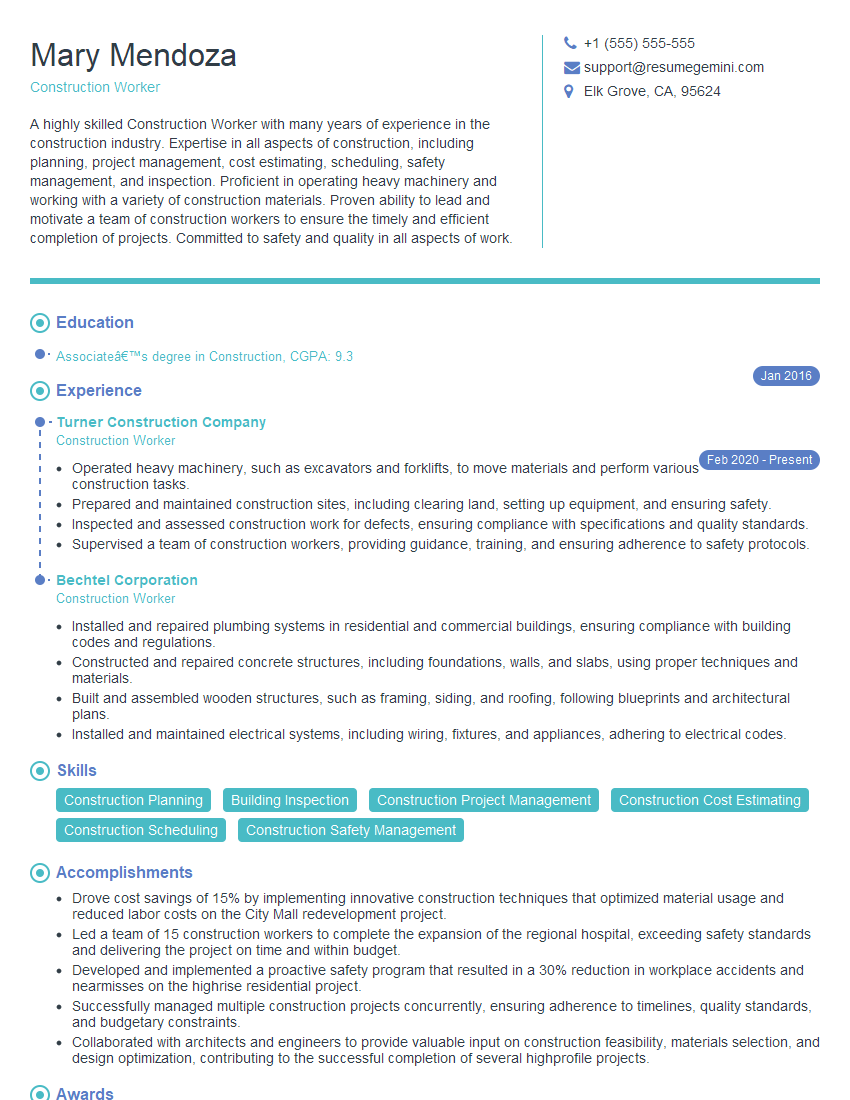
Construction Worker Resume Sample
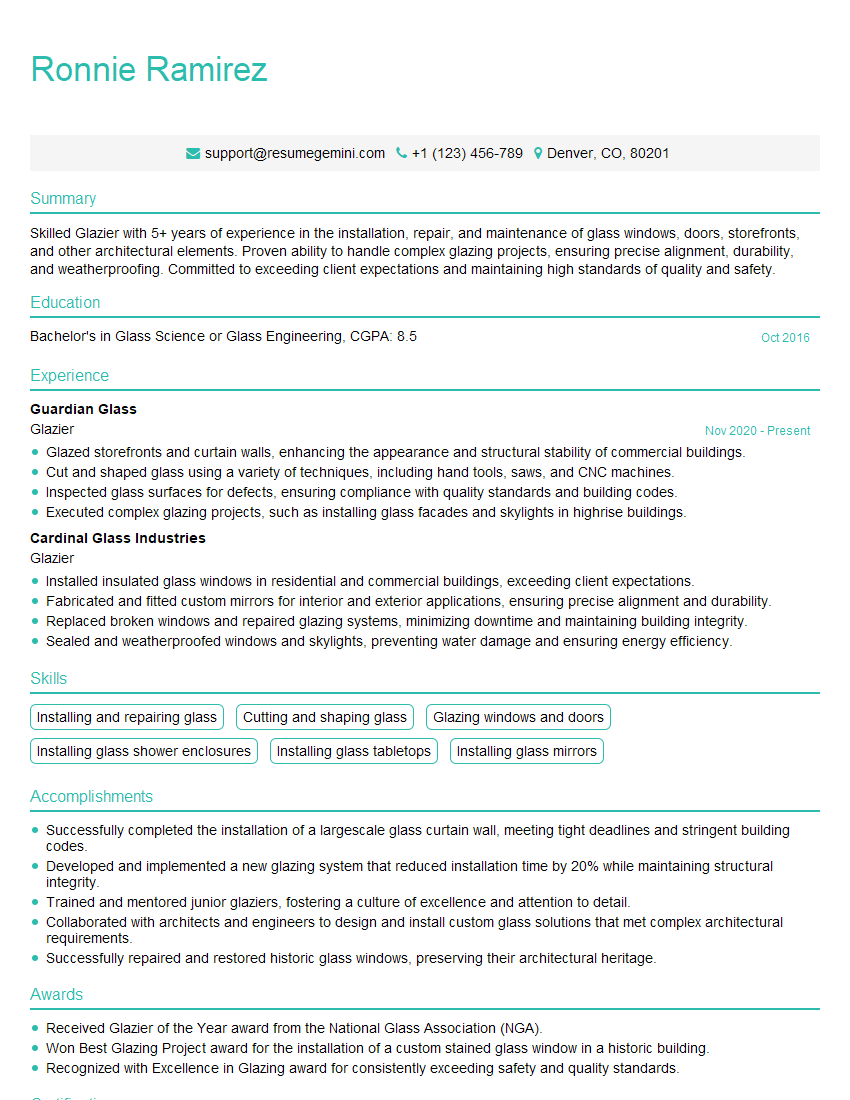
Glazier Resume Sample
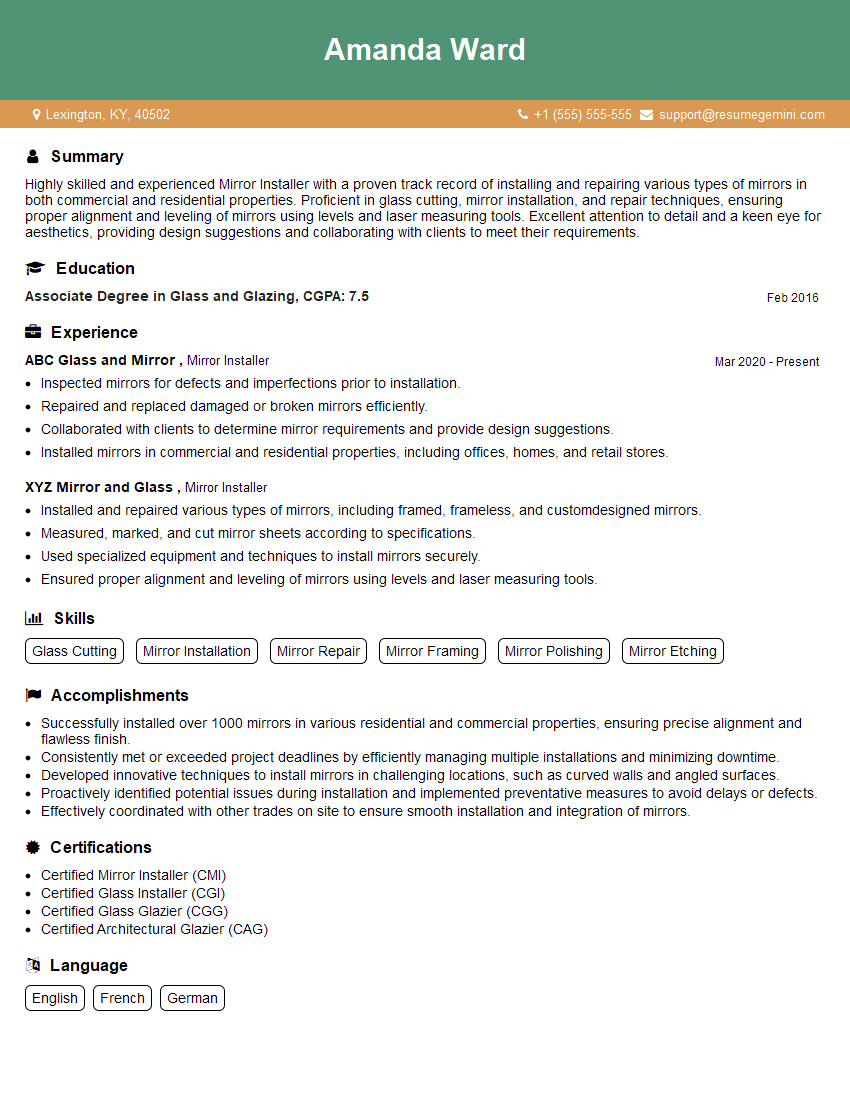
Mirror Installer Resume Sample
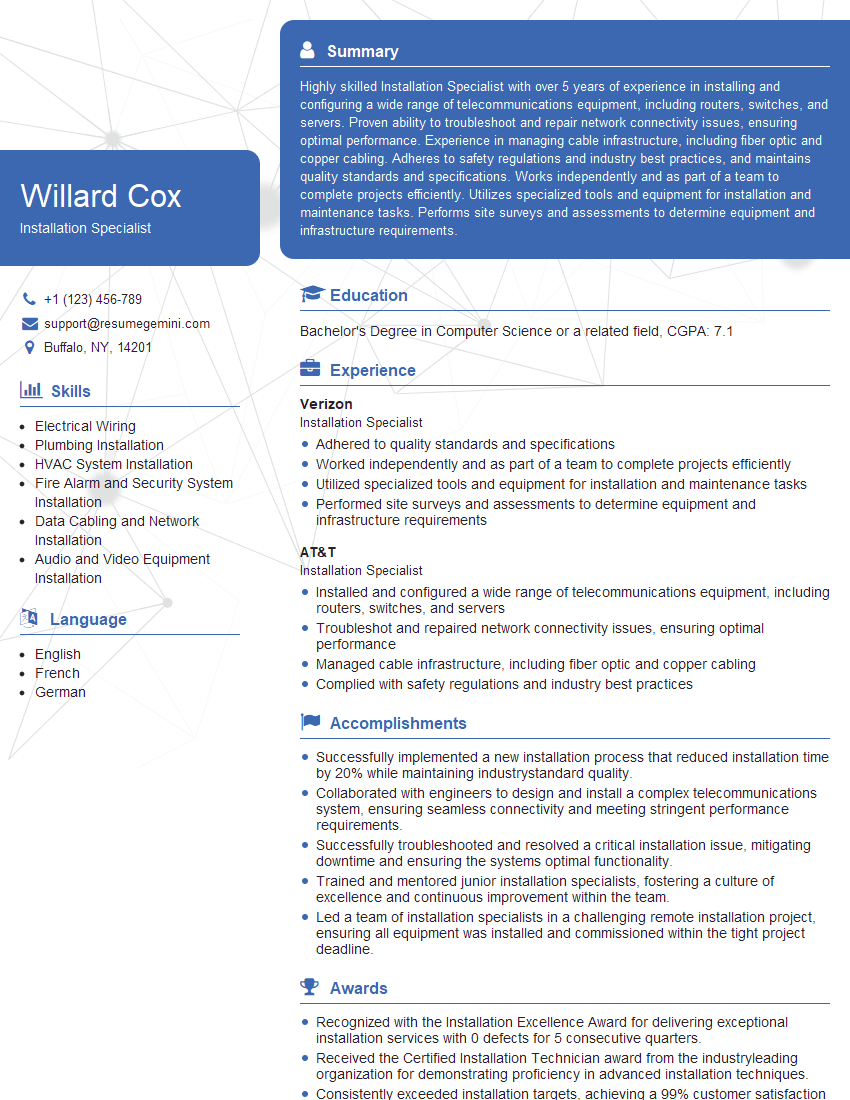
Installation Specialist Resume Sample
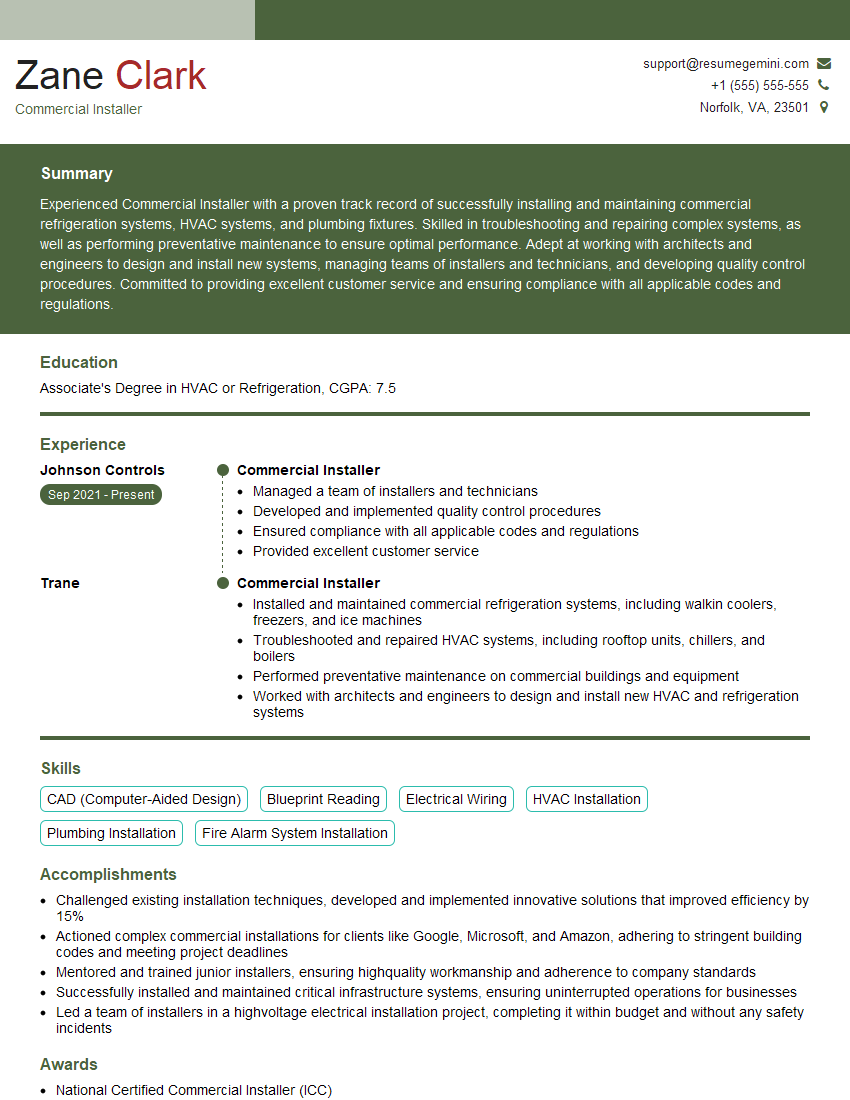
Commercial Installer Resume Sample
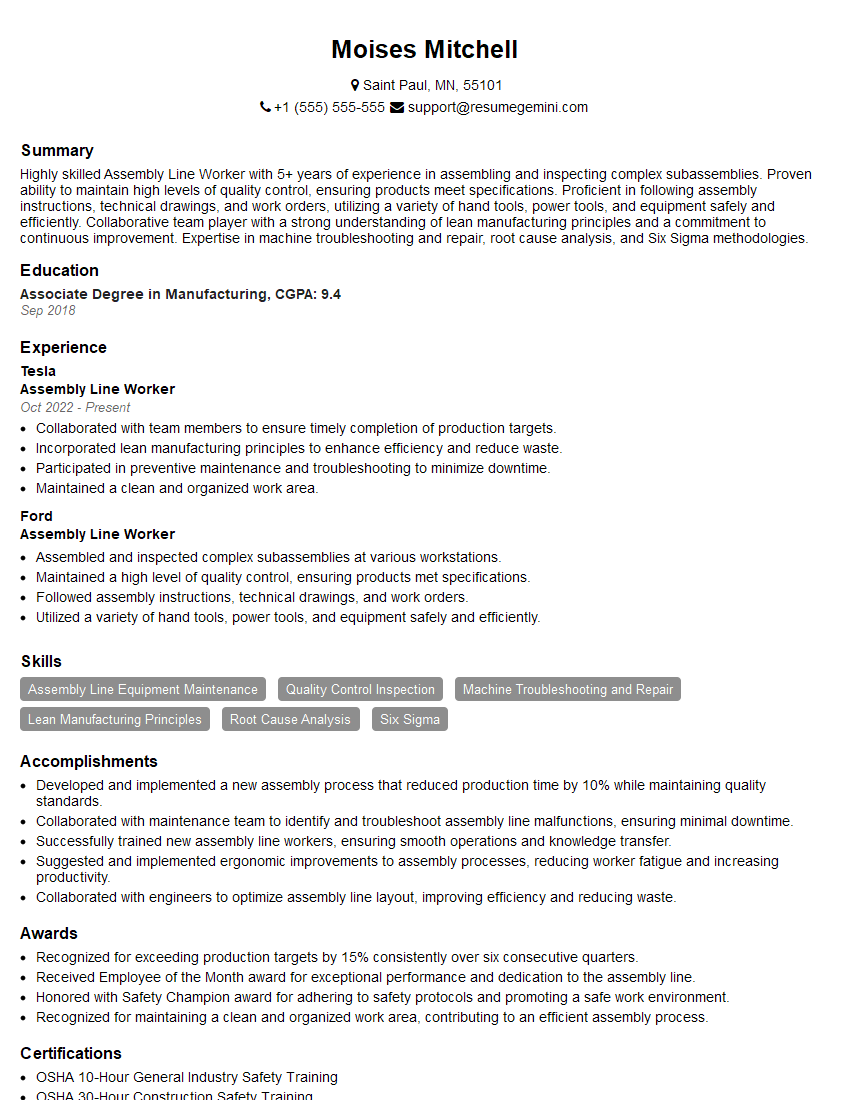
Assembly Line Worker Resume Sample
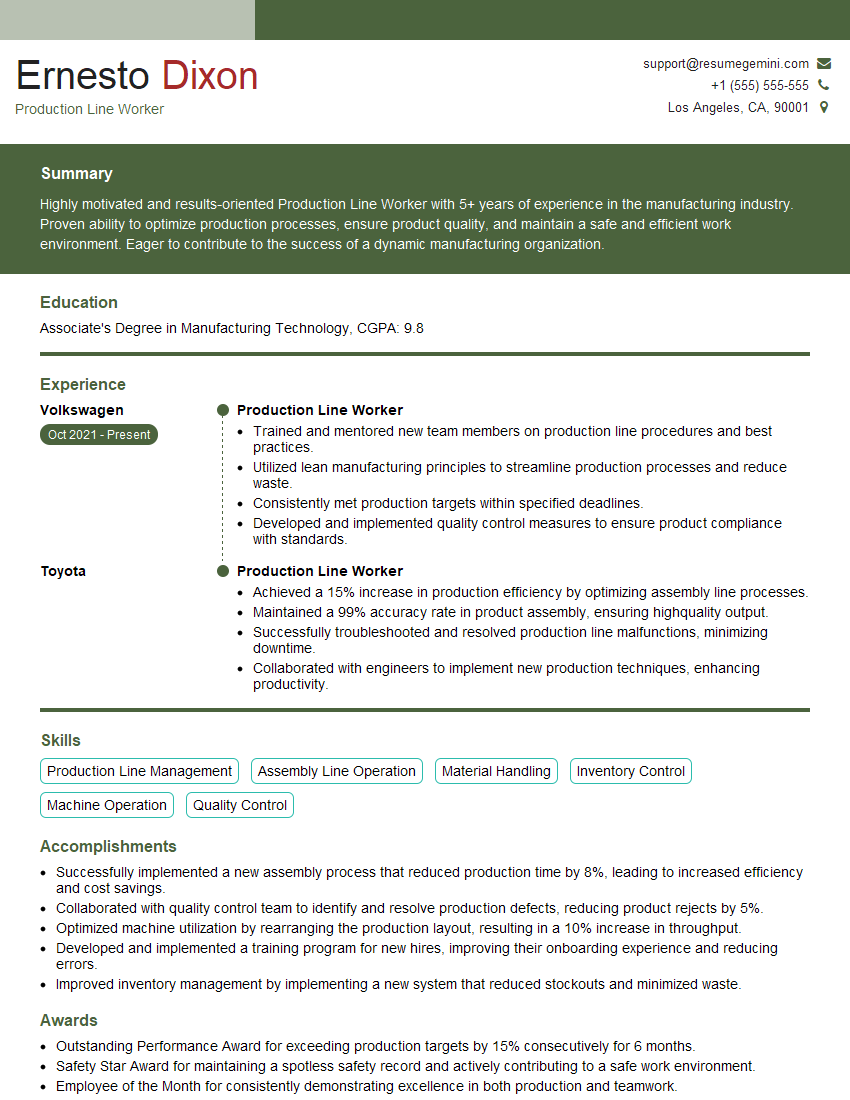
Production Line Worker Resume Sample
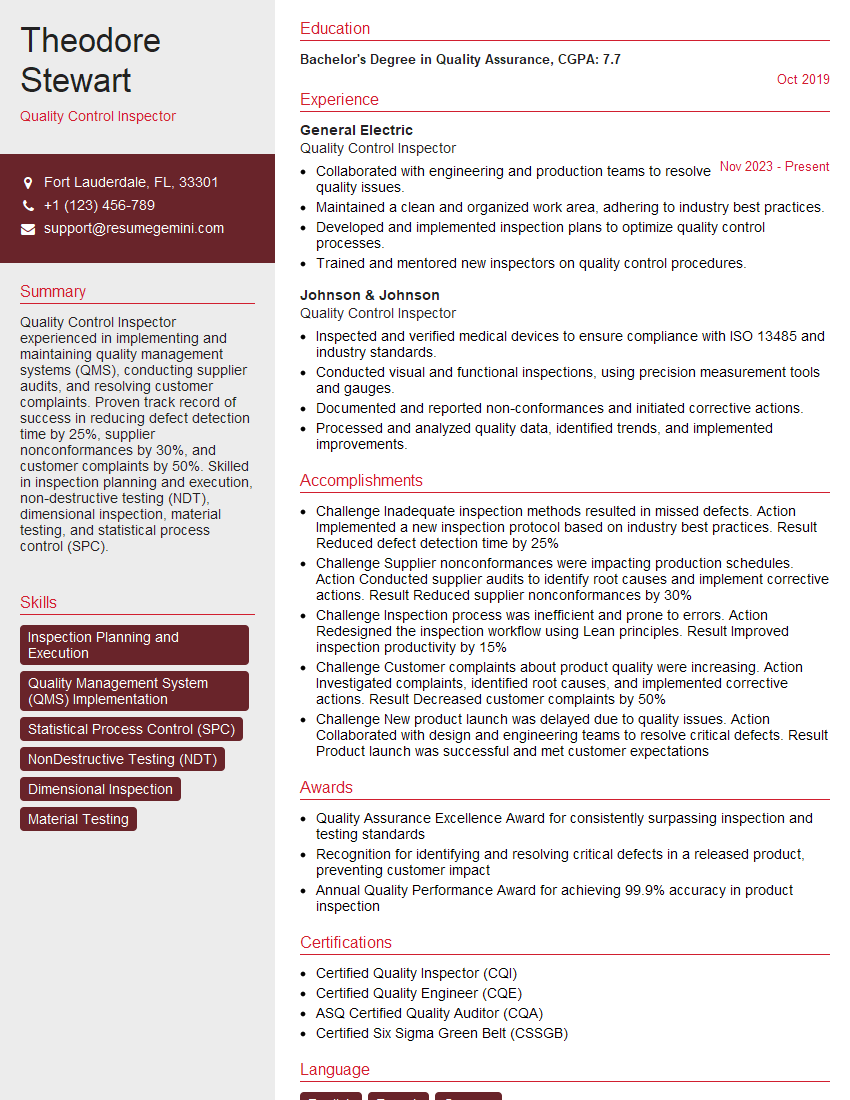
Quality Control Inspector Resume Sample
Explore more articles
Users Rating of Our Blogs
Share Your Experience
We value your feedback! Please rate our content and share your thoughts (optional).
What Readers Say About Our Blog
Very informative content, great job.
good