Preparation is the key to success in any interview. In this post, we’ll explore crucial Proficient in project management methodologies interview questions and equip you with strategies to craft impactful answers. Whether you’re a beginner or a pro, these tips will elevate your preparation.
Questions Asked in Proficient in project management methodologies Interview
Q 1. Explain the differences between Waterfall and Agile methodologies.
Waterfall and Agile are two distinct project management methodologies with contrasting approaches. Waterfall follows a linear, sequential approach, where each phase must be completed before the next begins. Think of it like a waterfall – once the water flows over a stage, it can’t go back. Agile, on the other hand, is iterative and incremental, embracing change and adapting to evolving requirements throughout the project lifecycle. It’s more like a flowing river, constantly adjusting its course.
- Waterfall: Rigid, plan-driven; well-defined stages (requirements, design, implementation, testing, deployment, maintenance); limited flexibility; suitable for projects with stable requirements.
- Agile: Flexible, iterative; short development cycles (sprints); continuous feedback and adaptation; embraces change; suitable for projects with evolving requirements and uncertain scope.
Imagine building a house. Waterfall would be like meticulously planning every detail beforehand, then constructing each part sequentially. Agile would be like building the foundation, getting feedback, then building the walls, getting more feedback, and so on, making adjustments along the way.
Q 2. Describe your experience with Scrum and Kanban.
I have extensive experience with both Scrum and Kanban, having employed them in various projects, often synergistically.
Scrum is a framework within Agile emphasizing iterative development through short sprints (typically 2-4 weeks) with daily stand-up meetings, sprint reviews, and retrospectives. I’ve led Scrum teams, facilitating sprint planning, backlog refinement, and impediment removal. For example, on a recent e-commerce website redesign, Scrum’s iterative nature allowed us to quickly address user feedback and incorporate changes within each sprint, resulting in a much more user-friendly final product.
Kanban is a visual system for managing workflow. It focuses on visualizing the work, limiting work in progress (WIP), and continuously improving the flow of value. I’ve used Kanban effectively to manage complex tasks and dependencies within larger projects, even incorporating it alongside Scrum. In one instance, we used Kanban to manage the bug-fixing process in parallel with our Scrum sprints, ensuring quick resolution of critical issues.
The choice between Scrum and Kanban often depends on the project’s context and team dynamics. Scrum provides structure and predictability while Kanban emphasizes flexibility and continuous flow. Many teams find value in combining aspects of both.
Q 3. How do you handle conflicting priorities on a project?
Conflicting priorities are inevitable in project management. My approach involves a structured process to address them effectively.
- Prioritization Matrix: I use a prioritization matrix (e.g., MoSCoW – Must have, Should have, Could have, Won’t have) to rank requirements based on their business value, risk, and dependencies.
- Stakeholder Collaboration: I facilitate a collaborative discussion with stakeholders to understand the rationale behind each priority and to identify potential trade-offs. This often involves presenting the prioritized list and discussing the impact of delaying or removing certain items.
- Negotiation and Compromise: Reaching consensus often involves negotiation and compromise. I strive to find mutually acceptable solutions that align with overall project goals while acknowledging the constraints.
- Documentation and Communication: Any decision reached is documented clearly and communicated transparently to all stakeholders to avoid future misunderstandings.
For instance, in a software development project, we faced conflicting priorities between adding a new feature and improving the existing application’s performance. Using a prioritization matrix, stakeholder discussions, and compromise, we decided to deliver a smaller version of the new feature in the next iteration while prioritizing performance enhancements in the current iteration.
Q 4. What is your preferred method for risk management?
My preferred method for risk management is a proactive and iterative approach using a combination of techniques.
- Risk Identification: I start by brainstorming potential risks, leveraging tools like SWOT analysis and workshops involving the team and stakeholders.
- Risk Assessment: Each identified risk is analyzed based on its likelihood and potential impact, using a risk matrix to prioritize them.
- Risk Response Planning: For each prioritized risk, we develop a response plan – mitigation (reducing the likelihood), avoidance (eliminating the risk), transference (shifting the risk), or acceptance (acknowledging the risk and planning for it).
- Monitoring and Control: Risks are continuously monitored throughout the project lifecycle. Any changes in risk likelihood or impact necessitate updating the risk response plan.
For example, in a project involving external dependencies, we identified the risk of supplier delays. We mitigated this by establishing clear communication channels, negotiating flexible delivery schedules, and having a backup supplier ready. This proactive approach helped us avoid significant project delays.
Q 5. How do you create and manage a project budget?
Creating and managing a project budget requires a detailed and structured approach.
- Cost Estimation: I use various estimation techniques, including bottom-up, top-down, and three-point estimation, to develop a comprehensive cost baseline. This includes identifying all direct and indirect costs such as labor, materials, software, and travel.
- Budget Creation: The cost estimate forms the basis of the project budget, which is then presented and approved by stakeholders. The budget should clearly allocate funds to different activities and phases.
- Budget Tracking and Control: Throughout the project, I regularly track actual costs against the budgeted amounts. Variance analysis helps identify potential overruns or underruns, allowing for timely corrective actions. Tools like Earned Value Management (EVM) can be instrumental here.
- Budget Reporting: Regular reports are prepared and shared with stakeholders highlighting budget performance and any necessary adjustments.
For instance, when managing the budget for a software development project, I broke down costs by development phases, testing, and deployment, tracking them closely using a spreadsheet and project management software. Regular budget reviews ensured that we remained on track and identified any potential cost overruns early.
Q 6. Describe your experience with project scheduling and resource allocation.
Project scheduling and resource allocation are critical for successful project delivery. My approach involves several key steps:
- Work Breakdown Structure (WBS): I start by creating a detailed WBS to break down the project into manageable tasks.
- Task Dependencies and Sequencing: I then identify the dependencies between tasks and sequence them appropriately using tools like a Gantt chart or network diagram. This allows for a clear understanding of the critical path.
- Resource Estimation: For each task, I estimate the resources required, including personnel, equipment, and materials.
- Resource Allocation: I then allocate these resources to tasks, considering their availability and skills, aiming for optimal resource utilization. This often involves resource leveling to smooth out resource demands over time.
- Schedule Development: Using the task sequencing and resource allocation, I develop a detailed project schedule indicating task start and end dates.
- Schedule Monitoring and Control: The schedule is monitored continuously, and any deviations are addressed proactively.
In a recent construction project, I utilized a Gantt chart to visualize the project schedule, allocating resources such as workers, machinery, and materials based on their availability and task dependencies. This resulted in the timely completion of the project, optimizing resource utilization.
Q 7. How do you track project progress and identify potential roadblocks?
Tracking project progress and identifying potential roadblocks is an ongoing process.
- Project Management Software: I utilize project management software (like Jira, Asana, or MS Project) to track tasks, milestones, and deadlines. These tools offer features for monitoring progress against the plan.
- Regular Meetings: Regular team meetings (e.g., daily stand-ups, weekly progress meetings) provide opportunities to discuss progress, identify challenges, and take corrective actions.
- Key Performance Indicators (KPIs): I define relevant KPIs (e.g., task completion rate, budget variance, schedule adherence) to monitor project health objectively.
- Visual Management Tools: Tools like Kanban boards or burn-down charts provide visual representations of project progress and potential bottlenecks.
- Risk Register Monitoring: Regularly reviewing the risk register and implementing mitigation plans are vital in identifying and addressing potential roadblocks before they impact the project.
For example, during a software development project, using a burn-down chart visually revealed that we were falling behind schedule on a key module. This early detection allowed us to immediately re-allocate resources and take steps to address the issue before it impacted the project’s overall timeline.
Q 8. What metrics do you use to measure project success?
Measuring project success goes beyond simply completing a project on time and within budget. It requires a holistic approach, encompassing various metrics aligned with the project’s overall goals. I typically utilize a balanced scorecard approach, considering metrics across four key perspectives:
- Financial: Return on Investment (ROI), Net Present Value (NPV), cost variance, and budget adherence. For example, if a project aimed to increase sales by 15%, I’d track actual sales growth against that target.
- Customer: Customer satisfaction (CSAT) scores, Net Promoter Score (NPS), and the number of successful product launches or successful project deliveries. If developing software, user feedback and adoption rates are crucial.
- Internal Processes: Project completion rate, adherence to schedule milestones, defect rate, and team productivity. This could involve tracking the number of bugs fixed or features implemented per sprint in agile projects.
- Learning & Growth: Employee skill development, knowledge gained, process improvements identified, and lessons learned for future projects. This might involve documenting the challenges faced and solutions implemented, creating reusable templates, or conducting post-project reviews.
By monitoring these metrics throughout the project lifecycle, I can proactively identify and mitigate potential risks, ensuring the project achieves its intended objectives and delivers value.
Q 9. How do you handle stakeholder management?
Stakeholder management is crucial for project success. I approach it systematically, starting with identifying all key stakeholders – from clients and executives to team members and end-users. Then, I develop a stakeholder register that details their interests, influence, and communication preferences.
Effective communication is key. I use various methods tailored to each stakeholder: regular status reports for executives, detailed progress updates for the team, and direct engagement with clients through meetings and demos. I actively seek feedback and address concerns promptly. For instance, I might use a weekly newsletter to keep all stakeholders informed of progress and roadblocks.
Managing expectations is equally important. I clearly communicate project goals, timelines, and potential risks upfront. When changes occur, I communicate them transparently and collaboratively, ensuring buy-in from stakeholders before implementing them. This proactive approach fosters trust and ensures everyone is aligned throughout the project lifecycle.
Q 10. Explain your experience with change management processes.
Change is inevitable in projects. My experience with change management involves employing a structured approach, typically leveraging the ADKAR model (Awareness, Desire, Knowledge, Ability, Reinforcement). This model helps manage the human side of change.
First, I ensure stakeholders are aware of the need for change. Then, I foster a desire to adopt the change by highlighting its benefits. Next, I provide the necessary knowledge and ability through training and support. Finally, I reinforce the change through positive reinforcement and recognition.
In a recent project, we had to adapt our development methodology due to a change in client requirements. I facilitated workshops to explain the rationale for the change, trained the team on the new methodology, provided ongoing support, and recognized their adaptability. This approach minimized disruption and ensured a smooth transition, ultimately leading to a successful project delivery.
Q 11. Describe a time you had to make a difficult decision on a project.
In a previous project, we faced a critical deadline with a significant portion of the work unfinished. We had two options: compromise on quality by rushing the remaining tasks or delay the launch, impacting our client’s marketing campaign. This was a difficult decision, as both choices had significant drawbacks.
I convened a team meeting to analyze the risks and benefits of each option. We evaluated the potential impact of a delayed launch versus releasing a product with minor known defects. We ultimately decided to delay the launch by two weeks, focusing on rigorous testing and quality assurance to ensure a stable product. This decision was not easy, but we communicated transparently with the client, explaining the rationale and outlining the plan to mitigate the impact of the delay. The client appreciated our honesty and proactive approach, and the final product was well-received.
Q 12. How do you facilitate effective team communication?
Effective team communication is paramount for project success. I use a multi-faceted approach to ensure clear and efficient communication flows.
I start by establishing clear communication channels: regular team meetings (both stand-up and more in-depth), project management software for task assignments and progress tracking (e.g., Jira, Asana), and instant messaging for quick questions and updates. I also utilize collaborative tools like Google Docs or shared online workspaces for document sharing and real-time collaboration.
Beyond tools, I focus on fostering a culture of open communication. I encourage team members to share concerns and challenges without hesitation, creating a safe and supportive environment. I actively listen to their feedback and address their concerns promptly. Regular feedback sessions, both individual and group, help identify and address communication breakdowns early on.
Q 13. What tools and software are you proficient in for project management?
I’m proficient in several project management tools and software. My experience spans various platforms, allowing me to adapt to different project needs and organizational preferences. This includes:
- Jira: For agile project management, issue tracking, and sprint management.
- Asana: For task management, collaboration, and progress tracking.
- MS Project: For planning and scheduling complex projects, creating Gantt charts, and resource allocation.
- Trello: For Kanban-style project management and visual task organization.
- Slack/Microsoft Teams: For instant messaging, team communication, and file sharing.
- Confluence: For collaborative documentation and knowledge sharing.
My expertise extends beyond simply using these tools; I understand how to leverage their features to optimize workflow, improve collaboration, and enhance overall project visibility.
Q 14. How do you handle scope creep?
Scope creep, the uncontrolled expansion of project requirements, is a common threat to project success. My approach to handling it is proactive and involves several key steps:
- Clearly Defined Scope: Starting with a meticulously defined project scope, documented in a detailed project scope statement, including acceptance criteria and deliverables. This serves as the baseline for measuring any deviations.
- Change Control Process: Implementing a formal change control process that requires all changes to be documented, evaluated, and approved. This includes assessing the impact of changes on timelines, budget, and resources.
- Regular Monitoring: Continuously monitoring the project scope throughout the project lifecycle to detect potential scope creep early. This involves regular reviews with stakeholders and team members.
- Communication & Collaboration: Open communication with stakeholders is crucial. Any requests for changes need to be clearly articulated and discussed collaboratively to determine feasibility and impact.
- Scope Management Tools: Leveraging project management software to track and manage changes effectively. This helps maintain transparency and accountability.
By actively managing scope changes and ensuring appropriate approvals, I can prevent uncontrolled expansion and maintain project predictability and success.
Q 15. How do you resolve conflicts within a project team?
Conflict resolution is crucial for a project’s success. My approach is proactive and focuses on understanding the root cause, not just the symptoms. I believe in fostering open communication and a collaborative environment where team members feel comfortable expressing their concerns.
My process typically involves:
- Active Listening: I start by actively listening to all parties involved, ensuring everyone feels heard and understood. This often involves asking clarifying questions to ensure I grasp the full picture.
- Identifying the Core Issue: Once I have a clear understanding of everyone’s perspective, I work to identify the underlying issue driving the conflict. This often goes beyond the surface-level disagreements.
- Finding Common Ground: I focus on identifying areas of agreement and shared goals. This helps to refocus the conversation on collaboration rather than confrontation.
- Brainstorming Solutions: Together, we brainstorm potential solutions that address the core issue and meet the needs of all parties involved. This collaborative approach promotes ownership and buy-in.
- Reaching a Consensus: The goal is to reach a mutually acceptable solution, even if it’s a compromise. I document the agreed-upon solution and next steps to ensure clarity and accountability.
- Follow-up: I follow up to ensure the agreed-upon solution is working and to address any new challenges that may arise.
For example, in a past project, two team members had conflicting opinions about the best approach to a technical challenge. By facilitating a structured discussion and focusing on the project’s overall objectives, we were able to find a hybrid approach that incorporated the strengths of both ideas, leading to a more innovative and efficient solution.
Career Expert Tips:
- Ace those interviews! Prepare effectively by reviewing the Top 50 Most Common Interview Questions on ResumeGemini.
- Navigate your job search with confidence! Explore a wide range of Career Tips on ResumeGemini. Learn about common challenges and recommendations to overcome them.
- Craft the perfect resume! Master the Art of Resume Writing with ResumeGemini’s guide. Showcase your unique qualifications and achievements effectively.
- Don’t miss out on holiday savings! Build your dream resume with ResumeGemini’s ATS optimized templates.
Q 16. Explain your experience with quality assurance and control.
Quality assurance and control are integral to my project management approach. I view QA/QC not as a separate phase, but as an ongoing process woven throughout the entire project lifecycle. This ensures that quality is built in from the beginning, reducing the need for costly rework later on.
My experience encompasses:
- Defining Quality Standards: I work with stakeholders to establish clear, measurable quality standards specific to the project. This involves defining key performance indicators (KPIs) and acceptance criteria.
- Implementing QA/QC Processes: I establish and oversee the implementation of appropriate QA/QC processes, including regular testing, inspections, and reviews throughout the project. This might involve using tools like checklists, test plans, and defect tracking systems.
- Risk Management: A critical aspect of QA/QC is proactive risk management. I identify potential quality risks and implement mitigation strategies early on. This might include thorough requirements gathering, design reviews, and code walkthroughs.
- Continuous Improvement: I regularly analyze QA/QC data to identify areas for improvement. This involves reviewing defect reports, analyzing testing results, and conducting post-project reviews to identify areas where processes can be refined.
In a previous project involving software development, we implemented a continuous integration and continuous delivery (CI/CD) pipeline which automated testing and deployment processes. This significantly improved the quality of the software and reduced the time it took to release new features.
Q 17. Describe your approach to problem-solving in a project environment.
My approach to problem-solving is systematic and data-driven. I prefer a structured approach that allows me to analyze the situation thoroughly, develop effective solutions, and implement them efficiently. I utilize various problem-solving techniques depending on the nature of the problem.
My typical approach involves:
- Problem Definition: Clearly define the problem. What is the issue? What are its symptoms and impact?
- Data Gathering: Collect relevant information and data. This may involve gathering feedback from team members, analyzing project documents, and reviewing metrics.
- Root Cause Analysis: Identify the root cause of the problem, not just the symptoms. Tools like the ‘5 Whys’ technique can be helpful here.
- Solution Generation: Brainstorm multiple potential solutions. Consider the feasibility, cost, and risk associated with each solution.
- Solution Evaluation: Evaluate the potential solutions based on predefined criteria and select the most effective and efficient solution.
- Implementation: Implement the chosen solution and monitor its effectiveness.
- Review and Adjustment: Regularly review the implemented solution and make adjustments as needed to ensure the problem is resolved effectively.
For instance, when facing a schedule delay on a project, I wouldn’t just rush to add resources. Instead, I would meticulously analyze the reasons for the delay, identify bottlenecks, and develop strategies to address them – possibly involving re-prioritization of tasks, adjusting resource allocation, or clarifying requirements.
Q 18. How do you prioritize tasks in a fast-paced environment?
Prioritizing tasks in a fast-paced environment requires a clear methodology. I use a combination of techniques, adapting to the specific context of the project and the urgency of different tasks. My approach is data-driven, focusing on the impact and dependencies of each task.
Here are some techniques I utilize:
- MoSCoW Method: This prioritization method categorizes tasks as Must have, Should have, Could have, and Won’t have. It clearly identifies the essential tasks that need immediate attention.
- Eisenhower Matrix (Urgent/Important): This matrix helps classify tasks based on urgency and importance, allowing me to focus on high-impact, urgent tasks first. This ensures that crucial activities don’t get overlooked.
- Value vs. Effort: I assess the value each task brings to the project against the effort required to complete it. This helps to identify tasks with high value and low effort, which should be prioritized.
- Dependency Analysis: I carefully examine task dependencies. Tasks that are critical path tasks or those blocking other tasks receive higher priority.
For example, in a project with a tight deadline, I might use the Eisenhower Matrix to prioritize urgent bug fixes over less critical feature enhancements. The MoSCoW method would help define the absolute must-have features to ensure project success, even if other less critical features get delayed.
Q 19. What is your experience with different project lifecycle models?
I have experience with various project lifecycle models, including Waterfall, Agile (Scrum, Kanban), and Iterative. The choice of model depends on the project’s nature, complexity, and client requirements. Each model has its strengths and weaknesses.
My experience includes:
- Waterfall: Suitable for projects with well-defined requirements and minimal anticipated changes. I’ve managed projects using this model, particularly in situations where regulatory compliance or rigid specifications are crucial.
- Agile (Scrum): Excellent for projects with evolving requirements and a need for flexibility. I’ve facilitated Scrum teams, conducting sprint planning, daily stand-ups, sprint reviews, and retrospectives. I understand the importance of iterative development and continuous feedback.
- Agile (Kanban): Effective for managing workflows and visualizing the flow of work. I’ve implemented Kanban boards to manage tasks and track progress, especially in scenarios where continuous delivery is required.
- Iterative: This approach allows for continuous improvement and feedback throughout the project lifecycle. I’ve used this model in projects where incremental development and testing are essential to manage risks and ensure quality.
Choosing the right model is crucial. For example, a large-scale construction project might benefit from a Waterfall approach due to its structured nature and clear stages. In contrast, software development often benefits from an Agile approach due to its adaptability and iterative nature.
Q 20. How do you ensure projects are completed on time and within budget?
Ensuring projects are completed on time and within budget requires a proactive and comprehensive approach. This begins with meticulous planning and continues with rigorous monitoring and control throughout the project lifecycle.
My strategies include:
- Detailed Project Planning: Develop a comprehensive project plan that includes a detailed Work Breakdown Structure (WBS), realistic timelines, resource allocation, and a budget. Regularly review and update this plan as the project progresses.
- Risk Management: Proactively identify potential risks (schedule slips, cost overruns, resource constraints) and develop mitigation strategies. This minimizes the chance of unexpected issues derailing the project.
- Resource Management: Effectively allocate and manage resources (personnel, equipment, materials) to optimize efficiency and prevent bottlenecks. Track resource utilization closely.
- Progress Monitoring and Control: Regularly monitor project progress against the plan using various tools and techniques. Address any deviations promptly. This might involve using project management software, tracking key performance indicators (KPIs), and holding regular progress meetings.
- Change Management: Establish a clear process for managing changes to the project scope, schedule, or budget. This includes assessing the impact of changes and obtaining approvals before implementing them.
- Communication: Maintain clear and consistent communication with stakeholders, keeping them informed of project progress, risks, and any necessary changes.
For example, in a recent project, we used earned value management (EVM) to track progress and identify potential cost overruns early. This allowed us to proactively adjust our resource allocation and mitigate the risk of exceeding the budget.
Q 21. Describe your experience with project closure and post-project review.
Project closure and post-project review are crucial for organizational learning and improving future projects. These are not simply administrative tasks, but opportunities to capture lessons learned and ensure project success is fully realized.
My experience in project closure includes:
- Formal Handover: Ensure a formal handover of project deliverables and documentation to the client or relevant stakeholders. This includes training on the use of the deliverables if necessary.
- Final Payment and Invoicing: Ensure all payments are received, and invoices are processed accurately and promptly.
- Resource Release: Release project resources (personnel, equipment) in a planned and orderly manner.
- Archiving Project Documents: Organize and archive all project documents in a secure and accessible location for future reference.
My approach to post-project review involves:
- Gathering Feedback: Collect feedback from all stakeholders – team members, clients, and management – on the project’s performance.
- Analyzing Performance: Analyze project performance against the plan, identifying areas of success and areas that need improvement.
- Identifying Lessons Learned: Document lessons learned and best practices for use on future projects. This might include documenting challenges encountered, successful problem-solving strategies, and areas where processes could be improved.
- Celebrating Success: Recognize and reward team members for their contributions and celebrate the successful completion of the project.
A comprehensive post-project review from a recent project helped identify a process bottleneck in our software testing phase. This insight allowed us to adjust our project management methodologies for future similar projects, resulting in improved efficiency and reduced project timelines.
Q 22. What are your strengths and weaknesses as a project manager?
My greatest strength as a project manager lies in my ability to foster collaborative, high-performing teams. I excel at building strong relationships with stakeholders, understanding their needs, and aligning them with project goals. I’m also highly organized and adept at utilizing various project management methodologies to ensure projects stay on track and within budget. For example, on a recent software development project, I implemented Agile methodologies, utilizing daily stand-ups and sprint reviews to maintain transparency and address challenges proactively. This resulted in exceeding client expectations and delivering the product two weeks ahead of schedule.
However, like everyone, I have areas for improvement. Sometimes, my dedication to perfectionism can lead to micromanagement, especially when working with highly skilled team members. I’m actively working on delegating more effectively and trusting my team’s expertise. I’ve started implementing regular check-ins focused on progress and roadblocks rather than constant oversight. This allows for improved team autonomy and fosters a sense of ownership, ultimately leading to increased efficiency.
Q 23. How do you handle pressure and stressful situations?
Handling pressure is an integral part of project management. My approach is multifaceted. Firstly, I prioritize proactive planning. Thorough risk assessment and contingency planning help mitigate potential problems before they arise. Secondly, I rely on effective communication. Keeping all stakeholders informed, transparently communicating challenges, and proactively seeking solutions reduces anxiety and promotes collaboration. Thirdly, I believe in self-care. Maintaining a healthy work-life balance prevents burnout. I ensure I take breaks, prioritize sleep, and engage in activities that help me de-stress. For instance, during a particularly challenging project with tight deadlines, I implemented regular team breaks and encouraged everyone to utilize their vacation time to maintain morale and prevent burnout. This resulted in a smoother, more efficient project delivery despite the pressure.
Q 24. How do you stay up-to-date with the latest project management trends?
Staying current in project management is crucial. I actively engage in several strategies to achieve this. I subscribe to industry publications like the Project Management Institute’s (PMI) publications and follow thought leaders on platforms like LinkedIn. I regularly attend webinars and conferences focused on project management best practices and emerging trends. Further, I actively participate in online professional communities, engaging in discussions and sharing knowledge with fellow project managers. This continuous learning allows me to adapt my methodologies and strategies to ever-evolving project demands and leverage the latest tools and techniques to improve efficiency and effectiveness.
Q 25. Describe a project where you had to adapt to unexpected changes.
In a recent marketing campaign project, we experienced a significant unexpected change. Our primary influencer unexpectedly withdrew from the campaign just one week before launch. This threatened to derail the entire project and impact our projected ROI. To adapt, I immediately convened a team meeting to brainstorm alternative solutions. We quickly identified and vetted several replacement influencers, considering their audience reach and alignment with our brand. We also adjusted the marketing materials to accommodate the change, ensuring seamless integration with the new influencer. Through decisive action, clear communication, and efficient resource allocation, we managed to launch the campaign successfully, minimizing the impact of the unexpected setback. This experience highlighted the importance of flexibility, quick thinking, and effective team collaboration in the face of unforeseen challenges.
Q 26. How do you measure the ROI of a project?
Measuring project ROI requires a clear understanding of both the project’s costs and its benefits. Costs include direct expenses like labor, materials, and software licenses, as well as indirect costs such as administrative overhead. Benefits can be tangible, like increased sales or cost savings, or intangible, such as improved brand awareness or enhanced customer satisfaction. To measure ROI, I typically use a formula that compares the net profit (total benefits minus total costs) to the total investment. This is often expressed as a percentage. For instance, if a project had a total investment of $100,000 and generated $150,000 in profit, the ROI would be 50%. However, it’s crucial to consider both quantitative and qualitative factors to gain a complete picture. For example, a project might not show a significant financial ROI but might contribute greatly to long-term brand building, which is often difficult to quantify directly.
Q 27. What is your experience with using project management software (e.g., Jira, Asana, MS Project)?
I have extensive experience with various project management software tools. I’m proficient in Jira, Asana, and Microsoft Project, each offering unique strengths depending on the project’s needs. Jira excels in Agile project management, particularly for software development, offering features like Kanban boards and sprint tracking. Asana is a more versatile tool, suitable for various project types, with strong features for task management and collaboration. Microsoft Project is powerful for larger, more complex projects, particularly those requiring detailed scheduling and resource allocation. My experience extends beyond basic usage; I understand how to customize workflows, create reports, and effectively integrate these tools with other business applications to enhance efficiency and data analysis. For example, on a recent project, I used Jira to manage sprints, Asana to track marketing tasks, and integrated both with our CRM to provide a comprehensive overview of the project’s impact on sales.
Q 28. Explain your understanding of critical path analysis.
Critical Path Analysis (CPA) is a project management technique used to identify the sequence of tasks that directly determine the shortest possible duration of a project. These tasks constitute the critical path. Any delay on a task within the critical path directly impacts the project’s overall completion time. CPA helps to pinpoint which tasks are most crucial and require the closest monitoring. It involves creating a network diagram, which visually represents the tasks and their dependencies. Each task is assigned a duration, and calculations determine the earliest and latest start and finish times for each task. The tasks with zero slack (the difference between the latest and earliest start/finish times) form the critical path. For example, in constructing a house, pouring the foundation is a critical path task. If this is delayed, the entire project is delayed. Understanding the critical path allows for effective resource allocation, risk management, and proactive problem-solving to keep the project on schedule.
Key Topics to Learn for Proficient in Project Management Methodologies Interview
- Agile Methodologies: Understand Scrum, Kanban, and Lean principles. Be prepared to discuss practical applications like sprint planning, daily stand-ups, and retrospective meetings. Consider how these methodologies adapt to different project contexts.
- Waterfall Methodology: Know the phases of the Waterfall lifecycle and when it’s appropriate to use this approach. Discuss its strengths and weaknesses compared to Agile methodologies. Be ready to explain how to manage risks and dependencies within a Waterfall framework.
- Project Planning & Scheduling: Master techniques like Work Breakdown Structure (WBS), Gantt charts, and critical path analysis. Be able to explain how to create realistic schedules, manage resources effectively, and track progress against milestones.
- Risk Management: Understand the process of identifying, analyzing, and mitigating project risks. Be prepared to discuss risk response strategies and contingency planning.
- Project Communication & Stakeholder Management: Discuss effective communication strategies for different stakeholders. Explain how to manage expectations, resolve conflicts, and build consensus.
- Quality Management: Understand quality assurance and control processes. Be able to explain how to ensure project deliverables meet quality standards and how to incorporate feedback effectively.
- Project Closure & Post-Project Review: Discuss the importance of formal project closure and conducting post-project reviews to capture lessons learned and improve future projects.
Next Steps
Mastering proficient project management methodologies is crucial for career advancement. It demonstrates your ability to deliver projects successfully, manage teams effectively, and contribute significantly to organizational goals. To maximize your job prospects, create an ATS-friendly resume that highlights your skills and experience. ResumeGemini is a trusted resource to help you build a professional and impactful resume. We provide examples of resumes tailored to showcasing proficiency in project management methodologies, helping you present your qualifications effectively to potential employers.
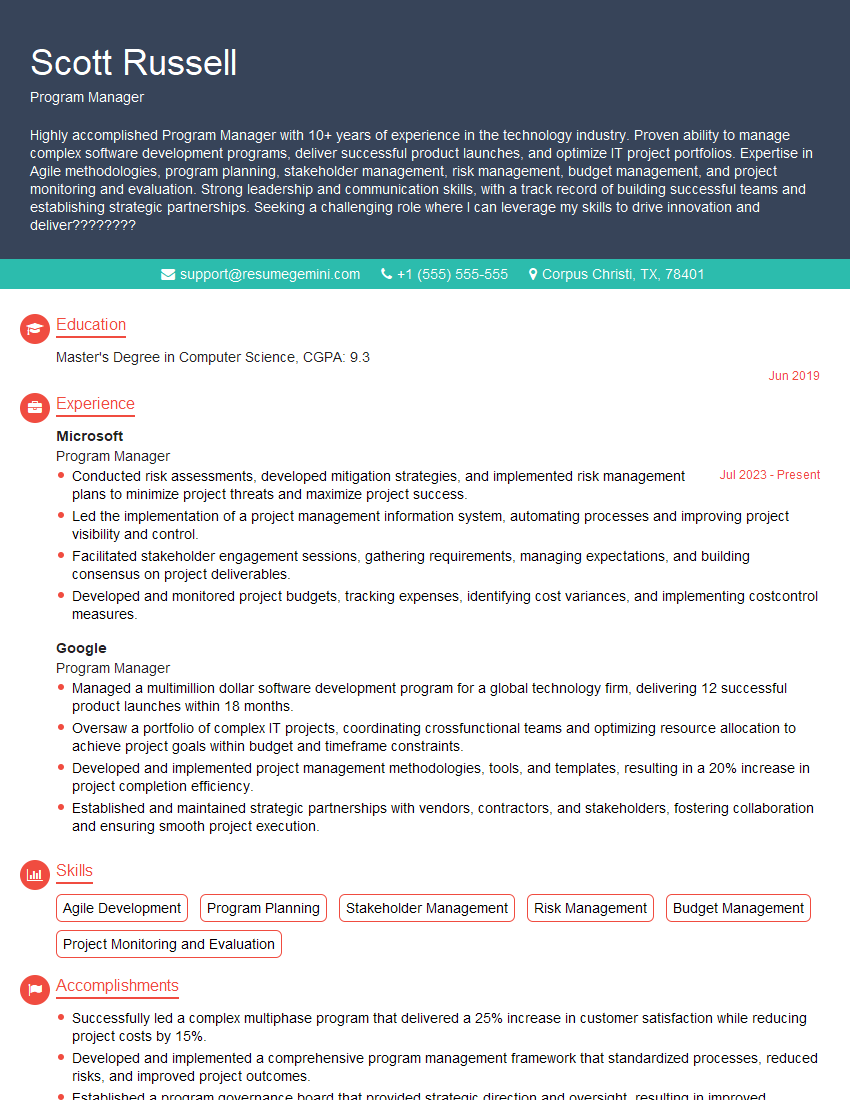
Program Manager Resume Sample
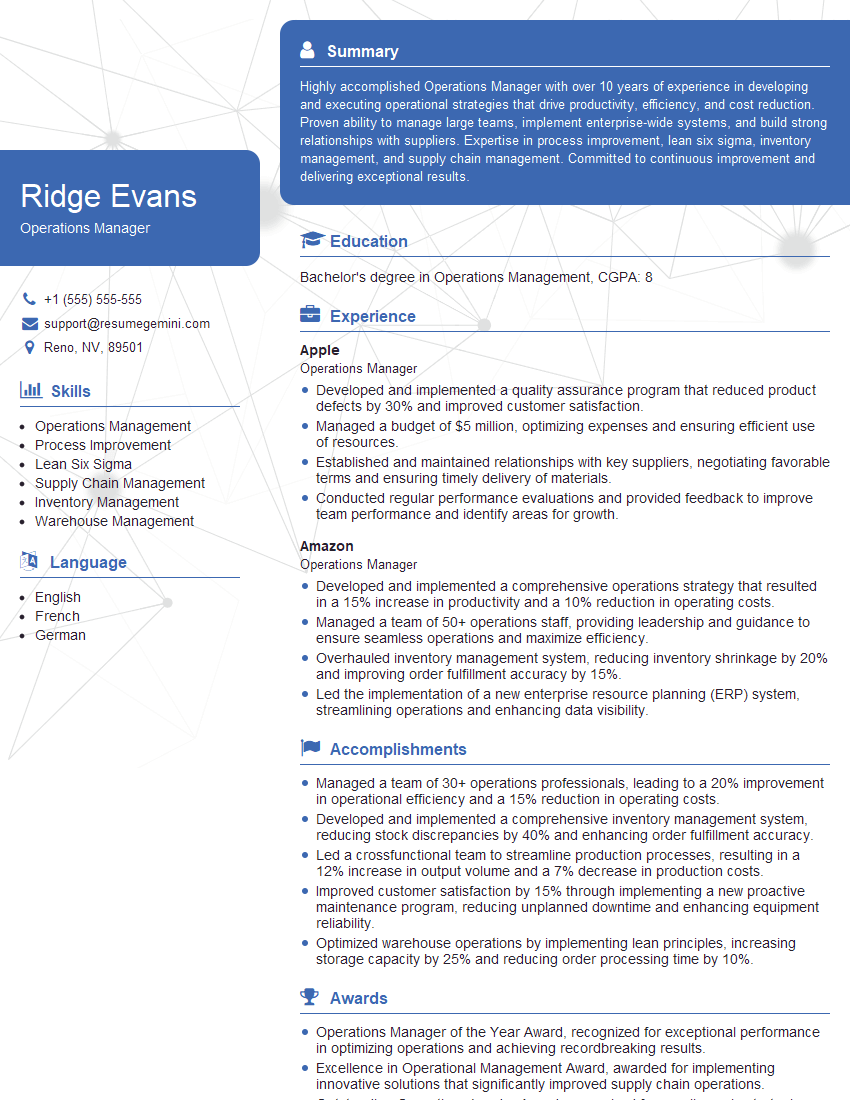
Operations Manager Resume Sample
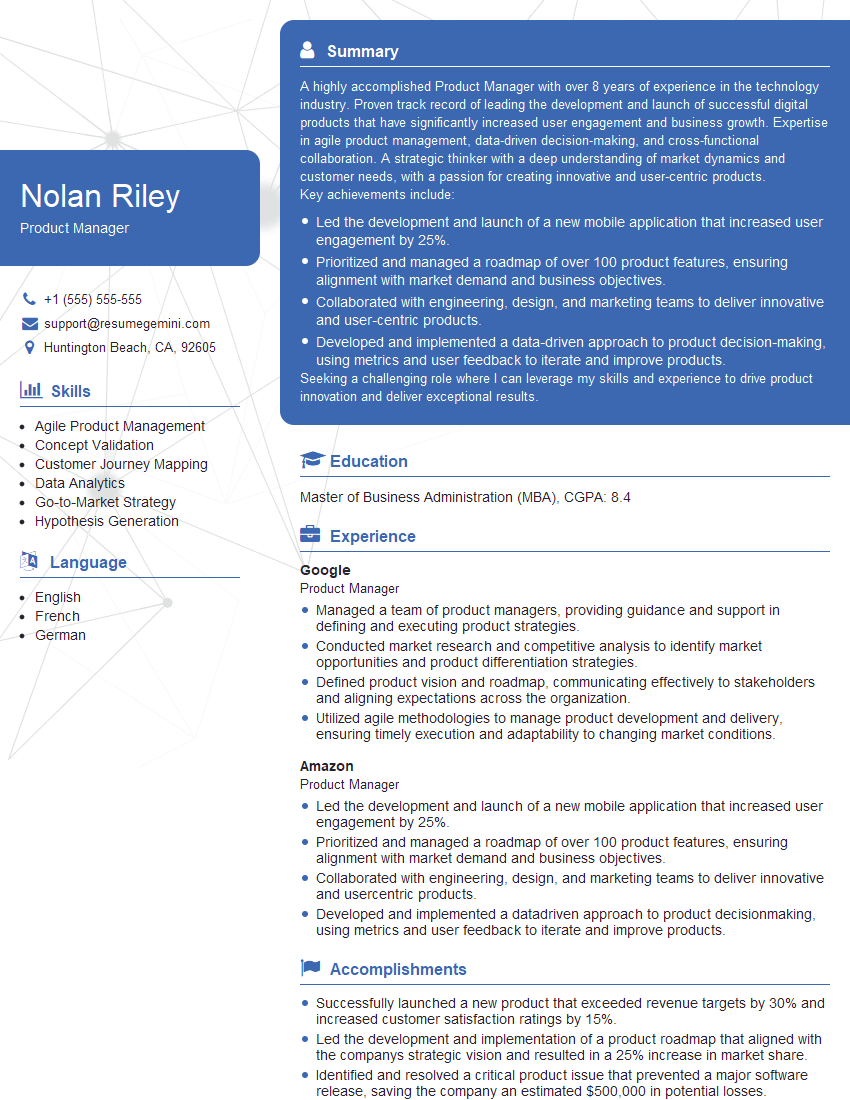
Product Manager Resume Sample
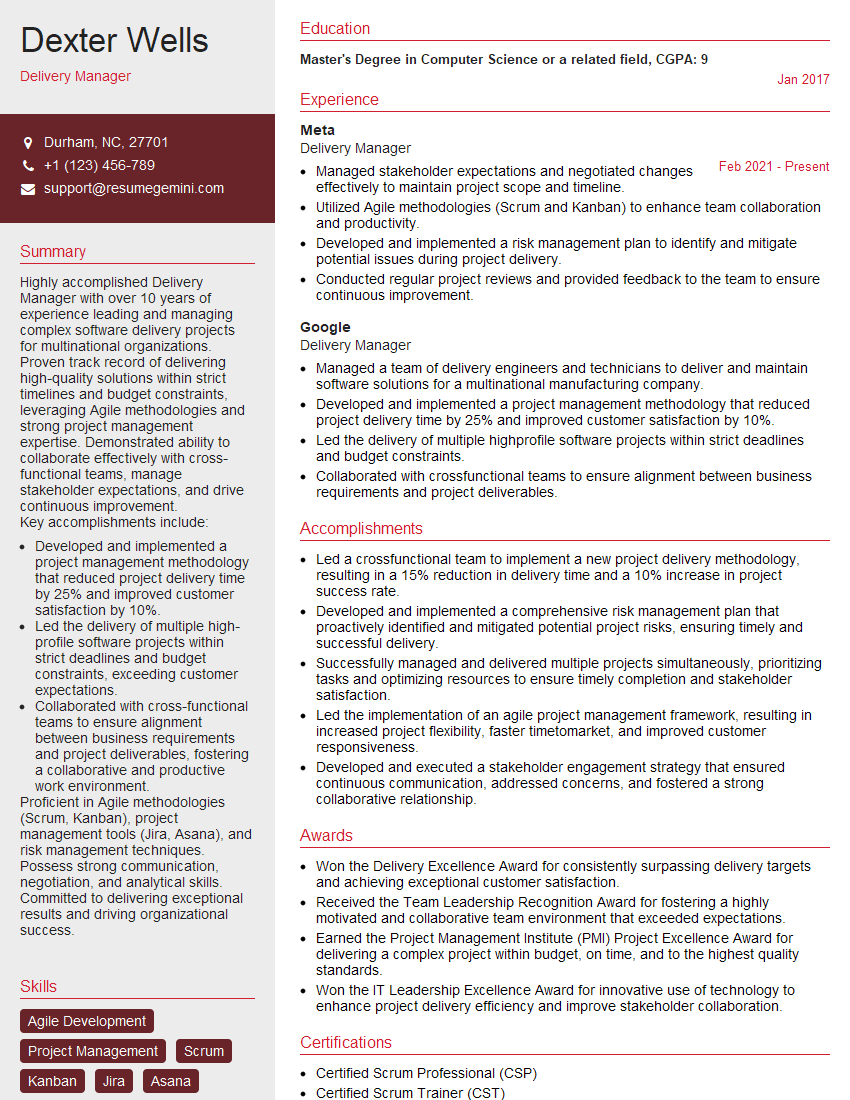
Delivery Manager Resume Sample
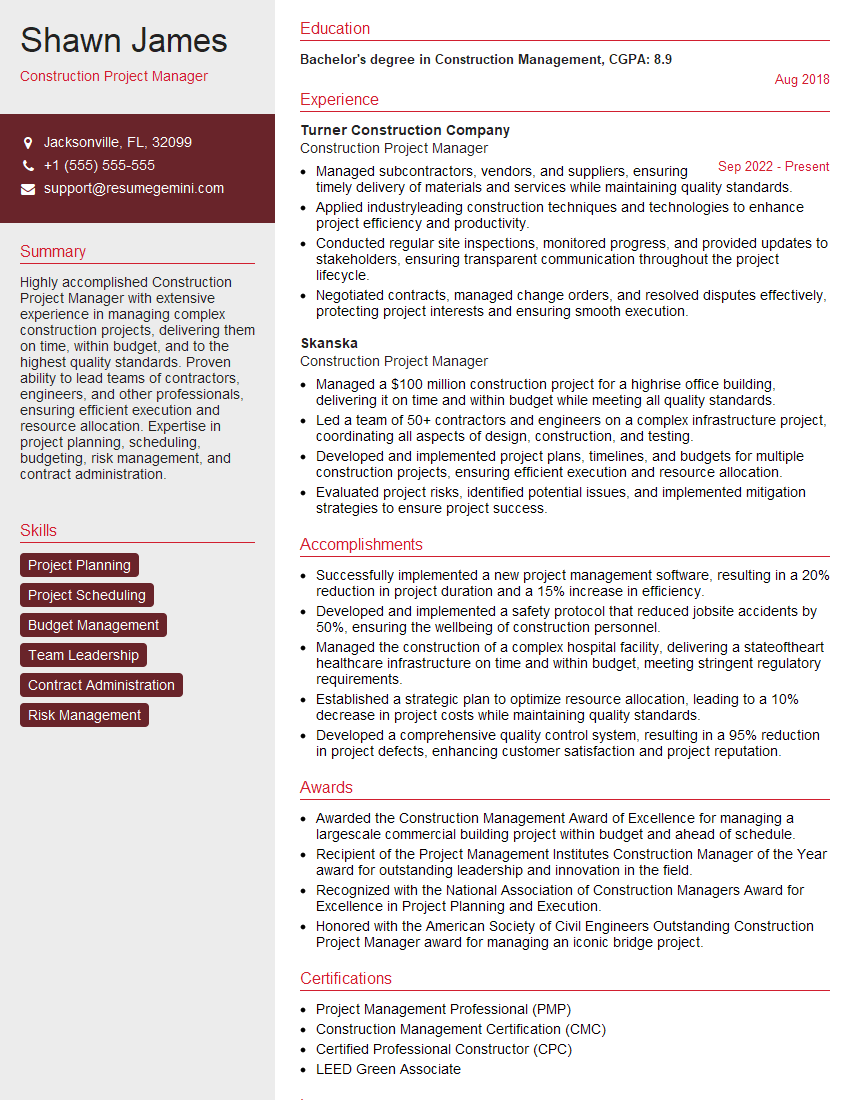
Construction Project Manager Resume Sample
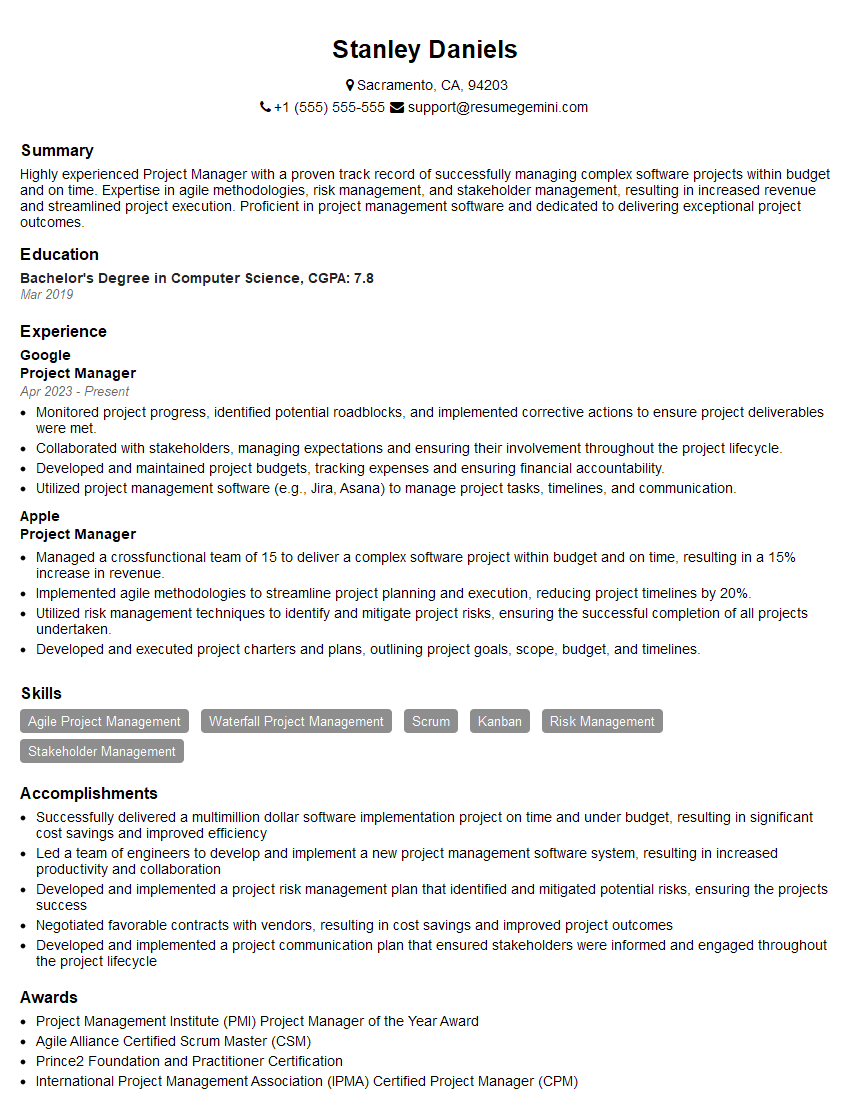
Project Manager Resume Sample
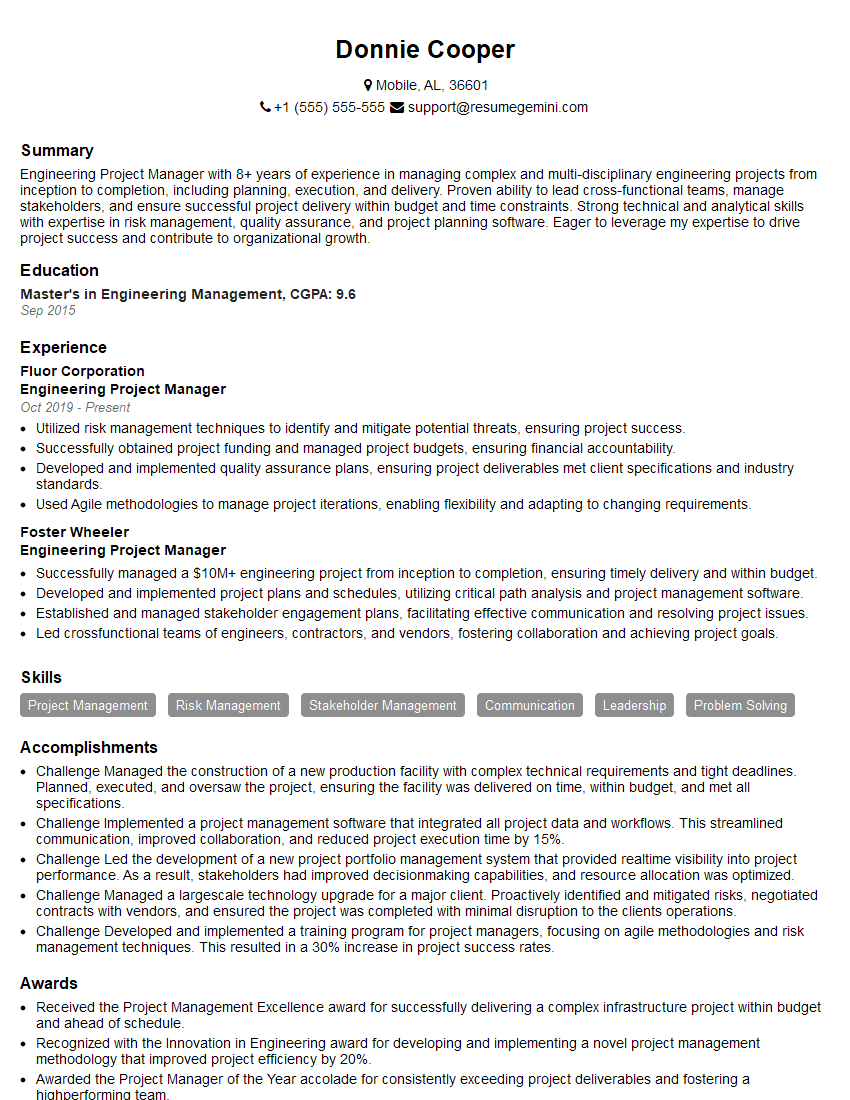
Engineering Project Manager Resume Sample
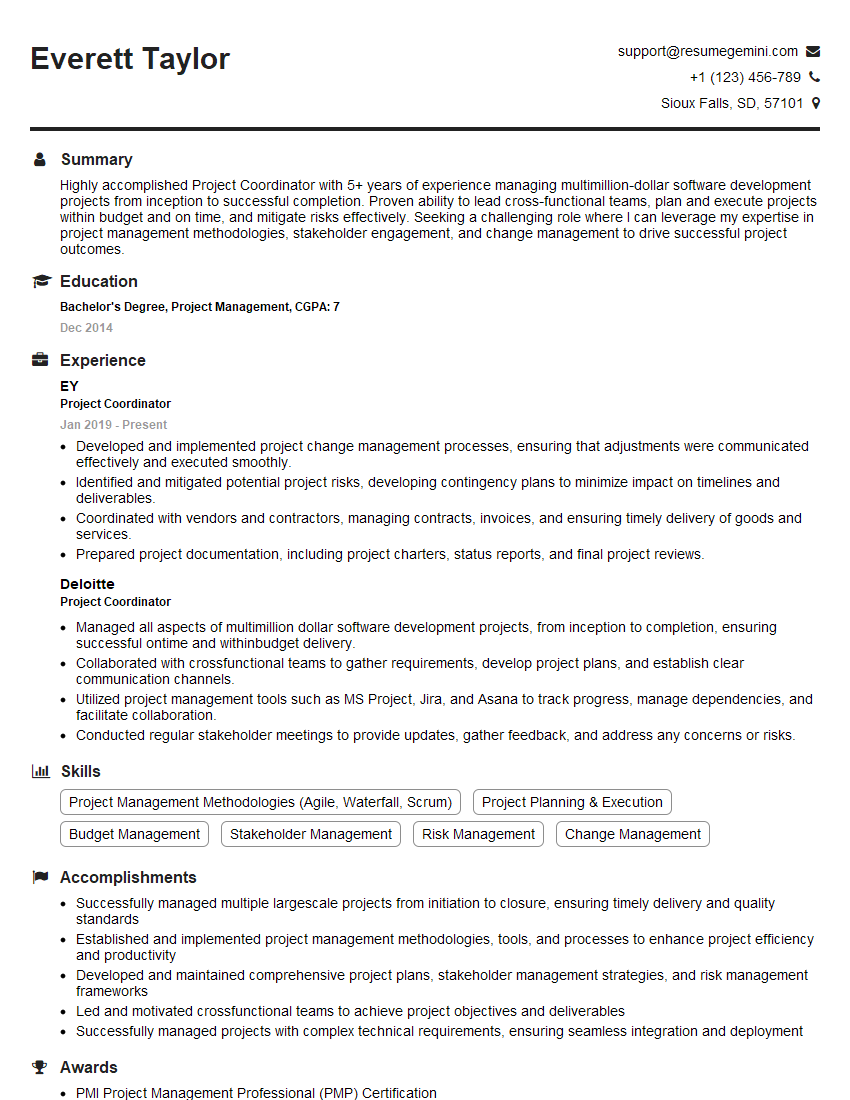
Project Coordinator Resume Sample
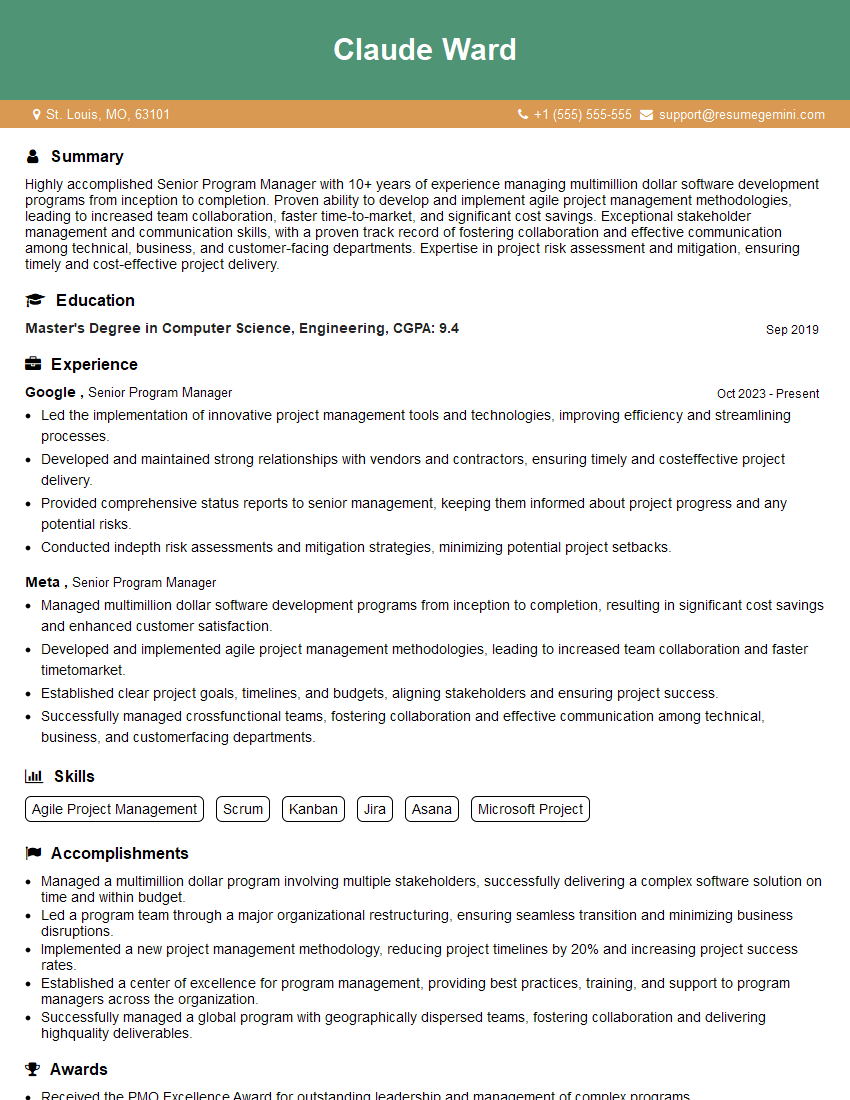
Senior Program Manager Resume Sample
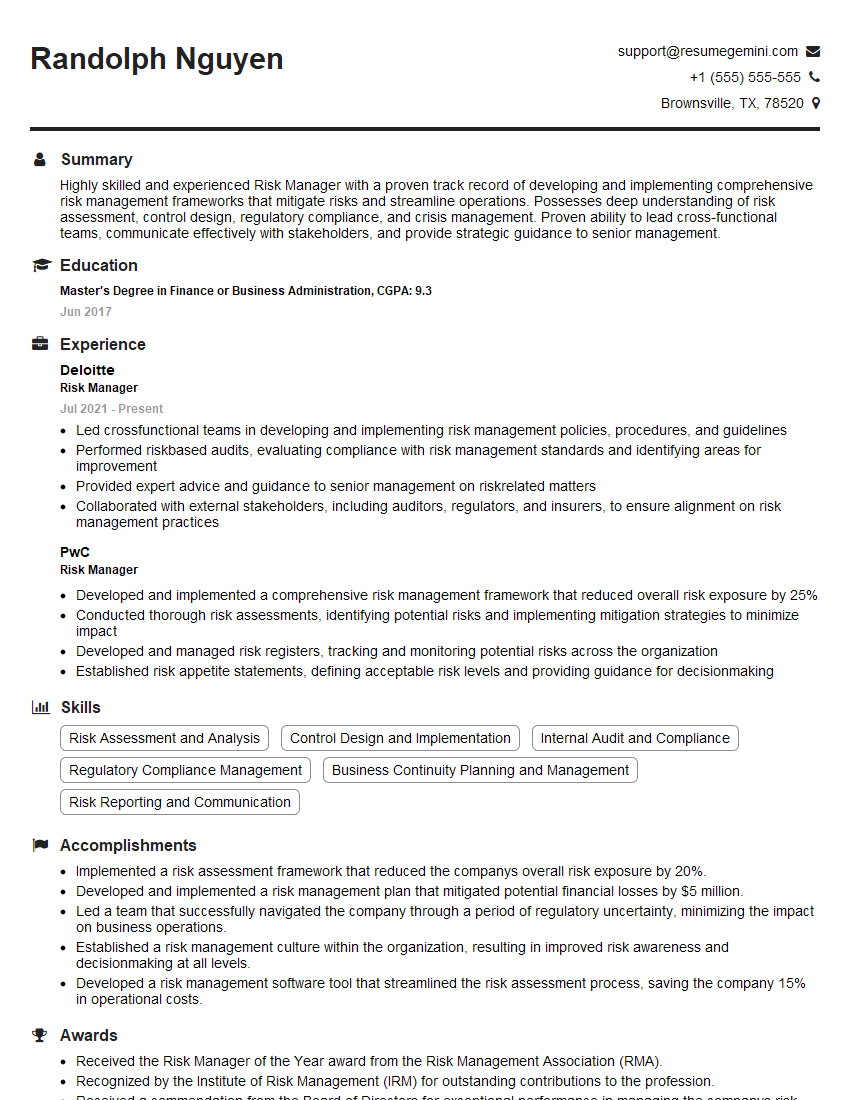
Risk Manager Resume Sample
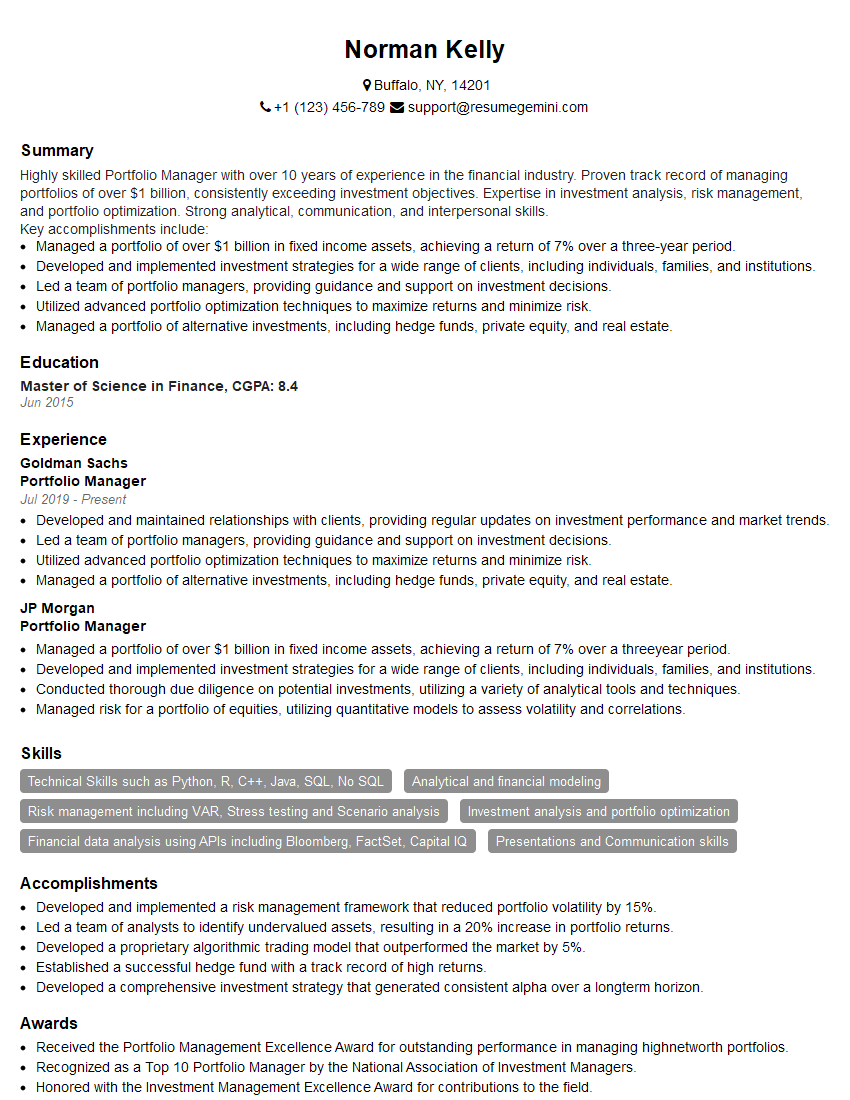
Portfolio Manager Resume Sample
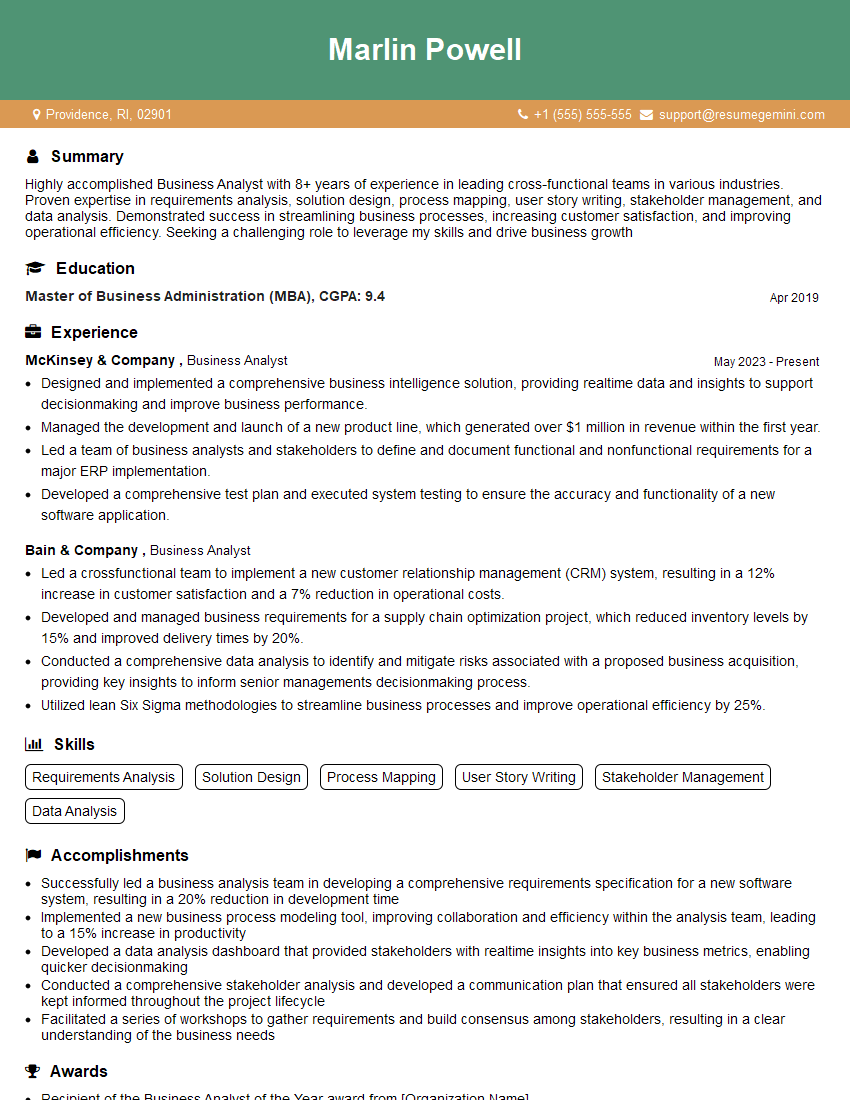
Business Analyst Resume Sample
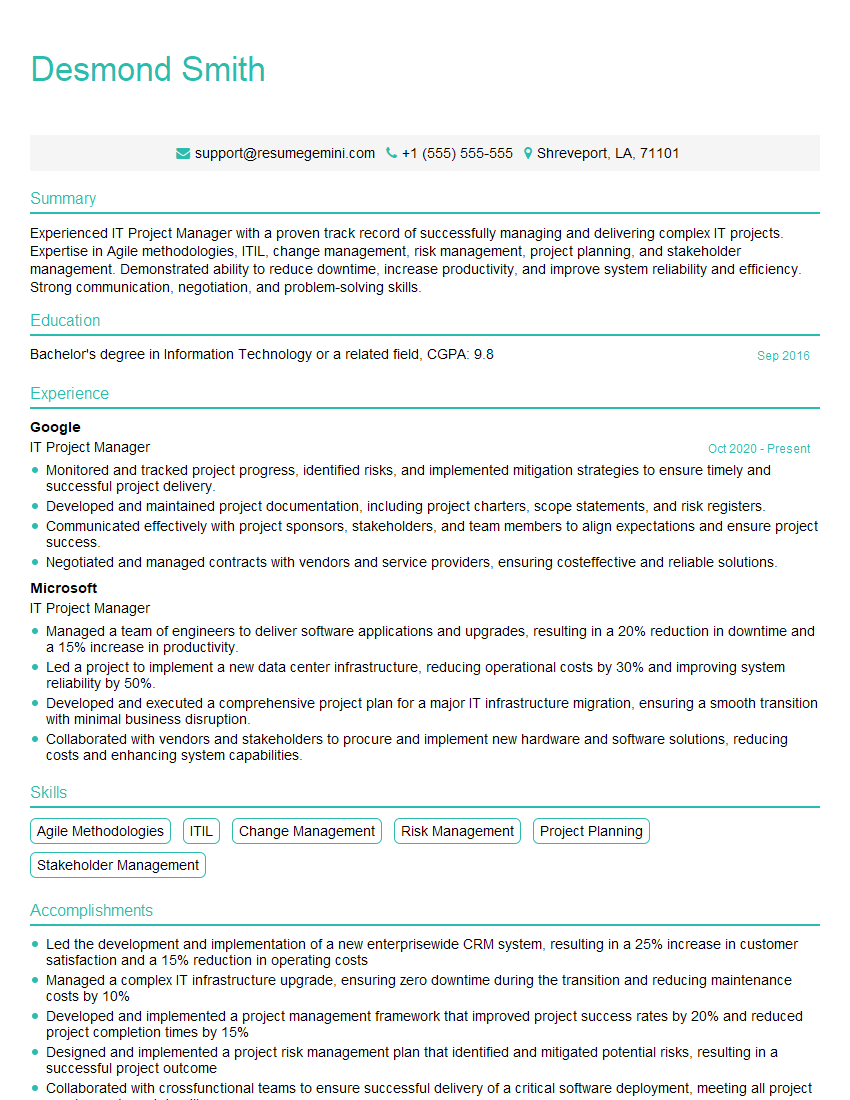
IT Project Manager Resume Sample
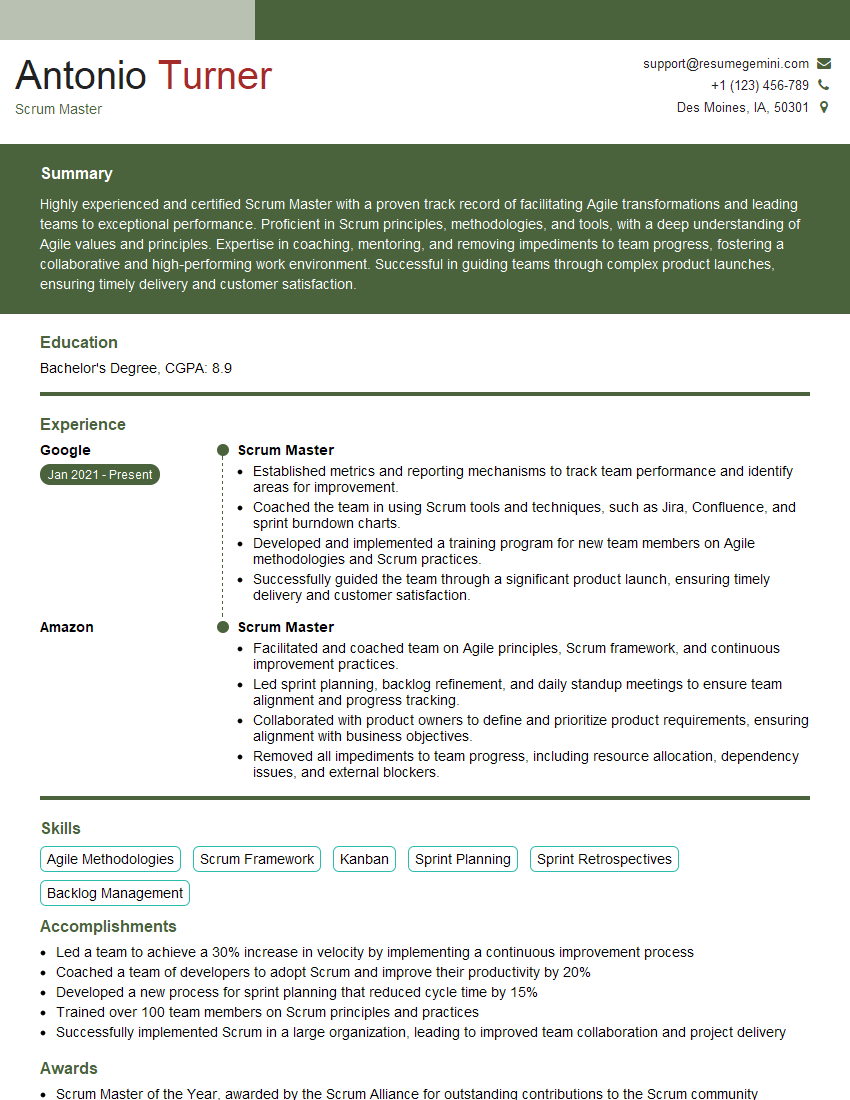
Scrum Master Resume Sample
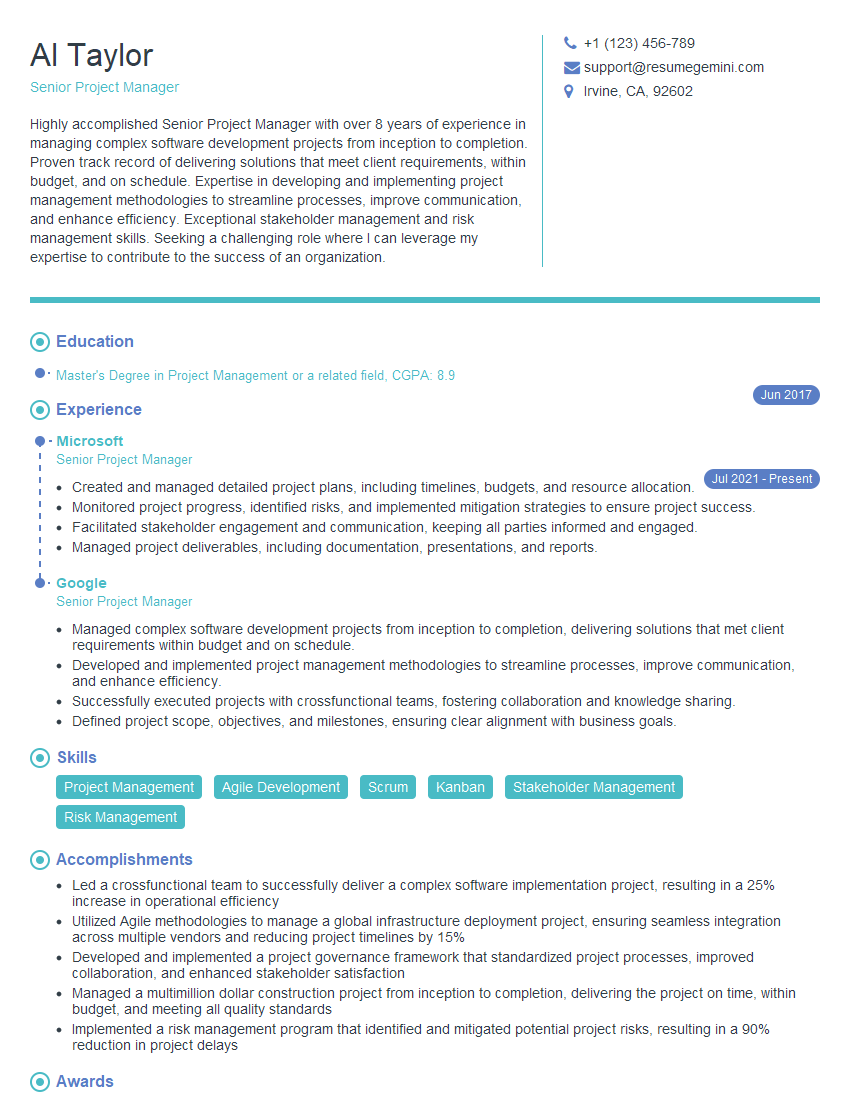
Senior Project Manager Resume Sample
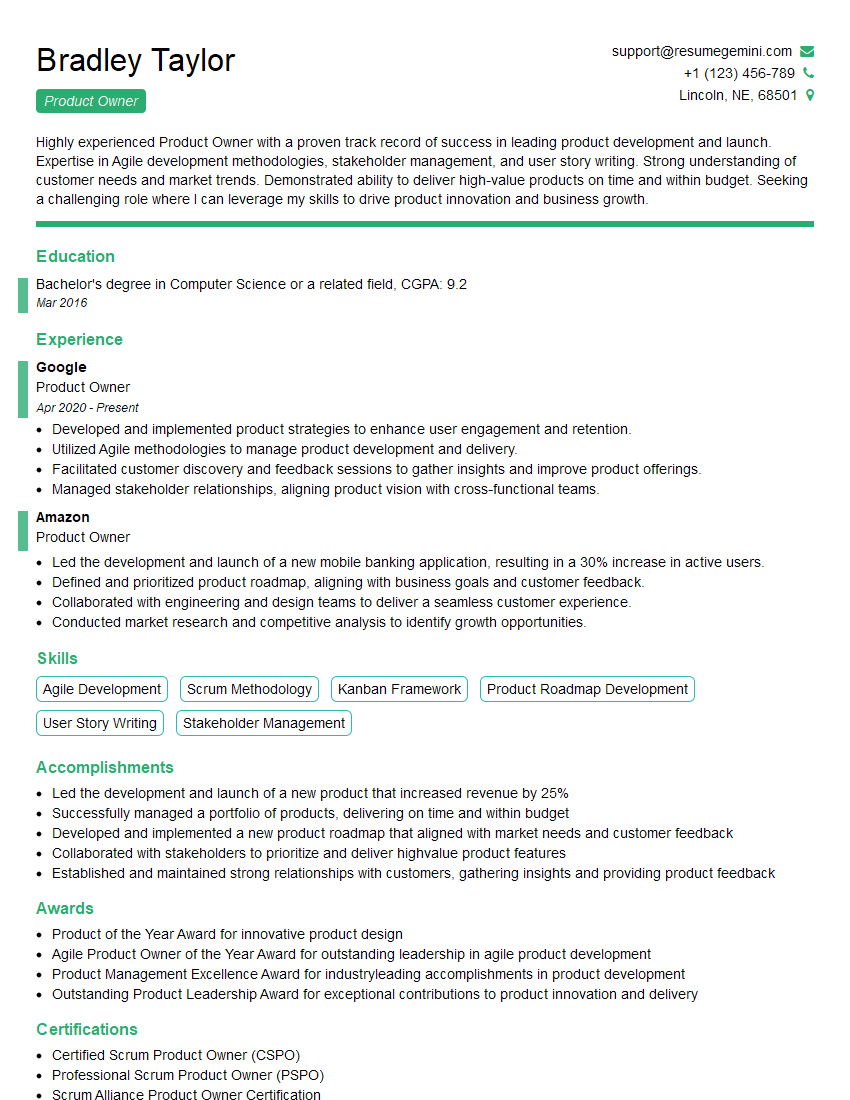
Product Owner Resume Sample
- Program Manager
- Operations Manager
- Product Manager
- Delivery Manager
- Construction Project Manager
- Project Manager
- Engineering Project Manager
- Project Coordinator
- Senior Program Manager
- Risk Manager
- Portfolio Manager
- Business Analyst
- IT Project Manager
- Scrum Master
- Senior Project Manager
- Product Owner
Explore more articles
Users Rating of Our Blogs
Share Your Experience
We value your feedback! Please rate our content and share your thoughts (optional).
What Readers Say About Our Blog
Very informative content, great job.
good