The right preparation can turn an interview into an opportunity to showcase your expertise. This guide to Proficient in the use of power tools and hand tools interview questions is your ultimate resource, providing key insights and tips to help you ace your responses and stand out as a top candidate.
Questions Asked in Proficient in the use of power tools and hand tools Interview
Q 1. What safety precautions do you take when using power tools?
Safety is paramount when working with power tools. My approach is multifaceted, beginning with a thorough pre-use inspection of the tool itself – checking for damage to cords, loose parts, or worn blades. I always wear appropriate personal protective equipment (PPE), including safety glasses, hearing protection, and a dust mask, depending on the task. Proper clothing is crucial; loose clothing or jewelry can get caught in moving parts.
- Secure Work Area: I ensure my work area is well-lit, clutter-free, and provides ample space to maneuver safely. I avoid distractions and always focus on the task at hand.
- Correct Tool for the Job: I select the right tool for the specific job, ensuring it’s in good working order and suitable for the material being worked on. Using the wrong tool is a major safety hazard.
- Firm Grip and Control: I maintain a firm grip on the tool at all times, keeping my hands and body clear of the cutting or rotating parts. I never force the tool; if it binds, I stop and investigate.
- Disconnecting Power: I always disconnect the power tool before making adjustments, changing blades, or cleaning. I treat every power tool as if it’s live, even when unplugged.
- Proper Technique: I always use the correct technique for each tool, following the manufacturer’s instructions carefully. This includes proper feed rates, cutting angles, and support methods.
For example, when using a circular saw, I always use a push stick for close cuts to prevent my hand from getting too close to the blade. With a router, I use a router table to enhance control and safety.
Q 2. Describe your experience with different types of saws (circular, miter, jigsaw).
I have extensive experience with various saws. The circular saw is my workhorse for quick, straight cuts in wood and other materials. I’m proficient in using different blades for various materials and thicknesses, and understand the importance of maintaining a consistent cutting depth and speed. The miter saw excels at precise angled cuts, invaluable for creating frames, moldings, and intricate joints. I’m adept at setting precise angles and using the appropriate stops for repetitive cuts. Finally, the jigsaw allows for intricate curves and freehand cutting. I know how to adjust the blade speed and angle to suit different materials and cut types, from fine detail work to rough cutting.
For instance, I recently used a circular saw to cut plywood sheets for a shelving unit, a miter saw to perfectly miter the corners of a picture frame, and a jigsaw to cut out a complex curve in a piece of hardwood for a custom piece of furniture. Each saw has its strengths, and understanding their limitations is key to successful and safe operation.
Q 3. How do you maintain and care for your power tools?
Maintaining power tools is critical for both safety and longevity. After each use, I clean the tool thoroughly, removing sawdust, debris, and any buildup. I inspect cords and plugs for any damage and lubricate moving parts as needed, according to the manufacturer’s recommendations. Regular blade sharpening is essential for efficient and safe cutting. I store my tools in a dry, secure location, away from extreme temperatures and humidity.
For example, I regularly clean and lubricate my drill press, ensuring its chuck remains free from debris. I also carefully store my circular saw blades, using appropriate cases to protect their teeth from damage. This preventative maintenance ensures the tools are always ready and reliable for the next project.
Q 4. Explain the proper use of a drill press.
The drill press is a powerful and versatile tool, ideal for precise drilling operations. Before using it, I always ensure the work piece is securely clamped to the table to prevent movement during drilling. I select the appropriate drill bit for the material and the desired hole size. I then adjust the drill press’s speed according to the material; harder materials require lower speeds to prevent bit breakage. I carefully lower the drill bit into the workpiece, keeping it perpendicular to the surface for accurate, straight holes. I gradually apply pressure as the bit starts to penetrate the material, avoiding forcing the tool. Once the hole is drilled, I slowly raise the bit and release the workpiece.
I use a drill press for tasks requiring precise depth control and accuracy, such as creating pilot holes for screws or drilling holes in multiple pieces at the same depth. For example, I recently used it to drill precise holes in a series of hardwood dowels for joinery on a cabinet build.
Q 5. What are the different types of hammers and their applications?
Hammers come in many types, each suited for specific applications. The claw hammer is the most common, used for driving nails and removing them with the claw. The ball-peen hammer, with its rounded striking face, is ideal for shaping metal. The sledgehammer, with its heavier head, is used for demolition or driving large stakes. There are also specialized hammers like rubber mallets, which prevent damage to delicate surfaces.
Selecting the right hammer depends entirely on the task at hand. For example, I would use a claw hammer for framing a wall, a ball-peen hammer for riveting metal, and a rubber mallet to assemble furniture without marring the finish.
Q 6. Describe your experience with various hand planes.
Hand planes are precision tools for smoothing and shaping wood. I have experience with several types including smoothing planes (for general smoothing), block planes (for smaller areas and end-grain), jack planes (for roughing down wood), and jointer planes (for creating perfectly flat surfaces). Each plane requires different techniques to achieve the desired result. Proper sharpening and adjustments of the blade are crucial for efficient and smooth planing.
For example, I might use a smoothing plane for the final smoothing of a table top, a block plane for cleaning up end grain on a cut, and a jack plane for initially flattening a rough board. The understanding and selection of these hand tools gives me control and allows for the creation of incredibly smooth and precise work.
Q 7. How do you measure accurately for a construction project?
Accurate measurement is the foundation of any successful construction project. I use a combination of tools for precise measurements, including a tape measure, a level, a square, and sometimes even a laser measure for longer distances. For critical measurements, I always measure twice and even triple-check before cutting or marking. I use the appropriate units (metric or imperial) consistently throughout the project. I also understand the importance of transferring measurements accurately from the plan to the material.
For example, when building a bookshelf, I meticulously measure the width, height, and depth of each shelf and the overall dimensions of the unit, transferring those measurements to the wood with a marking pencil and a square to ensure perfect right angles. A level is used to check for any inconsistencies. I always double-check my measurements to avoid costly errors. This attention to detail ensures a perfectly fitting and structurally sound end result.
Q 8. Explain your experience with different types of screwdrivers.
My experience with screwdrivers spans a wide range, from basic Phillips and flathead to specialized types like Torx, hex, and even security bits. I understand the importance of selecting the correct screwdriver for the job, not only to prevent damage to the screw head but also to ensure efficient and safe operation. For instance, using a worn-out Phillips head on a recessed screw can easily cam out the head, requiring more force or potentially stripping the screw entirely. I’m proficient in using both manual and power screwdrivers, understanding the torque control necessary for various materials and applications. I’ve worked extensively with magnetic tip screwdrivers for ease of handling small screws in tight spaces, and I’m adept at recognizing the subtle differences between various screw types, enabling me to select the appropriate tool quickly and efficiently. For example, I know that a Robertson (square) drive is often preferred in carpentry for its superior grip and resistance to cam-out.
Q 9. Describe your experience working with different types of wood.
My experience working with wood encompasses a variety of species, each with unique properties influencing tool selection and working methods. I’m familiar with hardwoods like oak, maple, and cherry, appreciating their strength and density but also their tendency to chip or split if not handled carefully. Softer woods, such as pine and fir, are easier to work with but can be prone to dents and scratches. I understand how grain direction influences cutting and fastening, avoiding tear-out by adjusting my techniques accordingly. For instance, when cutting hardwoods, I use sharper blades and slower speeds to minimize chipping. When working with plywood, I pay close attention to the ply orientation to prevent delamination during cutting or fastening. I’ve also had experience working with exotic hardwoods, understanding their unique characteristics and often higher cost and necessary care. Each wood requires a nuanced approach, and experience teaches you to anticipate and overcome its unique challenges.
Q 10. How do you identify different types of metal?
Identifying different types of metal involves a combination of visual inspection, physical testing, and sometimes more advanced methods. Visual clues, such as color, sheen, and texture, provide initial insights. For instance, the bright, silvery sheen of aluminum is easily distinguishable from the duller grey of steel. However, visual inspection alone is often insufficient. Physical testing, such as using a magnet (ferrous metals like steel and iron will attract a magnet while non-ferrous metals like aluminum and copper will not), provides a crucial next step. Furthermore, the sound produced when striking the metal with a hammer or other tool can provide clues about its hardness and density. More advanced methods like spark testing (analyzing the spark pattern when the metal is ground against a grinding wheel) and chemical tests can be employed for more precise identification. I’ve developed a keen eye over the years and can typically identify common metals fairly quickly. This is crucial when selecting appropriate tools and procedures for cutting, welding, or shaping.
Q 11. Explain your experience working with plumbing tools.
My experience with plumbing tools includes a comprehensive understanding of pipe wrenches, basin wrenches, pipe cutters, soldering irons, and various fittings. I’m proficient in cutting and threading pipes, using various methods depending on the material and diameter. I’m experienced in soldering copper pipes, understanding the importance of proper flux application and temperature control to achieve a strong, leak-free joint. I also possess skills in working with PVC pipes and fittings, understanding the proper adhesive application for secure connections. Safety is paramount, so I always ensure that the water supply is shut off before commencing any work and utilize appropriate safety equipment such as gloves and eye protection. I’ve handled both residential and commercial plumbing projects, adapting my techniques and tools to the scale and complexity of each project.
Q 12. Describe your experience working with electrical tools.
My work with electrical tools involves a deep understanding of safety regulations and procedures. I’m experienced in the safe and proper use of power drills, wire strippers, crimpers, and multimeters. I’m well-versed in different types of wiring, including both low-voltage and high-voltage applications, and understand the importance of proper grounding and insulation. Before working with any electrical tools or circuits, I always make sure to turn off the power source and double-check with a non-contact voltage tester. Working with electricity demands a high level of caution and precision, so I approach each task with the utmost care and follow all safety protocols strictly. I also understand the importance of maintaining these tools – regularly cleaning and inspecting them to ensure they are functioning correctly and safely.
Q 13. How do you troubleshoot a malfunctioning power tool?
Troubleshooting a malfunctioning power tool requires a systematic approach. First, I check the power source; is the tool plugged in correctly? Are the batteries charged? Next, I inspect the tool itself for any visible damage, loose connections, or debris. A simple visual inspection can often reveal the cause of the problem. If the problem persists, I might check the tool’s brushes (if it’s a brushed motor) for wear and tear, or examine the switch mechanism for any issues. If the problem is more complex, I might consult the tool’s manual or seek advice from a qualified technician. However, I always prioritize safety – never attempt repairs while the tool is plugged in or turned on. For example, if a circular saw isn’t spinning, I would first check the power supply, then the blade for binding, and finally the motor brushes if necessary, all while maintaining safety as the top priority.
Q 14. What are the different types of fasteners and their applications?
Fasteners are crucial elements in construction and assembly. Common types include screws, nails, bolts, rivets, and more. Screws, with their threads, offer a secure fastening that can often be easily removed. Different screw types like wood screws, machine screws, self-tapping screws, etc., are chosen based on the material being fastened and the desired strength. Nails are typically used for faster and less precise fastening, often in woodworking. Bolts, along with nuts, provide a highly secure and adjustable fastening, ideal for heavier loads and applications where frequent disassembly may be necessary. Rivets are permanent fasteners commonly used in sheet metal work where access to only one side of the joint is available. The choice of fastener is dictated by factors such as material properties, load requirements, accessibility, and whether disassembly is required. For example, I’d use wood screws to assemble a wooden frame and bolts to secure a heavy metal bracket to a wall.
Q 15. How do you ensure accuracy when cutting materials?
Accuracy in cutting is paramount. It’s not just about a straight cut; it’s about precision to the millimeter. My approach is multifaceted and depends on the tool and material. For example, when using a circular saw, I always double-check the blade’s alignment with the cutting line, using a sharp pencil and a precise measuring tape. I use a clamping system to secure the material, preventing movement during the cut, and make sure the saw is properly set to the desired depth. With hand saws, I emphasize a slow, steady cut with consistent pressure, following the marked line meticulously. For more intricate cuts, a coping saw or jigsaw with a fine-toothed blade provides greater control. Imagine building a cabinet: inaccurate cuts will result in misaligned doors and drawers; my goal is always to prevent such errors.
I also employ techniques like test cuts on scrap material to ensure the blade is set correctly and to practice the cut before working on the final piece. This is especially important with complex curves or angled cuts. Regular maintenance of my tools, like sharpening blades and ensuring accurate measurements, are essential for accuracy.
Career Expert Tips:
- Ace those interviews! Prepare effectively by reviewing the Top 50 Most Common Interview Questions on ResumeGemini.
- Navigate your job search with confidence! Explore a wide range of Career Tips on ResumeGemini. Learn about common challenges and recommendations to overcome them.
- Craft the perfect resume! Master the Art of Resume Writing with ResumeGemini’s guide. Showcase your unique qualifications and achievements effectively.
- Don’t miss out on holiday savings! Build your dream resume with ResumeGemini’s ATS optimized templates.
Q 16. How do you handle different types of wood joints?
Wood joints are the backbone of any woodworking project, and my experience spans a wide range of techniques. I’m proficient in everything from simple butt joints to more complex dovetails and mortise and tenon joints. The choice of joint depends on the project’s requirements—the type of wood, the stresses it will endure, and the desired aesthetic. For instance, a simple butt joint, reinforced with glue and screws, is suitable for less demanding applications, like building a simple shelf. However, for something like a sturdy table leg, I’d opt for a more robust mortise and tenon joint, known for its strength and stability. Dovetail joints, while intricate, offer superior strength and a beautiful visual appeal, perfect for drawers or fine furniture.
My approach involves carefully marking out the joints, using precise measuring tools and a marking gauge. I then employ various hand tools, like chisels and saws, to carefully create the joint components. I always check the fit frequently and make small adjustments as needed to ensure a perfect match. Accuracy is key; a poorly fitting joint will compromise the structural integrity and the overall appearance of the finished piece. Gluing and clamping are the final steps, ensuring a strong and durable bond.
Q 17. Explain your experience with various types of sanders.
My experience with sanders encompasses a variety of types, each suited for different tasks. I’m comfortable using belt sanders for rough shaping and stock removal; their aggressive action is ideal for quickly smoothing large surfaces. However, I understand their limitations – they can easily remove too much material if not handled carefully. Random orbital sanders are my go-to for finer sanding, providing a smoother, more even finish. Their random orbit action minimizes swirl marks, unlike sheet sanders. Detail sanders, with their smaller size and versatility, are perfect for working in tight spaces and on intricate details. Finally, I’m also familiar with spindle sanders for shaping curved edges and profiles. It’s about understanding the capabilities and limitations of each type and choosing the right one for the job.
I always start with coarser grits and progressively move to finer grits, achieving a flawless finish. Vacuum attachments are essential to control dust, ensuring a clean and healthy work environment. For instance, when sanding a curved tabletop, I’d begin with a belt sander for initial shaping, then switch to a random orbital sander for smoothing, and finish with a detail sander for tight corners and edges.
Q 18. Describe your experience with using a router.
The router is a powerful and versatile tool, capable of creating a wide range of profiles, from simple edges to intricate mouldings. My experience involves using various router bits, each designed for a specific task. I’m proficient in using both handheld and router tables. A router table offers greater control and precision, particularly for repetitive cuts, whereas a handheld router provides more flexibility for shaping complex curves or working in tight spaces. Safety is paramount when using a router. I always use appropriate safety equipment such as eye protection, hearing protection, and a dust mask.
I carefully select the appropriate bit for the task at hand, understanding the effects of different bit profiles on the final outcome. For example, a round-over bit creates a smooth, rounded edge, while a chamfer bit bevels an edge. I employ various techniques, such as using a jig for accurate and consistent results and working with featherboards to prevent kickback. Before performing the final cut on a valuable piece, I often practice on scrap wood to ensure proper depth and speed settings.
Q 19. How do you safely use a ladder?
Ladder safety is non-negotiable. It’s more than just climbing; it’s about understanding the risks and taking preventative measures. Before using any ladder, I always inspect it for any signs of damage, such as broken rungs or loose connections. I ensure that the ladder is placed on a firm and level surface, with a stable base, and at the correct angle—typically a 4:1 ratio (four feet out for every one foot of height). I never overreach, keeping my body centered and maintaining three points of contact at all times. If working at height, I always consider using a safety harness. And I always make sure the ladder is tall enough for the job; never use a ladder that’s too short to reach the work area safely.
Imagine painting a high ceiling. Using an unstable ladder could lead to a serious fall. My safety procedures are designed to eliminate risks and ensure my safety and the safety of those around me. It’s a matter of common sense and careful attention to detail.
Q 20. How do you read and interpret blueprints?
Reading and interpreting blueprints requires a keen eye for detail and an understanding of architectural conventions. I begin by familiarizing myself with the overall plan, understanding the scale and the key elements of the design. I then meticulously study individual sections, noting dimensions, material specifications, and details of construction. I pay particular attention to details such as elevations, sections, and details which often provide crucial information about specific features or assemblies. Understanding symbols and abbreviations used within the blueprints is essential for accurate interpretation. For example, understanding different line weights can distinguish between walls, doors and mechanical details.
I regularly use measuring tools and scale rules to translate the blueprint dimensions into real-world measurements. This is crucial for cutting materials accurately to match the plans. I use the blueprints as a guide but always double-check measurements and specifications to ensure accuracy. Inconsistencies or ambiguities are clarified with the designer or architect. Imagine building a house—incorrect interpretation of the blueprint could lead to significant structural issues or even safety hazards.
Q 21. Describe your experience working with different types of adhesives.
My experience encompasses a wide range of adhesives, each with its own properties and applications. I’m familiar with wood glues (like PVA and aliphatic resin glues), epoxies, construction adhesives, and specialty glues for specific materials. PVA glues are commonly used for woodworking, known for their strength and ease of use. Epoxies provide exceptional strength and are ideal for bonding dissimilar materials or repairing broken components. Construction adhesives are versatile and offer strong bonding for various materials. My selection depends on the specific requirements of the project and the materials being joined.
For example, when assembling a complex wooden joint, I’d opt for a high-quality wood glue, applying it sparingly and clamping the pieces securely to ensure a strong and even bond. For repairing a cracked ceramic tile, I’d use epoxy, known for its superior strength. I’m meticulous in following the manufacturer’s instructions regarding application, curing time, and appropriate clamping techniques to maximize the bond’s strength and longevity. Preparation of the surfaces to be glued is critical for success, ensuring they’re clean, dry and free of any debris.
Q 22. What are the different types of measuring tools and their applications?
Accurate measurement is fundamental in any construction or woodworking project. Different tools cater to different needs and levels of precision.
Tape Measures: These are ubiquitous for quick, general measurements. I routinely use a 25-foot tape measure for layout work, confirming dimensions on plans, and measuring materials before cutting.
Folding Rules: These are handy for smaller, detailed work and fitting components in tighter spaces. They provide convenient inch and fractional measurements.
Squares (Try Squares, Speed Squares): Essential for ensuring right angles, crucial for accurate joinery and framework construction. I frequently use a speed square for marking angles and cuts on lumber.
Levels: These guarantee horizontal and vertical accuracy. I use both torpedo levels (small and compact) for quick checks and longer levels for larger projects like setting foundation forms.
Calipers: For precise measurements of internal and external diameters, essential when working with metal pipes, screws, or complex joinery.
Measuring Wheels: For large-scale measurements, like determining the perimeter of a property or large areas for material estimates, these are incredibly efficient.
Q 23. How do you prepare a work area for safety and efficiency?
Preparing a safe and efficient work area is paramount. It involves a systematic approach prioritizing both safety and productivity.
Clear the Area: Remove all unnecessary objects, debris, and tripping hazards from the work zone. Think of it like creating a clean operating theatre—a clutter-free environment minimizes the risk of accidents.
Proper Lighting: Ensure adequate lighting to avoid eye strain and shadows that can obscure details and lead to mistakes. I always supplement natural light with task lighting for precision work.
Safe Material Storage: Store materials neatly and securely. Stacking materials properly prevents collapse and avoids injuries. For instance, I avoid overloading stacks of lumber or leaving heavy items at heights that could cause them to fall.
Designated Tool Area: Have a specific place for tools, preventing them from becoming obstructions or causing accidental injuries. Having my tools organized within easy reach also improves efficiency.
Fire Safety: Always have a fire extinguisher close at hand, especially when working with flammable materials like solvents or using power tools that generate sparks.
Emergency Exits: Keep emergency exits clear and readily accessible.
Q 24. Explain your experience working with different types of personal protective equipment (PPE).
PPE is crucial for protection. My experience spans various types, used consistently depending on the task.
Safety Glasses/Goggles: Always worn when using power tools to protect my eyes from flying debris. I prefer goggles for added protection when working with chemicals or dust.
Hearing Protection: Essential when operating loud machinery like saws, drills, or air compressors. I frequently use earplugs or earmuffs, depending on the noise level.
Dust Masks/Respirators: Crucial for projects generating dust, such as sanding or working with certain materials like fiberglass. Respirators are used for more serious dust exposure.
Work Gloves: Prevent cuts, abrasions, and blisters, providing both grip and protection when handling tools and materials.
Safety Harness/Fall Protection: Essential for any work at heights, ensuring my safety and compliance with regulations.
Steel-toed Boots: Protect my feet from dropped objects or accidental crushing injuries.
Q 25. How do you handle different types of materials (wood, metal, plastic)?
Each material requires a different approach.
Wood: I use hand tools like chisels and saws for precise cuts and shaping. For larger projects, I rely on power tools like table saws, miter saws, and planers, always ensuring the wood is securely clamped to prevent kickback.
Metal: Working with metal demands specific techniques and tools. I utilize hacksaws, metal shears, and specialized drills for cutting and shaping. Safety precautions are paramount due to sharp edges and potential for sparks.
Plastic: Plastics vary significantly in hardness and type. I use specialized saws and cutters appropriate for the specific plastic type, being mindful of the potential for melting or warping with certain tools and heat.
In every case, proper clamping and securing of the material is crucial to prevent accidents and ensure clean, accurate cuts.
Q 26. Describe your experience working with various types of finishing tools.
Finishing tools are essential for achieving a professional look and protecting the workpiece. My experience includes:
Sanders (orbital, belt, random orbital): Used for smoothing surfaces after initial shaping. I choose the appropriate sander based on the material and the desired finish.
Planers (hand and power): For creating smooth, flat surfaces on wood, especially useful in preparing material for joinery.
Scrapers: For removing excess finish or creating smooth surfaces on delicate projects. Hand scrapers require skill and patience, providing fine control.
Brushes (paint, stain): Different brushes cater to different finishes, affecting the application and final result. I use natural bristle brushes for oils and stains and synthetic brushes for latex paints.
Spray Guns: For achieving smooth, even finishes, particularly on large projects. Proper preparation and technique are crucial for a quality result.
Q 27. How do you identify and address potential safety hazards on a job site?
Identifying and addressing hazards is a proactive process. It starts with a thorough site survey.
Pre-Job Site Inspection: Checking for potential hazards like unstable surfaces, overhead power lines, exposed wiring, and unsafe storage practices. I document these observations and report them to the supervisor.
Tool Inspection: Regularly inspect tools for damage, ensuring they are in proper working order. Damaged tools are immediately removed from service.
Housekeeping: Maintaining a clean and organized work area throughout the project minimizes tripping hazards and keeps the environment safe.
Safe Work Practices: Adhering to safety regulations, following proper lifting techniques, using appropriate PPE and making sure that other workers are also following safe work practices.
Emergency Procedures: Familiarization with emergency procedures and having a clear communication plan with fellow workers ensures a rapid and coordinated response in an emergency.
Q 28. What is your experience with using specialized tools for specific tasks?
My experience includes many specialized tools.
Router and Router Bits: For creating intricate profiles, decorative edges, and precise joinery. I have experience with various router bits for different applications.
Mortise and Tenon Machines: These are used for creating strong, precise joinery. I’ve used them on various projects demanding high-quality and durable joints.
Welding Equipment: Experience with arc welding and MIG welding for joining metal components. Safety is always paramount when using welding equipment. Appropriate safety gear and ventilation are essential.
Plumbing Tools: Experience with pipe cutters, threaders, and soldering equipment for various plumbing projects. I’m familiar with different types of pipe and fittings.
The key is to understand the capabilities and limitations of each tool and to select the right tool for each specific task, ensuring both safety and precision.
Key Topics to Learn for Proficient in the use of Power Tools and Hand Tools Interview
- Safety Procedures: Understanding and applying proper safety protocols for all power and hand tools, including personal protective equipment (PPE) usage and emergency procedures. This includes recognizing and mitigating potential hazards.
- Tool Selection and Maintenance: Knowing which tool is appropriate for a given task and how to maintain tools in optimal working condition. This involves understanding different tool types and their applications.
- Hand Tool Proficiency: Demonstrating expertise in using various hand tools such as saws, hammers, screwdrivers, wrenches, levels, and measuring instruments with precision and accuracy.
- Power Tool Operation: Safe and effective operation of various power tools including drills, saws (circular, reciprocating, miter), sanders, routers, and planers. This includes understanding speed settings, blade types, and appropriate techniques.
- Material Knowledge: Understanding the properties of different materials (wood, metal, plastics) and selecting appropriate tools and techniques for working with them.
- Project Planning and Execution: Demonstrating the ability to plan a project, select the correct tools, and execute the plan efficiently and accurately. This includes understanding blueprints or schematics.
- Troubleshooting and Problem-Solving: Identifying and resolving common issues encountered while using power and hand tools. This includes recognizing tool malfunctions and addressing them safely.
- Precision and Accuracy: Highlighting your ability to achieve precise cuts, measurements, and finishes using both power and hand tools.
Next Steps
Mastering the proficient use of power and hand tools is crucial for advancement in many skilled trades and technical fields. A strong understanding of these skills demonstrates your practical abilities and commitment to safety, significantly boosting your employability. To increase your chances of landing your dream job, crafting a compelling and ATS-friendly resume is essential. ResumeGemini is a trusted resource that can help you build a professional and impactful resume that highlights your expertise. Examples of resumes tailored to showcasing proficiency in power and hand tools are available to guide you, allowing you to present your skills effectively to potential employers.

General Contractor Resume Sample
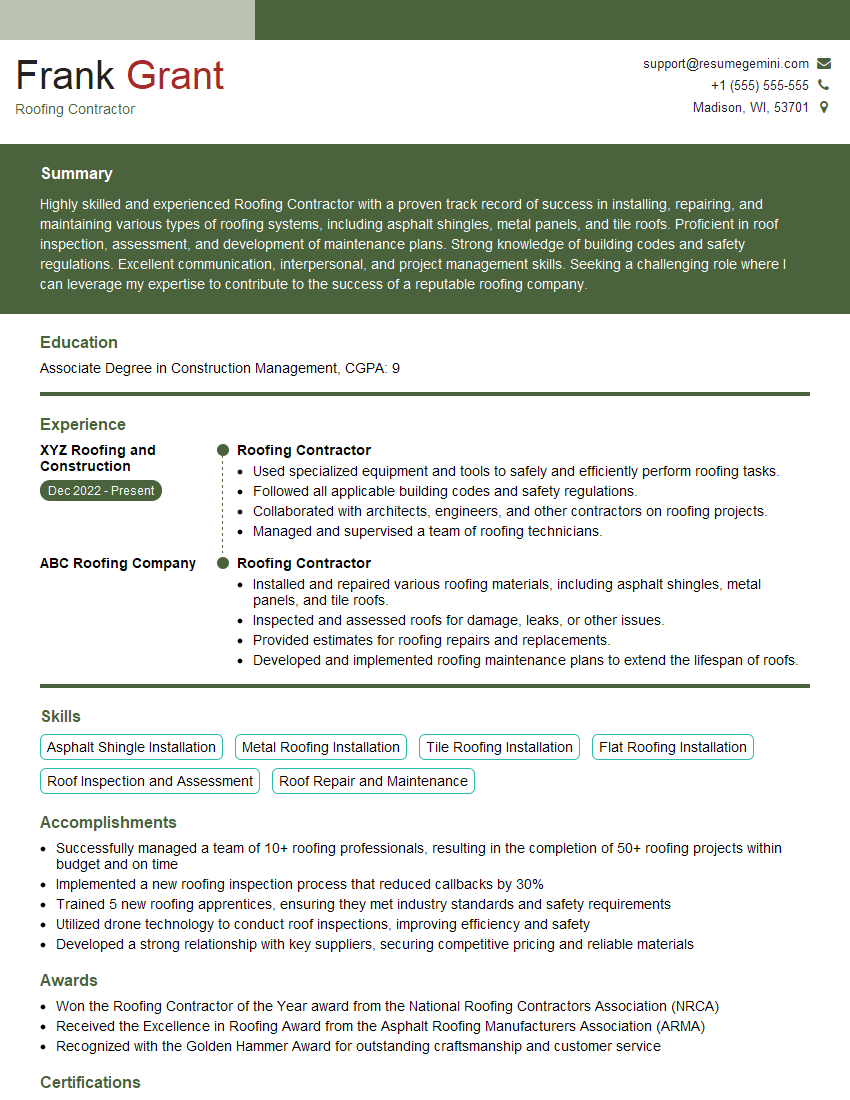
Roofing Contractor Resume Sample

Maintenance Technician Resume Sample

Machinist Resume Sample
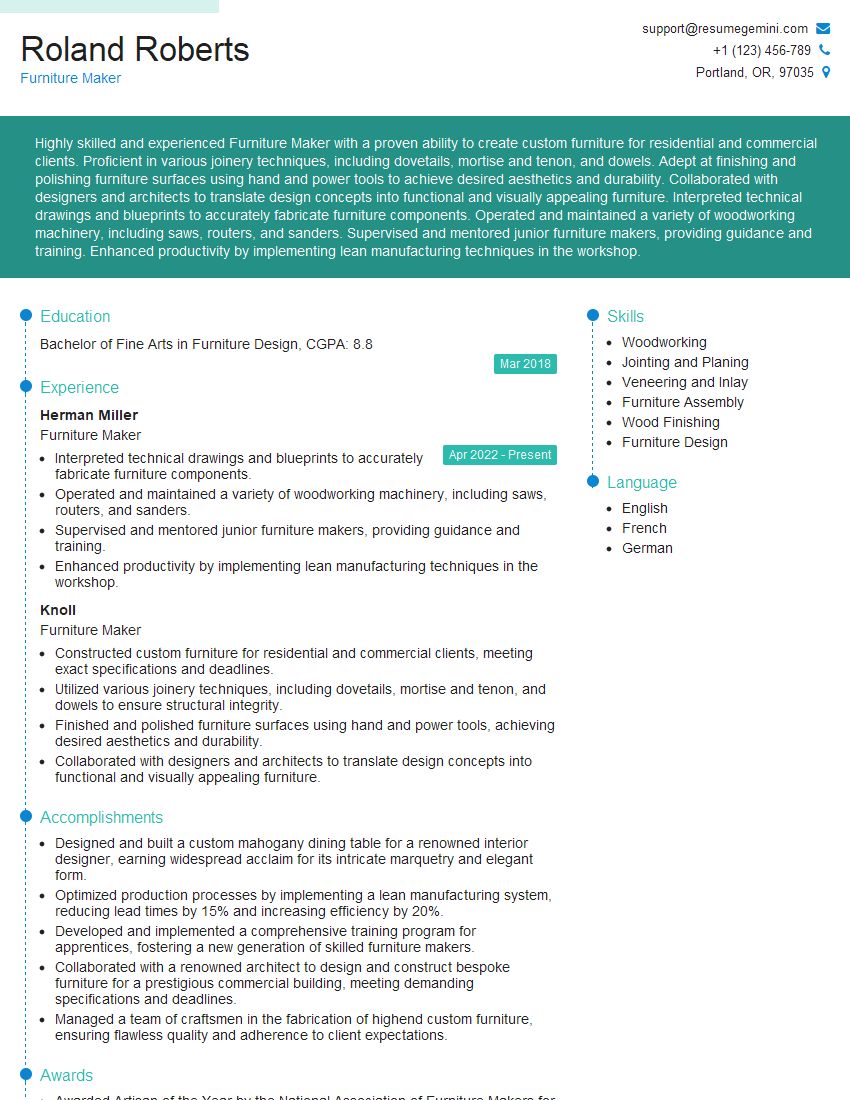
Furniture Maker Resume Sample

Model Maker Resume Sample
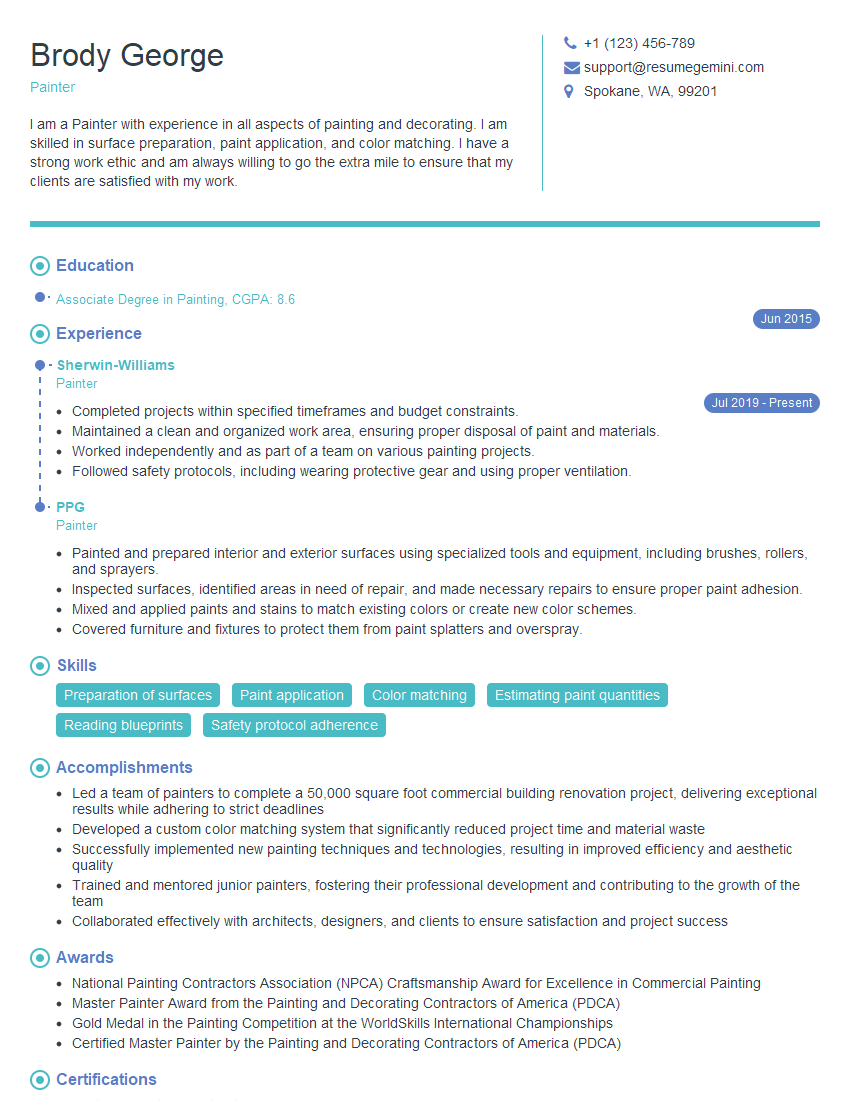
Painter Resume Sample
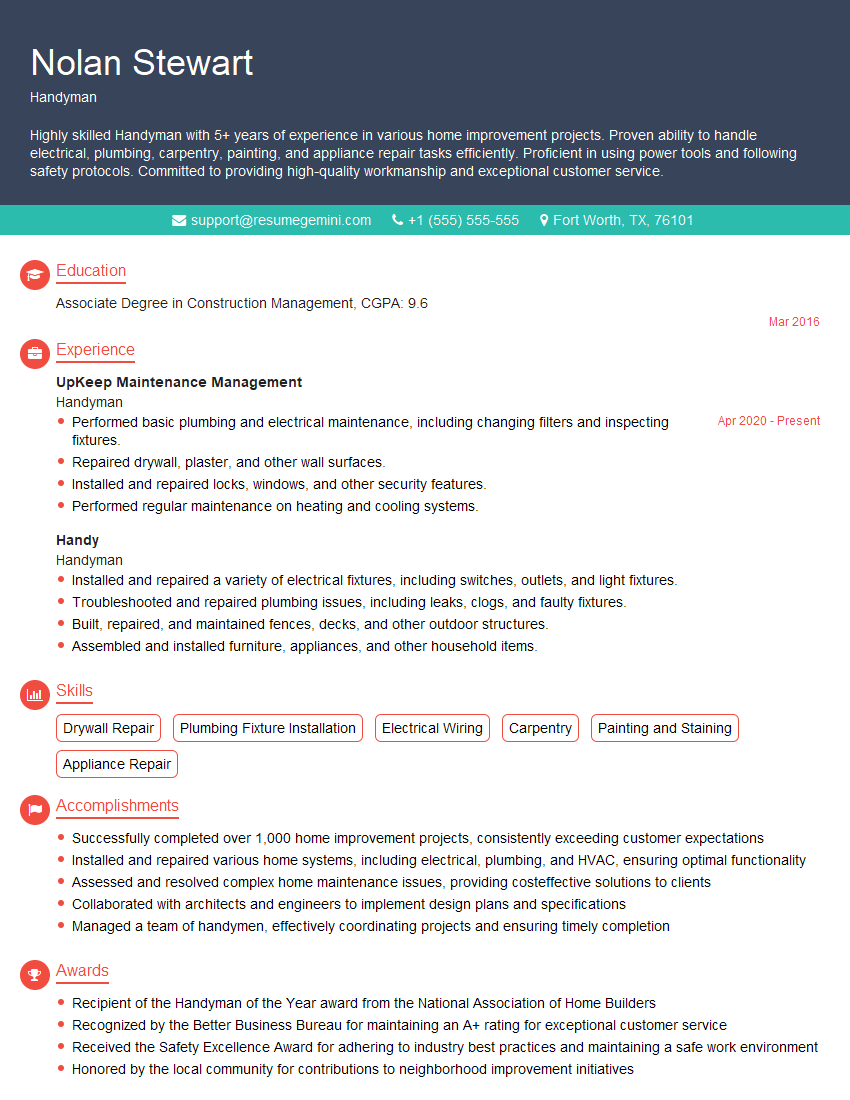
Handyman Resume Sample
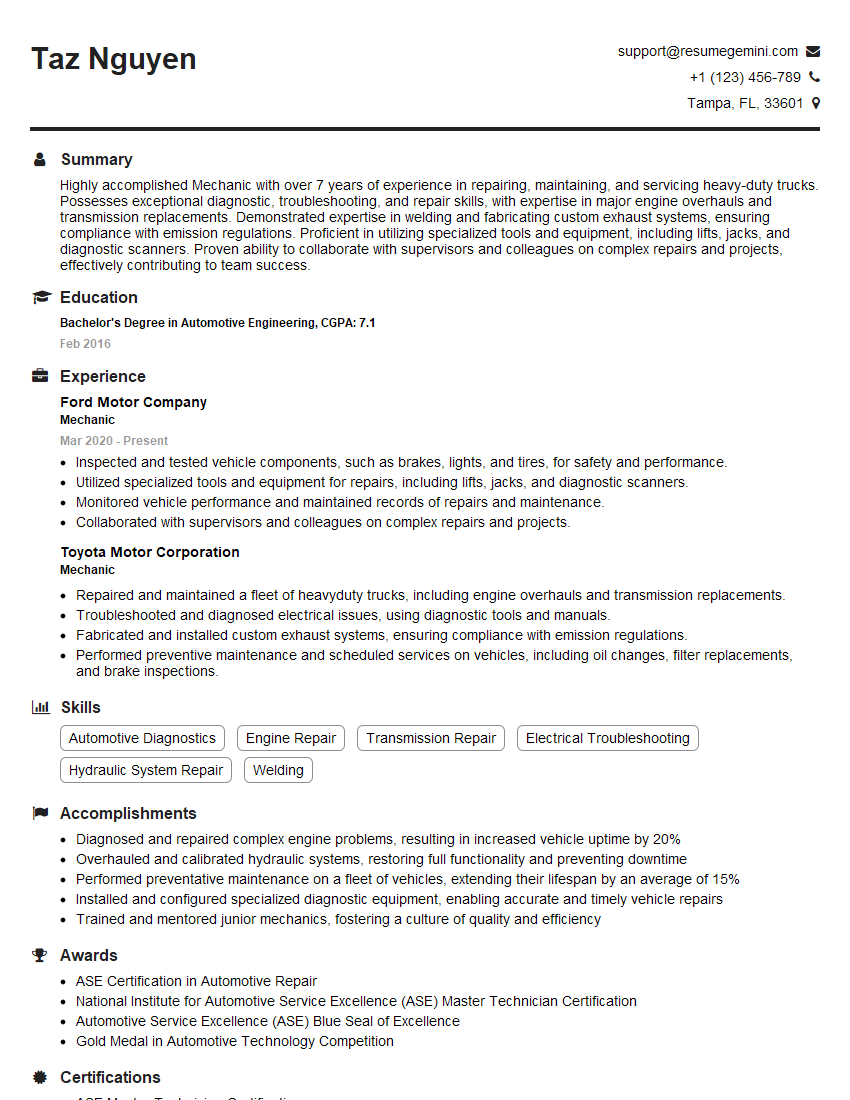
Mechanic Resume Sample

Finish Carpenter Resume Sample
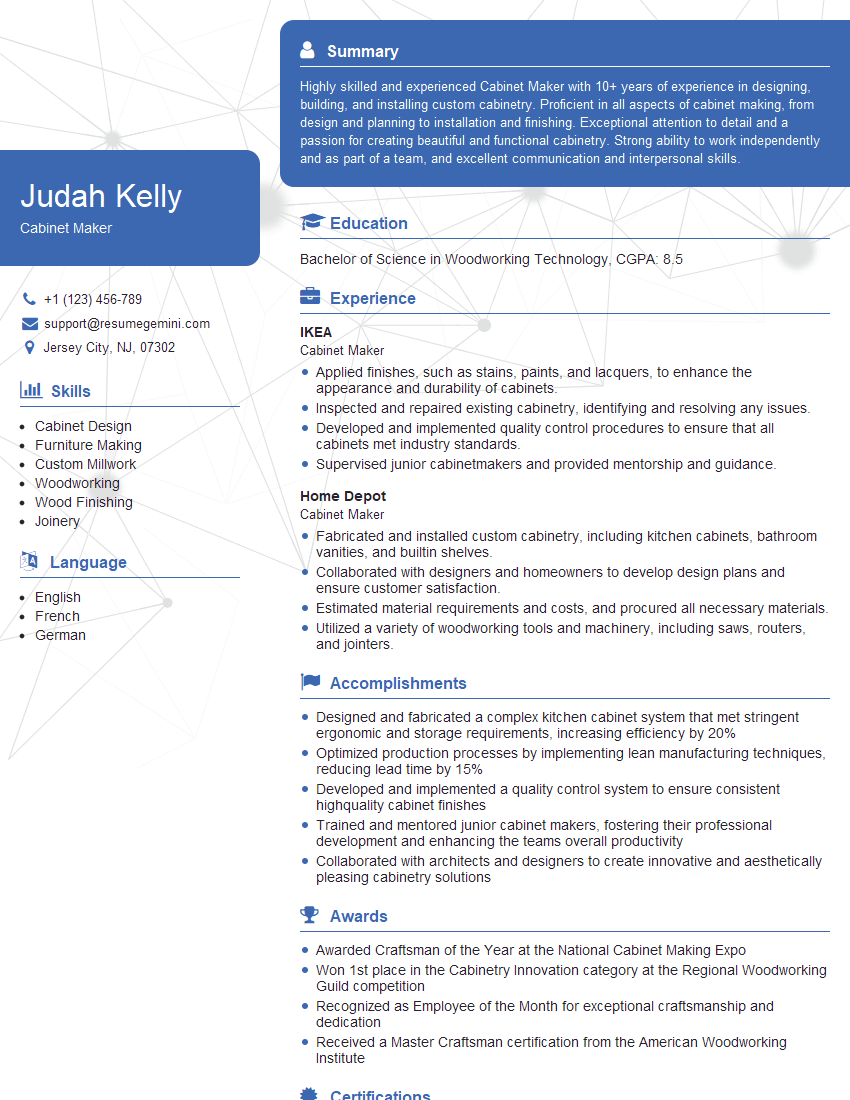
Cabinet Maker Resume Sample
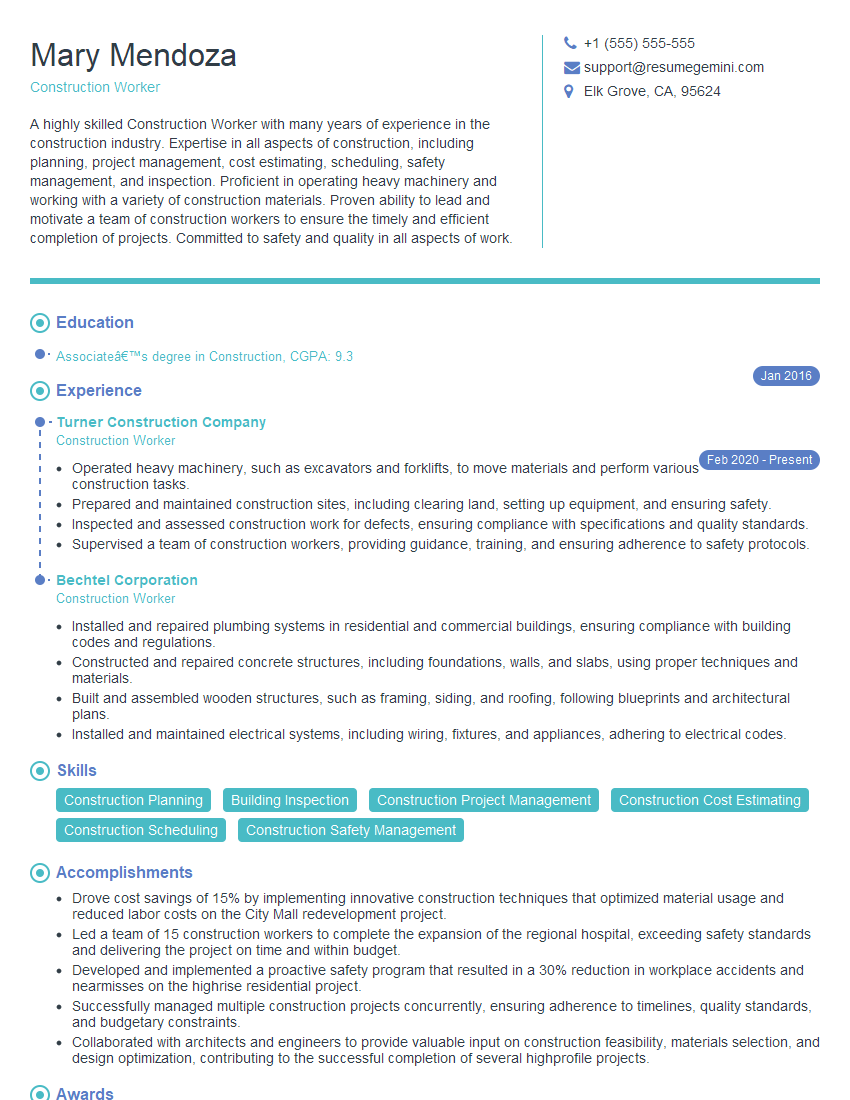
Construction Worker Resume Sample
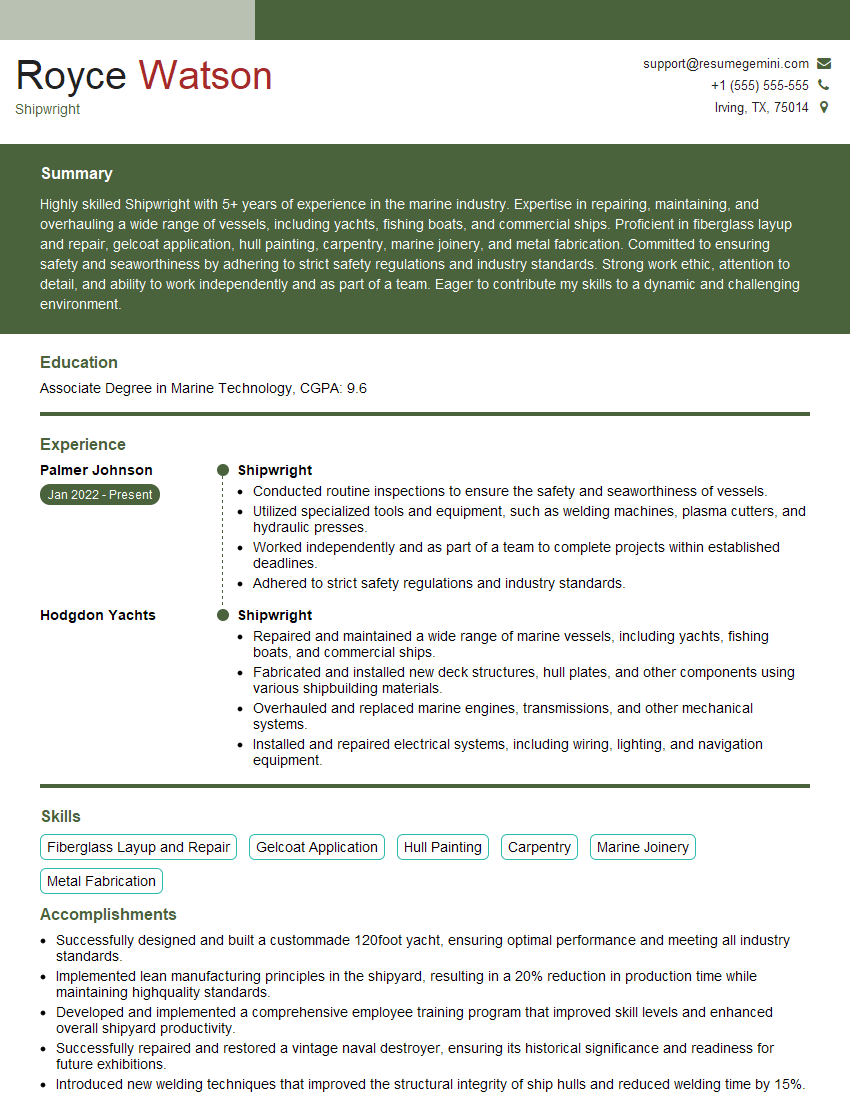
Shipwright Resume Sample
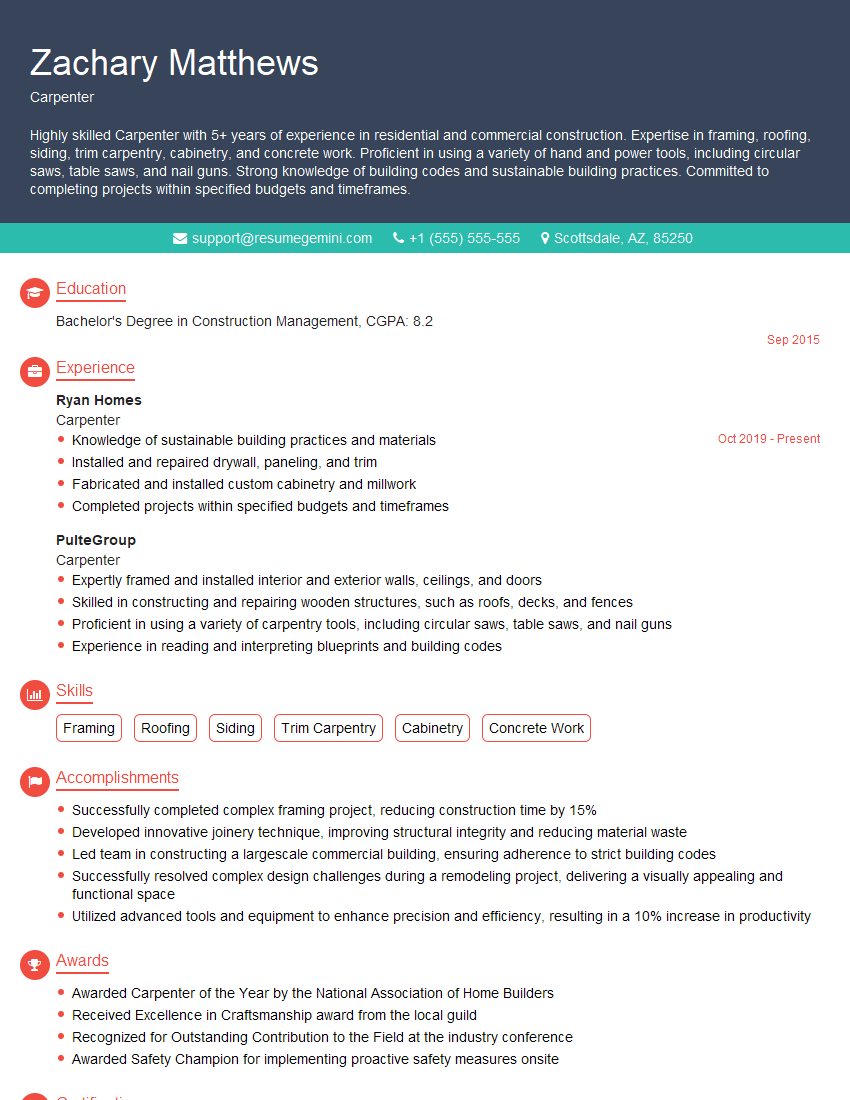
Carpenter Resume Sample
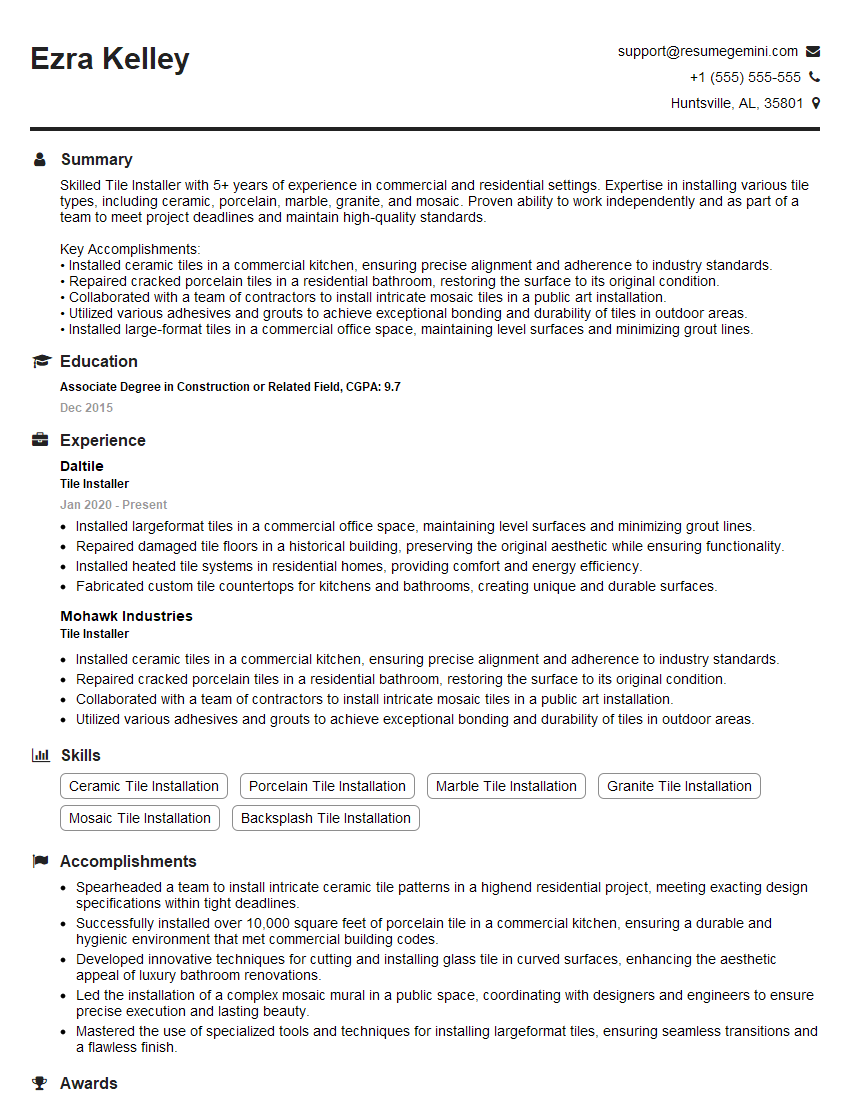
Tile Installer Resume Sample
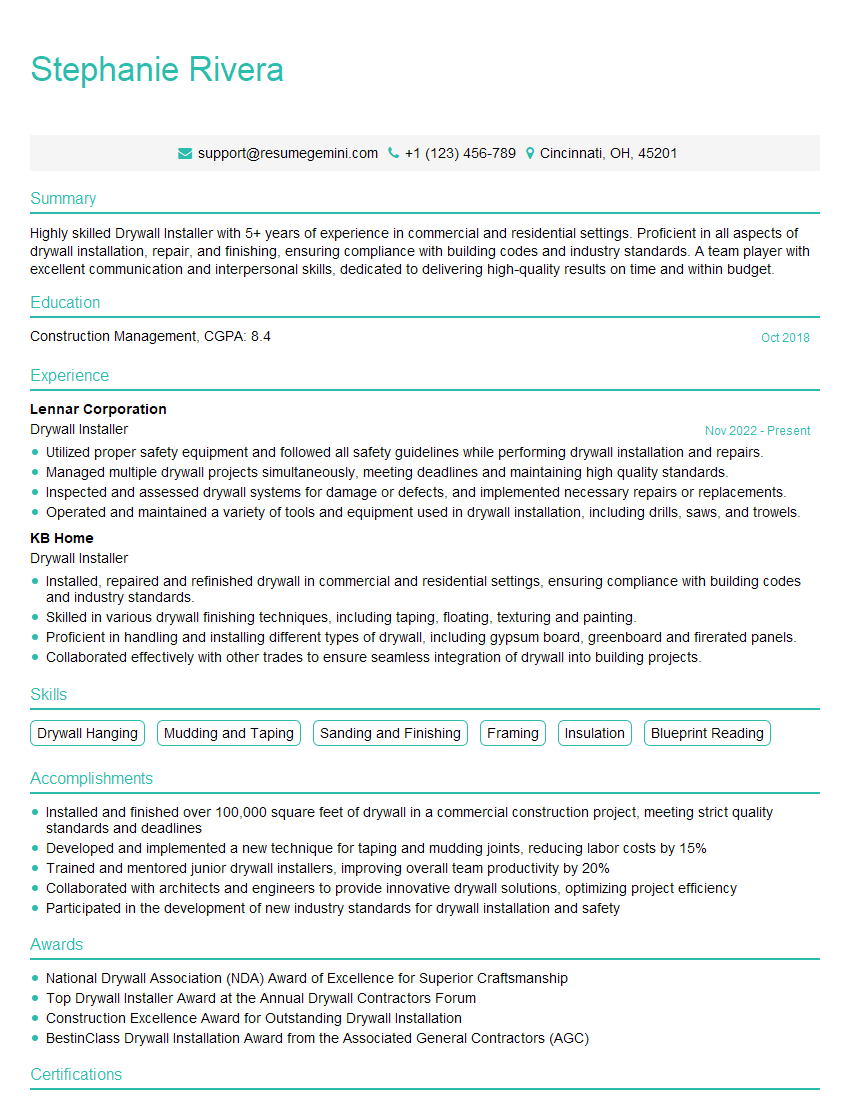
Drywall Installer Resume Sample
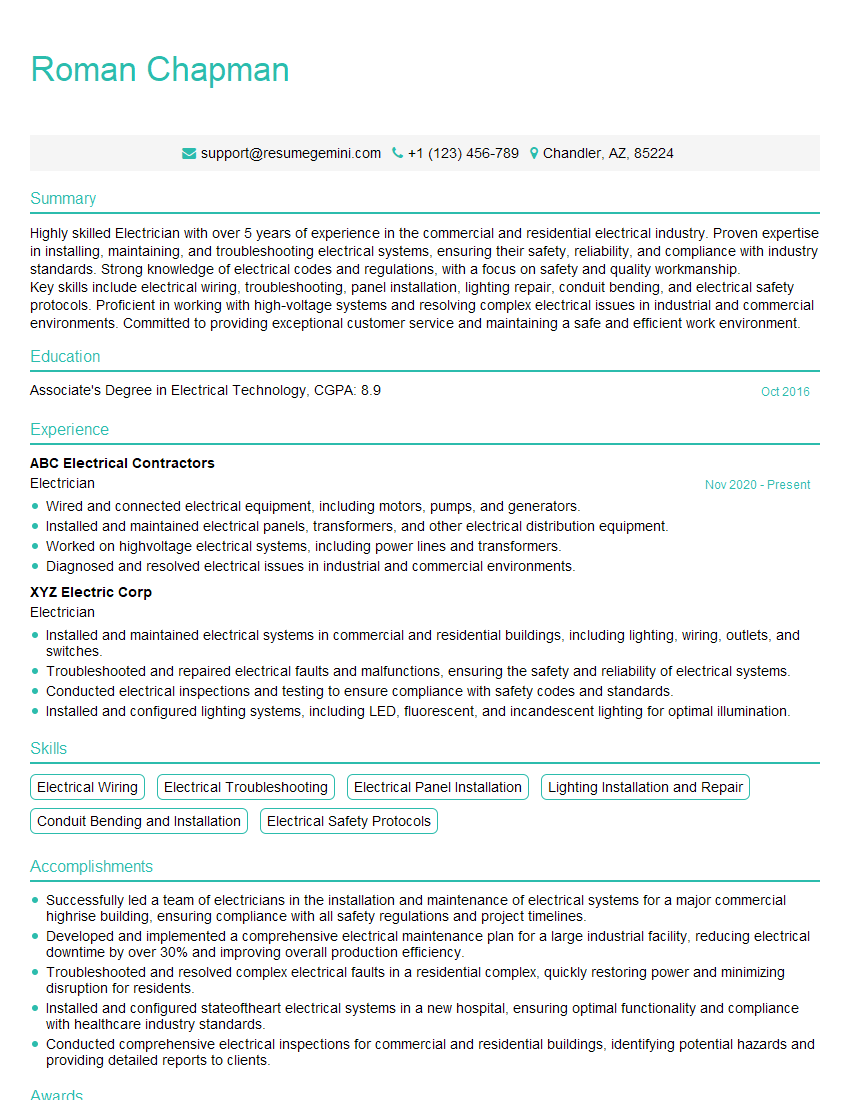
Electrician Resume Sample

Plumber Resume Sample

Welder Resume Sample

Millwright Resume Sample

Joiner Resume Sample
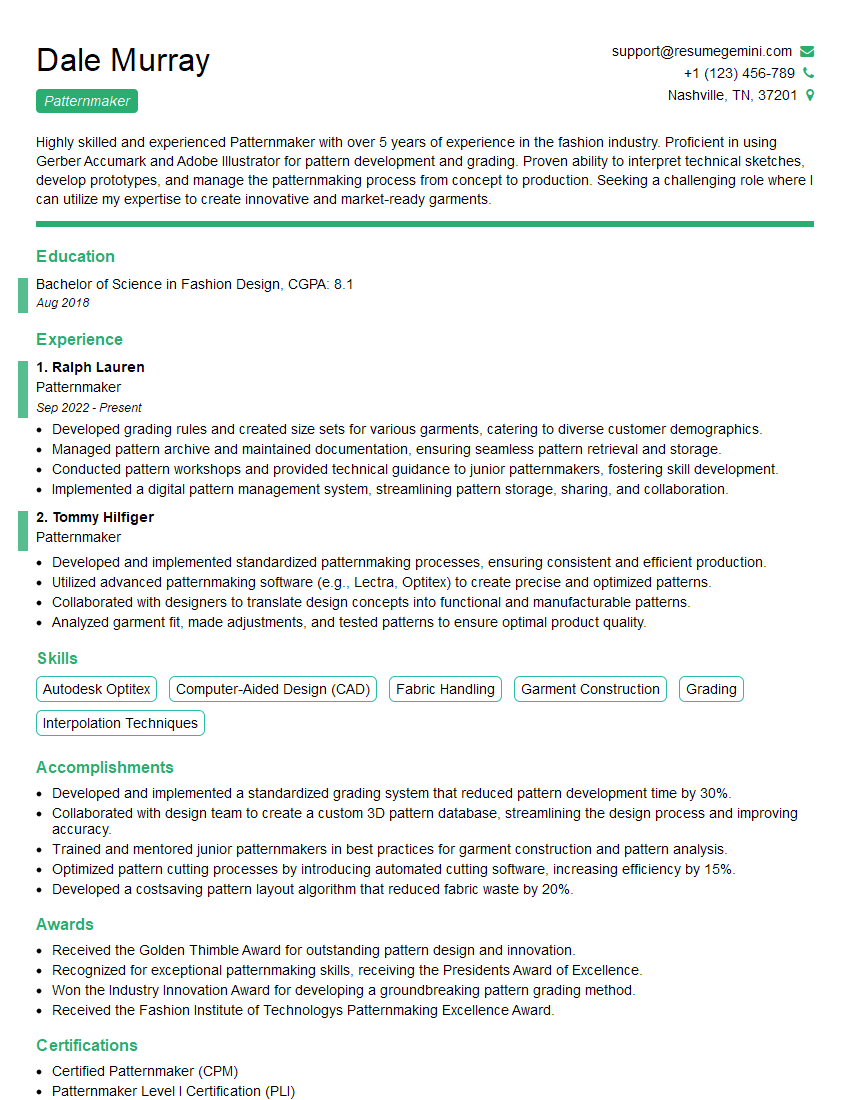
Patternmaker Resume Sample

Turner Resume Sample
Explore more articles
Users Rating of Our Blogs
Share Your Experience
We value your feedback! Please rate our content and share your thoughts (optional).
What Readers Say About Our Blog
Very informative content, great job.
good