Preparation is the key to success in any interview. In this post, we’ll explore crucial Medical interview questions and equip you with strategies to craft impactful answers. Whether you’re a beginner or a pro, these tips will elevate your preparation.
Questions Asked in Medical Interview
Q 1. Explain the difference between Type 1 and Type 2 diabetes.
Type 1 and Type 2 diabetes are both characterized by high blood sugar levels, but they differ significantly in their causes and how the body handles insulin.
Type 1 Diabetes: This is an autoimmune disease where the body’s immune system mistakenly attacks and destroys the insulin-producing beta cells in the pancreas. As a result, the body produces little to no insulin. Think of it like a broken insulin factory. This means the body can’t properly process glucose from food, leading to high blood sugar. Type 1 diabetes typically develops in childhood or adolescence and requires lifelong insulin therapy.
Type 2 Diabetes: This is a more common type where the body either doesn’t produce enough insulin or the cells don’t respond properly to the insulin that is produced (insulin resistance). It’s like having a factory that’s still producing insulin, but either not enough or the cells aren’t listening to its instructions. This impaired insulin action leads to high blood sugar. Type 2 diabetes often develops in adulthood and is frequently associated with obesity, physical inactivity, and family history. Treatment may involve lifestyle changes, oral medications, or insulin therapy.
- Key Difference Summary: Type 1 is an autoimmune disease resulting in no insulin production, while Type 2 is characterized by insulin resistance or insufficient insulin production.
Q 2. Describe the process of administering an intramuscular injection.
Administering an intramuscular (IM) injection requires careful technique to ensure the medication reaches the muscle tissue and minimizes discomfort and risk of complications. Always follow aseptic techniques to prevent infection.
- Prepare the injection site: Cleanse the area with an antiseptic solution, working outwards in a circular motion.
- Position the needle: Choose the appropriate muscle (e.g., deltoid, vastus lateralis, ventrogluteal). The Z-track method is often preferred to minimize leakage along the injection path and skin irritation. Insert the needle at the appropriate angle (usually 90 degrees).
- Aspirate (if applicable): Pull back slightly on the plunger to check for blood. This step is debated among medical professionals, with some considering it unnecessary. Always consult current clinical guidelines.
- Inject the medication: Slowly inject the medication.
- Withdraw the needle: Remove the needle quickly and smoothly at the same angle of insertion.
- Apply pressure: Apply gentle pressure to the injection site with a sterile gauze pad to prevent bleeding.
- Dispose of the needle and syringe properly: Use a sharps container to dispose of the used needles and syringes.
Example: When administering an IM injection in the deltoid muscle, locate the acromion process (bony protrusion of the shoulder) and the axillary line (armpit). The injection site is generally in the lateral aspect of the deltoid muscle.
Q 3. What are the common side effects of ibuprofen?
Ibuprofen, a nonsteroidal anti-inflammatory drug (NSAID), is commonly used to relieve pain and reduce fever. However, like all medications, it can have side effects. These range in severity from mild to serious.
- Common Side Effects: These are usually mild and temporary. They include stomach upset (e.g., nausea, heartburn, indigestion), diarrhea, constipation, dizziness, and headache.
- Less Common, but more serious side effects: These are less frequent but can be severe and require medical attention. They include allergic reactions (rash, itching, swelling), kidney problems, liver damage, and increased risk of bleeding.
Important Note: The risk of side effects increases with higher doses and prolonged use. Always follow the recommended dosage and consult a doctor if you experience any concerning side effects.
Q 4. How would you handle a patient experiencing an allergic reaction?
Handling an allergic reaction requires a swift and appropriate response, as it can range from mild to life-threatening (anaphylaxis). The severity determines the necessary action.
- Assess the situation: Determine the severity of the reaction. Signs may include hives, rash, swelling, itching, difficulty breathing, dizziness, and a drop in blood pressure.
- Ensure airway patency: If the patient is having difficulty breathing, this is the priority. If necessary, assist with positioning (e.g., sitting upright) or administer oxygen.
- Administer appropriate treatment: For mild reactions, antihistamines (like diphenhydramine) may suffice. For severe reactions (anaphylaxis), immediately administer epinephrine (adrenaline) using an auto-injector (like an EpiPen) according to the manufacturer’s instructions. Call emergency medical services (EMS) immediately.
- Monitor vital signs: Continuously monitor the patient’s heart rate, blood pressure, and respiratory rate.
- Transport to the hospital: Even after administering treatment, transport the patient to a hospital for further observation and care.
Example: If a patient experiences anaphylaxis after a bee sting, administering epinephrine is crucial. Simultaneously calling EMS ensures timely arrival of advanced medical care.
Q 5. Explain the importance of proper hand hygiene in a medical setting.
Proper hand hygiene is the cornerstone of infection prevention and control in any healthcare setting. It significantly reduces the spread of pathogens, protecting both healthcare workers and patients. Think of hands as vectors for germs.
The most effective method is handwashing with soap and water for at least 20 seconds, covering all surfaces of the hands and fingers. If soap and water aren’t available, alcohol-based hand rub (at least 60% alcohol) is a suitable alternative.
- Critical times for hand hygiene: Before and after patient contact, before and after donning and removing gloves, before and after performing any invasive procedure.
Example: A nurse should always wash their hands before touching a patient’s wound, and again after cleaning the wound.
Q 6. What are the signs and symptoms of a heart attack?
A heart attack (myocardial infarction) occurs when blood flow to a part of the heart is blocked, usually by a blood clot. Recognizing the signs and symptoms is crucial for timely intervention.
Common Signs and Symptoms:
- Chest pain or discomfort: This is often described as pressure, squeezing, fullness, or pain in the center of the chest. It can last more than a few minutes or go away and come back.
- Discomfort in other areas: Pain or discomfort can radiate to the jaw, neck, back, one or both arms, or the stomach.
- Shortness of breath: This may occur with or without chest pain.
- Breaking out in a cold sweat: Feeling clammy or unusually sweaty.
- Nausea or lightheadedness: Feeling sick to the stomach or dizzy.
- Fatigue: Unusual tiredness or weakness.
Important Note: Women may experience different symptoms than men. They may experience more subtle signs, such as unusual fatigue, shortness of breath, or back pain, without the classic crushing chest pain.
If you suspect a heart attack, call emergency medical services immediately.
Q 7. Describe the process of wound care.
Wound care aims to promote healing and prevent infection. The process varies depending on the type and severity of the wound.
- Assessment: Evaluate the wound’s size, depth, location, presence of foreign bodies, and signs of infection (redness, swelling, warmth, pus).
- Cleaning: Gently clean the wound with sterile saline solution or water, removing any debris or contaminants. Avoid using harsh cleansers.
- Debridement: If necessary, remove dead or infected tissue from the wound to promote healing. This may be done surgically or using specialized dressings.
- Dressing: Apply a sterile dressing appropriate for the wound type. This helps to absorb drainage, protect the wound from further contamination, and maintain a moist environment conducive to healing.
- Monitoring: Regularly monitor the wound for signs of infection or delayed healing. Change the dressing as needed, following the healthcare provider’s instructions.
- Pain Management: Provide appropriate pain relief as needed.
Example: A superficial wound, like a minor cut, might only require cleaning, the application of an antibiotic ointment, and a bandage. A deep wound, however, may require more intensive care, including debridement and more specialized dressings.
Q 8. How do you assess a patient’s pain level?
Assessing a patient’s pain level is crucial for effective pain management. It’s not just about the number; it’s about understanding the entire patient experience. We use a multi-faceted approach.
- Pain Scales: The most common tool is a numerical rating scale (NRS), where patients rate their pain on a scale of 0 (no pain) to 10 (worst imaginable pain). The visual analog scale (VAS) uses a 10cm line for similar assessment. For patients who can’t use numerical scales, we might use a faces pain scale, showing different facial expressions representing varying pain levels.
- Patient Interview: I always conduct a thorough interview, asking about the pain’s location, quality (e.g., sharp, dull, aching), intensity, onset, duration, and aggravating/relieving factors. This helps build a comprehensive picture beyond just a number.
- Observation: Nonverbal cues such as facial expressions, body language, and guarding behaviors can provide valuable insights. A patient might rate their pain as a ‘5’ but exhibit significant distress, indicating a higher level of pain than reported.
- Consider Context: Patient’s age, cultural background, and past experiences with pain all influence how they perceive and report pain. A patient’s previous experiences shape their pain tolerance and reporting. For instance, a veteran might minimize their pain compared to someone with no history of chronic pain.
For example, a patient might rate their pain as a 7/10 on the NRS, describe it as a sharp, throbbing pain in their right knee, and report that it worsens with movement and improves with rest. Combining this information with observation of their wincing and guarding the knee allows for a more accurate pain assessment and targeted treatment plan.
Q 9. What are the different types of medical imaging techniques?
Medical imaging techniques provide invaluable visual representations of internal structures and processes. Different techniques use different principles to create images.
- X-ray: Uses ionizing radiation to produce images of bones and some dense tissues. Simple, widely available, and excellent for detecting fractures.
- Computed Tomography (CT): Uses X-rays from multiple angles to create cross-sectional images. Provides detailed anatomical information, especially for evaluating trauma or internal organs.
- Magnetic Resonance Imaging (MRI): Employs powerful magnets and radio waves to create detailed images of soft tissues. Excellent for visualizing the brain, spinal cord, ligaments, and tendons.
- Ultrasound: Uses high-frequency sound waves to create images. Non-invasive, portable, and widely used in obstetrics, cardiology, and abdominal imaging.
- Nuclear Medicine Imaging (e.g., PET, SPECT): Uses radioactive tracers to visualize metabolic activity or blood flow. Helpful in detecting cancer, assessing heart function, and evaluating brain activity.
- Fluoroscopy: Uses continuous X-ray imaging to visualize real-time movement, such as during surgical procedures or swallowing studies.
The choice of technique depends on the specific clinical question. For instance, a suspected fracture would warrant an X-ray, while a suspected brain tumor would require an MRI.
Q 10. Explain the principles of infection control.
Infection control is a cornerstone of healthcare, aiming to prevent the transmission of infectious agents. This involves a multi-pronged approach focusing on preventing the spread of infection from one person to another, or from a contaminated source to a person.
- Hand Hygiene: The most effective method, involving frequent handwashing with soap and water or using alcohol-based hand rubs. This removes transient organisms which are the main cause of most nosocomial infections.
- Personal Protective Equipment (PPE): Includes gloves, gowns, masks, and eye protection, depending on the risk of exposure. This minimizes direct contact with infectious materials. Appropriate use is crucial.
- Environmental Cleaning and Disinfection: Regular cleaning and disinfection of surfaces, equipment, and the overall environment reduces the number of pathogens present.
- Sterilization: Eliminating all forms of microbial life through methods like autoclaving (steam sterilization) or gas sterilization. Essential for surgical instruments and other equipment.
- Isolation Precautions: Implementing precautions to isolate patients with known or suspected infections, including airborne, droplet, and contact precautions to reduce the spread of infectious organisms. For example, a patient with tuberculosis would require airborne precautions.
- Vaccination: Protecting healthcare workers and patients through vaccination against vaccine-preventable diseases significantly minimizes outbreaks and hospital-acquired infections.
Aseptic techniques, which aim to minimize contamination during procedures, are also critical. These range from basic hand washing to highly specialized operating room protocols. Effective infection control requires diligent adherence to established guidelines and protocols.
Q 11. What is your understanding of HIPAA regulations?
The Health Insurance Portability and Accountability Act (HIPAA) of 1996 is a US federal law designed to protect the privacy and security of protected health information (PHI). PHI includes any individually identifiable health information held or transmitted by a covered entity or its business associate, in any form or media, whether electronic, paper, or oral. My understanding encompasses several key aspects:
- Privacy Rule: Governs the use and disclosure of PHI. It establishes patient rights, such as the right to access, amend, and restrict the use of their PHI.
- Security Rule: Specifies safeguards to protect the confidentiality, integrity, and availability of electronic PHI (ePHI).
- Breach Notification Rule: Requires covered entities to notify individuals and regulatory authorities in the event of a data breach.
- Enforcement: Violations can result in significant civil and criminal penalties.
In practice, HIPAA compliance involves implementing policies and procedures to protect patient information, providing appropriate training to staff, and ensuring that all interactions with patient data adhere to legal and ethical guidelines. For example, discussing a patient’s case with someone not directly involved in their care, without proper authorization, would constitute a HIPAA violation.
Q 12. How do you manage a difficult patient interaction?
Managing difficult patient interactions requires patience, empathy, and strong communication skills. My approach involves several key steps:
- Active Listening: Understanding the patient’s perspective and concerns is paramount. This involves attentively listening, asking clarifying questions, and showing genuine empathy.
- Empathetic Validation: Acknowledging and validating the patient’s feelings, even if you don’t agree with their perspective. A simple statement like, ‘I understand this must be frustrating for you,’ can go a long way.
- Clear and Concise Communication: Explaining medical information in a clear, simple manner, avoiding jargon. Using visual aids can also be helpful.
- Setting Boundaries: While being empathetic, it’s important to set clear boundaries. Addressing abusive or disrespectful behavior firmly but calmly.
- Seeking Assistance: If the situation escalates or I feel unable to manage it, seeking assistance from a supervisor or security personnel is appropriate.
For instance, a patient might be angry about a long wait time. Instead of becoming defensive, I would acknowledge their frustration, apologize for the inconvenience, and explain the reasons for the delay. If the patient’s behavior becomes threatening, I would seek assistance from security. De-escalation strategies are crucial.
Q 13. Describe your experience with electronic health records (EHRs).
I have extensive experience with Electronic Health Records (EHRs), having utilized them throughout my career. My experience encompasses a range of functionalities, from data entry and retrieval to utilizing integrated clinical decision support tools. I am proficient in several different EHR systems, including Epic and Cerner.
- Data Entry and Management: I am adept at accurately and efficiently recording patient information, including medical history, vital signs, medications, allergies, and progress notes.
- Clinical Decision Support: I effectively utilize EHR features such as alerts and reminders for preventive care, medication interactions, and potential adverse events. These systems help avoid medication errors and improve patient care.
- Order Entry: I am proficient in placing orders for laboratory tests, imaging studies, and consultations through the EHR system, streamlining the process and reducing errors.
- Communication and Collaboration: EHRs facilitate seamless communication among healthcare providers, enabling efficient collaboration on patient care. I regularly utilize the messaging features for effective communication with other members of the healthcare team.
- Data Reporting and Analysis: I’m familiar with using EHR data for quality improvement initiatives, identifying trends, and improving patient outcomes. Using EHR data for reporting, we can track key performance indicators such as readmission rates.
My experience has shown me that EHRs, when utilized correctly, can significantly enhance the efficiency and quality of patient care. However, it’s crucial to address issues such as data security and user interface challenges to maximize their effectiveness.
Q 14. What are your strengths and weaknesses as a medical professional?
As a medical professional, I possess several key strengths and am aware of areas for improvement.
- Strengths: I am a highly detail-oriented and empathetic individual with strong communication and problem-solving skills. I’m a proactive learner, always striving to stay updated on the latest medical advancements and best practices. My experience in various clinical settings has equipped me with the ability to adapt to different situations and work effectively in diverse teams.
- Weaknesses: While I strive for perfection, I sometimes struggle to delegate tasks, potentially leading to an increased workload for myself. I am actively working on improving my delegation skills and building trust in my team members’ capabilities. I believe that acknowledging and actively working on my weaknesses is crucial for continuous professional growth.
I am committed to continuous improvement and actively seek feedback to identify areas where I can enhance my skills and professional performance. I believe that self-awareness is crucial for personal and professional development, and this self-reflection helps me stay focused on patient well-being and optimize team performance.
Q 15. How do you stay updated with the latest medical advancements?
Staying current in the rapidly evolving field of medicine requires a multi-pronged approach. It’s not enough to rely on just one method; a combination of strategies ensures comprehensive knowledge updates.
Peer-reviewed journals: I subscribe to and regularly read leading medical journals such as The New England Journal of Medicine, The Lancet, and JAMA. These journals publish original research, reviews, and editorials on the latest breakthroughs and best practices.
Medical conferences and webinars: Attending conferences and participating in online webinars allows me to directly engage with experts, learn about cutting-edge research, and network with colleagues. These events often provide opportunities for hands-on learning and case studies.
Professional organizations: Membership in professional organizations, like the American Medical Association (AMA) or specialty-specific groups, provides access to continuing medical education (CME) resources, newsletters, and online forums. These offer structured learning paths and opportunities to stay informed on policy changes.
Online medical resources: Reputable online resources such as PubMed and UpToDate offer access to a vast database of medical literature. I regularly search these databases for relevant articles related to my areas of interest and patient care.
Mentorship and collaboration: Regular discussions and collaborations with experienced colleagues and mentors provide invaluable insights and perspectives on new developments and best practices.
This combined strategy ensures that I remain abreast of the latest advancements, improving patient care and staying at the forefront of my field.
Career Expert Tips:
- Ace those interviews! Prepare effectively by reviewing the Top 50 Most Common Interview Questions on ResumeGemini.
- Navigate your job search with confidence! Explore a wide range of Career Tips on ResumeGemini. Learn about common challenges and recommendations to overcome them.
- Craft the perfect resume! Master the Art of Resume Writing with ResumeGemini’s guide. Showcase your unique qualifications and achievements effectively.
- Don’t miss out on holiday savings! Build your dream resume with ResumeGemini’s ATS optimized templates.
Q 16. Describe a time you had to make a quick, critical decision in a medical setting.
During my residency, I encountered a patient experiencing a sudden, severe anaphylactic reaction following the administration of a common medication. This was a life-threatening emergency requiring immediate action.
My initial assessment revealed significant respiratory distress, hypotension, and urticaria. Following established protocols, I immediately initiated the emergency response procedures:
Secured the airway: I ensured the patient had a patent airway, which was the top priority.
Administered epinephrine: I immediately administered intramuscular epinephrine, a crucial medication in anaphylaxis management.
Initiated intravenous fluids: This was done to address the patient’s hypotension and improve blood flow.
Monitored vital signs: Continuous monitoring of heart rate, blood pressure, and oxygen saturation was crucial to track the effectiveness of treatment and detect any deterioration.
Called for respiratory support: I requested respiratory support to help the patient breathe more easily.
The swift and coordinated action, along with close monitoring, ultimately saved the patient’s life. This experience reinforced the importance of rapid assessment, following established guidelines, and effective teamwork in critical situations.
Q 17. How do you handle stress in a high-pressure environment?
The medical profession is inherently stressful, so developing effective stress management techniques is crucial for both well-being and optimal performance. I utilize several strategies:
Mindfulness and meditation: Regular practice helps me center myself and reduce anxiety. Even short, 5-10 minute sessions can have a significant impact.
Physical exercise: Maintaining a regular exercise routine releases endorphins, improves mood, and reduces stress levels. This could be anything from a brisk walk to more intensive workouts.
Adequate sleep and nutrition: Prioritizing sleep and maintaining a healthy diet are fundamental for both physical and mental well-being. Fatigue exacerbates stress, so ensuring sufficient rest is vital.
Time management and prioritization: Effective time management techniques, like creating daily schedules and prioritizing tasks, helps control overwhelming feelings.
Seeking support: I understand the importance of seeking support when needed. This could involve talking to colleagues, supervisors, or mental health professionals. There’s no shame in asking for help.
By consistently utilizing these strategies, I maintain a healthy work-life balance and handle stress in a constructive way that does not impact patient care.
Q 18. Explain your understanding of evidence-based medicine.
Evidence-based medicine (EBM) is an approach to medical practice that emphasizes the use of the best available research evidence to make clinical decisions. It’s not about rejecting experience or clinical judgment, but rather integrating them with the most reliable scientific findings.
The core principles of EBM involve:
Formulating a clinical question: This involves defining a specific, answerable question regarding a patient’s condition or treatment.
Searching for the best evidence: This involves systematically searching relevant databases, like PubMed, for high-quality research studies (e.g., randomized controlled trials, meta-analyses).
Critically appraising the evidence: This involves evaluating the validity, reliability, and applicability of the research findings to the individual patient’s context. Considering factors like study design, sample size, and potential biases.
Integrating the evidence with clinical expertise and patient values: This is the crucial step where the physician combines their clinical experience and understanding of the patient’s unique circumstances and preferences to reach the best treatment decision. EBM isn’t a purely algorithmic process.
For example, when deciding on a treatment for hypertension, EBM would involve searching for evidence on the effectiveness of different medications, considering factors such as the patient’s age, other medical conditions, and personal preferences. This ensures that the chosen treatment is the most appropriate and effective for that specific patient.
Q 19. What are the ethical considerations in medical practice?
Ethical considerations are paramount in medical practice. They guide our actions and decisions to ensure patient well-being and uphold the integrity of the profession. Key ethical considerations include:
Beneficence: Acting in the best interests of the patient. This means striving to do good and avoid harm.
Non-maleficence: Avoiding harm to the patient. This involves carefully weighing the risks and benefits of any treatment or intervention.
Autonomy: Respecting the patient’s right to make informed decisions about their own care. This involves providing patients with clear and accurate information and allowing them to participate in decisions about their treatment.
Justice: Ensuring fairness and equity in the distribution of healthcare resources. This involves considering factors such as access, affordability, and equitable treatment for all patients, regardless of background.
Confidentiality: Protecting the privacy of patient information. This involves adhering to strict protocols for handling sensitive medical data.
Ethical dilemmas frequently arise in practice, and navigating them requires careful consideration, open communication with patients, and often consultation with colleagues and ethics committees to reach a just and compassionate solution.
Q 20. Describe your experience with patient education.
Patient education is an integral part of providing high-quality care. It goes beyond simply explaining medical diagnoses; it’s about empowering patients to actively participate in their health journey. My approach to patient education involves:
Assessing the patient’s understanding: I begin by assessing the patient’s current knowledge and understanding of their condition, tailoring my explanation to their level of comprehension. This often involves asking open-ended questions.
Using clear and simple language: I avoid medical jargon and use plain language, ensuring the patient understands the information provided. I also use visual aids whenever possible.
Involving the patient in the decision-making process: I encourage patients to ask questions and participate actively in discussions about their treatment options, respecting their autonomy.
Providing written materials: I supplement verbal explanations with written materials, such as brochures or handouts, to reinforce key concepts and provide easy-to-reference information.
Following up and providing ongoing support: I ensure that patients have opportunities to follow up with questions or concerns, offering additional support as needed.
Effective patient education leads to improved patient outcomes, greater adherence to treatment plans, and a more positive overall healthcare experience. I believe a well-informed patient is a better partner in their healthcare.
Q 21. How do you collaborate with other healthcare professionals?
Effective collaboration with other healthcare professionals is crucial for providing optimal patient care. My approach emphasizes:
Open and respectful communication: I prioritize clear and respectful communication with all members of the healthcare team, actively listening to their perspectives and valuing their expertise.
Shared decision-making: I actively participate in shared decision-making processes, involving other professionals in treatment planning and ensuring that all perspectives are considered.
Effective teamwork: I actively work with nurses, pharmacists, physiotherapists, and other professionals to create a cohesive and supportive team environment, ensuring efficient and coordinated patient care.
Regular communication and updates: I maintain regular communication with other professionals through rounds, meetings, and electronic health records, keeping everyone informed of the patient’s progress and any changes in their condition.
Respectful disagreement: While collaboration emphasizes agreement, there may be times of respectful disagreement. I address these differences constructively, focusing on patient outcomes and finding the best approach through thoughtful discussion.
Collaboration is not simply a matter of exchanging information; it’s about building relationships, fostering trust, and creating a shared vision for the patient’s well-being. It’s a cornerstone of providing quality healthcare.
Q 22. Explain the difference between a diagnosis and a prognosis.
In medicine, a diagnosis and a prognosis are distinct yet interconnected concepts. A diagnosis is the identification of a disease or condition based on a patient’s symptoms, medical history, and examination findings, including laboratory and imaging results. Think of it as answering the question: ‘What’s wrong?’
A prognosis, on the other hand, is a prediction of the likely course and outcome of a disease or condition. It considers the diagnosis, the patient’s overall health, response to treatment, and other relevant factors to estimate the patient’s chances of recovery, potential complications, and overall life expectancy. This answers the question: ‘What will happen?’
Example: A patient presents with chest pain, shortness of breath, and elevated cardiac enzymes. After thorough investigation, the diagnosis might be an acute myocardial infarction (heart attack). The prognosis, however, would depend on factors like the extent of heart muscle damage, the patient’s age and pre-existing conditions, and their response to treatment (e.g., angioplasty, medication). A good prognosis might indicate a full recovery with appropriate medical management, while a poor prognosis might suggest a higher risk of complications or reduced life expectancy.
Q 23. What are your salary expectations?
My salary expectations are commensurate with my experience and qualifications, and in line with the market rate for similar positions within this organization and geographic location. I am open to discussing a specific range after learning more about the comprehensive compensation and benefits package offered.
Q 24. What are your long-term career goals?
My long-term career goals involve becoming a leading expert in my chosen medical specialty, contributing significantly to advancements in medical knowledge and patient care. This includes pursuing further specialized training, potentially contributing to research, and possibly mentoring future generations of healthcare professionals. I envision myself in a leadership role, perhaps heading a department or contributing to policy changes that improve healthcare access and quality.
Q 25. Why are you interested in this specific position?
I am particularly interested in this position because of [Organization’s Name]’s reputation for excellence in [Specific Area of the Organization’s work], its commitment to patient-centered care, and the opportunity to collaborate with a highly respected team of professionals. The opportunity to contribute to [Specific Project or Initiative] aligns perfectly with my skills and career aspirations.
Q 26. Why did you choose a career in medicine?
My decision to pursue a career in medicine stemmed from a deep-seated desire to make a tangible difference in people’s lives. Witnessing the impact of compassionate and effective healthcare on patients and their families during my childhood instilled in me a profound respect for the medical profession. I’ve always been driven by a passion for science, problem-solving, and the intellectual challenge of understanding the complexities of the human body. Combining these passions with a commitment to serving others led me to choose this career path. A pivotal moment was when I [Insert a specific event or experience that influenced your decision].
Q 27. Describe your experience working in a team setting.
Throughout my medical training and professional experience, I have consistently demonstrated strong teamwork skills. For example, during my residency, I was part of a trauma team responsible for managing critically injured patients. Effective communication, clear role assignment, and mutual respect were essential for providing timely, coordinated care and achieving positive patient outcomes. I’ve also actively participated in interdisciplinary rounds, collaborating with nurses, pharmacists, physical therapists, and social workers to develop comprehensive treatment plans. In each of these experiences, my contributions focused on effective communication, active listening, and a shared commitment to achieving optimal patient care.
Q 28. How do you handle conflict resolution within a team?
Conflict resolution within a team requires a proactive and collaborative approach. My strategy typically involves first actively listening to all perspectives to fully understand the root cause of the disagreement. I strive to create a safe space for open and honest communication, emphasizing respect for differing opinions. I then facilitate a structured discussion aimed at identifying common goals and exploring potential solutions that address everyone’s concerns. If a resolution isn’t immediately achievable, I advocate for a structured follow-up process to allow time for further consideration and potential compromise. The focus is always on maintaining a positive and productive working environment, prioritizing the patient’s best interests above all else. For example, during a disagreement over the best treatment plan for a patient, I facilitated a discussion where each member shared their reasoning, ultimately leading to a consensus that incorporated elements from all suggestions resulting in an optimal treatment plan.
Key Topics to Learn for Your Medical Interview
Ace your medical interview by focusing on these key areas. Remember, understanding the underlying principles is as crucial as knowing specific procedures.
- Patient Care and Communication: Explore effective communication techniques, empathy, and building rapport with patients. Consider practical applications like delivering difficult diagnoses or managing patient expectations.
- Medical Ethics and Legal Considerations: Understand the ethical frameworks guiding medical practice, including informed consent, confidentiality, and end-of-life care. Think about real-world scenarios and how ethical dilemmas are resolved.
- Disease Processes and Treatment Modalities: Review common diseases and their pathophysiology, focusing on diagnosis, treatment options, and potential complications. Practice explaining complex medical concepts in clear, concise language.
- Teamwork and Collaboration: Highlight your experience working effectively in interdisciplinary teams. Consider examples demonstrating your ability to communicate, cooperate, and contribute to a shared goal within a healthcare setting.
- Technological Proficiency and Innovation: Discuss your familiarity with relevant medical technologies and your approach to continuous learning in a rapidly evolving field. Consider how technology impacts patient care and efficiency.
- Critical Thinking and Problem-Solving: Prepare examples demonstrating your ability to analyze complex medical situations, formulate diagnoses, and develop effective treatment plans. Consider cases where you had to troubleshoot or make quick, informed decisions.
Next Steps: Elevate Your Career with a Standout Resume
Mastering these key areas will significantly enhance your interview performance and open doors to exciting career opportunities in the medical field. A strong resume is your first impression – make it count! Create an ATS-friendly resume to ensure your application gets noticed by recruiters. ResumeGemini can help you build a professional, impactful resume that showcases your skills and experience effectively. We offer examples of resumes tailored specifically for medical professionals to give you a head start.
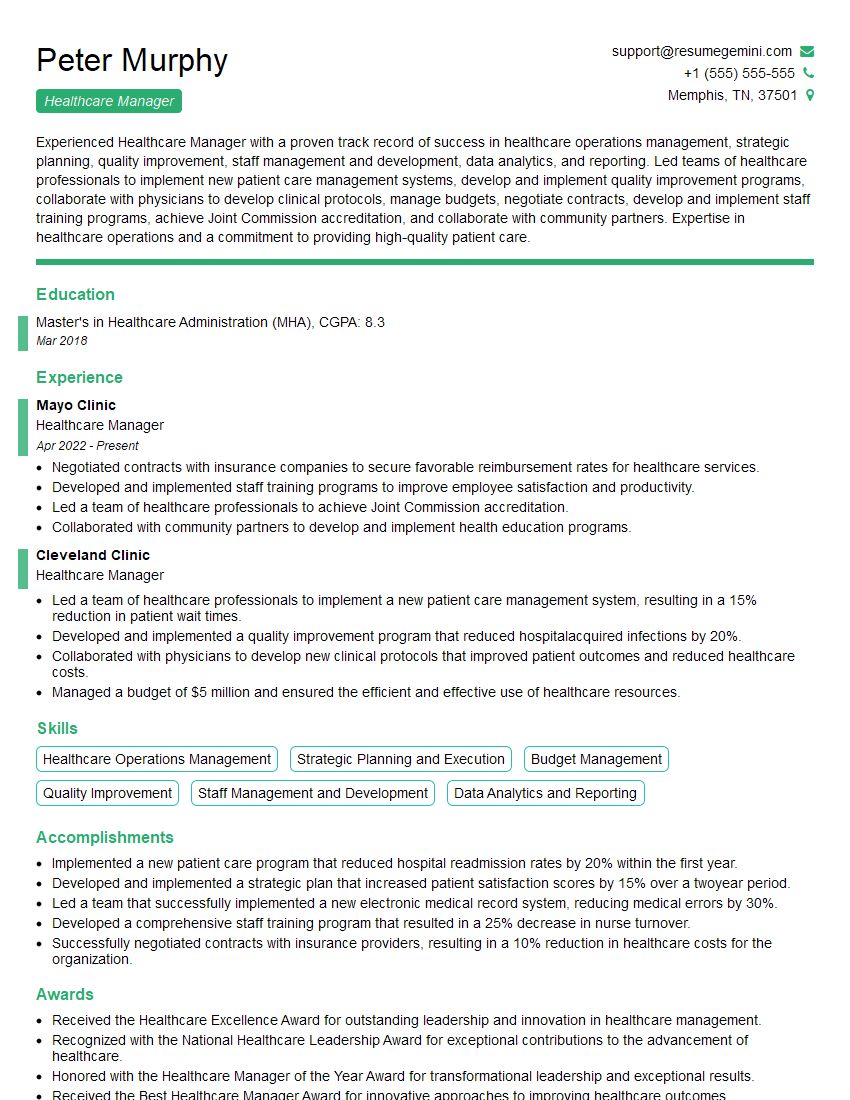
Healthcare Manager Resume Sample
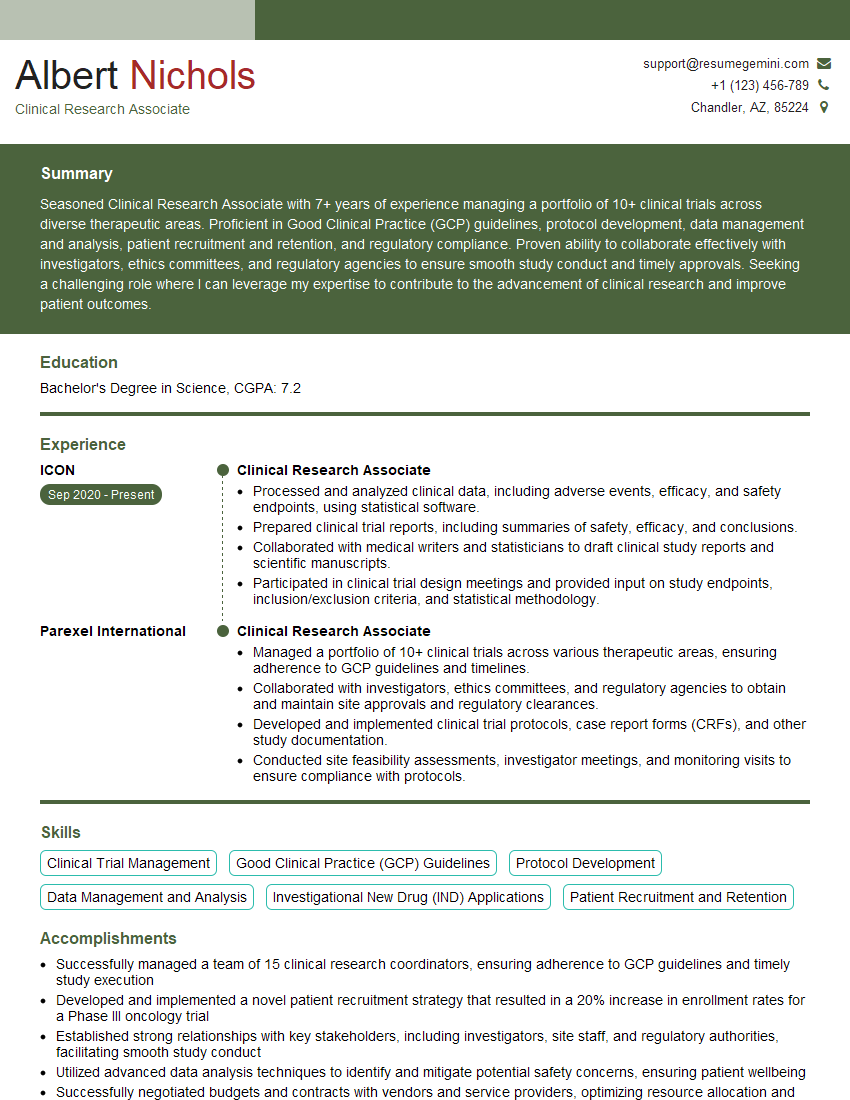
Clinical Research Associate Resume Sample
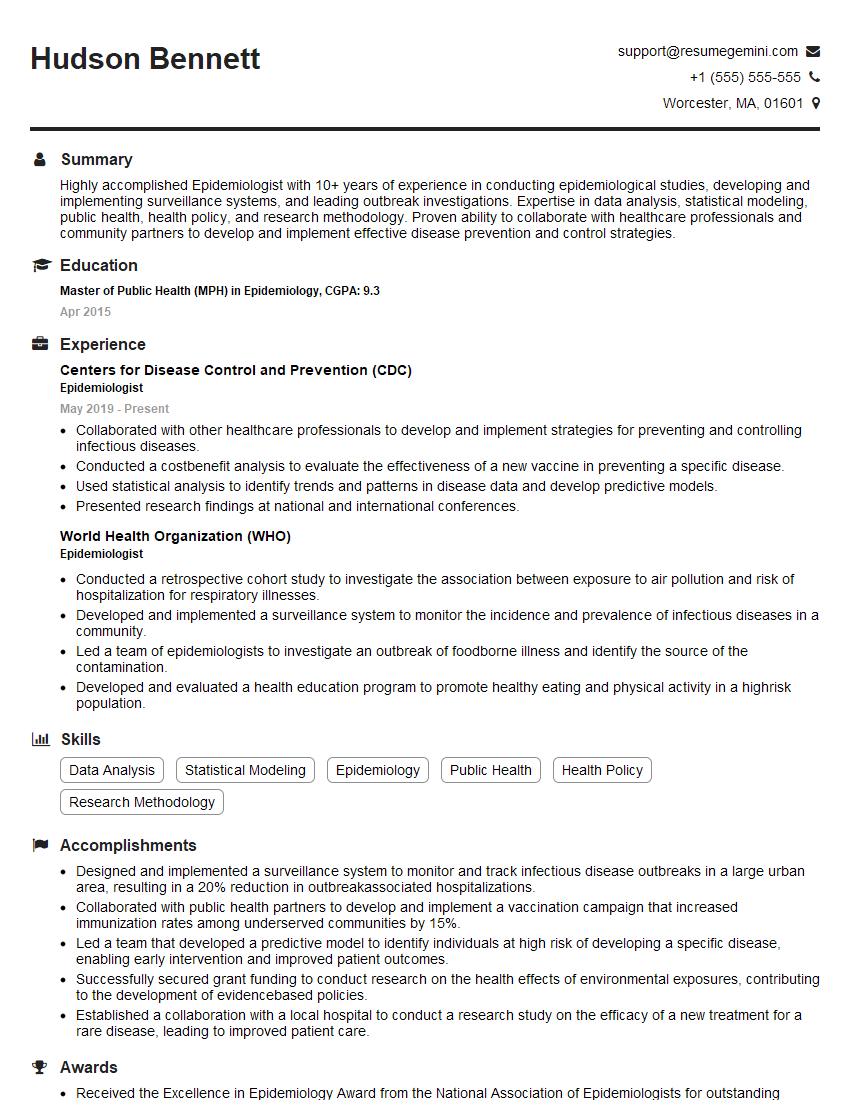
Epidemiologist Resume Sample
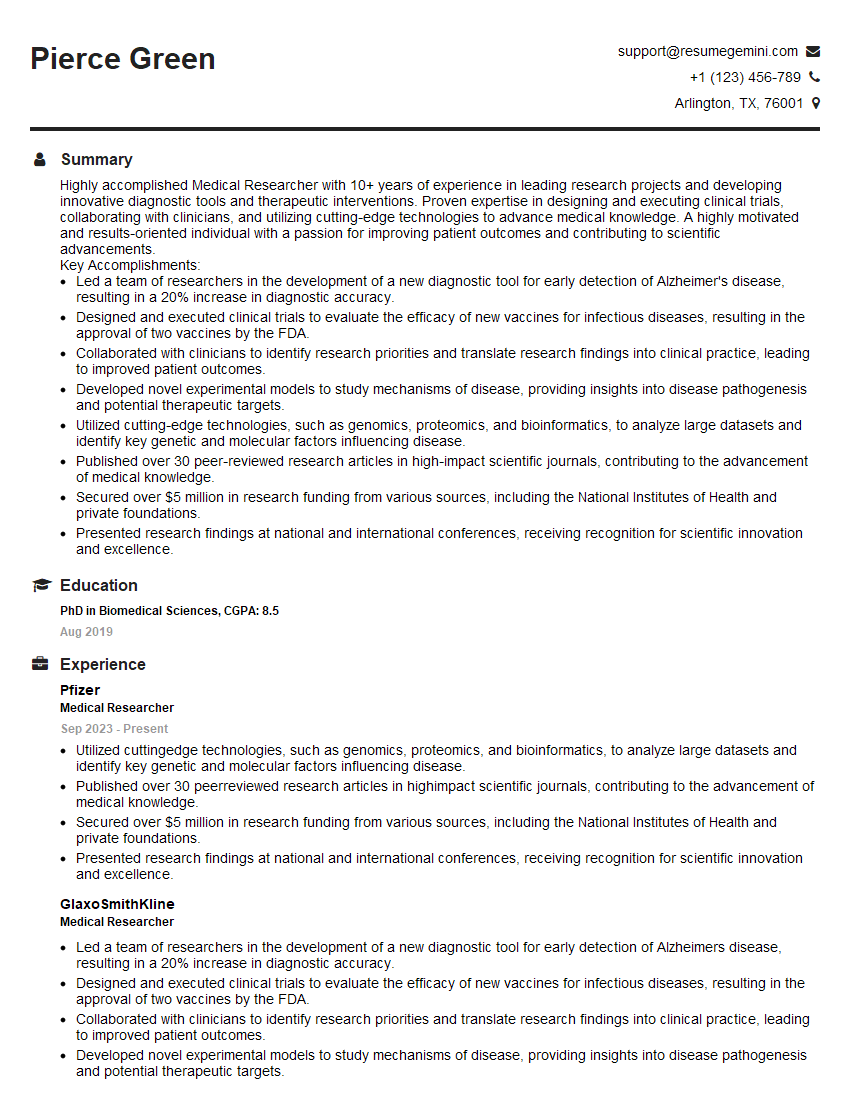
Medical Researcher Resume Sample
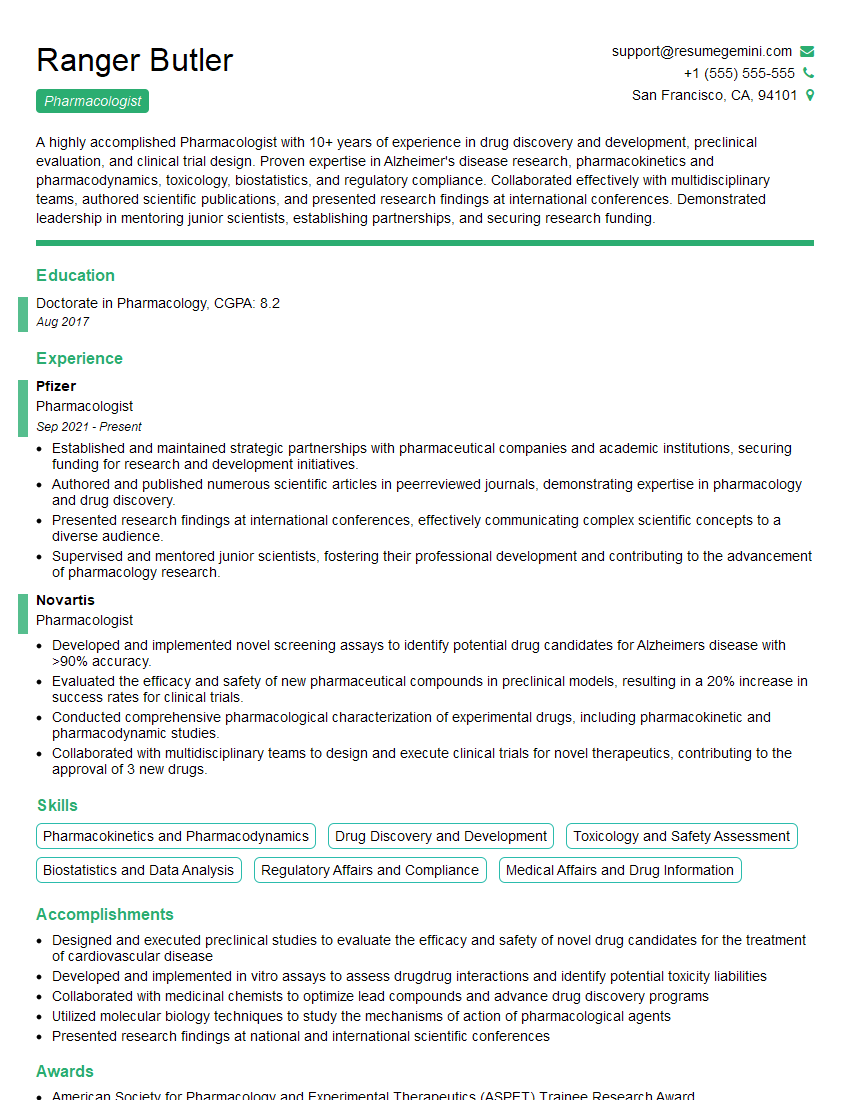
Pharmacologist Resume Sample
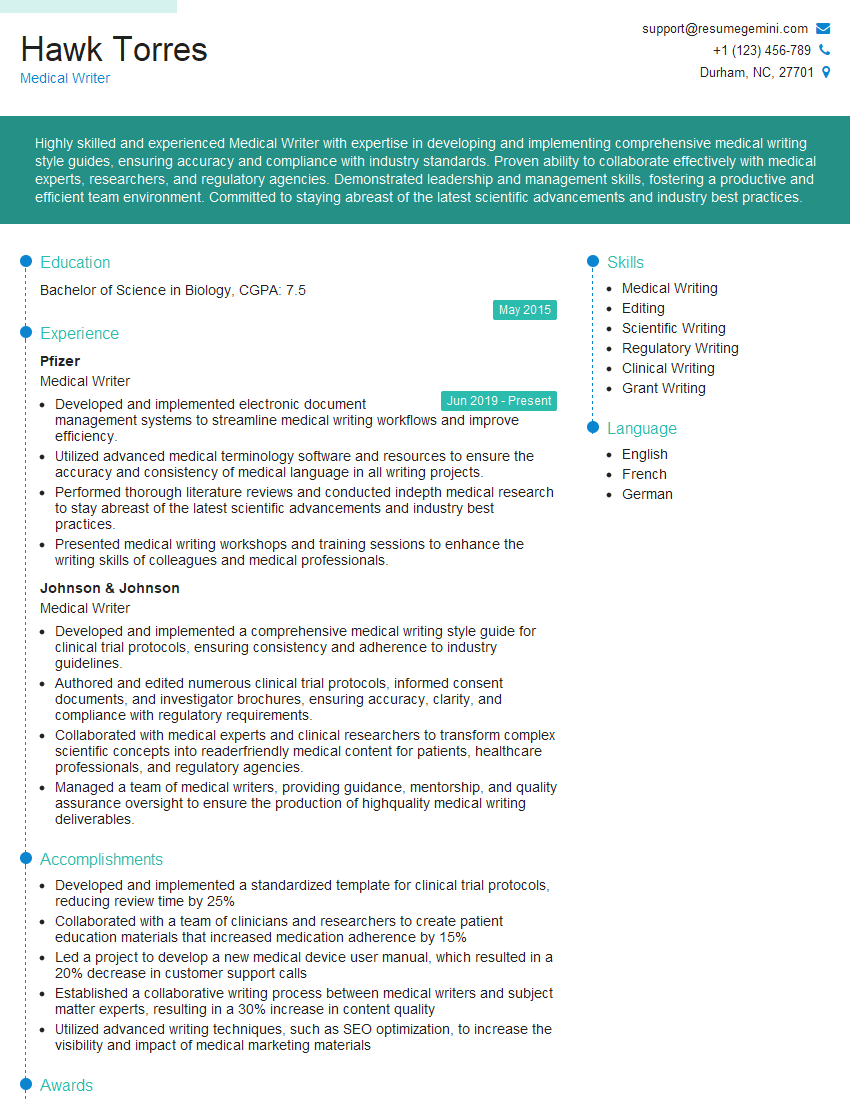
Medical Writer Resume Sample
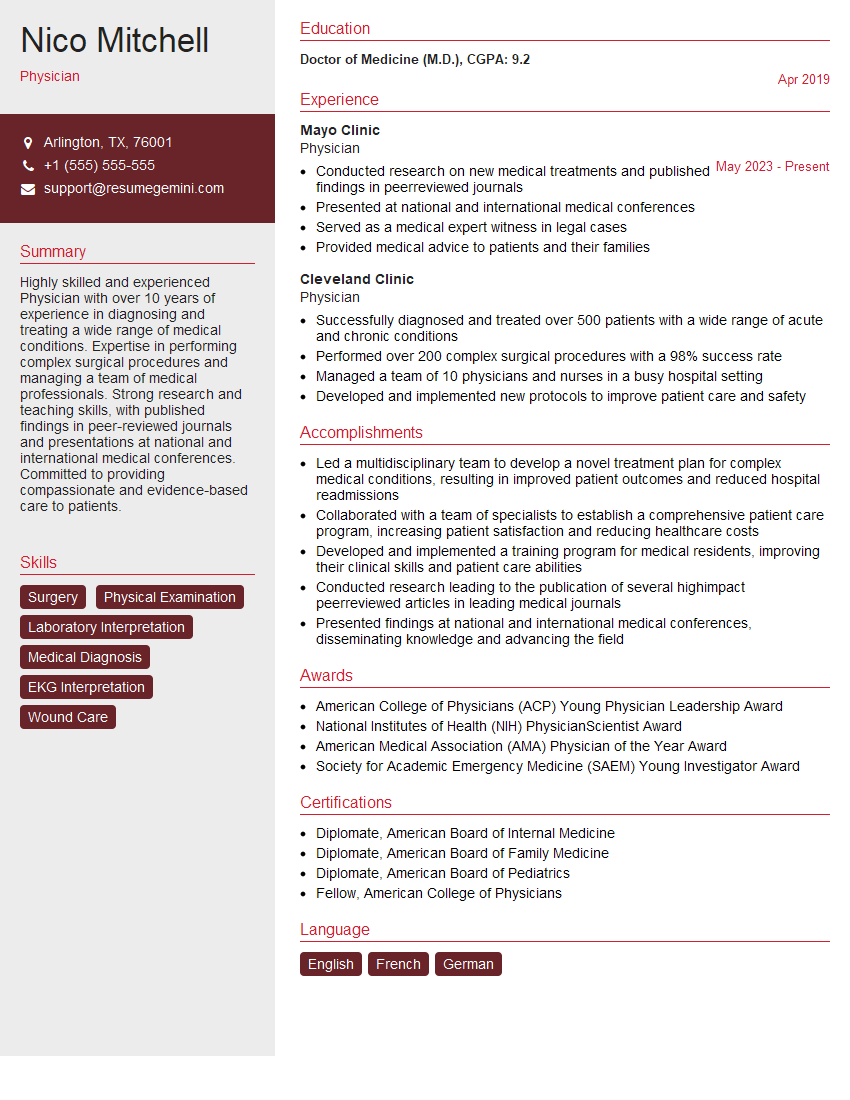
Physician Resume Sample
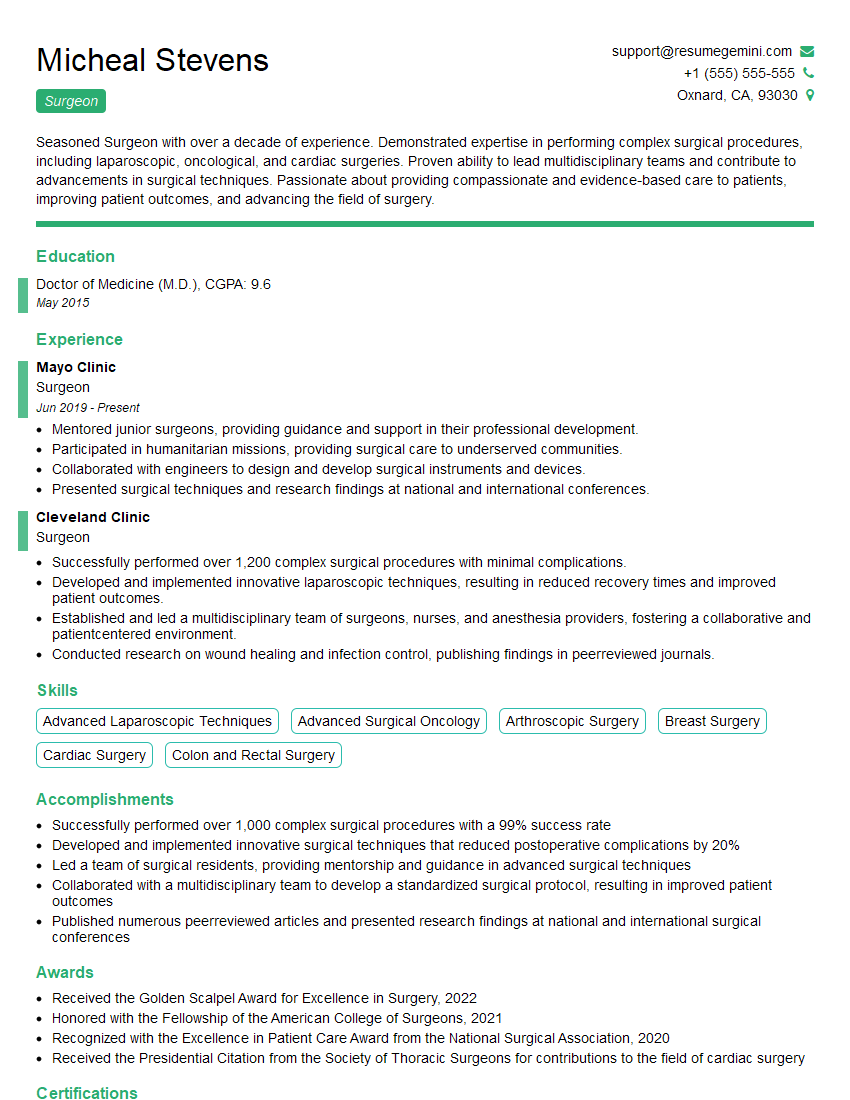
Surgeon Resume Sample
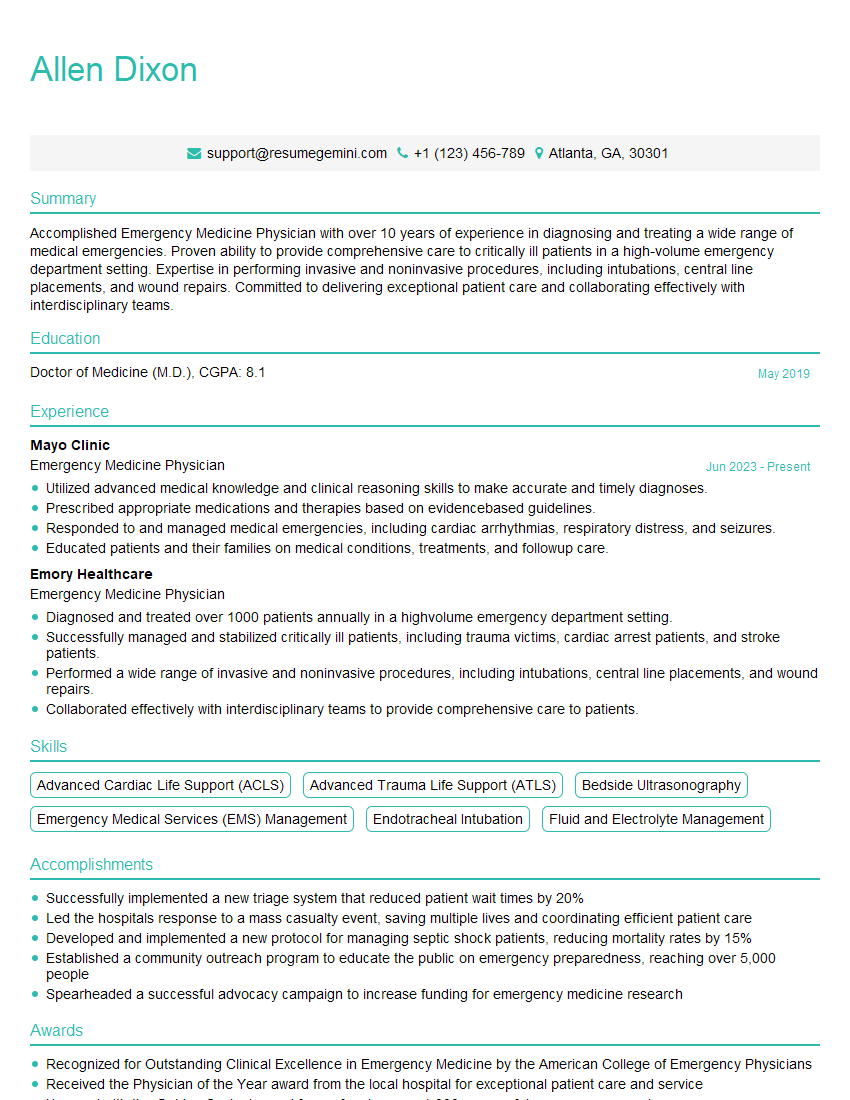
Emergency Medicine Physician Resume Sample
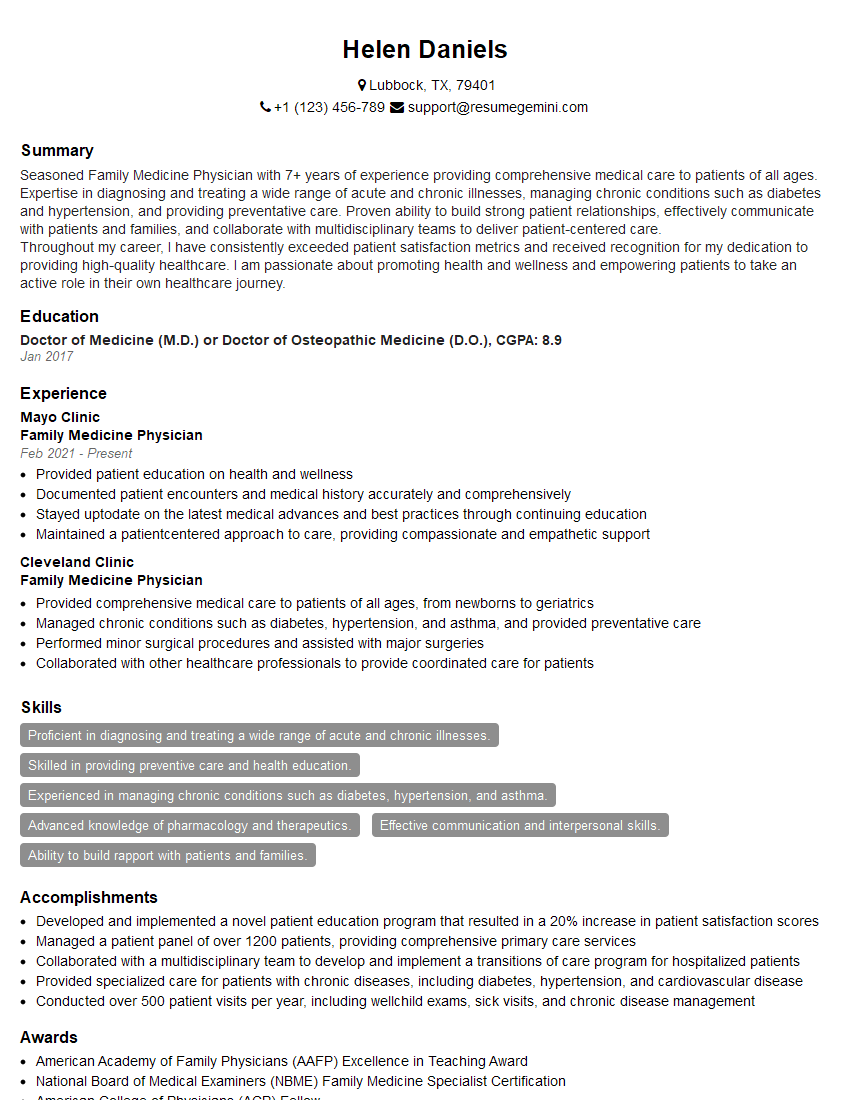
Family Medicine Physician Resume Sample
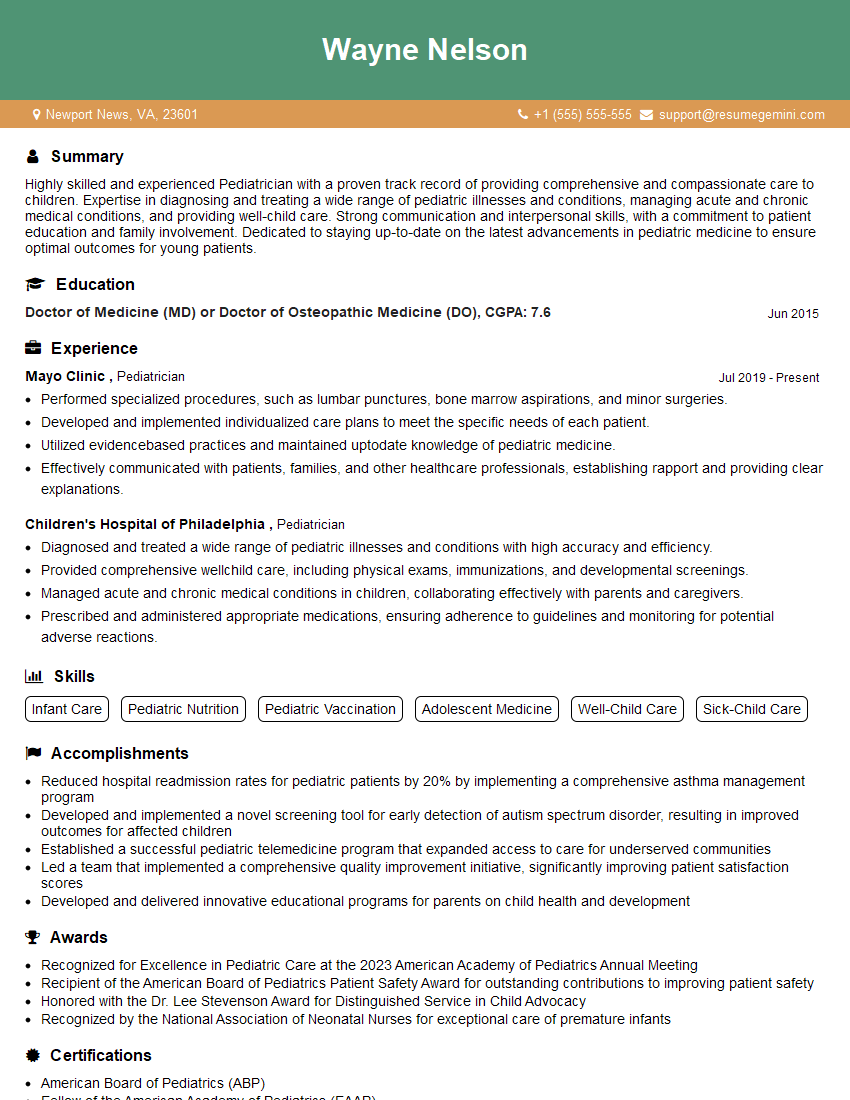
Pediatrician Resume Sample
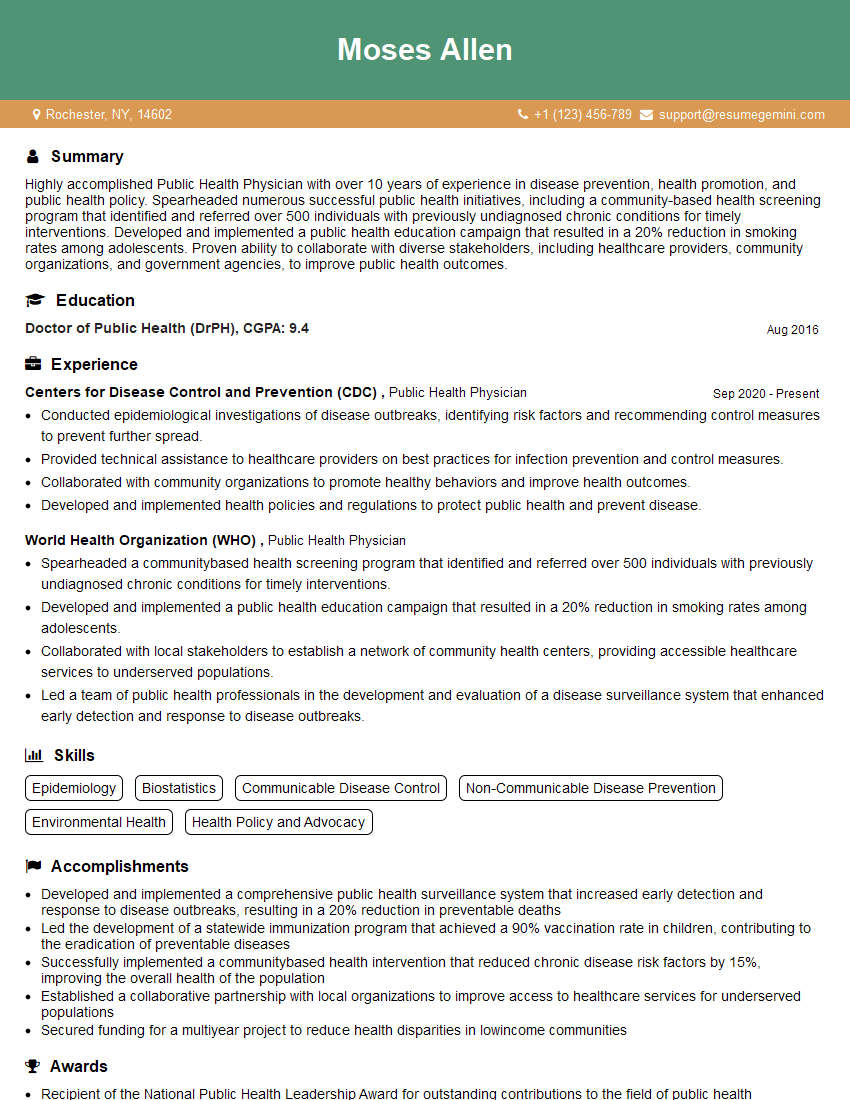
Public Health Physician Resume Sample
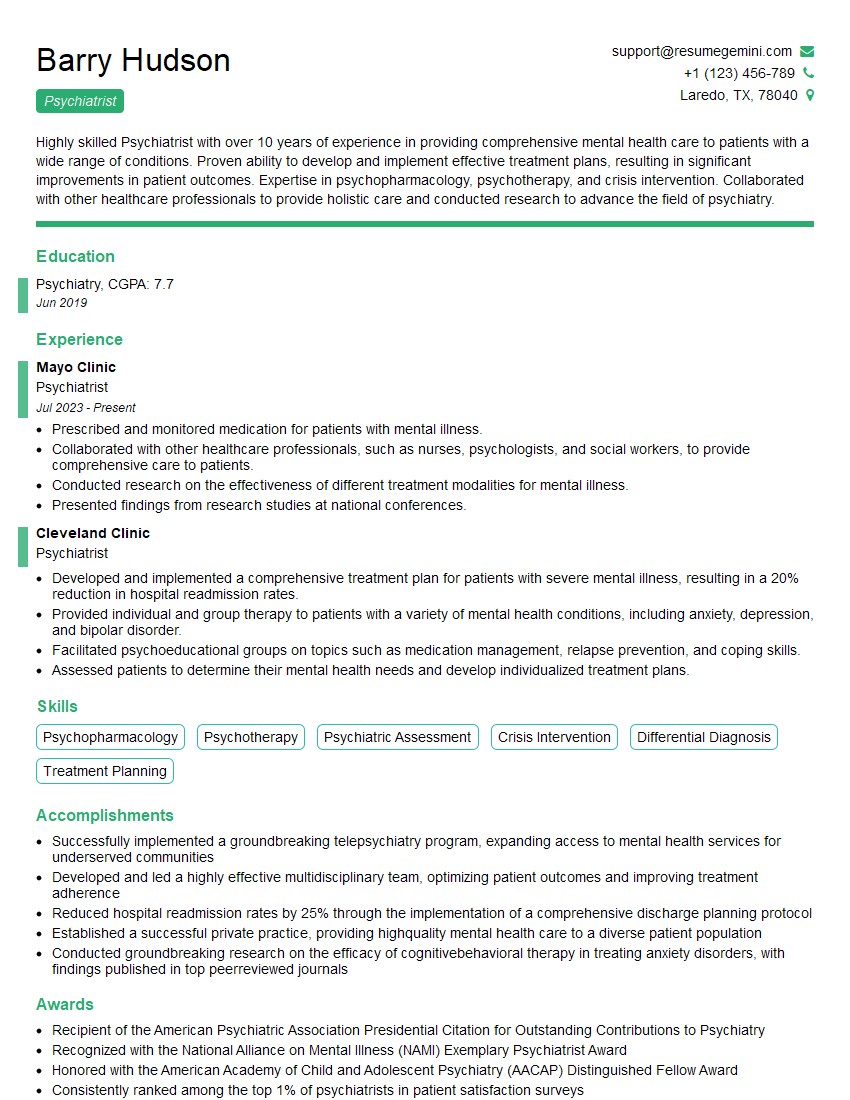
Psychiatrist Resume Sample
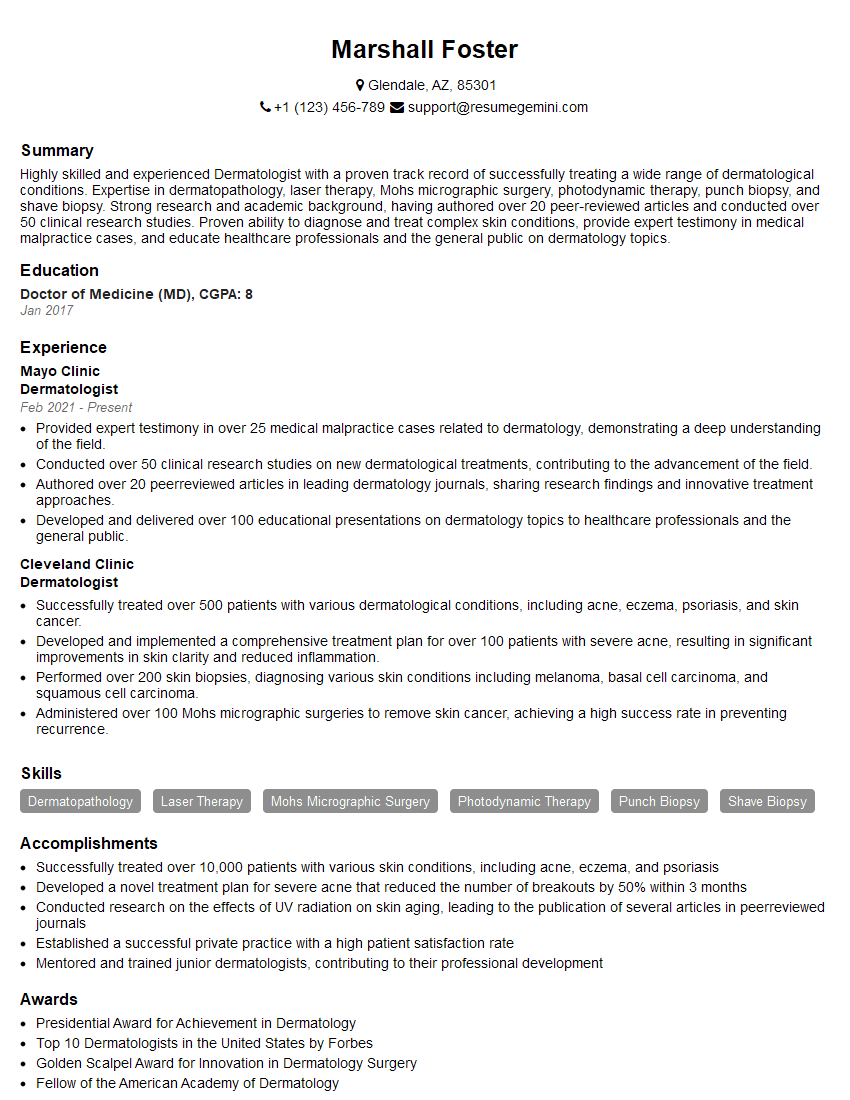
Dermatologist Resume Sample
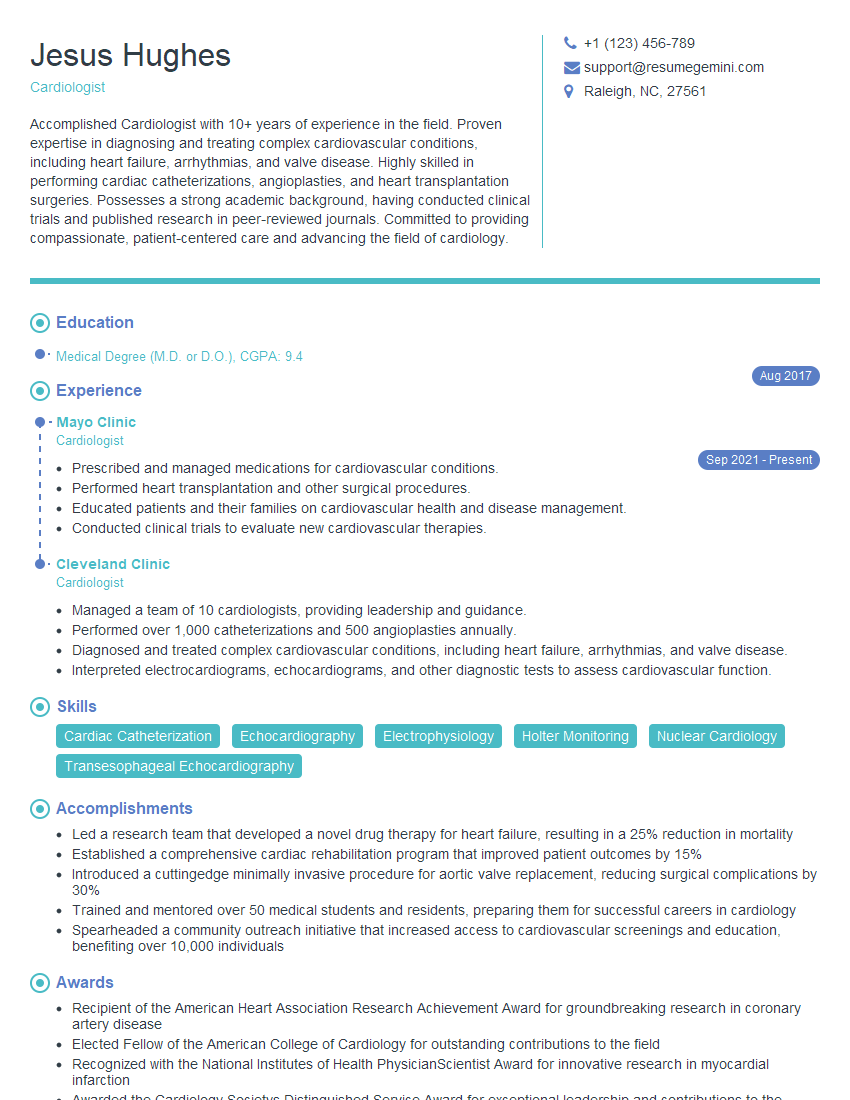
Cardiologist Resume Sample
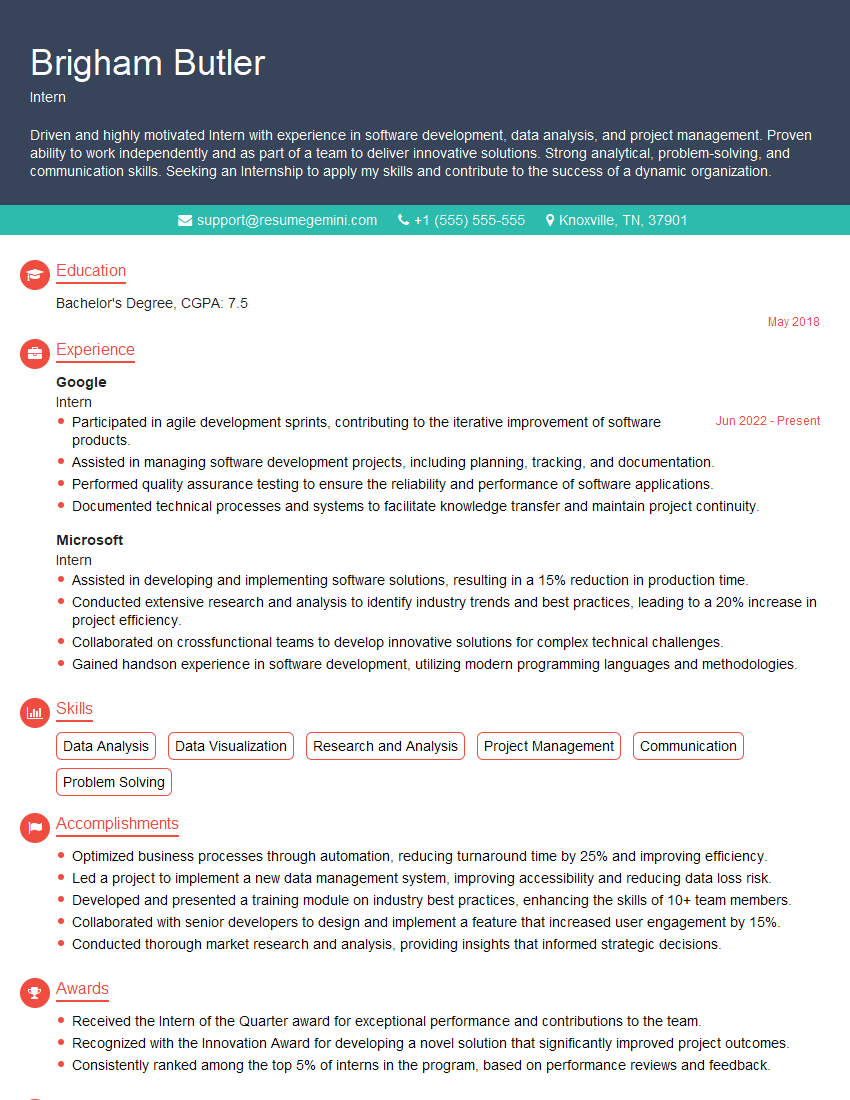
Intern Resume Sample
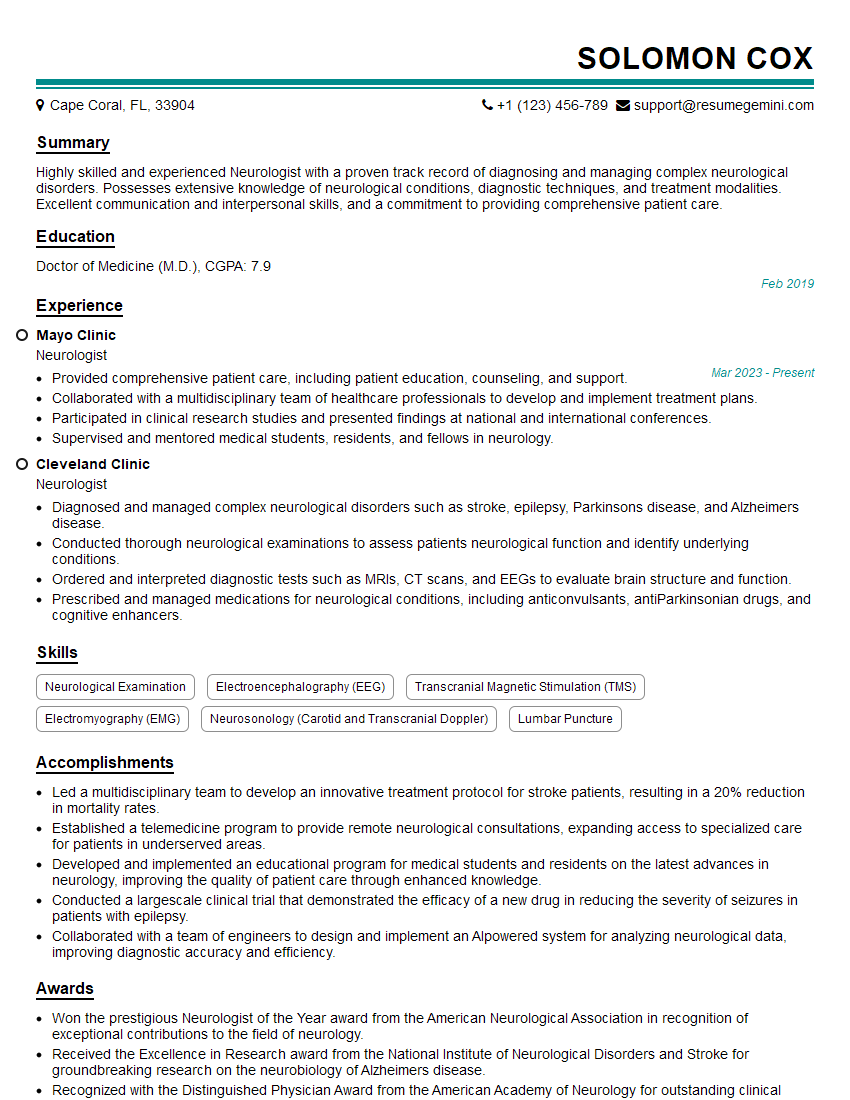
Neurologist Resume Sample
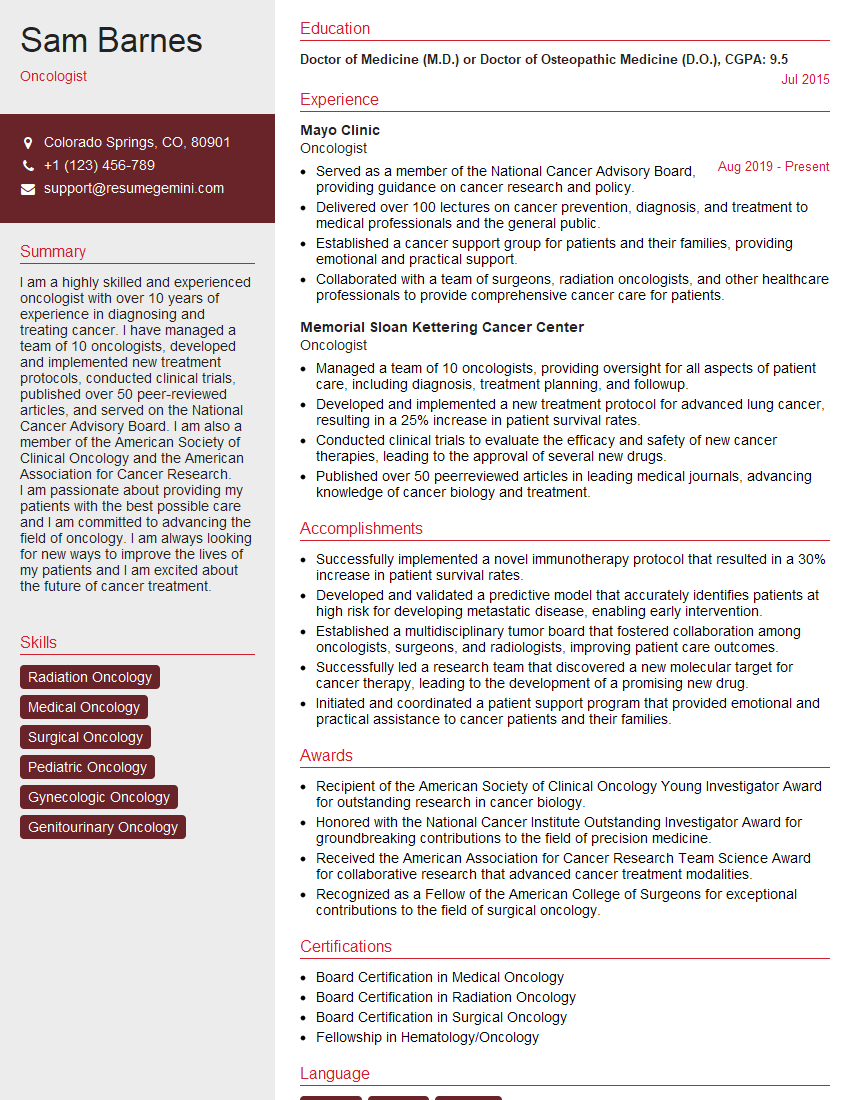
Oncologist Resume Sample
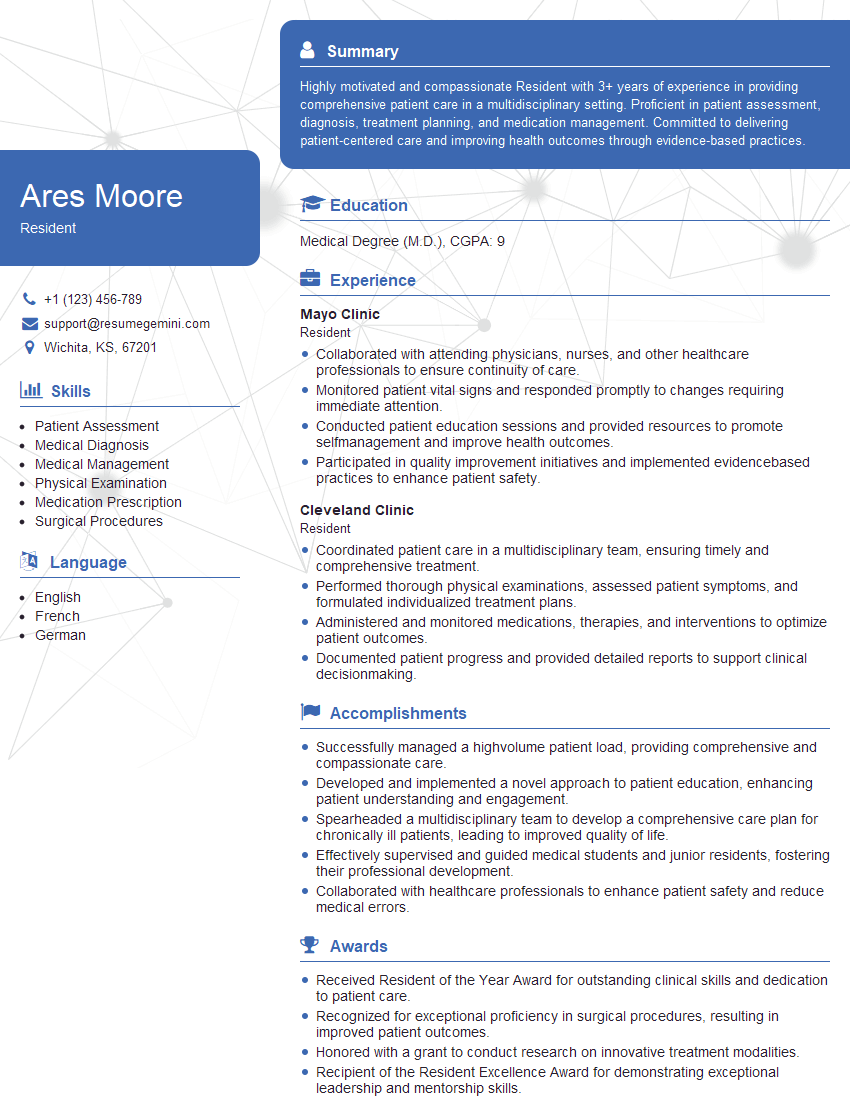
Resident Resume Sample
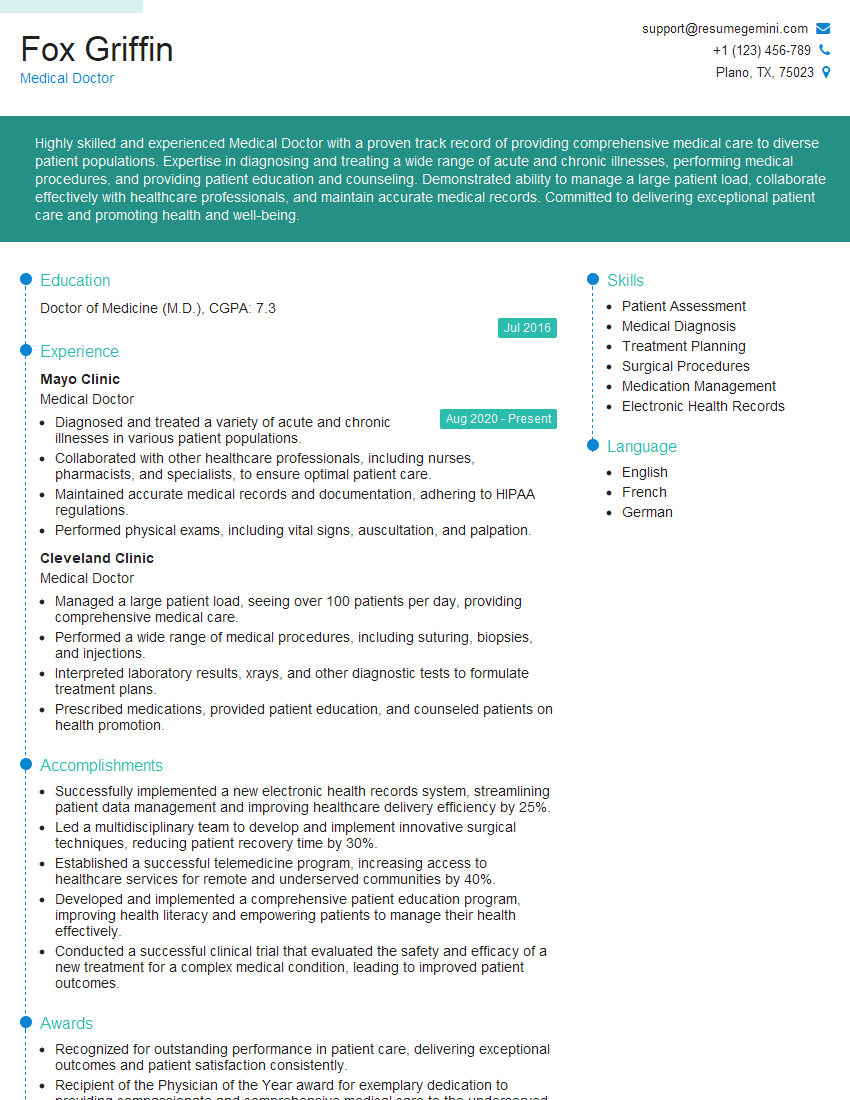
Medical Doctor Resume Sample
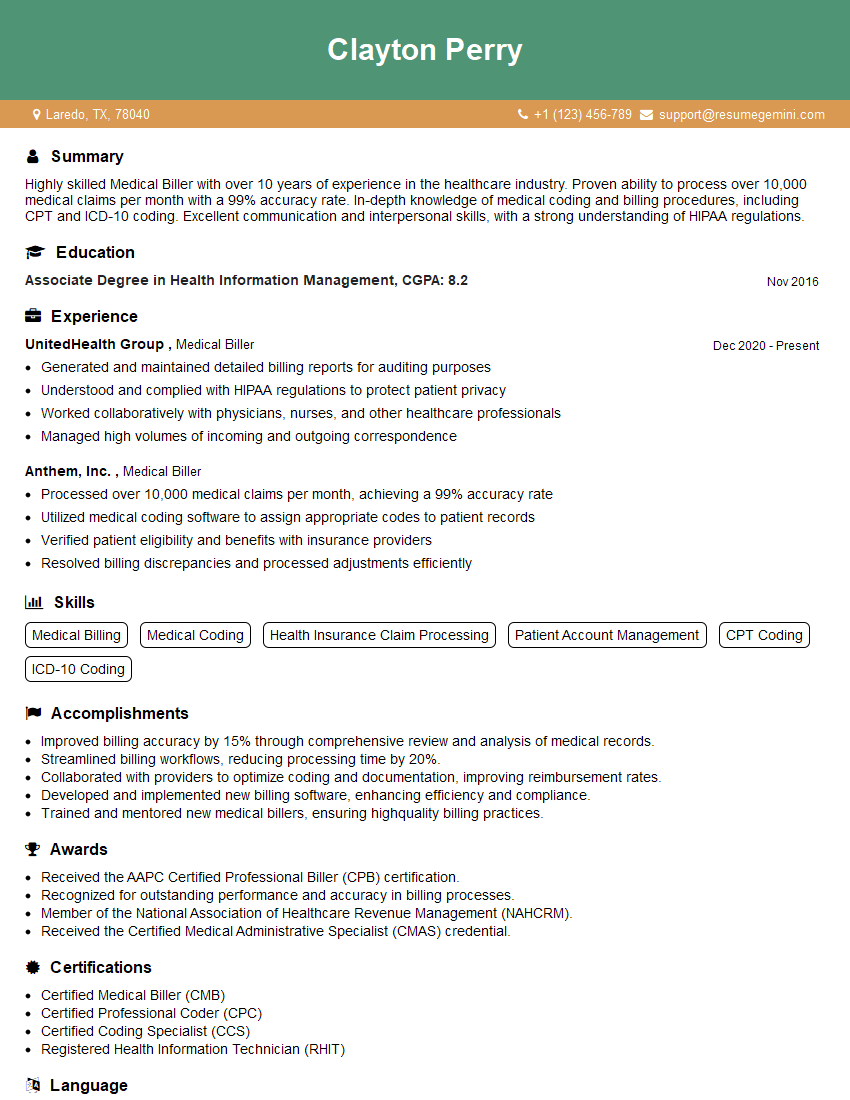
Medical Biller Resume Sample
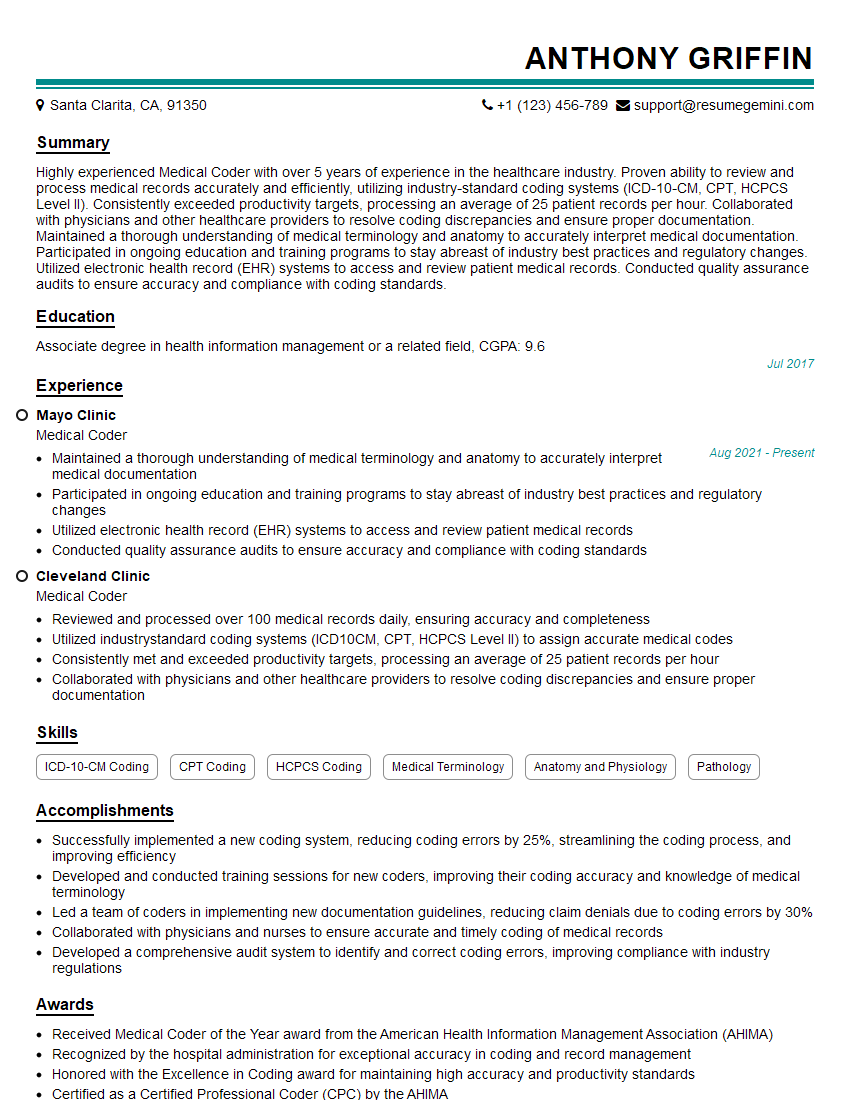
Medical Coder Resume Sample
- Healthcare Manager
- Clinical Research Associate
- Epidemiologist
- Medical Researcher
- Pharmacologist
- Medical Writer
- Physician
- Surgeon
- Emergency Medicine Physician
- Family Medicine Physician
- Pediatrician
- Public Health Physician
- Psychiatrist
- Dermatologist
- Cardiologist
- Intern
- Neurologist
- Oncologist
- Resident
- Medical Doctor
- Medical Biller
- Medical Coder
Explore more articles
Users Rating of Our Blogs
Share Your Experience
We value your feedback! Please rate our content and share your thoughts (optional).
What Readers Say About Our Blog
Very informative content, great job.
good