Interviews are more than just a Q&A session—they’re a chance to prove your worth. This blog dives into essential Proficient in Vessel Maintenance and Repairs interview questions and expert tips to help you align your answers with what hiring managers are looking for. Start preparing to shine!
Questions Asked in Proficient in Vessel Maintenance and Repairs Interview
Q 1. Explain the different types of vessel hull maintenance.
Vessel hull maintenance is crucial for ensuring seaworthiness and longevity. It encompasses a range of activities, broadly categorized as:
- Cleaning and Coating: Regular cleaning removes marine growth (barnacles, algae) that increase drag and corrosion. This is followed by applying anti-fouling paints to prevent future growth. The type of paint depends on the vessel’s operational environment and regulations.
- Hull Inspections: Visual inspections, often aided by underwater cameras or divers, identify any damage like dents, scratches, or corrosion. These are vital for early detection of potential problems.
- Repairs: This involves patching minor damages, repairing corrosion using techniques like grinding, welding, and applying protective coatings. For major damage, sections of the hull may need replacement, which requires significant expertise and planning.
- Structural Maintenance: This addresses the overall integrity of the hull. It includes checking for structural weaknesses, stress points and addressing issues like cracking or deformation, often using advanced non-destructive testing methods.
For example, on a recent project involving a fishing trawler, we discovered significant corrosion below the waterline. We implemented a phased approach: cleaning, corrosion removal, structural reinforcement, and finally applying a high-quality epoxy coating. This prevented further damage and extended the vessel’s lifespan.
Q 2. Describe your experience with preventative maintenance schedules.
Preventative maintenance schedules are the backbone of efficient vessel operations. I’ve been involved in developing and implementing schedules for various vessel types, from small yachts to large cargo ships. These schedules are typically based on manufacturer recommendations, industry best practices, and the vessel’s operational profile.
A typical schedule includes regular checks and servicing of engines, generators, pumps, steering systems, and other critical components. The frequency of checks varies; for instance, engine oil changes might be scheduled every 250 hours of operation, while hull inspections may be conducted annually or biannually. We use computerized maintenance management systems (CMMS) to track maintenance activities, ensuring timely completion and generating reports for analysis.
In my previous role, we implemented a predictive maintenance strategy using vibration analysis on the main engines of a bulk carrier. This allowed us to identify potential failures before they occurred, preventing costly breakdowns and downtime.
Q 3. How do you troubleshoot engine malfunctions?
Troubleshooting engine malfunctions requires a systematic approach. I begin by gathering information: what were the symptoms? When did they start? What were the operating conditions at the time? I’ll then use a combination of visual inspection, diagnostic tools (e.g., engine diagnostic software, pressure gauges, temperature sensors), and knowledge of engine systems to pinpoint the problem.
For instance, if an engine is losing power, I’d systematically check fuel supply, air intake, exhaust system, lubrication system, and engine controls. I might use a diagnostic scanner to read error codes and cross-reference them with the engine’s service manual. Sometimes, a simple loose connection can be the root cause; other times, it requires a more in-depth analysis and repair of internal components.
A recent case involved a yacht with a failing diesel engine. After a thorough diagnosis, we discovered a clogged fuel filter, a simple fix that restored full engine functionality. This highlights the importance of preventative maintenance and the need to address minor issues before they escalate.
Q 4. What are the common causes of propeller damage and how are they repaired?
Propeller damage is a common issue, often caused by:
- Striking submerged objects: This can cause bending, cracking, or even complete loss of propeller blades. This is especially common in shallow waters or areas with debris.
- Cavitation: The formation and collapse of vapor bubbles around the propeller blades can cause pitting and erosion. This is more likely at high speeds or in shallow water.
- Corrosion: Exposure to seawater can lead to rust and corrosion, weakening the propeller’s structure over time.
- Overloading: Exceeding the propeller’s design limits can cause stress and damage.
Repairs depend on the extent of the damage. Minor damage like pitting can be repaired by grinding and polishing. More significant damage might require welding, blade replacement, or even complete propeller replacement. Specialized propeller repair facilities often use advanced techniques like laser welding for precision repairs.
I once oversaw the repair of a cargo ship’s propeller that had struck a submerged container. We used underwater welding to repair the damaged blade, ensuring the vessel could resume operations quickly and safely.
Q 5. Explain your experience with various welding techniques used in vessel repair.
My welding experience encompasses various techniques used in vessel repair, including:
- Shielded Metal Arc Welding (SMAW): A versatile method suitable for many types of metal and readily available on-board.
- Gas Metal Arc Welding (GMAW): Offers higher deposition rates and good quality welds for thicker sections.
- Gas Tungsten Arc Welding (GTAW): Produces high-quality welds with excellent control, often used for critical repairs.
- Underwater Welding: A specialized technique that requires specific training and equipment for submerged repairs.
The choice of welding technique depends on factors such as the material being welded, the thickness of the metal, the accessibility of the area, and the required weld quality. Proper weld preparation and post-weld inspection are crucial to ensure the repair’s integrity and durability. I’m certified in all of these methods and hold relevant safety qualifications for working with different metals and in confined spaces.
Q 6. How do you manage a team during a critical vessel repair?
Managing a team during a critical vessel repair necessitates clear communication, effective delegation, and a strong focus on safety. I prioritize a collaborative environment where everyone understands their role and responsibilities.
First, I’ll conduct a thorough risk assessment to identify potential hazards and develop mitigation strategies. I’ll then clearly define tasks, assign responsibilities, and establish timelines. Regular progress meetings are essential to monitor progress, address challenges, and maintain team morale. Maintaining open communication and actively soliciting input from team members fosters a sense of shared ownership and responsibility. Safety is paramount: I ensure strict adherence to safety protocols and conduct regular safety briefings to prevent accidents.
In one instance, while leading the repair of a damaged cargo vessel, I faced an unexpected delay due to a supplier issue. Through clear communication with the team and the client, we adjusted our schedule, successfully completing the repair on time and within budget. Effective teamwork and proactive problem-solving were key to this success.
Q 7. Describe your experience with ballast water management systems.
Ballast water management systems (BWMS) are vital for preventing the spread of invasive species. My experience involves the installation, maintenance, and troubleshooting of various BWMS technologies. These systems typically use UV irradiation, filtration, or chemical treatment to eliminate organisms in ballast water before it’s discharged.
Regular maintenance includes checking filter conditions, UV lamp output, and chemical levels (if applicable). We also conduct routine inspections of the system’s components to identify potential problems. Troubleshooting often involves analyzing data from the BWMS’ monitoring system, identifying malfunctions, and implementing repairs or replacements.
Compliance with international regulations, such as the IMO Ballast Water Management Convention, is crucial. I have extensive knowledge of these regulations and ensure that the BWMS on vessels under my care meet the required standards. My experience has involved installing and maintaining a range of different BWMS systems, each with its unique operating principles and maintenance requirements. This includes comprehensive training of the crew on the operation and maintenance of the installed system.
Q 8. What safety regulations must be followed during vessel maintenance?
Vessel maintenance safety hinges on a strict adherence to established protocols and regulations. These vary depending on the vessel type, flag state, and the specific task, but common threads include:
- Permit-to-Work Systems: Before any work begins, a detailed permit outlining the task, hazards, precautions, and responsible personnel is mandatory. This ensures everyone is aware of the risks.
- Lockout/Tagout Procedures: To prevent accidental energization of machinery during maintenance, lockout/tagout procedures are paramount. This involves physically locking out power sources to prevent unexpected startup.
- Personal Protective Equipment (PPE): Appropriate PPE is crucial and varies based on the task. This includes safety glasses, gloves, respirators, hard hats, and specialized clothing to mitigate exposure to hazards like chemicals, electricity, or moving parts.
- Confined Space Entry Procedures: Entering confined spaces, like tanks or ballast holds, requires specific training, permits, and atmospheric monitoring to prevent asphyxiation or exposure to hazardous gases.
- Emergency Response Planning: A clear emergency response plan must be in place, including designated personnel, emergency contact information, and procedures for handling various emergencies, such as fire, spills, or injuries.
- Regular Safety Meetings and Training: Continuous safety training and regular toolbox talks ensure that crew members are aware of best practices and potential hazards.
For example, during a routine engine overhaul, we’d follow a strict permit-to-work system, ensuring the engine is properly locked out and tagged out before commencing work. Every crew member involved would be wearing appropriate PPE, including safety glasses, gloves, and hearing protection.
Q 9. How do you ensure compliance with environmental regulations during repairs?
Environmental compliance during vessel repairs is paramount. We rigorously adhere to regulations like MARPOL (International Convention for the Prevention of Pollution from Ships) and local environmental laws. Key aspects include:
- Waste Management: Proper disposal of waste materials is crucial. This includes segregating hazardous waste like oil, paint, and solvents for appropriate treatment and disposal in accordance with regulations. Waste oil, for example, is never directly discharged into the water. It’s collected, documented, and disposed of via licensed facilities.
- Spill Prevention and Response: We use containment measures during maintenance activities to prevent spills of oil, chemicals, or other pollutants. Spill kits are readily available, and crew members are trained on their use. A comprehensive spill response plan is always in place.
- Air Emissions Control: When working with paints, solvents, or other materials that release volatile organic compounds (VOCs), we employ ventilation systems or respirators to minimize air pollution.
- Ballast Water Management: When dealing with ballast water, we comply with regulations aimed at preventing the spread of invasive species. This often involves using treatment systems to kill or remove organisms before discharge.
- Reporting and Record Keeping: Meticulous record-keeping of all waste generated, spills, and any other environmental incidents is essential to demonstrate compliance. These records are maintained and submitted to relevant authorities as required.
For instance, during a hull cleaning, we’d use absorbent booms and pads to contain any paint chips or debris, ensuring that nothing enters the water. All waste materials are meticulously documented and disposed of properly through a licensed waste management company.
Q 10. Explain your experience with marine hydraulic systems.
My experience with marine hydraulic systems spans over [Number] years. I’m proficient in diagnosing and repairing a wide range of hydraulic components, including pumps, motors, cylinders, valves, and accumulators. I have worked on systems powering steering gears, winches, cranes, and other deck machinery.
My skills encompass troubleshooting hydraulic leaks using methods such as pressure testing and dye penetrant inspection. I am experienced in repairing or replacing faulty components, and I’m comfortable working with various hydraulic fluids and understanding their properties.
A memorable project involved troubleshooting a malfunctioning steering gear on a large container ship. After systematically checking the system, I pinpointed a faulty hydraulic valve. Replacing the valve restored the vessel’s steering capability, preventing a potential navigational hazard. I am also familiar with various hydraulic schematics and can interpret them to diagnose and repair problems effectively.
Q 11. How do you diagnose and repair problems with marine electrical systems?
Diagnosing and repairing marine electrical systems requires a systematic approach. I start by carefully assessing the problem, using multimeters, insulation testers, and other diagnostic tools to identify faulty components. My experience covers a wide range of marine electrical equipment, including generators, switchboards, lighting systems, navigation equipment, communication systems, and propulsion systems.
Troubleshooting involves checking for voltage, current, continuity, and insulation resistance. I understand how to interpret electrical schematics and wiring diagrams to trace circuits and identify faults. My skills also extend to working safely with high-voltage systems, observing appropriate safety precautions to prevent electrical shock.
For example, I once resolved a complete power failure on a vessel by systematically checking the main switchboard, eventually finding a faulty circuit breaker. Replacing the breaker restored power to the entire vessel. This incident highlighted the importance of thorough testing and the need for a systematic approach to diagnosis.
Q 12. Describe your experience with the repair and maintenance of marine HVAC systems.
My experience with marine HVAC systems includes the repair and maintenance of chillers, air handling units, refrigeration systems, and related components found on various types of vessels. I am proficient in diagnosing and resolving issues such as refrigerant leaks, compressor failures, and malfunctioning control systems.
I am familiar with different refrigerants, their properties, and safe handling procedures. I am adept at using specialized tools and equipment, including refrigerant leak detectors, pressure gauges, and vacuum pumps for troubleshooting and repair. My experience also includes maintaining proper documentation and logs relating to system performance and maintenance tasks.
A recent project involved repairing a leaking chiller on a cruise ship. I located the leak using a specialized refrigerant detector, repaired the leak, and then performed a thorough vacuum and recharge of the system, restoring its functionality and passenger comfort.
Q 13. Explain your experience with the repair and maintenance of marine plumbing systems.
Marine plumbing systems often involve complex networks of pipes, fittings, valves, and pumps handling freshwater, sewage, and greywater. My experience encompasses troubleshooting leaks, repairing burst pipes, replacing faulty pumps, and installing new plumbing components.
I’m adept at working with various pipe materials, including PVC, copper, and stainless steel, and I understand the importance of using appropriate fittings and joining techniques to ensure a watertight and durable system. I am also experienced in working with sewage treatment systems, ensuring compliance with environmental regulations.
A challenging repair involved a major leak in a ship’s freshwater system. Through careful investigation, I traced the leak to a corroded pipe section deep within the vessel’s hull. This required careful planning and access, but by using specialized tools and techniques, I successfully repaired the leak, preventing a major disruption to the vessel’s operations.
Q 14. What is your experience with non-destructive testing methods?
Non-destructive testing (NDT) methods are vital for assessing the structural integrity of vessels without causing damage. My experience includes the use of various NDT techniques such as:
- Ultrasonic Testing (UT): Detecting internal flaws in materials using high-frequency sound waves. This method is effective for finding cracks, voids, and corrosion.
- Magnetic Particle Inspection (MPI): Detecting surface and near-surface cracks in ferromagnetic materials using magnetic fields and iron particles.
- Dye Penetrant Inspection (DPI): Detecting surface-breaking flaws by applying a dye that penetrates the crack and is then revealed by a developer.
- Visual Inspection (VI): A fundamental NDT method involving visual examination of components for surface defects. While seemingly simple, VI, when done thoroughly, can prevent serious issues.
I’m certified in [mention specific certifications], and I utilize these methods to inspect welds, pipes, and other critical components for potential defects, ensuring the ongoing structural integrity and safety of vessels. This preventative maintenance approach is essential for extending the operational lifespan of a vessel and preventing catastrophic failures.
For example, I’ve used ultrasonic testing to identify a fatigue crack in a critical weld on a ship’s hull. Early detection allowed for timely repair, preventing a potentially dangerous situation.
Q 15. How do you manage inventory and procurement of spare parts for vessels?
Effective spare parts management is crucial for maintaining vessel operational readiness. It involves a multi-faceted approach encompassing inventory control, procurement strategies, and robust record-keeping.
Firstly, I utilize a computerized maintenance management system (CMMS) to track inventory levels, minimum stock levels, and consumption rates for each part. This allows for proactive ordering, preventing critical shortages. For example, if the CMMS flags that our stock of a specific propeller shaft bearing is nearing its minimum level, I initiate a purchase order immediately, taking into account lead times from suppliers.
Secondly, I leverage robust procurement procedures, including obtaining quotes from multiple vendors, negotiating favorable pricing and delivery terms, and ensuring parts meet stringent quality standards. We often use a vendor-managed inventory (VMI) system for frequently used components, where the vendor monitors stock and automatically replenishes inventory. This streamlines the process and reduces administrative overhead.
Finally, thorough record-keeping is essential. This includes maintaining detailed records of all parts purchased, their installation dates, and their service lives. This data is invaluable for predictive maintenance planning and identifying trends, such as recurring failures of specific components, that might indicate a design flaw or operational issue requiring investigation.
Career Expert Tips:
- Ace those interviews! Prepare effectively by reviewing the Top 50 Most Common Interview Questions on ResumeGemini.
- Navigate your job search with confidence! Explore a wide range of Career Tips on ResumeGemini. Learn about common challenges and recommendations to overcome them.
- Craft the perfect resume! Master the Art of Resume Writing with ResumeGemini’s guide. Showcase your unique qualifications and achievements effectively.
- Don’t miss out on holiday savings! Build your dream resume with ResumeGemini’s ATS optimized templates.
Q 16. Describe your experience with dry-docking procedures.
Dry-docking is a critical process for major vessel maintenance and hull cleaning. My experience encompasses all phases, from initial planning to post-docking inspections.
The process begins with thorough planning, which includes scheduling, identifying necessary repairs, sourcing materials, and coordinating with the dry dock facility. This stage involves a detailed assessment of the vessel’s condition, often using underwater surveys to identify areas needing attention.
During the dry-docking itself, I oversee the execution of repairs and maintenance, such as hull cleaning and painting, propeller and rudder inspection and repair, and any necessary structural work. I carefully monitor the work of contractors and ensure adherence to safety regulations and quality standards. For example, I’ve managed projects involving the complete overhaul of sea chests, including detailed inspection for corrosion and the replacement of damaged components.
Finally, post-docking involves thorough inspections, ensuring all work has been completed to specification. This is followed by a final sea trial to confirm the vessel’s seaworthiness. Detailed documentation of all work performed is maintained for future reference.
Q 17. How familiar are you with different types of marine coatings and their applications?
I possess extensive knowledge of various marine coatings, their properties, and applications. The selection of appropriate coatings depends on factors like the substrate material, environmental conditions (e.g., salinity, UV exposure), and the intended service life.
- Anti-fouling coatings: These prevent marine growth (barnacles, algae) on the hull, reducing drag and improving fuel efficiency. I have experience with various types, including self-polishing and ablative coatings, each with its own characteristics and application methods.
- Primer coatings: These provide a bond between the substrate and the topcoat, improving adhesion and corrosion protection. I am familiar with epoxy, zinc-rich, and other primer systems.
- Topcoats: These provide the final protective layer, often offering UV resistance and aesthetic appeal. We commonly use polyurethane, epoxy, and acrylic-based topcoats, selecting the most appropriate based on the specific needs of the vessel.
My experience also includes ensuring proper surface preparation before applying any coating, which is critical for optimal adhesion and performance. This includes thorough cleaning, degreasing, and blasting to remove old paint and rust.
Q 18. Explain your experience with the repair and maintenance of rudders and steering systems.
Rudders and steering systems are critical for vessel maneuverability and safety. My experience involves both preventative maintenance and emergency repairs.
Preventative maintenance includes regular inspections for wear and tear, corrosion, and damage. This often involves visual inspections, checking for play in linkages, and verifying the integrity of hydraulic components. For example, I’ve developed a preventative maintenance schedule for rudders that includes regular grease lubrication, checking the condition of seals, and a complete disassembly and inspection every few years, depending on usage.
Repair work can range from minor adjustments to major overhauls. I’ve handled repairs involving the replacement of damaged rudder bearings, the repair of cracked rudder stocks, and the rectification of problems with hydraulic steering systems, including troubleshooting hydraulic leaks and repairing damaged pumps. Each repair requires careful planning, selecting the appropriate tools and materials and following established safety procedures to ensure a safe and efficient outcome.
Q 19. How do you handle emergency repairs at sea?
Emergency repairs at sea require a swift, decisive, and well-organized response. The priority is always safety and minimizing further damage.
My approach involves a structured methodology: Assess, Stabilize, Repair, Document.
- Assess: Quickly determine the nature and severity of the problem. Is it a propulsion system failure? A steering issue? A hull leak?
- Stabilize: Take immediate action to prevent the situation from worsening. This might involve securing a damaged area, reducing speed, changing course, or issuing a distress call if necessary.
- Repair: Implement temporary repairs to restore essential functionality, prioritizing safety. This might involve using readily available materials to patch a leak or jury-rig a temporary fix for a broken component. The focus is on getting the vessel to a safe port for permanent repairs.
- Document: Maintain detailed records of the emergency, including the cause, the actions taken, and the materials used. This is crucial for analysis, future preventative measures, and insurance claims.
For example, I once managed an emergency repair of a cracked propeller shaft at sea. We used a temporary shaft coupling to stabilize the situation, allowing us to limp to port for permanent repairs.
Q 20. What is your experience with onboard diagnostic systems and data analysis?
Onboard diagnostic systems are increasingly sophisticated, providing real-time data on various vessel systems. My experience encompasses the interpretation and analysis of this data to optimize maintenance and predict potential failures.
I’m familiar with various systems, from simple engine monitoring systems to complex integrated platforms that monitor everything from engine performance and fuel consumption to hull stress and environmental conditions. I use this data for trend analysis, identifying potential problems before they become major failures. For example, detecting a gradual increase in vibration levels in a specific engine bearing might indicate impending failure, allowing for preemptive maintenance and avoiding costly downtime.
Data analysis also plays a crucial role in optimizing vessel performance and reducing operational costs. By analyzing fuel consumption data, for instance, we can identify areas for improvement, such as optimizing engine settings or hull cleaning schedules, reducing fuel consumption and associated costs. I utilize specialized software to process and interpret this data, creating reports and dashboards to monitor key performance indicators (KPIs).
Q 21. Describe your experience with different types of vessel propulsion systems.
I’m experienced with various vessel propulsion systems, from traditional diesel engines to more advanced systems like gas turbines and electric propulsion.
- Diesel Engines: I have extensive experience maintaining and repairing various types of diesel engines, including troubleshooting issues related to fuel systems, lubrication systems, and exhaust systems. I’m familiar with both slow-speed and medium-speed diesel engines used in various vessel types.
- Gas Turbines: I’ve worked with gas turbine propulsion systems, understanding their unique maintenance requirements and the specialized tools and expertise needed for their upkeep. This includes understanding their high-speed operation and the importance of precision maintenance.
- Electric Propulsion: I’m familiar with the principles of electric propulsion, including motor drives, power electronics, and battery management systems. This newer technology requires specialized knowledge in electrical engineering and control systems.
- Hybrid Systems: The increasing popularity of hybrid systems requires familiarity with the integration of different propulsion technologies and their control systems.
My understanding extends beyond just the engines themselves, including the associated systems like shafting, propellers, and gears. I understand the importance of aligning these components and ensuring their optimal operation.
Q 22. How do you ensure the quality control of repairs and maintenance work?
Ensuring quality control in vessel maintenance and repairs is paramount for safety and operational efficiency. It’s a multi-faceted process that begins even before the work starts. We utilize a three-pronged approach: preventative measures, rigorous checks during repairs, and post-repair verification.
Preventative Measures: This involves adhering strictly to scheduled maintenance plans, using certified parts, and employing trained personnel. For instance, regularly scheduled engine inspections prevent catastrophic failures, while using only approved lubricants minimizes wear and tear.
During Repairs: Every step of the repair process is meticulously documented. This includes initial assessments, parts used, work performed, and any deviations from the planned procedure. A thorough visual inspection is carried out at each stage, and digital photography or videography is often used to record the process for future reference and auditing purposes. This is especially crucial when dealing with complex systems like propulsion machinery.
Post-Repair Verification: Once the repairs are completed, comprehensive testing is conducted to ensure the system functions as intended. This might include running load tests on engines, pressure tests on pipelines, or functional checks on electronic equipment. We use calibrated instruments and compare readings to pre-repair baselines. The entire process culminates in a final inspection report, signed off by both the technician and a quality control supervisor.
Q 23. How do you create and maintain detailed maintenance logs and reports?
Maintaining accurate and detailed maintenance logs and reports is critical for several reasons: regulatory compliance, preventative maintenance scheduling, and troubleshooting. We typically use a combination of digital and physical logs.
Digital Logs: We leverage CMMS (Computerized Maintenance Management Systems) – more on that in the next answer – to record all maintenance activities, including dates, times, parts used, labor hours, and descriptions of the work done. This provides a centralized, searchable database.
Physical Logs: In addition to digital records, physical logs are kept onboard the vessel, often in a dedicated maintenance logbook. These logs serve as a backup and are crucial if the vessel temporarily loses access to digital systems. This also makes information immediately available to personnel onboard.
Report Generation: The data from both digital and physical logs are used to generate regular reports. These reports include summaries of completed work, upcoming maintenance tasks, and analysis of equipment performance. These are essential for preventative maintenance planning, resource allocation, and budget forecasting.
For example, a regular report might highlight recurring issues with a particular piece of equipment, suggesting the need for a more in-depth investigation or a change in maintenance procedures.
Q 24. Explain your experience with using Computerized Maintenance Management Systems (CMMS).
My experience with CMMS (Computerized Maintenance Management Systems) is extensive. I’ve worked with several different systems, including [mention specific systems if comfortable, e.g., Maritime Enterprise Resource Planning (MERP) software], and I’m proficient in using them for scheduling preventative maintenance, tracking repairs, managing inventory, and generating reports. A good CMMS is indispensable for efficient vessel maintenance.
Preventative Maintenance Scheduling: CMMS allows us to set up automated alerts for upcoming maintenance tasks, ensuring that no scheduled work is missed. This is particularly helpful with vessels that have complex systems requiring regular attention.
Work Order Management: We use the system to create and track work orders, assign tasks to technicians, and monitor progress. This ensures accountability and allows for real-time tracking of maintenance activities.
Inventory Management: The system helps in tracking spare parts inventory, predicting future needs, and automatically generating purchase orders when stock levels get low. This helps reduce downtime due to lack of parts.
Reporting and Analysis: CMMS provides robust reporting capabilities that allow us to analyze maintenance costs, identify areas for improvement, and track key performance indicators (KPIs). This helps to improve efficiency and reduce costs.
Q 25. Describe your experience with risk assessment and mitigation in vessel maintenance.
Risk assessment and mitigation are integral parts of vessel maintenance. We use a structured approach, typically following a HAZOP (Hazard and Operability Study) methodology. This involves identifying potential hazards, analyzing their likelihood and severity, and implementing control measures to mitigate the risks.
Hazard Identification: We start by identifying potential hazards, such as equipment failures, human error, or environmental factors. For example, a corroded pipe could lead to a leak, or improper handling of chemicals could cause a spill.
Risk Assessment: We then assess the likelihood and severity of each hazard. This might involve using a risk matrix to rank hazards based on their probability and consequences. A high-risk hazard, like a potential engine room fire, would require immediate attention.
Mitigation Strategies: Once risks are identified and assessed, we develop mitigation strategies. This could involve implementing engineering controls (e.g., installing fire suppression systems), administrative controls (e.g., establishing safety procedures), or personal protective equipment (PPE) to minimize risk.
Monitoring and Review: We regularly review and update our risk assessments to reflect changes in the vessel’s condition, operational procedures, or regulatory requirements. This ensures that our safety measures remain effective.
Q 26. How do you stay updated on the latest technologies and best practices in vessel maintenance?
Staying current with the latest technologies and best practices is crucial in this ever-evolving field. I utilize several methods to ensure my knowledge remains up-to-date.
Professional Organizations: I’m an active member of professional organizations such as [mention relevant organizations], which provide access to industry publications, conferences, and training opportunities.
Industry Publications and Journals: I regularly read industry publications and journals to keep abreast of the latest advancements and best practices. This helps me to learn about new technologies and approaches to vessel maintenance.
Conferences and Workshops: Attending industry conferences and workshops provides opportunities to network with other professionals and learn from experts in the field. This offers valuable insights and practical advice.
Online Courses and Webinars: I regularly participate in online courses and webinars, which offer convenient and cost-effective ways to expand my knowledge and skills.
Manufacturer Training: I actively seek out training directly from equipment manufacturers. This ensures that I am fully conversant with the latest maintenance procedures for specific equipment onboard the vessels I maintain.
Q 27. What are the common challenges faced in maintaining different types of vessels?
Maintaining different types of vessels presents unique challenges due to their varying designs, sizes, and operational requirements. For example, maintaining a large container ship is vastly different from maintaining a small fishing trawler.
Size and Complexity: Larger vessels, like tankers or cruise ships, have more complex systems and require specialized equipment and expertise for maintenance. The sheer scale of the maintenance tasks can be a significant challenge.
Operational Environment: The operational environment also plays a critical role. Vessels operating in harsh climates or extreme weather conditions require more frequent and robust maintenance to withstand the environmental stresses.
Cargo Type: The type of cargo carried affects maintenance needs. For example, chemical tankers require specialized cleaning and safety protocols, while bulk carriers need regular inspections to prevent cargo damage.
Age and Condition: Older vessels may require more extensive maintenance than newer ones due to wear and tear. This includes addressing corrosion, replacing outdated equipment, and performing more frequent inspections.
For instance, a cruise ship requires meticulous attention to passenger areas and amenities in addition to the core mechanical and electrical systems, whereas a fishing vessel demands focused maintenance on its fishing gear and equipment exposed to saltwater corrosion. The challenges are multifaceted and require adaptable strategies.
Q 28. Describe a situation where you had to solve a complex maintenance problem.
During a recent voyage on a container ship, the main engine’s lubricating oil pressure suddenly dropped. This was a critical situation as it could have led to engine seizure. Initial troubleshooting suggested a problem with the oil pump, but replacing it didn’t solve the issue.
Following a methodical approach, I systematically checked all components related to the lubrication system, including oil filters, pipelines, and pressure sensors. Using the vessel’s CMMS, I reviewed past maintenance records and found a note mentioning minor vibration detected in the oil cooler during a previous inspection. This previously dismissed observation proved crucial.
A closer examination revealed a hairline crack in the oil cooler, causing a significant oil leak. This was not immediately obvious due to its location and size. The solution involved temporarily patching the crack to restore oil pressure, followed by a complete replacement of the oil cooler at the next port. This quick thinking, methodical diagnosis, and use of historical data prevented a catastrophic engine failure, demonstrating the importance of systematic troubleshooting, detailed record-keeping, and diligent attention to even minor observations during routine inspections.
Key Topics to Learn for Proficient in Vessel Maintenance and Repairs Interview
- Hull Maintenance and Repair: Understanding various hull materials, common damage types (corrosion, impacts, etc.), repair techniques (welding, patching, fiberglass work), and preventative maintenance strategies.
- Engine Room Systems: Proficiency in diagnosing and troubleshooting issues related to main engines, auxiliary engines, generators, pumps, and other critical engine room equipment. Practical experience with maintenance schedules and logbook entries is crucial.
- Electrical Systems: Knowledge of vessel electrical systems, including wiring diagrams, troubleshooting electrical faults, and safety procedures related to electrical work in a marine environment.
- Plumbing and Piping Systems: Understanding different piping materials, pressure testing, leak detection and repair techniques, and preventative maintenance for water, fuel, and other fluid systems.
- Safety and Regulations: Familiarity with relevant maritime safety regulations, emergency procedures, and best practices for maintaining a safe working environment. This includes understanding relevant certifications and compliance requirements.
- Preventive Maintenance and Predictive Maintenance: Demonstrate understanding of developing and implementing preventative maintenance schedules, utilizing data analysis (where applicable) to predict potential failures and perform proactive maintenance.
- Troubleshooting and Problem-Solving: Ability to explain your methodical approach to identifying the root cause of equipment malfunctions and implementing effective solutions. Showcase experience with diagnostic tools and techniques.
- Documentation and Reporting: Highlight your skills in maintaining accurate and detailed records of maintenance activities, including repair logs, inspection reports, and any relevant documentation.
Next Steps
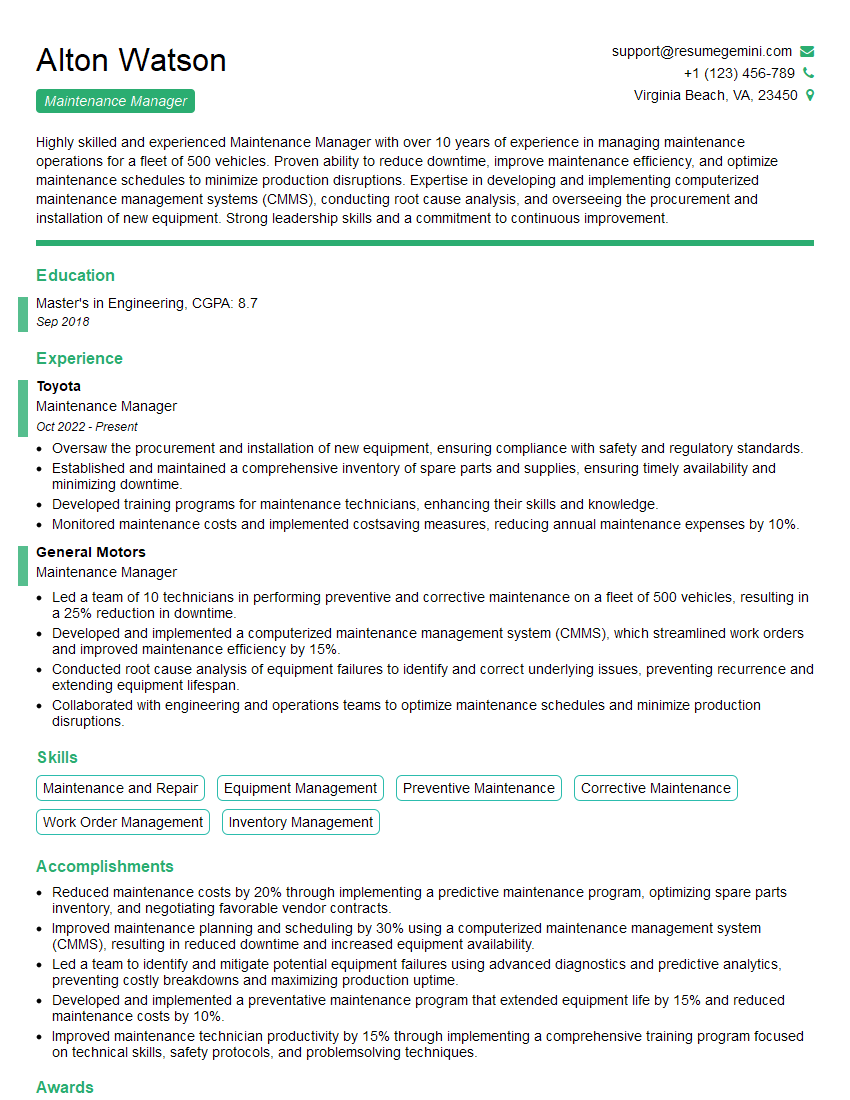
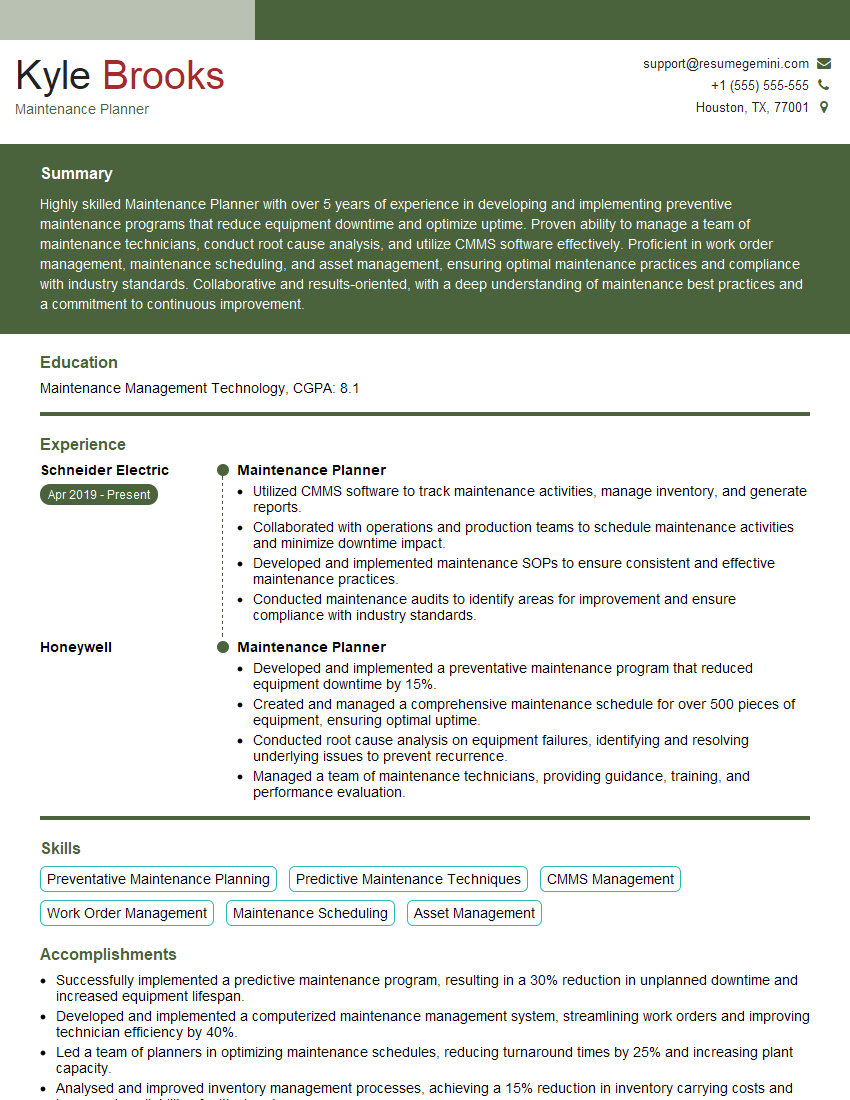
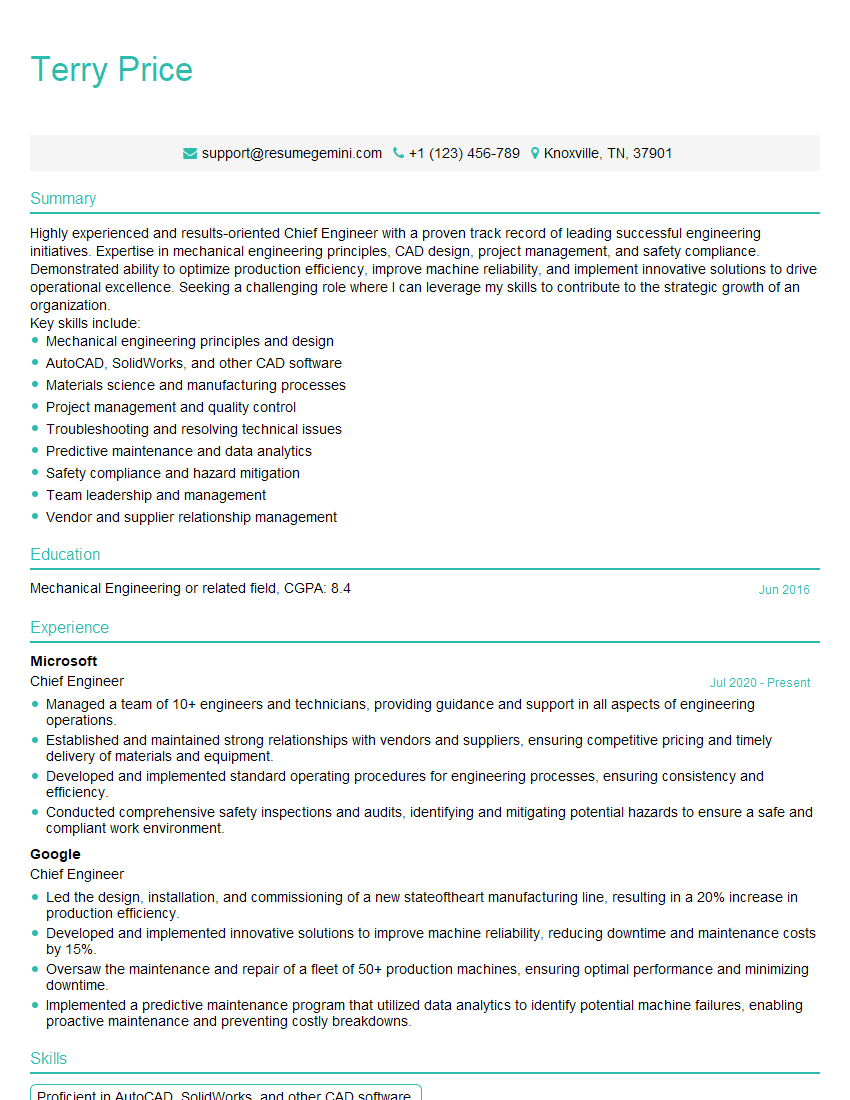
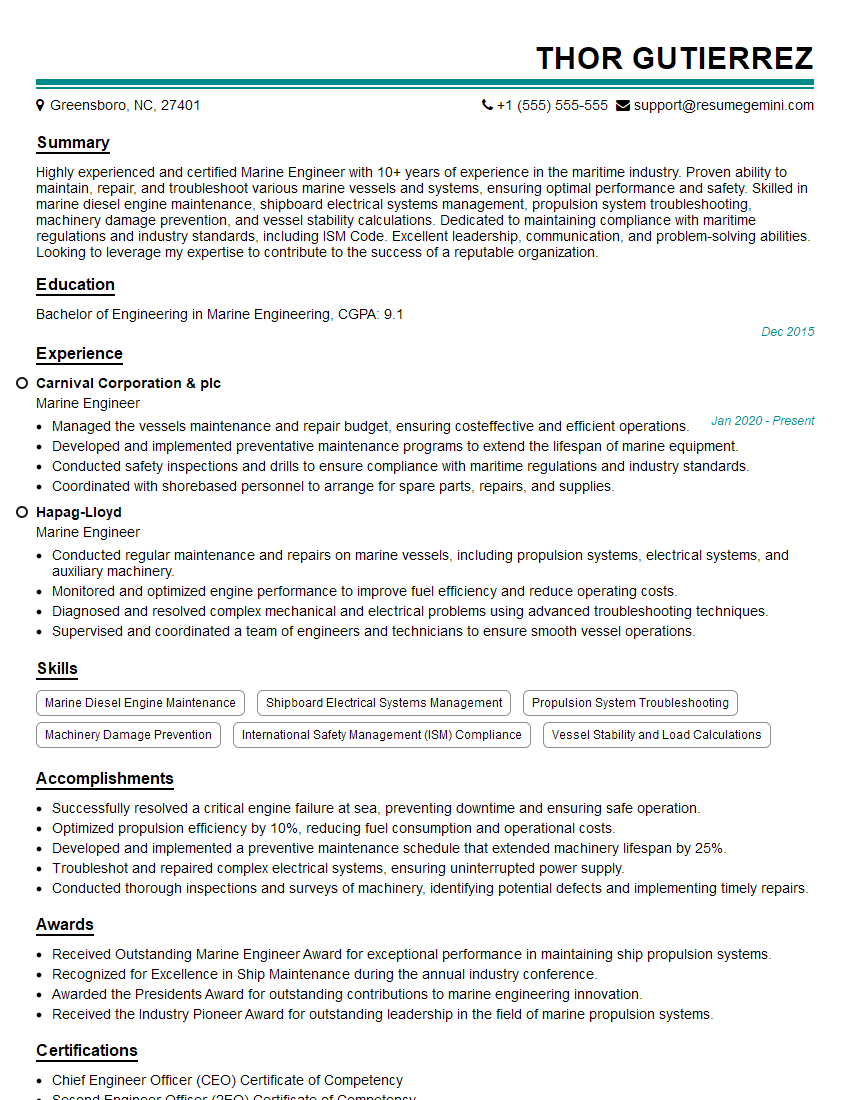
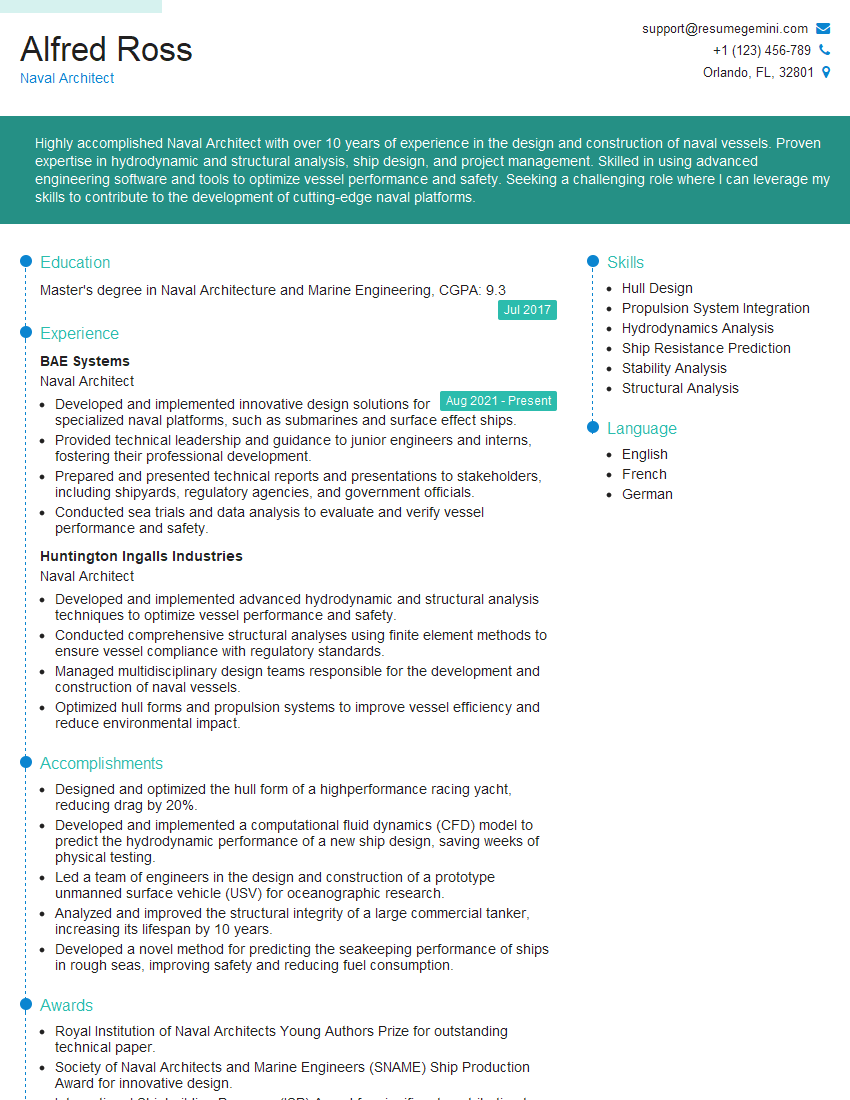
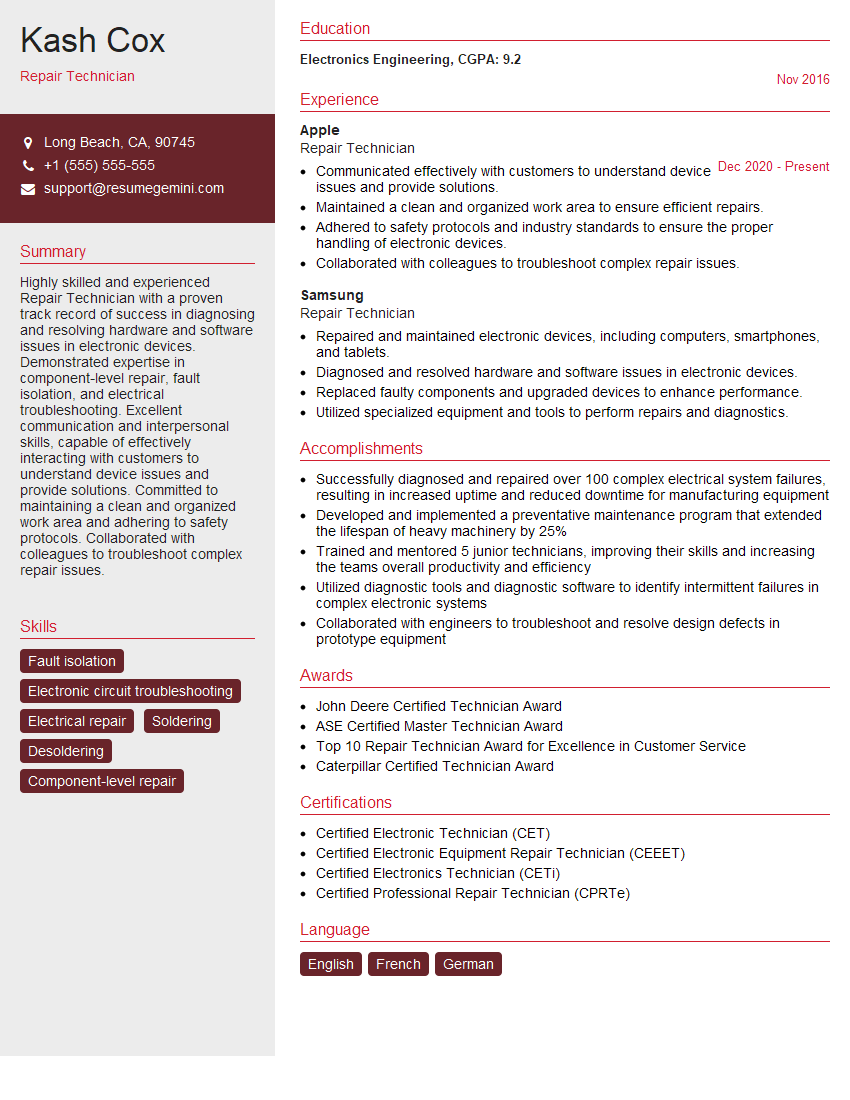
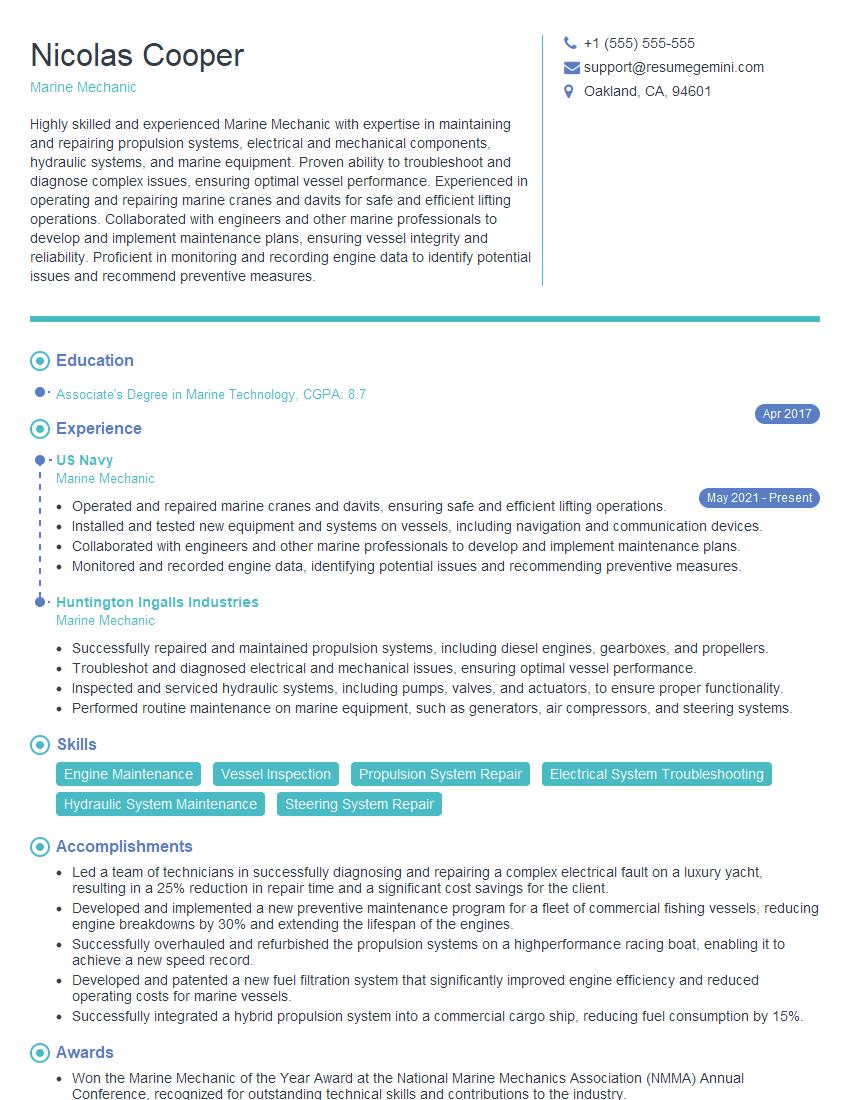
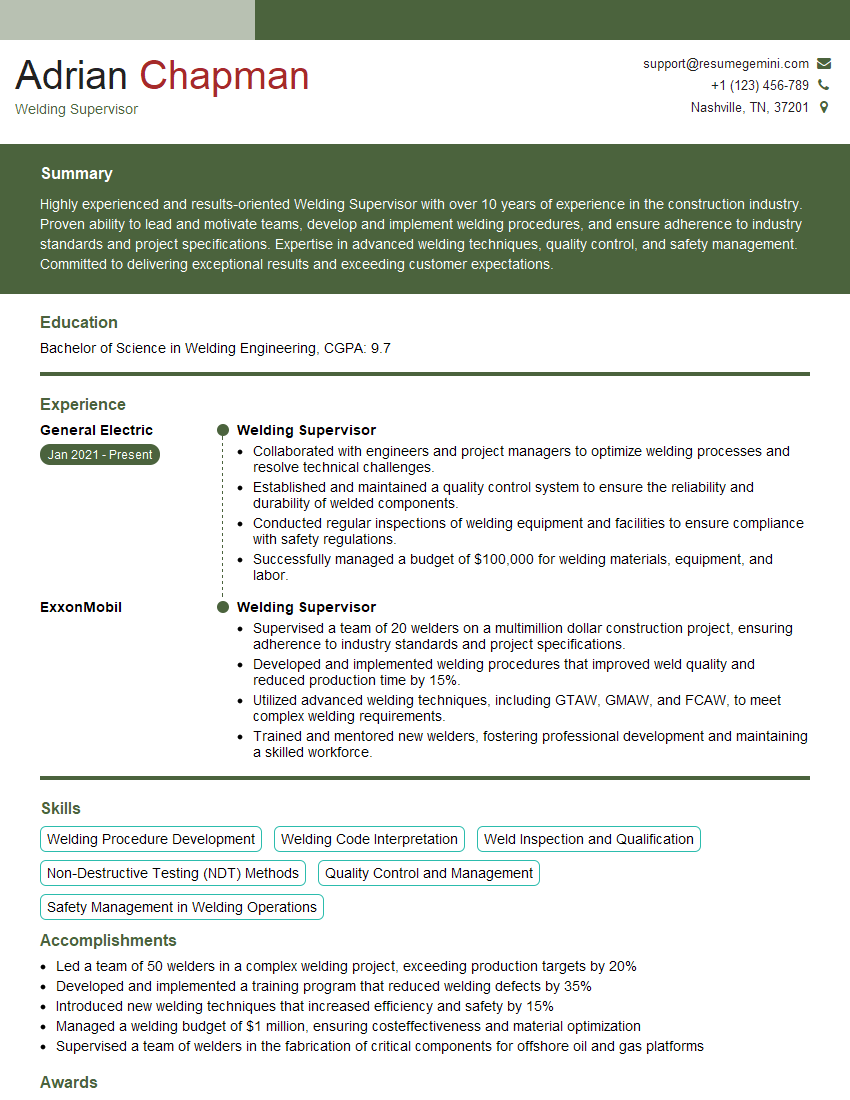
Mastering Proficient in Vessel Maintenance and Repairs is key to advancing your career in the maritime industry, opening doors to higher-paying roles and greater responsibility. A well-crafted resume is your first impression on potential employers. To maximize your job prospects, focus on creating an ATS-friendly resume that highlights your skills and experience effectively. ResumeGemini is a trusted resource to help you build a professional and impactful resume tailored to your experience. We provide examples of resumes specifically designed for candidates proficient in Vessel Maintenance and Repairs to guide you in crafting your own.
Explore more articles
Users Rating of Our Blogs
Share Your Experience
We value your feedback! Please rate our content and share your thoughts (optional).
What Readers Say About Our Blog
Very informative content, great job.
good