Preparation is the key to success in any interview. In this post, we’ll explore crucial Alteration interview questions and equip you with strategies to craft impactful answers. Whether you’re a beginner or a pro, these tips will elevate your preparation.
Questions Asked in Alteration Interview
Q 1. Explain the different types of alterations you’re proficient in.
As a seasoned alterations expert, my proficiency spans a wide range of garment adjustments. This includes everything from simple hemming and lengthening to more complex tasks like reshaping, resizing, and even complete garment reconstructions. I’m adept at altering various clothing items, including:
- Dress alterations: Adjusting waistlines, hemlines, sleeves, and adding or removing embellishments.
- Suit alterations: Perfecting the fit of jackets, trousers, and vests, including shoulder adjustments, sleeve length alterations, and waist tapering.
- Shirt alterations: Adjusting sleeve length, collar size, and overall fit.
- Coat alterations: Modifying length, sleeves, and shoulders to achieve a proper fit.
- Jeans alterations: Hemming, tapering legs, and waist adjustments.
- Wedding dress alterations: This requires specialized care and attention to detail, often involving intricate beading and delicate fabrics.
Essentially, if a garment needs adjusting for a better fit or style update, I possess the skills and experience to handle it.
Q 2. Describe your experience with various fabric types and their unique alteration needs.
My experience with diverse fabric types is extensive. Understanding the properties of each fabric is paramount for successful alterations. For example:
- Cotton: A durable and relatively easy-to-alter fabric. I can readily hem, adjust seams, and make other modifications without significant challenges.
- Linen: Similar to cotton in its workability, linen requires careful pressing to maintain its crisp look after alterations.
- Wool: Requires more precise handling due to its tendency to fray. I utilize specific techniques to prevent unraveling and maintain the garment’s structure.
- Silk: A delicate fabric demanding extra caution. I use fine needles, delicate stitching, and specialized pressing techniques to avoid damage.
- Lace: Extremely fragile and requires expert handling. Repairs or alterations often involve painstaking hand stitching and careful consideration of the lace pattern.
- Leather and suede: These require specialized tools and techniques to ensure clean cuts and durable seams. I utilize appropriate stitching methods and consider the grain direction for optimal results.
I’ve worked extensively with many more fabrics and always adapt my methods to suit the specific material’s requirements.
Q 3. How do you handle alterations on delicate fabrics like silk or lace?
Working with delicate fabrics like silk and lace requires a gentle touch and specialized techniques. I use fine needles, silk thread, and a slow, careful stitching method. Pressing is minimal and only done with low heat and a pressing cloth to prevent scorching or shine marks. I often use a silk pressing sheet to protect the delicate fabric while pressing seams. For lace, I frequently hand-stitch repairs, matching the pattern meticulously. I might use fabric glue sparingly to help stabilize delicate areas before sewing, being certain it’s the correct glue for the fabric. The key is to minimize stress on the fabric during every step of the alteration process. I always test any cleaning or pressing methods on an inconspicuous area first.
Q 4. What methods do you use to ensure precise measurements and fitting?
Precision is key in alterations. I employ several methods to ensure accurate measurements and proper fitting:
- Detailed Measurements: I take multiple measurements of the garment and the client, using a flexible tape measure and noting every detail.
- Fitting Sessions: I conduct fitting sessions to assess the garment’s fit and make any necessary adjustments before finalizing the alterations. This allows for real-time feedback and modifications.
- Muslin Mock-ups: For complex alterations, I may create a muslin mock-up – a replica of the garment in inexpensive fabric – to test the design changes before working on the actual garment. This avoids costly mistakes.
- Advanced Tools: I use specialized tools like seam rippers, tailor’s chalk, and measuring tools that provide precision.
This multi-faceted approach allows me to achieve an impeccable fit and minimize errors.
Q 5. How do you deal with challenging alterations, such as taking in a garment without affecting its design?
Challenging alterations, like taking in a garment without affecting its design, require careful planning and skillful execution. For example, taking in a seam without distorting the garment’s shape might involve strategically removing fabric from multiple areas to maintain the garment’s drape and balance. I often use techniques like easing or pivoting to maintain smooth curves and avoid puckering. Sometimes, inserting darts or pleats cleverly can solve the problem in more complex situations. My approach is always to analyze the design, identify the areas where fabric can be removed without compromising the look, and then execute the adjustments meticulously.
For instance, taking in a fitted bodice without changing the neckline curve would require gradually reducing the seam allowance at strategic points, easing the fabric to maintain the smooth curve of the neckline.
Q 6. Describe your experience with pattern adjustment and alteration techniques.
Pattern adjustment is an integral part of many alterations. I’m proficient in various techniques, including:
- Grading: Adjusting existing patterns to different sizes.
- Slash and Spread: A technique used to add width or length to a pattern piece.
- Pivot and Slash: Used for adjusting curves and shaping.
- Full Figure Adjustment: Modifying patterns to accommodate specific body measurements.
I use these techniques when alterations necessitate significant changes to the garment’s shape. For instance, a dress requiring a complete size reduction may involve redrawing parts of the pattern to accommodate the new measurements. I always start with a detailed assessment of the existing pattern to find the most efficient alteration strategy.
Q 7. How do you maintain the integrity of the original garment during alterations?
Maintaining the integrity of the original garment is my top priority. I achieve this by:
- Careful Seam Ripping: Using sharp seam rippers to avoid damaging the fabric while removing seams.
- Precise Cutting: Utilizing sharp scissors and precise cutting techniques to avoid fraying or distortion of the fabric.
- Matching Fabric: When necessary, I source matching fabric to repair or replace damaged areas, ensuring a seamless blend.
- Proper Pressing: Employing appropriate pressing techniques to avoid scorching or damaging the fabric.
- Invisible Stitching: Using hand-stitching or machine stitching techniques to make alterations virtually invisible.
My focus is always on preserving the garment’s original quality and appearance while achieving the desired fit and style.
Q 8. Explain your process for communicating with clients about alterations.
Clear and consistent communication is paramount in alterations. My process begins with a thorough consultation. I listen attentively to the client’s needs, asking clarifying questions to ensure a shared understanding of the desired outcome. I visually assess the garment, noting its fabric, construction, and any existing issues. Then, I explain the feasibility of the alteration, potential challenges, and provide a realistic timeframe and cost estimate. I always offer multiple options if possible, empowering the client to make an informed decision. Throughout the process, I keep clients updated on progress, answering their questions promptly and professionally. Finally, I conduct a fitting, addressing any minor adjustments before final delivery.
For instance, if a client wants to shorten a dress, I’d discuss the desired length, the hem style options (e.g., straight, curved), and the impact on the overall silhouette. I’d show examples of previous work and address any concerns they might have regarding fabric fraying or potential changes to the garment’s fit.
Q 9. How do you handle customer concerns or dissatisfaction with alteration results?
Customer satisfaction is my top priority. If a concern arises, I actively listen to the client’s feedback without interruption. I assess the situation objectively, determining whether the issue stems from a miscommunication, a technical error, or an unexpected fabric behavior. If a mistake was made on my part, I apologize sincerely and offer a solution – this might involve re-doing the alteration, offering a partial refund, or making necessary adjustments. Even if the issue isn’t directly my fault (e.g., unforeseen fabric shrinkage), I strive to find a compromise that leaves the client feeling valued and heard. Transparency and empathy are key in resolving these situations. I document all such instances for continuous improvement.
For example, if a client finds that a hemline is uneven after an alteration, I’d re-examine the hem, make the necessary corrections, and apologize for the oversight. I wouldn’t argue or make excuses but focus on restoring their trust and providing the best possible outcome.
Q 10. What are the safety precautions you follow when using sewing machines and other tools?
Safety is paramount in my workspace. I always keep my sewing area clean and organized to prevent accidents. Before operating any machine, I check for loose threads, damaged parts, and ensure the machine is securely plugged in. I use appropriate safety guards on machines, especially the blade guards on rotary cutters. I utilize sharp, well-maintained tools, avoiding dull needles and blades that might cause slippage and injury. I always wear appropriate protective gear, including safety glasses to guard against flying debris and sharp fragments. I keep my fingers clear of moving parts and needles. And, crucially, I store all sharp objects and sewing supplies securely out of reach of children or unauthorized individuals.
For instance, I’d never attempt to repair a faulty sewing machine myself, instead contacting a qualified repair technician. I also strictly follow the manufacturer’s instructions for each machine and tool.
Q 11. Describe your experience with different types of sewing machines and their applications.
My experience encompasses various sewing machine types, each suited for different applications. I’m proficient with industrial sewing machines for heavy-duty projects requiring speed and durability like alterations involving thick fabrics or multiple layers. These machines offer greater power and precision. I also use domestic sewing machines for finer work on delicate fabrics and intricate details. Overlock machines are indispensable for professional-looking seams and finishing edges, preventing fraying and providing durability. Finally, specialized machines like sergers and blindstitch machines are used for particular effects or fabric types.
For example, I’d use an industrial sewing machine for altering a heavy denim jacket, ensuring strong and even stitching. For a delicate silk blouse, I’d opt for a domestic machine with finer needle settings to prevent damage to the fabric.
Q 12. How do you manage your time and prioritize tasks during a busy period?
Effective time management is crucial during busy periods. I employ a task-prioritization system, focusing on urgent and high-value tasks first (e.g., alterations with tight deadlines or significant financial impact). I utilize a digital calendar and project management tools to schedule appointments, track deadlines, and assign tasks. I break down large projects into smaller, manageable steps, making the workload feel less daunting. I also learn to say no to requests that overload my capacity, ensuring I can deliver quality work on time without compromising my work-life balance. I frequently review my schedule and adjust it based on unforeseen circumstances or changes in client requests.
For example, using a Kanban board helps me visualize the workflow of my alteration projects – from initial consultation to final delivery. This allows me to identify potential bottlenecks and redistribute workload if needed.
Q 13. How do you handle alterations on different garment styles (e.g., dresses, pants, jackets)?
Alterations vary significantly across garment styles. For dresses, common requests include shortening hems, taking in seams, adjusting shoulder straps, or adding sleeves. Pants alterations often involve lengthening or shortening legs, adjusting waist size, tapering legs, or replacing zippers. Jacket alterations might include adjusting sleeve length, shoulder width, waist size, or repairing damaged closures. Each garment requires a different approach, considering the fabric, construction, and design details. I carefully assess the specific needs of each garment before starting any alteration, using appropriate techniques to ensure a flawless result.
For example, shortening a pair of jeans differs greatly from shortening a flowing maxi dress. Jeans require precision to maintain the original fit and prevent distortions around the pockets and fly; the dress alteration will be less technical, focusing on a neat and even hem.
Q 14. What software or technology do you use to assist in the alteration process?
While my primary tools are traditional sewing machines and hand-sewing implements, I also utilize technology to enhance my workflow. I employ design software (though not always necessary for simpler alterations) for visualizing complex alterations and creating accurate patterns. Digital tools for project management, scheduling, and communication (like email and project management apps) streamline client interaction and task organization. Online resources for fabric information, techniques, and inspiration support ongoing professional development. While I don’t rely on fully automated processes, the integration of technology greatly improves efficiency and client communication.
For instance, I use online scheduling software to manage appointments, reducing scheduling conflicts and improving time management. I may also consult online tutorials for complex techniques like pattern grading or specialized stitching methods.
Q 15. Explain your experience with repairing damaged garments.
Repairing damaged garments is a core part of my alteration work. It involves a thorough assessment of the damage, selecting the appropriate repair technique, and meticulously executing the repair to ensure both durability and aesthetic appeal. This often includes patching tears, mending seams, replacing buttons or zippers, and repairing holes. For example, I recently repaired a cherished wool coat with a significant tear at the elbow. After carefully cleaning the area, I used a patch of matching fabric, invisible mending techniques, and pressing to seamlessly integrate the repair, making it virtually undetectable. Another example involves repairing a ripped seam on a delicate silk dress. In this instance, I employed a delicate hand-sewing stitch to recreate the original seam, ensuring the strength and aesthetics were maintained.
- Assessment: Identifying the type and extent of damage (tear, hole, fraying).
- Selection of Technique: Choosing the right repair method (patching, darning, invisible mending).
- Execution: Precisely applying the chosen technique, ensuring strength and aesthetics.
- Finishing: Pressing and cleaning the repaired area to blend it seamlessly.
Career Expert Tips:
- Ace those interviews! Prepare effectively by reviewing the Top 50 Most Common Interview Questions on ResumeGemini.
- Navigate your job search with confidence! Explore a wide range of Career Tips on ResumeGemini. Learn about common challenges and recommendations to overcome them.
- Craft the perfect resume! Master the Art of Resume Writing with ResumeGemini’s guide. Showcase your unique qualifications and achievements effectively.
- Don’t miss out on holiday savings! Build your dream resume with ResumeGemini’s ATS optimized templates.
Q 16. How do you determine the appropriate pricing for alterations?
Pricing alterations requires a balance of factors: the garment’s complexity, the type of alteration, the time involved, and the cost of materials. I begin by carefully examining the garment and discussing the client’s desired outcome. I then break down the alteration into its constituent parts, estimating the time needed for each step. For example, hemming pants is a relatively straightforward alteration with a lower price point, while altering a complex wedding gown demands more expertise, time, and therefore, a higher cost. I factor in the cost of materials like thread, interfacing, or replacement zippers. Finally, I consider my experience and skill level, ensuring that my pricing reflects my expertise and the quality of my work. I always provide a transparent breakdown of the pricing for the client.
Q 17. How do you stay updated on the latest trends and techniques in garment alterations?
Staying current in the field of garment alterations necessitates continuous learning. I achieve this through various methods: attending workshops and seminars, subscribing to trade publications and online resources, and actively engaging with online communities dedicated to sewing and tailoring. I also follow influential designers and tailors on social media to learn about emerging trends and techniques. For instance, recently I attended a workshop focusing on sustainable alteration techniques, which significantly broadened my understanding of eco-friendly methods and materials.
Q 18. How do you maintain a clean and organized workspace?
Maintaining a clean and organized workspace is crucial for efficiency and accuracy. My workspace is meticulously organized with dedicated areas for cutting, sewing, pressing, and storage. I utilize clear, labeled containers for notions and supplies, and I clean my sewing machine and workspace after each project. A systematic approach to organization is paramount. For example, all my threads are sorted by color and type, making it easy to locate the appropriate thread quickly. This system minimizes wasted time searching for supplies and ensures a safe, productive work environment. This organized system also contributes to the overall professionalism of my services.
Q 19. What is your experience with hand-sewing techniques?
Hand-sewing techniques are fundamental to my skillset. I’m proficient in various hand stitches, including running stitch, backstitch, slip stitch, and blind stitch. These techniques are invaluable for delicate fabrics, invisible repairs, and finishing touches that require precision. For instance, hand-sewing allows me to delicately repair a tear on a delicate lace garment without causing further damage. I often combine hand-sewing with machine sewing for optimal results, leveraging the strengths of each method.
Q 20. Describe a time you had to troubleshoot a complex alteration problem.
I once faced a challenging alteration involving a vintage wedding gown with intricate beading and delicate lace. The client requested a significant alteration to the bodice, requiring me to remove and reattach the beading without damaging it. Troubleshooting involved carefully studying the beading pattern, devising a method for removing and reattaching each bead individually, and utilizing specialized tools to protect the delicate fabric. The process demanded patience and precision, but ultimately, the alteration was a success, resulting in a beautifully tailored gown that maintained its integrity and original beauty.
Q 21. How do you handle alterations that require specialized skills or knowledge?
When an alteration requires specialized skills or knowledge beyond my expertise, I’m transparent with the client. I’ll either recommend a colleague specializing in that area or research the necessary techniques to adequately address the alteration request. For instance, if a client requires leather alteration, a skill I don’t currently possess, I would research reputable leather specialists in my area and offer that referral.
Q 22. What are your strengths and weaknesses as an alterations specialist?
My greatest strength as an alterations specialist lies in my meticulous attention to detail and my ability to understand and interpret a client’s vision. I’m adept at working with a wide range of fabrics and garment types, from delicate silks to sturdy denim, and I possess a keen eye for fit and proportion. I consistently strive for perfection in my work, ensuring each alteration is flawlessly executed. I also thrive in a collaborative environment, valuing client feedback and using it to refine my approach.
One area I’m actively working to improve is my speed in handling high-volume days. While my accuracy is consistently high, I aim to increase my efficiency without compromising the quality of my work. I’m currently experimenting with time management techniques and streamlined workflows to achieve this balance.
Q 23. Why are you interested in this specific alterations position?
This alterations position particularly excites me due to your company’s reputation for high-quality craftsmanship and innovative design. I’ve long admired your commitment to providing exceptional customer service, and I believe my skills and experience align perfectly with your values. The opportunity to work with a diverse clientele and contribute to your team’s success is incredibly appealing. Furthermore, the chance to learn from experienced professionals within such a respected establishment is a valuable opportunity for my professional growth.
Q 24. What are your salary expectations?
My salary expectations are in the range of $X to $Y per year, depending on the benefits package and the specific responsibilities of the role. This range is based on my experience, skills, and research of comparable positions in the market. I am open to discussing this further and am confident we can reach a mutually agreeable compensation structure.
Q 25. What are your long-term career goals in the alterations field?
My long-term career goals involve becoming a recognized expert in garment alterations and potentially specializing in a niche area, such as bridal wear or bespoke tailoring. I envision myself mentoring junior alterations specialists and contributing to the advancement of techniques and standards within the industry. Ultimately, I hope to build a strong reputation and potentially open my own alterations studio, offering personalized and high-quality services to a discerning clientele.
Q 26. Describe your experience with working under pressure and meeting deadlines.
I have extensive experience working under pressure and meeting tight deadlines. For example, during peak seasons, I’ve consistently managed multiple urgent alteration requests simultaneously, prioritizing tasks based on deadlines and client needs. I am adept at multitasking and possess excellent time management skills, ensuring all projects are completed to the highest standards and delivered on time. I find that careful planning and organization are crucial in these situations, coupled with a proactive approach to identifying and addressing potential bottlenecks.
Q 27. How do you manage your inventory of sewing supplies and tools?
I maintain a well-organized and efficient inventory system for my sewing supplies and tools. I utilize a combination of physical and digital methods. My tools are stored in a designated area, categorized and clearly labeled. I maintain a spreadsheet that tracks my inventory levels, including thread colors, needle sizes, button types, and other materials. This allows me to easily monitor stock levels, identify low-stock items, and efficiently reorder supplies as needed. This system ensures I always have the necessary tools and materials on hand to complete projects effectively and avoid delays.
Key Topics to Learn for Alteration Interview
- Fundamental Principles of Alteration: Understanding the core concepts and definitions related to alteration processes, including types and methodologies.
- Practical Application in Different Scenarios: Analyzing case studies and examples of alteration in various contexts, such as data manipulation, image processing, or software development.
- Algorithm Design and Optimization: Exploring efficient algorithms and data structures for performing alterations, considering factors like time and space complexity.
- Error Handling and Validation: Developing robust techniques for identifying and managing errors during the alteration process, ensuring data integrity.
- Testing and Debugging Strategies: Mastering methods for testing and debugging altered data or systems, identifying and resolving issues effectively.
- Performance Tuning and Scalability: Optimizing alteration processes for performance and scalability, considering large datasets or high-volume operations.
- Security Considerations in Alteration: Understanding potential security vulnerabilities and implementing appropriate measures to protect data integrity and confidentiality during alterations.
- Ethical Implications of Alteration: Addressing the ethical considerations and potential misuse of alteration techniques in various applications.
Next Steps
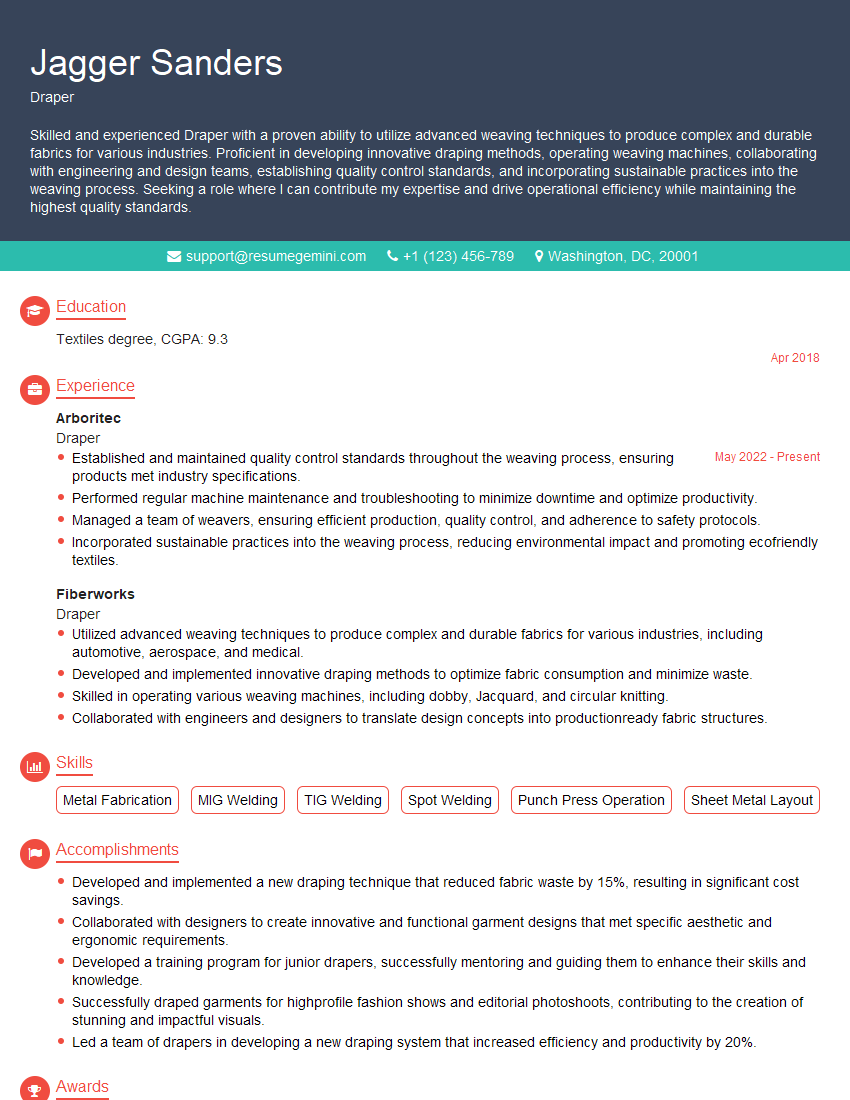
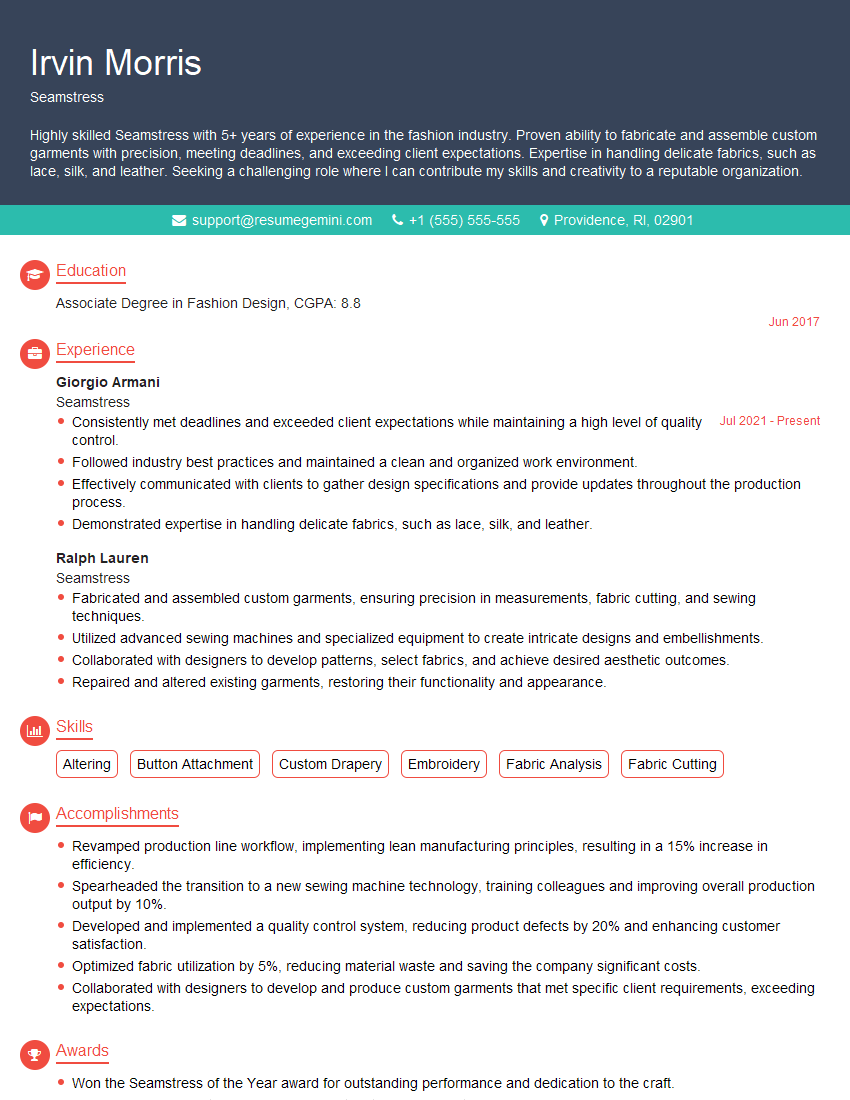
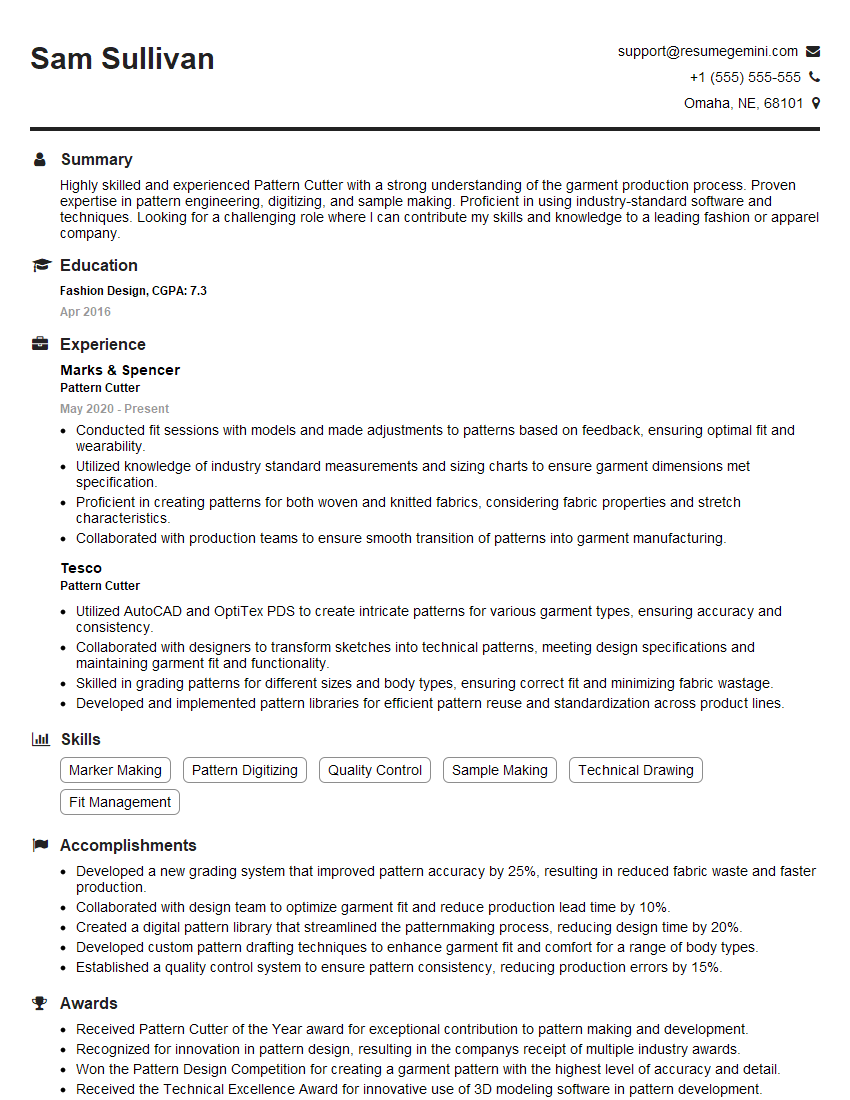
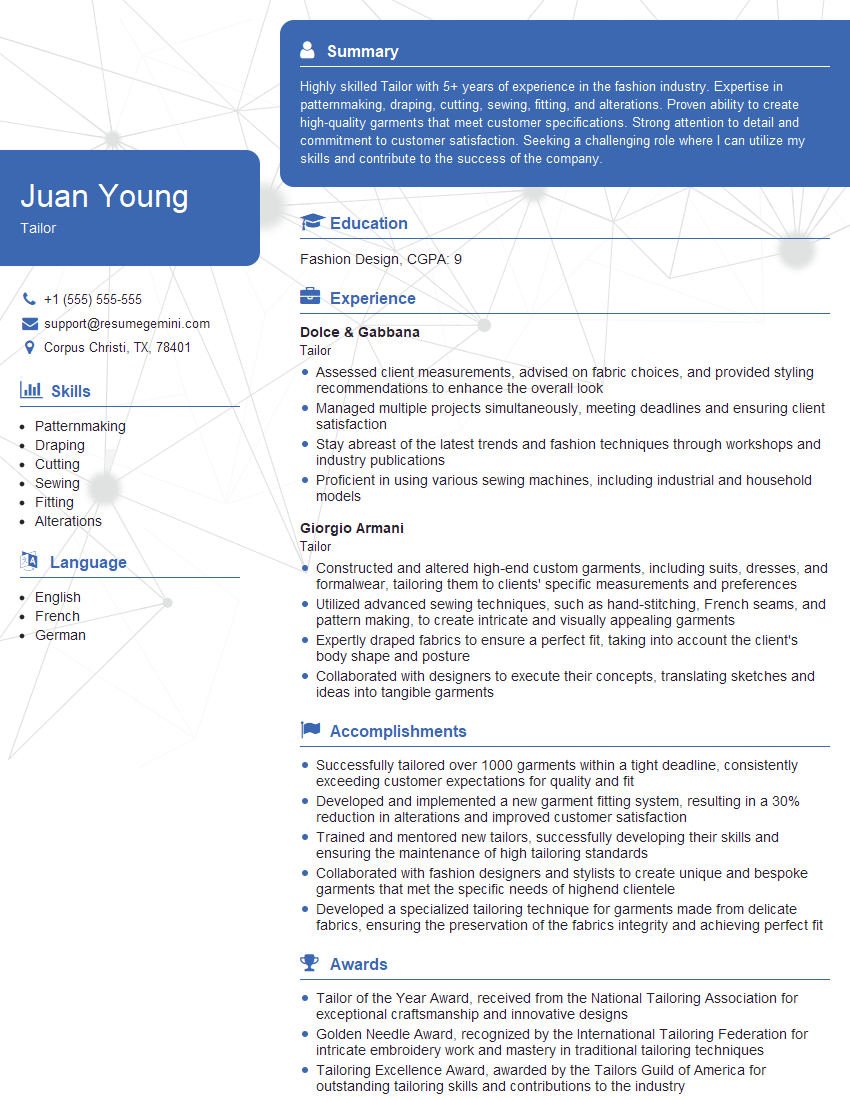
Mastering Alteration significantly enhances your career prospects, opening doors to exciting opportunities in diverse fields. A strong understanding of these concepts demonstrates valuable problem-solving skills and technical expertise highly sought after by employers. To maximize your chances of landing your dream job, creating an ATS-friendly resume is crucial. ResumeGemini is a trusted resource that can help you build a professional and impactful resume tailored to highlight your Alteration expertise. Examples of resumes tailored to the Alteration field are available to further guide your preparation.
Explore more articles
Users Rating of Our Blogs
Share Your Experience
We value your feedback! Please rate our content and share your thoughts (optional).
What Readers Say About Our Blog
Very informative content, great job.
good