Preparation is the key to success in any interview. In this post, we’ll explore crucial Proofing and Calibration interview questions and equip you with strategies to craft impactful answers. Whether you’re a beginner or a pro, these tips will elevate your preparation.
Questions Asked in Proofing and Calibration Interview
Q 1. Explain the difference between proofing and calibration.
Proofing and calibration, while both crucial for ensuring accuracy in measurements, serve distinct purposes. Think of it like this: proofing is like a quick check-up, verifying that a device is within a reasonable operating range, while calibration is a more rigorous process that adjusts the device to meet a precise standard.
Proofing typically involves a simple comparison against a known value or visual inspection. It’s used to quickly identify gross errors or malfunctions. For example, proofing a thermometer might involve placing it in ice water and checking if it reads close to 0°C. It doesn’t provide a quantified uncertainty statement.
Calibration, on the other hand, is a formal process that compares a device’s readings to a traceable standard, quantifies the deviations, and often involves adjustments to minimize those deviations. It generates a detailed report including uncertainty estimations. Calibrating the same thermometer would involve comparing its readings to a calibrated reference thermometer at multiple points across its operating range. The results would then be used to determine the correction factors needed.
Q 2. Describe the process of calibrating a pressure gauge.
Calibrating a pressure gauge involves a systematic comparison of its readings against a known accurate pressure source (the standard). Here’s a step-by-step process:
- Prepare the equipment: Gather the pressure gauge, a calibrated pressure standard (e.g., a deadweight tester or a calibrated pressure transducer), appropriate connecting tubing, and a data recording system.
- Establish the pressure range: Determine the operating pressure range of the gauge that needs to be calibrated.
- Apply pressure increments: Incrementally increase the pressure using the standard, recording both the standard’s reading and the gauge’s reading at each step. This should be done at several points across the pressure range.
- Analyze data: Compare the gauge readings to the standard readings. Calculate the deviation (difference) between the two at each pressure point.
- Generate a calibration report: This report includes the date of calibration, the equipment details, the standard used, the applied pressures, the deviations at each point, and the overall uncertainty of the calibration. This forms the basis for any adjustments or corrections.
- (Optional) Adjustment: Some gauges allow for adjustments to minimize the deviations identified. Follow the manufacturer’s instructions carefully.
It’s crucial to maintain a controlled environment (temperature, humidity) during the calibration process to minimize external influences on accuracy.
Q 3. What are the common types of calibration standards used?
Calibration standards are devices or systems of known accuracy used as references for calibration. Common types include:
- Deadweight testers: These use weights to generate precisely known pressures, often used for calibrating pressure gauges.
- Calibrated pressure transducers: These convert pressure to an electrical signal and are traceable to national standards. They’re commonly used for broader applications.
- Thermometers (e.g., platinum resistance thermometers): Used for temperature calibrations, often traceable to national standards.
- Standard weights: Used for calibrating balances and scales.
- Voltage and current standards: Used for calibrating electrical measurement devices.
The choice of standard depends on the type of instrument being calibrated and the required accuracy level. The standard itself must also be traceable to a higher-order standard, ideally a national metrology institute (NMI).
Q 4. How do you determine the traceability of a calibration?
Traceability in calibration establishes an unbroken chain of comparisons linking a calibration to a recognized national or international standard. It’s like tracing a family tree back to a known ancestor. A traceable calibration ensures confidence in the measurement results.
To determine traceability, you examine the calibration certificate. It should clearly state the standards used in the calibration process and their traceability to a national metrology institute (like NIST in the USA or NPL in the UK). The certificate should also specify the calibration method and any correction factors applied.
For example, a pressure gauge’s calibration certificate would ideally mention the deadweight tester used, the certificate number and calibration date of the deadweight tester, and the relevant NMI’s involvement.
Q 5. Explain the concept of uncertainty in measurement.
Uncertainty in measurement is the quantification of the doubt associated with a measurement result. It doesn’t mean the measurement is wrong, but rather that there’s a range of values within which the true value likely lies. Think of it like a target – even the best shot will have a small dispersion around the bullseye.
Several factors contribute to measurement uncertainty: resolution of the instrument, environmental factors (temperature, humidity), calibration uncertainties, and operator skill. Quantifying uncertainty is a crucial part of calibration and ensures transparency in the reliability of measurement results. A smaller uncertainty value signifies higher confidence in the measurement.
Uncertainty is usually expressed as a range (e.g., ±0.5°C) or as a standard deviation.
Q 6. What is a calibration certificate and what information does it contain?
A calibration certificate is a formal document that records the results of a calibration procedure. It’s essential proof that an instrument has been calibrated to a known standard. The information included typically consists of:
- Unique identification number: For easy reference.
- Date of calibration: Crucial for determining validity.
- Instrument details: Manufacturer, model, serial number.
- Calibration method: Used procedures and standards.
- Calibration standard: Details about the reference device.
- Measurement results: Readings at different points, deviations, and correction factors.
- Uncertainty statement: Quantification of the measurement doubt.
- Traceability statement: Link to national or international standards.
- Calibration technician details: For accountability.
- Expiry date: Indicating the validity period of the calibration.
Q 7. How do you manage calibration records and data?
Managing calibration records and data requires a structured system to ensure traceability and compliance. Common practices involve:
- Database system: A dedicated database (either software-based or spreadsheet-based) is ideal for organizing calibration data. The system should track calibration schedules, results, and certificate expiry dates.
- Document control: Implement a system to manage calibration certificates, including secure storage and retrieval mechanisms (physical or digital).
- Regular audits: Periodic checks verify that the calibration system operates effectively and complies with relevant standards.
- Calibration software: Specialized software automates many aspects of calibration management, including scheduling, reminders, and report generation.
- Barcode or QR code tagging: This aids in quick identification and data entry.
The key is to maintain accurate, complete, and readily accessible information throughout the instrument’s lifecycle.
Q 8. Describe different calibration methods (e.g., comparison, substitution).
Calibration methods ensure measuring instruments provide accurate readings. Two common methods are comparison and substitution.
Comparison Calibration: This involves comparing the readings of the instrument under test (IUT) against a known standard of higher accuracy. Imagine comparing a bathroom scale to a certified weight scale – you weigh a known weight on both and check the difference. If the discrepancy is within acceptable limits, the bathroom scale is calibrated. This is cost-effective for many instruments.
Substitution Calibration: This method replaces the IUT with the known standard in the same measurement setup. This is particularly useful when the measurement process itself might introduce significant error. For example, calibrating a thermocouple for temperature measurement. The standard thermocouple would be substituted in the same environment to directly compare readings, minimizing the effect of external factors.
Other methods exist, including direct and indirect calibration, depending on the instrument and the standards available.
Q 9. What are the common sources of error in calibration?
Errors in calibration stem from various sources. Some are:
Environmental Factors: Temperature, humidity, and pressure fluctuations can significantly affect readings. A simple example is a thermometer giving different readings on a cold versus a hot day.
Operator Error: Incorrect handling of equipment, improper setup, or misreading of instruments lead to errors. It’s human nature; even the most skilled technicians can make mistakes.
Equipment Limitations: Every instrument has its own inherent limitations like resolution, linearity, and drift. This means there’s always some level of uncertainty. For instance, a ruler marked only in centimeters will have lower accuracy than one marked in millimeters.
Standard Uncertainty: The reference standard used for calibration itself has a level of uncertainty. This uncertainty propagates to the IUT calibration.
Aging and Wear: Over time, instruments can degrade, leading to inaccurate readings. Think of a worn-out tape measure – the readings are likely to be less precise than when it was new.
Q 10. How do you handle out-of-tolerance calibrations?
Handling out-of-tolerance calibrations requires a systematic approach:
Verify the Error: Re-calibrate the instrument to rule out any errors in the initial calibration process. Sometimes a simple retest solves the problem.
Identify the Cause: Investigate the source of the error. This might involve checking the instrument for damage, cleaning it, or checking environmental conditions. Is there a faulty component or has the instrument simply exceeded its service life?
Document Findings: Record all observations and corrective actions. A proper calibration record is critical for traceability and accountability.
Corrective Action: Take necessary corrective actions, this could include repair, adjustment, or replacement of the instrument. Sometimes recalibration might suffice, depending on the issue and the instrument’s capabilities.
Re-Calibration: Once corrections are made, recalibrate the instrument. If still out of tolerance, consider discarding it.
Report to Management: Report the incident and corrective actions to the relevant management staff.
Q 11. What is the significance of ISO 17025 in calibration?
ISO 17025, General requirements for the competence of testing and calibration laboratories, is crucial for calibration as it provides a framework for ensuring the quality and reliability of calibration results. Compliance demonstrates competence and builds trust. This international standard specifies criteria for laboratory management, personnel competency, equipment calibration, and traceability to national or international standards. Meeting ISO 17025 requirements ensures calibration data is reliable and the lab’s processes are robust, thus improving customer confidence in the results.
Q 12. Explain the concept of calibration intervals.
Calibration intervals define how frequently an instrument needs calibration. The interval is determined by several factors, including:
Instrument type and stability: Some instruments are more stable than others. A high-precision instrument may need calibration less frequently than a less precise instrument.
Usage frequency and intensity: Instruments used frequently in harsh conditions might require more frequent calibration.
Instrument history: Past calibration data helps predict the future need for calibration. A history of instability might necessitate shorter intervals.
Regulatory requirements: Some industries have regulatory requirements that stipulate specific calibration intervals.
Setting the correct calibration interval is a balance between ensuring accuracy and minimizing downtime. Too short an interval wastes resources, while too long an interval risks inaccuracy.
Q 13. How do you select appropriate calibration equipment?
Selecting appropriate calibration equipment involves careful consideration:
Accuracy and Traceability: The calibration equipment should be more accurate than the instrument being calibrated, and its calibration should be traceable to national or international standards.
Measurement Range and Resolution: The equipment needs to cover the full range of the IUT and have sufficient resolution. For instance, don’t use a crude scale to calibrate a high-precision analytical balance.
Environmental Considerations: Ensure the equipment can perform reliably under the environmental conditions where the calibration is performed.
Cost and Availability: Balance the cost of the equipment against its capabilities and availability.
Manufacturer Reputation: Choose equipment from reputable manufacturers known for reliability and quality. You need to be confident in the instruments being used for calibration.
Q 14. Describe your experience with different types of measuring instruments.
Throughout my career, I have worked extensively with a wide range of measuring instruments, including:
Temperature Measurement Devices: Thermocouples, RTDs (Resistance Temperature Detectors), and infrared thermometers, across various temperature ranges and applications. I’ve calibrated these for industrial ovens, refrigerators, and laboratory experiments.
Pressure Gauges and Transducers: Calibration of both analog and digital pressure gauges using deadweight testers and calibrated pressure standards for varied applications from industrial hydraulic systems to HVAC systems.
Dimensional Measurement Equipment: Micrometers, calipers, and optical comparators for calibrating various tools, manufacturing parts, and quality control applications. Here precision and accuracy are extremely critical.
Electrical Measurement Equipment: Multimeters, oscilloscopes, and signal generators; calibrating these devices required a deep understanding of electrical circuits and standards.
Mass and Weight Measurement Equipment: Analytical balances, precision scales, and load cells. Calibration involved using certified weights and ensuring traceability for pharmaceutical and food production applications.
My experience spans different industries and regulatory environments, ensuring I can adapt my calibration techniques to specific instrument types and application needs.
Q 15. How do you ensure the accuracy of calibration results?
Ensuring the accuracy of calibration results is paramount in maintaining the reliability of measurement systems. It’s a multi-faceted process that starts long before the actual calibration event. We begin by selecting the right calibration standards – these are instruments with known, traceable accuracy, often from a nationally recognized standards laboratory. These standards themselves are periodically calibrated to ensure their accuracy is maintained over time. During the calibration process, we meticulously follow documented procedures, using appropriate equipment and techniques specific to the instrument being calibrated. This includes carefully documenting all steps, readings, and environmental conditions. We also use statistical methods to analyze the data and determine uncertainty, helping us understand the range within which the true value might lie. For example, if we’re calibrating a thermometer, we’d compare its readings to our traceable standard at several known temperature points. Any deviations are then quantified and reported within a certificate of calibration. Finally, regular audits and internal checks of the entire calibration process further solidify the confidence in our results.
Think of it like baking a cake: You wouldn’t expect a perfectly consistent result using inaccurate measuring tools. Similarly, reliable calibration depends on accurate standards, precise procedures, and rigorous analysis.
Career Expert Tips:
- Ace those interviews! Prepare effectively by reviewing the Top 50 Most Common Interview Questions on ResumeGemini.
- Navigate your job search with confidence! Explore a wide range of Career Tips on ResumeGemini. Learn about common challenges and recommendations to overcome them.
- Craft the perfect resume! Master the Art of Resume Writing with ResumeGemini’s guide. Showcase your unique qualifications and achievements effectively.
- Don’t miss out on holiday savings! Build your dream resume with ResumeGemini’s ATS optimized templates.
Q 16. What are some common challenges in performing calibrations?
Calibration, while crucial, presents several common challenges. One major hurdle is dealing with environmental factors. Temperature fluctuations, humidity, and even electromagnetic interference can significantly impact the accuracy of measurements, particularly with sensitive instruments. Another significant challenge is the availability of suitable calibration standards. For some specialized instruments, finding traceable standards can be difficult and costly. Furthermore, maintaining the traceability chain – ensuring that our standards themselves are calibrated against higher-order standards – requires careful record-keeping and adherence to stringent procedures. Human error is another inevitable factor. Incorrect readings, misinterpretation of instructions, or poor record-keeping can all compromise the reliability of calibration results. Finally, the sheer volume of instruments needing calibration in a large organization can pose a logistical challenge, requiring careful scheduling and efficient workflow management.
Q 17. How do you maintain calibration equipment?
Maintaining calibration equipment is crucial for the accuracy of our work and involves several key practices. Firstly, we adhere strictly to the manufacturer’s recommendations for cleaning, handling, and storage. This often involves specific cleaning solutions, proper storage containers, and environmental considerations like temperature and humidity. Regular visual inspections are carried out to detect any damage or signs of wear and tear. We also implement preventive maintenance schedules that include tasks such as lubrication, adjustments, and functional checks. Calibration equipment itself needs to be calibrated periodically against higher-order standards to ensure its accuracy. This is documented meticulously and forms part of our overall quality assurance system. Lastly, we maintain detailed logs and records of all maintenance activities, including dates, procedures performed, and the individuals responsible. This ensures traceability and allows us to identify any potential trends or issues.
Think of it as maintaining your car: Regular servicing, inspections, and timely repairs are essential for its longevity and optimal performance. Similarly, the care given to calibration equipment directly impacts its reliability and the accuracy of the calibration results it produces.
Q 18. What are your skills in using calibration software?
My experience with calibration software encompasses various platforms, from simple data acquisition software to sophisticated metrology systems. I’m proficient in using software to control calibration equipment, acquire and analyze data, generate reports, and manage calibration certificates. I’m comfortable using software to perform statistical analysis of calibration data, including calculating uncertainty budgets and generating various charts and graphs for visualization and reporting. For example, I’ve extensively used software packages like [mention specific software, e.g., LabVIEW, Fluke Calibration software] to automate various calibration procedures and generate compliant reports. I’m also familiar with data management systems used to track calibration records, manage schedules, and produce comprehensive audit trails.
My skills in these software packages enable me to streamline the calibration process, ensuring efficiency, accuracy, and traceability, ultimately leading to faster turnaround times and improved data quality.
Q 19. Explain your experience with statistical process control (SPC).
Statistical Process Control (SPC) is fundamental to ensuring the accuracy and consistency of our calibration processes. We use control charts, such as X-bar and R charts, to monitor the stability and capability of our calibration equipment. This allows us to identify any trends or shifts in the calibration data that might indicate a problem with the equipment or the calibration process itself. For instance, if we see a control chart showing points consistently outside the control limits, it alerts us to a potential issue that needs investigation. We apply SPC techniques to various aspects of the calibration process, including the calibration data itself, environmental factors, and even the performance of the technicians. By implementing and monitoring these control charts, we can proactively identify potential issues and take corrective actions before they affect the overall accuracy and reliability of our calibrations. The data generated provides evidence to support our claims of consistent and accurate calibrations.
Q 20. How do you handle discrepancies between calibration results?
Discrepancies between calibration results necessitate a thorough investigation to identify the root cause. Our first step involves a review of the calibration procedure, ensuring that it was followed meticulously. We then carefully examine the calibration equipment used, checking its calibration status and performance. Environmental factors are also considered, looking for any unusual conditions that might have influenced the results. If the discrepancy is significant, we might repeat the calibration using a different piece of equipment or a different technician to rule out any potential errors. We thoroughly document all findings and implement corrective actions to prevent similar discrepancies in the future. These actions might include retraining technicians, updating procedures, or replacing faulty equipment. Finally, we document all steps taken, the conclusions reached, and the corrective actions implemented in a detailed report.
Think of it as detective work: We need to systematically examine all possible factors to pinpoint the source of the discrepancy and ensure that it’s resolved and documented.
Q 21. Describe your experience with different calibration techniques for various instruments.
My experience encompasses a broad range of calibration techniques for various instruments. I’m proficient in calibrating various types of equipment, including: temperature sensors (thermocouples, RTDs, thermistors), pressure gauges and transducers, electrical instruments (multimeters, oscilloscopes), mass balances, and flow meters. The calibration techniques vary significantly depending on the instrument’s type and operating principles. For example, calibrating a thermometer involves comparing its readings to a traceable standard at several known temperature points. Calibrating a pressure transducer, on the other hand, may involve applying known pressures and comparing the readings to a calibrated pressure standard. My expertise extends to understanding the underlying principles behind these techniques and selecting the most appropriate methods for achieving the desired level of accuracy and uncertainty. I’m also comfortable working with various types of calibration standards and ensuring traceability to national or international standards.
Q 22. What is your experience with root cause analysis in calibration discrepancies?
Root cause analysis in calibration discrepancies is crucial for preventing future errors and ensuring the accuracy of our measurements. It’s a systematic approach to identifying the underlying reasons behind why a calibration deviates from the accepted standard. I use a combination of techniques, including the 5 Whys, fault tree analysis, and fishbone diagrams, depending on the complexity of the issue.
For example, if a temperature sensor consistently reads 5 degrees lower than the reference standard, I wouldn’t just adjust the sensor. Instead, I’d ask ‘Why is it 5 degrees lower?’ This might lead to identifying a faulty calibration bath, incorrect sensor placement, or even a problem with the power supply. Each answer becomes a new ‘why’ question, until we reach the root cause. Once identified, corrective actions are implemented to prevent recurrence.
Another effective approach is to use a fault tree analysis. This method visually maps out potential causes contributing to the discrepancy, helping us prioritize investigations and identify the most likely culprits. By meticulously analyzing the entire process and instrument interactions, we can effectively pinpoint and resolve the root cause and prevent similar incidents.
Q 23. How do you ensure compliance with relevant industry standards and regulations?
Compliance with industry standards and regulations is paramount in calibration work. My approach involves a multi-faceted strategy, beginning with thorough knowledge of relevant standards such as ISO/IEC 17025 (for calibration laboratories), and any industry-specific requirements. We maintain a comprehensive documentation system, including calibration procedures, traceability records, and certificates. Regular internal audits assess our adherence to these standards, identifying areas for improvement.
We also participate in proficiency testing programs to verify the accuracy and competence of our calibration procedures and personnel. These programs provide external validation of our results and highlight any systemic biases or inaccuracies. Moreover, continuous training keeps our team abreast of any changes in regulations or best practices, ensuring consistent compliance and upholding the highest levels of quality and integrity.
Think of it like a pilot regularly checking their instruments; not just for immediate function, but also for ongoing accuracy and safety standards compliance.
Q 24. Explain your understanding of measurement uncertainty analysis.
Measurement uncertainty analysis is the quantification of the doubt associated with a measurement result. It’s not about the accuracy of a single measurement, but rather the range within which the true value likely lies. This is expressed as a value with units, often a plus-or-minus value around the measured value, and is crucial for evaluating the reliability of our findings.
This analysis considers various sources of uncertainty, such as the resolution of the instrument, environmental factors (temperature, humidity), operator variability, and the uncertainty associated with the reference standards themselves. We use statistical methods, such as those outlined in the Guide to the Expression of Uncertainty in Measurement (GUM), to combine these individual uncertainties into an overall uncertainty value. For example, we might determine that a measurement of 100 units has an associated uncertainty of ±2 units (95% confidence level), indicating the true value likely falls between 98 and 102 units.
Understanding this uncertainty is paramount for making informed decisions. In quality control, it allows us to determine if the results meet specifications, while in research it’s essential for accurately assessing data’s reliability and significance. A smaller uncertainty value indicates greater confidence in our measurement.
Q 25. Describe your experience with different types of calibration reports.
My experience encompasses various types of calibration reports, each tailored to the specific instrument and client requirements. These include:
- Standard Calibration Certificates: These are formal documents attesting to the calibration status of an instrument, including the measurement results, uncertainties, and traceability information.
- Data Sheets: Simpler reports suitable for internal use or when detailed certification isn’t required, usually containing key calibration information.
- Custom Reports: These cater to specific client needs, potentially including additional analysis or data beyond the standard certificate.
Regardless of the type, all reports adhere to established standards ensuring clear and unambiguous presentation of the calibration data. Traceability to national or international standards is always documented, ensuring the reliability and comparability of our measurements. A well-structured report should include the equipment details, the calibration method, the results, uncertainties and any non-conformities.
Q 26. How do you prioritize calibration tasks?
Prioritizing calibration tasks requires a strategic approach, balancing various factors. We employ a risk-based system, focusing on instruments critical to safety, production, or regulatory compliance first. Instruments with shorter calibration intervals or those showing signs of degradation also take precedence. This often involves using a computerized maintenance management system (CMMS) to track calibration schedules and prioritize tasks efficiently.
For example, a pressure sensor in a critical safety system would have a higher priority than a non-critical temperature sensor with a longer calibration interval. The system allows for dynamic scheduling, enabling adjustments based on urgency or unexpected issues. This risk-based methodology ensures that resources are allocated effectively, minimizing downtime and ensuring the accuracy of the most important measurements.
Q 27. Describe your experience in a team environment related to calibration work.
My experience working in a team environment on calibration projects has been highly collaborative and rewarding. Effective teamwork is essential in this field. We leverage each team member’s specialized skills – from meticulous technicians to experienced engineers – to ensure all calibration processes are accurate and efficient.
I actively participate in regular team meetings to discuss calibration schedules, address any challenges, and share best practices. I’ve been involved in training junior team members, fostering a culture of continuous learning and improvement. Our team embraces open communication and mutual support, enabling us to successfully handle complex calibration projects and meet stringent deadlines. We regularly review our procedures and strategies to ensure optimal efficiency and accuracy. This shared responsibility and collaborative spirit are key to our success.
Q 28. How do you stay updated on the latest calibration techniques and standards?
Staying updated on calibration techniques and standards is an ongoing process. I actively participate in professional organizations such as (mention relevant organizations here), attend conferences and workshops, and subscribe to relevant journals and publications. Online resources and training programs also provide valuable updates on new technologies and evolving standards.
Furthermore, I maintain a network of contacts within the industry to exchange information and share best practices. Regularly reviewing the latest revisions to international standards, such as ISO/IEC 17025, is crucial to ensure that our procedures align with the current best practices. Staying informed isn’t just about keeping up with the latest technologies, but also about maintaining a deep understanding of the underlying principles and best practices in the field. This allows for a consistent high-quality performance and ensures credibility.
Key Topics to Learn for Proofing and Calibration Interview
- Understanding Calibration Methods: Explore various calibration techniques (e.g., linear, polynomial, multi-point) and their applications in different contexts. Consider the strengths and weaknesses of each approach.
- Data Analysis and Interpretation: Practice analyzing calibration data to identify trends, outliers, and potential sources of error. Develop skills in visualizing data effectively to communicate findings.
- Uncertainty and Error Analysis: Understand the concept of measurement uncertainty and how to quantify and propagate errors throughout the calibration process. This includes understanding different types of errors (random, systematic).
- Calibration Standards and Traceability: Learn about the importance of using traceable standards and the role of national metrology institutes in establishing calibration hierarchies.
- Calibration Reports and Documentation: Familiarize yourself with the requirements for generating clear, concise, and compliant calibration reports. Understand the significance of proper documentation for traceability and compliance.
- Troubleshooting and Problem Solving: Develop your ability to diagnose and resolve common calibration issues. This might include identifying faulty equipment, incorrect procedures, or environmental factors affecting accuracy.
- Quality Control and Assurance: Understand the role of calibration in maintaining quality control and ensuring the reliability of measurement systems. Familiarize yourself with relevant quality standards (e.g., ISO 9001).
- Software and Tools: Gain familiarity with software and tools commonly used in proofing and calibration processes. This could include data acquisition systems, statistical software, or specialized calibration applications.
Next Steps
Mastering Proofing and Calibration is crucial for a successful and rewarding career in many technical fields. It demonstrates a commitment to accuracy, precision, and quality, highly valued by employers. To significantly boost your job prospects, crafting an ATS-friendly resume is essential. This ensures your application gets noticed by recruiters and hiring managers. We highly recommend using ResumeGemini to create a compelling and effective resume. ResumeGemini offers a streamlined process and provides examples of resumes tailored to Proofing and Calibration to help you showcase your skills and experience effectively. Take the next step towards your dream job – build a standout resume today!
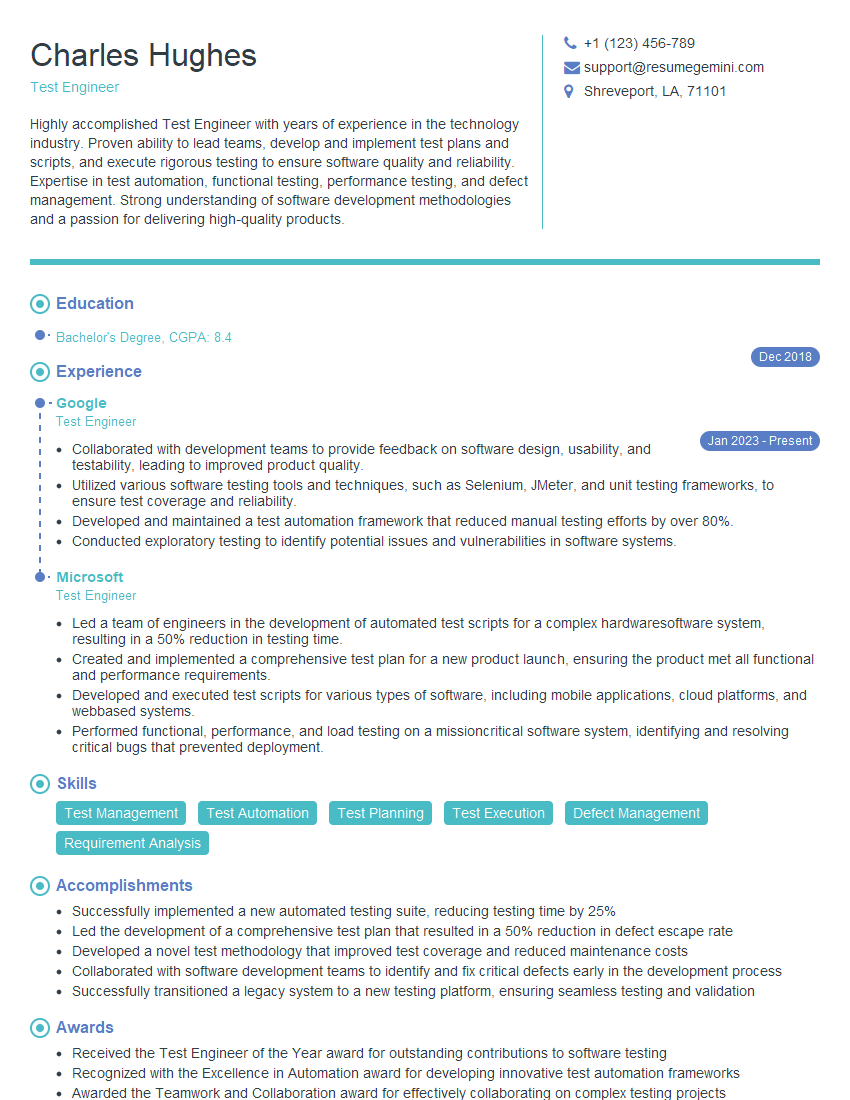
Test Engineer Resume Sample
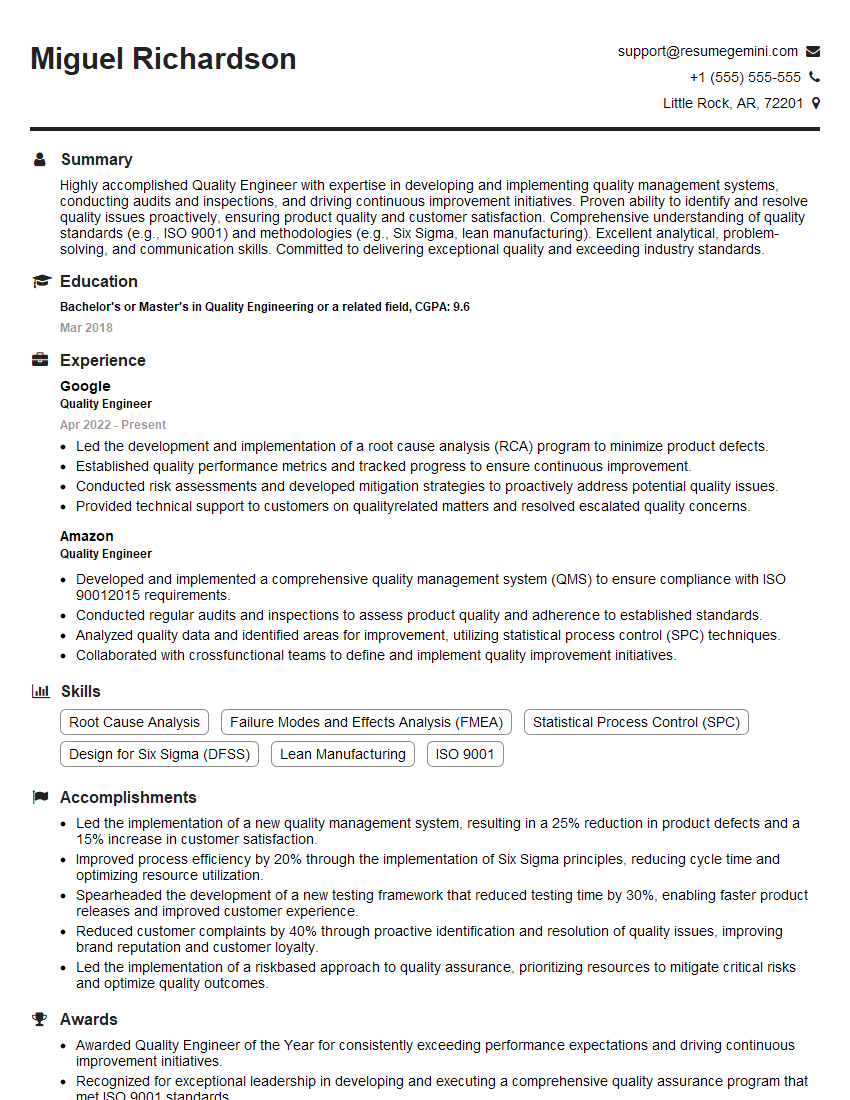
Quality Engineer Resume Sample
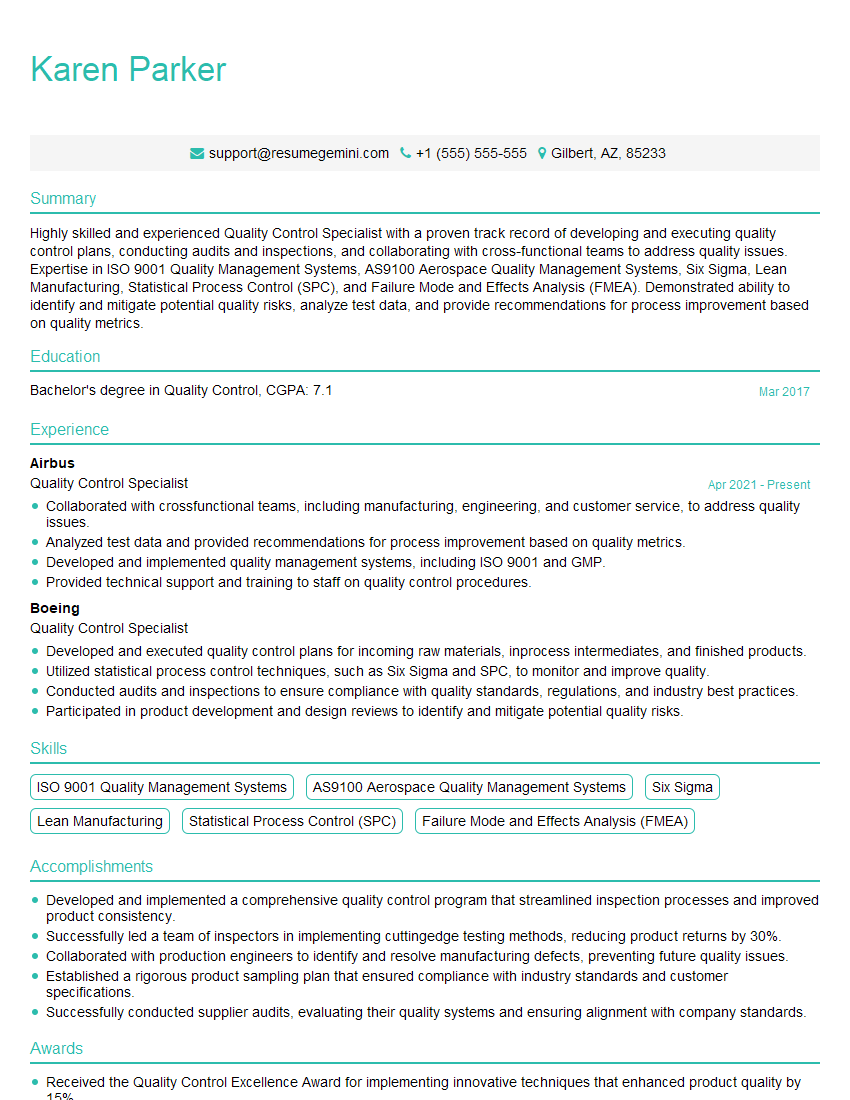
Quality Control Specialist Resume Sample
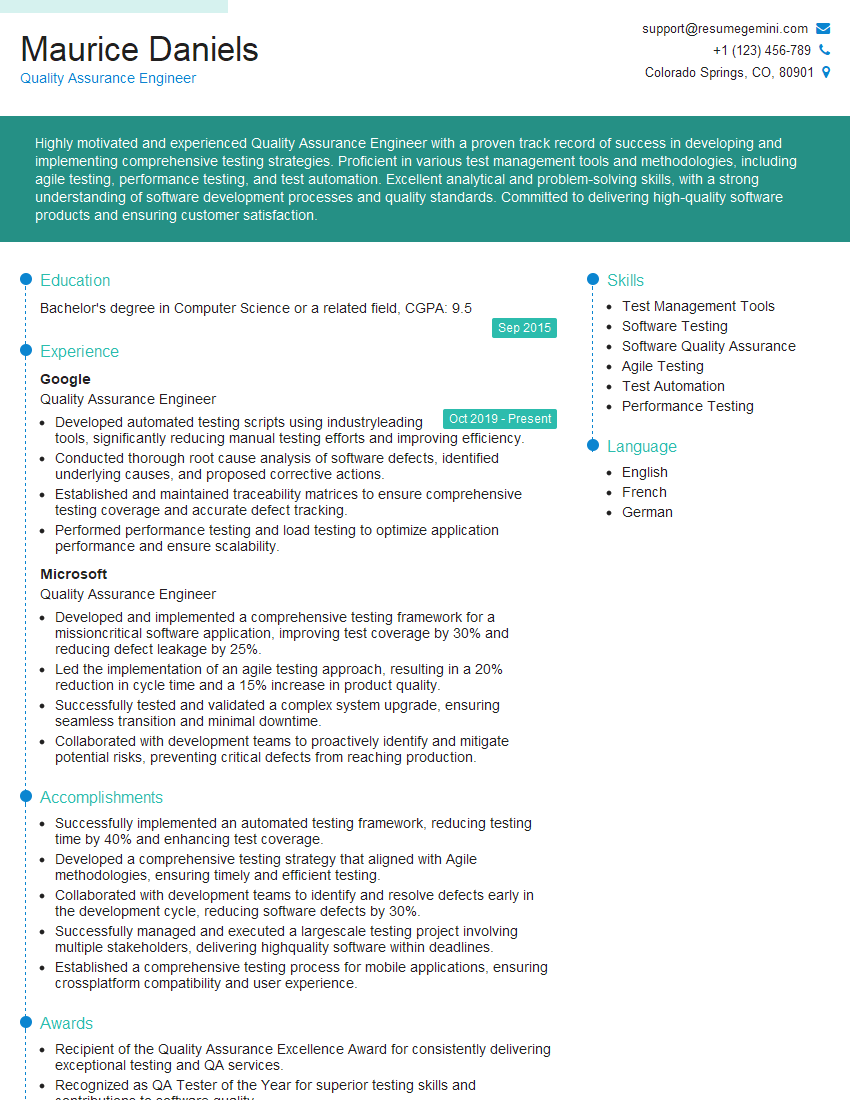
Quality Assurance Engineer Resume Sample
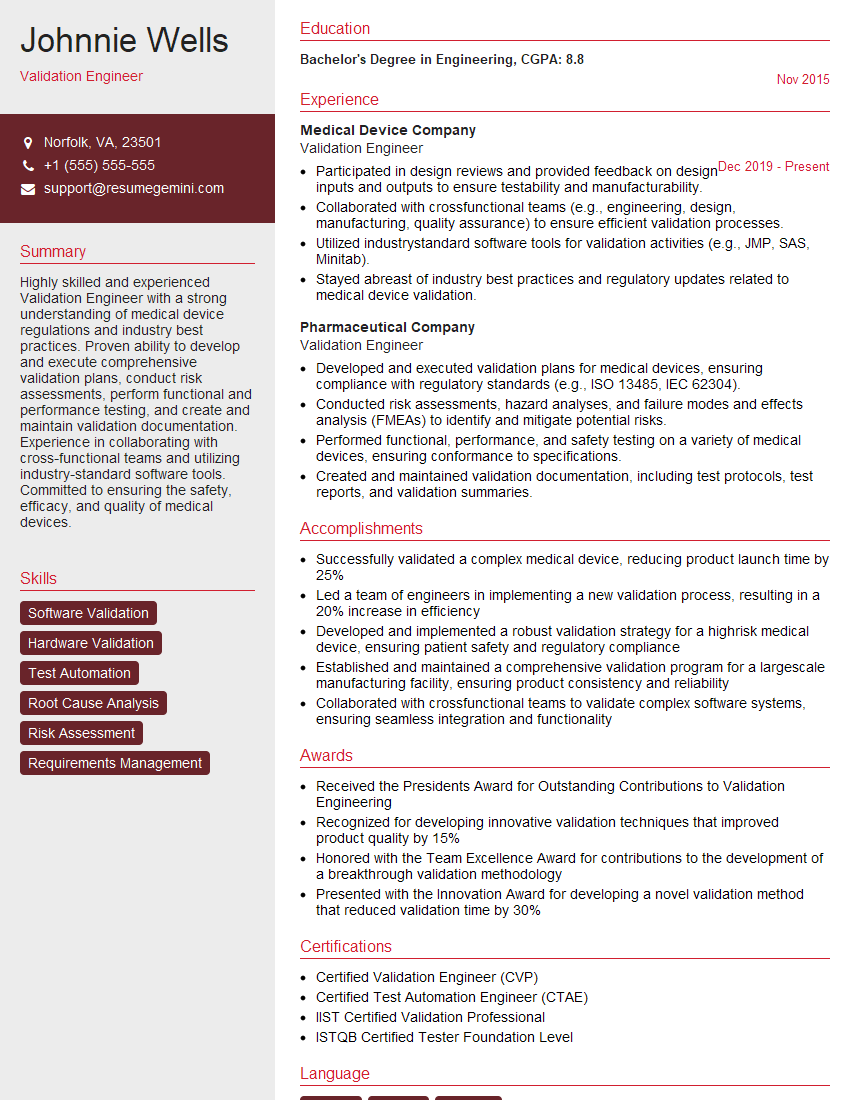
Validation Engineer Resume Sample
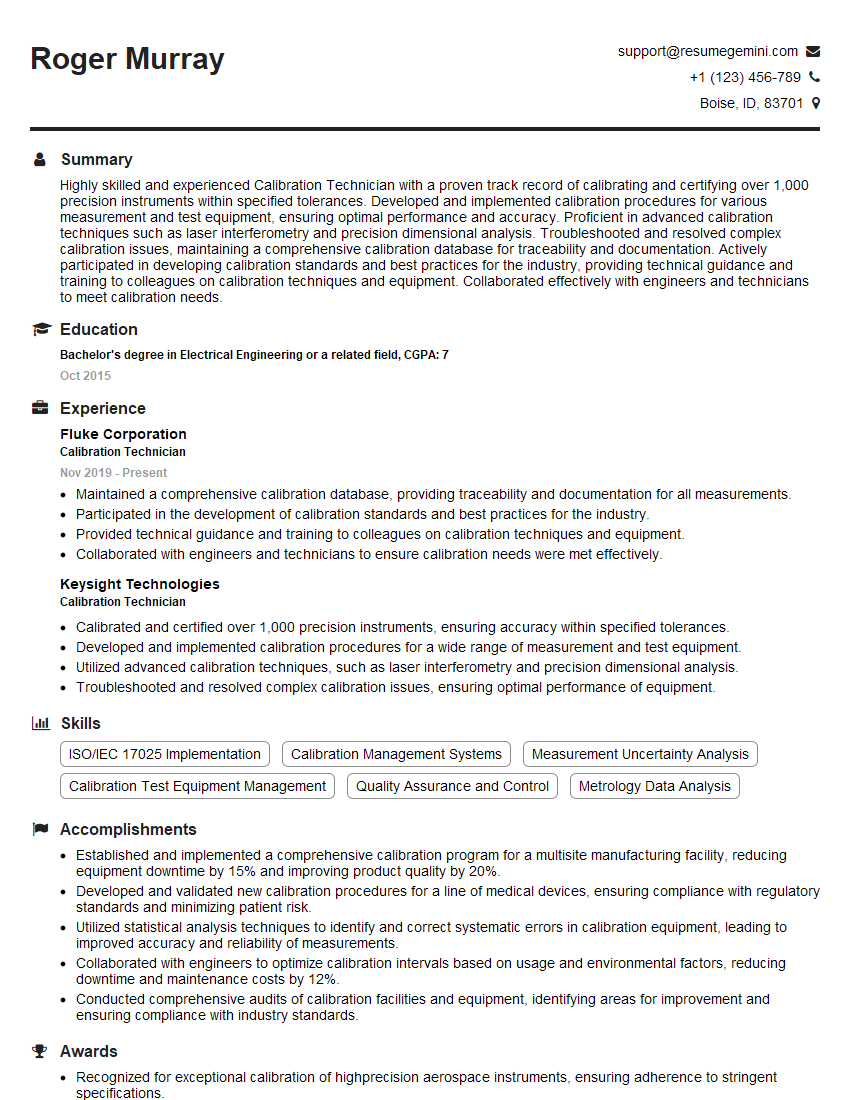
Calibration Technician Resume Sample
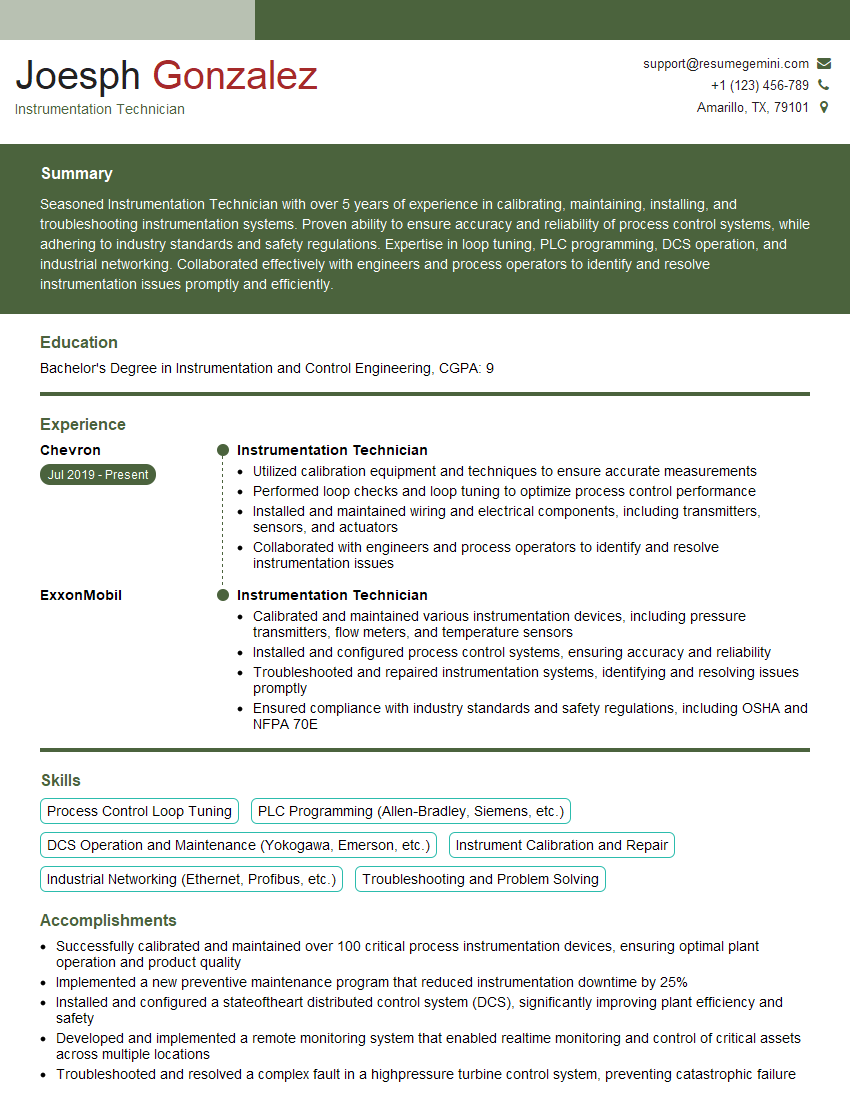
Instrumentation Technician Resume Sample
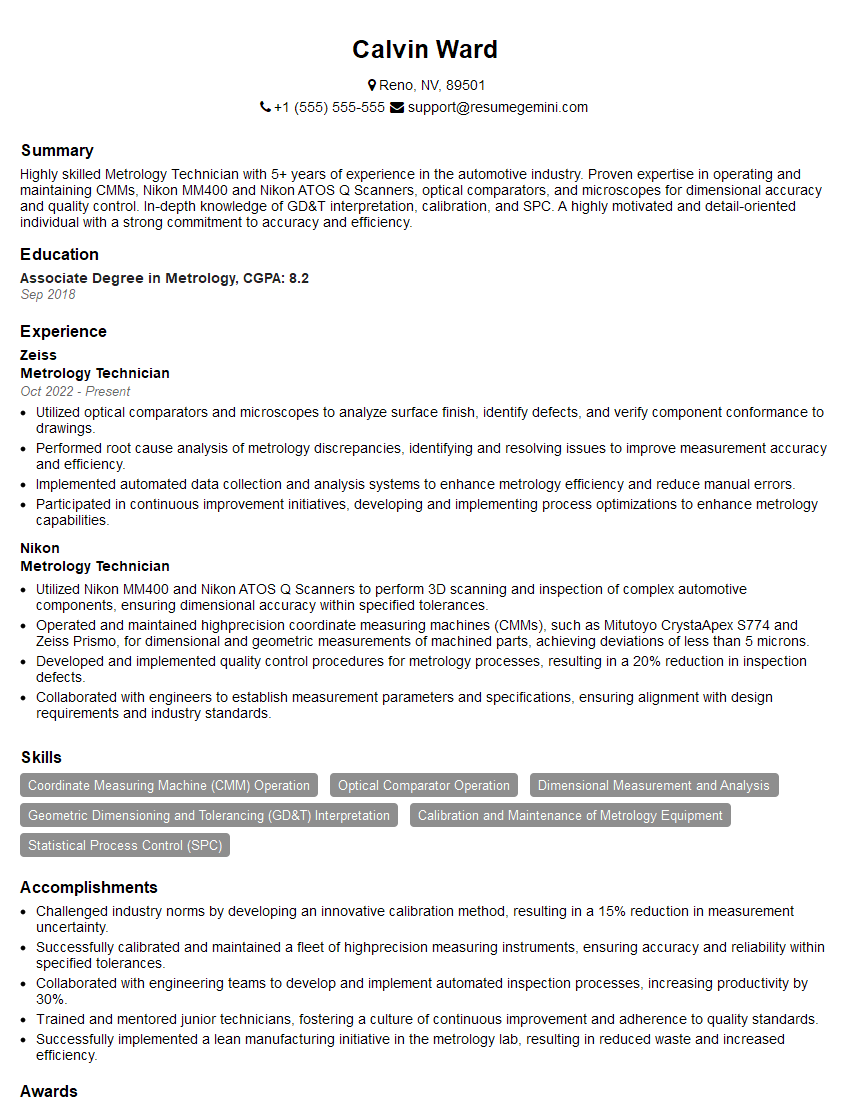
Metrology Technician Resume Sample
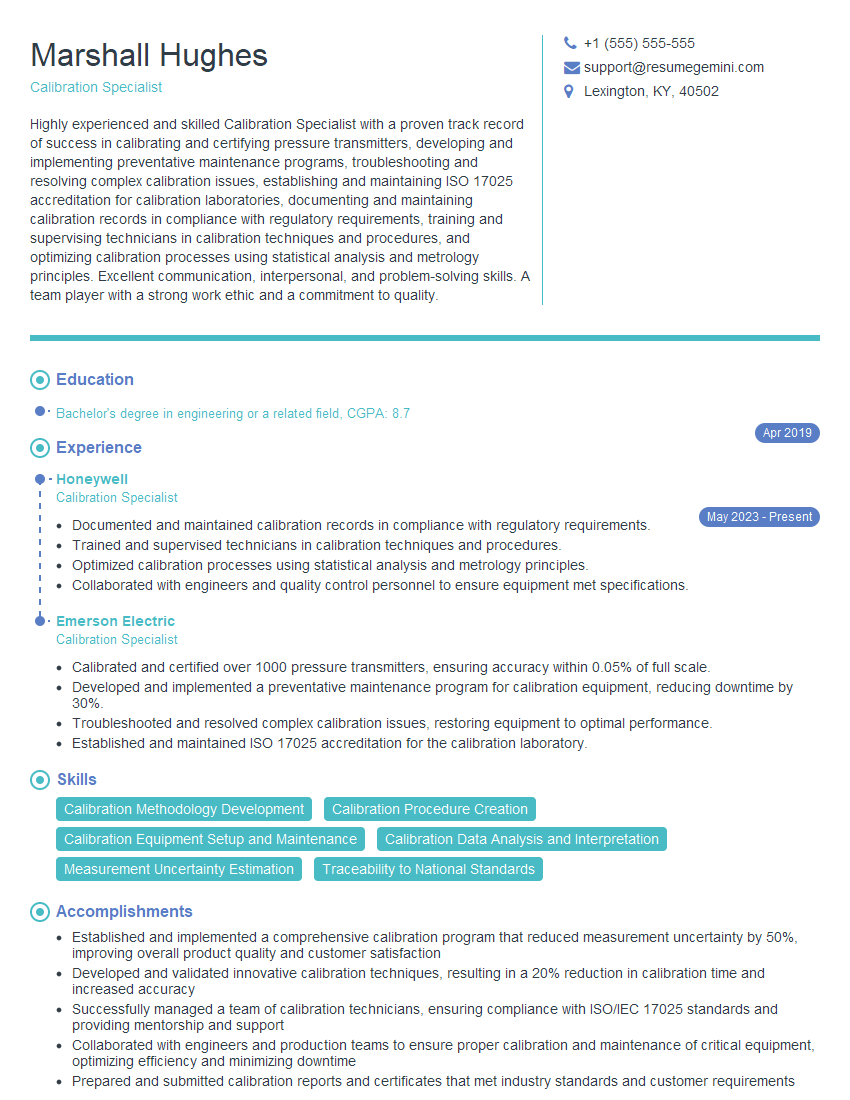
Calibration Specialist Resume Sample
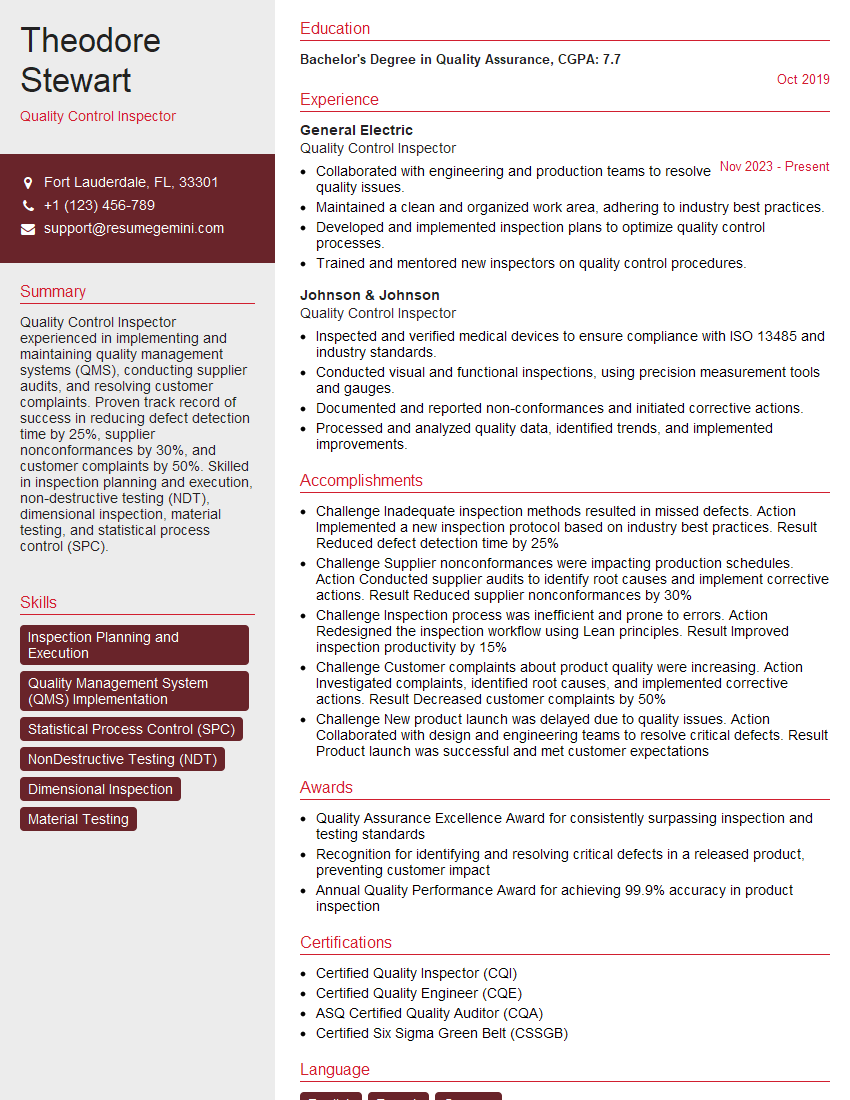
Quality Control Inspector Resume Sample
Explore more articles
Users Rating of Our Blogs
Share Your Experience
We value your feedback! Please rate our content and share your thoughts (optional).
What Readers Say About Our Blog
Very informative content, great job.
good