Preparation is the key to success in any interview. In this post, we’ll explore crucial Proper use of personal protective equipment (PPE) interview questions and equip you with strategies to craft impactful answers. Whether you’re a beginner or a pro, these tips will elevate your preparation.
Questions Asked in Proper use of personal protective equipment (PPE) Interview
Q 1. What are the different types of PPE and their applications?
Personal Protective Equipment (PPE) encompasses a wide range of items designed to protect workers from various hazards. The type of PPE needed depends entirely on the specific risks present in a given work environment.
- Eye and Face Protection: Safety glasses, goggles, face shields protect against flying debris, chemicals splashes, and intense light.
- Head Protection: Hard hats safeguard against falling objects and impacts to the head.
- Hearing Protection: Earplugs and earmuffs reduce exposure to excessive noise levels that can cause hearing damage.
- Respiratory Protection: Respirators (e.g., N95 masks, half-face respirators, full-face respirators) filter out airborne contaminants like dust, fumes, and viruses. The selection depends on the specific contaminant.
- Hand Protection: Gloves protect hands from cuts, abrasions, chemical burns, and biological hazards. Different materials (latex, nitrile, leather) offer varying levels of protection.
- Foot Protection: Safety shoes or boots protect feet from falling objects, punctures, and electrical hazards.
- Body Protection: Aprons, coveralls, and other garments protect the body from chemical splashes, cuts, and abrasions. Some specialized suits offer protection against hazardous materials.
Example: A construction worker might wear a hard hat, safety glasses, and gloves, while a healthcare worker might use gloves, a gown, and a respirator depending on the situation. A laboratory technician working with chemicals might need a full face shield, chemical-resistant gloves, and a lab coat.
Q 2. Explain the hierarchy of controls in relation to PPE.
The hierarchy of controls prioritizes eliminating hazards at their source whenever possible. PPE is the last line of defense, used only when other controls are insufficient. The order is:
- Elimination: Removing the hazard entirely (e.g., replacing a hazardous chemical with a safer alternative).
- Substitution: Replacing a hazardous substance or process with a less hazardous one (e.g., using a water-based cleaning solution instead of a solvent).
- Engineering Controls: Implementing engineering solutions to reduce or eliminate exposure (e.g., installing ventilation systems, using enclosed machinery).
- Administrative Controls: Implementing work practices and procedures to minimize exposure (e.g., job rotation, work permits, training).
- PPE: Providing personal protective equipment as the last resort when other controls are inadequate.
Example: If a worker is exposed to excessive noise, the ideal solution would be to install noise-reducing equipment (engineering control). If that’s not feasible, earplugs (PPE) would be used, but only after evaluating other options.
Q 3. Describe the proper donning and doffing procedures for a respirator.
Donning and doffing (putting on and taking off) a respirator must be done correctly to maintain its effectiveness and prevent contamination. Procedures vary depending on the respirator type, but the general principles are:
Donning:
- Hand Hygiene: Wash hands thoroughly.
- Inspect Respirator: Check for any damage or defects.
- Adjust Straps: Secure straps firmly to ensure a tight seal.
- Perform Fit Check: Conduct a fit check to verify a proper seal (e.g., covering the respirator and inhaling deeply; there should be no air leakage).
Doffing:
- Remove in a Clean Area: Move to a clean, designated area.
- Avoid Touching the Front: Remove straps without touching the front of the respirator.
- Dispose Properly: Discard the respirator according to established procedures.
- Hand Hygiene: Wash hands thoroughly after doffing.
Important Note: Proper training and fit testing are crucial for effective respirator use. A poorly fitting respirator is ineffective.
Q 4. How do you assess the suitability of PPE for a specific task?
Assessing PPE suitability involves a thorough risk assessment of the workplace and task. Consider these factors:
- Hazards Present: Identify all potential hazards (e.g., chemical exposure, physical hazards, biological hazards).
- Severity of Hazards: Determine the severity of the potential harm caused by these hazards.
- PPE Standards: Refer to relevant safety standards and regulations to determine the appropriate PPE for the identified hazards.
- User Comfort and Fit: Ensure the chosen PPE fits the user comfortably and does not interfere with their ability to perform the task.
- Compatibility: Ensure the PPE is compatible with other equipment and procedures.
- Maintenance and Storage: Consider how the PPE will be maintained, inspected, and stored properly.
Example: Working with a corrosive chemical requires chemical-resistant gloves, eye protection, and potentially a full-body suit, depending on the severity of potential exposure. Working at heights might require a harness and fall arrest system in addition to head protection.
Q 5. What are the limitations of PPE?
PPE has limitations. It is not a substitute for effective hazard control. Some limitations include:
- Limited Protection: PPE only protects the areas covered; exposure can still occur in uncovered areas.
- Improper Use: Ineffective if not used correctly or maintained properly.
- User Factors: Comfort, fit, and training affect effectiveness.
- Environmental Factors: Extreme temperatures or humidity can affect PPE performance.
- Hazard Penetration: Certain hazards (e.g., high-energy impacts) can penetrate even robust PPE.
Example: A poorly fitting respirator provides little protection against airborne particles. Gloves only protect the hands; if the hands are not properly protected, the worker’s arms might get injured by other means.
Q 6. How do you ensure the proper fit and function of PPE?
Ensuring proper fit and function of PPE is paramount. This involves:
- Proper Selection: Choose the correct type and size of PPE for the individual and the hazard.
- Fit Testing: Where necessary, conduct fit testing to verify a proper seal (e.g., for respirators).
- Training: Provide thorough training on how to properly don, doff, inspect, and maintain PPE.
- Regular Inspection: Regularly inspect PPE for damage, wear, and tear. Replace damaged PPE immediately.
- Proper Storage: Store PPE in a clean, dry, and designated area to protect it from damage and contamination.
Example: A respirator needs to fit snugly to create a proper seal; a loose-fitting respirator offers little protection. Regular inspection of gloves for tears or punctures is crucial.
Q 7. What are the legal requirements for PPE use in your industry?
Legal requirements for PPE vary by jurisdiction and industry. However, generally, employers have a legal obligation to:
- Conduct Risk Assessments: Identify and assess workplace hazards.
- Provide Suitable PPE: Provide appropriate PPE free of charge to employees exposed to hazards.
- Ensure Proper Use: Ensure employees are trained on how to use PPE correctly.
- Maintain PPE: Maintain and replace PPE as needed.
- Comply with Regulations: Adhere to all relevant safety regulations and standards concerning PPE use.
Failure to comply with these legal obligations can result in significant penalties, including fines and legal action. Consulting relevant workplace safety regulations (OSHA in the US, for example) is crucial.
Q 8. How do you manage PPE inventory and ensure its availability?
Effective PPE inventory management is crucial for worker safety and operational efficiency. It’s a multi-step process involving accurate tracking, regular stock checks, and proactive ordering.
- Inventory Tracking System: We use a digital inventory management system to track PPE stock levels in real-time. This allows us to monitor consumption rates and anticipate shortages. For example, we might track the number of nitrile gloves used per week in each department and set automated alerts when stock falls below a predetermined threshold.
- Regular Stock Checks: Physical stock checks are conducted weekly to verify the accuracy of our inventory system and identify any damage or expired PPE. This helps prevent discrepancies and ensures we have an accurate picture of our available resources.
- Proactive Ordering and Storage: We maintain a robust ordering system with established lead times for replenishing PPE supplies. Proper storage is key to maintaining PPE integrity; items are stored in clean, dry environments, away from direct sunlight and extreme temperatures.
- Designated PPE Storage: We have designated storage areas, clearly labelled and accessible to authorized personnel only. This prevents loss, damage, and misuse.
This integrated approach minimizes downtime due to PPE shortages and ensures a consistent supply of high-quality, readily available protective equipment for all employees.
Q 9. What are the signs and symptoms of PPE-related injuries?
PPE-related injuries can range from minor irritations to serious health problems. Identifying symptoms early is critical for timely intervention.
- Skin Irritation: Contact dermatitis (skin inflammation) is a common issue, often caused by prolonged exposure to chemicals or latex. Symptoms include redness, itching, swelling, and blistering.
- Respiratory Problems: Improper use or inadequate respirators can lead to respiratory irritation, coughing, shortness of breath, and in severe cases, lung damage. For example, a poorly fitted respirator might allow dust particles into the lungs.
- Heat Stress: Wearing bulky PPE in hot environments can cause heat exhaustion or heat stroke. Symptoms include dizziness, nausea, headache, and excessive sweating.
- Eye Injuries: Eye protection failure can result in corneal abrasions, chemical burns, or even blindness.
- Hearing Loss: Insufficient hearing protection in noisy environments can lead to permanent hearing damage.
It’s crucial to immediately report any PPE-related discomfort or injury to a supervisor. Early intervention can often prevent more serious complications.
Q 10. How do you address an employee’s refusal to use PPE?
Addressing employee refusal to wear PPE requires a multi-pronged approach focusing on education, understanding, and enforcing safety protocols.
- Understanding the Reason: First, I’d engage in a conversation to understand the employee’s concerns. Are they uncomfortable with the PPE? Do they find it restrictive? Is there a lack of understanding regarding the risks involved?
- Education and Training: Reinforce the importance of PPE in preventing injuries and highlight the specific hazards the PPE protects against. Provide additional training and demonstrate proper use and fit.
- Alternative Solutions: If the discomfort stems from the type of PPE, we explore alternatives that provide equivalent protection. For example, if they find a particular glove uncomfortable, we might try a different brand or material.
- Enforcing Company Policy: While fostering understanding is key, ultimately, refusal to comply with safety protocols poses a significant risk. Company policy needs to be enforced, potentially including disciplinary action, as a last resort. This would be clearly outlined and documented in advance.
The goal isn’t to punish but to ensure the employee understands the critical role PPE plays in their safety and the safety of their colleagues.
Q 11. Describe your experience with PPE training and education.
I have extensive experience delivering comprehensive PPE training. My approach combines theoretical knowledge with practical application.
- Needs Assessment: I begin with a thorough needs assessment to tailor the training to the specific hazards and PPE required in different roles. For example, training for construction workers would differ significantly from that for laboratory personnel.
- Interactive Training Methods: I use a variety of methods, including interactive presentations, hands-on demonstrations, and practical exercises. This ensures effective knowledge transfer and skill development. For instance, employees practice donning and doffing respirators correctly.
- Documentation and Testing: All training is thoroughly documented, and participants are assessed to ensure comprehension. This includes written tests and practical evaluations.
- Regular Refresher Training: We conduct regular refresher training to reinforce key concepts and address any changes in PPE guidelines or workplace hazards.
My goal is to empower employees with the knowledge and skills to use PPE correctly and confidently, fostering a safety-conscious work environment.
Q 12. How do you inspect and maintain PPE?
Regular inspection and maintenance of PPE are crucial to ensuring its effectiveness and longevity. A systematic approach is essential.
- Visual Inspection: Each piece of PPE is visually inspected for any signs of damage, wear, or contamination. This includes checking for tears, cracks, punctures, or discoloration.
- Functionality Checks: Functionality is checked to ensure proper operation. For example, we test the seals on respirators and the functionality of safety glasses.
- Cleaning and Disinfection: PPE is cleaned and disinfected according to manufacturer’s instructions to remove contaminants and extend its lifespan. This is particularly crucial for reusable PPE.
- Storage and Handling: Proper storage and handling practices are followed to prevent damage and contamination. This includes storing PPE in designated areas and protecting it from harsh environmental conditions.
- Retirement of Damaged PPE: Damaged or expired PPE is immediately removed from service and disposed of appropriately.
This comprehensive inspection process guarantees that all PPE is in optimal condition, providing the necessary protection to the workforce.
Q 13. Explain the importance of regular PPE inspections.
Regular PPE inspections are paramount for worker safety and regulatory compliance. They prevent accidents and injuries by identifying potential hazards before they lead to incidents.
- Early Detection of Defects: Regular inspections allow for the early detection of defects in PPE, preventing accidents. A small tear in a glove might go unnoticed until a chemical spill, but a regular inspection will find and fix the problem.
- Reduced Risk of Accidents: By ensuring all PPE is in good working order, regular inspections significantly reduce the risk of accidents and injuries.
- Extended PPE Lifespan: Proper maintenance and timely repairs extend the lifespan of PPE, saving costs and reducing waste.
- Legal and Regulatory Compliance: Regular inspections are often a requirement of occupational health and safety regulations. This ensures compliance and prevents legal penalties.
Think of it like regular car maintenance; it’s preventative care that prevents major problems and keeps things running smoothly—in this case, keeping workers safe and productive.
Q 14. What are the different types of gloves and their specific uses?
Different gloves are designed for specific tasks and hazards. Choosing the right glove is crucial for effective protection.
- Nitrile Gloves: Highly versatile, offering good resistance to punctures, chemicals, and many solvents. Commonly used in healthcare, laboratories, and industrial settings.
- Latex Gloves: Excellent dexterity, but some individuals may experience allergic reactions. Often used in healthcare settings, though nitrile gloves are increasingly preferred due to allergy concerns.
- Vinyl Gloves: Less expensive than nitrile or latex but offer less protection against chemicals and punctures. Often used for light-duty tasks.
- Cut-Resistant Gloves: Made from materials like Kevlar or steel mesh, providing protection against cuts and lacerations. Used in industries like manufacturing and construction.
- Heat-Resistant Gloves: Insulated gloves protecting against heat and burns. Crucial for handling hot materials or equipment.
- Chemical-Resistant Gloves: Made from materials that provide barrier protection against specific chemicals. The choice of glove depends heavily on the specific chemicals involved.
Proper selection depends entirely on the task and the potential hazards involved. Always consult the Safety Data Sheet (SDS) for the specific chemicals or hazards to determine the appropriate glove type.
Q 15. How do you select appropriate eye protection for different hazards?
Selecting the right eye protection depends entirely on the hazard. Think of it like choosing the right tool for a job – you wouldn’t use a screwdriver to hammer a nail! A risk assessment is crucial here. For example:
Impact hazards (e.g., flying debris from grinding or hammering): Require impact-resistant safety glasses or goggles, often meeting ANSI Z87.1 standards. These glasses have a higher impact resistance than regular glasses.
Chemical splashes (e.g., working with acids or solvents): Demand chemical splash goggles with a sealed design to prevent liquid from entering. The material of the goggles needs to be compatible with the specific chemicals involved. Some goggles offer side shields for extra protection.
Radiation hazards (e.g., welding or laser work): Necessitate specialized safety glasses or face shields that filter out specific wavelengths of light. These often have a darker tint and specific certifications related to the type of radiation.
Dust hazards (e.g., woodworking or sanding): May require safety glasses with side shields to prevent dust from entering the eyes, or even a full-face respirator in extreme cases. If there’s a risk of fine dust entering the eye, consider goggles providing a tight seal.
Always check the manufacturer’s specifications to ensure the eye protection is appropriate for the specific hazard and meets relevant safety standards.
Career Expert Tips:
- Ace those interviews! Prepare effectively by reviewing the Top 50 Most Common Interview Questions on ResumeGemini.
- Navigate your job search with confidence! Explore a wide range of Career Tips on ResumeGemini. Learn about common challenges and recommendations to overcome them.
- Craft the perfect resume! Master the Art of Resume Writing with ResumeGemini’s guide. Showcase your unique qualifications and achievements effectively.
- Don’t miss out on holiday savings! Build your dream resume with ResumeGemini’s ATS optimized templates.
Q 16. What are the requirements for hearing protection in noisy environments?
Hearing protection is mandatory in noisy environments exceeding permissible exposure limits (PELs) set by OSHA or equivalent regulations. These limits vary based on the noise level and exposure duration. The selection process involves:
Noise level assessment: This is done using sound level meters to determine the decibel (dB) level and duration of exposure.
Hearing protector selection: Based on the assessment, appropriate protection must be chosen. This often involves:
Earmuffs: Effective at reducing noise across a wide frequency range and are particularly good for higher noise levels. They cover the entire outer ear.
Ear plugs: Come in various forms (foam, silicone, custom-fit) and offer good attenuation, especially in high-frequency ranges. They are inserted directly into the ear canal.
Fit testing: Ensuring the protectors fit correctly is crucial for optimal protection. Poorly fitting earplugs or earmuffs will allow noise to enter.
Regular maintenance and replacement: Damaged or worn protectors should be replaced immediately to maintain effectiveness.
Remember, hearing loss is irreversible, so prioritizing proper hearing protection is essential. Choosing the right hearing protector isn’t just about the decibel reduction rating; it’s about comfort and proper fit, ensuring consistent use throughout the workday.
Q 17. How do you address damaged or contaminated PPE?
Damaged or contaminated PPE is a serious safety risk and must be handled according to established protocols. Never reuse damaged PPE. The steps are:
Immediate removal: Remove the damaged or contaminated PPE immediately and dispose of it properly.
Decontamination (if applicable): If contamination is suspected, follow specific decontamination procedures based on the nature of the contaminant. This might involve specialized cleaning agents or disposal in biohazard containers.
Disposal: Dispose of damaged or contaminated PPE according to company policy and relevant regulations. This usually involves designated waste containers or specialized disposal services for hazardous materials.
Replacement: Always replace damaged or contaminated PPE with new, undamaged items.
Documentation: Record the incident, including the type of PPE, nature of the damage or contamination, and disposal method. This is vital for maintaining safety records and for any potential incident investigation.
Treating damaged or contaminated PPE with negligence can lead to serious injury or exposure to hazardous substances. Following proper procedures is crucial for the safety of all workers.
Q 18. What is the role of risk assessment in PPE selection?
Risk assessment is the cornerstone of PPE selection. It’s a systematic process to identify potential hazards, assess the associated risks, and determine appropriate control measures, including the selection of suitable PPE. A thorough risk assessment will consider:
The nature of the hazards: What are the specific risks involved? (e.g., chemical exposure, physical hazards, biological agents)
The likelihood of exposure: How often and for how long will workers be exposed to the hazard?
The severity of potential harm: What are the potential consequences of exposure? (e.g., minor injury, serious injury, fatality)
Existing controls: What other control measures are in place to mitigate the risk? (e.g., engineering controls, administrative controls)
Only after a comprehensive risk assessment can appropriate PPE be selected. Choosing PPE without a proper risk assessment is akin to navigating a maze blindfolded – you might get lucky, but you’re far more likely to stumble into trouble.
Q 19. What are the implications of using inappropriate PPE?
Using inappropriate PPE can have serious consequences, ranging from minor discomfort to severe injury or death. These implications include:
Increased risk of injury or illness: The primary and most serious consequence is increased exposure to hazards, leading to injuries, illnesses, or even fatalities.
Reduced productivity: Workers wearing uncomfortable or ineffective PPE may experience reduced efficiency and productivity.
Legal and regulatory non-compliance: Failure to use appropriate PPE can lead to fines, legal action, and damage to the company’s reputation.
Worker morale and confidence: Providing inadequate PPE can negatively impact worker morale and confidence in the company’s safety commitment.
Increased healthcare costs: Workplace injuries and illnesses resulting from inadequate PPE significantly increase healthcare costs for both the worker and the company.
In short, using the right PPE is not just a matter of compliance; it’s a critical element in ensuring a safe and productive work environment. The cost of not using the right PPE far outweighs the investment in appropriate protection.
Q 20. How do you ensure PPE compliance within a team?
Ensuring PPE compliance within a team requires a multi-faceted approach that combines training, supervision, and a strong safety culture. Key strategies include:
Comprehensive training: Provide thorough training on the proper selection, use, care, and limitations of all PPE used within the workplace. This includes practical demonstrations and hands-on experience.
Regular inspections: Conduct regular inspections to ensure workers are using PPE correctly and that the equipment is in good condition. This also creates an opportunity for addressing any immediate concerns.
Clear communication: Maintain open communication channels to address any concerns or questions workers may have about PPE. Encourage feedback and suggestions for improvement.
Leadership commitment: Demonstrate strong leadership commitment to safety by actively participating in safety initiatives and setting a positive example. Management buy-in is essential.
Incentives and recognition: Acknowledge and reward those who consistently follow PPE protocols. This can boost morale and encourage compliance.
Regular updates and reviews: PPE requirements and procedures should be reviewed regularly and updated to reflect changes in the work environment or technology.
Remember, creating a culture where PPE use is seen as a normal and necessary part of the job, rather than an inconvenience, is paramount to achieving consistent compliance.
Q 21. Describe your experience with different types of respirators.
My experience encompasses various respirator types, each suited for different hazards. These include:
Filtering facepieces (FFPs): These are commonly used for protecting against dusts, mists, and fumes. I have experience using various classes of FFPs, understanding their differing levels of protection (FFP1, FFP2, FFP3), and recognizing the importance of proper fit testing. FFP3 respirators, for example, offer the highest level of protection against fine particles and are often needed in environments with high levels of airborne contaminants.
Air-purifying respirators (APRs): I’m familiar with APRs equipped with various cartridges and filters for different hazards. For instance, I’ve worked with respirators using organic vapor cartridges, acid gas cartridges, and particulate filters, and understand the significance of selecting the appropriate cartridge for the specific airborne contaminant. It’s crucial to match the respirator to the hazard.
Supplied-air respirators (SARs): These respirators provide a continuous supply of clean air from an external source. I’ve worked with both airline and self-contained breathing apparatus (SCBA) systems. SCBAs provide longer duration protection and are necessary in oxygen-deficient or immediately dangerous to life or health (IDLH) atmospheres. SARs are crucial when dealing with high concentrations of hazardous substances.
Experience includes proper respirator selection, fit testing, use, maintenance, and limitations. Understanding the differences between these types, as well as appropriate selection and use protocols, is vital for ensuring worker safety.
Q 22. What are the challenges in ensuring PPE compliance?
Ensuring PPE compliance presents numerous challenges, often stemming from a combination of factors. One major hurdle is employee buy-in. Workers might find PPE uncomfortable, inconvenient, or perceive it as unnecessary, leading to non-compliance. Another significant challenge is proper training and education. If employees don’t understand why specific PPE is required or how to use it correctly, compliance will suffer. Maintaining adequate supplies is also crucial; shortages can force workers to compromise safety. Furthermore, enforcement is key. A robust system for monitoring PPE usage and addressing violations is vital, but can be resource-intensive. Finally, staying current with evolving regulations and best practices ensures ongoing effectiveness, but requires continuous effort and professional development.
- Example: A construction site might struggle with hard hat compliance if workers feel the hats are too hot or uncomfortable. Addressing this could involve providing different styles of hard hats or implementing cooling measures.
- Example: Inadequate training on respirator use could lead to incorrect fitting or improper maintenance, reducing the respirator’s effectiveness.
Q 23. How do you communicate PPE safety information to employees?
Effective communication of PPE safety information requires a multi-pronged approach. Training sessions, encompassing both theoretical knowledge and practical demonstrations, are fundamental. These sessions should be tailored to the specific PPE used and the hazards faced, and ideally include hands-on practice and competency testing. Visual aids like posters, diagrams, and videos can supplement training and serve as ongoing reminders. Regular toolbox talks—short, informal safety discussions—can reinforce key messages and address emerging concerns. Written materials like safety manuals and checklists provide readily accessible information, while interactive online modules can make learning more engaging and accessible. Finally, clear, consistent messaging from leadership emphasizes the importance of safety and promotes a culture of compliance.
- Example: A safety video demonstrating proper donning and doffing procedures for a respirator would be highly effective.
- Example: Regular toolbox talks can address specific incidents or near misses, underscoring the importance of proper PPE use.
Q 24. What are the key elements of a successful PPE program?
A successful PPE program hinges on several key elements. Hazard assessment is paramount; identifying the specific hazards faced by workers determines the appropriate PPE. A well-defined selection process considers factors like comfort, fit, and compatibility with other equipment. Comprehensive training is crucial, ensuring employees understand how to properly use, maintain, and store their PPE. Regular inspections and audits monitor PPE usage and identify potential problems. A strong record-keeping system documents training, inspections, and any incidents related to PPE. Finally, continuous improvement is essential; the program should be regularly reviewed and updated based on feedback and evolving safety standards.
- Example: A chemical plant would require a thorough hazard assessment to select appropriate respiratory protection for workers handling hazardous chemicals.
- Example: Regular inspections might reveal damaged gloves, prompting the need for replacement and retraining on proper glove use.
Q 25. How do you stay up-to-date on changes in PPE regulations?
Staying current on PPE regulations requires proactive engagement with several sources. Subscription to professional journals and publications provides access to up-to-date research and best practices. Membership in relevant professional organizations offers opportunities for networking and continuing education. Regularly reviewing government websites, such as OSHA (in the US) or equivalent agencies in other countries, ensures awareness of new regulations and updates. Attending industry conferences and workshops facilitates knowledge sharing and networking with peers. Finally, engaging with PPE manufacturers and suppliers keeps you informed of new product developments and technological advancements.
Q 26. Describe a time you had to troubleshoot a PPE-related issue.
In a previous role, we experienced an increase in eye injuries among workers operating machinery. Initial investigation suggested inadequate eye protection. To troubleshoot, we first reviewed existing safety protocols, including training materials and PPE selection guidelines. We then conducted on-site observations to better understand how the equipment was being used and how the PPE was being worn. This revealed that the provided safety glasses were uncomfortable and many workers were removing them while operating the machines. We addressed the issue by: 1) conducting retraining sessions, emphasizing the importance of consistent eye protection and demonstrating the correct use of the safety glasses; 2) introducing a wider variety of safety eyewear to enhance comfort and fit; 3) implementing stricter supervision and enforcement of PPE usage; and 4) introducing alternative eye protection solutions, such as face shields, in particularly hazardous areas.
Q 27. What are the best practices for storing and handling PPE?
Proper storage and handling of PPE is critical to maintaining its effectiveness and preventing contamination. PPE should be stored in a clean, dry, and secure location, away from dust, moisture, and extreme temperatures. Designated storage areas clearly labeled with the type of PPE stored are essential. PPE should be handled with care to avoid damage; gloves should not be touched to the outside surfaces once donned. Regular inspections should be carried out to check for damage, degradation, or contamination. Expiration dates should be carefully monitored and expired PPE promptly discarded. First-in, first-out (FIFO) inventory management ensures that older PPE is used before newer stock.
- Example: Respirators should be stored in airtight containers to prevent contamination.
- Example: Gloves should be stored in clean, sealed packages.
Q 28. How do you ensure the proper disposal of contaminated PPE?
Disposal of contaminated PPE requires adherence to strict procedures to prevent cross-contamination and protect the environment. Contaminated PPE should be handled carefully, ideally using double gloving and other appropriate personal protection. Specific disposal methods should follow guidelines provided by relevant authorities and manufacturers. This often involves placing the PPE in designated containers or bags according to the type of contamination. Proper labeling is vital, indicating the type of contaminant and potential hazards. Contaminated PPE should be disposed of according to local regulations, which may involve incineration, autoclaving, or other methods. Thorough documentation should track disposal methods and quantities.
- Example: PPE contaminated with bloodborne pathogens would require specific handling and disposal procedures to prevent the spread of infection.
- Example: Chemical-contaminated PPE might require specialized treatment prior to disposal.
Key Topics to Learn for Proper Use of Personal Protective Equipment (PPE) Interview
- Types of PPE: Understanding the various types of PPE (gloves, masks, goggles, respirators, etc.) and their appropriate applications. This includes knowing the differences between disposable and reusable PPE and their limitations.
- Donning and Doffing Procedures: Mastering the correct sequence for putting on (donning) and taking off (doffing) PPE to minimize contamination risk. This includes understanding the importance of aseptic technique.
- Selection Criteria: Knowing how to choose the appropriate PPE based on the specific hazard or task. This includes understanding risk assessments and relevant safety regulations.
- Limitations of PPE: Recognizing that PPE is not a complete solution and understanding its limitations in protecting against certain hazards. This includes knowing when additional safety measures are needed.
- Maintenance and Storage: Proper care, storage, and disposal of PPE to ensure its effectiveness and prevent cross-contamination. This includes understanding the importance of inspecting PPE for damage before use.
- Legal and Regulatory Compliance: Familiarity with relevant health and safety regulations and standards concerning PPE use in your industry.
- Practical Application: Scenario-based problem-solving: Imagine different workplace scenarios and determine the appropriate PPE needed and the correct procedures to follow.
- Troubleshooting: Identifying and addressing common issues encountered while using PPE, such as discomfort, malfunction, or inadequate protection.
Next Steps
Mastering proper PPE use demonstrates a commitment to safety and professionalism, significantly enhancing your appeal to potential employers in any safety-conscious industry. A strong resume is crucial to showcasing this expertise. Crafting an ATS-friendly resume is key to getting your application noticed. ResumeGemini can help you build a professional and effective resume that highlights your skills and experience in PPE usage. Examples of resumes tailored to PPE expertise are available within ResumeGemini to help guide your creation.
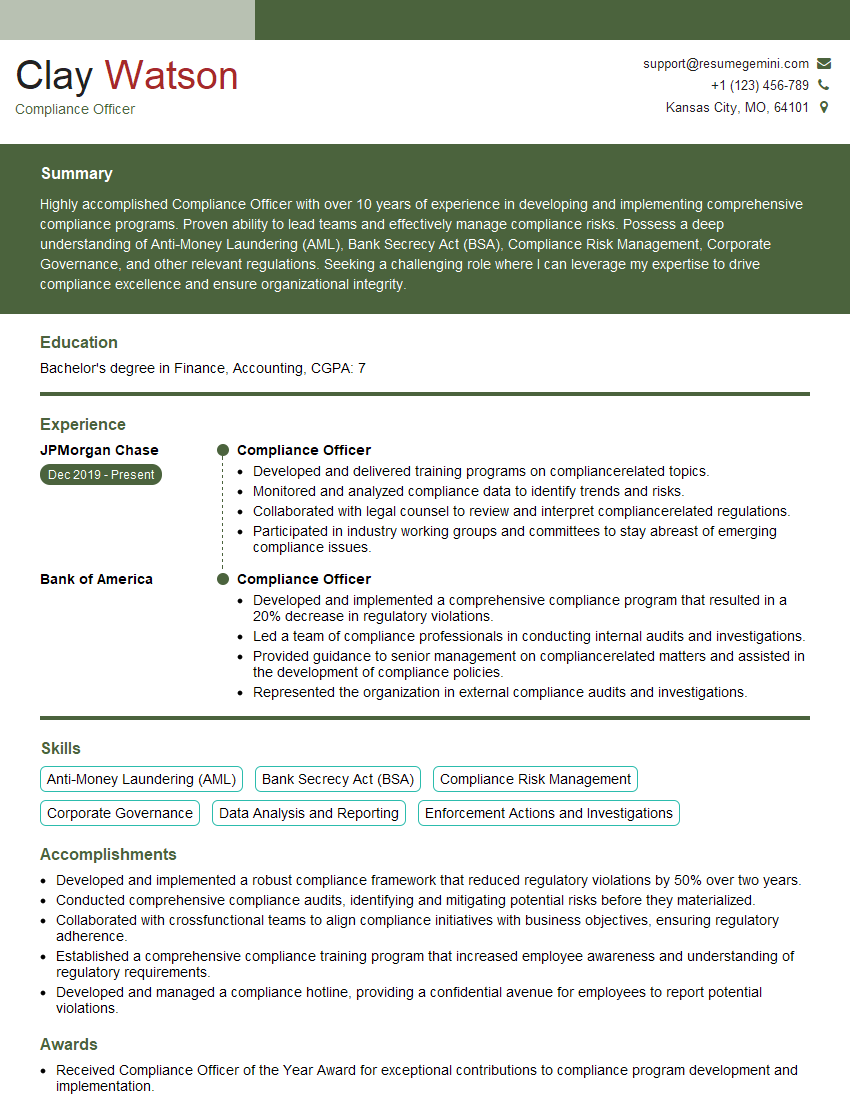
Compliance Officer Resume Sample
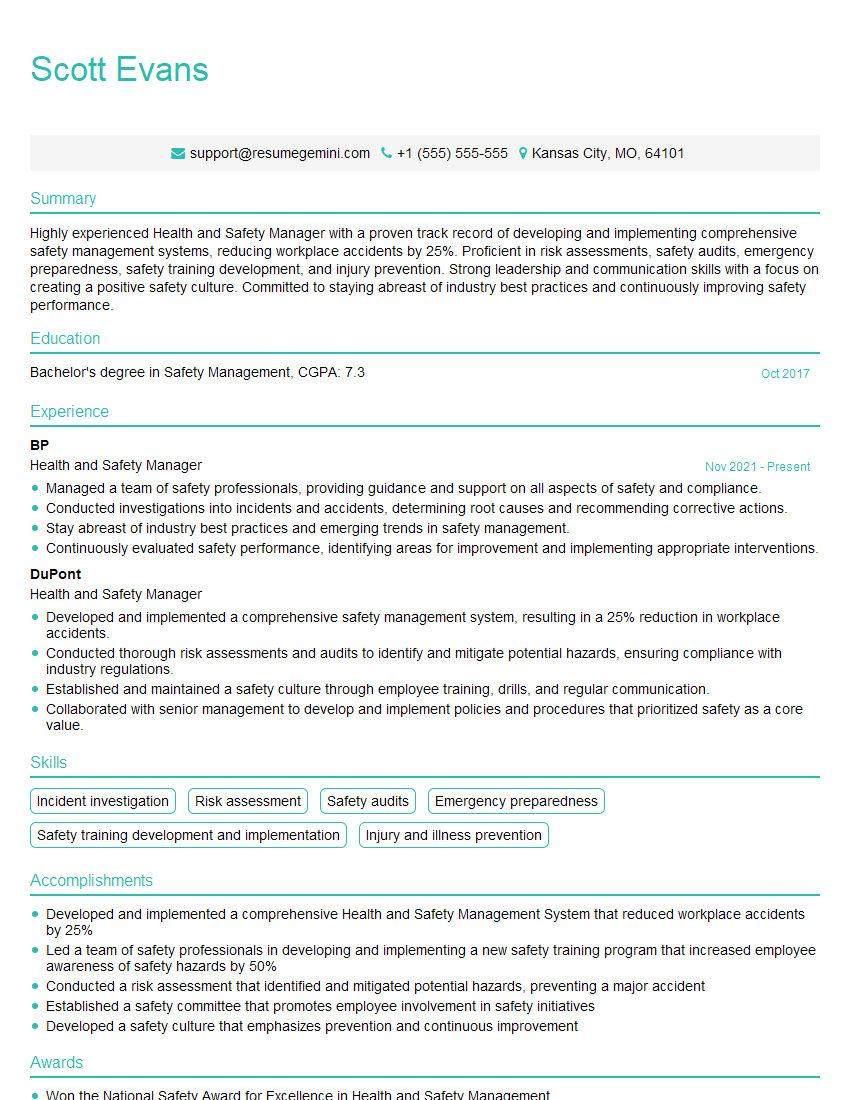
Health and Safety Manager Resume Sample
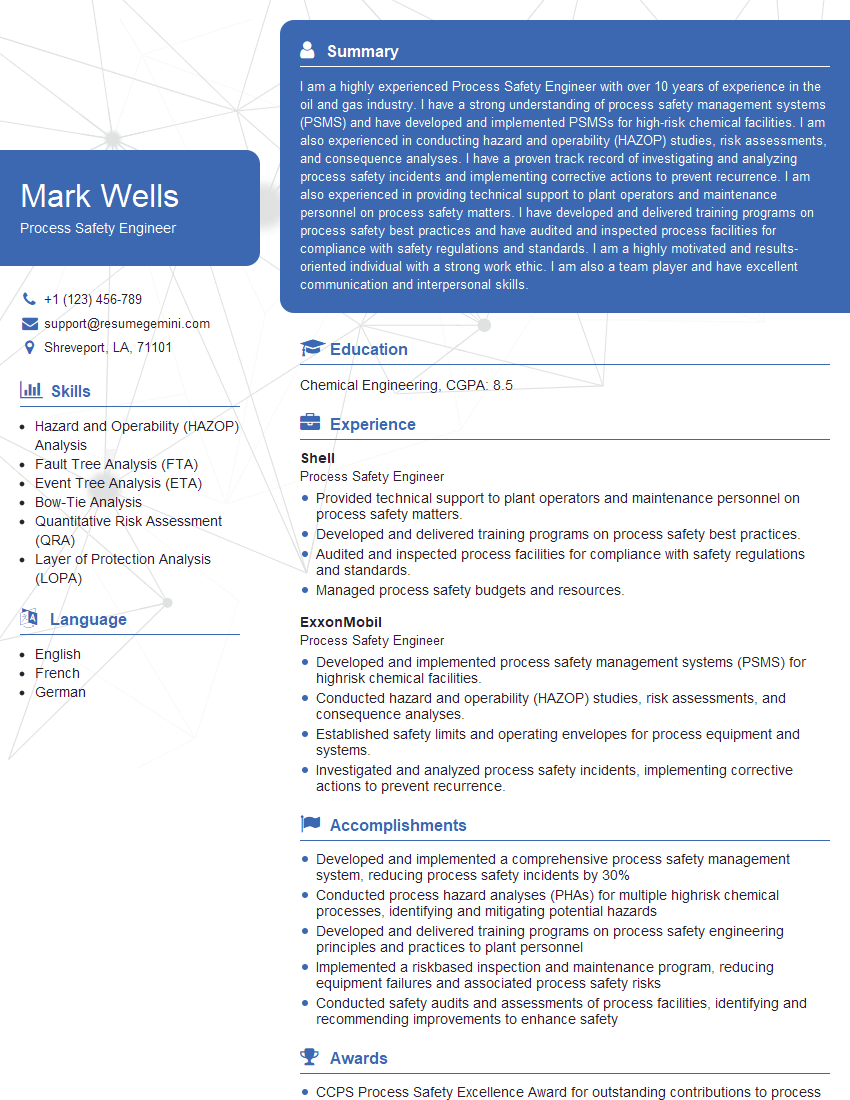
Process Safety Engineer Resume Sample
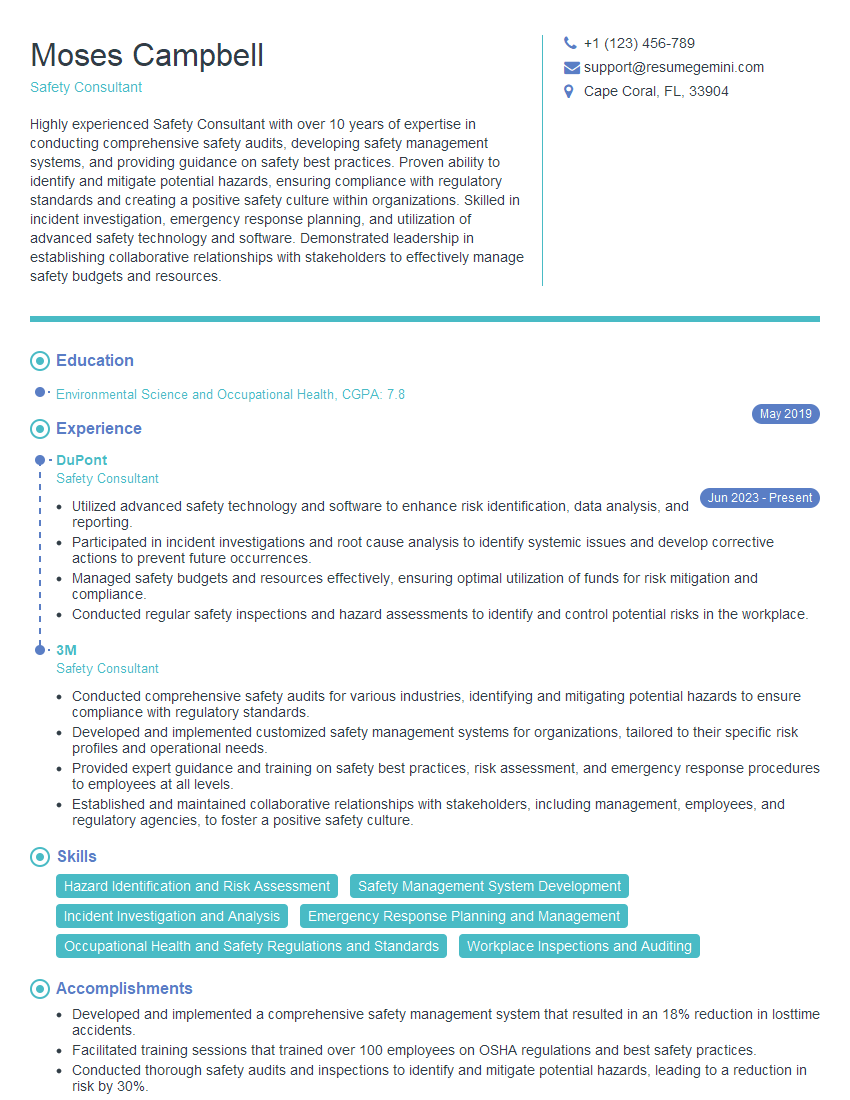
Safety Consultant Resume Sample
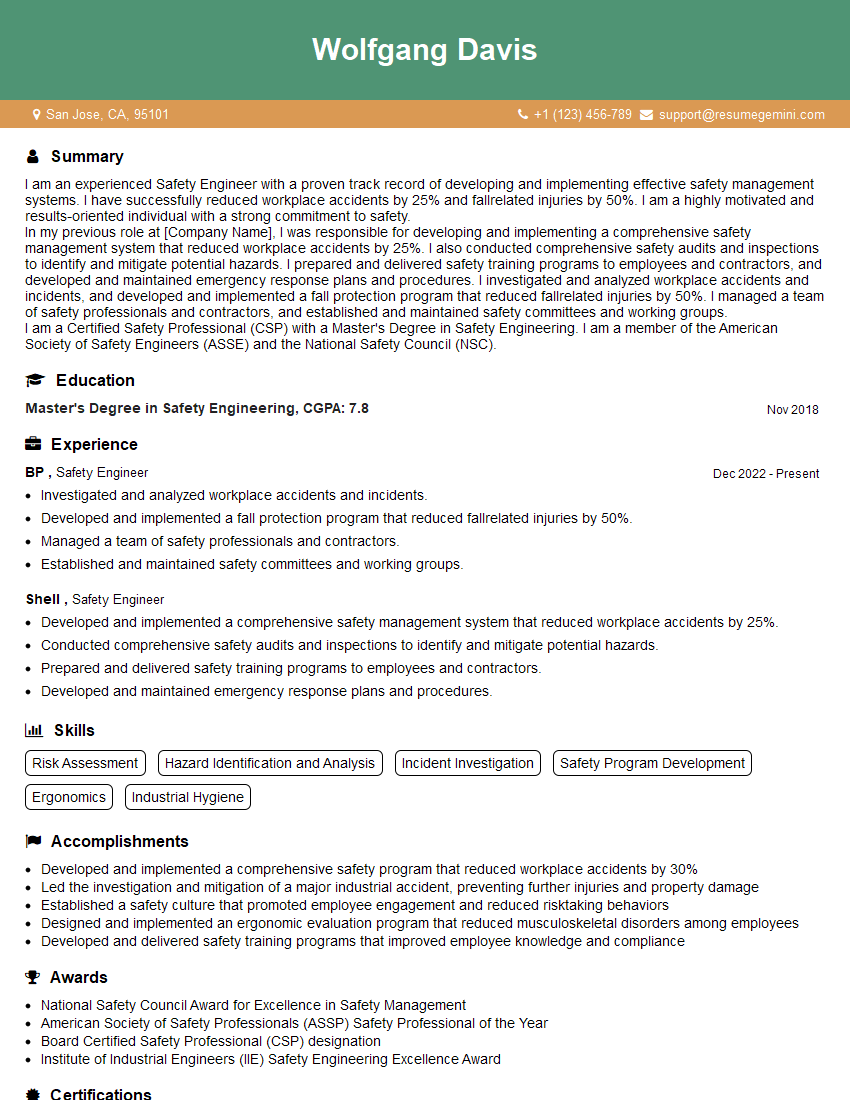
Safety Engineer Resume Sample
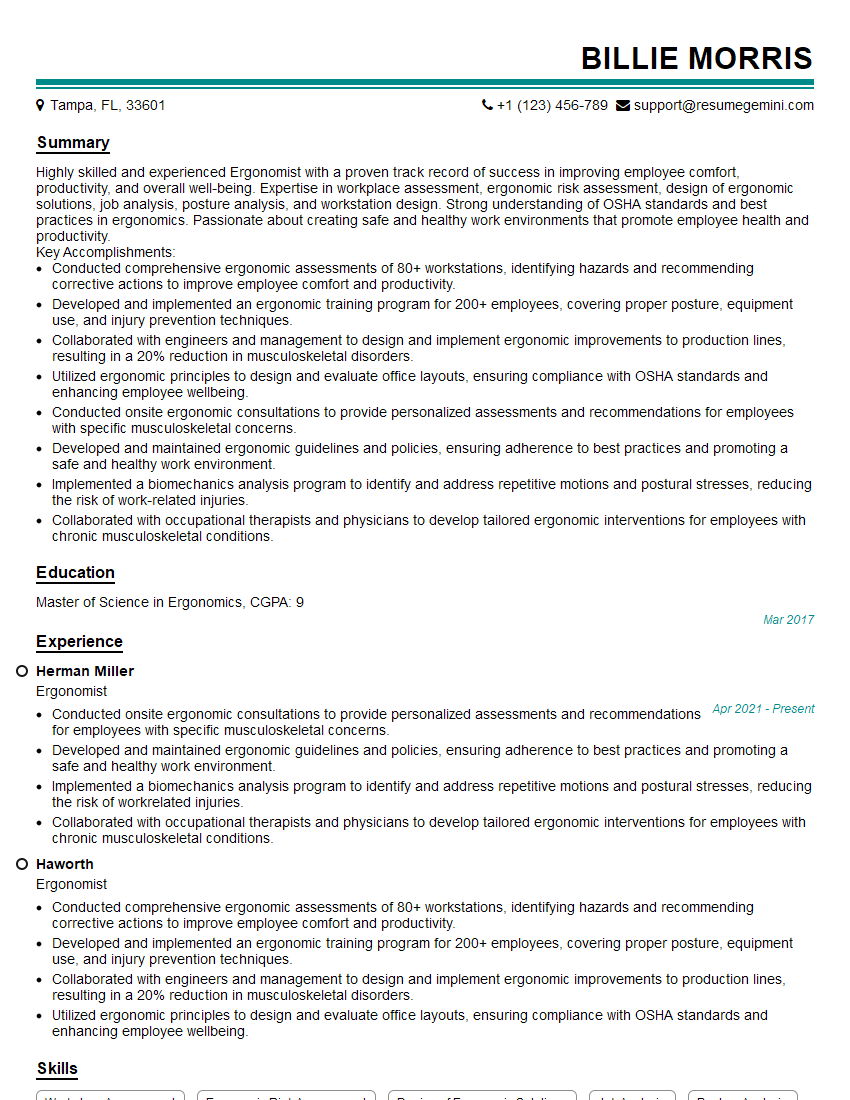
Ergonomist Resume Sample
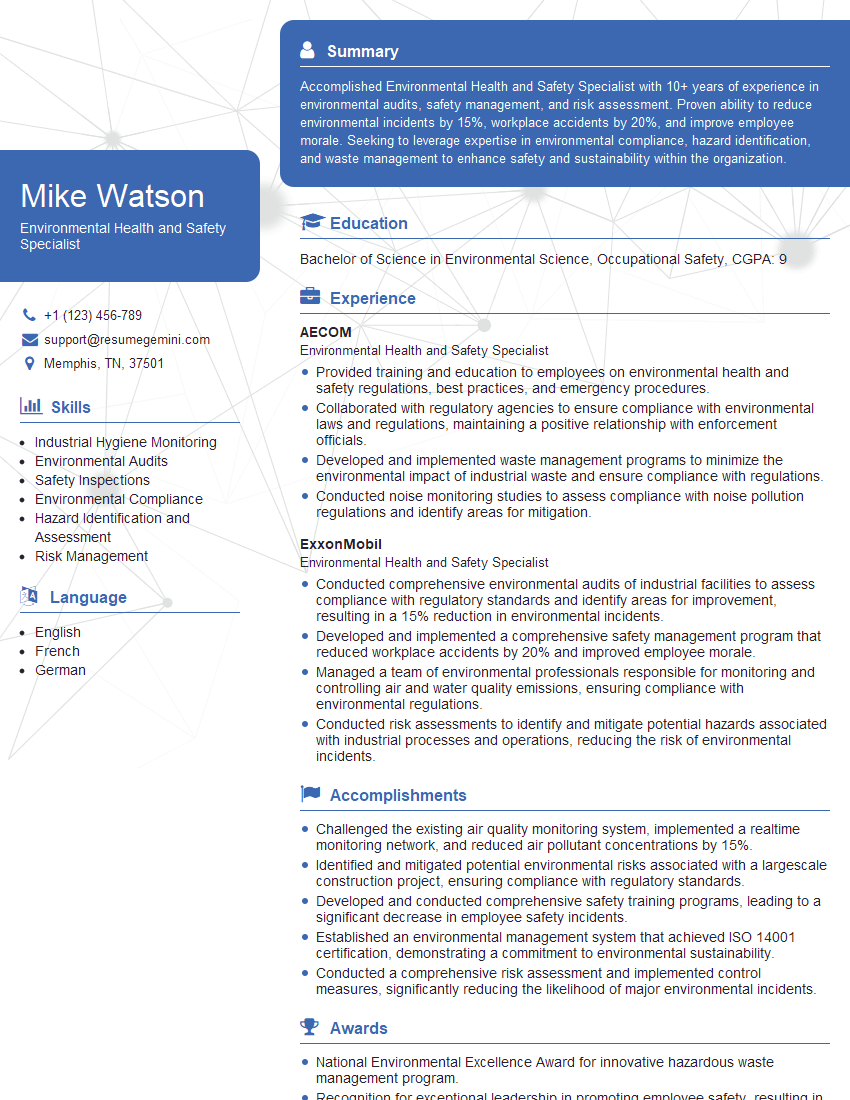
Environmental Health and Safety Specialist Resume Sample
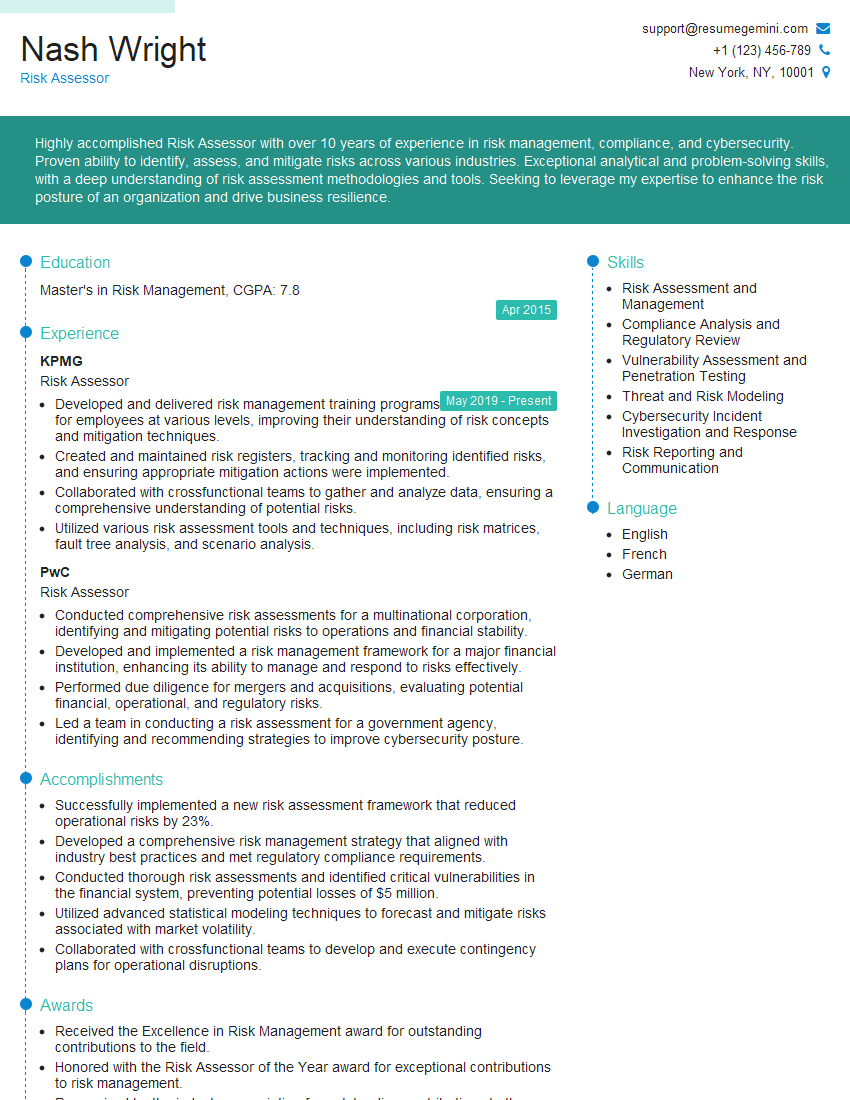
Risk Assessor Resume Sample
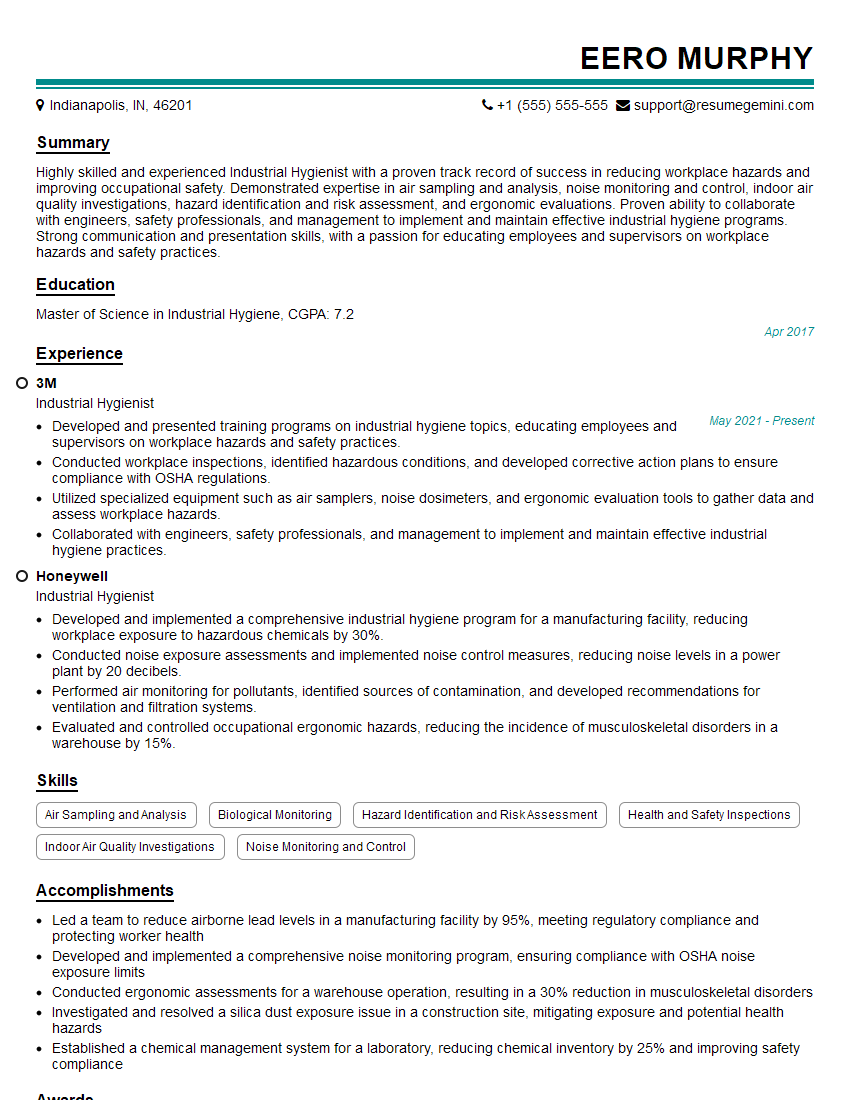
Industrial Hygienist Resume Sample
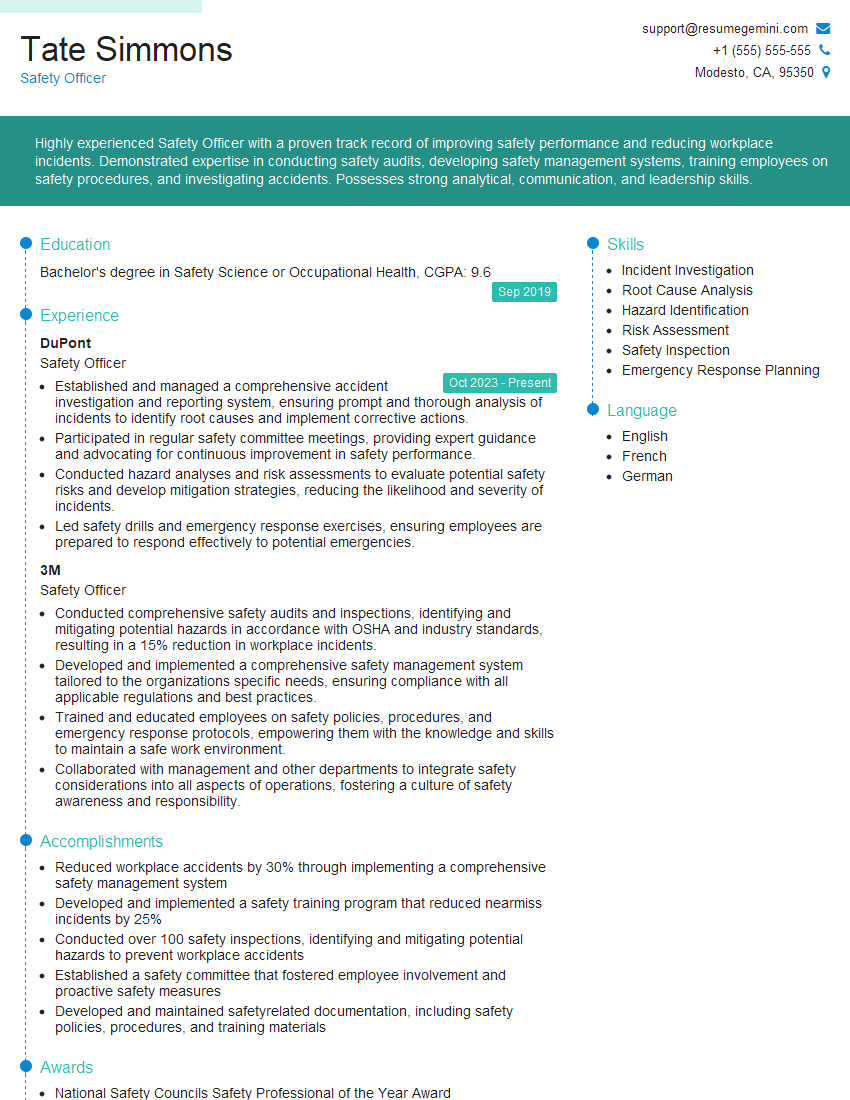
Safety Officer Resume Sample
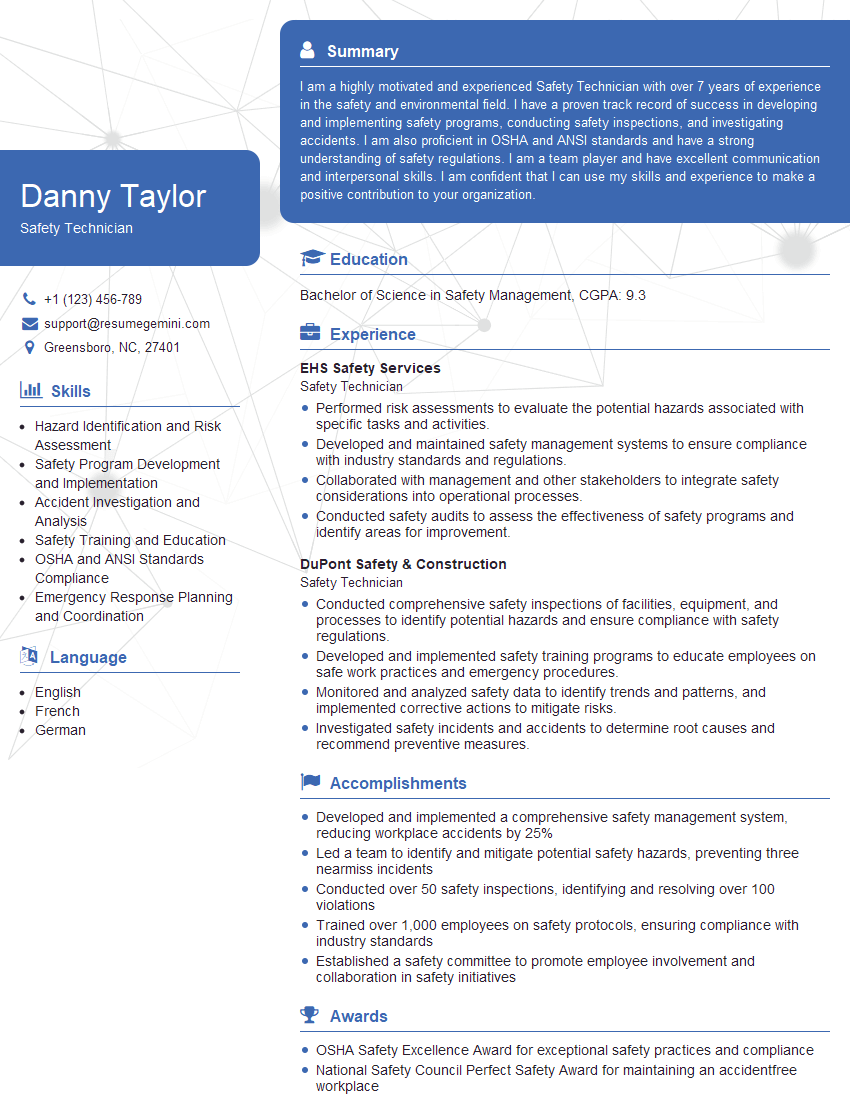
Safety Technician Resume Sample
Explore more articles
Users Rating of Our Blogs
Share Your Experience
We value your feedback! Please rate our content and share your thoughts (optional).
What Readers Say About Our Blog
Very informative content, great job.
good