Every successful interview starts with knowing what to expect. In this blog, we’ll take you through the top Socialization interview questions, breaking them down with expert tips to help you deliver impactful answers. Step into your next interview fully prepared and ready to succeed.
Questions Asked in Socialization Interview
Q 1. Explain the stages of socialization.
Socialization is a lifelong process through which individuals learn and internalize the norms, values, beliefs, and behaviors of their society. While different theorists propose varying frameworks, a common understanding involves distinct stages, though these aren’t always rigidly defined or experienced sequentially.
- Infancy and Childhood: This primary socialization stage focuses on basic needs, emotional attachment, language acquisition, and fundamental social rules from family and close caregivers.
- Childhood and Adolescence: Socialization expands to include peers, school, and increasingly complex social structures. Individuals learn about roles, expectations, and begin to develop their identity beyond family relationships.
- Adulthood: Socialization continues through work, romantic relationships, community involvement, and other life experiences. Individuals adapt to changing roles and societal expectations, and may undergo significant personal growth and identity shifts.
- Older Adulthood: This stage involves adapting to retirement, potential health changes, and shifting social networks. Socialization may focus on maintaining existing relationships and creating new ones, possibly within age-specific communities.
It’s crucial to remember that these stages are fluid and influenced by individual experiences, cultural context, and societal changes.
Q 2. Describe the difference between primary and secondary socialization.
Primary and secondary socialization represent distinct phases in the lifelong process of learning societal norms. Primary socialization occurs during early childhood, primarily within the family. It’s characterized by intense emotional bonds, direct interaction, and the learning of fundamental values, beliefs, and behaviors. This initial shaping profoundly influences the individual’s self-concept and future social interactions. Think of learning basic manners, language, and emotional regulation within a loving family environment.
Secondary socialization begins later, often during school years and beyond, extending into adulthood. This stage involves learning the rules and norms of larger social systems like schools, workplaces, and community organizations. These interactions are often more formal and less emotionally charged than primary socialization, focusing on specific roles and behaviors appropriate to those settings. Imagine adapting to the rules and expectations of a workplace, or navigating the social dynamics of a university campus.
Q 3. How do agents of socialization impact individual development?
Agents of socialization are individuals, groups, and institutions that influence an individual’s learning and development of social norms and behaviors. They transmit cultural knowledge, shaping attitudes and beliefs.
- Family: The most significant agent, influencing moral development, identity, and social skills.
- Education: Schools teach academic knowledge, social skills, conformity, and obedience. They also expose children to diverse perspectives and social interactions.
- Peer Groups: Peers offer a sense of belonging, develop independent social skills and norms, and can impact self-esteem and identity.
- Media: Television, movies, social media, and other forms of media influence attitudes, behaviors, and perceptions of reality.
- Religion: Religious institutions transmit moral codes, beliefs, and values influencing behavior and social interaction.
- Workplace: Employment teaches professional skills, specific rules, and organizational culture.
The cumulative influence of these agents shapes an individual’s understanding of the world and their place within it.
Q 4. What is the role of social interaction in the socialization process?
Social interaction is fundamental to socialization. It’s the process through which individuals learn social norms and develop their social identity through communication, observation, and participation in social activities.
Through interaction, individuals:
- Learn social cues: We observe and interpret others’ behaviors, learning what is considered appropriate or inappropriate in different situations.
- Internalize norms: By interacting with others, we absorb societal rules and expectations, shaping our attitudes and behaviors.
- Develop self-concept: Feedback and reactions from others help us to understand how others perceive us, contributing to our self-image and sense of identity.
- Develop social skills: Interactions provide opportunities to practice and refine communication, empathy, and other essential social skills.
Without social interaction, socialization would be severely limited, resulting in difficulty adapting to society and forming meaningful relationships.
Q 5. Define resocialization and provide a real-world example.
Resocialization is the process of learning new norms, values, and behaviors that replace previously learned ones. It often involves a significant disruption of an individual’s existing social identity and the adoption of a new one. This process can be voluntary, such as choosing a new career, or involuntary, often associated with significant life changes or institutional settings.
Example: Entering military service is a prime example. Recruits undergo intense resocialization, shedding their civilian identities and adopting the norms, values, and behaviors of military life. This transformation involves strict discipline, intense training, and the adoption of a new social identity, marked by loyalty, camaraderie, and adherence to hierarchical structures.
Q 6. How does socialization contribute to social order?
Socialization is crucial for maintaining social order by ensuring that individuals internalize and conform to societal norms and expectations. Without socialization, individuals would lack the shared understanding and values necessary for a cohesive society.
Socialization contributes to social order by:
- Promoting conformity: Individuals learn to behave in ways that are considered acceptable by society.
- Creating shared values: Common values and beliefs promote social cohesion and cooperation.
- Establishing social roles: Socialization defines roles, ensuring individuals understand their responsibilities within society.
- Maintaining social control: Internalized norms and values act as a form of self-control, reducing the need for external enforcement.
Effective socialization contributes to a stable and functional society where individuals are able to interact harmoniously.
Q 7. Discuss the impact of technology on socialization.
Technology has profoundly impacted socialization, both positively and negatively. On one hand, it has expanded social networks, connecting individuals across geographical boundaries. Social media platforms and online communities allow for rapid communication and the formation of virtual relationships. This increased connectivity can facilitate social support, foster a sense of community, and enable individuals to engage with diverse perspectives.
However, technology also poses challenges to socialization. Excessive screen time can lead to social isolation and reduced face-to-face interaction, hindering the development of crucial social skills. Online interactions can be less nuanced, leading to misunderstandings and conflict. The curated nature of online personas can distort self-perception and social comparison, contributing to anxiety and low self-esteem. The spread of misinformation and harmful content also presents a significant social challenge, potentially impacting social attitudes and behavior.
Ultimately, technology’s impact on socialization is complex and multifaceted, requiring a balanced approach that leverages its benefits while mitigating its potential harms.
Q 8. Explain the concept of anticipatory socialization.
Anticipatory socialization is the process by which individuals learn and internalize the values, norms, and behaviors of a group or social role before they actually become a member of that group. It’s essentially preparing for future roles and social settings. Think of it as a ‘dress rehearsal’ for life.
For example, a medical student might engage in anticipatory socialization by shadowing doctors, reading medical journals, and participating in simulated medical scenarios. This helps them understand the responsibilities and expectations of a physician before they graduate. Another example is a child playing ‘house’ – they are practicing the roles and responsibilities of adulthood, anticipating future family dynamics.
This process helps individuals to more smoothly transition into new roles and social groups by familiarizing themselves with the expectations and norms ahead of time, leading to a greater sense of belonging and confidence.
Q 9. Describe the role of family in the socialization process.
The family plays a foundational role in the socialization process. It is often the first and most significant agent of socialization, shaping an individual’s personality, values, beliefs, and behaviors. The family teaches fundamental social skills, including communication, cooperation, and conflict resolution.
- Primary Socialization: The family provides primary socialization, meaning it’s where individuals learn the basic rules and norms of society. This includes things like language acquisition, table manners, emotional regulation, and moral development.
- Cultural Transmission: The family transmits cultural values and beliefs, including religious beliefs, political ideologies, and ethnic identities. This shapes an individual’s worldview and understanding of the world around them.
- Role Modeling: Family members serve as role models, demonstrating behaviors and attitudes that children will likely imitate. Parents’ interactions with each other and with their children deeply affect the development of social skills and interpersonal relationships.
The family’s influence, however, varies across cultures and families. Family structures, parenting styles, and socioeconomic status all significantly impact the socialization process within the family unit.
Q 10. How does peer influence affect socialization?
Peer influence significantly impacts socialization, particularly during adolescence and young adulthood. Peers are individuals of similar age and status who share common interests and experiences. They provide a social context separate from the family, offering opportunities for social learning and development.
Peer influence can be both positive and negative. Positive influences include the development of social skills, cooperation, and shared activities. Negative influences can involve peer pressure, leading to risky behaviors such as substance abuse or antisocial acts.
The influence of peers stems from several factors: the desire for acceptance and belonging, the need for social approval, and the modeling of behaviors observed within the peer group. Peer groups often establish their own norms and values, which can sometimes challenge or reinforce those learned within the family. The strength of peer influence can be seen in the adoption of specific styles of dress, speech patterns, and social behaviors amongst peer groups.
Q 11. What are some common challenges in the socialization process?
The socialization process is not always smooth; several challenges can arise:
- Social Isolation: Lack of social interaction and limited exposure to diverse social environments can hinder the development of social skills and understanding of social norms.
- Culture Clash: Individuals from different cultural backgrounds may face challenges adapting to new social norms and values, potentially leading to conflict or misunderstanding.
- Mental Health Issues: Conditions such as anxiety and depression can affect an individual’s ability to interact socially and develop healthy relationships.
- Trauma and Abuse: Experiences of trauma or abuse can significantly disrupt the socialization process, impacting an individual’s ability to trust and form healthy relationships.
- Social Inequality: Socioeconomic disparities can create unequal access to resources and opportunities, affecting socialization outcomes.
Effective strategies to address these challenges include providing supportive environments, promoting intercultural understanding, offering access to mental health services, and creating opportunities for social interaction and skill-building.
Q 12. How can you effectively socialize new team members?
Effectively socializing new team members involves a structured approach focusing on integration and team cohesion. Here’s a step-by-step framework:
- Orientation and Onboarding: Provide a thorough introduction to the company culture, team structure, and individual roles. Clearly outline expectations and responsibilities.
- Mentorship Program: Assign a mentor to guide the new member, providing support, advice, and answering questions.
- Team Building Activities: Organize informal social events to encourage interaction and relationship building among team members.
- Regular Check-ins: Conduct regular one-on-one meetings to assess progress, address concerns, and provide feedback.
- Open Communication: Foster an environment of open communication where new members feel comfortable asking questions and sharing their ideas.
- Feedback Mechanisms: Establish a system for receiving and acting on feedback from new members, ensuring their voices are heard.
By following these steps, you create a welcoming and inclusive environment that facilitates a smoother transition and promotes the successful integration of new team members.
Q 13. Describe a situation where you had to adapt your communication style to different social contexts.
In a previous project involving international clients, I had to adapt my communication style significantly. Initially, I used a direct and concise communication style, common in my own culture. However, I quickly realized this approach was not effective with some of the clients from more collectivist cultures. They valued indirect communication and building rapport before discussing business details.
I adapted by adopting a more indirect and relationship-focused approach. I prioritized building trust and personal connections before diving into the project specifics. I became more attentive to nonverbal cues and spent more time listening and understanding their perspectives. This shift resulted in much more productive and harmonious working relationships.
Q 14. How do you build rapport with individuals from diverse backgrounds?
Building rapport with individuals from diverse backgrounds involves demonstrating respect, empathy, and a genuine interest in understanding their perspectives. Here’s a practical approach:
- Active Listening: Pay close attention to what they say and how they say it, being mindful of cultural nuances in communication styles.
- Empathy and Understanding: Try to understand their experiences and perspectives, acknowledging their cultural background and recognizing that their worldview may differ from your own.
- Cultural Sensitivity: Be mindful of cultural norms and avoid making assumptions or generalizations. Research the cultural backgrounds of individuals if possible.
- Respectful Communication: Use inclusive language and avoid slang or jargon that might not be understood. Be patient and allow ample time for conversation.
- Finding Common Ground: Look for common interests or shared experiences to create a connection and foster understanding. Shared interests act as bridges between cultures.
Remember, building rapport is a process that takes time and effort. It involves demonstrating genuine interest in others and a willingness to learn and grow from intercultural interactions.
Q 15. How do you handle conflict in a social setting?
Handling conflict effectively in social settings requires a combination of empathy, active listening, and clear communication. My approach focuses on understanding the root cause of the conflict rather than assigning blame. I start by creating a safe space for all involved parties to express their perspectives without interruption. This involves active listening, paraphrasing to ensure understanding, and validating their feelings. Once everyone feels heard, I facilitate a collaborative problem-solving process, focusing on finding mutually acceptable solutions. For example, in a team meeting where two members had a disagreement over project strategy, I facilitated a discussion where each member explained their reasoning. By highlighting the shared goal – project success – we identified a compromise that integrated elements from both strategies.
If the conflict involves significant emotional distress, I might suggest seeking mediation from a neutral third party. The key is to de-escalate the situation, promote understanding, and find a resolution that respects everyone involved. I believe that conflict, when handled constructively, can actually strengthen relationships and lead to improved communication and collaboration.
Career Expert Tips:
- Ace those interviews! Prepare effectively by reviewing the Top 50 Most Common Interview Questions on ResumeGemini.
- Navigate your job search with confidence! Explore a wide range of Career Tips on ResumeGemini. Learn about common challenges and recommendations to overcome them.
- Craft the perfect resume! Master the Art of Resume Writing with ResumeGemini’s guide. Showcase your unique qualifications and achievements effectively.
- Don’t miss out on holiday savings! Build your dream resume with ResumeGemini’s ATS optimized templates.
Q 16. Explain your approach to fostering inclusive environments.
Fostering inclusive environments is crucial for building strong and productive teams. My approach involves actively creating a culture of respect, understanding, and appreciation for diversity. This starts with ensuring that everyone feels welcome, valued, and respected for their unique contributions. I use inclusive language, avoiding jargon or terms that might exclude others. I actively seek out diverse perspectives in discussions and decision-making processes, ensuring that everyone has a chance to contribute. For instance, when forming project teams, I deliberately select individuals with varied backgrounds and skill sets. This not only fosters inclusivity but also brings a richer range of perspectives to the problem-solving process.
Furthermore, I actively challenge biases and microaggressions when I encounter them. This requires being sensitive to subtle forms of discrimination and proactively creating a space where individuals feel comfortable speaking up about their concerns. Regular team-building activities that focus on shared experiences and common goals also significantly contribute to building a stronger sense of belonging and camaraderie.
Q 17. Describe a time you had to resolve a misunderstanding due to communication barriers.
In a previous project, a misunderstanding arose due to a language barrier between myself and a colleague from a different country. We were discussing project timelines, and what I perceived as a commitment to a specific deadline was interpreted by my colleague as a suggestion. I realized the misunderstanding stemmed from different cultural approaches to communication – direct versus indirect communication styles. I addressed this by actively seeking clarification. Instead of assuming I understood, I asked my colleague to elaborate on their understanding of the timeline, using simple language and visual aids like a shared calendar. We then worked together to clearly define the expectations and responsibilities, ensuring everyone was on the same page. This experience highlighted the importance of patience, clear and concise communication, and cultural sensitivity when working in diverse teams.
Q 18. How do you promote positive social interactions within a team?
Promoting positive social interactions within a team is vital for its success. I achieve this by creating opportunities for team members to connect on a personal and professional level. This includes organizing team-building activities, encouraging casual conversations during breaks, and fostering a culture of open communication. I make it a point to celebrate team successes and acknowledge individual contributions publicly. This not only boosts morale but also encourages teamwork and collaboration. For instance, I might organize informal lunches or after-work gatherings to facilitate social bonding. I also promote open communication by holding regular team meetings where everyone feels comfortable sharing their ideas and concerns without fear of judgment.
Regular feedback and recognition are also key components of this strategy. I offer both constructive criticism and positive reinforcement to team members. Providing clear expectations and guidelines ensures that everyone understands their roles and responsibilities which minimizes potential misunderstandings and conflict. The ultimate goal is to create a supportive and encouraging atmosphere where team members feel comfortable working together and assisting each other.
Q 19. Explain your understanding of social norms and their impact on behavior.
Social norms are the unwritten rules that govern behavior within a particular society or group. They define what is considered acceptable or unacceptable, influencing how individuals interact and behave in social situations. These norms can be explicit, such as laws or regulations, or implicit, learned through observation and experience. Their impact on behavior is profound; they shape our expectations of others, guide our actions, and influence our self-perception. For example, maintaining eye contact during a conversation is generally considered a sign of respect in many Western cultures, but this might not be the case in other cultures. Violating social norms can lead to negative social consequences, ranging from mild disapproval to ostracization, depending on the severity of the violation and the context.
Understanding social norms is essential for effective communication and interaction, especially in diverse environments. Ignoring them can lead to misunderstandings and conflict. Adaptability and sensitivity to different social norms are crucial for navigating diverse social settings effectively.
Q 20. How do you identify and respond to social cues in professional settings?
Identifying and responding to social cues in professional settings is crucial for building rapport, avoiding conflict, and conveying professionalism. My approach involves paying close attention to both verbal and nonverbal communication. This includes observing body language (posture, facial expressions, eye contact), tone of voice, and the overall context of the interaction. For instance, if a colleague seems hesitant or avoids eye contact during a conversation, I might adjust my communication style to be more patient and encouraging. If someone seems stressed or overwhelmed, I might offer assistance or suggest a break. Active listening plays a crucial role – I actively listen to not only what is said but also how it is said. This allows me to gauge the emotional climate and respond appropriately.
Understanding the organizational culture and power dynamics within the workplace also impacts how I interpret and respond to social cues. In a more formal setting, I might adopt a more reserved approach, while in a more informal setting, I might engage in more casual conversations. The key is to be adaptable and sensitive to the nuances of different professional environments.
Q 21. Describe your experience in mentoring or guiding others through a social process.
I have mentored several junior colleagues throughout my career, guiding them through various social processes within the workplace. One example involves assisting a new employee who struggled to integrate into the team due to communication difficulties. I initially scheduled regular one-on-one meetings to understand their concerns and challenges. I provided them with strategies for effective communication, such as active listening and clear articulation of their ideas. Furthermore, I actively included them in team activities and social events, introducing them to other team members and creating opportunities for social bonding. I also offered constructive feedback on their communication style and helped them navigate office politics and interpersonal dynamics. Over time, I observed significant improvements in their confidence, communication skills, and overall integration into the team. The key to successful mentoring in social contexts is patience, empathy, and a commitment to creating a supportive and encouraging environment for growth.
Q 22. How do you navigate social dynamics within a complex organizational structure?
Navigating social dynamics in a complex organization requires a multifaceted approach. It’s like understanding a vast ecosystem; different departments, teams, and individuals operate with their own unique cultures and communication styles. My strategy focuses on building rapport, actively listening, and observing power dynamics. I start by understanding the organizational chart and informal networks – who influences whom, and how information flows. Then, I prioritize building relationships across various levels and departments. This involves attending team meetings, informal gatherings, and taking the time to get to know individuals on a personal level, understanding their roles and motivations. I also actively seek feedback to understand how my actions affect the team’s dynamics and adjust my communication accordingly. For example, in a previous role, I noticed a disconnect between the marketing and sales teams. By facilitating collaborative workshops and initiating informal coffee chats, I helped bridge the communication gap and ultimately increased sales performance.
Q 23. How do you ensure effective communication across different generations and cultures?
Effective communication across generations and cultures requires conscious effort and adaptability. Think of it as translating not just words, but also underlying assumptions and cultural nuances. My approach involves understanding generational differences in communication styles. For example, baby boomers may prefer formal communication, while millennials and Gen Z may favor more informal, digital methods. Similarly, understanding cultural differences – high-context versus low-context cultures – is crucial. High-context cultures rely heavily on nonverbal cues and shared understanding, while low-context cultures prioritize explicit verbal communication. I adapt my communication style by using a mix of media (email, face-to-face, video calls), choosing language carefully to avoid ambiguity, and being mindful of nonverbal cues. For example, when working with international teams, I actively seek clarification, provide ample opportunity for questions, and use visuals to enhance understanding. This proactive approach ensures everyone feels heard and understood, fostering collaboration and productivity.
Q 24. Explain your approach to conflict resolution in diverse social groups.
My approach to conflict resolution in diverse social groups is based on restorative justice principles, focusing on repairing relationships rather than assigning blame. I start by creating a safe space for open dialogue, encouraging all parties to express their perspectives without interruption. Active listening is key; I aim to understand each person’s feelings and concerns. Then, I help identify shared goals and interests, highlighting areas of common ground to build a foundation for collaboration. I encourage parties to focus on the problem, not the person, and facilitate brainstorming to find mutually acceptable solutions. In one instance, a disagreement arose between team members from different cultural backgrounds regarding project deadlines. By utilizing a neutral platform for discussion and emphasizing the shared goal of project success, I helped facilitate a compromise that satisfied all parties. Finally, I follow up to monitor the situation and ensure that the solution is working effectively.
Q 25. Describe your experience in developing and implementing social programs or initiatives.
I have extensive experience in developing and implementing social programs, particularly focusing on improving cross-cultural understanding and promoting inclusion. In a previous role, I designed and led a mentorship program pairing junior employees with senior employees from diverse backgrounds. This program not only facilitated professional development but also fostered cross-cultural relationships and understanding. We tracked participation rates, mentee feedback, and the professional growth of mentees to gauge the program’s effectiveness. In another project, I developed a series of workshops on unconscious bias, aimed at raising awareness and promoting inclusive workplace practices. The workshops utilized interactive exercises, case studies, and discussions to encourage active participation and reflection. Post-workshop surveys showed a significant increase in participants’ awareness of their own biases and their commitment to creating a more inclusive work environment. Success was measured through quantifiable metrics such as participant feedback, observed changes in team dynamics, and changes in company policies.
Q 26. How do you measure the success of socialization efforts?
Measuring the success of socialization efforts requires a multi-pronged approach, combining qualitative and quantitative data. Quantitative measures might include surveys to assess employee satisfaction, engagement scores, or participation rates in social events. Qualitative measures could involve focus groups to gain deeper insights into employees’ experiences and perceptions. Other indicators might include improved teamwork, reduced conflict, increased innovation, and higher retention rates. For example, when evaluating the success of a team-building retreat, I would look at post-retreat surveys to gauge participant satisfaction, and observe the team’s subsequent performance on collaborative projects. Similarly, in a diversity and inclusion program, I would track changes in employee demographics, participation in diversity initiatives, and perceptions of inclusivity.
Q 27. What are some strategies for improving intercultural communication and understanding?
Improving intercultural communication and understanding involves active listening, empathy, and a willingness to learn. Strategies include cultural sensitivity training, which helps individuals understand different communication styles, customs, and values. Promoting cross-cultural interactions through team projects, social events, or mentoring programs also fosters understanding and reduces stereotypes. Learning a few basic phrases in the languages of colleagues shows respect and demonstrates a willingness to connect on a personal level. It is also important to be mindful of nonverbal cues and to avoid making assumptions about others based on their cultural background. For instance, in some cultures, direct eye contact is considered respectful, while in others it may be perceived as aggressive. Being aware of these nuances is crucial for effective intercultural communication.
Q 28. How do you adapt your communication style to different personality types?
Adapting my communication style to different personality types is crucial for effective interaction. I utilize a flexible communication approach, tailoring my style based on individual preferences and communication styles. For example, with introverted individuals, I prefer one-on-one conversations or written communication, allowing them time to process information. With extroverts, I might utilize more collaborative brainstorming sessions or team meetings. Those who prefer a direct and task-oriented approach are best reached with concise and clear messaging, while those who are more relationship-oriented will benefit from more detailed and personal communication. I employ active listening skills in all cases, adapting my style to ensure that each individual feels understood and valued. Understanding personality styles through tools like Myers-Briggs can provide additional insights to inform communication strategies.
Key Topics to Learn for Socialization Interview
- Agents of Socialization: Understand the influence of family, education, peer groups, media, and other institutions on shaping individual behavior and social identity. Consider how these agents interact and sometimes conflict.
- Socialization Throughout the Lifespan: Explore the differences in socialization processes across various life stages, from childhood to adulthood, and how these stages impact social development and adaptation.
- Socialization and Identity Formation: Analyze the role of socialization in the development of self-concept, social identity, and the internalization of social norms and values. Consider how this relates to concepts like role-taking and the looking-glass self.
- Socialization and Social Control: Discuss the mechanisms through which society maintains order and conformity, focusing on the role of socialization in shaping individuals’ adherence to social norms and laws. Explore concepts like sanctions and social pressure.
- Socialization and Deviance: Examine how socialization can contribute to both conformity and deviance. Analyze theories explaining the origins of deviant behavior and the role of socialization in its prevention or perpetuation.
- Culture and Socialization: Understand how cultural values, beliefs, and practices shape socialization processes and influence the development of individual and group identities. Discuss the concept of cultural transmission.
- Practical Application: Analyze case studies of successful (or unsuccessful) socialization strategies within organizations, communities, or specific social contexts. Be prepared to discuss how different socialization approaches impact group cohesion and productivity.
- Problem-solving: Be ready to discuss how to address challenges related to effective socialization, such as integrating new members into a team, managing conflict stemming from differing socialization experiences, or adapting socialization strategies to diverse populations.
Next Steps
Mastering the concepts of socialization is crucial for career success, enabling you to navigate complex interpersonal dynamics, build strong teams, and understand diverse perspectives. A well-crafted resume is your first step towards showcasing this expertise. Create an ATS-friendly resume that highlights your relevant skills and experience using ResumeGemini. ResumeGemini provides a trusted platform to build a professional resume, ensuring your application stands out. Examples of resumes tailored specifically to Socialization are available to help guide you.
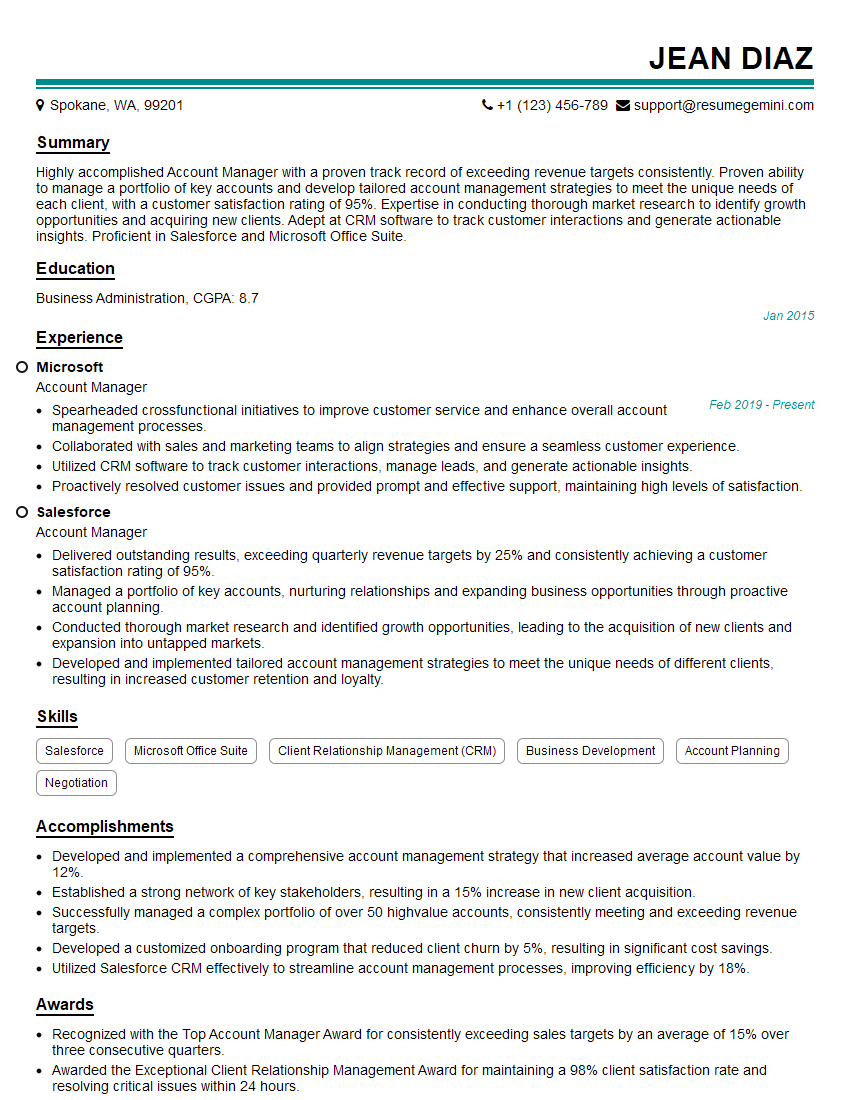
Account Manager Resume Sample
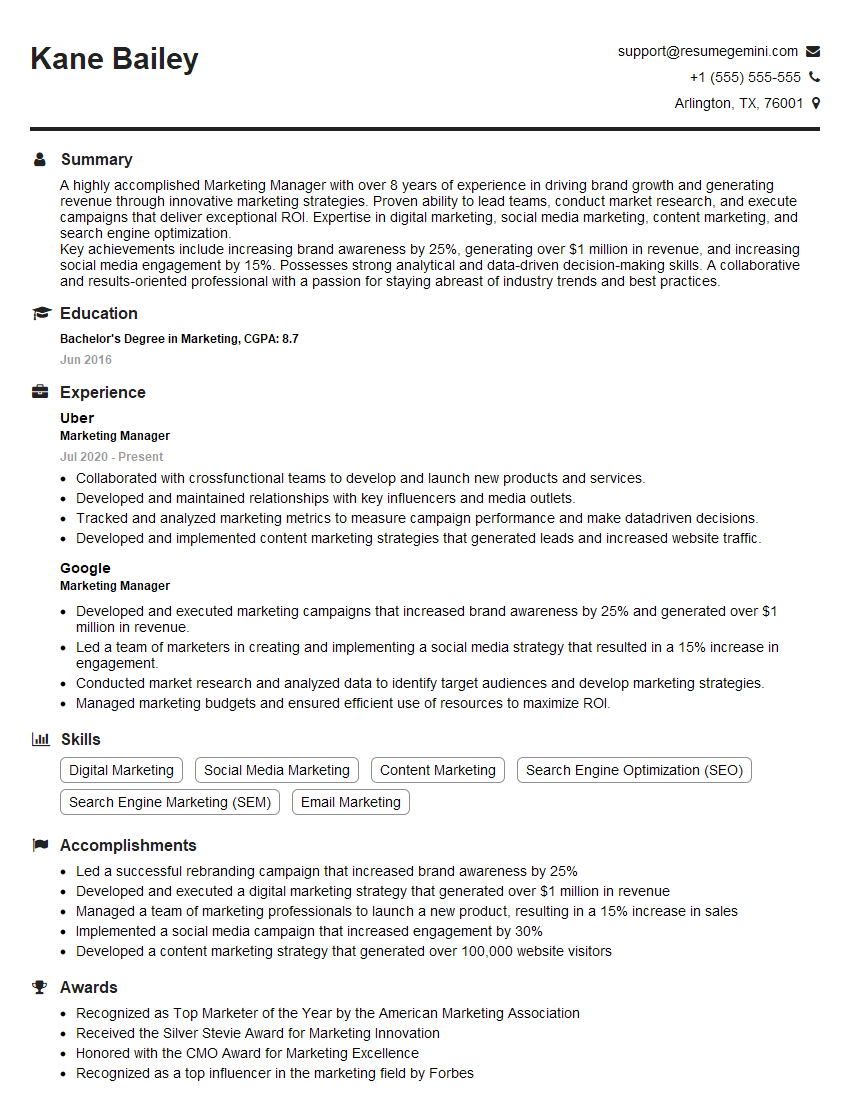
Marketing Manager Resume Sample
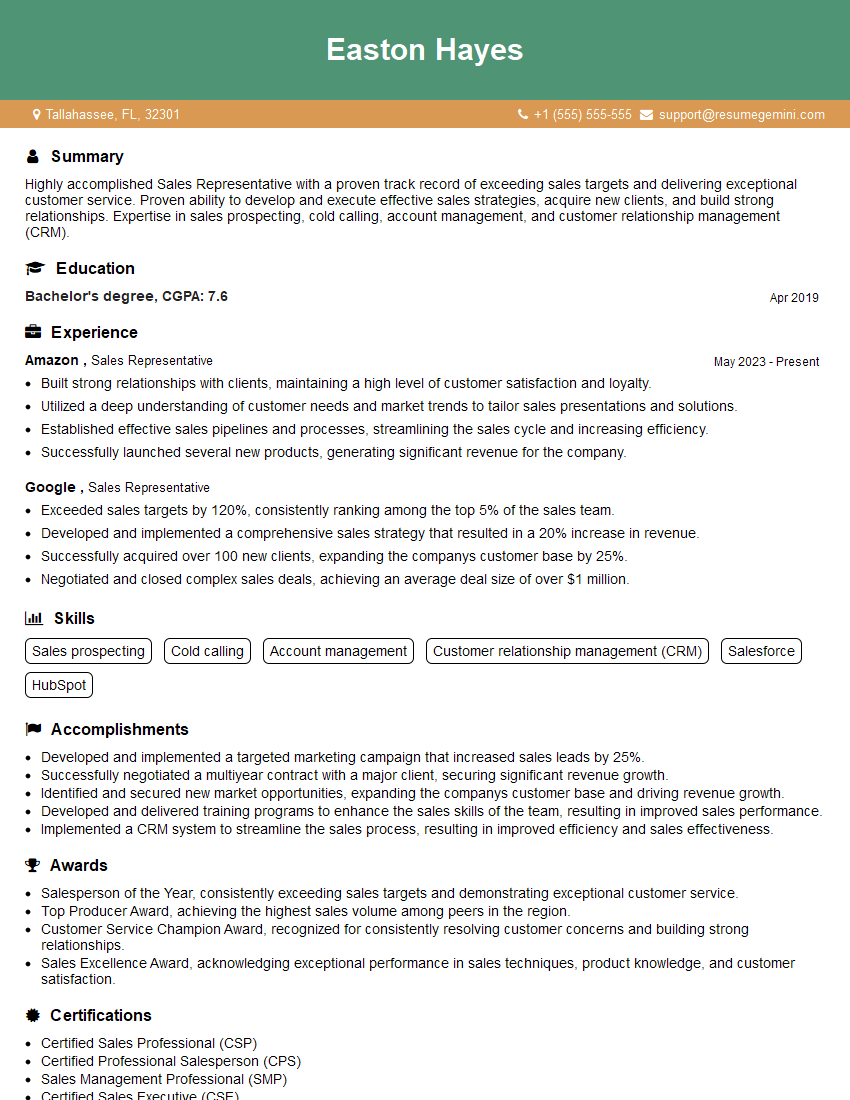
Sales Representative Resume Sample

Communications Manager Resume Sample
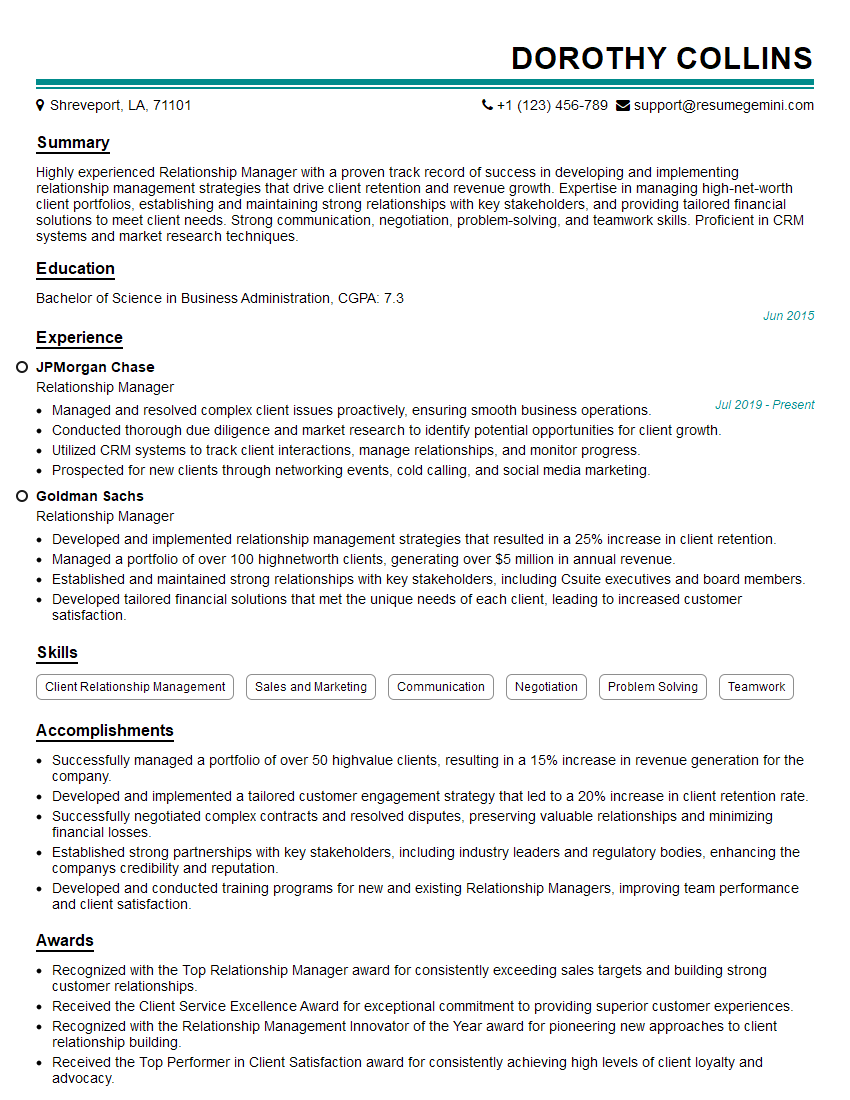
Relationship Manager Resume Sample
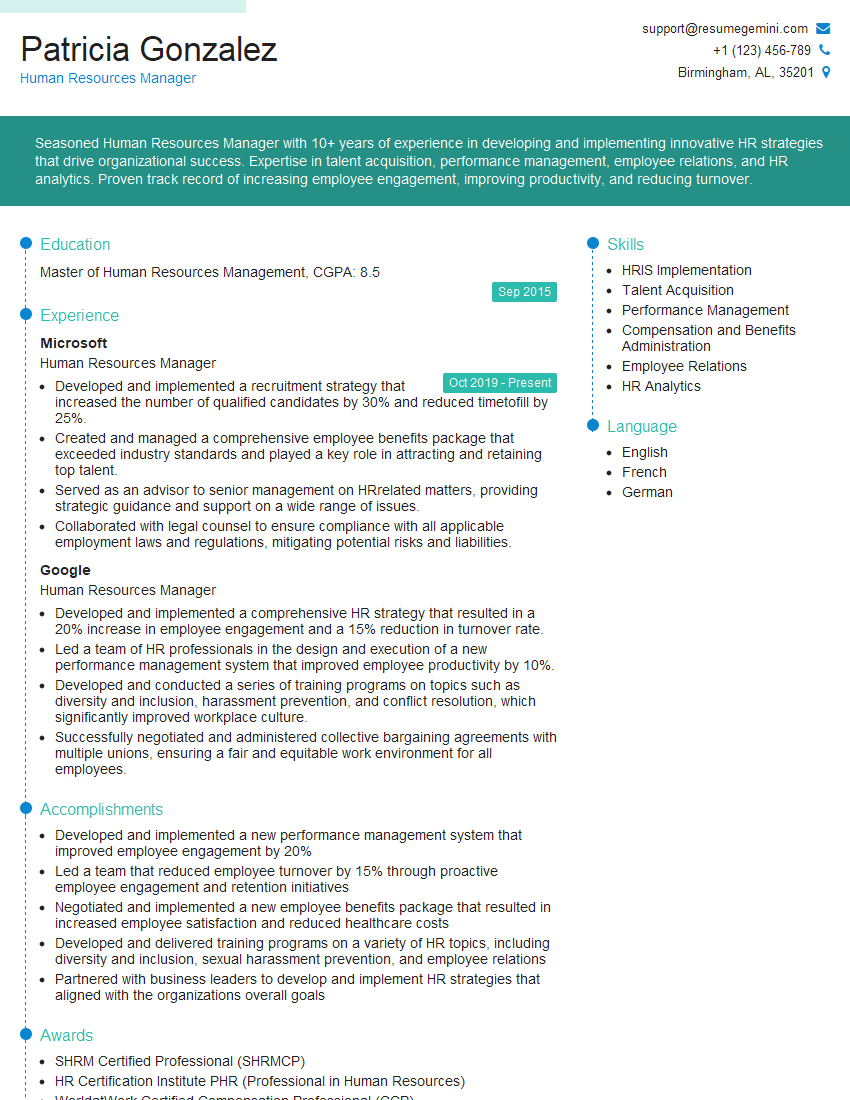
Human Resources Manager Resume Sample
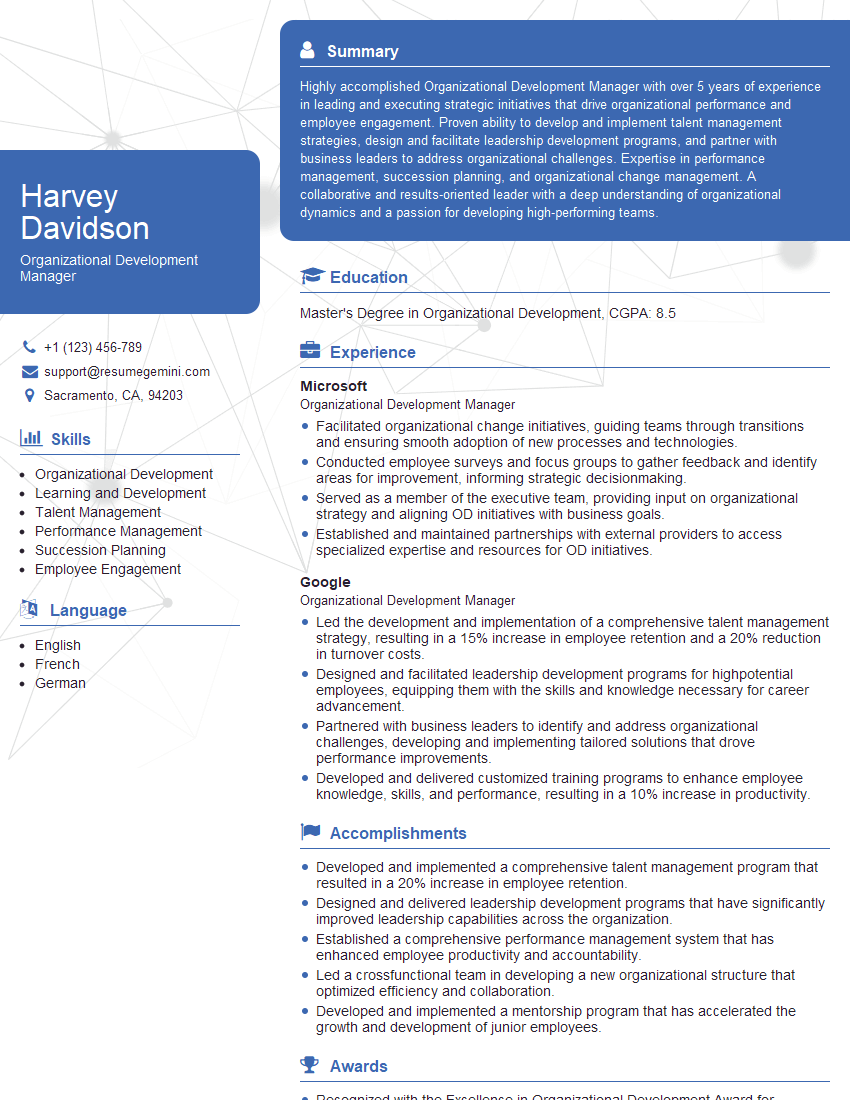
Organizational Development Manager Resume Sample
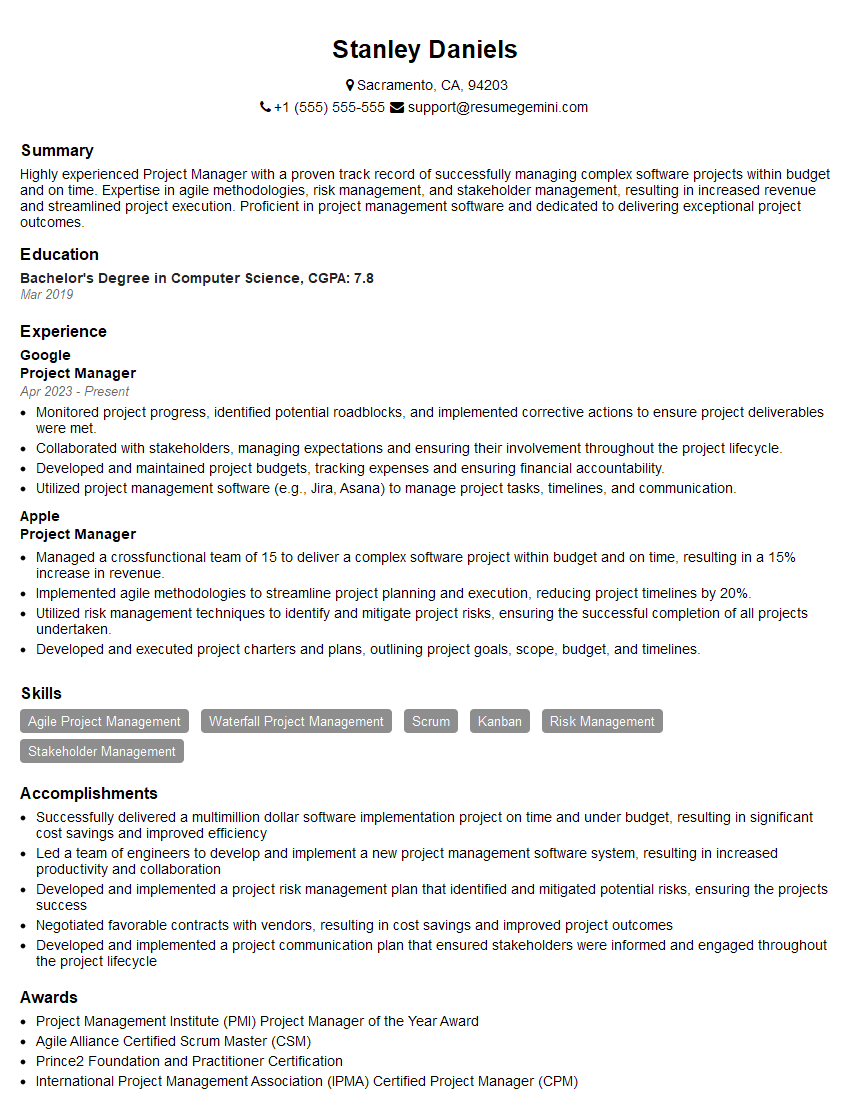
Project Manager Resume Sample
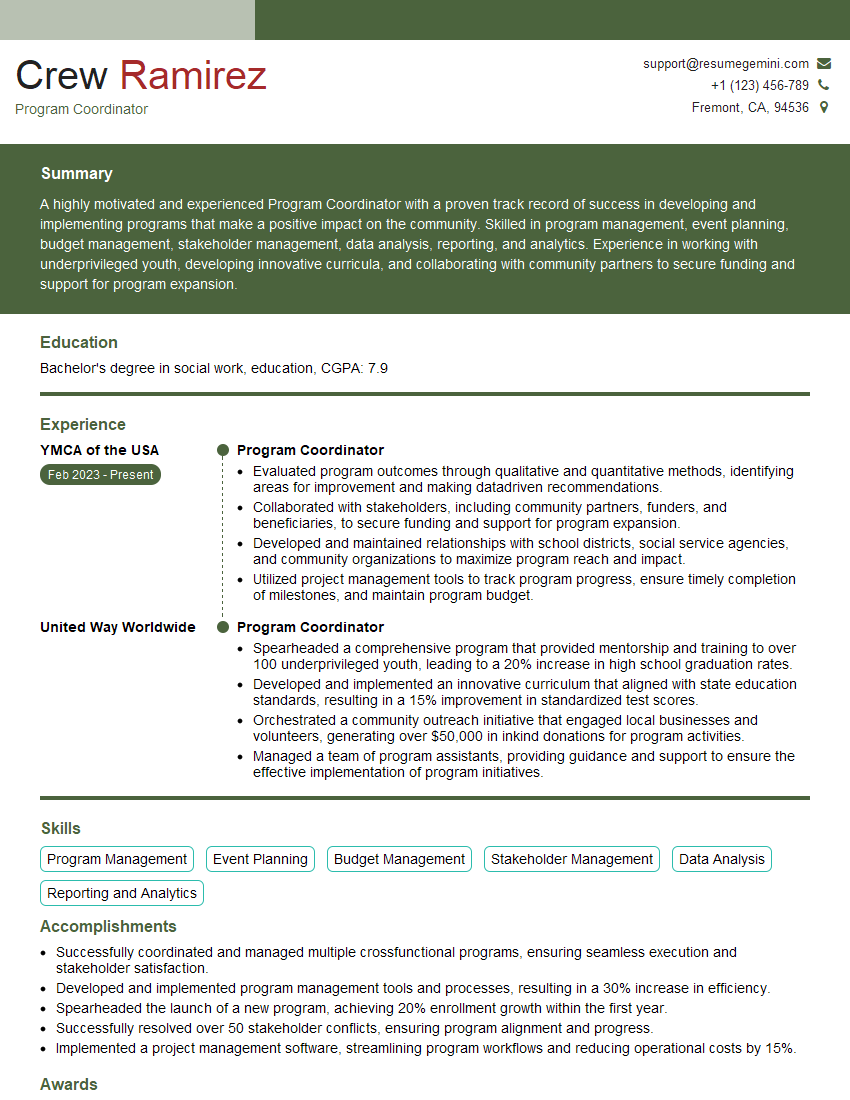
Program Coordinator Resume Sample
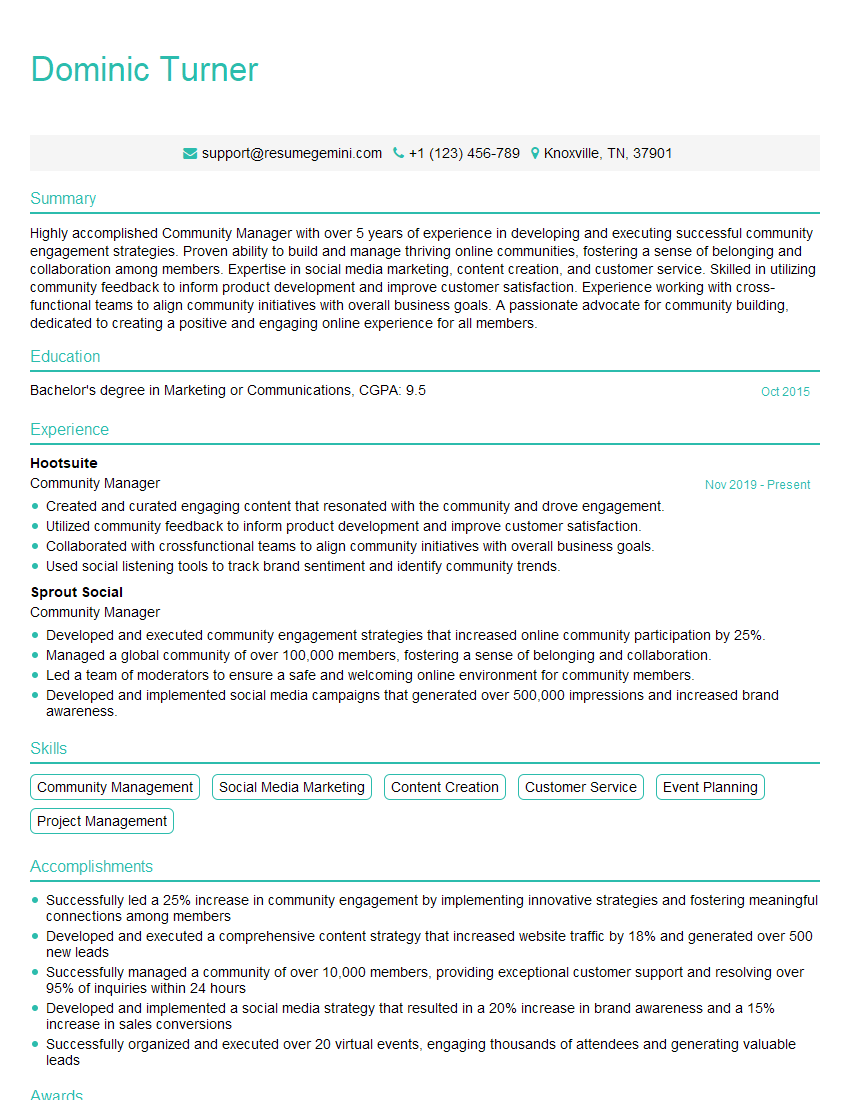
Community Manager Resume Sample
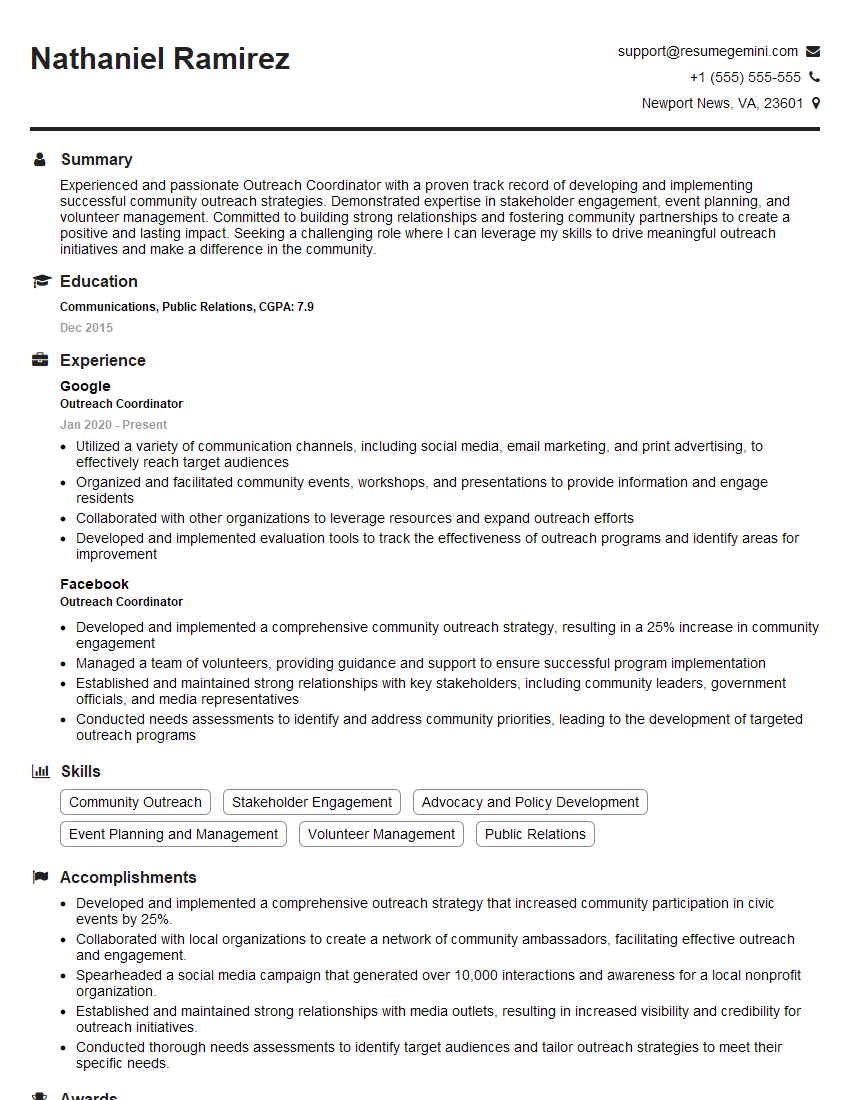
Outreach Coordinator Resume Sample
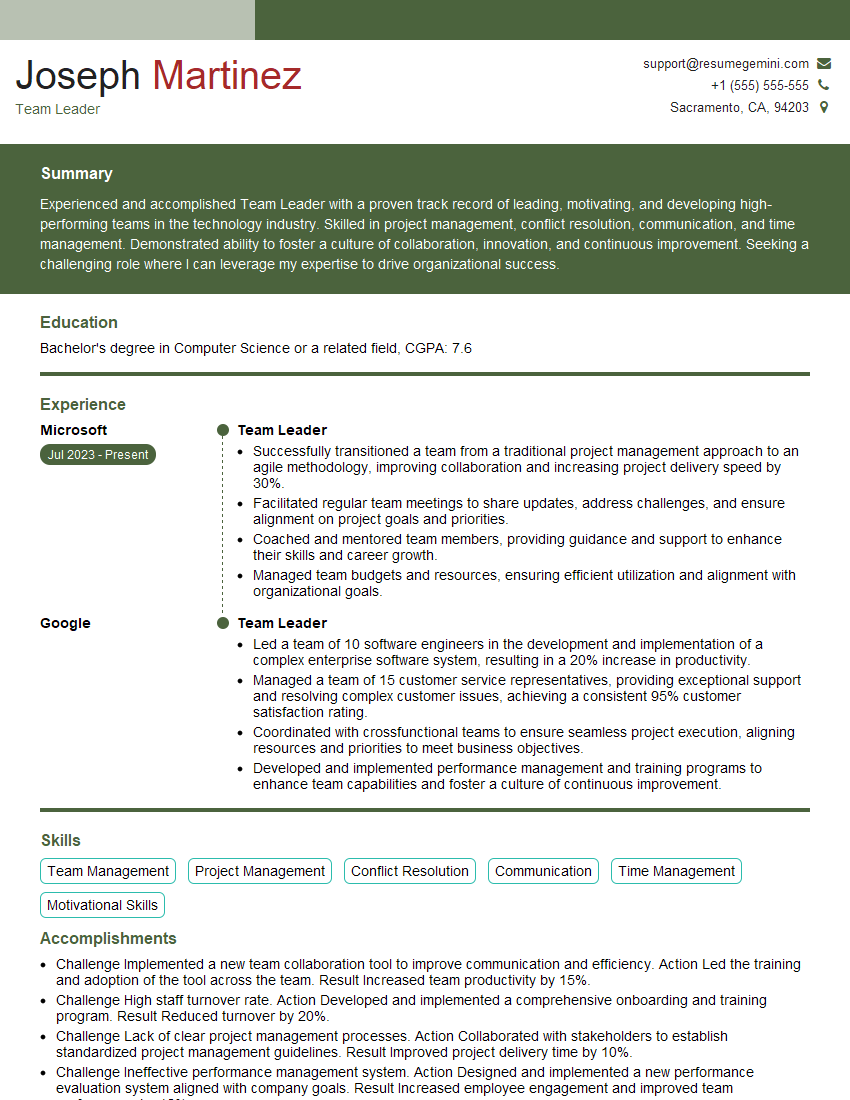
Team Leader Resume Sample
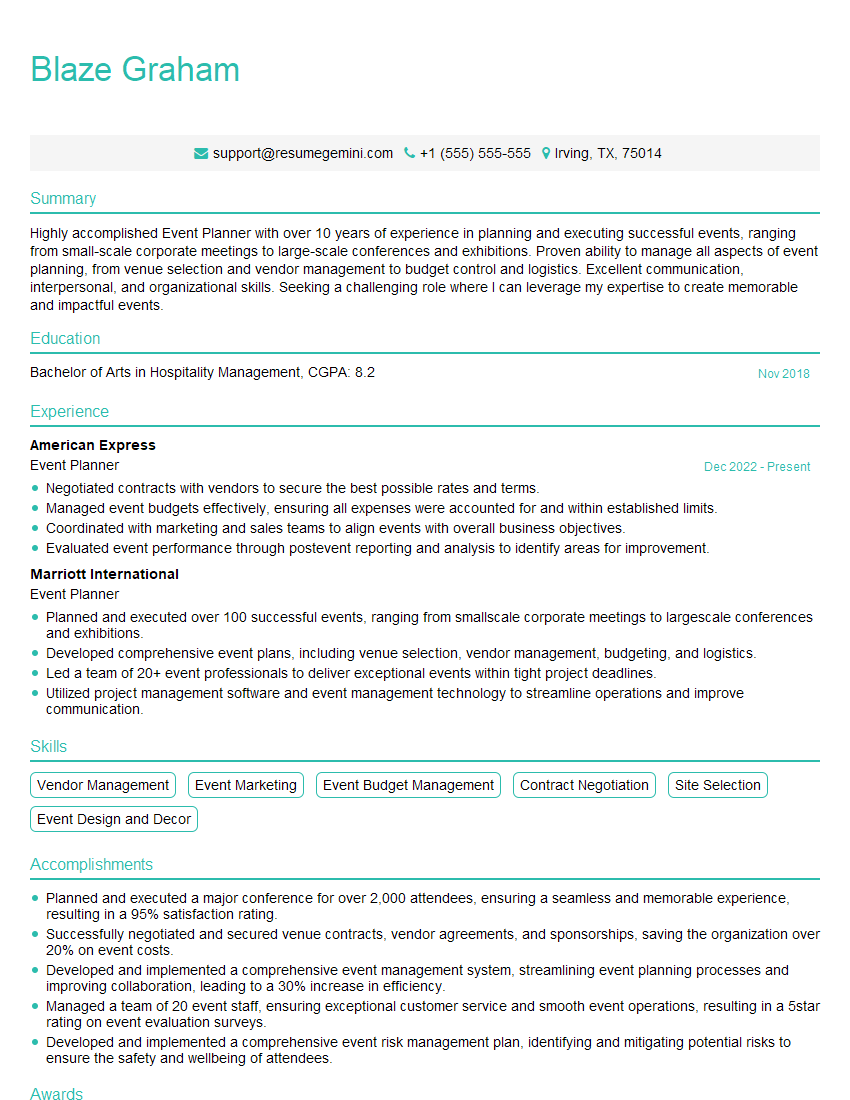
Event Planner Resume Sample

Social Media Manager Resume Sample
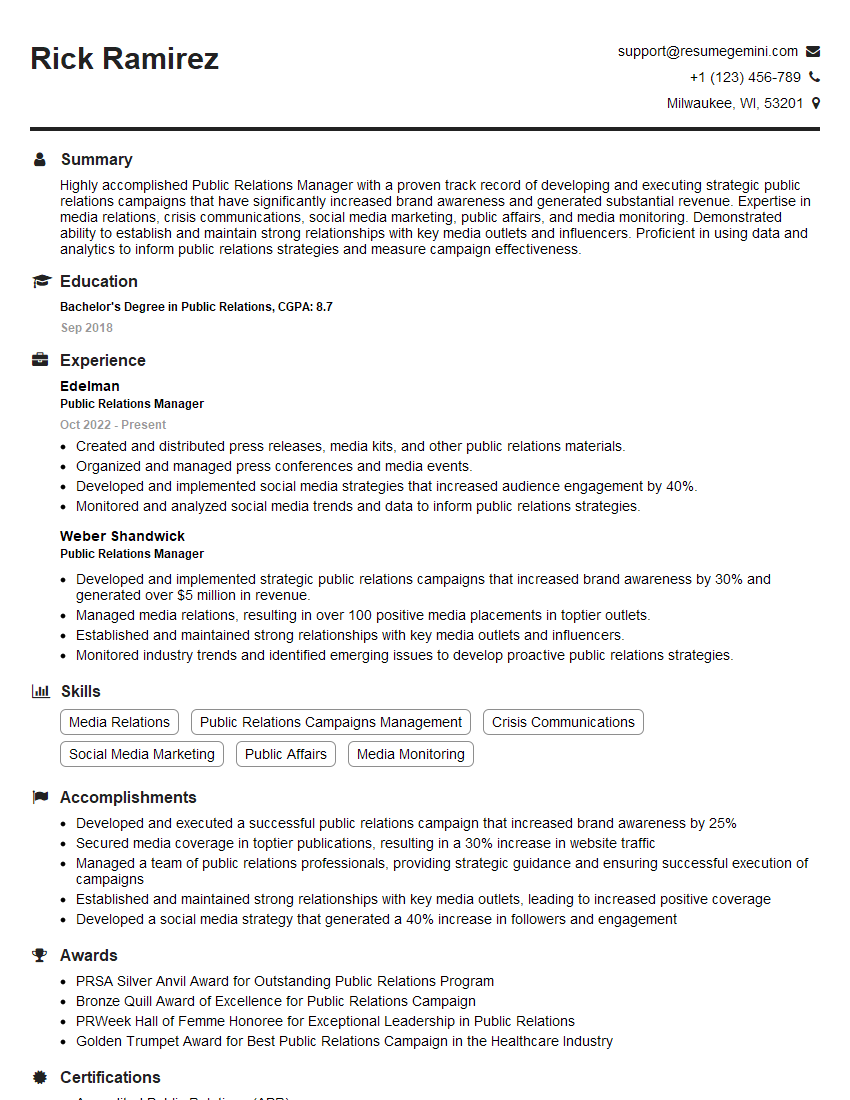
Public Relations Manager Resume Sample
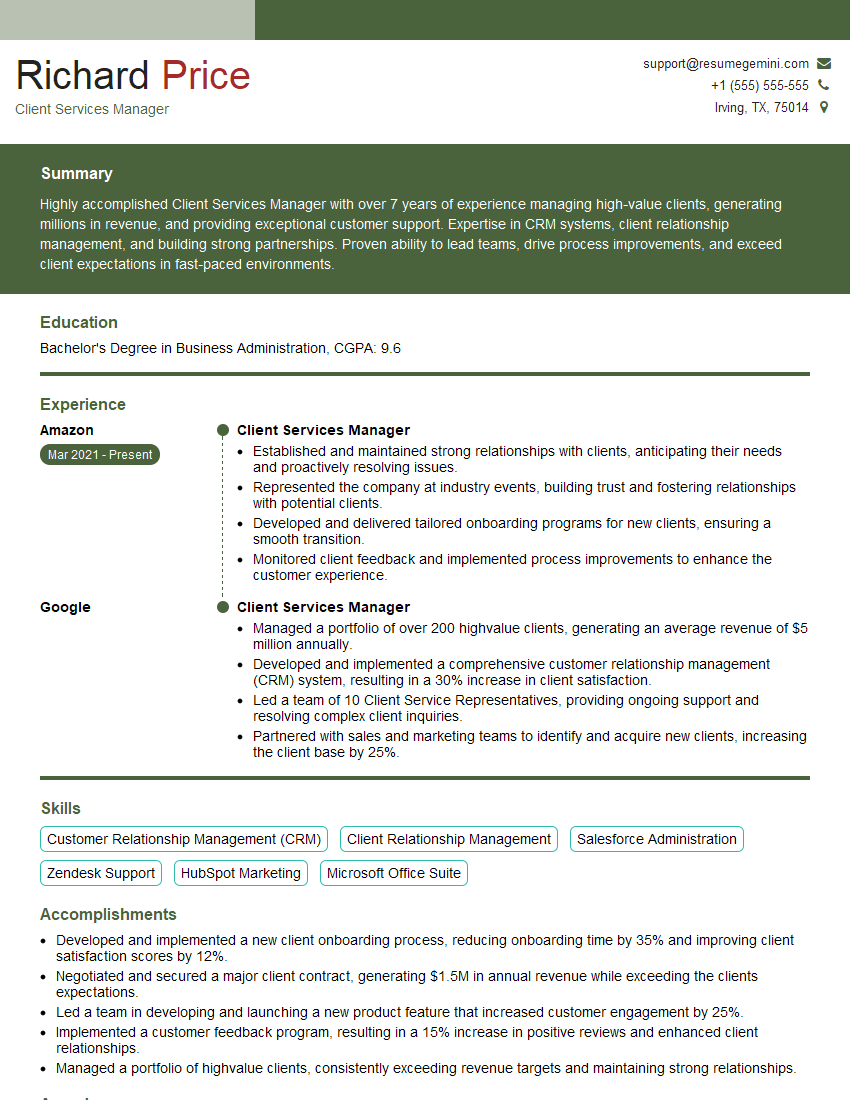
Client Services Manager Resume Sample
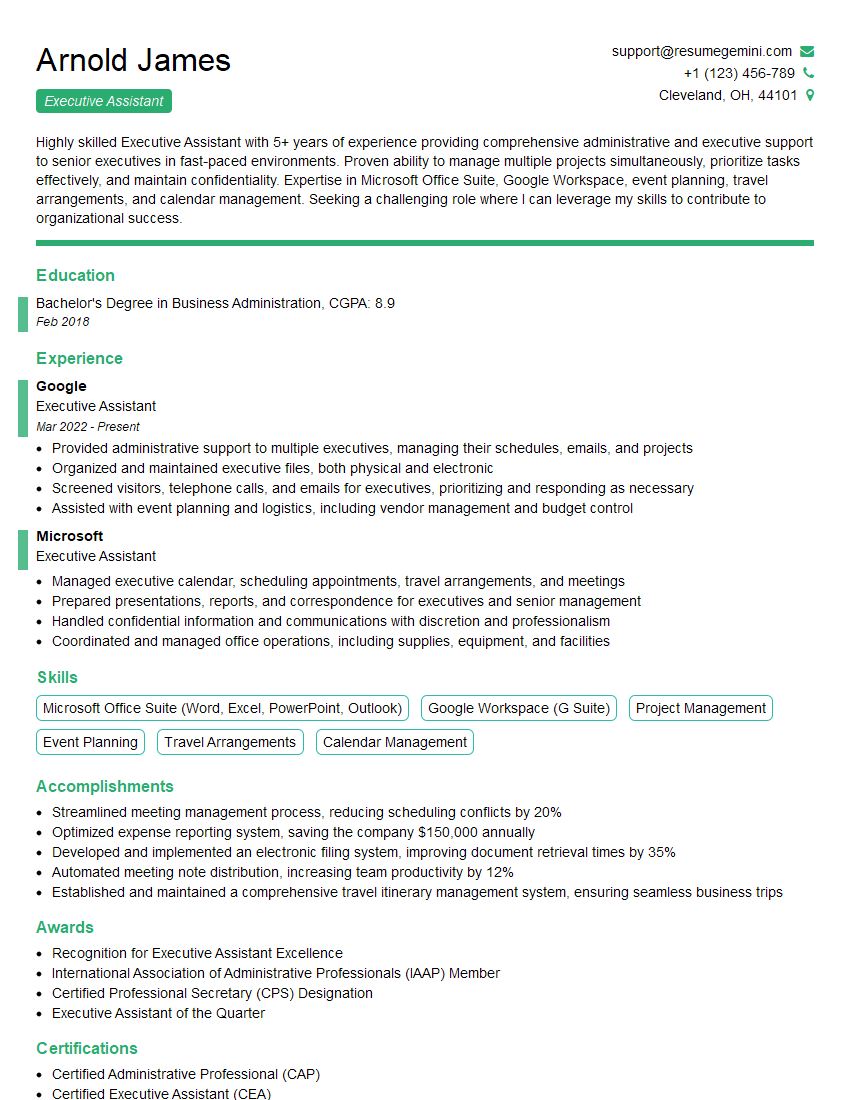
Executive Assistant Resume Sample
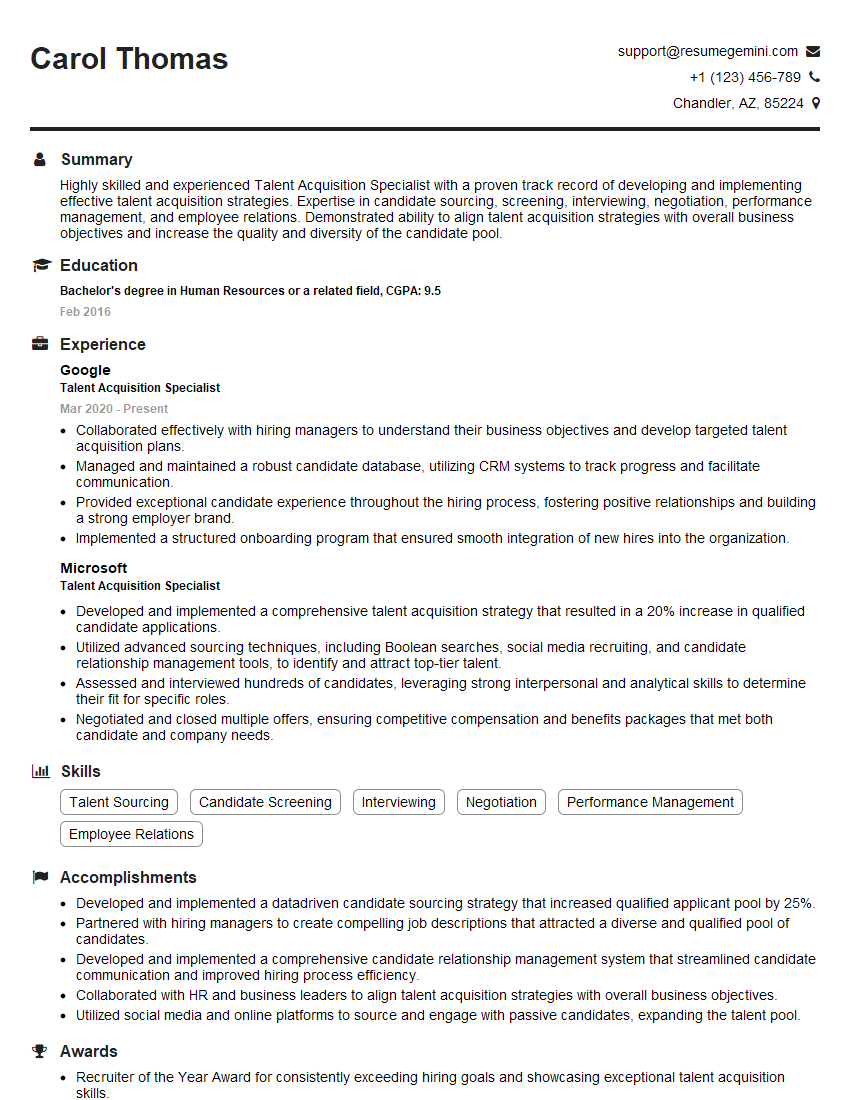
Talent Acquisition Specialist Resume Sample
- Account Manager
- Marketing Manager
- Sales Representative
- Communications Manager
- Relationship Manager
- Human Resources Manager
- Organizational Development Manager
- Project Manager
- Program Coordinator
- Community Manager
- Outreach Coordinator
- Team Leader
- Event Planner
- Social Media Manager
- Public Relations Manager
- Client Services Manager
- Executive Assistant
- Talent Acquisition Specialist
Explore more articles
Users Rating of Our Blogs
Share Your Experience
We value your feedback! Please rate our content and share your thoughts (optional).
What Readers Say About Our Blog
Very informative content, great job.
good