Interviews are opportunities to demonstrate your expertise, and this guide is here to help you shine. Explore the essential Providing Constructive Feedback and Support interview questions that employers frequently ask, paired with strategies for crafting responses that set you apart from the competition.
Questions Asked in Providing Constructive Feedback and Support Interview
Q 1. Describe your process for delivering constructive feedback.
My process for delivering constructive feedback is a structured approach focused on maximizing its impact and fostering growth. It begins with careful preparation, ensuring I have specific examples and avoid generalizations. I always schedule a private meeting to ensure a comfortable and confidential environment. The feedback itself follows a clear framework: I start by highlighting what’s working well, creating a positive foundation. Then, I address areas for improvement, focusing on specific behaviors and their consequences using the ‘Situation-Behavior-Impact’ (SBI) model. This clarity helps the recipient understand the context and the effect of their actions. Finally, I collaborate with the individual to brainstorm actionable steps for improvement and set realistic goals, offering my support throughout the process. The meeting ends with a summary of key takeaways and a clear plan for follow-up. I believe in establishing a trusting relationship that encourages open dialogue and mutual respect.
Q 2. How do you tailor your feedback approach to different personality types?
Adapting my feedback approach to different personality types is crucial for effective communication. For example, with analytical individuals, I focus on data and objective assessments, providing clear metrics and evidence to support my points. For more emotionally driven individuals, I emphasize the impact of their actions on others and focus on building a collaborative, empathetic relationship. I might use more storytelling or relate the feedback to their values. With those who prefer direct communication, I’m straightforward and concise. For those who prefer a more indirect approach, I use more subtle cues and frame the feedback within a broader context. Observing body language and actively listening are key to understanding their preferred communication style and adjusting my approach accordingly. It’s about tailoring the *delivery*, not the content of the feedback itself, to ensure optimal receptiveness.
Q 3. Explain a time you gave feedback that resulted in significant positive change.
In a previous role, I provided feedback to a team member whose presentation skills needed improvement. They were technically proficient, but their presentations lacked clarity and engagement. Using the SBI model, I pointed out specific instances where their delivery was unclear, suggesting concrete improvements like using visuals and structuring their information more logically. I also praised their technical expertise, acknowledging their strengths. We collaborated on a plan for improvement, and they practiced delivering a revised presentation. The result was a dramatic improvement in their performance, evidenced by positive feedback from clients and a significant increase in their confidence. This demonstrated the power of collaborative feedback and its positive impact on both individual and team performance.
Q 4. How do you handle resistance when delivering feedback?
Resistance to feedback is often a sign of defensiveness or fear. My approach focuses on creating a safe space for dialogue. I acknowledge their feelings and validate their perspective before addressing the feedback itself. I might say something like, “I understand this might be difficult to hear, but my intention is to help you improve.” I avoid accusatory language and focus on specific behaviors rather than making personal attacks. I also emphasize that the feedback is intended to be helpful, not punitive. If resistance persists, I might suggest revisiting the conversation later, or involve a mediator if appropriate. The goal is to foster a collaborative environment where constructive criticism can be received positively, leading to improvement.
Q 5. What are the key components of effective constructive feedback?
Effective constructive feedback hinges on several key components: First, it needs to be specific, avoiding vague generalizations. Second, it should be focused on behavior, not on personality traits. Third, it needs to be actionable, providing clear suggestions for improvement. Fourth, it must be balanced, acknowledging both strengths and weaknesses. Finally, it needs to be delivered with empathy and respect, fostering a supportive and collaborative environment. Ignoring any of these elements can diminish the feedback’s effectiveness and potentially damage the relationship.
Q 6. How do you ensure feedback is actionable and specific?
Ensuring feedback is actionable and specific requires careful planning. I use the SBI model: Situation (describe the context), Behavior (describe the specific action), and Impact (explain the consequence of the action). For example, instead of saying, “You’re not a good team player,” I might say, “During the last project meeting (Situation), you interrupted your colleagues several times (Behavior), which prevented others from sharing their ideas and slowed down our progress (Impact). To improve, perhaps you could try raising your hand to signal you want to speak.”
This clarity allows the recipient to clearly understand what needs to change and how to achieve it.Q 7. Describe a situation where you received difficult feedback. How did you react?
I once received feedback that my communication style was sometimes too direct, causing some team members to feel intimidated. Initially, I was defensive, feeling my directness was a strength and a sign of efficiency. However, I reflected on the feedback and realized that while my intention was to be clear and concise, my delivery could be perceived negatively. I appreciated the feedback for its intention and took steps to adjust my approach. I started actively listening more, pausing before responding, and focusing on phrasing my points more empathetically. It wasn’t about changing my core communication style, but rather refining it for better interpersonal relations. The feedback was valuable in helping me improve my leadership and teamwork skills.
Q 8. How do you balance positive reinforcement with constructive criticism?
Balancing positive reinforcement with constructive criticism is crucial for effective feedback. Think of it like a sandwich: you start with a positive comment, highlighting strengths and efforts, then deliver the constructive criticism, focusing on specific behaviors and their impact, and finally, end with another positive note, reiterating their value and potential for growth. This approach minimizes defensiveness and encourages a receptive attitude.
Example: Instead of saying, “Your report was poorly organized and contained factual errors,” try: “Your report demonstrates strong analytical skills and insightful conclusions. However, the organization could be improved by using clearer headings and subheadings, and there were a few minor factual inaccuracies on page 3 that need correction. With these minor adjustments, this report will be even more impactful.”
Q 9. How do you measure the effectiveness of the feedback you provide?
Measuring the effectiveness of feedback requires a multifaceted approach. It’s not just about immediate reactions, but about lasting behavioral changes. I assess effectiveness by:
- Observing behavioral changes: Do individuals apply the feedback to improve their performance? Are the identified issues addressed?
- Following up with check-ins: Scheduling regular conversations allows me to gauge progress and offer ongoing support.
- Seeking self-assessment: I encourage individuals to self-reflect and evaluate their growth, allowing them to own their progress.
- Tracking performance metrics: If applicable, measurable outcomes directly related to the feedback’s focus can provide objective evidence of its impact. For example, improved customer satisfaction scores or a decrease in error rates.
Ultimately, effective feedback leads to improved performance, increased self-awareness, and a growth mindset.
Q 10. What strategies do you use to create a safe space for providing and receiving feedback?
Creating a safe space for feedback is essential. It requires establishing trust and mutual respect. My strategies include:
- Choosing the right time and place: A private setting, free from distractions, is crucial.
- Starting with empathy and active listening: Demonstrating understanding of the individual’s perspective creates a foundation for open communication.
- Focusing on behaviors, not personalities: Feedback should always be about specific actions and their impact, avoiding personal attacks or generalizations. For example, “The project deadline was missed” instead of “You’re always late.”
- Using ‘I’ statements: This helps avoid sounding accusatory. For instance, “I noticed that the report lacked clarity” instead of “The report was unclear.”
- Encouraging two-way dialogue: Feedback should be a conversation, not a monologue. Allowing space for questions, clarifications, and the individual’s perspective promotes understanding and collaboration.
Q 11. How do you address performance issues through constructive feedback?
Addressing performance issues requires a structured approach. I typically follow these steps:
- Document specific instances: Gather concrete examples of the performance issue. This provides a clear, objective basis for the feedback.
- Explain the impact: Clearly articulate how the performance issue affects the team, the project, or the organization.
- Collaboratively develop an action plan: Work with the individual to identify realistic and achievable steps to address the issue. Set clear goals, timelines, and expectations.
- Provide regular support and monitoring: Offer ongoing guidance and check in regularly to monitor progress and provide further support as needed.
- Adjust the plan if necessary: Be flexible and willing to adapt the action plan based on the individual’s progress and challenges.
This approach shifts the focus from blame to problem-solving and empowers the individual to take ownership of their improvement.
Q 12. Describe a time you had to give difficult feedback to a superior.
In my previous role, I noticed a recurring pattern of missed deadlines in a key project led by my supervisor. Rather than confront them directly, I prepared a detailed analysis highlighting the impact of the delays on the overall project timeline and budget. I scheduled a meeting and presented my findings, emphasizing data rather than emotion. I framed it as a concern for the project’s success and offered potential solutions, like a revised workflow or additional resources. The response was surprisingly positive. My supervisor acknowledged the issue, implemented some of my suggestions, and our working relationship strengthened because I approached it professionally and constructively.
Q 13. How do you deal with emotional responses when delivering feedback?
Emotional responses during feedback are normal. My approach focuses on managing my own emotions and creating space for the other person’s feelings. I:
- Maintain composure: I take deep breaths and remind myself to focus on the constructive aspects of the feedback.
- Acknowledge their emotions: I validate their feelings without judgment, showing empathy and understanding. For instance, “I understand this feedback might be difficult to hear.”
- Separate facts from feelings: I focus on the objective performance issues and avoid getting entangled in emotional debates.
- Offer support: I make it clear that I’m there to help them navigate the feedback and offer resources or further discussions as needed.
Remember, it’s not about suppressing emotions, but about managing them effectively to ensure a productive conversation.
Q 14. How do you help individuals develop self-awareness through feedback?
Helping individuals develop self-awareness through feedback involves guiding them to reflect on their strengths, weaknesses, and impact on others. I use these methods:
- Provide specific examples: Instead of vague statements, I offer concrete examples of behavior and its consequences.
- Encourage self-reflection: I ask questions that prompt them to analyze their own actions and motivations, such as, “How did you feel during that situation? What could you have done differently?”
- Use 360-degree feedback: When appropriate, I gather feedback from multiple sources to provide a more comprehensive perspective on their performance and impact.
- Promote self-assessment tools: Personality assessments or self-reflection exercises can help individuals gain deeper insights into their behaviors and working styles.
- Focus on continuous learning: Frame feedback as an opportunity for growth and development. Emphasize that self-awareness is an ongoing journey.
Q 15. Explain your approach to documenting feedback sessions for future reference.
Documenting feedback sessions is crucial for tracking progress, ensuring accountability, and providing a reference point for future interactions. My approach involves a multi-faceted strategy.
- Detailed Notes: I take comprehensive notes during each session, capturing key discussion points, specific feedback given, agreed-upon action items, and deadlines. I use a consistent format to maintain organization.
- Action Item Tracking: I create a separate document or use a project management tool to track action items stemming from the feedback session. This allows me to monitor progress and follow up effectively.
- Follow-up Emails: I send a concise summary email to the recipient after the session, reiterating key points and action items. This serves as a written record and reinforces the discussion.
- Feedback Template (optional): For recurring feedback sessions (e.g., performance reviews), I may utilize a structured template to ensure consistency and completeness in documentation.
For example, after a feedback session with a team member on a project presentation, my notes might include specific feedback on slide design, content clarity, and delivery style, along with agreed-upon revisions and a deadline. The follow-up email would then summarize these points and confirm the action plan. This system ensures that both the giver and receiver have a clear understanding and record of the feedback exchange.
Career Expert Tips:
- Ace those interviews! Prepare effectively by reviewing the Top 50 Most Common Interview Questions on ResumeGemini.
- Navigate your job search with confidence! Explore a wide range of Career Tips on ResumeGemini. Learn about common challenges and recommendations to overcome them.
- Craft the perfect resume! Master the Art of Resume Writing with ResumeGemini’s guide. Showcase your unique qualifications and achievements effectively.
- Don’t miss out on holiday savings! Build your dream resume with ResumeGemini’s ATS optimized templates.
Q 16. How do you encourage a culture of open feedback within a team?
Fostering a culture of open feedback requires a conscious and consistent effort. It’s not something that happens overnight; it requires building trust and creating a safe space for vulnerability.
- Lead by Example: I actively solicit feedback from my team members and demonstrate my openness to both positive and constructive criticism. This sets the tone for reciprocal feedback.
- Establish Clear Guidelines: We define clear guidelines on how feedback should be given and received, emphasizing respectful communication and constructive language. This includes setting expectations around frequency and formats of feedback.
- Regular Feedback Sessions: We incorporate regular feedback sessions into our workflow, both formal (e.g., performance reviews) and informal (e.g., quick check-ins). This normalizes feedback as a regular part of professional development.
- Anonymous Feedback Mechanisms: Consider incorporating anonymous surveys or feedback boxes to encourage candid feedback without fear of retribution.
- Celebrate Positive Feedback: Publicly acknowledge and reward individuals who provide and receive feedback positively, highlighting the benefits of open communication.
For instance, I might initiate a weekly team meeting where each member shares one piece of positive and one area for improvement regarding a recent project. This low-pressure environment fosters open dialogue and learning.
Q 17. How do you use data or metrics to inform your feedback?
Data and metrics are invaluable for providing objective and actionable feedback. They offer concrete evidence to support observations and ensure feedback is grounded in reality rather than subjective opinions.
- Performance Data: I use performance data, such as sales figures, project completion rates, customer satisfaction scores, or code quality metrics, to provide context for feedback. For example, if a salesperson is consistently underperforming, I’d present their sales figures as evidence.
- Project Metrics: For project-based work, I utilize project management tools to track progress, identify bottlenecks, and measure outcomes. This data helps me tailor my feedback to specific areas of improvement. For instance, if a project is behind schedule, I can use the timeline data to identify specific tasks causing delays.
- Surveys and Feedback Forms: I use surveys and feedback forms to gather quantitative and qualitative data about team performance and individual contributions. This information provides valuable insights for feedback sessions.
It’s vital to interpret the data within its context and avoid overreliance on metrics alone. They’re most effective when combined with qualitative observations and discussions.
Q 18. How do you address biases when providing feedback?
Addressing biases is paramount when providing feedback. We all have unconscious biases, and acknowledging their existence is the first step towards mitigating their impact.
- Self-Reflection: I regularly reflect on my own biases and strive to understand how they might influence my perceptions and feedback. This includes considering biases related to gender, race, age, background, etc.
- Seek Diverse Perspectives: I actively solicit feedback from multiple sources and encourage diverse perspectives to counteract potential biases in my own assessments. This helps create a more holistic and objective view.
- Focus on Behavior, Not Personality: I concentrate on observable behaviors and actions rather than making assumptions about personality traits. For example, instead of saying “You’re lazy,” I might say “The project deadlines were missed. Let’s discuss strategies for better time management.”
- Use Concrete Examples: I provide specific examples to support my feedback, rather than making generalizations. This minimizes the risk of misinterpretations and ensures clarity.
By consciously employing these strategies, I aim to ensure feedback is fair, equitable, and free from prejudice.
Q 19. What techniques do you use to ensure feedback is received positively?
Ensuring feedback is received positively requires a thoughtful and empathetic approach. The goal is not to criticize but to facilitate growth and improvement.
- Positive Framing: I start by highlighting the individual’s strengths and positive contributions before addressing areas for improvement. This creates a receptive environment.
- Two-Way Conversation: I encourage a two-way conversation, allowing the recipient to share their perspective and ask clarifying questions. This demonstrates respect and ensures mutual understanding.
- Focus on Solutions: I focus on solutions and actionable steps for improvement rather than dwelling on shortcomings. This empowers the individual to take ownership of their development.
- Specific and Actionable Feedback: I use the SBI (Situation, Behavior, Impact) method to provide specific, observable examples that demonstrate the impact of their behavior. This makes feedback clear and concrete.
- Supportive and Encouraging Tone: I maintain a supportive and encouraging tone throughout the feedback session. This fosters trust and creates a safe space for growth.
For example, instead of saying “Your presentation was boring,” I might say, “During the presentation, I noticed the audience seemed disengaged. Perhaps incorporating more interactive elements or real-life examples could increase audience involvement.”
Q 20. How do you differentiate between coaching, mentoring and providing constructive feedback?
While coaching, mentoring, and providing constructive feedback all aim to improve performance, they differ in their scope, approach, and relationship dynamics.
- Constructive Feedback: This focuses on specific behaviors or actions and their impact. It’s often short-term and task-oriented, aiming to improve performance in a specific area. It can be given by anyone in a professional setting.
- Coaching: This involves a more collaborative and developmental approach, focusing on enhancing the individual’s skills, knowledge, and overall performance. It usually focuses on long-term goals and self-discovery. A coach may challenge assumptions and facilitate self-awareness.
- Mentoring: This is a longer-term relationship where a more experienced person guides and supports a less experienced individual’s professional development. It encompasses career advice, guidance, and networking opportunities, often extending beyond the immediate work context. A mentor shares their experiences and provides broader career insights.
Think of it this way: constructive feedback is like pointing out a spelling error in a document; coaching is like helping someone write a better document altogether; mentoring is like guiding their entire career writing path.
Q 21. What are the potential negative consequences of poorly delivered feedback?
Poorly delivered feedback can have several negative consequences, significantly impacting both individuals and the team.
- Demotivation and Reduced Morale: Unconstructive or insensitive feedback can lead to demotivation, decreased morale, and a sense of discouragement among team members. This negatively affects productivity and job satisfaction.
- Damaged Relationships: Poorly delivered feedback can damage professional relationships, eroding trust and collaboration within the team.
- Defensive Behavior: It can trigger defensive behavior, making individuals less receptive to future feedback and hindering their willingness to learn and improve. This creates a barrier to growth.
- Increased Turnover: In severe cases, poorly managed feedback can contribute to employee dissatisfaction and increased turnover, resulting in significant costs for the organization.
- Missed Opportunities for Improvement: Poorly delivered feedback fails to address performance issues effectively, leading to missed opportunities for improvement and continued underperformance.
For instance, blunt criticism delivered without context or empathy can be deeply hurtful and damaging, leading to resentment and avoidance of future feedback opportunities.
Q 22. How do you handle situations where feedback is not well-received?
Receiving feedback negatively is a common experience. My approach focuses on understanding the root cause of the resistance, rather than immediately focusing on the feedback itself. I start by actively listening to their concerns and validating their feelings. This might involve phrases like, “I understand your perspective,” or “It sounds like you’re feeling frustrated.” Then, I try to reframe the feedback, focusing on the positive intent behind it – helping them improve and grow. Instead of saying, “Your report was poorly organized,” I might say, “I noticed some areas in the report where clarity could be improved. Let’s discuss how we can make it even more effective.” Finally, I collaborate with them to create an action plan, making the feedback actionable and less threatening. It’s a process of building trust and a shared understanding. Sometimes, a follow-up conversation is necessary to reinforce the value of the feedback and to monitor progress.
Q 23. Describe a situation where you had to give feedback on a team’s performance.
During a project involving the development of a new software feature, our team consistently missed deadlines. Instead of directly criticizing, I facilitated a team meeting focused on performance. We used a retrospective approach, discussing what went well, what could have been improved, and what actions we could take to prevent future delays. I guided the discussion, ensuring everyone felt safe to share their perspectives. We identified key bottlenecks, such as insufficient task estimation and unclear communication. The team collaboratively developed solutions, including implementing a more robust project management system and scheduling regular check-in meetings. The outcome was a significant improvement in our subsequent project deadlines, as well as a stronger team dynamic and increased accountability.
Q 24. How do you adapt your feedback style depending on the audience and context?
Adapting my feedback style is crucial for effective communication. For junior team members, I use a more coaching and mentoring approach, providing detailed explanations, offering encouragement, and focusing on skill development. With senior colleagues, the feedback can be more direct and concise, focusing on high-level strategic improvements. For example, with a junior developer, I might provide detailed code review comments with specific examples. With a senior developer, I may focus on the overall design and architecture, leaving specific code improvements to their discretion. The context also plays a significant role. A quick feedback session in a hallway requires a different approach than a formal performance review. The goal remains consistent: delivering constructive, helpful feedback in a way that best supports the individual and contributes to their growth.
Q 25. How do you ensure feedback is timely and relevant?
Timely and relevant feedback is essential. To ensure timeliness, I integrate feedback into my regular workflow. This could involve daily stand-up meetings, quick check-ins, or weekly progress reports. For larger projects, I schedule regular feedback sessions. Relevance is ensured by focusing on specific behaviors, actions, or outputs. Instead of generic comments, I provide concrete examples linked to specific goals or expectations. For instance, instead of saying “improve your communication,” I might say, “Your email to the client lacked clarity regarding the next steps. Let’s work on structuring your communication to ensure all necessary information is clearly conveyed.”
Q 26. What are some common mistakes people make when giving feedback?
Common mistakes in providing feedback include being overly critical or personal, focusing solely on negative aspects, providing vague or unactionable feedback, and failing to create a safe space for discussion. People often deliver feedback in a way that feels like an attack rather than constructive criticism. For example, saying “Your presentation was terrible” is much less helpful than saying “Your presentation could be improved by adding more visual aids and focusing on key takeaways.” Another common pitfall is providing too much feedback at once, which can be overwhelming and unproductive. A good rule is to focus on one or two key areas for improvement at a time.
Q 27. How do you foster a growth mindset when delivering constructive feedback?
Fostering a growth mindset when delivering constructive feedback involves emphasizing learning and development. Instead of framing feedback as a judgment of ability, I position it as an opportunity for improvement. I use language that focuses on effort and process rather than inherent traits. For example, instead of saying “You’re not a good problem solver,” I might say, “Let’s explore some different problem-solving strategies to see what works best for this situation.” I also highlight past successes and areas of strength to build confidence and encourage a positive outlook. The goal is to empower individuals to view challenges as opportunities for growth, rather than setbacks. Active listening and creating a safe environment are crucial in this process.
Q 28. Describe a situation where you used feedback to improve a process or system.
Our team was experiencing bottlenecks in our project approval process. By gathering feedback from various stakeholders, we identified several inefficiencies, including redundant steps and unclear responsibilities. Using this feedback, we redesigned the process, eliminating unnecessary steps and streamlining approvals. We introduced a new workflow management tool that improved transparency and accountability. The result was a significant reduction in processing times and a more efficient workflow. This experience reinforced the importance of continuous improvement and the value of systematically collecting and applying feedback to optimize processes.
Key Topics to Learn for Providing Constructive Feedback and Support Interviews
- Understanding the recipient: Adapting your communication style to different personalities and communication preferences for optimal impact.
- The SBI Model (Situation-Behavior-Impact): Structuring feedback using a clear and concise framework to effectively communicate observations and their consequences.
- Active Listening and Empathy: Demonstrating genuine understanding and creating a safe space for open dialogue before offering feedback.
- Focusing on behavior, not personality: Providing feedback that is specific, objective, and focuses on observable actions rather than making personal judgments.
- Balancing positive and constructive feedback: Highlighting strengths alongside areas for improvement to maintain a positive and encouraging tone.
- Setting clear expectations and goals: Ensuring that feedback is aligned with established performance standards and future objectives.
- Offering practical solutions and support: Going beyond identifying problems by suggesting concrete steps for improvement and offering assistance.
- Handling difficult conversations: Developing strategies for addressing sensitive feedback and navigating challenging interpersonal dynamics.
- Receiving feedback gracefully: Demonstrating self-awareness and a willingness to learn from constructive criticism.
- Measuring the effectiveness of feedback: Tracking progress and adjusting approach based on the impact of the feedback provided.
Next Steps
Mastering the art of providing constructive feedback and support is crucial for career advancement. It demonstrates strong interpersonal skills, leadership potential, and a commitment to team growth. To maximize your job prospects, creating an ATS-friendly resume is essential. ResumeGemini is a trusted resource to help you build a professional resume that highlights your abilities in this critical area. Examples of resumes tailored to showcasing expertise in providing constructive feedback and support are available to further guide your preparation.
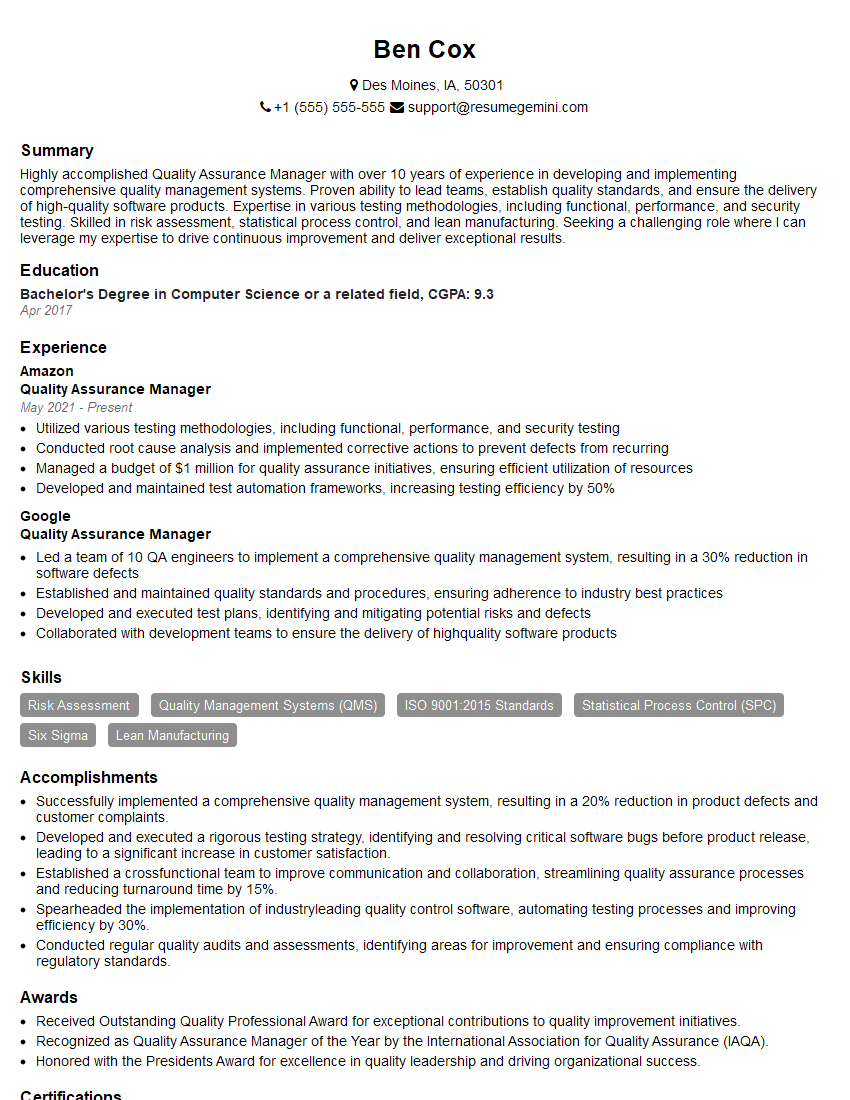
Quality Assurance Manager Resume Sample
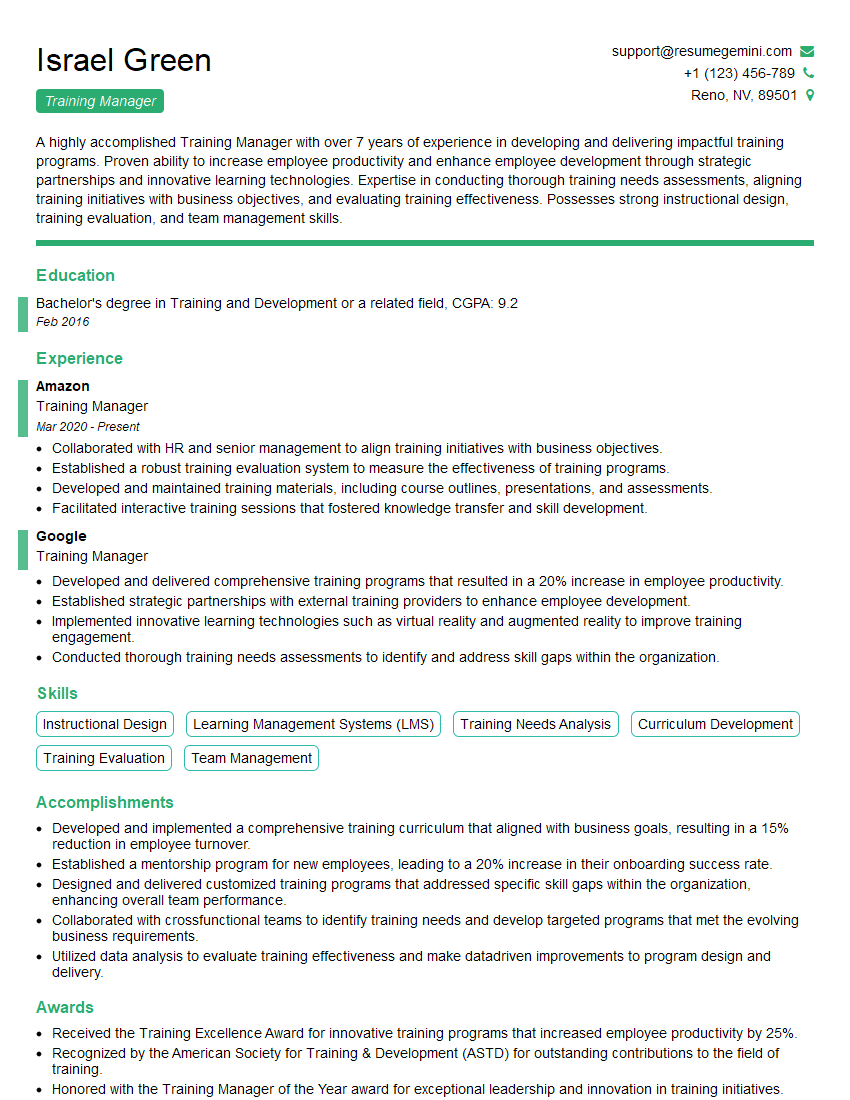
Training Manager Resume Sample

Compliance Officer Resume Sample
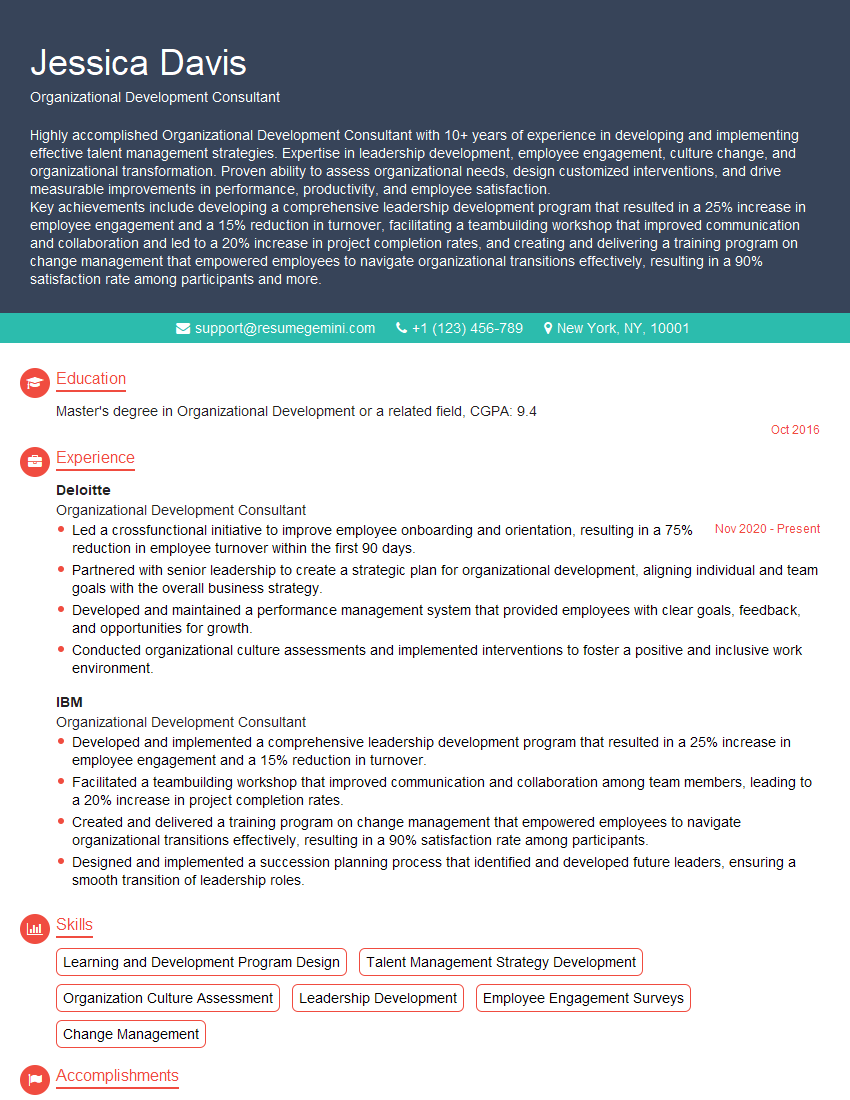
Organizational Development Consultant Resume Sample

Curriculum Developer Resume Sample
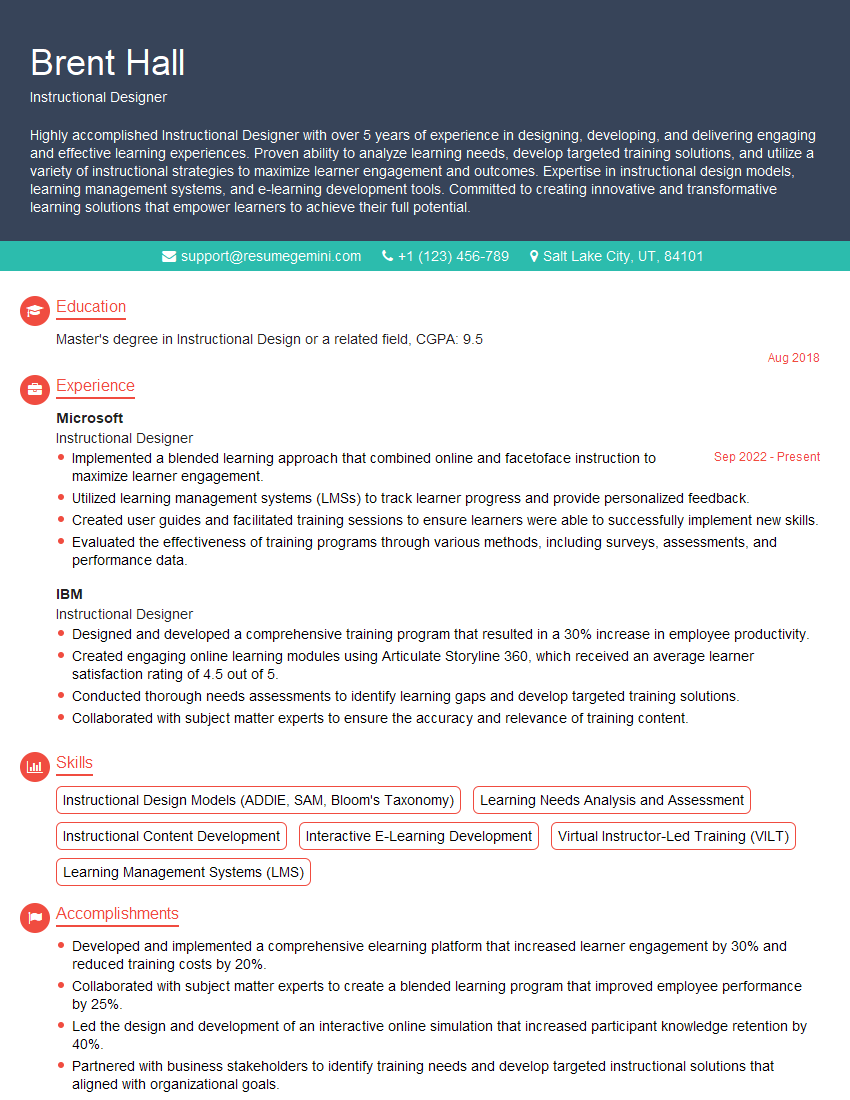
Instructional Designer Resume Sample
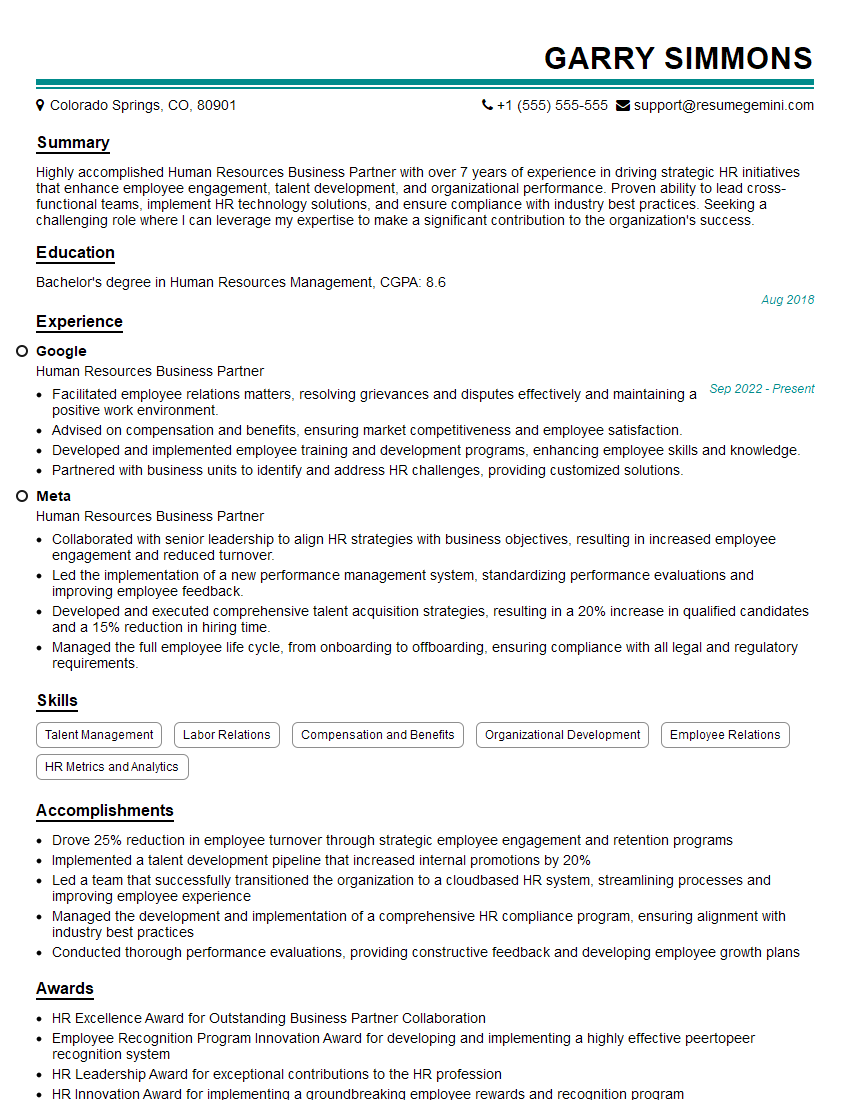
Human Resources Business Partner Resume Sample
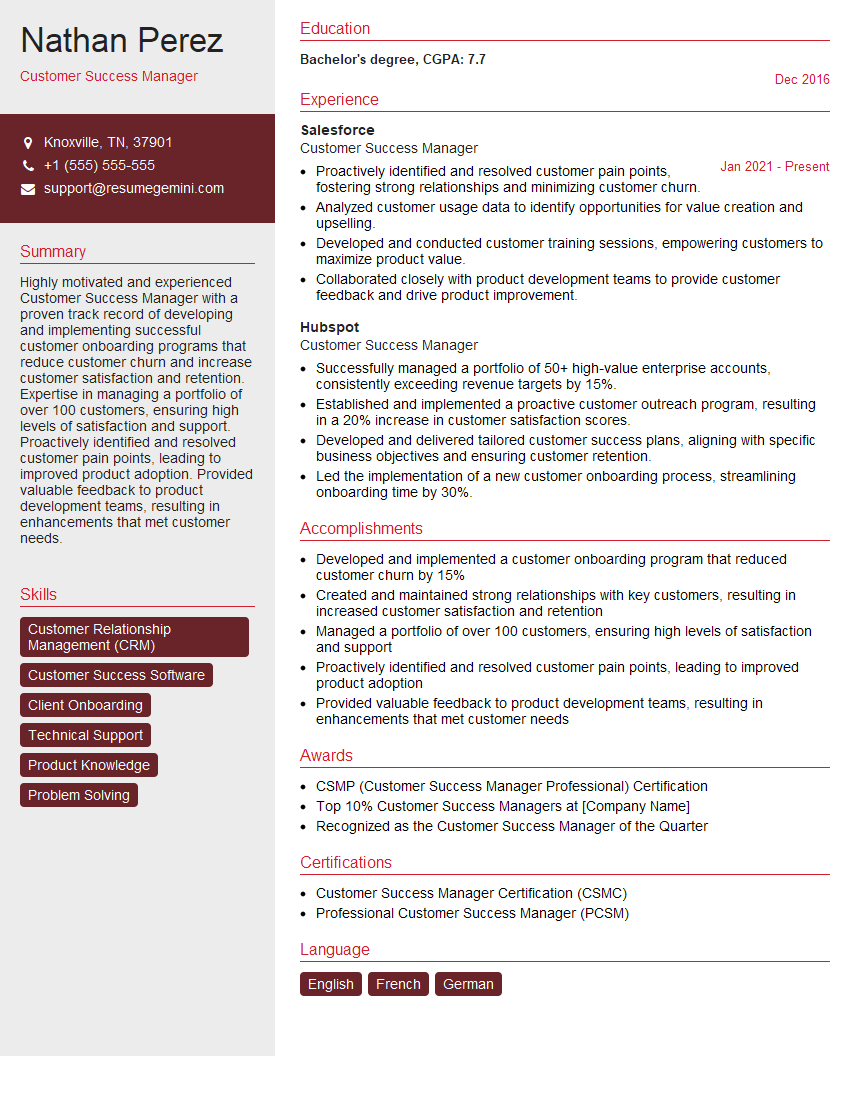
Customer Success Manager Resume Sample
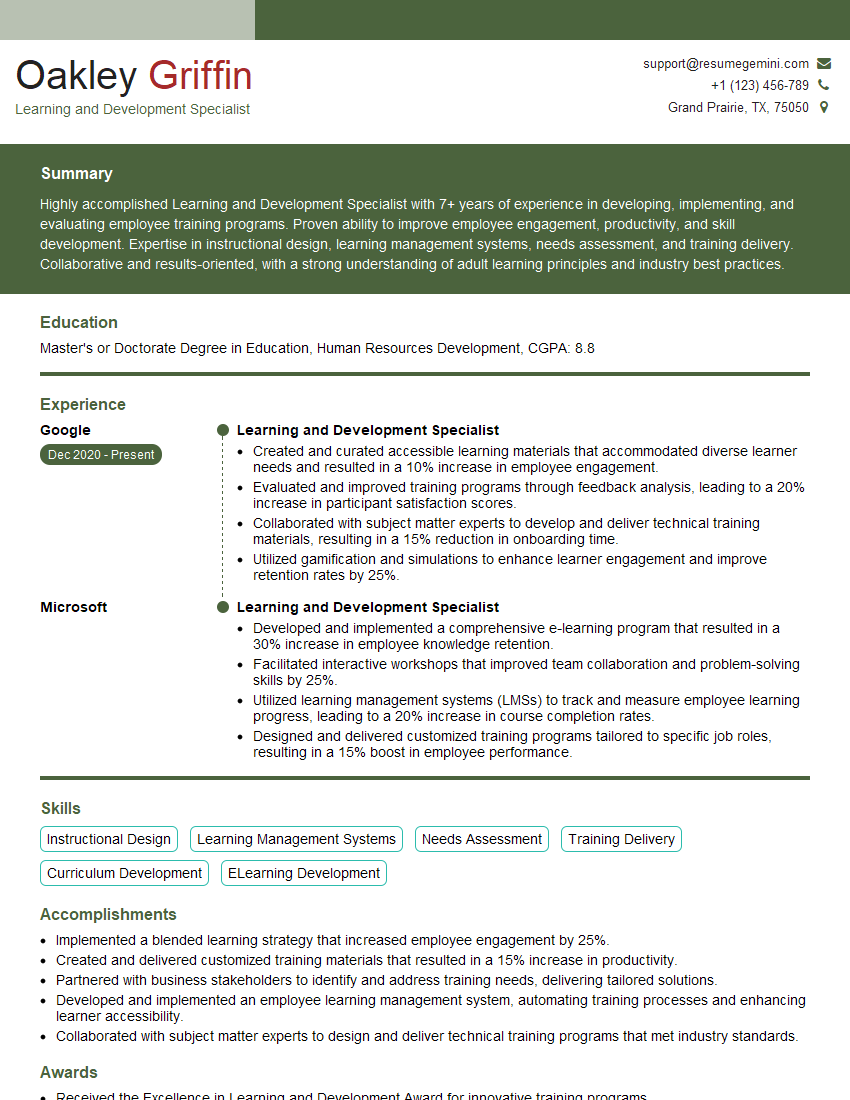
Learning and Development Specialist Resume Sample
Explore more articles
Users Rating of Our Blogs
Share Your Experience
We value your feedback! Please rate our content and share your thoughts (optional).
What Readers Say About Our Blog
Very informative content, great job.
good