The thought of an interview can be nerve-wracking, but the right preparation can make all the difference. Explore this comprehensive guide to Public Relations and Image Management interview questions and gain the confidence you need to showcase your abilities and secure the role.
Questions Asked in Public Relations and Image Management Interview
Q 1. Describe your experience crafting and executing PR campaigns.
Crafting and executing PR campaigns is a multifaceted process that begins with a deep understanding of the client’s objectives and target audience. It involves strategic planning, creative content development, media outreach, and meticulous evaluation.
For instance, in a recent campaign for a sustainable fashion brand, we focused on highlighting their ethical sourcing and eco-friendly manufacturing practices. This involved developing a multi-pronged strategy that encompassed press releases targeting key environmental publications, influencer collaborations to showcase the clothing’s quality and sustainability, and a social media campaign emphasizing the brand’s commitment to responsible production. We also organized a successful ‘behind-the-scenes’ factory tour for select journalists to build trust and transparency. The campaign resulted in significant media coverage and a boost in brand awareness.
Another example involved a tech startup launching a new software. Here, we prioritized securing features in leading tech publications and leveraging early adopter testimonials to build credibility. We also hosted an exclusive launch event, attracting key investors and influencers.
- Step 1: Defining clear objectives (e.g., increased brand awareness, lead generation).
- Step 2: Identifying target audiences and their media consumption habits.
- Step 3: Developing a compelling narrative and key messages.
- Step 4: Implementing a multi-channel communication strategy (press releases, media outreach, social media, events).
- Step 5: Monitoring and evaluating campaign performance.
Q 2. How do you measure the success of a PR campaign?
Measuring the success of a PR campaign goes beyond simply counting media mentions. A holistic approach incorporates quantitative and qualitative metrics to assess the impact on key business objectives.
Quantitative metrics include:
- Media mentions: Tracking the number of articles, news stories, and social media posts mentioning the client.
- Reach and impressions: Estimating the total number of people exposed to the campaign’s messaging.
- Website traffic and lead generation: Monitoring increases in website visits and leads generated from PR efforts.
- Social media engagement: Analyzing likes, shares, comments, and mentions on social media platforms.
Qualitative metrics involve:
- Brand sentiment analysis: Assessing the overall tone and emotion expressed towards the client in media coverage.
- Share of voice: Measuring the client’s prominence in the conversation relative to competitors.
- Reputation tracking: Monitoring online reviews and feedback to gauge shifts in public perception.
For example, we might track website traffic from specific media placements to demonstrate the campaign’s direct impact on lead generation. Analyzing social media sentiment can reveal whether the campaign successfully shifted public perception in a desired direction.
Q 3. Explain your crisis communication strategy.
My crisis communication strategy prioritizes rapid response, transparency, and empathy. It’s built on a proactive framework to mitigate risks and minimize damage when crises inevitably arise.
Phase 1: Preparation: This involves identifying potential crisis scenarios, creating a detailed communication plan, assembling a crisis management team, and establishing communication protocols.
Phase 2: Response: This phase emphasizes swift action. We prioritize confirming the facts, assessing the situation’s severity, and crafting a clear and concise initial statement. This statement is then disseminated through multiple channels to control the narrative.
Phase 3: Recovery: This involves ongoing communication to address concerns, provide updates, and rebuild trust. It might include issuing additional statements, engaging with stakeholders, and implementing corrective measures.
Imagine a scenario where a food product recall is necessary. Our response would involve immediate notification of relevant authorities and consumers, a transparent explanation of the issue, clear instructions on what to do, and a plan for rectifying the situation. We would be prepared to actively engage with media and public inquiries, demonstrating empathy and taking full responsibility.
Q 4. How do you manage media relations in a challenging situation?
Managing media relations during challenging situations demands a calm, strategic approach. Transparency, responsiveness, and proactive communication are crucial.
We prioritize building rapport with journalists through consistent communication, even before a crisis. This fosters trust and enables effective information exchange during difficult times. When a challenging situation arises, we provide accurate information promptly, address concerns directly, and offer consistent messaging across all platforms. We actively engage with journalists’ questions, seeking to provide clarification and understanding. In situations of ongoing investigations or legal processes, we use carefully worded responses that balance transparency with legal obligations.
It’s important to remember that a frank and honest approach, even when delivering difficult news, helps build trust and credibility with the media.
Q 5. How do you build and maintain strong relationships with journalists?
Building and maintaining strong relationships with journalists is foundational to successful PR. It’s about fostering trust, mutual respect, and consistent communication.
I regularly reach out to journalists to offer relevant news and information, even when it’s not directly related to my clients. I personalize my communication, demonstrating genuine interest in their work and expertise. I maintain a media database and track their areas of coverage to pitch relevant stories effectively. I always respond promptly to inquiries, provide accurate information, and follow up as needed. Additionally, I aim to build genuine connections by attending industry events and networking opportunities.
The goal is not just to get coverage, but to cultivate long-term relationships based on mutual respect and professional integrity.
Q 6. What are your preferred methods for social media monitoring and engagement?
My preferred methods for social media monitoring and engagement involve using a combination of tools and strategies to gain a comprehensive understanding of online conversations.
I utilize social listening tools like Brandwatch and Sprout Social to track brand mentions, analyze sentiment, and identify trending topics. These platforms allow us to monitor multiple channels simultaneously, providing real-time insights into public perception. Beyond simple monitoring, we actively engage in conversations, responding to comments and questions, and participating in relevant discussions. We also utilize hashtag tracking to identify and join conversations related to our clients’ industries and campaigns.
For instance, we’ll track specific hashtags relevant to the campaign and engage in positive and relevant conversations to expand our reach.
Q 7. Describe your experience with reputation management.
Reputation management involves proactively protecting and enhancing an organization’s image and public perception. It’s a continuous process, not a one-time fix.
My approach combines proactive measures, such as building a strong brand identity, consistently delivering excellent service, and engaging in positive community relations, with reactive strategies to address negative feedback or crises. This involves monitoring online conversations, engaging in reputation repair when needed, and actively promoting positive narratives. We identify potential reputational risks, developing mitigation strategies to minimize their impact. When challenges arise, we address concerns transparently, correcting misinformation, and taking responsibility for any shortcomings.
A successful reputation management strategy requires a long-term commitment to building trust and maintaining consistent communication. We develop ongoing strategies to ensure the client’s reputation remains strong and positive.
Q 8. How do you develop a compelling brand narrative?
Developing a compelling brand narrative is about crafting a story that resonates with your target audience, highlighting your brand’s unique value proposition and building an emotional connection. It’s more than just a tagline; it’s a cohesive narrative that guides all your communication efforts.
Here’s a step-by-step approach:
- Identify your core values and mission: What are the fundamental beliefs that drive your brand? What problem are you solving for your customers?
- Define your target audience: Understand their needs, aspirations, and pain points. Who are you trying to reach, and what language resonates with them?
- Craft your brand story: This is the heart of your narrative. It should be authentic, memorable, and emotionally engaging. Consider using storytelling techniques like the hero’s journey or focusing on a key moment in your brand’s history.
- Develop key messages: These are concise statements that communicate your brand’s essence and value proposition. They should be easily understood and memorable.
- Maintain consistency: Ensure your brand narrative is consistent across all platforms and communication channels—website, social media, marketing materials, etc.
Example: Patagonia’s brand narrative centers around environmental responsibility and high-quality outdoor gear. Their story isn’t just about selling jackets; it’s about protecting the planet. This resonates deeply with their target audience of environmentally conscious consumers.
Q 9. How do you identify and address potential PR risks?
Identifying and addressing potential PR risks is crucial for protecting your brand’s reputation. It involves proactive monitoring and a well-defined crisis communication plan.
Key steps include:
- Conduct a risk assessment: Identify potential threats to your brand’s reputation, such as product recalls, negative social media buzz, or competitor actions.
- Monitor your brand’s online presence: Use social listening tools to track mentions of your brand and identify any emerging issues.
- Develop a crisis communication plan: This plan should outline the steps you’ll take in the event of a crisis, including who will be responsible for communication, key messages, and escalation procedures.
- Build strong relationships with media: Cultivating positive relationships with journalists can help you manage negative coverage more effectively.
- Train your employees: Equip your team with the knowledge and skills to handle media inquiries and social media comments responsibly.
Example: A company launching a new product should anticipate potential manufacturing defects or negative customer reviews. Having a plan in place to address these issues quickly and transparently is crucial to mitigate reputational damage.
Q 10. Explain your experience with influencer marketing.
Influencer marketing is a powerful tool for reaching a specific target audience and building brand awareness. My experience involves selecting relevant influencers, developing collaborative campaigns, and measuring results.
My approach includes:
- Identifying target influencers: I analyze influencers’ audience demographics, engagement rates, and alignment with brand values.
- Developing campaign strategies: I work with influencers to create authentic and engaging content that aligns with the brand’s messaging.
- Negotiating contracts and deliverables: This ensures clear expectations and deliverables for both the brand and the influencer.
- Tracking and measuring results: I use analytics tools to monitor campaign performance, including reach, engagement, and website traffic.
Example: I successfully partnered a sustainable fashion brand with micro-influencers on Instagram who promoted the brand’s eco-friendly practices and products to their engaged followers. This resulted in a significant increase in brand awareness and website traffic.
Q 11. How do you use data and analytics to inform your PR strategies?
Data and analytics are essential for informing effective PR strategies. By tracking key metrics, we can measure campaign performance and optimize our approach.
I use data to:
- Measure media coverage: Track media mentions, sentiment analysis, and reach.
- Analyze website traffic: Identify sources of traffic and assess the effectiveness of PR efforts in driving website engagement.
- Monitor social media engagement: Analyze sentiment, reach, and engagement rates across various social platforms.
- Evaluate campaign ROI: Track key performance indicators (KPIs) to determine the return on investment for PR initiatives.
Example: Using Google Analytics, we can track the number of visitors arriving at a client’s website from media mentions or influencer campaigns. This data helps us to optimize future PR strategies.
Q 12. What is your experience with media pitching and outreach?
Media pitching and outreach is about building relationships with journalists and securing media coverage for your clients. It requires a strategic approach, understanding media outlets’ needs, and crafting compelling pitches.
My experience includes:
- Identifying target journalists: Researching journalists who cover relevant topics and have a demonstrated interest in the client’s industry.
- Crafting compelling pitches: Developing personalized pitches that highlight the newsworthiness of the story and its relevance to the journalist’s audience.
- Following up effectively: Persistently (but politely) following up on pitches to ensure they are being considered.
- Building relationships: Nurturing relationships with journalists through regular communication and providing them with valuable information.
Example: I successfully pitched a story about a local entrepreneur to a national business magazine, resulting in significant positive coverage for the client.
Q 13. Describe your understanding of media kits and press releases.
Media kits and press releases are essential tools for communicating with the media. A media kit provides journalists with comprehensive information about a company or product, while a press release announces a news event.
Media kits typically include:
- Company overview
- Executive biographies
- High-resolution images
- Fact sheets
- Press releases
Press releases follow a specific format: They start with a headline, followed by a summary of the news, and then more detailed information. They are typically distributed via email or a press release distribution service.
Example: A company launching a new product might create a media kit with product information, images, and executive biographies. They would then distribute a press release announcing the product launch to relevant media outlets.
Q 14. How do you handle negative media coverage?
Handling negative media coverage requires a swift, transparent, and empathetic response. The goal is to mitigate damage and protect the brand’s reputation.
My approach includes:
- Monitor media coverage: Track all mentions of the brand, both positive and negative.
- Assess the situation: Determine the severity of the negative coverage and its potential impact on the brand.
- Craft a response: Develop a response that acknowledges the issue, expresses empathy, and outlines the steps being taken to address the situation. It’s important to be honest and transparent.
- Disseminate the response: Distribute the response to relevant media outlets and stakeholders.
- Monitor the situation: Continue to monitor media coverage and public sentiment to assess the effectiveness of the response and make necessary adjustments.
Example: If a product recall occurs, a timely and transparent response that acknowledges the problem, explains the solution, and assures customers of the company’s commitment to safety will help mitigate the damage.
Q 15. Explain your experience with internal communications.
Effective internal communications are the bedrock of a successful organization. It’s about fostering transparency, engagement, and a shared understanding among employees. My experience spans several years, working with organizations of varying sizes and structures. I’ve developed and implemented internal communication strategies using diverse channels, including newsletters, intranets, town hall meetings, and targeted email campaigns. For example, at my previous role, we faced a significant company restructure. To mitigate employee anxiety and ensure a smooth transition, I spearheaded a comprehensive internal communication plan. This involved a series of regular updates, Q&A sessions with leadership, and the creation of internal FAQs to address concerns proactively. The result was significantly reduced uncertainty and improved employee morale during a challenging period.
- Developing and implementing communication strategies tailored to different departments and employee levels.
- Creating and distributing internal newsletters, intranet content, and other communications materials.
- Conducting employee surveys and focus groups to gauge internal sentiment and identify communication gaps.
- Organizing and facilitating internal events, such as town hall meetings and team-building activities, to promote employee engagement.
Career Expert Tips:
- Ace those interviews! Prepare effectively by reviewing the Top 50 Most Common Interview Questions on ResumeGemini.
- Navigate your job search with confidence! Explore a wide range of Career Tips on ResumeGemini. Learn about common challenges and recommendations to overcome them.
- Craft the perfect resume! Master the Art of Resume Writing with ResumeGemini’s guide. Showcase your unique qualifications and achievements effectively.
- Don’t miss out on holiday savings! Build your dream resume with ResumeGemini’s ATS optimized templates.
Q 16. How do you adapt your communication style to different audiences?
Adapting communication style is crucial for effective PR. Think of it like this: you wouldn’t speak to a child the same way you’d address a board of directors. My approach involves analyzing the audience’s demographics, knowledge level, and interests to tailor my message accordingly. For instance, when communicating with investors, I focus on concise, data-driven language emphasizing financial performance and long-term growth. When communicating with the general public, I prefer a more narrative approach, focusing on the human impact of our work and using easily understandable language. For internal communication, the emphasis is on clarity, transparency and inclusivity.
- Formal vs. Informal Language: Using appropriate tone and language depending on the audience (e.g., formal for investors, informal for younger audiences).
- Channel Selection: Choosing the right platform (e.g., email for investors, social media for younger audiences).
- Message Framing: Adapting the message to resonate with the audience’s values and priorities.
Q 17. What is your experience with event planning and execution (related to PR)?
Event planning and execution are integral parts of PR. I’ve managed a wide range of events, from press conferences and product launches to conferences and charity galas. My experience encompasses all stages, from conceptualization and budgeting to on-site management and post-event analysis. For a recent product launch, I developed a comprehensive event plan, coordinating with vendors, managing logistics, and ensuring seamless execution. The event exceeded expectations, generating significant media coverage and strong customer interest. This involved careful consideration of venue selection, guest list curation, speaker coordination, and media outreach. Post-event, I collected feedback, analyzed metrics, and compiled a comprehensive report to inform future events.
- Budgeting and resource allocation.
- Vendor management and negotiation.
- Logistics management, including venue selection, catering, and technical support.
- Media outreach and press relations.
- On-site event management and coordination.
- Post-event analysis and reporting.
Q 18. How do you leverage public relations to support business objectives?
PR is not just about generating positive media coverage; it’s a strategic tool that directly supports business objectives. I work closely with clients to align PR strategies with their overall business goals, whether it’s increasing brand awareness, driving sales, or improving corporate reputation. For example, a client aiming to increase market share might benefit from a PR campaign focused on highlighting their product’s unique features and competitive advantages. This could involve securing media coverage in relevant industry publications, creating compelling content for social media, and engaging in influencer marketing. Ultimately, effective PR helps build trust, credibility, and a positive perception, which leads to tangible business results.
- Defining measurable PR goals aligned with business objectives.
- Developing and executing targeted PR campaigns.
- Monitoring and measuring the effectiveness of PR activities.
- Adapting strategies based on performance data.
Q 19. What is your understanding of SEO and its role in PR?
SEO (Search Engine Optimization) and PR are increasingly intertwined. SEO focuses on improving a website’s ranking in search engine results pages (SERPs), while PR aims to build positive relationships with media and influencers. By incorporating SEO best practices into PR strategies, we can maximize the reach and impact of our efforts. For instance, creating press releases optimized for relevant keywords can improve organic search visibility, driving traffic to a company’s website. Similarly, securing backlinks from reputable websites can enhance a site’s authority and search rankings. A strong SEO strategy complements PR by ensuring that earned media coverage is easily discoverable online.
- Keyword research and integration into PR materials.
- Link building through media outreach and influencer engagement.
- On-page optimization of PR content for search engines.
- Monitoring search rankings and adjusting strategies as needed.
Q 20. Describe your experience with content creation for PR purposes.
Content creation is the heart of successful PR. I have extensive experience creating various content formats tailored for different audiences and platforms. This includes press releases, blog posts, social media updates, website copy, speeches, presentations, and case studies. My approach focuses on creating high-quality, engaging content that is both informative and persuasive. For example, when crafting a press release announcing a new product, I make sure to highlight its key features, benefits, and unique selling points in a way that is easily digestible by journalists. When developing social media content, I focus on creating shareable visuals and engaging captions. The key is to understand the specific needs and preferences of each target audience.
- Press Releases: Announcing news and events.
- Blog Posts: Providing in-depth information and insights.
- Social Media Updates: Engaging with audiences and sharing updates.
- Website Copy: Creating compelling and informative website content.
- Case Studies: Showcasing successes and accomplishments.
Q 21. How do you build and maintain relationships with stakeholders?
Building and maintaining strong relationships with stakeholders is essential for long-term PR success. Stakeholders include media, influencers, customers, employees, and investors. My approach involves proactive communication, active listening, and genuine engagement. I cultivate relationships by providing valuable information, addressing concerns promptly, and consistently exceeding expectations. I regularly network with journalists, attend industry events, and engage in social media to stay connected and build trust. For example, I regularly send personalized emails to journalists covering relevant topics, offering exclusive information and opportunities for interviews. Consistent engagement builds mutual respect and fosters long-term collaboration. Building trust is a marathon, not a sprint. Consistent effort and authentic communication are key.
- Proactive communication and outreach.
- Active listening and responsiveness to feedback.
- Building trust through consistent delivery and transparency.
- Utilizing various networking opportunities to expand relationships.
Q 22. How do you manage a PR budget effectively?
Effective PR budget management requires a strategic approach that aligns spending with measurable objectives. It’s not just about allocating funds; it’s about maximizing ROI. I begin by clearly defining PR goals – what do we want to achieve? Increased brand awareness? Improved reputation? Then, I break down these goals into specific, measurable, achievable, relevant, and time-bound (SMART) objectives. This allows me to allocate budget strategically to different channels.
For example, if our goal is to increase brand awareness among a younger demographic, a significant portion of the budget might be allocated to social media marketing and influencer collaborations, while traditional media outreach might receive a smaller share. I always build in contingency funds to address unexpected opportunities or crises. Regular monitoring and analysis of campaign performance, using tools like Google Analytics and social media analytics dashboards, allows for adjustments and ensures that budget is used efficiently.
- Develop a detailed budget proposal: This outlines anticipated expenses, justifies each allocation, and includes contingency planning.
- Prioritize activities: Focus on high-impact initiatives that align directly with strategic goals.
- Track and measure ROI: Regularly assess the effectiveness of each expenditure and make data-driven adjustments.
Q 23. Describe your experience with using PR measurement tools.
My experience with PR measurement tools is extensive. I’m proficient in using a range of tools to track media mentions, analyze social media sentiment, and measure campaign effectiveness. I frequently utilize tools like Meltwater and Cision for media monitoring and analysis. These platforms provide detailed reports on media coverage, including reach, sentiment, and tone. This data is invaluable in understanding the impact of our PR efforts.
For social media analysis, I rely on tools like Brandwatch and Sprout Social to track brand mentions, sentiment, and engagement. These tools help us identify key influencers, understand audience perceptions, and measure the effectiveness of our social media strategies. Beyond these, I utilize Google Analytics to track website traffic generated by PR campaigns, providing insights into campaign effectiveness and audience behavior. I believe in a multi-faceted approach, combining qualitative and quantitative data to gain a holistic understanding of campaign performance.
Q 24. How do you stay current with the ever-changing landscape of PR?
The PR landscape is dynamic, constantly evolving with new technologies and communication channels. To stay current, I employ a multi-pronged approach. Firstly, I actively follow industry publications and blogs such as PRWeek and Muck Rack. I attend industry conferences and webinars to network with other professionals and learn about the latest trends and best practices. I also subscribe to relevant newsletters and podcasts, ensuring I’m abreast of emerging technologies and strategies.
Secondly, I engage in continuous professional development, participating in workshops and online courses to upgrade my skills in areas like digital PR, social media management, and crisis communication. Finally, I actively participate in professional organizations like the Public Relations Society of America (PRSA), accessing resources and networking with experienced practitioners. This ongoing learning ensures I adapt to the evolving PR landscape and maintain a competitive edge.
Q 25. Explain your understanding of ethical considerations in PR.
Ethical considerations are paramount in PR. Transparency, accuracy, and fairness form the cornerstone of my work. I firmly believe in building trust through honesty and integrity. This means disclosing any potential conflicts of interest, accurately representing facts, and avoiding misleading or deceptive practices. I always adhere to the PRSA Code of Ethics, which guides my decision-making process. It’s crucial to protect the reputation of both the client and the organization I work for.
For instance, if a client asks me to release a statement that is factually inaccurate or misleading, I would refuse. Maintaining ethical standards, even when facing pressure, is essential. It builds long-term credibility and trust, which are far more valuable than short-term gains. I believe that ethical practices are not just a moral obligation but also a crucial element of successful, sustainable PR.
Q 26. What is your approach to team collaboration in a PR setting?
Team collaboration is central to effective PR. I believe in fostering a collaborative environment built on open communication, mutual respect, and shared responsibility. I encourage team members to share their ideas and perspectives, creating a space for brainstorming and constructive criticism. I use project management tools like Asana or Trello to ensure transparency and efficient task management. Regular team meetings, both formal and informal, facilitate communication and problem-solving.
I delegate tasks based on team members’ strengths and experience, promoting ownership and accountability. I also prioritize clear roles and responsibilities to avoid confusion and overlap. I believe in celebrating successes and acknowledging individual contributions, creating a positive and motivated team environment. This collaborative approach ensures everyone feels valued and contributes to the overall success of PR campaigns.
Q 27. Describe a time you had to deal with conflicting priorities in a PR role.
In a previous role, I faced conflicting priorities when a product launch was scheduled concurrently with a major reputational crisis involving a competitor. The product launch demanded significant resources for media outreach and event planning, while the crisis required immediate attention and a strategic response to protect our client’s reputation. This presented a challenge in resource allocation and prioritization.
To address this, I held an emergency meeting with the team. We prioritized crisis management, allocating the majority of our resources to address the immediate threat to our client’s reputation. We developed a rapid response strategy and closely monitored media coverage and social media sentiment. Simultaneously, we maintained a skeleton team focused on the product launch, adapting our plans to ensure minimal disruption. This involved carefully selecting key media outlets and streamlining our communication efforts. Through careful planning and resource allocation, we successfully navigated both the crisis and product launch, minimizing negative impact and maximizing the positive outcomes of the launch.
Q 28. How do you handle pressure and tight deadlines in a fast-paced PR environment?
The PR world is often fast-paced and demanding. I handle pressure and tight deadlines by employing a structured and organized approach. Firstly, I prioritize tasks effectively, focusing on the most critical items first. I utilize time management techniques, such as time blocking and task prioritization matrices, to optimize my workflow. I also break down large tasks into smaller, more manageable components, making them less overwhelming.
Secondly, I foster clear communication with clients and team members, keeping everyone informed of progress and any potential challenges. Open communication prevents misunderstandings and allows for collaborative problem-solving. Finally, I understand the importance of self-care and stress management. I make sure to take breaks, maintain a healthy work-life balance, and utilize stress-reduction techniques to maintain focus and effectiveness under pressure.
Key Topics to Learn for Public Relations and Image Management Interview
- Crisis Communication: Understanding crisis management strategies, including proactive planning, swift response protocols, and effective messaging during reputational challenges. Practical application: Developing a crisis communication plan for a hypothetical scenario involving a product recall.
- Media Relations: Building and maintaining relationships with journalists, crafting compelling press releases, and effectively pitching stories to secure media coverage. Practical application: Analyzing a successful media campaign and identifying key elements of its effectiveness.
- Social Media Management: Leveraging social media platforms to build brand awareness, engage with audiences, and manage online reputation. Practical application: Developing a social media strategy for a new product launch, considering target audience and platform suitability.
- Reputation Management: Monitoring brand perception, identifying potential threats to reputation, and implementing strategies to mitigate negative publicity. Practical application: Analyzing a case study of a company successfully navigating a reputational crisis.
- Public Speaking & Presentation Skills: Crafting compelling narratives, delivering engaging presentations, and effectively communicating key messages to diverse audiences. Practical application: Practicing delivering a concise and impactful pitch about a client’s brand.
- Strategic Communication Planning: Defining clear communication objectives, identifying target audiences, and developing integrated communication strategies across multiple channels. Practical application: Developing a communication plan for a non-profit organization seeking increased donations.
- Measurement & Evaluation: Utilizing analytics to track the effectiveness of PR and image management campaigns and demonstrating ROI. Practical application: Identifying key performance indicators (KPIs) for a social media campaign and outlining how to measure success.
Next Steps
Mastering Public Relations and Image Management is crucial for career advancement in today’s competitive landscape. A strong understanding of these principles will significantly enhance your communication skills, strategic thinking, and problem-solving abilities, opening doors to exciting opportunities. To maximize your job prospects, creating an ATS-friendly resume is essential. ResumeGemini is a trusted resource that can help you build a professional and impactful resume tailored to your skills and experience. Examples of resumes specifically designed for Public Relations and Image Management professionals are available to help you get started.
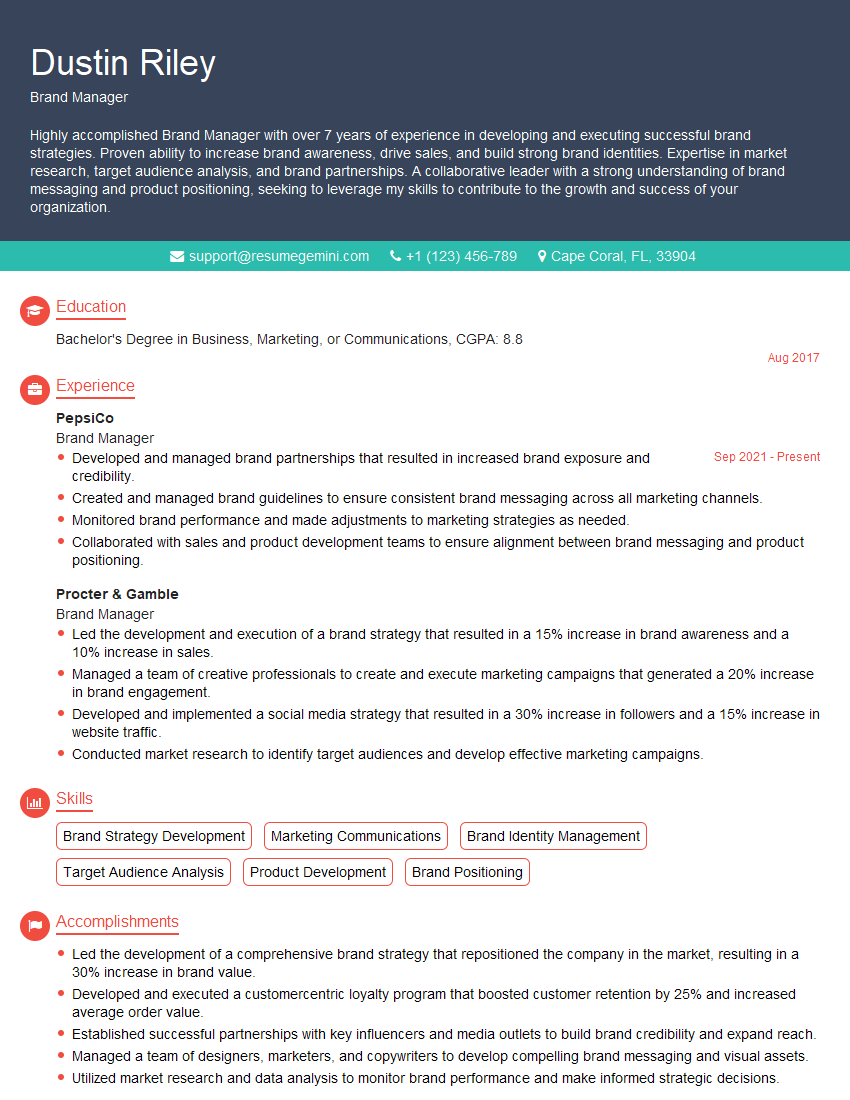
Brand Manager Resume Sample
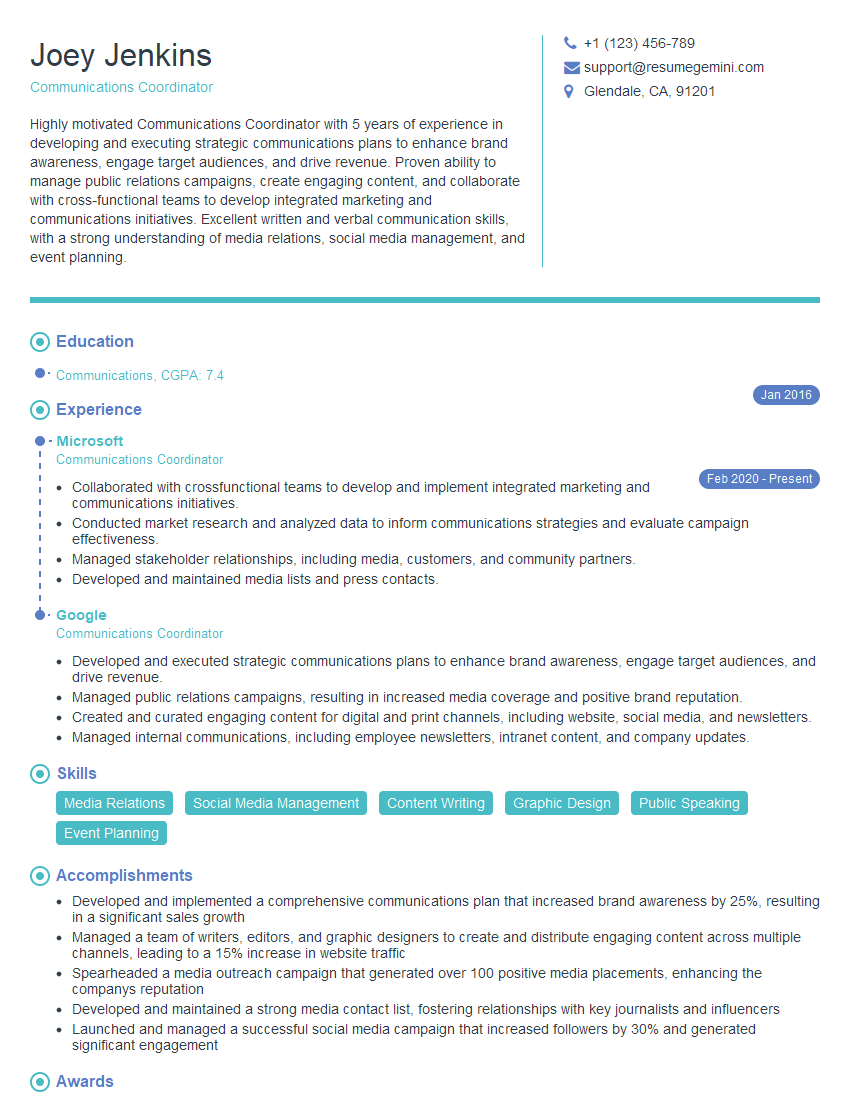
Communications Coordinator Resume Sample

Communications Director Resume Sample

Communications Manager Resume Sample
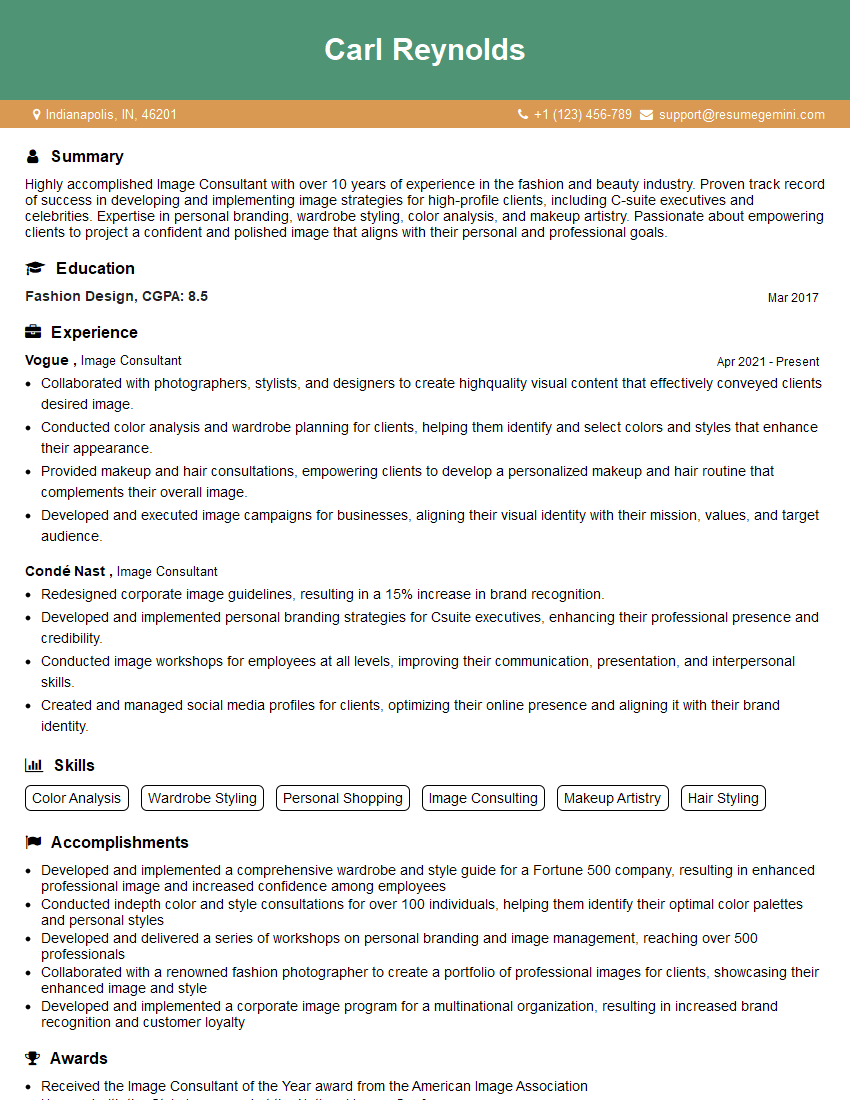
Image Consultant Resume Sample

Marketing Communications Manager Resume Sample
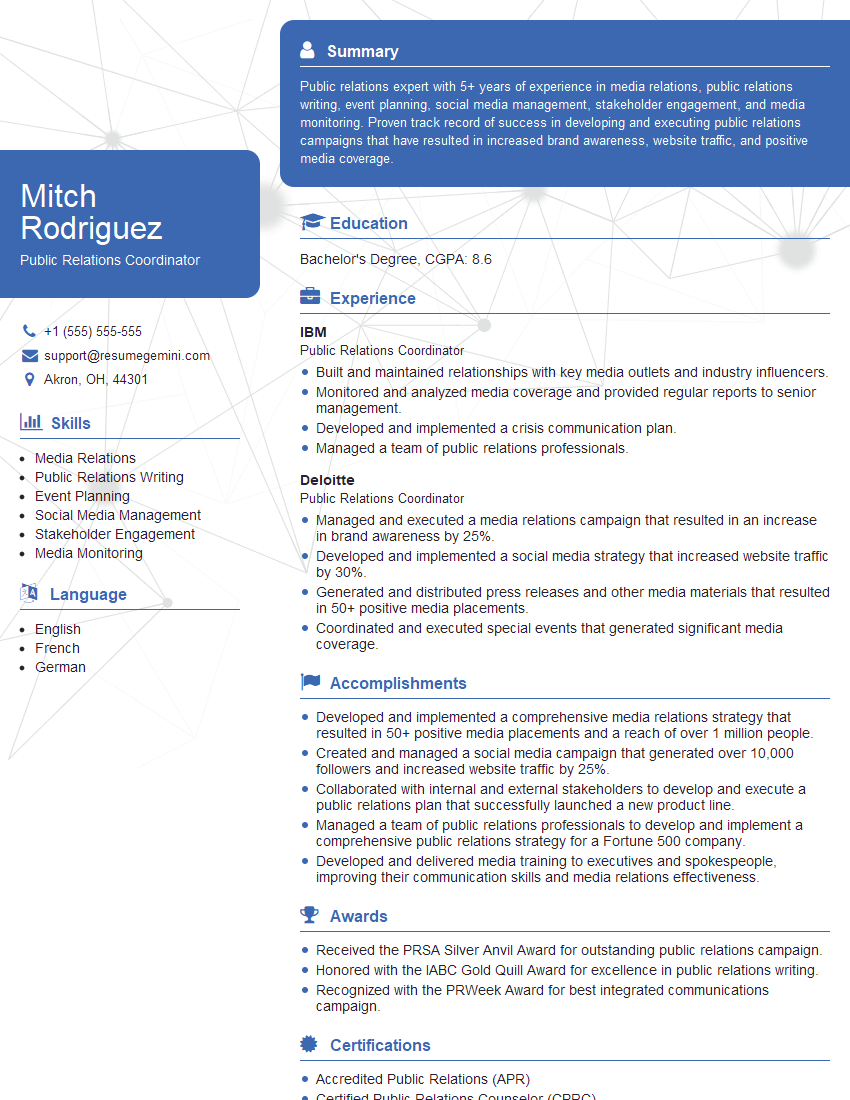
Public Relations Coordinator Resume Sample
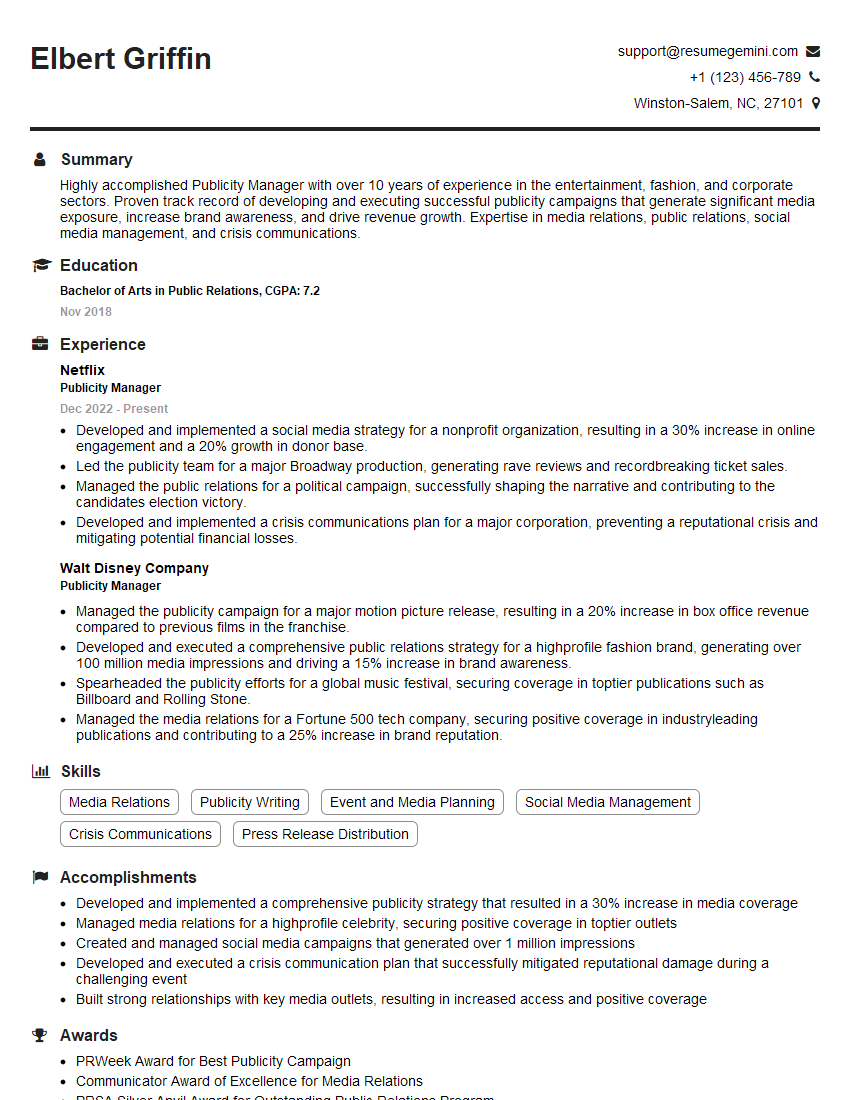
Publicity Manager Resume Sample
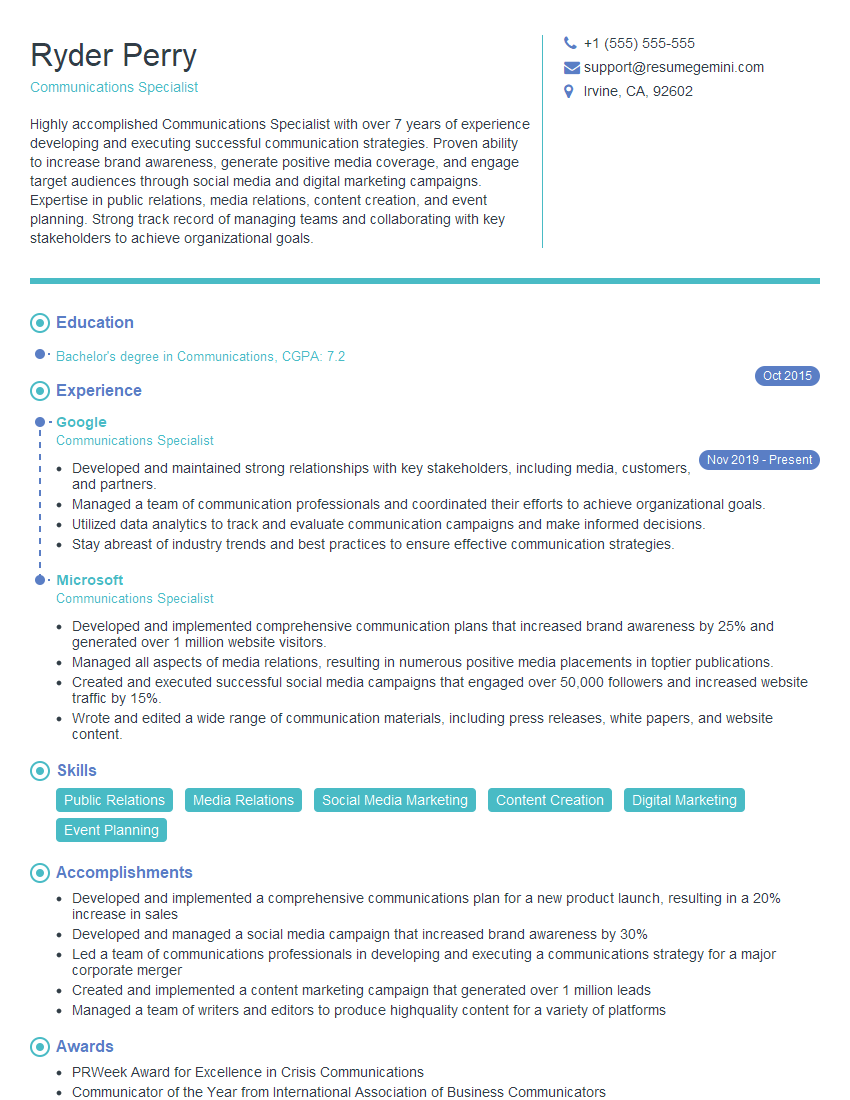
Communications Specialist Resume Sample
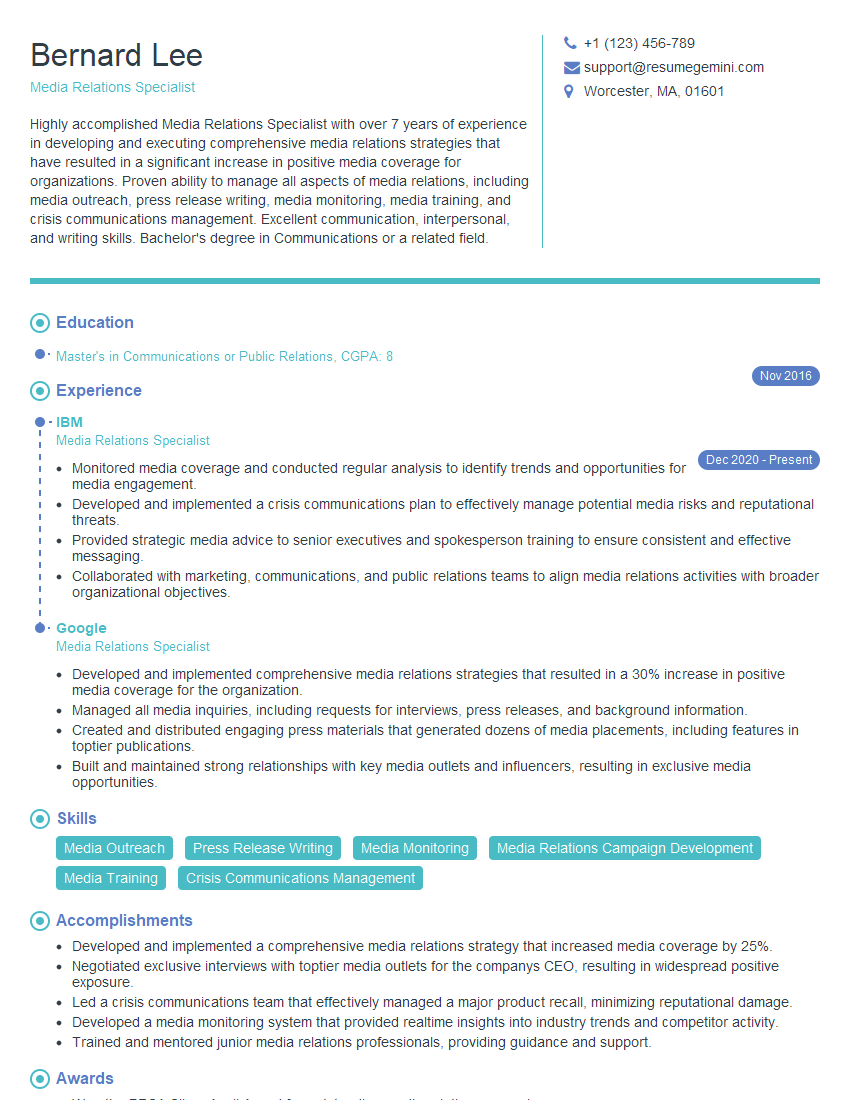
Media Relations Specialist Resume Sample
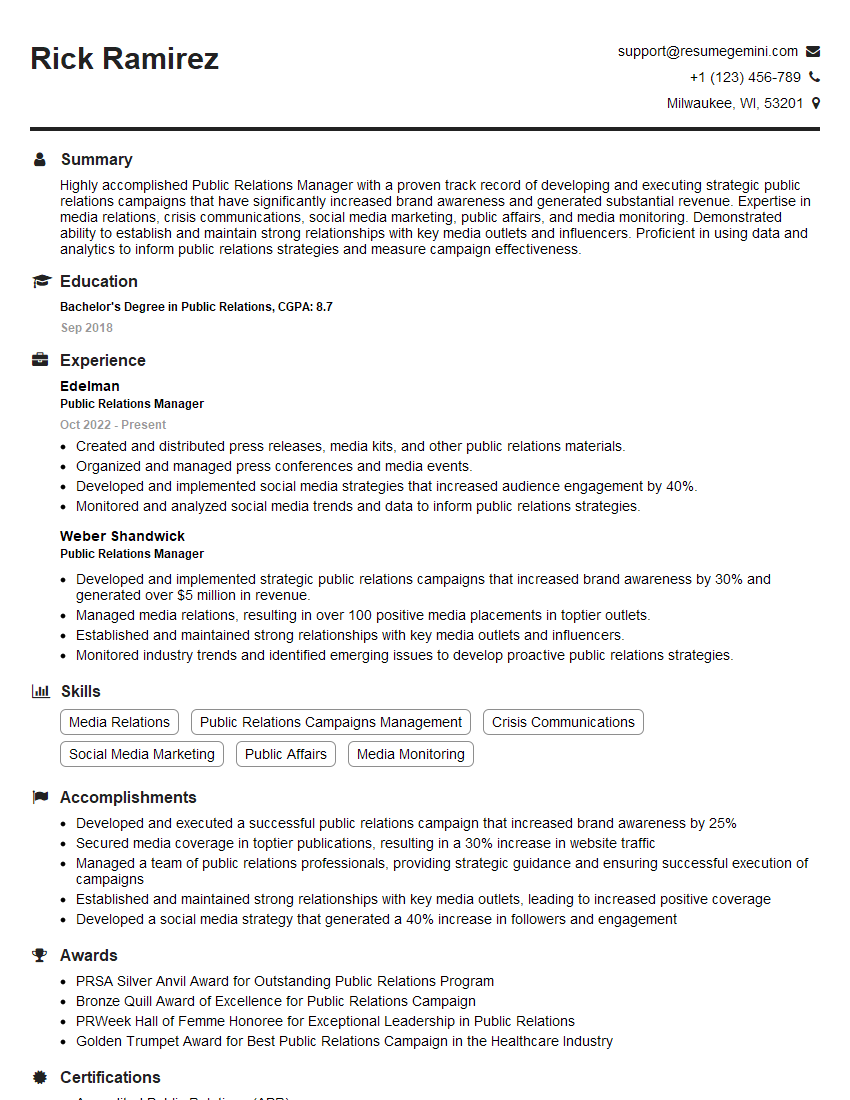
Public Relations Manager Resume Sample
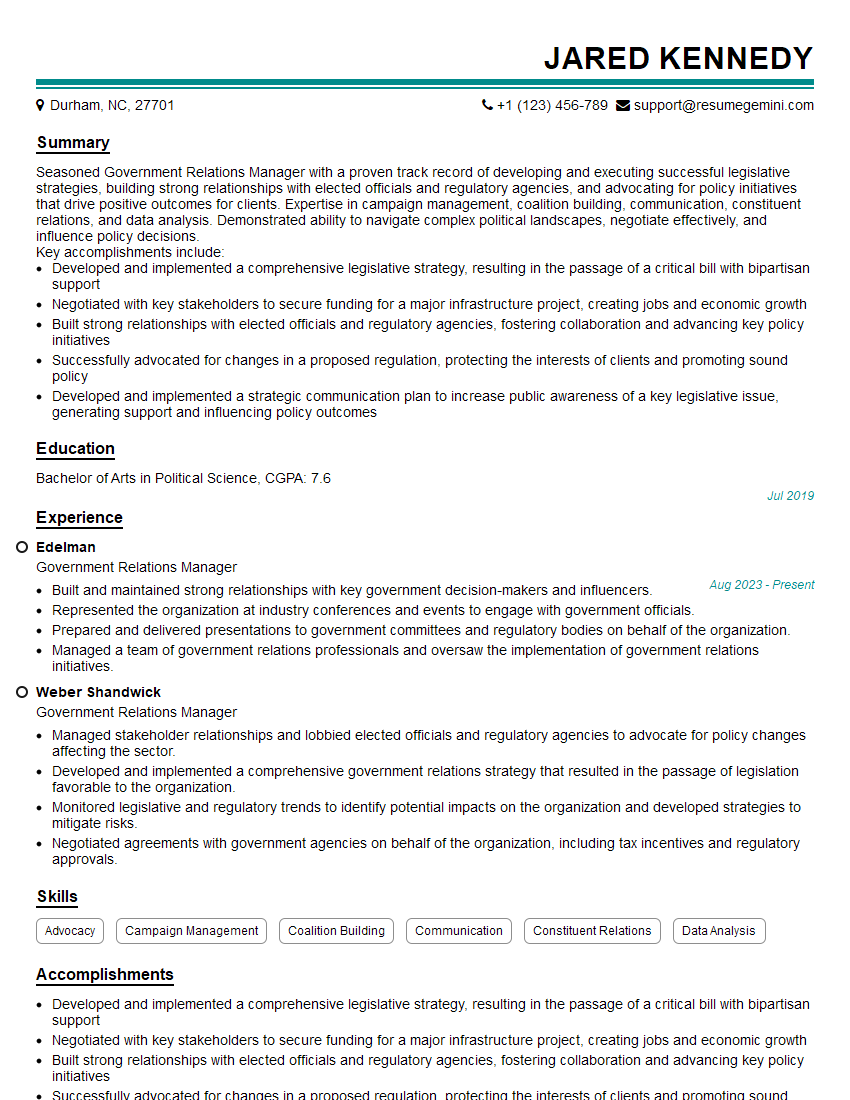
Government Relations Manager Resume Sample
Explore more articles
Users Rating of Our Blogs
Share Your Experience
We value your feedback! Please rate our content and share your thoughts (optional).
What Readers Say About Our Blog
Very informative content, great job.
good