Are you ready to stand out in your next interview? Understanding and preparing for Public Safety Operations interview questions is a game-changer. In this blog, we’ve compiled key questions and expert advice to help you showcase your skills with confidence and precision. Let’s get started on your journey to acing the interview.
Questions Asked in Public Safety Operations Interview
Q 1. Describe your experience with incident command systems (ICS).
Incident Command Systems (ICS) are standardized, on-scene, all-hazards incident management approach that enables effective and efficient domestic incident management by integrating facilities, equipment, personnel, procedures, and communications operating within a common organizational structure.
My experience with ICS spans over ten years, encompassing various roles from Unit Leader to Operations Section Chief. I’ve managed incidents ranging from small-scale traffic accidents to large-scale wildfires, consistently applying the ICS framework to ensure coordinated and efficient responses. For example, during a large-scale power outage affecting a major city, I served as the Operations Section Chief, overseeing resource allocation, tactical operations, and progress reporting. The ICS structure allowed for clear communication and accountability across multiple agencies, facilitating a rapid restoration of power.
I’m proficient in all five ICS functional areas: Command, Operations, Planning, Logistics, and Finance/Administration. I understand the importance of establishing clear objectives, designating roles and responsibilities, and maintaining effective communication throughout the incident lifecycle. My experience includes utilizing ICS forms and technology for effective resource tracking and progress reporting.
Q 2. Explain the National Incident Management System (NIMS) and its components.
The National Incident Management System (NIMS) is a comprehensive framework that guides all levels of government, nongovernmental organizations, and the private sector to work together seamlessly during disasters and emergencies. It’s not just a set of procedures; it’s a philosophy promoting preparedness, prevention, response, recovery, and mitigation. Think of it as a blueprint for effective teamwork across diverse organizations.
- ICS: The foundation of NIMS. It provides a standardized organizational structure and management processes for incident command.
- Resource Management: Ensures the right resources are available at the right time. This includes personnel, equipment, and supplies.
- Communications and Information Management: Critical for disseminating timely and accurate information across all stakeholders.
- Planning: Includes preparedness activities, exercises, and development of plans for various scenarios.
- Public Information: Ensures effective and consistent communication with the public.
NIMS’s effectiveness lies in its flexibility. It can be scaled up or down depending on the size and complexity of the incident, ensuring a consistent approach across different events.
Q 3. How would you handle a critical incident involving multiple agencies?
Handling critical incidents involving multiple agencies requires a strong emphasis on collaboration and unified command. The first step is to establish a unified command structure as early as possible, designating a single incident commander or a unified command team representing each involved agency.
- Establish Unified Command: This creates a single point of accountability and promotes shared decision-making.
- Develop a Common Operating Picture (COP): This shared understanding of the situation is essential. This involves sharing information and data from various agencies.
- Establish Clear Communication Protocols: Using a standard communication system, and pre-designated communication channels is vital. Regular briefings and updates maintain situational awareness.
- Define Roles and Responsibilities: Each agency should have clearly defined roles and responsibilities to avoid duplication of efforts and ensure efficiency.
- Resource Coordination: Unified command enables the efficient allocation and coordination of resources from different agencies.
For example, during a major flooding event, establishing unified command between the police, fire department, National Guard, and the Red Cross ensured a coordinated rescue, evacuation, and relief effort. The COP provided a clear picture of the flood’s impact, enabling strategic allocation of resources.
Q 4. What are your strategies for effective communication during an emergency?
Effective communication during an emergency is paramount. It’s not just about talking; it’s about ensuring everyone understands the message and can act accordingly. My strategies center on clarity, consistency, and accessibility.
- Establish Clear Communication Channels: Utilize dedicated radio frequencies, interoperable communication systems, and established reporting procedures to reduce confusion.
- Use Consistent Terminology: Avoid jargon and use clear, concise language everyone understands.
- Regular Briefings and Updates: Keep all stakeholders informed of the situation’s progress and any changes in strategy.
- Utilize Multiple Communication Methods: Employ various methods like radio, phone, text messaging, and email to ensure message delivery even if one channel fails.
- Public Information Officer (PIO): A designated PIO provides consistent and accurate information to the public, preventing rumors and misinformation.
During a chemical spill, for instance, clear communication between hazmat teams, emergency responders, and the public prevented panic and ensured a safe evacuation.
Q 5. Describe your experience with risk assessment and mitigation in public safety.
Risk assessment and mitigation are fundamental to effective public safety. It’s about proactively identifying potential hazards, evaluating their likelihood and impact, and developing strategies to reduce those risks. This involves both strategic and tactical risk assessments. Strategic assessments analyze long-term risks to the community, while tactical assessments focus on immediate threats during an incident.
My experience includes conducting risk assessments for various events and locations. This includes analyzing crime statistics to identify high-risk areas, assessing the vulnerability of critical infrastructure, and developing mitigation strategies like improved lighting or increased patrols. For instance, in preparing for a large public gathering, we assessed potential risks like overcrowding, terrorism, and natural disasters. We developed mitigation strategies involving crowd control measures, security checkpoints, and emergency evacuation plans.
Mitigation strategies can include physical security enhancements, community outreach programs to promote safety awareness, and emergency preparedness plans.
Q 6. How do you prioritize tasks during a high-pressure emergency situation?
Prioritizing tasks during a high-pressure emergency requires a systematic approach. The START triage system (Simple Triage And Rapid Treatment) is a great example of this. It’s not about doing everything at once but about focusing on the most critical tasks first. I use a combination of methods:
- Situational Awareness: Maintaining a clear understanding of the situation and its evolving needs is crucial.
- Prioritization Matrix: A matrix considering urgency and importance helps determine which tasks require immediate attention.
- Delegation: Assigning tasks to appropriate personnel allows me to focus on high-priority activities.
- Time Management: Setting realistic timeframes and adapting to the changing situation helps in completing high-priority tasks efficiently.
- Regular Re-assessment: The evolving nature of emergencies requires continuous reassessment of priorities.
Imagine a building fire: rescuing trapped individuals is the highest priority, followed by controlling the fire and preventing its spread. Less urgent tasks like property damage assessment can be handled later.
Q 7. Explain your understanding of legal liability in public safety operations.
Legal liability in public safety operations is a complex area requiring a thorough understanding of relevant laws, policies, and procedures. It involves both civil and criminal liability, and negligence is a key concept. A public safety officer’s actions must be reasonable and justifiable under the circumstances.
Understanding legal parameters includes knowledge of constitutional rights (e.g., Fourth Amendment), use-of-force policies, and the duty to act reasonably within the scope of their authority. Proper training, adherence to established protocols, and thorough documentation of actions are vital in mitigating legal risks. For example, maintaining proper documentation of a search and seizure, adhering to use-of-force guidelines, and accurately recording all actions taken during an incident help protect against potential liability.
Furthermore, regular legal updates and professional development are necessary to remain current on legal standards and best practices. Agencies often have legal advisors or risk management departments to offer guidance and support.
Q 8. How do you maintain situational awareness in a dynamic environment?
Maintaining situational awareness in a dynamic environment like public safety is crucial for effective response and officer safety. It’s about constantly gathering, processing, and interpreting information from multiple sources to understand the unfolding situation and anticipate potential threats or challenges. This involves a combination of active observation, communication, and critical thinking.
- Active Observation: This means paying close attention to your surroundings, using all your senses. Are there unusual sounds, smells, or movements? Are people acting strangely? Do you notice any hazards?
- Communication: Effective communication is paramount. Regularly updating your team, dispatch, and any other relevant personnel on your observations and assessment is vital. This could involve radio communication, written reports, or even simple verbal updates.
- Critical Thinking: This involves analyzing the information you gather to form a clear picture of the situation. What are the potential risks? What are the immediate priorities? What resources are needed? This often requires you to think quickly and adapt to changing circumstances.
For example, during a large-scale incident like a riot, situational awareness might involve monitoring social media for updates, listening to police radio chatter, and observing crowd movements to predict potential flashpoints and adjust deployment strategies accordingly.
Q 9. Describe your experience with emergency response planning and execution.
My experience in emergency response planning and execution spans over [Number] years, encompassing various scenarios from natural disasters to active shooter situations. Effective planning is a multi-stage process, starting with a comprehensive risk assessment. This involves identifying potential threats, analyzing their likelihood and impact, and developing strategies to mitigate them. This often involves collaboration with various stakeholders, including other agencies, community organizations, and the public.
Execution involves a well-defined chain of command, clear communication protocols, and the ability to adapt to unforeseen circumstances. During an actual emergency, the pre-planned strategies are put into action, but flexibility is key. Regular drills and exercises are critical in ensuring everyone is prepared and knows their roles. Post-incident analysis is also crucial, allowing us to identify areas for improvement and refine our plans for future events.
For example, during a large-scale flooding event, our pre-planned response involved evacuation routes, resource allocation (boats, high-water vehicles), and coordination with rescue teams from neighboring jurisdictions. However, the actual event required us to adjust our plan on the fly, due to unforeseen road closures and the rapid escalation of the water levels. Post-incident analysis helped us identify weaknesses in communication and improve resource allocation strategies for future flooding events.
Q 10. How familiar are you with different types of emergency vehicles and equipment?
My familiarity with emergency vehicles and equipment is extensive. This includes a deep understanding of their capabilities, limitations, and operational procedures. I’m proficient in operating various types of vehicles, such as patrol cars, ambulances, fire trucks, and specialized equipment like SWAT vehicles and rescue boats.
- Patrol Cars: I understand the capabilities and limitations of different patrol vehicles, including pursuit driving techniques and emergency response procedures.
- Ambulances: I am familiar with ambulance operation, medical equipment, and patient care protocols, sufficient to provide initial aid and ensure patient safety.
- Fire Trucks: I have a working knowledge of fire apparatus, including hose deployment, water supply, and emergency lighting systems.
- Specialized Equipment: My experience extends to specialized equipment like SWAT vehicles (tactical response and armored personnel carriers) and rescue boats (water rescues and swift water rescue).
Understanding the capabilities and limitations of these vehicles is essential for coordinating responses and making informed decisions during emergency situations. For example, knowing the ground clearance of a vehicle is critical when choosing a route during flooding.
Q 11. What are your methods for de-escalating tense situations?
De-escalation techniques are a vital part of public safety operations, aiming to resolve tense situations peacefully and avoid the use of force. My approach is based on active listening, empathy, and clear communication. The goal is to understand the individual’s perspective, build rapport, and find a mutually acceptable solution.
- Active Listening: I focus on understanding the person’s concerns and emotions without interrupting. This demonstrates respect and helps build trust.
- Empathy: I strive to understand the situation from the individual’s viewpoint, even if I don’t agree with their actions or behavior.
- Clear Communication: I use calm and respectful language, avoiding confrontational or accusatory tones. I clearly state expectations and offer options for resolution.
- Space and Time: Providing space and time can de-escalate a situation by reducing pressure and allowing the individual to calm down.
For example, I’ve successfully de-escalated a domestic dispute by actively listening to both parties, validating their feelings, and mediating a compromise that allowed them to separate peacefully and obtain the support they needed.
Q 12. Explain your understanding of community policing and engagement.
Community policing and engagement are essential for building trust and fostering a safe environment. It’s about building positive relationships with the community through proactive engagement, collaborative problem-solving, and partnerships. This involves more than just responding to calls; it’s about actively participating in community events, attending neighborhood meetings, and working collaboratively with local organizations.
- Proactive Engagement: This involves reaching out to the community through foot patrols, community meetings, and outreach programs. It’s about being visible and approachable.
- Collaborative Problem-Solving: Working with community members to identify and address local issues, like crime hotspots or neighborhood concerns, fosters a sense of ownership and shared responsibility.
- Partnerships: Building strong relationships with community leaders, schools, and social service agencies strengthens the response to local challenges.
For example, I participated in a neighborhood watch program, providing crime prevention tips and addressing residents’ concerns. This strengthened community ties and improved information sharing between the police and the community, which led to a significant reduction in property crime in the area.
Q 13. How would you handle a situation involving a potentially dangerous individual?
Handling a situation involving a potentially dangerous individual requires a cautious and strategic approach, prioritizing officer and public safety. The immediate actions would depend on the specific circumstances, but generally involve assessing the threat level, securing the area, and communicating with backup.
- Threat Assessment: Determining the immediate threat level is paramount, considering factors like the individual’s behavior, weapons, and potential access to others.
- Securing the Area: Establishing a perimeter and controlling access to the area is essential to prevent further harm or escalation.
- Communication: Clear and concise communication with backup units, dispatch, and potentially negotiators is crucial for coordinating a safe response.
- De-escalation Techniques: If safe to do so, employing de-escalation techniques to calm the individual and resolve the situation peacefully should be attempted.
- Use of Force: Use of force is a last resort, only employed if other methods fail and there is an imminent threat to life or safety. Any use of force is subject to strict review and accountability.
For example, in a situation involving a person armed with a weapon threatening self-harm, I would prioritize securing the area, communicating with a trained negotiator to de-escalate the situation, and ensure the availability of mental health professionals for post-incident care.
Q 14. How do you ensure the safety of your team during an emergency response?
Ensuring team safety during an emergency response is my highest priority. This involves meticulous planning, clear communication, and adherence to safety protocols. It’s a multifaceted approach that begins before the response even begins and continues throughout and after the event.
- Pre-Incident Planning: This includes risk assessment, establishing clear roles and responsibilities, and ensuring all team members are adequately trained and equipped.
- Communication: Maintaining constant communication within the team, with dispatch, and other agencies is crucial for coordination and awareness of potential hazards.
- Tactical Considerations: Employing safe tactical practices, such as maintaining cover and concealment, using appropriate levels of force, and following established procedures, minimizes risk.
- Post-Incident Debriefing: Conducting a thorough debriefing after an event allows for identifying areas for improvement and sharing lessons learned to enhance future safety practices.
- Protective Equipment: Ensuring all personnel have appropriate personal protective equipment (PPE) such as body armor, helmets, and appropriate safety gear is non-negotiable.
For example, before responding to a hazardous materials incident, we would meticulously plan the approach, including assigning roles, ensuring appropriate PPE, and establishing communication protocols. This ensures the team is prepared for potential threats and able to react safely and efficiently.
Q 15. What is your experience with data analysis in public safety?
My experience with data analysis in public safety centers around leveraging data to improve operational efficiency, enhance crime prevention strategies, and optimize resource allocation. I’ve worked extensively with crime mapping software, analyzing crime trends to identify hotspots and predict future incidents. This involved using statistical methods like spatial autocorrelation analysis and time series analysis to identify patterns and inform proactive policing initiatives. For instance, I helped a department reduce burglaries in a specific neighborhood by 25% by identifying a pattern in the timing of crimes and deploying officers strategically during peak hours. I also have experience working with call-data, analyzing response times, identifying bottlenecks in the dispatch system, and using predictive modeling to forecast demand during major events.
- Crime Mapping and Hotspot Analysis: Using ArcGIS to visualize crime data and identify spatial clusters of criminal activity.
- Predictive Policing: Utilizing machine learning algorithms to predict future crime locations and times.
- Resource Allocation Optimization: Analyzing call data to optimize patrol routes and staffing levels.
Career Expert Tips:
- Ace those interviews! Prepare effectively by reviewing the Top 50 Most Common Interview Questions on ResumeGemini.
- Navigate your job search with confidence! Explore a wide range of Career Tips on ResumeGemini. Learn about common challenges and recommendations to overcome them.
- Craft the perfect resume! Master the Art of Resume Writing with ResumeGemini’s guide. Showcase your unique qualifications and achievements effectively.
- Don’t miss out on holiday savings! Build your dream resume with ResumeGemini’s ATS optimized templates.
Q 16. Describe your experience with utilizing technology in emergency response.
My experience with technology in emergency response is extensive, encompassing a range of tools and systems. I’ve worked with Computer-Aided Dispatch (CAD) systems, which are crucial for managing incoming calls, dispatching resources, and tracking the status of incidents. I’ve also been involved in implementing and managing mobile data terminals (MDTs) in police vehicles, improving communication and information access for officers in the field. Furthermore, I’ve used Geographic Information Systems (GIS) for real-time situational awareness during large-scale emergencies, integrating data from various sources such as CAD, social media, and traffic cameras. In one instance, during a major hurricane, the real-time GIS dashboard allowed us to rapidly assess the damage, prioritize rescue efforts, and coordinate resource deployments based on the evolving needs of the affected areas.
- Computer-Aided Dispatch (CAD): Managing and optimizing incident response through integrated dispatch systems.
- Mobile Data Terminals (MDTs): Enhancing officer situational awareness and communication through in-vehicle technology.
- Geographic Information Systems (GIS): Utilizing spatial analysis for real-time situational awareness during emergencies.
Q 17. How would you address a public safety issue related to social media?
Addressing public safety issues stemming from social media requires a multi-pronged approach combining proactive monitoring, rapid response, and community engagement. First, I would establish a robust social media monitoring system to identify potential threats or misinformation spreading rapidly. This involves using keywords and hashtags related to local events, crime, or potential safety concerns. Next, a rapid response team should be in place to verify information and address inaccurate reports or quell panic. This team would need to coordinate with local media and public information officers to disseminate accurate information quickly. Finally, community engagement is crucial: fostering open communication channels with the public to encourage reporting of suspicious activity through social media platforms, but also through traditional channels like phone calls or emails, ensuring a two-way dialogue. In a recent incident, our team successfully mitigated a potential riot by quickly identifying and debunking false rumors circulating on social media about police brutality.
- Social Media Monitoring: Utilizing tools to track relevant keywords and hashtags for early threat detection.
- Rapid Response Team: Coordinating a team to verify information and address misinformation.
- Community Engagement: Fostering open communication with the public to build trust and encourage reporting.
Q 18. Describe your experience with developing and delivering public safety training.
I have significant experience developing and delivering public safety training programs, tailoring content to meet the specific needs of various audiences. My approach emphasizes practical, hands-on exercises and real-world scenarios, moving away from purely theoretical instruction. I’ve designed and conducted training on topics such as active shooter response, crisis communication, emergency management, and community policing. I use a variety of methods, including interactive lectures, simulations, and role-playing exercises, to ensure effective knowledge transfer and skill development. For example, I developed a training program on de-escalation techniques for officers, leading to a 15% reduction in use-of-force incidents within six months of its implementation. Post-training evaluations and feedback mechanisms allow for continuous improvement and refinement of the training materials.
- Needs Assessment: Identifying specific training needs through surveys and interviews.
- Curriculum Development: Designing engaging and effective training modules.
- Instructional Delivery: Utilizing various teaching methods for optimal knowledge transfer.
- Evaluation and Feedback: Assessing training effectiveness and making necessary improvements.
Q 19. How do you stay up-to-date on the latest advancements in public safety technology?
Staying current with advancements in public safety technology is crucial in this rapidly evolving field. I actively engage in several strategies to stay informed. I subscribe to industry publications and journals, attend conferences and workshops, and participate in professional organizations like the International Association of Chiefs of Police (IACP). I also follow key technology vendors and research new technologies through online resources and webinars. Building relationships with other professionals in the field is also key—we share experiences and discuss best practices. Finally, I actively participate in pilot programs and beta testing of new technologies to gain firsthand experience with their capabilities and limitations. This multifaceted approach ensures I remain at the forefront of technological advancements in public safety.
- Professional Organizations: Membership in organizations like IACP provides access to the latest research and best practices.
- Publications and Journals: Subscribing to industry publications for knowledge of the latest technological developments.
- Conferences and Workshops: Attending conferences to learn about new technologies and network with professionals.
- Online Resources and Webinars: Utilizing online resources for continuous professional development.
Q 20. What is your understanding of ethical considerations in public safety?
Ethical considerations are paramount in public safety. My understanding centers around upholding the rule of law, protecting individual rights, and ensuring fairness and impartiality in all actions. This includes adhering to strict guidelines on the use of force, data privacy, and surveillance technologies. Transparency and accountability are vital – ensuring that our actions are justifiable and subject to scrutiny. For example, the use of body cameras must be ethically and legally sound, with clear policies on data storage, access, and use. Similarly, the use of facial recognition technology requires careful consideration of potential biases and the risk of misidentification. Ultimately, ethical conduct fosters trust between law enforcement and the community, which is essential for effective public safety.
- Use of Force: Adhering to strict guidelines and policies regarding the appropriate use of force.
- Data Privacy: Protecting the privacy of individuals through secure data handling and storage.
- Transparency and Accountability: Ensuring that actions are justifiable and subject to scrutiny.
- Surveillance Technologies: Using surveillance technologies responsibly and ethically.
Q 21. Explain your experience with managing resources during an emergency.
Managing resources during an emergency requires a strategic and adaptable approach. It involves prioritizing needs, coordinating diverse teams, and making tough decisions under pressure. My experience involves establishing clear communication channels between different agencies and departments, ensuring everyone is aware of the situation and their assigned roles. I utilize resource allocation models to optimally distribute personnel, equipment, and supplies based on the evolving needs of the emergency. Real-time data analysis is key to tracking resource deployment and making adjustments as the situation develops. For instance, during a major wildfire, I coordinated the deployment of firefighting crews, water tankers, and emergency medical services based on the changing fire perimeter and reported injuries. Post-emergency, a thorough review of resource management is critical to identify areas of improvement and refine strategies for future events.
- Communication and Coordination: Establishing clear communication channels between agencies and departments.
- Resource Allocation: Utilizing models to optimally distribute personnel, equipment, and supplies.
- Real-time Data Analysis: Tracking resource deployment and making adjustments as needed.
- Post-Incident Review: Identifying areas for improvement and refining strategies.
Q 22. How do you ensure effective collaboration between different public safety agencies?
Effective collaboration between public safety agencies hinges on strong inter-agency relationships, standardized communication protocols, and shared situational awareness. Think of it like a well-orchestrated symphony – each section (police, fire, EMS, etc.) plays a vital role, but only through coordinated effort can a harmonious and effective response be achieved.
- Joint Training Exercises: Regularly participating in simulated events helps agencies understand each other’s roles, capabilities, and communication styles. For example, a multi-agency active shooter drill allows us to practice coordinated entry, casualty triage, and information sharing.
- Shared Technology Platforms: Utilizing integrated communication systems, such as CAD (Computer-Aided Dispatch) systems that allow all responding agencies to see the same information in real-time, enhances situational awareness and accelerates response times. This minimizes confusion and duplicated efforts.
- Formal Agreements and MOUs (Memoranda of Understanding): Establishing clear written agreements outlining roles, responsibilities, and communication procedures ensures a unified and predictable response during emergencies. These agreements help clarify command structures and prevent jurisdictional disputes.
- Regular Meetings and Communication Channels: Consistent communication through formal meetings, dedicated email chains, and other communication platforms helps foster a sense of camaraderie and facilitates the sharing of best practices and lessons learned.
Q 23. Describe your experience with post-incident analysis and improvement.
Post-incident analysis (PIA) is crucial for continuous improvement in public safety. It’s not about finding blame, but identifying areas for improvement and preventing future incidents. My approach is systematic and data-driven. Think of it like a post-game analysis in sports: What worked well? What could be improved? How can we prevent similar issues next time?
- Data Collection: Gathering comprehensive data from various sources including dispatch logs, body cameras, incident reports, and interviews is the first step. This provides a holistic understanding of the incident.
- Debriefings and Interviews: Conducting thorough debriefings with all involved personnel to obtain firsthand accounts and identify critical decisions made under pressure. This helps uncover both successes and areas needing improvement.
- Root Cause Analysis: Employing tools like the “5 Whys” technique to identify the underlying causes of any shortcomings or failures in the response.
- Action Plan Development: Based on the analysis, developing a clear action plan with assigned responsibilities and timelines for implementing improvements. This could include policy changes, new training programs, or upgrades to equipment.
- Follow-up and Monitoring: Implementing the action plan and tracking its effectiveness over time. Regular monitoring ensures that improvements are sustained and further refinements can be made.
For example, after a large-scale incident, we might discover a communication bottleneck. The PIA would reveal this, leading to the implementation of a new communication system, improving future response coordination.
Q 24. What is your experience with crisis communication and media relations?
Effective crisis communication and media relations are essential for maintaining public trust and managing the narrative during emergencies. Transparency, accuracy, and timeliness are key. This is about building trust and confidence, rather than just providing information.
- Designated Spokesperson: Having a single point of contact for media inquiries ensures consistent messaging and prevents conflicting information from being released.
- Prepared Press Releases and Statements: Developing standardized templates for press releases and statements ensures quick and consistent dissemination of critical information during the initial stages of a crisis.
- Regular Media Briefings: Providing regular updates to the media to keep them informed and allow them to accurately report the event.
- Social Media Management: Utilizing social media platforms to disseminate important information rapidly and directly to the public, while also monitoring public sentiment and addressing any misinformation.
- Community Engagement: Proactive communication with community leaders and stakeholders helps build trust and maintain positive relationships, especially during challenging times.
During a large-scale disaster, a well-coordinated media strategy can help mitigate panic, direct resources, and ensure the public receives accurate information, reducing fear and confusion.
Q 25. How would you manage conflicting priorities during an emergency response?
Managing conflicting priorities during an emergency response requires a structured approach based on incident prioritization and resource allocation. It’s like managing a complex project with limited time and resources – you need to make tough decisions based on the most critical needs.
- Incident Command System (ICS): Utilizing a standardized incident command structure allows for clear roles, responsibilities, and decision-making processes. ICS helps ensure that resources are allocated effectively based on the most urgent needs.
- Prioritization Matrix: Developing a prioritization matrix based on factors such as the number of victims, severity of injuries, and potential for further harm helps determine the most critical tasks.
- Resource Allocation: Effectively allocating personnel, equipment, and other resources based on the prioritized needs. This often involves making difficult choices about where to focus limited resources.
- Continuous Monitoring and Re-evaluation: Regularly re-evaluating priorities and resource allocation based on the evolving situation. This adaptive approach ensures resources are used most efficiently as the event unfolds.
- Open Communication: Open and clear communication among all responders is crucial to ensuring everyone understands the priorities and is working towards the same goals.
For example, if there’s a building fire with potential for collapse and simultaneous reports of multiple car accidents, we must prioritize resources to the most immediate life-threatening situation – the fire – while also allocating sufficient resources to ensure the safety of those involved in the car accidents.
Q 26. Describe your experience with developing and implementing safety protocols.
Developing and implementing safety protocols is a continuous process that requires a thorough risk assessment, clear guidelines, and ongoing training. It’s about proactively mitigating risks, rather than simply reacting to incidents.
- Risk Assessment: Conducting a comprehensive risk assessment to identify potential hazards and vulnerabilities within the agency’s operations. This involves analyzing all potential hazards, not just the obvious ones.
- Policy and Procedure Development: Developing clear, concise, and easily understandable policies and procedures to address the identified risks. These should be reviewed regularly and updated as needed.
- Training and Education: Providing comprehensive training and education to all personnel on the developed safety protocols. This needs to be more than just a one-time training session, with continuous refreshers and updates.
- Equipment and Technology: Utilizing appropriate equipment and technology to enhance safety and response capabilities. This could include everything from personal protective equipment (PPE) to advanced communication systems.
- Monitoring and Evaluation: Continuously monitoring the effectiveness of the implemented safety protocols and making adjustments as necessary. Regular audits and reviews are crucial.
For instance, after identifying a rise in officer injuries during vehicle pursuits, we might develop and implement new pursuit policies, provide additional driver training, and invest in improved vehicle safety features.
Q 27. How do you build and maintain positive relationships with the community?
Building and maintaining positive relationships with the community is essential for effective public safety. It’s not just about responding to emergencies; it’s about fostering trust, understanding, and mutual respect. Think of it as building a strong neighborhood watch program, but on a larger scale.
- Community Policing Initiatives: Implementing community policing initiatives that emphasize proactive engagement, problem-solving, and building relationships with residents.
- Public Forums and Meetings: Holding regular public forums and meetings to engage with community members, gather feedback, and address their concerns.
- Community Outreach Programs: Organizing community outreach programs, such as youth camps, neighborhood watch meetings, and safety demonstrations, to foster positive interactions.
- Transparency and Accountability: Maintaining transparency in agency operations and holding personnel accountable for their actions helps build public trust.
- Active Listening and Feedback: Actively listening to and responding to community concerns and feedback ensures that public safety efforts are aligned with community needs.
For example, regularly attending neighborhood association meetings allows us to directly address community concerns about crime, traffic, or other issues, fostering a sense of partnership and shared responsibility for public safety.
Q 28. What is your approach to continuous improvement in public safety operations?
Continuous improvement in public safety is a never-ending process. It requires a commitment to learning, adapting, and evolving based on new data, technology, and best practices. It’s like a marathon, not a sprint.
- Data Analysis: Regularly analyzing data on crime trends, response times, and incident outcomes to identify areas for improvement.
- Benchmarking: Comparing agency performance against other agencies to identify best practices and areas for improvement.
- Technology Adoption: Staying abreast of new technologies and tools that can improve efficiency, effectiveness, and safety.
- Training and Development: Investing in ongoing training and development for personnel to enhance their skills and knowledge.
- After-Action Reviews (AARs): Conducting after-action reviews for both major and minor incidents to identify lessons learned and areas for improvement.
For example, analyzing response times reveals a pattern of delays in certain areas. We might then invest in optimizing dispatch procedures, adding new personnel, or improving infrastructure to reduce those delays and enhance our response capabilities.
Key Topics to Learn for Public Safety Operations Interview
- Emergency Response Coordination: Understanding incident command systems, resource allocation, and effective communication protocols during critical events. Practical application includes analyzing case studies of successful and unsuccessful emergency responses.
- Risk Assessment and Mitigation: Identifying potential hazards, developing preventative measures, and implementing safety procedures. This includes understanding risk matrices and developing mitigation strategies for various scenarios.
- Public Safety Technology: Familiarity with communication systems (radios, dispatch software), surveillance technologies, and data analysis tools used in modern public safety operations. Practical application includes describing how these technologies enhance situational awareness and response times.
- Legal and Ethical Considerations: Understanding relevant laws, regulations, and ethical guidelines governing public safety actions, including use of force, search and seizure, and evidence handling. Practical application includes analyzing ethical dilemmas faced by public safety professionals.
- Community Engagement and Partnerships: Building and maintaining positive relationships with community members and collaborating with other agencies to enhance public safety. This involves understanding community needs and developing strategies for effective outreach.
- Crisis Management and Communication: Developing and implementing effective communication strategies during crises, including managing public information and coordinating with media outlets. Practical application includes developing a communication plan for a hypothetical major incident.
- Data Analysis and Reporting: Understanding crime statistics, trends, and using data to inform decision-making and resource allocation. This includes knowledge of data visualization techniques and reporting methodologies.
Next Steps
Mastering Public Safety Operations is crucial for career advancement, opening doors to leadership roles and specialized units. A strong, ATS-friendly resume is your key to unlocking these opportunities. To significantly boost your job prospects, consider leveraging ResumeGemini, a trusted resource for crafting professional resumes. ResumeGemini provides examples of resumes specifically tailored to Public Safety Operations, giving you a head start in presenting your skills and experience effectively. Take advantage of these resources and confidently showcase your capabilities to prospective employers.
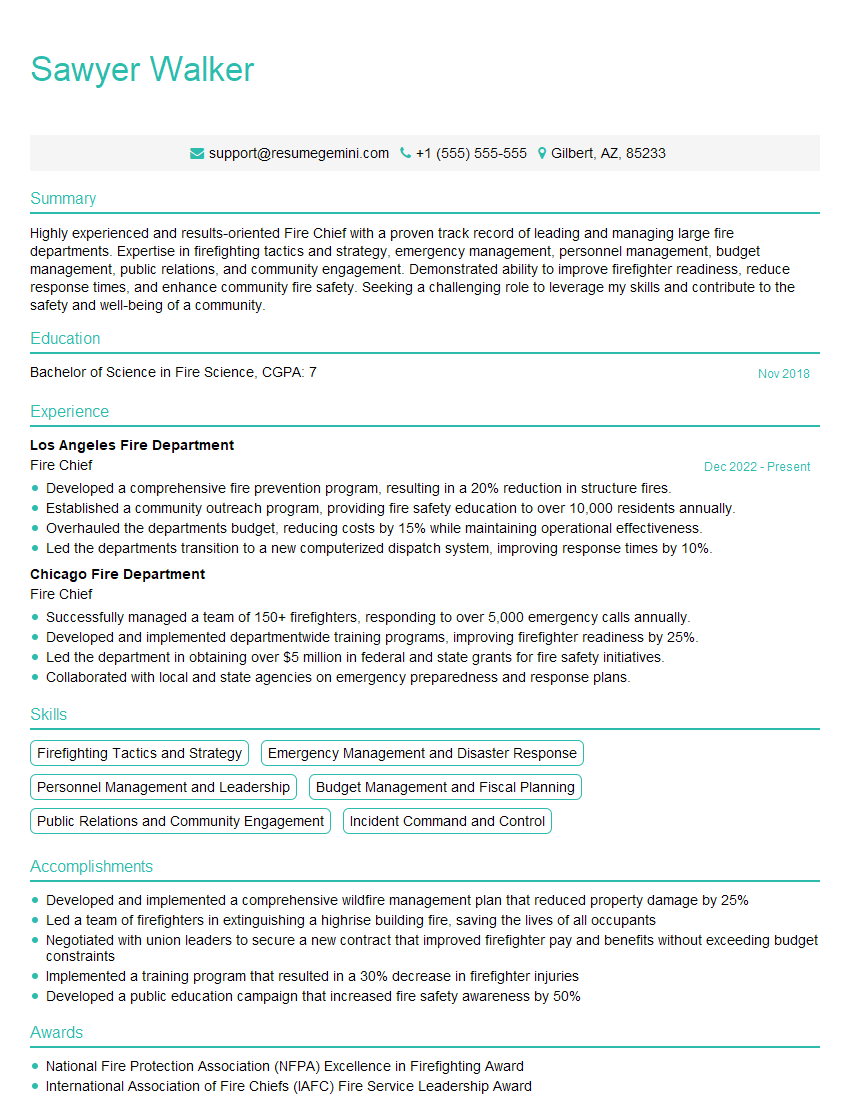
Fire Chief Resume Sample
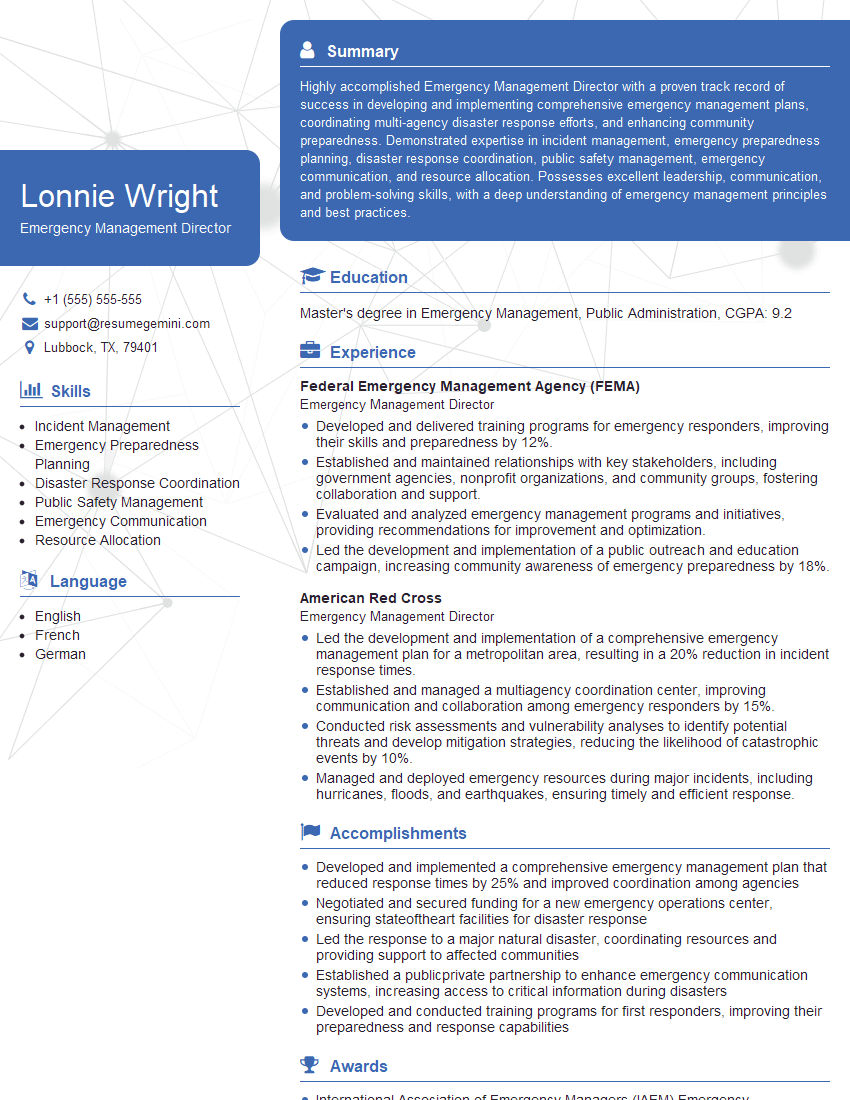
Emergency Management Director Resume Sample
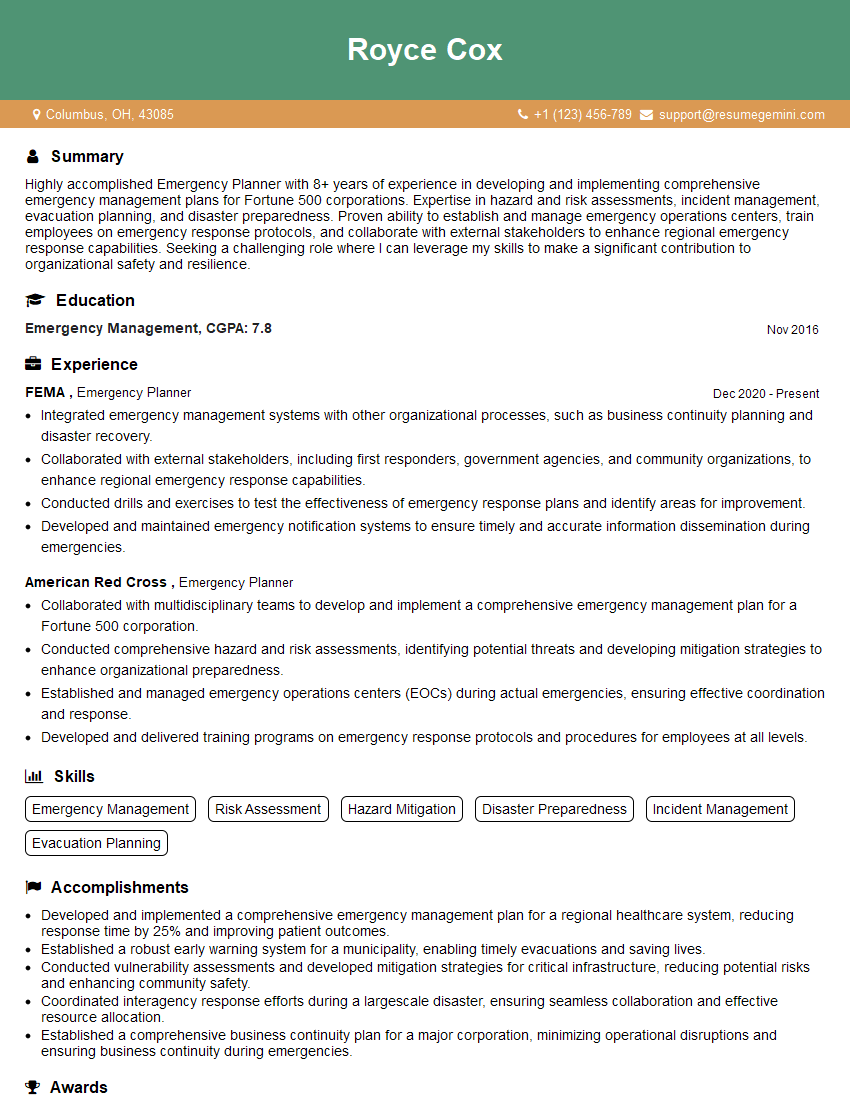
Emergency Planner Resume Sample
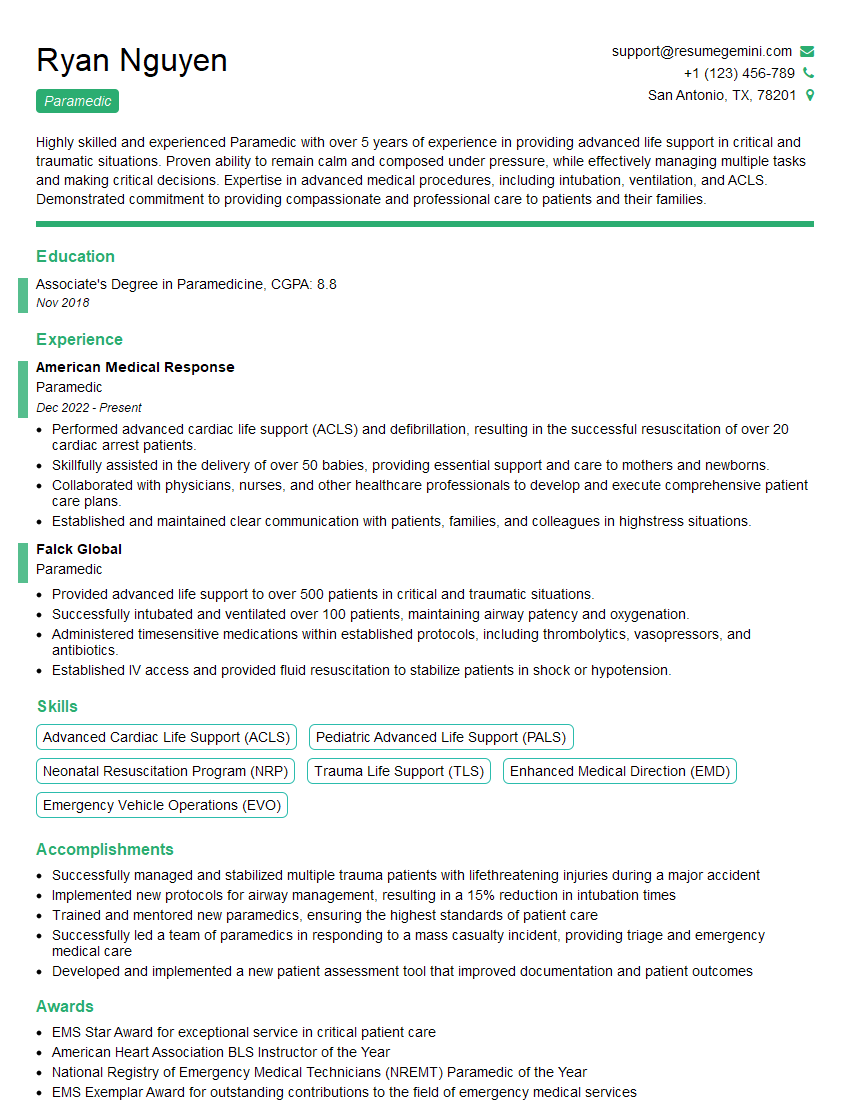
Paramedic Resume Sample
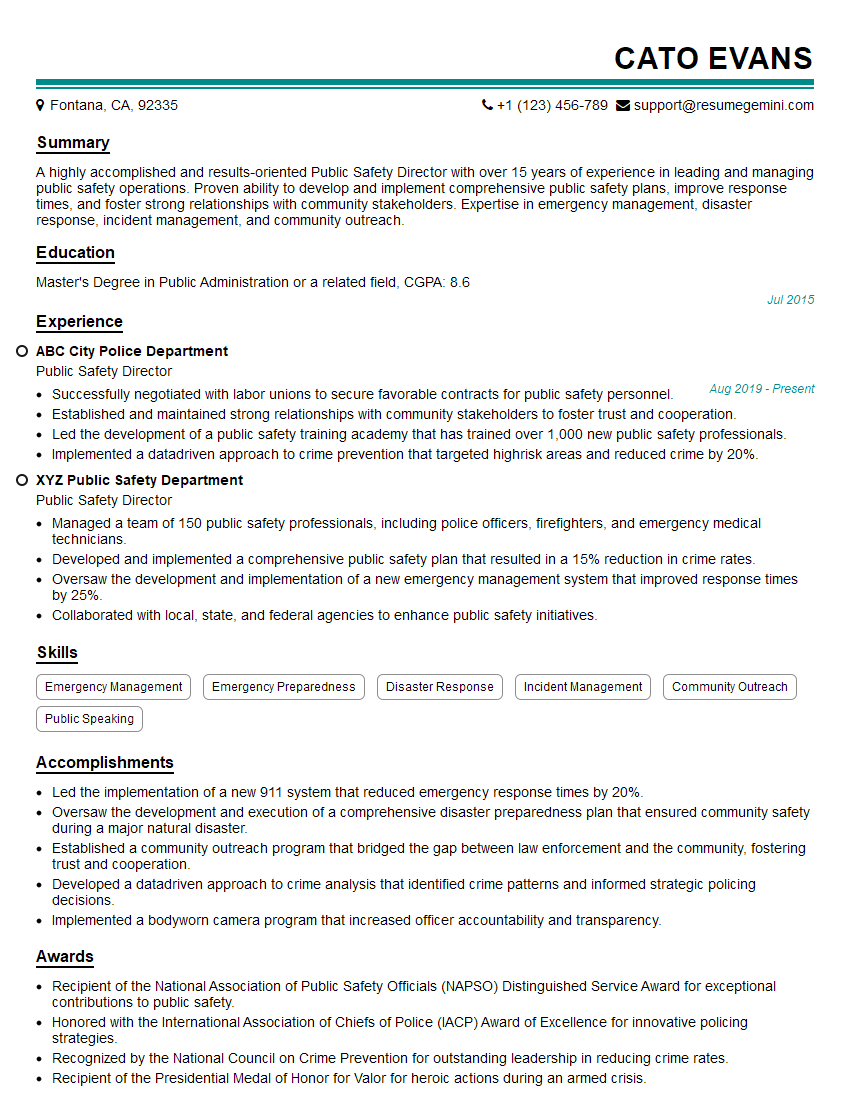
Public Safety Director Resume Sample
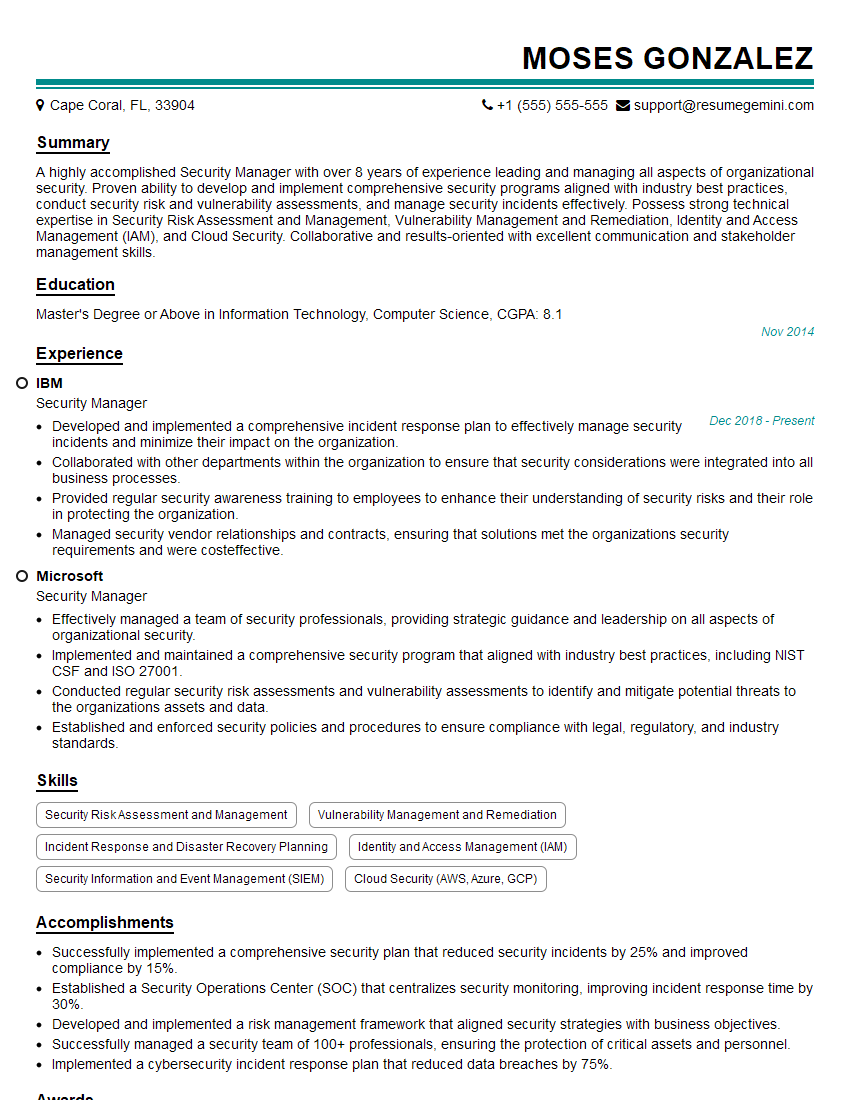
Security Manager Resume Sample
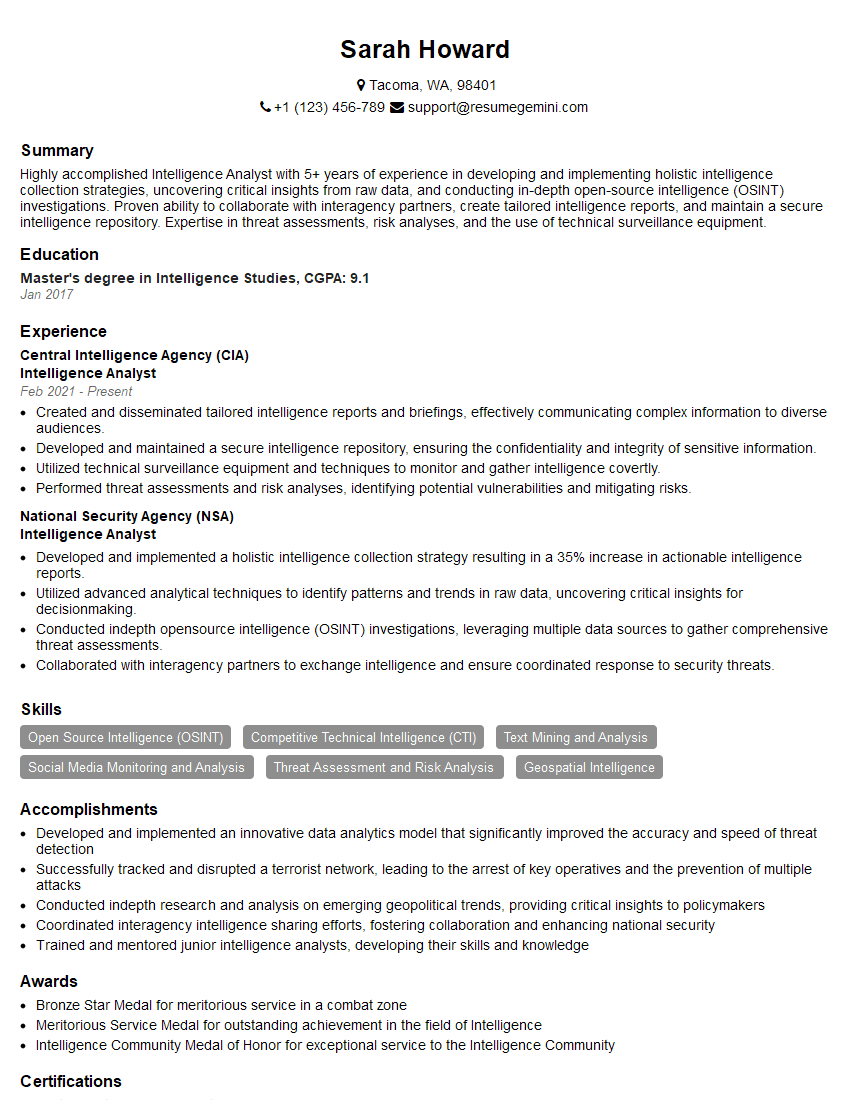
Intelligence Analyst Resume Sample
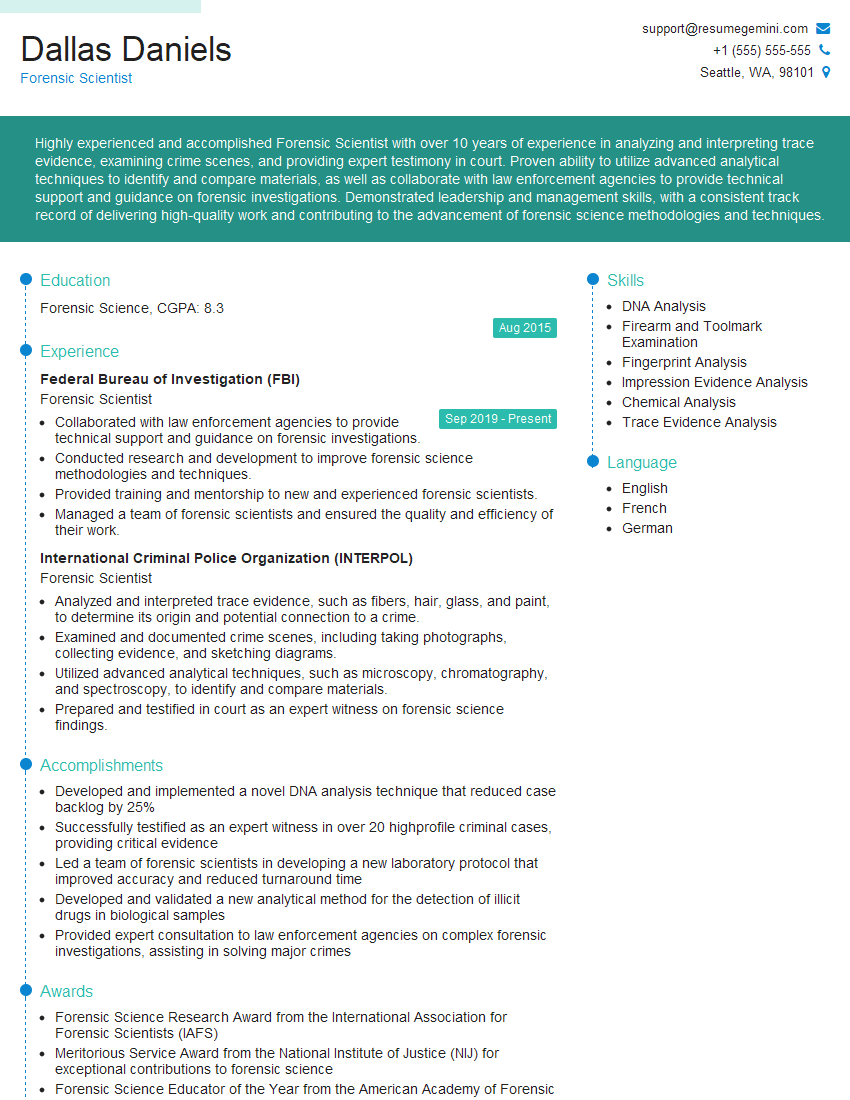
Forensic Scientist Resume Sample
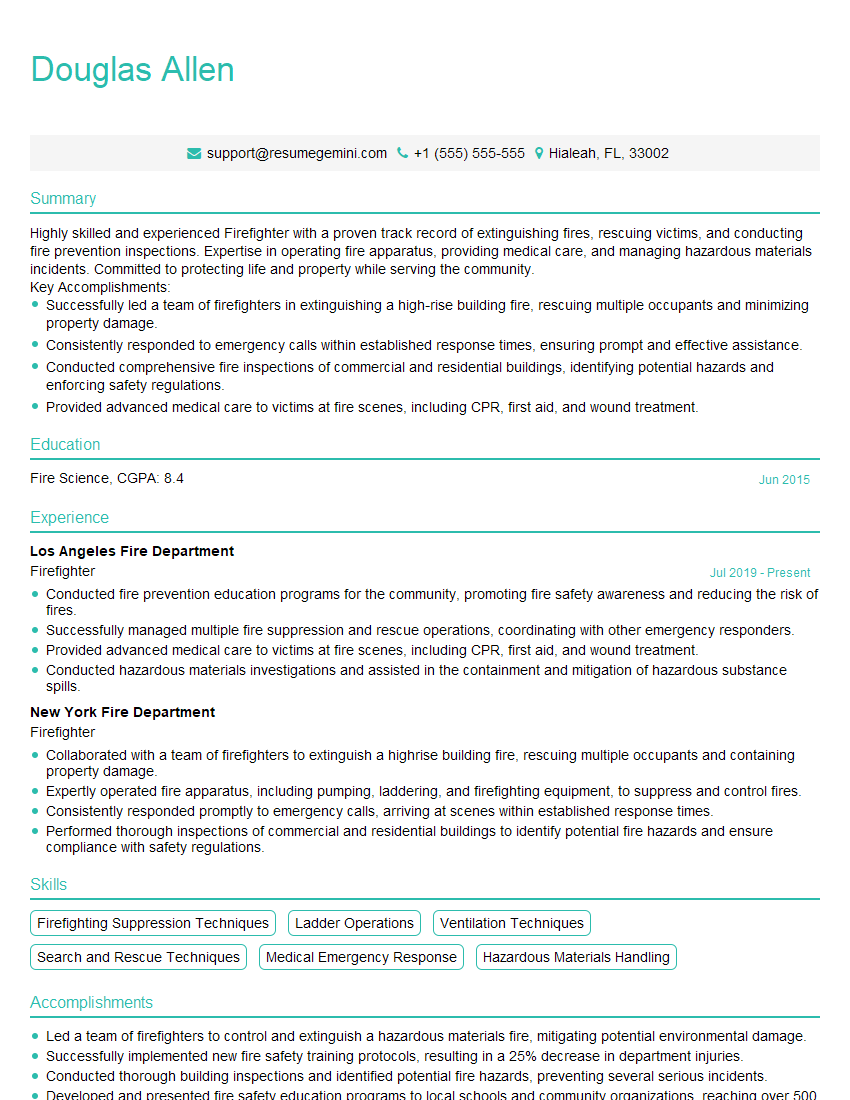
Firefighter Resume Sample
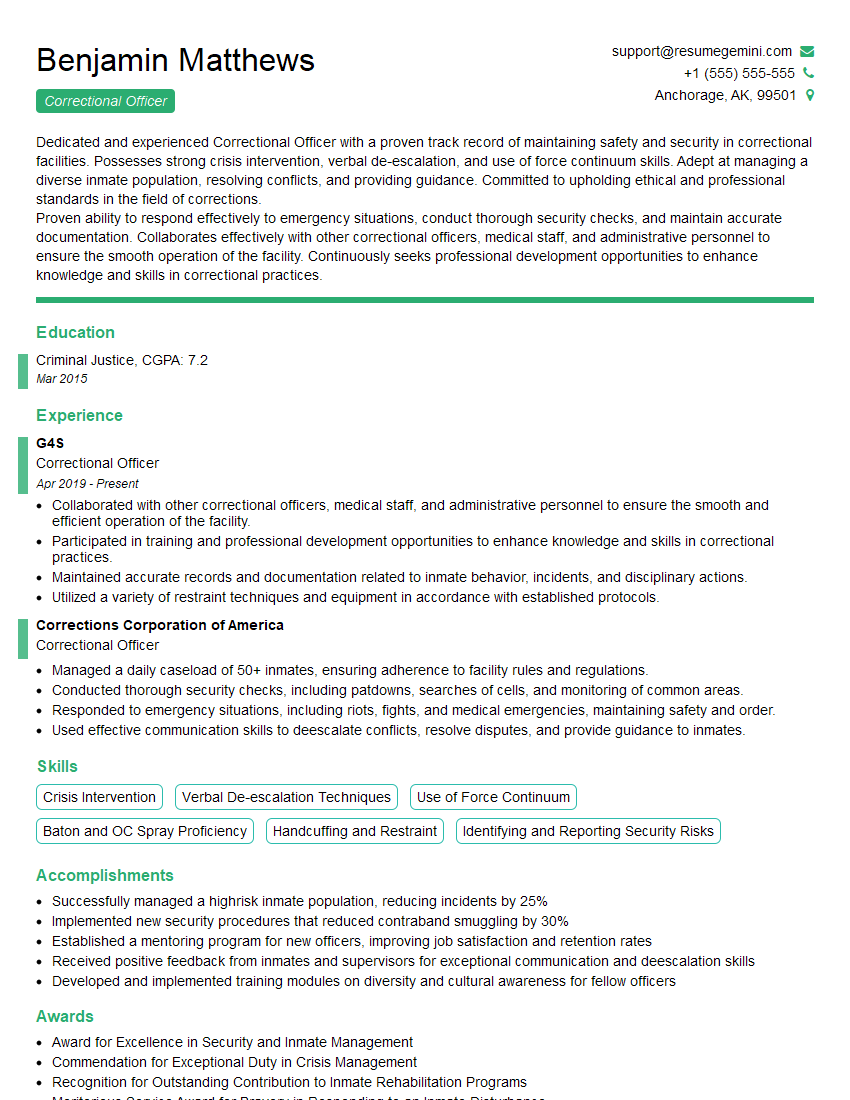
Correctional Officer Resume Sample
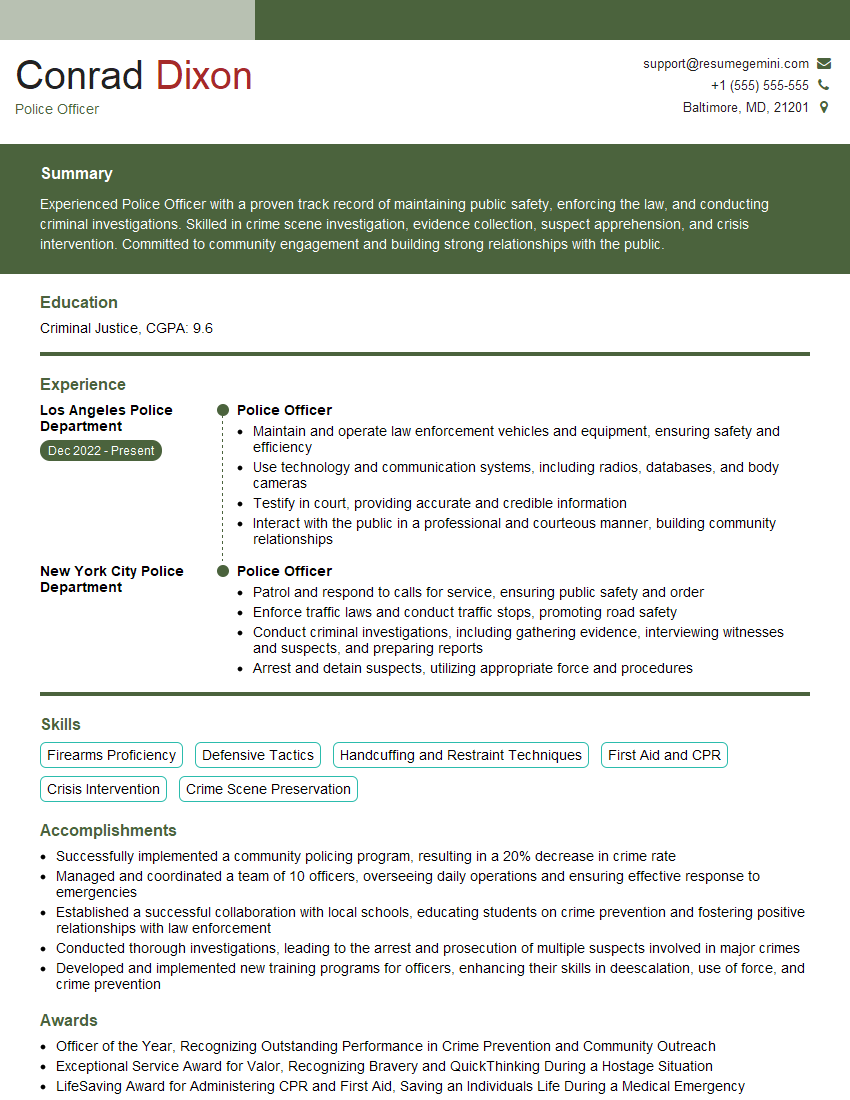
Police Officer Resume Sample
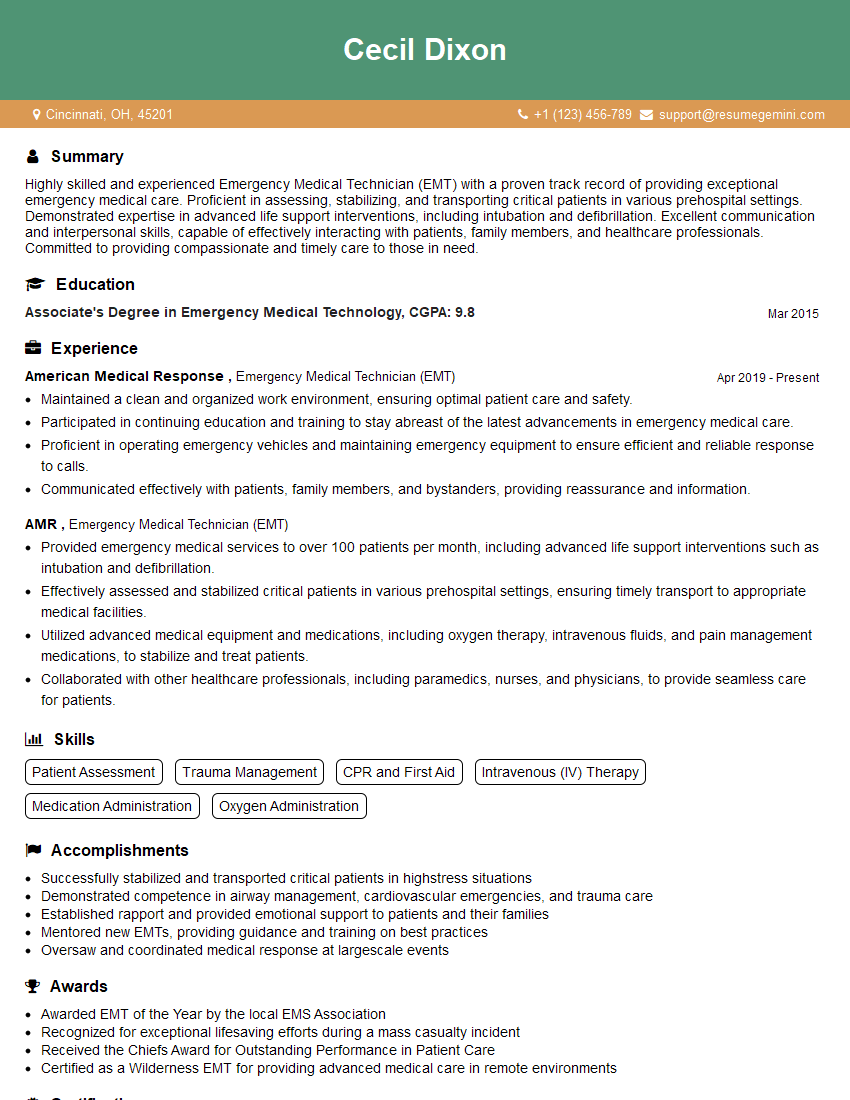
Emergency Medical Technician (EMT) Resume Sample
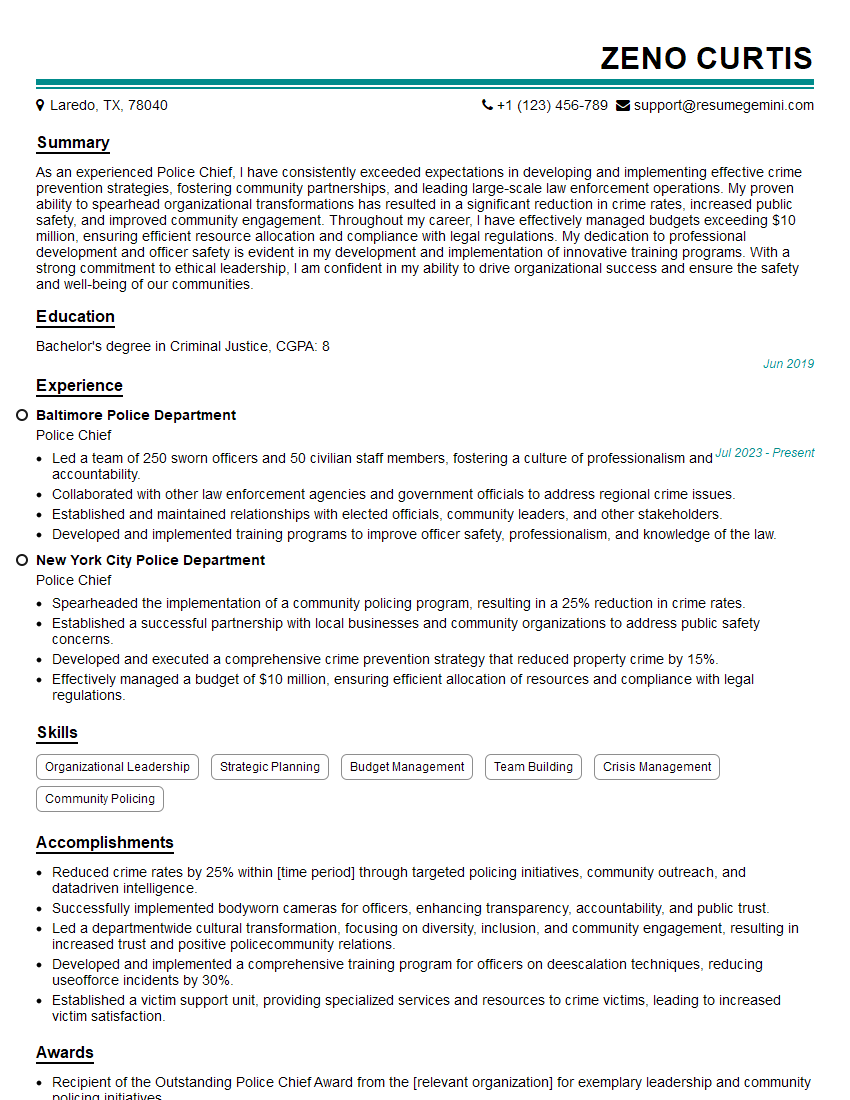
Police Chief Resume Sample
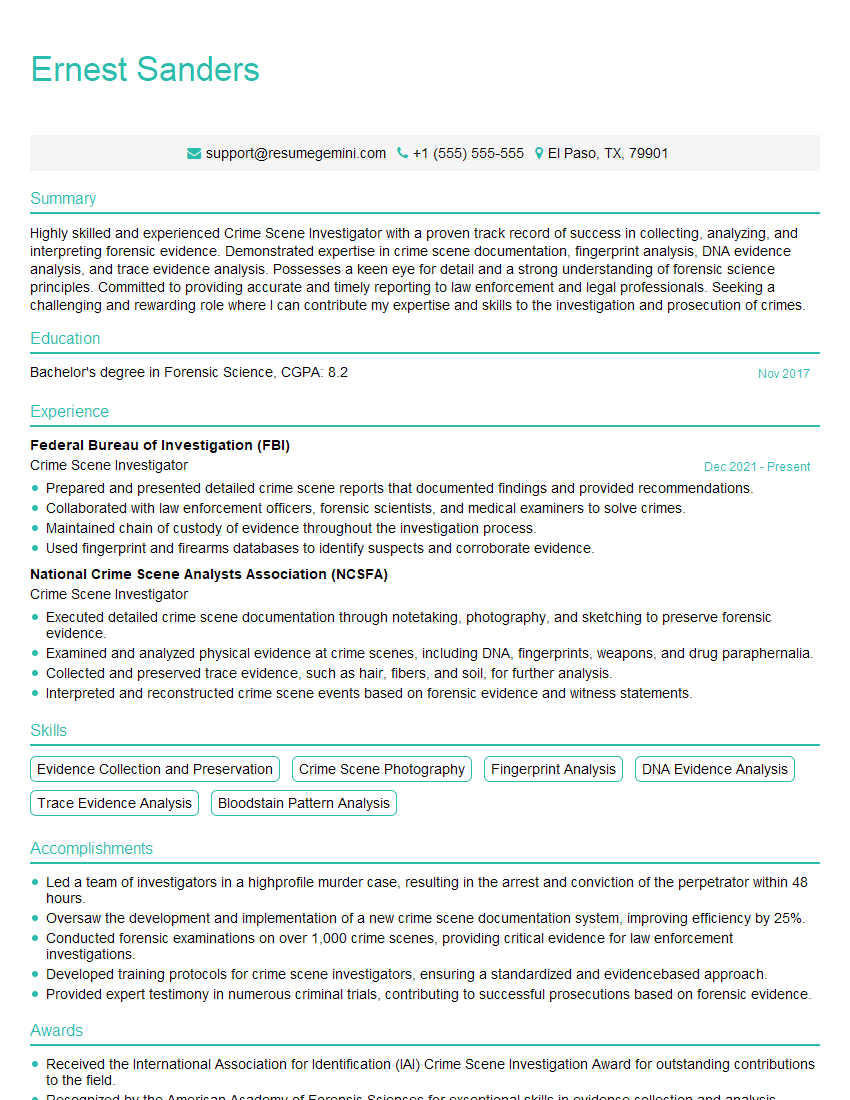
Crime Scene Investigator Resume Sample
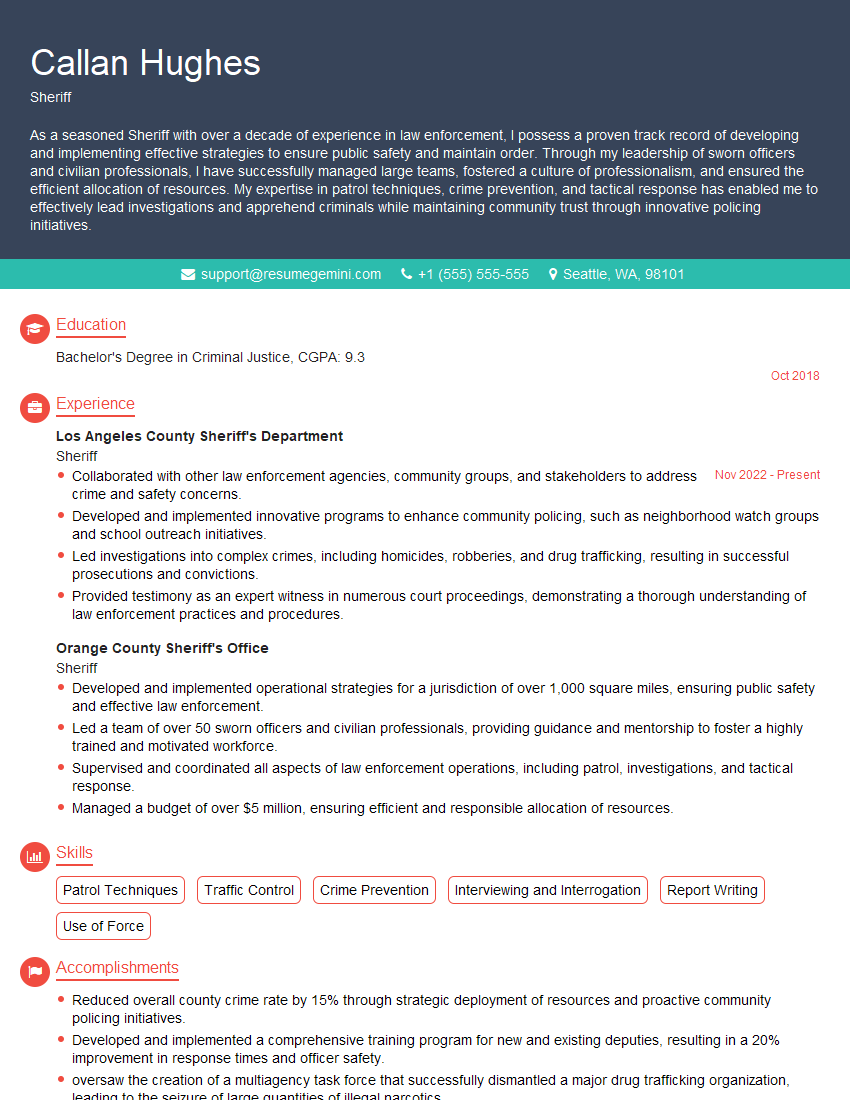
Sheriff Resume Sample
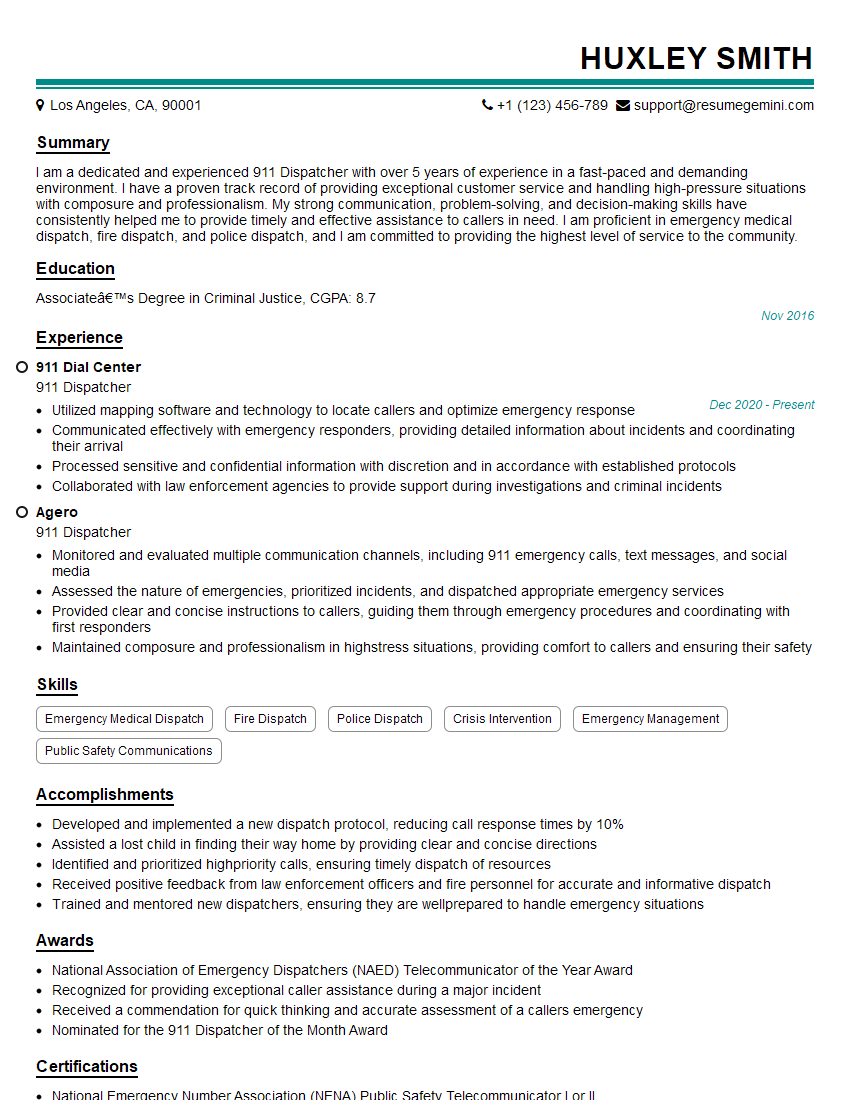
911 Dispatcher Resume Sample
Explore more articles
Users Rating of Our Blogs
Share Your Experience
We value your feedback! Please rate our content and share your thoughts (optional).
What Readers Say About Our Blog
Very informative content, great job.
good