Interviews are more than just a Q&A session—they’re a chance to prove your worth. This blog dives into essential Quality Control and Defect Analysis interview questions and expert tips to help you align your answers with what hiring managers are looking for. Start preparing to shine!
Questions Asked in Quality Control and Defect Analysis Interview
Q 1. Explain your experience with different quality control methodologies (e.g., Six Sigma, Lean Manufacturing).
My experience encompasses a range of quality control methodologies, primarily Six Sigma and Lean Manufacturing. Six Sigma, with its DMAIC (Define, Measure, Analyze, Improve, Control) methodology, provides a structured approach to process improvement by focusing on reducing variation and defects. I’ve used this extensively in projects involving optimizing assembly line processes, resulting in a 30% reduction in defects in one instance. Lean Manufacturing, on the other hand, emphasizes waste reduction across the entire value stream. I’ve implemented Lean principles in several projects, focusing on eliminating unnecessary steps, improving workflow, and streamlining material handling, leading to significant cost savings and increased efficiency.
For example, in one project, we used Six Sigma to analyze a bottleneck in the packaging process. By systematically measuring the process steps and analyzing the data, we identified the root cause of the delays. Implementing a streamlined process based on the analysis reduced packaging time by 15%.
Q 2. Describe your experience with Statistical Process Control (SPC) techniques and charts.
Statistical Process Control (SPC) is crucial for monitoring and controlling process variation. I’m proficient in using various SPC charts, including control charts (X-bar and R charts, p-charts, c-charts), to track key process parameters. These charts allow for the early detection of shifts in the process mean or increases in variability, preventing the production of defective items. I use these charts to identify patterns and trends, helping predict potential problems before they escalate into significant quality issues.
For instance, in a recent project, we implemented X-bar and R charts to monitor the weight of a product during the filling process. By continuously monitoring the data, we detected a subtle shift in the mean weight, indicating a potential issue with the filling machine. Addressing the issue prevented a large batch of underweight products from being produced, saving significant resources and preventing customer dissatisfaction.
Q 3. How do you identify and prioritize defects in a manufacturing process?
Identifying and prioritizing defects requires a systematic approach. It starts with data collection – understanding the types of defects, their frequency, and their impact on the final product. I utilize Pareto charts to visualize the frequency of defects, helping prioritize the ‘vital few’ – the defects causing the most significant problems. This allows us to focus our resources on addressing the most impactful issues first.
Once the high-impact defects are identified, a Failure Modes and Effects Analysis (FMEA) can help determine the root causes of these defects and their potential impact. This analysis provides a prioritized list of defects to address, ensuring efficient and effective resource allocation. For example, if ‘incorrect labeling’ is consistently identified as a major defect, we would prioritize investigating the root cause and implement corrective actions before tackling less frequent, less impactful defects.
Q 4. What are the key performance indicators (KPIs) you use to measure quality?
The KPIs I use to measure quality vary depending on the specific project and the nature of the product, but some common ones include:
- Defect Rate: The number of defective units per total units produced. A lower defect rate indicates better quality.
- Yield: The percentage of good units produced relative to the total units started. Higher yield shows greater efficiency and quality.
- Customer Returns: The number of products returned due to quality issues. This directly reflects customer satisfaction.
- First Pass Yield (FPY): Percentage of products passing inspection on the first attempt. High FPY signifies process efficiency and quality.
- Process Capability (Cp, Cpk): Statistical measures showing how well the process is capable of meeting specifications. Higher Cp and Cpk values indicate better process control.
These KPIs provide objective measurements of quality, allowing us to track progress, identify areas for improvement, and demonstrate the effectiveness of quality control measures.
Q 5. Explain your experience with root cause analysis techniques (e.g., 5 Whys, Fishbone diagram).
Root cause analysis is essential for preventing defects from recurring. I frequently employ the 5 Whys technique and Fishbone diagrams. The 5 Whys involves repeatedly asking ‘why’ to uncover the underlying causes of a problem, drilling down to the root issue. A Fishbone diagram (Ishikawa diagram) visually organizes potential causes of a problem, categorized by factors like materials, methods, manpower, machinery, and environment.
For example, if a product is consistently malfunctioning, we might use the 5 Whys: 1. Why is the product malfunctioning? (Defective component). 2. Why is the component defective? (Faulty supplier). 3. Why is the supplier providing faulty components? (Lack of quality control at the supplier). 4. Why is there a lack of quality control? (Inadequate training). 5. Why is there inadequate training? (Lack of resources allocated for training). This identifies ‘Lack of resources allocated for training’ as the root cause.
Q 6. Describe a time you had to deal with a major quality issue. What was your approach?
In one instance, we experienced a significant increase in customer complaints about a specific product’s durability. My approach involved a multi-pronged strategy. First, we gathered data on the affected products and the nature of the complaints. Then, we performed a thorough root cause analysis using both the 5 Whys and a Fishbone diagram. This revealed that a change in the supplier of a key component was the culprit; the new component was not meeting our required specifications.
Next, we worked with the supplier to address their quality control issues, and in parallel, we implemented stricter incoming inspection procedures. We also initiated a recall for the affected products and offered customers replacements. The situation highlighted the importance of thorough supplier qualification and robust incoming inspection procedures. We subsequently implemented a more rigorous supplier management system to prevent similar occurrences in the future.
Q 7. How do you ensure that quality standards are met throughout the entire production process?
Ensuring quality throughout the production process requires a holistic approach. This starts with clear quality standards and specifications defined at the design stage. These standards must be communicated effectively to all stakeholders, and appropriate training must be provided. Regular process monitoring through SPC charts and other metrics helps detect deviations early. We incorporate quality checks at various stages of the process, not just at the end. This includes regular audits and inspections of materials, processes, and finished products.
Additionally, a robust corrective and preventive action (CAPA) system is crucial. This system ensures that when defects are found, appropriate actions are taken to correct the immediate issue and prevent its recurrence. Continuous improvement initiatives, such as Kaizen events, are employed to regularly identify and address areas needing improvement. This proactive approach, coupled with strong communication and collaboration among team members, is vital for maintaining consistent quality throughout the production process.
Q 8. What are your preferred methods for documenting and tracking quality issues?
Documenting and tracking quality issues requires a systematic approach to ensure traceability and effective problem-solving. My preferred methods leverage a combination of digital and physical tools for optimal efficiency. I typically start with a well-defined issue tracking system, often a dedicated software solution like Jira or a customized database. This allows for clear categorization, prioritization, and assignment of issues. Each issue is meticulously documented with details including a unique identifier, a concise description, the date and time of discovery, the affected product or process, and any associated images or videos. I also use a clear and consistent naming convention for files and records. This ensures rapid retrieval and minimal confusion. For less complex projects, spreadsheets with clear columns for each crucial element of the defect work effectively. For physical tracking, I use labelled samples and detailed physical logs.
For example, in a past project involving manufacturing circuit boards, we used Jira to track each defect. Each entry included a unique ID, a detailed description of the defect (e.g., ‘open circuit on trace 3’), the location on the board (with image attachment), the batch number, and the assigned engineer. This provided an easily searchable and auditable record of every issue.
Q 9. How do you communicate quality issues to stakeholders?
Communicating quality issues to stakeholders necessitates clarity, transparency, and a tailored approach based on the audience. I begin by clearly defining the nature and severity of the issue, using precise language and avoiding technical jargon whenever possible. I then quantify the impact of the issue, providing data where available (e.g., number of affected units, potential cost implications, or safety risks). For technical stakeholders, I include detailed analysis, root cause assessment, and potential solutions. For executive leadership, I focus on the high-level impact and the proposed mitigation strategy. My communication methods vary depending on urgency and audience; email for routine updates, presentations for key meetings, and direct one-on-one conversations for complex issues or sensitive matters. I prioritize visual aids like charts, graphs, and images to enhance understanding and engagement.
For instance, when a significant defect was discovered in a large software release, I prepared a concise executive summary outlining the impact (e.g., potential revenue loss, customer dissatisfaction), followed by a more detailed technical report for the engineering team, detailing the root cause and corrective actions. Regular progress updates were communicated via email to all stakeholders.
Q 10. What is your experience with quality management systems (e.g., ISO 9001)?
I have extensive experience working within the framework of ISO 9001, a globally recognized standard for quality management systems. I understand the core principles, including customer focus, leadership, engagement of people, process approach, improvement, evidence-based decision making, and relationship management. I have actively participated in the development and maintenance of quality manuals, documented procedures, and work instructions aligned with ISO 9001 requirements. I’m proficient in conducting internal audits and managing corrective and preventive actions (CAPA) based on audit findings. My experience involves not just following the standard but leveraging it to foster a culture of continuous improvement and proactive risk management within organizations.
In my previous role, I led the ISO 9001 certification process for our department, leading to a successful certification within six months. This involved documenting our processes, training employees, and conducting internal audits to ensure compliance. The implementation of ISO 9001 resulted in a measurable reduction in defects and improved customer satisfaction.
Q 11. How do you use data analysis to improve quality control processes?
Data analysis plays a crucial role in enhancing quality control processes. By collecting and analyzing data from various sources such as production records, inspection reports, customer feedback, and failure analysis, we can identify trends, patterns, and root causes of defects. I utilize various statistical tools and techniques, including control charts (e.g., Shewhart, CUSUM), Pareto analysis, and regression analysis to pinpoint areas for improvement. Data visualization techniques, such as histograms and scatter plots, help to communicate findings effectively to stakeholders. The insights gained from data analysis inform decisions related to process optimization, resource allocation, and preventative maintenance, leading to significant improvements in product quality and efficiency.
For example, using control charts, we identified a cyclical pattern in the defect rate of a particular component. This pattern correlated with specific shifts and suggested potential operator training issues, leading to targeted training interventions that reduced defect rates by 20%.
Q 12. Describe your experience with implementing corrective and preventive actions (CAPA).
Implementing Corrective and Preventive Actions (CAPA) is a critical component of any robust quality management system. My experience involves a structured approach that follows a defined workflow. This typically begins with a thorough investigation to determine the root cause of the issue using tools such as fault tree analysis, 5 Whys, or fishbone diagrams. Once the root cause is identified, a corrective action is implemented to address the immediate problem. This might include process adjustments, operator retraining, or equipment repair. A more critical component is the implementation of a preventive action to avoid recurrence of the issue. This may involve system changes, design modifications, or improved work instructions. Finally, I ensure that the effectiveness of the implemented CAPAs is verified through monitoring and ongoing data analysis. I document everything thoroughly for future reference and audit trails.
In a past project, we had repeated issues with a specific component failing prematurely. Using the 5 Whys technique, we uncovered that the root cause was a faulty supplier component. The corrective action was to replace the failed parts. The preventive action involved qualifying a new supplier and implementing a stricter quality control process for incoming materials. Regular monitoring confirmed the effectiveness of the CAPA, effectively eliminating the problem.
Q 13. Explain your understanding of different types of quality audits.
Quality audits are crucial for evaluating the effectiveness of a quality management system. There are several types, each with a different focus:
- First-party audits (internal audits): Conducted by the organization itself to assess its own compliance with its quality management system. These audits are crucial for identifying areas for improvement before external audits.
- Second-party audits: Conducted by a customer or another external party to assess the supplier’s quality management system. This provides assurance to the customer about the supplier’s capability to meet their requirements.
- Third-party audits (certification audits): Conducted by an independent, accredited certification body to assess conformity to a specific standard (e.g., ISO 9001). A successful audit leads to certification, demonstrating compliance to external stakeholders.
- Process audits: Focus on specific processes within the organization to evaluate their efficiency, effectiveness, and compliance with defined procedures.
- Product audits: Focus on evaluating the quality of finished goods to ensure compliance with specifications and customer requirements.
Understanding these audit types is crucial for effective planning and execution of audits, ensuring that the scope and objectives align with the specific needs of the situation.
Q 14. How do you handle conflicting priorities between cost, quality, and schedule?
Balancing cost, quality, and schedule is a constant challenge in any project. My approach involves a collaborative and data-driven decision-making process. I start by clearly defining the project requirements and establishing priorities based on risk assessment and stakeholder input. Often, a weighted scoring system can help quantify and rank the relative importance of each factor. This allows for informed trade-offs, and understanding where compromises are more acceptable. For instance, a slight increase in cost might be acceptable to improve quality and meet deadlines, while cutting corners on quality may not be acceptable even if it reduces cost and improves schedule. Regular monitoring and adjustments throughout the project lifecycle are essential to maintain this balance.
For example, in a previous project, we were facing pressure to reduce costs. Rather than compromising quality, we used data analysis to identify areas where we could streamline processes without sacrificing quality, achieving cost savings without impacting the final product’s quality or the project schedule.
Q 15. What is your experience with using quality control software or tools?
My experience with quality control software spans several platforms and methodologies. I’ve extensively used Statistical Process Control (SPC) software like Minitab and JMP for analyzing process capability, creating control charts (e.g., X-bar and R charts, p-charts, c-charts), and identifying sources of variation. These tools are crucial for data-driven decision-making in quality control. Beyond SPC software, I’m proficient in using CMMS (Computerized Maintenance Management Systems) software for tracking equipment calibration and maintenance schedules, ensuring our tools are always in optimal working order. For example, in a previous role, we used a CMMS system to schedule preventative maintenance on our precision measuring equipment, preventing costly downtime and ensuring measurement accuracy. Furthermore, I’ve worked with dedicated quality management systems (QMS) like ISO 9001-compliant software to manage documents, track non-conformances, and perform internal audits. The selection of software always depends on the specific needs of the project and the company’s infrastructure.
Career Expert Tips:
- Ace those interviews! Prepare effectively by reviewing the Top 50 Most Common Interview Questions on ResumeGemini.
- Navigate your job search with confidence! Explore a wide range of Career Tips on ResumeGemini. Learn about common challenges and recommendations to overcome them.
- Craft the perfect resume! Master the Art of Resume Writing with ResumeGemini’s guide. Showcase your unique qualifications and achievements effectively.
- Don’t miss out on holiday savings! Build your dream resume with ResumeGemini’s ATS optimized templates.
Q 16. How do you ensure that your team members are following quality control procedures?
Ensuring team adherence to quality control procedures requires a multi-pronged approach that focuses on training, monitoring, and continuous improvement. Firstly, comprehensive training is essential – I conduct regular training sessions covering our specific quality procedures, relevant standards (like ISO 9001), and the use of quality control tools. These sessions are interactive, incorporating practical exercises and case studies. Secondly, consistent monitoring is critical. This involves regular checks of work performed by team members, reviewing documentation, and analyzing data from our quality control software. This helps identify any deviations early and provides opportunities for corrective action. Finally, I foster an environment of continuous improvement through regular feedback sessions, encouraging the reporting of near misses and defects without blame. We analyze these occurrences to identify root causes and implement preventative measures. For example, if we notice a recurring error in a specific process step, we would revise the training materials, update the procedure, or implement a new control measure to prevent the error from happening again.
Q 17. How do you stay up-to-date on current quality control best practices?
Staying current with quality control best practices requires a proactive and multifaceted approach. I actively participate in professional organizations like ASQ (American Society for Quality), attending conferences and webinars to learn about new methodologies and technological advancements. I also subscribe to relevant industry publications and journals, keeping abreast of the latest research and trends. Online resources like the ASQ website and NIST (National Institute of Standards and Technology) publications provide valuable insights. Furthermore, I regularly network with other quality professionals, engaging in discussions and exchanging best practices. This approach keeps me informed about cutting-edge techniques in areas like AI-powered quality control, predictive analytics, and advanced statistical methods.
Q 18. Explain your experience with different types of testing (e.g., destructive, non-destructive).
My experience encompasses both destructive and non-destructive testing methods. Destructive testing, such as tensile testing or impact testing, involves sacrificing the sample to obtain critical data on its mechanical properties, often used for materials characterization. For instance, in a project involving the development of a new composite material, we used tensile testing to determine its ultimate tensile strength and yield strength. Non-destructive testing methods, on the other hand, allow us to evaluate a component or material without causing damage. These include techniques like ultrasonic testing (UT), radiographic testing (RT), and visual inspection. For example, we used UT to detect internal flaws in a welded joint without damaging the component. The choice between destructive and non-destructive testing depends on the nature of the product, the criticality of the quality characteristic, and the cost-benefit analysis. A balance between the two is often employed for optimal quality control.
Q 19. How do you determine the appropriate sample size for quality control testing?
Determining the appropriate sample size for quality control testing is crucial for balancing cost-effectiveness with the accuracy of conclusions. This involves considering several factors. First, the level of acceptable risk (alpha and beta error). Second, the variability of the characteristic being measured (standard deviation). And finally, the desired precision or margin of error. Statistical methods like the power analysis are employed to determine the appropriate sample size. For example, if we were assessing the defect rate of a manufactured part, a higher defect rate would require a larger sample size to obtain statistically meaningful results. Software packages like Minitab or specialized statistical calculators can assist in this determination. Often, a pilot study is conducted to estimate the variability before determining the final sample size. Over-sampling can be costly and inefficient, while under-sampling may lead to misleading results.
Q 20. What is your experience with calibration and maintenance of quality control equipment?
Calibration and maintenance of quality control equipment are paramount to ensure accurate and reliable results. I have extensive experience in this area, overseeing the calibration schedule and procedures for various measurement instruments, including micrometers, calipers, scales, and testing machines. We utilize a traceable calibration system, ensuring our equipment’s accuracy can be verified against national or international standards. A CMMS system helps us manage and track calibration intervals, generating alerts for upcoming calibrations. Regular preventative maintenance is also critical in minimizing downtime and prolonging the life of the equipment. This includes cleaning, lubrication, and necessary repairs. For example, we have a detailed maintenance schedule for our coordinate measuring machine (CMM), which includes regular checks of its components, cleaning of the probe, and verification of its accuracy. Detailed records of all calibrations and maintenance activities are meticulously maintained to support our quality management system.
Q 21. How do you manage quality control in a remote or distributed team environment?
Managing quality control in a remote or distributed team environment requires leveraging technology and establishing clear communication channels. We utilize collaborative platforms for document sharing, data analysis, and real-time communication. Video conferencing facilitates regular team meetings and training sessions. A centralized quality management system (QMS) software is essential for tracking defects, non-conformances, and corrective actions across different locations. Clear roles and responsibilities are defined, and regular audits are conducted remotely using virtual tools. We employ standardized procedures and templates to ensure consistency across teams. Regular performance reviews and feedback mechanisms are implemented to foster collaboration and accountability. For example, we use a project management software integrated with our QMS software for task assignments and progress tracking, allowing us to monitor and manage quality control effectively, irrespective of team member location.
Q 22. Describe your experience with quality control in different industries.
My experience in quality control spans diverse industries, including manufacturing, pharmaceuticals, and software development. Each sector presents unique challenges and necessitates tailored approaches. In manufacturing, I’ve focused on ensuring adherence to stringent tolerances and specifications during production, employing techniques like Statistical Process Control (SPC) and Six Sigma methodologies to minimize defects. This involved implementing robust inspection procedures, managing corrective and preventative actions (CAPA), and collaborating with production teams to identify and eliminate root causes of defects. In pharmaceuticals, my work centered on GMP (Good Manufacturing Practices) compliance, ensuring product sterility, potency, and safety throughout the entire lifecycle – from raw materials to final product release. This demanded meticulous documentation, rigorous testing, and adherence to regulatory standards. In the software industry, my focus shifted to quality assurance testing, using Agile methodologies to integrate testing throughout the development cycle. Here, defect tracking, user acceptance testing (UAT), and automated testing played a crucial role in delivering high-quality software. These experiences have provided a broad perspective on quality control methodologies and allowed me to adapt my skills to different operational environments.
Q 23. How do you balance the need for thorough quality control with the need to maintain efficient production?
Balancing thorough quality control with efficient production is a delicate act, akin to navigating a tightrope. The key lies in strategically employing quality control measures that add value without creating bottlenecks. This involves prioritizing high-risk areas, where defects are most likely to occur or have the greatest impact. For instance, implementing robust testing at critical control points in the manufacturing process is more effective than 100% inspection of every component. Furthermore, leveraging statistical methods like SPC allows for effective monitoring of process stability and the detection of potential problems before they escalate, thus minimizing disruption to production. Proactive defect prevention through process improvement initiatives is also crucial. This involves identifying root causes using tools like fishbone diagrams and implementing changes to prevent recurrence, rather than solely reacting to problems after they arise. Effective communication and collaboration between quality control and production teams are also essential to ensure alignment and prevent conflicts.
Q 24. What is your experience with risk assessment and mitigation related to quality control?
Risk assessment and mitigation are cornerstones of effective quality control. My approach involves a structured process beginning with identifying potential hazards and vulnerabilities throughout the entire process. This might include assessing the risk of equipment malfunction, raw material defects, or human error. Then, I quantify the likelihood and severity of each risk using methods like Failure Mode and Effects Analysis (FMEA) or fault tree analysis. This allows us to prioritize our efforts and focus on the highest-risk areas. Mitigation strategies are then developed and implemented, which may include adding redundant systems, implementing stricter inspection protocols, or providing additional employee training. Regular review and updates of the risk assessment are crucial as processes change and new information becomes available. For example, during a pharmaceutical manufacturing project, we identified a high risk of contamination during a specific filling step. Through FMEA, we prioritized this step and implemented enhanced cleaning and sterilization protocols, drastically reducing the risk.
Q 25. Describe a situation where you had to make a difficult decision regarding quality control.
In a previous role, we faced a situation where a significant batch of product failed a critical quality test just before shipment. The cost of recalling the product was substantial, but releasing it risked serious consequences for customer safety and brand reputation. The decision was difficult because it involved balancing financial implications with ethical responsibilities. Following a thorough investigation, we identified the root cause – a faulty component from a new supplier. We opted for a complete recall, incurring the financial loss. Although painful in the short term, this transparent and responsible action prevented potential legal issues and long-term damage to our reputation. This experience reinforced the importance of proactive risk management and supplier quality control.
Q 26. How do you measure the effectiveness of your quality control efforts?
Measuring the effectiveness of quality control efforts requires a multifaceted approach, combining quantitative and qualitative metrics. Key Performance Indicators (KPIs) such as defect rates, customer complaints, and process capability indices (Cp, Cpk) provide quantifiable measures of performance. For example, a reduction in the defect rate from 5% to 1% indicates a significant improvement. Beyond these numbers, however, we also assess the effectiveness of our preventive measures by tracking the number of near misses, the frequency of CAPA implementation, and the reduction in the number of root cause incidents. Customer satisfaction surveys and feedback provide crucial qualitative insights into the overall quality of our products and services. Regular internal audits and management reviews ensure we are consistently meeting our goals and making necessary adjustments. This integrated approach provides a comprehensive view of quality control performance.
Q 27. What is your experience with process capability analysis?
Process capability analysis is a crucial tool for assessing a process’s ability to consistently produce output within specified limits. I have extensive experience using this analysis, employing statistical techniques to determine process capability indices like Cp and Cpk. Cp measures the inherent capability of a process, independent of its centering, while Cpk considers both capability and centering, reflecting the process’s ability to meet specifications. For example, a Cpk value of 1.33 suggests the process is highly capable and consistently produces products within the specified tolerances. Lower values indicate potential issues, requiring investigation and corrective actions. I’ve used this analysis in various scenarios – from optimizing manufacturing processes to analyzing the performance of laboratory testing equipment. By understanding process capability, we can identify areas for improvement, reduce variation, and ultimately enhance product quality and consistency.
Q 28. How do you handle disagreements with other departments about quality issues?
Disagreements regarding quality issues are inevitable in any organization. My approach to resolving these conflicts is collaborative and data-driven. I begin by objectively gathering all relevant facts and data, presenting them clearly and concisely to all involved parties. Instead of focusing on blame, I facilitate a discussion aimed at identifying the root cause of the discrepancy and exploring potential solutions. This often involves leveraging tools such as Pareto charts to identify the most significant contributors to the problem. Transparency and clear communication are crucial throughout the process. If necessary, I escalate the issue to higher management to mediate a resolution, ensuring all voices are heard and a fair and data-supported outcome is reached. The goal is always to reach a consensus that improves product quality and strengthens interdepartmental relationships.
Key Topics to Learn for Quality Control and Defect Analysis Interview
- Statistical Process Control (SPC): Understanding control charts (e.g., Shewhart, CUSUM), process capability analysis (Cp, Cpk), and their application in monitoring and improving manufacturing processes. Consider practical examples of how you’ve used SPC to identify and resolve process variations.
- Root Cause Analysis (RCA): Mastering techniques like the 5 Whys, Fishbone diagrams, and fault tree analysis to effectively identify the underlying causes of defects. Prepare to discuss how you’ve applied RCA in a real-world scenario and the results achieved.
- Defect Prevention and Corrective Actions: Explore methods for implementing preventative measures to reduce defects and developing effective corrective actions plans based on RCA findings. Be ready to discuss your experience in implementing and managing these processes.
- Quality Management Systems (QMS): Familiarity with ISO 9001 or other relevant quality standards and their practical implementation within organizations. Consider discussing your experience with internal audits or quality improvement projects.
- Data Analysis and Interpretation: Proficiency in using data analysis tools and techniques to identify trends, patterns, and anomalies in quality data. Prepare examples demonstrating your ability to interpret complex data and draw meaningful conclusions.
- Problem-Solving Methodologies: Understanding and applying structured problem-solving approaches like DMAIC (Define, Measure, Analyze, Improve, Control) or PDCA (Plan, Do, Check, Act) cycles. Showcase your experience in using these methodologies to address quality issues.
- Documentation and Reporting: Ability to clearly and concisely document quality control procedures, findings, and corrective actions. Practice preparing concise and effective reports summarizing quality data and recommendations.
Next Steps
Mastering Quality Control and Defect Analysis is crucial for a successful and rewarding career, opening doors to leadership roles and significant contributions to organizational success. A strong resume is your key to unlocking these opportunities. Creating an ATS-friendly resume is essential for getting your application noticed by recruiters. We highly recommend using ResumeGemini to build a professional and effective resume that highlights your skills and experience in Quality Control and Defect Analysis. ResumeGemini offers examples of resumes tailored to this field, providing you with a valuable template and inspiration to create a compelling application that showcases your abilities effectively.
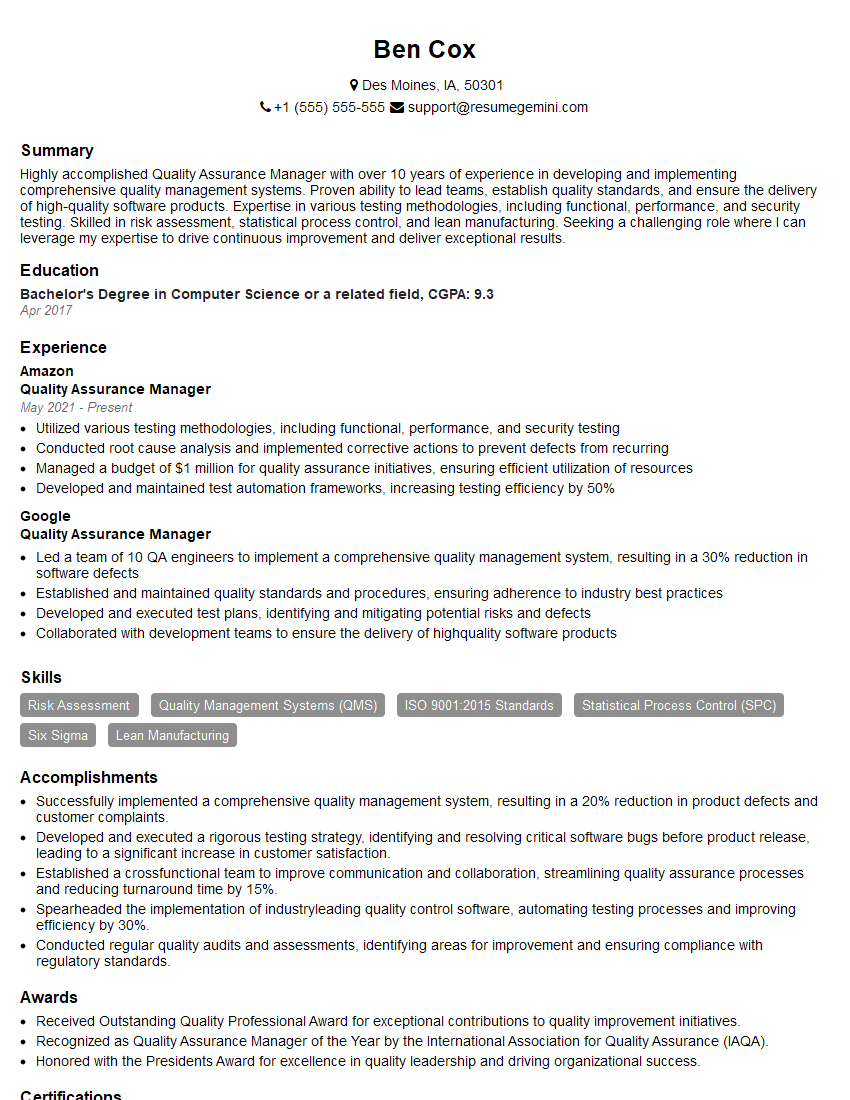
Quality Assurance Manager Resume Sample
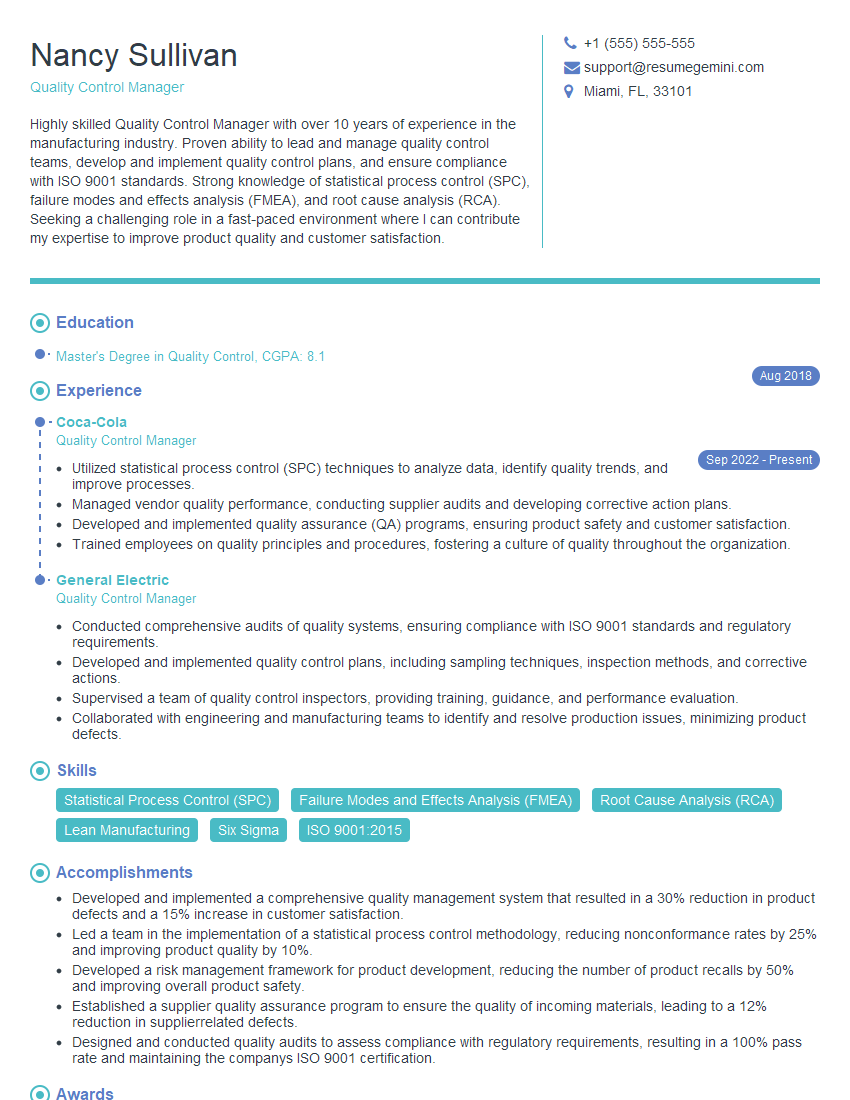
Quality Control Manager Resume Sample
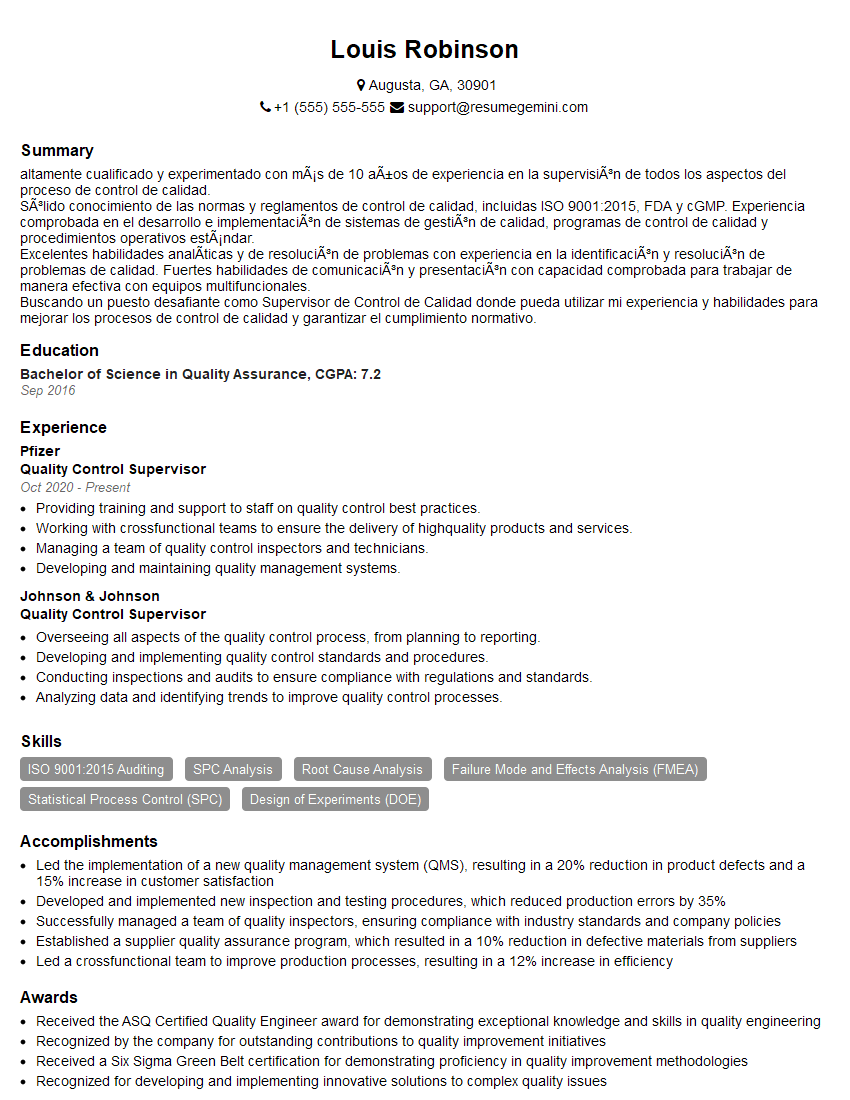
Quality Control Supervisor Resume Sample
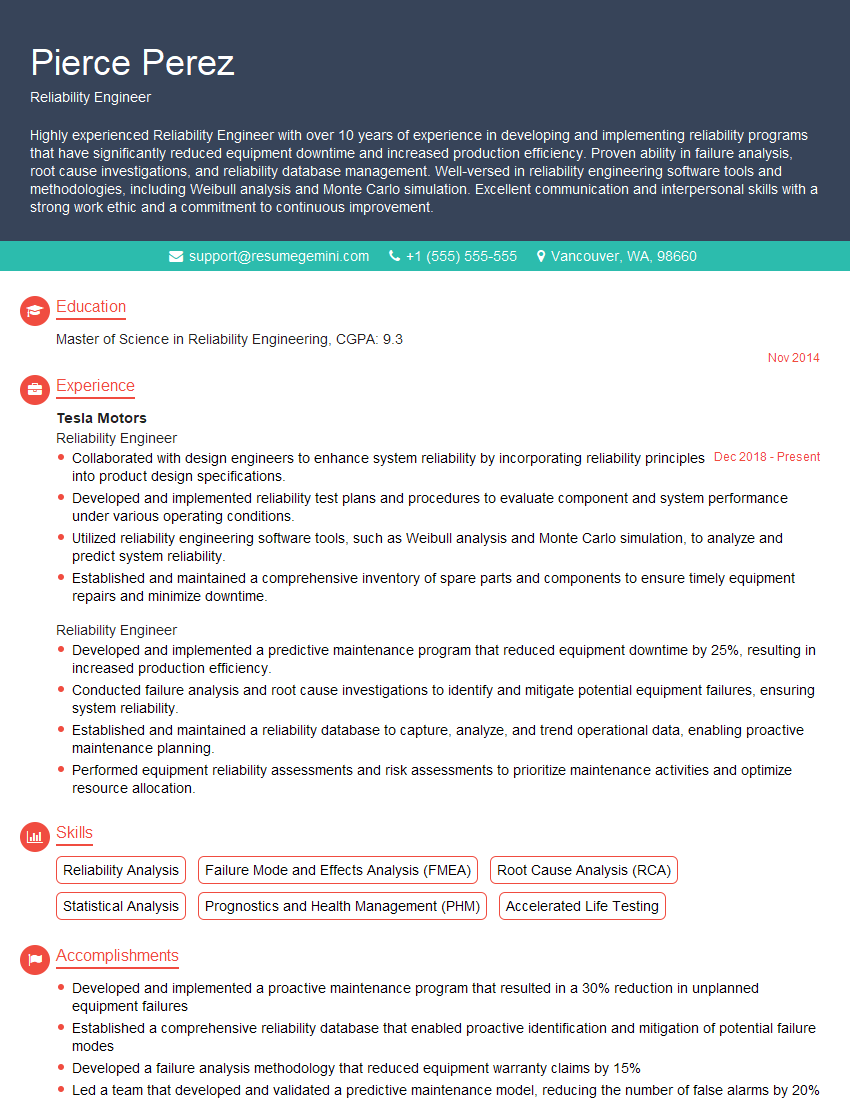
Reliability Engineer Resume Sample
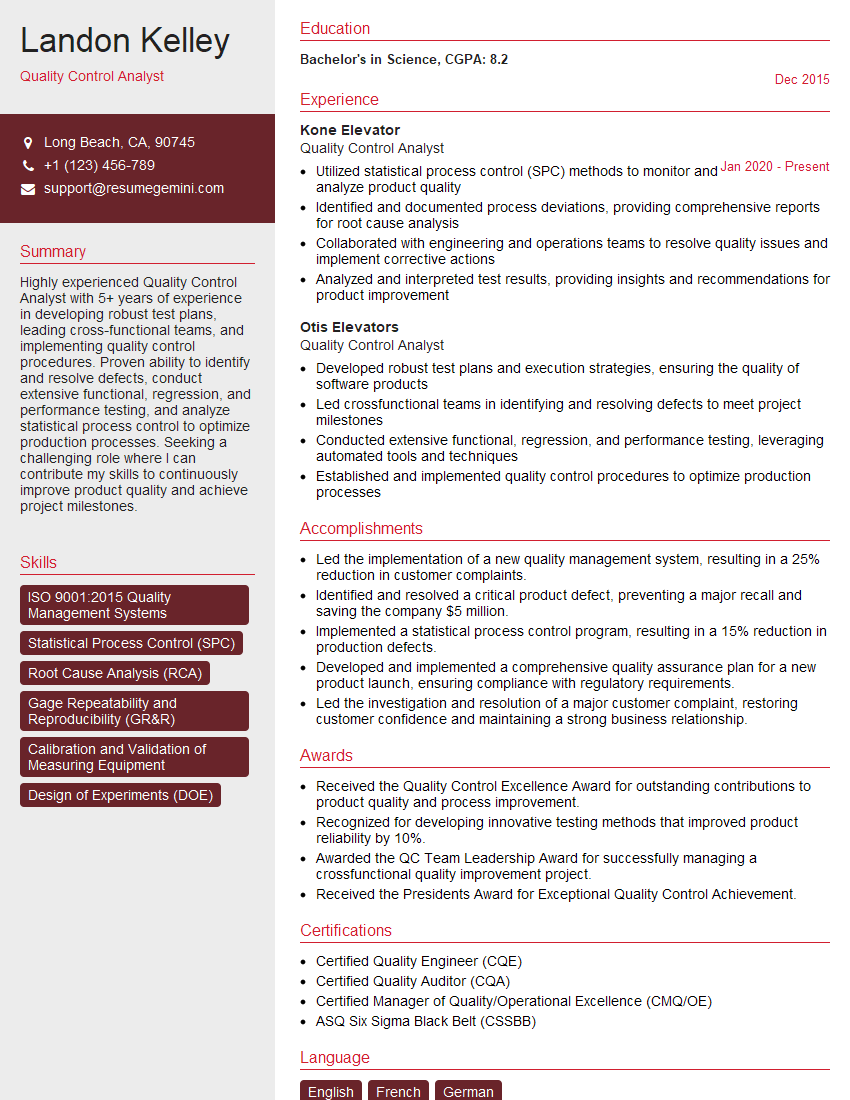
Quality Control Analyst Resume Sample
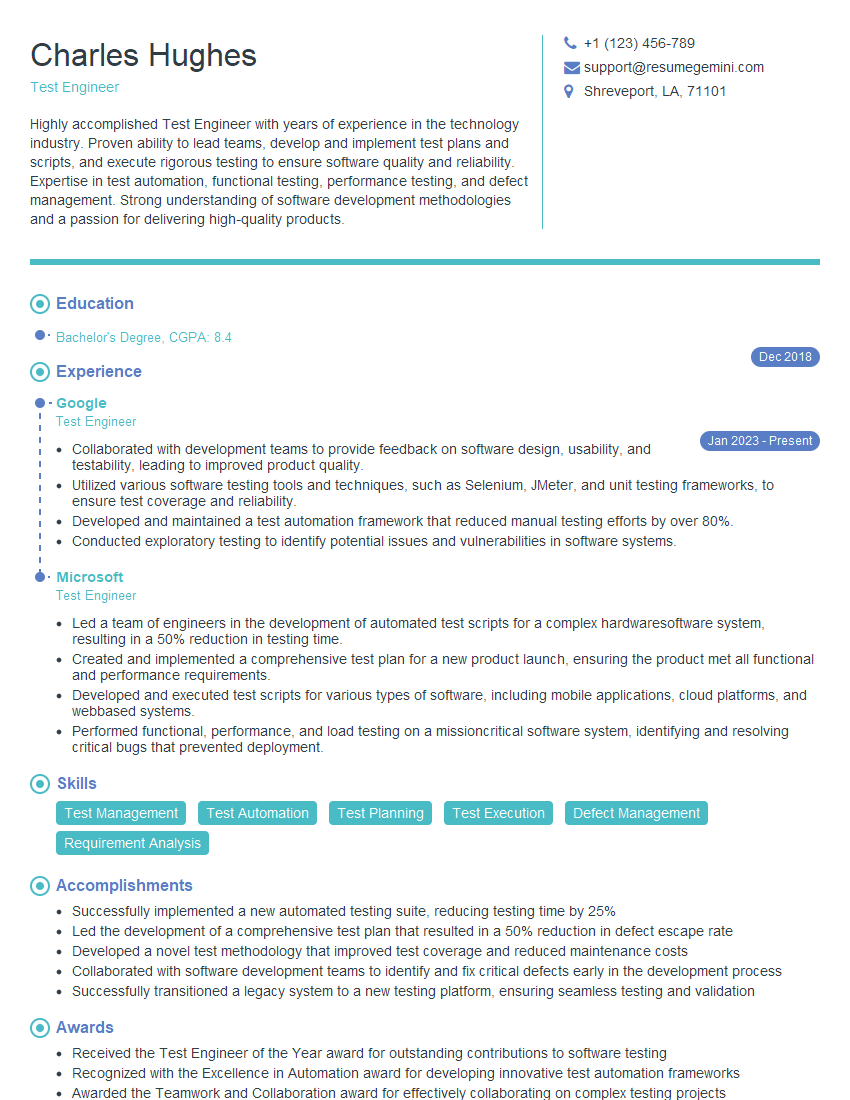
Test Engineer Resume Sample
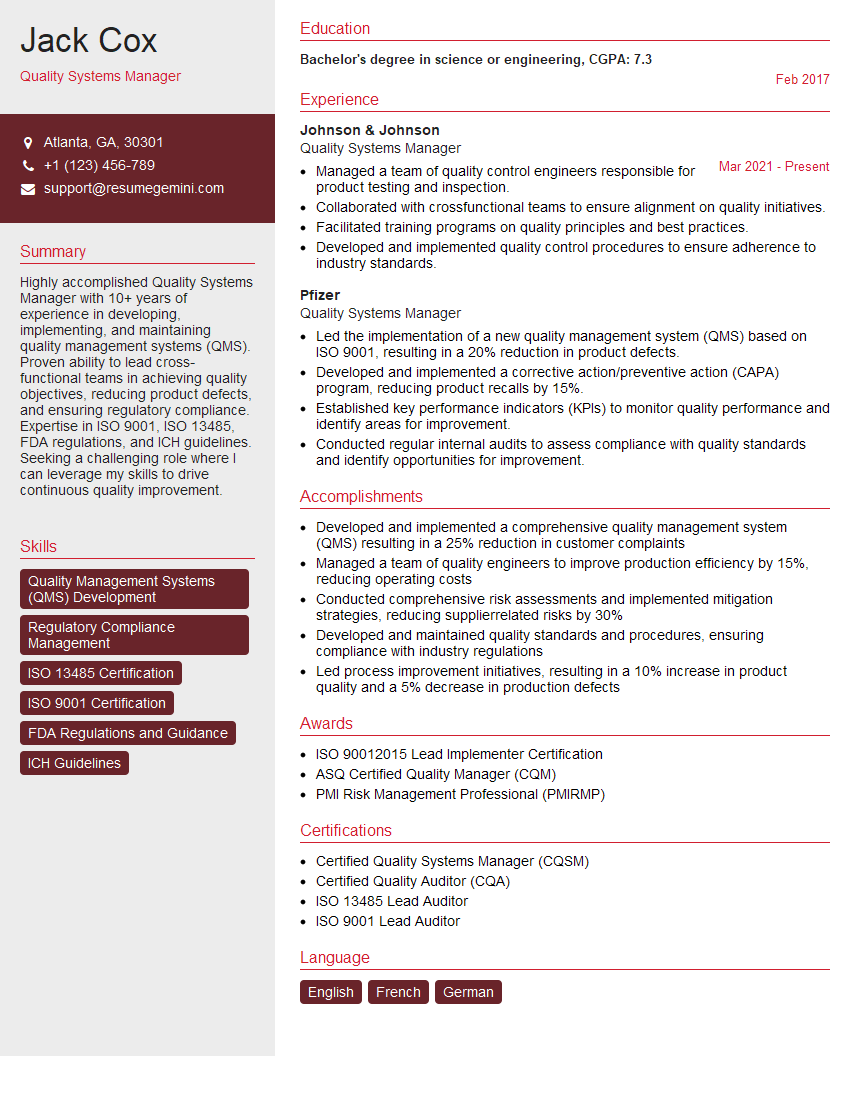
Quality Systems Manager Resume Sample
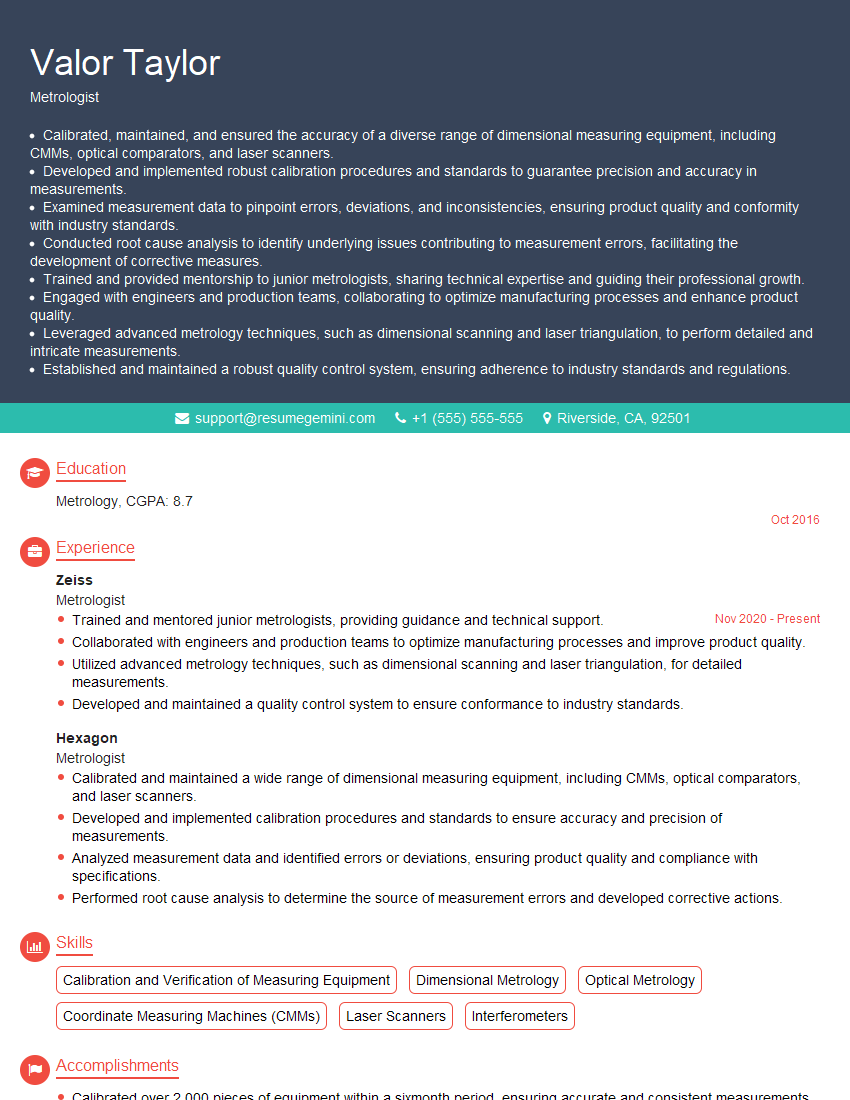
Metrologist Resume Sample
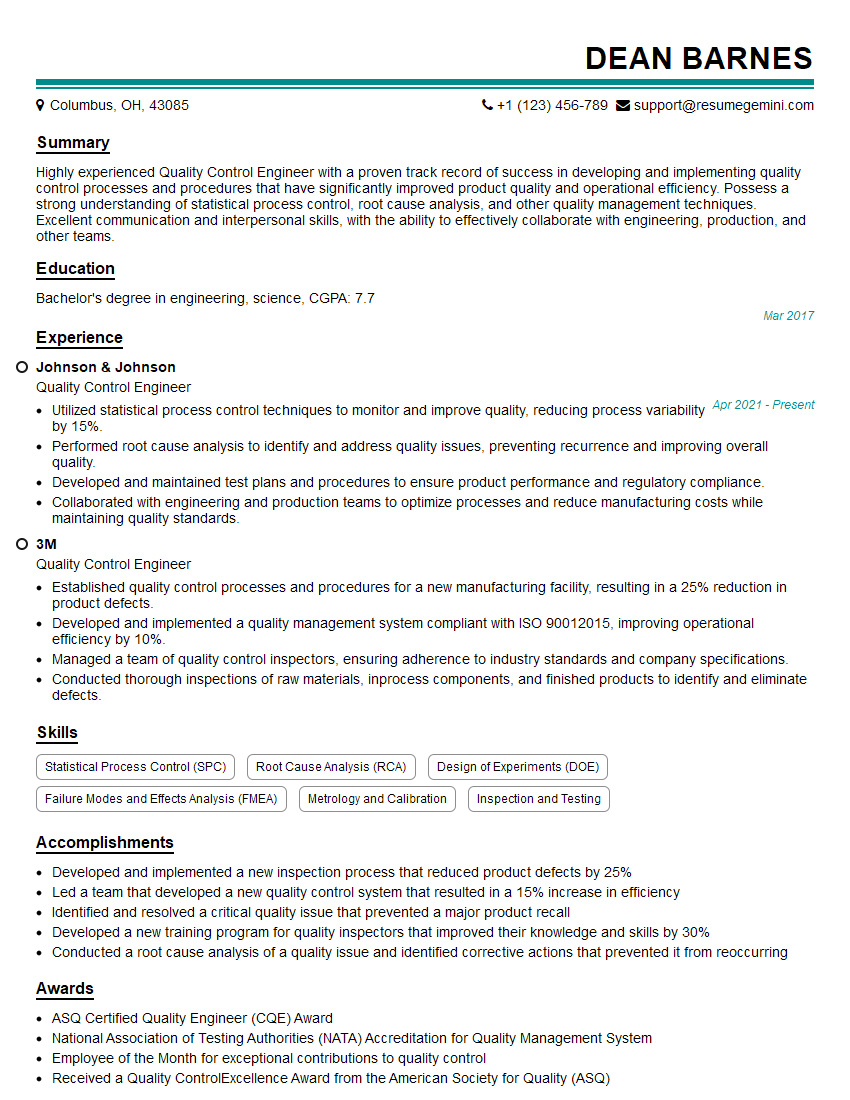
Quality Control Engineer Resume Sample
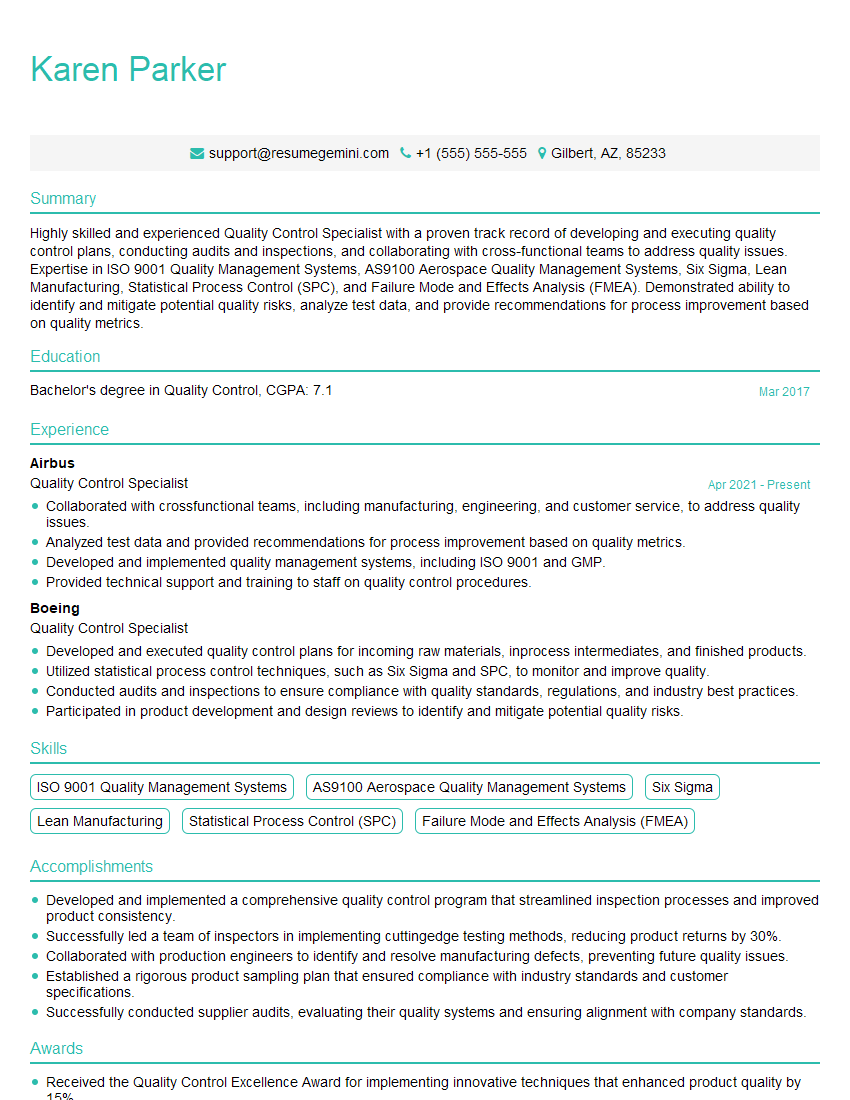
Quality Control Specialist Resume Sample
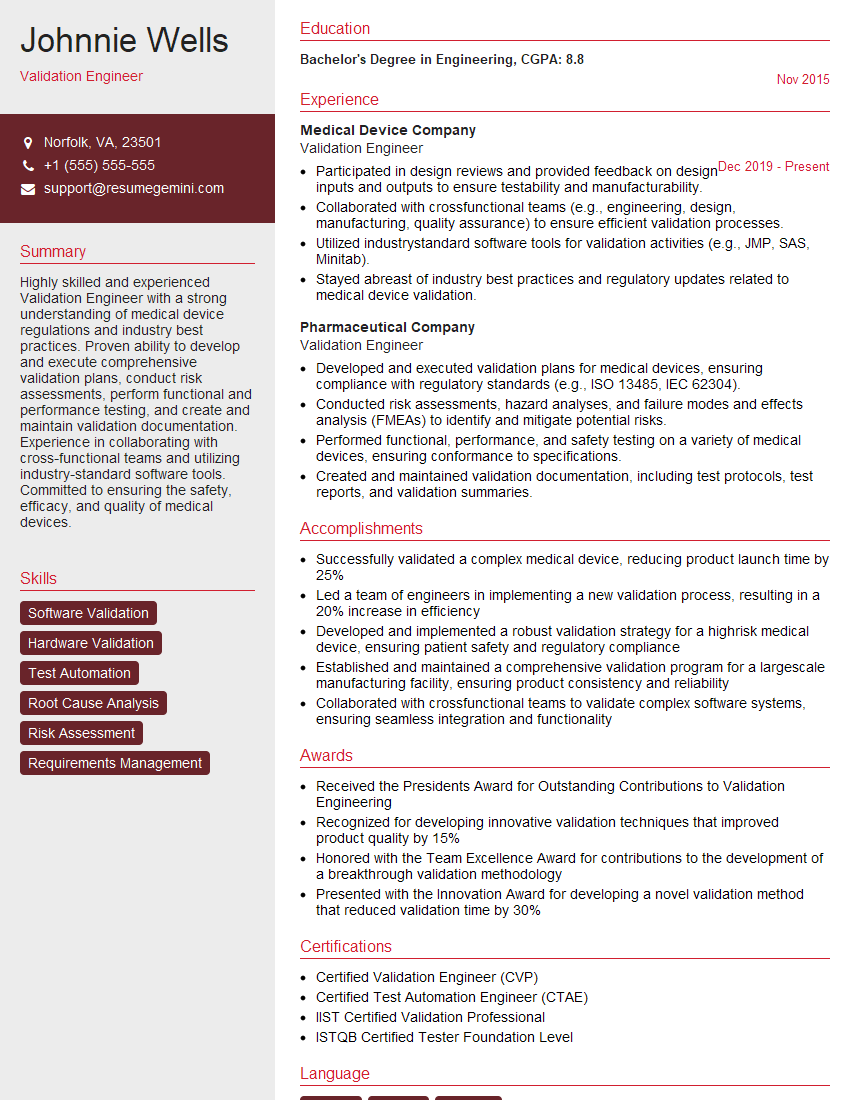
Validation Engineer Resume Sample
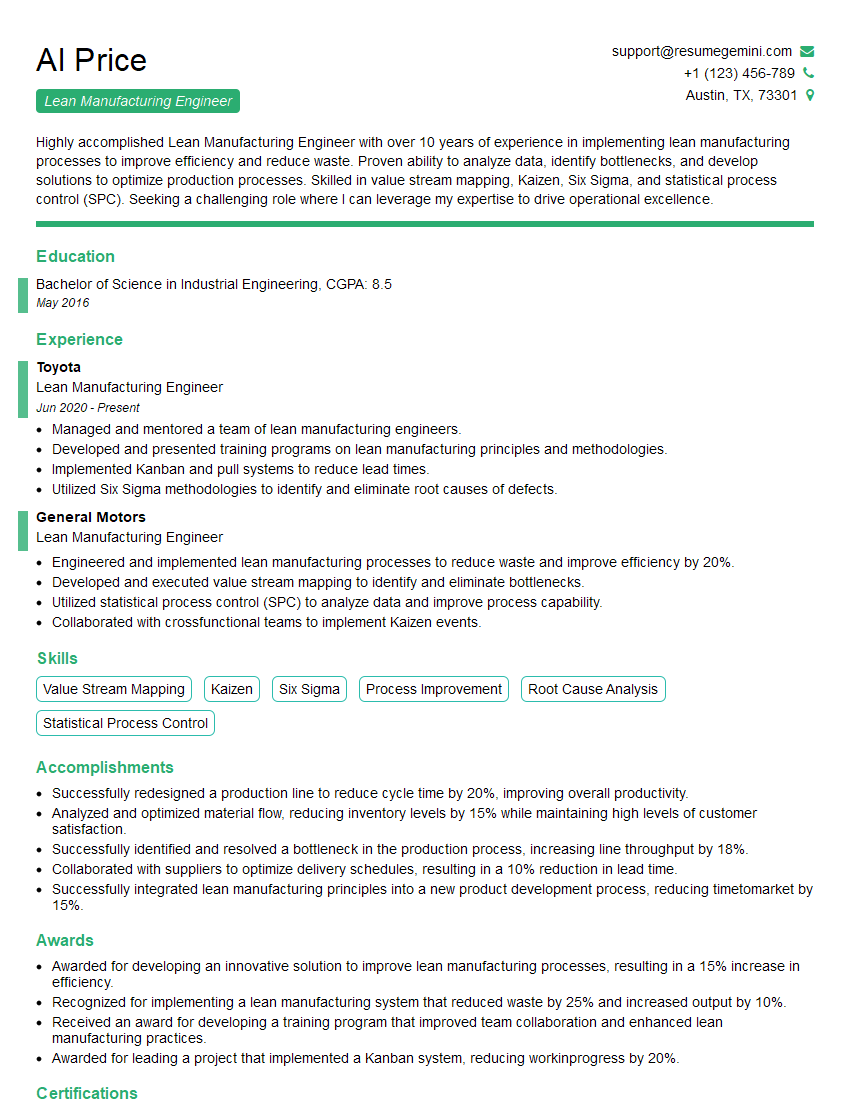
Lean Manufacturing Engineer Resume Sample
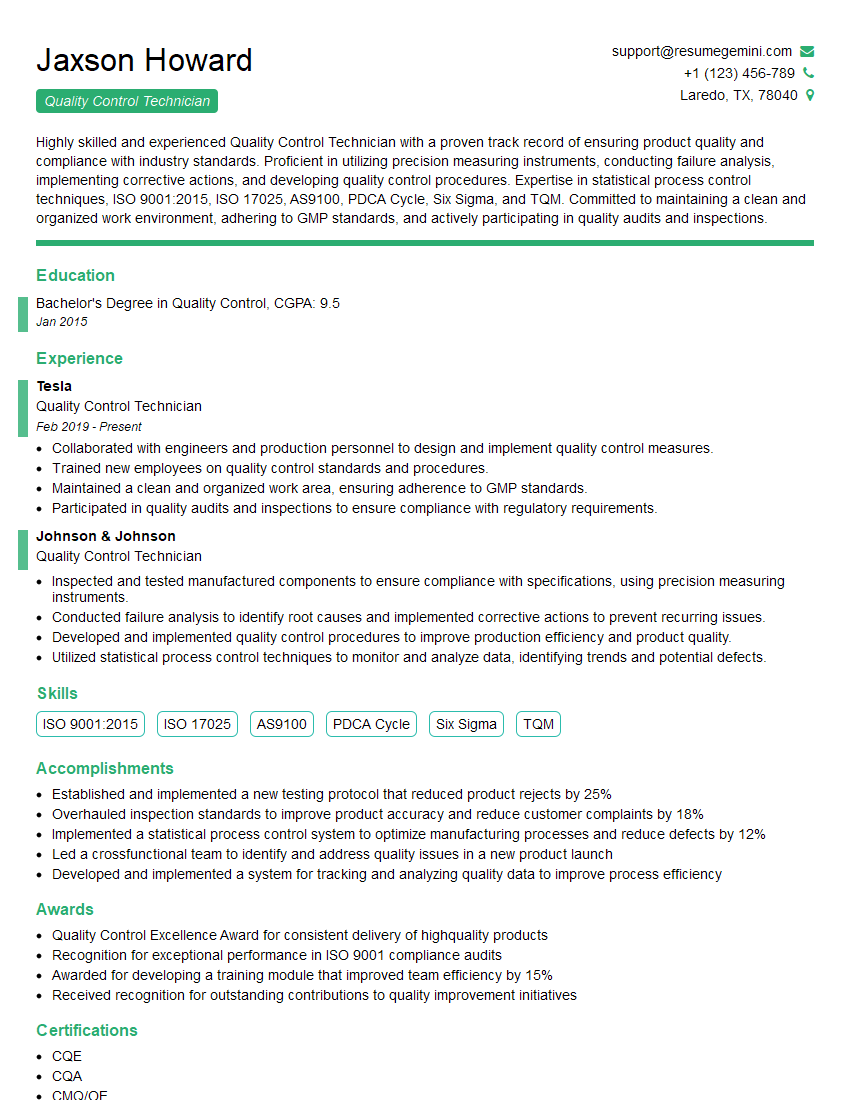
Quality Control Technician Resume Sample
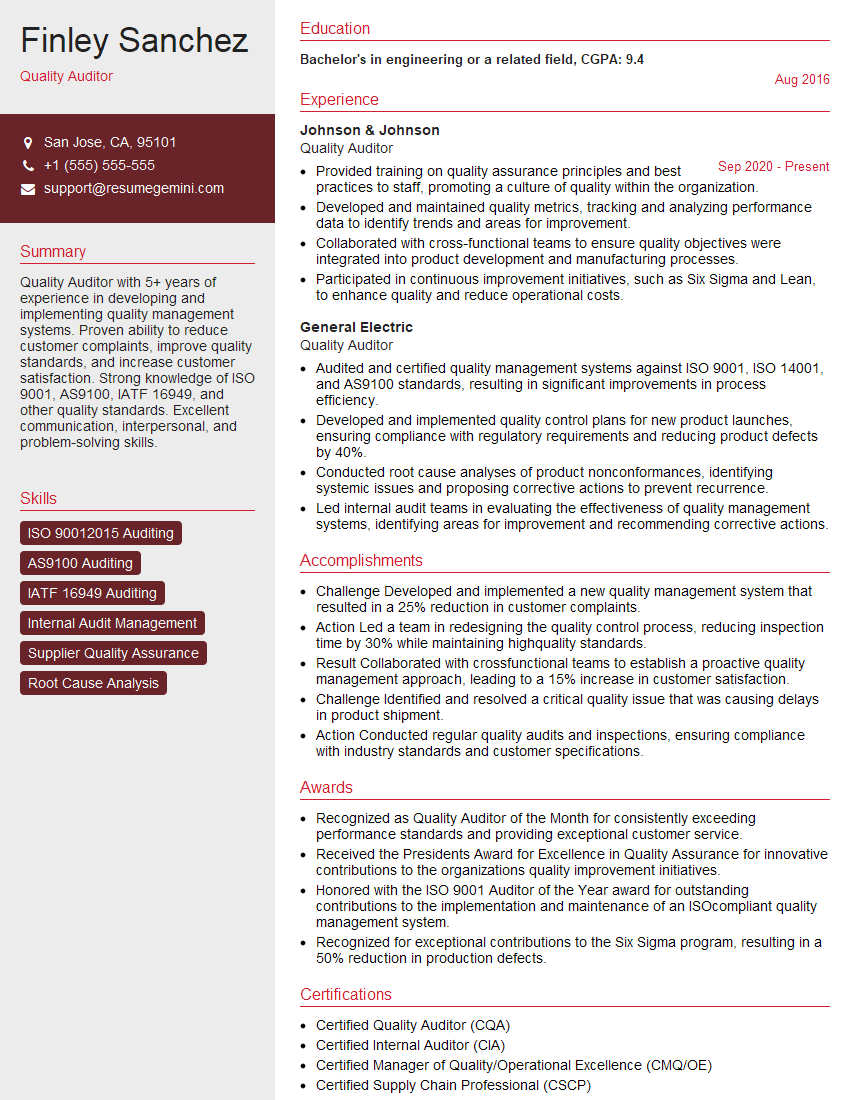
Quality Auditor Resume Sample
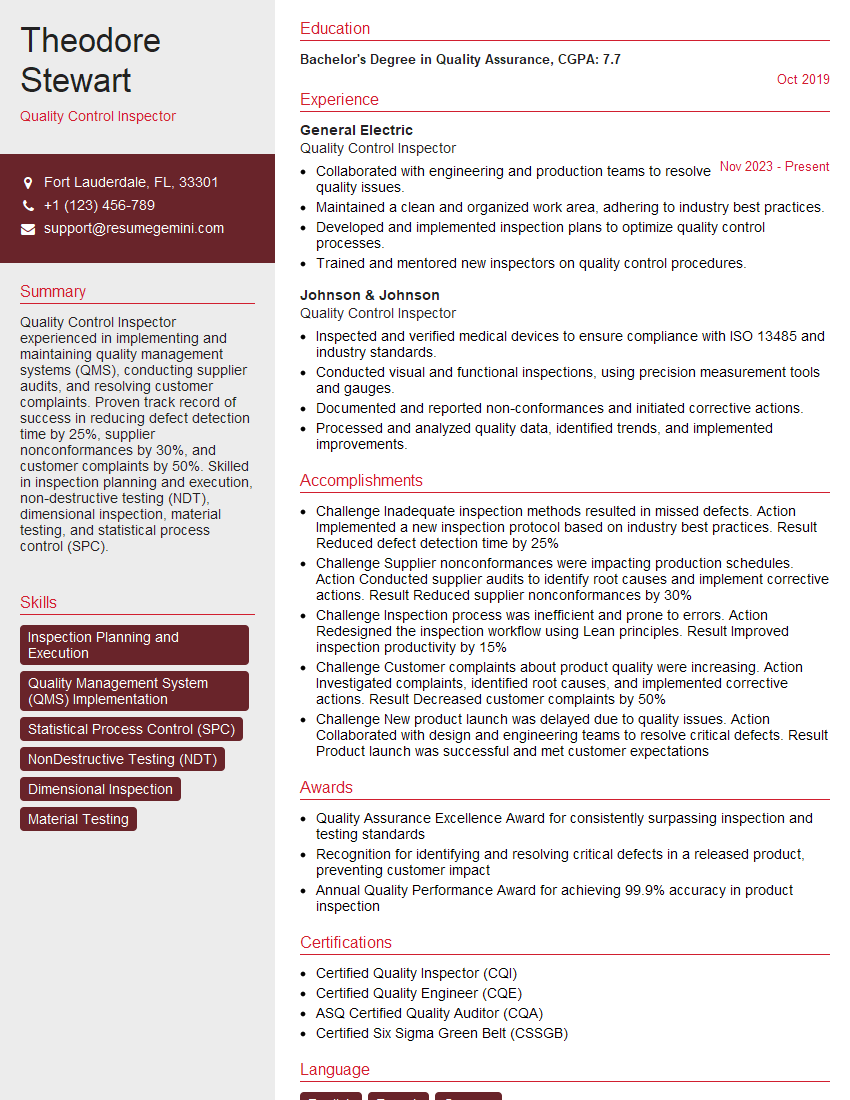
Quality Control Inspector Resume Sample
- Quality Assurance Manager
- Quality Control Manager
- Quality Control Supervisor
- Reliability Engineer
- Quality Control Analyst
- Test Engineer
- Quality Systems Manager
- Metrologist
- Quality Control Engineer
- Quality Control Specialist
- Validation Engineer
- Lean Manufacturing Engineer
- Quality Control Technician
- Quality Auditor
- Quality Control Inspector
Explore more articles
Users Rating of Our Blogs
Share Your Experience
We value your feedback! Please rate our content and share your thoughts (optional).
What Readers Say About Our Blog
Very informative content, great job.
good