Are you ready to stand out in your next interview? Understanding and preparing for Gestation and Lactation Management interview questions is a game-changer. In this blog, we’ve compiled key questions and expert advice to help you showcase your skills with confidence and precision. Let’s get started on your journey to acing the interview.
Questions Asked in Gestation and Lactation Management Interview
Q 1. Describe the stages of lactogenesis.
Lactogenesis, the process of milk production, is divided into several stages. Think of it like a carefully orchestrated symphony, each movement building upon the previous one.
- Lactogenesis I (Prepartum): This stage begins in pregnancy, specifically during the second trimester. The breasts prepare for milk production, with the development of the mammary gland system and the initial production of small amounts of colostrum. It’s a quiet, behind-the-scenes phase, laying the groundwork for what’s to come.
- Lactogenesis II (Onset of Lactation): This crucial stage begins abruptly with the onset of labor and delivery. The hormone prolactin, vital for milk production, surges. This is when the breasts start actively producing colostrum and then transition to transitional milk. It’s the moment the orchestra begins to play.
- Lactogenesis III (Galactopoiesis): This is the ongoing process of milk production and maintenance. It involves a complex interplay of hormones, including prolactin, oxytocin, and growth hormone, working together to sustain milk supply throughout breastfeeding. The symphony continues, reaching its crescendo as milk supply adjusts to the baby’s demands.
Understanding these stages helps us appreciate the physiological complexity of breastfeeding and understand why certain interventions might be necessary at different times.
Q 2. Explain the difference between colostrum, transitional milk, and mature milk.
Colostrum, transitional milk, and mature milk are distinct stages in breast milk composition, each providing unique benefits to the newborn. Imagine them as three courses of a delicious and nutritious meal.
- Colostrum: This is the ‘appetizer,’ a thick, yellowish fluid produced during the first few days postpartum. It’s packed with antibodies, immune factors, and growth factors, providing essential protection and nutrients to the newborn’s immature gut. Think of it as a super-concentrated powerhouse of immune support.
- Transitional Milk: This is the ‘main course,’ a gradual shift from colostrum to mature milk, occurring between days 2 and 10 postpartum. It’s progressively richer in fat and lactose, providing increasing energy to the growing infant. This stage represents a smooth transition in nutritional composition.
- Mature Milk: This is the ‘dessert,’ the established milk produced after approximately two weeks postpartum. It’s a balanced blend of water, fats, proteins, carbohydrates, and vitamins, perfectly tailored to meet the infant’s nutritional needs. It is the consistent, nutrient-rich sustenance for long-term growth and development.
Each type of milk offers unique benefits at specific stages of the newborn’s development, highlighting the remarkable adaptability of breast milk.
Q 3. What are the common breastfeeding positions and how do you help mothers choose the best position for them?
There are many comfortable breastfeeding positions, and the best one depends on the mother’s comfort, the baby’s latch, and the mother’s physical capabilities. Think of it as finding the perfect ergonomic fit.
- Cradle Hold: The baby is cradled in the mother’s arm, with the mother supporting the baby’s head and neck.
- Cross-Cradle Hold: Similar to cradle hold, but the mother uses the opposite arm to support the baby’s head and back.
- Football Hold: The baby is tucked under the mother’s arm, like a football, with the mother’s hand supporting the baby’s head.
- Side-Lying Position: Both mother and baby lie on their sides facing each other.
- Laid-Back Position: The mother leans back and the baby naturally latches onto the breast.
As a lactation consultant, I help mothers experiment with these positions to find what works best for them and their babies, focusing on factors such as back support, arm and hand comfort, and ease of latching. I use visual aids, pillows for support, and encourage them to try different positions during feeding sessions.
Q 4. How do you assess a baby’s latch?
Assessing a baby’s latch is crucial for successful breastfeeding. A good latch prevents nipple pain and ensures efficient milk transfer. Think of it like a proper seal.
- Wide Open Mouth: The baby’s mouth should be wide open, with the lower lip turned outward.
- Chin to Breast: The baby’s chin should be touching the breast.
- Nose Uncovered: The baby’s nose should be clear of the breast.
- Asymmetrical Nipple: The nipple should appear slightly compressed, but not pinched.
- Audible Swallowing: You should hear swallowing sounds during feeding.
A poor latch might cause nipple pain, ineffective milk transfer, and even lead to nipple damage. I guide mothers on proper latch techniques using visual observation and gentle adjustments during feedings.
Q 5. What are the signs and symptoms of mastitis?
Mastitis is a breast infection, typically characterized by inflammation and pain. Imagine it as a localized infection of the breast tissue.
- Pain or tenderness in the breast: This is often localized to one area of the breast.
- Swelling and redness: The affected area may appear red, hot, and swollen.
- Fever and chills: These are systemic symptoms indicating the body’s response to the infection.
- Flu-like symptoms: Mothers may experience fatigue, body aches, and general malaise.
- Possible nipple crack or blister: This can be a point of entry for bacteria.
Mastitis requires prompt medical attention, typically involving antibiotics and supportive measures. It’s essential for mothers to seek professional medical help if they suspect they have mastitis.
Q 6. How do you address nipple pain in breastfeeding mothers?
Nipple pain is a common complaint among breastfeeding mothers, often caused by improper latch, thrush, or other underlying conditions. It’s like a persistent irritation that needs to be addressed effectively.
- Assess the latch: Ensure a proper latch to prevent nipple trauma.
- Proper positioning: Try different feeding positions to find one that minimizes discomfort.
- Nipple creams: Use lanolin-based creams to soothe and protect the nipples.
- Frequent feedings: Frequent, shorter feedings can prevent over-engorgement and reduce pain.
- Addressing underlying issues: Seek medical evaluation for thrush, milk ducts blocked etc.
I work with mothers to identify the cause of their nipple pain and develop a management plan, often involving a combination of strategies to provide relief and optimize breastfeeding.
Q 7. What are some strategies for managing low milk supply?
Managing low milk supply requires a comprehensive approach, focusing on optimizing milk production and ensuring adequate milk transfer to the baby. Think of it as tuning an engine to maximize its performance.
- Frequent and effective emptying of the breasts: Frequent breastfeeding or pumping helps stimulate milk production.
- Skin-to-skin contact: Enhances the release of oxytocin, a hormone that facilitates milk let-down.
- Hydration and nutrition: Adequate hydration and a balanced diet are crucial for milk production.
- Rest and stress management: Stress can negatively impact milk supply.
- Supplements (if necessary): Certain supplements, under medical guidance, can be considered in some cases.
- Medical evaluation: Rule out underlying medical conditions that may affect milk production.
I work closely with mothers to create a personalized plan, taking into account their individual circumstances and needs. This may involve education, reassurance, and the implementation of various strategies to increase milk production.
Q 8. How do you counsel mothers on infant feeding cues?
Recognizing infant feeding cues is crucial for successful breastfeeding. It’s about understanding your baby’s communication before they become overly distressed. We teach mothers to look for a cluster of cues, not just one isolated sign. These cues can be subtle at first.
- Early cues: Stirring, bringing hands to mouth, rooting (turning their head and opening their mouth), sucking on fingers or hands.
- Later cues: Increased fussiness, arching of the back, crying (this is a late cue, indicating the baby is already quite hungry).
For example, I often tell mothers to imagine their baby is like a little flower slowly opening up in the sun. The early cues are like the flower starting to unfurl – subtle signs that suggest it’s time to feed. Crying is the flower fully wilted—it indicates the baby is far beyond comfortable and needs immediate attention. We practice observing these cues together, and I empower mothers to trust their instincts.
Q 9. Explain the importance of skin-to-skin contact for newborns.
Skin-to-skin contact, also known as kangaroo care, is incredibly beneficial for newborns. It fosters a strong parent-child bond and offers numerous physiological advantages. Think of it as providing a warm, safe haven for the newborn, mimicking the experience in the womb.
- Temperature regulation: Skin-to-skin helps stabilize the baby’s body temperature.
- Heart rate and breathing: It promotes stable heart rate and breathing patterns.
- Blood sugar levels: It helps regulate blood sugar.
- Bonding and attachment: It strengthens the parent-child bond, crucial for emotional development.
- Breastfeeding success: It facilitates successful breastfeeding initiation and latch.
I often share stories of mothers who initially felt hesitant but later described the powerful connection they felt during skin-to-skin, leading to smoother breastfeeding journeys.
Q 10. What are the benefits of breastfeeding for both mother and baby?
Breastfeeding provides a myriad of benefits for both mother and baby. It’s nature’s perfect food and a powerful bonding experience.
Benefits for the baby:
- Optimal nutrition: Breast milk provides perfectly balanced nutrients, antibodies, and growth factors tailored to the baby’s needs.
- Immunity boost: It contains antibodies that protect against infections.
- Reduced risk of diseases: Breastfed babies have a lower risk of developing allergies, asthma, ear infections, and other illnesses.
- Cognitive development: Studies suggest breastfeeding may contribute to better cognitive development.
Benefits for the mother:
- Uterine contraction: Breastfeeding helps the uterus contract back to its normal size after delivery, reducing postpartum bleeding.
- Weight management: It can assist with postpartum weight loss.
- Reduced risk of diseases: Breastfeeding may reduce the mother’s risk of developing certain types of cancer, osteoporosis, and type 2 diabetes.
- Emotional bonding: It strengthens the mother-child bond, fostering a sense of connection and well-being.
I emphasize the long-term advantages, not just the immediate benefits, to encourage mothers to persevere with breastfeeding.
Q 11. How do you educate mothers on the proper storage and handling of breast milk?
Proper storage and handling of breast milk are crucial to maintain its quality and safety. I provide detailed instructions, emphasizing the importance of cleanliness and temperature control. It’s a delicate balance between convenience and preserving the nutrients.
- Freshly expressed milk: Can be stored at room temperature (under 25°C) for up to 6 hours, in the refrigerator for up to 5 days, and in the freezer for up to 6 months.
- Milk stored in the refrigerator: Should be used within 24 hours after removal.
- Thawing frozen milk: Should be done gradually in the refrigerator and never reheated in a microwave.
- Never refreeze thawed milk.
- Use clean, sterilized containers.
I use visual aids like charts and diagrams to simplify the instructions and always encourage mothers to write down the date and time of expression on the container.
Q 12. What are the contraindications for breastfeeding?
While breastfeeding is generally recommended, there are certain contraindications. These are situations where breastfeeding might be unsafe for the baby or the mother. It’s crucial to assess each case individually and make informed decisions in collaboration with other healthcare professionals.
- Certain medications: Some medications can pass into breast milk and harm the baby.
- Maternal infections: Some infections, such as HIV or active tuberculosis, can be transmitted through breast milk.
- Galactosemia in the infant: A rare genetic disorder that prevents the baby from processing galactose, a sugar found in breast milk.
- Active herpes simplex lesions on the breast: This can transmit the virus to the baby.
I always emphasize that these are rare situations, and in most cases, breastfeeding is safe and beneficial. We work collaboratively with other specialists to find alternative feeding options if necessary.
Q 13. How do you manage engorgement?
Engorgement is a common experience where the breasts become swollen, firm, and painful due to increased milk production. It’s often most noticeable in the early postpartum period. It’s important to address this promptly to ensure comfort and maintain breastfeeding.
- Frequent feeding or pumping: This is the most effective way to relieve engorgement. Emptying the breasts regularly prevents milk buildup.
- Warm compresses before feeding: This can help soften the breasts and make it easier for the baby to latch.
- Cold compresses after feeding: This can reduce swelling and pain.
- Massage: Gently massaging the breasts can help to improve milk flow.
- Pain relief: Over-the-counter pain relievers like ibuprofen can help manage discomfort.
I guide mothers through these strategies, emphasizing the importance of consistent emptying of the breasts. I reassure them that engorgement is temporary and usually resolves within a few days with proper management. I often recommend expressing some milk before feeding to soften the areola, making it easier for the baby to latch.
Q 14. Describe different methods for expressing breast milk.
Several methods exist for expressing breast milk, each with its own advantages. The choice depends on individual preferences, circumstances, and the baby’s needs. We discuss the options and help mothers find what works best for them.
- Manual expression: Using the hands to gently compress the breast tissue to express milk. This is a low-cost, readily available method, useful for relieving engorgement or occasional milk expression.
- Breast pump: A mechanical device that uses suction to express milk more efficiently. Different types of breast pumps exist, from manual to electric, each with varying levels of suction and features. I guide mothers on selecting appropriate pump types, considering factors such as cost, usage frequency, and convenience.
I demonstrate both methods, ensuring the mother feels comfortable and confident in her chosen technique. I emphasize proper hand hygiene and storage practices, regardless of the method used. I also highlight that combining manual expression and pumping can sometimes be more effective than using a single method.
Q 15. How do you counsel mothers about returning to work and maintaining breastfeeding?
Returning to work while breastfeeding is a significant transition for many mothers. My counseling focuses on empowering them to make informed choices that best suit their needs and their baby’s. We start by discussing their work environment and available resources. This includes exploring options like pumping at work, establishing a consistent pumping schedule, and identifying a safe place for storage of breast milk. I help them calculate how much milk they’ll need to pump and store, emphasizing the importance of hygiene and proper storage techniques. We’ll discuss the benefits of breastfeeding for both mother and child and address any concerns they may have regarding milk supply or maintaining their breastfeeding routine while working. For example, if a mother is anxious about her milk supply decreasing, I’ll explain that frequent pumping mimics the baby’s feeding pattern and helps maintain supply. I also counsel them on strategies to combine breastfeeding with bottle feeding, such as using a bottle for expressed breast milk and offering the breast at other times.
A key aspect is planning ahead. Before returning to work, we practice pumping sessions to establish a routine and find the most comfortable and effective way for them. We also discuss strategies for managing feelings of guilt or stress that may arise from balancing work and breastfeeding. This often involves connecting them with support groups or resources, where they can share their experiences and learn from others. Ultimately, the goal is to create a sustainable and enjoyable plan that supports both the mother’s career aspirations and her commitment to breastfeeding.
Career Expert Tips:
- Ace those interviews! Prepare effectively by reviewing the Top 50 Most Common Interview Questions on ResumeGemini.
- Navigate your job search with confidence! Explore a wide range of Career Tips on ResumeGemini. Learn about common challenges and recommendations to overcome them.
- Craft the perfect resume! Master the Art of Resume Writing with ResumeGemini’s guide. Showcase your unique qualifications and achievements effectively.
- Don’t miss out on holiday savings! Build your dream resume with ResumeGemini’s ATS optimized templates.
Q 16. What are the potential risks associated with formula feeding?
Formula feeding, while a viable option for many, carries potential risks. These risks are not insurmountable, but understanding them is crucial for informed decision-making. One major concern is the increased risk of infections like gastroenteritis and respiratory illnesses. Babies fed formula have less exposure to the protective antibodies and immune factors found in breast milk. Formula preparation also requires meticulous hygiene to prevent bacterial contamination. Incorrect preparation or storage can lead to serious illnesses. Another concern is the potential for allergies. Formula may contain proteins that can trigger allergic reactions in sensitive infants. Furthermore, studies have linked formula feeding to a slightly higher risk of obesity and other metabolic disorders later in life, though this is a complex area of research and many other factors are involved. Finally, formula feeding is often more expensive than breastfeeding, potentially creating a financial burden on families.
Q 17. How do you address concerns about supplementing with formula?
Supplementing with formula is a decision that should be made in collaboration with healthcare providers, taking into account the individual circumstances of the mother and baby. I address concerns about supplementation by thoroughly assessing the reasons behind it. Is it due to insufficient milk supply? Infant weight gain concerns? The mother’s health condition? Once the underlying reason is identified, I work to address it. If low milk supply is the concern, we investigate potential causes such as infrequent breastfeeding, improper latch, or underlying medical conditions. We develop strategies to increase milk production, such as increased skin-to-skin contact, frequent nursing, and possibly lactation support medication. If weight gain is a concern, we carefully analyze the infant’s growth chart, considering individual factors such as gestational age and birth weight, before recommending supplementation. I also emphasize that supplementing should not be viewed as failure and that it’s often a temporary measure to support both mother and baby until the underlying issue is resolved. Ultimately, my role is to empower mothers with information and support to make the best choice for their family, keeping their concerns at the forefront of our conversation.
Q 18. How do you identify and manage thrush in breastfeeding mothers and infants?
Thrush, a fungal infection caused by Candida albicans, can affect both breastfeeding mothers and their infants. In mothers, it presents as cracked, sore, or burning nipples, often with a white, patchy coating. In infants, thrush appears as white patches on the tongue, inner cheeks, and gums, often resembling milk curds but not easily wiped away. Management involves a multi-pronged approach. For mothers, antifungal medications, such as nystatin cream or oral fluconazole, may be prescribed. Excellent hygiene is crucial – washing nipples with water (avoiding soap which can dry the skin) after each feeding and ensuring the breasts are thoroughly dried. Infants also require antifungal treatment, typically in the form of oral nystatin or an antifungal gel. It’s vital to treat both mother and infant concurrently to prevent reinfection. During treatment, meticulous hygiene is paramount, including sterilizing bottles and pacifiers. It is essential to continue breastfeeding as the act of nursing itself can help to break the cycle of infection with the removal of the fungus, combined with treatment.
Q 19. Describe different types of breastfeeding difficulties.
Breastfeeding difficulties are common, and their causes can be varied. Some difficulties relate to the latch – an improper latch can lead to pain for the mother and ineffective milk transfer for the baby. Others involve milk supply issues – some mothers experience low milk supply (hypogalactia) while others produce excessive milk (hypergalactia). Nipple pain and soreness are frequently reported problems and can be linked to latch issues, thrush, or other conditions such as mastitis. Engorgement, where breasts become swollen and painful, is often a temporary issue, particularly in the early postpartum period. Babies may also experience difficulties, such as difficulty latching, poor weight gain, or a tongue tie that can impact breastfeeding efficiency. Finally, psychological factors like postpartum depression or anxiety can greatly affect the breastfeeding experience.
Q 20. How do you counsel mothers on the signs of dehydration in a breastfeeding infant?
Recognizing dehydration in a breastfeeding infant is crucial for their well-being. Signs of dehydration are often subtle, so it’s essential to pay close attention to several indicators. A decreased number of wet diapers (fewer than 6-8 per day for babies under 3 months) is a significant sign. Sunken fontanelles (the soft spots on the baby’s head) are also a concerning indicator of dehydration. Dry mouth and lips, along with a lack of tears when crying, are further signs. The infant may appear lethargic or less active than usual. Their skin might feel dry or cool to the touch. If several of these signs are present, I advise consulting a healthcare professional immediately. In some cases, supplemental fluids might be necessary, but it’s important to note that this would need to be determined by a doctor and not given without medical advice.
Q 21. What are the warning signs of postpartum depression and how do you address them?
Postpartum depression (PPD) is a serious condition affecting many mothers after childbirth. Warning signs can include persistent sadness, anxiety, or feelings of hopelessness. Mothers experiencing PPD may have difficulty sleeping, changes in appetite, loss of interest in activities they once enjoyed, and feelings of guilt or inadequacy. Some mothers may also experience thoughts of harming themselves or their baby. Addressing PPD requires a multi-faceted approach. I encourage open communication and provide a safe space for mothers to express their feelings. Early identification is critical, and I emphasize the importance of seeking professional help from a therapist or psychiatrist. Support groups can be incredibly beneficial, providing a sense of community and shared experience. In addition to therapy, medication may be necessary in some cases. It’s essential to ensure the mother feels safe, understood, and empowered to manage her mental health. A supportive network of family, friends, and healthcare professionals is crucial for successful recovery. It’s vital to emphasize that seeking help is a sign of strength, not weakness.
Q 22. How do you educate mothers on the importance of nutrition during breastfeeding?
Educating mothers about breastfeeding nutrition is crucial for both maternal and infant well-being. I approach this by emphasizing that breastfeeding is a very demanding process, requiring increased caloric intake and specific nutrient needs. I explain that adequate nutrition supports milk production, maternal recovery, and prevents deficiencies.
- Caloric Needs: I explain that breastfeeding mothers need an extra 450-500 calories per day compared to their pre-pregnancy needs. This increase fuels milk production and replenishes energy expended. I emphasize that these calories should come from nutrient-dense foods, not just empty calories.
- Macronutrients: I discuss the importance of adequate protein for milk production and tissue repair. I also explain the significance of healthy fats for brain development and the importance of complex carbohydrates for sustained energy. We discuss practical food choices like lean protein sources, whole grains, and healthy fats (avocados, nuts, seeds).
- Micronutrients: I highlight specific micronutrients vital for both mother and baby, such as iron (to prevent anemia), calcium (for bone health), vitamin D (for calcium absorption and immunity), and iodine (for thyroid function). I recommend incorporating these through a balanced diet, supplemented if necessary after a discussion of lab results and potential deficiencies.
- Hydration: I stress the critical importance of drinking plenty of fluids, especially water. Dehydration can directly impact milk supply and overall maternal well-being.
- Individualized Plans: I work with mothers to create personalized dietary plans, considering their pre-pregnancy weight, activity level, dietary preferences, and any underlying health conditions.
For example, I might suggest a mother who is vegan add nutritional yeast to her diet to enhance B vitamin intake, or a mother with iron deficiency increase her intake of red meat or leafy greens, and perhaps consider iron supplementation under medical supervision.
Q 23. Discuss the role of prolactin and oxytocin in lactation.
Prolactin and oxytocin are two crucial hormones that work in concert to facilitate lactation. Prolactin is primarily responsible for milk production (lactogenesis), while oxytocin plays the key role in milk ejection (let-down).
- Prolactin: This hormone is produced in the anterior pituitary gland. The stimulation of the breast by suckling (or pumping) sends signals to the hypothalamus, which in turn signals the pituitary gland to release prolactin. Prolactin levels rise during pregnancy and peak postpartum, directly impacting milk synthesis. The more frequent and effective the infant’s suckling, the more prolactin is produced, leading to a positive feedback loop and increased milk production.
- Oxytocin: This hormone, also known as the “love hormone”, is produced in the hypothalamus and released from the posterior pituitary gland. Similar to prolactin, suckling triggers the release of oxytocin. Oxytocin causes the contraction of myoepithelial cells surrounding the milk ducts, leading to the ejection of milk. This is often described as the “let-down reflex”. The feeling of warmth, tingling, or a slight uterine contraction some mothers experience is associated with oxytocin release.
Think of it like this: prolactin makes the milk, and oxytocin delivers it. Both hormones are essential for successful breastfeeding.
Q 24. Explain the physiology of milk ejection reflex.
The milk ejection reflex (MER), also known as the let-down reflex, is a neuroendocrine process that facilitates the release of milk from the alveoli (milk-producing glands) into the ducts, making it available to the baby. It’s a complex interplay of neural and hormonal pathways.
- Stimulus: The primary stimulus for the MER is the infant’s suckling on the breast. The baby’s sucking action stimulates sensory nerve endings in the nipple and areola.
- Neural Pathway: These sensory signals travel via the afferent nerves to the hypothalamus in the brain.
- Hormonal Release: The hypothalamus stimulates the posterior pituitary gland to release oxytocin into the bloodstream.
- Oxytocin Action: Oxytocin travels through the bloodstream and binds to receptors on the myoepithelial cells surrounding the alveoli in the breasts.
- Milk Ejection: Oxytocin binding triggers contraction of these myoepithelial cells, causing the milk to be squeezed out of the alveoli and into the duct system, becoming available to the infant.
Various factors, including stress, anxiety, pain, and previous negative breastfeeding experiences, can inhibit the MER. Helping mothers manage stress and create a calm and supportive environment is crucial for facilitating the let-down reflex.
Q 25. How do you assess the effectiveness of breastfeeding?
Assessing the effectiveness of breastfeeding involves a multifaceted approach, looking at both maternal and infant factors. It’s not just about how much milk the baby is getting, but also about the quality of the feeding experience and the overall well-being of both.
- Infant Weight Gain: Monitoring the infant’s weight gain is a key indicator. Regular weigh-ins, ideally with a lactation consultant or healthcare professional, allow for the detection of insufficient weight gain, a possible sign of inadequate milk supply.
- Number of Wet and Soiled Diapers: Monitoring the frequency of wet and soiled diapers provides insights into fluid and nutritional intake. The number should increase with the baby’s age, and a significant drop can indicate potential issues.
- Infant’s Behavior: Observing the baby during and after feeding is crucial. A content, satisfied baby who falls asleep naturally after feeding usually indicates successful breastfeeding. Frequent fussiness or excessive crying after feedings might suggest issues with latch or milk transfer.
- Maternal Breast Changes: Assessing maternal breast changes includes looking for signs of milk production such as engorgement (early days), softer breasts after feedings, and changes in nipple appearance. However, not all mothers experience these changes equally.
- Latch and Feeding Technique: A skilled lactation consultant can assess the baby’s latch and the mother’s feeding technique, identifying any problems hindering efficient milk transfer.
- Mother’s Assessment: It’s critical to incorporate the mother’s self-assessment, listening to her concerns and perceptions regarding the effectiveness of breastfeeding is crucial, empowering her to be a part of the evaluation.
For example, a baby consistently losing weight despite frequent feedings would trigger a more thorough investigation, which might include assessing latch, milk transfer, or considering possible underlying medical conditions.
Q 26. How would you handle a situation where a mother is experiencing severe nipple trauma?
Severe nipple trauma is a significant challenge that can lead to breastfeeding cessation. Immediate and effective intervention is crucial. My approach is a step-by-step process:
- Assessment: I would thoroughly assess the extent of the trauma, looking for cracks, bleeding, blisters, or any signs of infection. I would ask about pain levels and the duration of the symptoms.
- Pain Management: Immediate pain relief is essential to maintain comfort and prevent negative association with breastfeeding. Options include topical pain relief creams (like lanolin-based products), hydrocolloid dressings, and/or ice packs.
- Latch Correction: If the trauma is due to improper latch, I would meticulously assess and correct the latch to prevent further damage. This often involves positioning and support techniques demonstrated to both mother and baby.
- Breastfeeding Strategies: I might suggest frequent, shorter feeding sessions to reduce stress on the nipples. Positioning the baby to avoid pressure on damaged areas is also crucial. Alternating breasts also helps.
- Supportive Measures: I’d emphasize the importance of frequent skin-to-skin contact to promote bonding and support milk production. I’d also provide education about hygiene and hand washing to prevent infection.
- Medical Consultation: In cases of severe trauma, infection, or failure to improve with conservative measures, referral to a physician or a specialist might be necessary. Antibiotics might be indicated, and temporary cessation of breastfeeding, with use of expressed milk or a supplemental feeding method, may be recommended. We want to support the healing of the nipples so that the breastfeeding journey can continue.
Ultimately, my goal is to create a supportive environment, equip the mother with practical strategies, and help her navigate this challenging situation while maintaining the goal of breastfeeding success.
Q 27. What are the ethical considerations in providing lactation support?
Ethical considerations in lactation support are paramount. They center around respecting the autonomy of the mother, ensuring informed consent, and promoting equity and social justice.
- Informed Consent: Mothers must have a full understanding of the benefits and risks of breastfeeding, as well as alternatives, before making any decisions. They must be fully informed and can refuse any intervention or suggestion at any time.
- Respect for Autonomy: The mother’s choice, whether to breastfeed or not, must be respected without judgment or coercion. My role is to provide accurate information and support, not to pressure mothers into a particular course of action.
- Confidentiality: Maintaining strict confidentiality regarding a mother’s breastfeeding experiences, medical history, and personal choices is essential.
- Equity and Social Justice: Recognizing and addressing the social determinants of health that can significantly impact breastfeeding success is crucial. This includes addressing inequalities related to socioeconomic status, race, and access to resources and support. Some mothers lack access to healthcare, support groups or knowledge, placing them at a disadvantage.
- Avoiding Conflicts of Interest: Transparency about any potential conflicts of interest, such as financial relationships with formula companies or product endorsements, is paramount to maintaining ethical practice.
For instance, a mother might choose not to breastfeed due to personal reasons, religious beliefs, or medical complications; respecting her choice and providing support for her chosen feeding method are paramount. Similarly, providing culturally sensitive care for mothers from diverse backgrounds is also crucial for ethically sound lactation support.
Q 28. How do you utilize evidence-based practices in your lactation management?
Evidence-based practice is the cornerstone of my lactation management. I integrate the latest research findings, clinical guidelines, and best practices to guide my assessments and recommendations.
- Peer-Reviewed Literature: I regularly review peer-reviewed journals and publications from reputable organizations like the Academy of Breastfeeding Medicine (ABM) and the World Health Organization (WHO) to stay updated on the current research in lactation management.
- Clinical Guidelines: I follow the clinical guidelines and protocols established by professional organizations to ensure consistency and quality in my care.
- Systematic Reviews and Meta-analyses: I prioritize information obtained from systematic reviews and meta-analyses, which synthesize evidence from multiple studies to provide stronger conclusions.
- Individualized Approach: While evidence-based practices provide a foundation, I always tailor my approach to the individual needs and circumstances of each mother and infant. I always consider individual preferences and situations as each case is unique.
- Continuous Learning: I actively participate in professional development activities, such as conferences and workshops, to enhance my knowledge and skills in lactation management.
For instance, when addressing concerns about low milk supply, I don’t simply rely on anecdotal advice. Instead, I refer to studies on the effectiveness of specific interventions, such as power pumping or galactagogue herbs, considering the evidence of their effectiveness and safety before recommending them.
Key Topics to Learn for Gestation and Lactation Management Interview
- Maternal Nutrition During Gestation: Understanding the nutritional needs of pregnant women, including micronutrient supplementation and dietary recommendations. Practical application: Assessing a patient’s dietary intake and identifying potential deficiencies.
- Physiological Changes During Pregnancy: Comprehensive knowledge of hormonal shifts, cardiovascular adaptations, and other physiological changes throughout gestation. Practical application: Recognizing and managing potential complications arising from these changes.
- Lactation Physiology: In-depth understanding of milk production, composition, and let-down reflex. Practical application: Counseling mothers on breastfeeding techniques and addressing common challenges like latch difficulties or insufficient milk supply.
- Breastfeeding Management: Mastering various breastfeeding positions, addressing latch issues, and managing common breastfeeding challenges (e.g., mastitis, plugged ducts). Practical application: Developing personalized breastfeeding plans for diverse patient populations.
- Infant Nutrition and Growth: Understanding the nutritional requirements of infants, including the benefits of breastfeeding and appropriate alternatives. Practical application: Assessing an infant’s growth and development and providing guidance on appropriate feeding practices.
- Common Challenges in Gestation and Lactation: Recognizing and managing conditions such as gestational diabetes, preeclampsia, postpartum depression, and breastfeeding difficulties. Practical application: Developing effective strategies for preventing and managing these conditions.
- Evidence-Based Practices: Staying current with the latest research and evidence-based guidelines in gestation and lactation management. Practical application: Applying research findings to enhance patient care and improve outcomes.
- Ethical Considerations: Understanding the ethical implications of decisions related to pregnancy, childbirth, and breastfeeding. Practical application: Making informed and ethical decisions in complex clinical scenarios.
Next Steps
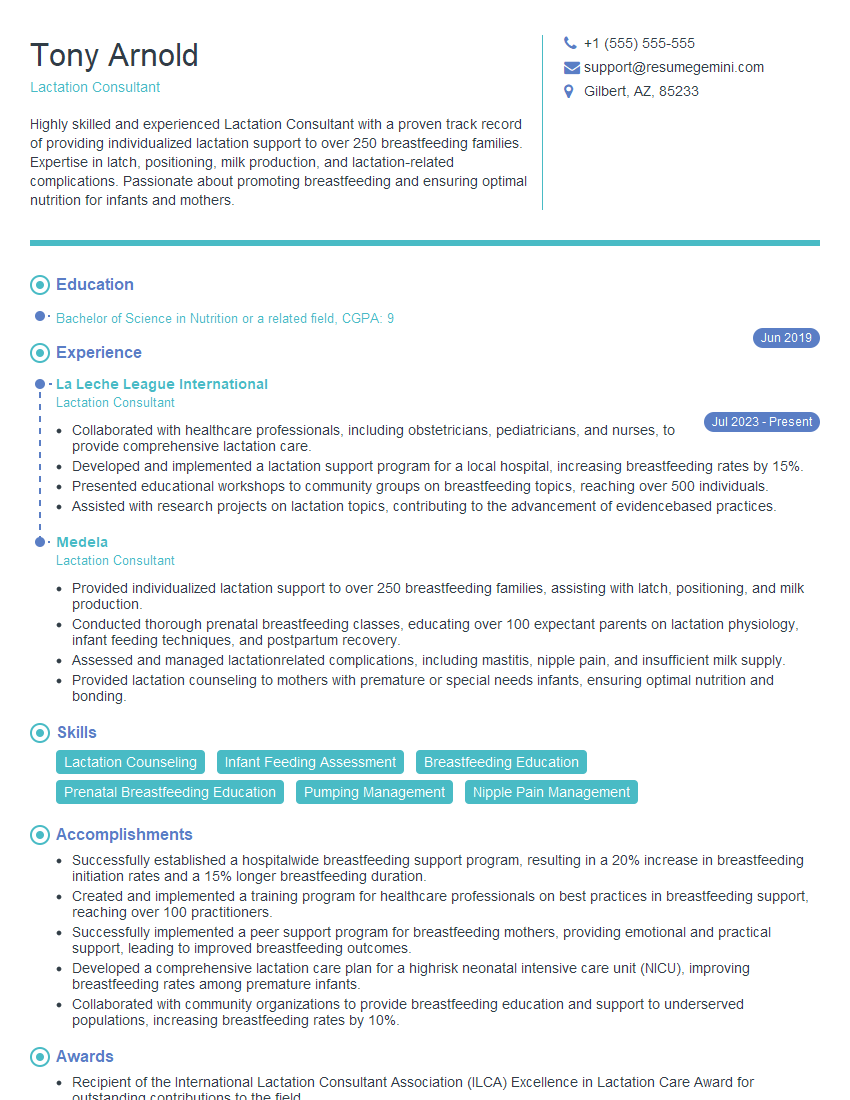
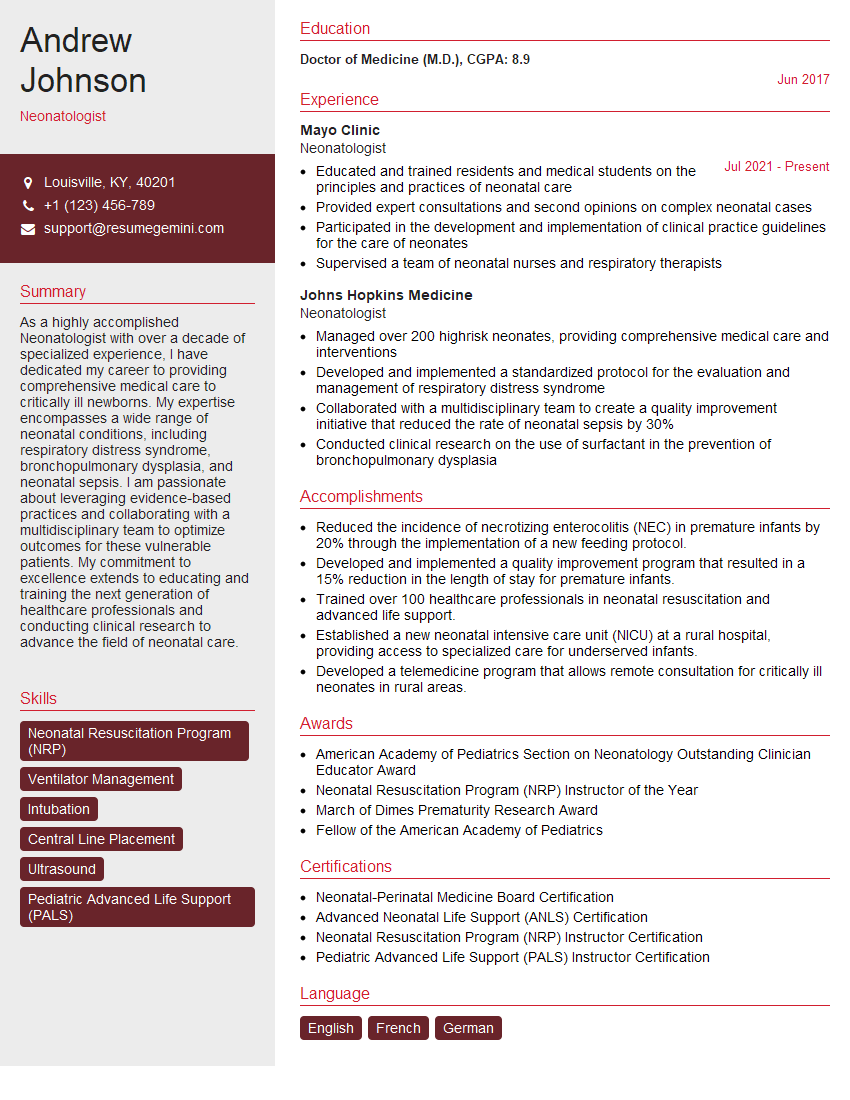
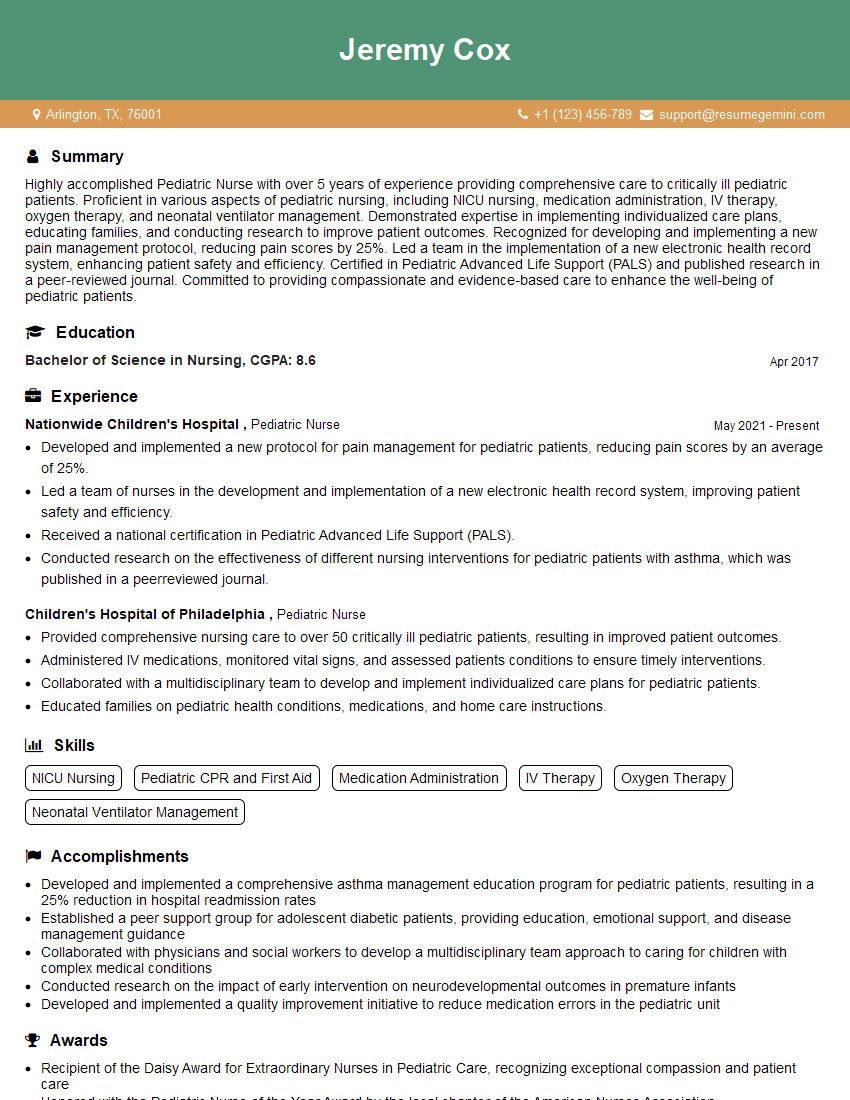
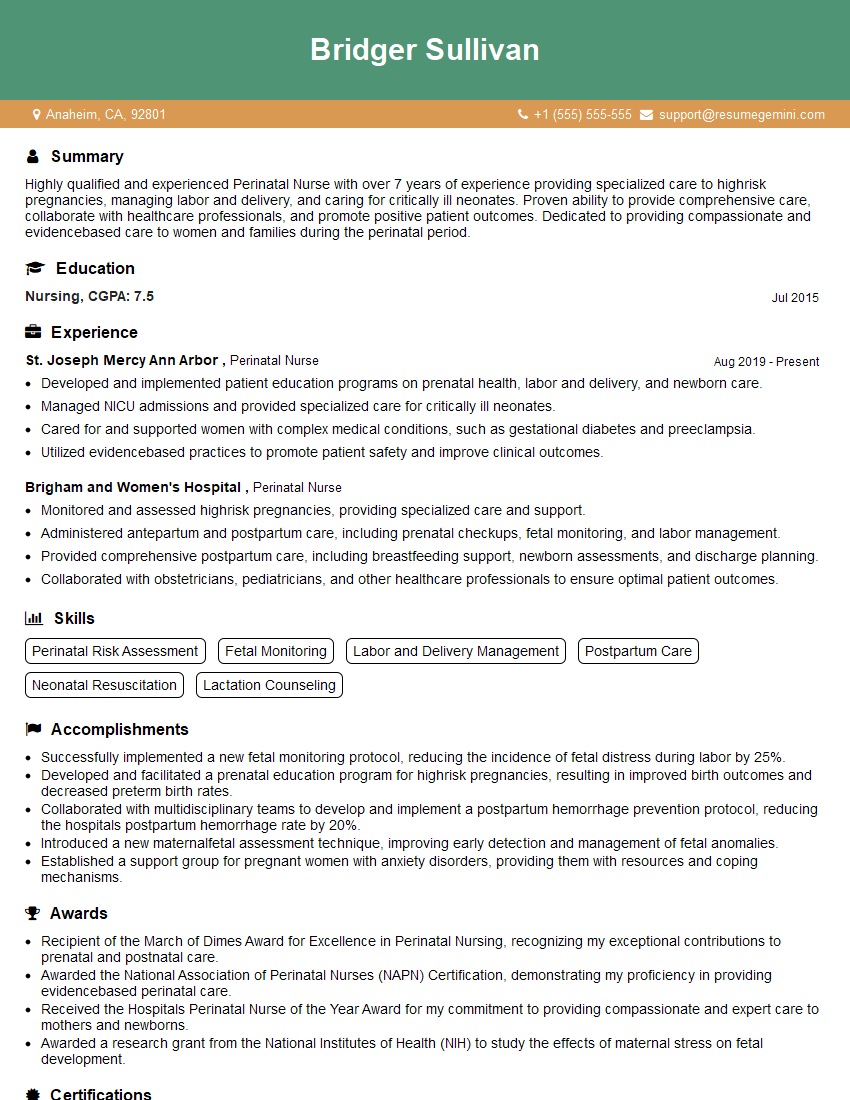
Mastering Gestation and Lactation Management opens doors to rewarding and impactful careers in healthcare. To stand out, a strong, ATS-friendly resume is crucial. ResumeGemini is a trusted resource to help you craft a professional resume that showcases your skills and experience effectively. ResumeGemini provides examples of resumes tailored specifically to Gestation and Lactation Management professionals, ensuring your application makes a lasting impression. Invest time in creating a compelling resume – it’s your first step towards your dream career.


Explore more articles
Users Rating of Our Blogs
Share Your Experience
We value your feedback! Please rate our content and share your thoughts (optional).
What Readers Say About Our Blog
Very informative content, great job.
good