Unlock your full potential by mastering the most common Quality Control (QC) Processes interview questions. This blog offers a deep dive into the critical topics, ensuring you’re not only prepared to answer but to excel. With these insights, you’ll approach your interview with clarity and confidence.
Questions Asked in Quality Control (QC) Processes Interview
Q 1. Explain the different types of quality control charts.
Quality control charts are graphical tools used to monitor and analyze process variation over time. They help us visually identify trends, patterns, and deviations from established targets, allowing for timely intervention to prevent defects. Different charts cater to various data types and objectives.
- Control Charts for Variables: These charts track continuous data like weight, temperature, or length. Common examples include:
- X-bar and R chart: Monitors the average (X-bar) and range (R) of subgroups of data. Useful when tracking the central tendency and dispersion of a process.
- X-bar and s chart: Similar to X-bar and R, but uses the standard deviation (s) instead of the range, providing more statistical power for larger subgroups.
- Control Charts for Attributes: These charts track discrete data, such as the number of defects or the proportion of defective items. Examples include:
- p-chart: Tracks the proportion of nonconforming units in a sample. Think of tracking the percentage of faulty circuit boards in a batch.
- c-chart: Tracks the number of defects per unit. For instance, monitoring the number of scratches on a painted car.
- u-chart: Tracks the average number of defects per unit when the sample size varies.
The choice of chart depends on the type of data being collected and the specific goals of the quality control effort. For instance, a manufacturing process producing parts with varying lengths would benefit from an X-bar and R chart, while a process focused on reducing defects in a batch of manufactured goods might use a p-chart.
Q 2. Describe your experience with statistical process control (SPC).
My experience with Statistical Process Control (SPC) spans over 10 years, involving its application across various manufacturing and service industries. I’ve implemented and maintained SPC systems, trained personnel on their use, and leveraged the data to identify process improvements. For example, in a previous role at a food processing plant, we used X-bar and R charts to monitor the weight of packaged products. By analyzing the control charts, we identified a systematic variation in the filling machine’s performance during peak production hours. This led to adjustments in machine settings, reducing weight discrepancies and minimizing waste. In another project, I used a p-chart to monitor the defect rate in a software development process. Identifying outliers in the chart allowed us to pinpoint specific coding phases that were prone to errors, which we addressed through enhanced code reviews and testing procedures.
Q 3. How do you identify and address root causes of quality issues?
Identifying root causes of quality issues often involves employing structured problem-solving methodologies. I commonly use tools like the 5 Whys, Fishbone diagrams (Ishikawa diagrams), and Pareto analysis.
- 5 Whys: This iterative questioning technique helps drill down to the underlying causes by repeatedly asking “Why?” until the root cause is identified. For example, if a product is defective, we might ask: Why is it defective? (Poor material). Why is the material poor? (Faulty supplier). Why is the supplier faulty? (Lack of quality control). Why is there a lack of quality control? (Insufficient training).
- Fishbone Diagram: This visual tool organizes potential causes into categories (e.g., materials, methods, manpower, machines, measurement, environment) to explore potential root causes systematically. This approach helps visualize the interrelation of factors that can contribute to the issue.
- Pareto Analysis: This technique helps prioritize issues by identifying the ‘vital few’ causes that account for the majority of problems. By focusing on these key causes, resources can be allocated efficiently to have the greatest impact.
Once the root cause is identified, addressing it requires a well-defined corrective action plan and, if necessary, preventive measures to stop similar issues from reoccurring.
Q 4. What are your preferred methods for conducting quality audits?
My preferred methods for conducting quality audits are a blend of documentation review and on-site observation. I start by reviewing relevant documentation, including quality manuals, standard operating procedures, training records, and quality control records. This helps establish a baseline understanding of the processes and their compliance with established standards. Then, I proceed with on-site observation, focusing on process execution, workforce compliance with documented procedures, and the effectiveness of quality control measures.
Throughout the audit, I use a checklist and make detailed notes, documenting any deviations from standards, nonconformities, or areas needing improvement. The audit findings are then compiled into a report which includes recommendations for corrective actions and improvements. I also prioritize open communication and collaboration during the audit to foster a culture of continuous improvement. A collaborative approach promotes improvement and ownership.
Q 5. Explain your understanding of ISO 9001 standards.
ISO 9001 is an internationally recognized standard that specifies requirements for a quality management system (QMS). It provides a framework for organizations to demonstrate their ability to consistently provide products and services that meet customer and regulatory requirements. The standard emphasizes a process-based approach, requiring organizations to define, document, implement, and monitor key processes to ensure effectiveness and efficiency. Key elements include:
- Customer focus: Understanding and meeting customer requirements.
- Leadership: Establishing clear leadership and commitment to quality.
- Engagement of people: Empowering and motivating employees to contribute to quality.
- Process approach: Managing processes effectively to achieve consistent results.
- Improvement: Continuously seeking opportunities to improve the QMS.
My understanding extends to implementing and maintaining QMS according to ISO 9001, including internal audits, management review meetings, and corrective and preventive actions. I’ve personally overseen several successful ISO 9001 certifications.
Q 6. Describe your experience with corrective and preventive actions (CAPA).
Corrective and Preventive Actions (CAPA) is a systematic process for addressing quality issues and preventing their recurrence. My experience involves developing and implementing CAPA procedures across diverse settings. The process typically involves:
- Identifying Nonconformances: This could involve identifying defects in products, deviations from processes, or customer complaints.
- Root Cause Analysis: Employing tools like the 5 Whys, Fishbone diagrams, or Pareto analysis to determine the underlying cause of the nonconformances.
- Corrective Action: Implementing immediate actions to resolve the immediate problem. For instance, rectifying a batch of faulty products.
- Preventive Action: Implementing long-term actions to prevent recurrence. This may involve process changes, staff training, or improved quality control checks.
- Effectiveness Verification: Monitoring the effectiveness of corrective and preventive actions to ensure they have resolved the issue and prevented recurrence.
In a previous role, we implemented a robust CAPA system using a dedicated software platform to track all issues, corrective actions, and preventative actions. This allowed us to monitor the effectiveness of our efforts and improve overall process efficiency.
Q 7. How do you measure and track key quality metrics?
Measuring and tracking key quality metrics is crucial for monitoring process performance and identifying areas for improvement. The specific metrics depend on the context but commonly include:
- Defect Rate: The number of defects per unit or per 1000 units produced.
- Yield: The percentage of good units produced relative to the total number of units started.
- Customer Complaints: The number of customer complaints received, categorized by type and severity.
- Cycle Time: The time it takes to complete a process.
- Process Capability Indices (Cpk, Ppk): Statistical measures of how well a process meets its specifications.
I typically use data dashboards and reporting tools to track these metrics over time. Visualizations like control charts are invaluable in detecting trends and patterns. By analyzing these metrics, I can identify areas needing improvement and track the effectiveness of implemented changes. For example, tracking the defect rate over time helps us determine if quality control efforts are indeed improving product quality.
Q 8. Explain your experience with different quality control tools (e.g., Pareto charts, fishbone diagrams).
Quality control relies heavily on various tools for data analysis and problem identification. Two of the most common are Pareto charts and fishbone diagrams. A Pareto chart is a bar graph that ranks causes of problems from most to least frequent, visually highlighting the ‘vital few’ contributing to the majority of issues. This allows for prioritized problem-solving, focusing efforts on the highest-impact areas. For example, in a manufacturing setting, a Pareto chart might reveal that 80% of product defects stem from just 20% of the production processes, guiding corrective actions.
A fishbone diagram (also called an Ishikawa diagram or cause-and-effect diagram) visually organizes potential root causes of a problem, categorizing them into major contributing factors like materials, methods, manpower, machinery, measurement, and environment. Imagine a central ‘problem’ line with branches stemming out to represent potential causes under each category. Brainstorming sessions often utilize this tool to collaboratively identify all possible contributing factors before focusing investigation. I’ve used both extensively – a Pareto chart to identify the top defect sources in a recent project, and a fishbone diagram to explore the causes of recurring equipment malfunctions in another.
Q 9. Describe a time you had to deal with a significant quality problem. How did you resolve it?
During a project involving the launch of a new software product, we encountered a significant quality issue – an unexpected crash occurring intermittently in the beta version. Initial user feedback pointed to random occurrences, making debugging difficult. My approach involved a multi-pronged strategy.
- Data Collection: We first gathered detailed crash reports, including system specifications, user actions preceding the crash, and error logs. This provided a structured dataset to analyze.
- Root Cause Analysis: Using the data, we identified patterns. We discovered the crashes were consistently linked to specific memory allocation routines within a particular module under high-load conditions. A fishbone diagram helped us visualize and validate the root cause.
- Solution Implementation: We revised the memory management code, thoroughly testing the fix in various simulated environments. This included stress testing to ensure stability under peak load scenarios.
- Verification and Validation: We then implemented the fix in a new beta release, which underwent rigorous testing. Once the crash was successfully eliminated, we proceeded with the product launch.
This situation highlighted the importance of systematic problem-solving, leveraging data analysis and collaborative teamwork to quickly resolve a potentially damaging quality issue.
Q 10. What are your experiences with different inspection methods (visual, dimensional, etc.)?
My experience encompasses a range of inspection methods, critical for ensuring product quality. Visual inspection is the most basic, involving a visual examination of the product for defects like scratches, cracks, or discoloration. This method is often the first line of defense. It’s crucial to have well-defined acceptance criteria and properly trained inspectors to ensure consistency and objectivity.
Dimensional inspection uses measuring tools such as calipers, micrometers, and coordinate measuring machines (CMMs) to verify that the product conforms to specified dimensions. Precision is paramount here. For instance, ensuring tolerances are met on machined parts is vital for proper assembly and functionality. I’ve used CMMs extensively in aerospace projects requiring extremely tight dimensional controls. Other methods include functional testing (checking if the product performs its intended function) and destructive testing (where the product is tested to its breaking point to determine its strength and durability).
Q 11. How do you ensure effective communication within a quality control team?
Effective communication is the cornerstone of a successful quality control team. I employ several strategies to ensure seamless information flow:
- Regular Team Meetings: We hold regular meetings to discuss progress, identify challenges, and share updates. These meetings are structured to ensure everyone has a voice.
- Clear Communication Channels: We utilize various communication channels including email, instant messaging, and project management software to ensure timely information exchange.
- Documentation: All processes, decisions, and findings are thoroughly documented. This ensures transparency and allows for easy reference in future projects. Using a centralized document repository is essential.
- Constructive Feedback: A culture of constructive feedback is promoted, encouraging open dialogue and continuous improvement.
Transparent and open communication fosters trust and collaboration, creating a dynamic team committed to quality.
Q 12. Describe your experience with quality management systems (QMS).
I have extensive experience working within quality management systems (QMS), primarily with ISO 9001 standards. A QMS provides a framework for managing and improving organizational processes to consistently meet customer and regulatory requirements. My experience involves developing, implementing, and maintaining QMS documentation, conducting internal audits, and ensuring compliance with relevant regulations. This includes creating and managing quality manuals, procedures, work instructions, and records to ensure traceability and accountability within our processes. I’ve been involved in certification audits, where external auditors assess our compliance to international standards, highlighting strengths and areas for improvement.
Q 13. How do you balance quality with productivity and cost?
Balancing quality, productivity, and cost is a constant challenge. It’s not about sacrificing one for the others, but rather finding the optimal balance. This requires a strategic approach:
- Process Optimization: Streamlining processes to eliminate waste and improve efficiency improves both productivity and cost while maintaining quality. Lean methodologies, like Kaizen, are highly effective here.
- Preventive Measures: Investing in preventive measures like robust quality planning and employee training is more cost-effective than dealing with defects later in the process.
- Data-Driven Decisions: Analyzing data to identify areas for improvement in both quality and cost helps make informed decisions. Metrics like defect rate, cycle time, and cost per unit are crucial.
- Value Engineering: Evaluating the product or process to identify areas where cost can be reduced without compromising quality is a key strategy.
The optimal balance often requires a trade-off. For example, implementing a more expensive but higher-quality component can reduce long-term costs associated with repairs or replacements.
Q 14. Explain your understanding of the DMAIC methodology.
DMAIC (Define, Measure, Analyze, Improve, Control) is a structured problem-solving methodology, often used in Six Sigma, to improve processes.
- Define: Clearly define the problem, including its scope and impact.
- Measure: Collect data to quantify the problem’s extent and identify key performance indicators (KPIs).
- Analyze: Use statistical tools to analyze the data and identify the root causes of the problem.
- Improve: Develop and implement solutions to address the root causes identified in the analysis phase.
- Control: Monitor the implemented solutions to ensure the improvements are sustained over time and prevent the problem from recurring.
I’ve successfully used DMAIC to reduce defect rates in several projects, providing a systematic and data-driven approach to process improvement. It’s particularly powerful for addressing complex problems requiring thorough investigation and structured solutions.
Q 15. What are your experiences with non-destructive testing (NDT)?
Non-destructive testing (NDT) involves evaluating the integrity of a material, component, or system without causing damage. My experience encompasses a wide range of NDT methods, including ultrasonic testing (UT), radiographic testing (RT), magnetic particle testing (MT), and liquid penetrant testing (PT). For instance, in a previous role, we used UT to inspect welds in pressure vessels to ensure they met stringent safety standards. We identified a minor crack in one weld during inspection, preventing a potentially catastrophic failure. In another project, RT was crucial in detecting internal flaws in a casting. Understanding the limitations of each technique is vital – for example, UT is excellent for detecting internal flaws but may struggle with surface cracks, whereas PT excels at detecting surface cracks.
Selecting the appropriate NDT method depends on several factors, including material type, expected flaw type and size, accessibility of the component, and required sensitivity. I’m proficient in interpreting NDT results, writing reports, and ensuring compliance with relevant industry standards such as ASME Section V and ISO 4100 standards.
Career Expert Tips:
- Ace those interviews! Prepare effectively by reviewing the Top 50 Most Common Interview Questions on ResumeGemini.
- Navigate your job search with confidence! Explore a wide range of Career Tips on ResumeGemini. Learn about common challenges and recommendations to overcome them.
- Craft the perfect resume! Master the Art of Resume Writing with ResumeGemini’s guide. Showcase your unique qualifications and achievements effectively.
- Don’t miss out on holiday savings! Build your dream resume with ResumeGemini’s ATS optimized templates.
Q 16. How do you manage and prioritize multiple quality control tasks?
Managing multiple QC tasks requires a structured approach. I typically utilize a prioritization matrix combining urgency and importance. Tasks are categorized as high-urgency/high-importance, high-urgency/low-importance, low-urgency/high-importance, and low-urgency/low-importance. This allows me to focus on critical tasks first, ensuring timely completion of those with the most significant impact. For example, a critical safety inspection might supersede a routine data analysis.
I employ project management tools such as Gantt charts and Kanban boards to visualize workflows and track progress, ensuring transparency and accountability. Regular communication with stakeholders, including clear reporting on progress and any roadblocks, is essential. I’m also adept at delegating tasks appropriately, leveraging the skills of my team members to maximize efficiency.
Q 17. Describe your experience with calibration procedures and equipment.
Calibration is fundamental to ensuring accurate and reliable measurements. My experience includes calibrating a variety of instruments, including micrometers, calipers, pressure gauges, and temperature sensors, using traceable standards. I understand the importance of maintaining detailed calibration records, ensuring traceability to national standards, and adhering to established calibration intervals.
For example, in one instance, I discovered a significant drift in a crucial measuring instrument during routine calibration. This prevented the production of hundreds of faulty components, demonstrating the vital role of consistent calibration. I’m familiar with various calibration methods, from simple comparisons to complex statistical analysis, and possess a strong understanding of uncertainty analysis to ensure the accuracy of our measurements.
Q 18. How familiar are you with various sampling techniques?
Sampling techniques are crucial for efficient and representative quality control. My familiarity extends to various methods, including random sampling, stratified sampling, systematic sampling, and cluster sampling. The choice of technique depends heavily on the characteristics of the population and the objectives of the sampling.
For example, in a batch of manufactured parts, random sampling ensures each part has an equal chance of being selected, providing a statistically sound representation. However, if the parts are grouped by different production runs, stratified sampling would be more effective, ensuring representation from each group. I also understand the importance of sample size determination, using statistical methods to calculate the appropriate number of samples to provide a desired level of confidence.
Q 19. What is your approach to dealing with supplier quality issues?
Addressing supplier quality issues requires a collaborative and systematic approach. My process begins with a thorough investigation to identify the root cause of the problem. This involves close communication with the supplier, reviewing inspection data, and potentially conducting on-site audits to assess their processes.
I typically employ a phased approach, starting with corrective actions to address immediate concerns. This is followed by preventive actions to prevent recurrence. This could involve implementing new quality control measures at the supplier’s facility or adjusting our internal processes to mitigate risks. Documentation is key to tracking progress and ensuring accountability. Ultimately, building strong relationships with suppliers is crucial for long-term quality management.
Q 20. Explain your experience with validation and verification processes.
Validation and verification are distinct but equally important processes. Verification confirms that a process, product, or service meets pre-defined specifications. Validation, on the other hand, confirms that the process, product, or service achieves its intended use. My experience includes participating in both validation and verification activities, utilizing various methods such as design reviews, testing, and documentation review.
For example, we verified that a new manufacturing process met the required tolerances through rigorous testing. We then validated the process by demonstrating that it consistently produced high-quality products that met the customer’s needs. This often involves creating detailed validation and verification plans, implementing these plans, and preparing comprehensive reports that document the process and findings.
Q 21. How do you contribute to a culture of continuous improvement?
Contributing to a culture of continuous improvement involves a proactive and collaborative approach. I actively participate in regular quality improvement meetings, proposing and implementing solutions to identified problems. I encourage open communication and feedback from all team members, fostering a blame-free environment where individuals feel comfortable reporting issues and suggesting improvements.
I also leverage data analysis to identify trends and root causes of quality issues, guiding the development of effective corrective and preventive actions. I actively seek opportunities to apply new technologies and methodologies to enhance our quality control processes, ensuring that we are constantly striving for excellence. The implementation of lean principles and Six Sigma methodologies is something I embrace to continually improve our efficiency and effectiveness.
Q 22. What software or tools are you proficient in for quality control?
My proficiency in quality control software spans a range of tools, depending on the specific needs of the project. For statistical process control (SPC), I’m highly experienced with Minitab and JMP, using them to analyze data, create control charts (like X-bar and R charts, p-charts, and c-charts), and identify trends indicating process instability. For managing quality documentation and tracking defects, I’ve extensively used enterprise resource planning (ERP) systems like SAP and Oracle, along with dedicated quality management systems (QMS) like ISO 9001 compliant software. Additionally, I’m comfortable using Microsoft Excel for data analysis and creating reports, and I’m familiar with specialized software for specific industries, such as those used in pharmaceutical quality control or medical device manufacturing. My approach always prioritizes selecting the right tool for the job, optimizing efficiency and accuracy.
Q 23. How do you handle disagreements with other team members regarding quality issues?
Disagreements about quality issues are inevitable, and I approach them constructively. My first step is to ensure everyone involved has access to the same data and understands the relevant quality standards. I facilitate open communication, actively listening to each team member’s perspective and encouraging them to explain their reasoning. I often find that the root of disagreement lies in differing interpretations of data or a misunderstanding of the goals. If a consensus can’t be reached through discussion, I advocate for a structured problem-solving approach, using tools like a fishbone diagram (Ishikawa diagram) to identify potential root causes. If necessary, I escalate the issue to a higher level manager for resolution, ensuring all perspectives are documented and considered fairly. The goal is always a collaborative solution that maintains both product quality and team morale.
Q 24. Describe your experience with implementing quality control procedures in a new environment.
Implementing quality control procedures in a new environment requires a methodical approach. I begin by thoroughly understanding the current processes, identifying existing strengths and weaknesses. I then conduct a gap analysis, comparing current practices with industry best practices and relevant regulatory requirements. This often involves reviewing documentation, interviewing personnel, and conducting audits. Based on this analysis, I develop a tailored QC plan, prioritizing critical aspects and phasing in new procedures to minimize disruption. This plan is presented to stakeholders for approval and includes clear roles, responsibilities, and training programs. Key metrics are identified to measure the effectiveness of the implemented changes, and regular monitoring ensures ongoing improvement and addresses any emerging issues. For example, when I implemented a new QC system for a manufacturing plant, I started with critical processes, trained key personnel, and used data from the pilot program to refine procedures before full-scale rollout.
Q 25. How do you ensure data integrity and accuracy in your quality control reports?
Data integrity and accuracy are paramount in quality control. I employ several strategies to ensure both. First, I establish clear data collection protocols, including using standardized forms and procedures. Data is entered into systems using validated methods, reducing the risk of manual errors. Regular data validation checks are built into the workflow, employing both automated checks (e.g., range checks, data type validation) and manual reviews. Traceability is ensured through detailed documentation, enabling us to track the origin and handling of each data point. I utilize version control for reports and documents, maintaining a clear audit trail. For example, if a discrepancy is found, we can quickly trace it back to the source. Any deviations from established procedures are carefully documented and investigated. This comprehensive approach minimizes errors and maintains the reliability of our quality control reports.
Q 26. Explain your understanding of risk assessment and mitigation in quality control.
Risk assessment and mitigation are integral to effective quality control. I typically use a structured approach, starting with identifying potential hazards or failures in the process. This involves reviewing past data, industry standards, and regulatory requirements. Next, we assess the likelihood and severity of each risk. For example, a high-likelihood, high-severity risk might be a machine malfunction leading to product defects, while a low-likelihood, low-severity risk might be a minor labeling error. Based on this assessment, we prioritize risks and develop mitigation strategies. These might involve implementing preventative controls (e.g., regular machine maintenance), establishing contingency plans, or using statistical process control methods to monitor and adjust processes in real-time. Regular review and updates of the risk assessment are crucial, as processes and environments evolve.
Q 27. How familiar are you with regulatory compliance requirements in your field?
My familiarity with regulatory compliance requirements varies based on the industry. However, I have a strong foundation in the principles of quality management systems (QMS) like ISO 9001, which provides a framework for many industries. I have practical experience in complying with regulations specific to the pharmaceutical and food manufacturing industries, including GMP (Good Manufacturing Practices) and FDA regulations. I understand the importance of documentation, audits, and continuous improvement in maintaining compliance. I keep abreast of changes in regulatory requirements through professional development and networking within my field. My experience extends to internal audits and working with external regulatory bodies to ensure compliance.
Q 28. What are your career goals in the field of quality control?
My career goals in quality control involve leveraging my expertise to contribute to organizations’ success through product excellence and process improvement. I aim to develop my leadership skills and take on roles with increasing responsibility, potentially leading quality assurance teams and implementing innovative quality systems. I’m particularly interested in exploring the application of advanced analytics and data science techniques to enhance QC processes, achieving greater efficiency and proactiveness in identifying and mitigating risks. Ultimately, I aspire to become a recognized expert in my field, contributing to the advancement of quality control practices across various industries.
Key Topics to Learn for Quality Control (QC) Processes Interview
- Understanding Quality Standards: Learn about ISO 9001, Six Sigma, and other relevant quality management systems. Explore how these frameworks guide QC processes and ensure consistent product/service quality.
- Inspection and Testing Methods: Familiarize yourself with various inspection techniques (visual, dimensional, functional) and testing methodologies (destructive, non-destructive). Understand their applications and limitations in different contexts.
- Statistical Process Control (SPC): Grasp the fundamentals of SPC, including control charts (e.g., Shewhart, CUSUM), process capability analysis (Cp, Cpk), and their use in identifying and addressing process variations.
- Root Cause Analysis (RCA): Master techniques like the 5 Whys, Fishbone diagrams, and Pareto analysis to effectively identify the root causes of quality issues and develop effective corrective actions.
- Quality Data Analysis and Reporting: Develop skills in collecting, analyzing, and interpreting quality data. Learn how to create effective reports that communicate key findings and support decision-making.
- Continuous Improvement Methodologies: Understand Lean principles, Kaizen, and other continuous improvement methodologies and how they apply to optimizing QC processes and reducing defects.
- Documentation and Record Keeping: Learn best practices for documenting QC procedures, inspection results, and corrective actions. Understand the importance of maintaining accurate and auditable records.
- Problem-Solving and Decision-Making in QC: Practice applying your knowledge to real-world scenarios. Develop your ability to analyze complex situations, identify potential problems, and propose effective solutions.
Next Steps
Mastering Quality Control processes is crucial for career advancement in many industries. A strong understanding of these principles demonstrates your commitment to quality and efficiency, opening doors to more challenging and rewarding roles. To maximize your job prospects, crafting an ATS-friendly resume is essential. This ensures your application gets noticed by recruiters and hiring managers. We highly recommend using ResumeGemini to build a professional and effective resume. ResumeGemini provides tailored examples of resumes optimized for Quality Control (QC) Processes, giving you a head start in showcasing your skills and experience.
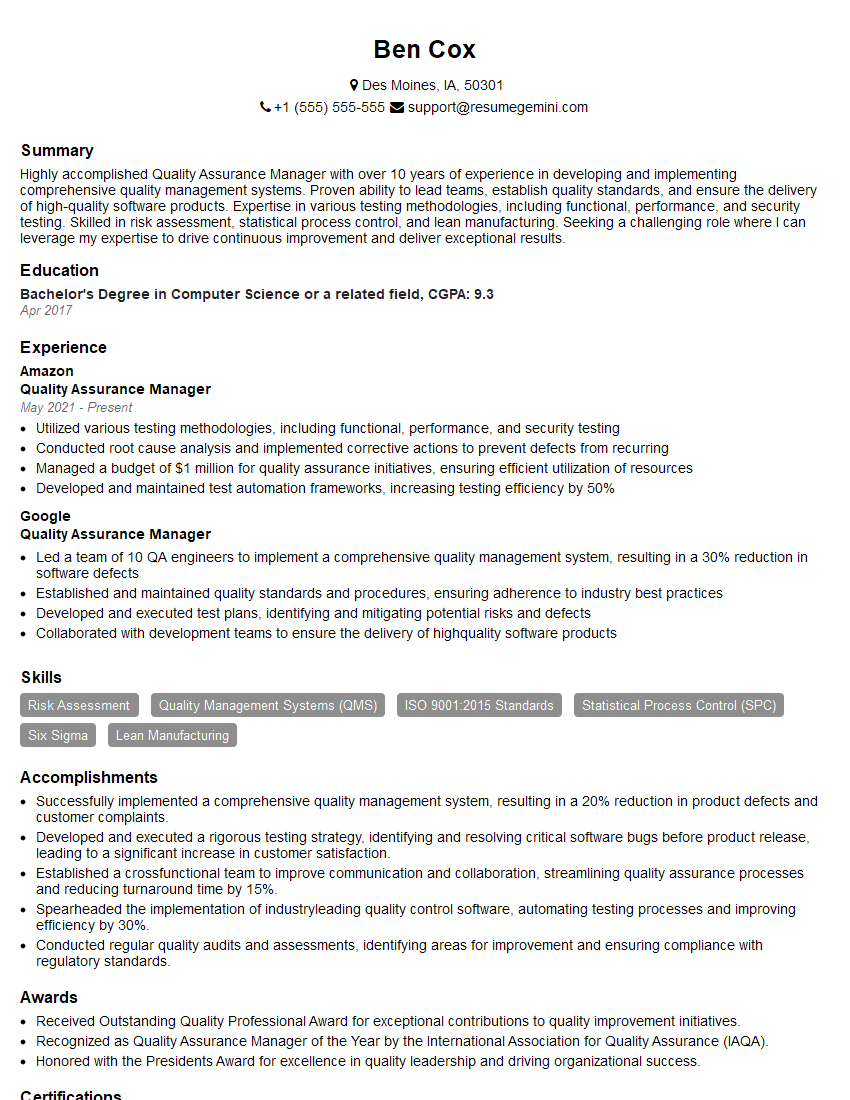
Quality Assurance Manager Resume Sample
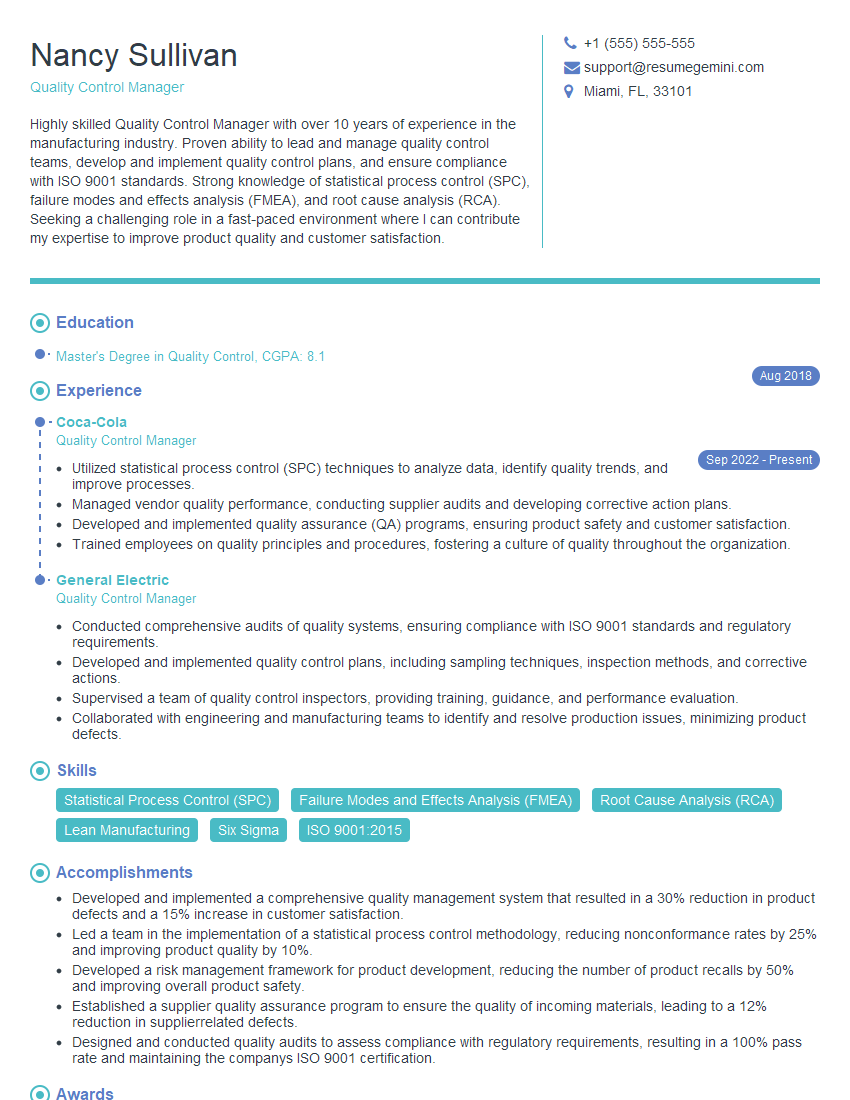
Quality Control Manager Resume Sample
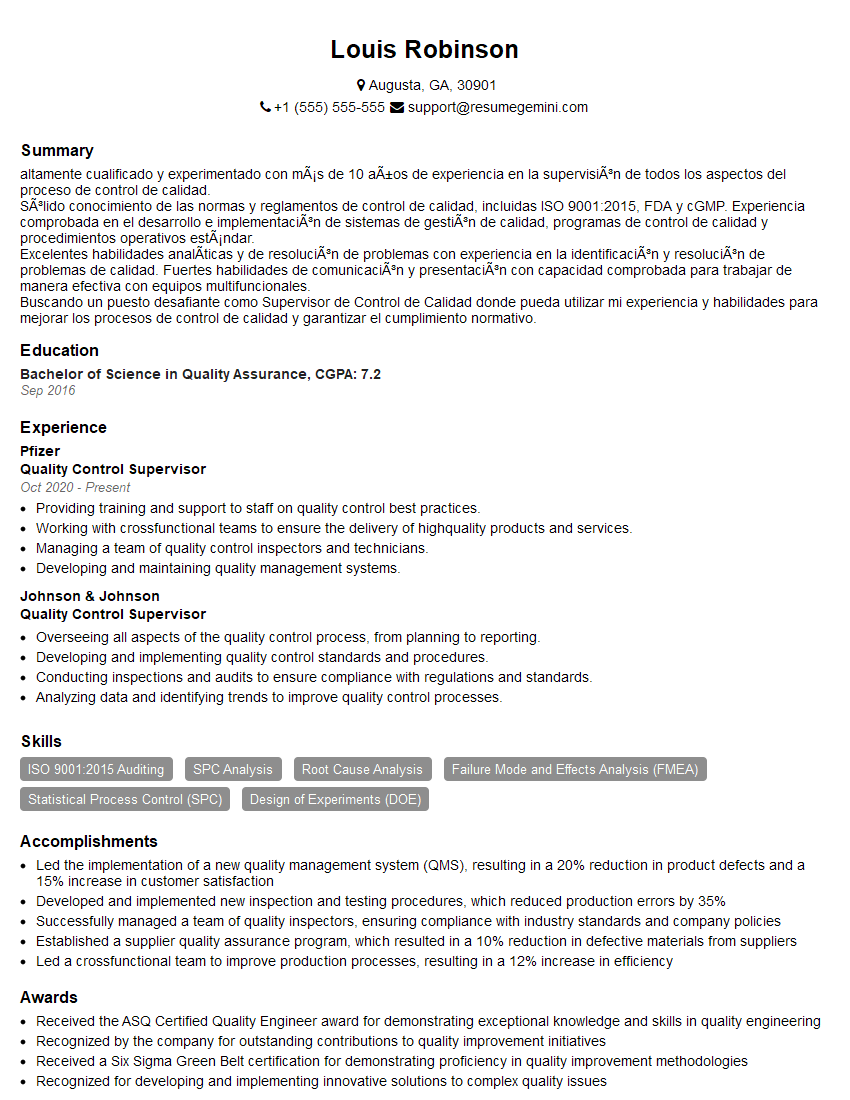
Quality Control Supervisor Resume Sample
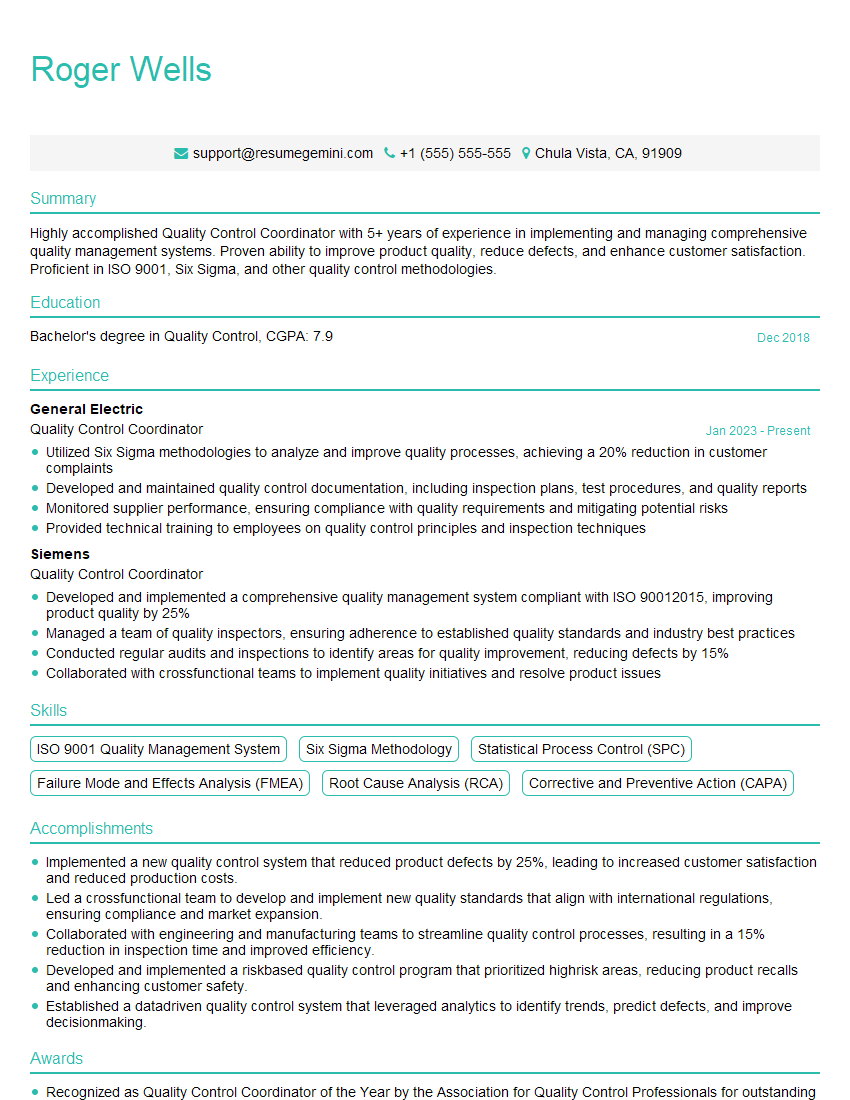
Quality Control Coordinator Resume Sample
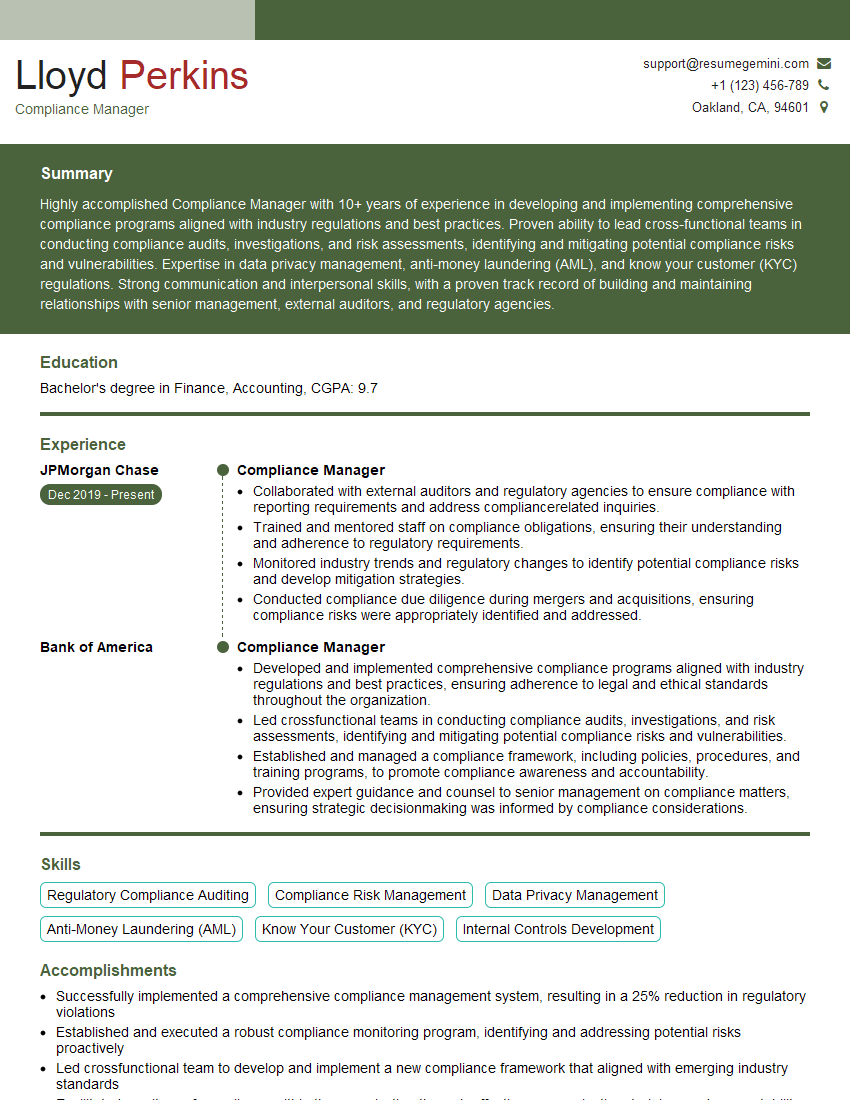
Compliance Manager Resume Sample
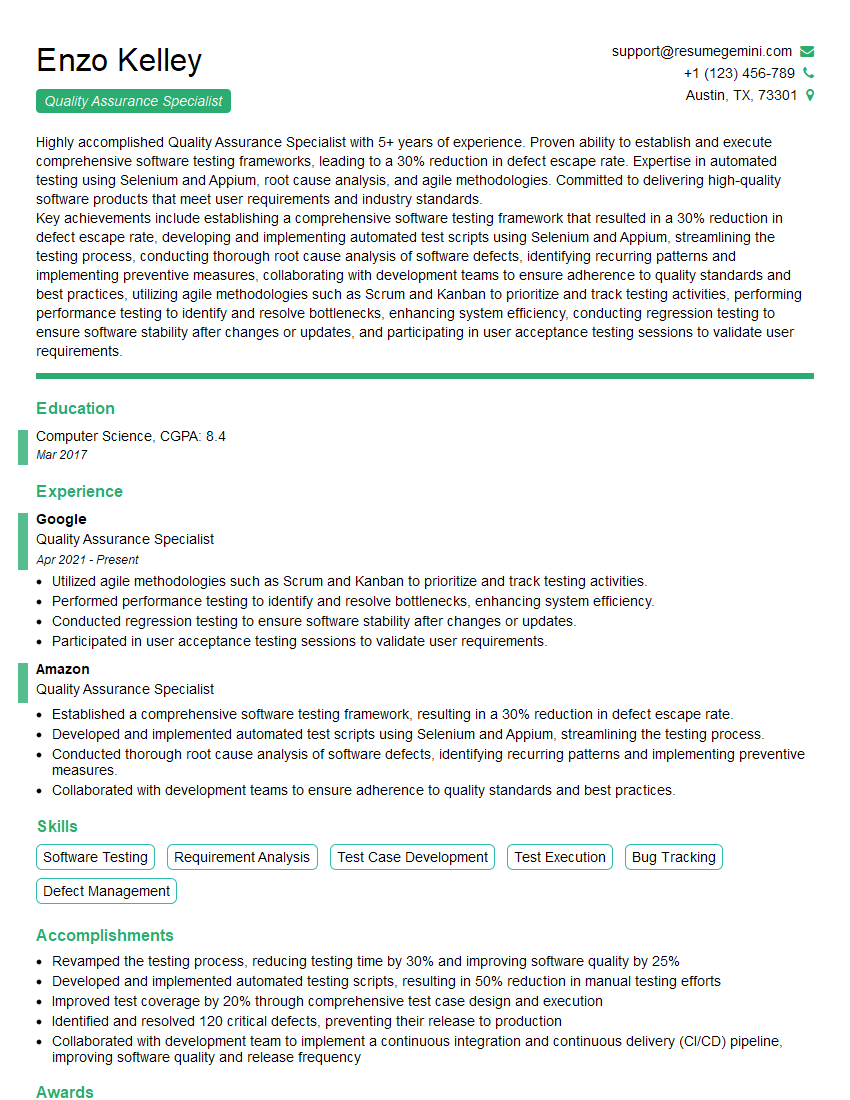
Quality Assurance Specialist Resume Sample
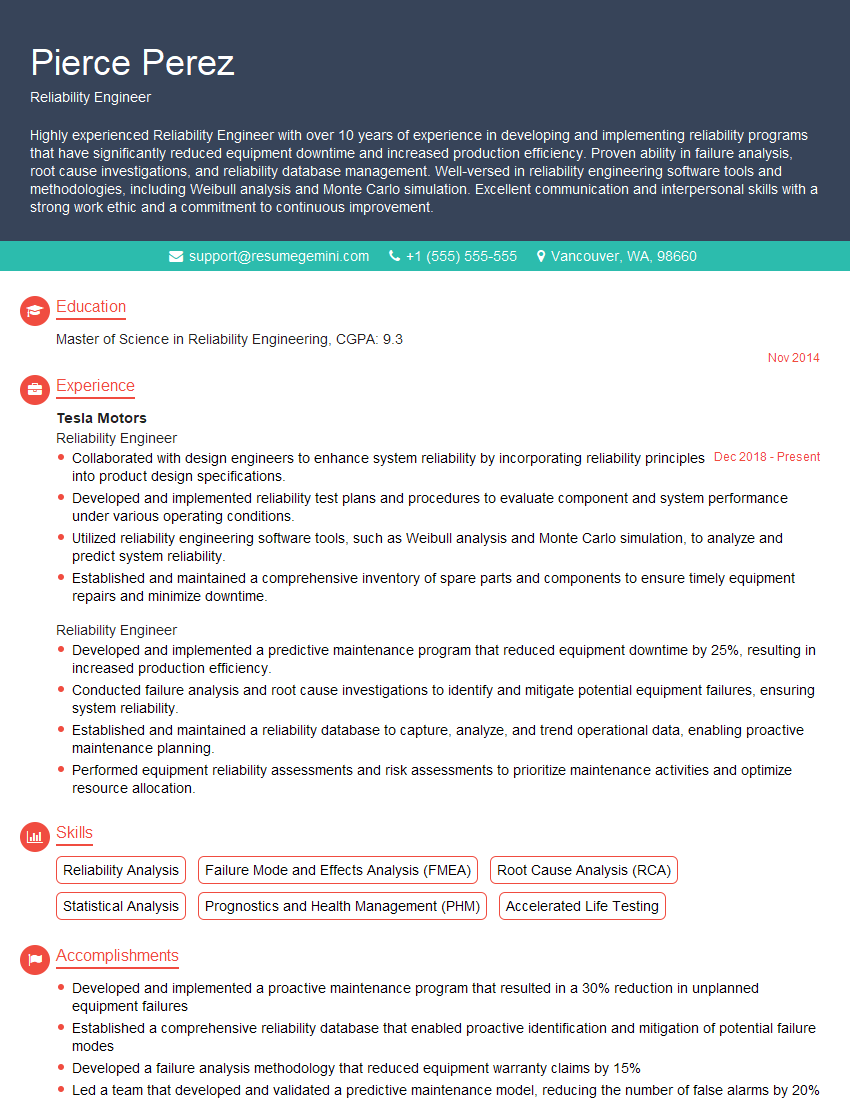
Reliability Engineer Resume Sample
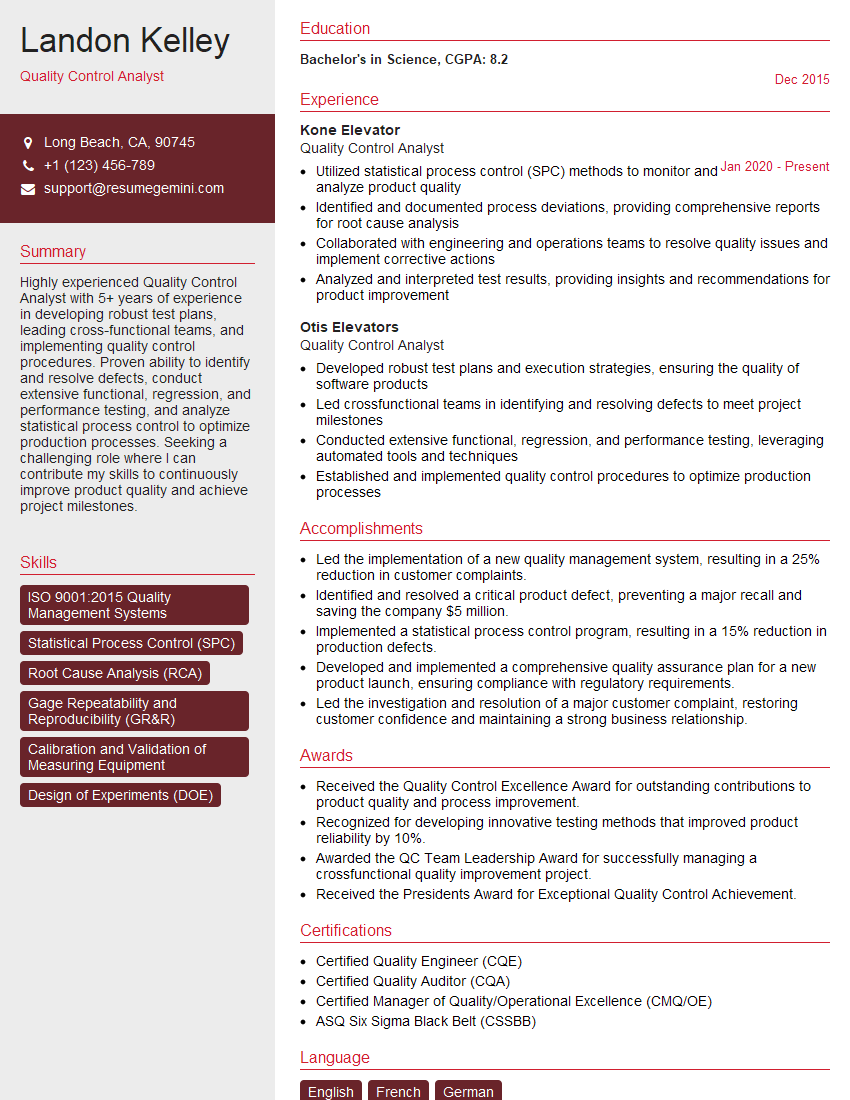
Quality Control Analyst Resume Sample
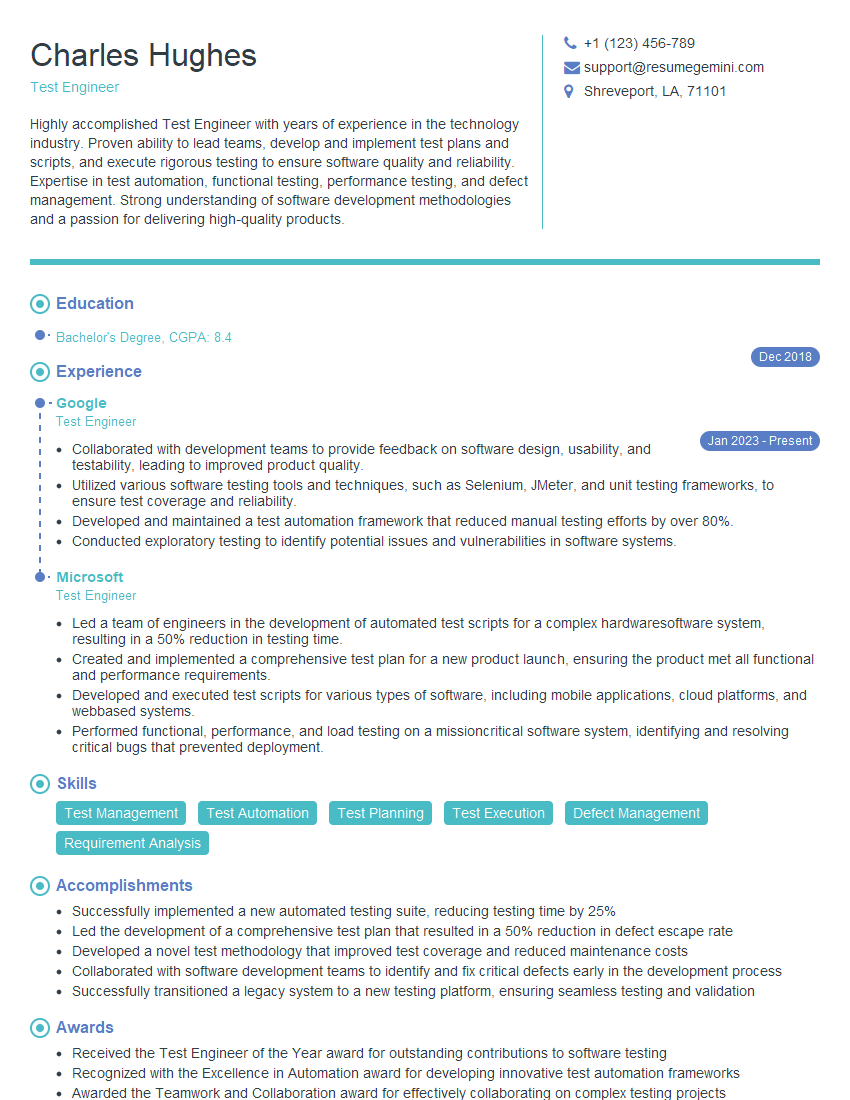
Test Engineer Resume Sample
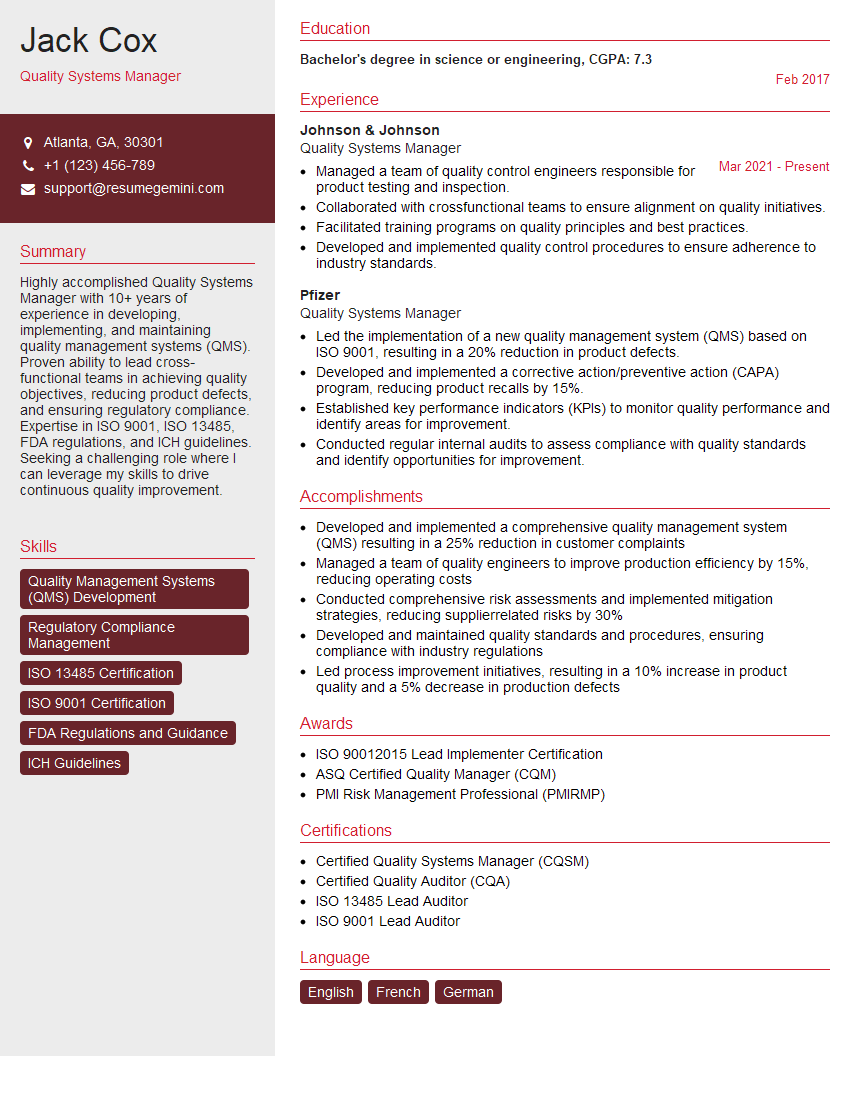
Quality Systems Manager Resume Sample

Quality Assurance Technician Resume Sample
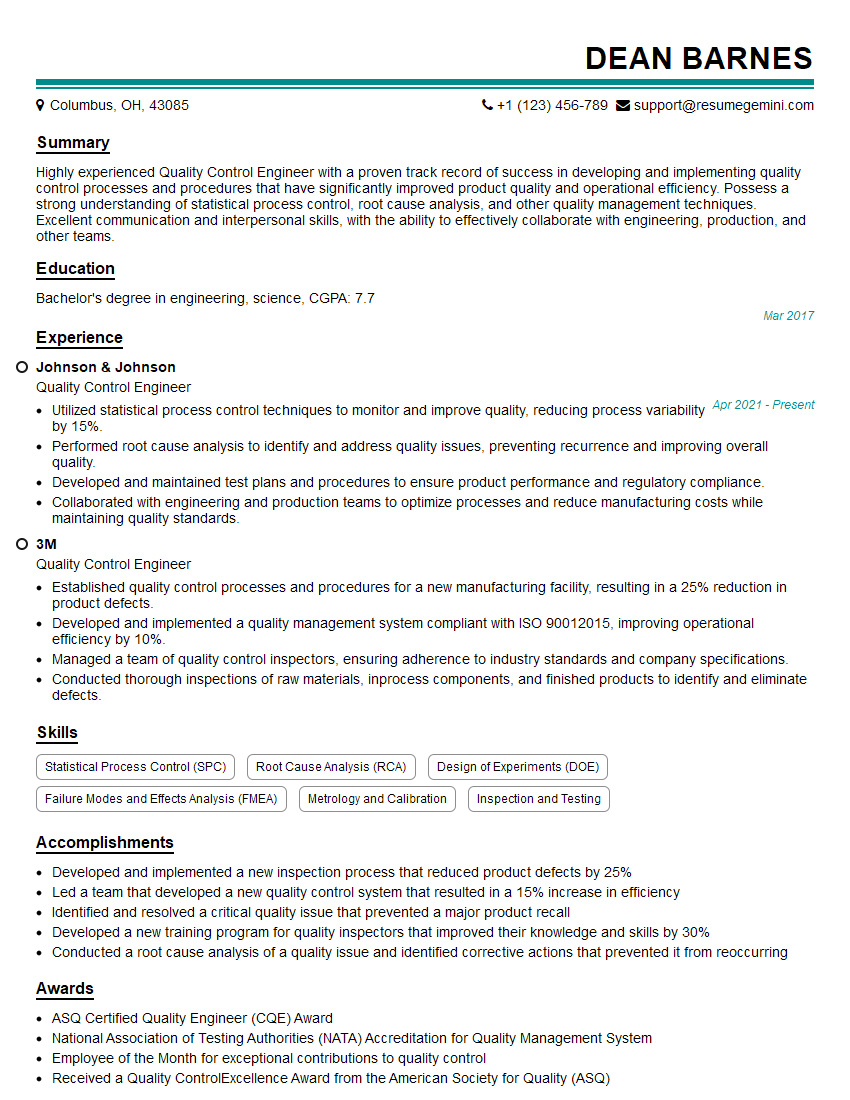
Quality Control Engineer Resume Sample
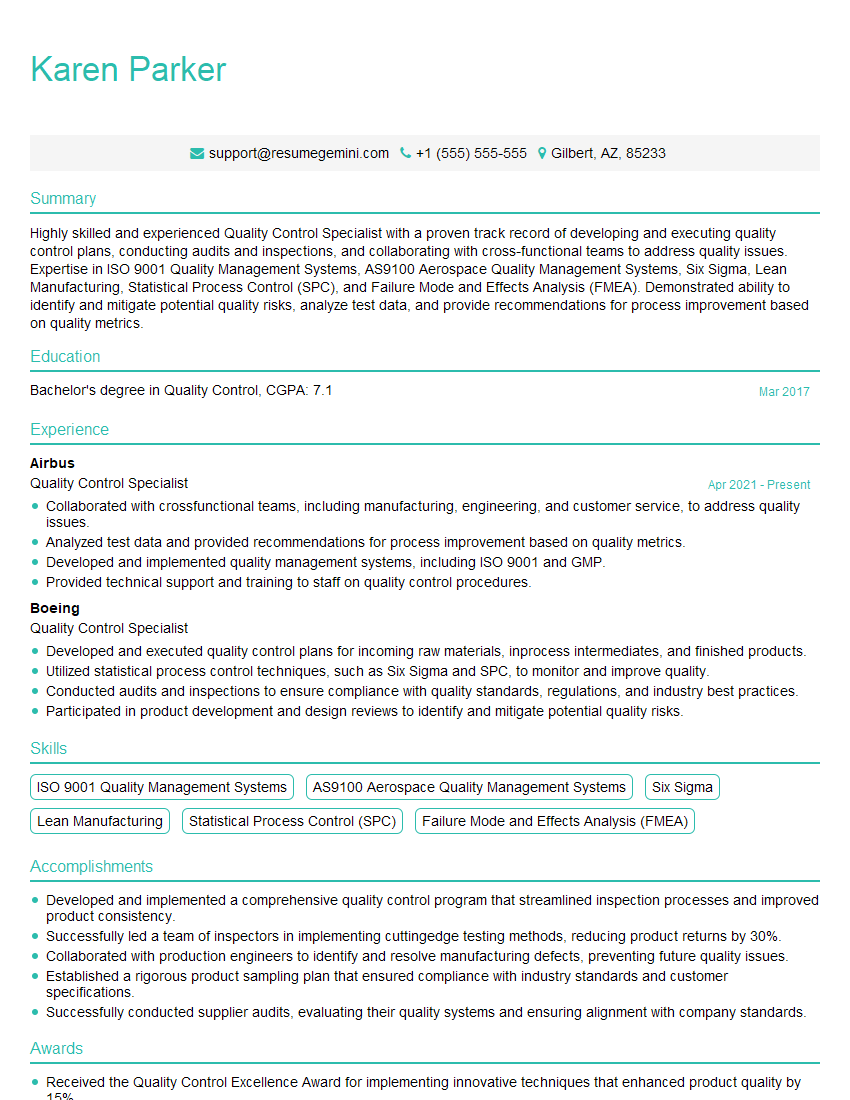
Quality Control Specialist Resume Sample
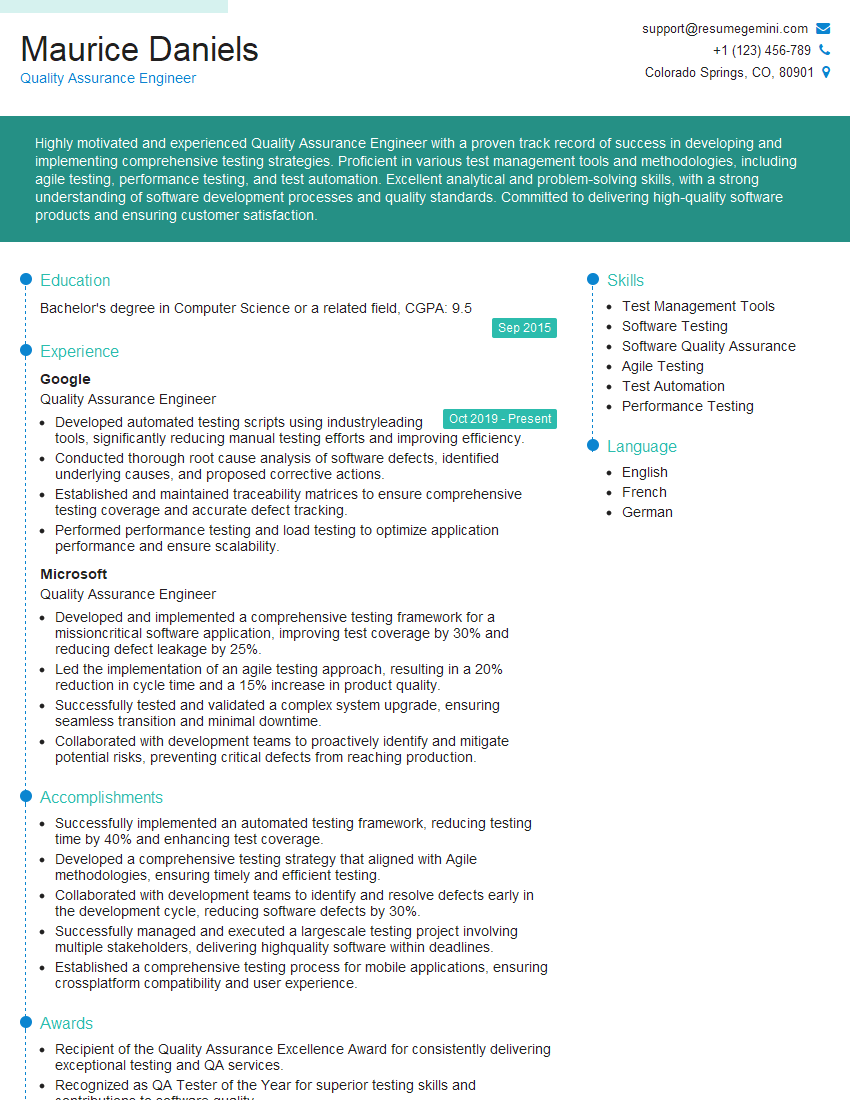
Quality Assurance Engineer Resume Sample
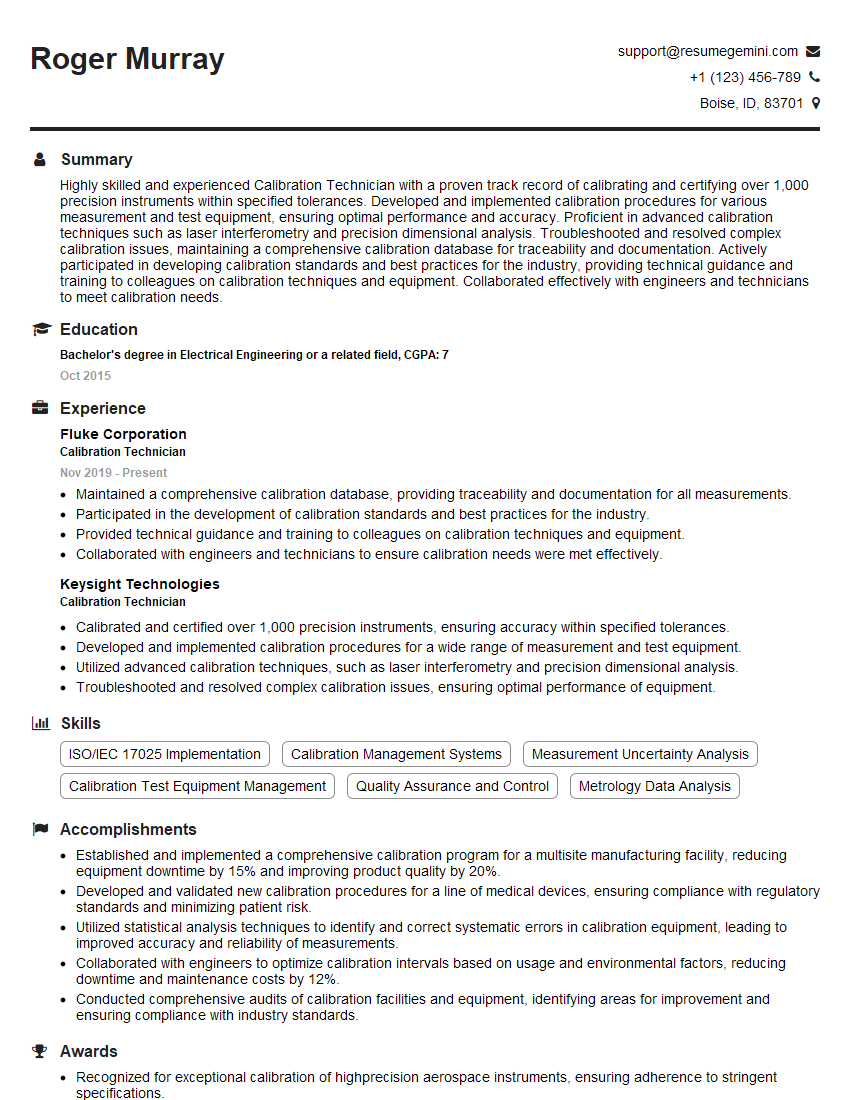
Calibration Technician Resume Sample
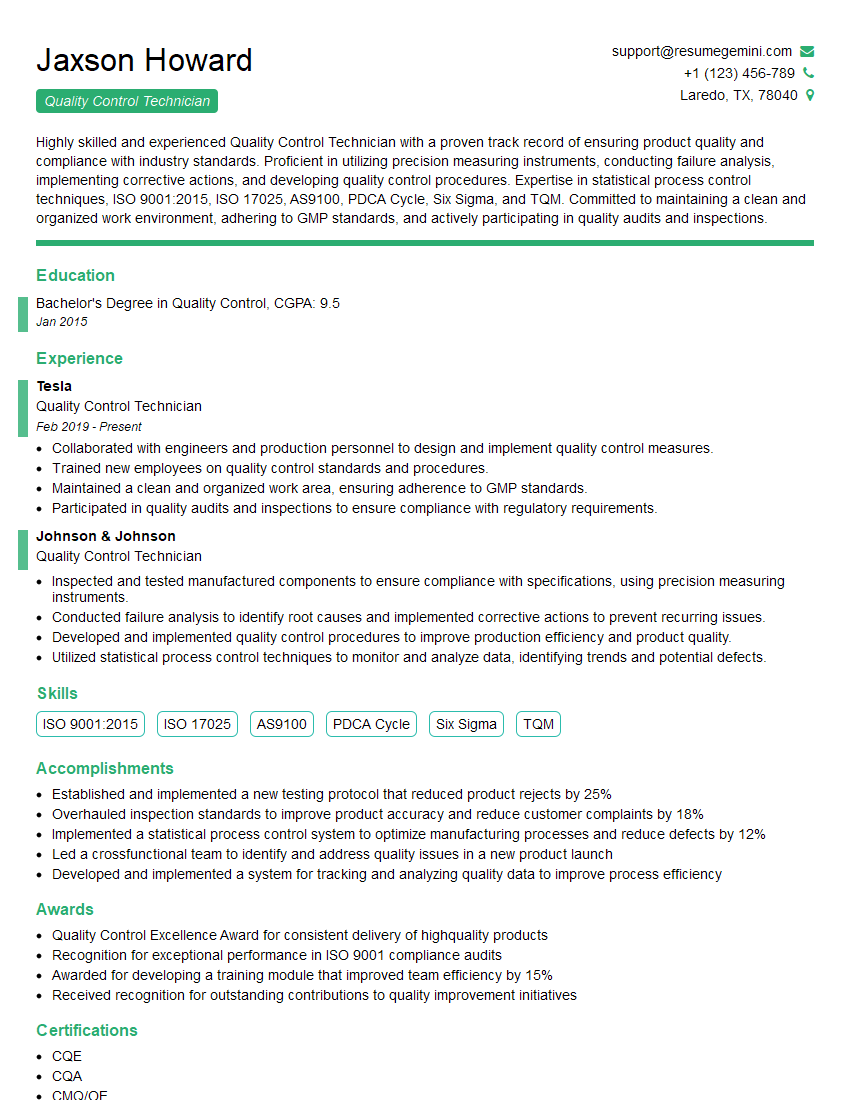
Quality Control Technician Resume Sample
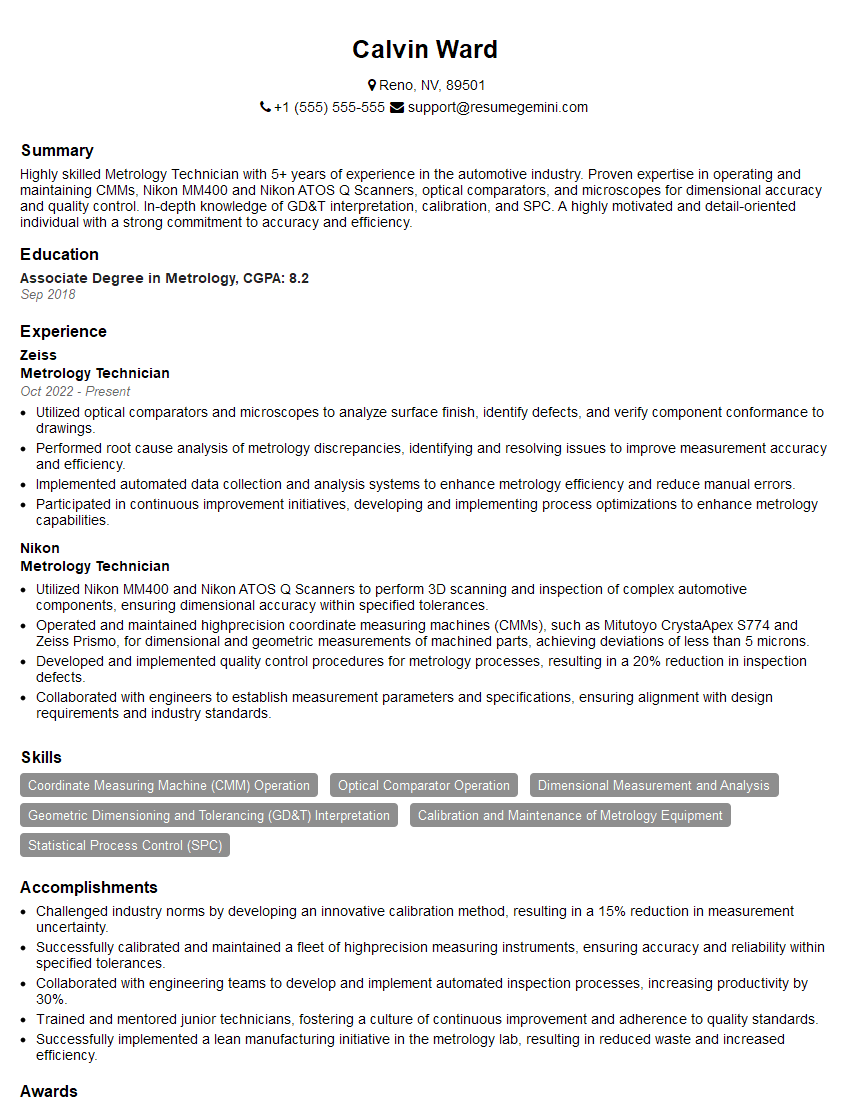
Metrology Technician Resume Sample
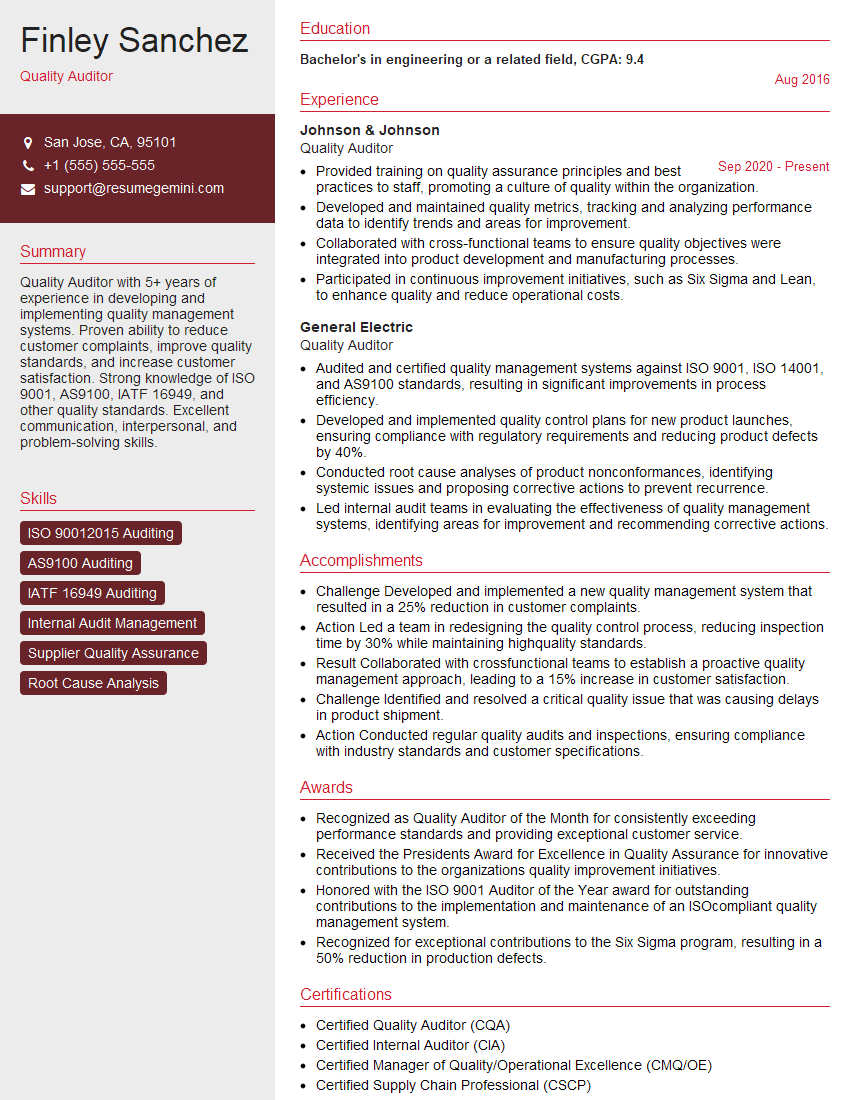
Quality Auditor Resume Sample
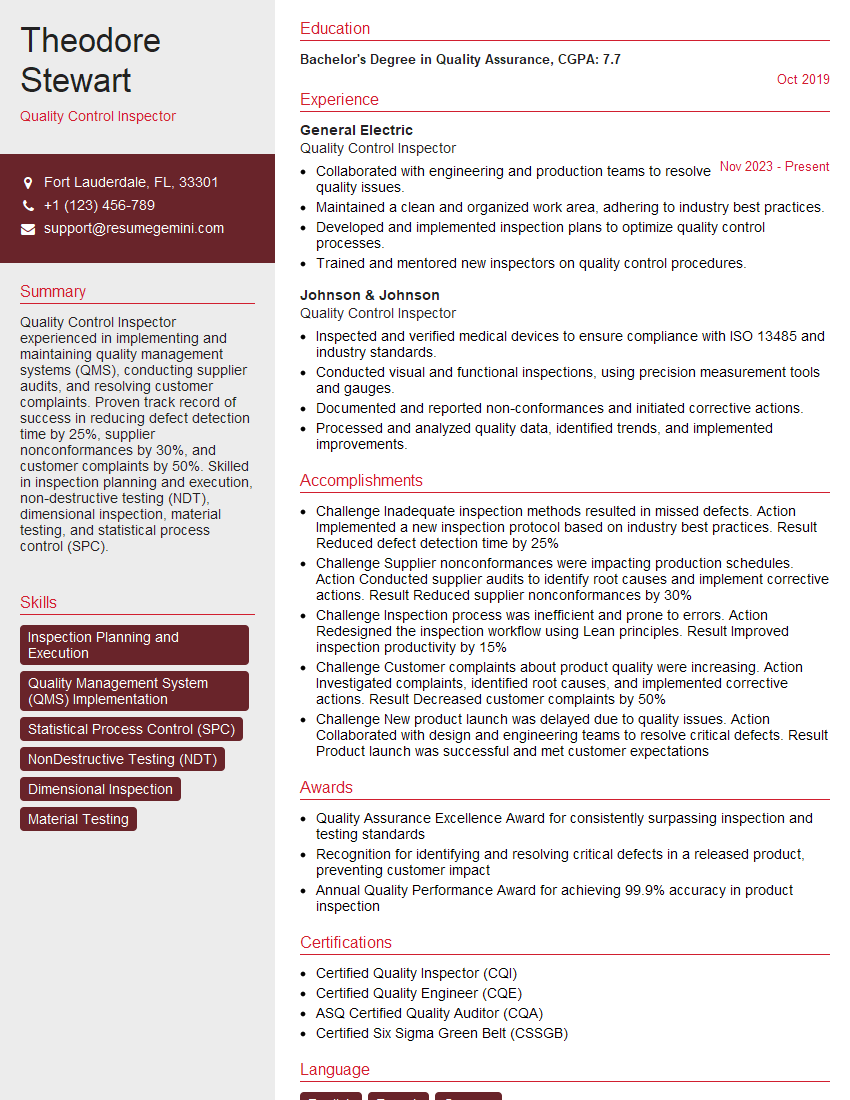
Quality Control Inspector Resume Sample
- Quality Assurance Manager
- Quality Control Manager
- Quality Control Supervisor
- Quality Control Coordinator
- Compliance Manager
- Quality Assurance Specialist
- Reliability Engineer
- Quality Control Analyst
- Test Engineer
- Quality Systems Manager
- Quality Assurance Technician
- Quality Control Engineer
- Quality Control Specialist
- Quality Assurance Engineer
- Calibration Technician
- Quality Control Technician
- Metrology Technician
- Quality Auditor
- Quality Control Inspector
Explore more articles
Users Rating of Our Blogs
Share Your Experience
We value your feedback! Please rate our content and share your thoughts (optional).
What Readers Say About Our Blog
Very informative content, great job.
good