Every successful interview starts with knowing what to expect. In this blog, we’ll take you through the top Raising interview questions, breaking them down with expert tips to help you deliver impactful answers. Step into your next interview fully prepared and ready to succeed.
Questions Asked in Raising Interview
Q 1. Describe your experience with grant writing and securing funding from foundations.
Grant writing is a crucial skill for securing funding, requiring a deep understanding of foundation priorities and the ability to articulate a compelling narrative. My experience encompasses researching potential funders, crafting persuasive proposals that highlight project impact and align with their mission, and effectively managing the submission and follow-up process. For example, I successfully secured a $50,000 grant from the XYZ Foundation for a youth mentorship program by meticulously tailoring the proposal to their focus on underserved communities and providing robust evaluation metrics. Another successful grant, from the ABC Community Fund, involved a thorough understanding of their grant cycle deadlines and reporting requirements, leading to a $25,000 award for a community garden initiative. These experiences honed my skills in budget development, narrative crafting, and building strong relationships with foundation program officers.
Q 2. What strategies do you employ to cultivate relationships with major donors?
Cultivating relationships with major donors is a long-term strategy built on trust and mutual respect. It’s not just about asking for money; it’s about building authentic connections. I employ several key strategies: Firstly, I prioritize personalized communication, understanding their philanthropic interests and tailoring my engagement to resonate with their values. This might involve inviting them to site visits, showcasing program impact directly, or engaging them in meaningful conversations about our mission. Secondly, I regularly provide updates on our progress, celebrating successes and acknowledging challenges transparently. Transparency fosters trust. Thirdly, I cultivate relationships through cultivation events like dinners, receptions, or personalized thank-you notes, expressing genuine appreciation for their support. For example, I organized a private event for our top donors, giving them exclusive access to our new facility and introducing them to program beneficiaries, which strengthened their connection to our cause and resulted in increased giving.
Q 3. Explain your process for developing a comprehensive fundraising plan.
Developing a comprehensive fundraising plan involves a systematic approach. It starts with clearly defining our fundraising goals – both short-term and long-term – and establishing realistic targets. Next, I identify potential funding sources, including foundations, corporations, individual donors, and government grants. I then analyze the strengths and weaknesses of each funding source and develop tailored strategies for engaging each group. This might involve direct mail campaigns, online crowdfunding, special events, or personal solicitations. The plan also includes a detailed budget, timelines, and key performance indicators (KPIs) to track progress. Finally, I ensure that the plan is regularly reviewed and adjusted based on our progress and changing circumstances. A well-structured plan allows for proactive management and adaptation throughout the fundraising process. Think of it as a roadmap, keeping us on track to reach our goals.
Q 4. How do you track and manage fundraising progress against targets?
I use a combination of tools and strategies to track and manage fundraising progress. A dedicated database is essential for storing donor information, tracking contributions, and managing communication. This database allows me to generate reports on key metrics such as total donations, donor acquisition, and retention rates. I also utilize spreadsheets or project management software to monitor progress against targets, identify areas needing improvement, and make data-driven decisions. Regular progress reports, both internally and to the board of directors, are crucial for maintaining transparency and accountability. For example, a weekly dashboard visually displays our progress toward our fundraising goals, allowing for timely interventions if we fall behind schedule. This proactive approach ensures we stay on track and achieve our targets.
Q 5. What metrics do you use to evaluate the success of a fundraising campaign?
Evaluating the success of a fundraising campaign requires a multifaceted approach that goes beyond simply looking at the total amount raised. Key metrics include: Total funds raised (obviously crucial!), donor acquisition cost (measuring the efficiency of our outreach efforts), donor retention rate (indicating the loyalty of our donors), average gift size (showing the effectiveness of our cultivation strategies), and return on investment (ROI) (comparing fundraising costs to funds raised). Qualitative data, such as donor feedback and anecdotal evidence, also provides valuable insight. For instance, a successful campaign might be measured not only by the amount raised but also by the number of new donors acquired, the increase in average gift size, and the positive feedback received from donors. Analyzing these metrics comprehensively allows for a thorough assessment of campaign performance and identifying areas for improvement in future campaigns.
Q 6. Describe your experience with different fundraising methods (e.g., direct mail, online giving).
My experience spans various fundraising methods, each with its own strengths and weaknesses. Direct mail remains effective for reaching a broad audience, particularly older donors, but requires careful targeting and compelling messaging. Online giving provides efficiency and reach, particularly among younger demographics, and allows for real-time tracking. We use platforms like Donorbox or GiveLively to manage online donations. Special events, like galas or auctions, can generate significant funds and build community engagement, but require substantial planning and execution. Peer-to-peer fundraising leverages the networks of existing supporters to amplify our reach. I’ve successfully used a combination of these methods; for example, a recent campaign integrated a direct mail piece with an online donation component, increasing response rates. The key is tailoring the method to the target audience and effectively integrating them into a comprehensive strategy.
Q 7. How do you identify and prioritize potential funding sources?
Identifying and prioritizing potential funding sources requires diligent research and strategic planning. I start by defining the project needs and the amount of funding required. Then, I research potential funders whose missions align with our organization’s goals. This research may involve online searches, reviewing foundation directories, and networking with colleagues. I evaluate each potential funder based on factors such as their funding history, grant guidelines, past giving patterns, and their area of focus. Prioritization involves analyzing factors like the likelihood of securing funding, the grant size, and the alignment between the funder’s mission and the project’s objectives. A matrix that scores each potential funder based on these criteria helps make informed decisions and focus efforts on the most promising leads. This systematic approach maximizes our chances of success and ensures our resources are allocated efficiently.
Q 8. How do you handle difficult conversations with donors?
Difficult conversations with donors require empathy, transparency, and strong communication skills. The key is to approach the conversation with respect and a focus on understanding their concerns. I begin by actively listening to their perspective, acknowledging their feelings, and validating their points.
For example, if a donor is upset about a change in program direction, I would explain the rationale behind the change, highlighting how it aligns with the overall mission and will ultimately lead to greater impact. I might also offer alternative ways for them to engage with the organization that better suit their interests. If the issue involves a financial matter, I will carefully review the records and provide clear and concise information. If necessary, I will offer solutions or compromises to address their concerns. The goal is always to maintain a positive relationship, even if we can’t fully meet their expectations.
It’s crucial to remember that every donor interaction is an opportunity to strengthen the relationship. Even difficult conversations can lead to deeper understanding and increased commitment if handled effectively.
Q 9. What is your experience with donor databases and CRM software?
I have extensive experience with donor databases and CRM (Customer Relationship Management) software. I’m proficient in using systems like Raiser’s Edge, DonorPerfect, and Salesforce Nonprofit Cloud. My skills encompass data entry, data cleaning, reporting, and segmentation. I understand the importance of accurate data for effective fundraising. For example, I’ve used segmentation in Raiser’s Edge to identify high-potential donors based on their past giving history, engagement levels, and demographic information, allowing for targeted solicitations. This drastically improves the efficiency and effectiveness of our fundraising efforts. I also understand the importance of data security and compliance with regulations like GDPR.
Beyond data management, I use the CRM to track interactions with donors, recording all communication, gifts, and volunteer activities. This comprehensive record enables us to personalize our communication and cultivate meaningful relationships with donors over time. I also leverage the reporting capabilities to track key metrics such as donor acquisition cost, retention rate, and overall fundraising revenue, which provides valuable insights for strategic decision-making.
Q 10. How do you build and maintain a strong donor pipeline?
Building and maintaining a strong donor pipeline is crucial for sustainable fundraising. This involves a multi-faceted approach encompassing various strategies.
- Cultivation: I focus on building relationships with prospective donors through events, personalized communication, and providing regular updates on our work. This involves identifying individuals who align with our mission and values.
- Solicitation: I strategically approach prospective donors with tailored requests for support, making sure the ask aligns with their interests and capacity.
- Stewardship: Once a donor makes a contribution, I diligently follow up with timely thank you notes, updates on the impact of their gift, and ongoing communication. This is critical for retaining donors and encouraging repeat giving.
- Major Gift Cultivation: Identifying and cultivating relationships with high-potential donors requires a personalized approach and careful planning. This might include face-to-face meetings, site visits, and highly tailored communications.
I leverage my CRM to track all interactions and maintain a clear overview of the pipeline’s progress. I regularly review the pipeline, identifying bottlenecks and adjusting strategies as needed. Imagine a pipeline like a river – we need to continuously nourish the streams (cultivation) to ensure a strong and consistent flow (donations) to the sea (impact).
Q 11. How do you measure and demonstrate the impact of fundraising efforts?
Measuring and demonstrating the impact of fundraising efforts is crucial for accountability and securing future funding. I use a combination of qualitative and quantitative methods.
- Quantitative Data: Tracking key metrics such as the number of donors, total dollars raised, donor retention rate, and acquisition cost provides a clear picture of fundraising performance. I use these metrics to track progress towards goals and identify areas for improvement.
- Qualitative Data: Collecting testimonials from beneficiaries, case studies showcasing program impact, and photos or videos illustrating the difference our work is making helps to tell a compelling story about the impact of the funding. These narratives are powerful tools for donor engagement and securing future contributions.
- Impact Reporting: I prepare comprehensive reports that integrate both quantitative and qualitative data, demonstrating the return on investment for donor contributions. This might include creating visually appealing reports using graphs and charts to present data effectively.
For example, I might report that a specific fundraising campaign raised $X, resulting in Y number of beneficiaries receiving program Z, illustrated by the powerful story of a beneficiary’s successful outcome.
Q 12. Describe a time you had to overcome a challenge in securing a grant or donation.
Securing a grant for a new youth mentorship program proved challenging because the funder initially expressed concern about the program’s sustainability beyond the grant period. To overcome this, I developed a comprehensive sustainability plan that included strategies for diversifying funding sources, building community partnerships, and incorporating fundraising into the program’s activities. I also demonstrated the program’s potential for significant impact by providing strong data about the need for mentorship and showcasing our successful experience with similar initiatives.
I presented this plan in a clear and concise proposal, emphasizing the long-term vision for the program and its potential for self-sufficiency. The detailed plan addressed the funder’s concerns directly, providing reassurance about the program’s viability. This strategic approach ultimately secured the funding, demonstrating the importance of addressing potential concerns proactively and presenting a compelling case for long-term sustainability.
Q 13. How do you manage donor expectations?
Managing donor expectations involves open communication, transparency, and realistic goal-setting. I ensure that donors have a clear understanding of how their contributions will be used. This involves providing regular updates, transparent financial reporting, and opportunities for feedback. If a project experiences delays or unforeseen challenges, I immediately communicate this to the relevant donors, explaining the situation and providing alternative solutions if applicable. For example, if a capital campaign timeline shifts, I proactively update donors explaining the reason for the delay and outlining the revised timeline and any impacts on project delivery.
By establishing realistic expectations upfront and maintaining open and honest communication, I build trust and confidence with donors. It’s better to under-promise and over-deliver than to create unrealistic expectations that can lead to disappointment and damage the donor relationship. Open communication fosters a sense of partnership and ensures donor trust is maintained even during periods of change.
Q 14. How do you stay current with trends and best practices in fundraising?
Staying current with trends and best practices in fundraising is essential. I do this through several avenues:
- Professional Development: I regularly attend conferences, workshops, and webinars focused on fundraising and nonprofit management. This keeps me up-to-date on innovative techniques and emerging technologies.
- Industry Publications and Research: I subscribe to relevant journals, read industry blogs, and follow thought leaders on social media to stay informed about current trends and best practices.
- Networking: I actively engage with colleagues and peers in the fundraising community, exchanging ideas and learning from their experiences.
- Mentorship: Participating in mentorship programs provides an opportunity to learn from experienced fundraisers and gain valuable insights from diverse perspectives.
Continuous learning is crucial in this ever-evolving field, ensuring that I remain adaptable and effective in my fundraising strategies. This commitment to professional development guarantees my ability to utilize the most effective and ethical methods to achieve our fundraising goals.
Q 15. How would you approach building a case for support for a new program?
Building a compelling case for a new program requires a strategic approach that demonstrates clear need, impact, and sustainability. Think of it like building a strong business case, but with a focus on the social good. It involves three key phases:
- Needs Assessment & Problem Definition: This stage involves thorough research to identify the problem your program aims to solve. This could involve analyzing existing data, conducting surveys, interviewing stakeholders, and reviewing relevant literature. For example, if proposing a program to combat youth homelessness, you would need data on the number of homeless youth, the reasons for their homelessness, and the existing support services. This forms the foundation of your argument.
- Program Design & Solution: Here you detail your program’s design, outlining its objectives, activities, and expected outcomes. You should clearly articulate how your program uniquely addresses the identified problem. Using the homelessness example, you’d detail the specific services (housing, job training, counseling) offered, the target population, and the methods used to deliver the services. It is vital to demonstrate feasibility and practicality.
- Impact & Sustainability: This is where you demonstrate the potential impact of your program and how it will be sustained over time. You will need to project outcomes (e.g., number of youth housed, job placements achieved) and show how the program will be funded in the long term (e.g., through grants, partnerships, or community support). A strong sustainability plan enhances the likelihood of securing funding.
Finally, presenting this case clearly and concisely in a well-structured proposal is crucial. Using visuals, data, and compelling narratives helps engage potential funders and demonstrate the program’s value.
Career Expert Tips:
- Ace those interviews! Prepare effectively by reviewing the Top 50 Most Common Interview Questions on ResumeGemini.
- Navigate your job search with confidence! Explore a wide range of Career Tips on ResumeGemini. Learn about common challenges and recommendations to overcome them.
- Craft the perfect resume! Master the Art of Resume Writing with ResumeGemini’s guide. Showcase your unique qualifications and achievements effectively.
- Don’t miss out on holiday savings! Build your dream resume with ResumeGemini’s ATS optimized templates.
Q 16. What is your experience with proposal writing and budgeting?
I have extensive experience in proposal writing and budgeting, having successfully secured millions of dollars in funding for various non-profit initiatives over the past decade. My process typically involves:
- Needs Assessment: A thorough understanding of the funder’s priorities and the program’s requirements guides the budget creation.
- Budget Development: I develop detailed and realistic budgets, justifying each line item and demonstrating cost-effectiveness. This involves careful cost analysis and resource allocation.
- Narrative Alignment: The budget is intrinsically linked to the narrative of the proposal. Every expense must support and reflect the program’s objectives.
- Proposal Writing: My proposals clearly articulate the program’s goals, methodology, and anticipated impact. They are tailored to the specific funder, highlighting alignment with their mission and values.
- Compliance & Reporting: I ensure all proposals and subsequent financial reports adhere to the funder’s guidelines and relevant regulations.
For example, in a recent grant proposal for a community garden project, the budget included detailed costs for land acquisition, materials, labor, educational programs, and ongoing maintenance. The narrative clearly connected these expenses to the project’s goals of improving food access and community engagement.
Q 17. Describe your understanding of different types of philanthropic giving.
Philanthropic giving encompasses a wide spectrum of approaches, each with unique motivations and implications for fundraising strategies. Understanding these variations is vital for effective fundraising. Key types include:
- Major Gifts: These are significant contributions from individuals, foundations, or corporations. Cultivating these relationships requires personalized engagement and a strong understanding of the donor’s philanthropic goals.
- Planned Giving: This involves gifts made through estate planning, such as bequests or charitable trusts. These gifts are often larger and require long-term relationship building.
- Corporate Giving: This can involve sponsorships, grants, or employee matching programs. Successful corporate giving strategies necessitate understanding the company’s CSR (Corporate Social Responsibility) initiatives.
- Foundation Grants: These are grants awarded by private or public foundations. Securing these requires well-researched proposals that align with the foundation’s funding priorities.
- Individual Giving: This includes contributions from individuals through various channels, such as online donations, direct mail, or events. Effective strategies involve segmented communication and personalized appeals.
A comprehensive fundraising strategy typically incorporates a mix of these giving types to maximize fundraising potential.
Q 18. How do you ensure compliance with relevant regulations and ethical guidelines?
Compliance and ethical fundraising are paramount. My approach involves:
- Thorough Due Diligence: I ensure all fundraising activities adhere to all applicable laws and regulations, including tax laws, charity regulations, and data protection laws.
- Transparency & Accountability: I maintain accurate financial records and provide transparent reporting to donors and governing bodies. This includes clear communication about the use of funds.
- Conflict of Interest Management: I proactively identify and manage potential conflicts of interest to maintain the integrity of fundraising operations.
- Data Privacy & Security: I adhere to strict data privacy protocols, ensuring the security and confidentiality of donor information, complying with regulations like GDPR and CCPA.
- Ethical Solicitation: I emphasize ethical and respectful donor interaction, avoiding high-pressure tactics or misleading representations.
Regular training and updates on relevant legislation and best practices are crucial in maintaining compliance and ethical standards.
Q 19. How do you utilize data and analytics to inform fundraising strategy?
Data and analytics are invaluable tools for shaping effective fundraising strategies. I utilize data to:
- Identify Target Audiences: Analyzing donor demographics, giving history, and engagement patterns helps segment audiences and tailor communication accordingly.
- Measure Campaign Performance: Tracking key metrics such as conversion rates, donation amounts, and cost per acquisition provides insights into what works and what doesn’t. This allows for data-driven optimization of campaigns.
- Predict Future Giving: Using predictive modeling techniques, we can forecast future giving and identify high-potential donors, allowing us to proactively engage them.
- Enhance Donor Relationships: Data analysis can reveal patterns in donor behavior, helping to personalize communication and strengthen relationships.
- Resource Allocation: Data can inform decisions on how to best allocate resources to maximize fundraising impact.
For instance, by analyzing past donation data, we can identify donors who are most likely to respond positively to specific appeals, allowing for more efficient and targeted fundraising efforts.
Q 20. How do you personalize communications with donors?
Personalizing communications with donors is crucial for building strong relationships and fostering loyalty. My approach combines data-driven insights with a human touch:
- Segmentation & Targeting: I segment donor databases based on demographics, giving history, and engagement levels to tailor communication accordingly. This ensures that the message resonates with each audience.
- Personalized Messaging: I incorporate donor names, past interactions, and specific interests into communication materials. This creates a sense of connection and demonstrates that each donor is valued.
- Storytelling: I use compelling narratives to connect the donor’s values with the organization’s mission. This creates an emotional connection and strengthens their commitment to the cause.
- Mulit-Channel Approach: I use a combination of communication channels, such as email, direct mail, and social media, to reach donors in the most effective ways.
- Regular Updates: I keep donors informed about the impact of their contributions through regular updates and reports. This transparency builds trust and strengthens the relationship.
For example, instead of a generic email, we might send a personalized message to a donor thanking them for their past support and sharing a specific story about how their contribution made a difference.
Q 21. Describe your experience with creating compelling fundraising materials.
Creating compelling fundraising materials requires a blend of creativity, strategic thinking, and a deep understanding of the target audience. My approach focuses on:
- Clear & Concise Messaging: I craft messages that are easy to understand, emotionally resonant, and clearly articulate the impact of the organization’s work.
- Compelling Visuals: I use high-quality images, videos, and graphics to enhance engagement and tell compelling stories.
- Storytelling: I utilize impactful storytelling to connect with the audience on an emotional level and demonstrate the organization’s impact.
- Call to Action: I include a clear and compelling call to action that encourages donors to take the next step (e.g., make a donation, volunteer, sign a petition).
- Multi-Channel Approach: I develop materials for various channels, including print materials, websites, social media, and email campaigns, ensuring consistent messaging across platforms.
For example, a recent campaign I developed used powerful photography of beneficiaries alongside compelling testimonials to illustrate the impact of our organization’s work. This combination of visuals and storytelling proved very effective in generating donations.
Q 22. How do you manage a team of fundraising professionals?
Managing a fundraising team requires a blend of strategic leadership, mentorship, and operational efficiency. It’s not just about assigning tasks; it’s about fostering a collaborative environment where each member feels valued and empowered to achieve shared goals. My approach involves:
- Clear Goal Setting and Communication: We start with a transparently defined fundraising plan, outlining individual and team targets, key performance indicators (KPIs), and timelines. Regular team meetings ensure everyone understands their roles and how their work contributes to the overall strategy.
- Delegation and Empowerment: I delegate tasks based on individual strengths and interests, encouraging ownership and initiative. This builds confidence and allows team members to develop their skills. For example, I might assign a junior team member to research potential corporate sponsors while a senior member manages major donor cultivation.
- Mentorship and Professional Development: I invest in my team’s growth through regular feedback sessions, training opportunities, and mentorship. This creates a culture of continuous learning and improves overall team performance. I might pair a more experienced fundraiser with a newer member to facilitate knowledge transfer and skill development.
- Performance Monitoring and Recognition: Regular progress reviews provide opportunities for constructive feedback and celebrate successes. I believe in recognizing individual and team achievements, reinforcing positive behaviors, and motivating continuous improvement.
- Conflict Resolution and Team Building: I proactively address conflicts through open communication and mediation, fostering a positive and respectful work environment. Team-building activities help foster stronger relationships and collaboration.
Q 23. What is your experience with reporting and communication to stakeholders?
Reporting and communication with stakeholders are paramount in fundraising. Transparency and accuracy build trust and secure ongoing support. My approach is multifaceted:
- Regular Reporting: I provide stakeholders with regular, concise reports, highlighting key achievements, challenges, and future plans. These reports utilize clear visuals like charts and graphs, making the data easily understandable. For instance, a monthly report might show progress toward fundraising goals, a breakdown of donor contributions, and an overview of upcoming fundraising activities.
- Tailored Communication: I adapt my communication style and the level of detail to the audience. A board of directors needs more in-depth financial information than a general donor newsletter. A board report, for instance, might feature detailed financial statements while a donor newsletter would focus on compelling stories of impact.
- Proactive Communication: I proactively communicate significant updates or potential challenges. This avoids surprises and allows stakeholders to contribute to problem-solving. For instance, if we’re facing a shortfall in funding, I’ll notify stakeholders immediately, offering potential strategies to address the shortfall together.
- Storytelling: I integrate compelling storytelling into my reports and communications to connect stakeholders emotionally with our mission and demonstrate the impact of their contributions. For example, including a brief anecdote from a beneficiary can significantly increase engagement.
- Multiple Channels: I utilize a variety of communication channels to reach stakeholders effectively, including email, newsletters, presentations, and social media updates.
Q 24. How do you build and leverage relationships with corporate sponsors?
Building and leveraging relationships with corporate sponsors is crucial for long-term fundraising success. It requires a strategic and relationship-oriented approach:
- Identifying Potential Sponsors: I start by identifying corporate sponsors whose values align with our organization’s mission and whose target audience overlaps with our donor base. This ensures a natural fit and increases the likelihood of securing sponsorship.
- Crafting Compelling Proposals: I develop tailored proposals highlighting the mutual benefits of a partnership, showcasing the return on investment (ROI) for the sponsor, and illustrating how the sponsorship aligns with their corporate social responsibility (CSR) goals. These proposals are visually appealing and include concrete examples of partnership opportunities.
- Building Relationships: I cultivate relationships with key decision-makers at potential sponsors through networking events, informational meetings, and follow-up communications. I build trust by demonstrating genuine interest in their business and goals.
- Offering Customized Partnerships: I propose a variety of sponsorship packages catering to different budget levels and corporate objectives, allowing for flexibility and collaboration. This could include naming rights, event sponsorships, or in-kind donations.
- Ongoing Communication and Engagement: I maintain regular communication with corporate sponsors, providing updates on campaign progress, event outcomes, and media coverage to showcase the impact of their contribution. This helps nurture the relationship and encourages future support.
Q 25. How do you handle rejection from potential funding sources?
Rejection is an inevitable part of fundraising. The key is to view it as a learning opportunity rather than a personal setback. My approach involves:
- Analyzing the Rejection: I carefully review the feedback received, if any, to understand the reasons behind the rejection. Was it a lack of funds, a mismatch in mission, or a flaw in the proposal? This analysis informs future strategies.
- Maintaining Professionalism: I always respond to rejections with grace and professionalism, thanking the potential funder for their time and consideration. This preserves the relationship for future opportunities.
- Refining the Proposal: I revise my proposal based on the feedback received or lessons learned from the rejection. This might involve strengthening the narrative, improving the budget justification, or tailoring it to the specific funder’s priorities.
- Seeking Feedback: I reach out to trusted colleagues or mentors for feedback on my proposals to identify areas for improvement before resubmitting or targeting other funders.
- Diversifying Funding Sources: I don’t rely solely on one or two funding sources. I actively seek a diverse range of funding opportunities to mitigate the impact of potential rejections.
Q 26. Explain your understanding of different fundraising models.
Fundraising models vary widely depending on the organization’s size, mission, and target audience. Understanding these models is vital for designing an effective fundraising strategy. Some key models include:
- Major Gifts: This model focuses on cultivating relationships with high-net-worth individuals capable of making substantial donations. It involves personalized cultivation, stewardship, and engagement.
- Planned Giving: This model involves securing future donations through mechanisms like bequests, trusts, and charitable gift annuities. It requires building long-term relationships with donors who are interested in leaving a legacy.
- Corporate Sponsorships: This model involves partnering with corporations to secure funding in exchange for recognition and promotional opportunities. It requires creating compelling sponsorship proposals and nurturing relationships with corporate decision-makers.
- Crowdfunding: This model leverages online platforms to raise funds from a large number of individuals, often through social media campaigns. It requires a strong online presence and engaging storytelling.
- Grant Writing: This model involves seeking funding from foundations and government agencies through the submission of detailed grant proposals. It requires strong research, writing, and proposal development skills.
- Individual Giving: This model involves cultivating relationships with a broader range of individual donors, including recurring donors and one-time contributors. It requires efficient donor management and effective communication strategies.
Often, a successful fundraising strategy involves a blended approach, combining multiple models to maximize funding opportunities.
Q 27. How do you address donor fatigue?
Donor fatigue is a real challenge. It happens when donors feel overwhelmed by the number of requests they receive, leading to decreased engagement and giving. Addressing this requires a strategic approach:
- Segmentation and Targeting: I segment my donor base based on giving history, engagement level, and interests. This allows me to tailor communication and requests to resonate with specific audiences, avoiding overwhelming them with irrelevant appeals.
- Compelling Storytelling: I focus on telling compelling stories that highlight the impact of donations, showcasing real-life examples of how the funds are used to achieve mission goals. This helps re-engage donors and demonstrate the value of their contributions.
- Transparency and Accountability: I maintain transparency about how funds are used, providing regular updates on progress and impact through reports, newsletters, and other communication channels. This builds trust and demonstrates responsible stewardship.
- Varying Communication Methods: I diversify my communication methods, avoiding repetitive appeals through the same channels. This might involve using emails, newsletters, social media, or personal phone calls. A mix keeps things fresh.
- Personalized Engagement: I personalize communication as much as possible, acknowledging individual contributions and showing appreciation for donor support. A handwritten thank-you note can go a long way.
- Strategic Timing: I avoid overwhelming donors with requests by strategically timing my appeals. Clustering communications, or sending appeals during certain times of the year, helps mitigate fatigue.
Q 28. How do you balance short-term and long-term fundraising goals?
Balancing short-term and long-term fundraising goals requires a strategic approach that integrates both immediate needs and sustainable future growth. I approach this by:
- Developing a Comprehensive Fundraising Plan: This plan outlines both short-term and long-term objectives, including specific, measurable, achievable, relevant, and time-bound (SMART) goals for each. This ensures alignment and helps track progress.
- Prioritizing Urgent Needs: I allocate resources to address immediate needs, such as covering operational costs or addressing urgent program requirements, while simultaneously developing strategies to achieve long-term sustainability.
- Diversifying Funding Streams: I actively pursue diverse funding sources, including both short-term opportunities (like grants and events) and long-term investments (like major gifts and planned giving). This diversification mitigates risk and ensures financial stability.
- Building Strong Donor Relationships: I prioritize building and nurturing strong relationships with donors, recognizing that long-term sustainability relies on cultivating a base of loyal supporters who will provide ongoing support. This is particularly important for major gift donors.
- Regular Review and Adjustment: I regularly review progress towards both short-term and long-term goals, adjusting the strategy as needed based on performance data and changing circumstances. Flexibility is key.
- Capacity Building: I invest in building organizational capacity, strengthening infrastructure, and developing staff expertise to improve fundraising efficiency and sustainability over the long term. Investing in people is investing in the future.
Key Topics to Learn for Raising Interview
- Series A/B/C Funding: Understanding the stages of funding, their implications for a company’s growth, and the different investor profiles involved.
- Valuation Methods: Applying various valuation techniques (e.g., DCF, comparable company analysis) to assess the worth of a company seeking funding.
- Financial Modeling: Building and interpreting financial models to project a company’s future performance and demonstrate the return on investment for potential investors.
- Pitch Decks & Investor Presentations: Crafting compelling presentations that effectively communicate a company’s value proposition and investment opportunity.
- Due Diligence Process: Understanding the steps involved in the due diligence process, including financial audits and legal reviews.
- Negotiation & Deal Structuring: Mastering the art of negotiation to secure favorable terms for both the company and investors.
- Legal & Regulatory Compliance: Familiarizing yourself with relevant regulations and legal considerations related to fundraising.
- Fundraising Strategies: Developing a targeted approach to identify and engage potential investors, managing relationships, and navigating the fundraising process.
- Exit Strategies: Understanding various exit strategies (e.g., IPO, acquisition) and their implications for investors and the company.
- Market Analysis & Competitive Landscape: Assessing market trends, identifying competitive advantages, and demonstrating market potential to investors.
Next Steps
Mastering the intricacies of Raising capital is crucial for a successful career in finance and entrepreneurship. It opens doors to high-impact roles and accelerates your professional growth. To significantly enhance your job prospects, it’s vital to create an ATS-friendly resume that showcases your skills and experience effectively. We strongly recommend using ResumeGemini to build a professional and compelling resume tailored to the specific requirements of Raising roles. Examples of resumes optimized for Raising are provided to guide you. Invest time in crafting a standout resume; it’s your first impression with potential employers.
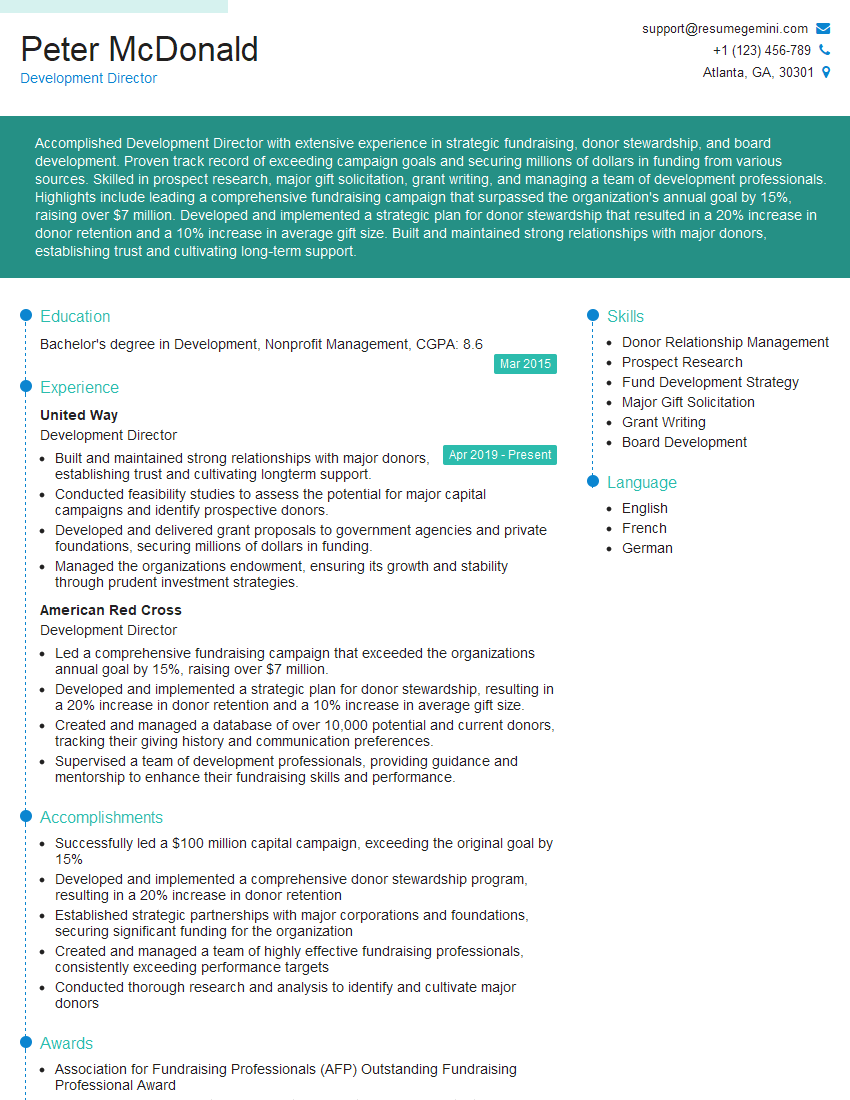
Development Director Resume Sample
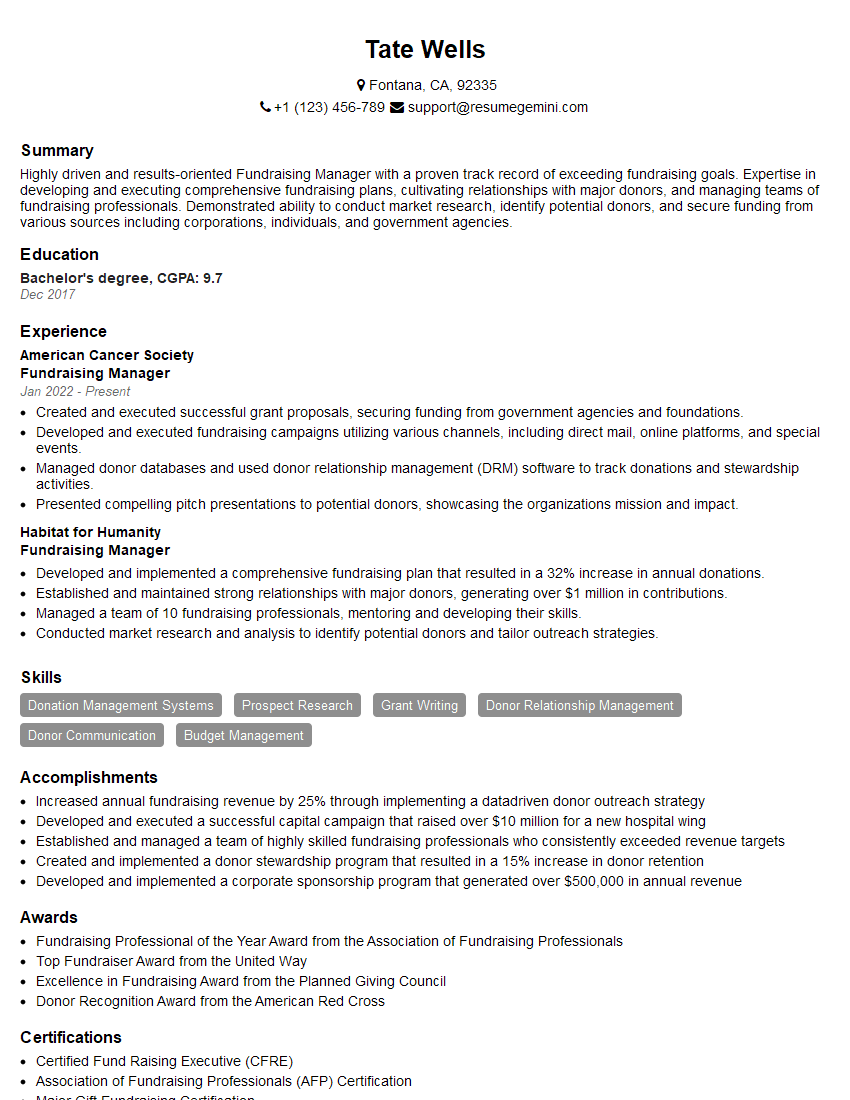
Fundraising Manager Resume Sample
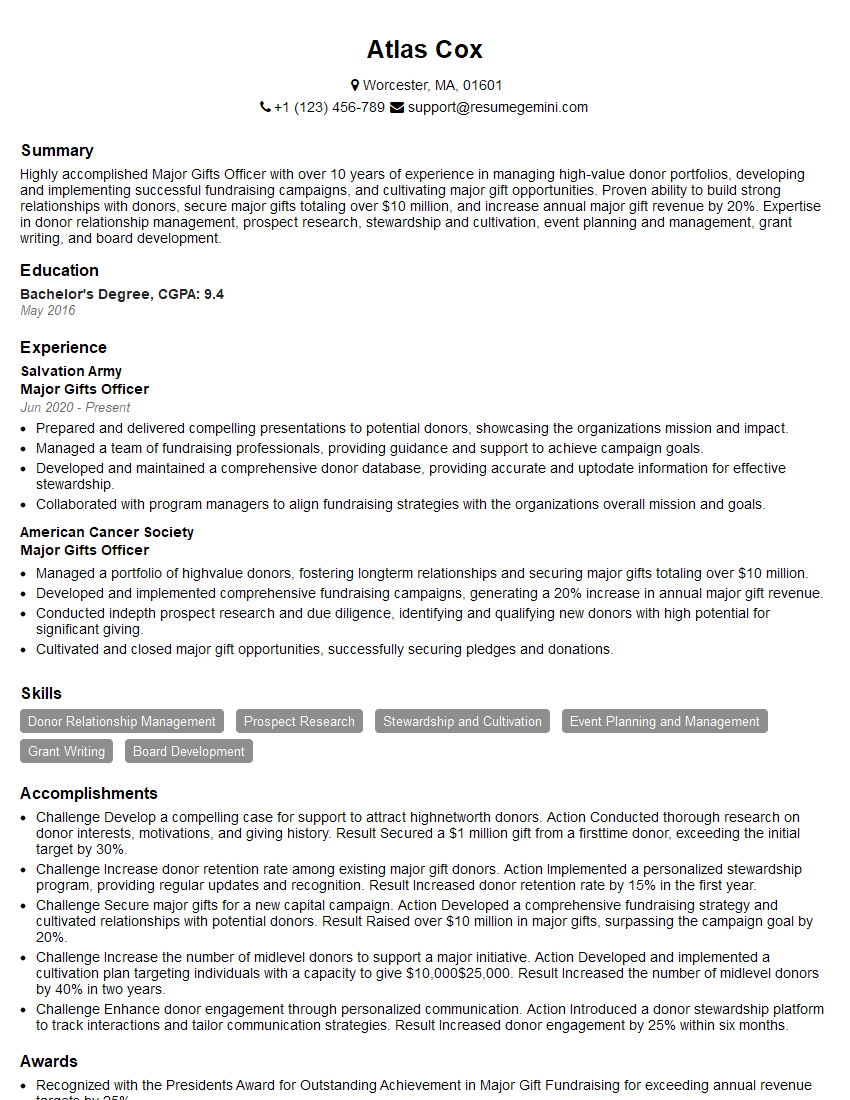
Major Gifts Officer Resume Sample
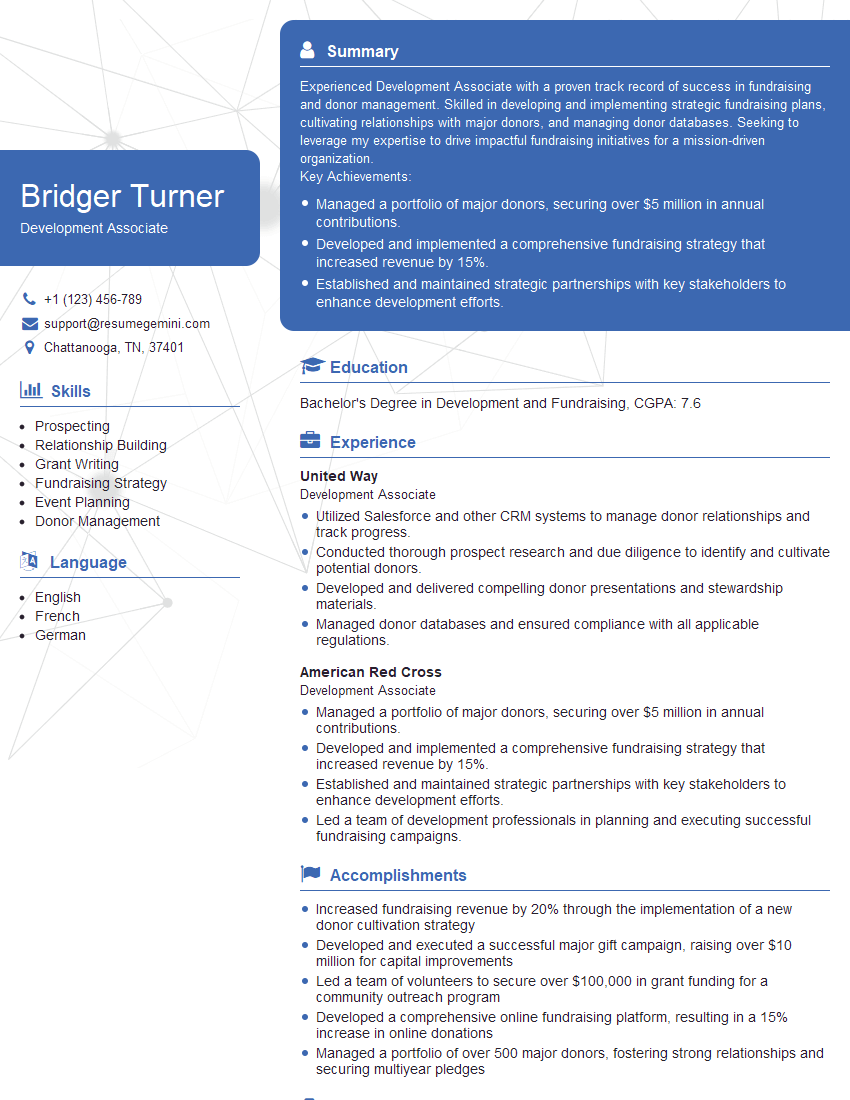
Development Associate Resume Sample
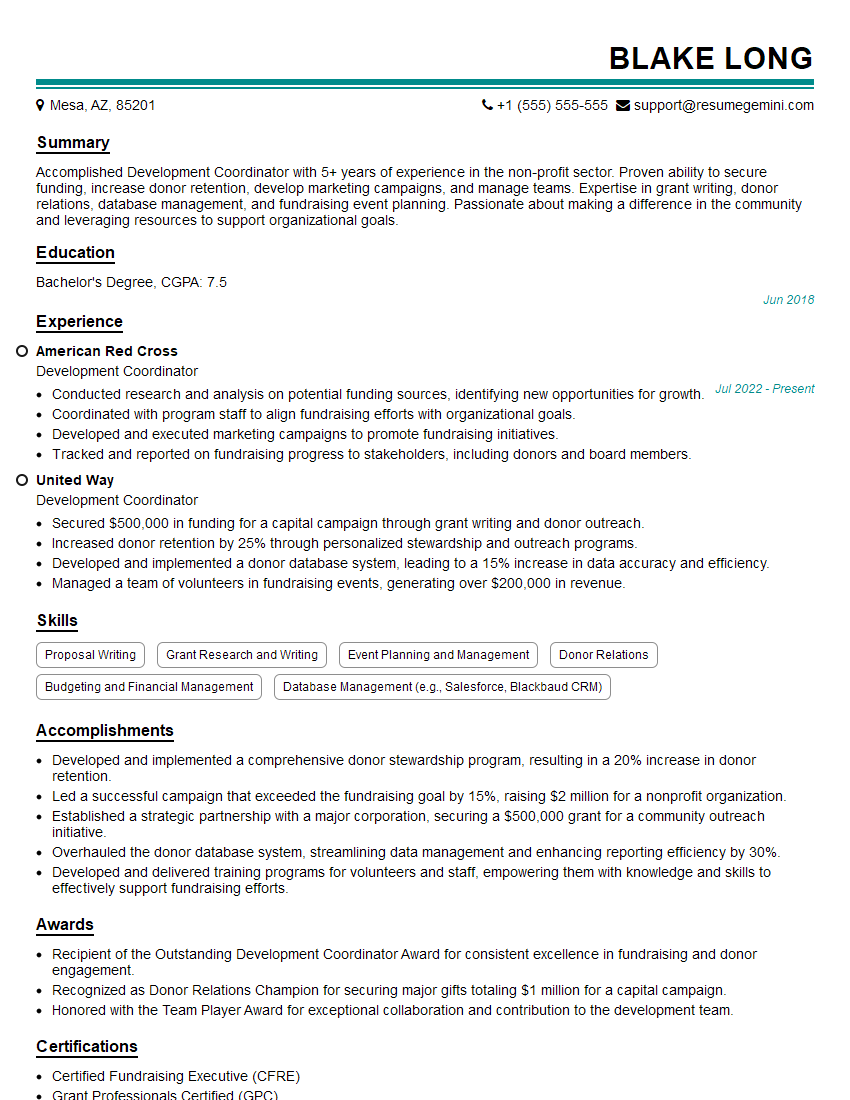
Development Coordinator Resume Sample
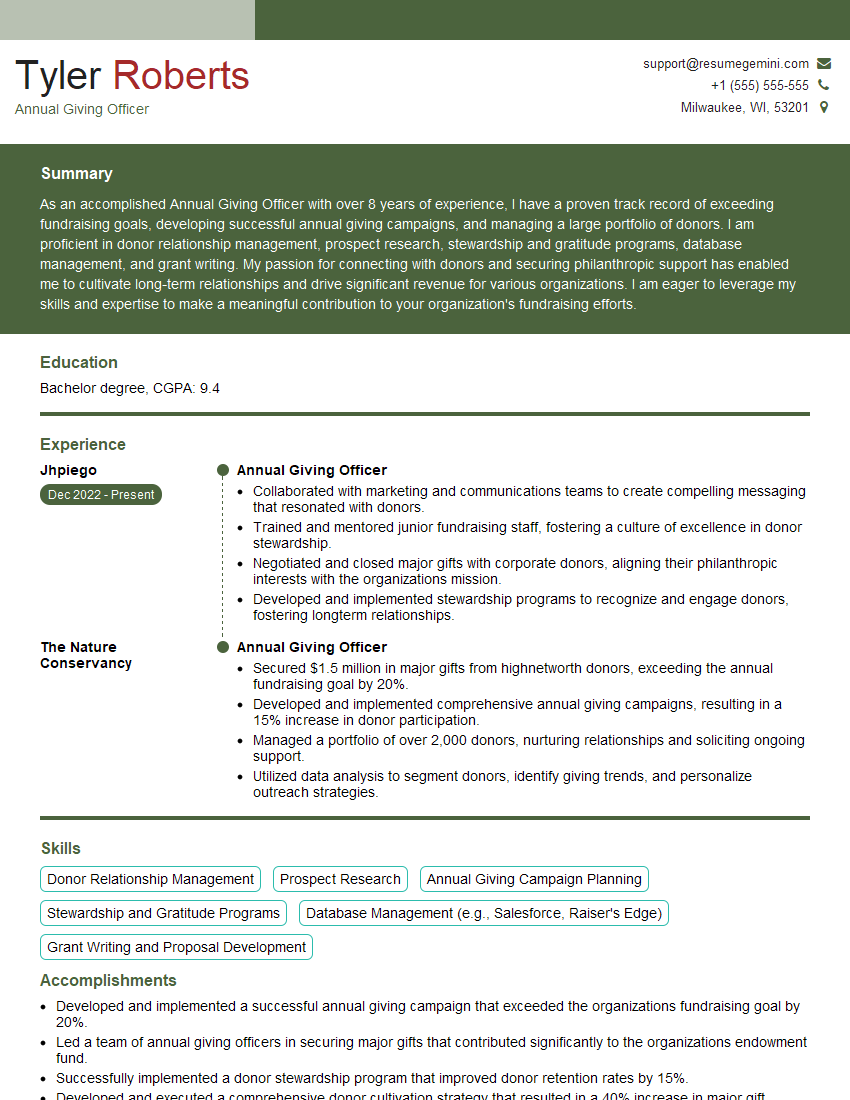
Annual Giving Officer Resume Sample
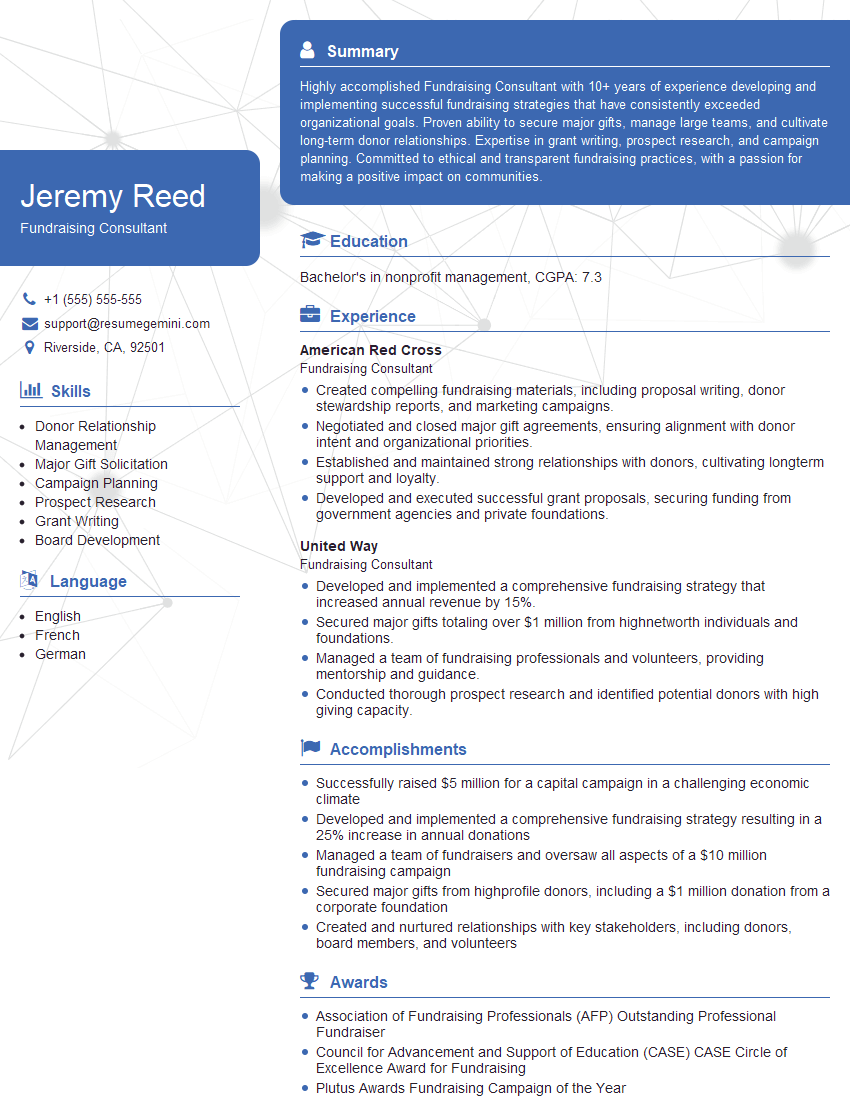
Fundraising Consultant Resume Sample
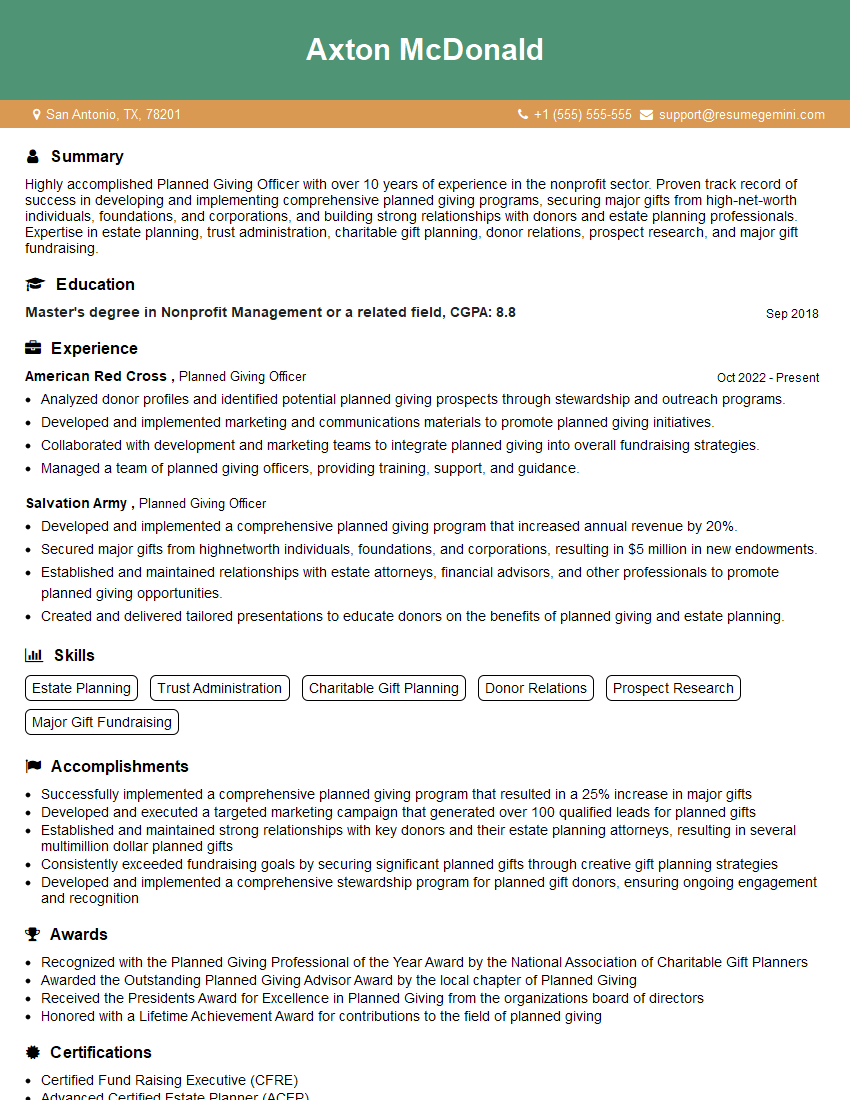
Planned Giving Officer Resume Sample
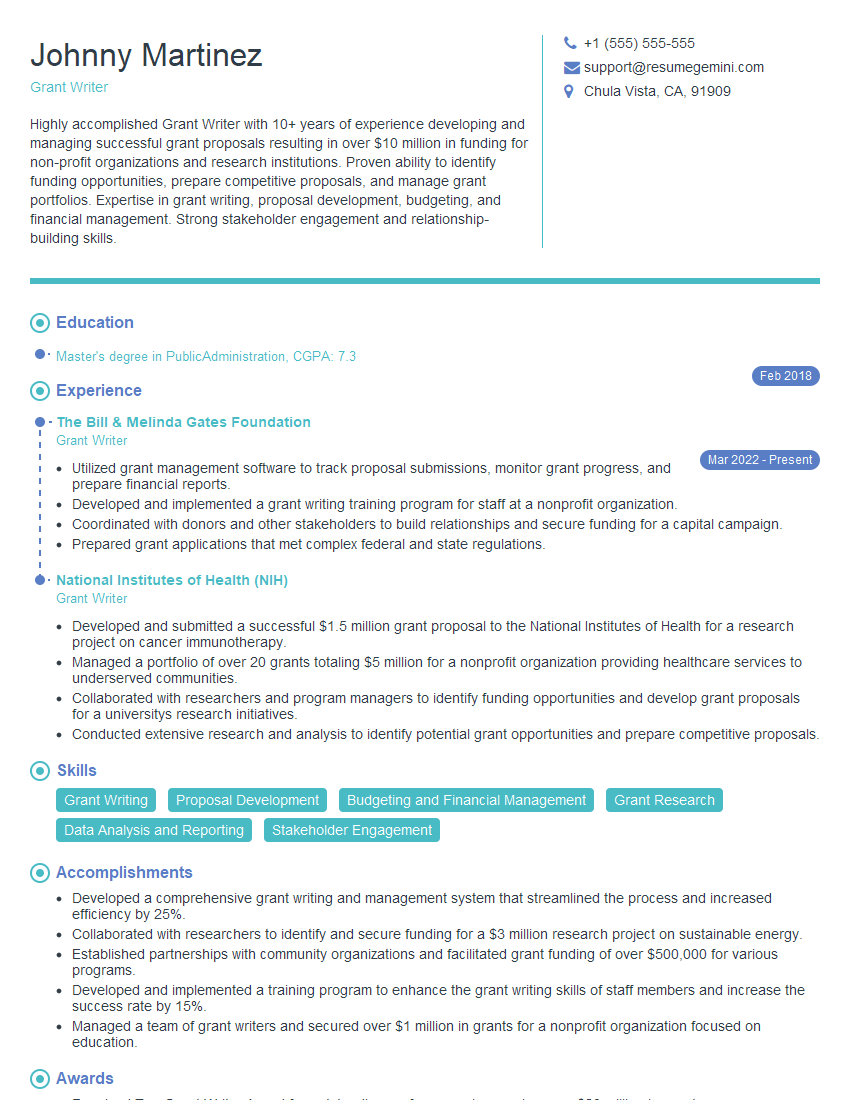
Grant Writer Resume Sample
Explore more articles
Users Rating of Our Blogs
Share Your Experience
We value your feedback! Please rate our content and share your thoughts (optional).
What Readers Say About Our Blog
Very informative content, great job.
good