The thought of an interview can be nerve-wracking, but the right preparation can make all the difference. Explore this comprehensive guide to Range of Motion Assessments interview questions and gain the confidence you need to showcase your abilities and secure the role.
Questions Asked in Range of Motion Assessments Interview
Q 1. Define range of motion (ROM).
Range of motion (ROM) refers to the extent of movement around a specific joint or body part. It’s essentially the measurement of how much a joint can move in different directions. Think of it like the ‘travel’ a joint can achieve – from its fully extended position to its fully flexed position. Assessing ROM is crucial in diagnosing injuries, tracking rehabilitation progress, and identifying potential movement limitations.
Q 2. What are the different types of ROM?
There are two primary types of ROM: active and passive. We also categorize ROM based on the specific joint being assessed (e.g., shoulder ROM, knee ROM, etc.). Within each joint, ROM is measured in specific planes of movement: flexion, extension, abduction, adduction, internal/external rotation, and sometimes others like circumduction or dorsiflexion/plantarflexion depending on the joint.
Q 3. Explain the difference between active and passive ROM.
The key difference lies in who is moving the joint. Active ROM is the movement a patient can perform independently, using their own muscle power. For example, if someone can bend their elbow unassisted to 130 degrees, that’s their active ROM. Passive ROM, however, involves the examiner moving the joint for the patient; the patient is completely relaxed. This helps assess the limitations in the joint itself, not just the muscles’ ability to move it. Imagine a patient with a stiff shoulder after an injury – their active ROM might be limited, but passive ROM may reveal more about the stiffness of the joint capsule. The difference can tell us about the source of the ROM restriction (muscle weakness versus joint stiffness).
Q 4. Describe the proper techniques for assessing ROM in the shoulder.
Assessing shoulder ROM requires careful technique to ensure accuracy and patient comfort. We’ll typically assess flexion, extension, abduction, adduction, internal rotation, and external rotation. First, stabilize the patient’s scapula (shoulder blade) to prevent compensatory movements. For example, when measuring flexion, I would stabilize the scapula with one hand while the patient actively raises their arm forward as high as possible. The other hand would gently assist the motion for passive ROM. Measurements are taken using a goniometer (described later) aligning it with the anatomical landmarks of the shoulder joint. We must also take into account the patient’s pain level, adjusting accordingly to avoid causing further discomfort. I always explain each step to the patient to reduce anxiety.
Remember to always compare the affected side to the unaffected side for comparison.
Q 5. How do you assess ROM in the knee joint?
Assessing knee ROM focuses on flexion and extension. The patient should be lying supine (on their back). For flexion, I would have the patient pull their heel as close to their buttock as possible while I stabilize their thigh. For extension, I’d have them extend the leg fully. Again, a goniometer is used, aligning it with the thigh and lower leg. We need to observe the patella (kneecap) for any unusual tracking to ascertain if there are any underlying issues. In both active and passive range of motion assessments, it’s vital to note the ease or difficulty of the movement, any pain experienced, and the end-feel (what the joint feels like at the end of the range – hard, soft, springy).
Q 6. What is goniometry, and how is it used in ROM assessment?
Goniometry is a method of objectively measuring joint angles and, therefore, ROM. A goniometer is a simple instrument consisting of two arms connected by a protractor. One arm is aligned with the stationary body segment, and the other is aligned with the moving segment. The protractor measures the angle between the two arms, representing the joint angle. It’s an essential tool in physical therapy and other healthcare settings. When performing a goniometry assessment, we need to take into account the positioning of the patient, the alignment of the goniometer to the anatomical landmarks and the patient’s comfort.
Q 7. Describe the common goniometer measurement errors and how to avoid them.
Several errors can occur during goniometry. Incorrect anatomical landmark identification is a major one; using the wrong bony prominences leads to inaccurate readings. Inconsistent stabilization of the joint can result in compensatory movements, affecting the measurement. Improper goniometer alignment (not aligning the arms correctly with the long axis of the bones) is another common mistake. Observer bias can influence readings if the assessor anticipates a particular outcome. Avoid these by: carefully identifying landmarks using anatomical knowledge, firmly but gently stabilizing the joint, accurately aligning the goniometer arms, and employing standardized protocols to minimize bias. Good communication with the patient is essential for a successful goniometry measurement, ensuring both comfort and a consistent effort during the measurements.
Q 8. How do you document ROM findings accurately and consistently?
Accurate and consistent documentation of ROM findings is crucial for effective patient care and tracking progress. We need a standardized approach to avoid ambiguity. My method involves using a combination of numerical data and descriptive notes.
- Numerical Data: I record the ROM in degrees for each joint, using a standardized format (e.g., ‘Right shoulder flexion: 160°’). This allows for objective comparison across assessments and clinicians.
- Descriptive Notes: Alongside the numerical data, I include qualitative observations. This could include descriptions like ‘pain at end range,’ ‘muscle guarding,’ or ‘limited ROM due to pain.’ These descriptive elements enrich the quantitative data, adding valuable clinical context. For example, ‘Left knee extension: 0-10° with significant pain at end range’ is more informative than just ‘Left knee extension: 10°’.
- Specific Joint Terminology: I make sure to use precise anatomical terminology. For example, instead of ‘elbow bend,’ I use ‘elbow flexion’. This ensures clarity and consistency.
- Charting Software: I utilize electronic health record (EHR) systems that allow for standardized data entry and easy retrieval. This enhances data organization and facilitates effective communication among healthcare professionals.
For instance, imagine a patient post-surgery. Tracking the ROM numerically shows improvement, while descriptive notes like ‘increased ease of movement’ or ‘reduced pain’ paints a fuller picture of their recovery. This ensures we have a thorough understanding of the patient’s progress and can make informed adjustments to the treatment plan.
Q 9. What are the normal ROM values for the major joints?
Normal ROM values vary slightly depending on factors like age, sex, and activity level. However, there are generally accepted ranges. It’s important to remember these are averages, and individual variation exists. Always refer to reputable anatomical references for the most accurate and up-to-date information.
- Shoulder: Flexion: 160-180°; Extension: 45-60°; Abduction: 170-180°; Internal Rotation: 70-90°; External Rotation: 80-90°
- Elbow: Flexion: 135-150°; Extension: 0-10°
- Wrist: Flexion: 70-90°; Extension: 70-90°; Radial Deviation: 20-30°; Ulnar Deviation: 30-40°
- Hip: Flexion: 110-130°; Extension: 10-15°; Abduction: 40-50°; Adduction: 20-30°; Internal Rotation: 40-60°; External Rotation: 40-60°
- Knee: Flexion: 130-150°; Extension: 0-10°
- Ankle: Dorsiflexion: 15-20°; Plantarflexion: 40-50°; Inversion: 20-30°; Eversion: 10-20°
These values serve as guidelines. Deviations could indicate injury, disease or stiffness. I always compare each joint’s ROM bilaterally (comparing right and left) to establish a baseline and to detect asymmetry that might otherwise be overlooked.
Q 10. How do you adapt ROM assessment techniques for patients with different conditions (e.g., arthritis, stroke)?
Adapting ROM assessment techniques is crucial for obtaining accurate and reliable measurements in patients with various conditions. We must be mindful of the patient’s limitations and adjust our approach accordingly.
- Arthritis: Patients with arthritis often experience pain and limited ROM. We might use a gentler approach, avoiding forceful movements. We may perform assessments several times a day to better understand the patient’s daily fluctuations in function. Pain management strategies may be necessary before the assessment.
- Stroke: Stroke patients exhibit varying degrees of weakness and spasticity. It is critical to support the affected limb during the assessment to prevent injury and obtain a true reflection of their capabilities. Passive ROM measurements might be more appropriate initially. We might break down movements into smaller, more manageable components and also make use of assistive devices.
- Other Conditions: Adaptations are needed for conditions like fractures, burns, or muscular dystrophy. Each situation requires a customized approach to ensure patient safety and a meaningful assessment.
In all cases, proper communication with the patient is key. I clearly explain the procedure and obtain their informed consent, ensuring their comfort and participation throughout the assessment. Documenting any modifications made to the standard procedure is crucial for clear communication with other healthcare professionals. For example, I might note that ‘Passive ROM measurement was used due to patient’s weakness following stroke’.
Q 11. What are the limitations of using goniometry for ROM assessment?
While goniometry is a widely used and valuable tool, it does have limitations. It’s not a perfect measure of functional ROM.
- Inter-rater Reliability: Variations in technique between assessors can lead to inconsistencies in measurements. This is why rigorous training and standardization of techniques are critical.
- Patient Cooperation: Accurate measurements depend on the patient’s ability to cooperate and maintain proper positioning. This can be challenging in some patients, especially those with cognitive impairments or pain.
- Doesn’t Capture Functional ROM: Goniometry primarily measures passive ROM. It doesn’t always reflect a patient’s ability to actively move the joint in functional activities. A patient might have good passive ROM but poor active ROM due to muscle weakness.
- Inaccurate in Some Cases: Significant soft tissue swelling or contractures can impede accurate goniometric measurements.
For example, if a patient is unable to fully relax during passive ROM measurements, the results obtained may be falsely low. Understanding these limitations is essential for interpreting the results and considering alternative methods to obtain a more complete picture of the patient’s functional ability.
Q 12. Explain the importance of proper patient positioning during ROM assessment.
Proper patient positioning is paramount for accurate and reliable ROM measurements. Incorrect positioning introduces errors and can lead to misleading results. The patient’s position must be stable and allow for free movement of the joint being assessed. The limb being measured must be supported and aligned correctly.
- Stable Base: Ensure the patient is comfortably positioned on a stable surface, minimizing any involuntary movement that could interfere with the assessment.
- Proper Alignment: Proper anatomical alignment of the body segment is crucial. This often means making sure the body is not rotating or twisted and that the joint is positioned at neutral.
- Support: Providing appropriate support, be it pillows, towels, or other aids, prevents discomfort and ensures that the patient remains in the correct position.
- Exposure of the Joint: Clothing must not restrict movement or interfere with the placement of the goniometer.
For example, when assessing hip flexion, the patient’s pelvis must be level to avoid false readings. If the pelvis rotates, it can significantly affect the apparent degree of hip flexion. Similarly, if the shoulder is not properly stabilized when assessing shoulder abduction, the movement may involve compensatory motion from the spine, rather than the shoulder joint itself.
Q 13. How do you handle patient pain or discomfort during ROM assessment?
Patient pain or discomfort during ROM assessment requires careful management. The priority is always the patient’s well-being and safety.
- Pain Management: Before starting the assessment, discuss the patient’s pain level and use appropriate pain management strategies like medication, ice, heat, or relaxation techniques, where possible and appropriate.
- Gentle Approach: Use a slow, gentle approach and stop immediately if the patient reports pain. Avoid forceful movements.
- Active vs. Passive ROM: If active ROM is painful, consider passive ROM measurements instead. Passive ROM assesses the joint’s capabilities without the active participation of the patient’s muscles, which may be helpful if active movement causes pain.
- Communication: Maintain constant communication with the patient, regularly asking about their comfort level and making adjustments as needed.
- Documentation: Clearly document the presence and intensity of pain, any modifications made to the assessment, and any strategies used to manage the pain.
For example, if a patient reports sharp pain during shoulder abduction, stop the movement immediately. We might try again later with a different approach, applying heat beforehand, or consider passive ROM instead. Every such situation demands individualized management.
Q 14. What are some alternative methods for assessing ROM when goniometry is not appropriate?
When goniometry isn’t suitable, alternative methods can provide valuable information about ROM. These methods are often used in conjunction with or as a complement to goniometry.
- Observation: Visual observation of functional movements during daily activities can offer insight into the extent of ROM limitations. This provides a more holistic view of ROM than a single number from goniometry.
- Patient Self-Report: Subjective reports from the patient about their ability to perform activities of daily living can provide valuable information. While less objective, it can be a useful indicator of functional limitations.
- Functional Tests: Assessing ROM through functional tests like reaching overhead, combing hair, or getting dressed provides a more realistic assessment of a patient’s capabilities in real-world situations. The distance or angle of reach is more relevant than the number of degrees according to the goniometer.
- Photography/Videography: Imaging can provide a visual record of ROM and help with measuring joint angles particularly in patients with complex needs.
For instance, if a patient has severe cognitive impairments, relying solely on goniometry may be impractical. Instead, observation of their daily activities, coupled with functional tests, might provide a more accurate picture of their functional ROM.
Q 15. How do you interpret ROM findings in the context of a patient’s overall clinical picture?
Interpreting ROM findings isn’t just about the numbers; it’s about understanding how those numbers impact the patient’s life. We need to consider the ROM limitations within the context of their overall presentation. For example, a 20-degree limitation in shoulder flexion might be insignificant for a retired librarian, but drastically impact a professional painter.
My interpretation process involves several steps:
- Comparing to Normative Data: First, I compare the measured ROM to established normative data for the patient’s age, gender, and activity level. This helps determine if the limitation is significant.
- Considering Medical History: The patient’s history – previous injuries, surgeries, medical conditions (arthritis, neurological disorders) – significantly influences interpretation. A limited ROM following a rotator cuff tear is expected, whereas the same limitation in an otherwise healthy individual warrants further investigation.
- Assessing Pain and Functional Limitations: The presence and intensity of pain, along with functional limitations (difficulty dressing, reaching overhead, etc.), provide crucial context. A patient with limited ROM but no pain might have a different underlying cause than one experiencing significant pain.
- Observing Movement Patterns: I also observe the patient’s movement quality. Is the movement smooth and controlled, or is it jerky and guarded? This can reveal underlying muscle weakness, instability, or compensatory movements.
Ultimately, the interpretation is a holistic process that integrates objective ROM measurements with subjective patient reports and my clinical judgment.
Career Expert Tips:
- Ace those interviews! Prepare effectively by reviewing the Top 50 Most Common Interview Questions on ResumeGemini.
- Navigate your job search with confidence! Explore a wide range of Career Tips on ResumeGemini. Learn about common challenges and recommendations to overcome them.
- Craft the perfect resume! Master the Art of Resume Writing with ResumeGemini’s guide. Showcase your unique qualifications and achievements effectively.
- Don’t miss out on holiday savings! Build your dream resume with ResumeGemini’s ATS optimized templates.
Q 16. How do you communicate ROM assessment findings to other healthcare professionals?
Communicating ROM findings effectively requires clarity and precision. I use a standardized format to ensure consistency and avoid ambiguity. This usually involves:
- Clear and Concise Language: I avoid medical jargon whenever possible, opting for simple, easily understood terms. For example, instead of saying “decreased glenohumeral abduction,” I might say “limited ability to raise the arm to the side.”
- Precise Measurements: I report ROM in degrees, using a consistent measurement system (e.g., goniometry). I clearly state the specific joint and plane of motion (e.g., “Right knee flexion: 100 degrees”).
- Visual Aids: When appropriate, I use visual aids like photographs or videos to demonstrate the ROM limitations and the patient’s movement patterns. This helps other professionals quickly grasp the situation.
- Correlation with Functional Limitations: I always connect the ROM findings to the patient’s functional limitations, explaining how the restricted movement impacts daily activities. For example, “Limited wrist extension impacts the patient’s ability to perform activities of daily living like buttoning their shirt.”
- Documentation: Thorough documentation of the ROM assessment, including the methods used, the measurements obtained, and any observations made, is crucial for clear communication and continuity of care.
Effective communication ensures everyone involved in the patient’s care is on the same page, leading to a more coordinated and successful treatment plan.
Q 17. What are some common causes of decreased ROM?
Decreased ROM can stem from a wide range of causes, broadly categorized as:
- Musculoskeletal Conditions: These are the most common causes, including arthritis (osteoarthritis, rheumatoid arthritis), injuries (sprains, strains, fractures), muscle contractures, and tendonitis.
- Neurological Conditions: Conditions like stroke, cerebral palsy, multiple sclerosis, and Parkinson’s disease can affect muscle tone, coordination, and ultimately, ROM.
- Cardiovascular Conditions: In cases of severe heart failure, limitations in ROM can be a result of reduced activity tolerance and general weakness.
- Systemic Conditions: Inflammatory conditions such as lupus or fibromyalgia can lead to generalized joint stiffness and reduced ROM.
- Immobilization: Prolonged immobilization, such as following surgery or injury, can cause significant loss of ROM due to joint stiffness and muscle atrophy.
- Pain: Chronic pain often leads to protective guarding and reduced movement, resulting in decreased ROM.
Determining the underlying cause requires a thorough assessment, including a detailed medical history, physical examination, and potentially imaging studies (X-rays, MRI).
Q 18. Describe the relationship between ROM and functional limitations.
ROM and functional limitations are intrinsically linked. Restricted ROM directly impacts a person’s ability to perform everyday tasks. Think of it like this: ROM is the hardware, and functional ability is the software. If the hardware (joints and muscles) is limited, the software (daily activities) will be compromised.
Examples:
- Limited shoulder abduction: Makes it difficult to reach overhead to get items from a shelf.
- Decreased knee flexion: Makes it challenging to sit down in a chair or climb stairs.
- Restricted wrist extension: Impedes activities such as writing, typing, or using utensils.
Assessing functional limitations is essential for understanding the true impact of ROM restrictions and tailoring interventions to improve the patient’s quality of life. We use standardized functional assessments to quantify these limitations objectively.
Q 19. How do you determine the appropriate intervention for improving ROM?
Selecting the right intervention to improve ROM depends on several factors:
- Cause of Decreased ROM: The underlying cause dictates the type of intervention. For example, addressing muscle tightness requires stretching, while joint stiffness might benefit from mobilization techniques.
- Severity of Limitation: Mild limitations might respond to simple home exercises, whereas severe limitations require more intensive interventions.
- Patient Factors: The patient’s age, overall health, and activity level influence the choice of intervention. Older patients might require gentler approaches than younger, healthier individuals.
- Patient Goals: The intervention should align with the patient’s specific goals and expectations. What functional activities do they want to be able to perform?
A thorough assessment is crucial before determining the appropriate intervention. This includes identifying the limitations, determining the underlying cause, and understanding the patient’s functional needs and goals. A collaborative approach with the patient ensures buy-in and adherence to the chosen plan.
Q 20. What are the benefits and limitations of different ROM intervention techniques (e.g., stretching, mobilization)?
Various ROM intervention techniques exist, each with its benefits and limitations:
- Stretching: This involves lengthening shortened soft tissues (muscles, tendons, ligaments).
- Benefits: Increases flexibility, improves ROM, reduces muscle tightness, relatively easy to perform.
- Limitations: Can be painful if not done properly, requires patient compliance, may not be effective for joint stiffness.
- Mobilization: This involves manual techniques to improve joint mobility by addressing restrictions in the joint capsule or surrounding soft tissues.
- Benefits: Effective for joint stiffness, can restore normal joint mechanics, can address pain associated with joint restriction.
- Limitations: Requires specialized training, potential for adverse effects if performed incorrectly, not suitable for all patients (e.g., those with inflammatory conditions).
- Strengthening Exercises: These exercises improve muscle strength, which contributes to better joint stability and control, indirectly impacting ROM.
- Benefits: Improves functional capacity, reduces risk of re-injury, improves overall fitness.
- Limitations: May not directly address joint stiffness, requires patient motivation and adherence.
The choice of technique depends on the specific needs of each patient and the underlying cause of the ROM limitation. Often, a combination of techniques is most effective.
Q 21. How do you measure the effectiveness of ROM interventions?
Measuring the effectiveness of ROM interventions is crucial to ensure they’re working and adjust as needed. Methods include:
- Re-measuring ROM: Regularly re-measuring ROM using the same technique (goniometry) provides objective data on the improvement.
- Functional Assessments: Assessing the patient’s ability to perform functional activities (e.g., timed up-and-go test, sit-to-stand test) shows how improvements in ROM translate into better function.
- Pain Scales: Monitoring pain levels helps assess if the intervention is alleviating pain, a common barrier to improved ROM.
- Patient-Reported Outcome Measures (PROMs): These questionnaires gather information directly from the patient about their perceived improvement in function and quality of life. Examples include the Disabilities of the Arm, Shoulder, and Hand (DASH) questionnaire or the Lower Extremity Functional Scale (LEFS).
- Qualitative Feedback: Regularly checking in with patients to discuss their progress and challenges can provide valuable qualitative data.
By combining these methods, we can gain a comprehensive understanding of the effectiveness of the interventions and make any necessary adjustments to optimize patient outcomes.
Q 22. What are the common complications associated with ROM assessment and treatment?
Complications during ROM assessment and treatment can arise from various factors, impacting both the accuracy of the assessment and the patient’s recovery. These can range from relatively minor inconveniences to serious adverse events.
- Pain and discomfort: Pushing a joint beyond its comfortable range can cause pain, potentially worsening the underlying condition. This requires careful attention to the patient’s feedback and adjustments to the assessment.
- Muscle spasms or guarding: Pain or fear can cause muscles to spasm or tighten, hindering accurate measurement and potentially leading to injury. Gentle techniques and relaxation strategies are crucial.
- Joint instability: In some conditions, such as ligament injuries or arthritis, ROM assessment may inadvertently cause joint subluxation or dislocation. Precise and controlled movements are vital.
- Exacerbation of symptoms: Incorrect handling or excessive range of motion can worsen existing inflammation, pain, and other symptoms. Thorough understanding of the patient’s condition is crucial to avoid this.
- Patient fatigue: Prolonged assessments, especially in patients with debilitating conditions, can lead to fatigue, affecting both the assessment’s accuracy and the patient’s well-being.
- Inadequate documentation: Inaccurate or incomplete recording of ROM measurements leads to poor treatment planning and monitoring of progress. Meticulous documentation is non-negotiable.
For instance, a patient with a recent rotator cuff tear might experience significant pain during shoulder abduction testing, requiring modification of the assessment to prevent further injury. Similarly, a patient with osteoarthritis may have limited tolerance for repetitive movements.
Q 23. How do you ensure the safety and comfort of patients during ROM assessment and treatment?
Patient safety and comfort are paramount throughout ROM assessment and treatment. It’s a fundamental ethical and professional responsibility. Several strategies ensure this:
- Thorough patient history and examination: Understanding the patient’s medical history, current symptoms, and limitations informs the assessment approach and ensures appropriate modifications are made.
- Communication and informed consent: Explaining the purpose, procedure, and potential discomfort of the assessment in clear, simple terms, obtaining informed consent before beginning.
- Proper positioning and support: Using appropriate support devices, such as pillows or bolsters, to ensure proper alignment and comfort during the assessment.
- Gentle and controlled movements: Avoiding forceful movements and respecting the patient’s pain tolerance limits.
- Frequent monitoring and feedback: Continuously checking in with the patient throughout the assessment, allowing them to communicate any discomfort or concerns.
- Pain management strategies: Employing pain management techniques such as heat, cold, or relaxation exercises before or during assessment.
- Appropriate environment: Providing a comfortable, private, and appropriately equipped space for the assessment.
For example, a patient with osteoporosis might require extra support to prevent falls during the assessment. Similarly, a patient with fibromyalgia requires a slower, gentler approach to avoid triggering pain flares.
Q 24. What are the ethical considerations related to ROM assessment?
Ethical considerations in ROM assessment are crucial to ensure patient well-being and uphold professional standards. Key ethical principles include:
- Confidentiality: Protecting the privacy of patient information obtained during the assessment.
- Informed consent: Ensuring the patient understands the purpose and procedures of the assessment before proceeding.
- Respect for autonomy: Allowing the patient to refuse or withdraw from the assessment at any time.
- Beneficence and non-maleficence: Prioritizing the patient’s well-being and avoiding any harm during the assessment.
- Justice and fairness: Providing equitable access to ROM assessments and treatments, irrespective of patient background or circumstances.
- Accuracy and objectivity: Conducting the assessment in a thorough and unbiased manner.
For instance, it is unethical to conduct a ROM assessment without obtaining informed consent, even if it seems like a simple procedure. Similarly, it’s crucial to maintain confidentiality of findings and to avoid bias based on patient demographics.
Q 25. Describe a situation where you had to modify your ROM assessment technique due to patient factors.
I once assessed a patient with severe rheumatoid arthritis. Standard passive ROM assessment techniques caused significant pain and joint instability. Therefore, I modified my approach by:
- Using a goniometer with gentle pressure: I avoided excessive force during measurements to minimize discomfort.
- Shortening assessment sessions: We broke the assessment into multiple shorter sessions to prevent fatigue.
- Incorporating active ROM assessment primarily: I focused on what the patient could actively perform rather than passively pushing their joints. This method was much more comfortable for them and reduced the risk of injury.
- Observing for signs of discomfort: I paid close attention to their verbal and nonverbal cues to avoid overexertion.
- Using pain-relief measures before and during the assessment: I applied cold packs before the assessment to reduce inflammation and pain, and provided breaks as needed.
This modified approach provided a more accurate assessment while ensuring the patient’s comfort and safety.
Q 26. Explain how you would educate a patient about their ROM limitations and treatment plan.
Educating a patient about their ROM limitations and treatment plan is crucial for successful rehabilitation. I use a clear, patient-centered approach:
- Use simple language and visuals: Avoid medical jargon and use diagrams or models to illustrate ROM limitations.
- Explain the cause of ROM limitations: Connect the limitations to the underlying condition, making it understandable.
- Set realistic goals: Create achievable goals and discuss the potential for improvement.
- Explain treatment plan in detail: Explain each aspect of the plan, including exercises, therapy, and potential challenges.
- Encourage patient questions and feedback: Create an open dialogue and address any concerns or misunderstandings.
- Provide written materials: Supplement the explanation with written materials summarizing the assessment, limitations, and treatment plan.
- Demonstrate and practice exercises: Guide the patient through exercises and ensure they understand proper form and techniques.
For example, I might use a simple drawing to explain the impact of arthritis on a patient’s knee joint movement and illustrate how specific exercises improve range of motion.
Q 27. How do you incorporate patient goals into your ROM assessment and treatment plan?
Integrating patient goals into ROM assessment and treatment is essential for a successful outcome. This patient-centered approach ensures they’re actively involved and motivated throughout the process:
- Early goal setting: Involve patients in setting realistic and achievable short-term and long-term goals regarding ROM improvement.
- Discuss limitations and possibilities: Openly address potential limitations and discuss how the treatment plan can maximize improvement within those constraints.
- Regular progress reviews: Track progress, celebrate milestones, and adjust the plan as needed based on the patient’s responses and goal attainment.
- Promote self-management: Empower the patient with the skills and knowledge needed to independently manage their ROM and continue their exercises.
For example, if a patient’s goal is to return to playing golf, the treatment plan will focus on improving specific shoulder and hip ROM critical for this activity. Regular feedback and progress updates will keep them motivated and aligned with their aims.
Q 28. How do you stay updated on current best practices in ROM assessment and treatment?
Staying updated on best practices in ROM assessment and treatment is vital for providing high-quality care. I employ several strategies:
- Continuing education courses and workshops: Attending relevant professional development activities to learn about new techniques and research findings.
- Professional journals and publications: Regularly reviewing peer-reviewed articles in physical therapy and related fields.
- Professional organizations: Actively participating in professional organizations such as the American Physical Therapy Association (APTA) and attending conferences.
- Networking with colleagues: Sharing knowledge and experiences with other healthcare professionals.
- Staying informed about technological advances: Exploring and incorporating new technologies like advanced goniometers or motion capture systems, when appropriate, in assessment and treatment.
For example, I regularly check the APTA website for updates on guidelines and research, and attend workshops on new assessment methods and treatment modalities. This commitment to lifelong learning ensures that I can provide the most current and effective care to my patients.
Key Topics to Learn for Range of Motion Assessments Interview
- Goniometry Techniques: Understanding various goniometer types, proper placement, and accurate measurement techniques for different joints.
- Anatomical Knowledge: Deep understanding of joint anatomy, including bony landmarks, ligaments, and muscles impacting range of motion. This includes understanding normal vs. abnormal ROM values for different age groups and populations.
- Assessment Procedures: Mastering the systematic approach to ROM assessment, including patient preparation, proper positioning, and documentation of findings. Consider both active and passive ROM.
- Identifying Limitations: Developing the skill to differentiate between limitations caused by pain, muscle weakness, joint stiffness, or other factors. This includes understanding how to document these observations clearly.
- Clinical Reasoning: Interpreting ROM assessment results in the context of a patient’s overall clinical presentation. How do ROM findings inform your clinical decision-making?
- Common Conditions Affecting ROM: Familiarity with common musculoskeletal conditions that impact range of motion, and the characteristic ROM limitations associated with each.
- Ethical Considerations: Understanding professional responsibilities and ethical considerations related to patient privacy, informed consent, and proper documentation.
- Documentation and Reporting: Mastering clear, concise, and accurate documentation of ROM findings, using standardized terminology.
Next Steps
Mastering Range of Motion Assessments is crucial for career advancement in healthcare. A strong understanding of these techniques demonstrates clinical competence and attention to detail, opening doors to more challenging and rewarding roles. To maximize your job prospects, create an ATS-friendly resume that highlights your skills and experience effectively. ResumeGemini is a trusted resource that can help you build a professional and impactful resume. We provide examples of resumes tailored to Range of Motion Assessments to guide you in showcasing your capabilities.
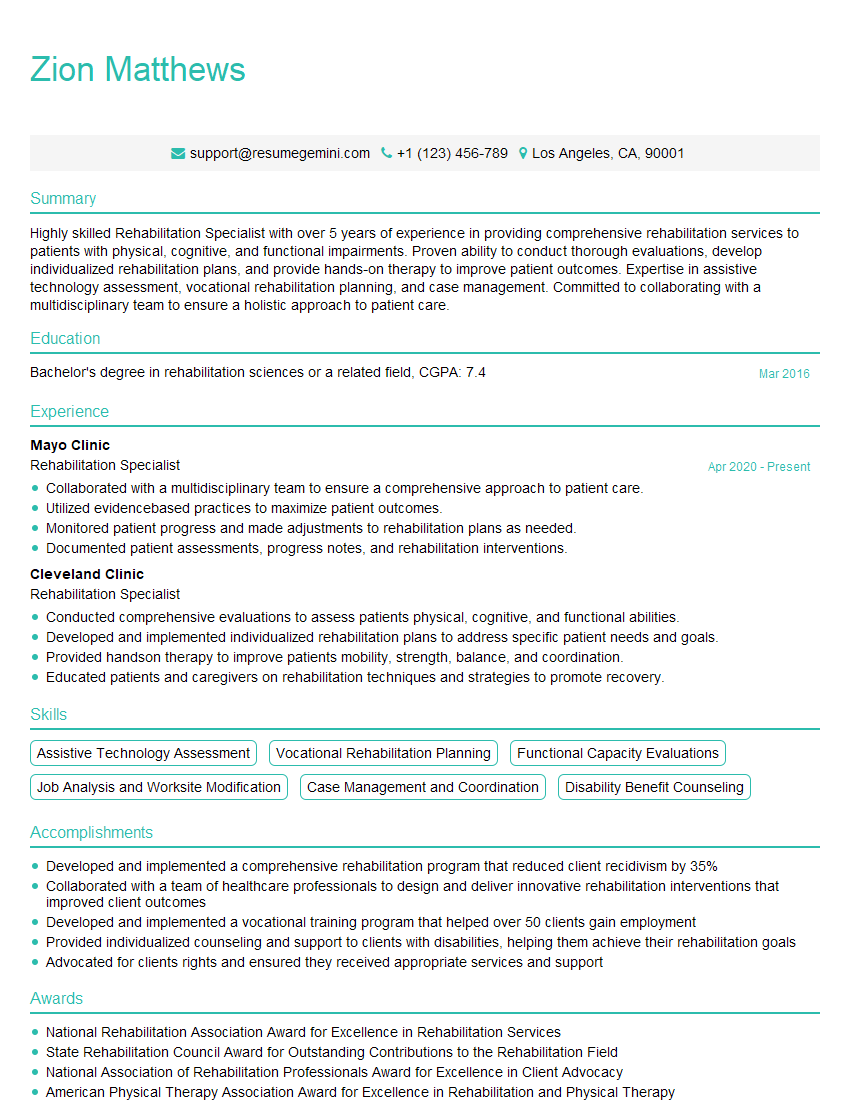
Rehabilitation Specialist Resume Sample
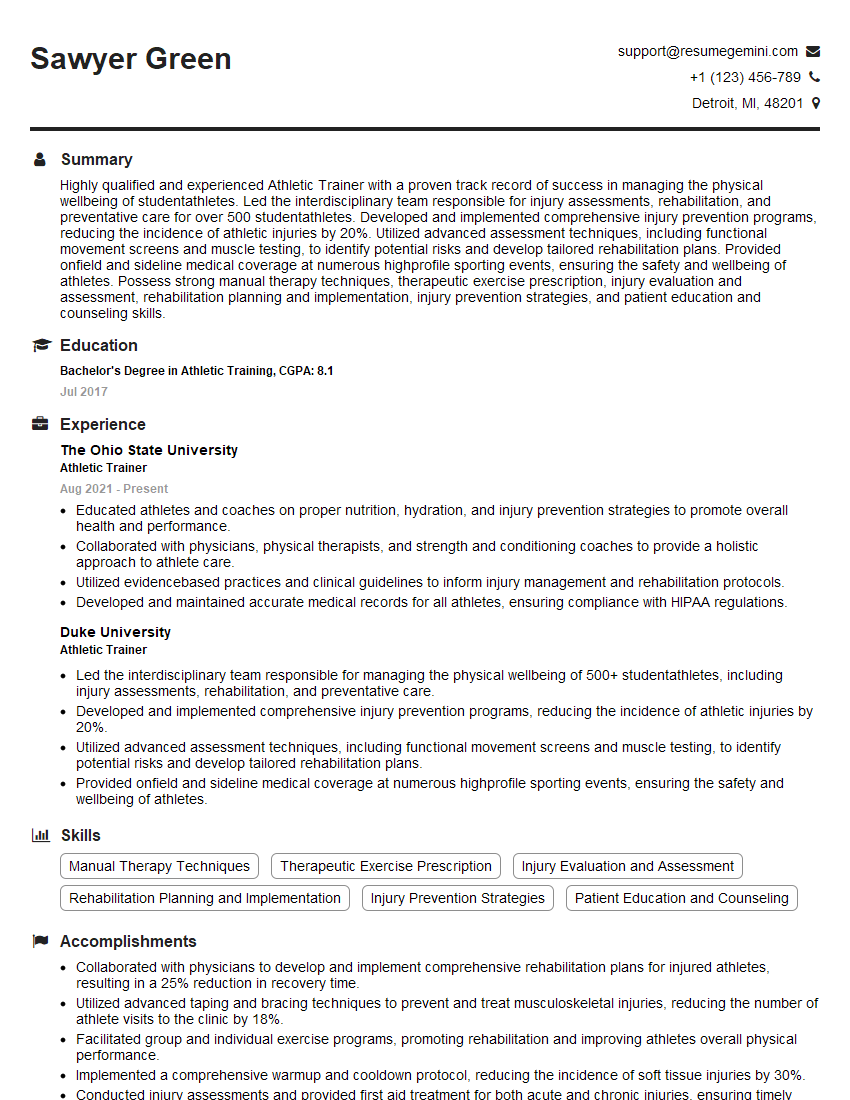
Athletic Trainer Resume Sample
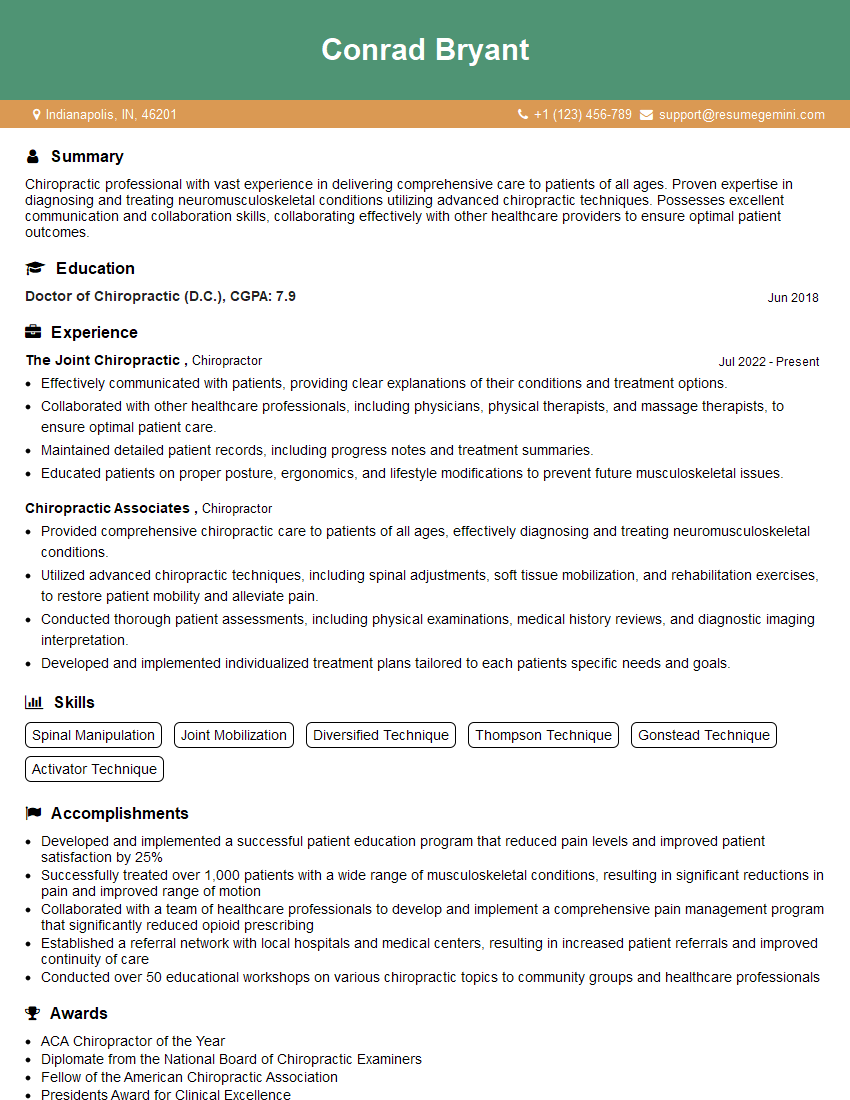
Chiropractor Resume Sample
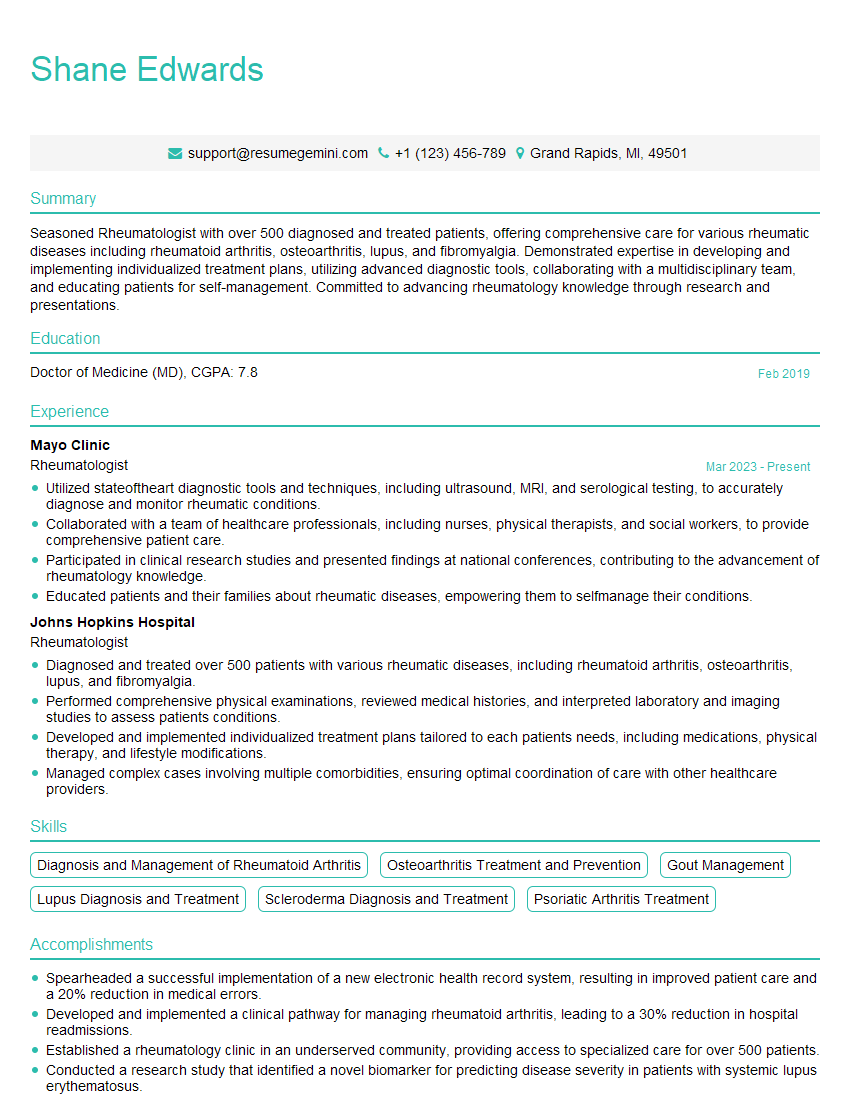
Rheumatologist Resume Sample
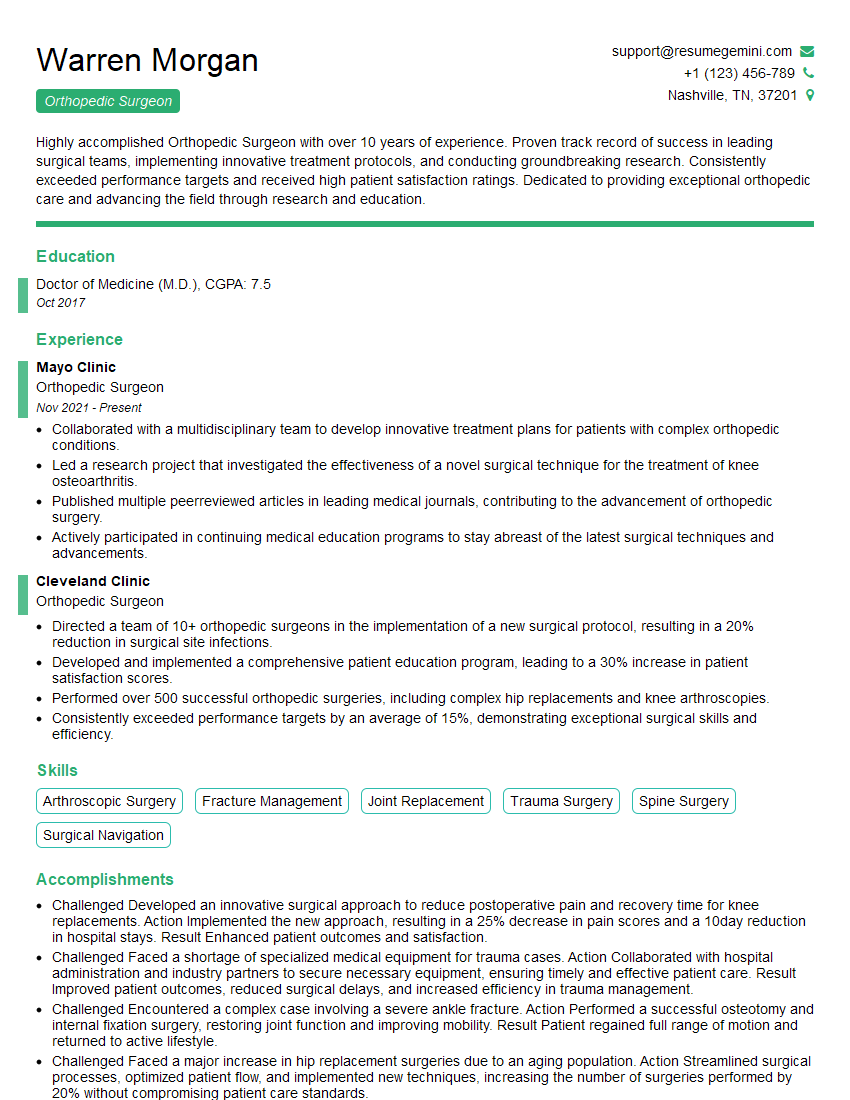
Orthopedic Surgeon Resume Sample
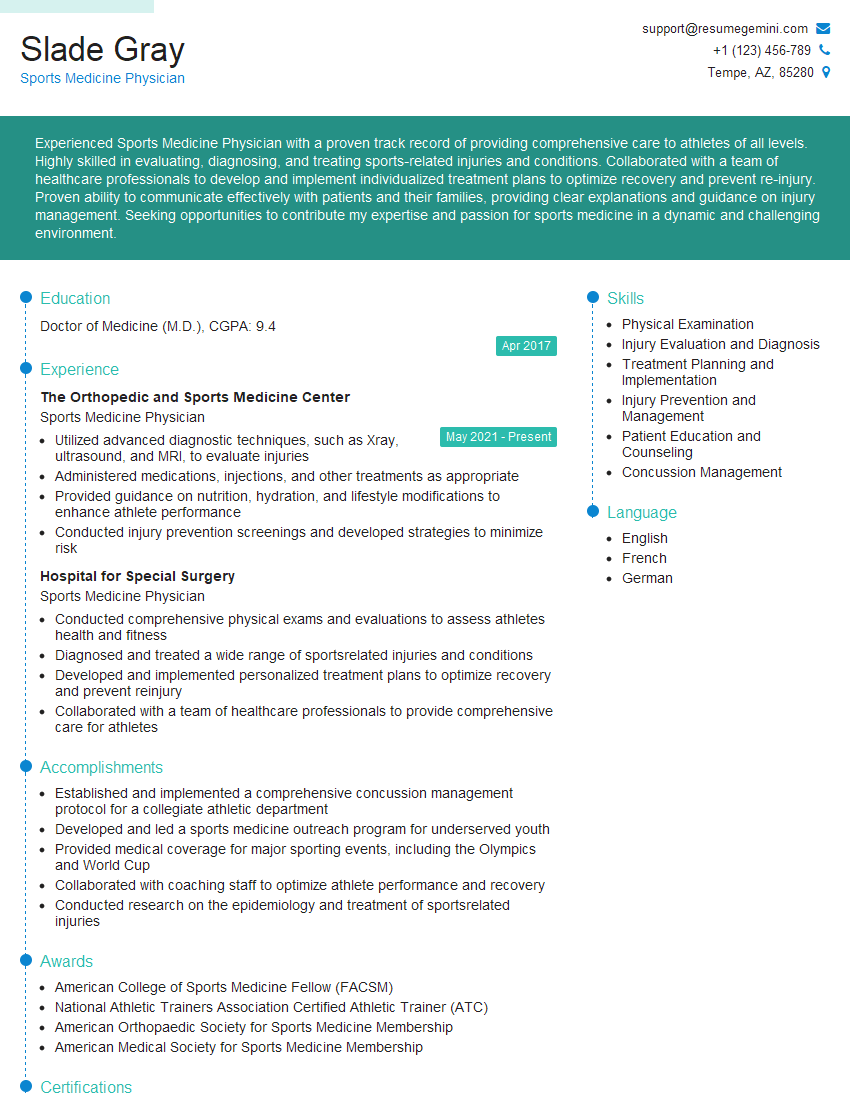
Sports Medicine Physician Resume Sample
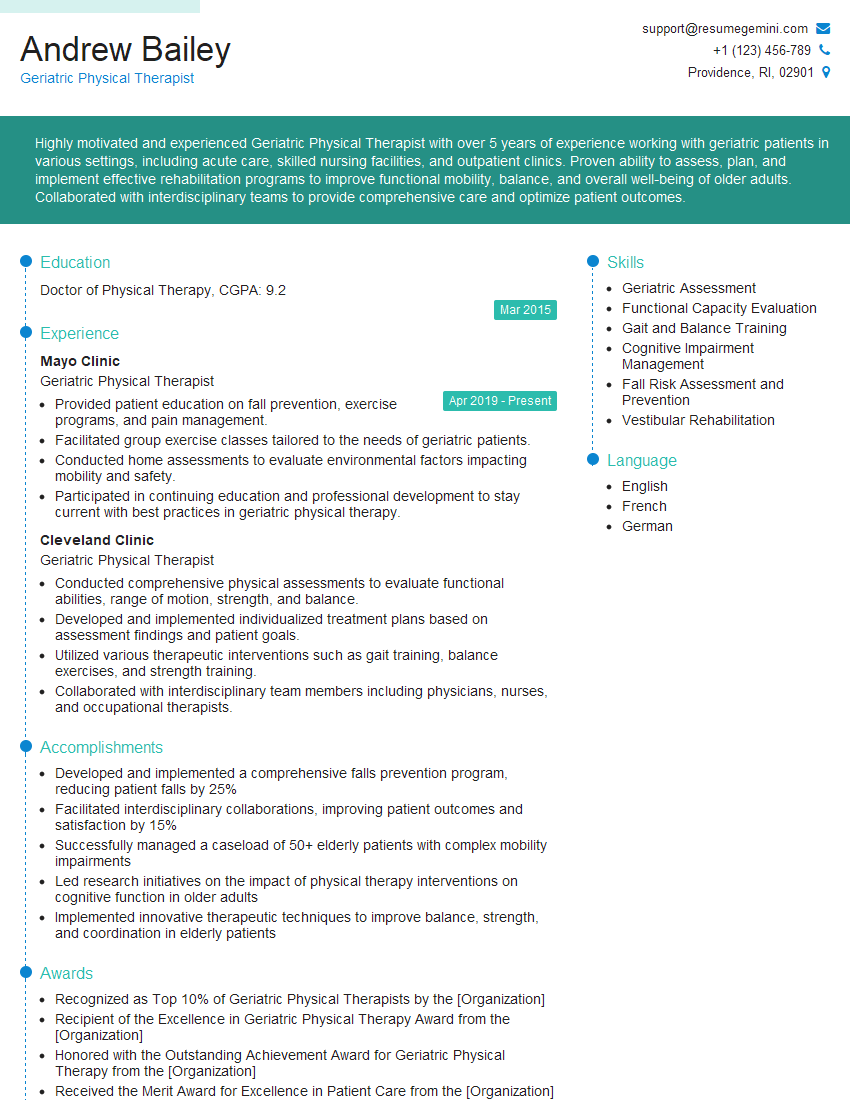
Geriatric Physical Therapist Resume Sample
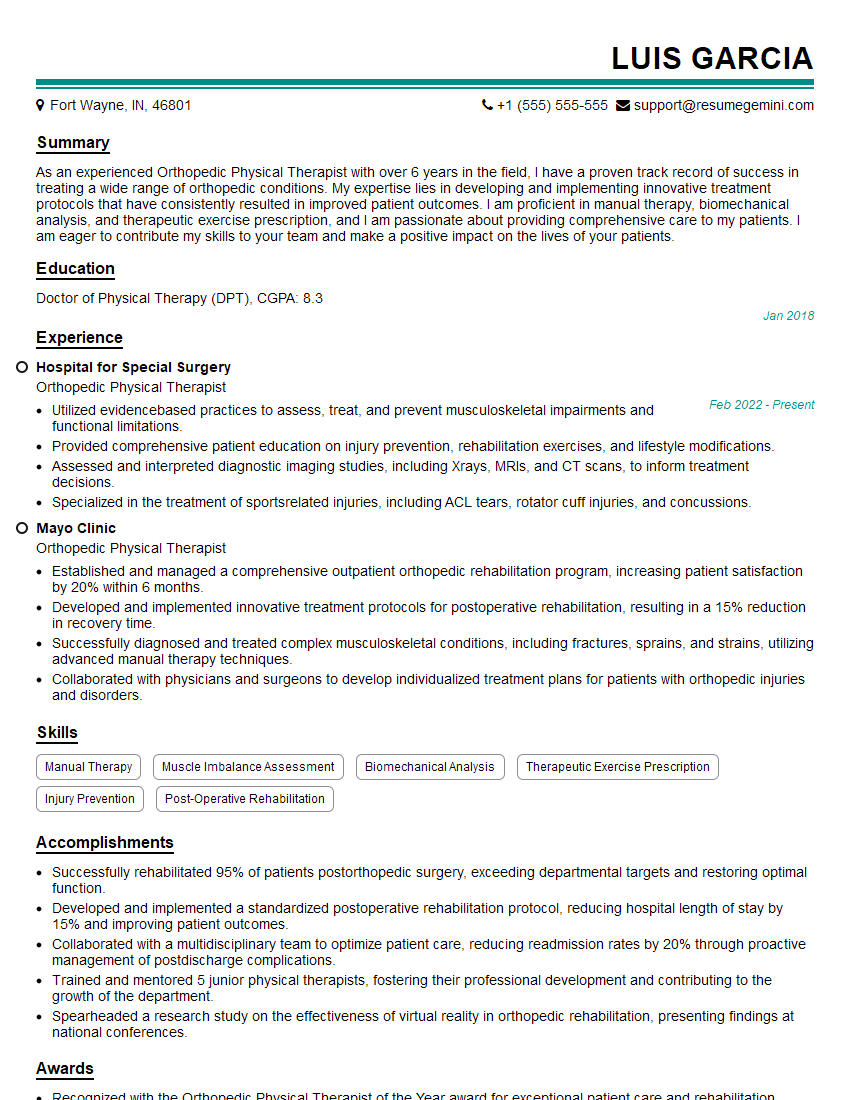
Orthopedic Physical Therapist Resume Sample
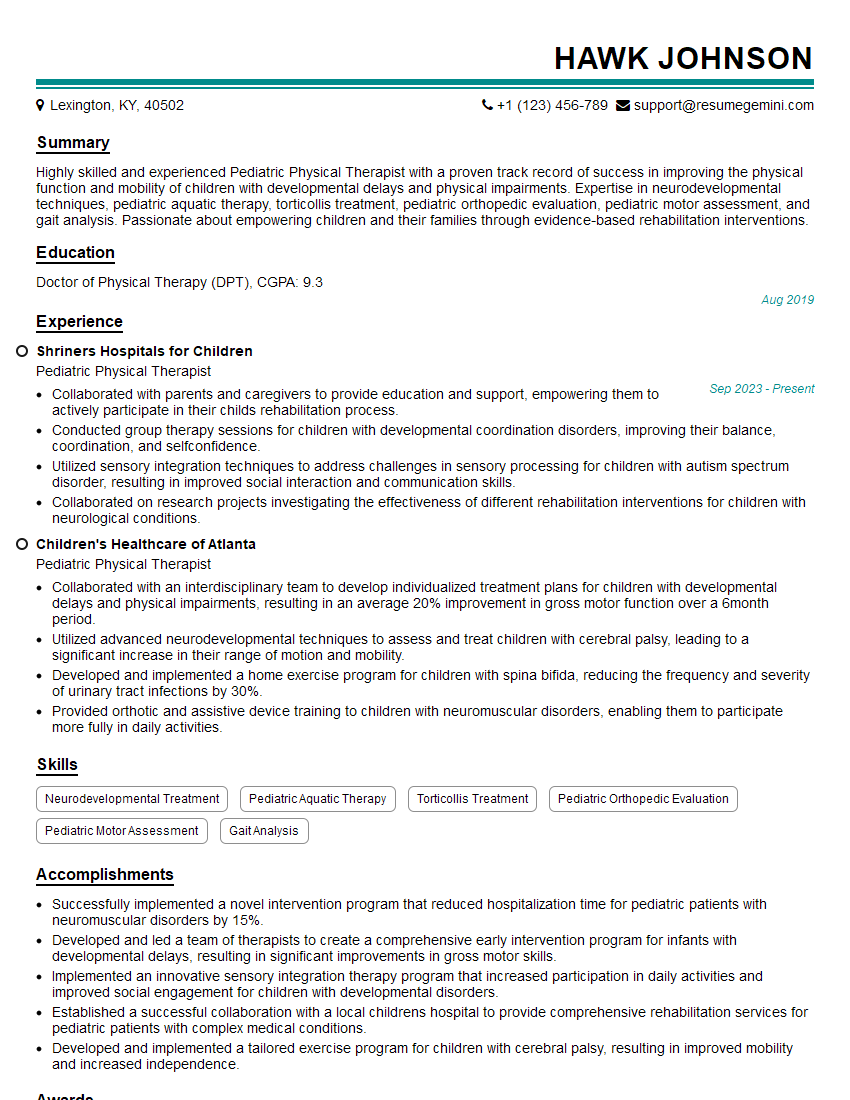
Pediatric Physical Therapist Resume Sample
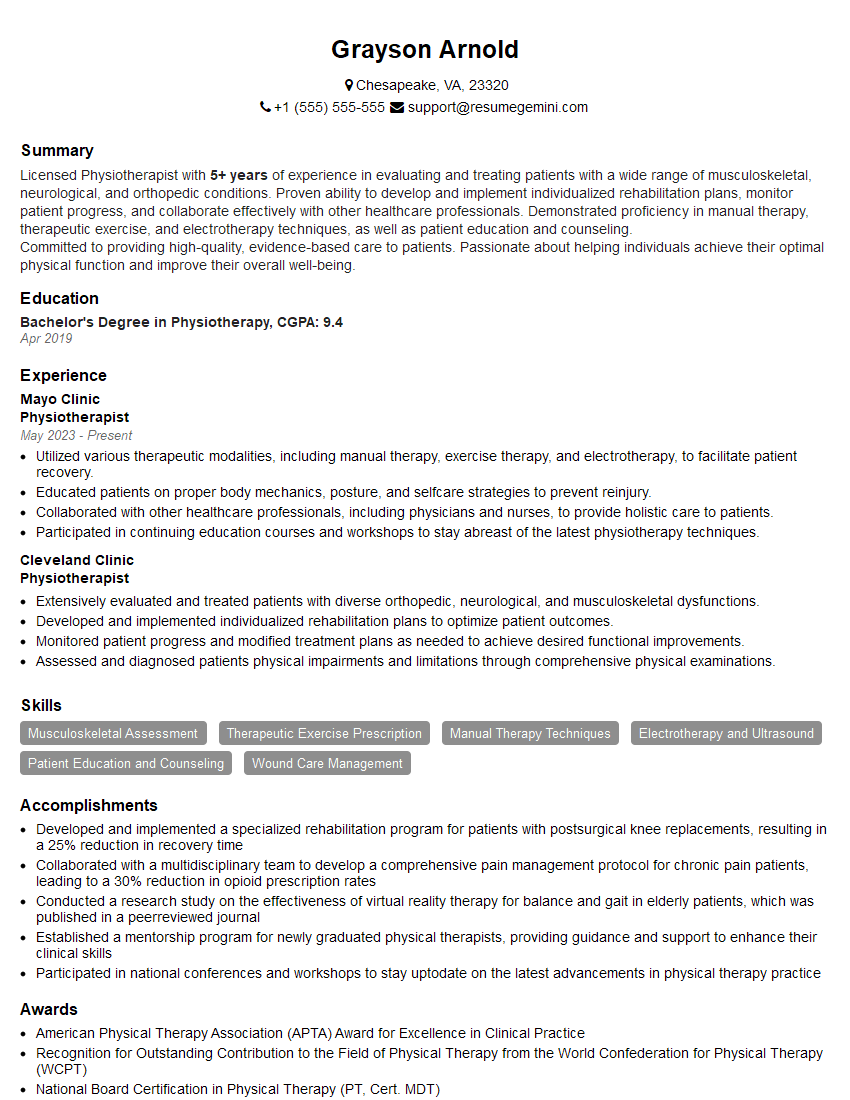
Physiotherapist Resume Sample
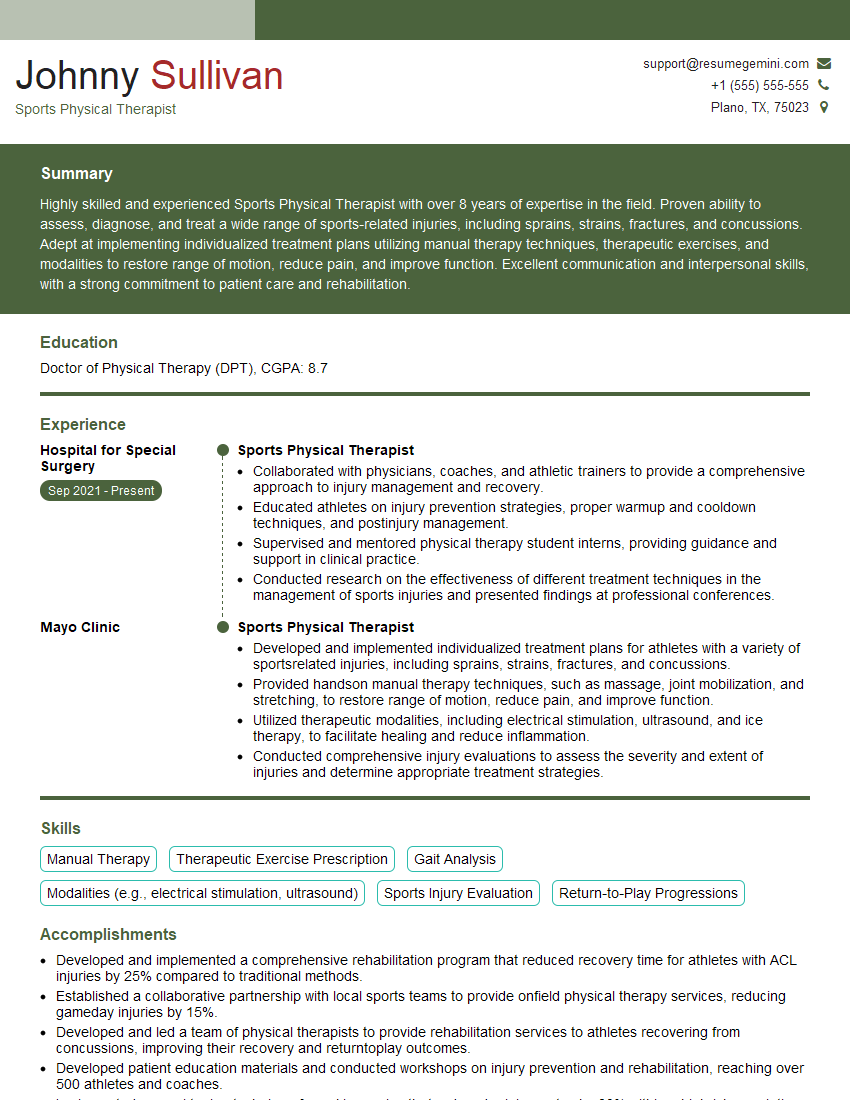
Sports Physical Therapist Resume Sample
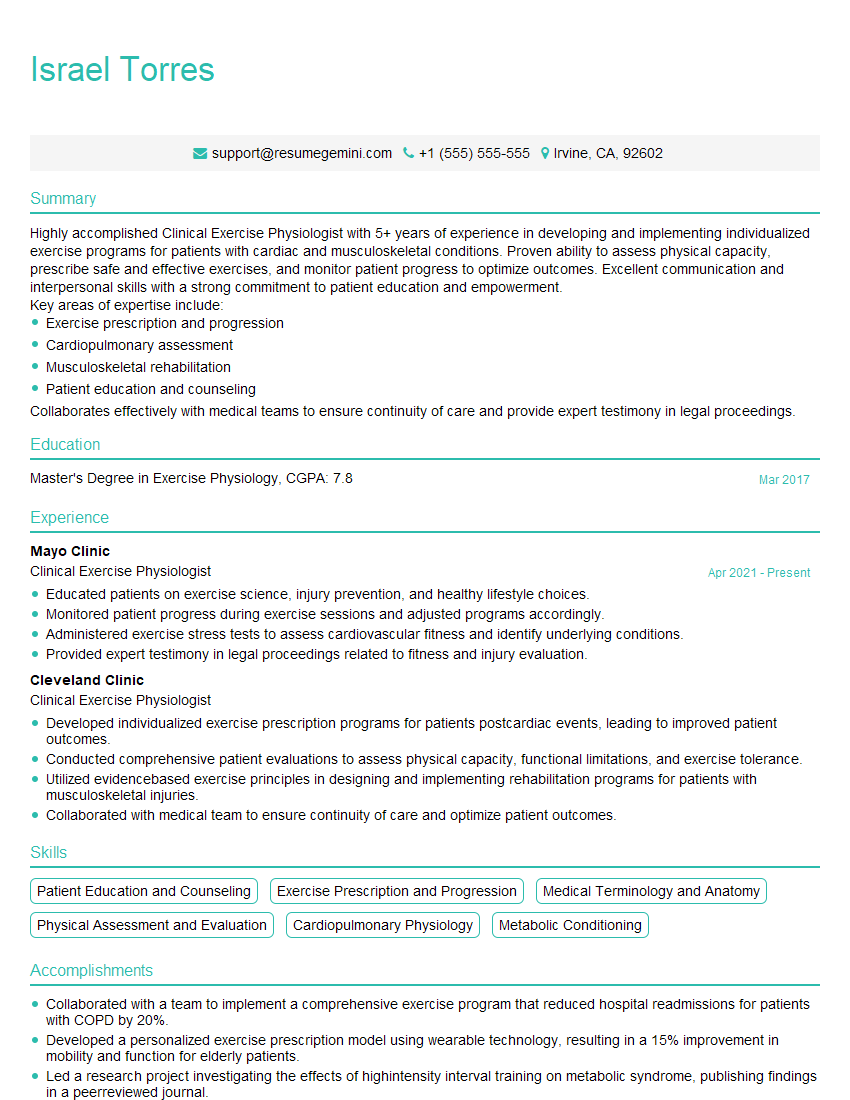
Clinical Exercise Physiologist Resume Sample
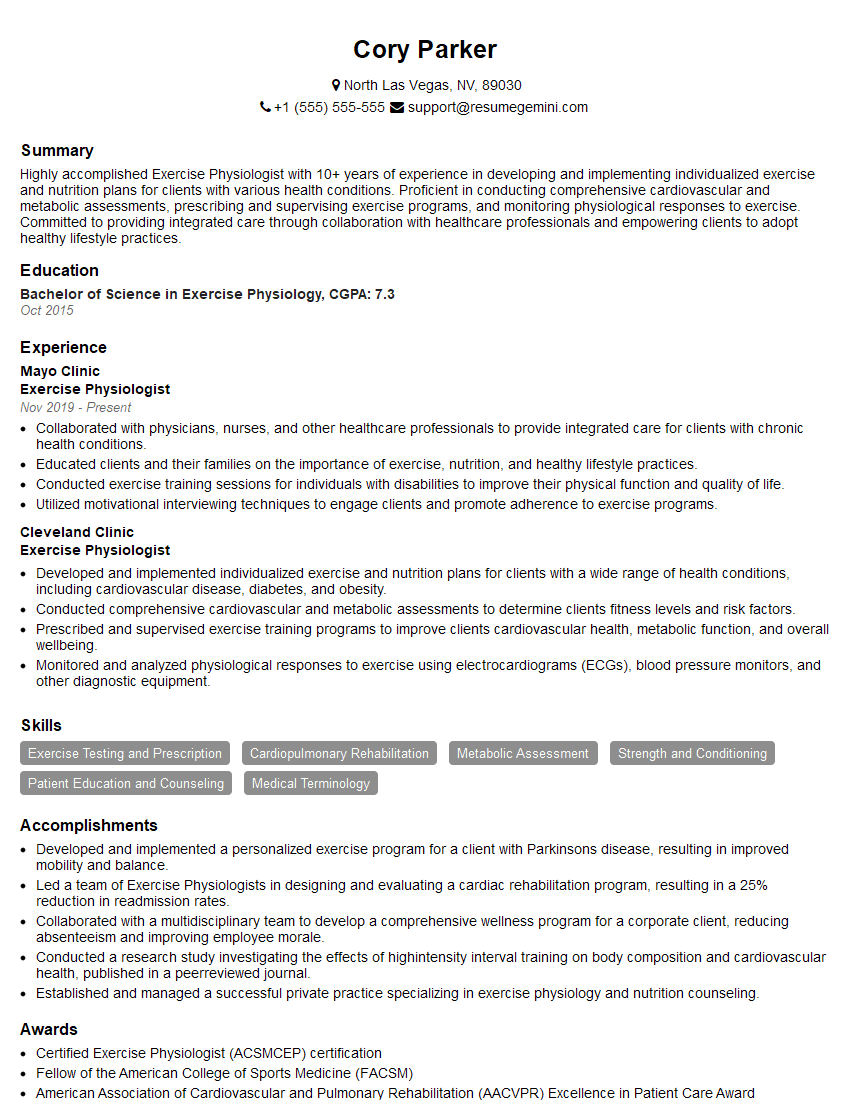
Exercise Physiologist Resume Sample
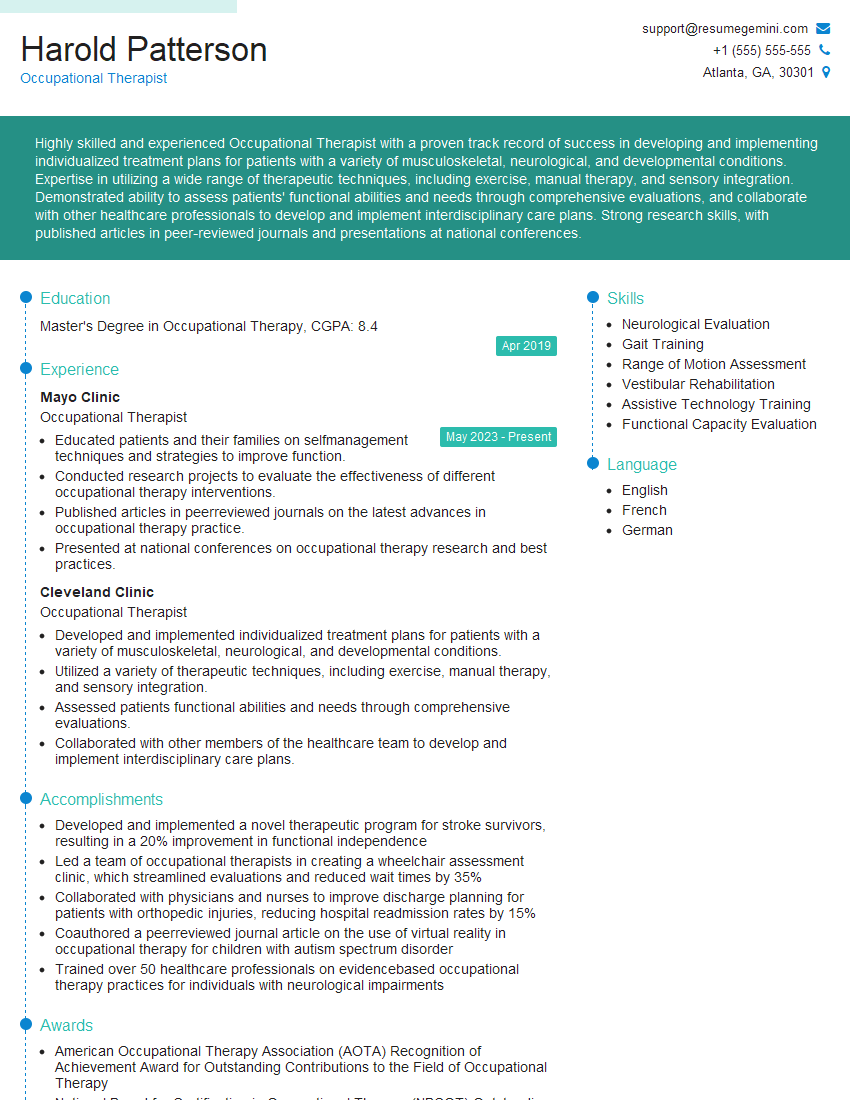
Occupational Therapist Resume Sample

Massage Therapist Resume Sample
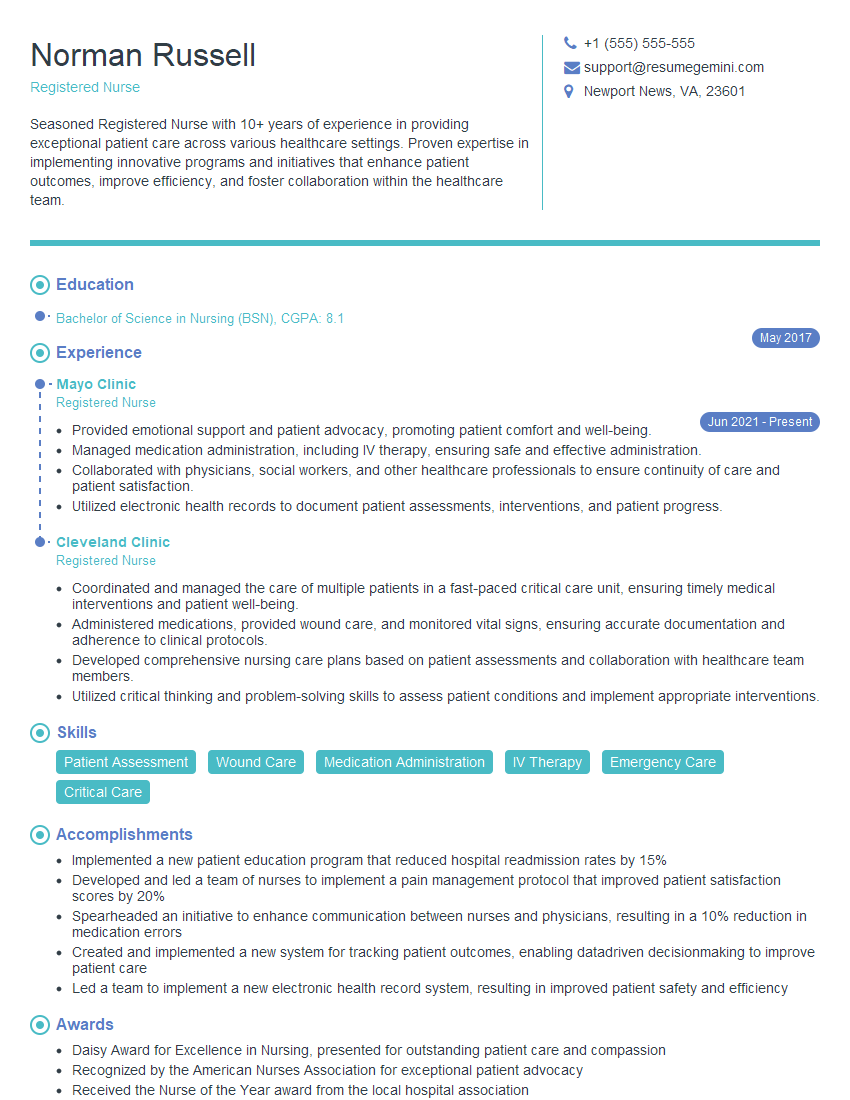
Registered Nurse Resume Sample
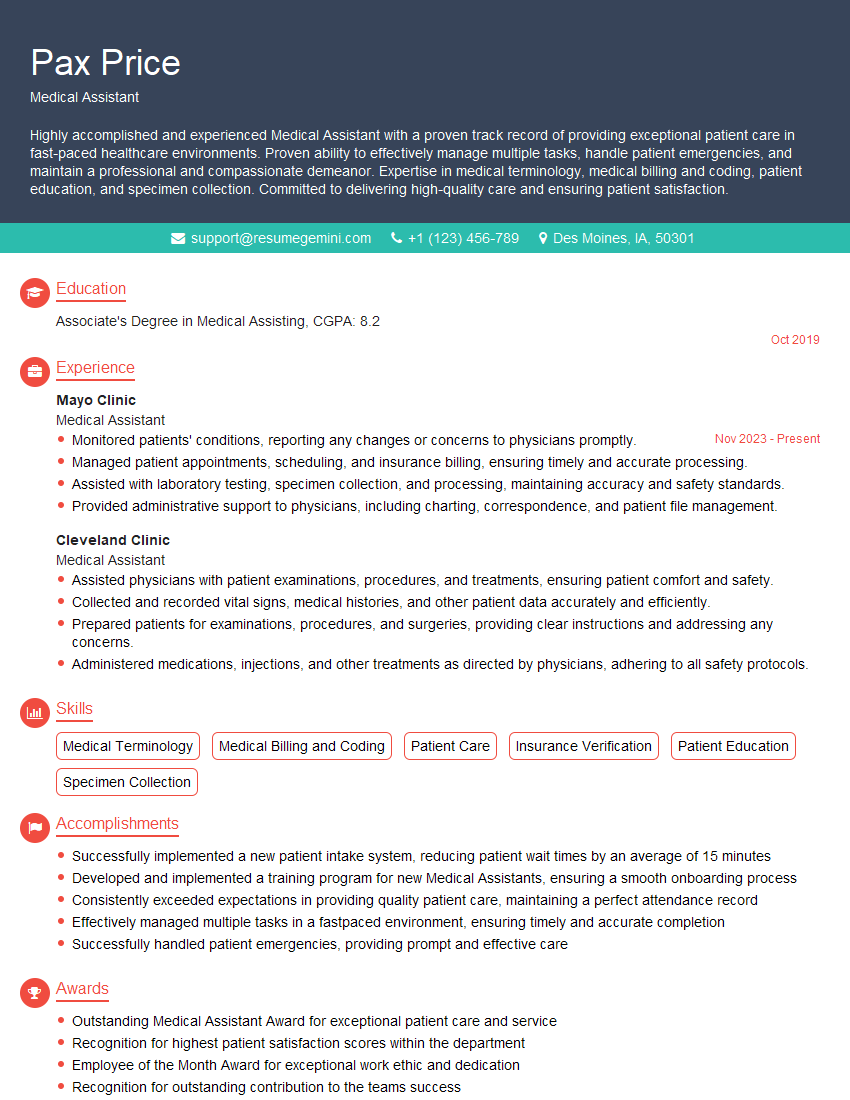
Medical Assistant Resume Sample
- Rehabilitation Specialist
- Athletic Trainer
- Chiropractor
- Rheumatologist
- Orthopedic Surgeon
- Sports Medicine Physician
- Geriatric Physical Therapist
- Orthopedic Physical Therapist
- Pediatric Physical Therapist
- Physiotherapist
- Sports Physical Therapist
- Clinical Exercise Physiologist
- Exercise Physiologist
- Occupational Therapist
- Massage Therapist
- Registered Nurse
- Medical Assistant
Explore more articles
Users Rating of Our Blogs
Share Your Experience
We value your feedback! Please rate our content and share your thoughts (optional).
What Readers Say About Our Blog
Very informative content, great job.
good