Interviews are more than just a Q&A session—they’re a chance to prove your worth. This blog dives into essential Reach Truck Operator Certification interview questions and expert tips to help you align your answers with what hiring managers are looking for. Start preparing to shine!
Questions Asked in Reach Truck Operator Certification Interview
Q 1. Describe your experience operating a reach truck.
I’ve been operating reach trucks for over seven years in various warehouse and distribution center settings. My experience encompasses handling diverse goods, from palletized materials to individual cartons, in both high-volume and low-volume environments. I’m proficient in navigating narrow aisles, loading and unloading trailers, and stacking goods to optimal heights, always prioritizing safety and efficiency. For example, in my previous role at Acme Distribution, I consistently exceeded daily targets while maintaining a perfect safety record. I also have experience operating different models and makes of reach trucks, allowing me to adapt quickly to new equipment.
Q 2. What are the safety procedures you follow when operating a reach truck?
My safety procedures are unwavering and built around a proactive approach. Before even starting the engine, I perform a thorough pre-operational inspection (detailed below). While operating, I always maintain a safe speed, keeping a constant awareness of my surroundings, including other equipment and personnel. I never operate the reach truck without proper training and certification. I adhere strictly to weight limits and avoid overloading the forks. I always use seatbelts and ensure visibility is maximized. Communication is key; I use hand signals or radios to coordinate with colleagues, particularly when working in confined spaces. I also frequently check for obstructions and ensure the path is clear before maneuvering the truck. In case of an emergency, I know the location of emergency shut-off switches and procedures.
Q 3. Explain the pre-operational checklist for a reach truck.
My pre-operational checklist is thorough and systematic:
- Visual Inspection: Check tires for wear and tear, damage to the mast, forks, and body. Look for leaks and ensure lights and indicators are functioning.
- Fluid Levels: Verify the hydraulic fluid level is adequate and there are no leaks.
- Battery Check (for electric trucks): Ensure sufficient charge and look for any damage to battery terminals or cables.
- Controls and Safety Features: Test the steering, brakes, lift, tilt, and travel functions. Confirm the horn, lights, and emergency stop are operational.
- Load Capacity Verification: Check the truck’s load capacity plate and ensure it aligns with the weight of the goods I intend to handle.
- Surrounding Area Assessment: Inspect the surrounding area for potential hazards, obstructions, or personnel.
This thorough inspection minimizes the risk of accidents and ensures the reach truck operates effectively and safely.
Q 4. How do you identify and address potential hazards while operating a reach truck?
Identifying and addressing hazards is a continuous process. I look out for things like:
- Floor Conditions: Uneven surfaces, spills, or debris can cause instability. I always proceed with caution.
- Obstacles and Congestion: I constantly scan my surroundings for people, pallets, equipment, or other obstacles to ensure ample space for safe maneuverability.
- Load Stability: I ensure the load is properly secured and balanced to prevent tipping. I understand the importance of weight distribution.
- Racking Issues: I am vigilant about damaged or unstable racking systems. I report any problems immediately to ensure corrective actions are taken.
- Poor Lighting: I avoid operating the reach truck in areas with insufficient lighting, which can severely impact visibility and increase the risk of accidents.
If I identify a hazard, I take immediate action. This could involve reporting the issue to my supervisor, securing the area, or temporarily halting operations until the problem is resolved. Safety is always my top priority.
Q 5. What is your experience with different types of reach truck attachments?
I have experience with several reach truck attachments, including:
- Standard Forks: For moving pallets of varying sizes.
- Paper Roll Clamps: Specialized for handling large rolls of paper.
- Side Shifters: Allow for precise positioning of pallets within racking systems. This is incredibly useful for optimizing space and improving efficiency.
- Rotators: Allow for rotating the load which can be crucial for certain handling and stacking configurations.
Knowing how to safely and effectively attach and operate these different attachments is crucial for maximizing efficiency and avoiding damage to goods or equipment.
Q 6. How do you load and unload goods safely and efficiently using a reach truck?
Safe and efficient loading and unloading involves several steps:
- Positioning: I carefully position the reach truck close to the load, ensuring it’s stable and balanced before engaging the forks.
- Fork Insertion: I slowly insert the forks under the pallet, ensuring even weight distribution.
- Lifting and Transport: I carefully lift the load, checking for stability throughout the process. I move at a safe speed, avoiding abrupt movements.
- Placement: When unloading, I slowly lower the load to its designated location, ensuring it’s placed securely and correctly.
- Communication: When working near loading docks or other areas with traffic, I actively communicate my actions to others.
Smooth, controlled movements are essential to prevent accidents and ensure efficient operation. For example, I always prioritize smooth braking and avoid sudden acceleration to prevent cargo shifting or spills.
Q 7. What are the load capacity limitations of a reach truck?
Reach truck load capacity varies depending on the model and specifications of the machine. This information is clearly displayed on a data plate usually located on the truck itself. It’s crucial to never exceed the stated load capacity. Attempting to lift a load heavier than the rated capacity can lead to serious accidents, such as tipping, equipment damage, and injury. Before each operation, I always check the load capacity plate and compare it to the weight of the goods to be moved. I’ll also consider factors such as the load’s center of gravity; improperly balanced loads can create instability even if the overall weight is within the allowed limit.
Q 8. How do you maintain the stability of a reach truck while carrying a load?
Maintaining reach truck stability while carrying a load is paramount for safety and efficiency. It hinges on understanding the truck’s weight capacity, the load’s center of gravity, and safe operating procedures. Think of it like balancing a stack of books – if the weight isn’t distributed evenly, the whole thing could topple.
- Even Weight Distribution: Ensure the load is centered on the forks. Uneven weight distribution shifts the center of gravity, increasing the risk of tipping. Imagine carrying a heavy box; you naturally hold it close to your body for balance, the same principle applies here.
- Appropriate Speed: Reduce speed when navigating turns or uneven surfaces. Sudden movements disrupt the truck’s stability, especially with a heavy load. Think of driving on a slippery road – slow and steady wins the race, and prevents accidents.
- Fork Height: Keep the forks at a manageable height. Raising the forks too high elevates the center of gravity, making the truck more susceptible to tipping. Lowering them too much can cause dragging and damage to the load or floor.
- Tilt Control: Utilize the tilt mechanism carefully. Tilting the mast forward too aggressively while carrying a load can cause it to shift and tip. Use this feature gradually and with caution.
- Truck Condition: Regular maintenance checks are crucial. Ensure tires are properly inflated and the truck is free of any mechanical issues that could compromise stability. A well-maintained vehicle is safer and more efficient.
Q 9. Explain the proper techniques for maneuvering a reach truck in tight spaces.
Maneuvering a reach truck in tight spaces requires precision and smooth control. It’s all about planning your movements and executing them carefully. Imagine threading a needle – precision and planning are key.
- Small, Controlled Movements: Use slow, deliberate steering inputs. Avoid jerky movements that could cause collisions or loss of control.
- Strategic Positioning: Plan your route before making any maneuvers. Consider the dimensions of the truck, the load, and any obstacles in your path.
- Use of Mirrors and Sensors: Utilize the reach truck’s mirrors and any available sensors (e.g., proximity sensors) to ensure you’re aware of your surroundings. These are essential for navigating in blind spots.
- Backward Maneuvers: In confined areas, reversing might be the safest and most efficient way to navigate. Practice your reversing skills thoroughly, making sure your view is unobstructed.
- Awareness of Surroundings: Be hyper-vigilant for pedestrians and other vehicles in the vicinity, particularly when operating in tight spaces. Communicate your intentions clearly.
Q 10. How do you handle pallet stacking and retrieval efficiently and safely?
Efficient and safe pallet stacking and retrieval involves understanding load stability, proper techniques, and warehouse layout optimization. Think of it like building a stable tower of blocks – each layer needs to be carefully placed.
- Load Centering: Ensure pallets are correctly centered on the forks to maintain stability during both stacking and retrieval.
- Gradual Movements: Avoid sudden movements when lifting or lowering pallets to prevent spills, damage, and accidents.
- Safe Stacking Heights: Follow the warehouse’s recommended stacking heights to avoid exceeding the reach truck’s capacity or creating unstable stacks.
- Proper Pallet Placement: When placing pallets, ensure they are evenly distributed within the designated rack slots to maintain structural integrity and prevent collapses.
- Clearance & Space Management: Maintain adequate clearance around the stacking area to prevent collisions. Proper aisle widths and organized storage are crucial for efficient stacking and retrieval.
Q 11. Describe your experience with inventory management systems used in conjunction with reach trucks.
My experience with inventory management systems (IMS) includes using Warehouse Management Systems (WMS) that integrate with reach trucks through barcode scanners or RFID technology. These systems directly affect my work by optimizing pallet retrieval order and location, improving accuracy and efficiency. Imagine a smart shopping list – instead of searching randomly, the system guides you to the exact item.
- WMS Integration: I’ve worked with systems that provide real-time inventory data and direct the operator to the appropriate location for picking and placing pallets. This reduces search time and improves efficiency.
- Order Picking Optimization: WMS software often optimizes the order in which pallets are retrieved to minimize travel time and improve overall throughput. This is like having the most efficient route planned for a delivery driver.
- Data Accuracy: Accurate data entry and scanning within the IMS helps maintain accurate inventory levels, preventing stockouts or overstocking.
- Reporting & Analysis: Most systems generate reports that track performance metrics like picking time, cycle counts, and error rates, allowing for continuous improvement.
Q 12. How do you ensure the safety of pedestrians while operating a reach truck?
Pedestrian safety is paramount when operating a reach truck. Always assume pedestrians are unaware of your presence, and prioritize proactive measures to prevent accidents. Think of it like sharing the road – caution and courtesy are essential.
- Honking and Visual Signals: Use your horn to alert pedestrians of your presence, especially in blind spots or tight corners. Consider using additional visual signals like flashing lights.
- Slow Speed in Pedestrian Areas: Reduce speed and exercise extra caution when operating in areas with high pedestrian traffic. Consider setting a speed limit for certain zones.
- Clear Communication: Communicate your intentions clearly and politely to pedestrians. Alert them when you’re preparing to make a maneuver.
- Designated Pedestrian Pathways: Ensure that designated walkways and pathways are clear and well-marked to keep pedestrians separated from operating equipment.
- Training and Awareness: All personnel, including pedestrians, should receive adequate training on safe operating procedures and pedestrian safety around reach trucks.
Q 13. What is your understanding of load weight distribution and its importance?
Load weight distribution is crucial for reach truck stability and preventing accidents. It’s about understanding how the weight of the load is distributed across the forks and its impact on the truck’s center of gravity. Imagine carrying a heavy backpack – if it’s unevenly distributed, you’ll wobble.
- Center of Gravity: The center of gravity should be kept as low and centered as possible. Uneven distribution can significantly increase the risk of tipping.
- Load Capacity: Never exceed the reach truck’s rated load capacity. This information is usually displayed on the truck’s data plate. Overloading is extremely dangerous and can cause serious accidents.
- Weight Distribution on Forks: The weight must be evenly distributed on both forks, otherwise one side may lift, leading to instability.
- Load Securing: Ensure the load is properly secured to prevent shifting during transport. Straps or other load-securing devices are crucial, especially for unstable loads.
- Consequences of Improper Distribution: Improper load distribution can lead to damaged goods, equipment damage, and serious injury or even death for the operator and others.
Q 14. How would you respond to a mechanical malfunction of a reach truck?
Responding to a mechanical malfunction requires immediate action to ensure safety and prevent further damage. It’s essential to follow established procedures and prioritize safety. Think of it like addressing a car problem – you wouldn’t ignore warning lights.
- Immediate Stop: If a malfunction occurs, stop the reach truck immediately in a safe location, away from traffic and potential hazards.
- Assess the Situation: Evaluate the nature of the malfunction. Is it a minor issue or something more serious? This helps determine the next steps.
- Report the Malfunction: Immediately report the malfunction to your supervisor or designated maintenance personnel. Don’t attempt to fix it yourself unless you’re adequately trained.
- Follow Safety Procedures: Ensure that the truck is turned off and secured to prevent accidental operation. Warn others nearby about the malfunction.
- Prevent Further Use: Do not operate the reach truck again until it has been inspected and repaired by qualified personnel. Safety should always be your top priority.
Q 15. What are the different types of reach truck masts and their applications?
Reach truck masts come in various configurations, each designed for specific applications. The choice depends on factors like warehouse ceiling height, pallet dimensions, and the type of goods being handled.
- Standard Duplex Mast: This is the most common type. It offers a straightforward lift and tilt mechanism, suitable for most standard warehouse operations. Think of it as the ‘everyday driver’ of reach truck masts. It’s efficient for stacking pallets to moderate heights.
- Triplex Mast: Provides a greater lift height compared to a duplex mast, allowing for efficient storage in high-bay warehouses. This is ideal for facilities with high racking systems, maximizing vertical space. Imagine needing to reach the top shelf of a very tall bookcase – that’s where a triplex mast excels.
- Full Free Lift Mast: This mast allows for lifting the forks to a certain height *before* tilting back, making it easier to maneuver in tight spaces or under low-hanging obstructions. This is incredibly useful in narrow aisle warehouses or when dealing with overhead obstacles. Picture navigating a crowded warehouse – the full free lift allows for greater maneuverability.
- Quadruplex Mast: These offer the highest lift heights and are typically found in very high-bay warehouses, exceeding even the capabilities of a triplex. They’re less common but crucial for ultra-high-density storage.
Choosing the right mast is crucial for safety and efficiency. A mast that’s too short limits storage capacity, while one that’s too tall might be unstable or difficult to maneuver in a given space.
Career Expert Tips:
- Ace those interviews! Prepare effectively by reviewing the Top 50 Most Common Interview Questions on ResumeGemini.
- Navigate your job search with confidence! Explore a wide range of Career Tips on ResumeGemini. Learn about common challenges and recommendations to overcome them.
- Craft the perfect resume! Master the Art of Resume Writing with ResumeGemini’s guide. Showcase your unique qualifications and achievements effectively.
- Don’t miss out on holiday savings! Build your dream resume with ResumeGemini’s ATS optimized templates.
Q 16. Describe your experience with different types of warehouse layouts and how they influence reach truck operation.
My experience encompasses various warehouse layouts, from traditional wide-aisle warehouses to highly efficient narrow-aisle facilities. Each layout significantly impacts reach truck operation.
- Wide-Aisle Warehouses: These layouts offer ample space for maneuvering, allowing for faster and simpler operations. However, they require more floor space, impacting overall efficiency and cost.
- Narrow-Aisle Warehouses: These utilize very narrow aisles, maximizing storage density. Reach trucks are essential in such environments as their ability to operate within confined spaces is key. However, precision and careful maneuvering are crucial to avoid collisions. The challenge here is mastering tight turns and maintaining safe speeds.
- Very Narrow Aisle (VNA) Warehouses: These represent the most demanding layouts, with extremely narrow aisles requiring highly specialized reach trucks and exceptional operator skill. Even slight errors can lead to serious incidents. Experience in VNA environments demands the highest level of concentration and precision.
Understanding the layout is paramount. Before operating in any new warehouse, I always thoroughly familiarize myself with the aisle widths, racking configuration, and any potential obstacles. A pre-shift inspection, checking for any obstructions or safety concerns, is a key step in my routine.
Q 17. How do you manage different order picking methods with a reach truck?
Reach trucks can effectively support various order picking methods. My experience includes:
- Batch Picking: This involves picking multiple orders simultaneously. I utilize route optimization strategies, planning the most efficient path to gather items for several orders at once. This reduces travel time and improves overall picking efficiency. I might group orders based on their location in the warehouse to minimize travel.
- Zone Picking: In this method, operators are assigned specific zones or areas of the warehouse. This allows for specialization and expertise within a given area, improving efficiency and accuracy. My role involves sticking to my assigned zone and ensuring all picking tasks are completed accurately and promptly within my zone.
- Wave Picking: This involves releasing batches of orders at specific times or intervals (‘waves’). The system directs me to specific locations and orders, following a pre-determined schedule. Time management and efficient order processing are crucial here.
Regardless of the method, accuracy and speed are vital. I meticulously check each order against the picking list before moving on to the next one, and I always prioritize safety. The use of barcode scanners ensures accuracy and efficient tracking of picked items.
Q 18. What are the regulations and safety standards you follow while operating a reach truck?
Reach truck operation adheres to stringent regulations and safety standards, focusing on preventing accidents and injuries. Key aspects include:
- Pre-Operational Checks: Before each shift, I perform a thorough inspection of the reach truck, checking for mechanical issues, fluid leaks, and tire condition. This includes verifying the functionality of safety features like horns, lights, and emergency stops.
- Safe Operating Procedures: I always follow established procedures, including maintaining a safe speed, avoiding sudden movements, and using appropriate signals when maneuvering. Never operating under the influence of drugs or alcohol is non-negotiable.
- Load Stability: Proper load securing is paramount. I ensure loads are evenly distributed and properly secured to prevent tipping or shifting during transport. I also adhere to weight limits stated on the truck and the load.
- Personal Protective Equipment (PPE): I always wear appropriate PPE, including safety shoes, high-visibility clothing, and safety glasses. Hearing protection is important in noisy environments.
- Compliance with Local Regulations: I’m always up-to-date on all local and company safety regulations, attending mandatory training sessions and complying with all relevant safety guidelines.
Safety is my top priority. Any deviation from these procedures is unacceptable and will be immediately reported.
Q 19. Explain your understanding of warehouse safety regulations and policies.
Warehouse safety is governed by a comprehensive set of regulations and policies aimed at minimizing risks and fostering a safe working environment. These regulations generally cover:
- Emergency Procedures: Knowing the location of fire extinguishers, emergency exits, and assembly points is crucial. Furthermore, understanding the proper procedures for reporting incidents and accidents is vital. Regular drills help reinforce this knowledge.
- Pedestrian Safety: Maintaining awareness of pedestrians is crucial, especially in busy warehouses. I always give right-of-way to pedestrians and use caution when navigating areas with high foot traffic.
- Racking Inspection: Regular inspection of racking systems is crucial for identifying potential damage or instability. Reporting any concerns immediately to the appropriate personnel is a key responsibility.
- Housekeeping: Maintaining a clean and organized workspace is essential for preventing accidents. Clear aisles and proper storage of materials are crucial.
- Fire Safety: Understanding and adhering to fire safety regulations is critical. This includes knowing the location and use of fire extinguishers, as well as evacuation procedures.
Compliance with these policies isn’t just about following rules; it’s about actively contributing to a culture of safety that protects everyone in the warehouse.
Q 20. Describe your experience with using warehouse management systems (WMS).
I have extensive experience using Warehouse Management Systems (WMS). These systems are crucial for efficient warehouse operations. My experience involves:
- Order Processing: WMS provides order details, including item locations, quantities, and delivery information. I rely on the WMS to guide my picking routes, optimizing my workflow.
- Inventory Management: The WMS provides real-time inventory updates, allowing me to track stock levels and identify potential shortages. This is crucial for maintaining accurate stock levels and ensuring efficient order fulfillment.
- Reporting and Analysis: WMS provides valuable data on key performance indicators (KPIs) such as order fulfillment time, picking accuracy, and travel distance. This data is used to identify areas for improvement in warehouse operations.
- Integration with other systems: WMS often integrates with other systems like ERP (Enterprise Resource Planning) systems, facilitating seamless data flow across the entire supply chain. This allows for better forecasting and decision-making.
My proficiency with WMS ensures efficient and accurate order fulfillment, contributing directly to warehouse productivity and customer satisfaction. I am comfortable using various WMS interfaces and extracting data for performance analysis.
Q 21. How do you prioritize tasks and manage time effectively while operating a reach truck?
Effective task prioritization and time management are crucial for reach truck operation, especially in fast-paced warehouse environments. My approach includes:
- Prioritizing Urgent Orders: I prioritize orders based on urgency, such as those with tight deadlines or special delivery requirements. Understanding the importance of each task is key to efficient time management.
- Route Optimization: I plan my routes strategically, minimizing travel time and maximizing efficiency. The use of WMS tools helps in this process.
- Batching Similar Tasks: I group similar tasks together to improve efficiency and reduce wasted movement. For example, I might pick all orders destined for a specific shipping dock at once.
- Regular Breaks: Taking short, scheduled breaks is essential for preventing fatigue and maintaining focus. This also contributes to safety and accuracy.
- Communication: Effective communication with supervisors and team members is crucial for coordinating tasks and resolving any issues that arise. This prevents delays and promotes smoother workflows.
My experience has taught me that efficient time management isn’t just about speed; it’s about making smart choices that improve overall productivity and minimize errors.
Q 22. Explain your problem-solving skills in relation to operational challenges encountered while using a reach truck.
My approach to problem-solving with reach trucks centers on a systematic process. I start by identifying the root cause of the operational challenge, not just the symptom. For example, if I’m experiencing inconsistent lift heights, I wouldn’t just adjust the controls randomly. Instead, I’d check for potential hydraulic leaks, inspect the mast for damage, verify proper battery charge, and even consider the possibility of a software glitch in more advanced models.
Once the cause is identified, I prioritize safety. If the issue poses a safety risk (like a hydraulic leak), I immediately report it and take the truck out of service until it’s repaired. For less critical issues, I try a range of solutions, starting with the simplest. If that doesn’t work, I consult the operator’s manual, and if necessary, contact maintenance personnel. I document everything – the problem, my troubleshooting steps, and the solution – to learn from the experience and prevent future occurrences. One time, I encountered a situation where pallets weren’t aligning properly with the forks. After checking the forks, mast, and load, I discovered a small piece of debris lodged in the carriage mechanism which was easily removed resolving the issue. This methodical approach ensures efficiency and minimizes downtime.
Q 23. How do you maintain accurate inventory records using a reach truck?
Maintaining accurate inventory using a reach truck involves a combination of careful operation and robust record-keeping. Before operating the reach truck, I ensure that my picking list is up-to-date and accurately reflects the current stock levels. I use a handheld scanner to verify each item as it’s picked, updating the inventory management system in real-time. This system usually integrates with the warehouse management system (WMS), automatically deducting picked items from the inventory database.
After completing a picking task, I conduct a visual inspection to verify the accuracy of my picking and ensure nothing has been missed or damaged. Regular reconciliation of the physical inventory against the system’s records helps identify discrepancies and address them promptly. This involves physically counting items in selected areas and comparing them to the system data. Any discrepancies are meticulously investigated and documented. A reliable and well-maintained inventory management system is crucial to this process. This minimizes errors and ensures that the inventory information used for picking and reporting is always accurate.
Q 24. What is your understanding of the different types of forklift safety training?
Forklift safety training encompasses several levels, from basic operator training to specialized certifications. Basic training covers the fundamental operating procedures, pre-operation checks, safe load handling techniques, and hazard awareness. This typically includes classroom instruction, practical training on the equipment, and a written and practical examination. More advanced training often includes specific certifications tailored to different types of forklifts, such as reach trucks, counterbalance trucks, and order pickers. Specialized training might focus on operating in specific environments (e.g., cold storage, hazardous materials handling) or on advanced operating techniques (e.g., high stacking). Furthermore, refresher training is essential to keep skills sharp and up-to-date with any changes in safety regulations or best practices. Regular refresher courses are as important as the initial training for maintaining safety standards.
Q 25. How do you report accidents or incidents that occur during reach truck operation?
Reporting accidents or incidents involving a reach truck is a critical part of maintaining workplace safety. My process involves immediately stopping work and securing the area to prevent further incidents. I’d then provide first aid if needed and make sure everyone is safe. Next, I report the incident to my supervisor, documenting all details in the incident report form provided by the company. This includes a precise description of what happened, the date, time, location, any witnesses, and the extent of any damage or injuries. Photographs or videos of the accident scene are valuable evidence. I also note the make and model of the reach truck, its serial number, and its condition before and after the incident. The goal is to provide a comprehensive report that allows for a thorough investigation and facilitates the implementation of corrective actions to prevent similar incidents in the future.
Q 26. Describe your experience with preventative maintenance of a reach truck.
Preventative maintenance is vital for ensuring the safe and efficient operation of a reach truck. My experience encompasses a range of tasks, including daily pre-operational checks such as inspecting tires, hydraulic fluid levels, battery charge, and the overall condition of the truck for any damage or leaks. Regularly checking components like the mast chains, forks, and safety devices is also critical. I document these inspections in a logbook. More extensive maintenance, such as changing hydraulic fluid, lubricating moving parts, and inspecting the braking system, is performed by trained technicians according to a scheduled maintenance plan. I assist with these tasks by preparing the reach truck and ensuring its accessibility to the maintenance team. My proactive approach in reporting any potential issues, however minor they might seem, helps to avoid costly repairs and potential safety hazards down the line. A well-maintained reach truck is far safer and more reliable.
Q 27. What is your understanding of the different types of warehouse racking systems and how they impact reach truck operation?
Warehouse racking systems significantly impact reach truck operations. Understanding the different types is crucial for efficient and safe operation. Common systems include:
- Pallet racking: This is the most common type, allowing for individual pallet storage. Reach trucks are ideal for accessing pallets at various heights in these systems.
- Drive-in/drive-through racking: This system allows forklifts to drive directly into the racking structure. Reach trucks are suitable but require careful maneuvering, especially in narrower aisles.
- Push-back racking: This system uses carriages that allow pallets to be pushed back into the racking, creating higher storage density. Reach trucks can operate in this system but may need extra care to avoid damage to the carriages.
- Very Narrow Aisle (VNA) racking: This system features very narrow aisles designed for specialized forklifts. Reach trucks are often specifically designed for VNA operations, offering very precise maneuverability.
The type of racking dictates aisle width, reach truck maneuverability, and storage capacity. Operating a reach truck safely and efficiently requires understanding the specific characteristics of the racking system in use, such as load capacity, clearance, and any specific operational guidelines associated with that system. It’s crucial to adapt my driving style and load handling techniques to the specific characteristics of each racking system.
Q 28. How do you handle different types of loads (e.g., fragile, oversized) using a reach truck?
Handling different types of loads requires adapting my reach truck operation techniques to ensure both safety and the integrity of the goods. For fragile loads, I use extra caution during lifting, lowering, and transporting. I might use protective materials like dunnage or padding to prevent damage. I always operate at a slower speed and make sure the load is stable and secure throughout the process. For oversized loads, I ensure that the load is within the weight and dimension limits of the reach truck and that it’s properly balanced to prevent tipping. I might need to use load stabilizers or additional securing straps. I’ll also make sure the load is within the safe operating area, factoring in visibility and proximity to racking or other obstacles. Prior to moving any load, I always conduct a thorough pre-lift check, ensuring stability and appropriate use of safety devices. Detailed understanding of the load characteristics is paramount to safe and efficient handling.
Key Topics to Learn for Reach Truck Operator Certification Interview
- Reach Truck Operation: Mastering the safe and efficient operation of a reach truck, including pre-operational checks, load handling techniques, and maneuvering in various environments.
- Safety Procedures and Regulations: Understanding and adhering to all relevant safety regulations, including load capacity limits, proper lifting techniques, and emergency procedures. Practical application involves demonstrating your knowledge of hazard identification and risk mitigation strategies.
- Warehouse Layout and Logistics: Familiarity with warehouse organization, inventory management systems, and efficient routing within the warehouse space. This includes understanding order picking strategies and optimizing workflow.
- Maintenance and Troubleshooting: Basic understanding of reach truck maintenance, including identifying potential mechanical issues and performing minor troubleshooting. Knowing when to report more serious problems is crucial.
- Load Securing and Stability: Understanding principles of load stability and the importance of proper load securing techniques to prevent accidents and damage. This includes recognizing and addressing potential imbalances.
- Communication and Teamwork: Effective communication with supervisors and colleagues, and the ability to work collaboratively within a team environment. This is vital for efficient warehouse operations.
- Inventory Control and Accuracy: Understanding the importance of accurate inventory management and the role of the reach truck operator in maintaining stock levels and reporting discrepancies.
Next Steps
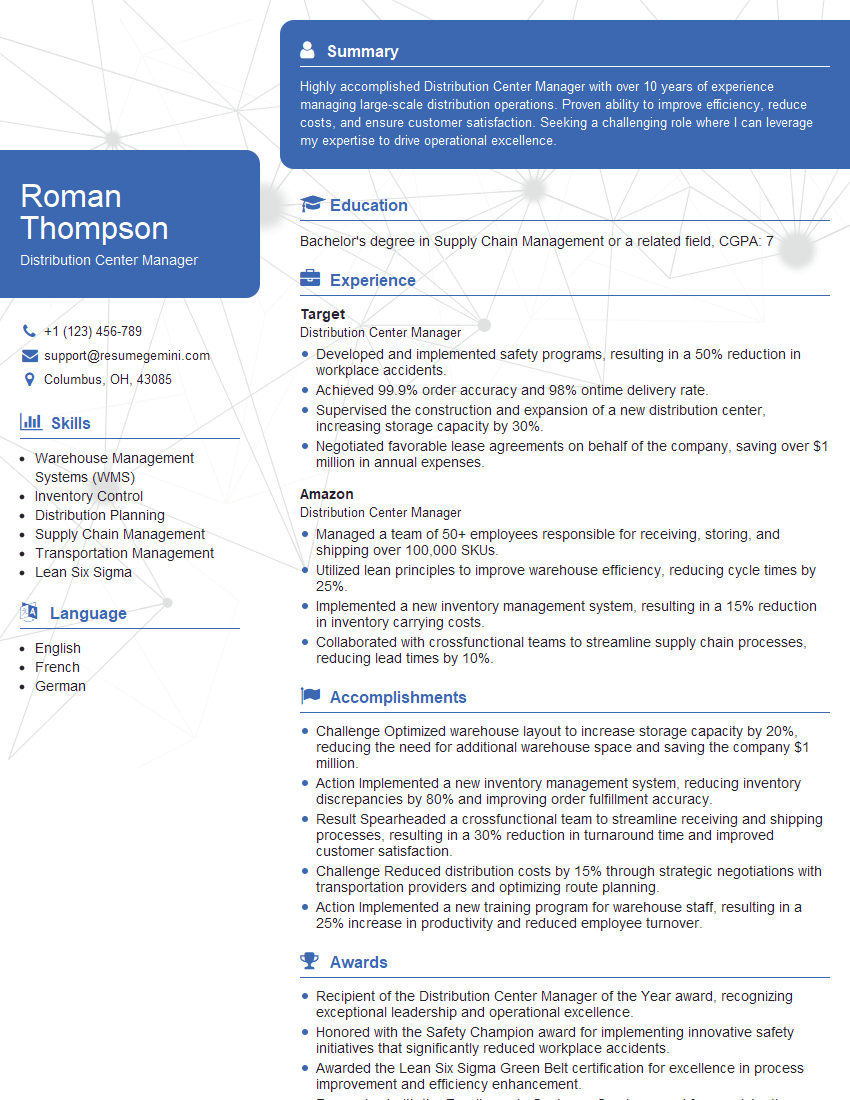
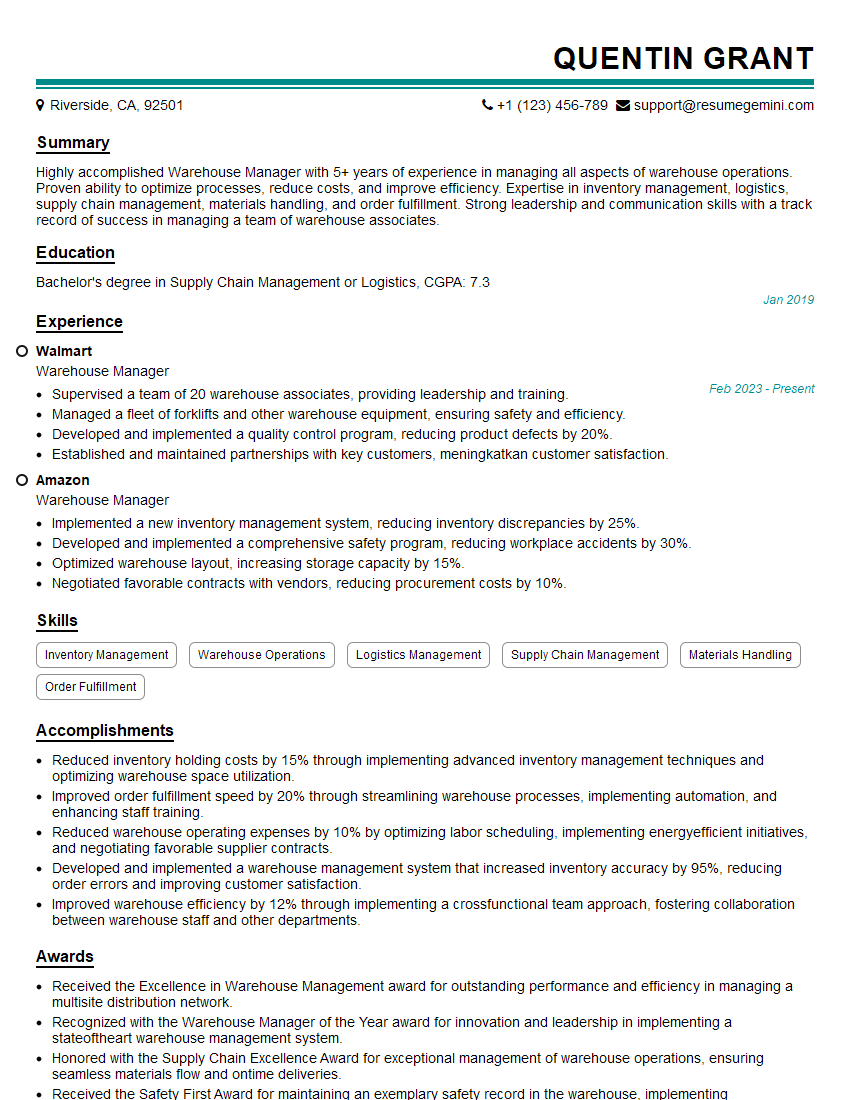
Mastering Reach Truck Operator Certification significantly enhances your career prospects, opening doors to higher-paying positions and greater responsibility within the logistics and warehousing industry. To maximize your job search success, it’s crucial to create a resume that effectively highlights your skills and experience to Applicant Tracking Systems (ATS). ResumeGemini is a trusted resource that can help you build a professional and ATS-friendly resume. We provide examples of resumes tailored to Reach Truck Operator Certification to help you showcase your qualifications effectively. Invest in your future – create a resume that gets noticed!
Explore more articles
Users Rating of Our Blogs
Share Your Experience
We value your feedback! Please rate our content and share your thoughts (optional).
What Readers Say About Our Blog
Very informative content, great job.
good