Unlock your full potential by mastering the most common Read and follow instructions interview questions. This blog offers a deep dive into the critical topics, ensuring you’re not only prepared to answer but to excel. With these insights, you’ll approach your interview with clarity and confidence.
Questions Asked in Read and follow instructions Interview
Q 1. Describe a time you misinterpreted instructions. What was the outcome, and what did you learn?
Early in my career, I was tasked with creating a marketing report. The instructions specified a particular data visualization style – a pie chart showing market share – but omitted crucial details about data sources. I misinterpreted the instructions to mean I should use the most readily available data, which was incomplete. This resulted in an inaccurate report that lacked context. The outcome was a delayed project and a need for revisions. I learned the critical importance of clarifying ambiguous instructions before starting a task, confirming data sources and specifications, and double-checking my understanding with the relevant stakeholders.
This experience taught me to always actively seek clarification, even if it seems like I have a complete understanding. A simple question can save significant time and effort in the long run.
Q 2. How do you ensure you understand instructions before beginning a task?
To ensure I fully understand instructions, I employ a multi-step process. Firstly, I read the instructions thoroughly at least twice, paying close attention to keywords, deadlines, and specific requirements. Secondly, I actively look for any ambiguities or unclear points. Thirdly, I break down complex instructions into smaller, manageable tasks, creating a checklist to guide my work. Finally, and most importantly, I seek clarification from the relevant person if anything remains unclear. This process transforms potentially vague directions into a well-defined plan of action.
For example, if the instructions say ‘update the website,’ I would clarify what parts need updating, what the desired look and feel should be, and what content needs modification.
Q 3. What strategies do you use to manage multiple sets of instructions simultaneously?
Managing multiple instruction sets requires a structured approach. I utilize project management tools, such as Kanban boards or task lists, to visually organize tasks from different projects. I prioritize tasks based on urgency and deadline, allocating specific time blocks for each set of instructions. I also regularly review my progress to ensure I stay on track and adapt to any unforeseen changes or conflicts between different projects. This structured approach helps maintain clarity and prevents overlap or confusion.
Think of it like conducting an orchestra – each section (instruction set) has its own score (tasks), but the conductor (me) needs to harmonize the performance (project completion) while keeping each section on time.
Q 4. Explain your process for handling ambiguous or unclear instructions.
When faced with ambiguous or unclear instructions, my first step is to carefully reread the instructions, searching for clues or implied meanings. If ambiguity persists, I document the unclear points and contact the person who provided the instructions to seek clarification. I ask specific questions, avoiding assumptions, to ensure I have a shared understanding before proceeding. In some cases, I might even create multiple drafts, exploring different interpretations of the ambiguous parts to present options and get feedback.
For example, if the instruction is ‘improve the website’s performance,’ I’d ask clarifying questions like ‘What metrics should be used to measure performance?’ or ‘What’s the acceptable improvement target?’
Q 5. How do you prioritize tasks when given multiple sets of instructions with different deadlines?
Prioritizing tasks with varying deadlines involves a combination of techniques. I start by creating a comprehensive list of all tasks, including their deadlines. Then, I utilize a prioritization matrix (like Eisenhower’s Urgent/Important matrix) to categorize tasks. Urgent and important tasks get immediate attention, while less urgent tasks are scheduled accordingly. I also use tools like Gantt charts to visualize task dependencies and deadlines, ensuring efficient resource allocation. This strategy helps me manage my time effectively and meet all deadlines.
This is similar to a chef managing a busy kitchen – prioritizing dishes with tight deadlines while ensuring all orders are completed in a timely manner.
Q 6. Have you ever had to follow instructions that you disagreed with? How did you handle it?
I have encountered situations where I disagreed with the instructions provided. My approach in such instances involves respectfully voicing my concerns, presenting alternative solutions, and explaining the potential drawbacks of following the original instructions. I focus on collaboration rather than confrontation, emphasizing a shared goal. If my concerns are not addressed, I would follow the instructions given while documenting my disagreement and the potential risks. Ultimately, accountability lies with the person issuing the instructions, but I also strive to execute tasks effectively even if I don’t agree with the strategic direction.
It’s important to maintain professional courtesy; even when disagreeing, constructive feedback and a willingness to compromise are crucial.
Q 7. Describe a time you had to adapt your approach due to a change in instructions.
During a large-scale project, we were initially instructed to use a specific software for data analysis. Midway through, instructions changed, and we had to switch to a different, more advanced tool. This required me to quickly learn the new software’s functionalities, adapt my existing workflow, and retrain my team. I utilized online resources, workshops, and collaborative learning sessions to ensure a smooth transition. The ability to adapt quickly to the change prevented project delays and demonstrated my flexibility and problem-solving skills.
Adaptability is essential – being rigid in your approach can lead to inefficiencies when confronted with changes. Embracing change and learning new tools is often the most effective solution.
Q 8. How do you handle interruptions while following complex instructions?
Handling interruptions while following complex instructions requires a structured approach. My strategy involves acknowledging the interruption, noting its nature (briefly if possible), and then consciously returning to my previous task. I use techniques like bookmarking my place in the instructions (physically or digitally), making a quick mental note of my progress, and consciously clearing my mind of the interruption before resuming. Think of it like pausing a video game – you mark your spot, address the interruption (answer the phone, for example), and then return to the game knowing exactly where you left off. This prevents errors caused by losing my place and ensures I maintain focus.
For example, if I’m assembling a complex piece of machinery and receive a phone call, I’ll briefly jot down where I am in the assembly process (e.g., ‘Step 7, attaching component B’) before answering. Upon returning, I’ll quickly review my note to resume efficiently and accurately.
Q 9. How do you ensure accuracy when following detailed instructions?
Accuracy when following detailed instructions is paramount. My approach is multi-faceted and involves several key steps. First, I thoroughly read and understand the instructions before starting. This includes identifying key terms, potential ambiguities, and the overall goal. Second, I work methodically, following each step precisely and carefully checking my work against the instructions at every stage. Third, I use checklists and verification steps built into the instructions to confirm accuracy. Finally, I employ a ‘slow and steady’ approach; rushing can introduce errors. Think of building with LEGOs; each step must be completed correctly, and checking each connection as you go prevents collapse.
For instance, if the instructions mention specific tolerances or measurements, I’ll use precision measuring tools and double-check readings. If a step involves connecting multiple wires, I’ll use a diagram and meticulously check each connection before proceeding.
Q 10. How do you verify that you’ve correctly followed instructions?
Verifying correct instruction following is a crucial step to ensure successful outcomes. My methods involve comparing my completed work against the instructions themselves, checking for consistency and accuracy. This often involves a cross-reference of visual elements with textual descriptions. Where applicable, I also perform functional tests to validate the results. For instance, if I’m configuring a network, I’ll ping devices and check connectivity to ensure the configuration is correct. Beyond this, if a formal review process is available, I’ll leverage that to confirm the work is up to standard. It’s like proofreading an essay – you carefully compare your work against the instructions and guidelines to catch any mistakes.
Example: After assembling a piece of furniture, I would meticulously compare the final product to the assembled product image in the instructions, checking the positioning of every component to ensure everything is accurate and securely fastened.
Q 11. What steps do you take to prevent errors when following instructions?
Preventing errors when following instructions starts with preparation and methodical execution. Before I begin, I thoroughly review the instructions to understand the overall process and identify potential challenges. I break down complex instructions into smaller, more manageable tasks, checking off each as I complete it. I also maintain a clean and organized workspace, avoiding distractions. I utilize visual aids and checklists whenever possible. Further, I prioritize accuracy over speed, taking breaks if needed to maintain focus. This is similar to baking a cake – careful measuring and following the recipe precisely guarantees a better outcome.
For instance, if I’m programming, I’ll use version control to track my changes, and I’ll frequently test my code to identify and fix errors early on.
Q 12. Describe a time you had to ask for clarification on instructions.
In a previous role, I was tasked with configuring a new server using a detailed instruction manual. One step involved setting up specific firewall rules using a command-line interface (CLI). The instructions were terse and used jargon unfamiliar to me, specifically regarding ‘port forwarding’ and certain command-line arguments. I realized I didn’t fully understand the intended outcome of the step. Instead of proceeding blindly, I sought clarification from my supervisor. They were able to provide a clear explanation of the process and the rationale behind the specific firewall rules. This ensured I configured the server correctly and avoided potential security vulnerabilities.
Q 13. How do you handle conflicting instructions from different sources?
Handling conflicting instructions requires careful analysis and prioritization. My approach involves identifying the source of each set of instructions and determining their authority. I would then assess the content of each, looking for points of agreement and divergence. If one set of instructions contradicts another, I will seek clarification from the relevant parties – often this might mean speaking to my supervisor to resolve ambiguity. Ultimately, the decision will be made based on the source’s credibility and relevance to the overall task. Resolving conflicts is like arbitrating a dispute; each side’s perspective must be carefully considered before a fair and effective resolution can be reached.
For instance, if one manual states that a machine should be switched on before a specific task is completed, while another manual says to perform that task first and switch the machine on later, I would investigate the manuals’ origins and authority, then seek clarification to understand and follow the correct sequence. I would document my findings and the resolution.
Q 14. How do you organize and manage instructions to avoid confusion?
Organizing and managing instructions effectively involves creating a systematic approach. I begin by reviewing the instructions to understand the overall task and the sequence of steps involved. I then organize the instructions logically, either using physical dividers or digital folders. I highlight key points, create checklists, and annotate any unclear instructions. This can include visually separating sections, numbering steps clearly, and creating flowcharts for complex procedures. Keeping a clean workspace is essential to prevent confusion. Consider organizing a recipe – you wouldn’t mix all the ingredients at once; you’d follow a structured process to ensure the recipe is correctly executed.
For example, when working with multiple technical manuals, I’ll create a master document that summarizes key instructions, steps, and references the original source documents to avoid potential confusion. Using a digital note-taking app with tagging and organization features helps in streamlining this process for larger projects.
Q 15. How do you stay focused when following lengthy or complex instructions?
Staying focused on lengthy or complex instructions requires a structured approach. I begin by breaking down the instructions into smaller, manageable chunks. Think of it like tackling a large project – you wouldn’t try to build an entire house in one day! I create a checklist or outline of these smaller steps, marking each one off as I complete it. This provides a sense of accomplishment and keeps me on track. I also eliminate distractions as much as possible – turning off notifications, finding a quiet workspace, and using a timer for focused work intervals (like the Pomodoro Technique) are all very helpful. Regular short breaks also prevent burnout and maintain focus.
For example, if I’m assembling furniture from an extensive manual, I’d first focus on Step 1: unpacking all parts and identifying them using the parts list. Only after completing Step 1 would I move to Step 2, and so on. This prevents feeling overwhelmed by the sheer volume of instructions.
Career Expert Tips:
- Ace those interviews! Prepare effectively by reviewing the Top 50 Most Common Interview Questions on ResumeGemini.
- Navigate your job search with confidence! Explore a wide range of Career Tips on ResumeGemini. Learn about common challenges and recommendations to overcome them.
- Craft the perfect resume! Master the Art of Resume Writing with ResumeGemini’s guide. Showcase your unique qualifications and achievements effectively.
- Don’t miss out on holiday savings! Build your dream resume with ResumeGemini’s ATS optimized templates.
Q 16. How do you identify and address potential problems before they arise while following instructions?
Proactive problem identification is crucial. I always thoroughly review instructions *before* starting any task. This allows me to anticipate potential challenges. I look for ambiguities, inconsistencies, or steps that seem unclear or difficult. I create a ‘potential problem’ list based on this initial review. For example, if the instructions mention a specific tool, I’ll verify I have the correct tool before proceeding to avoid delays. If there are multiple steps that involve precision, I might prepare extra materials to prevent errors.
If I encounter a potential problem that requires clarification, I always seek assistance or further information before moving forward. This is much more efficient than proceeding blindly and discovering an error later.
Q 17. What techniques do you use to improve your understanding of instructions?
Improving understanding involves several techniques. I always read instructions carefully, at least twice. The first read gives an overview, and the second read focuses on the details, particularly the steps and any warnings or cautions. I use visual aids if available – diagrams, illustrations, or videos can significantly improve comprehension. If the instructions are technical, I might research unfamiliar terms or concepts. Breaking down complex sentences into simpler ones can also help. Finally, if possible, I’ll try to visualize each step before executing it. This helps identify any potential issues or areas of confusion beforehand.
Q 18. How do you handle instructions that are poorly written or formatted?
Poorly written or formatted instructions require a more adaptive approach. I start by reorganizing the information logically, creating my own numbered steps or using flowcharts to improve clarity. I might use highlighters or different colored pens to emphasize key points or steps. If there are missing steps or unclear instructions, I actively search for supplemental information online (e.g., videos or forums) or contact the relevant support channels to seek clarification. Sometimes, rewriting the instructions in my own words helps me to fully grasp them. This also reinforces the understanding and makes it easier to follow.
Q 19. Describe your experience using instruction manuals or guides.
I have extensive experience with instruction manuals and guides. From assembling furniture and electronics to following technical procedures in software development, I’ve relied on instructions to complete complex tasks successfully. I’ve utilized manuals for everything from setting up a home network to troubleshooting software issues. My approach always prioritizes a thorough review, careful execution, and seeking clarification when needed. I appreciate clear, well-structured manuals with visuals; however, I am also adaptable when faced with less-than-ideal documentation.
Q 20. How do you manage your time effectively when following instructions with tight deadlines?
Effective time management when facing deadlines involves careful planning and prioritization. I always begin by assessing the total time required, breaking down the instructions into smaller tasks, and assigning realistic timeframes to each. I use time management tools like calendars and to-do lists to track progress and ensure I’m staying on schedule. This helps me allocate time for potential setbacks or unexpected problems. If I fall behind schedule, I re-evaluate my time allocation and look for ways to optimize efficiency, perhaps by focusing on the most critical steps first. Procrastination is the enemy of efficient time management, so I always strive to maintain focus and stick to my schedule.
Q 21. Can you describe a time you had to follow instructions in a high-pressure situation?
In a previous role, I had to configure a critical server during an emergency system outage. The instructions were complex, and the pressure was immense as users were affected by the downtime. To stay calm and focused, I systematically followed each step, verifying each configuration change to minimize errors. I used a checklist to track progress and sought immediate support from senior team members when I encountered an issue I couldn’t solve independently. We successfully restored the system within the target timeframe, demonstrating the effectiveness of following instructions methodically, even under pressure.
Q 22. How do you record and document your progress while following instructions?
Tracking progress while following instructions is crucial for efficiency and accountability. My approach involves a multi-faceted system. I begin by carefully reading the instructions and breaking them down into manageable steps. I then utilize a combination of methods to document my progress.
- Checklists: I create detailed checklists for each step, marking them off as completed. This provides a clear visual representation of my progress and helps prevent overlooking tasks.
- Notes and Logs: I maintain detailed notes throughout the process. These notes document any challenges encountered, solutions implemented, and any deviations from the original instructions. Timestamps are included to ensure accuracy. If dealing with a software or code-related task, version control using tools like Git is essential.
- Progress Reports (as needed): For complex tasks or projects, I prepare regular progress reports outlining the accomplished steps, upcoming tasks, and any roadblocks. These reports are tailored to the audience and communication style required.
For example, while building a piece of software, I would use a project management tool to track individual features, each marked as ‘to-do’, ‘in progress’, or ‘completed’. This gives both me and my team a clear overview.
Q 23. How comfortable are you asking for help when you don’t understand instructions?
Asking for help is not a sign of weakness but rather a demonstration of proactive problem-solving. I am extremely comfortable seeking clarification when needed. Understanding instructions perfectly is paramount to completing the task correctly and efficiently. My approach focuses on:
- Identifying the precise area of confusion: Before asking for help, I pinpoint the specific instructions I don’t understand. This allows for focused and efficient communication.
- Attempting to resolve the ambiguity independently: I thoroughly examine the instructions, trying different interpretations before asking for assistance. This shows initiative and helps me articulate my questions more effectively.
- Choosing the appropriate resource: Depending on the context, I might consult documentation, colleagues, supervisors, or online resources before seeking personal help.
- Clearly articulating the question: I frame my questions clearly and concisely, providing context and highlighting the specific points of uncertainty.
For instance, if I’m unsure about a specific command in a coding task, I’ll consult the language’s documentation first. If I remain unclear, I’ll ask a colleague for help, explicitly stating my attempts at self-resolution and the code section that confuses me.
Q 24. What methods do you use to ensure consistent and accurate execution of instructions?
Consistent and accurate execution hinges on a systematic approach. My methods include:
- Double-checking: I always review my work meticulously against the instructions to ensure complete accuracy and consistency. This often includes a final review at the end of the process.
- Standardization: For repetitive tasks, I create templates or scripts to ensure consistency and reduce the chance of errors. This is especially important for data entry and similar tasks.
- Using appropriate tools: Utilizing tools designed to enforce consistency, such as automated scripts or specialized software, helps maintain high standards.
- Verification Procedures: Implementing verification checks at different stages aids early error detection.
Imagine I’m assembling electronic components. I’d use a checklist for every step, and after each sub-assembly, I’d visually inspect it and then use a multimeter to check for proper connectivity before proceeding. This multiple-layer verification approach ensures accuracy.
Q 25. How do you handle unexpected situations while following instructions?
Unexpected situations are inevitable. My response focuses on:
- Assessment: The first step is to assess the nature and severity of the unexpected situation. Is it a minor deviation or a significant obstacle?
- Problem-solving: I attempt to resolve the issue using logical reasoning, drawing on my prior knowledge and experience. If it involves a technical challenge, I’ll consult relevant documentation.
- Escalation: If I cannot resolve the issue independently, I promptly escalate the situation to the appropriate person or team. Clear communication is crucial, detailing the unexpected occurrence and my attempted solutions.
- Documentation: I document the unexpected situation, my problem-solving attempts, and the resolution steps. This information is vital for future reference and continuous improvement.
For instance, if during a software development project, a dependency unexpectedly breaks, I’d first try to troubleshoot by researching the issue online or examining log files. If unsuccessful, I’d report it to the team, explaining the error and the actions I’ve already taken.
Q 26. Describe a situation where attention to detail was crucial in following instructions.
During a pharmaceutical research project, I was responsible for preparing a series of test solutions. The instructions specified precise concentrations and volumes, with even minor discrepancies potentially yielding inaccurate results. One instruction indicated a 0.01M solution, a single decimal point error could have significantly altered the experiment’s outcome.
I meticulously followed the instructions, double-checking each measurement and calculation multiple times. I used calibrated equipment, maintained detailed records of every step, and cross-referenced my work against the protocol multiple times. The accuracy of my work was instrumental in the successful completion of the research project.
Q 27. How do you maintain accuracy when working with repetitive instructions?
Maintaining accuracy with repetitive instructions requires a strategic approach. I would employ several techniques to minimize errors:
- Regular breaks: Frequent short breaks help prevent fatigue, a major contributor to mistakes. A fresh mind performs better.
- Self-checking mechanisms: Implementing regular self-checks (e.g., verifying every 10th entry for accuracy) assists in early error detection.
- Automation: Wherever possible, automating parts of the process reduces the likelihood of human error. Scripts or macros can significantly improve accuracy.
- Varying the task: If possible, I’d integrate other tasks intermittently to reduce monotony and maintain focus.
For instance, when entering a large dataset, I’d plan regular breaks every hour and use a checksum calculation to verify the data integrity after each batch entry.
Q 28. How do you ensure you understand all aspects of an instruction before starting the task?
Ensuring complete understanding of instructions before starting is crucial. My process involves:
- Careful reading: I read the instructions completely and thoroughly, identifying any unclear or ambiguous points.
- Clarification: I seek clarification for any uncertainties, regardless of how minor they might seem. This is better than making assumptions that may lead to errors.
- Paraphrasing: I often paraphrase the instructions in my own words to confirm my understanding. This helps identify gaps in comprehension.
- Visual aids: I utilize diagrams, flowcharts, or other visual representations of the instructions whenever applicable. This enhances comprehension.
- Test run (if applicable): Before commencing the full task, a small-scale test run can help validate my understanding of the instructions.
When assembling furniture from instructions, for example, I’d thoroughly read each step, making sure I understand the sequence before beginning. If any part is confusing, I’d refer to the pictures or seek clarification from the provided manual before proceeding.
Key Topics to Learn for Read and Follow Instructions Interview
- Understanding Instructions: Deconstructing complex instructions into smaller, manageable steps. This includes identifying key words, prioritizing tasks, and understanding the overall goal.
- Attention to Detail: The importance of meticulous accuracy in following instructions, even seemingly minor details. Practical application includes examples from previous work experiences where attention to detail was crucial.
- Process Optimization: Identifying potential inefficiencies in instructions and suggesting improvements for better workflow and increased productivity. This shows initiative and problem-solving skills.
- Questioning and Clarification: Knowing when and how to ask clarifying questions to ensure complete understanding before starting a task. This demonstrates proactive communication and risk mitigation.
- Error Handling and Troubleshooting: Developing strategies for identifying and addressing errors when following instructions. This includes documenting the error, attempting solutions, and seeking assistance when needed.
- Time Management and Prioritization: Effectively managing time and prioritizing tasks based on the instructions provided, especially when dealing with multiple instructions or deadlines.
- Documentation and Reporting: Maintaining clear and accurate records of actions taken while following instructions, including any challenges encountered and solutions implemented. This demonstrates accountability and transparency.
Next Steps
Mastering “Read and Follow Instructions” is fundamental for success in any role. It demonstrates reliability, attention to detail, and a commitment to producing high-quality work. This skill is highly valued by employers and directly contributes to career advancement. To significantly boost your job prospects, create an ATS-friendly resume that showcases your abilities. ResumeGemini is a trusted resource that can help you build a professional and impactful resume. We offer examples of resumes tailored to highlight proficiency in “Read and Follow Instructions” to further guide your preparation.
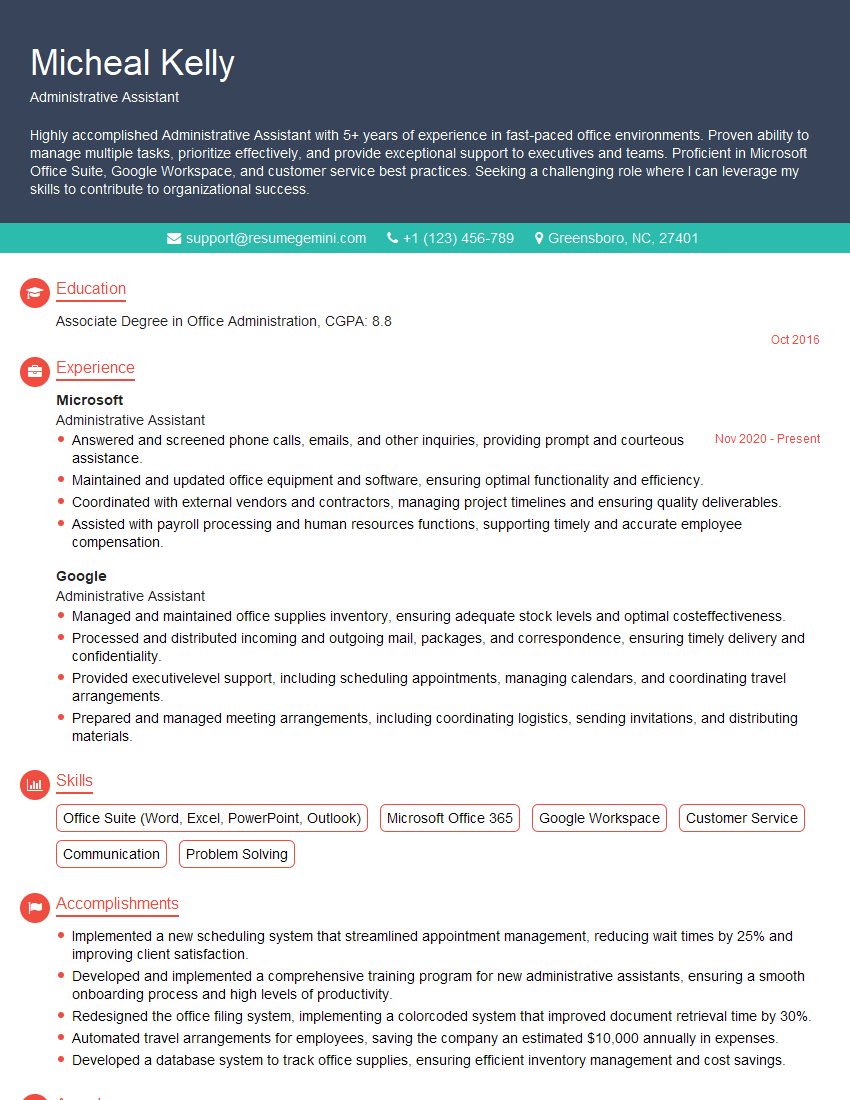
Administrative Assistant Resume Sample
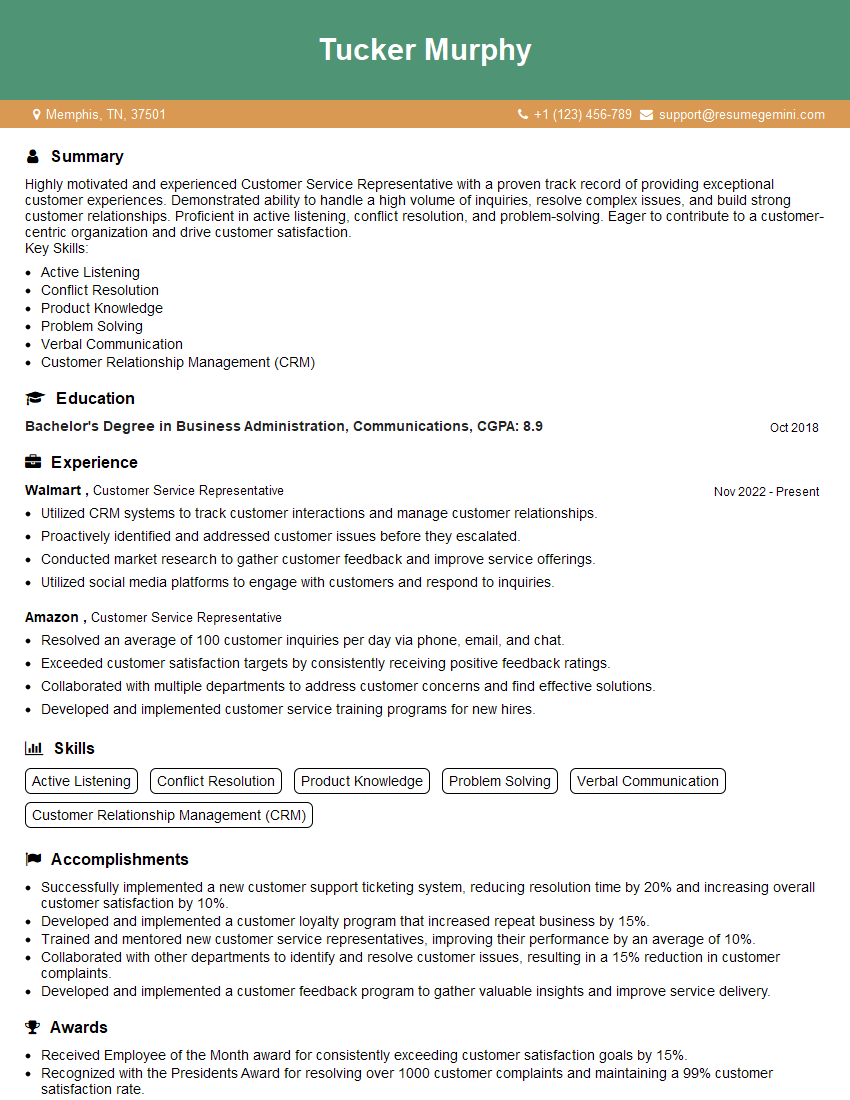
Customer Service Representative Resume Sample
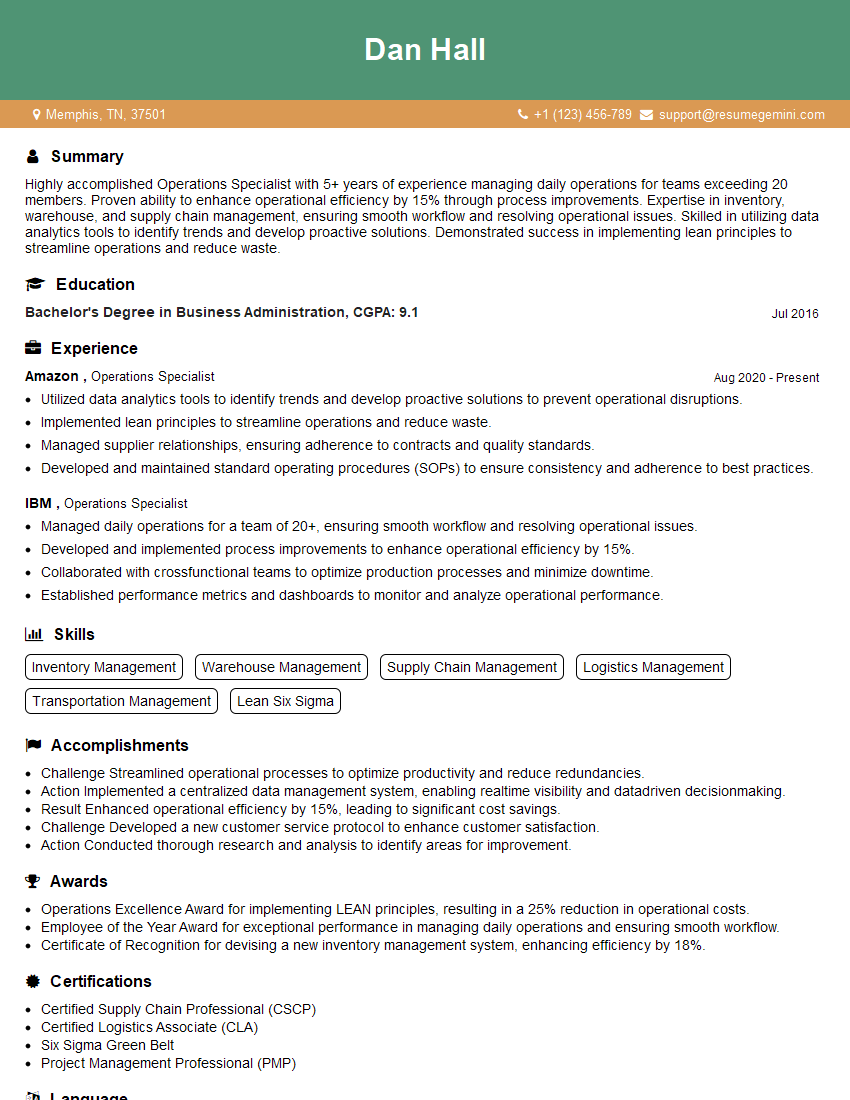
Operations Specialist Resume Sample
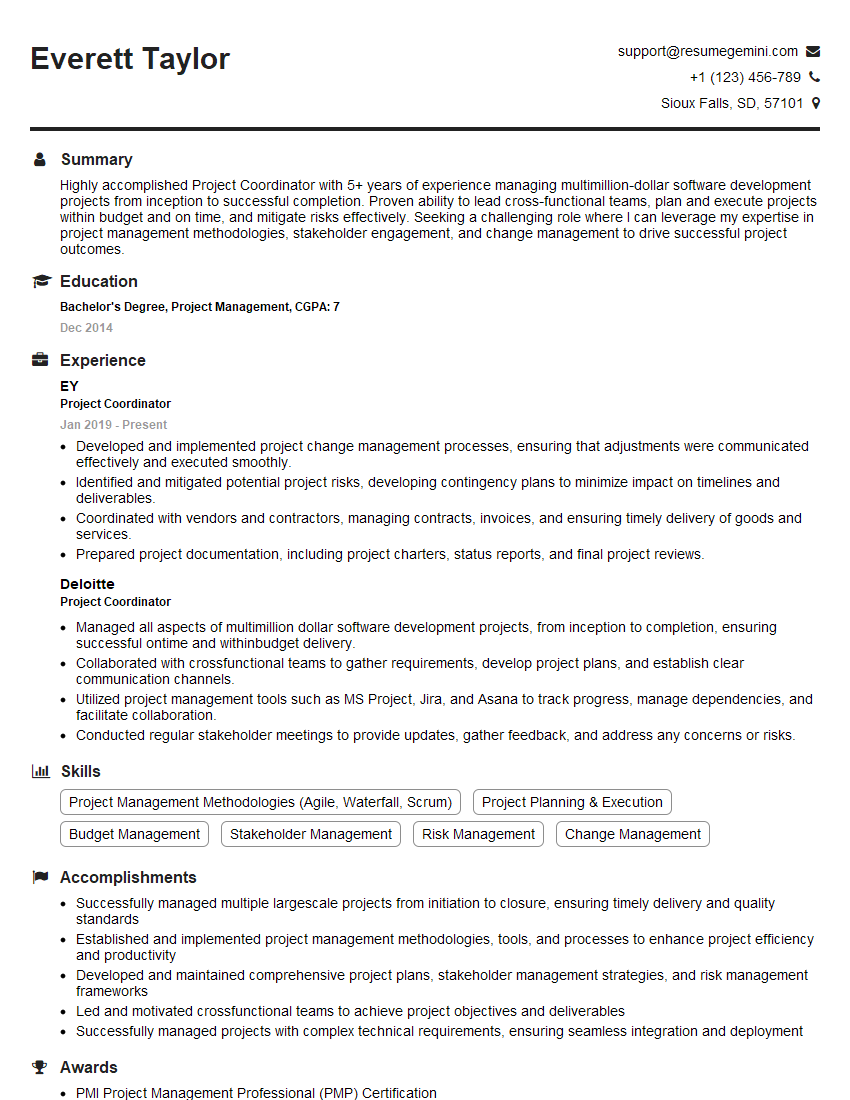
Project Coordinator Resume Sample

Compliance Officer Resume Sample
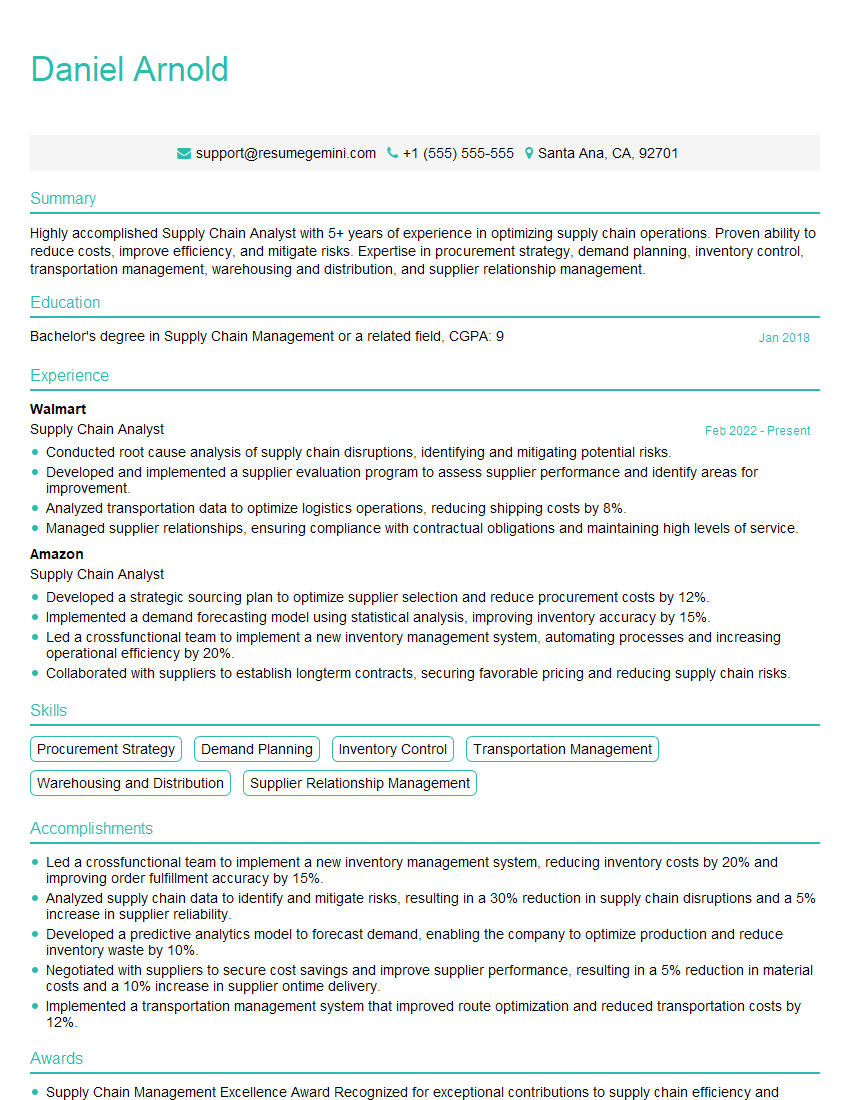
Supply Chain Analyst Resume Sample

Software Tester Resume Sample
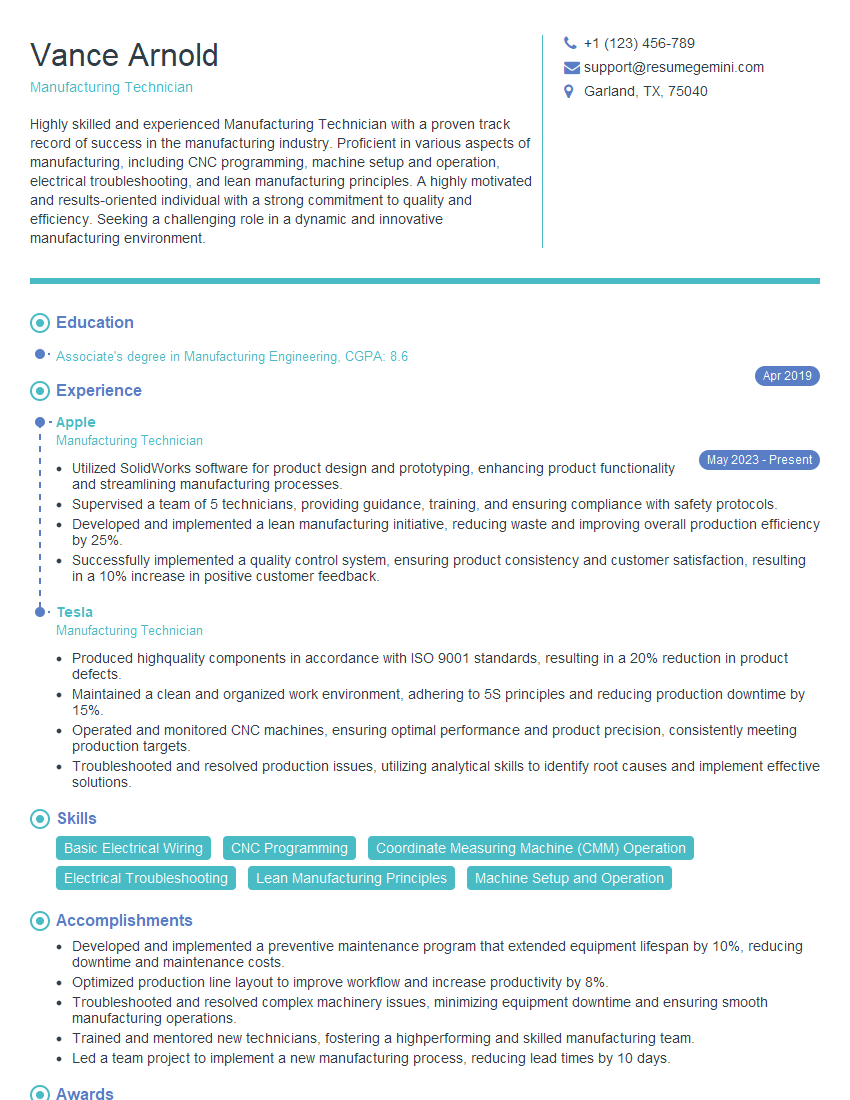
Manufacturing Technician Resume Sample
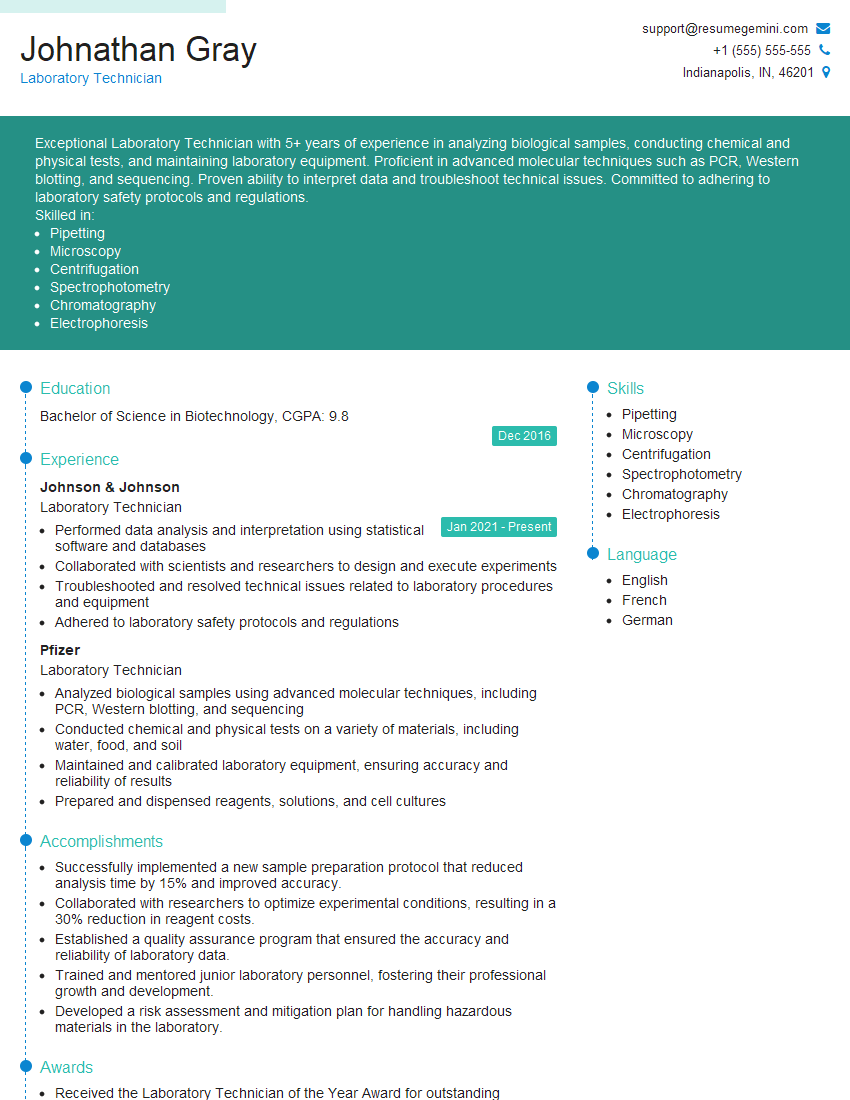
Laboratory Technician Resume Sample
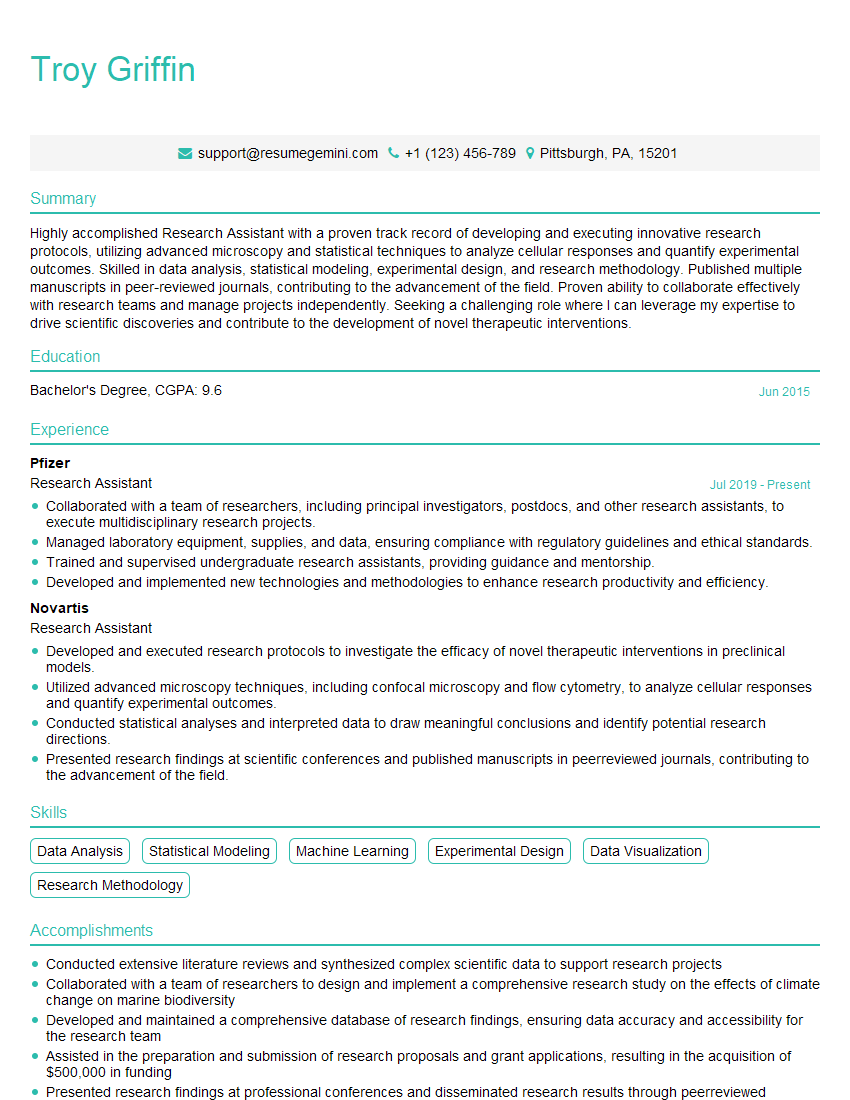
Research Assistant Resume Sample
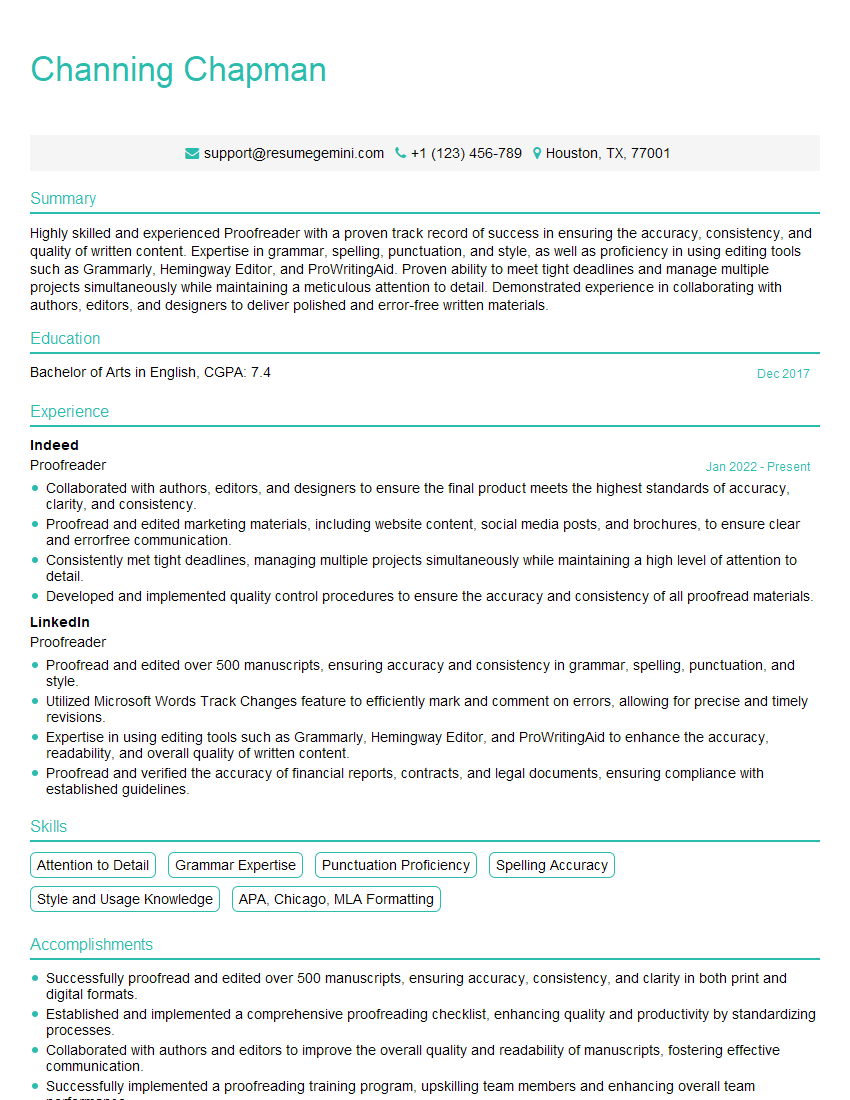
Proofreader Resume Sample

Technical Writer Resume Sample
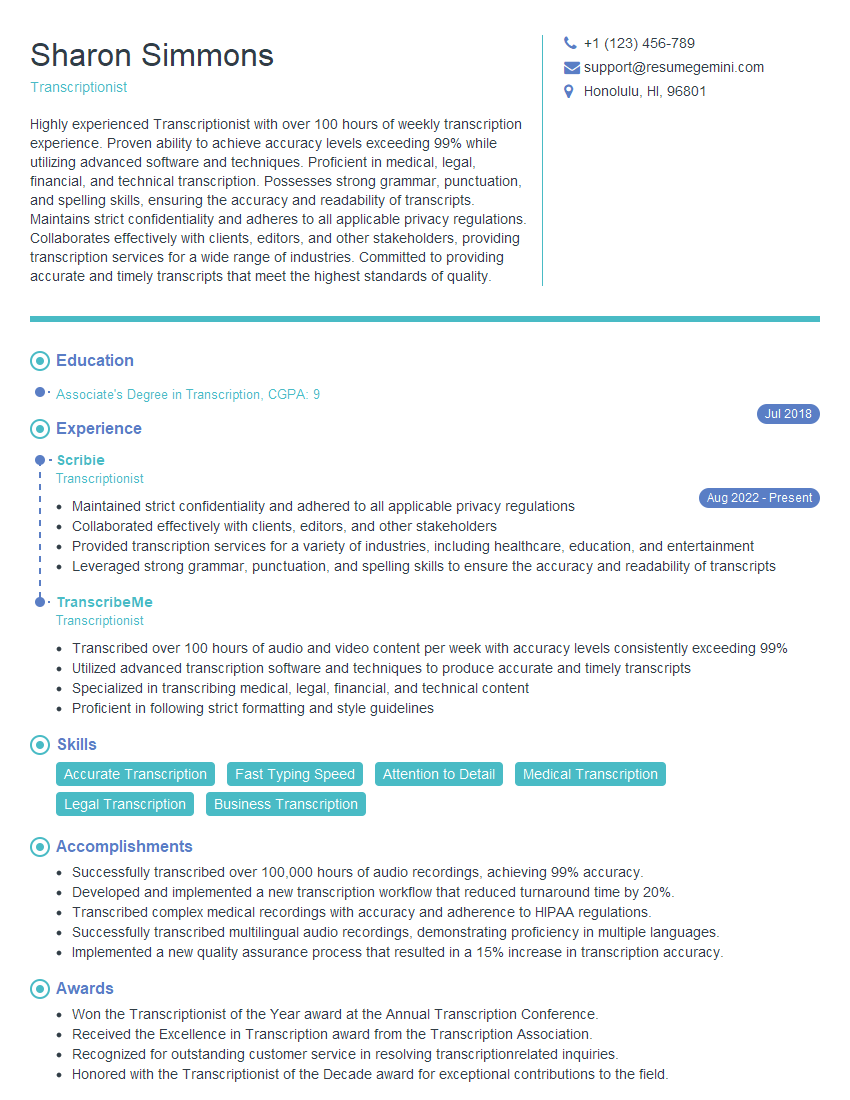
Transcriptionist Resume Sample
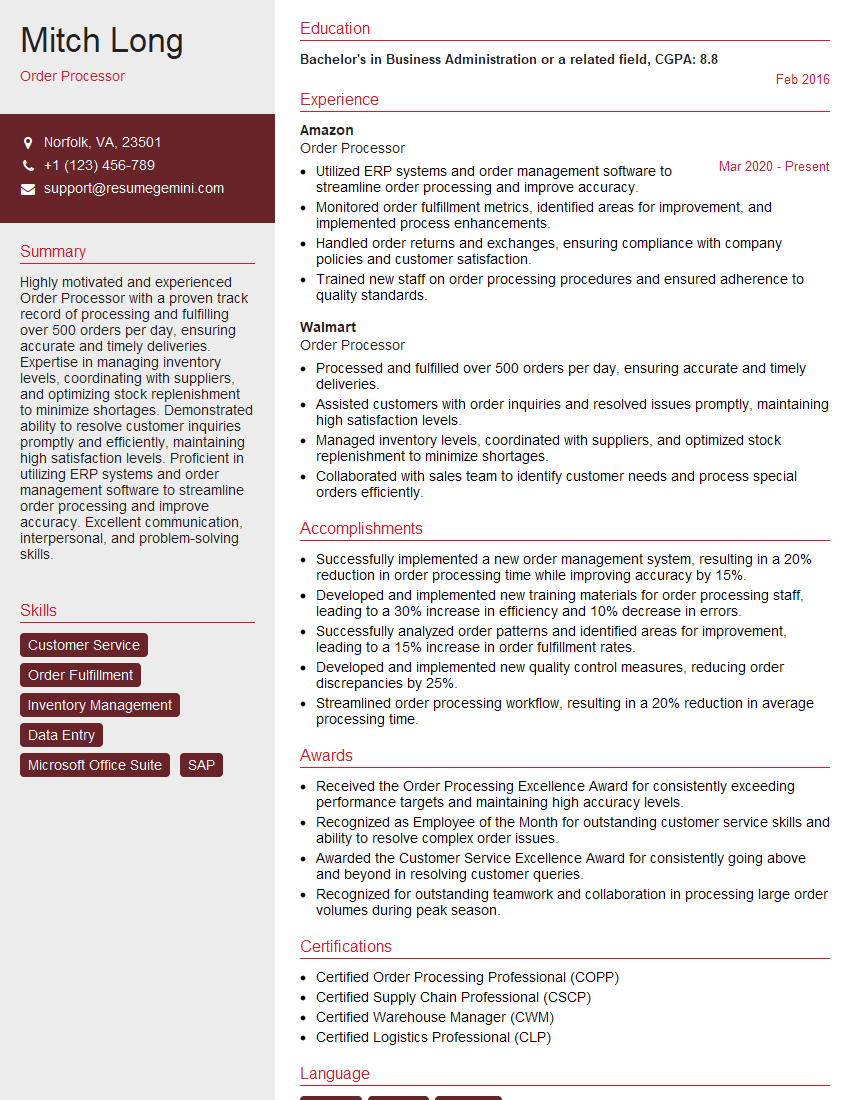
Order Processor Resume Sample

Shipping and Receiving Clerk Resume Sample
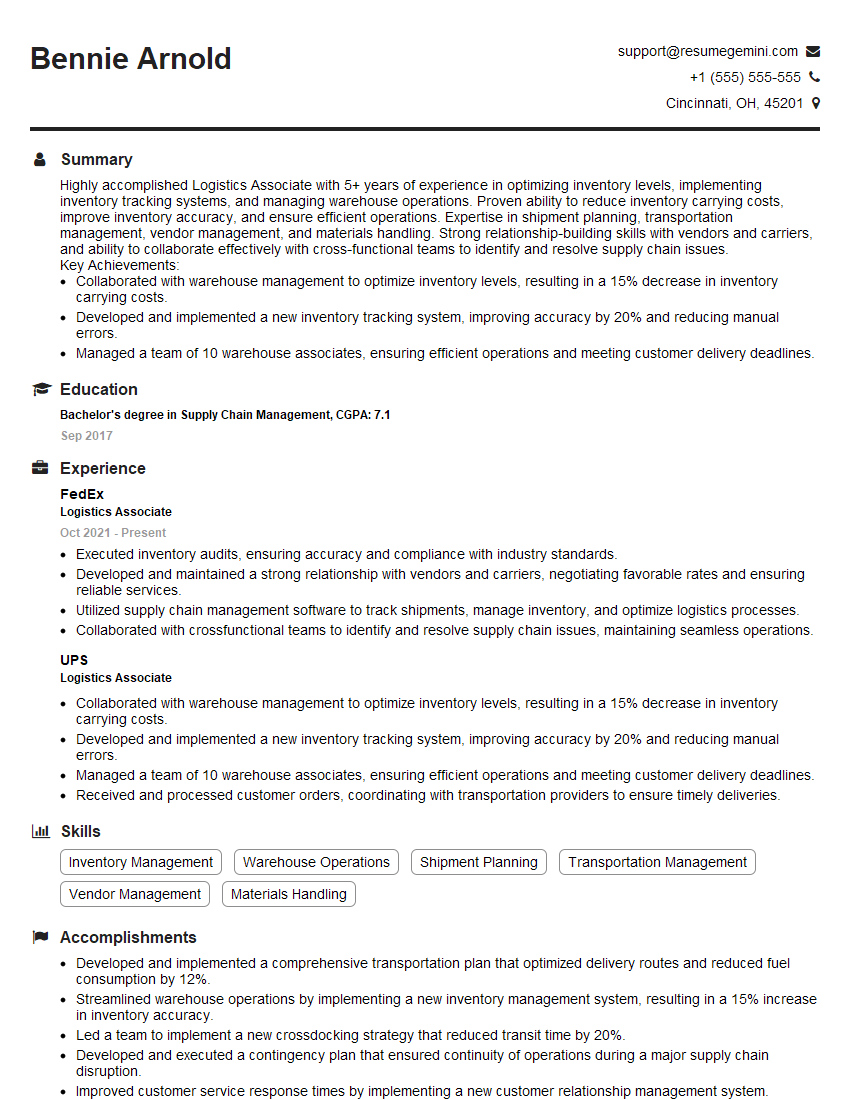
Logistics Associate Resume Sample
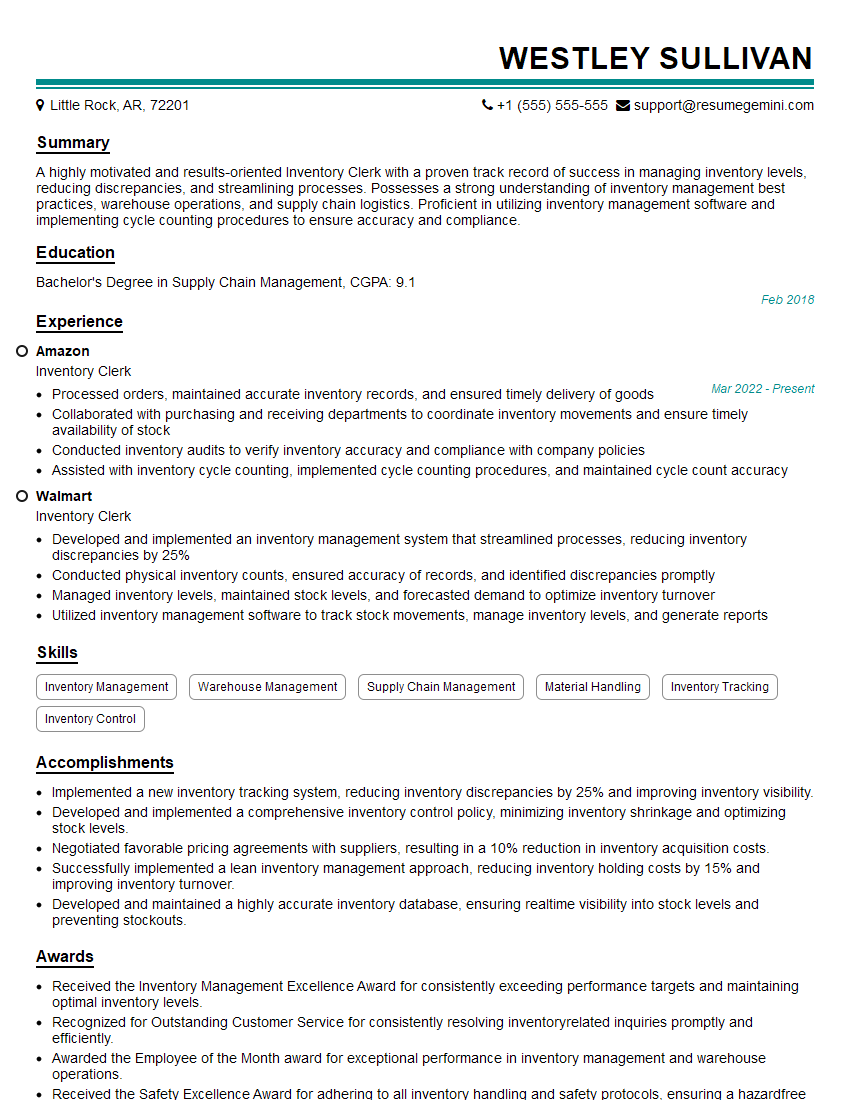
Inventory Clerk Resume Sample
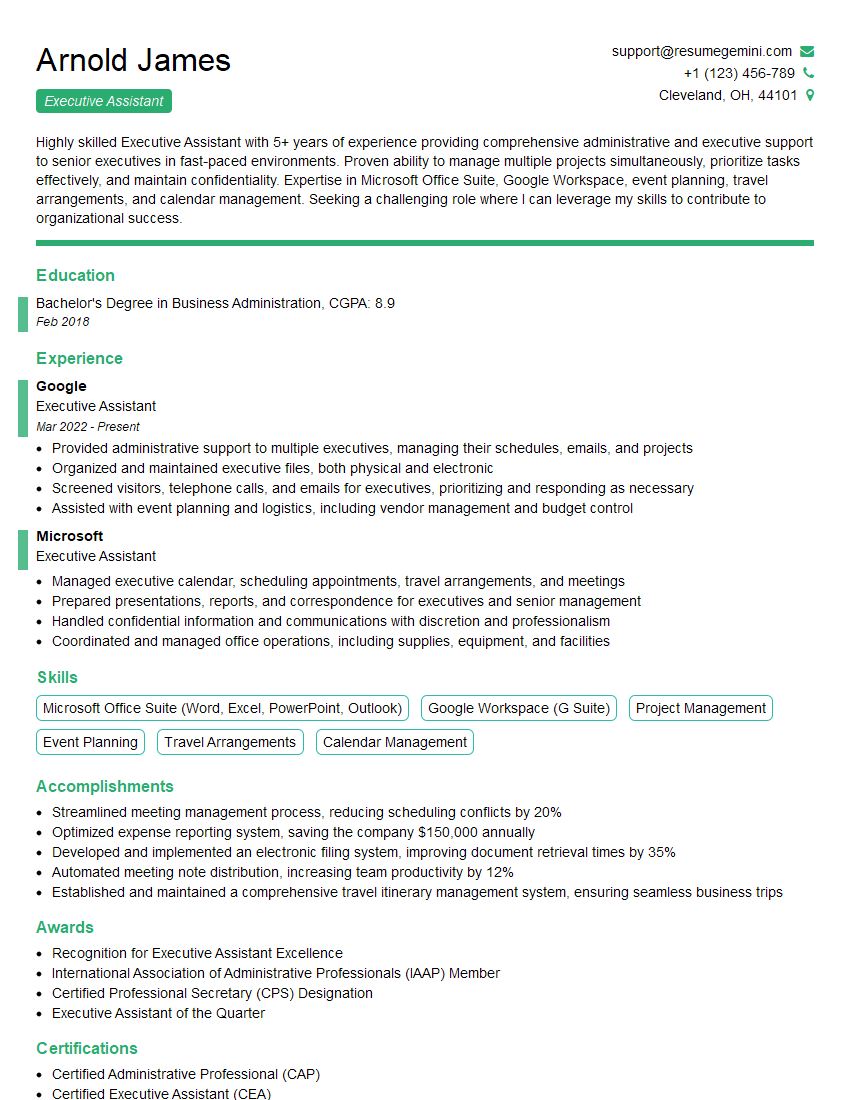
Executive Assistant Resume Sample
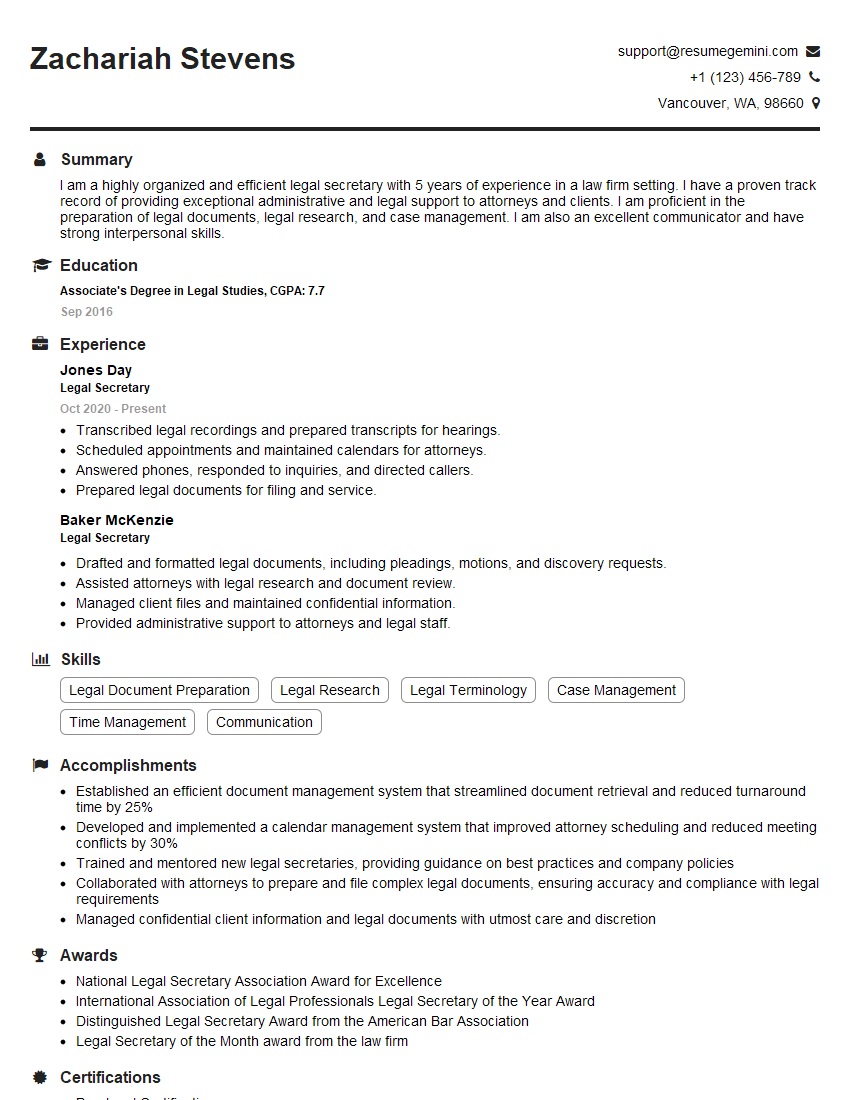
Legal Secretary Resume Sample
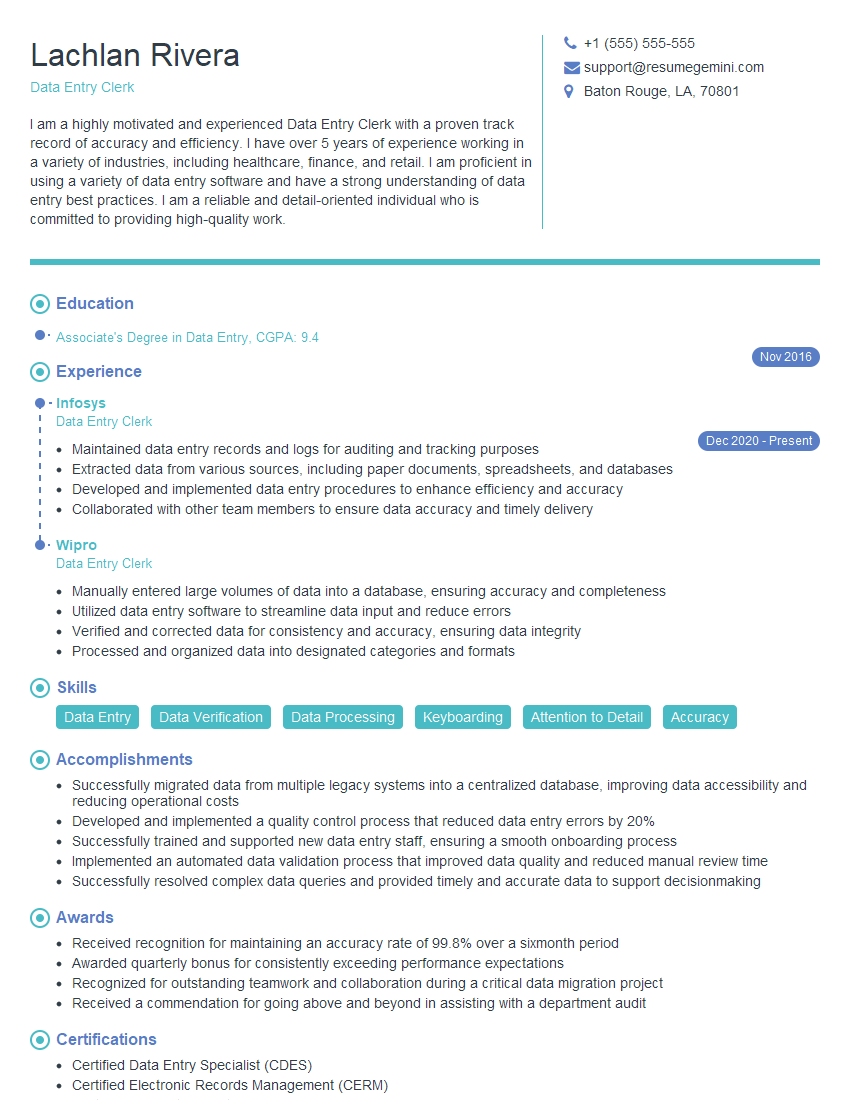
Data Entry Clerk Resume Sample
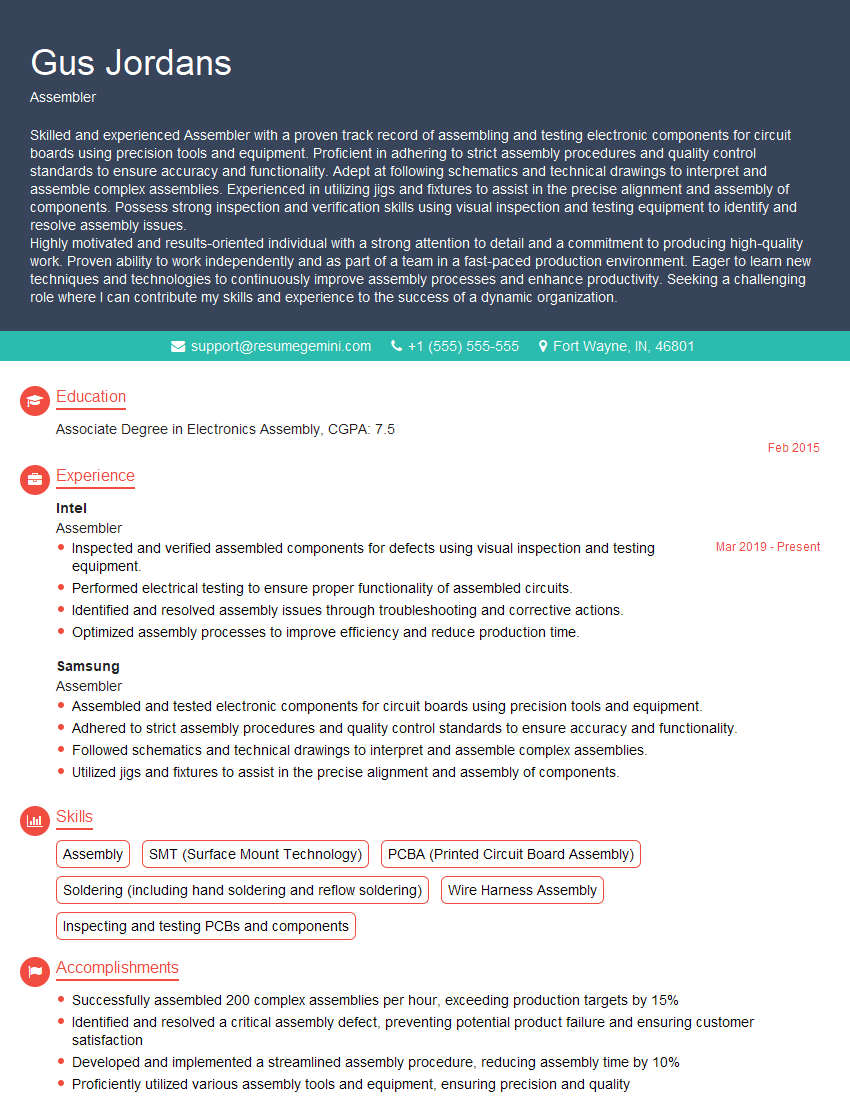
Assembler Resume Sample
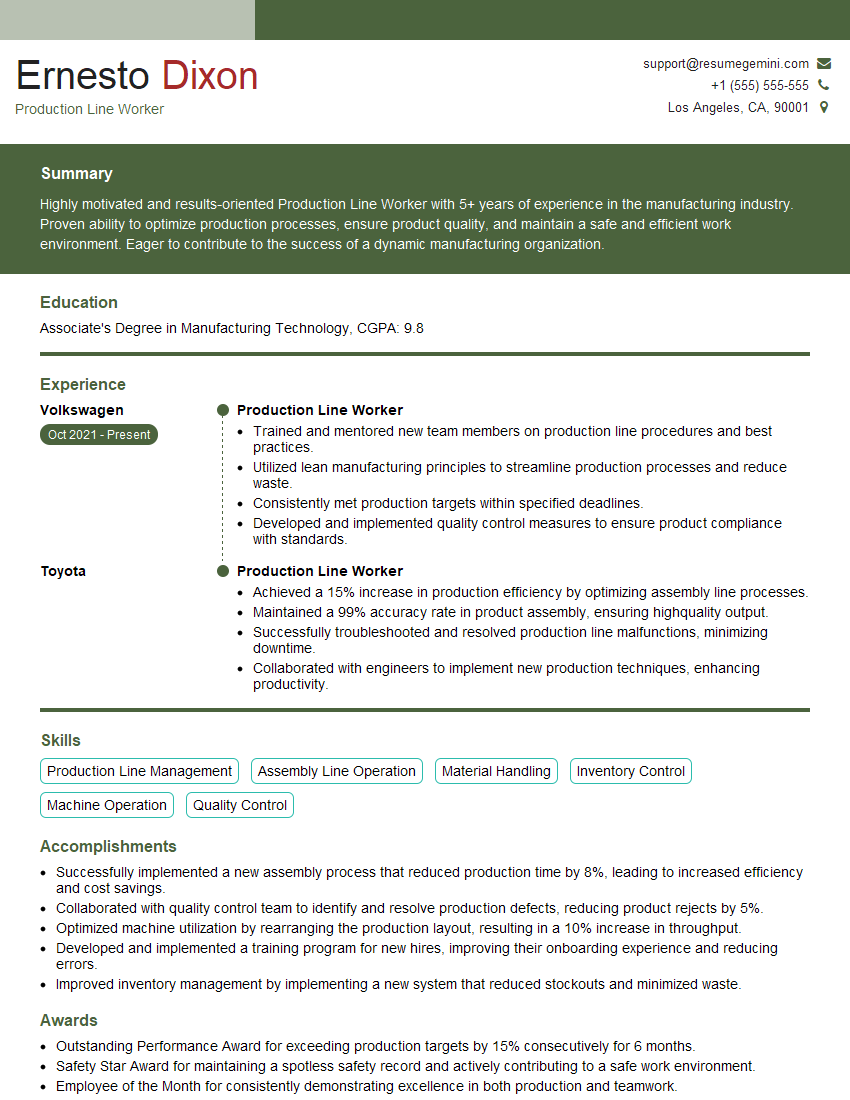
Production Line Worker Resume Sample
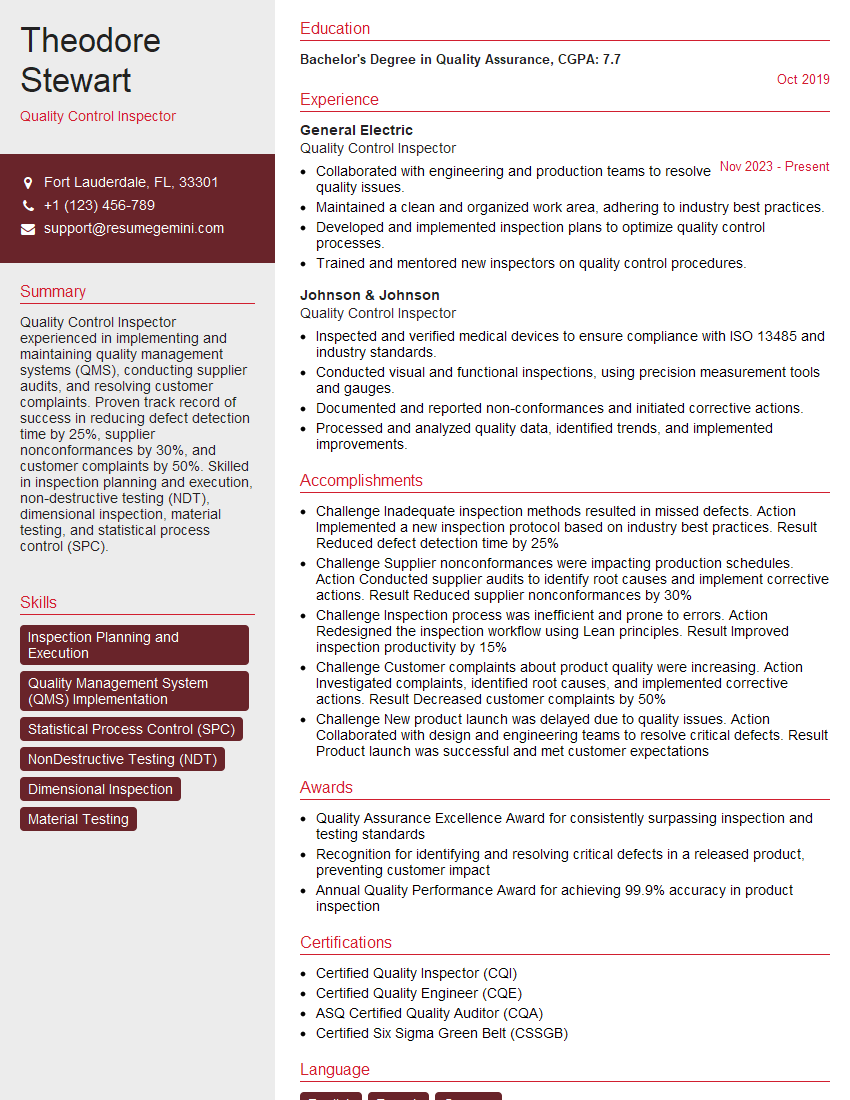
Quality Control Inspector Resume Sample
- Administrative Assistant
- Customer Service Representative
- Operations Specialist
- Project Coordinator
- Compliance Officer
- Supply Chain Analyst
- Software Tester
- Manufacturing Technician
- Laboratory Technician
- Research Assistant
- Proofreader
- Technical Writer
- Transcriptionist
- Order Processor
- Shipping and Receiving Clerk
- Logistics Associate
- Inventory Clerk
- Executive Assistant
- Legal Secretary
- Data Entry Clerk
- Assembler
- Production Line Worker
- Quality Control Inspector
Explore more articles
Users Rating of Our Blogs
Share Your Experience
We value your feedback! Please rate our content and share your thoughts (optional).
What Readers Say About Our Blog
Very informative content, great job.
good