The right preparation can turn an interview into an opportunity to showcase your expertise. This guide to Sense of Humor interview questions is your ultimate resource, providing key insights and tips to help you ace your responses and stand out as a top candidate.
Questions Asked in Sense of Humor Interview
Q 1. How would you describe your sense of humor?
I’d describe my sense of humor as versatile and observational, with a leaning towards witty wordplay and irony. I appreciate the unexpected, finding humor in the incongruous and the subtly absurd. My humor is rarely overtly sarcastic or cynical; instead, I aim for a style that’s both intelligent and approachable, creating a connection with others through shared laughter rather than through putting anyone down.
It’s important to note that humor is subjective. What one person finds hilarious, another might find offensive or simply uninteresting. My approach is to be mindful of my audience and the context, adjusting my style accordingly to ensure the humor is well-received and appropriate.
Q 2. What types of humor do you find most effective in professional settings?
In professional settings, subtle, self-deprecating humor or observational humor about shared experiences tends to be most effective. Avoid anything controversial, offensive, or potentially divisive. Think witty anecdotes, clever puns related to work, or lighthearted observations about shared challenges. The goal is to build rapport and create a more relaxed atmosphere, not to steal the show or dominate the conversation. Humor should enhance the professional interaction, not overshadow it.
- Self-deprecating humor: Lightly poking fun at yourself can make you seem relatable and approachable.
- Observational humor: Making witty comments about shared experiences in the workplace can foster a sense of camaraderie.
- Positive and inclusive humor: Avoid anything that could be interpreted as discriminatory or insensitive.
Q 3. Can you share an example of a time you used humor to diffuse a tense situation?
During a particularly stressful project deadline, team morale was plummeting. Everyone was stressed and short-tempered. I noticed the tension and decided to lighten the mood. I shared a self-deprecating anecdote about a past mistake I’d made on a similar project, highlighting the humorous aspects of my own blunder. This unexpected moment of vulnerability and honesty created a ripple effect. Others started sharing their own humorous mishaps, and the atmosphere shifted from tense to collaborative and supportive. The laughter helped us refocus and approach the problem with renewed energy and better teamwork.
Q 4. How do you adapt your humor to different audiences?
Adapting humor to different audiences requires careful observation and empathy. I consider factors like age, cultural background, professional level, and the overall context. For example, I’d use different types of humor with a group of seasoned executives compared to a team of young, entry-level employees. With executives, I might lean towards more sophisticated wordplay or observational humor about industry trends. With younger employees, I might incorporate more relatable pop culture references or lighthearted anecdotes.
Essentially, I gauge the audience’s receptiveness and adjust my style to ensure the humor lands well and doesn’t cause offense or discomfort. It’s about finding common ground and building connections through laughter, not making jokes at the audience’s expense.
Q 5. Describe a time you failed to use humor appropriately. What did you learn?
Early in my career, I attempted to use sarcasm during a client presentation. I thought a witty, sarcastic remark would lighten the mood and showcase my quick wit. However, the client, who had a more formal and traditional communication style, didn’t appreciate the sarcasm and interpreted it as disrespectful. The presentation went downhill from there. The experience taught me the importance of understanding audience expectations and adapting my communication style accordingly. Humor is a powerful tool, but it must be wielded with care and awareness of the context.
I learned that understanding your audience is paramount. What might be considered clever or funny in one context can be inappropriate or even offensive in another.
Q 6. How do you balance professionalism and humor in the workplace?
Balancing professionalism and humor requires a delicate touch. It’s about using humor strategically to enhance the professional environment, not to detract from it. I ensure my humor is always relevant to the situation, avoids being offensive or inappropriate, and contributes positively to the overall atmosphere. I never use humor to belittle or demean colleagues or clients.
Think of it as seasoning a dish; a little humor can enhance the overall experience, but too much can spoil it. I choose my moments carefully and always prioritize professionalism and respect.
Q 7. Do you prefer observational, absurdist, or self-deprecating humor?
I appreciate all three types of humor – observational, absurdist, and self-deprecating – but my preference tends to lean towards observational humor. I find it’s the most versatile and adaptable to various professional settings. Observational humor allows me to connect with others through shared experiences and insights, creating a sense of camaraderie and understanding. However, I also enjoy using elements of absurdist and self-deprecating humor when appropriate, as they can be incredibly effective in breaking the ice and diffusing tense situations.
Q 8. How important is a shared sense of humor in teamwork?
A shared sense of humor is incredibly important in teamwork. It acts as a social lubricant, fostering a positive and collaborative environment. When team members share similar comedic sensibilities, it strengthens bonds, improves communication, and reduces stress. Think of it like this: laughter breaks down barriers and creates a sense of camaraderie, making it easier to navigate challenging situations and work together effectively.
- Improved Communication: Shared humor can lead to more open and honest communication, as team members feel more comfortable expressing themselves.
- Stress Reduction: Humor can diffuse tense situations and reduce stress levels, leading to increased productivity and job satisfaction.
- Enhanced Creativity: A playful environment often sparks creative problem-solving and innovative thinking.
- Stronger Team Cohesion: Shared laughter creates a feeling of belonging and strengthens the team’s overall cohesion.
However, it’s crucial to remember that not all humor is universally appreciated. A team’s sense of humor should be inclusive and respectful of individual differences.
Q 9. Can you explain a joke you find particularly clever and why?
I find the following joke particularly clever:
Why don’t scientists trust atoms? Because they make up everything!
The cleverness lies in its unexpected twist. The premise sets up an expectation of a serious answer, perhaps relating to the unreliability of scientific data. However, the punchline plays on the double meaning of “make up,” shifting the interpretation to a playful and lighthearted comment on the fundamental building blocks of matter. This unexpected shift is what makes it a memorable and intelligent joke.
Its cleverness also stems from its simplicity. It doesn’t require specialized knowledge to understand, making it accessible and universally appealing. This combination of simplicity and insightful wordplay is a hallmark of good humor.
Q 10. How do you determine what is appropriate humor for a given situation?
Determining appropriate humor depends entirely on context. Several factors must be considered:
- Audience: Who are you talking to? Their age, background, cultural norms, and professional relationships all influence what is acceptable.
- Setting: Is it a formal meeting, a casual lunch break, or a social gathering? The formality of the setting dictates the level and type of humor appropriate.
- Relationship: Your relationship with the audience will affect the level of familiarity and intimacy in your humor. Jokes with colleagues will differ from those with clients or superiors.
- Topic: The topic at hand also plays a role. Humor related to the subject matter can be effective, but avoid jokes that are insensitive or trivializing.
- Your Intent: What is the purpose of your humor? Is it to break the ice, lighten the mood, or make a point? Make sure your intent aligns with the situation.
Ultimately, it’s about being mindful and respectful. When in doubt, err on the side of caution and avoid potentially offensive material.
Q 11. How would you handle a colleague who uses humor offensively?
If a colleague uses humor offensively, I would address the situation privately and directly. I’d start by expressing my discomfort clearly and calmly, focusing on the impact of their humor, not on attacking their personality. For example, I might say something like, “I understand you were trying to be funny, but that joke made me feel uncomfortable because [explain why]. Could we please be mindful of each other’s sensitivities?”
If the behavior persists after a private conversation, I would escalate the issue to HR or a supervisor, providing specific examples of the offensive behavior. The goal is not to punish the colleague, but to ensure a respectful and inclusive work environment for everyone.
Q 12. How do you use humor to build rapport with clients or colleagues?
Humor is a powerful tool for building rapport. I use it strategically to create a connection and establish trust, but always in a way that is genuine and respectful. I might:
- Share a relevant anecdote: A short, self-deprecating story can make you seem relatable and approachable.
- Use observational humor: Pointing out funny observations about the shared experience can create a sense of camaraderie.
- Employ light-hearted teasing: This can work well, but only if you know the person well and it’s appropriate for the relationship and the context.
- Use humor to diffuse tension: A well-placed joke can break the ice during a difficult conversation or relieve stress in a tense situation.
The key is to be authentic and sensitive to the audience. Avoid forced humor or jokes that could be misinterpreted. The goal is to build a positive connection, not to be the class clown.
Q 13. Describe a time you used humor to improve morale.
During a particularly stressful project deadline, our team was experiencing burnout. To boost morale, I created a humorous slideshow featuring inside jokes and funny photos from our team’s previous successes. I also incorporated a lighthearted competition, awarding small prizes for the “funniest memory” submissions. The slideshow was a huge hit; it provided a much-needed break from the pressure, fostered laughter and bonding, and ultimately helped us to successfully meet the deadline.
Q 14. How do you gauge the audience’s response to your humor?
Gauging audience response to humor involves observing both verbal and nonverbal cues. I look for:
- Laughter: The most obvious sign, of course, but the type of laughter (genuine, polite, nervous) matters.
- Smiles and facial expressions: Do people look engaged and amused, or do they seem indifferent or uncomfortable?
- Body language: Are people leaning in, making eye contact, or looking away? Are they relaxed or tense?
- Verbal responses: Do people engage in related conversation, offer similar anecdotes, or share their own jokes?
- Silence: Sometimes, a prolonged silence after a joke can be a sign that it didn’t land. This is a cue to move on quickly and gracefully.
By paying attention to these signals, I can quickly assess whether my humor is being received well and adjust my approach accordingly. It’s important to be responsive and adaptable.
Q 15. How can you use humor to make complex information more accessible?
Humor can be a powerful tool for making complex information more accessible because it engages multiple parts of the brain simultaneously, improving comprehension and retention. Instead of just presenting dry facts, incorporating humor can create a more memorable and enjoyable learning experience. This is particularly useful when dealing with technical subjects, intricate processes, or sensitive information.
Anecdotes and Stories: Instead of explaining a complex algorithm, you could start with a relatable, humorous anecdote illustrating its core principle. For example, explaining network latency with a joke about slow internet connection during a crucial online game.
Wordplay and Puns: Clever wordplay can make technical terms more memorable and less daunting. Imagine using a pun related to ‘bandwidth’ to illustrate its meaning in a networking context.
Visual Humor: Infographics and presentations can incorporate cartoons or visual metaphors to clarify complex ideas in an engaging and amusing way.
Irony and Sarcasm (Used Cautiously): A touch of well-placed irony or sarcasm can highlight the absurdity of a situation or concept, making it easier to understand. However, this approach needs careful consideration of the audience and context.
Career Expert Tips:
- Ace those interviews! Prepare effectively by reviewing the Top 50 Most Common Interview Questions on ResumeGemini.
- Navigate your job search with confidence! Explore a wide range of Career Tips on ResumeGemini. Learn about common challenges and recommendations to overcome them.
- Craft the perfect resume! Master the Art of Resume Writing with ResumeGemini’s guide. Showcase your unique qualifications and achievements effectively.
- Don’t miss out on holiday savings! Build your dream resume with ResumeGemini’s ATS optimized templates.
Q 16. What are the potential downsides of using humor in a professional context?
While humor can be a great asset, there are potential downsides to using it in a professional context. The biggest risk is misinterpretation or offense. Humor is subjective, and what one person finds funny, another might find inappropriate, offensive, or even unprofessional.
Cultural Differences: Jokes that work well in one culture might be completely inappropriate in another. Understanding your audience’s cultural background is crucial.
Power Dynamics: Humor used inappropriately can reinforce power imbalances or create an uncomfortable environment. For example, making jokes at the expense of a subordinate could damage morale and professional relationships.
Distraction from the Message: If the humor overshadows the main point, it becomes counterproductive. The goal is to enhance understanding, not distract from it.
Risk of Being Perceived as Unprofessional: Inappropriate humor can damage your credibility and undermine your authority.
Therefore, using humor in a professional setting requires careful judgment, self-awareness, and a deep understanding of your audience and context.
Q 17. How would you respond to a joke you don’t find funny?
My response to a joke I don’t find funny would depend on the context. If it’s a casual setting with close colleagues, a polite acknowledgement like a smile and a nod would suffice. I might offer a neutral comment like, ‘That’s interesting,’ or ‘I see what you mean.’ In a more formal setting, I would simply acknowledge the joke without overt laughter or a negative response.
The key is to avoid making the person telling the joke feel uncomfortable or embarrassed. My primary goal is to maintain a positive and professional atmosphere. A forced laugh is usually worse than a quiet acknowledgment.
Q 18. How can humor improve communication and collaboration?
Humor can significantly improve communication and collaboration by fostering a more positive and relaxed atmosphere. When people feel comfortable and at ease, they are more likely to be open to ideas, participate actively, and engage in constructive dialogue.
Breaking the Ice: A well-placed joke can help break the ice in tense meetings or when interacting with new colleagues.
Reducing Stress: Humor can help diffuse tense situations and reduce stress, leading to improved productivity and creativity.
Building Rapport: Shared laughter can strengthen bonds between team members and improve team cohesion.
Enhancing Memory: Information presented with humor is often more memorable than information presented in a dry, factual manner.
However, it’s crucial to remember that humor should always be used responsibly and ethically to promote positive communication, not to undermine or belittle anyone.
Q 19. Describe your preferred comedic style.
My preferred comedic style leans towards observational humor and witty wordplay. I appreciate humor that is clever and insightful, often pointing out the absurdities of everyday life or highlighting unexpected connections between seemingly unrelated things. I find observational humor particularly effective because it is relatable and allows for a shared experience with the audience. I avoid overly sarcastic or offensive humor; my aim is always to create a positive and engaging experience.
Q 20. Can you provide an example of how you’ve used humor to solve a problem?
During a particularly challenging project involving integrating two incompatible software systems, team morale was low, and progress was stalled due to constant disagreements. To address the situation, I started a team meeting by sharing a humorous analogy – comparing the two systems to two stubborn cats refusing to share a scratching post. The lightheartedness diffused the tension, and the team started brainstorming solutions collaboratively, framing the problem in a less confrontational way. The analogy provided a common ground for understanding the challenge, fostering a more constructive discussion, and ultimately leading to a successful integration.
Q 21. How do you handle criticism of your humor?
I handle criticism of my humor by first actively listening to the feedback. I try to understand the perspective of the person offering the criticism, keeping in mind that humor is highly subjective. If the criticism is constructive, I use it as an opportunity to improve my comedic timing, word choice, or approach. If the criticism stems from a misunderstanding, I clarify my intent. However, if the criticism is purely negative and dismissive without any constructive suggestions, I acknowledge their perspective while still maintaining my professional boundaries. The goal is to learn and improve while keeping a positive and respectful communication style.
Q 22. How do you deal with situations where humor is unwelcome?
Knowing when humor is appropriate is crucial. It’s not a universal tool; its effectiveness depends heavily on context, audience, and the overall situation. In situations where humor is unwelcome – like a serious meeting, a grieving colleague’s presence, or a tense negotiation – I prioritize sensitivity and professionalism. I assess the atmosphere and, if unsure, err on the side of caution. Instead of jokes, I might offer empathetic listening, a thoughtful comment, or simply focus on the task at hand. Humor should enhance, not detract from, the situation’s gravity.
For example, if a colleague is visibly upset about a project setback, attempting humor would be insensitive. Instead, I’d offer support and understanding. Similarly, during a crucial client presentation, I’d avoid jokes that might distract from the core message or be misinterpreted. The key is to be mindful and adapt my communication style to the context.
Q 23. How do you maintain a sense of humor during challenging times at work?
Maintaining a sense of humor during challenging times at work is vital for resilience and team morale. It’s about finding the lighter side of difficult situations, not trivializing them. This doesn’t mean making light of serious problems, but rather focusing on solutions with a positive outlook. I find that sharing lighthearted anecdotes, or even simply exchanging a smile or a knowing glance with a colleague can significantly lighten the mood. Additionally, taking short breaks for laughter – watching a funny video or engaging in some playful banter (appropriately) – can be surprisingly effective in managing stress and improving perspective.
During a particularly stressful project deadline, for instance, I might share a funny meme related to the challenges we’re facing. This creates a shared experience of understanding and, even in the midst of pressure, fosters a more positive and collaborative atmosphere.
Q 24. How would you use humor to create a more positive work environment?
Humor can be a powerful tool for building a more positive work environment. It fosters camaraderie, reduces stress, and improves communication. However, it’s crucial to use humor strategically and inclusively. I would focus on shared experiences, inside jokes (only when appropriate and understood by all), and lighthearted observations about workplace situations. Avoiding offensive or exclusionary humor is paramount. The goal is to create an atmosphere where people feel comfortable, relaxed, and respected. This includes understanding that what one person finds funny, another might not.
For example, I might share a funny story about a project mishap (without blaming anyone) to highlight the collaborative efforts involved in resolving it. Or, I could use appropriate puns related to our industry to lighten the mood during a team meeting.
Q 25. Can you give an example of a time you used humor to achieve a goal?
In a previous project, our team was facing a significant technical challenge. The mood was tense and productivity was slowing down. I noticed that everyone was feeling overwhelmed and frustrated. To break the tension, I shared a funny anecdote about a past project where we encountered a similar, albeit less serious, problem. I lightheartedly compared the current challenge to that previous one, highlighting the absurdity of the situation and acknowledging the shared struggles. This eased the tension, sparked laughter, and encouraged a more open and collaborative problem-solving approach. The team was able to regroup, approach the problem from a more creative perspective, and ultimately resolve the issue efficiently.
Q 26. How does your sense of humor reflect your personality?
My sense of humor is a reflection of my optimistic and inclusive personality. I tend to gravitate towards self-deprecating humor, which shows my ability to laugh at myself and build rapport. I also enjoy wordplay and witty observations, showcasing my quick thinking and creative problem-solving skills. My humor is generally lighthearted and avoids sarcasm or cynicism. I believe a positive approach is crucial, especially in professional environments. It demonstrates my ability to navigate challenging situations with grace and resilience.
Q 27. Do you consider your sense of humor a strength in your professional life?
Absolutely. I believe my sense of humor is a significant strength in my professional life. It allows me to connect with colleagues, build strong relationships, and diffuse tense situations. It helps to create a more positive and collaborative work environment. Moreover, my ability to find humor in challenging situations demonstrates resilience and a positive outlook, which are highly valued traits in the workplace. It enhances my communication skills and allows me to convey complex ideas in a more engaging and memorable way.
Q 28. How would you incorporate your sense of humor into a team presentation?
Incorporating humor into a team presentation requires careful planning and consideration of the audience. I would avoid jokes that are irrelevant or potentially offensive. Instead, I’d use humor to make the presentation more engaging and memorable. This could involve using a relevant anecdote, a clever visual aid, or witty phrasing to highlight key points. The key is to ensure the humor is relevant, tasteful, and enhances the overall message. It should complement the content, not distract from it.
For example, if presenting data on customer satisfaction, I might use a funny image or quote related to customer service to introduce the topic and grab the audience’s attention. The humor should be integrated seamlessly into the presentation flow and add to the overall impact.
Key Topics to Learn for a Sense of Humor Interview
Demonstrating a good sense of humor in an interview is about more than just cracking jokes. It’s about showing your personality, building rapport, and showcasing your ability to navigate social situations with grace and intelligence. This involves understanding both the theoretical underpinnings and the practical applications of humor in a professional context.
- Understanding Your Audience: Analyze the company culture and the interviewer’s style to tailor your humor appropriately. Avoid anything offensive or inappropriate.
- Self-Deprecating Humor (Used Sparingly): A well-placed self-deprecating remark can show confidence and humility, but overuse can be detrimental. Practice finding the right balance.
- Timing and Delivery: The impact of a joke often relies heavily on timing and delivery. Practice your responses to common interview questions, incorporating humor naturally and strategically.
- Reading the Room: Be observant of the interviewer’s reactions. If your humor isn’t landing, gracefully shift gears. This shows emotional intelligence and adaptability.
- Positive and Lighthearted Approach: Focus on conveying enthusiasm and positivity through your interactions. A lighthearted demeanor can be incredibly engaging.
- Professional Boundaries: Remember the interview is a professional setting. Keep your humor relevant and avoid overly casual or inappropriate topics.
Next Steps
Mastering the art of incorporating humor professionally can significantly boost your interview success rate. It showcases your personality, helps build connections with interviewers, and leaves a lasting positive impression. To maximize your job prospects, focus on crafting an ATS-friendly resume that highlights your relevant skills and experience. We strongly encourage you to use ResumeGemini to build a professional and impactful resume tailored to your target roles. Examples of resumes specifically tailored for demonstrating a strong sense of humor are available below to help you get started. Let ResumeGemini help you present your best self!
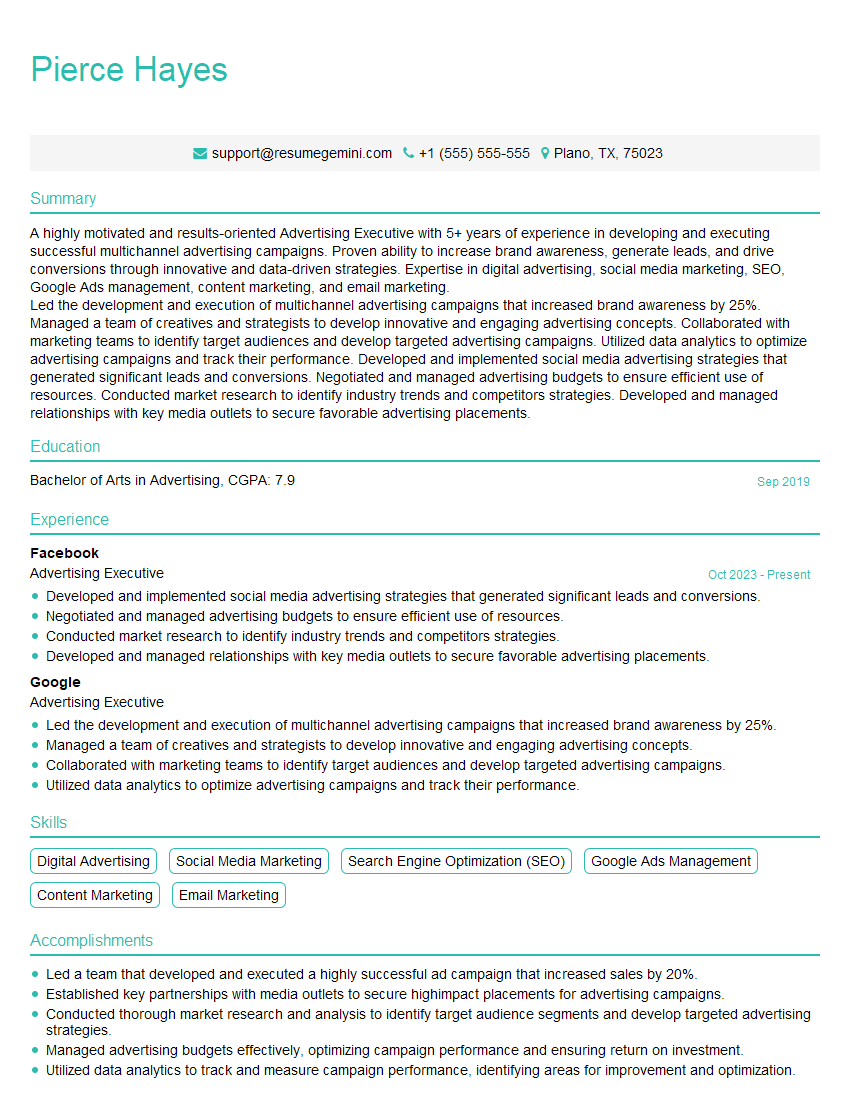
Advertising Executive Resume Sample
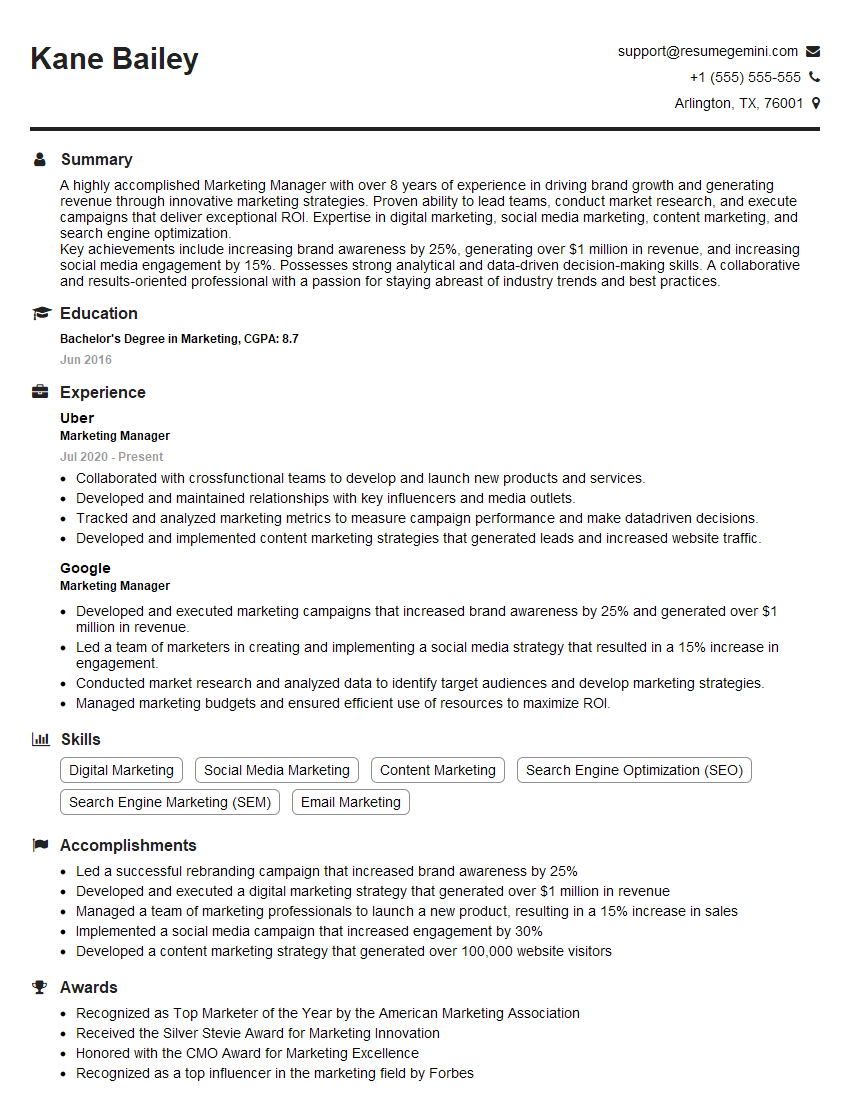
Marketing Manager Resume Sample
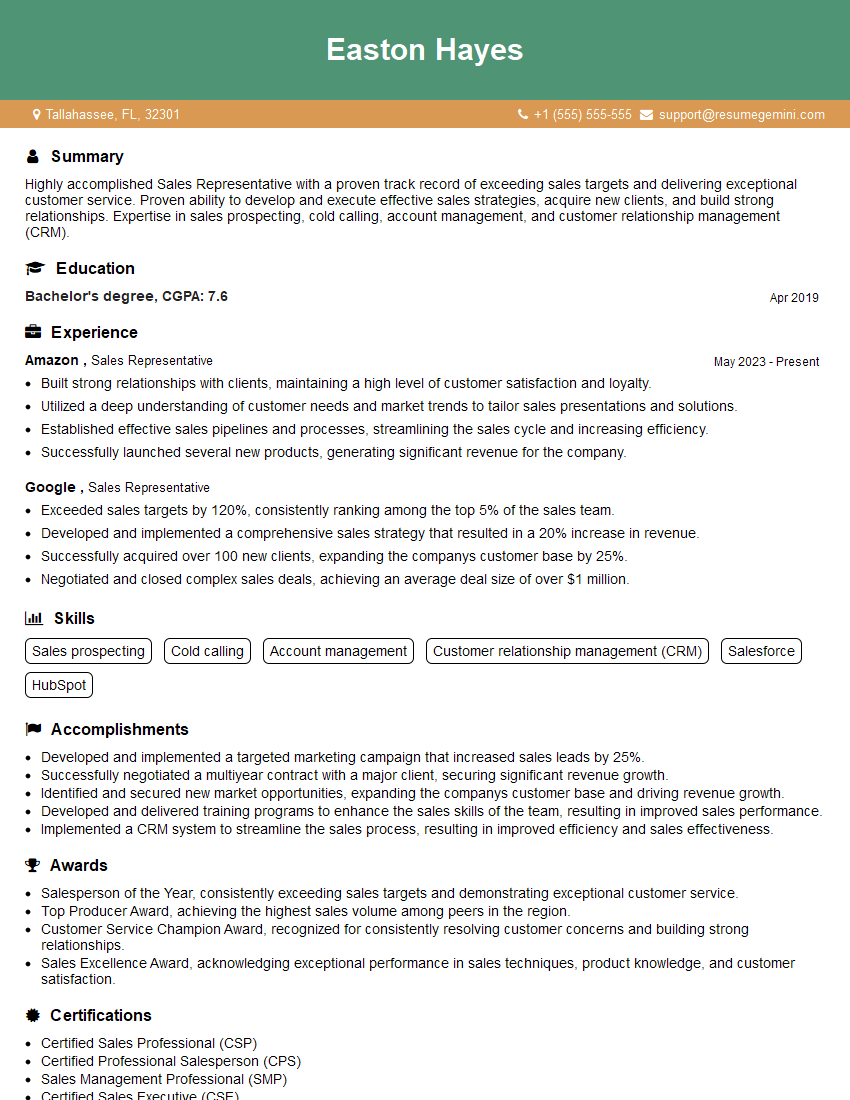
Sales Representative Resume Sample

Communications Director Resume Sample
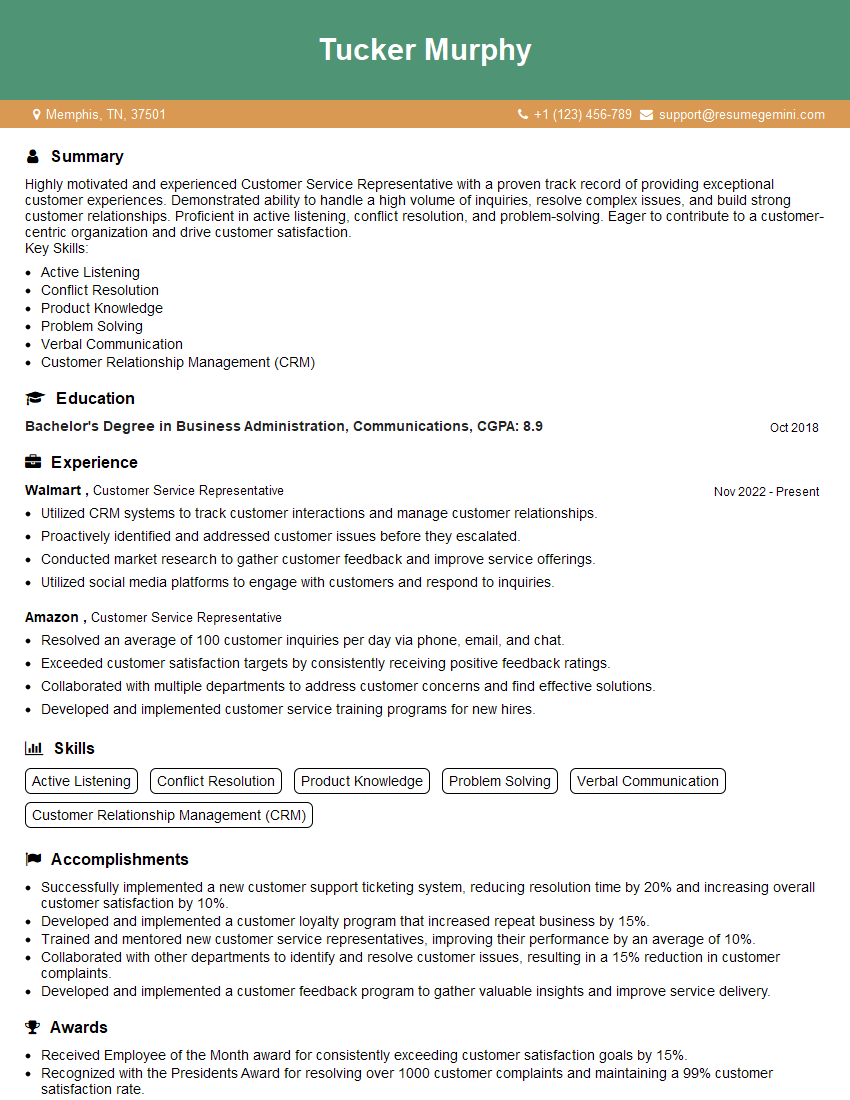
Customer Service Representative Resume Sample
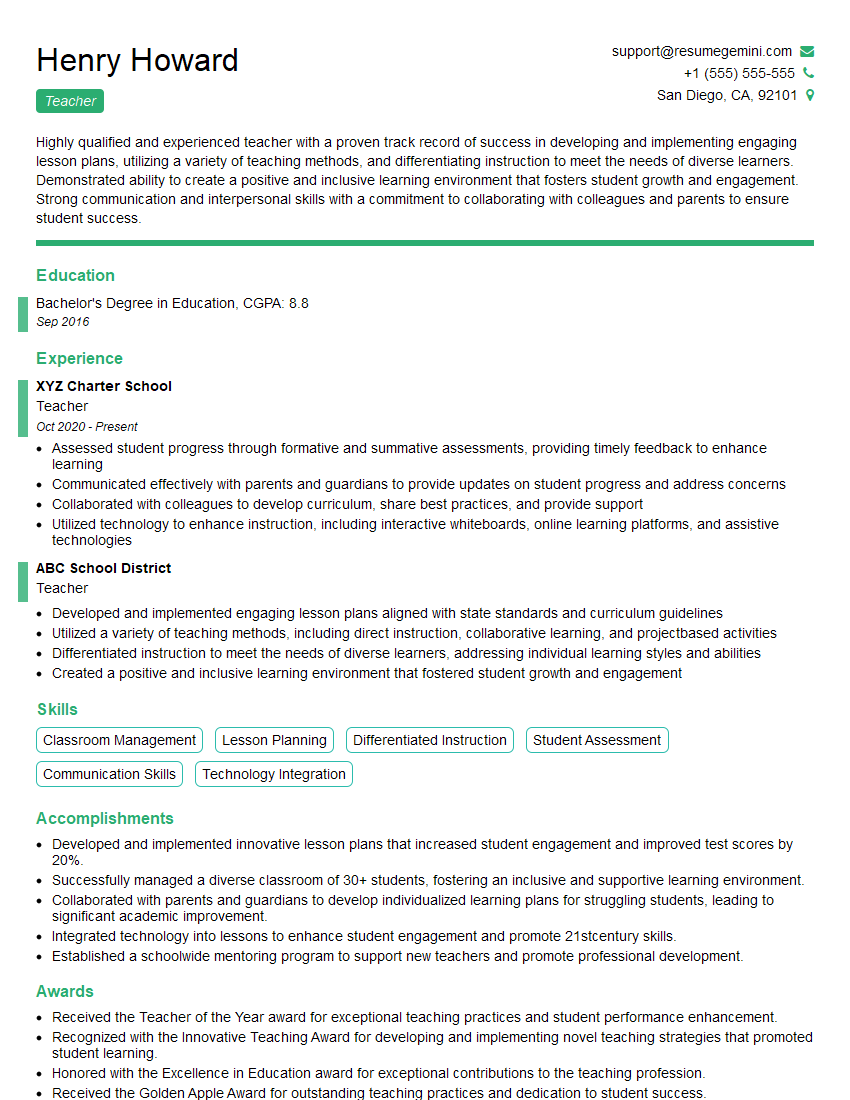
Teacher Resume Sample
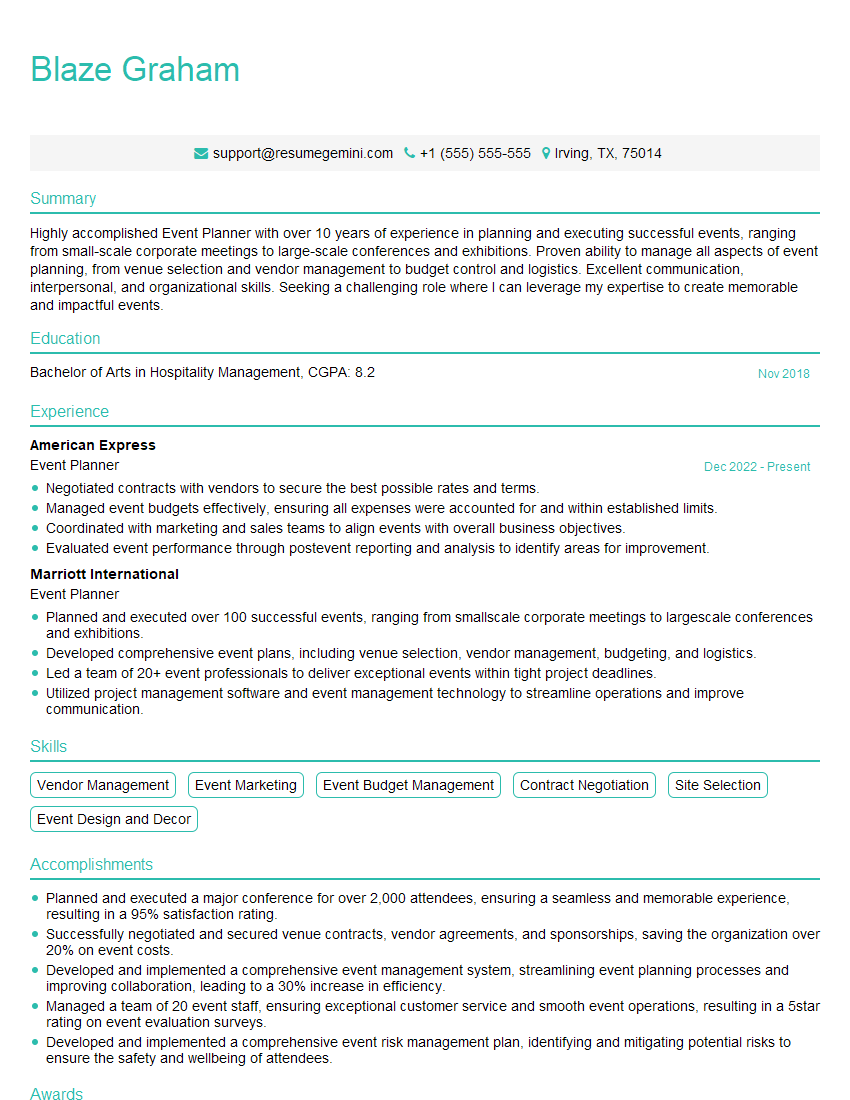
Event Planner Resume Sample
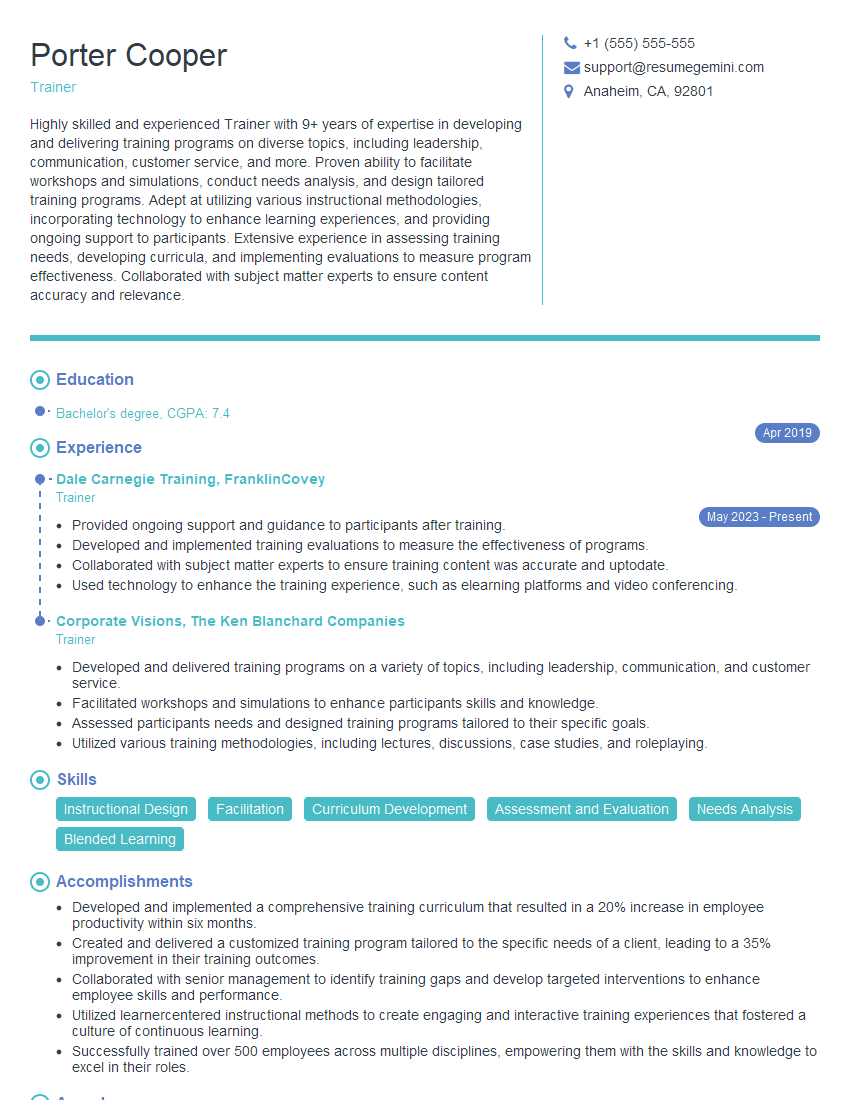
Trainer Resume Sample

Social Media Manager Resume Sample
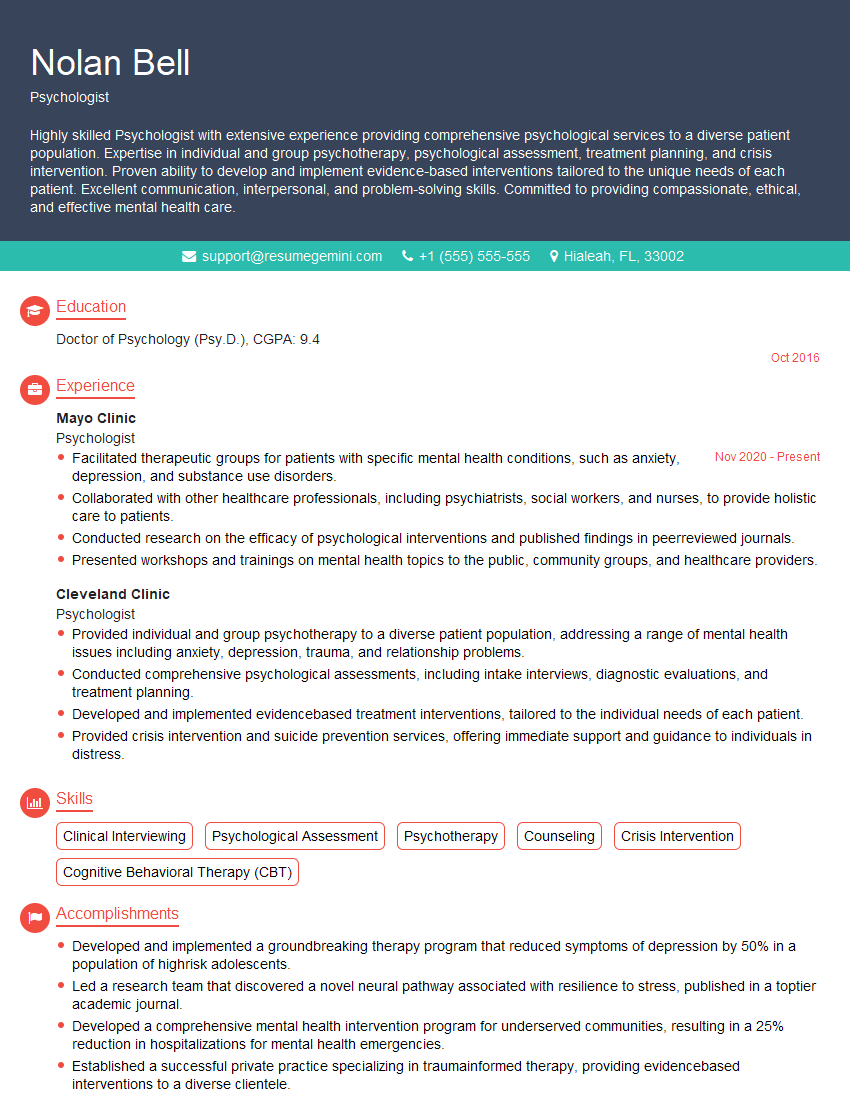
Psychologist Resume Sample
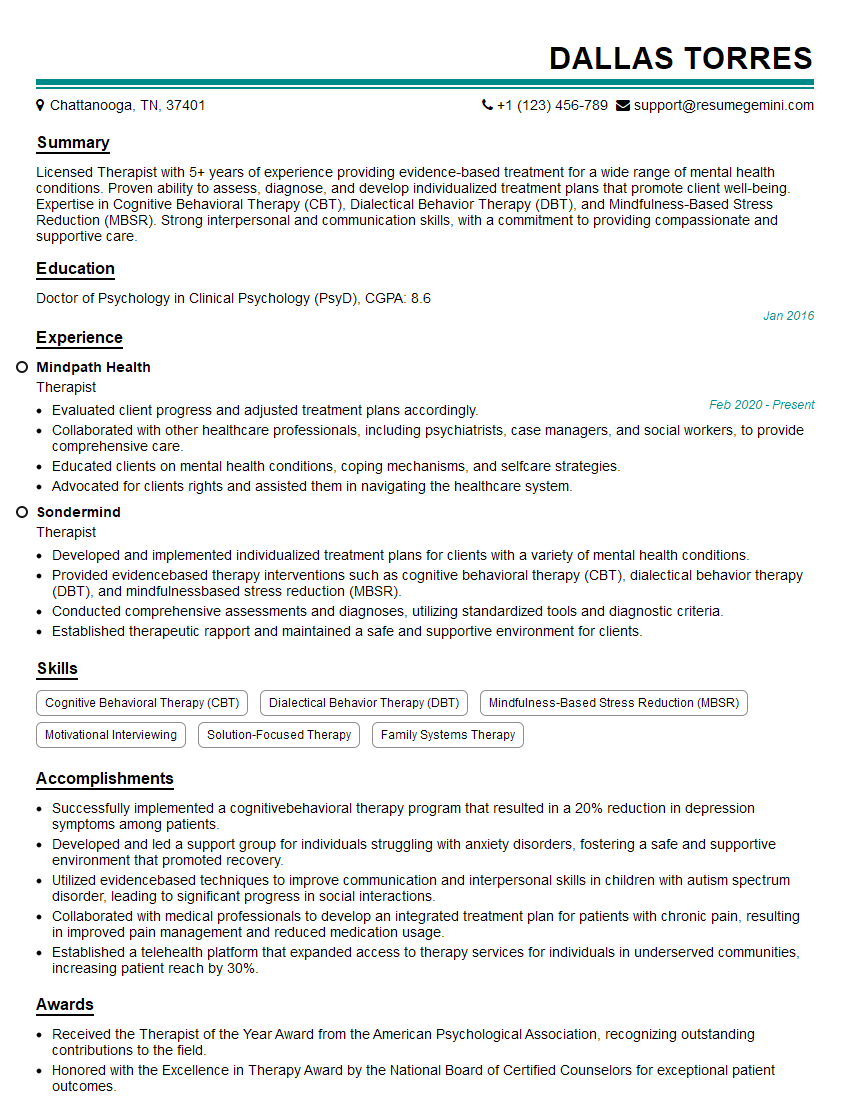
Therapist Resume Sample
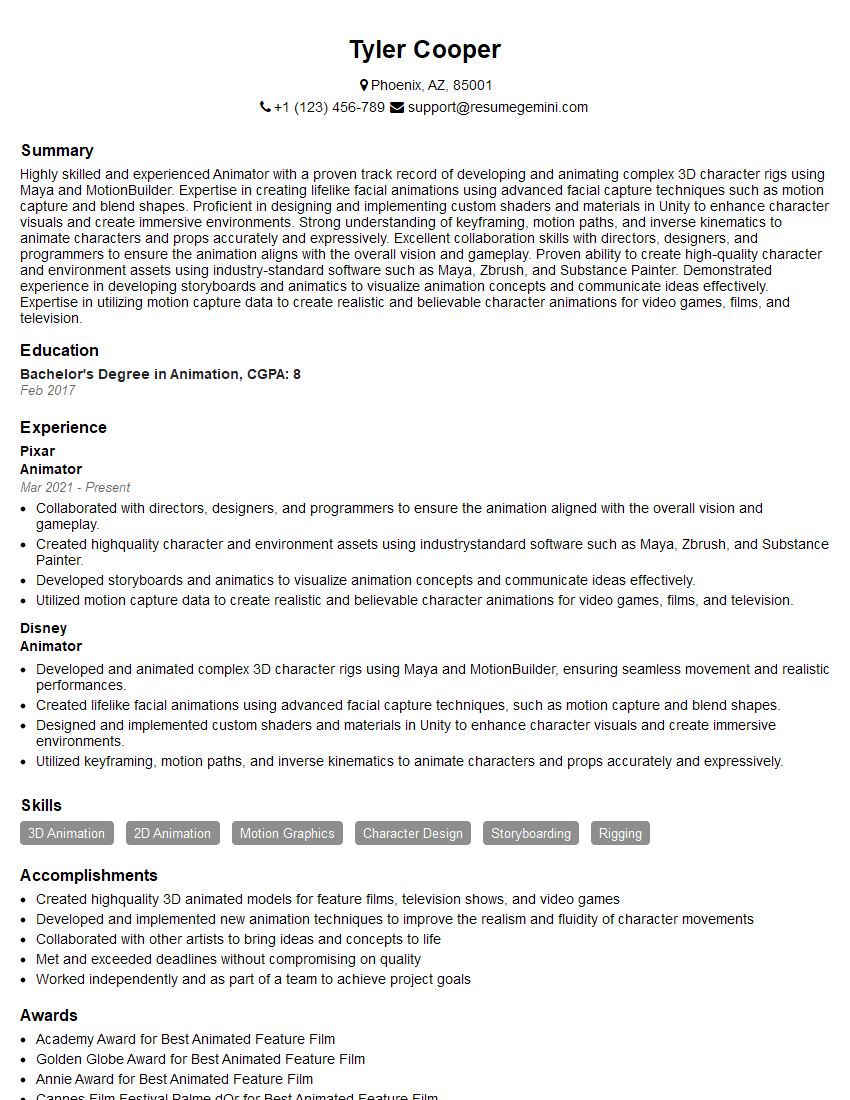
Animator Resume Sample
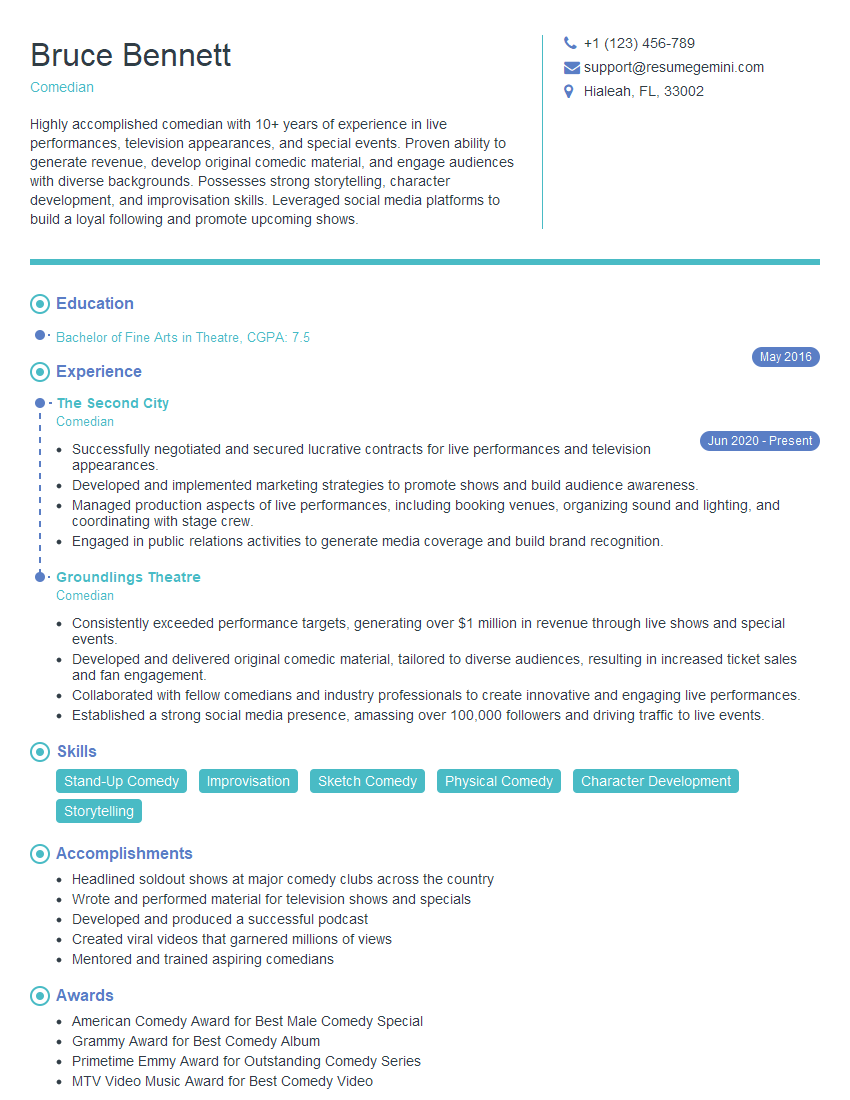
Comedian Resume Sample
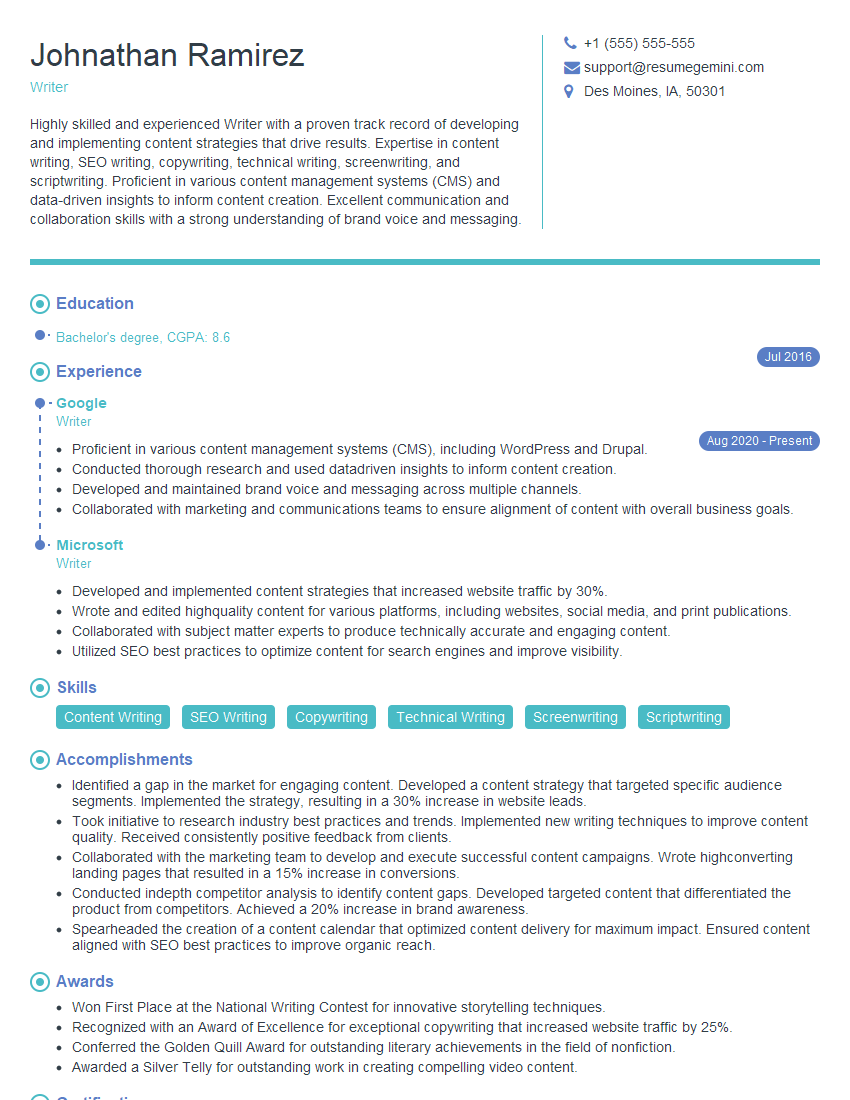
Writer Resume Sample
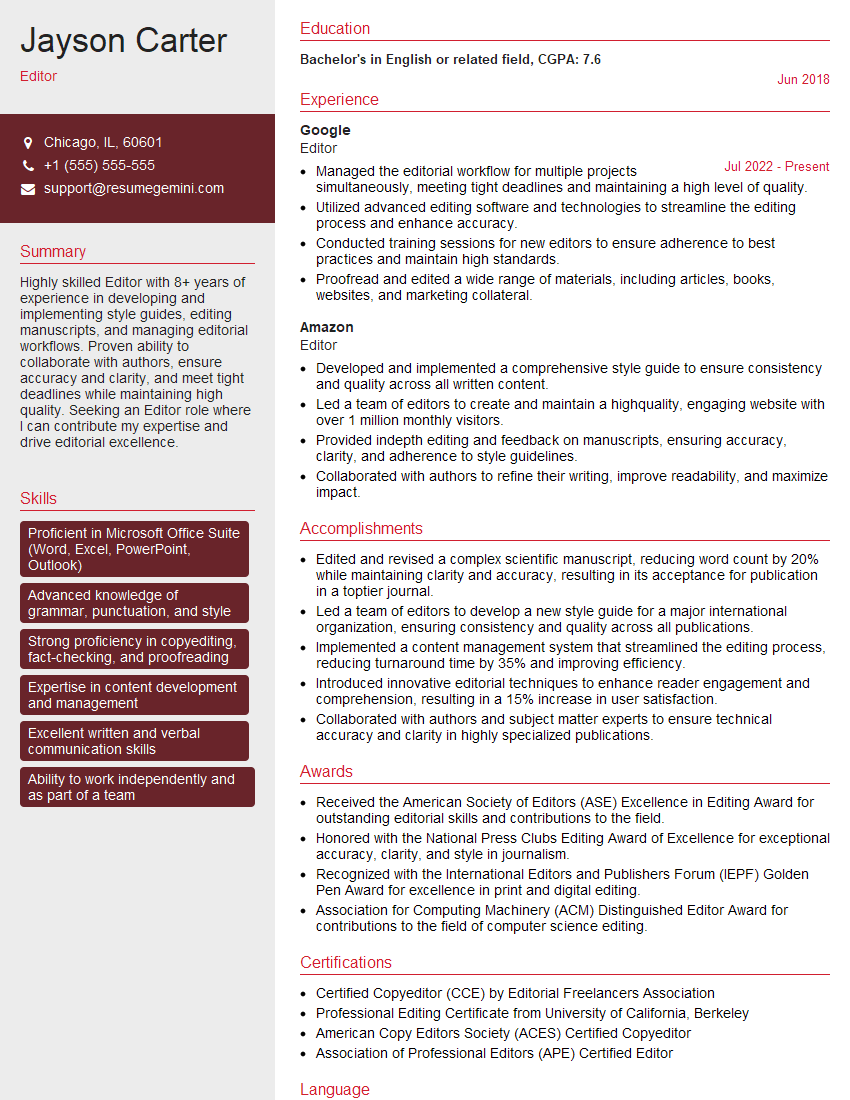
Editor Resume Sample

Radio Host Resume Sample
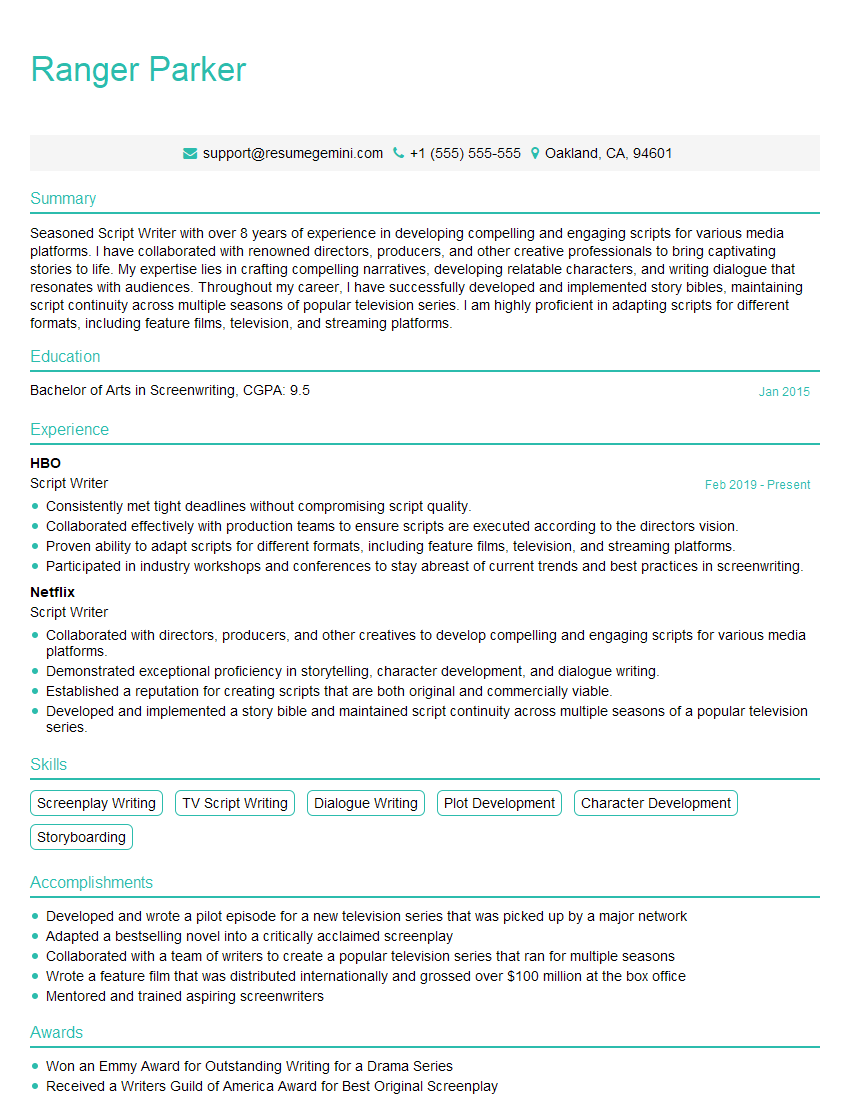
Script Writer Resume Sample

Content Creator Resume Sample
Explore more articles
Users Rating of Our Blogs
Share Your Experience
We value your feedback! Please rate our content and share your thoughts (optional).
What Readers Say About Our Blog
Very informative content, great job.
good