Every successful interview starts with knowing what to expect. In this blog, we’ll take you through the top Receiving and Shipping Documentation interview questions, breaking them down with expert tips to help you deliver impactful answers. Step into your next interview fully prepared and ready to succeed.
Questions Asked in Receiving and Shipping Documentation Interview
Q 1. Explain the process of receiving a shipment.
Receiving a shipment is a multi-step process crucial for maintaining accurate inventory and ensuring goods arrive in perfect condition. It begins with the notification of an incoming shipment, often via email or a delivery management system. Next, we verify the shipment against our purchase order to confirm the expected quantity and type of goods. Upon arrival, we inspect the packaging for any damage. This is visually assessed, noting any tears, dents, or signs of tampering. Then, we carefully unload the shipment, meticulously counting and comparing the received items against the accompanying packing slip. Any discrepancies are immediately noted. Finally, the goods are checked for damage, and their condition is documented. The entire process is tracked using our warehouse management system (WMS), updating inventory records in real-time.
For example, if we’re expecting 100 boxes of widgets, we verify this against our purchase order and then against the physical count upon arrival. If there are fewer than 100, or if any boxes appear damaged, that discrepancy is documented and reported immediately.
Q 2. Describe your experience with different shipping carriers (UPS, FedEx, USPS, etc.).
Throughout my career, I’ve worked extensively with UPS, FedEx, and USPS, each offering distinct advantages depending on the shipment’s characteristics and destination. UPS is known for its reliable ground shipping and comprehensive tracking, making it ideal for time-sensitive, yet not extremely urgent, shipments. FedEx offers excellent speed and international reach, often preferred for expedited deliveries and global distribution. USPS is cost-effective for smaller, less urgent packages, especially domestic ones. My experience includes negotiating rates with each carrier, managing pick-ups and deliveries, and resolving any issues that arise, such as lost or damaged packages. I’m proficient in using each carrier’s online tracking and documentation systems.
For instance, I negotiated a discounted rate with UPS for our regular weekly shipments of raw materials, reducing our shipping costs significantly. With FedEx, I’ve managed the efficient delivery of urgent customer orders, ensuring timely receipt and high customer satisfaction.
Q 3. How do you handle discrepancies between the packing slip and the actual contents of a shipment?
Discrepancies between packing slips and actual contents necessitate a thorough investigation. This involves a detailed recount of the items and a careful comparison with the packing slip. Photographs are taken to document the discrepancy, and a discrepancy report is filed. The report includes the purchase order number, the invoice number, the carrier’s tracking information, a description of the discrepancy, and the names of the personnel involved in the inspection. We then contact the supplier to report the issue and initiate a return or replacement process, depending on the nature of the discrepancy and the supplier’s policies. We also update our inventory records to reflect the actual received quantity.
For example, if a packing slip indicates 100 units but only 95 are received, we document this discrepancy, take photos of the received goods, and immediately contact the supplier to resolve the shortage. This process is essential for accurate inventory management and prevents potential stockouts or overstocking.
Q 4. What are the common shipping documentation requirements?
Common shipping documentation requirements vary based on the shipment’s nature (domestic vs. international), the type of goods, and the carrier’s policies. However, some key documents consistently required include: the commercial invoice (detailing the goods’ value, description, and origin), the packing list (itemizing the contents of each package), the bill of lading (acting as a contract between the shipper and carrier), and the shipping label (clearly displaying the sender and recipient information, including addresses and tracking numbers). International shipments often require additional documentation like certificates of origin, import/export licenses, and customs declarations. Accurate and complete documentation prevents delays and ensures smooth customs clearance.
For instance, an international shipment of electronics would require a commercial invoice indicating their value for customs duties, a packing list specifying the contents of each box, a bill of lading outlining the shipping contract, and potentially other documentation depending on the import/export regulations of the specific countries involved.
Q 5. How do you ensure the accuracy of shipping labels and manifests?
Accuracy in shipping labels and manifests is paramount to prevent delays and ensure efficient delivery. We use a WMS to generate shipping labels and manifests, double-checking all information (address, quantity, item description, weight) before printing. For additional verification, we manually verify a sample of labels and manifests against the corresponding packing slips and the physical goods. Any errors are immediately corrected, ensuring that the information is consistent across all documents. We also maintain a system of regular audits of our shipping processes to catch any potential errors or inconsistencies in label and manifest generation.
Using a barcode scanning system during the picking and packing process also helps to eliminate manual input errors. This system cross-references the scanned barcodes with the information in the WMS, ensuring that the correct items are being shipped to the correct addresses.
Q 6. Explain your experience with different types of shipping documents (Bill of Lading, Packing List, Commercial Invoice).
My experience spans various shipping documents. The Bill of Lading is a critical document acting as a contract of carriage between the shipper and the carrier, detailing the terms of transportation and specifying the goods being shipped. The Packing List provides a detailed itemized list of the contents of each package, crucial for accurate receiving and inventory management. The Commercial Invoice is an essential document for international shipments, providing customs authorities with information on the goods’ value, description, and origin, necessary for customs clearance. I’m familiar with generating, reviewing, and utilizing these documents efficiently and accurately. Understanding their specific requirements and how they relate to each other is essential for smooth shipping processes.
For example, a missing item on the packing list compared to the commercial invoice would immediately flag a potential issue and require immediate investigation before the shipment proceeds.
Q 7. How do you manage inventory discrepancies related to shipping and receiving?
Managing inventory discrepancies related to shipping and receiving involves a systematic approach focusing on reconciliation and root cause analysis. We regularly reconcile our inventory records with physical counts, investigating any differences. This process identifies discrepancies that might be due to shipping errors (e.g., incorrect quantities shipped, damaged goods), receiving errors (e.g., inaccurate counts, missed items), or other inventory management issues. Once identified, we investigate the root cause, determining whether the error occurred during shipping, receiving, or within our internal inventory management processes. Corrective actions are implemented to prevent recurrence, ranging from improved training for staff to upgrades in our warehouse management systems.
For example, consistent discrepancies in a specific product line might suggest a problem with our inventory management software, prompting an investigation and a system update. Regular physical inventory checks, coupled with robust data analysis, allow us to detect and resolve discrepancies efficiently.
Q 8. Describe your experience with warehouse management systems (WMS).
Warehouse Management Systems (WMS) are the backbone of efficient receiving and shipping operations. My experience spans several years working with various WMS platforms, including NetSuite WMS, Fishbowl Inventory, and SAP EWM. I’m proficient in using these systems to manage inventory, track shipments, optimize warehouse layout, and generate crucial reports. For example, using NetSuite WMS, I streamlined our receiving process by implementing barcode scanning, which reduced data entry errors by over 70% and sped up processing times significantly. This improved accuracy allowed for better inventory control and reduced stockouts. I also have experience configuring and customizing WMS to meet specific business needs, such as integrating it with our transportation management system (TMS) to automate shipping label generation and carrier selection.
Beyond basic functionality, I understand the importance of data analysis within a WMS. I’m adept at using reporting features to identify bottlenecks, inefficiencies, and areas for improvement in warehouse operations. This data-driven approach allows for continuous optimization of processes and resource allocation.
Q 9. How do you prioritize shipments based on urgency and delivery deadlines?
Prioritizing shipments is crucial for meeting deadlines and ensuring customer satisfaction. My approach involves a multi-faceted strategy that considers several factors. First, I use a combination of urgency codes and delivery deadlines provided by the client. Shipments marked as ‘rush’ or with immediate delivery requirements are prioritized. Second, I consider transportation mode and transit times. Air freight is often faster, but more expensive. This selection is usually determined by the client’s budget and the importance of speed. Third, I factor in any special handling requirements, such as temperature-sensitive goods or fragile items. These need to be given special attention during packing and transportation to minimize risks. Finally, I utilize the WMS to create a dynamic schedule, keeping in mind resource constraints (personnel and equipment) to optimally allocate resources to meet all deadlines as efficiently as possible. I often use Kanban-like systems visually displayed in our warehouse to aid in shipment prioritization and tracking.
Q 10. What is your experience with international shipping documentation?
My experience with international shipping documentation is extensive. I’m familiar with a wide range of documents, including commercial invoices, packing lists, bills of lading (both ocean and air), certificates of origin, and import/export licenses. I understand the nuances of Incoterms (International Commercial Terms) and how they impact the responsibilities of both the exporter and importer. For instance, I’ve handled shipments under DDP (Delivery Duty Paid) terms, where the seller is responsible for all costs and risks associated with the delivery of goods to the buyer’s location. This requires meticulous attention to detail in customs documentation and compliance. I also have experience using various online portals provided by different carriers to generate and manage shipping documentation, and I understand the specific requirements of different countries and regions, such as the requirements for the EU, North America and Asia.
In addition, I have extensive experience working with both freight forwarders and customs brokers to ensure smooth and compliant international shipments. This collaboration is critical for avoiding delays and costly penalties.
Q 11. How do you handle damaged or lost shipments?
Handling damaged or lost shipments requires a systematic and documented approach. First, a thorough investigation is conducted to determine the cause of the damage or loss, involving reviewing the packing list, waybill, and any visual evidence of the shipment. Second, photographic evidence is meticulously documented and the details are recorded in a damage report or loss report, ensuring accuracy and compliance with insurance claim processes. Third, I communicate immediately with the customer, keeping them informed of the situation and the next steps. Next, I liaise with the carrier or insurance company to initiate a claim, providing all the necessary documentation. The customer service aspect is paramount. I make sure to provide regular updates and work closely with the customer to find a resolution, whether it is a replacement shipment, a refund, or a repair.
For example, during one instance involving a damaged shipment, we quickly initiated an investigation, documenting the damage with photos, and filed an insurance claim. We immediately arranged for a replacement shipment and kept the customer informed of our progress at every step. This proactive approach minimized customer dissatisfaction and maintained a positive business relationship.
Q 12. Describe your experience with customs regulations and documentation.
Compliance with customs regulations is paramount in international shipping. My experience includes working with various customs regulations across different countries. I understand the importance of accurate and complete documentation, including the correct Harmonized System (HS) codes for classifying goods. Misclassification can lead to significant delays and penalties. I’m adept at preparing the necessary documentation for customs clearance and working with customs brokers to ensure a smooth process. I’ve personally managed several shipments involving complex regulations, such as those related to controlled substances or restricted goods, requiring specific permits and licenses. I know the importance of understanding rules of origin for determining tariff classifications and I also know how to navigate Free Trade Agreements (FTAs) to reduce or eliminate tariffs.
Maintaining meticulous records and ensuring accurate data entry is critical to preventing customs issues. Any issues are dealt with promptly and professionally, always seeking to minimize disruption to the customer and the shipping process.
Q 13. How do you ensure compliance with safety regulations in the warehouse?
Ensuring compliance with safety regulations in the warehouse is a top priority. We maintain a strict adherence to OSHA (Occupational Safety and Health Administration) guidelines and any other relevant local, state, or federal regulations. This includes regular safety inspections, employee training on proper safety procedures, and the implementation of safety protocols such as proper forklift operation procedures and the maintenance of a clean and organized warehouse to prevent accidents. We use appropriate safety equipment, such as safety glasses, gloves, and steel-toe boots, ensuring proper usage and maintenance. We also conduct regular fire drills and emergency response training. We emphasize safety in all our daily operations; the wellbeing of our employees is our greatest asset.
We maintain detailed records of all safety training and inspections, which are readily available for audits. Proactive safety measures are far more cost-effective than reacting to accidents; this has helped maintain a strong safety record within the warehouse.
Q 14. How do you track shipments and provide updates to customers?
Shipment tracking and providing timely updates to customers are crucial for transparency and customer satisfaction. We use a combination of technology and manual processes to ensure accurate and efficient tracking. The WMS provides real-time visibility into the location and status of shipments. We utilize tracking numbers from carriers to monitor progress and promptly notify customers of any delays or changes in delivery schedules. This is done proactively – rather than reacting to customer enquiries. I use our company’s CRM system to record communication with customers, and I ensure clear and concise communication to keep them informed. For example, we use automated email notifications to inform customers of shipment updates and provide them with easy access to real-time tracking information through a dedicated portal.
Proactive communication minimizes customer anxiety and builds trust. Open communication, both good news and bad, fosters a better working relationship with our customer base.
Q 15. How do you manage returns and refunds?
Managing returns and refunds requires a systematic approach to ensure customer satisfaction and minimize losses. It starts with a clear return policy communicated upfront, readily available to customers. This policy should outline the timeframe for returns, acceptable conditions for returned goods, the refund process (e.g., full refund, store credit, partial refund), and any associated fees.
Upon receiving a return, we meticulously inspect the product to verify its condition and compare it against the customer’s claim. We use a dedicated returns management system to track each return, documenting the reason for return, the product’s condition, and the outcome (refund issued, replacement sent, repair initiated). This system also integrates with our inventory management system to adjust stock levels accordingly.
For example, if a customer returns a damaged item, we would photograph the damage and record it in our system. If the damage is deemed to be the customer’s fault, we may only offer a partial refund or no refund at all, as per our pre-defined return policy. If it’s due to a manufacturing defect, a full refund or replacement is typically provided. We then process the refund using the payment method the customer initially used, ensuring timely and accurate crediting of their account.
Regular auditing of the returns process helps identify areas for improvement, such as streamlining the workflow or addressing common reasons for returns to prevent future occurrences. This is crucial for maintaining a positive customer experience and mitigating potential financial losses.
Career Expert Tips:
- Ace those interviews! Prepare effectively by reviewing the Top 50 Most Common Interview Questions on ResumeGemini.
- Navigate your job search with confidence! Explore a wide range of Career Tips on ResumeGemini. Learn about common challenges and recommendations to overcome them.
- Craft the perfect resume! Master the Art of Resume Writing with ResumeGemini’s guide. Showcase your unique qualifications and achievements effectively.
- Don’t miss out on holiday savings! Build your dream resume with ResumeGemini’s ATS optimized templates.
Q 16. What software or systems are you familiar with for managing shipping and receiving?
Throughout my career, I’ve gained experience with several software and systems for managing shipping and receiving. These range from simple spreadsheet-based solutions to sophisticated Enterprise Resource Planning (ERP) systems. I’m proficient in using Warehouse Management Systems (WMS) like Manhattan Associates and Blue Yonder, which offer robust functionalities for inventory tracking, order fulfillment, and warehouse automation. These systems often integrate with Transportation Management Systems (TMS) such as Oracle Transportation Management or SAP Transportation Management to optimize shipping routes and manage carrier relations.
In smaller operations, I’ve utilized simpler systems like Fishbowl Inventory or even custom-built solutions using platforms like Microsoft Access or Google Sheets. Regardless of the system’s complexity, the key is to maintain data accuracy, ensuring seamless integration across different departments like sales, inventory, and accounting. The experience allows me to quickly adapt to new systems and identify opportunities to improve efficiency through software implementation.
For example, using a WMS like Manhattan Associates, I can track the location of every item in the warehouse in real-time, making order fulfillment much faster and more efficient. The system also automates many tasks, such as generating shipping labels and updating inventory levels, freeing up valuable time for more strategic tasks.
Q 17. Explain your experience with different types of packaging materials.
My experience encompasses a wide variety of packaging materials, each chosen based on the specific needs of the product and the shipping environment. I’m familiar with corrugated cardboard boxes, which offer a good balance of protection and cost-effectiveness. For heavier or more fragile items, I often use double-walled or triple-walled cardboard for enhanced protection. For lighter, smaller items, I might use bubble mailers or padded envelopes.
Beyond cardboard, I’ve worked extensively with other materials like foam inserts, which are excellent for cushioning fragile items within the box. I’ve also used air pillows for void fill, providing additional cushioning and preventing shifting during transit. Protective films, such as shrink wrap and stretch film, are crucial for protecting products from moisture and damage. Lastly, I’m experienced with specialized packaging materials like ESD (Electrostatic Discharge) bags for electronic components, which prevent static electricity from damaging sensitive electronics.
Selecting the right packaging is a crucial aspect of preventing damage during shipping. I always consider factors such as product fragility, weight, size, environmental conditions (temperature, humidity), and shipping distance. For example, if shipping delicate glassware, I would utilize ample cushioning material, ensuring it’s securely placed within a sturdy box. The choice of material will always balance protection and cost-effectiveness.
Q 18. How do you handle hazardous materials?
Handling hazardous materials requires strict adherence to regulations and safety protocols. This involves a comprehensive understanding of the relevant regulations, such as those set by OSHA (Occupational Safety and Health Administration) and DOT (Department of Transportation). We begin by accurately identifying and classifying each hazardous material based on its properties (flammability, toxicity, reactivity, etc.), using the appropriate Hazard Communication Standard (HazCom) labels and Safety Data Sheets (SDS).
Proper storage is crucial. Hazardous materials are stored in designated areas, away from incompatible substances, in compliance with all safety regulations. These areas are often equipped with special features like ventilation systems, fire suppression systems, and spill containment areas. We also use specialized containers, ensuring proper labeling and segregation.
Shipping hazardous materials requires additional documentation and adherence to stringent shipping regulations. We ensure that all necessary permits and shipping papers are in order before initiating shipment. Training is a vital part of safe hazardous material handling; all personnel involved are thoroughly trained on safe handling procedures, emergency response protocols, and the use of appropriate Personal Protective Equipment (PPE).
For instance, if we were shipping flammable liquids, we’d use UN-rated packaging, clearly label it according to DOT regulations, and ensure the shipment adheres to all required documentation. Failure to comply with regulations could result in severe penalties, including fines and even legal action.
Q 19. How do you ensure the security of shipments in the warehouse?
Warehouse security is paramount. We implement a multi-layered approach to ensure the safety and security of our shipments. This begins with physical security measures, such as secure entrances with access control systems (e.g., key card access, surveillance cameras). Regular patrols of the warehouse ensure that everything is in order. We also utilize security cameras to monitor activities within the warehouse, both internally and externally.
Inventory control is critical. Regular cycle counts and inventory audits help to identify any discrepancies and prevent theft or loss. We use barcoding and RFID tagging to track inventory movement, providing real-time visibility and reducing the risk of errors. A well-structured warehouse layout, with clear zones for receiving, storage, and shipping, also assists in inventory management and security.
Employee training is vital. All employees are educated about security procedures, including proper handling of inventory and reporting suspicious activities. Background checks and adherence to strict security protocols further strengthen our security measures. We also implement procedures for handling potential security breaches, including reporting mechanisms and escalation protocols. Regular security assessments and updates to our security systems ensure we are proactively protecting our inventory.
Q 20. Describe your experience with cycle counting or inventory audits.
Cycle counting and inventory audits are crucial for maintaining accurate inventory records. Cycle counting is a continuous process of verifying a small portion of inventory regularly, rather than conducting a full physical inventory count all at once. This method is less disruptive and helps to identify discrepancies quickly. We assign specific areas or item categories for each cycle count, ensuring all inventory is checked regularly.
Inventory audits are more comprehensive, involving a full physical count and reconciliation against inventory records. This process is often done annually or semi-annually and requires a significant amount of planning and coordination. We use a team-based approach, dividing the inventory into smaller sections to improve efficiency and accuracy. Detailed checklists and spreadsheets ensure a thorough and systematic approach.
Discrepancies are documented and investigated to identify the root causes, which may include data entry errors, theft, damage, or inaccurate stock transfers. By addressing these root causes, we can improve our inventory accuracy and efficiency. For example, a discrepancy identified during a cycle count might highlight a problem with our receiving process, prompting a review of our procedures and employee training.
Q 21. How do you maintain accurate records of shipping and receiving activities?
Maintaining accurate records is essential for efficient operations and regulatory compliance. We utilize a combination of manual and automated methods to ensure data accuracy. All incoming and outgoing shipments are documented using standardized forms or integrated software systems. These records capture crucial details such as the date, time, shipper/receiver information, product description, quantity, tracking number, and any other relevant information.
Automated systems, such as Warehouse Management Systems (WMS) and Enterprise Resource Planning (ERP) systems, play a crucial role in record-keeping. These systems automatically track inventory movement, generate reports, and provide real-time visibility into inventory levels and order status. Data is stored securely and backed up regularly to prevent data loss. Regular data backups ensure business continuity in case of a system failure.
We perform regular audits of our records to ensure accuracy and identify any discrepancies. Reconciliation between our inventory records and physical inventory helps verify accuracy and identify any potential issues. We ensure our records comply with all relevant regulations, storing them securely and following proper data retention policies. For instance, all shipping documentation is archived according to company policy, allowing easy access to historical data when needed.
Q 22. How do you handle customer inquiries related to shipments?
Handling customer inquiries about shipments requires a systematic approach. I always begin by actively listening to understand the customer’s concern, whether it’s about delivery delays, tracking information, or damaged goods. Then, I access our shipment tracking system to gather the relevant data. This might involve checking the carrier’s website for updates, reviewing our internal documentation, or even contacting the carrier directly if needed. I communicate the information clearly and concisely to the customer, ensuring they understand the situation and any next steps. If there’s a problem, I immediately initiate the appropriate process – be it initiating a claim with the carrier for damages, arranging for a redelivery, or offering a refund or replacement according to company policy. For example, if a customer reports a delayed package, I would first check the tracking number, explain the potential reasons for the delay (weather, logistical issues etc.), and provide an estimated delivery date. If the delay is significant and unacceptable, I would offer a solution, like expedited shipping or a refund. Maintaining a calm, empathetic, and professional demeanor throughout the process is crucial to ensuring customer satisfaction.
Q 23. What are your strategies for improving efficiency in shipping and receiving?
Improving efficiency in shipping and receiving relies on a multi-pronged approach. One key strategy is process optimization. This involves analyzing the current workflow to identify bottlenecks and inefficiencies. For instance, we might implement a system for pre-sorting incoming shipments based on department or product type to reduce processing time. Another vital aspect is technology integration. Utilizing barcode scanners, RF scanners, and warehouse management systems (WMS) streamlines the process, minimizing manual data entry errors and accelerating tracking. Training and standardization are equally important. Properly training staff on best practices and ensuring everyone follows the same procedures ensures consistency and reduces errors. Finally, regularly reviewing key performance indicators (KPIs) like processing time, error rates, and on-time delivery helps to identify areas needing improvement and measure the effectiveness of implemented changes. For example, implementing a WMS that automatically updates inventory levels after a shipment is received drastically reduces manual counting and data entry errors.
Q 24. Describe your experience with using barcode scanners and RF scanners.
I have extensive experience with both barcode and RF scanners, using them daily in my previous role. Barcode scanners are essential for accurate and efficient data entry at various stages of the shipping and receiving process – from verifying incoming shipments against purchase orders to labeling outgoing packages. RF scanners offer greater flexibility, especially in large warehouse environments. They allow for real-time tracking of inventory, facilitating faster location of items and improving picking accuracy. For example, using an RF scanner during receiving, I can scan each item’s barcode, automatically updating the inventory system and flagging any discrepancies between the received quantity and the purchase order. This eliminates manual data entry, reduces errors, and speeds up the receiving process significantly. My proficiency with these technologies extends to troubleshooting common issues and understanding the limitations of each technology. I can quickly address any connectivity problems or scanner malfunctions.
Q 25. How do you resolve conflicts or discrepancies with vendors or carriers?
Resolving conflicts or discrepancies with vendors or carriers necessitates a methodical and professional approach. The first step is to gather all relevant documentation, including purchase orders, invoices, shipping manifests, and any communication logs. Next, I clearly articulate the nature of the discrepancy to the vendor or carrier, providing concrete evidence to support our claim. Open and honest communication is key – I try to understand their perspective and collaborate to find a mutually acceptable solution. For example, if there’s a discrepancy in the quantity received versus the quantity shipped, I would present the documentation showing the difference and initiate a claim with the carrier while simultaneously contacting the vendor to report the issue. Depending on the severity and nature of the issue, escalation protocols may be needed. This might involve contacting higher management at both the vendor and carrier to resolve complex or protracted disputes. A collaborative approach, focusing on data and clear communication, generally proves to be the most effective in resolving these situations.
Q 26. Explain your experience with different shipping methods (ground, air, sea).
My experience encompasses all major shipping methods: ground, air, and sea. Ground shipping is cost-effective for less time-sensitive shipments within a region. I’m familiar with various ground carriers and understand their respective service levels and pricing structures. Air shipping is ideal for time-sensitive or high-value goods, offering faster delivery but at a higher cost. I have experience selecting the most appropriate air freight options based on factors like speed, cost, and required handling. Sea freight is the most economical option for large, less urgent shipments, but involves longer transit times. I understand the intricacies of documentation required for international sea freight, including customs declarations and incoterms. The choice of shipping method always depends on a balance of factors like cost, delivery time, and product characteristics. For instance, perishable goods would necessitate air freight, whereas bulky, non-perishable goods might be more suitable for sea or ground transportation.
Q 27. How do you calculate shipping costs?
Calculating shipping costs depends on several factors and involves a multi-step process. First, the dimensions and weight of the shipment are crucial. Carriers typically charge based on dimensional weight (a calculation considering package dimensions) or actual weight, whichever is higher. Next, the origin and destination of the shipment determine the distance, impacting the cost significantly. The chosen shipping method (ground, air, sea) and the carrier’s service level also influence the price. Finally, additional charges like fuel surcharges, handling fees, and insurance costs are often included. Many carriers have online shipping calculators that automate this process. However, for complex shipments or negotiations with carriers, understanding the underlying calculations is crucial. For example, a small, heavy package might have a higher dimensional weight than its actual weight, leading to a higher shipping cost compared to a larger, lighter package with the same actual weight.
Q 28. How do you stay updated on industry best practices and regulations?
Staying updated on industry best practices and regulations is paramount. I regularly attend industry conferences and webinars to learn about the latest trends and technological advancements in shipping and receiving. I subscribe to relevant industry publications and journals. Active participation in professional organizations provides networking opportunities and access to valuable resources. I also track changes in regulations from governing bodies like the Federal Motor Carrier Safety Administration (FMCSA) or the International Air Transport Association (IATA). Furthermore, I maintain an active online presence, following key industry influencers and news sources. Continuous learning in this field is essential to maintaining competence and ensuring compliance with ever-evolving regulations and best practices. For example, staying informed about changes in hazardous materials regulations is crucial for safe and compliant shipping of hazardous goods.
Key Topics to Learn for Receiving and Shipping Documentation Interview
- Understanding Bills of Lading (BOLs): Learn the different types of BOLs, their critical components, and how to accurately complete and interpret them. This includes understanding the legal implications and liability associated with accurate documentation.
- Inventory Management and Tracking: Explore various inventory management systems and how documentation plays a vital role in tracking goods from receipt to shipment. Understand the importance of accurate data entry and reconciliation to avoid discrepancies.
- Customs Documentation and Regulations: Familiarize yourself with the necessary documentation for international shipments, including import/export declarations, certificates of origin, and relevant customs regulations. Practice identifying potential compliance issues.
- Shipping Labels and Manifest Preparation: Master the creation of accurate and compliant shipping labels and manifests, including understanding different carrier requirements and addressing potential label errors.
- Warehouse Management Systems (WMS): Gain familiarity with the role of WMS in managing receiving and shipping documentation. Learn about data entry, order fulfillment, and reporting functionalities within these systems.
- Data Entry and Accuracy: This is crucial! Understand the importance of precise data entry and its impact on inventory control, order fulfillment, and overall efficiency. Explore methods for minimizing errors and ensuring data integrity.
- Problem-Solving and Discrepancy Resolution: Practice identifying and resolving discrepancies in documentation. Develop strategies for addressing issues such as damaged goods, missing items, or incorrect shipping information.
- Compliance and Auditing: Understand the importance of maintaining accurate records for audits and compliance with industry regulations and company policies.
Next Steps
Mastering Receiving and Shipping Documentation is key to career advancement in logistics and supply chain management. Strong documentation skills demonstrate attention to detail, accuracy, and a commitment to efficient operations. This directly impacts a company’s bottom line and your value as an employee. To maximize your job prospects, create an ATS-friendly resume that highlights your skills and experience. ResumeGemini is a trusted resource that can help you build a professional and impactful resume. Examples of resumes tailored to Receiving and Shipping Documentation roles are available to help guide you.
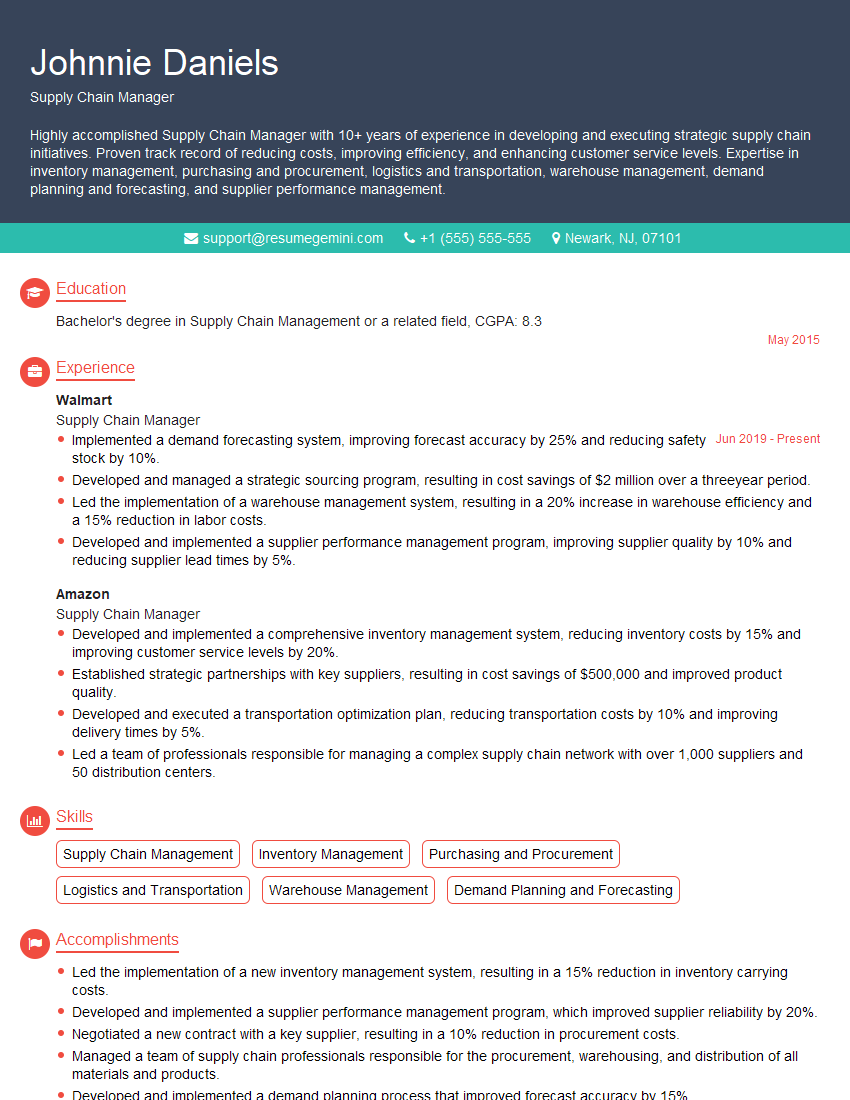
Supply Chain Manager Resume Sample
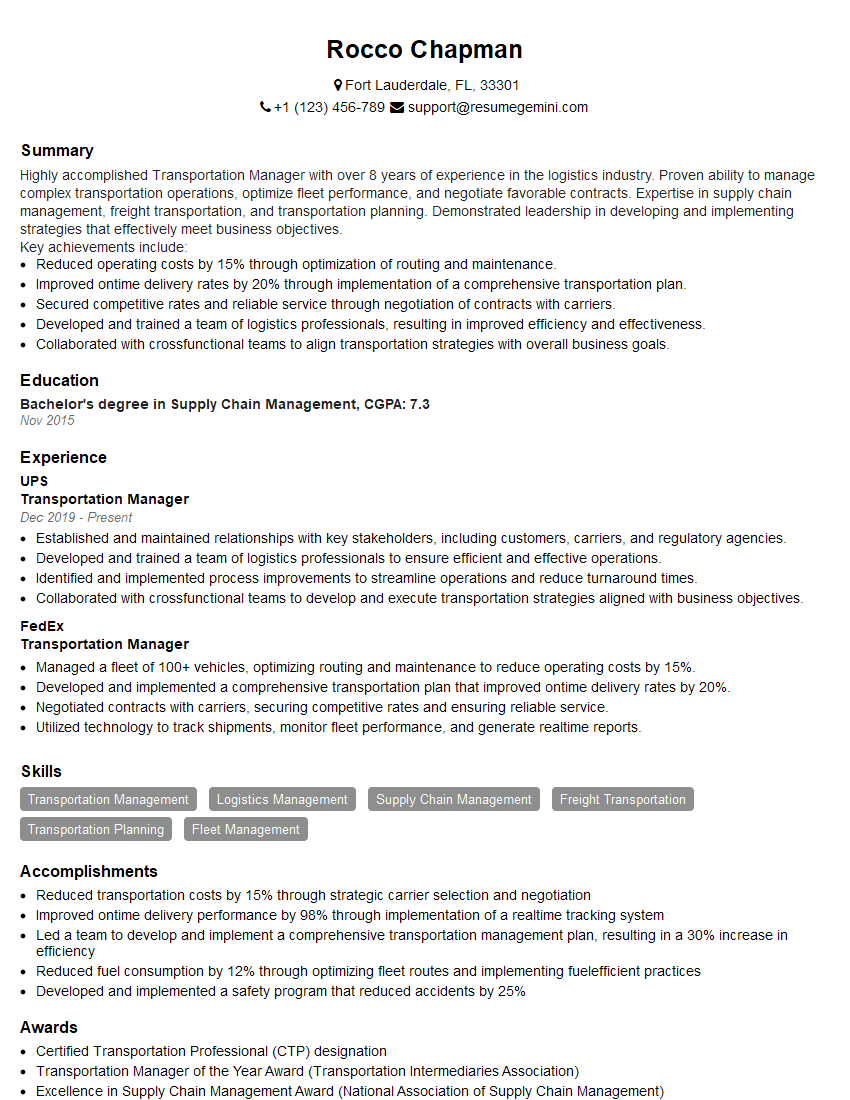
Transportation Manager Resume Sample
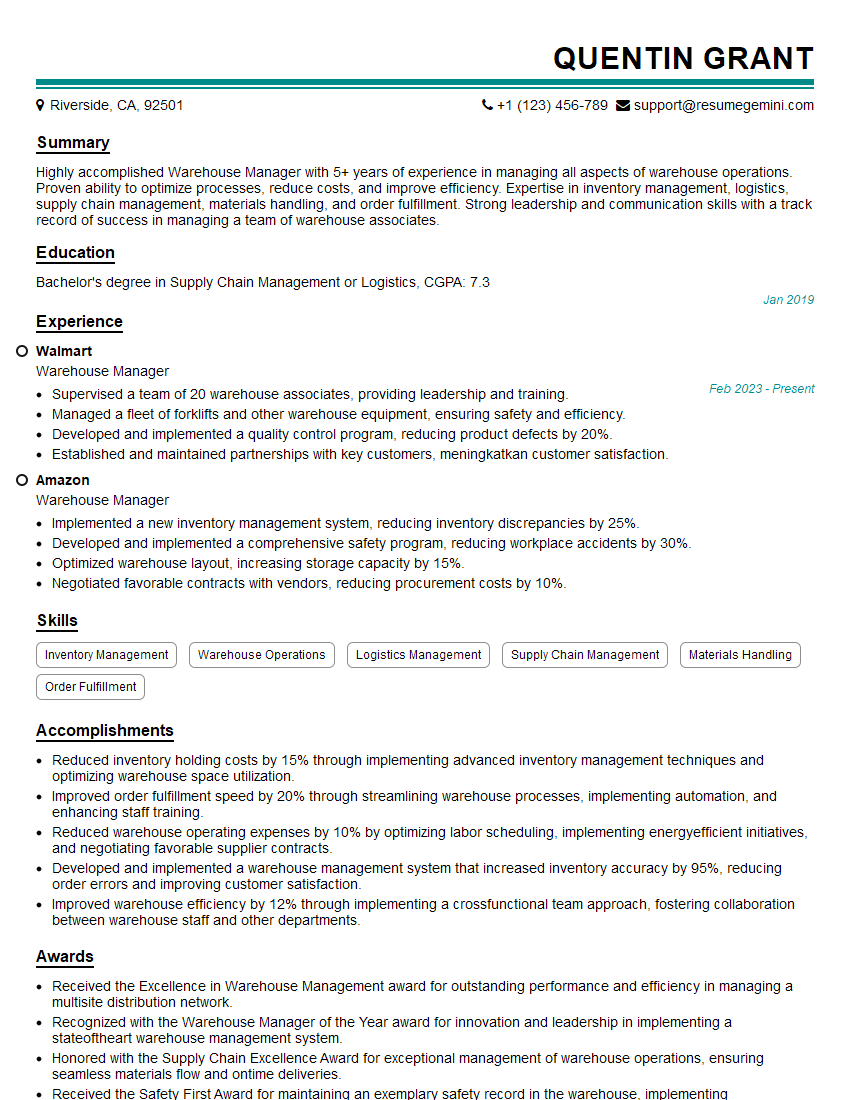
Warehouse Manager Resume Sample
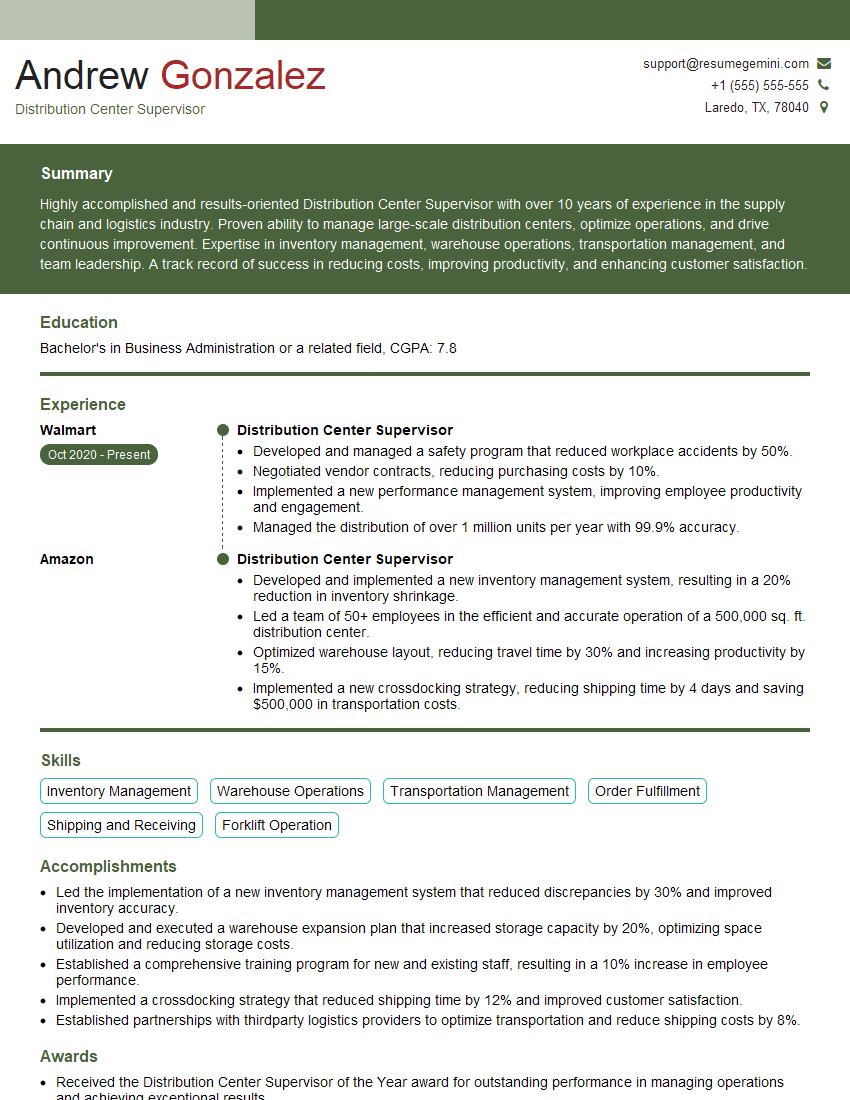
Distribution Center Supervisor Resume Sample
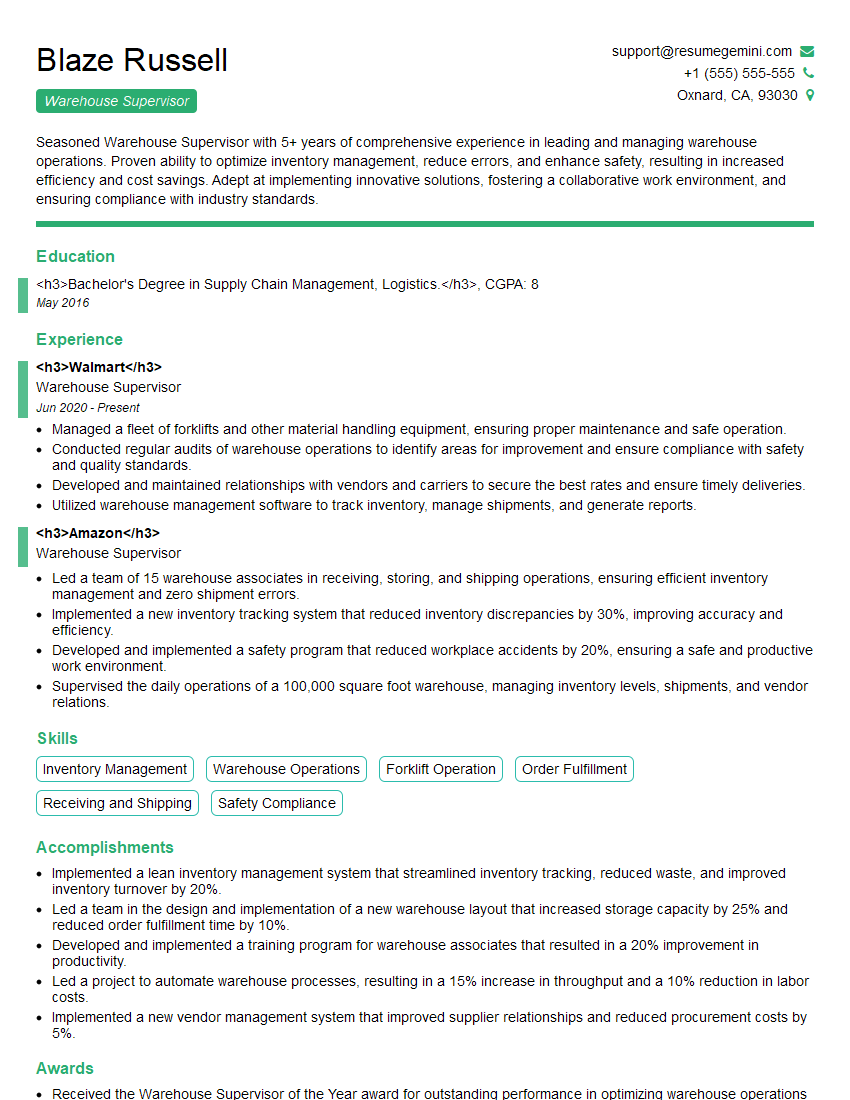
Warehouse Supervisor Resume Sample
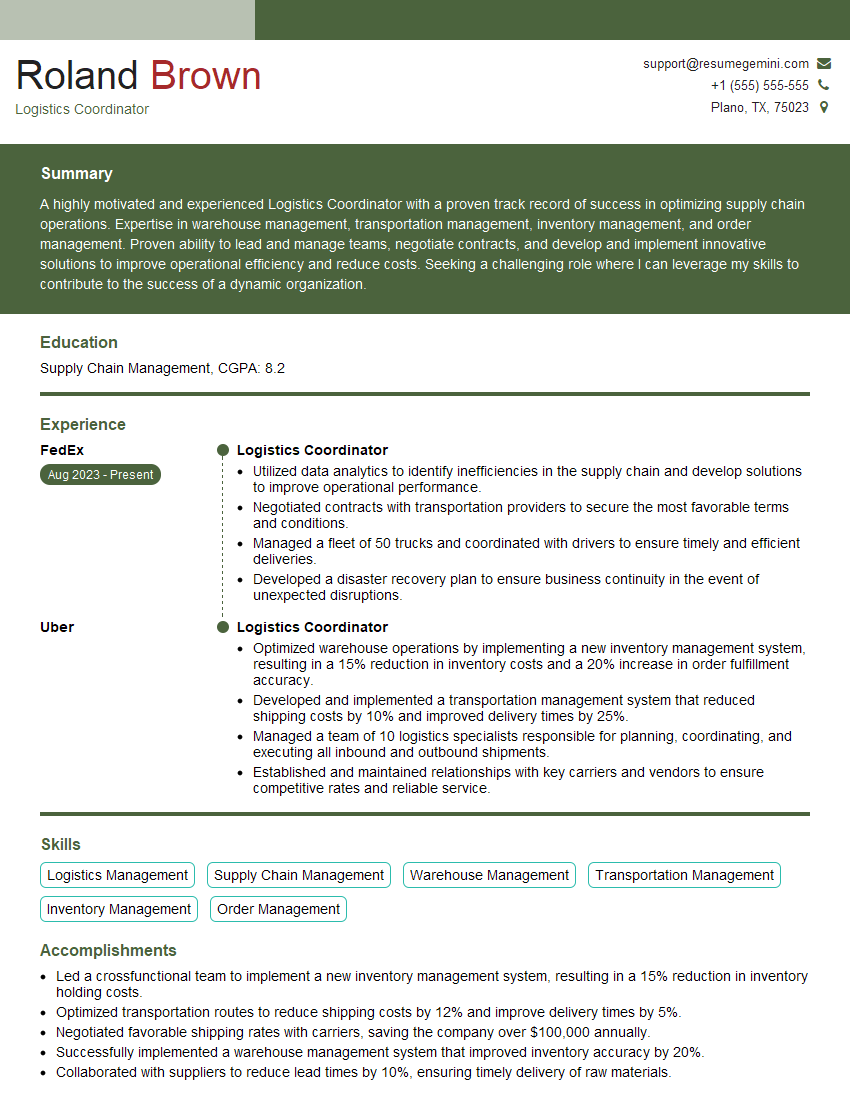
Logistics Coordinator Resume Sample
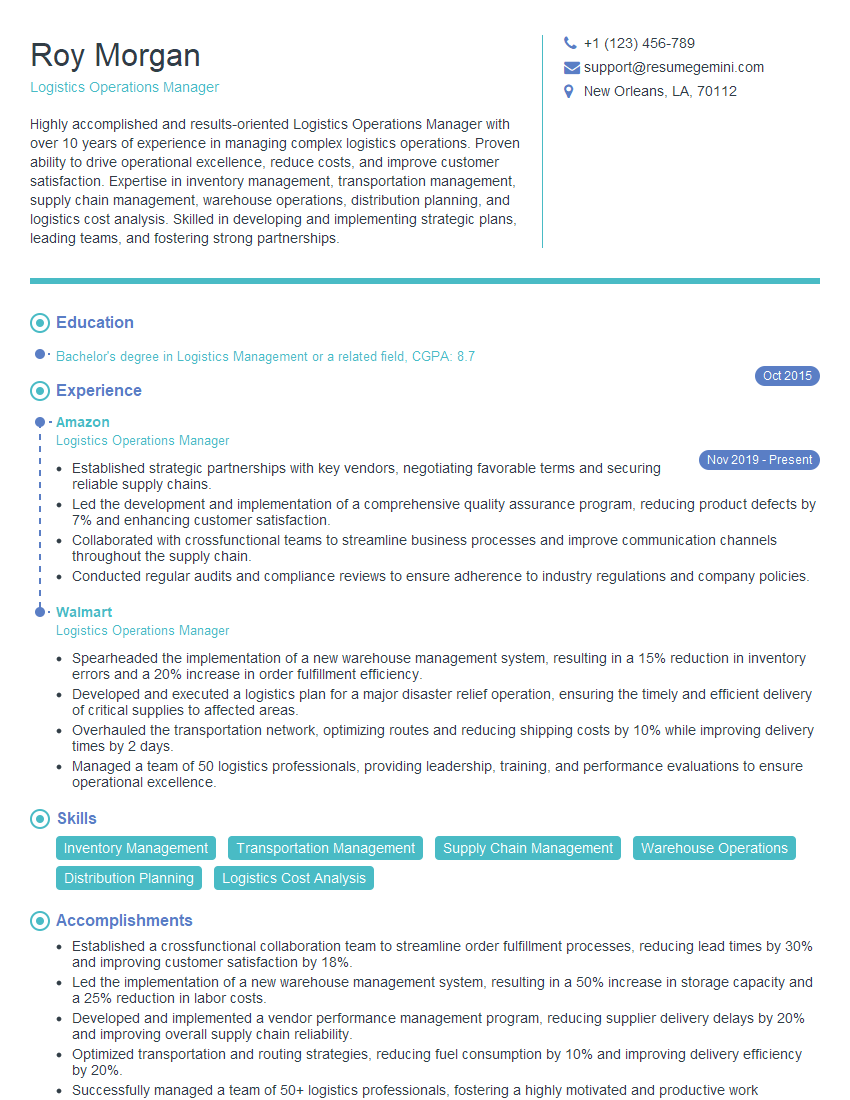
Logistics Operations Manager Resume Sample
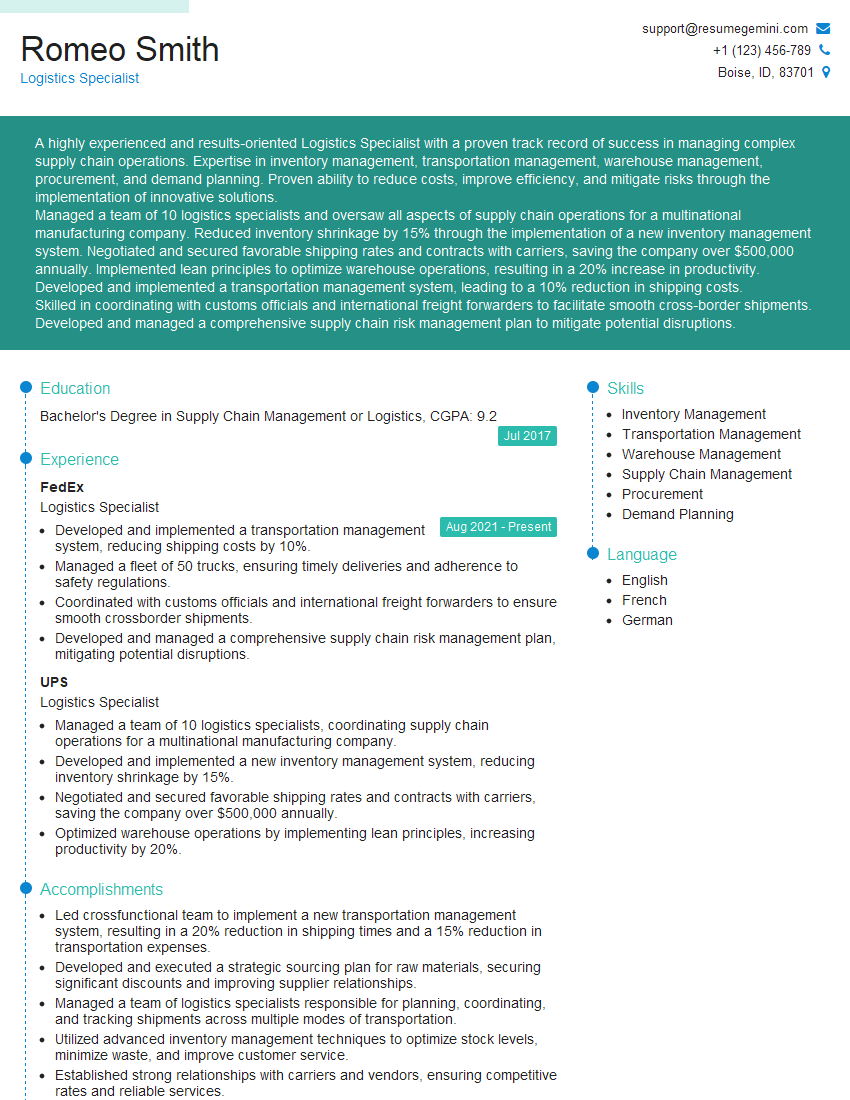
Logistics Specialist Resume Sample

Inventory Manager Resume Sample
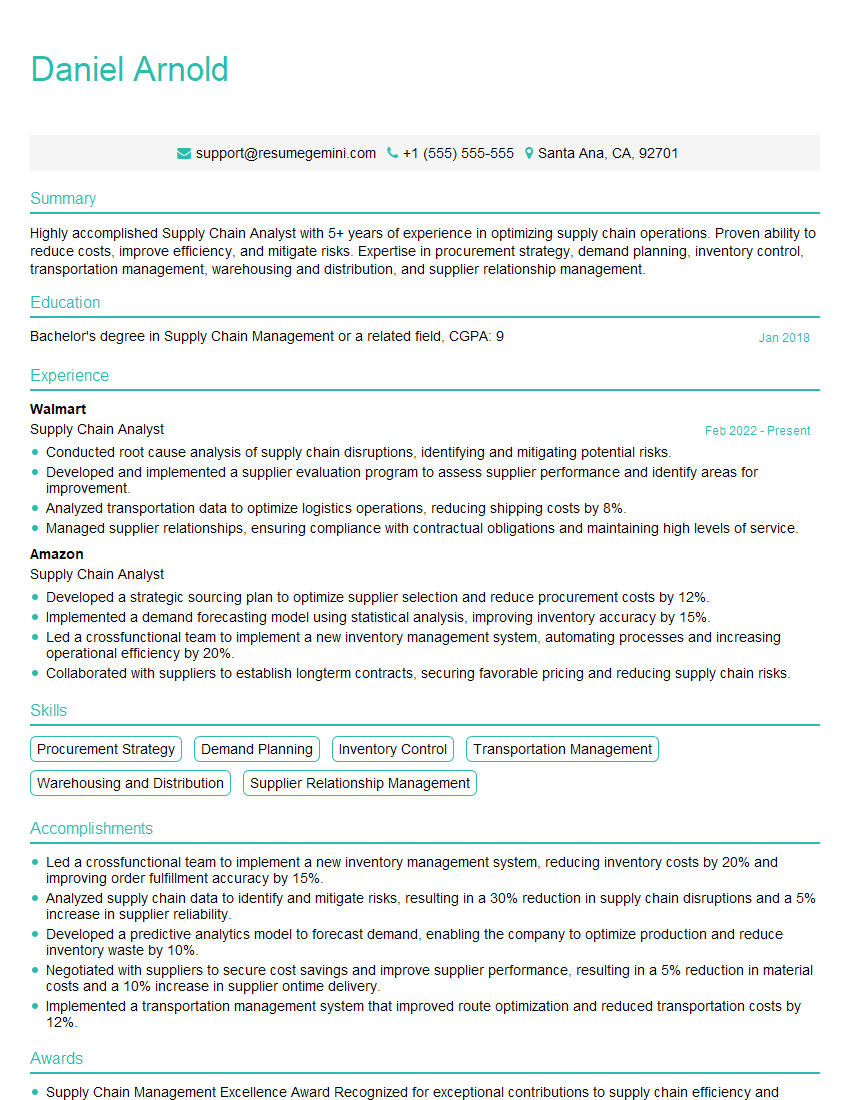
Supply Chain Analyst Resume Sample
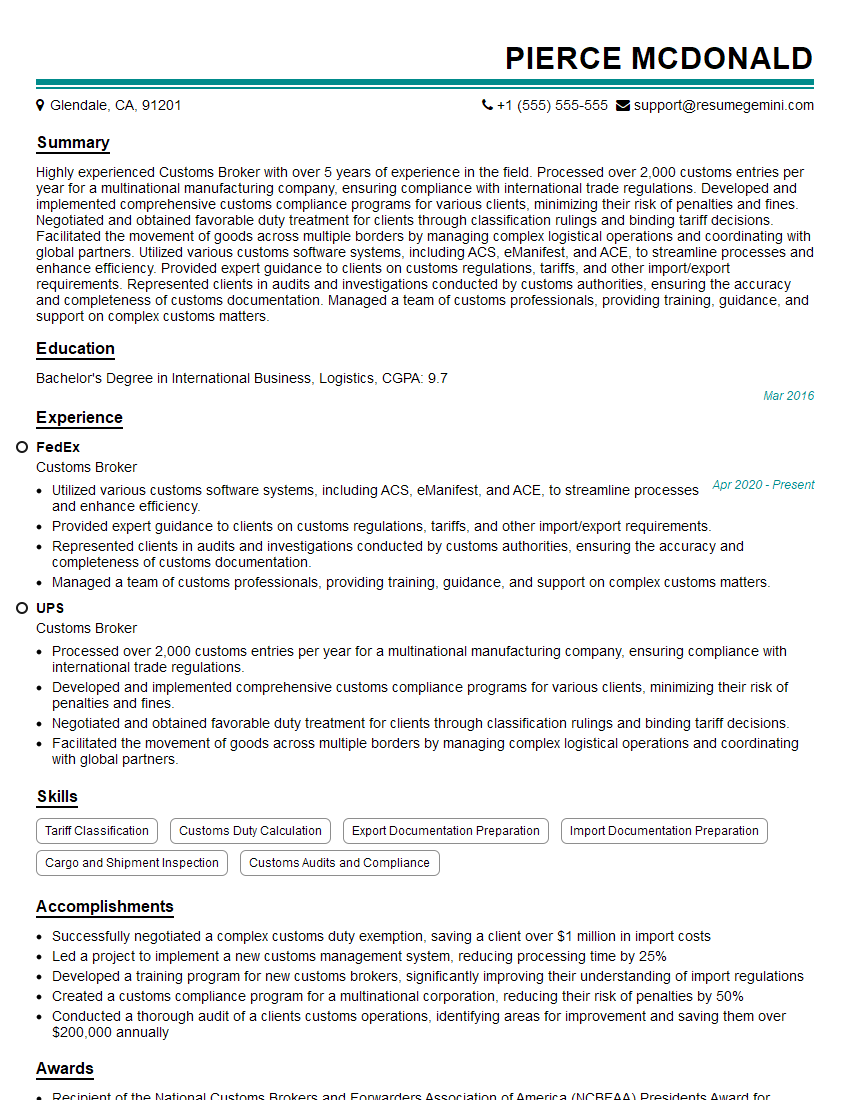
Customs Broker Resume Sample
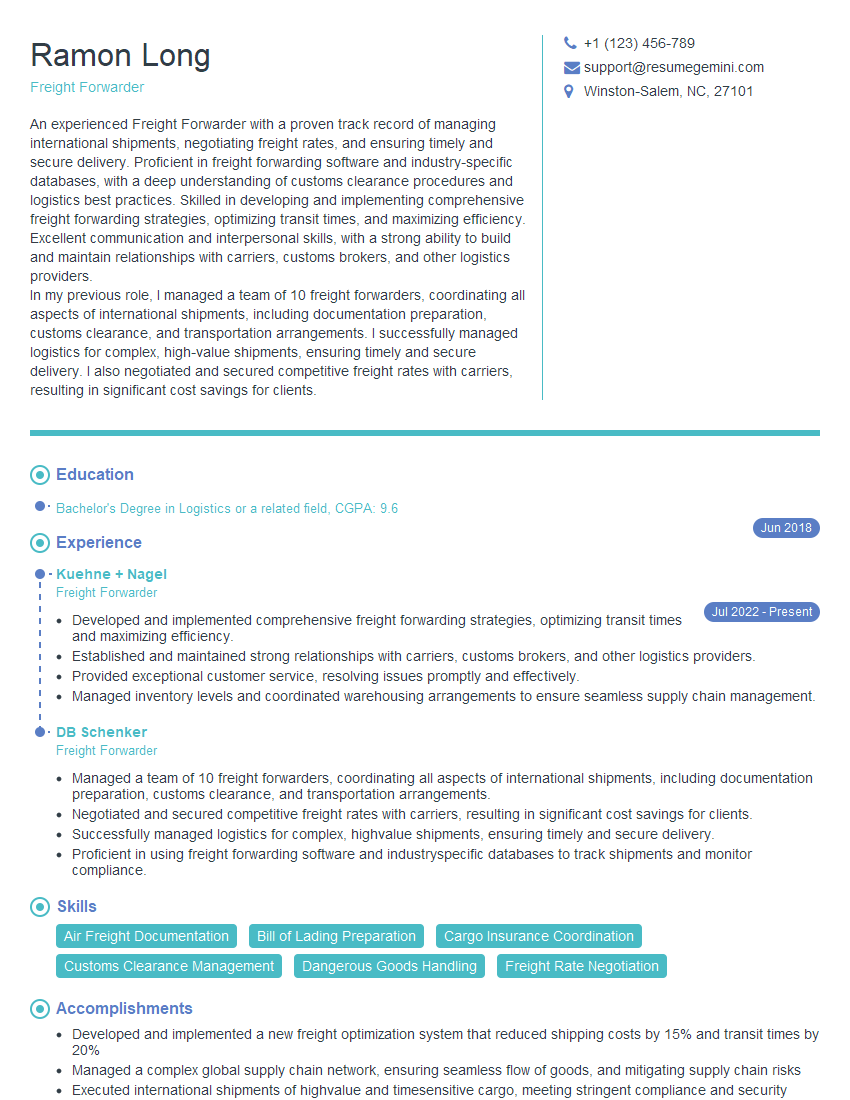
Freight Forwarder Resume Sample
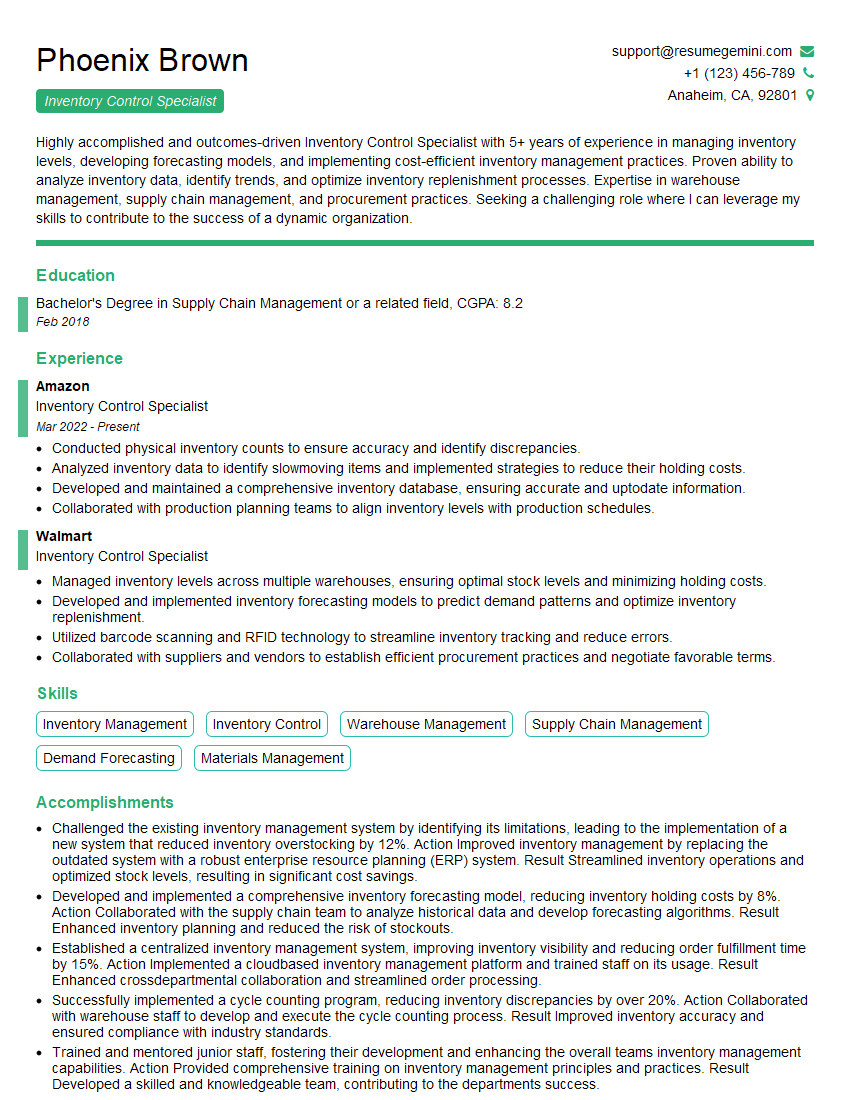
Inventory Control Specialist Resume Sample
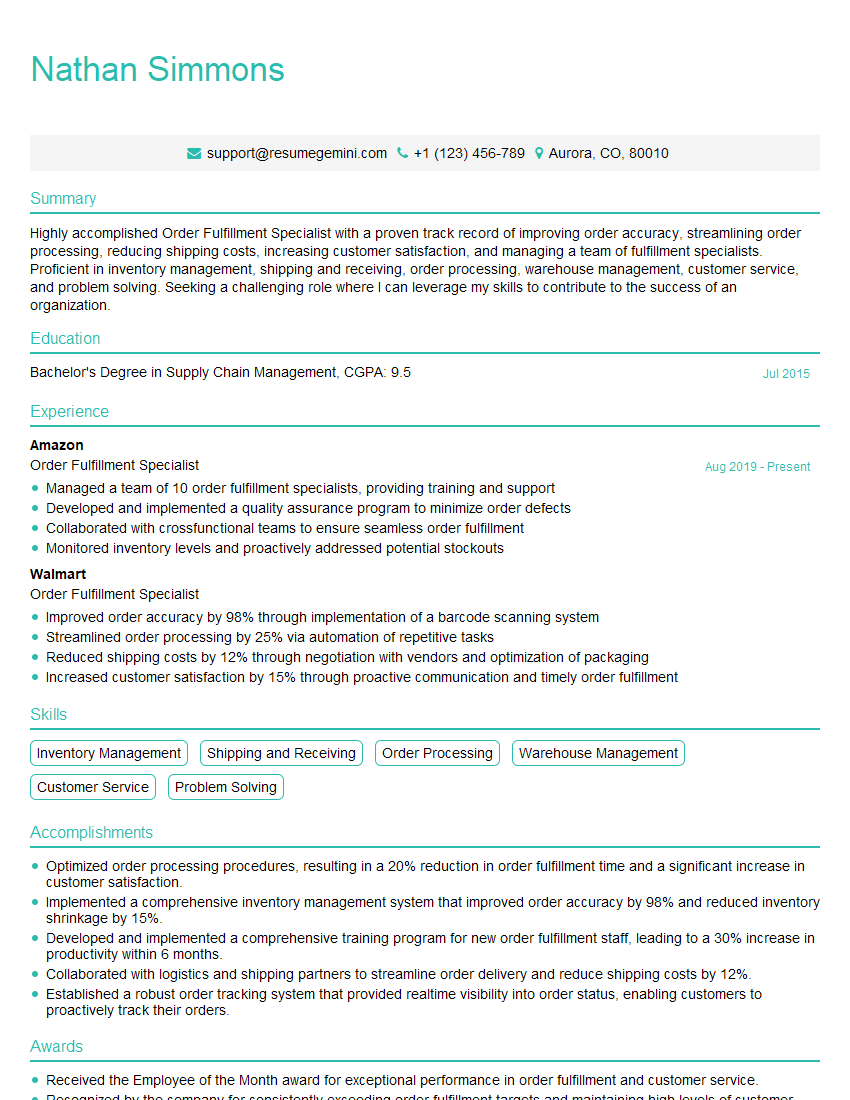
Order Fulfillment Specialist Resume Sample
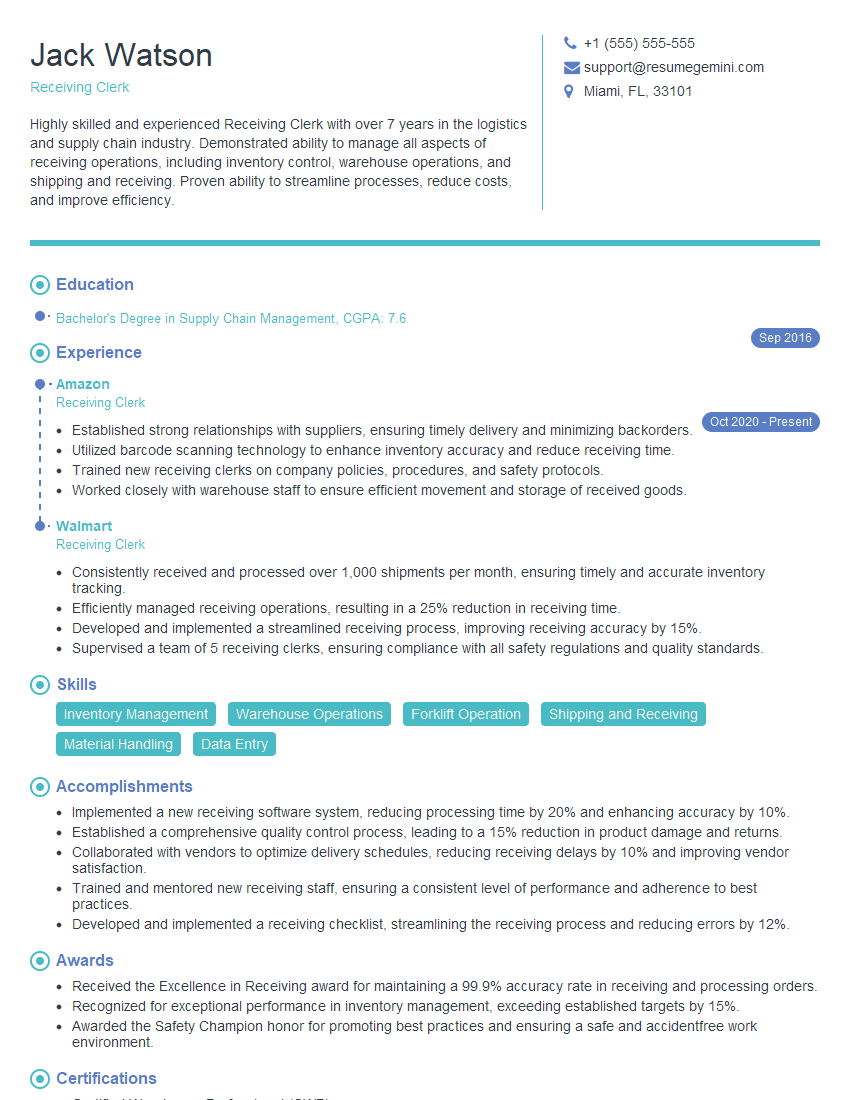
Receiving Clerk Resume Sample
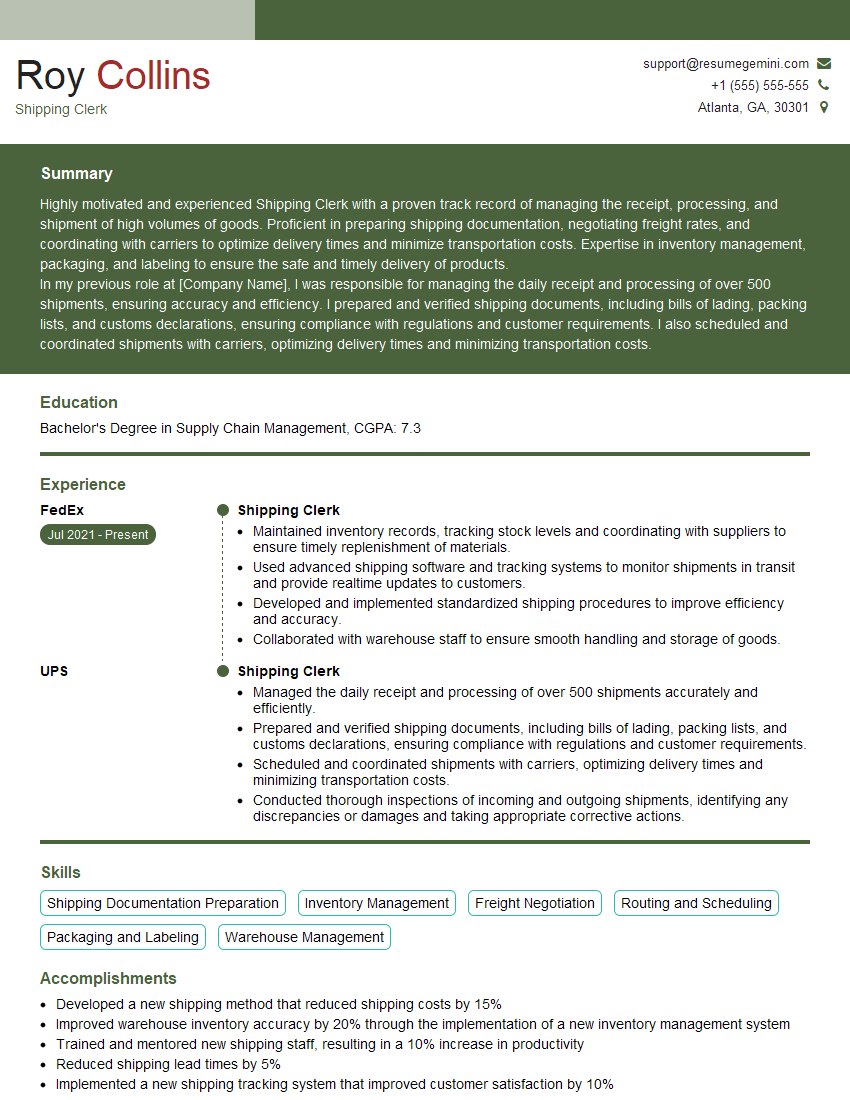
Shipping Clerk Resume Sample
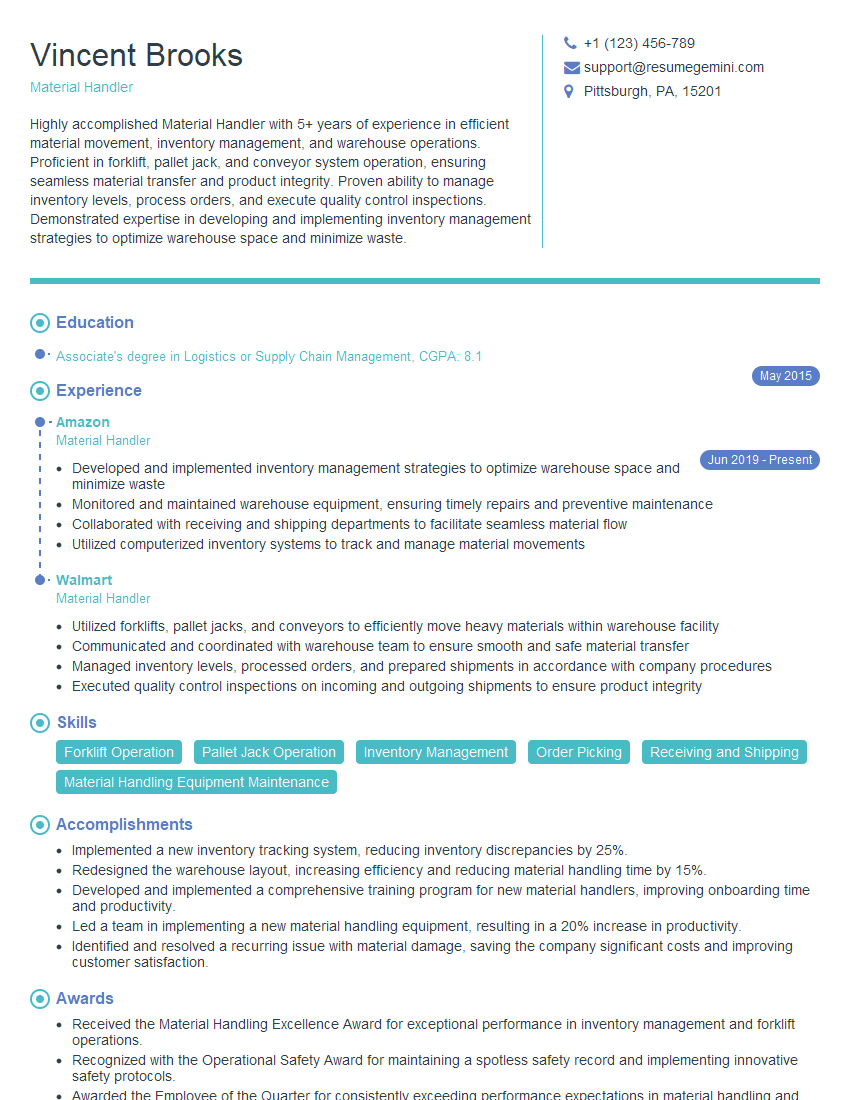
Material Handler Resume Sample
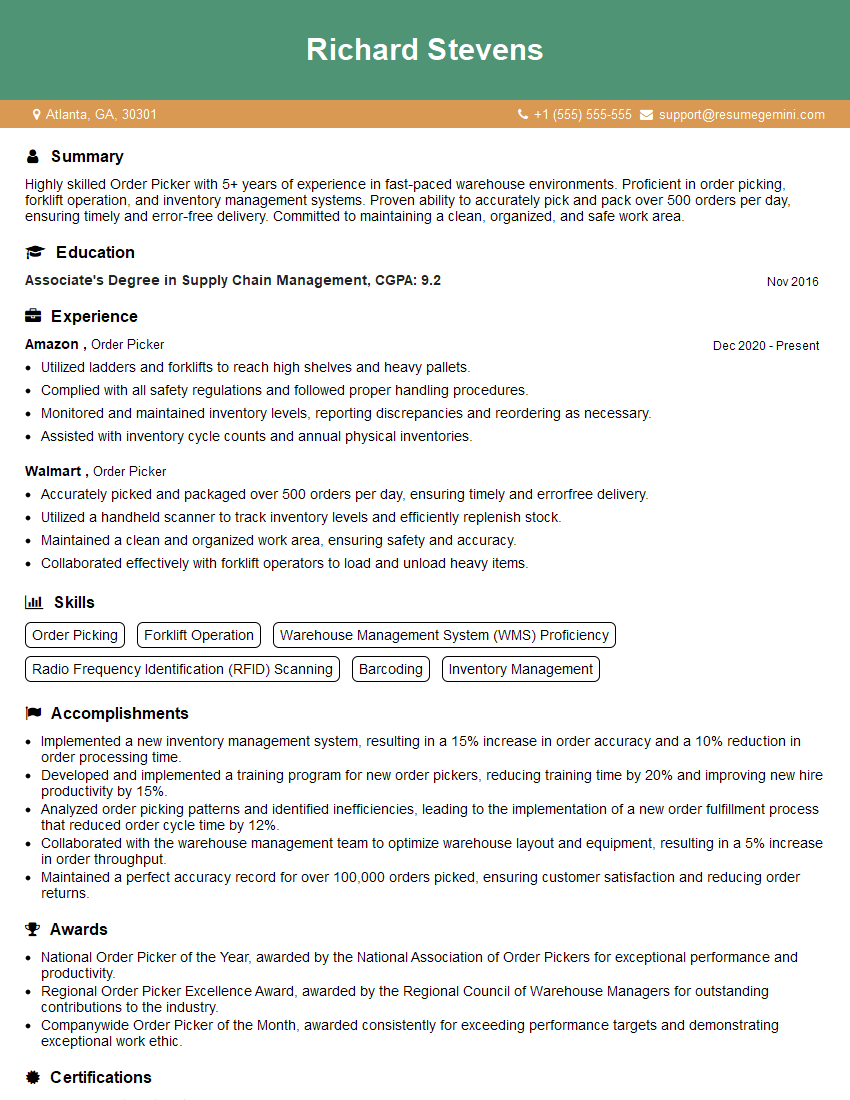
Order Picker Resume Sample

Packager Resume Sample
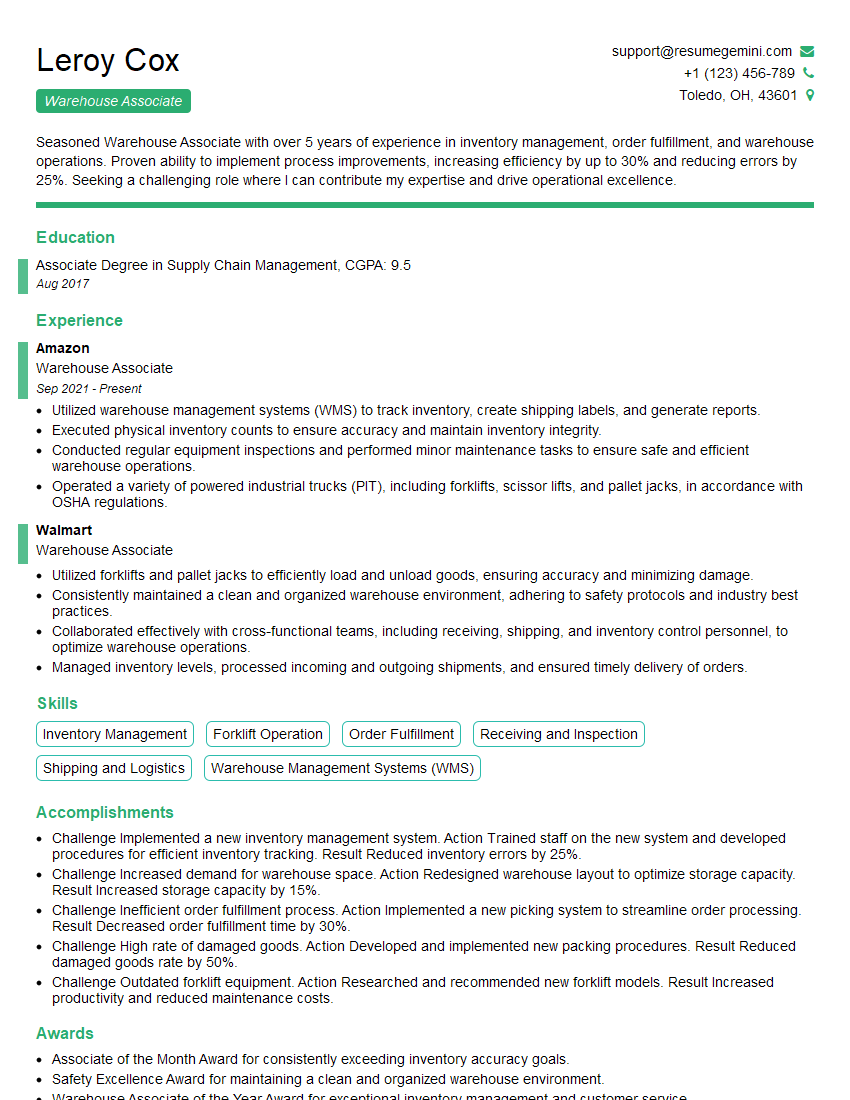
Warehouse Associate Resume Sample
- Supply Chain Manager
- Transportation Manager
- Warehouse Manager
- Distribution Center Supervisor
- Warehouse Supervisor
- Logistics Coordinator
- Logistics Operations Manager
- Logistics Specialist
- Inventory Manager
- Supply Chain Analyst
- Customs Broker
- Freight Forwarder
- Inventory Control Specialist
- Order Fulfillment Specialist
- Receiving Clerk
- Shipping Clerk
- Material Handler
- Order Picker
- Packager
- Warehouse Associate
Explore more articles
Users Rating of Our Blogs
Share Your Experience
We value your feedback! Please rate our content and share your thoughts (optional).
What Readers Say About Our Blog
Very informative content, great job.
good