The thought of an interview can be nerve-wracking, but the right preparation can make all the difference. Explore this comprehensive guide to Recruiting and Outreach interview questions and gain the confidence you need to showcase your abilities and secure the role.
Questions Asked in Recruiting and Outreach Interview
Q 1. Describe your experience using Applicant Tracking Systems (ATS).
Applicant Tracking Systems (ATS) are software applications that automate and manage the recruiting process. My experience spans several leading platforms, including Taleo, Workday, and Greenhouse. I’m proficient in all aspects, from job posting and candidate sourcing to screening, interview scheduling, and offer management. I understand the importance of optimizing profiles for ATS parsing to ensure my candidates aren’t overlooked. For example, I know to use keywords relevant to the job description throughout the resume and cover letter, and avoid using unusual formatting that might confuse the system. In one instance, I identified a significant improvement in candidate flow by implementing a standardized keyword list across all our job descriptions, directly leading to a 15% increase in qualified applications.
Beyond basic functionality, I leverage ATS reporting features to track key metrics such as time-to-hire, cost-per-hire, and source of hire, allowing for data-driven optimization of our recruitment strategy.
Q 2. Explain your approach to sourcing passive candidates.
Sourcing passive candidates – those not actively seeking new opportunities – requires a strategic and multi-faceted approach. It’s like fishing, not just casting a net. My approach combines several techniques, starting with targeted searches on professional networking platforms like LinkedIn. I use Boolean search strings (I’ll elaborate on this later) to refine my searches and identify individuals with the specific skills and experience we need.
Beyond online searches, I engage in networking and relationship building. I attend industry events, participate in relevant online communities, and actively cultivate relationships with individuals in my target fields. I also leverage referrals from my existing network and utilize advanced search tools within LinkedIn Recruiter to find hidden talent. I might start with identifying a target company that frequently hires individuals with our desired skillset. Then, I’d comb through their LinkedIn page, identifying potential candidates with relevant experience. This proactive approach results in a significantly higher quality pool of candidates.
Q 3. What metrics do you track to measure recruiting success?
Measuring recruiting success requires a comprehensive set of metrics, going beyond simple fill rates. I track several key indicators, including:
- Time-to-fill: How long it takes to fill an open position. A shorter time-to-fill indicates efficiency.
- Cost-per-hire: The total cost of recruiting divided by the number of hires. This helps assess the financial efficiency of our recruitment efforts.
- Source of hire: Identifying which recruitment channels are most effective in attracting qualified candidates (e.g., LinkedIn, referrals, job boards).
- Candidate quality: Measured by metrics like the percentage of candidates who reach the final interview stage, the acceptance rate of job offers, and employee retention rate after six months (this helps assess long-term success).
- Applicant satisfaction: Feedback from candidates during and after the process allows identifying bottlenecks or areas that can be improved.
Analyzing these metrics helps us pinpoint areas for improvement and optimize our processes for maximum efficiency and effectiveness.
Q 4. How do you handle a high-volume recruiting workload?
High-volume recruiting demands a structured and efficient approach. My strategy involves prioritizing tasks, leveraging technology, and automating processes wherever possible. I utilize project management tools to track my progress and ensure that all deadlines are met. This includes setting clear priorities, assigning deadlines for each task, and using a system for tracking the status of each candidate throughout the hiring process. I also leverage tools like bulk email marketing platforms for efficient communication and automated scheduling systems to streamline the interview process. This keeps everything organized, even when handling a large number of applicants simultaneously. For example, I might use a template for initial outreach emails and automated responses to acknowledge receipt of applications, freeing up my time to focus on more complex tasks.
Furthermore, strong communication with hiring managers is crucial to keep them updated on progress, manage expectations, and ensure alignment on candidate selection criteria. This prevents unnecessary delays and maintains transparency throughout the entire process.
Q 5. What is your experience with Boolean search strings?
Boolean search strings are powerful tools for refining searches on databases and platforms like LinkedIn. They use logical operators (AND, OR, NOT) to combine search terms and filter results precisely. For instance, to find experienced Java developers in San Francisco, I might use a string like:
("Java Developer" OR "Software Engineer" OR "Java Programmer") AND ("San Francisco" OR "Bay Area") AND "5+ years experience"This string combines multiple terms for job titles, locations, and experience level, ensuring I only see highly relevant results. I also use wildcards (*) to broaden or narrow my searches, for example "Project* Manager" would find matches for Project Manager, Project Lead, etc. Mastering Boolean search is key to efficiently sourcing high-quality passive candidates from vast online databases.
Q 6. How do you build relationships with hiring managers?
Building strong relationships with hiring managers is fundamental to successful recruiting. It’s about understanding their needs, expectations, and team dynamics beyond the job description. I prioritize regular communication, proactively seeking feedback on the candidate pipeline, and demonstrating a deep understanding of their team’s requirements. I take the time to listen actively during our meetings, asking clarifying questions to ensure alignment and avoiding assumptions.
I present candidates not just as resumes, but as people, highlighting their skills, experiences, and potential fit within their team. I also actively involve them in the selection process, providing regular updates and seeking their input at each stage, turning them from clients into true collaborators. This collaborative approach fosters trust and ensures that the final hire is a strong fit for both the role and the team.
Q 7. Describe your process for screening resumes and conducting phone screens.
My resume screening process is efficient yet thorough. I first utilize ATS features to filter out unsuitable candidates based on predefined criteria (keywords, experience, education). Then, I carefully review the remaining resumes, focusing on skills, experience, and career progression. I look for consistency in the narrative, checking for red flags or inconsistencies. For phone screens, I prepare targeted questions to assess candidate qualifications and cultural fit. The process includes:
- Initial screening questions: Focusing on qualifications, experience, and motivation for the role.
- Behavioral questions: Assessing past performance and problem-solving skills using the STAR method (Situation, Task, Action, Result).
- Questions to assess cultural fit: Understanding their work style, team preferences, and alignment with company values.
- Clarifying questions: Addressing any gaps or uncertainties in their resume.
I always end the call by outlining the next steps in the process and thanking the candidate for their time. This structured approach ensures a fair and efficient evaluation of candidates.
Q 8. Explain your experience conducting in-person interviews.
In-person interviews are crucial for assessing a candidate’s soft skills, cultural fit, and overall personality – aspects harder to gauge remotely. My experience spans various interview formats, from initial screening interviews to final-round discussions with hiring managers. I’ve conducted interviews for roles ranging from entry-level positions to senior management, tailoring my approach to the specific requirements of each role and the candidate’s experience level.
My process typically includes a structured approach using a combination of behavioral questions (like the STAR method – Situation, Task, Action, Result), technical questions relevant to the job, and questions designed to assess cultural fit and company values. I always ensure a comfortable and welcoming environment to encourage open communication and allow candidates to showcase their true selves. For example, when interviewing candidates for a customer-facing role, I’d incorporate role-playing scenarios to assess their communication and problem-solving skills under pressure. I meticulously document my observations and impressions, providing constructive feedback to both the candidate and the hiring manager.
Q 9. How do you negotiate job offers?
Negotiating job offers requires a delicate balance of assertiveness and collaboration. It’s not just about the salary; it’s about the entire compensation package and long-term career prospects. I begin by thoroughly researching industry benchmarks and the company’s compensation structure. I then listen attentively to the initial offer, expressing gratitude for the opportunity.
My strategy involves a structured approach:
- Identify priorities: I help candidates prioritize their needs – is it salary, benefits, bonuses, or professional development opportunities?
- Data-driven approach: I use market data to justify my negotiation points, presenting a compelling case for why a specific compensation package is fair and reasonable.
- Focus on value: I emphasize the candidate’s skills and experience, highlighting how they will contribute to the company’s success and justify a higher compensation.
- Strategic concessions: I’m prepared to make concessions, but only after carefully considering their impact on the overall package. It’s a give-and-take process.
- Professionalism: Maintaining a professional and respectful demeanor throughout the negotiation process is paramount.
For instance, if a candidate’s skills exceed the job description’s requirements, I might leverage this to negotiate a higher starting salary or a quicker promotion timeline.
Q 10. How do you handle candidate rejection?
Rejecting candidates is an unavoidable part of the recruiting process, and handling it with professionalism and empathy is crucial. I always aim to provide constructive feedback, emphasizing that the rejection doesn’t reflect the candidate’s overall capabilities but rather their fit for the specific role.
My approach typically involves:
- Timely communication: I contact the candidate promptly and directly, avoiding vague or generic emails.
- Personalized feedback: I provide specific, actionable feedback, highlighting areas for improvement and suggesting resources to help them in future job searches.
- Empathetic tone: I express my appreciation for their time and effort and acknowledge the challenging nature of job hunting.
- Openness to future opportunities: I might mention keeping their resume on file for future suitable roles, showing that I value their candidacy.
Example: Instead of simply saying “We’ve decided to move forward with another candidate,” I might say, “While your skills and experience are impressive, we felt another candidate’s experience was a slightly better fit for this specific role’s unique requirements. However, we were particularly impressed with your [specific skill], and we encourage you to highlight this in future applications.”
Q 11. How do you stay up-to-date with industry trends in recruiting?
Staying current in the dynamic recruiting landscape requires a multi-pronged approach. I actively engage in several strategies:
- Industry publications and blogs: I regularly read publications like SHRM, LinkedIn Talent Solutions, and other relevant industry blogs to stay abreast of emerging trends.
- Conferences and webinars: Attending industry conferences and webinars allows me to network with other professionals and learn about new technologies and best practices.
- Professional networks: I actively participate in professional organizations and online forums, engaging in discussions and sharing knowledge with other recruiters.
- Data analysis: Analyzing recruiting data, including time-to-hire metrics and sourcing effectiveness, allows me to identify areas for improvement and adopt more effective strategies.
- Experimentation: I’m always open to experimenting with new sourcing techniques and technologies to optimize the recruiting process.
For example, I recently learned about the use of AI-powered tools for candidate screening, and I’m currently exploring their implementation to improve the efficiency of our recruitment process.
Q 12. What is your experience with diversity and inclusion in recruiting?
Diversity and inclusion are not merely buzzwords; they are fundamental to building a strong and successful organization. My experience encompasses developing and implementing strategies to promote diversity and inclusion throughout the recruitment process.
I actively work to:
- Expand sourcing channels: I utilize diverse sourcing channels to reach a wider pool of candidates, including organizations focused on underrepresented groups.
- Develop inclusive job descriptions: I craft job descriptions that use inclusive language and avoid gendered or biased terminology.
- Blind resume screening: When possible, I utilize blind resume screening techniques to minimize unconscious bias.
- Diverse interview panels: I advocate for diverse interview panels to provide candidates with exposure to different perspectives.
- Monitor diversity metrics: I regularly track diversity metrics throughout the recruitment process to identify areas for improvement and measure the effectiveness of our initiatives.
For example, I recently partnered with a local organization to host a recruiting event specifically targeting women in technology, resulting in a significant increase in female applicants for our tech roles.
Q 13. Describe a time you had to overcome a challenging recruiting situation.
One particularly challenging situation involved filling a highly specialized senior-level role with a very tight deadline. The ideal candidate profile was exceptionally niche, making the search incredibly difficult. We faced initial setbacks due to a limited pool of qualified candidates and high competition from other companies.
To overcome this, I expanded my sourcing strategies beyond traditional job boards, actively networking within relevant professional organizations and attending industry conferences. I also personalized my outreach to candidates, highlighting the unique aspects of the role and the company culture to attract their interest. We eventually identified a highly qualified candidate through a targeted LinkedIn campaign. The key to success was a combination of persistent effort, strategic networking, and a targeted approach to candidate outreach. This situation reinforced the importance of adaptability and creative problem-solving in recruitment.
Q 14. How do you manage your time effectively as a recruiter?
Effective time management is crucial for recruiters, given the many tasks involved – sourcing, screening, interviewing, and coordinating with hiring managers. I employ a combination of strategies:
- Prioritization: I use a prioritized task list to focus on the most urgent and important tasks, ensuring that time-sensitive activities are addressed first.
- Time blocking: I allocate specific time blocks for different activities, such as sourcing, interviewing, or administrative tasks. This helps me to stay focused and avoid multitasking.
- Batching similar tasks: I group similar tasks together (e.g., screening resumes, conducting phone interviews) to improve efficiency and minimize context switching.
- Leveraging technology: I utilize Applicant Tracking Systems (ATS) and other recruitment technologies to streamline the recruitment process and automate repetitive tasks.
- Regular review and adjustment: I regularly review my schedule and adjust my approach as needed to improve efficiency and productivity.
For example, I dedicate specific days to sourcing and screening, allowing me to focus on identifying qualified candidates without interruptions from other tasks. This structured approach maximizes my efficiency and ensures that I can effectively manage my workload while maintaining a high level of candidate engagement.
Q 15. What is your preferred method of outreach to candidates?
My preferred outreach method is a multi-pronged approach, prioritizing personalized communication. I don’t believe in a one-size-fits-all strategy. For passive candidates, I find LinkedIn InMail to be effective, but only after thorough research to ensure my message is highly relevant to their experience and career goals. I tailor each message, referencing specific projects or accomplishments from their profile. For active candidates, direct application responses are crucial, and I try to go beyond a generic acknowledgment. I also leverage professional networking events and industry conferences to connect with potential candidates organically.
For example, instead of a generic ‘I saw your resume and wanted to connect’ message, I might write something like: ‘I was impressed by your work on the XYZ project at ABC Company, specifically your contribution to [mention a specific detail]. I’m reaching out because [Company Name] is currently seeking a [job title] with similar experience, and I believe your skills would be a great asset.’ This shows I’ve taken the time to understand their background and value proposition.
Career Expert Tips:
- Ace those interviews! Prepare effectively by reviewing the Top 50 Most Common Interview Questions on ResumeGemini.
- Navigate your job search with confidence! Explore a wide range of Career Tips on ResumeGemini. Learn about common challenges and recommendations to overcome them.
- Craft the perfect resume! Master the Art of Resume Writing with ResumeGemini’s guide. Showcase your unique qualifications and achievements effectively.
- Don’t miss out on holiday savings! Build your dream resume with ResumeGemini’s ATS optimized templates.
Q 16. What tools and technologies are you proficient in?
I’m proficient in a range of tools and technologies commonly used in recruiting and outreach. My expertise includes Applicant Tracking Systems (ATS) such as Taleo and Workday, LinkedIn Recruiter, Boolean search operators for advanced candidate searches on job boards, and CRM systems like Salesforce for managing candidate pipelines. I’m also comfortable using various communication platforms, including email marketing tools for mass communications (while still maintaining personalization!), and scheduling tools for efficient interview management. Furthermore, I’m skilled in using data analytics to track key metrics, such as time-to-hire and cost-per-hire, to optimize recruitment strategies.
For instance, using Boolean search strings like "data scientist" AND ("Python" OR "R") AND ("machine learning" OR "deep learning") AND "San Francisco" on job boards allows for highly targeted searches to find the ideal candidates for a data scientist role in San Francisco.
Q 17. How do you assess a candidate’s cultural fit?
Assessing cultural fit goes beyond simply matching personalities. It’s about evaluating whether a candidate’s values, work style, and communication preferences align with the company culture. I achieve this through a combination of methods. Behavioral interview questions are critical, as they reveal how candidates have handled situations in the past, providing insights into their approach to teamwork, problem-solving, and conflict resolution. I also incorporate discussions about their preferred work environment, their motivations, and their long-term career aspirations to gauge their alignment with the company’s mission and values. Finally, I often include a meeting or informal chat with the team the candidate would be joining to allow for a natural assessment of their interpersonal dynamics.
For example, I might ask a candidate, ‘Tell me about a time you had a conflict with a teammate. How did you resolve it?’ This question reveals much more than a simple answer; it illustrates their communication skills, problem-solving ability, and their ability to work within a team.
Q 18. What are your salary expectations?
My salary expectations are commensurate with my experience, skills, and the specific demands of the role. I’m open to discussing salary ranges based on the provided job description and market data. To provide a specific number without knowing the specifics of the position wouldn’t be responsible. I’m happy to discuss salary expectations further once I have a clearer understanding of the role and responsibilities.
Q 19. How do you prioritize candidates when you have multiple openings?
Prioritizing candidates with multiple openings requires a structured approach. I begin by carefully reviewing each role’s requirements and prioritizing them based on business needs and urgency. Then, I create a weighted scoring system to assess candidates against each role’s essential qualifications. This ensures objective comparison across different roles. Factors like experience level, skills match, cultural fit, and availability are all considered. I track my progress using a spreadsheet or a project management tool to manage the candidates efficiently across all openings.
For instance, a role requiring immediate onboarding might receive higher priority than a role with a longer timeline. A candidate who excels in several key areas, even if not perfectly matching all criteria, may be prioritized over candidates who only meet minimum requirements.
Q 20. Explain your experience with different recruitment strategies (e.g., direct sourcing, agency partnerships).
I have extensive experience with various recruitment strategies, leveraging both direct sourcing and agency partnerships. Direct sourcing, involving actively seeking and engaging candidates through online platforms like LinkedIn, job boards, and networking, allows for cost-effectiveness and greater control over the candidate pool. Agency partnerships, on the other hand, are valuable when time is of the essence or for specialized roles requiring access to a wider talent network. The choice of strategy depends greatly on the specific role, time constraints, budget, and the type of candidate being sought. I strategically combine both approaches to maximize efficiency and access to the best talent.
For example, for a niche technical role, I might leverage an agency specializing in that domain to quickly access a qualified pool. For a more general role, I might focus on direct sourcing through LinkedIn Recruiter and targeted job postings to manage costs and maintain greater control over the process.
Q 21. How do you handle confidential information related to candidates and hiring processes?
Confidentiality is paramount. I understand the sensitivity of candidate information and hiring processes. I adhere strictly to company policies and data privacy regulations (e.g., GDPR, CCPA). All candidate data is handled with care, stored securely, and only accessed by authorized personnel. I never share confidential information with unauthorized individuals, and I ensure that all communications maintain the confidentiality of the hiring process and the candidates involved. I always obtain explicit consent before sharing any candidate information with third parties.
For example, I’d never discuss a candidate’s salary requirements or other personal details with anyone outside of the hiring team without their explicit permission. All communication channels and documents related to the hiring process are secured using appropriate measures.
Q 22. Describe your experience using LinkedIn Recruiter or similar tools.
I have extensive experience leveraging LinkedIn Recruiter and similar Applicant Tracking Systems (ATS) to source and engage passive candidates. My proficiency extends beyond basic search functionality; I’m adept at utilizing Boolean search strings to refine candidate pools based on specific skills, experience levels, and locations. For example, to find experienced data scientists in San Francisco, I might use a search string like "data scientist" AND ("Python" OR "R") AND "San Francisco" AND experience:>5. This ensures I’m targeting highly qualified individuals within my desired geographic area. Beyond search, I effectively utilize LinkedIn Recruiter’s features for saving searches, creating targeted InMail campaigns, and tracking engagement metrics to optimize my outreach strategies.
In addition to LinkedIn Recruiter, I’m comfortable using other ATS like Greenhouse, Taleo, and Lever. My experience spans various industries, allowing me to tailor my search strategies to the unique requirements of each role and company.
Q 23. How do you measure the effectiveness of your outreach campaigns?
Measuring the effectiveness of outreach campaigns requires a multi-faceted approach. I don’t rely solely on one metric, but rather consider several key performance indicators (KPIs) to get a holistic view. This includes:
- Application Rate: What percentage of contacted candidates submitted an application?
- Interview Rate: What percentage of applicants progressed to an interview?
- Offer Acceptance Rate: What percentage of candidates who received an offer accepted?
- Time-to-Hire: How long did it take to fill the position from the start of the outreach campaign?
- Cost-per-Hire: What was the total cost associated with recruiting and hiring the successful candidate?
- Candidate Quality: Were the candidates sourced high-quality candidates and a good fit for the team and company culture?
By tracking these metrics and analyzing trends, I can identify what outreach strategies are most effective and adjust my approach accordingly. For instance, if the application rate for a particular campaign is low, I might revise my messaging or target a different audience segment.
Q 24. What is your experience with candidate relationship management (CRM)?
I possess significant experience with various Candidate Relationship Management (CRM) systems, including Salesforce, Zoho CRM, and BambooHR. These tools are essential for managing the entire candidate lifecycle, from initial contact to onboarding. I use CRMs to track interactions, manage communication, and maintain a centralized database of candidate information. This ensures that communication is consistent and efficient, and that no candidate falls through the cracks.
For example, within Salesforce, I can create custom fields to track specific information relevant to a particular role or campaign, such as the source of the referral, the stage of the recruitment process, and candidate feedback. This allows me to generate detailed reports and gain valuable insights into the effectiveness of my recruiting efforts.
Q 25. How do you address concerns about salary or benefits with candidates?
Addressing salary and benefits concerns requires a transparent and empathetic approach. I begin by understanding the candidate’s expectations and thoroughly explaining the compensation package offered by the company. This includes not just the base salary, but also bonuses, benefits (health insurance, retirement plans, paid time off), and any other perks.
If there’s a significant discrepancy between the candidate’s expectations and our offer, I try to find common ground. This might involve explaining the rationale behind our compensation structure, highlighting other aspects of the role that add value (career growth opportunities, challenging work, company culture), or exploring options for negotiation within the company’s guidelines. I always ensure that the conversation is respectful and focuses on finding a mutually beneficial solution, even if it means acknowledging that the position might not be the right fit if a compromise can’t be reached.
Q 26. How do you build and maintain a strong candidate pipeline?
Building and maintaining a strong candidate pipeline is crucial for sustained recruiting success. My approach involves a multi-pronged strategy:
- Proactive Sourcing: Regularly searching databases (LinkedIn, Indeed, specialized job boards), attending industry events, and networking to identify potential candidates before a specific role opens.
- Strategic Outreach: Crafting personalized outreach messages tailored to the candidate’s experience and career goals, not just generic blasts.
- Relationship Building: Cultivating relationships with candidates, even if they aren’t currently interested in a specific role. Staying in touch and building rapport can lead to opportunities down the line.
- Referral Programs: Encouraging employees to refer qualified candidates, leveraging their networks to expand the reach.
- Data Analysis: Regularly reviewing pipeline data to identify bottlenecks, refine sourcing strategies and improve outreach effectiveness.
By consistently implementing these strategies, I ensure a steady flow of qualified candidates, minimizing the time-to-hire and improving the overall quality of hires.
Q 27. Describe your experience with onboarding new hires.
Onboarding new hires is a critical step in ensuring their success and integration into the company. My approach is structured and focuses on both administrative tasks and building relationships. The process typically includes:
- Pre-boarding: Contacting the new hire before their start date to answer questions, provide necessary paperwork, and set expectations.
- Orientation: A structured program covering company culture, policies, benefits, and introduction to team members.
- Initial Training: Providing necessary training and resources to help new hires perform their job effectively.
- Ongoing Support: Regular check-ins and mentorship to address questions and challenges, ensuring seamless integration.
- Feedback Mechanisms: Establishing opportunities for feedback to refine the onboarding process and continually improve it.
A successful onboarding process leads to higher employee retention and increased productivity.
Q 28. How do you ensure compliance with employment regulations?
Ensuring compliance with employment regulations is paramount. My approach involves staying up-to-date on relevant laws and regulations at both the federal and state levels, including but not limited to equal opportunity employment, wage and hour laws, and data privacy regulations. This involves:
- Regular Training: Participating in regular compliance training to stay informed of changes in legislation and best practices.
- Policy Review: Regularly reviewing and updating company policies and procedures to ensure compliance.
- Careful Documentation: Maintaining detailed records of all recruitment activities and interactions with candidates, including job descriptions, application materials, interview notes, and offer letters.
- Legal Counsel: Consulting with legal counsel when needed to address complex compliance issues or to review specific recruitment activities.
Proactive compliance prevents legal issues and safeguards the company’s reputation. I treat compliance not as a mere box-ticking exercise but as an integral part of ethical and responsible recruiting practices.
Key Topics to Learn for Recruiting and Outreach Interview
- Sourcing Candidates: Understanding various sourcing techniques (e.g., LinkedIn Recruiter, Boolean search, job boards), and how to effectively target passive candidates.
- Applicant Tracking Systems (ATS): Knowing how ATS works and optimizing resumes and applications for ATS compatibility to ensure they’re seen by recruiters.
- Candidate Engagement: Mastering communication strategies for attracting and engaging candidates throughout the recruitment process, including crafting compelling outreach messages.
- Interviewing Skills: Developing effective interviewing techniques for screening, assessing, and selecting the best candidates for the roles. Understanding behavioral questions and STAR method responses.
- Diversity, Equity, and Inclusion (DE&I) in Recruiting: Demonstrating awareness and practical application of DE&I principles in sourcing, screening, and interviewing. This includes understanding unconscious bias and promoting inclusivity.
- Metrics and Reporting: Understanding key performance indicators (KPIs) in recruiting and outreach, such as time-to-fill, cost-per-hire, and quality of hire, and how to track and report on them effectively.
- Legal Compliance: Familiarity with employment laws and regulations to ensure ethical and compliant recruiting practices.
- Building Relationships: Understanding the importance of networking and building relationships with hiring managers, candidates, and other stakeholders.
- Technology in Recruiting: Demonstrating familiarity with various recruiting technologies and tools beyond ATS, such as CRM systems and video interviewing platforms.
- Problem-Solving in Recruiting: Showing the ability to handle challenges such as low applicant pools, difficult candidates, and managing expectations effectively.
Next Steps
Mastering recruiting and outreach skills significantly enhances your career prospects, opening doors to diverse and rewarding opportunities within human resources and beyond. Building an ATS-friendly resume is crucial to even being considered for these roles; it ensures your qualifications are effectively presented to the hiring managers and Applicant Tracking Systems. To create a powerful and impactful resume that highlights your skills and experience in recruiting and outreach, leverage the resources available at ResumeGemini. ResumeGemini provides a trusted platform to build a professional resume and offers examples specifically tailored to recruiting and outreach roles, helping you present your credentials in the best possible light. Take advantage of these tools to maximize your success.

Sourcing Specialist Resume Sample

Recruiting Manager Resume Sample
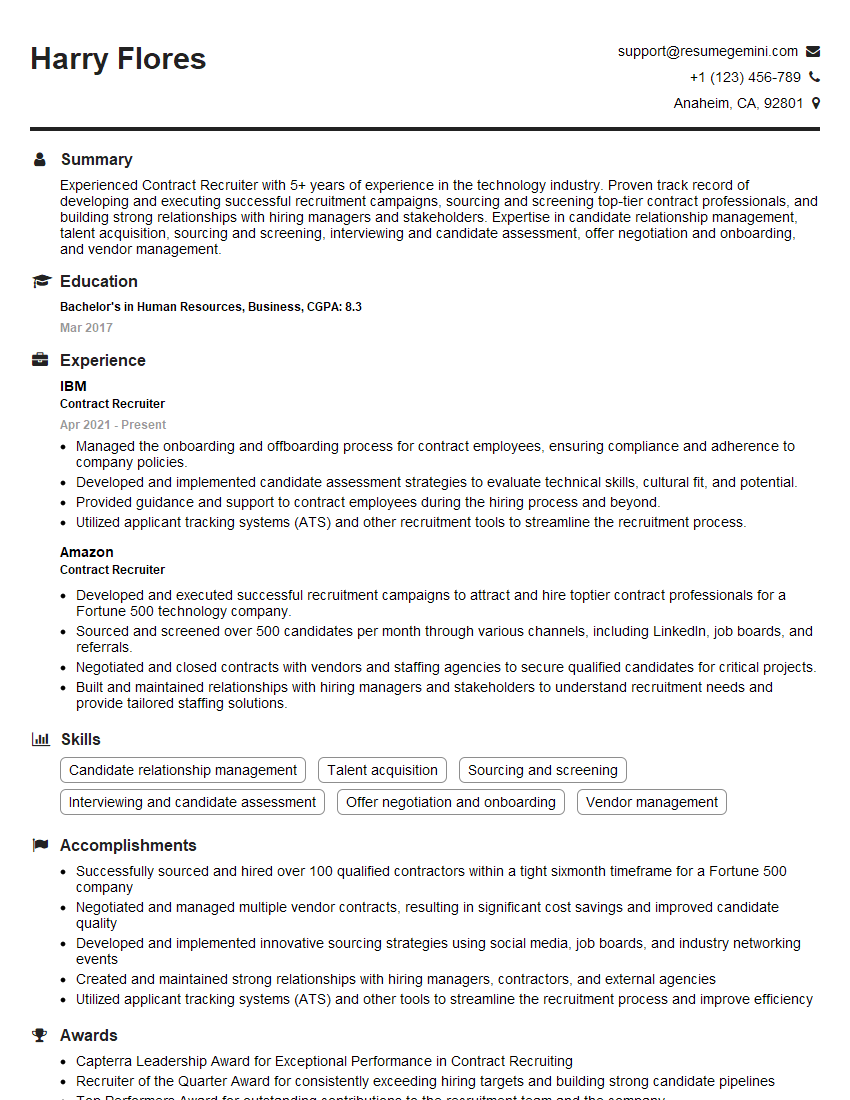
Contract Recruiter Resume Sample
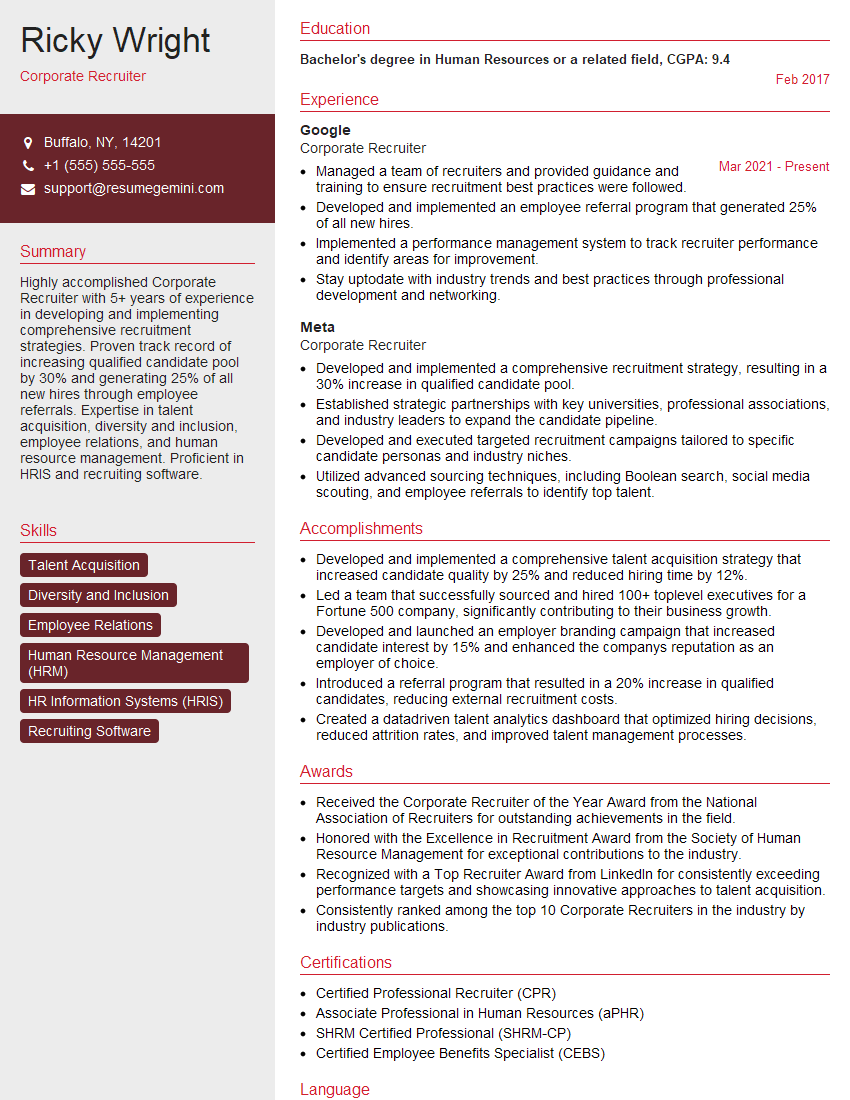
Corporate Recruiter Resume Sample
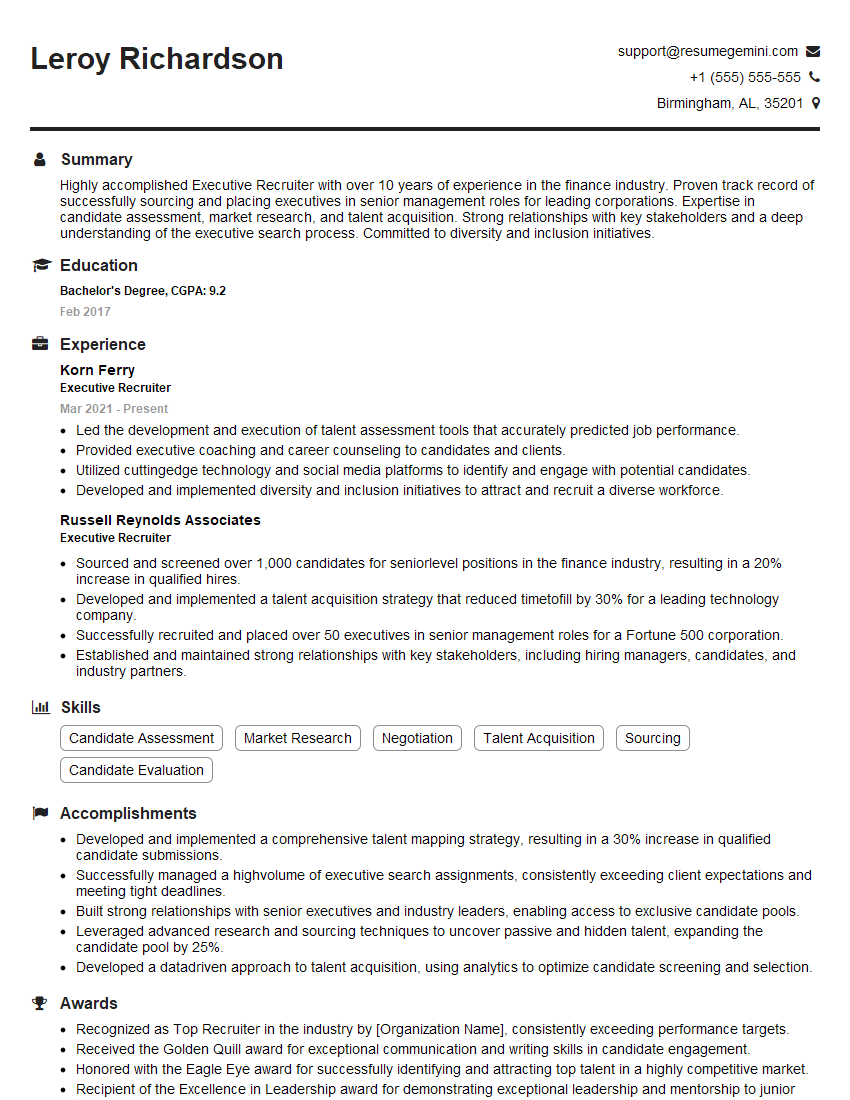
Executive Recruiter Resume Sample
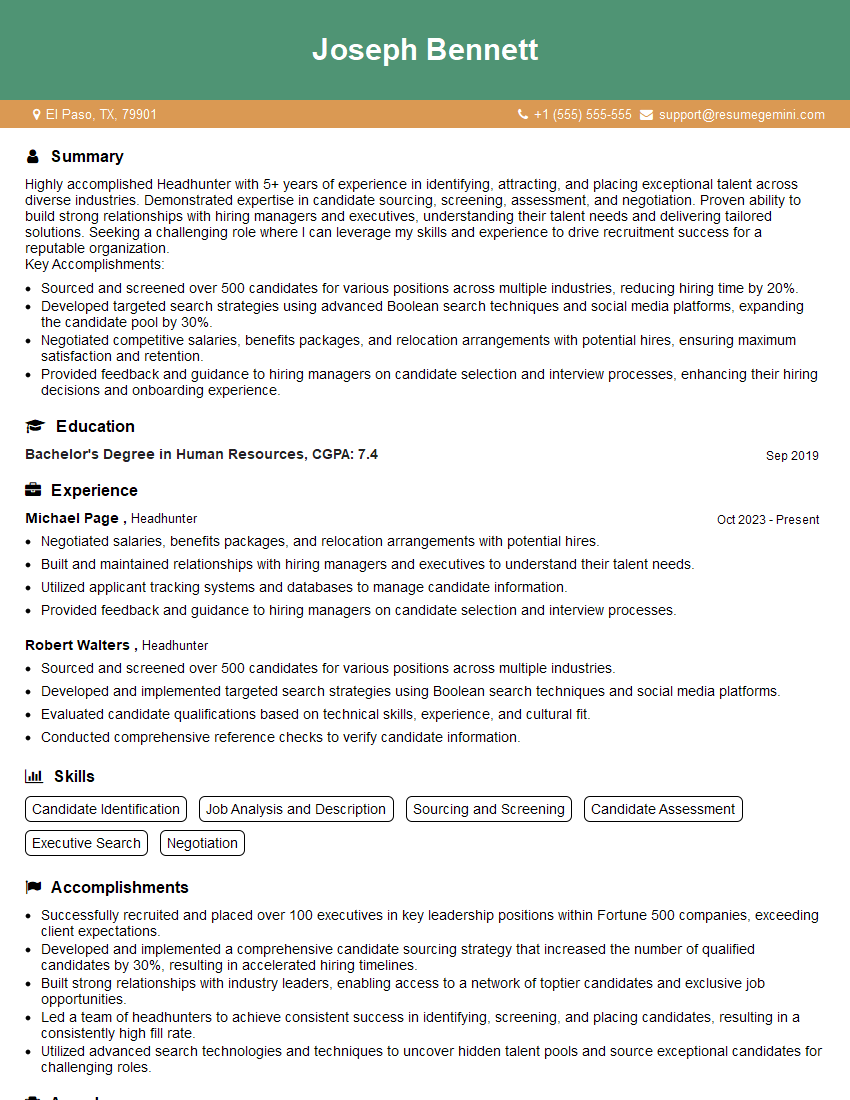
Headhunter Resume Sample
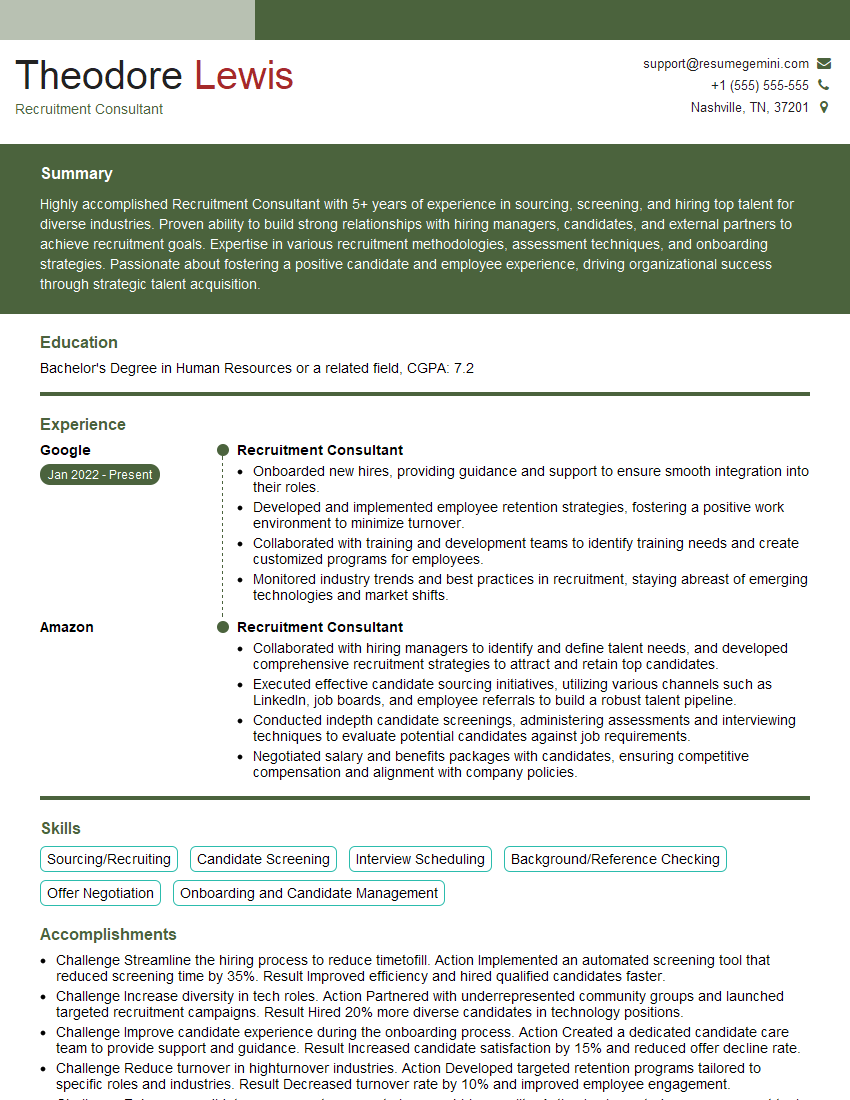
Recruitment Consultant Resume Sample
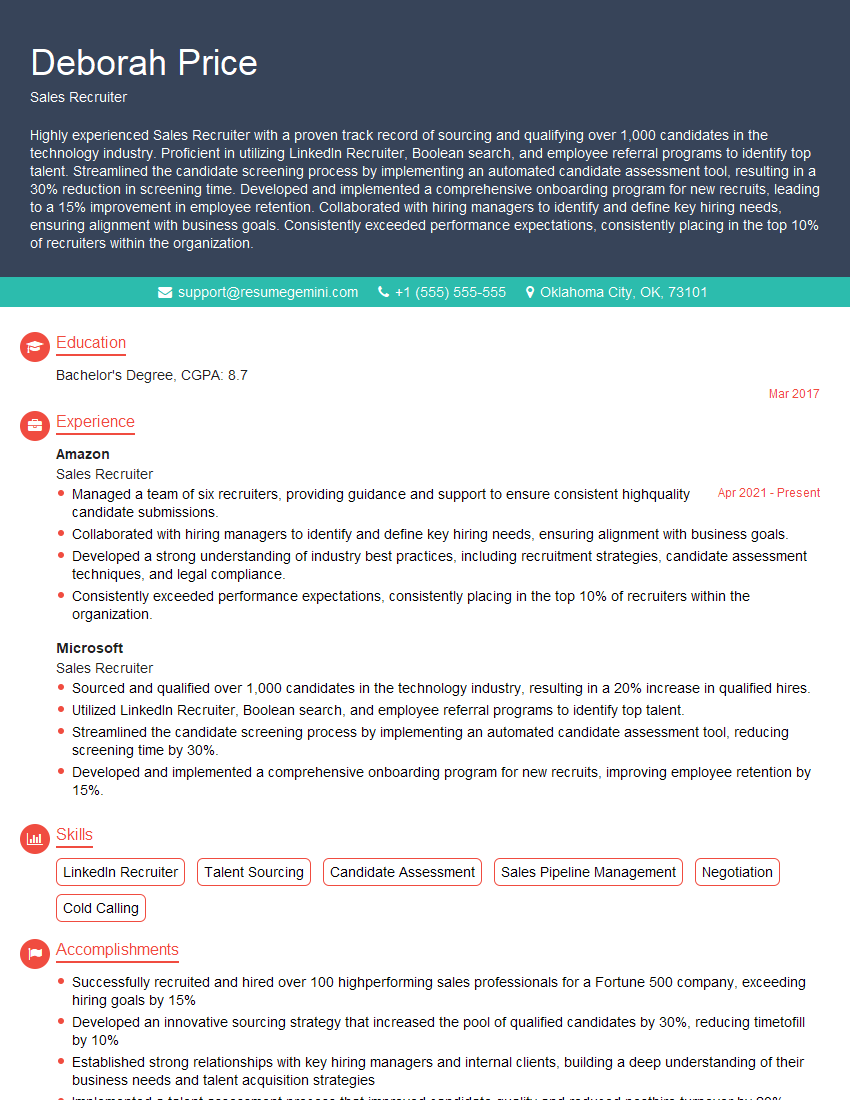
Sales Recruiter Resume Sample
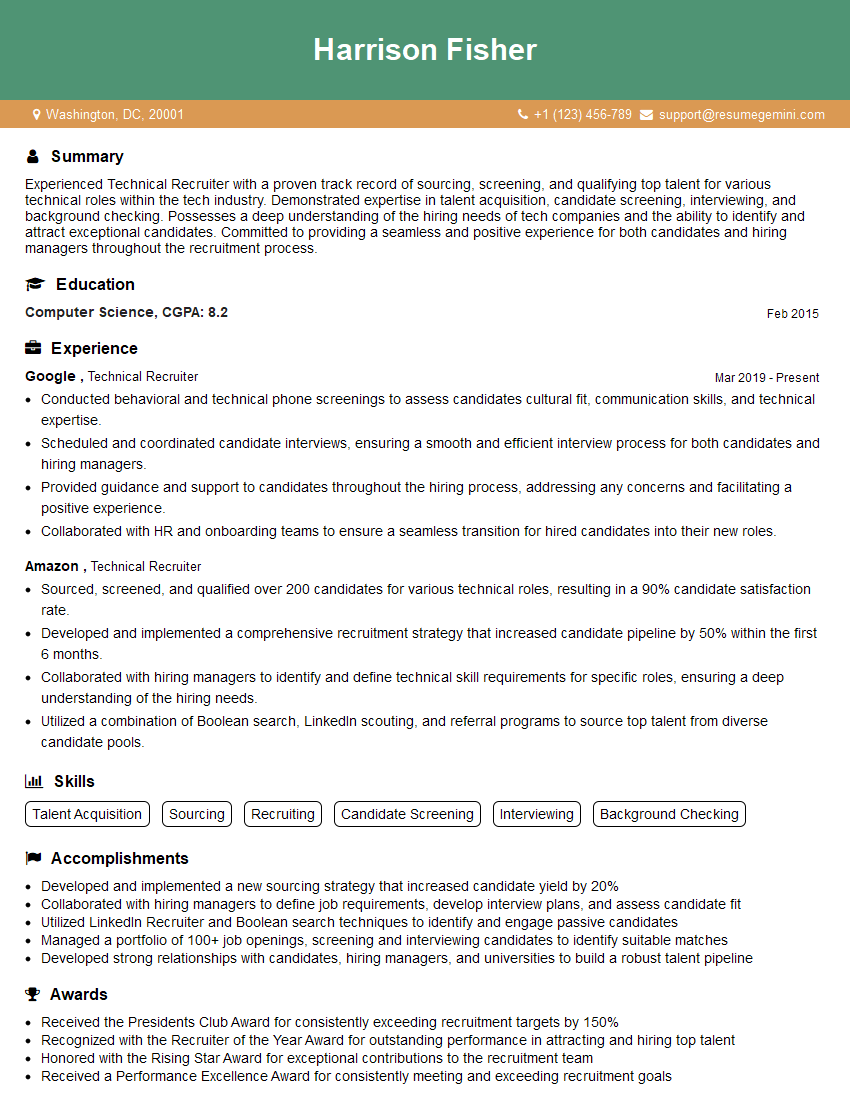
Technical Recruiter Resume Sample

Outreach Specialist Resume Sample
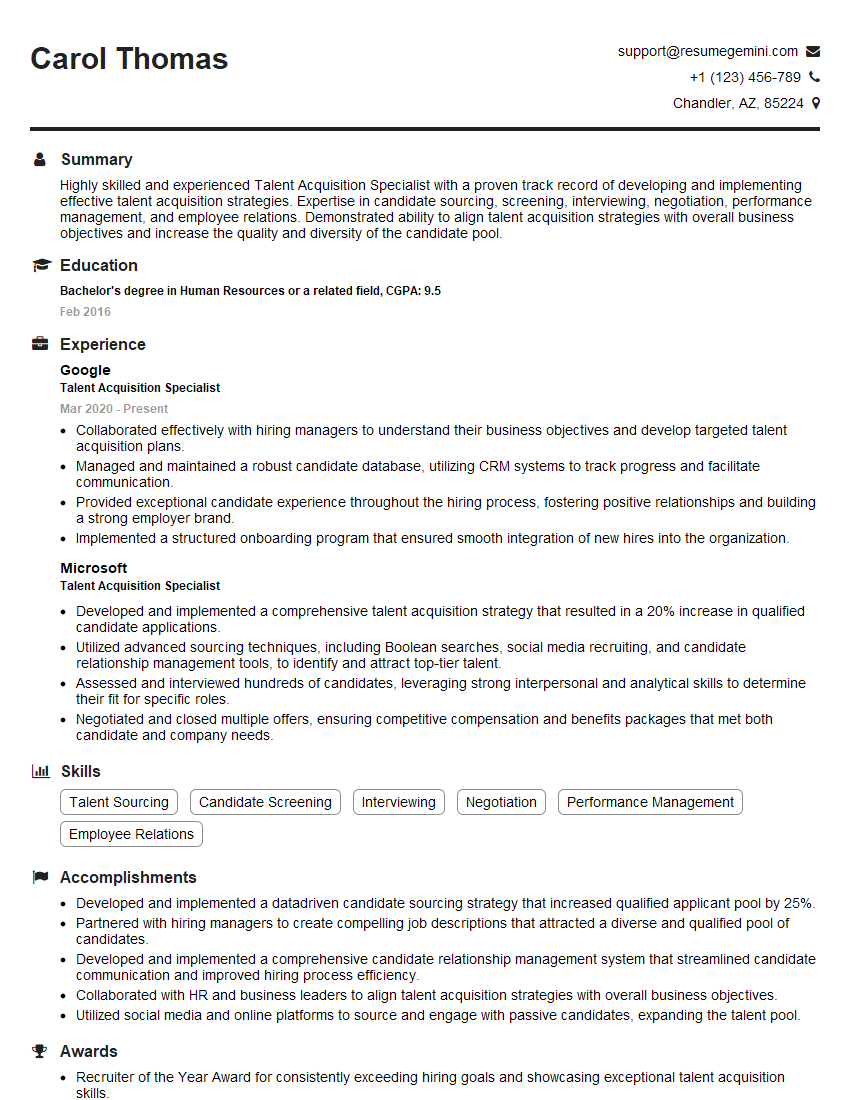
Talent Acquisition Specialist Resume Sample
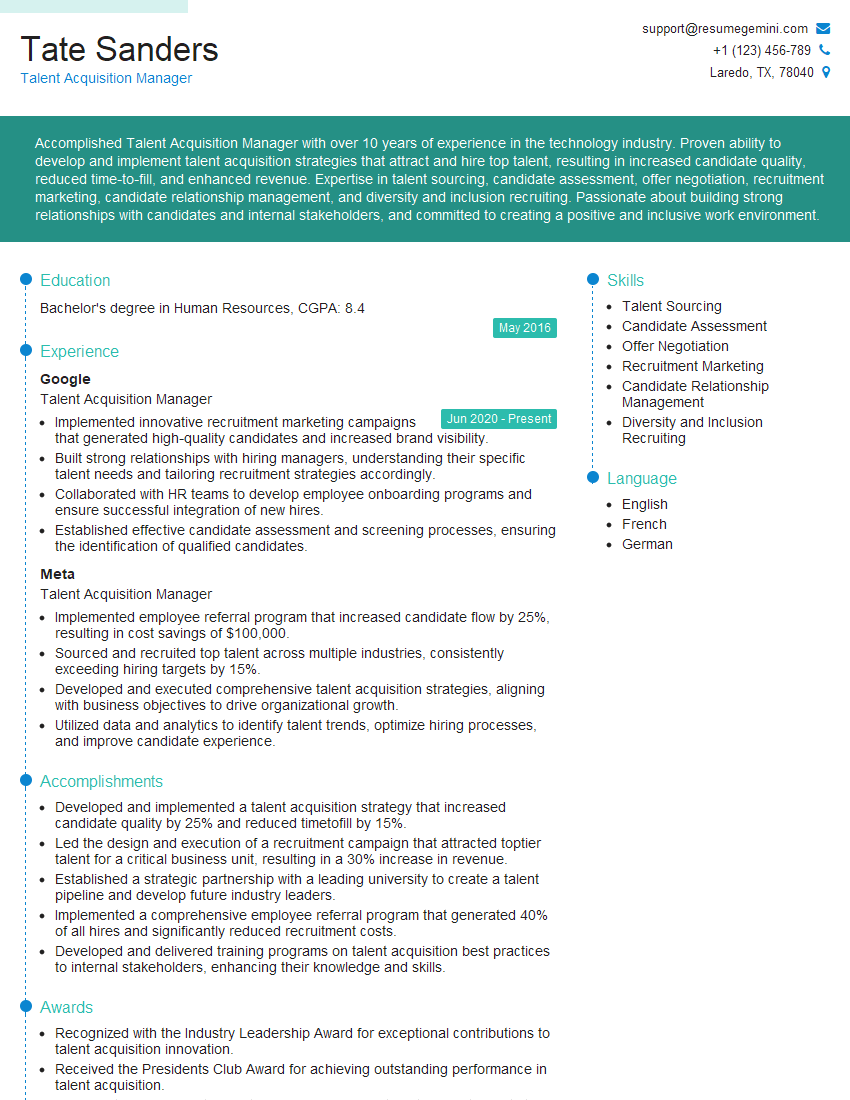
Talent Acquisition Manager Resume Sample
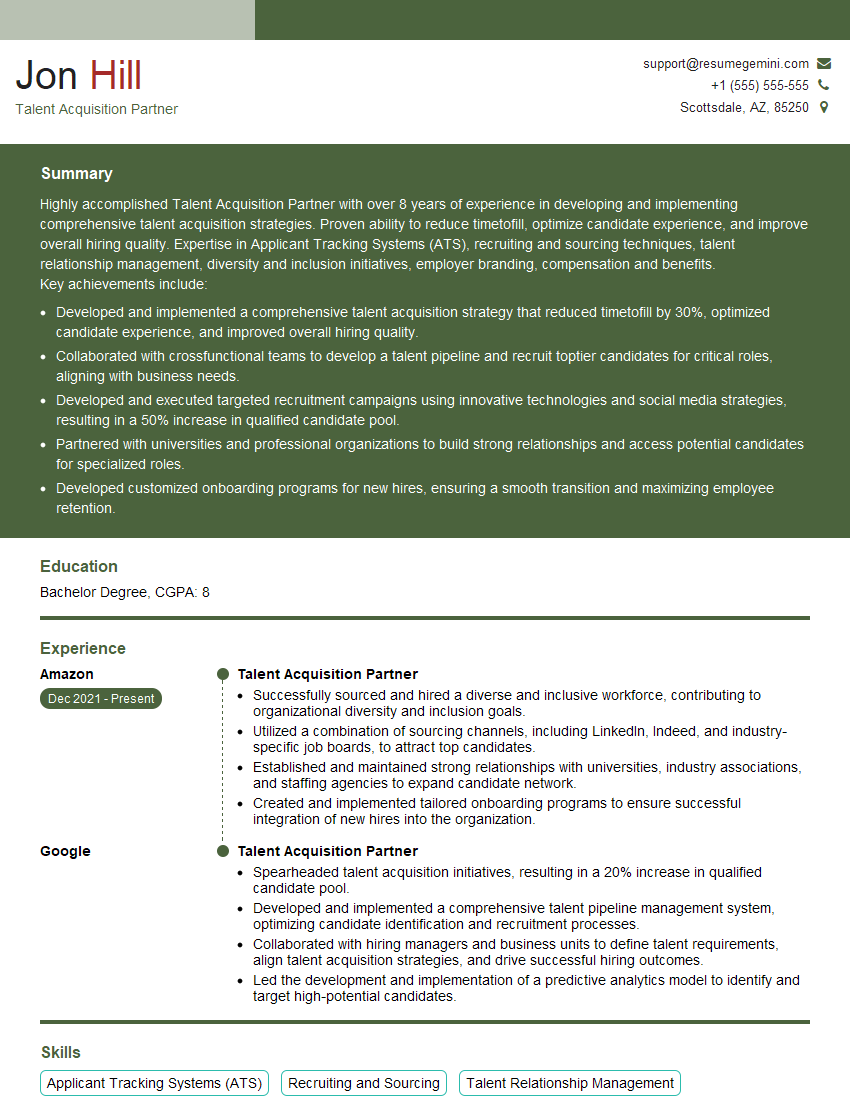
Talent Acquisition Partner Resume Sample
Explore more articles
Users Rating of Our Blogs
Share Your Experience
We value your feedback! Please rate our content and share your thoughts (optional).
What Readers Say About Our Blog
Very informative content, great job.
good