Every successful interview starts with knowing what to expect. In this blog, we’ll take you through the top Recruiting and Retaining Players interview questions, breaking them down with expert tips to help you deliver impactful answers. Step into your next interview fully prepared and ready to succeed.
Questions Asked in Recruiting and Retaining Players Interview
Q 1. Describe your experience with candidate sourcing strategies.
Candidate sourcing is the lifeblood of successful recruitment. My experience encompasses a multi-faceted approach, going beyond simply posting job ads. I leverage a blend of active and passive sourcing techniques. Active sourcing involves proactively searching for candidates through various channels, while passive sourcing focuses on attracting candidates who aren’t actively looking for new opportunities.
- Active Sourcing: This includes using LinkedIn Recruiter, Boolean search strings on job boards (like Indeed, Monster, etc.), attending industry events and conferences to network, and tapping into professional organizations and alumni networks. For example, a Boolean string like
"(Java OR Python) AND Senior Software Engineer"would efficiently filter for relevant candidates on LinkedIn. - Passive Sourcing: This involves building employer branding to attract top talent, engaging in content marketing (blog posts, articles, social media) showcasing company culture and opportunities, and utilizing employee referral programs, which are often a highly effective source of qualified candidates. I once ran a successful referral program that resulted in a 30% increase in qualified applicants within a quarter.
- Database Mining: I regularly mine our applicant tracking system (ATS) database for suitable candidates who may have applied for previous roles but weren’t the right fit at the time. This allows us to efficiently re-engage with a pre-qualified talent pool.
By diversifying my sourcing strategies, I ensure a wide reach, maximizing the chances of finding the best candidates for each role, regardless of where they are in their job search.
Q 2. What metrics do you use to measure the success of your recruiting efforts?
Measuring recruiting success goes beyond simply filling positions. I utilize a balanced scorecard approach, tracking both quantitative and qualitative metrics. This allows for a comprehensive understanding of the effectiveness of my efforts.
- Time-to-Fill: This measures the time taken to fill a position, highlighting efficiency in the recruiting process. A shorter time-to-fill indicates a streamlined and effective process.
- Cost-per-Hire: This tracks the total cost of filling a position, considering advertising, agency fees, recruiter time, and other expenses. Lower cost-per-hire indicates cost-effectiveness.
- Quality-of-Hire: This is arguably the most crucial metric, measuring the performance of new hires after a set period. I use performance reviews, manager feedback, and retention rates to assess this.
- Source-of-Hire: Tracking where candidates originate (e.g., LinkedIn, referrals, job boards) helps determine which channels are most effective, allowing for optimized resource allocation.
- Applicant Satisfaction: Gathering feedback from applicants helps identify areas for improvement in the candidate experience, leading to a more positive perception of the company as an employer.
Regularly reviewing and analyzing these metrics allows me to identify trends, pinpoint areas for improvement, and optimize my recruiting strategies for continuous enhancement.
Q 3. How do you handle a high volume of applicants?
Handling a high volume of applicants requires a structured and efficient approach to avoid overlooking qualified candidates. My process focuses on automation and prioritization.
- Automated Screening: I utilize applicant tracking systems (ATS) with advanced filtering and keyword search capabilities to quickly screen applications based on pre-defined criteria. This helps narrow down the pool to those who meet the minimum requirements.
- Prioritization Matrix: I create a prioritization matrix based on candidate qualifications and urgency of the role. This ensures that the most qualified candidates for critical roles are reviewed first.
- Structured Interviews: Implementing standardized interview questions and scoring rubrics ensures consistency and fairness in the evaluation process. This allows for a more objective assessment of candidates.
- Team Collaboration: Involving multiple team members in the screening process can increase efficiency and reduce bias. This allows for a more comprehensive evaluation of candidates.
- Candidate Communication: Maintaining consistent and timely communication with applicants throughout the process, regardless of outcome, is crucial for building a positive brand image.
By implementing these strategies, I can effectively manage a high volume of applicants while maintaining a high-quality candidate experience.
Q 4. Explain your approach to diversity and inclusion in recruiting.
Diversity and inclusion are not just buzzwords; they are fundamental to building a high-performing and innovative team. My approach is multifaceted and proactive.
- Diverse Sourcing Channels: I actively target diverse talent pools through partnerships with organizations focused on underrepresented groups, attending diversity-focused events, and using inclusive language in job descriptions.
- Bias Mitigation Training: I ensure that all interviewers receive training on unconscious bias, helping them identify and mitigate potential biases in the interview process.
- Blind Resume Screening: Where appropriate, I utilize blind resume screening to eliminate the influence of demographic information in initial candidate evaluation.
- Inclusive Interview Processes: I structure interview processes to be inclusive and accessible to all candidates, regardless of background or disability.
- Diverse Interview Panels: I strive to create diverse interview panels, including individuals from various backgrounds and departments, to provide a more comprehensive evaluation of candidates.
My goal is to create a welcoming and equitable environment where every candidate feels valued and respected. Building a diverse and inclusive workforce leads to improved creativity, innovation, and business outcomes.
Q 5. What is your experience with employer branding and its impact on recruitment?
Employer branding plays a vital role in attracting top talent. It’s about crafting a compelling narrative that showcases your company’s culture, values, and employee experience. My experience demonstrates a clear correlation between strong employer branding and a higher volume of qualified applicants.
- Content Marketing: I utilize content marketing strategies, such as blog posts, social media campaigns, and employee testimonials, to showcase our company culture and employee experiences. This helps attract candidates who align with our values.
- Employee Advocacy Program: Empowering employees to share their experiences and act as brand ambassadors online greatly enhances our reach and credibility.
- Career Site Optimization: Our career site is designed to be user-friendly, showcasing our values, benefits, and open positions in an engaging way. This provides a positive candidate experience from the start.
- Review Site Engagement: Actively monitoring and responding to reviews on sites like Glassdoor allows us to address concerns and improve our employer brand reputation.
By consistently investing in employer branding, we’ve seen a significant increase in the quality and quantity of applications, reducing our time-to-fill and cost-per-hire.
Q 6. How do you build strong relationships with hiring managers?
Building strong relationships with hiring managers is crucial for effective recruitment. It’s about understanding their needs and providing them with a seamless and productive experience.
- Regular Communication: I maintain regular communication with hiring managers, keeping them informed of the progress of their searches, and seeking their input throughout the process.
- Collaborative Job Descriptions: I work collaboratively with hiring managers to create accurate and compelling job descriptions that reflect the needs of the role and attract qualified candidates.
- Candidate Feedback: I provide hiring managers with comprehensive feedback on each candidate, outlining their strengths, weaknesses, and overall fit for the role.
- Proactive Problem-Solving: I anticipate potential challenges and proactively address them, keeping the hiring managers informed and involved in the decision-making process.
- Relationship Building: I strive to build personal relationships with hiring managers based on trust and mutual respect.
By fostering strong relationships based on open communication and mutual respect, I ensure a smooth and effective recruitment process, leading to higher quality hires and increased satisfaction among hiring managers.
Q 7. Describe your experience with applicant tracking systems (ATS).
Applicant Tracking Systems (ATS) are essential tools for managing the recruitment process efficiently. My experience spans several different ATS platforms, including [mention specific ATS if comfortable, e.g., Taleo, Greenhouse, Workday].
- Candidate Management: I utilize the ATS to manage the entire candidate lifecycle, from initial application to offer acceptance, ensuring that all information is centralized and easily accessible.
- Workflow Automation: I leverage the ATS’s automation features to streamline tasks such as scheduling interviews, sending automated emails, and tracking candidate progress. This reduces manual effort and ensures consistency.
- Reporting and Analytics: I use the ATS’s reporting capabilities to track key metrics such as time-to-fill, cost-per-hire, and source-of-hire, allowing for data-driven decision-making.
- Integration with other systems: I understand how to integrate the ATS with other HR systems, such as payroll and onboarding systems, for a seamless transition of new hires.
Proficiency in using ATS allows for a streamlined, efficient, and data-driven recruitment process, enabling me to make informed decisions and optimize my recruiting strategies.
Q 8. How do you evaluate candidates’ cultural fit?
Evaluating cultural fit goes beyond simply checking boxes on a resume. It’s about assessing whether a candidate’s values, work style, and personality align with the team and overall company culture. I use a multi-faceted approach. Firstly, I incorporate behavioral interview questions designed to uncover a candidate’s past experiences in teamwork, problem-solving under pressure, and how they’ve handled conflict. For instance, I might ask, ‘Tell me about a time you had to work with a difficult team member. How did you navigate that situation?’ Their response reveals their approach to collaboration and conflict resolution, key aspects of cultural fit. Secondly, I often include a team-based activity or a case study during the interview process to observe their interaction with the team directly. This allows for a more naturalistic assessment of their communication style, collaborative skills, and how they contribute to a group dynamic. Finally, I leverage informal conversations to gauge their personality and see if they seem like a good fit with the team’s established work environment. A candidate might be highly skilled, but if their communication style clashes with the team’s, it can negatively impact productivity and morale. I believe that observing candidates in these various contexts provides a holistic understanding of their cultural fit, ensuring a smoother transition into the organization.
Q 9. What strategies do you employ to improve employee retention?
Improving employee retention requires a proactive and holistic strategy. It starts with creating a positive and supportive work environment. This includes offering competitive compensation and benefits packages but extends far beyond that. I focus on several key strategies. Firstly, I emphasize career development opportunities. Providing regular training, mentorship programs, and opportunities for advancement not only improves employee skills but also demonstrates investment in their future within the company. This can be achieved through internal promotion opportunities, tuition reimbursement programs, or offering specialized training courses. Secondly, I foster open communication and feedback. Regular one-on-one meetings, 360-degree feedback systems, and employee surveys help identify concerns and address potential issues proactively. Employees are more likely to stay when they feel heard and valued. Thirdly, I promote work-life balance through flexible work arrangements where possible, generous PTO policies, and recognizing the importance of employees’ personal time. Lastly, recognizing and rewarding achievements – both big and small – contributes greatly to employee satisfaction and retention. A simple ‘thank you’ goes a long way, as does recognizing contributions publicly and through formal reward systems.
Q 10. How do you identify and address the root causes of employee turnover?
Identifying the root causes of employee turnover requires a data-driven approach combined with qualitative feedback. I start by analyzing exit interview data, looking for patterns and common themes in the reasons employees leave. This often provides clear indicators of underlying problems. For example, repeated mentions of inadequate compensation, lack of career growth opportunities, or poor management can all point to systemic issues. In addition to exit interviews, I supplement this quantitative data with qualitative feedback. This is obtained through focus groups, employee surveys, and informal conversations with current employees. This helps to understand the employee perspective and gain more nuanced insights into the reasons behind turnover. Once the root causes are identified, I work with management to develop and implement solutions. This might involve adjusting compensation strategies, improving management training, creating clearer career paths, or enhancing the company culture. Addressing these issues proactively reduces future turnover and fosters a more positive and productive work environment. Treating the symptom of turnover – replacing employees – doesn’t address the disease; finding the root cause and addressing that is key.
Q 11. What is your experience with employee engagement surveys?
Employee engagement surveys are a crucial tool in my arsenal. I have extensive experience designing, deploying, and analyzing these surveys to gauge employee sentiment and identify areas for improvement. I typically use a combination of quantitative and qualitative questions. Quantitative questions use scales to measure specific aspects of employee engagement, such as job satisfaction, work-life balance, and management effectiveness. Qualitative questions, on the other hand, allow employees to provide open-ended feedback and share their experiences in their own words. A good survey provides a balance of both types of questions. The critical aspect, however, lies in following up on the results. A survey is only useful if actionable steps are taken based on the feedback received. This might involve implementing new initiatives, addressing specific concerns raised by employees, or making changes to existing policies and practices. Simply collecting the data isn’t enough; using it to make meaningful changes is what demonstrates value.
Q 12. How do you measure employee satisfaction?
Measuring employee satisfaction is an ongoing process, not a one-time event. I use a multifaceted approach to gain a comprehensive understanding. This includes regular pulse surveys (short, frequent surveys focused on specific aspects of satisfaction), annual engagement surveys (more in-depth surveys assessing broader aspects of work experience), and exit interviews (to understand reasons for leaving). In addition to these formal methods, I also rely on informal feedback channels, such as regular one-on-one meetings with employees and observations of team dynamics. Analyzing the data from these different sources helps to identify trends and patterns, enabling targeted interventions. For instance, if consistent feedback points to a lack of recognition, we can implement initiatives to address this, such as employee appreciation programs or more formal reward systems. Quantifiable metrics, such as employee turnover rates and employee tenure, also help to track overall trends in employee satisfaction and the effectiveness of implemented strategies.
Q 13. How do you handle employee complaints or grievances?
Handling employee complaints and grievances requires a fair, consistent, and timely approach. I ensure employees have access to clear channels for voicing concerns, whether through formal grievance procedures or informal discussions with their managers. The process I follow involves active listening to understand the employee’s perspective, investigating the issue thoroughly and impartially, and documenting all communications and actions taken. My goal is to resolve the issue fairly and efficiently while respecting the privacy and dignity of all involved. I also emphasize confidentiality and ensure the employee feels safe reporting issues without fear of retribution. Depending on the nature of the complaint, this might involve mediation, disciplinary action, or policy changes. The ultimate aim is not just to resolve the immediate complaint but to prevent similar issues from arising in the future. Regular reviews of the process and feedback from employees help to ensure its effectiveness and fairness.
Q 14. Describe your experience with performance management processes.
My experience with performance management processes is rooted in a philosophy of continuous feedback and development. I believe in regular performance reviews that aren’t just annual check-ins, but ongoing conversations. This involves setting clear expectations, providing regular feedback throughout the year, and establishing SMART goals (Specific, Measurable, Achievable, Relevant, and Time-bound). Performance reviews should be a two-way street, where employees have the opportunity to provide feedback on their own performance, as well as on the support they receive from their manager and the organization. Performance reviews also serve as a way to identify areas where additional training or support is needed. I utilize a variety of tools and techniques, including 360-degree feedback, performance improvement plans, and regular performance check-ins. The key is to foster a culture of continuous improvement and development, where employees are empowered to reach their full potential. The process shouldn’t be about judgment but about growth and improvement.
Q 15. How do you develop and implement employee retention programs?
Developing and implementing effective employee retention programs requires a multi-faceted approach focusing on understanding employee needs and providing a supportive and engaging work environment. It’s not just about perks; it’s about creating a culture where people feel valued, challenged, and appreciated.
Competitive Compensation and Benefits: Offering a salary and benefits package that is competitive within the industry is foundational. This includes health insurance, retirement plans, paid time off, and other perks relevant to your employees.
Career Development Opportunities: Investing in employee growth through training programs, mentorship opportunities, and clear career paths demonstrates commitment and fosters loyalty. For instance, we might offer tuition reimbursement or internal leadership training programs.
Regular Feedback and Recognition: Providing regular performance reviews with constructive feedback and celebrating successes, both big and small, is crucial. This could involve employee-of-the-month awards, team bonuses, or simple verbal acknowledgements of good work.
Work-Life Balance Initiatives: Promoting a healthy work-life balance through flexible work arrangements, generous parental leave policies, and encouraging breaks throughout the workday shows that employee well-being is a priority. This might include offering remote work options or compressed workweeks.
Open Communication and Feedback Mechanisms: Creating channels for open and honest communication, such as regular employee surveys, suggestion boxes, or town hall meetings, ensures that employees feel heard and their concerns are addressed. This can help identify underlying issues affecting retention early on.
Employee Engagement Activities: Organizing team-building activities, social events, and volunteering opportunities fosters camaraderie and improves morale. These could be anything from casual team lunches to volunteering at a local charity.
Implementation involves a phased approach: First, conduct employee surveys and exit interviews to understand the root causes of turnover. Then, design programs based on this data, pilot test them, and continuously evaluate their effectiveness, making adjustments as needed.
Career Expert Tips:
- Ace those interviews! Prepare effectively by reviewing the Top 50 Most Common Interview Questions on ResumeGemini.
- Navigate your job search with confidence! Explore a wide range of Career Tips on ResumeGemini. Learn about common challenges and recommendations to overcome them.
- Craft the perfect resume! Master the Art of Resume Writing with ResumeGemini’s guide. Showcase your unique qualifications and achievements effectively.
- Don’t miss out on holiday savings! Build your dream resume with ResumeGemini’s ATS optimized templates.
Q 16. What are some best practices for onboarding new hires?
Onboarding is critical for setting new hires up for success and ensuring a smooth transition into the company. A well-structured onboarding program will significantly improve employee engagement and reduce early turnover.
Pre-boarding: Before the start date, send a welcome package with information about the company, team introductions, and any necessary paperwork. This builds anticipation and prepares the new hire for their first day.
First Day/Week: Make the first day memorable and informative. Introduce the new hire to their team, provide a workspace, and clearly outline their initial responsibilities and goals. Provide access to necessary systems and tools.
Ongoing Training and Development: Provide ongoing training, both formal and informal, to help the new hire develop the skills and knowledge needed to excel in their role. This could include job shadowing, mentorship programs, or online training modules.
Regular Check-ins and Feedback: Schedule regular check-ins with the new hire during the first few months to provide support, answer questions, and solicit feedback. This shows that you’re invested in their success.
Mentorship/Buddy System: Pair the new hire with a mentor or buddy who can offer guidance and support throughout their onboarding process. This provides a valuable source of informal training and helps integrate the new hire into the company culture.
A successful onboarding program is not a one-size-fits-all solution. It should be tailored to the specific role and the individual needs of the new hire. Regular review and updates to the program, based on employee feedback, are crucial.
Q 17. How do you foster a positive work environment?
Fostering a positive work environment is essential for attracting and retaining top talent. It’s about creating a space where employees feel valued, respected, and motivated to do their best work. This involves addressing multiple aspects of the workplace experience.
Open Communication: Encourage open communication and feedback between employees and management. This involves establishing clear channels for communication and ensuring that employees feel comfortable voicing their opinions and concerns.
Respectful Interactions: Promote a culture of respect and inclusivity where everyone feels valued and appreciated regardless of their background or role. This involves training on diversity and inclusion, and actively addressing any instances of harassment or discrimination.
Team Building: Organize team-building activities and events to help build camaraderie and improve team cohesion. This can help foster stronger relationships and improve morale.
Work-Life Balance: Support a healthy work-life balance by offering flexible work arrangements, generous time-off policies, and encouraging employees to take breaks throughout the workday. This shows you value their well-being.
Recognition and Rewards: Recognize and reward employees for their hard work and contributions. This could involve offering bonuses, promotions, or simply expressing appreciation for a job well done.
Physical Environment: Ensure a comfortable and safe physical work environment. This includes providing adequate lighting, comfortable seating, and a clean and organized workspace.
Creating a positive work environment is an ongoing process that requires consistent effort and attention. Regularly soliciting feedback from employees and monitoring morale are crucial for making adjustments and improvements.
Q 18. What strategies do you use to promote employee growth and development?
Promoting employee growth and development is vital for both individual and organizational success. It shows employees that you invest in their future and helps them develop the skills and knowledge needed to advance their careers.
Training and Development Programs: Offer a variety of training programs, both formal and informal, that address different skill levels and career aspirations. This could include workshops, online courses, mentoring programs, or job shadowing opportunities.
Mentorship Programs: Pair employees with experienced mentors who can provide guidance and support. This helps employees develop new skills, build relationships, and gain valuable insights into different aspects of the organization.
Tuition Reimbursement: Offer tuition reimbursement to employees who want to further their education. This demonstrates a commitment to employee growth and can attract and retain talent.
Job Rotation: Allow employees to rotate through different roles or departments to gain a broader range of experience and skills. This can help employees identify their strengths and interests and prepare them for future opportunities.
Internal Promotion Opportunities: Prioritize promoting from within whenever possible. This demonstrates that you value your employees and provides them with clear career paths.
Performance Reviews: Use performance reviews as an opportunity to discuss employee development needs and create development plans. This helps employees identify areas for improvement and track their progress over time.
Regular evaluation of the effectiveness of these programs, through feedback and performance metrics, ensures that they are meeting the needs of both employees and the organization. This might involve tracking promotion rates from within and employee satisfaction surveys focused on development opportunities.
Q 19. How do you handle employee resignations?
Handling employee resignations requires a professional and empathetic approach. The goal is to gather valuable feedback, maintain a positive relationship, and minimize any negative impact on the team and the organization.
Exit Interview: Conduct a thorough exit interview to understand the reasons for the employee’s departure. This provides invaluable information for improving retention strategies and addressing any underlying issues within the company.
Acknowledgement and Appreciation: Express gratitude for the employee’s contributions to the organization. This helps maintain a positive relationship and avoids burning bridges.
Smooth Transition: Ensure a smooth transition by providing clear instructions and support for completing outstanding tasks and transferring knowledge to other team members. This minimizes disruption and ensures business continuity.
Offer of Support: Offer support in their job search, providing references and networking opportunities if appropriate. This demonstrates a commitment to the employee’s well-being, even after their departure.
Confidentiality: Maintain confidentiality regarding the employee’s departure and the reasons for leaving. This is important for protecting the employee’s reputation and maintaining a professional image for the organization.
Documenting the exit interview and any subsequent actions taken is crucial for tracking trends and identifying patterns in employee turnover. This data-driven approach can help inform future retention efforts.
Q 20. Describe a time you had to improve employee morale.
In a previous role, we experienced a significant drop in employee morale following a period of restructuring and budget cuts. Employees felt undervalued and uncertain about the future. To address this, we implemented a multi-pronged approach:
Open Communication: We held several all-hands meetings to address employee concerns directly and transparently. We explained the reasons behind the changes and answered questions openly. This helped reduce uncertainty and foster trust.
Employee Recognition Program: We implemented a new employee recognition program, including both formal and informal recognition methods, to celebrate achievements and contributions. This boosted morale and emphasized the value of each employee’s work.
Team Building Activities: We organized several team-building activities, both on and off-site, to foster camaraderie and build stronger relationships among employees. These activities were designed to be inclusive and fun, and they helped create a more positive and collaborative work environment.
Feedback Mechanisms: We established regular feedback mechanisms, including anonymous surveys and one-on-one meetings with managers, to solicit feedback and address any remaining concerns. This ensured that the improvements were ongoing and relevant to employee needs.
Over time, we saw a significant improvement in employee morale, reflected in increased productivity, reduced turnover, and improved employee satisfaction scores. This experience highlighted the importance of open communication, employee recognition, and a supportive work environment in maintaining high morale.
Q 21. What’s your experience with succession planning?
Succession planning is a crucial process for identifying and developing future leaders within an organization. It ensures business continuity and minimizes disruption during leadership transitions. My experience involves a multi-stage approach.
Identify Key Positions: The first step is to identify critical roles within the organization where succession planning is most vital. This typically includes senior management positions and roles with specialized skills.
Assess Current Talent: We evaluate the skills, experience, and potential of existing employees to determine who has the capacity to fill future leadership roles. This involves performance reviews, talent assessments, and 360-degree feedback.
Develop High-Potential Employees: We invest in the development of high-potential employees through targeted training, mentoring, and job shadowing opportunities to prepare them for future leadership responsibilities. This often involves bespoke development plans designed to address specific skill gaps.
Create Development Plans: Individual development plans are created to outline specific goals and learning objectives for each high-potential employee. These plans are regularly reviewed and updated to ensure they remain relevant and effective.
Regular Review and Updates: Succession planning is not a one-time event; it requires regular review and updates to reflect changes in the organization and the needs of the business. This might involve conducting regular talent reviews or adjusting plans based on internal promotions and workforce changes.
Effective succession planning requires a strong commitment from leadership, a clear understanding of the organization’s strategic goals, and a focus on developing future leaders. It’s not just about filling positions; it’s about ensuring that the organization has the right people in the right roles to achieve its objectives.
Q 22. How do you manage employee compensation and benefits?
Managing employee compensation and benefits is crucial for attracting and retaining top talent. It involves a multi-faceted approach that considers both internal equity and external competitiveness. First, we conduct thorough market research to understand salary ranges and benefits packages offered by competitors for similar roles. This data informs our compensation structure, ensuring we remain competitive. We then analyze internal pay equity to ensure fair compensation across different roles and levels within the organization, considering factors like experience, skills, and performance.
Beyond base salary, we offer a comprehensive benefits package tailored to employee needs. This typically includes health insurance (medical, dental, vision), retirement plans (401k matching or pension), paid time off (vacation, sick leave, holidays), life insurance, disability insurance, and potentially other perks like employee assistance programs (EAPs), tuition reimbursement, or gym memberships. The design of the benefits package is strategic, aiming to attract a diverse workforce and address the preferences of different employee demographics. Regular reviews of the compensation and benefits program are essential, to ensure they remain competitive and align with evolving employee needs and market trends. For example, we might see a trend toward increased demand for flexible work arrangements, prompting us to adjust our offerings accordingly.
Q 23. What is your experience with creating and implementing talent pipelines?
Building and implementing effective talent pipelines is critical for ensuring a consistent flow of qualified candidates. My approach involves a multi-pronged strategy. First, I identify key talent pools – whether through university partnerships, industry events, professional networking sites like LinkedIn, or by engaging with employee referral programs. This diversification ensures we are casting a wide net to reach potential candidates. Next, I develop targeted recruitment strategies for each source. For example, a university partnership might involve attending career fairs and presenting workshops, while a LinkedIn campaign necessitates crafting compelling job descriptions and utilizing targeted advertising. I also leverage applicant tracking systems (ATS) to manage and track applicants, ensuring efficient and organized recruitment processes. Finally, I build relationships with passive candidates – individuals not actively seeking new roles but who could be a good fit for our company. This involves nurturing these relationships through regular communication and engaging content, creating a talent pool of individuals primed for future opportunities. For instance, I might send out newsletters highlighting company culture or industry insights.
Q 24. Describe your understanding of different interview techniques.
Understanding various interview techniques is vital for effective candidate assessment. I utilize a blended approach, incorporating different methods depending on the role and the candidate’s profile.
- Behavioral Interviews: This method probes past behavior to predict future performance. Questions typically start with prompts like ‘Tell me about a time…’ to uncover how the candidate has handled specific situations in the past.
- Situational Interviews: This technique assesses how a candidate might react to hypothetical scenarios, assessing problem-solving and decision-making skills. For example, I might ask, ‘How would you handle a conflict with a team member?’
- Technical Interviews: These interviews focus on assessing the candidate’s technical skills and knowledge relevant to the job requirements. This could involve coding challenges, problem-solving exercises, or in-depth questioning of their technical experience.
- Panel Interviews: This approach involves multiple interviewers evaluating the candidate, providing a more comprehensive assessment. It helps mitigate bias and gain diverse perspectives.
- Stress Interviews: These interviews, used cautiously, evaluate a candidate’s resilience under pressure. However, it’s crucial to balance the need for assessment with maintaining a respectful and positive candidate experience.
The key is to adapt the interview style to the specific job requirements and the candidate’s background. A structured approach ensures fairness and consistency in the selection process.
Q 25. How do you ensure compliance with employment laws and regulations?
Compliance with employment laws and regulations is paramount. This involves staying informed about all relevant federal, state, and local laws, including those related to equal opportunity employment, wage and hour regulations, data privacy, and workplace safety. We maintain up-to-date documentation on all hiring and employment practices, including job descriptions, offer letters, and employee handbooks. Regular training for HR personnel and hiring managers ensures everyone is well-versed in relevant laws and company policies. We also conduct regular audits to ensure our practices remain compliant and address any identified gaps promptly. For example, we ensure that our job postings are free of discriminatory language and that our interview processes are standardized to minimize bias. Furthermore, we engage with legal counsel to navigate complex legal issues and ensure best practices are consistently followed.
Q 26. How do you use data analytics to inform recruiting and retention strategies?
Data analytics play a vital role in optimizing recruiting and retention strategies. We track key metrics throughout the recruitment process, from source of hire and time-to-hire to candidate experience and offer acceptance rates. This data provides insights into the effectiveness of different recruitment channels and strategies. For example, if we notice low applicant numbers from a particular source, we can investigate why and adjust our approach accordingly. We also analyze employee turnover data to identify patterns and root causes of attrition. This can help in pinpointing areas for improvement, such as compensation, training, or management practices. Analyzing employee engagement scores (through surveys or pulse checks) helps identify issues and allows for proactive interventions. Ultimately, data-driven decision making allows for the continuous improvement and optimization of our recruiting and retention programs, leading to more cost-effective and impactful initiatives.
Q 27. Describe a time you had to deal with a difficult employee.
I once had to address a situation with an employee who consistently missed deadlines and displayed a negative attitude towards their work and colleagues. My approach involved a structured, documented process. First, I scheduled a private meeting to discuss the specific concerns in a calm and respectful manner. I presented specific examples of missed deadlines and instances of negative behavior, allowing the employee to share their perspective. It turned out there were personal issues affecting their performance. Next, I worked with the employee to develop a performance improvement plan (PIP) with clearly defined goals, timelines, and support systems. This included offering additional training, mentorship, and regular check-ins to monitor progress. We also reviewed the company’s policies on performance expectations and consequences of continued underperformance. While the PIP outlined consequences for continued poor performance, the focus was on helping the employee succeed. Ultimately, with consistent support and feedback, the employee improved their performance and became a valuable contributor to the team.
Q 28. How do you stay up-to-date on current trends in recruiting and retention?
Staying current in the rapidly evolving fields of recruiting and retention requires a proactive and multi-faceted approach. I regularly attend industry conferences and webinars to learn about new trends and best practices. I actively engage with professional organizations like SHRM (Society for Human Resource Management) and participate in online forums and discussions to network with other professionals and stay abreast of current issues. I subscribe to industry publications and follow thought leaders on social media to stay informed on the latest research and insights. I also dedicate time to researching new technologies, such as AI-powered recruitment tools and employee engagement platforms, to explore how they can optimize our processes. Continuous learning is key to ensuring our recruitment and retention strategies remain effective and aligned with industry standards.
Key Topics to Learn for Recruiting and Retaining Players Interview
- Understanding Player Personas: Defining target player demographics, motivations, and needs to tailor recruitment and retention strategies.
- Effective Recruitment Channels: Leveraging various platforms and methods (social media, industry events, online communities) to reach potential players. Analyzing the cost-effectiveness and ROI of each channel.
- Crafting Compelling Value Propositions: Developing clear and persuasive messaging that highlights the benefits of joining and staying with your organization (e.g., career growth, community, compensation).
- Onboarding and Integration: Creating a smooth and engaging onboarding process to quickly integrate new players into the team and foster a sense of belonging.
- Performance Management and Development: Implementing systems to track player performance, provide constructive feedback, and offer opportunities for growth and advancement.
- Retention Strategies: Proactively identifying and addressing potential issues that may lead to player attrition, such as low morale, lack of recognition, or inadequate compensation.
- Data-Driven Decision Making: Utilizing analytics to track key metrics (e.g., player acquisition cost, retention rate, player engagement) to inform and optimize strategies.
- Legal and Ethical Considerations: Understanding and complying with relevant regulations and ethical guidelines related to recruitment and retention practices.
- Building a Strong Employer Brand: Cultivating a positive reputation and attracting top talent through consistent messaging and positive employee experiences.
- Budgeting and Resource Allocation: Strategically allocating resources to maximize the effectiveness of recruitment and retention efforts.
Next Steps
Mastering the art of recruiting and retaining players is crucial for career advancement in many industries. A strong understanding of these principles demonstrates valuable skills in talent management, strategic planning, and data analysis, opening doors to exciting opportunities. To increase your chances of landing your dream role, it’s essential to create an ATS-friendly resume that highlights your relevant experience and skills. We highly recommend using ResumeGemini to build a professional and impactful resume. ResumeGemini offers a streamlined process and provides examples of resumes tailored to roles in Recruiting and Retaining Players, giving you a head start in crafting a compelling application.
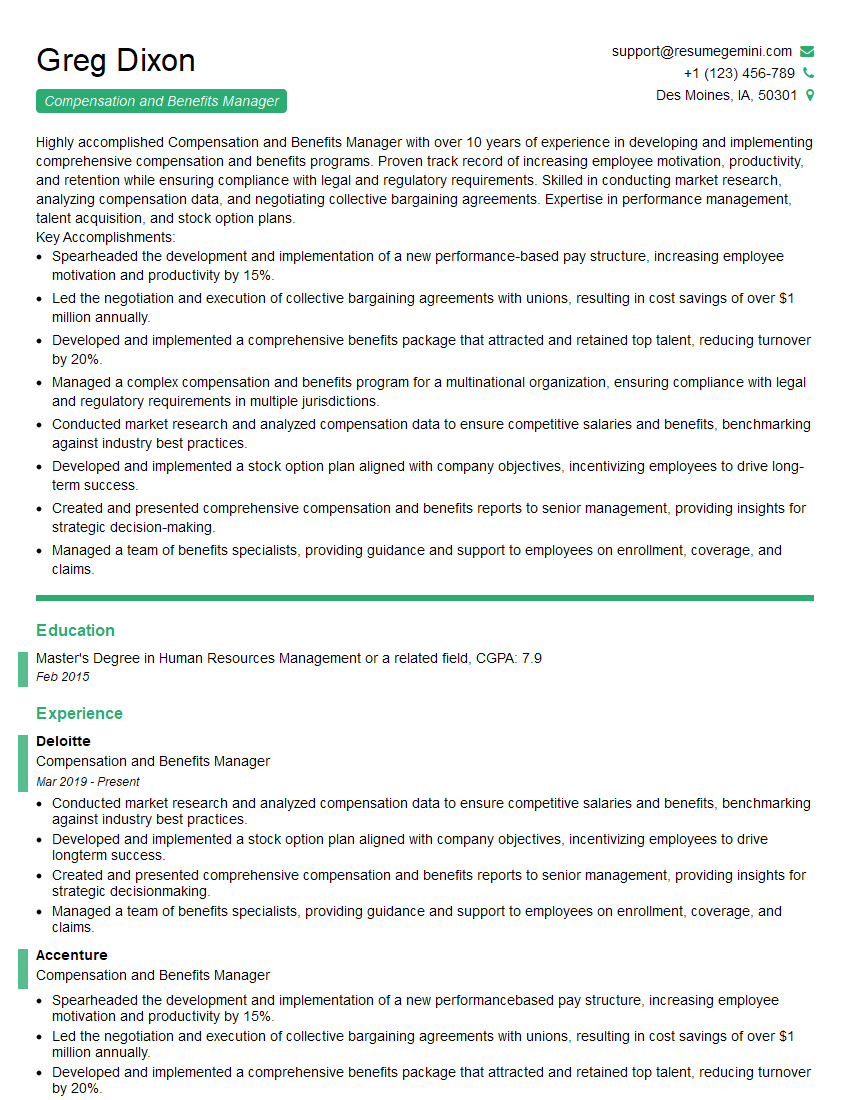
Compensation and Benefits Manager Resume Sample
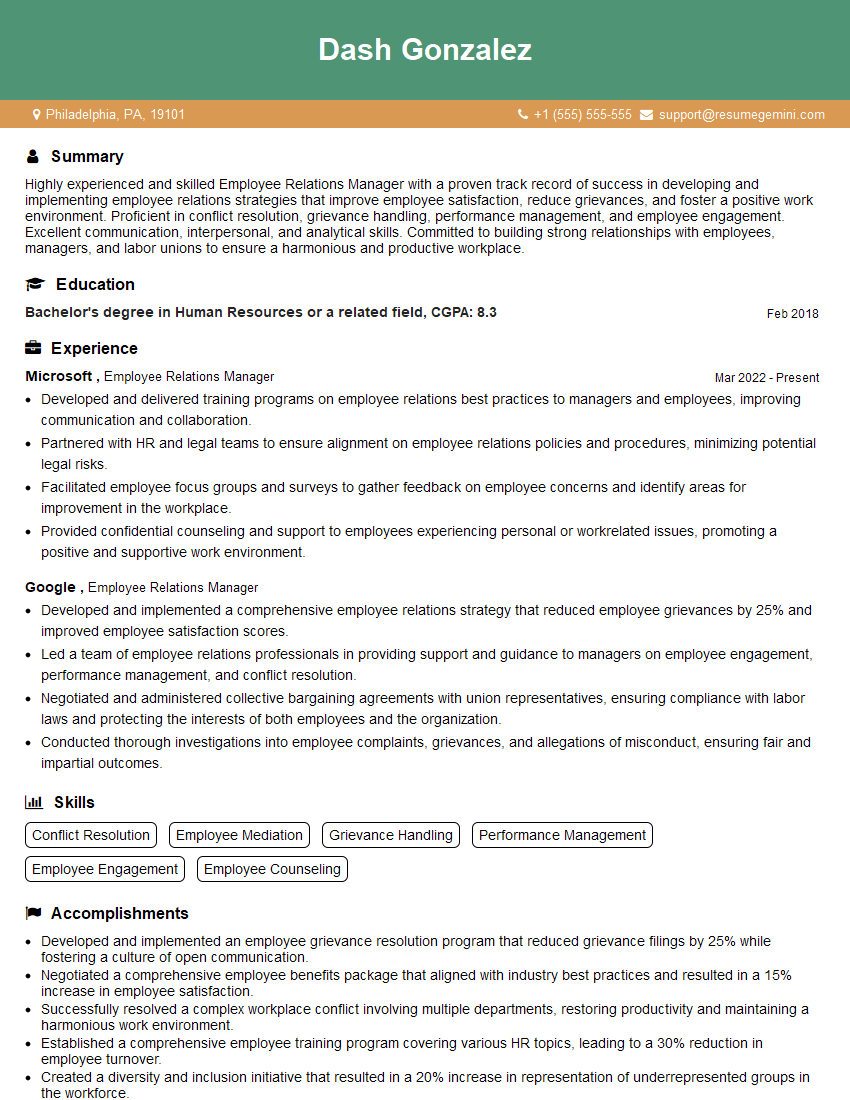
Employee Relations Manager Resume Sample
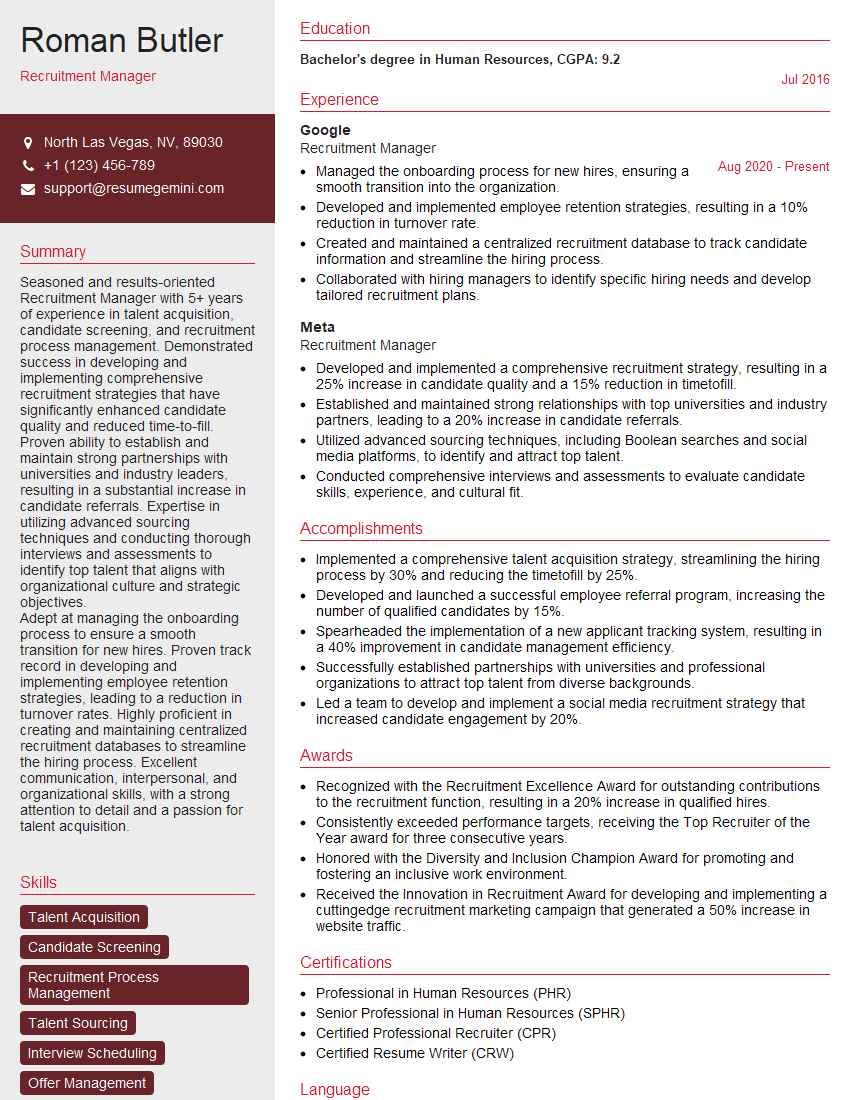
Recruitment Manager Resume Sample
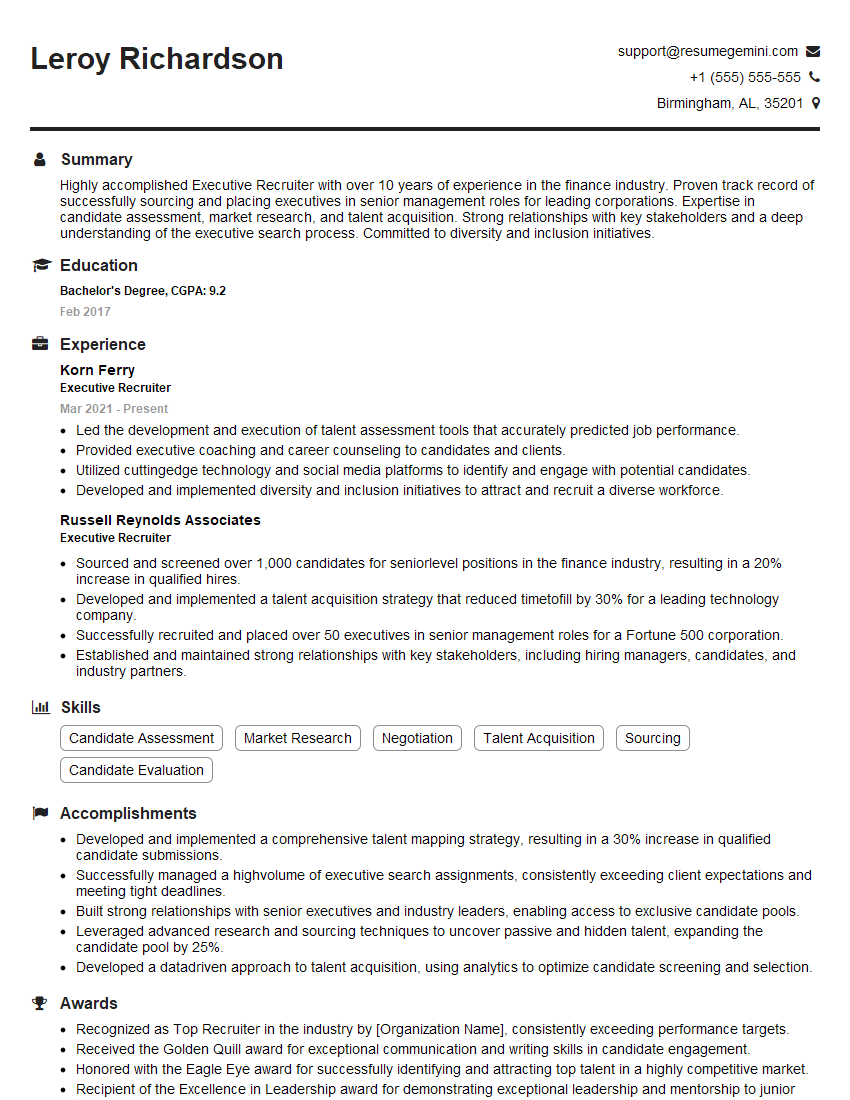
Executive Recruiter Resume Sample
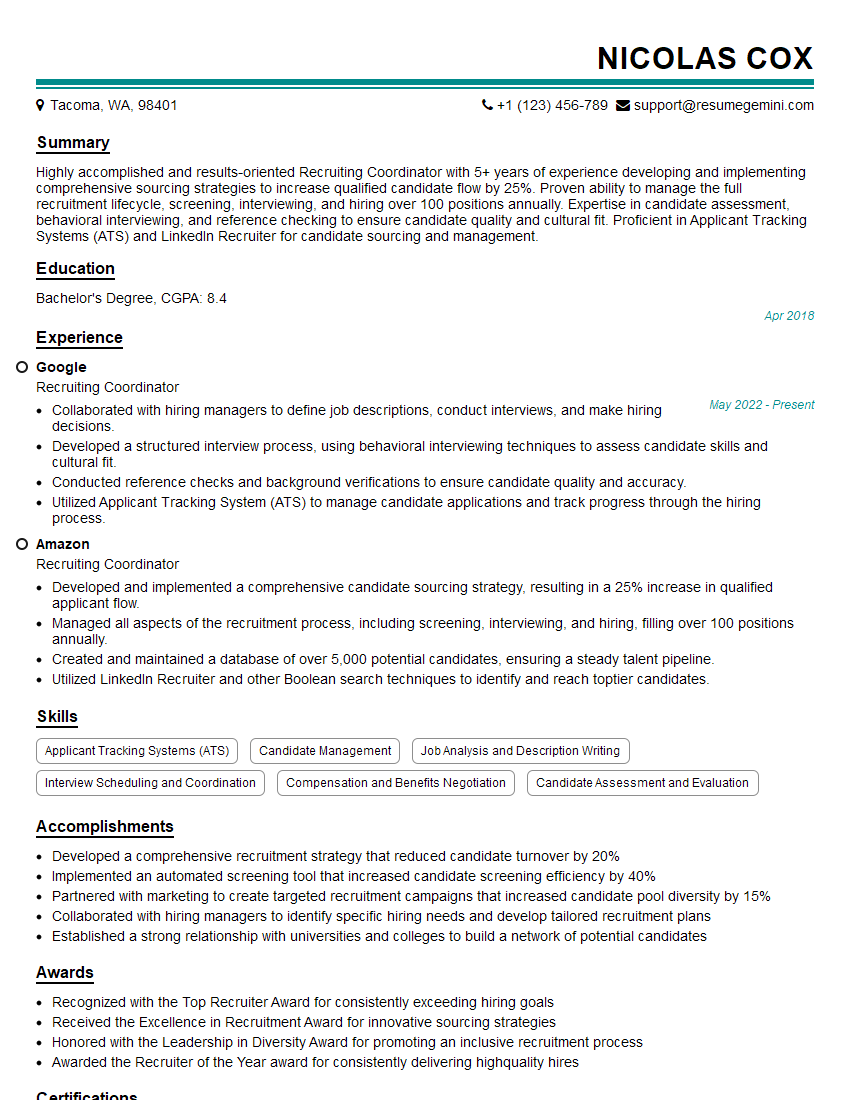
Recruiting Coordinator Resume Sample
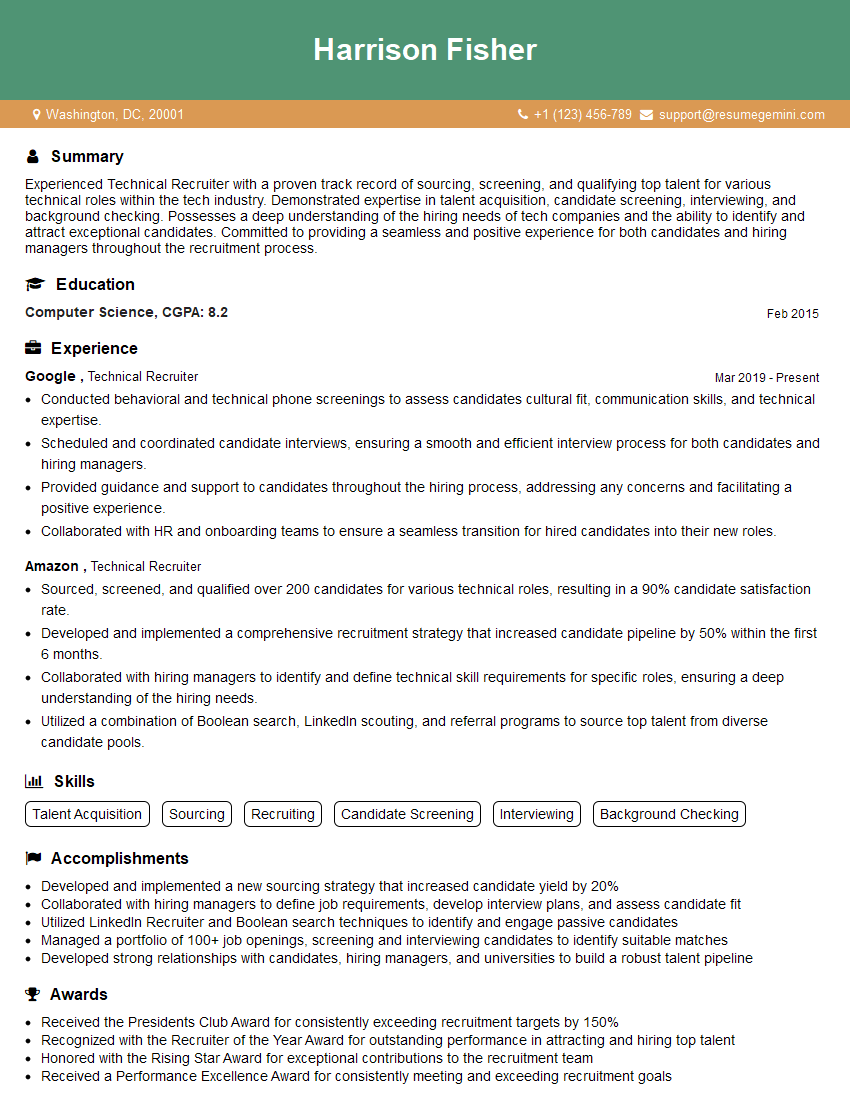
Technical Recruiter Resume Sample
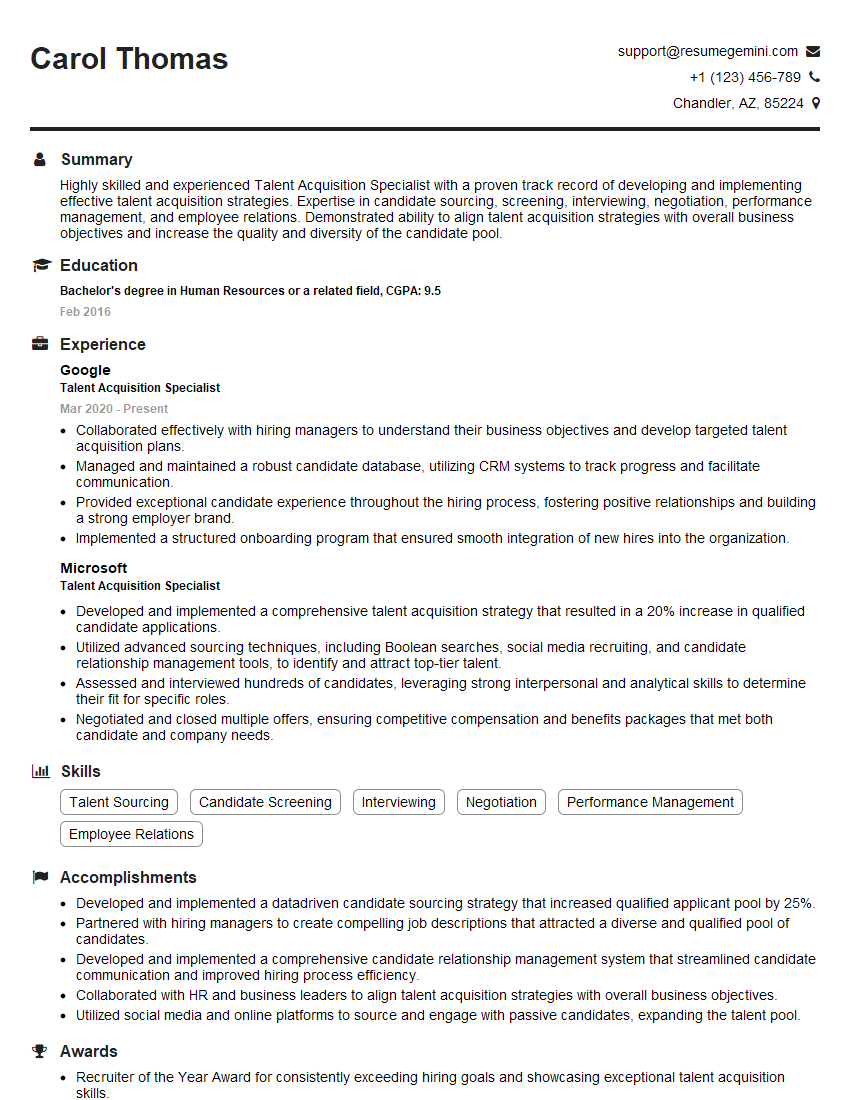
Talent Acquisition Specialist Resume Sample
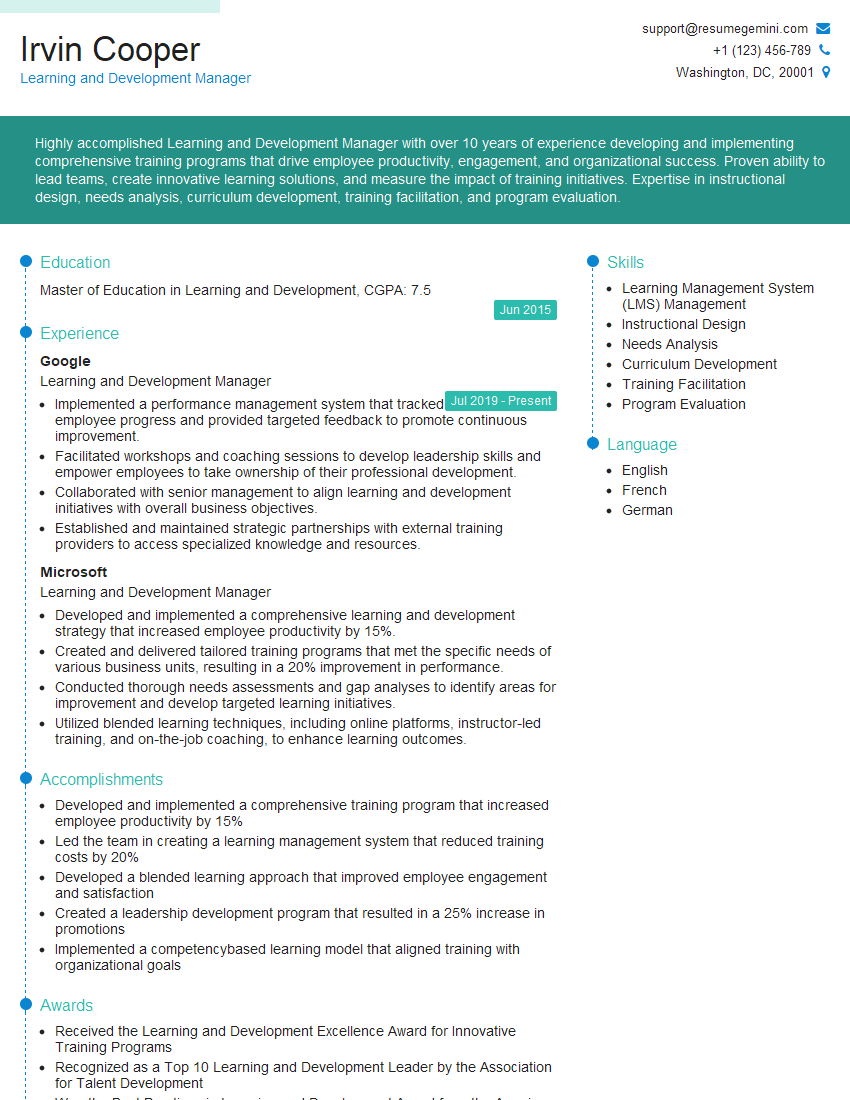
Learning and Development Manager Resume Sample
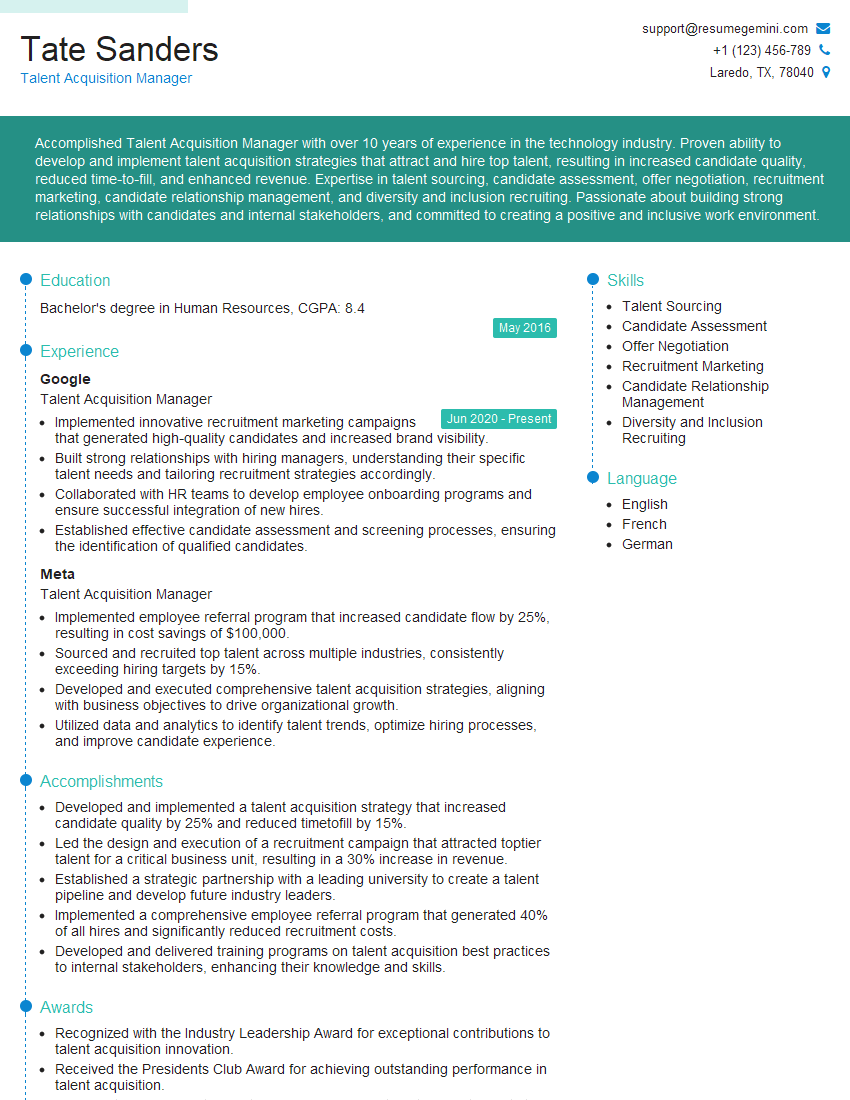
Talent Acquisition Manager Resume Sample
Explore more articles
Users Rating of Our Blogs
Share Your Experience
We value your feedback! Please rate our content and share your thoughts (optional).
What Readers Say About Our Blog
Very informative content, great job.
good