Feeling uncertain about what to expect in your upcoming interview? We’ve got you covered! This blog highlights the most important Relaxation Techniques interview questions and provides actionable advice to help you stand out as the ideal candidate. Let’s pave the way for your success.
Questions Asked in Relaxation Techniques Interview
Q 1. Define progressive muscle relaxation and explain its benefits.
Progressive muscle relaxation (PMR) is a technique that involves systematically tensing and releasing different muscle groups in the body. It’s based on the principle that physical tension often accompanies mental stress, and by consciously releasing the physical tension, you can also reduce the accompanying mental stress.
Benefits of PMR include:
- Reduced muscle tension and pain:
- Decreased anxiety and stress:
- Improved sleep quality:
- Enhanced self-awareness of bodily sensations:
- Increased relaxation and sense of calm.
How it works: You start by focusing on a specific muscle group (e.g., your right hand), tensing it for a few seconds, and then consciously releasing the tension, noticing the difference between the tense and relaxed states. This process is repeated for various muscle groups throughout the body, moving systematically from head to toe or vice-versa. Regular practice helps improve your ability to recognize and release tension quickly and efficiently. Think of it like a ‘muscle memory’ for relaxation.
Q 2. Describe the physiological effects of deep breathing exercises.
Deep breathing exercises, particularly diaphragmatic breathing (belly breathing), have profound physiological effects. They impact several systems in the body:
- Respiratory System: Deeper breaths increase oxygen intake and carbon dioxide expulsion, improving oxygenation of the blood and reducing the build-up of metabolic waste products that contribute to fatigue and stress.
- Nervous System: Slow, deep breaths stimulate the parasympathetic nervous system, the ‘rest and digest’ system, which counteracts the effects of the sympathetic nervous system (‘fight or flight’) responsible for the stress response. This leads to a reduction in heart rate and blood pressure.
- Cardiovascular System: As mentioned above, deep breathing lowers heart rate and blood pressure, reducing strain on the heart and improving cardiovascular health.
- Endocrine System: Deep breathing can influence the release of hormones like cortisol (stress hormone) and endorphins (feel-good hormones), contributing to a sense of calm and well-being.
Imagine your breath as a lever: Shallow, rapid breaths activate the stress response, whereas slow, deep breaths activate the relaxation response. This is a powerful tool for self-regulation.
Q 3. Explain the concept of mindfulness and its application in stress reduction.
Mindfulness is the practice of paying attention to the present moment without judgment. It involves observing your thoughts, feelings, and bodily sensations as they arise, without getting carried away by them. Instead of fighting or resisting these experiences, you acknowledge them and let them pass.
Mindfulness in stress reduction: Stress often stems from dwelling on the past or worrying about the future. Mindfulness anchors you in the present, reducing the power of these anxieties. By cultivating awareness of your breath, bodily sensations, or sounds around you, you gently shift your focus away from stressful thoughts and emotions, creating a space for calm and acceptance.
Application: Mindfulness techniques, such as mindful breathing or body scan meditations, can be incorporated into daily life to manage stress. For example, during a stressful work situation, taking a few moments to focus on your breath can help ground you and regain composure. Mindfulness is not about clearing your mind, but about learning to observe your thoughts and feelings without getting swept away by them.
Q 4. Compare and contrast different relaxation techniques (e.g., meditation, yoga, autogenic training).
Several relaxation techniques share the goal of promoting relaxation and stress reduction, but they differ in their approaches:
- Meditation: Focuses on training attention and awareness, often through focusing on the breath, a mantra, or a specific object. It emphasizes cultivating inner stillness and reducing mental chatter.
- Yoga: Combines physical postures (asanas), breathing techniques (pranayama), and meditation to improve physical and mental well-being. It integrates body awareness with mental focus, leading to both physical and mental relaxation.
- Autogenic Training: A self-hypnosis technique that involves using mental imagery and autosuggestion to influence physiological processes, such as heart rate and body temperature. It aims to promote relaxation through direct mental control of bodily functions.
Comparison: While all three aim for relaxation, meditation focuses primarily on mental stillness, yoga combines physical and mental practices, and autogenic training uses self-suggestion to influence physiological processes directly. The choice depends on individual preferences and needs. Some find meditation too passive, others might find yoga physically demanding. Autogenic training requires a certain level of self-discipline.
Q 5. How would you tailor a relaxation technique to an individual’s specific needs and preferences?
Tailoring a relaxation technique requires considering individual factors like physical limitations, personality, preferences, and lifestyle. For example:
- Physical limitations: A client with arthritis might find yoga challenging; PMR or guided imagery could be more suitable. Modifications to yoga poses would be necessary.
- Personality: An extroverted client might prefer group yoga or a guided meditation, while an introvert might prefer solitary practices like autogenic training or solo meditation.
- Preferences: Some people respond well to visual imagery, others prefer auditory cues. The choice of guided meditation, music, or the style of yoga could be adapted accordingly.
- Lifestyle: A busy client might find it easier to incorporate short, 5-minute mindfulness exercises into their daily routine rather than a longer yoga session.
A thorough assessment of the client’s needs and preferences is crucial. Starting with simpler techniques and gradually progressing to more challenging ones is often helpful. Offering a variety of options and exploring them together allows for personalized approach that enhances the client’s experience and increases adherence.
Q 6. What are the contraindications for certain relaxation techniques?
Certain relaxation techniques have contraindications, particularly for individuals with specific health conditions:
- Hyperventilation: Deep breathing exercises should be approached cautiously by individuals with respiratory conditions like asthma or hyperventilation syndrome. Controlled breathing patterns should be emphasized.
- Post-traumatic stress disorder (PTSD): Some imagery-based techniques, such as guided imagery, might trigger traumatic memories for individuals with PTSD. Careful assessment and trauma-informed approaches are essential.
- Severe mental illness: Certain techniques, if not properly guided, might exacerbate symptoms in individuals with severe mental illness like psychosis or mania. Collaboration with a psychiatrist or therapist is often necessary.
- Physical limitations: Yoga and other physically demanding techniques might be contraindicated for individuals with severe physical limitations or injuries. Modifications or alternative techniques would be needed.
It is crucial to obtain a complete medical history and assess potential risks before introducing relaxation techniques. When in doubt, referring clients to their healthcare provider is always recommended.
Q 7. Describe a situation where you had to adapt a relaxation technique due to client limitations.
I once worked with a client who had severe anxiety and limited mobility due to a recent surgery. She found traditional yoga and PMR initially difficult to perform. Therefore, I adapted the approach by focusing on chair yoga modifications, incorporating gentle stretches and breathing exercises that could be performed while seated. We also incorporated guided imagery focusing on calming natural settings, avoiding any imagery that could cause physical discomfort or strain. The focus shifted from intense physical exertion to a gentle integration of movement, breathwork, and mental imagery, tailored to her specific physical limitations. This adjusted approach allowed her to experience the benefits of relaxation techniques without exacerbating her physical limitations.
Q 8. Explain the role of visualization in relaxation and stress reduction.
Visualization, a cornerstone of many relaxation techniques, involves creating vivid mental images to promote a sense of calm and well-being. It works by engaging the imagination to shift focus away from stressors and towards peaceful scenarios. This shift redirects the body’s physiological response, reducing the impact of stress hormones like cortisol.
For example, a client experiencing work-related anxiety might visualize themselves on a serene beach, feeling the warm sun on their skin and the gentle waves lapping at their feet. This mental imagery triggers a relaxation response, lowering heart rate and blood pressure. The more detailed and sensory-rich the visualization, the more effective it tends to be.
Clinically, guided imagery scripts are often used, providing specific instructions to enhance the visualization process. These scripts can guide clients through relaxing scenes, helping them to engage their senses fully and create a powerful sense of calm. This is particularly beneficial for individuals who struggle with self-directed visualization.
Q 9. How do you assess the effectiveness of a relaxation technique with a client?
Assessing the effectiveness of a relaxation technique requires a multifaceted approach. It’s not just about asking a client, ‘Did you feel relaxed?’ We need objective and subjective measures.
- Subjective Measures: These involve directly asking the client about their experience using standardized scales like the Perceived Stress Scale (PSS) or visual analog scales (VAS) to rate their stress levels before and after the session. We also discuss their feelings, noting any changes in mood, anxiety levels, or sense of well-being.
- Physiological Measures: Objective measures like heart rate variability (HRV), blood pressure, and muscle tension can be monitored before and after the session using biofeedback equipment. Lower heart rate, reduced blood pressure, and decreased muscle tension indicate a successful relaxation response.
- Behavioral Measures: We observe changes in the client’s behavior, such as improved sleep patterns, reduced irritability, and increased ability to cope with stressful situations. This requires ongoing monitoring over time, not just a single session.
Combining these subjective and objective measures provides a comprehensive assessment of the technique’s effectiveness for the individual client.
Q 10. What are the ethical considerations when using relaxation techniques with clients?
Ethical considerations are paramount when using relaxation techniques. The core principles revolve around respect for client autonomy, confidentiality, and beneficence.
- Informed Consent: Clients must fully understand the nature of the techniques, their potential benefits and limitations, and any potential risks before participating. They should have the right to withdraw at any time.
- Confidentiality: All information shared during sessions must be kept confidential, adhering to professional guidelines and legal requirements.
- Competence: Practitioners must only use techniques within their scope of training and competence. They should refer clients to other professionals if needed.
- Boundaries: Maintaining professional boundaries is crucial. Any dual relationships (e.g., personal and professional) must be avoided.
- Cultural Sensitivity: Techniques should be adapted to respect the client’s cultural background and beliefs.
Failing to address these ethical aspects can lead to harm and erode the trust crucial for effective therapy.
Q 11. How would you handle a client who experiences anxiety or discomfort during a relaxation session?
Experiencing anxiety or discomfort during a relaxation session is not uncommon. It’s crucial to address it with empathy and skill.
- Create a Safe Space: Reassure the client that their feelings are valid and understandable. Create a supportive and non-judgmental environment.
- Pace and Adjustment: Slow down the pace of the session, offering breaks as needed. Adjust the technique or try a different approach if the initial one is causing discomfort.
- Grounding Techniques: Introduce grounding techniques to help the client connect with their physical sensations and regain a sense of control. This could involve focusing on their breath, touching an object, or noticing sounds in the room.
- Explore the Source: Gently inquire about the source of the discomfort. It might be related to the relaxation itself or to underlying issues that need further exploration.
- Referral: If the anxiety is severe or persistent, referring the client to a mental health professional is essential.
The key is to create a flexible and adaptable approach, ensuring the client feels safe and supported throughout the process.
Q 12. Describe the benefits of incorporating relaxation techniques into a corporate wellness program.
Incorporating relaxation techniques into corporate wellness programs offers numerous benefits, impacting both employee well-being and organizational productivity.
- Reduced Stress and Burnout: Techniques like mindfulness and progressive muscle relaxation can help employees manage stress, leading to reduced burnout and improved job satisfaction.
- Improved Mental Health: Relaxation techniques can alleviate symptoms of anxiety and depression, improving overall mental health and creating a healthier work environment.
- Enhanced Focus and Productivity: By reducing stress and improving mental clarity, relaxation techniques can enhance concentration and productivity.
- Reduced Absenteeism and Presenteeism: By promoting employee well-being, companies can see a reduction in sick days and improved performance from employees who are present but not fully engaged (presenteeism).
- Improved Employee Morale and Engagement: Investing in employee well-being demonstrates company care and boosts morale and engagement.
A successful corporate wellness program should offer a variety of techniques, cater to different needs and preferences, and provide ongoing support and resources.
Q 13. What are the common misconceptions about relaxation techniques?
Several misconceptions surround relaxation techniques, hindering their adoption and effectiveness.
- Relaxation is only for ‘stressed’ people: Relaxation is a proactive skill, beneficial for everyone regardless of current stress levels. It enhances overall well-being and resilience.
- It requires hours of practice: Even short, regular practices (5-10 minutes) can yield significant benefits. Consistency is key, not the duration of each session.
- It’s a ‘one-size-fits-all’ approach: Different techniques work better for different people. Experimentation is necessary to find what suits an individual best.
- It’s a quick fix for chronic problems: While relaxation offers immediate relief, it’s most effective when combined with other strategies for addressing underlying issues, particularly chronic stress or mental health conditions.
- It’s passive and requires no effort: Effective relaxation requires active participation and consistent practice. It’s a skill that needs to be learned and refined.
Addressing these misconceptions is crucial for promoting the widespread and effective use of relaxation techniques.
Q 14. Explain the difference between relaxation and stress management.
While closely related, relaxation and stress management are distinct concepts.
Relaxation refers to specific techniques aimed at inducing a state of physical and mental calm. It focuses on reducing physiological arousal and promoting a sense of ease. Examples include deep breathing, progressive muscle relaxation, and meditation.
Stress management is a broader term encompassing various strategies to cope with and reduce stress. It includes relaxation techniques but also addresses the root causes of stress and develops coping mechanisms. This might involve time management, assertiveness training, problem-solving skills, and seeking social support.
Think of it this way: relaxation is a tool within the broader toolkit of stress management. Relaxation techniques help reduce the immediate impact of stress, while stress management involves a more holistic approach to preventing and managing stress in the long term.
Q 15. What are the key elements of a successful relaxation program?
A successful relaxation program hinges on several key elements, working synergistically to promote a state of deep rest and reduced stress. These elements include:
- Individualized Approach: No two individuals are alike; what works for one person might not work for another. A successful program tailors techniques to the client’s unique needs, preferences, and lifestyle. For example, a busy executive might benefit from short guided meditations during their lunch break, while a stay-at-home parent might prefer longer, gentler yoga sessions in the evening.
- Progressive Skill Building: Relaxation is a skill that takes practice. The program should start with simpler techniques and gradually introduce more challenging ones as the client progresses. Think of it like learning an instrument – you begin with basic chords before tackling complex melodies.
- Regular and Consistent Practice: Consistency is crucial. Short, regular sessions are more effective than infrequent, lengthy ones. Daily practice, even for just 5-10 minutes, can yield significant results over time.
- Supportive Environment: A quiet, comfortable space free from distractions is essential. This could involve dimming the lights, using calming scents, or playing soothing music. The environment should foster a sense of peace and tranquility.
- Goal Setting and Monitoring: Clear, measurable goals help track progress and maintain motivation. These goals could be related to reducing stress levels, improving sleep quality, or enhancing overall well-being. Regular check-ins with the client to monitor progress and adjust the program as needed are crucial.
- Integration into Daily Life: The ultimate aim is to integrate relaxation techniques into the client’s daily routine, making them an integral part of their self-care strategy. This means helping clients identify and manage stress triggers and incorporate relaxation practices proactively.
Career Expert Tips:
- Ace those interviews! Prepare effectively by reviewing the Top 50 Most Common Interview Questions on ResumeGemini.
- Navigate your job search with confidence! Explore a wide range of Career Tips on ResumeGemini. Learn about common challenges and recommendations to overcome them.
- Craft the perfect resume! Master the Art of Resume Writing with ResumeGemini’s guide. Showcase your unique qualifications and achievements effectively.
- Don’t miss out on holiday savings! Build your dream resume with ResumeGemini’s ATS optimized templates.
Q 16. How do you measure the success of a relaxation program?
Measuring the success of a relaxation program requires a multi-faceted approach combining subjective and objective measures.
- Subjective Measures: These involve assessing the client’s self-reported experiences. This can be done through questionnaires, rating scales (e.g., visual analogue scales for pain or stress), or regular check-in sessions where clients describe their feelings, experiences, and perceived changes in their stress levels, sleep quality, and overall well-being. For example, we might ask clients to rate their anxiety levels on a scale of 1-10 before and after a session.
- Objective Measures: These involve quantifiable data. This might include monitoring physiological indicators such as heart rate, blood pressure, and muscle tension using biofeedback equipment. Improved sleep patterns, as tracked by sleep diaries, can also serve as an objective measure. For instance, we might track a client’s heart rate variability (HRV) before and after a relaxation session to objectively measure their physiological relaxation response.
- Behavioral Changes: Observe changes in the client’s behavior. Are they coping better with stress? Are they exhibiting improved mood and emotional regulation? Are they engaging in healthier lifestyle choices? These qualitative observations provide valuable insights into the program’s effectiveness.
It’s important to use a combination of these methods to get a holistic picture of the program’s success. A comprehensive assessment will allow for accurate evaluation and necessary adjustments.
Q 17. What are some common barriers to successful relaxation practice?
Several barriers can hinder successful relaxation practice. These can be broadly categorized as:
- Time Constraints: Many people struggle to find time for dedicated relaxation practices in their busy schedules. This often requires skillful prioritization and strategic scheduling.
- Lack of Motivation or Commitment: Without a strong sense of commitment and consistent effort, relaxation techniques will not yield significant results. This requires strong motivation and possibly goal setting strategies.
- Negative Thoughts and Beliefs: Negative self-talk, skepticism towards the effectiveness of relaxation, or a belief that “I don’t have time for this” can significantly impede progress. Cognitive techniques may be necessary to address these.
- Physical Discomfort or Health Issues: Underlying health problems, such as chronic pain or sleep disorders, can interfere with the ability to relax effectively. Collaboration with other healthcare professionals might be necessary.
- Lack of Proper Guidance or Instruction: Improper technique or lack of understanding of the principles behind relaxation practices can lead to frustration and decreased effectiveness. Clear instruction and personalized guidance are crucial.
- Unrealistic Expectations: Expecting immediate and dramatic results can be discouraging. Relaxation is a process that requires time and patience. Realistic goal setting is therefore important.
Q 18. How would you address client resistance to relaxation techniques?
Addressing client resistance requires a sensitive and empathetic approach, focusing on building rapport and understanding the underlying reasons for their resistance.
- Active Listening and Empathy: Start by actively listening to the client’s concerns and validating their feelings. Show genuine empathy and understanding.
- Educate and Normalize: Explain the benefits of relaxation techniques using clear and simple language, addressing any misconceptions. Normalize the experience of initial difficulty in mastering relaxation techniques. Many people struggle at first.
- Collaborative Goal Setting: Involve the client in setting realistic and achievable goals, making them feel empowered and in control of the process. This should be a shared decision making process.
- Gradual Introduction: Start with simple, less time-consuming techniques. Build confidence and momentum before introducing more challenging methods.
- Alternative Techniques: If one technique doesn’t work, explore other options to find the best fit for the client’s preferences and needs. Perhaps guided imagery works better than progressive muscle relaxation for this client.
- Reinforce Successes: Celebrate and acknowledge even small successes, building confidence and motivation. Focus on building positive reinforcement rather than punishment for lack of adherence to the practice.
Q 19. Describe your experience with different relaxation modalities.
My experience encompasses a wide range of relaxation modalities, each with its unique strengths and applications. These include:
- Progressive Muscle Relaxation (PMR): This technique involves systematically tensing and releasing different muscle groups to reduce muscle tension and promote relaxation. I’ve found it particularly effective for clients experiencing physical tension related to stress or anxiety.
- Guided Imagery: This involves using vivid imagery and storytelling to guide the client into a state of deep relaxation. It’s excellent for stress reduction, pain management, and improving sleep quality. I often combine it with other modalities for enhanced efficacy.
- Mindfulness Meditation: This focuses on cultivating present moment awareness without judgment. I’ve successfully used mindfulness to help clients manage their thoughts, emotions, and behaviors, leading to increased self-awareness and emotional regulation.
- Deep Breathing Exercises: Diaphragmatic breathing, in particular, is a foundational technique I frequently use to reduce stress, lower heart rate, and promote a sense of calm. It is easily integrated into daily routines.
- Yoga and Tai Chi: These mind-body practices combine physical postures, breathing techniques, and meditation, providing a holistic approach to stress reduction and overall well-being. They are particularly beneficial for promoting physical and mental flexibility.
My approach prioritizes selecting the most suitable technique(s) based on the client’s individual needs, preferences, and presenting challenges.
Q 20. What is your approach to integrating relaxation techniques with other therapeutic interventions?
Relaxation techniques are not stand-alone treatments but powerful complements to other therapeutic interventions. My approach to integration depends on the specific therapeutic context.
- Cognitive Behavioral Therapy (CBT): Relaxation techniques are often integrated into CBT to help clients manage anxiety, reduce negative automatic thoughts, and develop coping mechanisms for stressful situations. For example, clients might practice relaxation before engaging in exposure exercises to manage phobias.
- Trauma-Informed Therapy: Relaxation techniques are crucial in trauma-informed care, providing clients with tools to regulate their nervous system and manage overwhelming emotions. Mindfulness and somatic experiencing techniques are often used here.
- Pain Management: Relaxation is a cornerstone of pain management programs, helping clients manage chronic pain by reducing muscle tension, improving sleep, and promoting overall relaxation.
- Stress Reduction Programs: Within stress reduction programs, relaxation techniques form the core of interventions, helping clients develop healthy stress-management strategies for long-term wellness.
The integration process involves educating the client about the interplay between relaxation and other therapies, helping them understand how relaxation skills enhance the benefits of other treatments, and fostering a sense of self-efficacy and empowerment in managing their mental and physical health.
Q 21. What are the limitations of relaxation techniques?
While relaxation techniques are generally safe and effective, they have limitations:
- Not a Cure-All: Relaxation is not a substitute for professional treatment of underlying mental or physical health conditions. It’s a valuable tool, but not a solution for severe disorders.
- Individual Variability: Effectiveness varies among individuals. What works for one person may not be equally effective for another. Finding the right technique and adapting it to individual needs is crucial.
- Requires Commitment: Relaxation techniques require regular practice to achieve lasting benefits. Inconsistent practice limits efficacy.
- Potential for Misuse: Relaxation shouldn’t be used as a way to avoid confronting difficult emotions or problems. It is a complementary tool, not a replacement for processing emotions or resolving underlying issues.
- May Not Be Suitable for All: Certain conditions, such as severe mental illness or certain medical conditions, may require modifications or alternative approaches. Careful assessment is necessary before initiating relaxation techniques in individuals with specific health conditions.
It’s important to acknowledge these limitations and adjust the approach accordingly, working collaboratively with the client and other healthcare professionals when necessary.
Q 22. How do you ensure client confidentiality when using relaxation techniques?
Client confidentiality is paramount in my practice. I adhere to strict ethical guidelines, mirroring those found in professional organizations like the American Psychological Association (where applicable, depending on licensing). This means I never discuss a client’s sessions with anyone, not even other professionals, without their explicit written consent. All client records, including session notes and any assessments, are stored securely, both physically and digitally, using password-protected systems and HIPAA-compliant practices (where relevant). Even seemingly innocuous details about a client are considered confidential. For instance, I might mention to a colleague that I’m working with someone experiencing anxiety, but I would never divulge their identity or specific personal information. This commitment to confidentiality fosters trust and ensures a safe therapeutic environment for clients to explore their challenges and engage in relaxation techniques.
Q 23. What continuing education activities have you undertaken related to relaxation techniques?
My commitment to ongoing professional development is a cornerstone of my practice. Recently, I completed a specialized course on the integration of mindfulness-based stress reduction (MBSR) techniques with trauma-informed care. This expands my ability to help clients manage stress and anxiety in a sensitive and effective manner. Prior to that, I attended a workshop on the neurobiological effects of relaxation techniques, furthering my understanding of the mechanisms through which these techniques impact the brain and nervous system. I regularly review current research on relaxation techniques through peer-reviewed journals and actively participate in professional conferences and webinars focusing on evidence-based practices in stress management and wellbeing. This ensures that my practice remains current and utilizes the most effective and ethical methods available.
Q 24. Explain the importance of self-care for professionals practicing relaxation techniques.
Self-care isn’t a luxury for professionals in this field; it’s a necessity. Practicing relaxation techniques, like guided meditation or deep breathing exercises, is crucial for managing the emotional and mental demands of the job. When helping others manage stress, it’s vital that we model healthy coping mechanisms. Vicarious trauma, or the emotional toll of hearing about clients’ difficulties, is a very real risk. Regular self-care activities – exercise, spending time in nature, pursuing hobbies, maintaining a healthy sleep schedule – help prevent burnout and maintain emotional equilibrium. By prioritizing my own well-being, I can provide the best possible care for my clients, offering a clear and grounded presence in each session. Failing to do so can lead to compassion fatigue and a diminished ability to support my clients effectively. This isn’t just about maintaining professional standards; it’s essential for my own mental and emotional health.
Q 25. Describe your preferred method for providing feedback to clients.
My approach to providing client feedback is collaborative and tailored to each individual. I begin by asking the client to reflect on their experience during and after sessions, encouraging them to share any observations or insights. Then, I synthesize these observations with my own clinical observations, offering feedback in a supportive and non-judgmental manner. For example, if a client mentions feeling overwhelmed during a particular relaxation exercise, I might discuss strategies for modifying the technique to better suit their needs. Or, if a client shares progress in managing stress outside of sessions, I offer positive reinforcement and discuss potential ways to further build on that success. I always prioritize a strength-based approach, focusing on what the client is doing well and collaboratively setting achievable goals for future progress. Written summaries of key points may be provided, depending on client preference and the specific therapeutic needs.
Q 26. How do you maintain your own stress levels and practice self-care?
Maintaining my own stress levels is an ongoing practice, not a destination. It’s about integrating self-care into my daily routine, not treating it as a separate task. I start my day with mindful meditation and yoga, which helps me center myself before engaging with the demands of my work. Regular exercise and time spent in nature are non-negotiable. I also prioritize healthy eating and sufficient sleep, understanding these impact my resilience and overall well-being. I have a strong support network of colleagues and friends, and I’m open about the challenges inherent in my profession. This allows for mutual support and reduces feelings of isolation. Setting boundaries between work and personal life is crucial, ensuring I don’t constantly overwork myself. Essentially, I practice what I preach, demonstrating to myself and my clients the importance of incorporating relaxation techniques and self-care strategies into daily life.
Q 27. What are your fees and payment options?
My fees are structured to be competitive and accessible, while reflecting the expertise and individualized care provided. My standard session rate is [Insert Fee Amount] per session. I offer a sliding scale for clients experiencing financial hardship, acknowledging that mental wellbeing support should be accessible to all. Payment options include cash, check, and credit cards. I also accept payment through [List Accepted Payment Platforms, e.g., PayPal, Square]. Detailed information on my fees and payment policies is provided upfront to ensure transparency and clarity for all clients. This ensures financial accessibility is never a barrier to seeking support.
Q 28. What are your professional affiliations or certifications?
I hold a [Insert Relevant Degree/Certification, e.g., Master’s degree in Counseling] and am a licensed [Insert Relevant Professional License, e.g., Licensed Professional Counselor]. I maintain active membership in [Insert Professional Organizations, e.g., American Counseling Association], adhering to their ethical guidelines and professional standards. My certifications include [List Relevant Certifications, e.g., Certified Mindfulness-Based Stress Reduction Instructor]. This ensures I’m continually held to a high standard of practice, prioritizing ethical conduct and the well-being of my clients.
Key Topics to Learn for Relaxation Techniques Interview
- Mindfulness and Meditation: Understanding the theoretical underpinnings of mindfulness-based stress reduction (MBSR) and its practical applications in various settings (e.g., individual therapy, group settings, corporate wellness).
- Progressive Muscle Relaxation (PMR): Mastering the technique, its physiological effects, and adapting it to diverse client needs and presentations. Consider the differences in application for various age groups and health conditions.
- Breathing Techniques: Exploring different breathing exercises (e.g., diaphragmatic breathing, pranayama) and their impact on the autonomic nervous system. Be prepared to discuss the benefits and contraindications of each.
- Guided Imagery and Visualization: Understanding the therapeutic potential of guided imagery, its use in stress management, and the ethical considerations involved in its application.
- Yoga and Tai Chi: Discuss the principles of these practices and their contribution to relaxation and stress reduction. Be ready to address the physical and mental benefits, and potential limitations.
- Cognitive Behavioral Techniques (CBT) for Relaxation: Integrating CBT principles into relaxation techniques, such as cognitive restructuring to manage stress-inducing thoughts.
- Assessing Client Needs and Tailoring Interventions: Demonstrate your understanding of how to adapt relaxation techniques based on individual client needs, preferences, and potential contraindications.
- Ethical Considerations and Professional Boundaries: Understanding and addressing ethical considerations related to confidentiality, informed consent, and professional boundaries within the practice of relaxation techniques.
Next Steps
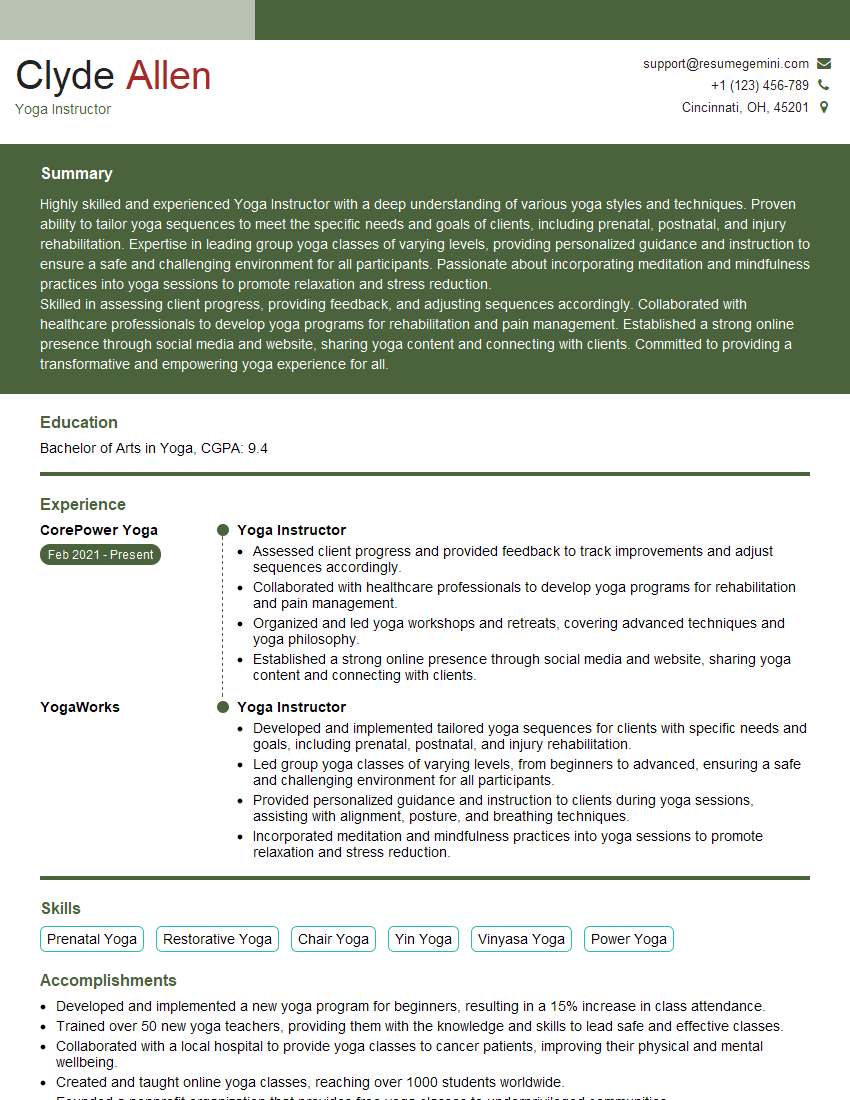
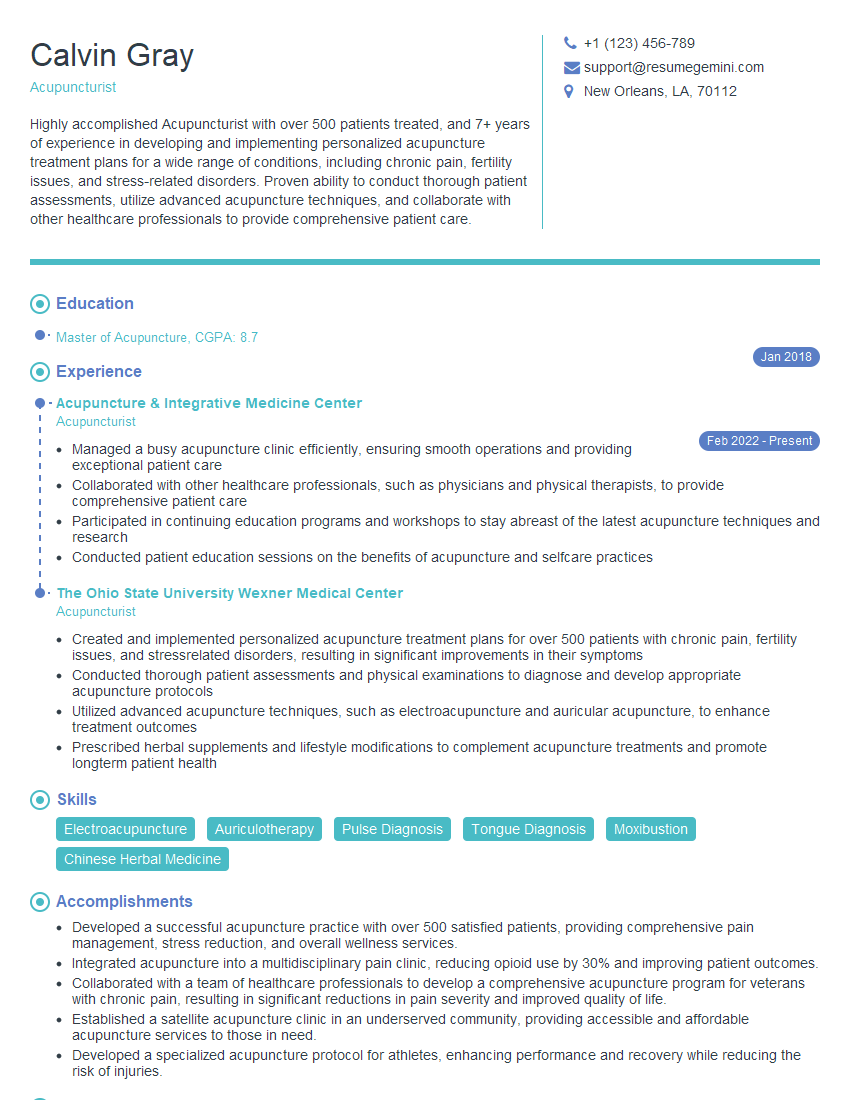
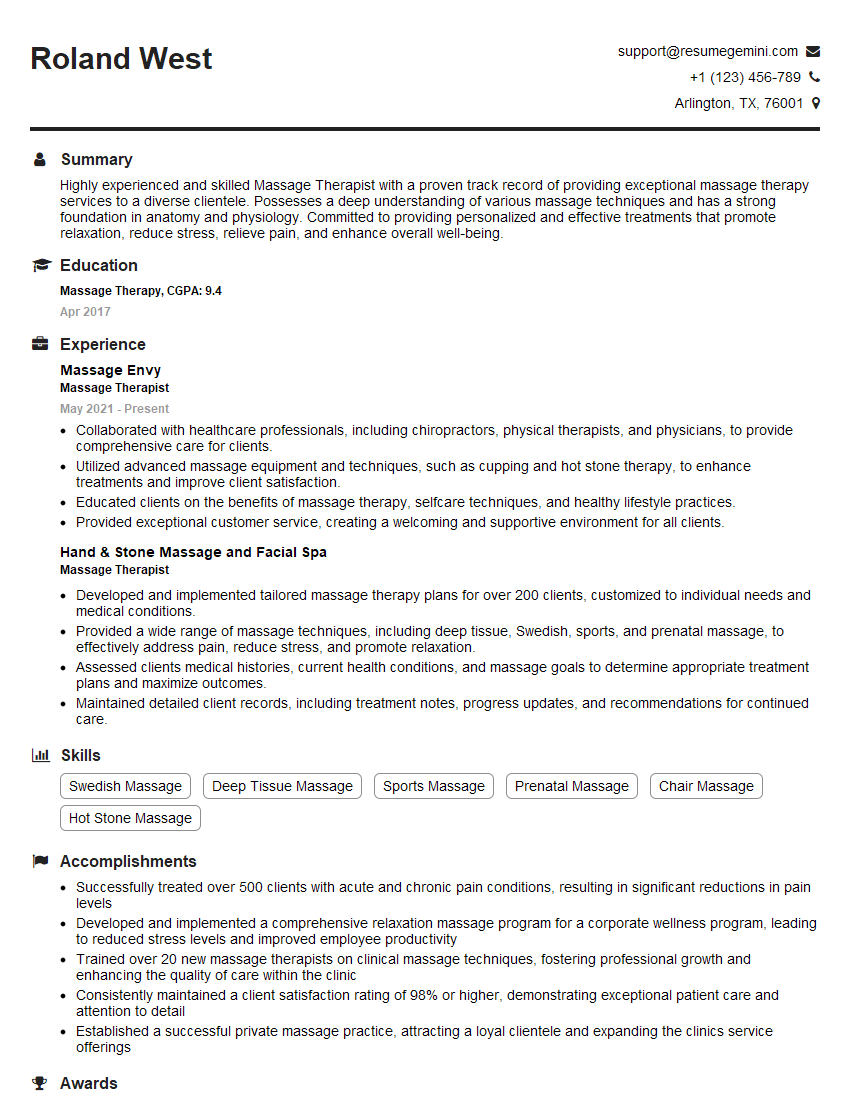
Mastering relaxation techniques is crucial for a successful career in this field, allowing you to effectively help others manage stress and improve their well-being. To maximize your job prospects, a strong and ATS-friendly resume is vital. ResumeGemini is a trusted resource that can help you build a professional resume that highlights your skills and experience effectively. ResumeGemini provides examples of resumes tailored to Relaxation Techniques, ensuring your application stands out. Take the next step towards your dream career by crafting a compelling resume that showcases your expertise.
Explore more articles
Users Rating of Our Blogs
Share Your Experience
We value your feedback! Please rate our content and share your thoughts (optional).
What Readers Say About Our Blog
Very informative content, great job.
good