Are you ready to stand out in your next interview? Understanding and preparing for Remote Fieldwork and Camp Management interview questions is a game-changer. In this blog, we’ve compiled key questions and expert advice to help you showcase your skills with confidence and precision. Let’s get started on your journey to acing the interview.
Questions Asked in Remote Fieldwork and Camp Management Interview
Q 1. Describe your experience managing logistics in a remote location.
Managing logistics in remote locations requires meticulous planning and adaptability. It’s like orchestrating a complex symphony where every instrument (resource) needs to be in the right place at the right time. My experience includes securing permits, chartering flights and boats, coordinating ground transportation, managing fuel and supplies, and establishing reliable communication systems. For example, during a research project in the Amazon rainforest, I had to arrange for the transport of heavy equipment via river barges, negotiating with local communities for access rights and ensuring timely deliveries despite unpredictable weather conditions. This involved detailed scheduling, contingency planning for delays, and proactive communication with all involved parties.
Another key aspect is anticipating resource needs. Accurate estimations of fuel consumption, food supplies, and medical equipment are vital. I often use specialized software to model supply chains and predict potential bottlenecks. This minimizes the risk of shortages and ensures the project remains on track.
Q 2. How do you ensure the safety and well-being of your team in a remote field setting?
Safety and well-being are paramount in remote fieldwork. It’s not just about following protocols; it’s about fostering a culture of safety. My approach is multifaceted: Firstly, rigorous risk assessments are conducted before any fieldwork begins, identifying potential hazards like wildlife encounters, extreme weather, and health risks. Secondly, comprehensive training is provided to the team on safety procedures, including first aid, wilderness survival, and emergency communication protocols. We use real-life scenarios and practical exercises in our training.
Thirdly, we maintain robust communication systems, utilizing satellite phones, emergency beacons, and regular check-ins. Emergency evacuation plans are developed and practiced, ensuring a coordinated response in case of unforeseen events. Finally, regular health checks and access to appropriate medical supplies are ensured. For instance, during a project in the Himalayas, we employed a dedicated mountain guide experienced in high-altitude rescue and ensured the team had sufficient oxygen supplies and altitude sickness medication.
Q 3. What are your preferred methods for communication in areas with limited connectivity?
Communication in areas with limited connectivity requires a layered approach. Satellite phones are indispensable for emergencies and essential communication. However, they are often expensive and have limited bandwidth. Therefore, we often supplement them with high-frequency radios for shorter-range communication within the team and local communities. These provide quicker and more efficient means for coordinating daily activities. Additionally, we utilize shortwave radios for longer-range communication when satellite coverage is unreliable.
Finally, we leverage the power of pre-planned communication schedules to minimize wasted effort and maximize contact time. Each team member understands the scheduled times for communications, enabling efficient transmission of essential information. For example, during a project in a remote desert, we coordinated morning and evening check-ins via satellite phone, followed up by radio updates during the day if necessary.
Q 4. Explain your experience with budget management and resource allocation in a remote project.
Budget management in remote projects requires a keen eye for detail and a proactive approach. It starts with meticulous budgeting, creating a detailed breakdown of all expenses, from personnel costs and equipment to transportation and permits. Contingency funds are absolutely critical, allocated to cover unforeseen circumstances like equipment failures or emergency evacuations. I use specialized project management software to track expenditures in real-time, ensuring we remain within budget.
Resource allocation involves careful prioritization. Essential equipment and supplies are identified upfront and procurement is planned strategically to take advantage of bulk discounts or favorable exchange rates. We often negotiate with local suppliers to procure goods at competitive prices and to support local economies. For instance, a project in the Arctic required procuring specialized cold-weather gear; I negotiated with a local supplier offering superior quality gear at a lower cost than international suppliers.
Q 5. How do you handle unexpected emergencies or equipment failures in the field?
Handling emergencies requires a calm, decisive approach. Having well-defined emergency protocols in place is crucial. These protocols detail the steps to take in different scenarios, from equipment failure to medical emergencies. For instance, we have a detailed checklist for equipment malfunction. It covers troubleshooting steps, identifying replacement parts, and arranging for expedited shipping if necessary. Regular equipment maintenance minimizes the likelihood of failures. This includes thorough pre-deployment inspections and routine checks in the field.
Medical emergencies are handled with a similar level of preparedness. We ensure a well-stocked medical kit, and team members are trained in basic first aid and wilderness medicine. Communication systems are used to immediately alert support teams in case of a serious injury or illness. We maintain close contact with local medical facilities and pre-arrange emergency evacuation plans. This can involve airlifting to a nearby hospital or coordinating transport via ground ambulance.
Q 6. What are your strategies for team building and conflict resolution in isolated environments?
Team building and conflict resolution are essential in isolated environments. Building a strong team begins before deployment. We carefully select team members with complementary skills and personalities, ensuring a mix of experience and expertise. Pre-deployment training involves team-building exercises to foster trust and communication. In remote settings, we encourage open communication, shared responsibilities, and mutual respect. Regular team meetings facilitate open dialogue and address potential conflicts early on.
Conflict resolution strategies include active listening, mediation, and a focus on finding mutually acceptable solutions. Fairness and transparency are paramount. We create a safe space for team members to express concerns without fear of repercussions. If conflicts persist, we may involve an external mediator or seek the guidance of a professional counselor to support the team’s well-being.
Q 7. Describe your experience with environmental regulations and permits relevant to fieldwork.
Environmental regulations and permits are critical for ethical and legal fieldwork. Before any project begins, we conduct thorough research on the applicable laws and regulations at the local, national, and international levels. This may include obtaining permits for access to protected areas, collecting samples, and handling hazardous materials. We engage with local authorities to ensure compliance and obtain any necessary permits. We adhere strictly to all environmental protection protocols to avoid damaging the ecosystem.
Our fieldwork practices prioritize minimizing our impact on the environment. This includes the use of sustainable energy sources, waste management plans, and responsible disposal of hazardous materials. We often collaborate with local environmental organizations or consult environmental experts to ensure best practices. Proper documentation of our activities and adherence to the regulations allows us to conduct our research responsibly and minimize any negative environmental impact.
Q 8. How do you ensure the sustainability of your field operations and minimize environmental impact?
Sustainability in remote fieldwork hinges on minimizing our environmental footprint while ensuring the long-term viability of our operations. It’s a holistic approach encompassing all aspects of the project, from planning to departure.
- Resource Management: We meticulously plan resource consumption, prioritizing efficiency and reuse. For instance, in a recent project in the Amazon, we implemented a strict water rationing system, using greywater for non-potable purposes and meticulously tracking water usage to identify areas for improvement. This prevented unnecessary strain on local resources and avoided excessive water trucking.
- Waste Management: A comprehensive waste management strategy is crucial. This includes employing a robust waste segregation system at the camp (organic, recyclable, hazardous), proper composting, and employing local waste disposal methods whenever possible. We avoid single-use plastics whenever feasible and opt for reusable containers.
- Carbon Footprint Reduction: We strive to minimize our reliance on fossil fuels. This includes opting for fuel-efficient transportation, prioritizing local sourcing of supplies to reduce transportation needs, and exploring renewable energy sources whenever feasible, like solar panels for camp lighting.
- Community Engagement: Sustainable operations are impossible without the cooperation and support of local communities. We actively involve local people in our projects, ensuring that our presence benefits them and fostering a sense of shared responsibility for environmental protection. This could involve hiring local guides, utilizing local businesses, and contributing to community development projects.
- Leave No Trace Principles: We strictly adhere to Leave No Trace principles – minimizing our impact on the landscape by packing out all waste, respecting wildlife, and minimizing trail damage. Regular camp inspections and team briefings reinforce this commitment.
By combining careful planning, rigorous execution, and a strong commitment to environmental stewardship, we can successfully minimize our impact while ensuring the long-term sustainability of our field operations.
Q 9. Explain your experience with data collection, management, and quality control in remote settings.
Data collection, management, and quality control in remote settings require meticulous planning and robust systems. The challenges of connectivity and accessibility necessitate proactive strategies.
- Data Collection Protocols: Clear, standardized data collection protocols are essential. We use pre-designed data entry forms, often digitized for efficiency using tablets or ruggedized laptops, to ensure consistency and reduce errors. Each data point has a unique identifier, allowing for easier tracking and verification.
- Data Management: Regular data backups are critical. We use cloud-based solutions with offline capabilities, enabling data synchronization upon regaining connectivity. We also maintain local hard copies as a failsafe. Data are encrypted for security.
- Quality Control: We implement rigorous quality control measures at each stage. This includes regular data validation checks, plausibility checks to identify outliers, and cross-referencing data points with different data sources or methods. In-field supervisors review data daily and conduct spot-checks. Post-field data cleaning and analysis are crucial for ensuring accuracy.
- Example: In a biodiversity survey in the Himalayas, we used a combination of GPS tracking, digital photography, and species identification software on tablets to record data. Daily data syncing to a cloud server ensured near real-time updates and minimized data loss. This combined approach ensured complete data collection and effective quality control measures.
Adopting a structured approach, combined with diligent data management and quality control, ensures high-quality data even in the most challenging field environments.
Q 10. How proficient are you with GPS, mapping software, and other relevant field technologies?
Proficiency in GPS, mapping software, and other field technologies is paramount for successful remote fieldwork. My skills extend beyond basic usage to integrating these technologies for efficient and accurate data collection and navigation.
- GPS Technology: I’m proficient in using various GPS receivers, including handheld devices and integrated GPS systems within mapping software. This encompasses waypointing, track logging, and georeferencing data. I am experienced in handling GPS errors and making corrections.
- Mapping Software: I’m skilled in using ArcGIS, QGIS, and Google Earth Pro. I can create base maps, import and analyze spatial data, conduct spatial analysis (e.g., buffer analysis, overlay analysis), and generate maps for reporting and visualization.
- Other Relevant Technologies: My skills include utilizing drones for aerial imagery and survey data collection, utilizing GIS software for data analysis, using satellite imagery for contextualizing field data, and using specialized software for remote sensing techniques.
- Practical Application: In a recent archaeological project, I used drone imagery to create high-resolution orthomosaics of the excavation site, significantly enhancing our understanding of the site layout and features. The use of GIS allowed us to integrate spatial data from various sources, generating detailed maps and contributing to more informed decision-making.
These skills enable me to efficiently navigate, collect accurate spatial data, and effectively manage logistical operations in remote areas.
Q 11. What experience do you have with camp setup, maintenance, and sanitation protocols?
Camp setup, maintenance, and sanitation are critical for the health, safety, and morale of a field team. My experience encompasses all aspects of camp management, from planning to dismantling.
- Camp Setup: I’m skilled in selecting appropriate camp locations, considering factors like water access, proximity to study sites, and safety concerns. I oversee the efficient setup of tents, kitchen facilities, latrines, and waste disposal areas following established safety protocols.
- Camp Maintenance: Daily camp maintenance is crucial. This includes regular cleaning of the camp, ensuring proper ventilation and hygiene, maintaining functionality of water and sanitation systems, and conducting regular safety checks.
- Sanitation Protocols: Stringent sanitation protocols are implemented to prevent the spread of disease. This involves proper handwashing facilities, waste disposal systems (segregation, composting, and safe disposal of hazardous materials), and regular cleaning and disinfection of common areas. Team members receive comprehensive training on hygiene best practices.
- Example: During a long-term ecological study in the rainforest, I managed the establishment and maintenance of a camp for a team of 10 for over 6 months, ensuring a safe, clean and functioning environment, despite challenging weather conditions. This involved regular inspections and improvements, ensuring the camp’s durability and hygiene throughout the field season.
A well-managed camp is the foundation for successful fieldwork. Careful planning, robust maintenance, and meticulous adherence to sanitation protocols are essential for maximizing productivity and minimizing risk.
Q 12. How would you address a situation with a team member exhibiting signs of stress or exhaustion?
Addressing stress and exhaustion in a remote team setting requires sensitivity, empathy, and a proactive approach. Recognizing the unique pressures of fieldwork is essential.
- Early Detection: Regular check-ins with team members are crucial for identifying signs of stress early. I observe changes in behavior, work performance, or mood. Open communication creates a safe space for team members to share concerns.
- Confidential Support: Creating a confidential and non-judgemental environment for open communication is paramount. This may involve one-on-one conversations to understand the root causes of stress.
- Problem-Solving Strategies: Once identified, address the root causes of the stress. This could involve adjusting workloads, providing additional support, or simply allowing for more rest time. Collaboration is key to finding effective solutions.
- Mental Health Resources: In severe cases, access to mental health resources (e.g., telehealth consultations) may be necessary. Planning for such contingencies is vital before deployment.
- Preventive Measures: Proactive measures like incorporating regular rest days, encouraging mindfulness practices (yoga, meditation), and promoting team cohesion through shared activities can prevent stress escalation.
Addressing team member well-being is not just ethical, but crucial for successful mission completion. A supported and healthy team is a productive team.
Q 13. Describe your experience with procurement and inventory management of field supplies.
Efficient procurement and inventory management are critical for smooth fieldwork. This involves detailed planning, precise ordering, and accurate tracking.
- Needs Assessment: A thorough needs assessment precedes all procurement. We create detailed lists of all necessary equipment and supplies, factoring in anticipated usage and potential contingencies.
- Sourcing and Ordering: We leverage multiple sourcing options to ensure cost-effectiveness and timely delivery. This might involve local procurement, specialized suppliers, and online retailers. Detailed records of all orders are meticulously kept.
- Inventory Management: A robust inventory management system tracks all supplies throughout the project lifecycle. We use spreadsheet software and barcode scanning to ensure accuracy. Regular inventory checks prevent shortages and identify potential issues early.
- Logistics: Efficient logistics are crucial, especially in remote areas. This might involve coordinating transportation, handling customs procedures, and making arrangements for equipment repair and maintenance. Contingency plans for potential delays and supply disruptions are crucial.
- Example: In a remote archaeological excavation, I managed the procurement and inventory of over 500 items of equipment and supplies, ensuring that everything was delivered on time and in the correct quantities, minimizing interruptions and losses throughout the project. This involved working closely with local suppliers and coordinating with shipping companies.
Organized procurement and inventory management guarantee that field teams have the resources needed for safe and efficient project execution.
Q 14. How do you manage waste disposal and recycling in a remote camp environment?
Waste management in remote camps is crucial for environmental protection and human health. A multi-pronged strategy is needed.
- Waste Segregation: We implement a strict waste segregation system at the camp, separating organic waste (compostable), recyclable materials (plastics, metals, paper), and hazardous waste (batteries, chemicals). This facilitates efficient processing and disposal.
- Composting: Organic waste is composted on-site, reducing landfill waste and creating nutrient-rich soil. This reduces our impact on local ecosystems.
- Recycling: Recyclable materials are collected, stored, and transported for recycling at appropriate facilities, whenever possible. This may involve partnerships with local recycling initiatives or transportation to larger facilities.
- Hazardous Waste: Hazardous waste is handled with extreme care, following strict safety protocols and relevant regulations. This often involves specialized disposal containers and careful packaging for transportation to licensed disposal sites.
- Greywater and Wastewater Treatment: We explore options for greywater and wastewater treatment where possible, minimizing environmental impact. This may involve greywater reuse for non-potable purposes or using simple wastewater filtration systems.
- Minimizing Waste Generation: Reducing waste at the source is paramount. This includes using reusable containers, minimizing packaging, and promoting mindful consumption habits among team members.
Careful waste management is not just environmentally responsible, it’s essential for maintaining camp hygiene and the health of the team.
Q 15. What safety protocols do you implement before, during, and after field operations?
Safety is paramount in remote fieldwork. Our protocols are implemented in three phases: before, during, and after operations. Before deployment, we conduct thorough risk assessments (detailed below), ensuring all personnel receive comprehensive training in relevant safety procedures, including first aid, wilderness survival, and communication protocols. We also equip the team with appropriate personal protective equipment (PPE) based on anticipated hazards. During fieldwork, daily safety briefings are mandatory, focusing on the day’s activities and potential risks. We maintain strict adherence to pre-determined safety guidelines and emergency communication plans. Regular equipment checks and maintenance are crucial. After fieldwork, a debriefing session assesses the success of safety protocols, identifies areas for improvement, and documents any incidents for future reference. We ensure that all equipment is thoroughly cleaned and stored properly, and that personnel receive post-operation health checks.
Career Expert Tips:
- Ace those interviews! Prepare effectively by reviewing the Top 50 Most Common Interview Questions on ResumeGemini.
- Navigate your job search with confidence! Explore a wide range of Career Tips on ResumeGemini. Learn about common challenges and recommendations to overcome them.
- Craft the perfect resume! Master the Art of Resume Writing with ResumeGemini’s guide. Showcase your unique qualifications and achievements effectively.
- Don’t miss out on holiday savings! Build your dream resume with ResumeGemini’s ATS optimized templates.
Q 16. How do you conduct risk assessments for various fieldwork activities?
Risk assessments are crucial and are conducted using a structured approach. We start by identifying all potential hazards, considering both environmental factors (e.g., terrain, weather, wildlife) and operational risks (e.g., equipment malfunction, human error). Each hazard is then analyzed using a matrix that considers the likelihood and severity of the risk. This enables us to prioritize mitigation strategies. For example, if the risk of a flash flood is high and the consequences severe, we might adjust our camping location or schedule activities to minimize exposure. We utilize checklists specific to each activity (e.g., climbing, river crossing, data collection) to ensure all potential risks are accounted for. Finally, we document the assessment, including mitigation strategies, and regularly review and update it based on evolving conditions and lessons learned. Think of it like building a house – you wouldn’t start without blueprints; similarly, a thorough risk assessment is our blueprint for a safe operation.
Q 17. What experience do you have with first aid and medical response in remote locations?
I possess extensive experience in providing first aid and medical response in remote locations. I am a certified Wilderness First Responder (WFR) and have administered medical care in various challenging environments. My experience includes managing minor injuries such as cuts, sprains, and hypothermia, as well as more serious incidents requiring advanced first aid techniques. In one instance, while conducting fieldwork in the Amazon, a team member experienced a severe allergic reaction. Thanks to our pre-planned emergency response procedures, which included satellite communication and a well-stocked first aid kit with epinephrine, we were able to stabilize the patient and arrange for medical evacuation. My training extends beyond basic first aid; I’m proficient in using satellite phones for emergency communication, water purification techniques, and establishing temporary medical facilities in remote areas. We emphasize preventative measures, ensuring everyone understands the importance of hygiene and staying hydrated.
Q 18. How do you maintain morale and productivity within a team during extended periods of fieldwork?
Maintaining morale and productivity during extended fieldwork requires a proactive approach. We foster a strong team dynamic before deployment, allowing members to build rapport and trust. Regular communication and team meetings are essential to address concerns and foster open dialogue. We plan for downtime, incorporating recreational activities such as games or shared meals to enhance camaraderie. Celebrating milestones and acknowledging individual contributions boosts morale. Furthermore, providing opportunities for personal reflection and rest is crucial. Ensuring fair workload distribution and respecting individual needs prevents burnout. In one project, we incorporated weekly movie nights and team challenges to boost morale and keep spirits high throughout a challenging six-week expedition. Prioritizing mental wellbeing is just as vital as physical safety.
Q 19. Describe your experience working with local communities or stakeholders in remote areas.
Working with local communities is integral to our fieldwork. We establish respectful relationships by obtaining informed consent and ensuring that any research or activities benefit the community. We prioritize cultural sensitivity and language considerations. Community engagement is often a two-way street; we gain valuable local knowledge about the region, while sharing our findings and ensuring community participation in our projects. For instance, in a recent project, we partnered with a local village to monitor wildlife populations. They provided invaluable insights into animal behavior and traditional ecological knowledge, while we provided them with training and equipment, fostering a collaborative and mutually beneficial relationship. This collaborative approach ensures ethical and responsible fieldwork, minimizing any negative impacts on the community.
Q 20. How familiar are you with different types of camping equipment and their maintenance?
My familiarity with camping equipment is extensive. I am knowledgeable about various tents (dome, geodesic, A-frame), sleeping bags (down, synthetic), cooking systems (stoves, fuel types), water filtration systems, and other essential gear. Beyond basic knowledge, I understand the principles of proper equipment maintenance, including cleaning, repairing, and storage. I can diagnose and troubleshoot common problems with equipment in the field. For example, I know how to repair a torn tent using specialized patches and how to address issues with stove malfunctions. Regular maintenance prevents costly and inconvenient breakdowns in the field. Proper care extends the lifespan of equipment, saving resources and reducing environmental impact.
Q 21. How do you ensure the security of your camp and equipment in remote locations?
Camp security is a major priority. Our approach involves a multi-layered strategy. First, we choose a camp location strategically, considering factors like visibility, proximity to potential threats, and natural barriers. We implement a robust perimeter security system, using appropriate fencing, lighting, and warning systems if necessary. We establish clear security protocols, including night patrols and designated communication channels for reporting incidents. All team members receive training on security procedures. We also educate the team on personal security measures, including the importance of vigilance, responsible waste disposal, and minimizing nighttime movement outside the camp. Furthermore, we establish a good rapport with local authorities or community members for additional support and awareness. Proactive security measures minimize risks and ensures the safety of personnel and equipment.
Q 22. What strategies do you employ for efficient transportation of personnel and equipment?
Efficient transportation in remote fieldwork hinges on meticulous planning and adaptability. It’s not just about moving people and equipment; it’s about optimizing logistics for safety, cost-effectiveness, and minimizing environmental impact. My strategy involves a multi-pronged approach:
- Pre-Trip Assessment: I thoroughly analyze the terrain, accessibility, and available transportation options. This includes researching road conditions, potential weather hazards, and the weight and dimensions of equipment to ensure suitable vehicles.
- Vehicle Selection: The choice of vehicle depends heavily on the environment and the task. For example, rugged 4×4 trucks are ideal for challenging terrains, while helicopters might be necessary for inaccessible locations. I always prioritize safety and ensure vehicles are properly maintained and insured.
- Load Planning: Careful load planning is crucial to prevent overloading and damage. We meticulously organize equipment to optimize space and weight distribution, considering center of gravity and securing items properly to prevent shifting during transit.
- Route Planning & Navigation: Detailed route planning, often utilizing GPS technology and satellite imagery, is paramount. Contingency routes are planned to account for unexpected obstacles or road closures. I always have backup navigation systems available.
- Safety Protocols: Comprehensive safety protocols are implemented, including driver training, regular vehicle checks, and emergency communication systems. All personnel receive briefings on safety procedures before any transport.
For example, during a recent project in the Amazon rainforest, we used a combination of river boats and all-terrain vehicles to transport our team and equipment. Careful planning of loading and unloading points along the river, combined with regular checks on the vehicles’ condition, ensured safe and efficient transport to our remote field sites.
Q 23. Explain your experience with weather forecasting and contingency planning for changing conditions.
Weather forecasting and contingency planning are critical in remote fieldwork, where conditions can change rapidly and unpredictably. My approach integrates several key elements:
- Accessing Forecasts: I use a variety of weather resources, including specialized meteorological services, satellite imagery, and local weather reports. The accuracy and detail required will vary based on the location and the sensitivity of the project to weather changes.
- Risk Assessment: I conduct a thorough risk assessment to identify potential weather-related hazards, such as extreme temperatures, heavy rainfall, or strong winds. This assessment informs the contingency plans.
- Contingency Planning: This isn’t a one-size-fits-all approach. Contingency plans must be tailored to the specific risks identified. For example, if heavy rain is predicted, we might have alternative transportation arrangements or secure locations to avoid flooding. If extreme heat is anticipated, we’ll implement measures to prevent heatstroke, such as adjusting work schedules and ensuring adequate hydration.
- Communication Protocols: Clear communication protocols are established to ensure that everyone is informed of weather updates and any necessary changes to plans. This includes regular briefings and designated channels for emergency communication.
- Regular Monitoring: Weather conditions are continuously monitored throughout the fieldwork. Any deviations from the forecast trigger an immediate review of the contingency plans and potential adjustments to operations.
During a project in the Himalayas, a sudden blizzard forced us to evacuate a temporary camp. Our pre-planned contingency strategy, which included a detailed evacuation route and emergency shelter locations, allowed us to safely relocate personnel and equipment without incident. This highlights the importance of robust contingency plans.
Q 24. How do you prioritize tasks and manage your time effectively in a fast-paced field environment?
Prioritizing tasks and managing time effectively in a fast-paced field environment requires a structured approach. I utilize several techniques:
- Prioritization Matrix: I employ a prioritization matrix, such as an Eisenhower Matrix (Urgent/Important), to categorize tasks based on urgency and importance. This ensures that critical tasks receive attention first.
- Detailed Scheduling: I create detailed daily and weekly schedules, accounting for potential delays and unexpected events. Flexibility is key, but a plan helps maintain focus.
- Delegation: Effective delegation is crucial. Identifying team members’ strengths and assigning tasks accordingly maximizes efficiency. Clear communication and accountability are crucial when delegating.
- Time Blocking: Allocating specific time blocks for certain activities, like data collection, analysis, or report writing, helps maintain focus and prevents tasks from overlapping.
- Regular Review & Adjustment: I review the schedule regularly and make adjustments as needed based on progress and unforeseen circumstances. This ensures that the plan remains relevant and adaptive.
For instance, during a biodiversity survey, I prioritized data collection in high-priority areas based on previous information and expert consultation. This focused approach, combined with efficient delegation, ensured that we met our objectives within the allotted time frame, despite encountering unexpected challenges like difficult terrain.
Q 25. Describe your experience with troubleshooting technical issues in the field.
Troubleshooting technical issues in the field is a common occurrence. My approach relies on preparedness, systematic problem-solving, and leveraging available resources:
- Preventive Maintenance: Before fieldwork, I ensure all equipment is properly tested and maintained. This preventative measure significantly reduces the occurrence of technical issues.
- Spare Parts & Tools: I always carry a comprehensive kit of spare parts and tools relevant to the equipment being used. This allows for on-site repairs in many cases.
- Systematic Approach: When a problem arises, I use a structured troubleshooting approach. This might involve checking power sources, connections, software settings, and other potential causes, systematically ruling out possibilities until the issue is identified.
- Remote Support: When on-site repairs are impossible, I utilize remote support options, such as phone or video conferencing with technical specialists. This allows for real-time guidance and diagnosis.
- Documentation: I meticulously document all technical issues, troubleshooting steps, and solutions. This creates a valuable knowledge base for future projects and helps improve efficiency.
For example, during a drone survey, a motor malfunctioned. Utilizing our spare parts and following the troubleshooting steps in the drone’s manual, we were able to quickly replace the faulty motor and resume operations with minimal downtime. Our preemptive maintenance checks had already identified a loose wire, so we were able to correct this before it turned into a bigger problem
Q 26. How do you document and report your fieldwork activities and findings?
Thorough documentation and reporting are fundamental to responsible fieldwork. My approach is based on a standardized system of data collection, storage, and dissemination:
- Data Collection Methods: I use standardized data collection methods, including electronic data loggers, GPS devices, and field notebooks, ensuring accuracy and consistency. Data entry is performed regularly to minimize errors.
- Data Storage: Data is stored securely using cloud-based systems and backup drives, minimizing the risk of data loss. Appropriate file naming conventions and metadata tags are used for easy retrieval.
- Data Analysis: Collected data is analyzed regularly, looking for trends and anomalies. Preliminary analysis helps identify potential gaps in the data collection or unexpected results that might require additional fieldwork.
- Report Writing: Formal reports are prepared using established templates, including detailed descriptions of methodologies, data analysis, and key findings. Reports are reviewed and approved before dissemination.
- Communication of Results: Findings are communicated to project managers and clients through formal reports, presentations, and regular progress updates. This ensures that stakeholders are informed and that feedback can be incorporated into the project.
For instance, in a hydrological study, all water level readings were logged using a standardized data logger, with GPS coordinates and timestamps recorded for each measurement. The data was then analyzed to produce detailed reports on water flow rates and seasonal variations.
Q 27. What is your experience with various types of field vehicles and their operation?
My experience encompasses a wide range of field vehicles, including:
- 4×4 Trucks & SUVs: I’m proficient in operating various 4×4 trucks and SUVs, adapting my driving skills to diverse terrains, including off-road conditions. Safety and maintenance are always paramount.
- All-Terrain Vehicles (ATVs): I’m skilled in operating ATVs for traversing challenging terrain, emphasizing safety protocols and awareness of environmental considerations.
- Boats (Motorized & Non-Motorized): I have experience operating both motorized and non-motorized boats, including navigating rivers and lakes in various conditions. Safety regulations and navigation skills are critical.
- Helicopters (Passenger): I have experience as a passenger in helicopters, understanding safety procedures and communication protocols during airlifts or aerial surveys.
I’m familiar with the operational limitations and maintenance requirements of each vehicle type. For example, in a mountainous region, we used 4×4 trucks for transporting heavy equipment, while ATVs were used for accessing more remote locations. The choice of vehicle is always carefully considered based on the specific needs of the fieldwork.
Q 28. Explain your approach to maintaining communication with project managers or clients during fieldwork.
Maintaining effective communication with project managers and clients during fieldwork is vital for project success. My approach combines proactive updates with responsive communication:
- Pre-Fieldwork Briefing: Before starting fieldwork, I establish clear communication channels and expectations with project managers and clients. This includes outlining reporting schedules and preferred methods of contact.
- Regular Updates: I provide regular updates, typically weekly or bi-weekly, depending on the project requirements. These updates may be in the form of emails, phone calls, or formal reports, summarizing progress, challenges, and any significant findings.
- Emergency Communication: Clear procedures are in place for emergency communication. This ensures that project managers and clients are immediately informed of any critical issues or safety concerns.
- Use of Technology: I utilize technology, such as satellite phones and email, to overcome challenges posed by remote locations and unreliable communication infrastructure.
- Adaptability: I adapt my communication style and frequency to the preferences of project managers and clients, ensuring that information is delivered in a clear, concise, and easily understandable manner.
For example, during a long-term ecological monitoring project, I established weekly email reports that included progress updates, photographs, and brief summaries of key observations. This ensured that the client remained informed and engaged throughout the duration of the project. During a sudden severe weather event, we immediately used the satellite phone to contact project management and inform them of our relocation strategy and safety measures.
Key Topics to Learn for Remote Fieldwork and Camp Management Interview
- Logistics and Planning: Understanding the intricacies of remote operation planning, including resource allocation, supply chain management, and risk assessment in challenging environments. Consider practical applications such as developing detailed logistical plans for a remote research expedition or a wilderness camp.
- Team Management and Leadership: Developing and implementing effective team management strategies for diverse groups in isolated settings. Explore effective communication techniques, conflict resolution strategies, and motivational leadership approaches applicable to field-based teams.
- Safety and Emergency Procedures: Mastering comprehensive safety protocols and emergency response plans for remote locations. This includes understanding risk mitigation strategies, first aid and medical response capabilities, and communication systems for emergencies.
- Environmental Awareness and Sustainability: Demonstrating knowledge of environmental best practices and sustainable camp management techniques. This includes minimizing environmental impact, waste management, and responsible resource utilization in remote areas.
- Data Collection and Reporting: Understanding the methodologies for collecting, analyzing, and reporting data efficiently in remote locations. This includes data security, quality control, and utilizing appropriate technology for data management in challenging conditions.
- Budget Management and Financial Accountability: Demonstrating proficiency in budgeting, expense tracking, and financial reporting for remote operations. This includes understanding procurement processes, cost control strategies, and adherence to financial regulations.
- Cultural Sensitivity and Community Engagement: Understanding the importance of cultural sensitivity and building positive relationships with local communities in remote areas. Explore ethical considerations and best practices for community engagement in fieldwork.
Next Steps
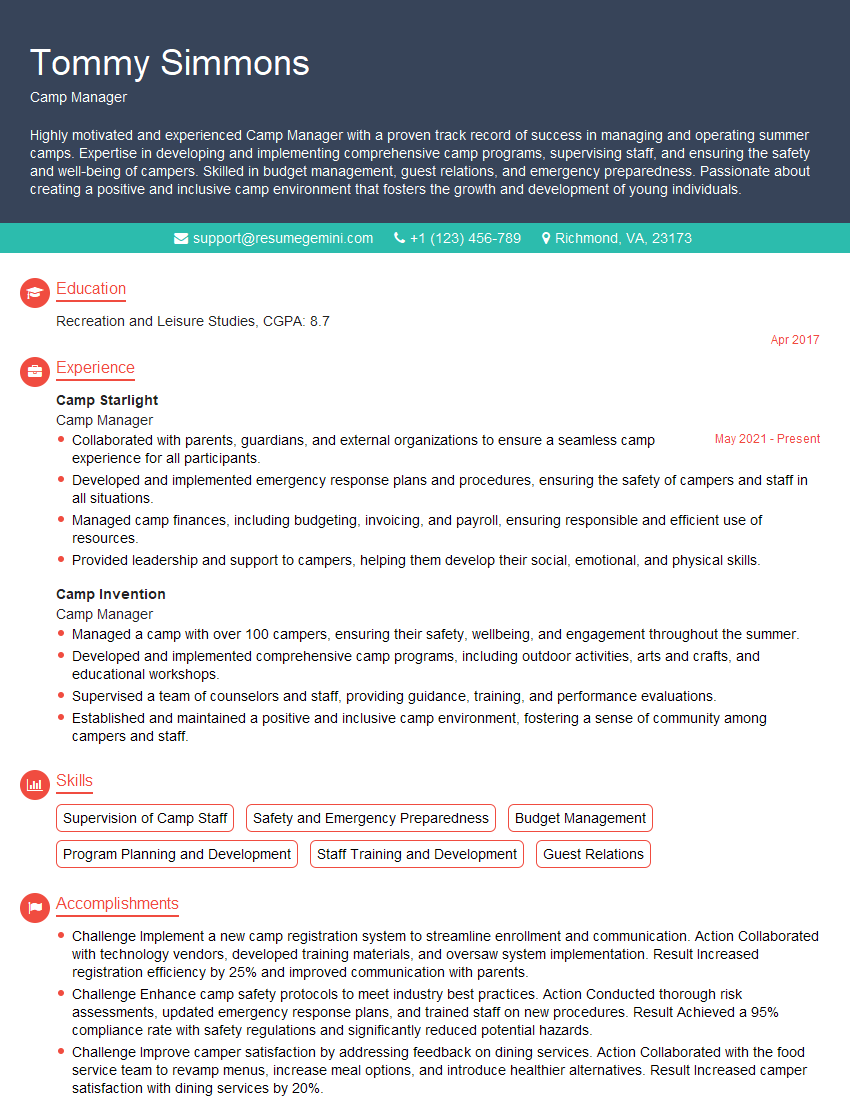
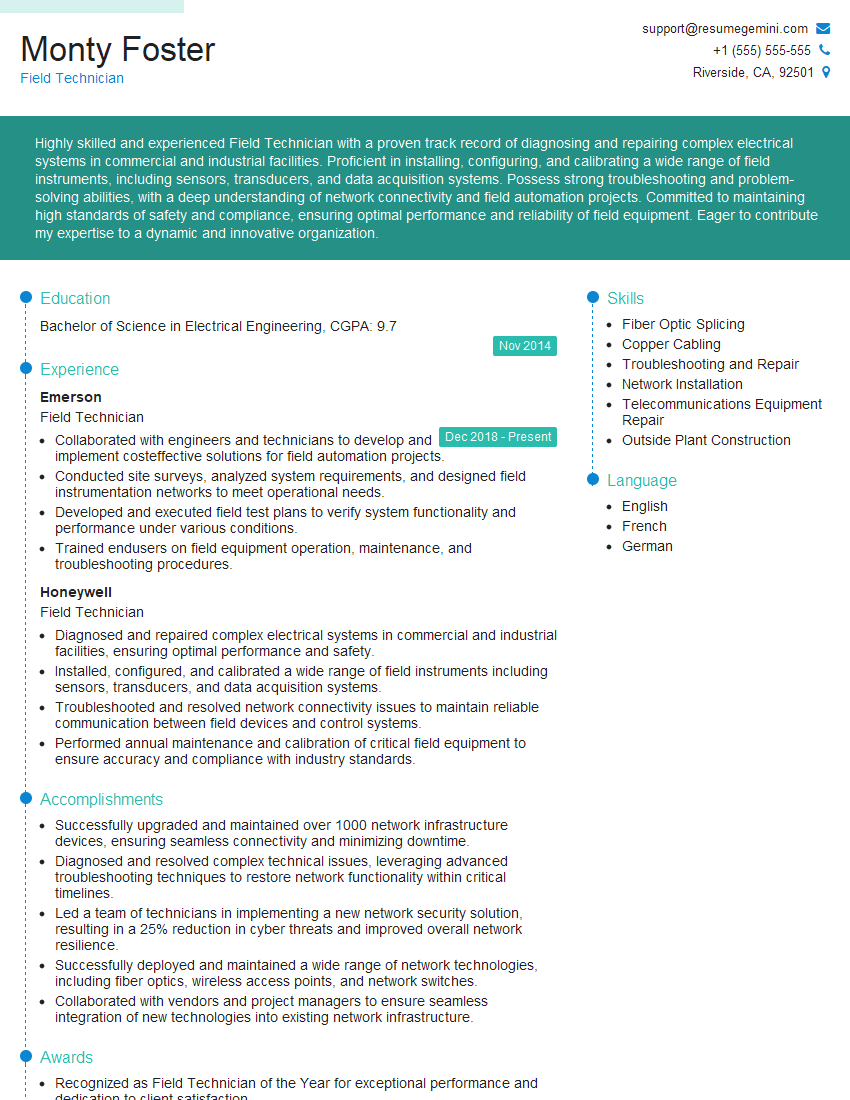
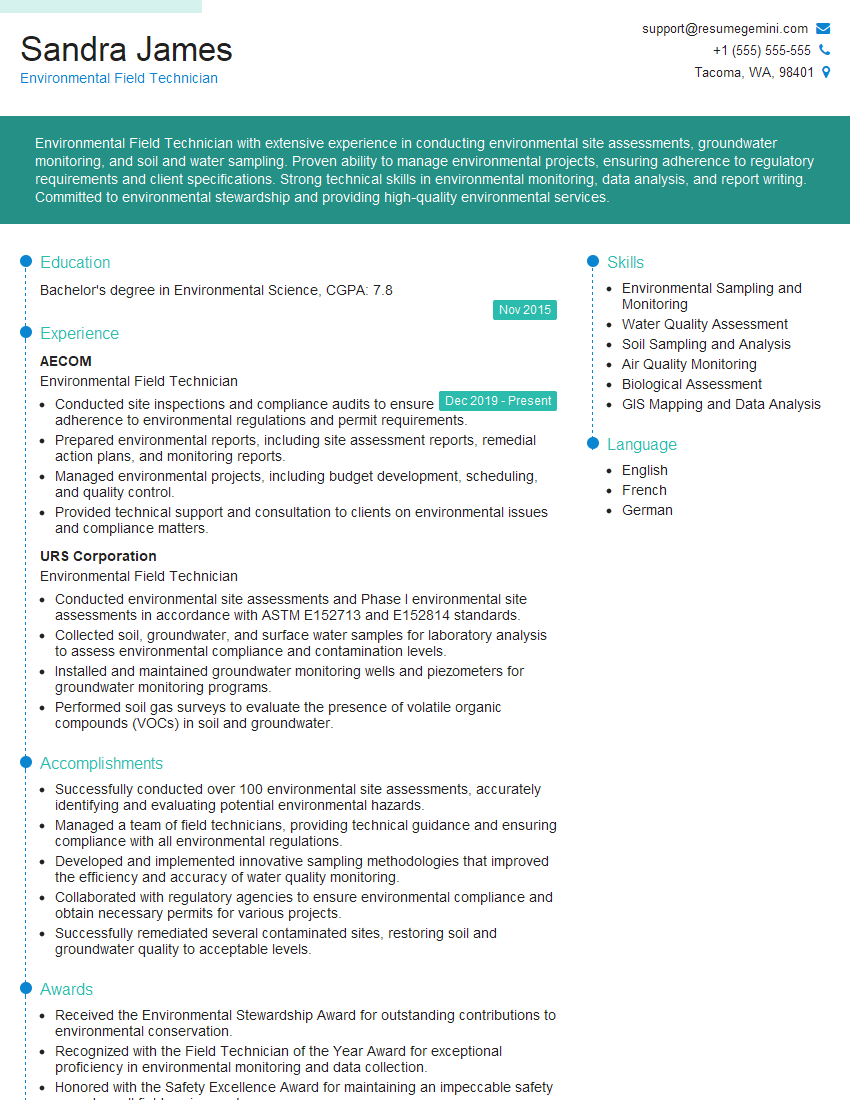
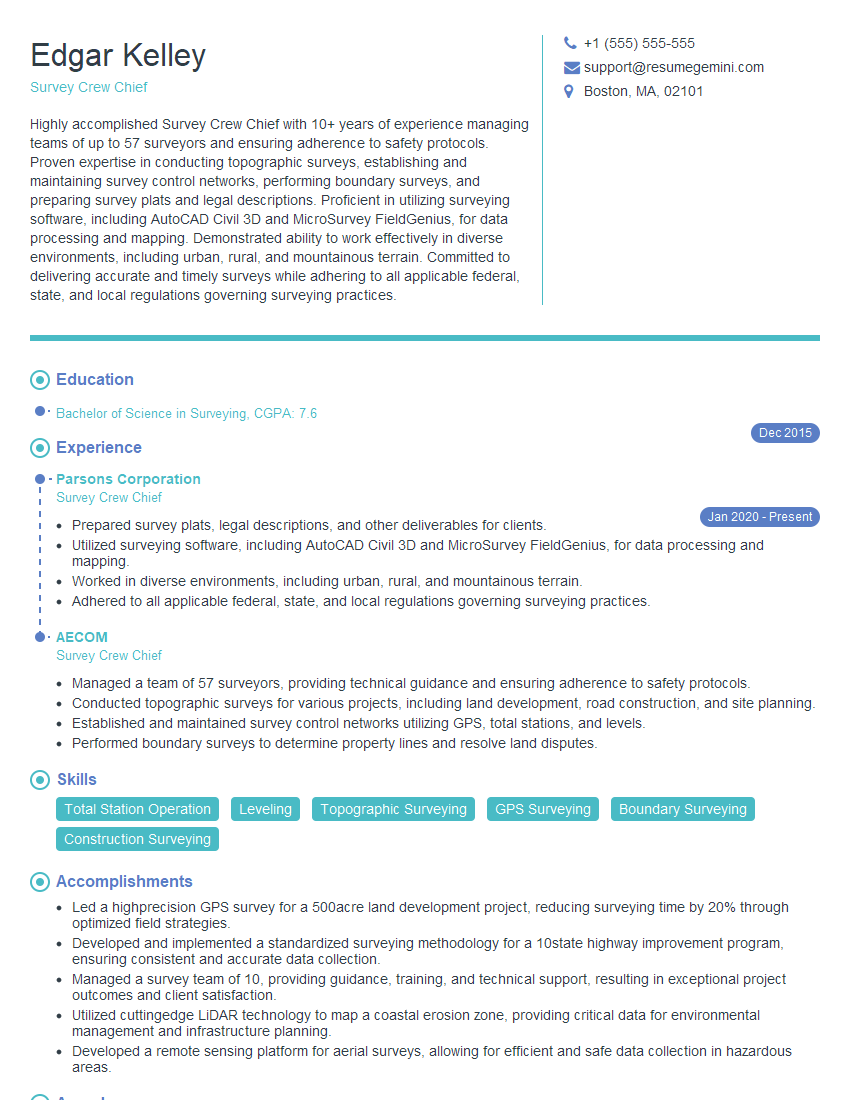
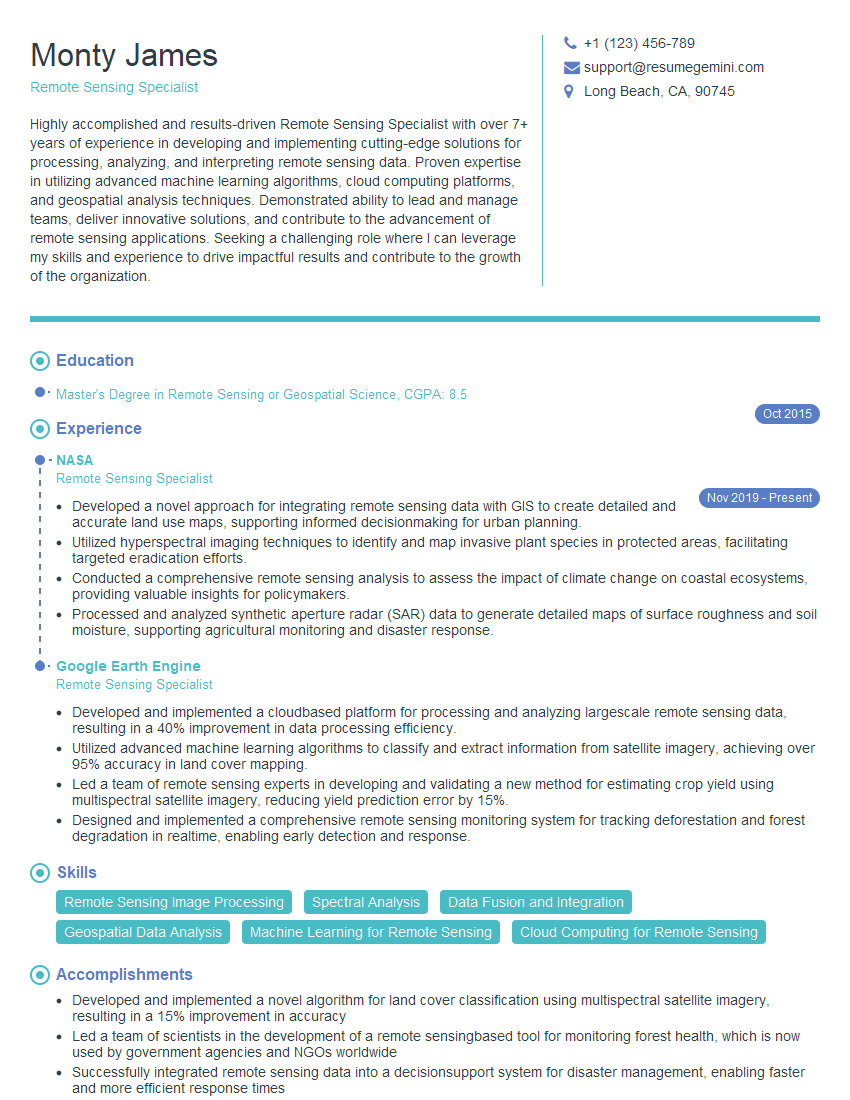
Mastering Remote Fieldwork and Camp Management significantly enhances your career prospects in diverse fields, opening doors to exciting opportunities and challenging projects across various sectors. A strong resume is crucial for showcasing your skills and experience to potential employers. Creating an ATS-friendly resume is key to getting your application noticed. ResumeGemini is a trusted resource to help you build a professional and impactful resume, ensuring your qualifications shine. We provide examples of resumes tailored to Remote Fieldwork and Camp Management to guide you in crafting a compelling application that highlights your unique skills and experience. Take the next step in your career journey today!
Explore more articles
Users Rating of Our Blogs
Share Your Experience
We value your feedback! Please rate our content and share your thoughts (optional).
What Readers Say About Our Blog
Very informative content, great job.
good