Interviews are more than just a Q&A session—they’re a chance to prove your worth. This blog dives into essential New Product Development and Sample Creation interview questions and expert tips to help you align your answers with what hiring managers are looking for. Start preparing to shine!
Questions Asked in New Product Development and Sample Creation Interview
Q 1. Describe your experience in the entire New Product Development lifecycle.
My experience in New Product Development (NPD) encompasses the entire lifecycle, from ideation to launch. I’ve been involved in numerous projects, each following a similar, iterative process. This typically begins with idea generation and concept development, where we explore market needs and brainstorm potential solutions. This phase often involves market research, competitive analysis, and internal brainstorming sessions. Next comes design and prototyping, where we create initial prototypes to test functionality and aesthetics. This involves selecting materials, designing the product, and building functional models. The testing and validation phase is critical; we rigorously test prototypes for functionality, durability, and user experience, making iterative improvements based on feedback. This might involve user testing, simulations, or lab testing. Once we’re confident in the design, we move to production planning and tooling, working closely with manufacturing to finalize the design for mass production. Finally, the launch and commercialization phase involves marketing, sales, and post-launch support. Throughout the entire process, I leverage project management methodologies like Agile to ensure efficient progress and adaptability to changing circumstances.
For example, in a recent project developing a new type of smart home device, I was responsible for overseeing all stages, from initial concept sketches to the final product launch. This involved managing a cross-functional team, coordinating resources, and ensuring the project stayed on schedule and within budget.
Q 2. Explain your process for creating prototypes and samples.
My prototype and sample creation process is highly iterative and depends on the product’s complexity. It usually starts with concept sketching and 2D design using software like Adobe Illustrator or SolidWorks. This allows us to visualize the product’s form and function. Then, we progress to 3D modeling, often utilizing SolidWorks or Fusion 360 to create detailed 3D models that can be used for simulations and rapid prototyping. We then build functional prototypes, which might be created using 3D printing, CNC machining, or traditional handcrafting techniques, depending on the material and complexity. These prototypes allow us to test the product’s functionality and ergonomics. Finally, we create pre-production samples that are very close to the final product. These samples are usually produced using the intended manufacturing processes to test the scalability and quality of the final product. Throughout this process, we constantly refine the design based on feedback and testing results.
For instance, when creating prototypes for a new ergonomic keyboard, I started with sketches, moved to a 3D model in SolidWorks to simulate keystrokes and ergonomics, 3D-printed a functional prototype to test the key feel, and then created a pre-production sample using injection molding to evaluate the final manufacturing process.
Q 3. How do you manage competing priorities and deadlines in NPD projects?
Managing competing priorities and deadlines in NPD projects requires a structured approach. I utilize project management tools like Jira or Asana to track tasks, deadlines, and dependencies. Prioritization is crucial; we employ techniques like the MoSCoW method (Must have, Should have, Could have, Won’t have) to rank features based on their importance and feasibility. Regular status meetings with the team ensure transparency and facilitate proactive problem-solving. Open communication and clear expectations are key to preventing conflicts and ensuring everyone understands priorities. Furthermore, I advocate for flexible planning, acknowledging that unforeseen challenges will inevitably arise. By building buffer time into the schedule and being adaptable, we can mitigate the impact of delays.
In one project, we faced a significant delay in component delivery. By prioritizing critical tasks and reallocating resources, we were able to stay on track for the overall project timeline, albeit with some minor adjustments to the initial plan.
Q 4. What software and tools are you proficient in for sample creation and design?
I’m proficient in a range of software and tools for sample creation and design. My expertise includes CAD software such as SolidWorks, Fusion 360, and AutoCAD, allowing me to create detailed 3D models and drawings. I also utilize graphic design software like Adobe Illustrator and Photoshop for creating visual assets and marketing materials. For prototyping, I’m familiar with various tools, including 3D printers, CNC machines, laser cutters, and traditional hand tools. In addition, I use project management software like Jira and Asana for efficient workflow management. Finally, I’m comfortable working with various simulation software to test the performance and durability of designs.
Q 5. How do you ensure the quality and consistency of samples?
Ensuring quality and consistency in sample creation involves establishing clear specifications and rigorous quality control procedures. We begin by defining detailed design specifications, including tolerances, material properties, and performance metrics. These specifications are used to guide the entire sample creation process. We implement a robust quality control system that includes regular inspections at various stages of the process, using tools like CMM (Coordinate Measuring Machine) for precise measurements. Documentation is crucial; we maintain detailed records of all materials, processes, and inspection results. We also conduct statistical process control (SPC) analysis to monitor process variability and identify potential issues proactively. Regular calibration of our equipment is essential to ensure accuracy and repeatability.
For example, during the production of injection-molded samples, we used SPC to monitor the dimensional accuracy of the parts, ensuring consistency across all samples. This prevented potential quality issues before mass production.
Q 6. Describe a time you had to troubleshoot a problem during sample creation.
During the creation of samples for a new line of high-performance headphones, we encountered a problem with the acoustic chamber’s resonance frequency. The initial samples exhibited unwanted distortion at certain frequencies. To troubleshoot this, we systematically analyzed the design, using finite element analysis (FEA) software to simulate the acoustic behavior of the chamber. We discovered that minor variations in the chamber’s geometry were affecting the resonance frequency. We then iteratively adjusted the design, creating new 3D models and testing them until we achieved the desired acoustic performance. This problem highlighted the importance of thorough design analysis and iterative testing in sample creation. We learned that incorporating FEA early in the process is crucial for identifying and resolving potential issues efficiently.
Q 7. What are your preferred methods for gathering feedback on prototypes?
Gathering feedback on prototypes is crucial for iterative design improvement. My preferred methods involve a combination of approaches. User testing is paramount, where we invite potential users to interact with the prototype and provide feedback on its usability, aesthetics, and overall experience. We conduct structured interviews and usability testing to gather qualitative and quantitative data. Expert reviews provide valuable insights from individuals with specialized knowledge in relevant fields like ergonomics or materials science. A/B testing allows us to compare different design iterations objectively, helping us identify which design elements are most effective. We also utilize online surveys to gather broad feedback from a larger audience. The data collected from these methods is analyzed to inform design changes, ensuring the final product meets user needs and expectations.
Q 8. How do you handle changes in specifications or design during the development process?
Handling changes in specifications or design during the NPD process requires a structured approach that minimizes disruption and maintains project momentum. My strategy revolves around robust communication, version control, and a flexible, iterative development cycle.
First, I establish clear communication channels between all stakeholders – engineers, designers, marketing, and clients. Any changes are formally documented, reviewed, and approved before implementation. This includes impact assessments to evaluate the ripple effects of the change on other aspects of the project, schedule, and budget. For example, a simple change to the material of a component might seem minor but could impact manufacturing processes, costs, or even the product’s overall performance.
Second, we employ version control systems (like Git) for design files and specifications. This allows us to track all changes, revert to previous versions if necessary, and maintain a clear audit trail. This is crucial for accountability and allows us to understand the evolution of the product’s design. Imagine designing a complex electronic circuit – version control helps manage the different iterations and ensures everyone is working with the latest approved version.
Finally, we adopt an agile methodology, embracing iterative development. This allows us to incorporate changes in manageable increments, reducing the risk of significant setbacks. Each iteration involves testing and feedback, making adjustments based on the learnings, improving both the product and the development process itself.
Q 9. Explain your understanding of Design for Manufacturing (DFM).
Design for Manufacturing (DFM) is a crucial methodology that integrates manufacturing considerations into the product design phase. It’s all about designing products that are not only functional and aesthetically pleasing but also easy, cost-effective, and efficient to manufacture. Ignoring DFM can lead to significant problems later on, including increased production costs, manufacturing delays, quality issues, and even product failure.
My understanding of DFM encompasses several key principles. Firstly, it involves selecting appropriate materials and manufacturing processes based on factors like cost, availability, and manufacturability. For instance, opting for a material that’s difficult to mold will increase production time and costs, hence it’s important to select materials wisely. Secondly, simplifying the design reduces the complexity of manufacturing. Fewer parts, simpler assembly processes, and reduced tolerances directly translate to lower costs and higher quality.
Thirdly, DFM considers tooling and equipment capabilities. Designs should be compatible with the available manufacturing equipment. This means evaluating things like part geometries, tolerances, and surface finishes to ensure they align with the factory capabilities. Lastly, DFM incorporates considerations for assembly and testing. Designing for easy assembly reduces labor costs and improves efficiency. The design should also allow for easy testing and quality control.
I actively apply DFM principles throughout the NPD process, working closely with manufacturing engineers to ensure design decisions are informed by practical considerations. This collaborative approach leads to optimized designs that are both innovative and manufacturable.
Q 10. How do you balance innovation with cost-effectiveness in NPD?
Balancing innovation with cost-effectiveness in NPD is a constant challenge, but a critical one. It’s a delicate act of finding the sweet spot between groundbreaking features and a commercially viable product. My approach centers around a thoughtful prioritization of features, careful material selection, and a robust cost analysis throughout the development cycle.
Firstly, we begin by clearly defining the target market and customer needs. This helps us focus our innovation efforts on features that truly add value and differentiate the product, avoiding the temptation to include unnecessary or overly expensive features. For example, rather than incorporating every possible bell and whistle, we might focus on a few key features that directly address customer pain points and deliver a superior user experience.
Secondly, material selection is crucial. We carefully evaluate different materials, considering their cost, performance, and manufacturability. Sometimes a slightly more expensive material can significantly improve product life or reduce manufacturing costs in the long run. For instance, using a more durable material might reduce warranty claims and associated costs.
Thirdly, a thorough cost analysis is integrated at every stage of the development process. This involves breaking down costs into different categories (material, labor, manufacturing, marketing) and tracking them over time. This helps identify potential cost overruns early on and allows for informed decision-making to mitigate these risks.
Ultimately, the key is to find the optimal balance. Innovation should not be sacrificed entirely, but the development process needs to be pragmatic and economically sound.
Q 11. Describe your experience with different materials and their properties.
My experience encompasses a wide range of materials, from common plastics and metals to more specialized materials like composites and ceramics. Understanding material properties is fundamental to successful product development. I’ve worked extensively with thermoplastics (ABS, polycarbonate), thermosets (epoxy resins), various metals (aluminum, steel, stainless steel), and various types of composites (carbon fiber reinforced polymers).
For each material, I’m familiar with its mechanical properties (strength, stiffness, elasticity), thermal properties (melting point, thermal conductivity), chemical properties (resistance to corrosion, degradation), and manufacturing processes suitable for shaping and processing the material. For example, I know that ABS plastic is suitable for injection molding, while aluminum is easily machined. This knowledge allows me to select the appropriate materials based on the specific requirements of the product – its intended function, durability needs, and cost constraints.
Beyond the basic material properties, I understand the importance of considering material compatibility and potential environmental impacts. Material selection should take into account factors like recyclability, toxicity, and sustainability. A successful product needs to be not only functional but also environmentally responsible.
Q 12. What are your skills in project management techniques relevant to NPD?
My project management skills within NPD are rooted in Agile methodologies, specifically Scrum. I’m proficient in defining clear project scope, breaking down projects into manageable sprints, and tracking progress against deadlines. I utilize various project management tools such as Jira and Trello for task management, collaboration, and tracking sprint progress.
I’m skilled in creating detailed project plans, including Gantt charts to visually represent timelines and dependencies. Risk management is a key component of my approach, using risk assessment matrices to identify, analyze, and mitigate potential problems. This involves proactive identification of risks and developing contingency plans.
Effective communication is also crucial. I regularly hold sprint reviews and retrospectives with the team to discuss progress, address challenges, and improve our processes. My experience includes managing budgets, allocating resources, and ensuring adherence to quality standards. I’m adept at conflict resolution and facilitating collaboration among team members with diverse expertise.
Q 13. How do you conduct risk assessment during the development process?
Risk assessment is an integral part of my NPD process, starting from the conceptual phase and continuing throughout the development cycle. My approach employs a structured methodology combining qualitative and quantitative assessments.
Firstly, we conduct brainstorming sessions to identify potential risks across different categories, including technical risks (design flaws, material failures), manufacturing risks (production delays, quality issues), market risks (changing customer preferences, competition), and regulatory risks (compliance issues).
Secondly, we assess the likelihood and potential impact of each identified risk. This often involves using a risk matrix that plots likelihood against impact, helping prioritize risks based on their severity. For instance, a high-likelihood, high-impact risk requires immediate attention and mitigation strategies.
Thirdly, we develop mitigation strategies for each risk. These might involve design modifications, process improvements, contingency planning, or risk transfer (e.g., insurance). Regular monitoring and reporting are critical to ensure the effectiveness of mitigation strategies. For example, if a specific material is identified as a high-risk component, we might conduct extensive testing or explore alternative materials.
Q 14. What are your strategies for identifying potential issues before they occur?
Identifying potential issues proactively is key to preventing costly delays and setbacks in NPD. My strategies revolve around thorough prototyping, rigorous testing, and leveraging predictive analytics.
Prototyping is crucial. We build multiple prototypes at different fidelity levels, from rough sketches and 3D models to fully functional prototypes. Each prototype allows for early identification of design flaws, manufacturability challenges, and usability issues. Iterative prototyping allows us to refine the design incrementally, addressing issues before they become major problems.
Rigorous testing is equally important. We conduct extensive testing at each stage of the development process, including material testing, functional testing, and user testing. This helps uncover potential weaknesses and ensures the product meets the required performance and safety standards.
Finally, I leverage data analytics to predict potential issues. We collect data throughout the development process, analyzing it to identify trends and potential risks. This might involve analyzing manufacturing data, customer feedback, or market trends to anticipate potential challenges and proactively implement solutions. For instance, if we notice a recurring issue during testing, we can use data analysis to understand the root cause and implement corrective actions.
Q 15. Explain your experience with different prototyping techniques.
My experience encompasses a wide range of prototyping techniques, each chosen strategically based on the project’s stage and goals. Early-stage exploration often involves low-fidelity methods like sketching, paper prototyping, and storyboarding. These are quick, inexpensive, and allow for rapid iteration and feedback. For example, I used paper prototypes to test the user flow of a new mobile app, identifying usability issues early on, before investing in more expensive prototypes.
As the project progresses, I transition to higher-fidelity prototypes. These might include digital mockups created in tools like Figma or Adobe XD, 3D printed models for physical products, or functional prototypes that incorporate some core functionality. For instance, while developing a new smart home device, we built a functional prototype using Arduino to test the core sensor and communication mechanisms. This allowed us to address potential hardware and software integration challenges before mass production.
I also leverage rapid prototyping techniques like rapid tooling and CNC machining for faster creation of physical prototypes, especially when dealing with complex geometries. The selection of the appropriate technique is always a careful balance between cost, time, fidelity, and the specific information we need to gather at each stage.
Career Expert Tips:
- Ace those interviews! Prepare effectively by reviewing the Top 50 Most Common Interview Questions on ResumeGemini.
- Navigate your job search with confidence! Explore a wide range of Career Tips on ResumeGemini. Learn about common challenges and recommendations to overcome them.
- Craft the perfect resume! Master the Art of Resume Writing with ResumeGemini’s guide. Showcase your unique qualifications and achievements effectively.
- Don’t miss out on holiday savings! Build your dream resume with ResumeGemini’s ATS optimized templates.
Q 16. How do you use data and analytics in your decision-making during NPD?
Data and analytics are integral to every decision in NPD. We leverage data throughout the entire process, from initial concept generation to post-launch analysis. Market research data helps us understand customer needs and preferences, informing product features and specifications. During the development phase, A/B testing of different design iterations using online surveys or focus groups helps us refine the product. For instance, we used A/B testing to compare different marketing copy for a new product, resulting in a 15% increase in click-through rates.
Post-launch, we meticulously track key metrics like sales figures, customer satisfaction (CSAT) scores, and customer lifetime value (CLTV). This data is crucial for assessing product performance, identifying areas for improvement, and making data-driven decisions on future iterations or related products. We use statistical analysis and data visualization tools to identify trends and insights that might otherwise be overlooked.
Essentially, a data-driven approach reduces risks, minimizes wasted resources, and maximizes the chances of a successful product launch.
Q 17. Describe a successful product launch you were involved in.
One particularly successful launch involved a new line of sustainable packaging for a major food retailer. The challenge was to create packaging that met stringent environmental standards while maintaining product freshness and appealing to consumers. Our team leveraged bio-based materials and innovative design to achieve both. The success wasn’t just about the product itself; it was a holistic approach.
We conducted extensive consumer research to understand preferences regarding sustainability and packaging design, directly informing our prototyping process. We built strong cross-functional relationships with marketing, supply chain, and production teams to ensure a smooth launch. The result was a highly successful product launch that exceeded sales projections and garnered significant positive media attention and improved brand perception, establishing the company as a leader in sustainable packaging.
Q 18. What are your methods for measuring the success of a new product?
Measuring the success of a new product isn’t solely about sales figures. It requires a multi-faceted approach that considers various key performance indicators (KPIs). We track short-term metrics like sales revenue, market share, and customer acquisition cost, as well as long-term metrics such as customer retention, customer lifetime value (CLTV), and brand equity.
Qualitative data is equally important. Customer feedback through surveys, reviews, and social media monitoring provides insights into customer satisfaction and areas for improvement. Net Promoter Score (NPS) helps gauge customer loyalty, providing a valuable indicator of long-term success. By combining quantitative and qualitative data, we gain a comprehensive understanding of the product’s performance and its overall impact on the business.
Q 19. How do you collaborate effectively with cross-functional teams?
Effective collaboration with cross-functional teams is paramount in NPD. It requires clear communication, shared goals, and a collaborative work environment. I utilize several strategies to foster this. Regular cross-functional meetings with clearly defined agendas help keep everyone informed and aligned. We use project management tools such as Jira or Asana to track progress, assign tasks, and manage timelines transparently.
Open communication channels, such as daily stand-up meetings and online collaboration platforms, ensure that everyone is aware of potential roadblocks and can contribute solutions. Emphasizing shared ownership and mutual respect creates a supportive environment where team members feel empowered to share their ideas and contribute their expertise. Building personal relationships with team members is also critical for fostering a positive and productive working environment.
Q 20. Describe a challenging NPD project and how you overcame the difficulties.
One challenging project involved developing a new medical device with extremely tight regulatory requirements. The initial design faced significant hurdles in meeting biocompatibility and sterilization standards. We overcame these challenges through a phased approach that incorporated rigorous testing and iterative design changes at each stage.
We closely collaborated with regulatory affairs experts throughout the process, ensuring compliance with all relevant standards. We also leveraged advanced simulation and modeling techniques to identify potential issues early on, minimizing costly rework later in the development cycle. The project required perseverance, strong cross-functional teamwork, and a commitment to meeting the stringent regulatory requirements. Eventually, we successfully navigated the complexities and launched the product, achieving all required certifications.
Q 21. How do you ensure compliance with industry regulations and standards?
Ensuring compliance with industry regulations and standards is a non-negotiable aspect of NPD. This involves a proactive approach that begins even before the design phase. We conduct thorough research to identify all applicable regulations and standards, including those related to safety, environmental impact, and intellectual property. We build these requirements into the project plan from the outset, regularly auditing our progress against them.
Throughout the development process, we involve regulatory affairs experts to provide guidance and ensure compliance. We meticulously document all design decisions, testing results, and manufacturing processes to build a robust compliance record. We also conduct regular internal audits and external certifications to verify our adherence to the relevant standards. A commitment to compliance is not just about avoiding penalties; it’s about building trust with customers and stakeholders.
Q 22. Explain your understanding of intellectual property rights in relation to NPD.
Intellectual Property (IP) rights are crucial in New Product Development (NPD) because they protect the innovations and creations that form the basis of new products. This protection can significantly impact a company’s competitive advantage and profitability. Key IP rights relevant to NPD include patents (protecting inventions), trademarks (protecting brand names and logos), copyrights (protecting creative works like designs and manuals), and trade secrets (protecting confidential business information).
For example, a novel material formulation for a new type of running shoe would likely be protected by a patent, while the shoe’s brand name and logo would be protected by trademarks. The design specifications and manufacturing processes might be kept confidential as trade secrets. During the NPD process, a thorough IP strategy is essential to identify which aspects of the product need protection and to ensure that all relevant IP rights are properly secured. This includes filing for patents, registering trademarks, and implementing measures to maintain the confidentiality of trade secrets.
Failure to adequately protect IP can lead to significant losses, including infringement lawsuits, lost market share, and damage to brand reputation. A proactive approach to IP management from the initial concept stage throughout the product lifecycle is vital to the success of any NPD project.
Q 23. How do you manage the budget for a new product development project?
Managing the budget for an NPD project requires a meticulous and phased approach. I typically start with a comprehensive cost estimation, breaking down the project into smaller, manageable tasks. This includes detailed cost estimates for research and development, material procurement, prototyping, testing, marketing, and regulatory compliance.
I utilize a combination of top-down and bottom-up budgeting techniques. The top-down approach sets the overall project budget based on market analysis and expected return on investment (ROI). The bottom-up approach involves estimating the cost of individual tasks, adding them up, and comparing the total to the top-down budget. Any discrepancies require careful review and justification.
Throughout the project, regular budget reviews and tracking are critical. We use project management software to monitor expenses, identify potential overruns, and make necessary adjustments. Contingency funds are allocated to handle unforeseen expenses or delays. Transparent communication with stakeholders is also crucial for ensuring that everyone is informed about the project’s financial status.
For example, in a previous project developing a new line of sustainable packaging, we used a spreadsheet to track expenses across different phases, from initial material research to final production. This allowed us to proactively identify and address any potential budget issues before they became major problems.
Q 24. What are your strengths and weaknesses in relation to NPD and sample creation?
My strengths in NPD and sample creation lie in my ability to translate abstract concepts into tangible prototypes. I excel at problem-solving, creatively finding solutions to overcome design and manufacturing challenges. I am highly proficient in CAD software and possess strong analytical skills to optimize designs for functionality, aesthetics, and cost-effectiveness. My experience in material selection and justification ensures that the chosen materials meet the required specifications and are cost-effective.
One of my key weaknesses is my tendency to get overly invested in details, which can sometimes lead to delays. I am actively working on improving time management and delegating tasks when appropriate. I also recognize the importance of continuous learning, and I am actively seeking opportunities to expand my knowledge in areas like advanced manufacturing techniques and sustainable material sourcing.
Q 25. How do you stay current with industry trends and technologies?
Staying current with industry trends and technologies is essential in NPD. I actively utilize several strategies: I subscribe to industry-specific journals and publications, attend conferences and trade shows, and participate in online communities and forums. Networking with peers and experts through professional organizations is also crucial for staying informed about emerging technologies and best practices.
I regularly review industry reports and analyses to understand the latest market trends and consumer preferences. I also follow key players in the industry and track their innovations. Furthermore, I utilize online resources such as patent databases and research papers to identify cutting-edge technologies and potential applications in my work.
For instance, I recently attended a conference on sustainable materials and learned about a new bio-plastic that could significantly reduce our environmental impact in packaging development. This knowledge directly influenced my material selection process in a recent project.
Q 26. Describe your experience in using CAD software for design and sample creation.
I have extensive experience using CAD software, primarily SolidWorks and AutoCAD, for design and sample creation. My proficiency extends to 3D modeling, rendering, and simulation, enabling me to create detailed and accurate product designs. I use CAD software to create 2D and 3D models, allowing for virtual prototyping and testing. This significantly reduces the need for costly physical prototypes, and allows for iterative design improvements.
For example, in a recent project involving a complex mechanical assembly, I used SolidWorks to create a 3D model, simulate the assembly process, and identify potential design flaws before physical prototyping. This saved time and resources, ensuring the final product met the required performance standards.
Beyond modeling, I’m adept at generating manufacturing drawings from CAD models, ensuring clear communication with manufacturers and facilitating efficient production processes.
Q 27. Explain your approach to material selection and justification.
Material selection is a critical decision in NPD, impacting product performance, cost, and sustainability. My approach involves a multi-faceted evaluation process. It begins with defining the specific requirements of the product, including mechanical properties, aesthetic appeal, durability, cost constraints, and environmental impact.
I then research and evaluate potential materials based on these criteria, considering factors like material properties (strength, weight, flexibility), processing capabilities, availability, and cost. I utilize material property databases and industry standards to compare different materials and select the optimal option.
Justification of material selection is crucial, not just for technical reasons, but also for stakeholders and regulatory compliance. I document the entire selection process, including the criteria used, the evaluated materials, and the rationale behind the final choice. This documentation is vital for internal reviews and external audits.
For instance, when choosing materials for a new medical device, I considered biocompatibility, sterilization requirements, regulatory approvals (like FDA compliance), and cost-effectiveness. Each selection was carefully justified in detailed reports.
Q 28. How do you handle unexpected challenges or setbacks in NPD projects?
Unexpected challenges are inevitable in NPD. My approach involves a combination of proactive planning and reactive problem-solving. Proactive planning includes incorporating contingency plans to account for potential risks and delays. This might include having backup suppliers or alternative design solutions ready.
When unexpected challenges arise, my first step is to thoroughly assess the situation, identifying the root cause of the problem. This involves gathering data, analyzing the issue, and consulting with relevant experts.
Once the problem is understood, I work collaboratively with the team to develop solutions. This might involve brainstorming alternative approaches, re-allocating resources, or modifying the project timeline. Open communication and transparency are vital during this process to keep stakeholders informed and manage expectations. Documentation of the challenge, the solution implemented, and lessons learned is crucial for continuous improvement.
For example, in a past project, a key supplier faced unexpected production delays. We quickly identified alternative suppliers, evaluated their capabilities, and negotiated a revised timeline, minimizing the impact on the overall project schedule.
Key Topics to Learn for New Product Development and Sample Creation Interview
- Idea Generation & Concept Development: Understanding market research, trend analysis, and brainstorming techniques to identify viable product opportunities. Practical application includes analyzing consumer needs and translating them into actionable product specifications.
- Design & Prototyping: Mastering CAD software, 3D printing, and rapid prototyping methods for creating initial product samples. Consider the iterative process of design refinement based on feedback and testing.
- Material Selection & Sourcing: Knowledge of different materials and their properties, along with understanding sustainable sourcing practices and cost-effective procurement strategies. This includes evaluating material performance in relation to the product’s intended use.
- Sample Creation & Testing: Hands-on experience in creating functional prototypes, conducting rigorous testing (e.g., durability, functionality, safety), and documenting results. This involves understanding different testing methodologies and interpreting data to improve the design.
- Manufacturing Process & Scalability: Understanding the manufacturing process, from initial prototyping to mass production, and identifying potential challenges in scaling up production. This includes evaluating manufacturing techniques for efficiency and cost-effectiveness.
- Project Management & Collaboration: Effective communication, teamwork, and project management skills are crucial. This involves understanding timelines, budgets, and managing stakeholders’ expectations.
- Quality Control & Assurance: Implementing quality control measures throughout the development process to ensure consistent product quality. This includes understanding relevant industry standards and regulations.
Next Steps
Mastering New Product Development and Sample Creation is vital for career advancement in innovative industries. These skills demonstrate a crucial blend of creativity, technical expertise, and practical problem-solving abilities, highly sought after by employers. To maximize your job prospects, it’s crucial to present your qualifications effectively. Building an ATS-friendly resume is key to getting your application noticed. ResumeGemini is a trusted resource to help you create a professional and impactful resume that highlights your skills and experience in this field. Examples of resumes tailored to New Product Development and Sample Creation are available to guide you.

Quality Control Manager Resume Sample
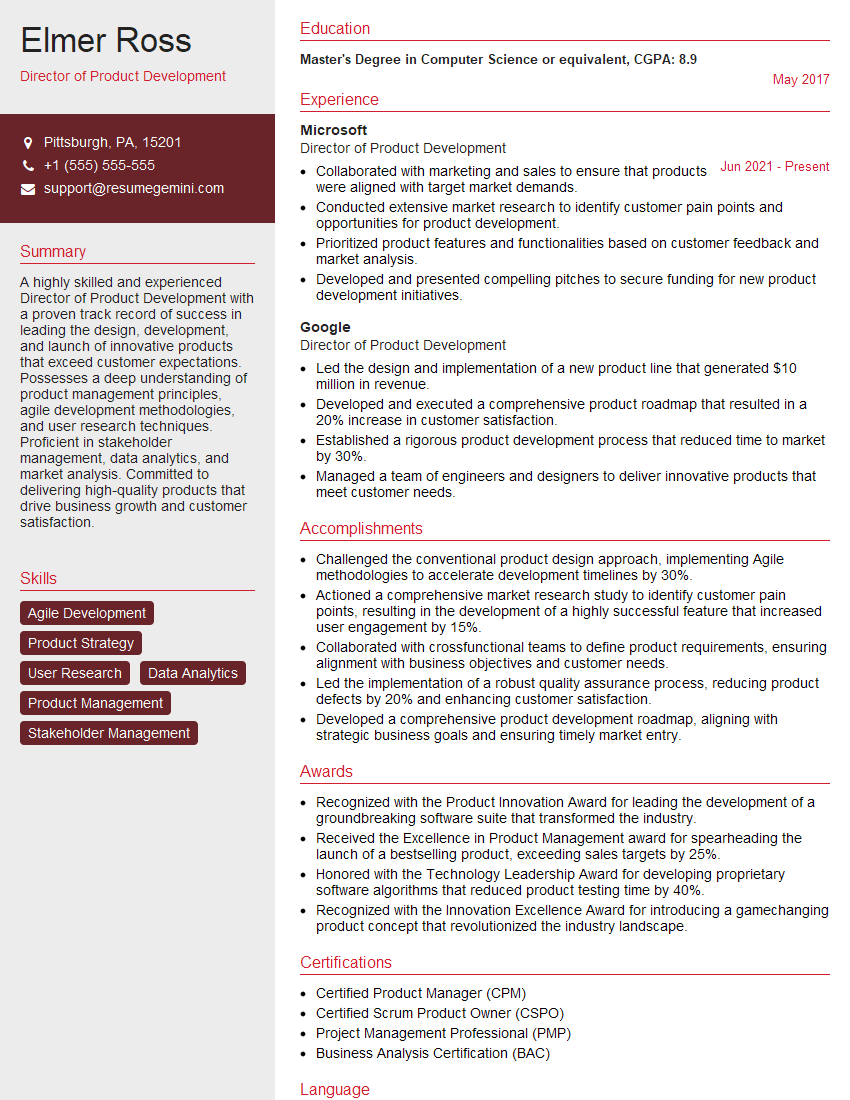
Director of Product Development Resume Sample
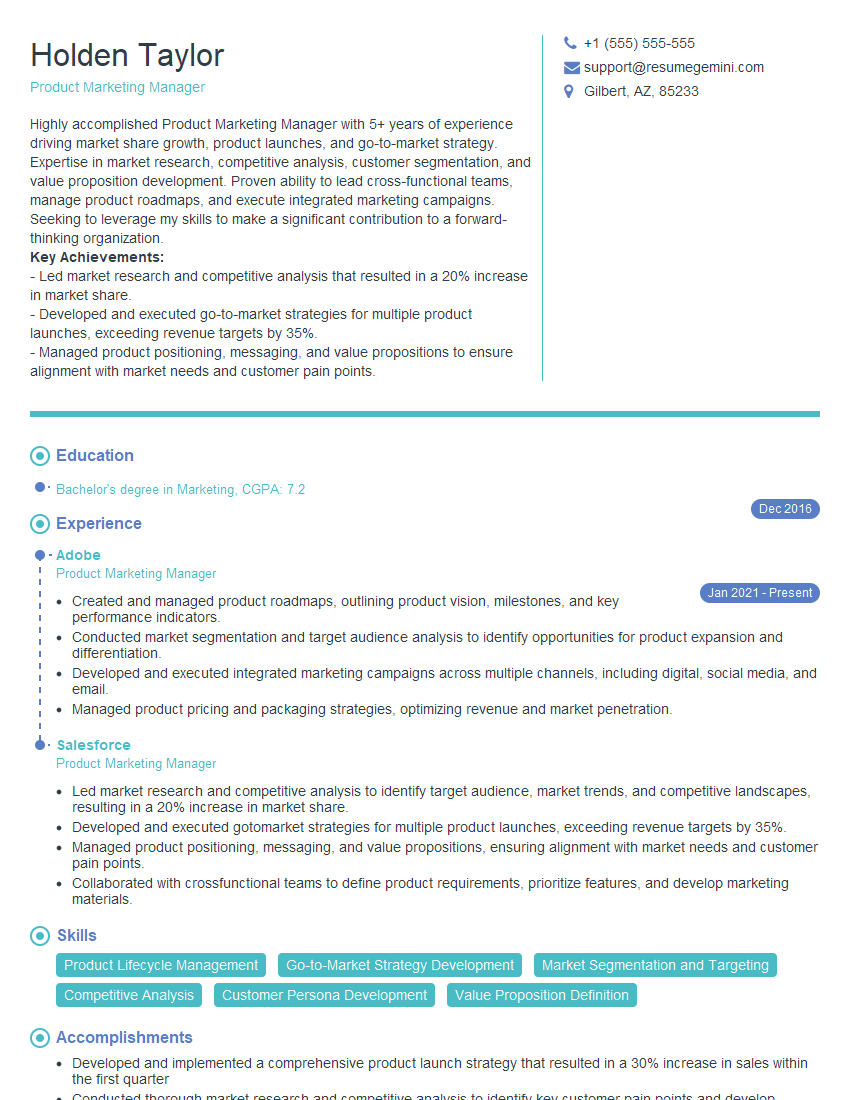
Product Marketing Manager Resume Sample
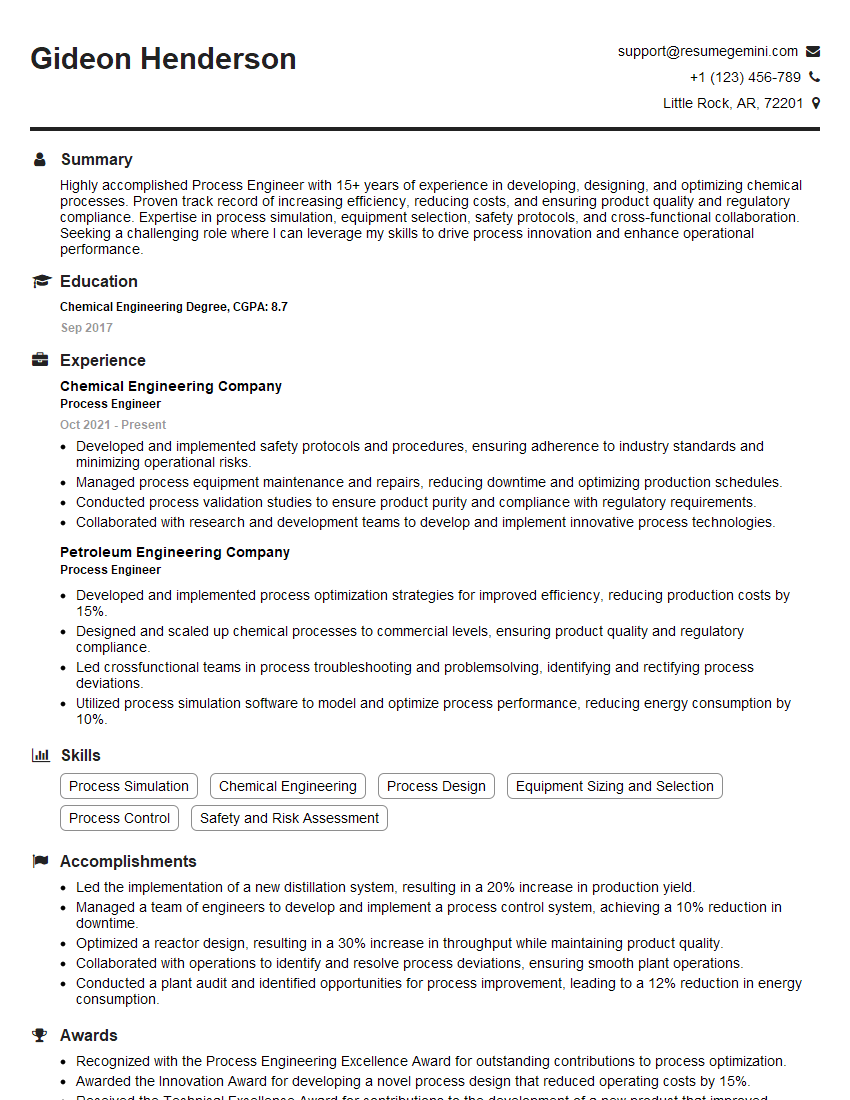
Process Engineer Resume Sample
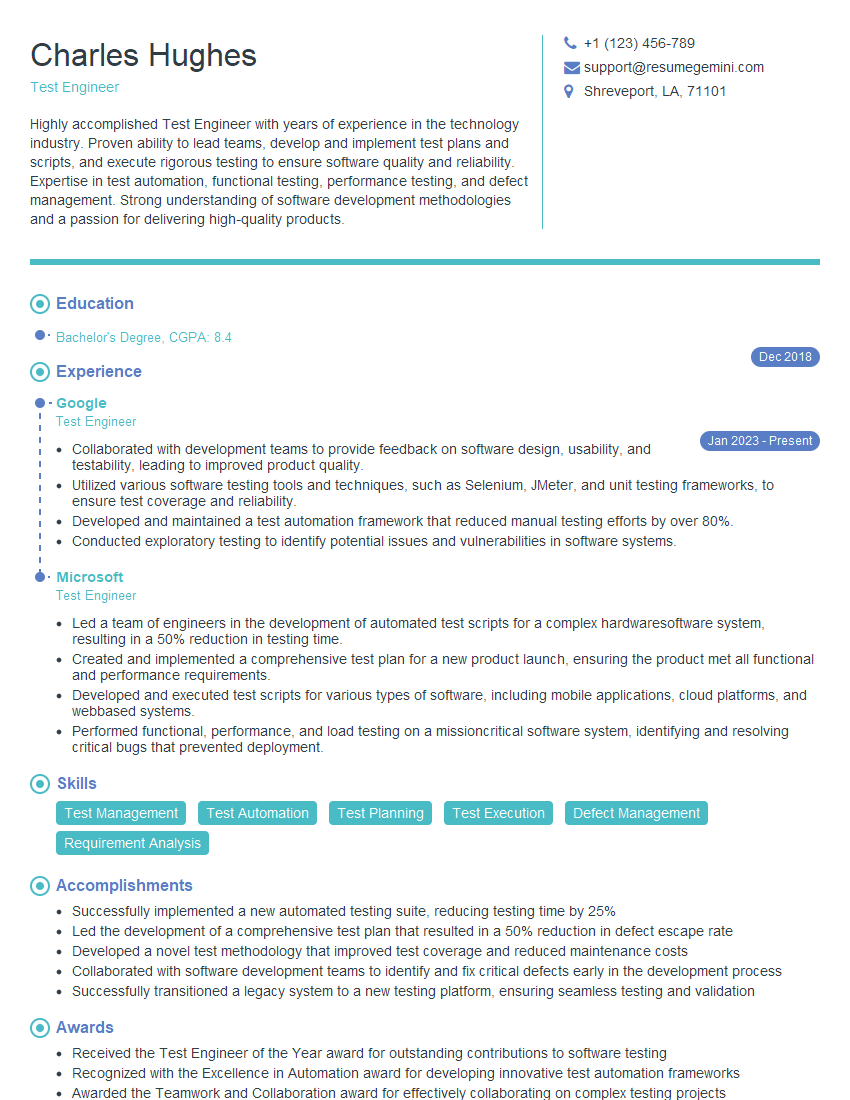
Test Engineer Resume Sample
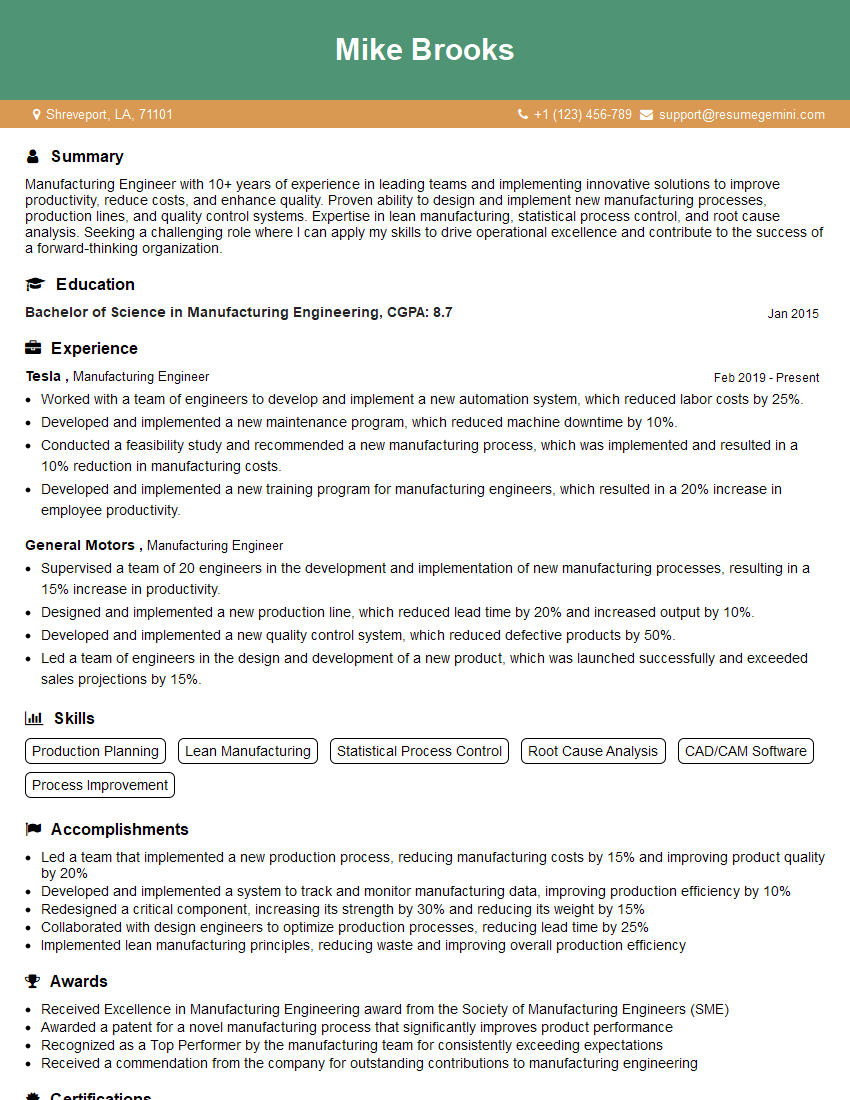
Manufacturing Engineer Resume Sample
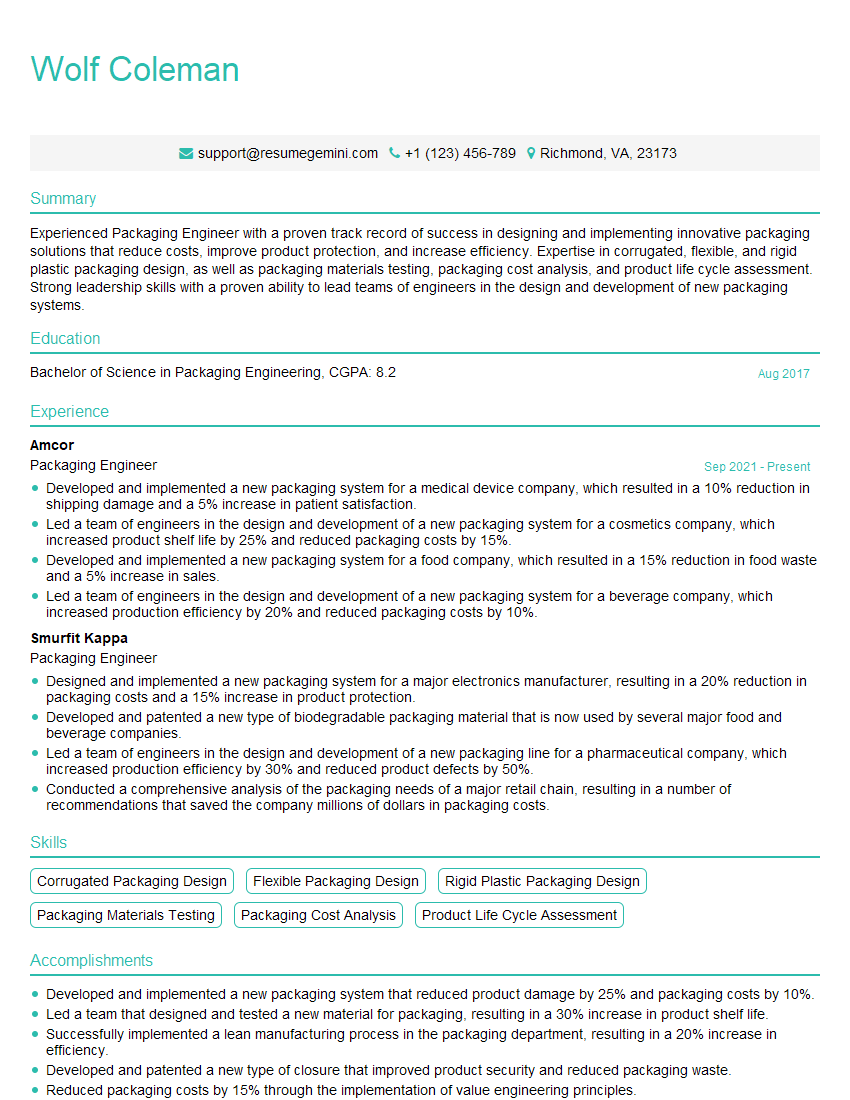
Packaging Engineer Resume Sample
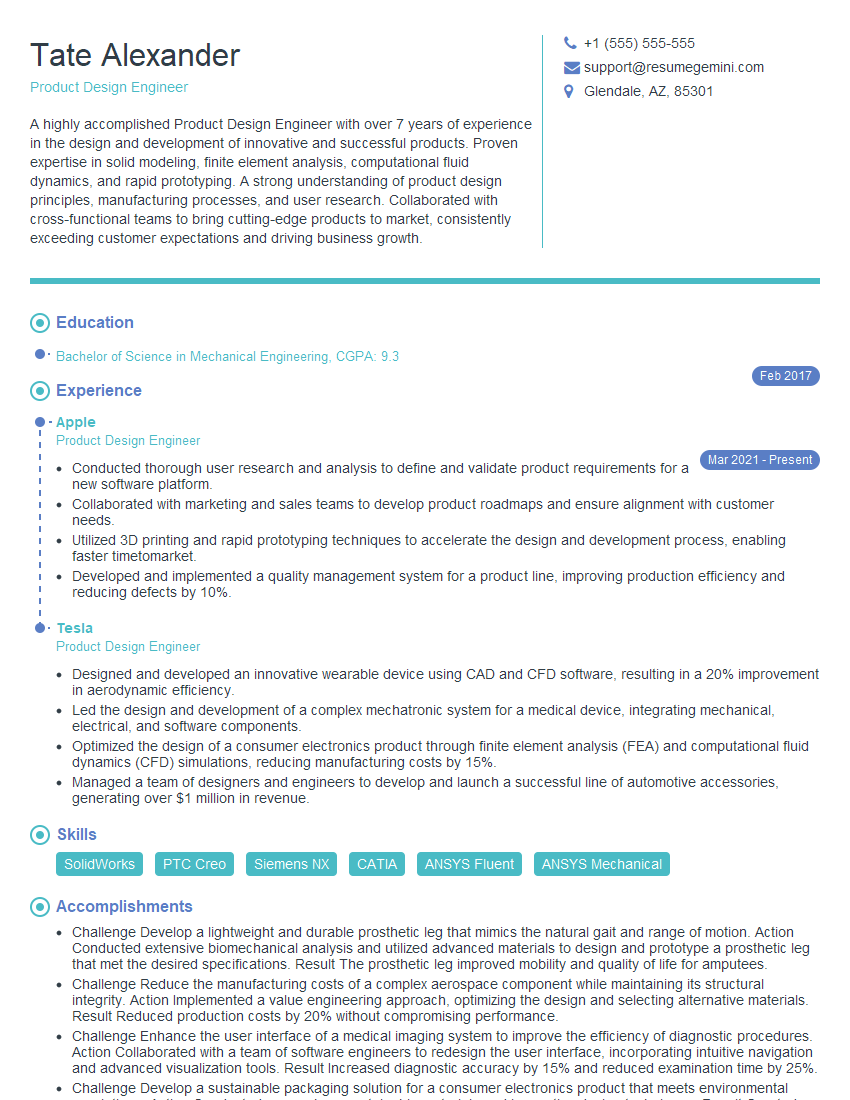
Product Design Engineer Resume Sample
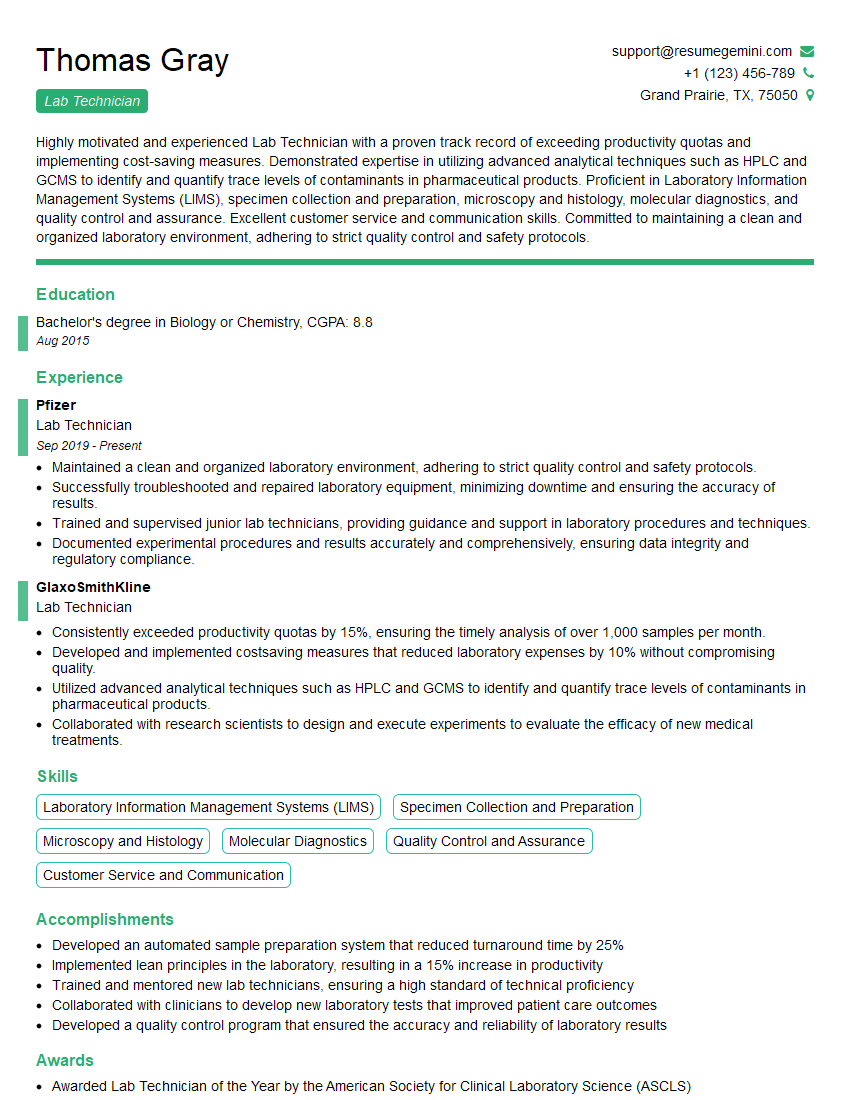
Lab Technician Resume Sample
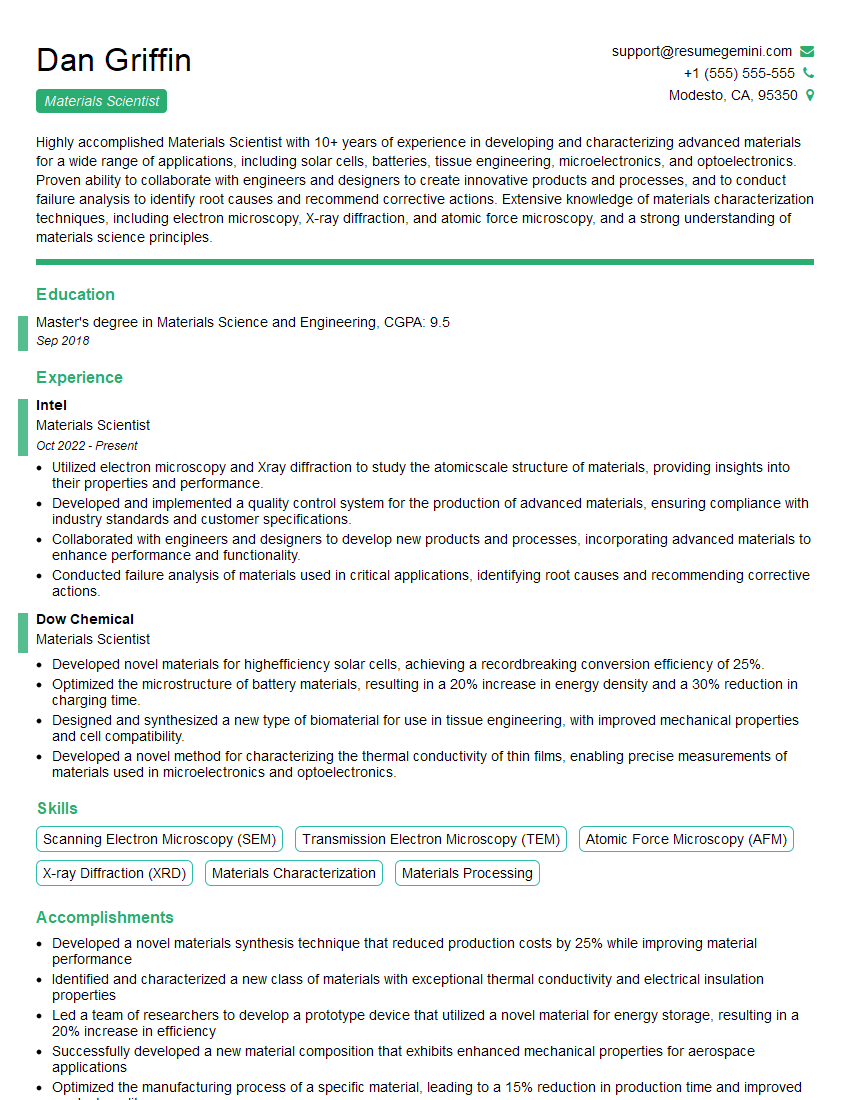
Materials Scientist Resume Sample
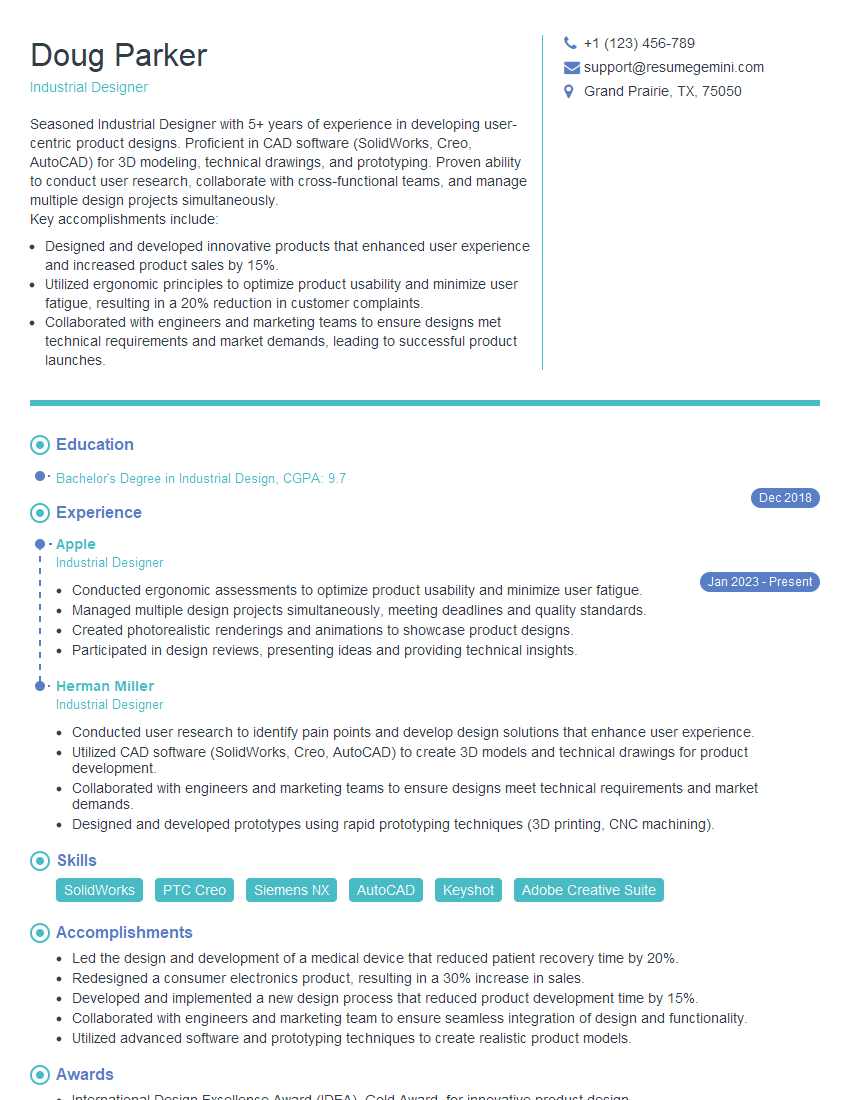
Industrial Designer Resume Sample
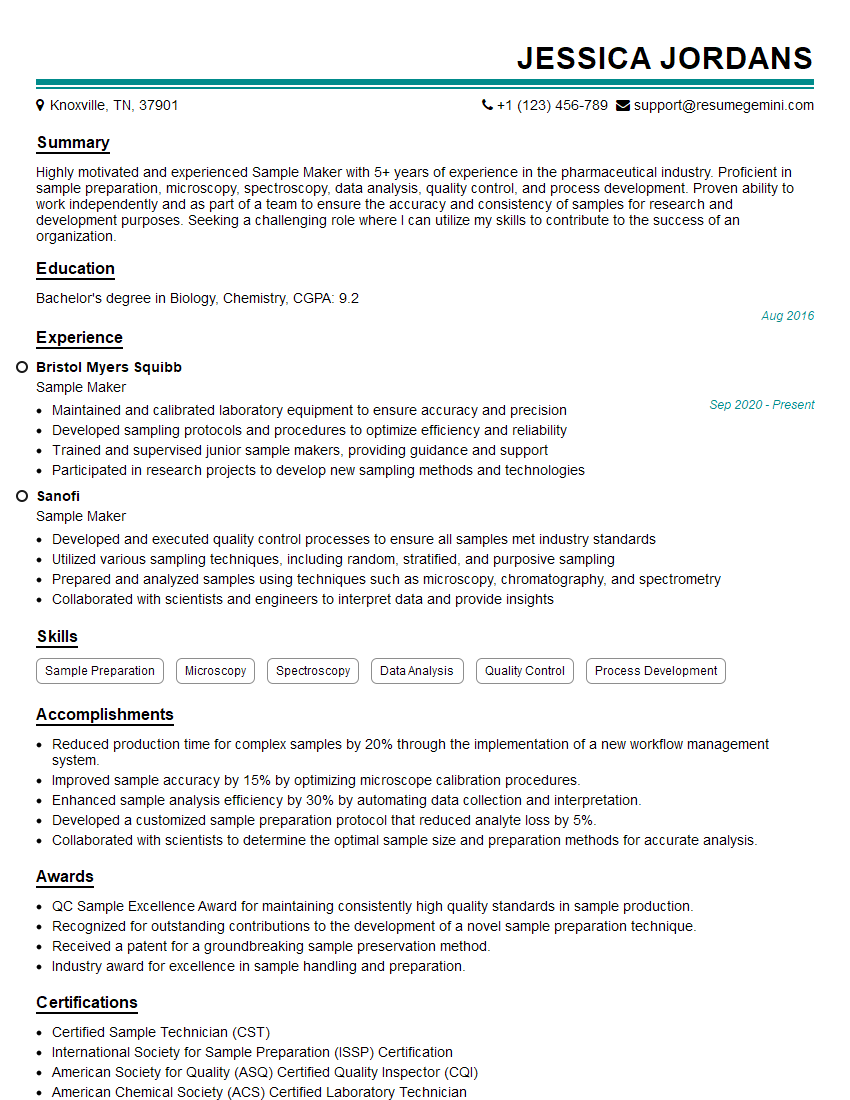
Sample Maker Resume Sample
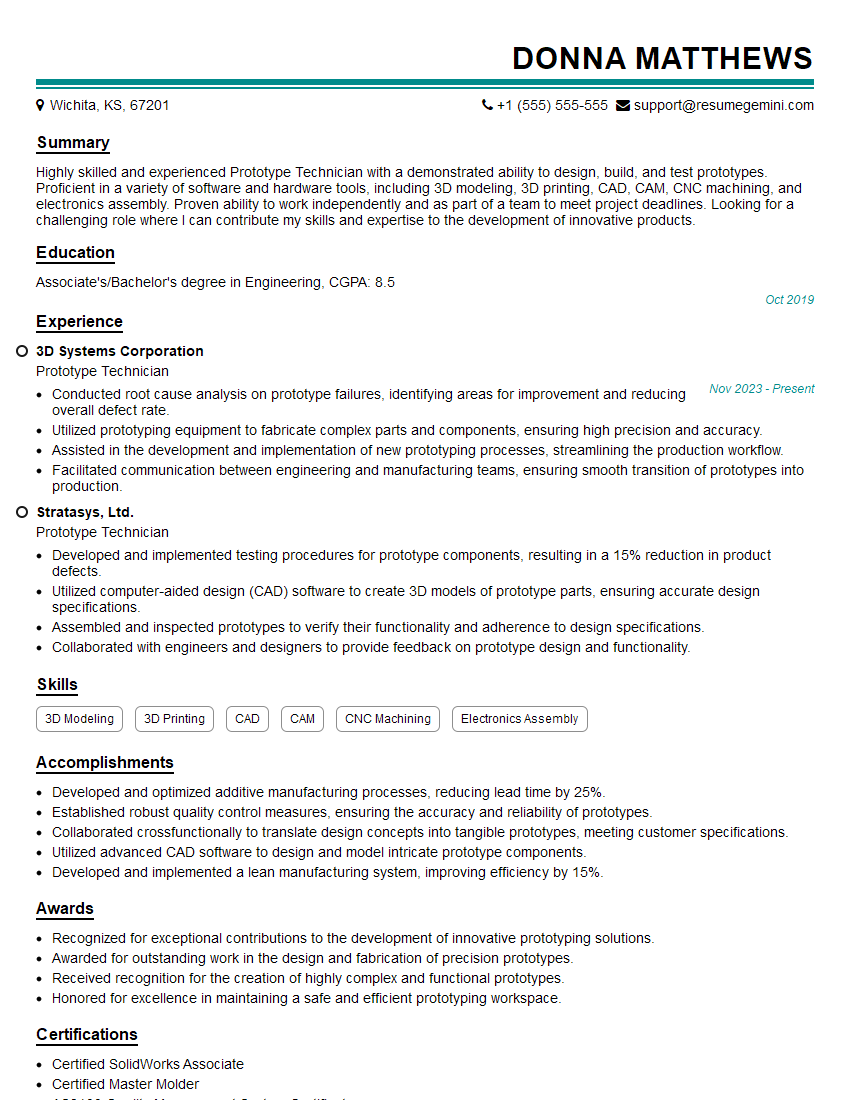
Prototype Technician Resume Sample
Explore more articles
Users Rating of Our Blogs
Share Your Experience
We value your feedback! Please rate our content and share your thoughts (optional).
What Readers Say About Our Blog
Very informative content, great job.
good