Unlock your full potential by mastering the most common Repair and Troubleshooting interview questions. This blog offers a deep dive into the critical topics, ensuring you’re not only prepared to answer but to excel. With these insights, you’ll approach your interview with clarity and confidence.
Questions Asked in Repair and Troubleshooting Interview
Q 1. Describe your experience diagnosing and repairing faulty equipment.
Diagnosing and repairing faulty equipment involves a systematic approach combining technical knowledge with problem-solving skills. It begins with careful observation of the symptoms, followed by methodical testing to pinpoint the root cause. My experience spans diverse equipment, from industrial machinery to complex electronic systems. For instance, I once diagnosed a malfunctioning CNC milling machine by meticulously checking each component, from the motor and control system to the tooling and hydraulics. The intermittent jamming issue turned out to be a worn-out bearing in the spindle, which I replaced, restoring the machine’s functionality.
In another instance, I troubleshooted a network server experiencing slow response times. Through a series of network tests and log analysis, I identified a bottleneck in the hard drive array, leading to the replacement of a failing hard drive and a significant performance improvement. My approach always prioritizes accuracy and efficiency, ensuring minimal downtime and optimal repair quality.
Q 2. Explain your troubleshooting methodology.
My troubleshooting methodology follows a structured, multi-step process, often referred to as the ‘scientific method’ adapted for technical repair. It starts with clearly identifying the problem and gathering all relevant information. This includes observing the symptoms, reviewing any error messages or logs, and consulting relevant documentation. I then formulate a hypothesis about the likely cause, based on my experience and knowledge of the system. Next, I perform tests to verify or refute my hypothesis. If the hypothesis is incorrect, I iterate, formulating a new hypothesis and testing it. This continues until the root cause is identified and the appropriate solution implemented. Think of it like detective work, but with multimeters and oscilloscopes instead of magnifying glasses and forensic kits.
For example, if a computer is not booting, I’d first check the power supply, then the RAM, hard drive, and motherboard, systematically eliminating possibilities. This systematic approach ensures thoroughness and minimizes the chance of overlooking a critical factor.
Q 3. How do you prioritize repairs when faced with multiple urgent requests?
Prioritizing repairs when facing multiple urgent requests requires a clear understanding of impact and urgency. I use a triage system based on several factors: criticality of the equipment, potential impact on operations, and the time sensitivity of the repair. Equipment vital to core operations or those with significant consequences for downtime (like a production line) take precedence. I’ll use a prioritization matrix where I rank tasks based on urgency and impact, allowing me to efficiently allocate my time and resources. For example, a malfunctioning server affecting crucial business operations takes priority over a printer needing a toner cartridge replacement, even if both were reported simultaneously.
Transparent communication is key. I inform stakeholders about the prioritization process and anticipated resolution times, managing expectations and ensuring everyone is on the same page. This avoids misunderstandings and keeps everyone involved informed.
Q 4. What tools and equipment are you proficient with?
My proficiency extends across a wide range of tools and equipment, both manual and electronic. This includes multimeters for electrical measurements, oscilloscopes for signal analysis, logic analyzers for digital circuit troubleshooting, soldering irons and desoldering tools for component-level repairs, various hand tools for mechanical repairs, and diagnostic software for computer and network systems. I’m also familiar with specialized tools for specific types of equipment, such as hydraulic presses for industrial machinery or specialized diagnostic software for automotive systems. My experience encompasses safe and effective use of these tools, adhering to all safety regulations.
Beyond the tools themselves, I’m proficient in using technical documentation, schematics, and wiring diagrams to understand the inner workings of different systems. This knowledge is as crucial as the tools themselves.
Q 5. How do you handle a repair that’s beyond your expertise?
When confronted with a repair beyond my expertise, I prioritize safety and transparency. The first step is to thoroughly document the issue, including detailed observations and any troubleshooting steps already taken. Then, I escalate the issue to the appropriate specialist or department. This might involve contacting a vendor, requesting support from a colleague with relevant expertise, or consulting technical documentation from the manufacturer. The key is to effectively communicate the problem and any information gathered to ensure the specialist receives a complete picture and can proceed efficiently. For example, if facing a complex PLC programming issue, I’d consult with our electrical engineering team, providing all collected data. I always ensure that the equipment remains in a safe state until the problem is resolved by a qualified expert.
Q 6. Describe a time you had to troubleshoot a complex issue. What was your approach?
One particularly challenging troubleshooting case involved a robotic arm on a manufacturing line experiencing erratic movements. The initial symptoms were intermittent, making diagnosis difficult. My approach started with a systematic examination of all potential sources: mechanical components, control system, and programming. I meticulously checked for mechanical looseness, inspected wiring for damage and shorts, and reviewed the robotic arm’s control program for errors. Through a series of tests, I discovered a minor but crucial software glitch in the motion control algorithm that was only triggered under specific conditions, explaining the intermittent nature of the problem.
After carefully examining the code, I identified and corrected the glitch, resolving the issue. This experience reinforced the importance of methodical troubleshooting, patience in isolating the problem, and the value of detailed documentation throughout the process. It also highlighted the necessity of combining practical hands-on skills with a deep understanding of underlying software and control systems.
Q 7. What safety precautions do you always follow?
Safety is paramount in my work. I always adhere to a strict set of safety precautions, which vary depending on the equipment and the type of repair. These include: proper use of Personal Protective Equipment (PPE), such as safety glasses, gloves, and protective clothing; lockout/tagout procedures to prevent accidental energization of equipment during repairs; following manufacturer’s safety guidelines; and ensuring proper grounding to avoid electrical shock. I also regularly inspect tools and equipment for damage before use, and I’m always aware of my surroundings to prevent accidents. Before working on any electrical equipment, I always perform a thorough safety check and use appropriate safety measures such as insulation testing and double-checking connections. Safety isn’t just a checklist; it’s an integral part of my work ethic.
Q 8. How do you document your repair process?
Thorough documentation is crucial for efficient repair and troubleshooting. My process involves a multi-step approach, ensuring complete traceability and facilitating future repairs. I begin by creating a detailed record of the initial problem, including the client’s description, any error messages, and initial observations. This is followed by a step-by-step account of the diagnostic process, noting each test performed, the tools used, and the results obtained. Any component replacements or adjustments are documented, along with their part numbers and sources. Finally, I include a summary of the solution, steps taken to verify the repair, and any preventative measures suggested. This documentation might take the form of a printed report, a digital document in a system like a CRM, or even detailed photographs and videos depending on the complexity of the repair. For instance, when repairing a complex piece of machinery, I might create a detailed video log showing the disassembly, cleaning, part identification, and reassembly process, along with any troubleshooting steps.
Q 9. How do you stay up-to-date with the latest technologies and repair techniques?
Staying current in the rapidly evolving field of repair and troubleshooting requires a proactive and multi-faceted approach. I actively participate in professional development opportunities, such as attending industry conferences and workshops. I regularly subscribe to relevant trade publications and online journals, which provide insights into the latest technologies and techniques. Online courses and webinars are also valuable resources. Additionally, I maintain a network of colleagues and mentors within the field, engaging in regular discussions and knowledge sharing. For example, recently I completed a certification course on the latest diagnostic software for automotive systems, enhancing my ability to tackle complex engine problems. Membership in professional organizations provides access to cutting-edge information and allows me to connect with experts.
Q 10. What is your experience with preventative maintenance?
Preventative maintenance is paramount in extending the lifespan of equipment and minimizing costly repairs. My experience encompasses a wide range of preventative maintenance tasks, from routine inspections and cleaning to more involved procedures such as lubrication, calibration, and component replacements according to scheduled intervals. I’m adept at developing and implementing preventative maintenance schedules based on equipment specifications and usage patterns. For example, I recently implemented a preventative maintenance program for a client’s fleet of industrial robots, leading to a significant reduction in downtime and repair costs. This involved regular lubrication of joints, inspection of wiring and sensors, and scheduled software updates. A well-structured preventative maintenance plan significantly reduces the likelihood of unexpected failures and optimizes equipment performance.
Q 11. Explain your understanding of circuit diagrams/schematics.
Circuit diagrams, or schematics, are the roadmap for understanding the flow of electricity and data within electronic systems. My understanding extends to interpreting various symbols and notations used in schematics, including components (resistors, capacitors, transistors, integrated circuits), their values, and interconnections. I can trace signals, identify voltage levels, and diagnose potential problems by analyzing the schematic’s layout. For instance, when troubleshooting a malfunctioning amplifier, I’d use the schematic to trace the audio signal path, identifying potential points of failure such as faulty capacitors or transistors. Furthermore, I can use schematics to design and implement modifications or repairs, ensuring the system’s integrity and functionality.
Q 12. How familiar are you with various diagnostic software and tools?
I’m proficient in using a variety of diagnostic software and tools, ranging from simple multimeters and oscilloscopes to sophisticated diagnostic interfaces and specialized software packages. My experience includes using automotive diagnostic scan tools (like OBD-II readers), network analyzers, and logic analyzers. For example, recently I used a specialized software package to diagnose a problem with a complex industrial control system, isolating a faulty communication module. I’m also skilled in interpreting diagnostic reports and logs, identifying error codes, and translating technical data into actionable steps for repair. My experience allows me to select and effectively utilize the appropriate diagnostic tools for various situations, optimizing the troubleshooting process.
Q 13. Describe your experience working with different types of electronic components.
I have extensive experience working with a diverse range of electronic components, encompassing passive components like resistors, capacitors, and inductors, as well as active components such as transistors, integrated circuits (ICs), and microprocessors. My expertise extends to various types of connectors, switches, and sensors. I understand the functionalities, limitations, and potential failure modes of these components. For instance, I’m experienced in identifying and replacing faulty surface-mount components using specialized soldering techniques. My knowledge allows me to select appropriate replacement components, ensuring compatibility and reliability.
Q 14. Have you ever worked with hydraulic or pneumatic systems? Describe your experience.
While my primary focus is on electronics, I do possess experience working with hydraulic and pneumatic systems. This experience stems from troubleshooting and repairing equipment that integrates these systems, such as industrial machinery and automated manufacturing processes. I understand basic principles of fluid power, including pressure, flow rate, and component functions like valves, cylinders, and pumps. For example, I’ve worked on repairing leaks in hydraulic lines, replacing faulty valves, and troubleshooting pressure issues in pneumatic control systems. While not my core specialty, this supplementary knowledge enhances my ability to diagnose and repair complex equipment with integrated systems.
Q 15. How do you interpret technical manuals and service documents?
Interpreting technical manuals and service documents is crucial for effective repair and troubleshooting. I approach this systematically, focusing on understanding the overall system architecture before diving into specific components. My process involves:
- Skimming for Overview: First, I quickly scan the document’s table of contents, index, and summaries to get a bird’s-eye view of the system’s functionality and potential problem areas.
- Detailed Component Analysis: Then, I carefully review sections relevant to the specific issue I’m addressing. I pay close attention to diagrams, schematics, flowcharts, and component specifications. For example, if I’m troubleshooting a motherboard issue, I’ll thoroughly examine the motherboard’s schematic to understand the power delivery paths, data buses, and component interconnections.
- Troubleshooting Procedures: I look for specific troubleshooting guides, diagnostic codes, and error messages. These often provide a step-by-step process for isolating the problem. I’ll note any specific tests or measurements that need to be performed.
- Safety Precautions: I always prioritize safety by carefully reviewing any safety warnings or precautions outlined in the manual before undertaking any repair work. This includes procedures for handling potentially hazardous components, such as high-voltage capacitors.
- Cross-referencing: If necessary, I cross-reference the information with other related documents or online resources to gain a deeper understanding. Sometimes, manufacturer websites provide helpful supplementary materials.
Essentially, I treat the manual as a roadmap, guiding me through the troubleshooting and repair process efficiently and safely.
Career Expert Tips:
- Ace those interviews! Prepare effectively by reviewing the Top 50 Most Common Interview Questions on ResumeGemini.
- Navigate your job search with confidence! Explore a wide range of Career Tips on ResumeGemini. Learn about common challenges and recommendations to overcome them.
- Craft the perfect resume! Master the Art of Resume Writing with ResumeGemini’s guide. Showcase your unique qualifications and achievements effectively.
- Don’t miss out on holiday savings! Build your dream resume with ResumeGemini’s ATS optimized templates.
Q 16. Describe a situation where you had to work under pressure to complete a repair.
During a live television broadcast, the main studio’s audio system suddenly failed just minutes before the show’s start. The pressure was immense, as a nationwide audience was waiting. We had to act quickly. I immediately initiated our established emergency protocol.
First, I systematically checked the audio mixer’s power supply and input/output connections, ruling out simple issues. Then, using my knowledge of audio signal flow, I traced the problem back to a faulty amplifier. Unfortunately, the spare amplifier wasn’t compatible with our system.
Under the pressure of time, I devised a temporary workaround using a backup audio system from our remote studio, connecting it via a dedicated high-speed network link. It wasn’t ideal, but it ensured the show went on air without interruption. After the broadcast, I worked to find and replace the faulty amplifier permanently. The experience reinforced the importance of clear communication, systematic troubleshooting, and having backup plans.
Q 17. How do you identify and resolve common hardware or software problems?
Identifying and resolving hardware or software problems involves a structured approach. For hardware, I typically start with visual inspection, checking for physical damage, loose connections, or anything out of the ordinary. I then progress to more advanced diagnostics. For software, I utilize diagnostic tools and log files. Here’s a breakdown:
- Hardware Troubleshooting: This often involves using multimeters to test voltage and current levels, checking component continuity, and performing signal tracing. For instance, diagnosing a no-power issue might involve checking the power supply’s output voltage and the motherboard’s power connectors.
- Software Troubleshooting: This process might include checking event logs for error messages, running system diagnostics, and potentially using specialized utilities for diagnosing specific software components. A common example is using the system’s resource monitor to identify applications consuming excessive CPU or memory.
- Systematic Approach: Regardless of whether it’s hardware or software, I use a process of elimination, systematically testing and verifying each component or software element until I pinpoint the root cause.
This process often resembles detective work, meticulously collecting clues to solve the puzzle. I always document my findings, creating a record of the troubleshooting steps taken and the solution implemented.
Q 18. What is your experience with soldering and desoldering techniques?
I have extensive experience with both soldering and desoldering techniques, using various tools and methods depending on the task at hand. My proficiency spans different types of components, including surface-mount devices (SMDs) and through-hole components. I’m comfortable working with both lead-free and leaded solder.
- Soldering Techniques: I utilize different techniques like the iron-tip method, hot air rework station for SMDs, and even specialized tools for delicate components.
- Desoldering Techniques: This often involves using solder wick or vacuum desoldering tools to remove solder efficiently and cleanly, preventing damage to nearby components.
- Safety Measures: Safety is paramount. I always use appropriate personal protective equipment (PPE), including safety glasses and anti-static wrist straps, to prevent injury and static electricity damage.
For example, I’ve successfully repaired circuit boards with faulty SMD capacitors using a hot air rework station and replaced damaged connectors using a soldering iron. Consistent practice and attention to detail are essential to achieving high-quality solder joints that are both mechanically and electrically sound.
Q 19. How do you ensure the quality of your repairs?
Ensuring the quality of my repairs is a top priority. My approach combines meticulous work practices with thorough testing and verification. Here’s how I do it:
- Cleanliness: Maintaining a clean workspace is crucial. This minimizes the risk of contamination and ensures that components are handled correctly.
- Proper Techniques: Using appropriate soldering and desoldering techniques helps prevent damage to delicate components.
- Testing & Verification: After every repair, I perform rigorous testing to ensure that the repaired device is functioning correctly and that the solution is stable and reliable. This might involve running diagnostic tests, stress testing, or real-world usage scenarios.
- Documentation: Thorough documentation of the repair process, including the problem, steps taken, and components used, aids in future troubleshooting and improves overall efficiency.
- Quality Control Checks: Before returning a repaired device to the customer, I perform a final quality control check to ensure that it meets expectations.
Think of it like building a house – a foundation of meticulous workmanship, followed by thorough inspections, ensures long-lasting quality and customer satisfaction.
Q 20. What is your experience working with different operating systems?
My experience with different operating systems is extensive, encompassing Windows (various versions), macOS, Linux (several distributions like Ubuntu, Fedora), and various embedded systems. This includes both desktop and server environments. My experience covers:
- Troubleshooting: I’m adept at diagnosing and resolving operating system-related issues, such as boot problems, driver conflicts, and software malfunctions. This includes using command-line tools for advanced diagnostics and system administration.
- Software Installation & Configuration: I’m experienced in installing, configuring, and optimizing operating systems for various applications and hardware configurations. This involves understanding system dependencies and configuring network settings.
- Data Recovery: I have experience recovering data from failed or corrupted operating systems, utilizing data recovery tools and techniques.
My familiarity with different operating systems allows me to provide comprehensive support and tailored solutions for a wide range of devices and applications.
Q 21. How do you handle customer complaints or concerns regarding repairs?
Handling customer complaints or concerns is crucial. My approach is centered around empathy, active listening, and professional problem-solving. I strive to understand the customer’s perspective fully before offering solutions.
- Active Listening: I begin by actively listening to the customer, clarifying their concerns, and ensuring I understand the problem fully. This allows for proper communication and issue identification.
- Empathy & Understanding: I put myself in the customer’s position, recognizing their frustration, and expressing my understanding of their situation.
- Clearly Explaining the Solution: Once I’ve identified the problem, I clearly and concisely explain the proposed solution, using non-technical language where appropriate.
- Following Up: After the repair, I follow up with the customer to ensure they are satisfied with the outcome and address any remaining concerns.
A positive customer experience goes beyond just fixing the device; it involves building trust and demonstrating care throughout the process.
Q 22. What is your understanding of ESD (Electrostatic Discharge) precautions?
ESD, or Electrostatic Discharge, is the sudden flow of electricity between two objects with different electrical potentials. This can be incredibly damaging to sensitive electronic components, often leading to immediate failure or latent problems that manifest later. Think of it like a tiny lightning bolt striking your delicate circuitry. ESD precautions are critical for anyone working with electronics.
My understanding encompasses several key areas: Proper grounding techniques are paramount. This includes using anti-static wrist straps connected to a grounded surface, and working on anti-static mats. These provide a path for static electricity to dissipate safely, preventing a damaging discharge. I also prioritize using ESD-safe work surfaces and containers to protect components during storage and handling. Additionally, I’m meticulous about controlling the environment, minimizing the buildup of static electricity through humidity control (sufficient humidity reduces static build-up) and avoiding materials known to generate static, like wool or nylon.
For instance, I recall a situation where a colleague accidentally damaged a sensitive microcontroller by not using an ESD wrist strap. The resulting repair was far more extensive and expensive than taking the few seconds necessary to ground properly. That reinforced the critical importance of always adhering to ESD precautions, regardless of how seemingly minor the task.
Q 23. Describe your experience with calibration procedures.
Calibration procedures are essential to ensure the accuracy and reliability of measurement equipment. Without regular calibration, instruments can drift from their specified accuracy, leading to incorrect measurements and potentially faulty repairs. My experience includes calibrating a wide range of equipment, from multimeters and oscilloscopes to specialized test equipment used in specific applications. This involves a multi-step process.
- Preparation: This includes gathering the necessary calibration standards (traceable to national standards are ideal), verifying the equipment’s operating conditions, and reviewing the manufacturer’s calibration instructions.
- Calibration: This usually involves comparing the instrument’s readings against the known values of the calibration standards. This is done across the instrument’s range. Any deviations are documented and adjustments are made as per the manufacturer’s guidelines, within the instrument’s adjustment limits.
- Documentation: Meticulous record-keeping is crucial. This includes documenting the calibration date, the standards used, the results of the comparison, and any adjustments made. This documentation is critical for traceability and compliance.
For example, while working on a complex industrial control system, a slight drift in a temperature sensor was initially attributed to a faulty component. However, after calibrating the sensor, the issue was resolved, saving considerable time and resources. This highlighted the importance of accurate calibration in troubleshooting complex systems.
Q 24. How do you manage your time effectively when dealing with multiple repair tasks?
Managing multiple repair tasks effectively requires a structured approach. I utilize a prioritized task list, categorizing tasks based on urgency and complexity. This allows me to focus on the most critical repairs first. I also employ time-blocking techniques, allocating specific time slots for each task. This prevents task-switching and improves focus.
Furthermore, I leverage efficient workflows by batching similar tasks together. For example, I might dedicate a specific time block to performing all soldering tasks, then another block for testing and verification. This minimizes setup and teardown time, improving overall efficiency. Regularly reviewing and adjusting the task list helps in maintaining momentum and prevents delays.
Visual aids, like a Kanban board, can also be very helpful for managing workflow and visualizing progress. This allows for quick adjustments to accommodate urgent tasks or unexpected delays.
Q 25. How do you identify the root cause of a recurring problem?
Identifying the root cause of a recurring problem requires a systematic approach. I typically employ a five-why analysis, repeatedly asking ‘why’ to drill down to the underlying cause. This helps move beyond surface-level symptoms to the actual root problem.
Beyond the five whys, I find the use of fault trees useful for visually mapping potential causes and their relationships. This graphical representation aids in identifying potential interactions between factors contributing to the issue. Data analysis is also essential; tracking error logs, system performance metrics, and other relevant data provides objective evidence that informs the diagnosis. This is often best done using spreadsheets or dedicated data analysis tools.
For instance, I once encountered a recurring software crash. Using the five-whys, we determined it was caused by insufficient memory allocation, which was then traced back to a poor design choice in the original software architecture. Addressing the architectural issue resolved the recurring crash.
Q 26. Explain your experience with testing equipment and measuring instruments.
My experience with testing equipment and measuring instruments spans many years and numerous types of equipment. I’m proficient in using multimeters for measuring voltage, current, and resistance; oscilloscopes for analyzing waveforms and signals; logic analyzers for debugging digital circuits; and spectrum analyzers for RF troubleshooting. I also have experience with specialized equipment used in specific applications.
Beyond basic operation, I understand the limitations and potential sources of error associated with each instrument. This allows me to interpret readings critically and take appropriate measures to minimize measurement uncertainty. I understand the importance of proper calibration and maintenance to ensure accurate and reliable measurements.
For example, when troubleshooting a noisy audio amplifier, the oscilloscope helped me identify high-frequency interference that was masked by the audio signal itself. This wouldn’t have been possible without having a deep understanding of both the equipment and the underlying electronics.
Q 27. How do you maintain a clean and organized workspace?
Maintaining a clean and organized workspace is fundamental to efficient and safe repair work. It reduces the risk of damaging components, improves workflow efficiency, and minimizes the potential for errors. My approach involves several strategies.
- 5S Methodology: I adhere to the 5S principles (Sort, Set in Order, Shine, Standardize, Sustain) to maintain a consistently organized workspace. This involves regularly sorting through tools and components, storing them in designated locations, cleaning the work area, and implementing standardized procedures.
- Designated Areas: I have specific areas for tools, components, work-in-progress, and completed repairs. This prevents clutter and makes it easy to find what I need.
- Regular Cleaning: I clean my workspace at the end of each day to remove any debris, static-generating materials, and potential hazards.
A clean and organized workspace isn’t just about aesthetics; it’s a safety and efficiency measure. It reduces stress, prevents mistakes, and contributes significantly to a more positive working environment.
Q 28. Describe your experience with using specific testing equipment (e.g., multimeter, oscilloscope)
I have extensive experience using multimeters and oscilloscopes. Multimeters are my go-to tool for basic electrical measurements. I’m comfortable using them to measure DC and AC voltage, current, resistance, and capacitance. I understand the different measurement modes and settings, and I know how to interpret the readings accurately, including understanding the significance of the instrument’s accuracy specifications.
Oscilloscopes are essential for analyzing time-varying signals. I’m proficient in using them to observe waveforms, measure frequency, amplitude, and phase. I can interpret complex waveforms and use the oscilloscope’s various triggering and measurement features to isolate and analyze specific signals. I also understand the importance of selecting the appropriate probe and settings to avoid damaging the oscilloscope or the circuit under test.
For example, using a multimeter, I recently identified a faulty capacitor in a power supply based on its measured capacitance being significantly below the nominal value. With an oscilloscope, I once pinpointed the source of a timing error in a digital circuit by observing the timing relationship between various signals within the circuit.
Key Topics to Learn for Repair and Troubleshooting Interviews
- Diagnostic Techniques: Understanding systematic approaches to fault isolation, including visual inspection, testing with specialized tools, and utilizing diagnostic software.
- Troubleshooting Methodologies: Mastering problem-solving frameworks like the 5 Whys, root cause analysis, and the scientific method to effectively identify and resolve issues.
- Safety Procedures: Demonstrating knowledge of and adherence to relevant safety regulations and best practices when handling equipment and performing repairs.
- Component Identification and Functionality: Comprehensive understanding of the components within the systems you maintain, including their function and interdependencies.
- Repair Techniques: Proficiency in various repair methods, including soldering, replacing parts, and calibrating equipment. This includes understanding when repair is cost-effective versus replacement.
- Documentation and Reporting: Ability to clearly and concisely document repair procedures, findings, and solutions, including using appropriate technical terminology.
- Preventive Maintenance: Understanding the importance of preventative measures and their role in reducing the frequency and severity of repairs.
- Technical Specifications and Schematics: Ability to interpret technical documentation, schematics, and diagrams to guide repair and troubleshooting efforts.
- Troubleshooting Common Issues: Practical experience addressing typical malfunctions and failures within specific systems (e.g., electrical, mechanical, software).
- Estimating Repair Time and Costs: Demonstrating ability to accurately assess the time and resources required for a given repair.
Next Steps
Mastering repair and troubleshooting skills is crucial for career advancement in today’s technical landscape. These abilities demonstrate problem-solving expertise, technical proficiency, and a commitment to quality, all highly valued by employers. To maximize your job prospects, creating an ATS-friendly resume is essential. A well-structured resume will help your application stand out and increase your chances of securing an interview. We recommend using ResumeGemini to build a professional and impactful resume. ResumeGemini provides tools and resources to create a compelling resume, and examples of resumes tailored specifically to Repair and Troubleshooting are available to help you get started.
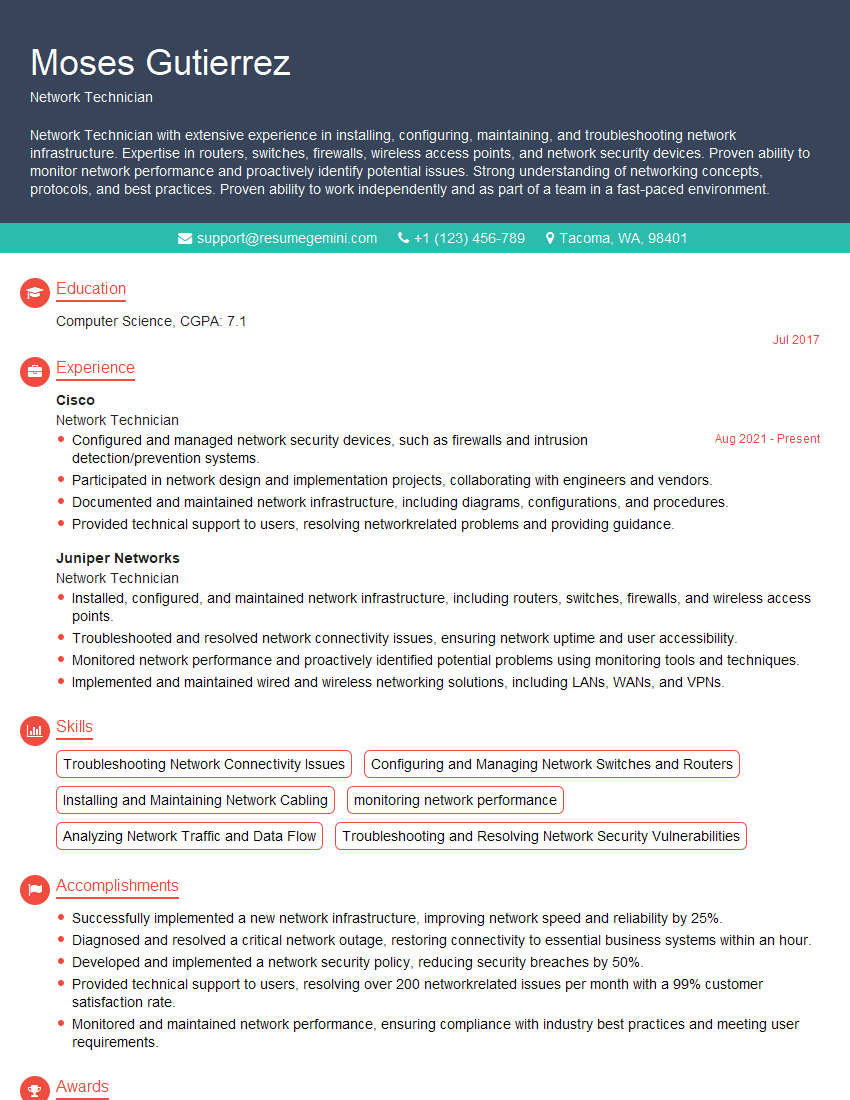
Network Technician Resume Sample
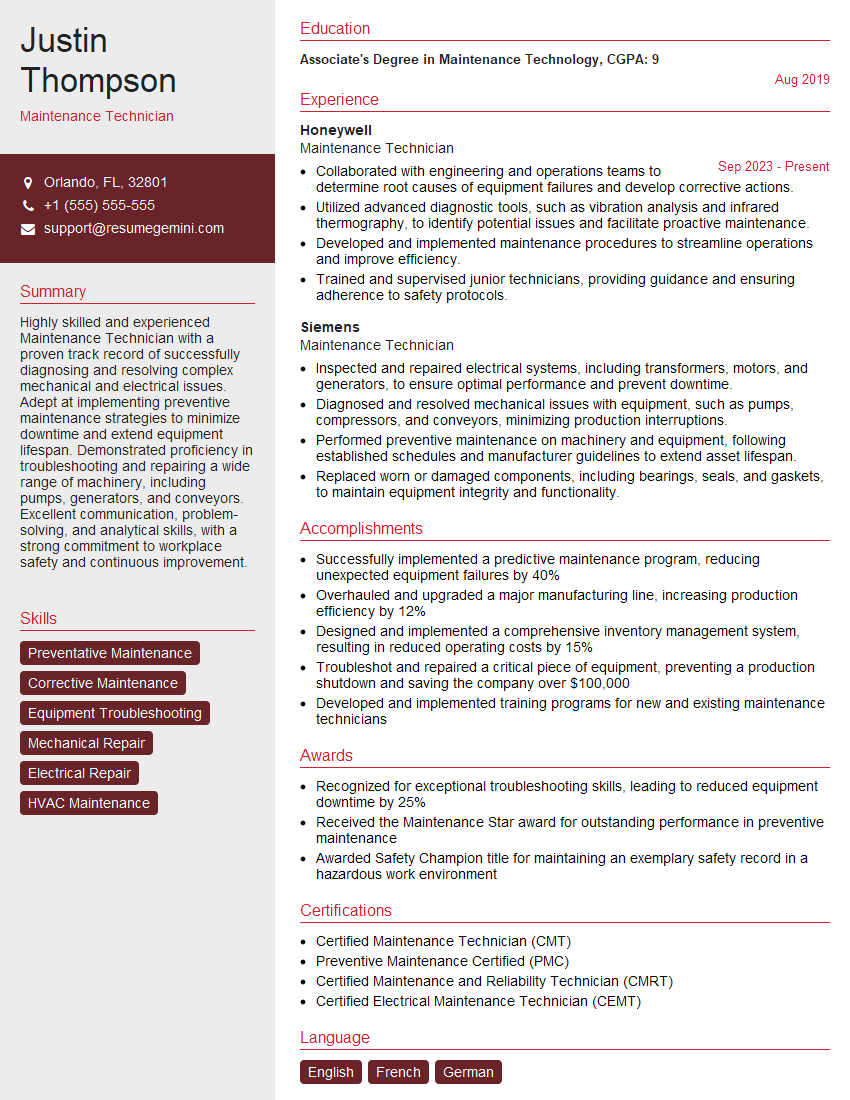
Maintenance Technician Resume Sample
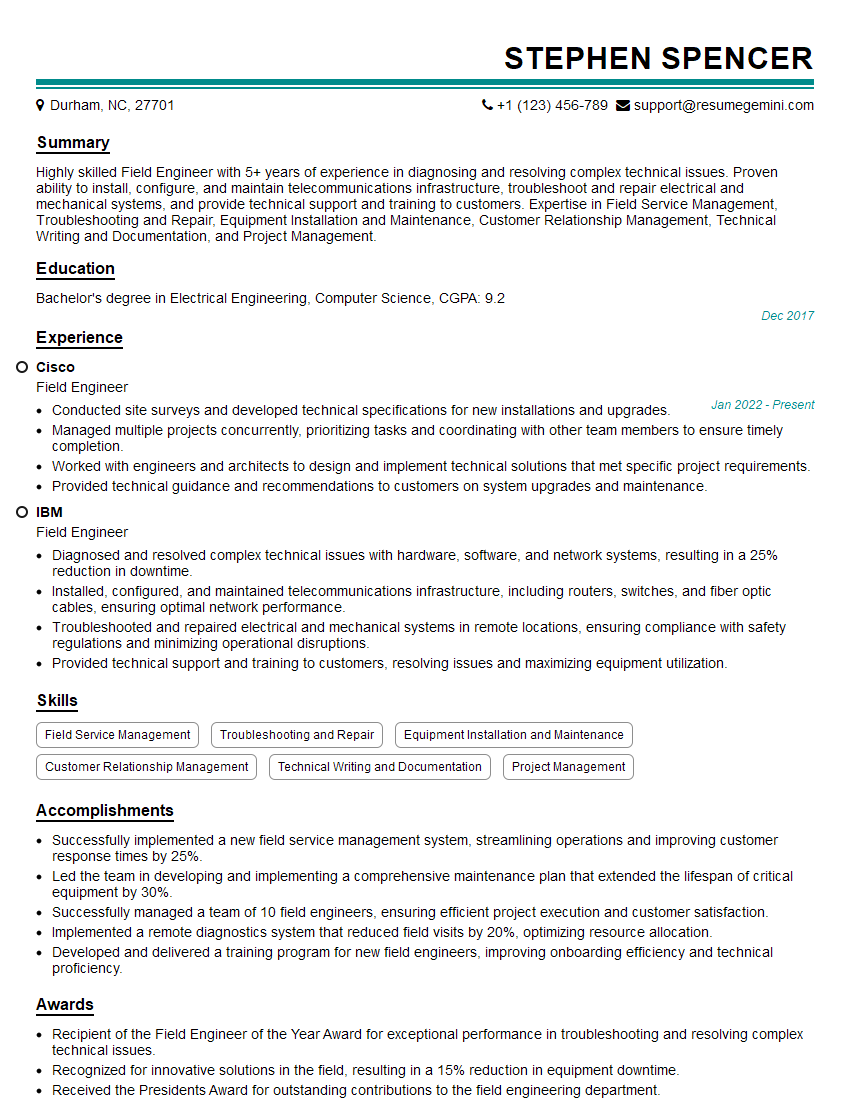
Field Engineer Resume Sample
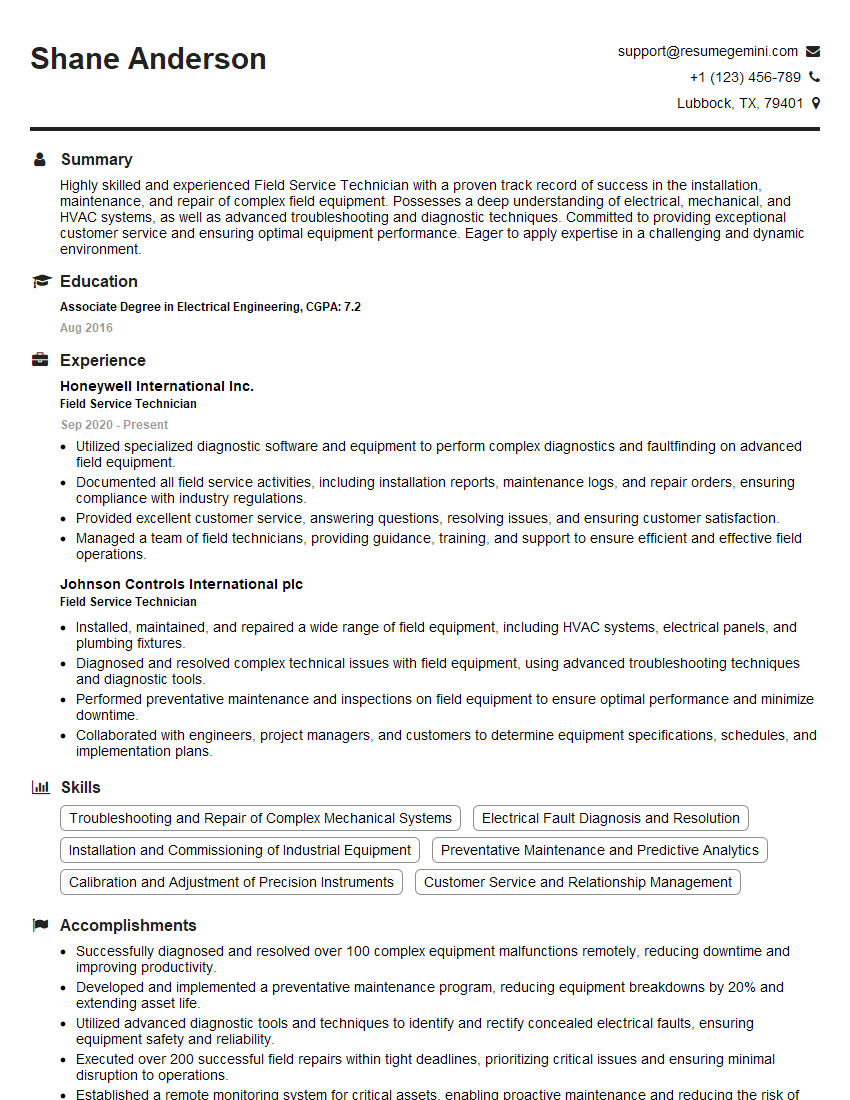
Field Service Technician Resume Sample
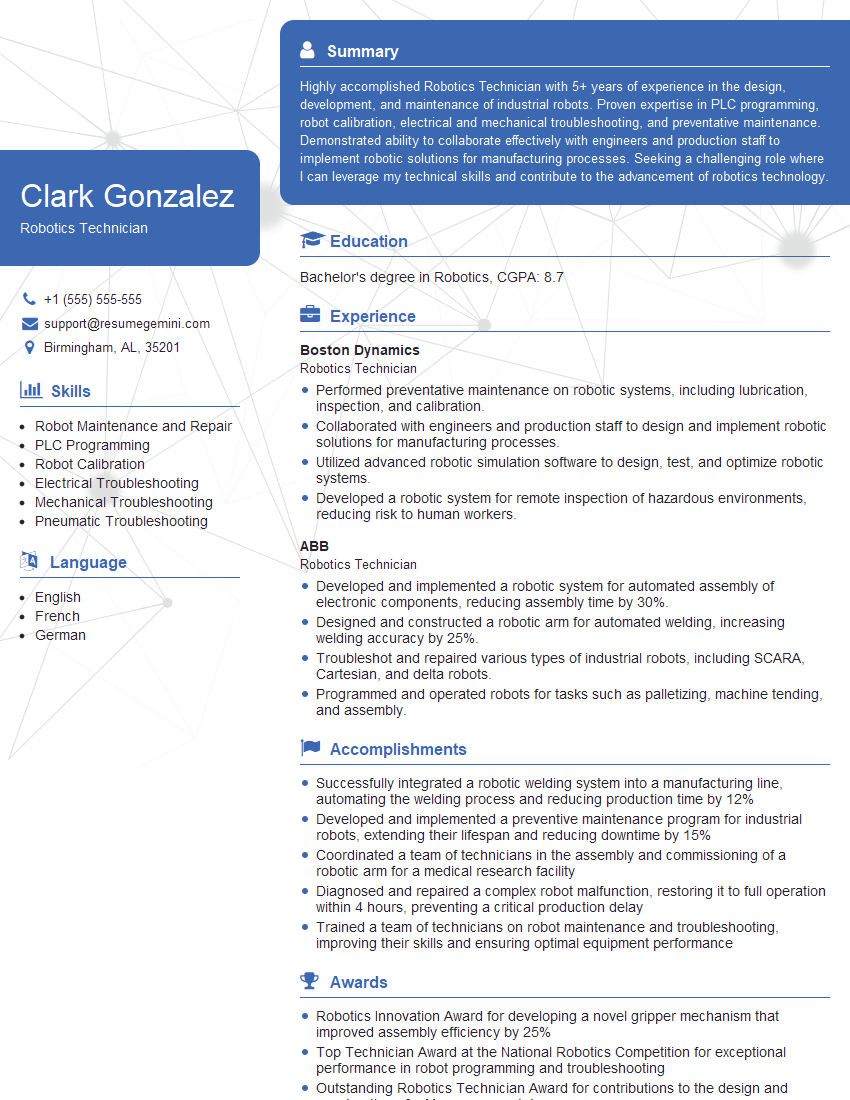
Robotics Technician Resume Sample
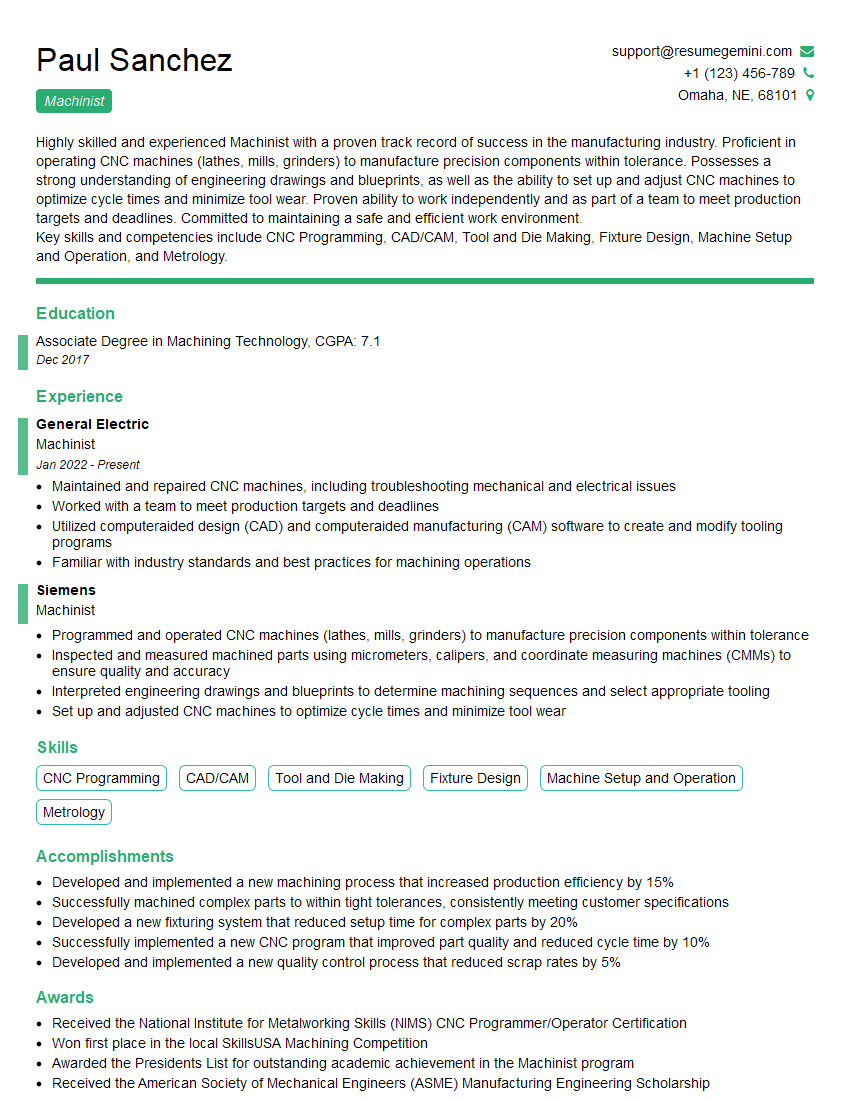
Machinist Resume Sample
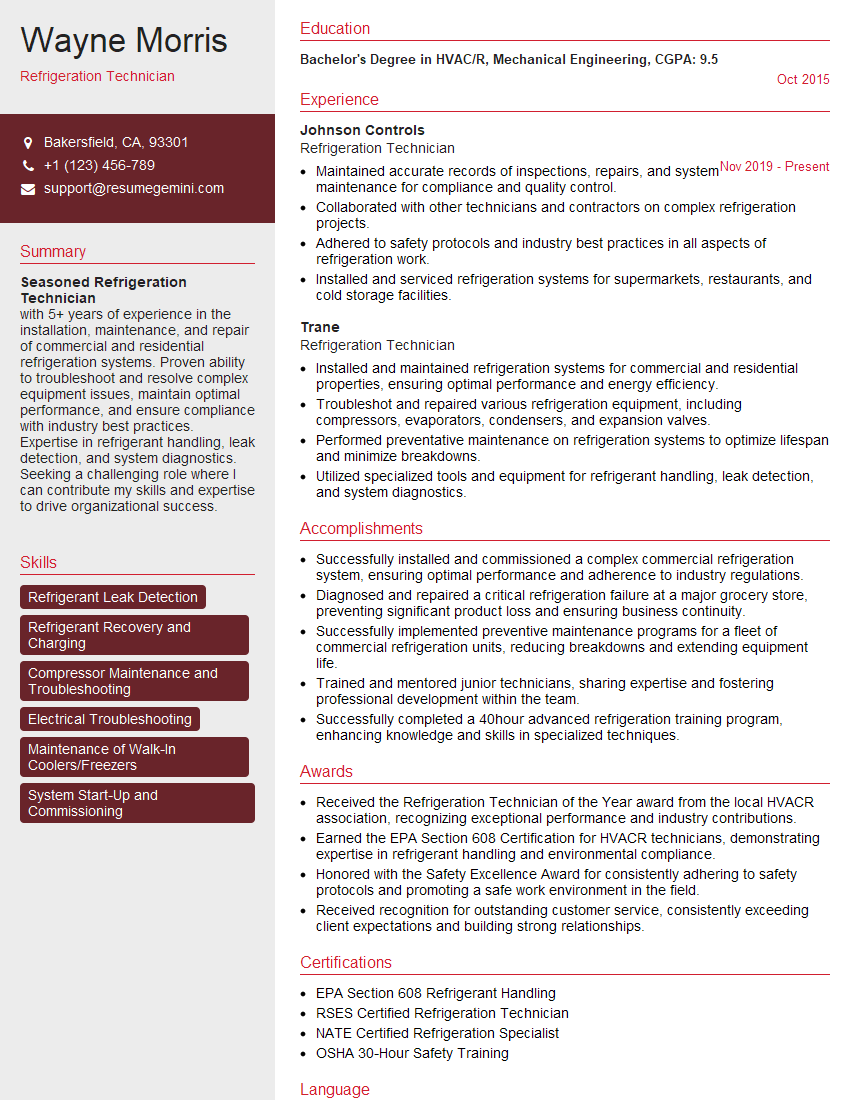
Refrigeration Technician Resume Sample
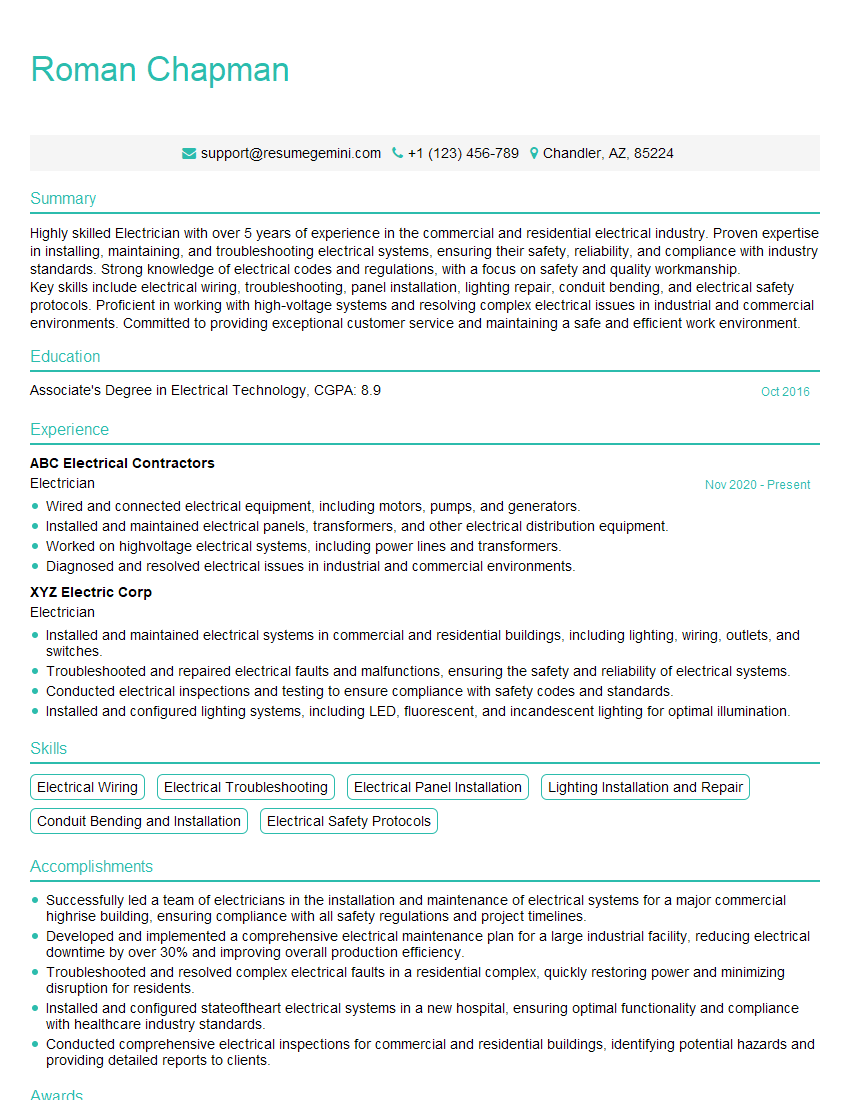
Electrician Resume Sample
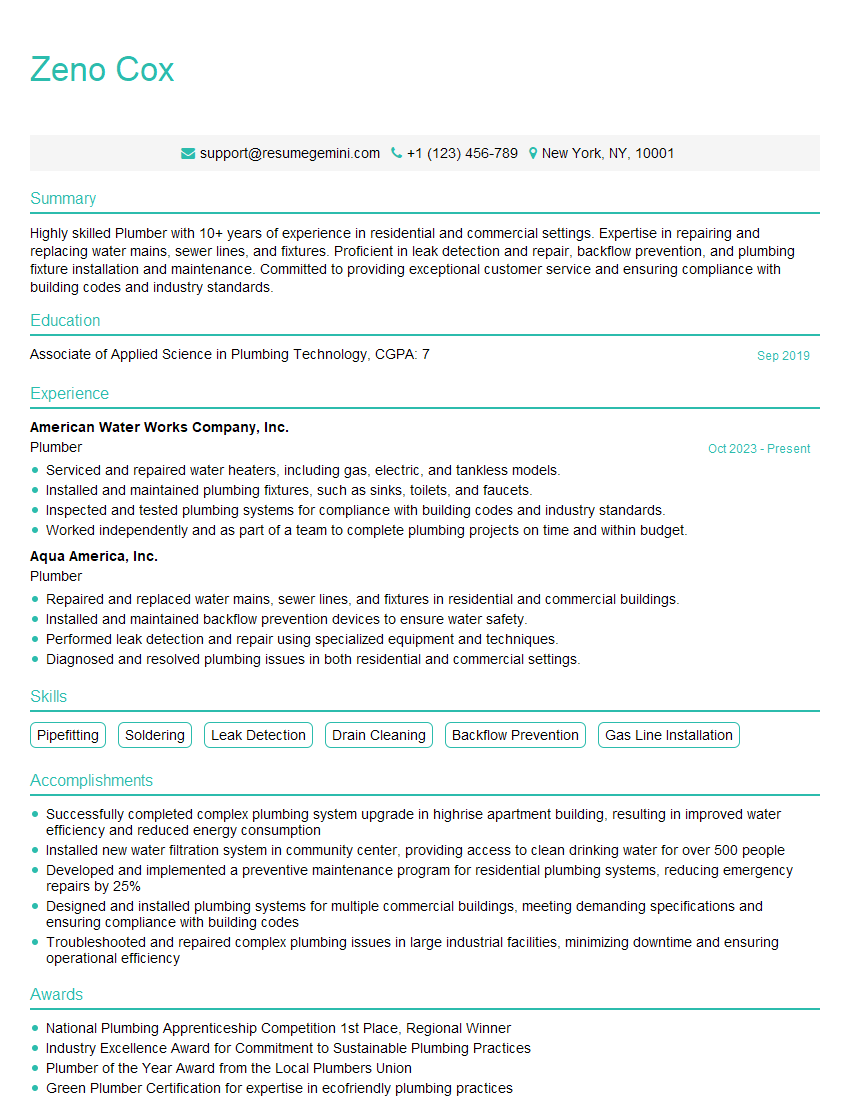
Plumber Resume Sample
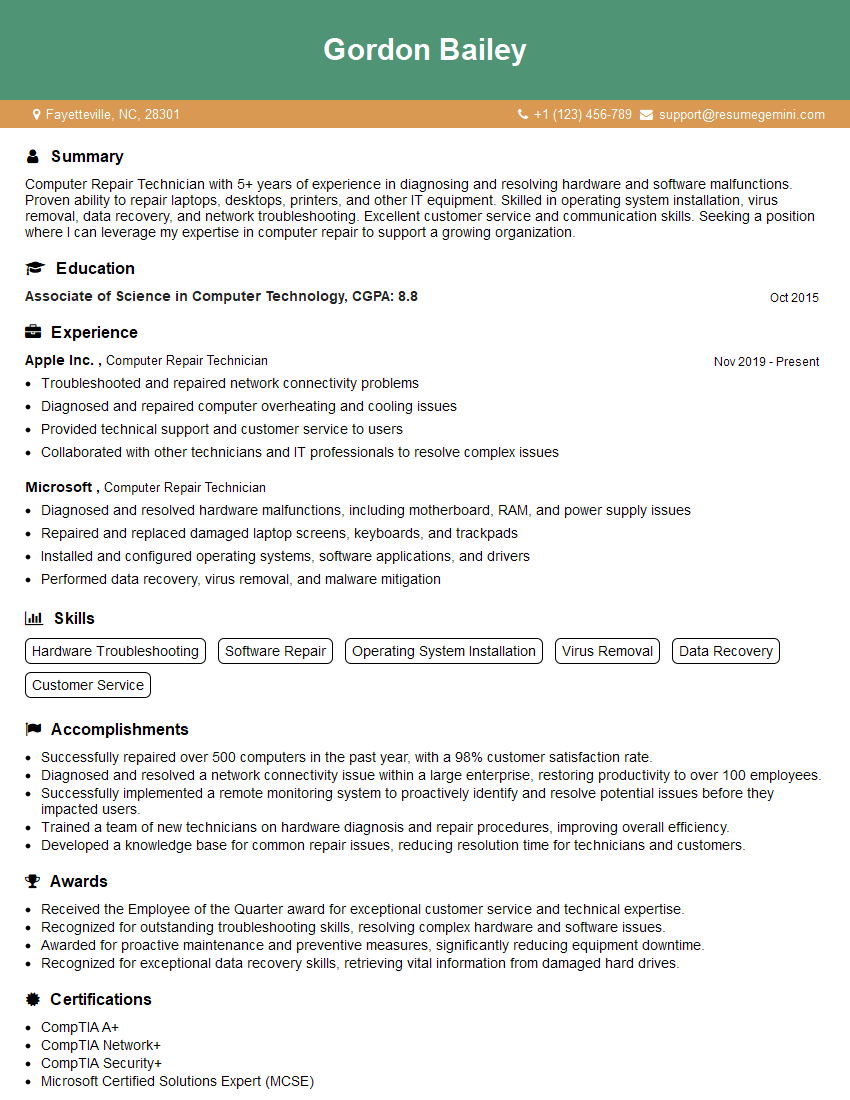
Computer Repair Technician Resume Sample
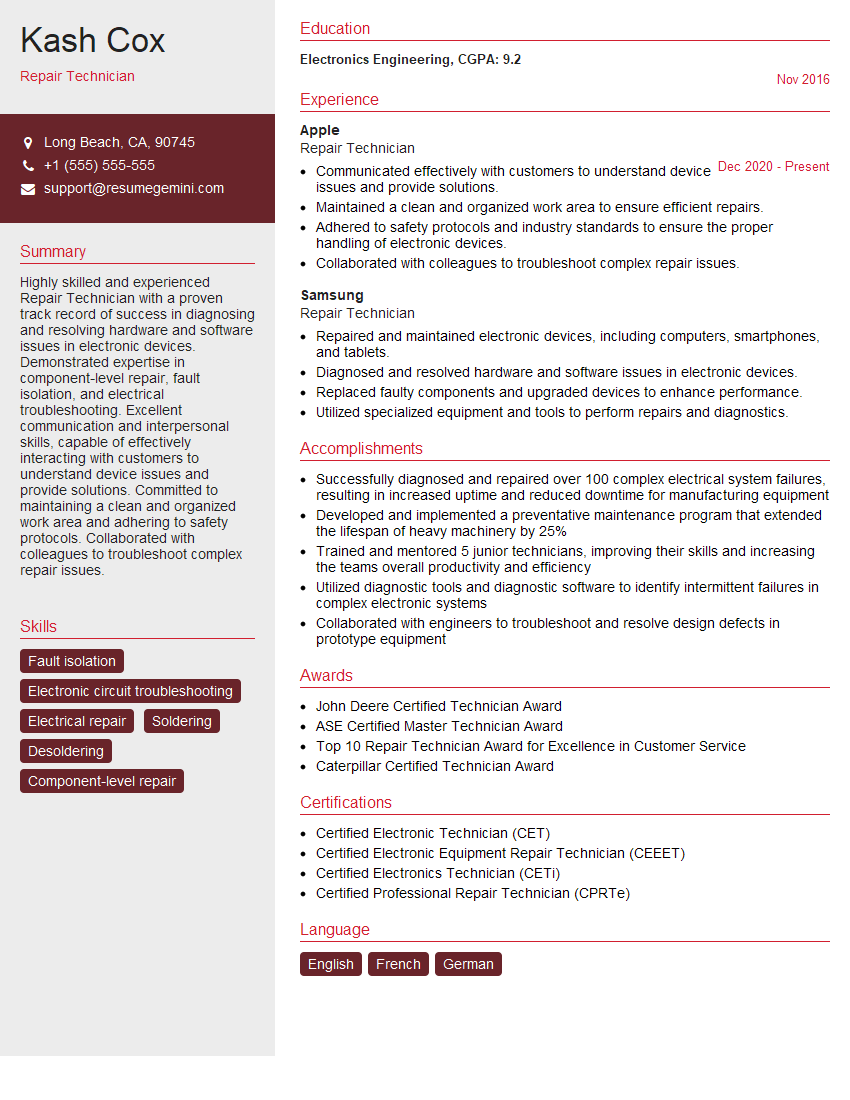
Repair Technician Resume Sample
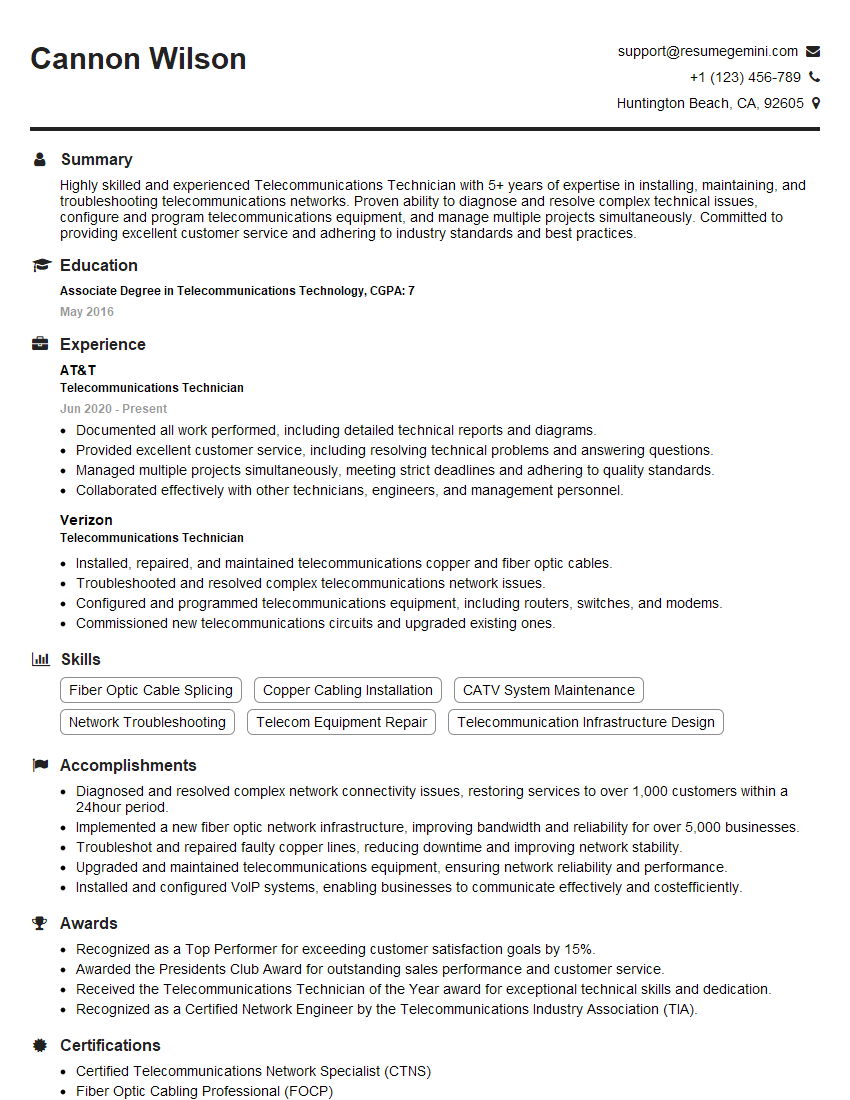
Telecommunications Technician Resume Sample
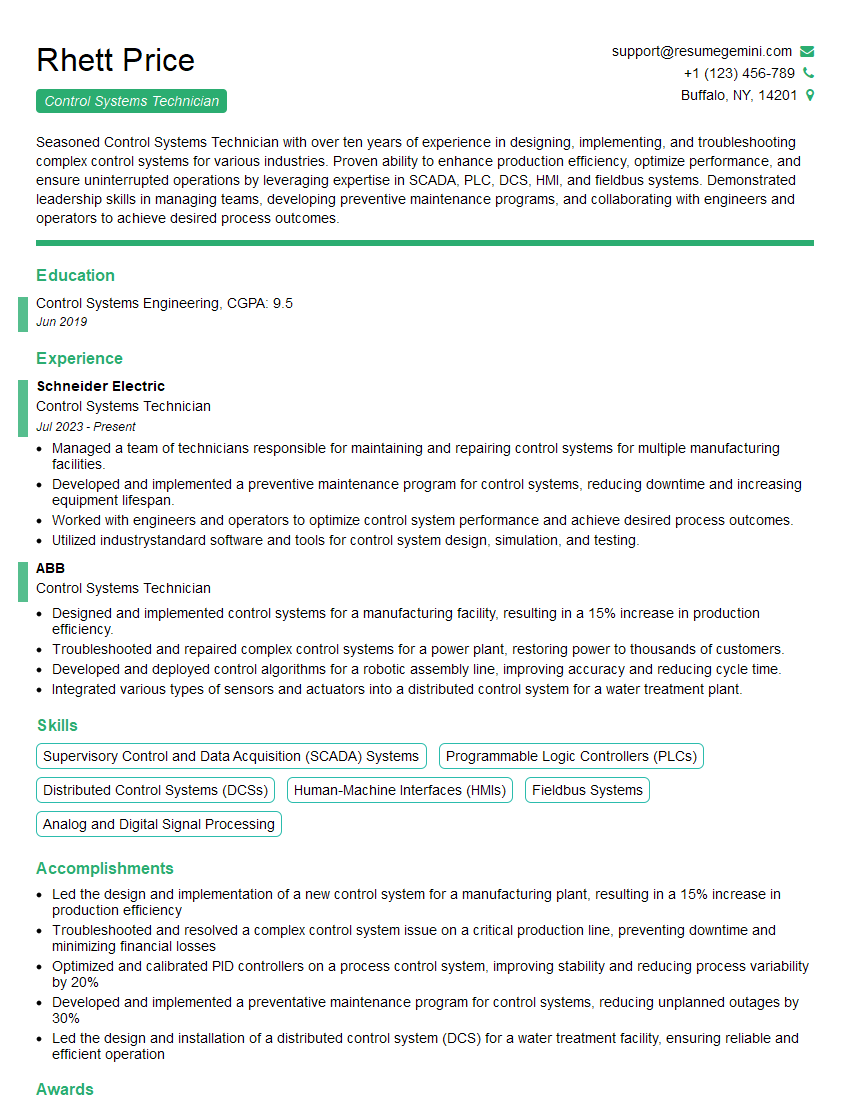
Control Systems Technician Resume Sample
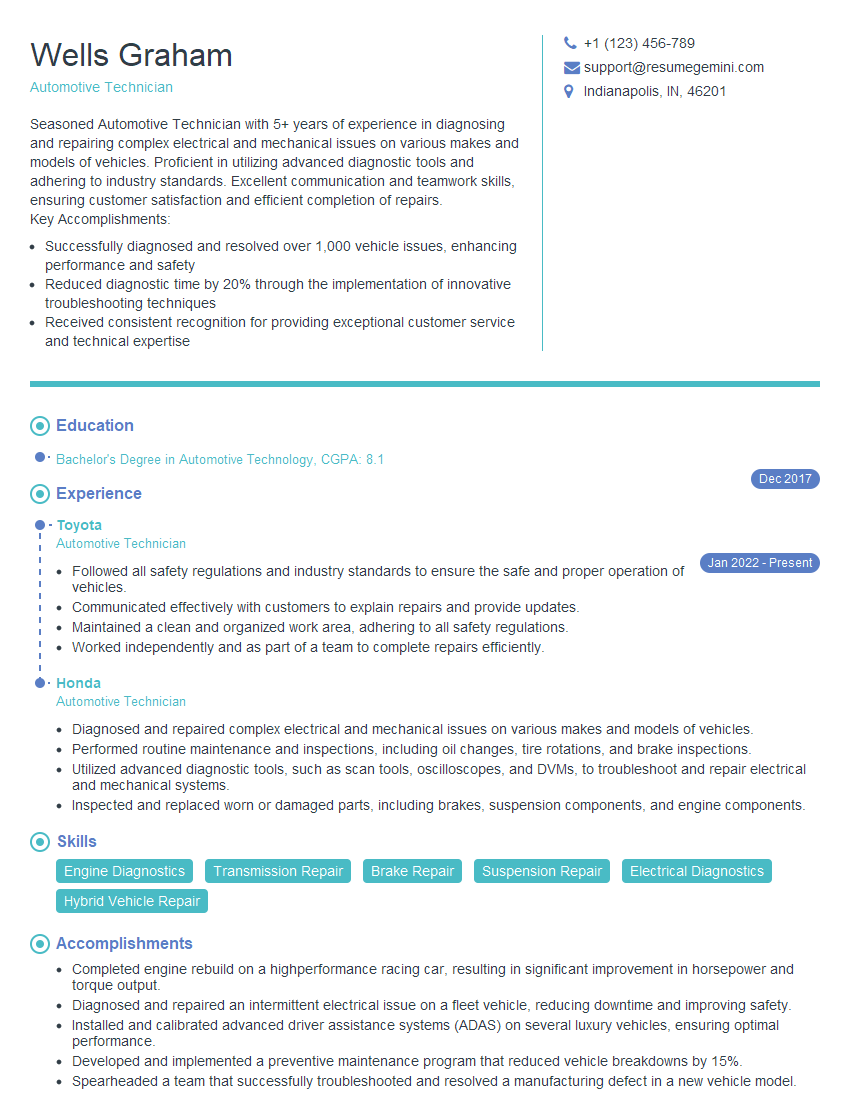
Automotive Technician Resume Sample
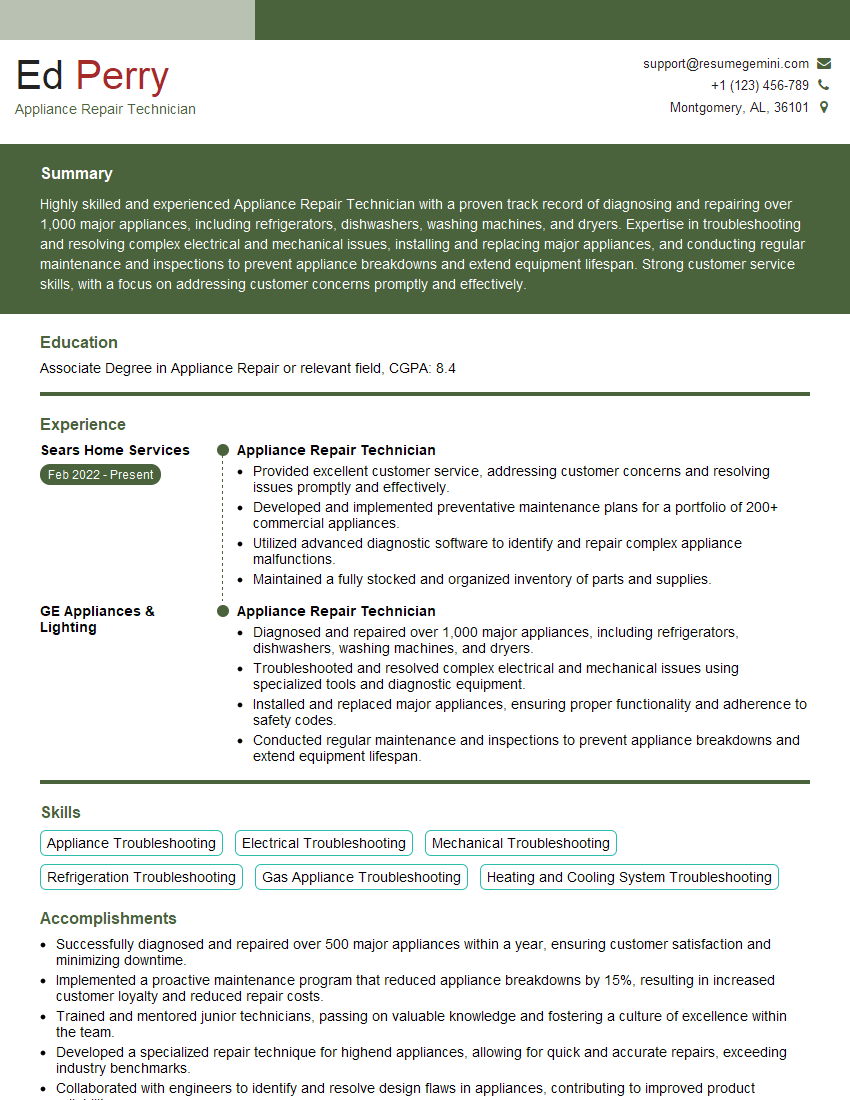
Appliance Repair Technician Resume Sample
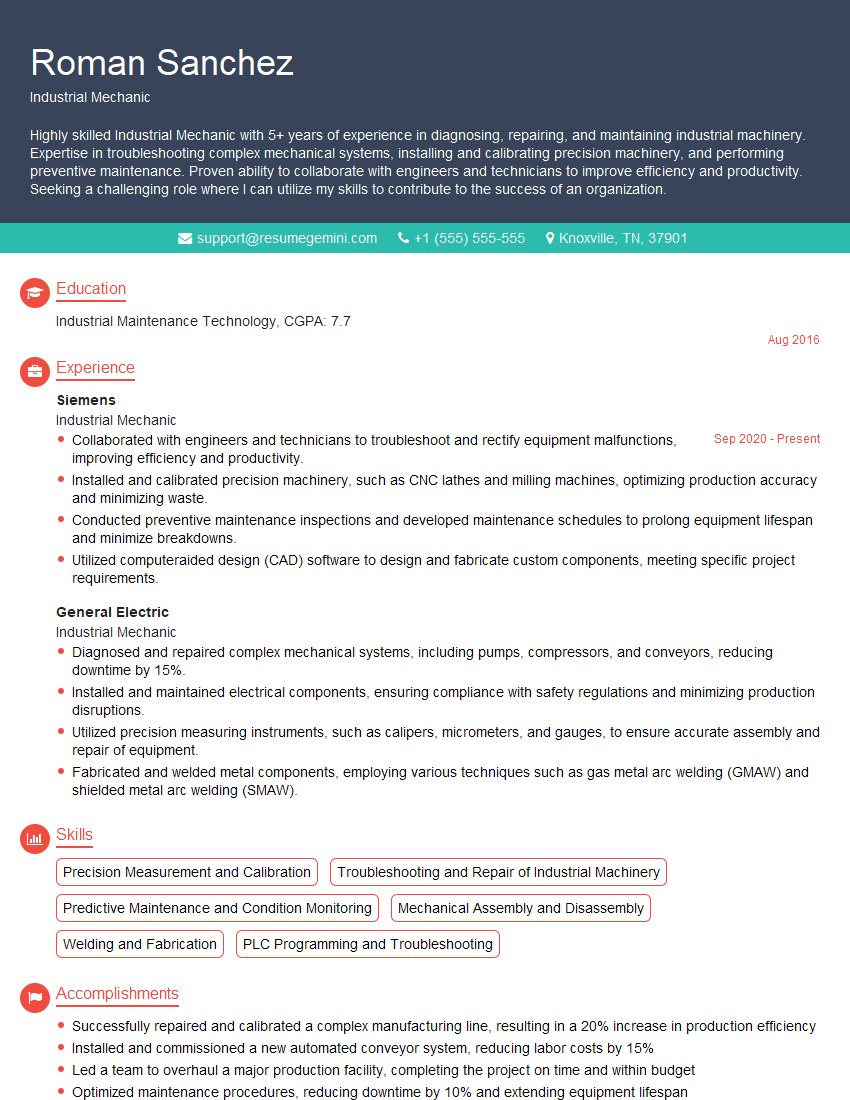
Industrial Mechanic Resume Sample
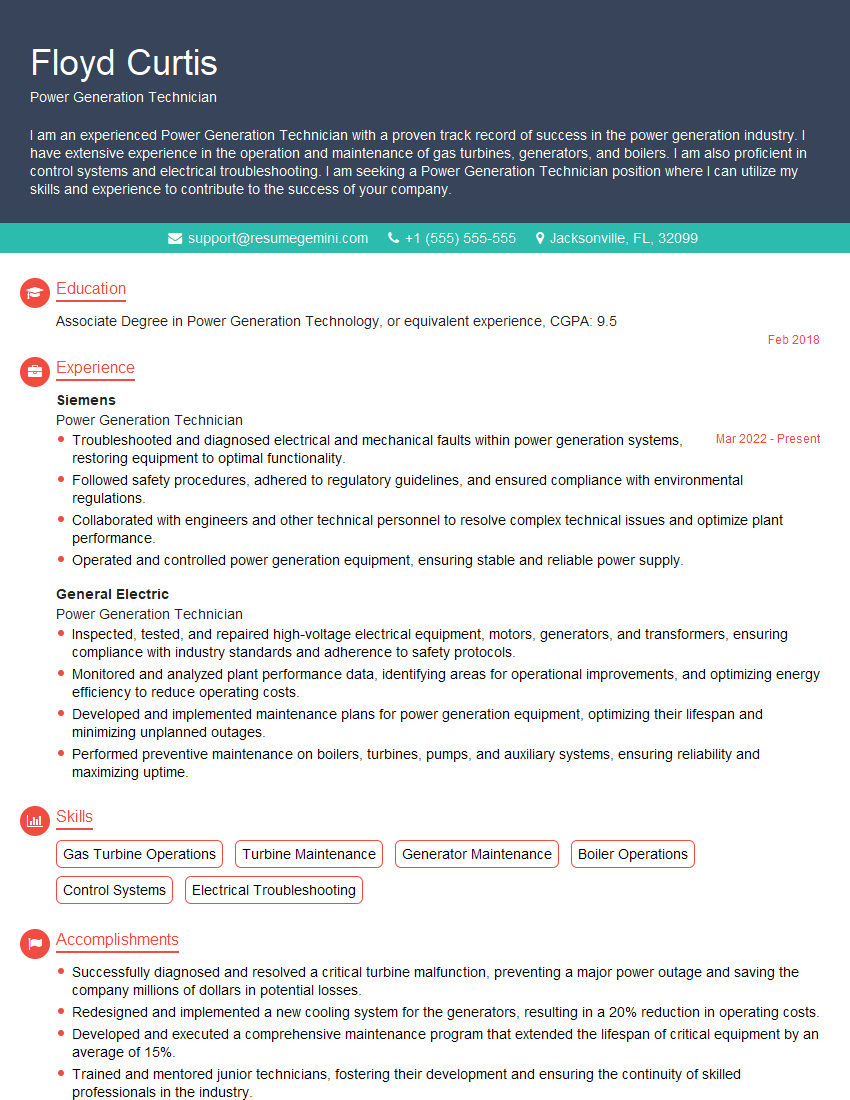
Power Generation Technician Resume Sample
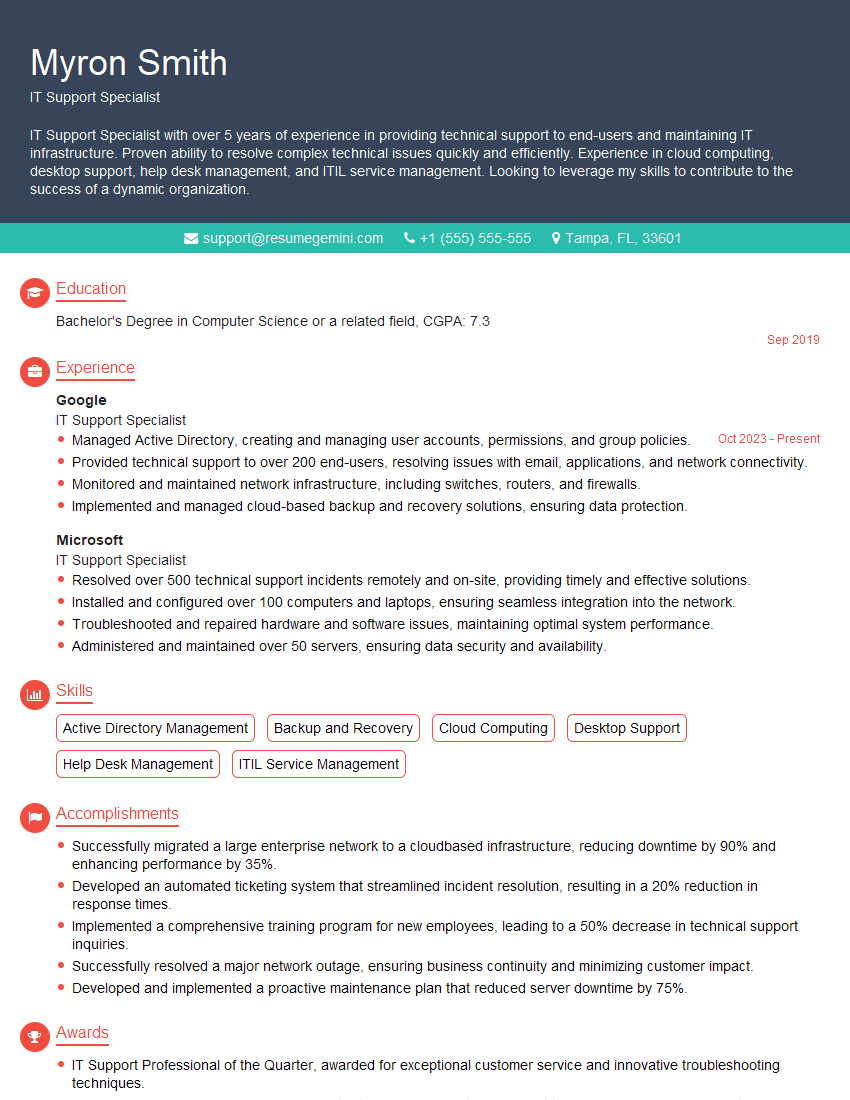
IT Support Specialist Resume Sample
- Network Technician
- Maintenance Technician
- Field Engineer
- Field Service Technician
- Robotics Technician
- Machinist
- Refrigeration Technician
- Electrician
- Plumber
- Computer Repair Technician
- Repair Technician
- Telecommunications Technician
- Control Systems Technician
- Automotive Technician
- Appliance Repair Technician
- Industrial Mechanic
- Power Generation Technician
- IT Support Specialist
Explore more articles
Users Rating of Our Blogs
Share Your Experience
We value your feedback! Please rate our content and share your thoughts (optional).
What Readers Say About Our Blog
Very informative content, great job.
good