Every successful interview starts with knowing what to expect. In this blog, we’ll take you through the top Research and Competitive Analysis interview questions, breaking them down with expert tips to help you deliver impactful answers. Step into your next interview fully prepared and ready to succeed.
Questions Asked in Research and Competitive Analysis Interview
Q 1. Describe your experience with different research methodologies (e.g., qualitative, quantitative).
My experience encompasses both qualitative and quantitative research methodologies. Qualitative research, focusing on in-depth understanding of opinions, experiences, and motivations, often involves techniques like interviews, focus groups, and ethnographic studies. For example, I recently conducted a series of semi-structured interviews with consumers to understand their perceptions of a new product line, uncovering valuable insights about their unmet needs and pain points. This helped shape the product development strategy significantly. Quantitative research, on the other hand, uses numerical data and statistical analysis to identify trends and patterns. This can include surveys, experiments, and analyzing market data. For instance, I leveraged a large-scale online survey to determine the market size and potential for a new technology, enabling more accurate market forecasting and resource allocation.
I often employ a mixed-methods approach, combining both qualitative and quantitative data to gain a more comprehensive understanding of the research problem. For example, I might use qualitative data to identify key themes and then use quantitative data to measure the prevalence of those themes within the target population.
Q 2. How do you identify and prioritize key competitors?
Identifying and prioritizing key competitors involves a multi-step process. First, I define the market scope clearly, identifying the specific products or services being analyzed and the target customer segment. Next, I conduct thorough market research to identify all potential competitors. This includes utilizing databases like Statista and IBISWorld, conducting online searches, analyzing industry publications, and studying competitor websites.
Once identified, I prioritize competitors based on several factors: market share, growth rate, profitability, strategic initiatives, and their competitive advantages (e.g., superior technology, strong branding, efficient distribution). A competitive profiling matrix is then created to visually compare these key competitors across these factors, enabling a clear prioritization. For instance, a competitor with high market share and aggressive growth strategies would be prioritized over a smaller, less dynamic player. This helps focus resources on analyzing the most impactful competitors.
Q 3. Explain your process for conducting a SWOT analysis.
Conducting a SWOT analysis involves a systematic assessment of a company’s internal strengths and weaknesses, as well as external opportunities and threats. The process typically starts with a thorough understanding of the business context, including its strategic goals, current market position, and competitive landscape. Then I gather information from various sources, such as internal reports, customer feedback, industry analyses, and competitor profiles.
I organize the findings into four quadrants:
- Strengths: Internal positive attributes, e.g., strong brand reputation, innovative technology, skilled workforce.
- Weaknesses: Internal negative attributes, e.g., high production costs, limited distribution network, outdated technology.
- Opportunities: External factors that could be advantageous, e.g., expanding markets, emerging technologies, government regulations.
- Threats: External factors that could be detrimental, e.g., increasing competition, economic downturn, changing consumer preferences.
Once the SWOT analysis is complete, I prioritize the key factors in each quadrant and formulate strategic recommendations based on the interplay between strengths, weaknesses, opportunities, and threats. For example, a company might leverage its strong brand (strength) to enter a new market (opportunity) by addressing a weakness such as its limited distribution network.
Q 4. How do you analyze market trends and predict future opportunities?
Analyzing market trends and predicting future opportunities requires a combination of methods. I start by monitoring various data sources, including industry reports, market research databases (like Statista and IBISWorld), economic indicators, and social media trends. This allows me to identify emerging trends such as changes in consumer behavior, technological advancements, and regulatory changes.
Next, I use various analytical techniques such as trend analysis, regression analysis, and scenario planning to project future market conditions and identify potential opportunities. For example, I might use regression analysis to model the relationship between a specific economic indicator and sales volume, allowing me to project future sales based on forecasted economic growth. Scenario planning helps anticipate various future possibilities and develop contingency plans.
Qualitative research also plays a vital role. By understanding the underlying drivers of market trends, I can more accurately assess their long-term impact and identify emerging opportunities that may not be readily apparent through quantitative data alone. For instance, through focus groups, I might uncover a latent consumer need that could lead to new product innovation and substantial market growth.
Q 5. Describe your experience using market research databases (e.g., Statista, IBISWorld).
I have extensive experience using market research databases like Statista and IBISWorld. Statista offers comprehensive statistical data across a wide range of industries and geographies, while IBISWorld provides in-depth industry reports, including market size, growth forecasts, and competitor profiles. I often use these databases to gather quantitative data on market size, growth rates, and competitor performance.
My process typically involves defining specific research questions and then utilizing the database’s search functions to identify relevant data. I carefully evaluate the data’s methodology and sources to ensure its reliability. I then synthesize the data with other sources of information, including qualitative data, to develop a holistic understanding of the market. For example, I might combine market size data from Statista with consumer survey data to assess the potential for a new product launch.
Q 6. How do you assess the competitive landscape of a new market?
Assessing the competitive landscape of a new market involves a systematic approach. First, I clearly define the market boundaries, identifying the target customers, products, and geographical areas. Then, I use a combination of secondary and primary research methods to identify existing and potential competitors. Secondary research includes utilizing databases, industry reports, and news articles. Primary research can include interviews with industry experts, distributors, and potential customers.
Next, I analyze the competitors’ strengths, weaknesses, strategies, and market positions. This includes analyzing their product offerings, pricing strategies, marketing efforts, distribution channels, and customer base. I build competitive profiles for each key player, highlighting their competitive advantages and disadvantages.
Finally, I assess the overall level of competition – is it highly fragmented, oligopolistic, or a monopoly? This helps determine the intensity of competition and the potential barriers to entry. Understanding this helps in developing a successful market entry strategy. For instance, in a highly competitive market, a strong differentiation strategy is crucial.
Q 7. How do you interpret and present complex research findings to stakeholders?
Interpreting and presenting complex research findings to stakeholders requires clear communication and visual aids. I begin by summarizing the key findings in a concise and accessible manner, avoiding technical jargon where possible. I translate complex data into easily understandable narratives, drawing out the key implications and actionable insights.
Visualizations are crucial. I use charts, graphs, and tables to present data effectively, ensuring that the information is visually appealing and easy to grasp. For example, instead of simply stating that “customer satisfaction scores improved by 15%”, I would show a line graph illustrating the trend over time.
I tailor my presentation to the audience’s level of understanding and their specific needs. For executive stakeholders, I focus on the high-level strategic implications of the findings. For operational teams, I provide more detailed insights and actionable recommendations. A key element is ensuring the presentation is interactive and allows for questions and discussions, creating a collaborative environment.
Q 8. Explain your experience with data visualization tools.
Data visualization is crucial for transforming raw data into actionable insights. My experience spans a range of tools, from industry-standard software like Tableau and Power BI to more specialized platforms like R with ggplot2 and Python with libraries like Matplotlib and Seaborn. I’m proficient in creating various chart types – bar charts, line graphs, scatter plots, heatmaps – depending on the data and the message I need to convey. For instance, when analyzing customer demographics, a bar chart effectively showcases age group distribution, while a scatter plot might illuminate the correlation between customer lifetime value and purchase frequency. My approach always prioritizes clarity and accuracy; the visuals should be easily understood by both technical and non-technical audiences. I also consider interactive dashboards where appropriate, enabling users to drill down into the data for a deeper understanding.
For example, in a recent project analyzing website traffic, I used Tableau to create an interactive dashboard showing key metrics like bounce rate, conversion rate, and traffic sources over time. This allowed stakeholders to quickly identify trends and pinpoint areas for improvement. In another instance, using Python’s Matplotlib, I visualized A/B testing results, clearly demonstrating the superior performance of one marketing approach over another.
Q 9. How do you handle conflicting data sources or ambiguous findings?
Conflicting data sources and ambiguous findings are common challenges in research. My approach is systematic and involves several key steps. First, I meticulously examine each data source, assessing its methodology, sample size, and potential biases. This helps determine the reliability and validity of each source. Second, I look for potential reasons for the discrepancies. Are the data sets measuring different things? Are there differences in the methodology or definitions used? Third, I triangulate the data, seeking corroboration from other sources. If discrepancies remain after this process, I clearly document the inconsistencies and their potential implications in my reports, rather than trying to force a conclusion. Sometimes, the most valuable insight is acknowledging the uncertainty inherent in the data.
For instance, in a competitive analysis, I once encountered conflicting data on market share from two reputable market research firms. By carefully reviewing their methodologies and identifying differences in data collection periods and definitions, I was able to explain the discrepancy and qualify my conclusions. I presented both sets of data along with my analysis, ensuring transparency and highlighting the limitations of each source. In essence, handling ambiguity often means acknowledging limitations, promoting transparency and focusing on the insights that can be reliably extracted.
Q 10. Describe a time you had to overcome a challenge in a research project.
During a research project analyzing the effectiveness of a new product launch, we faced a significant challenge: a major data breach compromised a crucial dataset just weeks before the deadline. This threatened to derail the entire project. My team and I immediately initiated a multi-pronged approach. We first assessed the extent of the data loss and identified what data was recoverable. We then explored alternative data sources, leveraging publicly available information and conducting supplementary surveys to fill the gaps. Simultaneously, we revised our analysis plan to adapt to the reduced dataset. This involved adjusting our statistical models and focusing on robust findings based on the available information. Though the final analysis was less comprehensive than originally planned, the timely adaptation prevented project failure and still delivered valuable, actionable insights.
This experience underscored the importance of preparedness, adaptability, and effective communication within the team. The ability to pivot under pressure, make sound decisions quickly, and maintain positive team morale were key factors in navigating the crisis successfully.
Q 11. How do you measure the effectiveness of a marketing campaign?
Measuring marketing campaign effectiveness requires a multi-faceted approach, focusing on both quantitative and qualitative metrics. Quantitative metrics provide hard numbers, while qualitative metrics capture the ‘why’ behind the results. Common quantitative metrics include:
- Website traffic and engagement: Unique visitors, page views, bounce rate, time on site
- Conversions: Leads generated, sales made, downloads completed
- Return on investment (ROI): The profit generated per dollar spent on the campaign
- Customer acquisition cost (CAC): The cost of acquiring a new customer
Qualitative metrics can include:
- Customer feedback: Surveys, reviews, social media sentiment
- Brand awareness: Tracking mentions and social media engagement
- Customer satisfaction (CSAT): Measuring customer happiness with the product or service
By tracking a combination of these metrics, and importantly, comparing them to baseline data before the campaign, we can determine whether the campaign achieved its objectives and identify areas for optimization. For example, a strong ROI, combined with positive customer feedback and increased brand awareness, would indicate a highly successful campaign.
Q 12. How do you identify unmet customer needs?
Identifying unmet customer needs is central to innovative product development and effective marketing. My approach is multifaceted and relies on a combination of techniques:
- Customer surveys and interviews: Directly asking customers about their experiences, pain points, and desires is invaluable. Open-ended questions are especially effective in uncovering unarticulated needs.
- Social listening and online reviews: Monitoring social media, online forums, and review sites provides insights into what customers are saying about existing products and services, highlighting areas where companies are falling short.
- Competitive analysis: Studying competitors’ offerings can reveal gaps in the market or areas where competitors are failing to meet customer expectations. This can be combined with customer feedback to find the true unmet needs, not just the needs competitor’s may be missing
- Analyzing customer data: Examining internal data on customer behavior, such as purchase history and website activity, can identify patterns and trends that indicate unmet needs. For example, a high return rate might signal a product flaw or a lack of clear instructions.
By employing a combination of these methods, you get a well-rounded perspective on customer needs. A critical element is to move beyond what customers explicitly say and uncover their underlying frustrations and aspirations – their unmet needs.
Q 13. Explain your understanding of Porter’s Five Forces.
Porter’s Five Forces is a framework for analyzing the competitive intensity and attractiveness of an industry. It helps businesses understand the forces that shape profitability and inform strategic decisions. The five forces are:
- Threat of new entrants: How easy is it for new competitors to enter the market? High barriers to entry (e.g., high capital requirements, strong brand loyalty) reduce this threat.
- Bargaining power of suppliers: How much power do suppliers have to raise prices or reduce quality? Concentrated supplier industries with few substitutes increase supplier power.
- Bargaining power of buyers: How much power do customers have to negotiate lower prices or demand higher quality? Concentrated buyer groups or readily available substitutes increase buyer power.
- Threat of substitute products or services: Are there alternative products or services that could replace the industry’s offerings? The availability of close substitutes significantly impacts industry attractiveness.
- Rivalry among existing competitors: How intense is the competition among existing companies? Factors like numerous competitors, slow industry growth, and high fixed costs increase rivalry.
By analyzing these five forces, businesses can determine the overall attractiveness of an industry and develop strategies to improve their competitive position. For example, a company facing high rivalry might focus on differentiation or cost leadership to gain an edge. A company facing powerful suppliers might try to diversify its supply sources or develop long-term relationships.
Q 14. How do you analyze pricing strategies of competitors?
Analyzing competitor pricing strategies involves a systematic approach, going beyond simply observing listed prices. I use a combination of methods:
- Direct observation: Tracking advertised prices, special offers, and discounts on competitor websites and in physical stores provides a baseline understanding of pricing policies.
- Competitive intelligence gathering: This might involve reviewing publicly available information like financial reports, press releases, and industry analyses. It may also involve using third-party tools that track pricing changes automatically.
- Value-based pricing analysis: Understanding the perceived value of competitor offerings allows us to assess if their pricing is aligned with their product features and target market. A premium pricing strategy indicates a focus on differentiation and value proposition.
- Cost-plus pricing analysis: Examining a competitor’s cost structure (where possible) provides insight into their pricing margins and profit goals.
- Segmentation analysis: Some competitors may employ differentiated pricing strategies across different customer segments. Analyzing the variations can unveil their targeting strategy and allow one to assess various pricing options for one’s own product.
Finally, I would always ensure ethical considerations are carefully followed when collecting competitor information. The goal is to understand their strategies, not to engage in any unethical competitive practices.
Q 15. How familiar are you with various statistical analysis techniques?
My familiarity with statistical analysis techniques is extensive. I’m proficient in both descriptive and inferential statistics. Descriptive statistics, like calculating means, medians, and standard deviations, help me summarize and understand large datasets. Inferential statistics, on the other hand, allow me to draw conclusions about a population based on a sample. This includes techniques like hypothesis testing (t-tests, ANOVA), regression analysis (linear, logistic, multiple), and correlation analysis. I also have experience with more advanced techniques like time series analysis, factor analysis, and cluster analysis, depending on the research question at hand.
For example, in a recent project analyzing customer churn, I used logistic regression to identify key factors predicting customer cancellation. By understanding the statistical significance of different variables (e.g., customer service interactions, contract length, recent purchases), we were able to develop targeted strategies for retention. Similarly, I’ve utilized A/B testing analysis (which relies heavily on t-tests and chi-square tests) to optimize marketing campaigns, ensuring statistically significant improvements in conversion rates.
Career Expert Tips:
- Ace those interviews! Prepare effectively by reviewing the Top 50 Most Common Interview Questions on ResumeGemini.
- Navigate your job search with confidence! Explore a wide range of Career Tips on ResumeGemini. Learn about common challenges and recommendations to overcome them.
- Craft the perfect resume! Master the Art of Resume Writing with ResumeGemini’s guide. Showcase your unique qualifications and achievements effectively.
- Don’t miss out on holiday savings! Build your dream resume with ResumeGemini’s ATS optimized templates.
Q 16. Describe your experience working with large datasets.
I’ve worked extensively with large datasets throughout my career, often involving millions or even billions of data points. My experience includes utilizing various tools and techniques to manage, clean, and analyze this data efficiently. I’m adept at using programming languages like Python (with libraries such as Pandas, NumPy, and Scikit-learn) and R for data manipulation, cleaning, and analysis. I’m also familiar with SQL for querying and retrieving data from relational databases and cloud-based data warehousing solutions like Snowflake and BigQuery. I understand the importance of efficient data storage and retrieval to avoid bottlenecks in the analysis process.
For instance, in a project involving customer transaction data from an e-commerce platform, I used distributed computing frameworks (like Spark) to process the massive dataset, ensuring timely analysis and insightful reporting. This involved optimizing data processing pipelines to improve performance and minimize resource consumption. The ability to efficiently handle large datasets is critical for generating accurate and timely competitive insights.
Q 17. How do you ensure the accuracy and reliability of your research findings?
Ensuring the accuracy and reliability of research findings is paramount. My approach involves several key steps. First, I meticulously plan the research design, ensuring the methodology is robust and appropriate for the research question. This includes defining clear objectives, selecting relevant data sources, and outlining a rigorous analytical plan. Second, I rigorously clean and validate the data, addressing missing values, outliers, and inconsistencies. This often involves employing various data validation techniques and employing appropriate statistical methods to handle data irregularities.
Third, I use appropriate statistical tests and interpret results cautiously, avoiding overgeneralization or misinterpreting statistical significance. I document my entire process transparently, making the methodology and analysis readily reproducible. Finally, I always conduct sensitivity analysis to evaluate how robust my findings are to changes in the underlying assumptions or data. For example, in a recent study, we found that a specific market segment showed a statistically significant increase in engagement after a marketing campaign. However, sensitivity analysis revealed that this result was sensitive to certain assumptions about the data; thus, we qualified our findings accordingly, ensuring a fair and accurate representation of the results.
Q 18. How do you stay updated on industry trends and competitive developments?
Staying updated on industry trends and competitive developments is an ongoing process. I utilize a multi-pronged approach. First, I regularly monitor industry publications, journals, and news sources relevant to my field. Second, I actively participate in industry conferences and webinars, networking with peers and experts. Third, I leverage online tools and databases, such as market research reports, patent databases, and social media monitoring tools, to track emerging trends and competitive activities. Finally, I conduct regular competitive intelligence analyses to understand competitor strategies and market positioning.
For example, I use tools like Google Alerts to monitor mentions of specific competitors and relevant keywords. This allows me to quickly identify important developments and react accordingly. Combining these various methods ensures a comprehensive understanding of the dynamic competitive landscape.
Q 19. Explain your experience with A/B testing or other experimental designs.
I have extensive experience with A/B testing and other experimental designs. A/B testing, in essence, involves comparing two versions (A and B) of a variable (e.g., website design, marketing copy) to determine which performs better. I understand the importance of proper randomization, sample size determination, and statistical analysis to ensure the results are statistically significant and meaningful. I’m familiar with various experimental designs beyond A/B testing, including factorial designs, which allow for testing the effects of multiple variables simultaneously.
In a recent project, we used A/B testing to optimize the user interface of a mobile app. We tested different button placements, color schemes, and call-to-action phrases. By carefully analyzing the results, we identified the design that yielded the highest conversion rate. The success of this A/B testing relied on a well-defined methodology, proper randomization, sufficient sample size, and the use of appropriate statistical tests to evaluate the results.
Q 20. How do you build and maintain effective relationships with key stakeholders?
Building and maintaining effective relationships with key stakeholders is crucial for successful research. I prioritize open communication, active listening, and providing clear, concise, and actionable insights. I strive to understand their needs and objectives, ensuring the research aligns with their strategic goals. I regularly communicate updates and findings, using visuals and simple language to make complex information accessible. I also solicit feedback to ensure alignment and address any concerns.
For example, in a previous role, I built strong relationships with the marketing and product teams by regularly attending their meetings, understanding their challenges, and proactively providing data-driven recommendations. This collaborative approach fostered trust and ensured the research directly impacted decision-making.
Q 21. How do you prioritize research tasks and manage time effectively?
Prioritizing research tasks and managing time effectively requires a structured approach. I utilize project management methodologies, such as Agile, to break down large projects into smaller, manageable tasks. I prioritize tasks based on urgency, impact, and alignment with strategic goals. I use tools like project management software (e.g., Jira, Asana) to track progress, manage deadlines, and collaborate with team members. Regularly reviewing my to-do list and adjusting priorities as needed is key to staying on track.
Timeboxing – allocating specific time slots for particular tasks – helps to maintain focus and avoid task-switching. I also prioritize time for focused work, minimizing interruptions and distractions. Regular reflection on my workflow helps me identify areas for improvement and refine my time management strategies.
Q 22. Describe your experience using qualitative data analysis software.
Qualitative data analysis software is crucial for making sense of non-numerical data like interview transcripts, focus group notes, and open-ended survey responses. My experience encompasses using software like NVivo and Atlas.ti. These tools help manage large datasets, code data for themes and patterns, and create visual representations of relationships between different concepts. For example, in a recent project analyzing customer feedback on a new product launch, I used NVivo to code customer comments into categories such as ‘product features,’ ‘pricing,’ and ‘customer service.’ This allowed me to identify recurring themes and pinpoint areas for improvement.
Specifically, I’m proficient in techniques like thematic analysis, where I identify recurring patterns and themes within the data to understand underlying meanings. I also utilize grounded theory, a method that allows theories to emerge from the data itself rather than being imposed beforehand. My skills extend to using the software to create visual representations like word clouds and network diagrams, which effectively communicate key findings to stakeholders.
Q 23. How do you conduct customer surveys or focus groups?
Conducting effective customer surveys and focus groups requires careful planning and execution. For surveys, I begin by clearly defining the research objectives and target audience. This informs the design of the questionnaire, ensuring questions are concise, unambiguous, and appropriately scaled (e.g., Likert scales for measuring attitudes). I utilize online survey platforms like SurveyMonkey or Qualtrics to distribute the survey efficiently and manage responses. Data analysis usually involves descriptive statistics and potentially more advanced techniques like factor analysis to uncover underlying latent variables.
Focus groups, on the other hand, are more qualitative. I carefully select participants to ensure representation of the target audience. The group size is typically kept small (6-8 participants) to encourage open discussion. I develop a detailed discussion guide with open-ended questions to stimulate conversation and explore deeper customer insights. The session is moderated to keep the conversation focused and ensure everyone participates. Following the focus group, I transcribe the recordings and analyze the data using qualitative techniques described in the previous question, identifying key themes and sentiments.
Q 24. How familiar are you with different types of competitive intelligence gathering?
Competitive intelligence gathering involves a wide range of methods. I’m familiar with both primary and secondary research approaches. Secondary research involves leveraging publicly available information, such as competitor websites, press releases, financial reports, industry publications, and market research reports. This provides a broad understanding of the competitive landscape. I’m proficient in using databases like Factiva and LexisNexis to access this type of information efficiently.
Primary research methods involve directly gathering information, including customer surveys (as discussed earlier), competitor analysis through reverse engineering (examining their products to understand their features and technology), and even attending industry conferences or trade shows to network and gather firsthand information. I also utilize web scraping techniques (with ethical considerations and legal compliance at the forefront) to gather data from websites in a structured manner.
Furthermore, I’m adept at utilizing different competitive intelligence frameworks, such as Porter’s Five Forces, to analyze the overall competitive environment and identify opportunities and threats. This holistic approach helps build a comprehensive understanding of the competitive landscape and potential risks.
Q 25. How do you analyze competitor pricing and marketing strategies?
Analyzing competitor pricing and marketing strategies requires a systematic approach. For pricing, I start by collecting data on competitor pricing across various product lines and channels. This data can be obtained through direct observation, competitor websites, and market research reports. I then analyze the pricing strategies, identifying whether competitors use cost-plus pricing, value-based pricing, or competitive pricing. Analyzing pricing variations across different segments or product features helps uncover insights into their target market and competitive positioning.
For marketing strategies, I analyze their marketing mix (product, price, place, promotion) to understand their target audience, message, and channels. This involves examining their website content, social media presence, advertising campaigns, and public relations efforts. I analyze the tone and style of their communications to understand their brand positioning and value proposition. By comparing their strategies with ours, we can identify opportunities for differentiation and competitive advantage. SWOT analysis is a valuable tool here to systematically document findings.
Q 26. How do you evaluate the strengths and weaknesses of your company compared to competitors?
Evaluating our company’s strengths and weaknesses relative to competitors involves a structured comparison. I typically use a competitive benchmarking framework, systematically comparing key performance indicators (KPIs) across our company and our main competitors. These KPIs might include market share, customer satisfaction, revenue growth, profitability, brand awareness, and operational efficiency.
A SWOT analysis (Strengths, Weaknesses, Opportunities, Threats) is also used to assess our internal capabilities and external environment. This provides a holistic view of our competitive position. For example, a competitor might have a strong brand reputation (strength) while we might have a more efficient production process (strength). By identifying gaps in our capabilities compared to competitors, we can define strategic priorities and focus on areas where we can improve or differentiate. Visualizing this comparison using charts and graphs aids communication and decision-making.
Q 27. Explain your experience with scenario planning or forecasting techniques.
Scenario planning and forecasting are essential for anticipating future market trends and preparing for different possible outcomes. I’ve used various techniques including trend analysis (extrapolating historical data to predict future trends), PESTLE analysis (analyzing political, economic, social, technological, legal, and environmental factors influencing the market), and scenario planning (developing several plausible future scenarios based on different combinations of key uncertainties). For example, I worked on a project where we developed three scenarios for the future of electric vehicles: a rapid adoption scenario, a slow adoption scenario, and a scenario where the technology fails to gain widespread adoption. Each scenario informed different product development and marketing strategies.
These forecasts are not simply predictions; they serve as strategic tools. By considering various potential futures, we can identify risks and opportunities and develop flexible strategies that can adapt to changing circumstances. Quantitative modeling and simulation techniques may be incorporated for more complex scenarios, and regularly reviewing and updating the models is crucial to maintaining their accuracy and relevance.
Q 28. Describe your experience with using social media for competitive intelligence gathering.
Social media is a rich source of competitive intelligence. I use social listening tools to monitor competitor activity, track brand mentions, and analyze customer sentiment. Tools like Brandwatch or Talkwalker allow for comprehensive monitoring of multiple social media platforms, identifying key themes and trends related to competitors and their products. For example, I can track discussions about a competitor’s new product launch to gauge customer feedback and identify potential weaknesses.
Analysis of social media content can provide valuable insights into competitor marketing campaigns, brand perception, and customer relationships. By understanding how customers engage with competitors online, we can better understand their strengths and weaknesses and inform our own marketing strategies. It’s crucial to utilize these tools ethically and responsibly, respecting privacy and complying with data protection regulations.
Key Topics to Learn for Research and Competitive Analysis Interview
- Market Research Methodologies: Understanding qualitative and quantitative research methods, including surveys, interviews, focus groups, and data analysis techniques. Practical application: Designing a research plan to assess market viability for a new product.
- Competitive Landscape Analysis: Identifying key competitors, analyzing their strengths and weaknesses, understanding their strategies, and predicting future actions. Practical application: Creating a competitive matrix to benchmark your company against industry leaders.
- SWOT Analysis & Strategic Planning: Utilizing SWOT analysis to identify opportunities and threats based on internal and external factors. Practical application: Developing strategic recommendations based on competitive analysis findings to inform business decisions.
- Data Analysis & Interpretation: Proficiency in data analysis tools and techniques to extract meaningful insights from market data. Practical application: Presenting data-driven insights and recommendations to stakeholders, visualizing findings effectively.
- Report Writing & Presentation: Communicating research findings clearly and concisely through well-structured reports and compelling presentations. Practical application: Crafting a persuasive presentation summarizing competitive landscape and market opportunity.
- Industry Knowledge & Trends: Demonstrating a strong understanding of current industry trends and their impact on competitive dynamics. Practical application: Applying industry knowledge to anticipate future market shifts and adjust strategies accordingly.
Next Steps
Mastering Research and Competitive Analysis is crucial for career advancement in today’s dynamic business environment. A strong understanding of market dynamics, competitive strategies, and data-driven decision-making sets you apart and opens doors to exciting opportunities. To maximize your job prospects, create an ATS-friendly resume that highlights your skills and experience effectively. ResumeGemini is a trusted resource to help you build a professional and impactful resume. We provide examples of resumes tailored to Research and Competitive Analysis roles to help guide you. Take the next step towards your dream career – build a winning resume today!
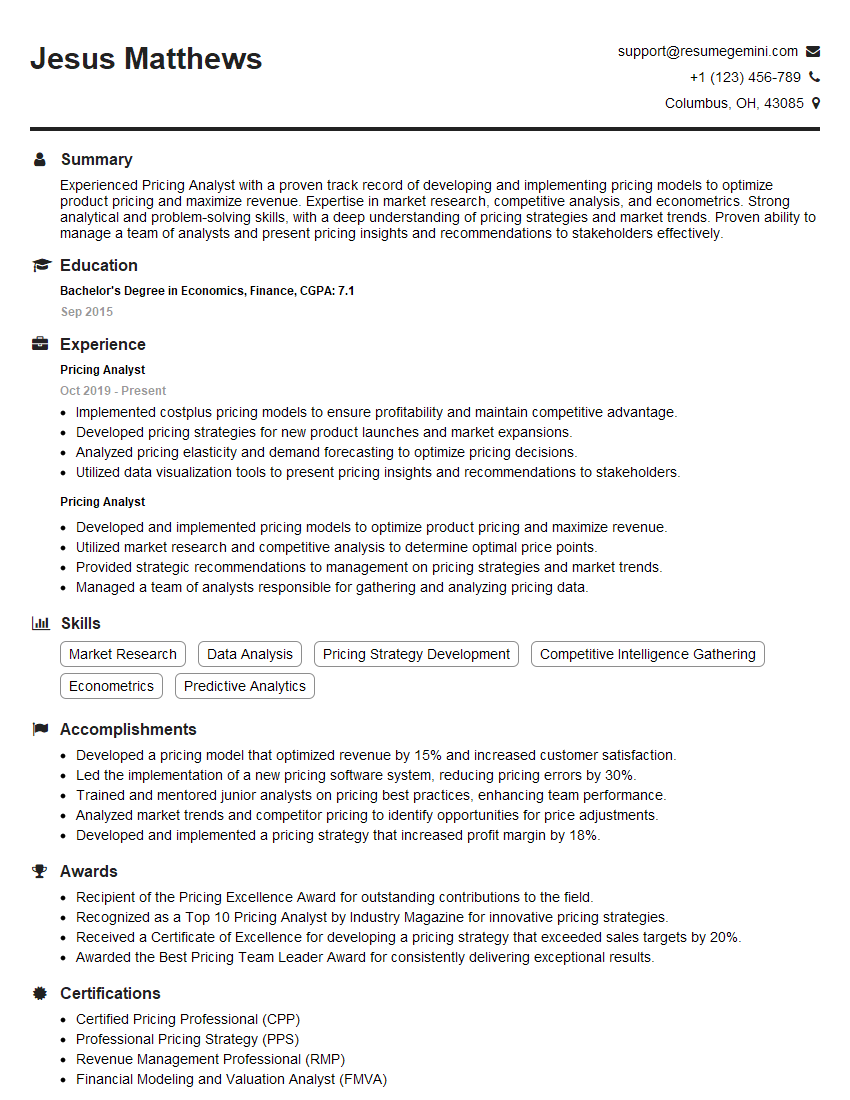
Pricing Analyst Resume Sample
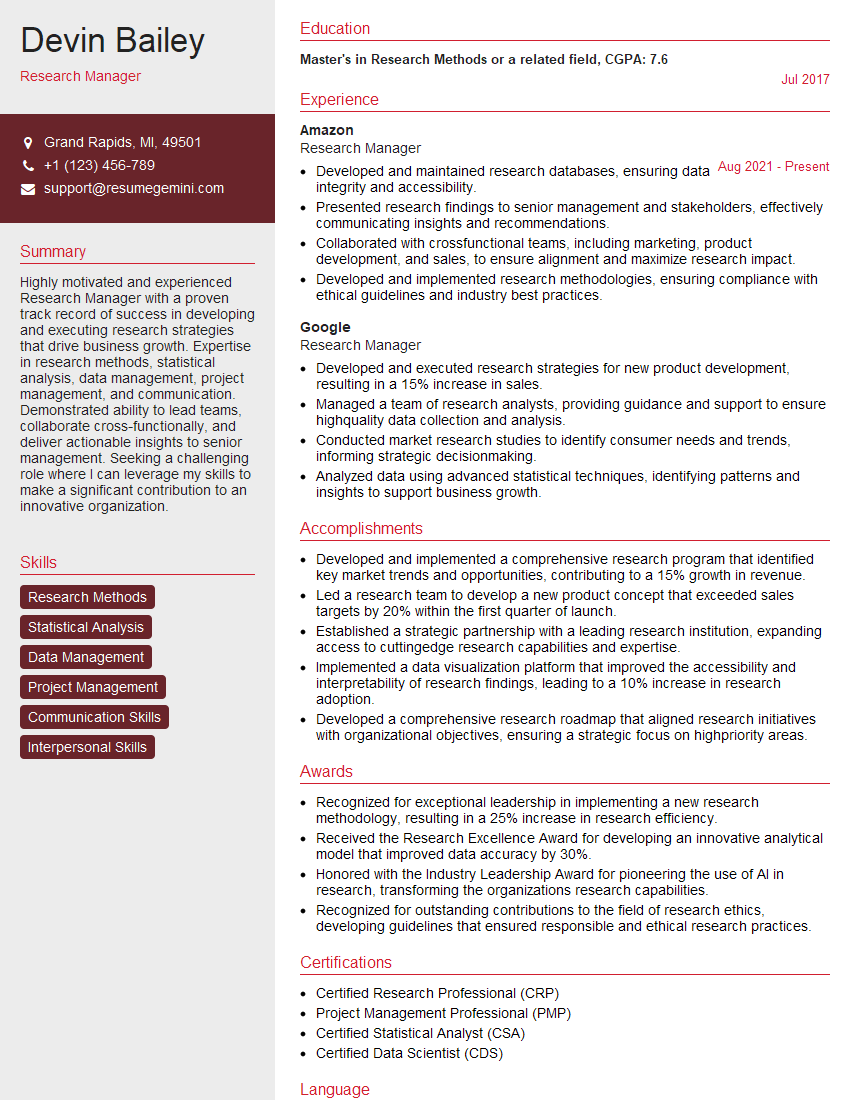
Research Manager Resume Sample
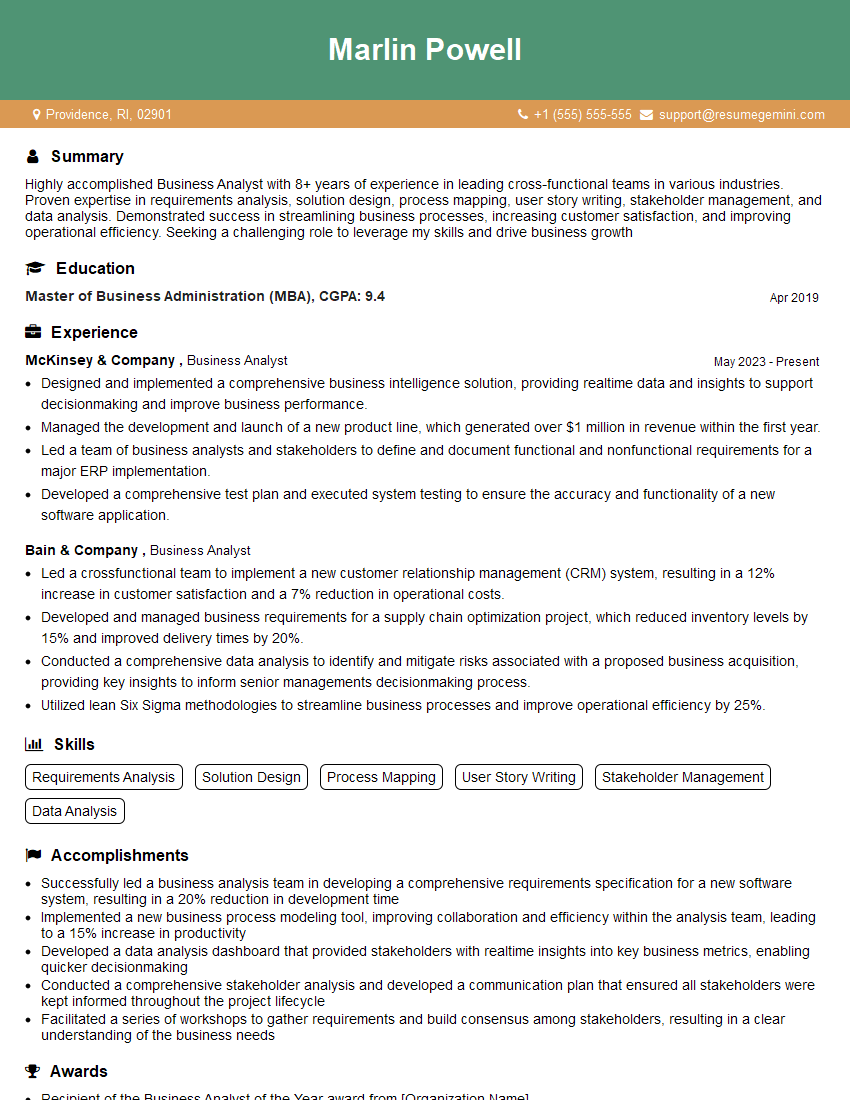
Business Analyst Resume Sample
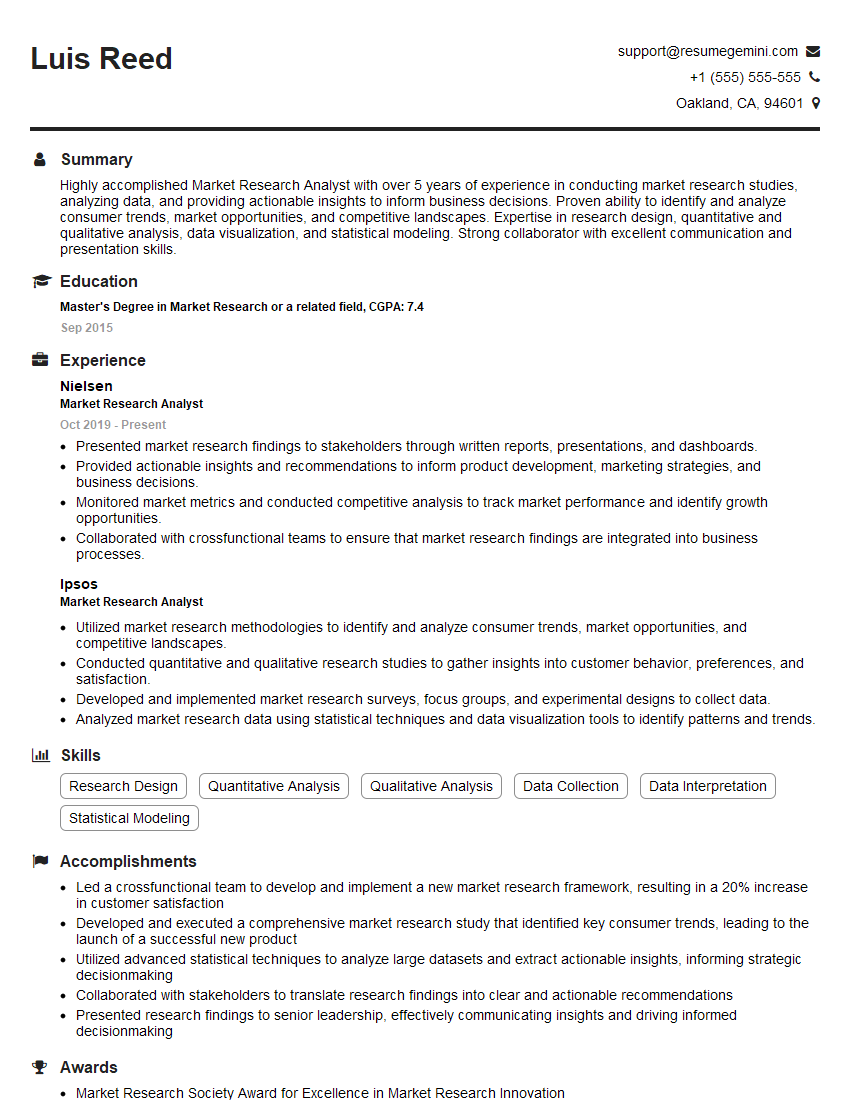
Market Research Analyst Resume Sample
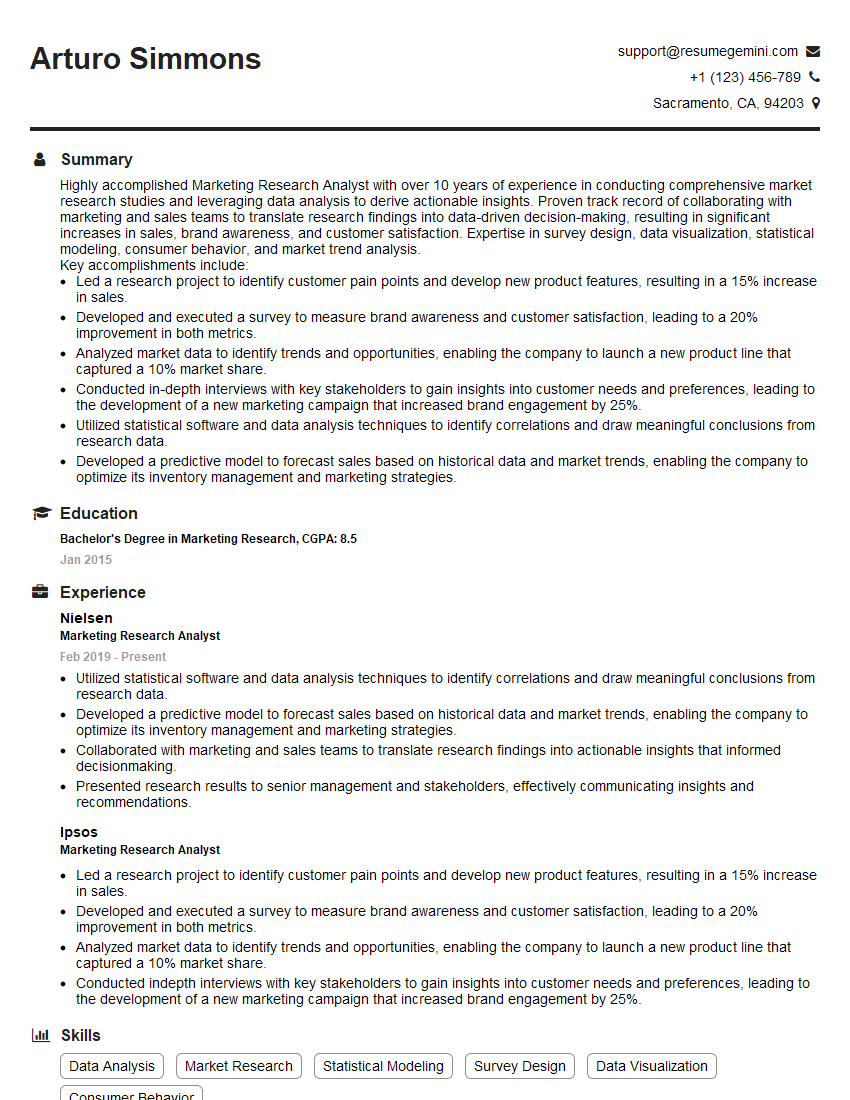
Marketing Research Analyst Resume Sample
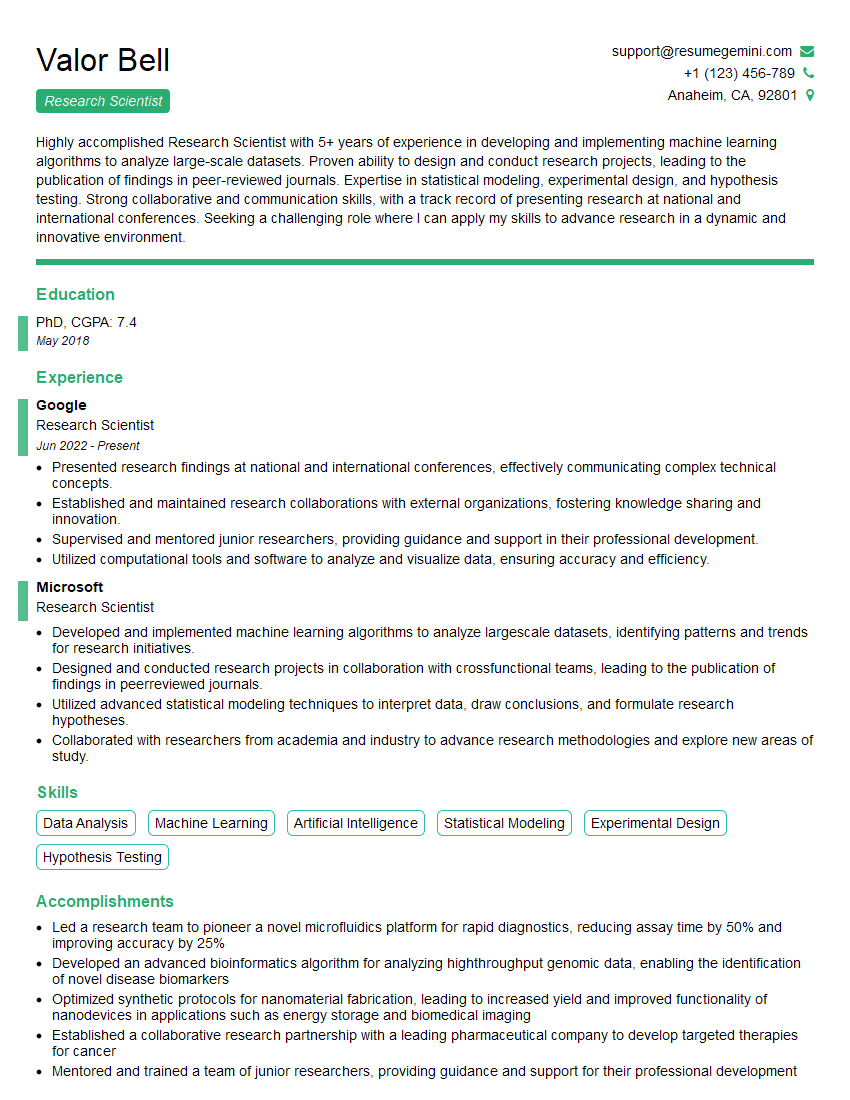
Research Scientist Resume Sample
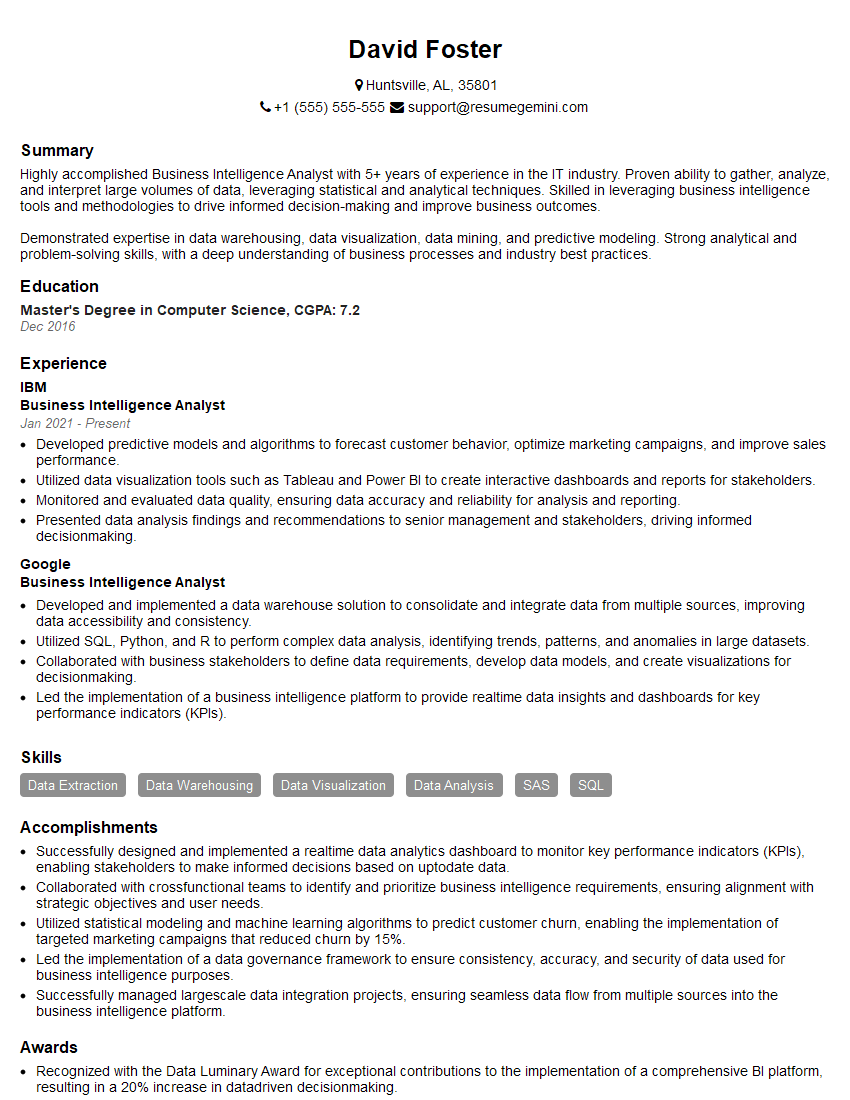
Business Intelligence Analyst Resume Sample
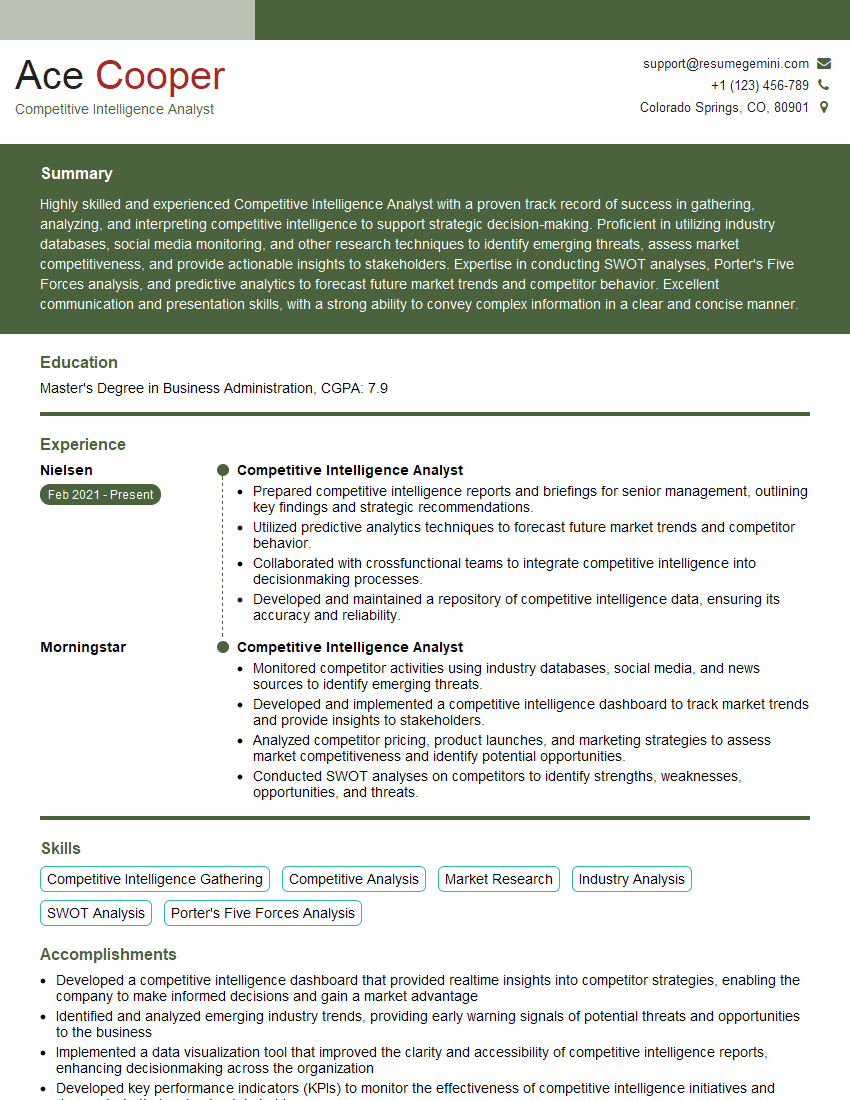
Competitive Intelligence Analyst Resume Sample
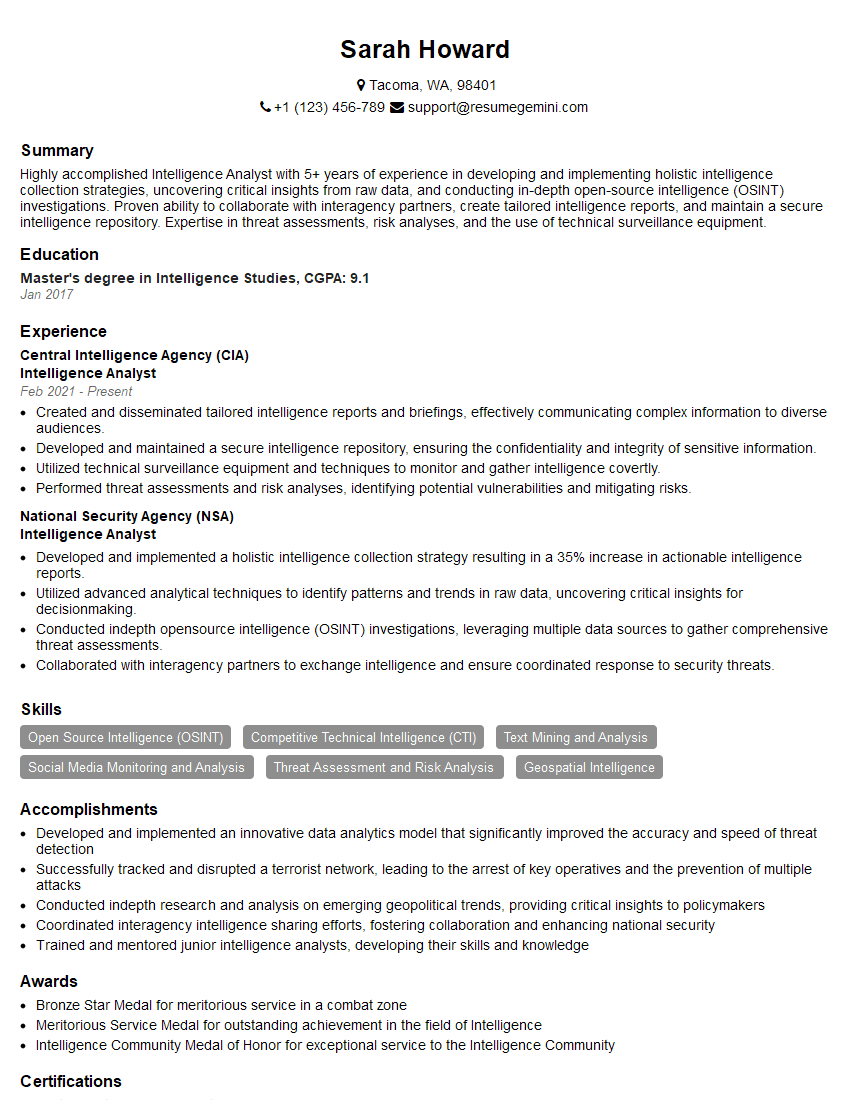
Intelligence Analyst Resume Sample

Operations Research Analyst Resume Sample
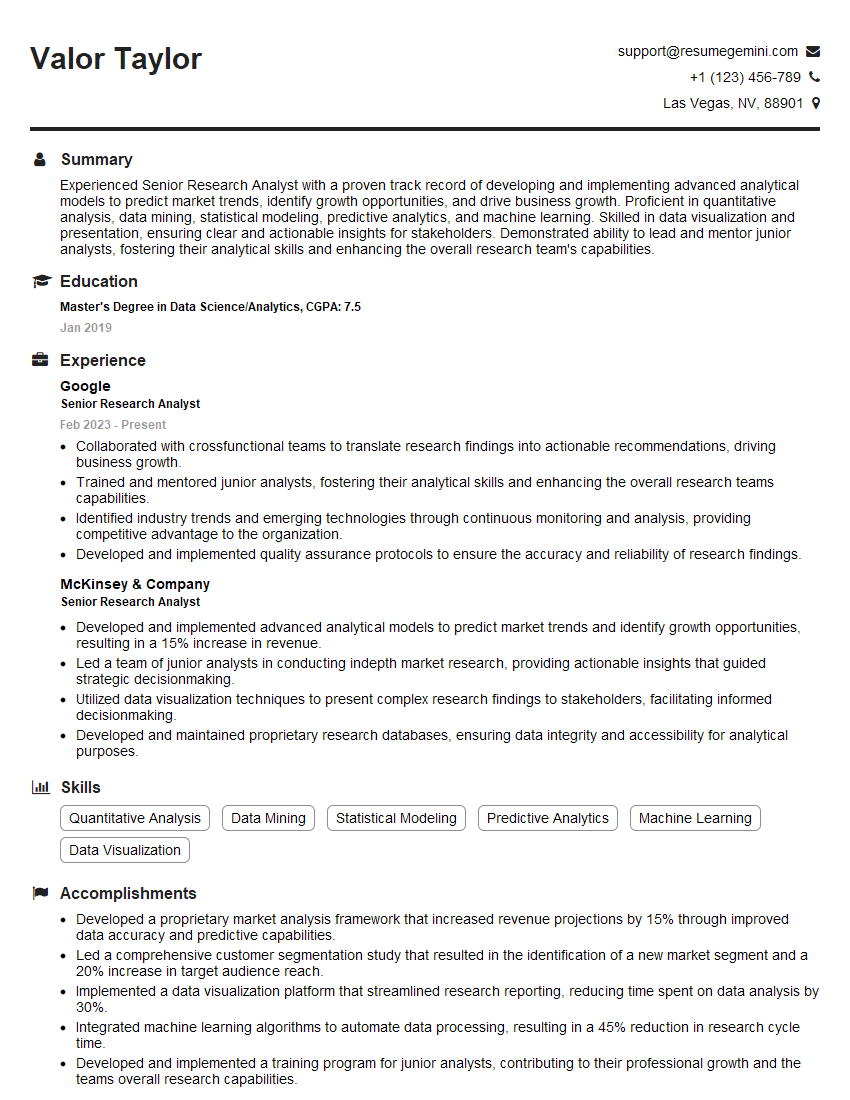
Senior Research Analyst Resume Sample
Explore more articles
Users Rating of Our Blogs
Share Your Experience
We value your feedback! Please rate our content and share your thoughts (optional).
What Readers Say About Our Blog
Very informative content, great job.
good