Are you ready to stand out in your next interview? Understanding and preparing for Research and Concept Development interview questions is a game-changer. In this blog, we’ve compiled key questions and expert advice to help you showcase your skills with confidence and precision. Let’s get started on your journey to acing the interview.
Questions Asked in Research and Concept Development Interview
Q 1. Describe your experience in conducting primary research.
Primary research involves collecting original data directly from the source, rather than relying on existing information. My experience spans various methodologies, including in-depth interviews, focus groups, surveys, and ethnographic studies. For instance, while developing a new ergonomic office chair, I conducted in-depth interviews with 50 office workers to understand their pain points and preferences regarding posture, comfort, and adjustability. This allowed us to gather rich qualitative data that directly informed the design process, leading to a chair with significantly improved user satisfaction compared to competitors.
In another project involving a new mobile app, we deployed a large-scale online survey to a representative sample of our target demographic, gathering both quantitative data (e.g., usage frequency, satisfaction scores) and qualitative data (open-ended feedback on features and usability). This mixed-methods approach provided a comprehensive understanding of user behavior and needs.
Q 2. Explain your process for analyzing qualitative and quantitative data.
Analyzing qualitative data involves systematically identifying themes, patterns, and insights from textual or visual information. I employ techniques like thematic analysis, grounded theory, and content analysis. This often involves coding data, creating detailed summaries, and using visualization techniques to identify key trends. For example, in analyzing interview transcripts from our ergonomic chair project, we identified recurring themes related to lumbar support, adjustability of armrests, and the material of the chair’s seat. This helped us prioritize design features based on user needs.
Quantitative data analysis, on the other hand, focuses on numerical data and involves statistical methods. I leverage descriptive statistics (mean, median, standard deviation) and inferential statistics (t-tests, ANOVA, regression analysis) depending on the research question. For the mobile app survey, we used statistical analysis to compare user satisfaction ratings across different app versions and to identify significant predictors of user engagement.
Q 3. How do you identify unmet customer needs or market gaps?
Identifying unmet customer needs and market gaps requires a multi-faceted approach. I begin by conducting thorough competitive analysis to understand existing solutions and their limitations. I then combine this with primary research, using methods like customer interviews, surveys, and observation to directly identify areas where current offerings fall short. For instance, during a project for a new meal-kit service, competitive analysis revealed that existing services lacked options for individuals with specific dietary restrictions. Our primary research confirmed this gap, revealing a strong demand for tailored meal plans catering to allergies and preferences. This led to the development of customized meal kits, a key differentiator in the market.
I also leverage secondary research, such as market reports and industry publications, to identify broader trends and potential opportunities. Combining these approaches provides a comprehensive understanding of the market landscape and allows for the identification of previously unmet needs.
Q 4. What methodologies do you use for idea generation and concept development?
Idea generation and concept development rely on a combination of creative and analytical methods. I frequently use brainstorming sessions, mind mapping, and design thinking workshops to generate a large number of ideas. These sessions often involve diverse team members to encourage cross-pollination of ideas and perspectives. Following this, I utilize frameworks like the ‘SCAMPER’ checklist (Substitute, Combine, Adapt, Modify, Put to other uses, Eliminate, Reverse) and ‘TRIZ’ (Theory of Inventive Problem Solving) to refine and develop promising concepts.
Prototyping is a crucial step in concept development. We create low-fidelity prototypes (e.g., sketches, storyboards) to quickly test and iterate on ideas. This process is followed by high-fidelity prototypes (e.g., working models, interactive simulations) to assess functionality and user experience before committing significant resources to production. This iterative process ensures that the final concept is well-tested and addresses identified needs effectively.
Q 5. How do you prioritize competing research objectives?
Prioritizing competing research objectives requires a clear understanding of the overall research goals and a systematic approach. I typically use a prioritization matrix that considers factors such as the potential impact of each objective, the feasibility of achieving it, and the available resources. This often involves assigning weights to each factor and scoring each objective based on these criteria. For example, if we have limited resources and time, high-impact objectives with high feasibility will be prioritized over those with low impact or low feasibility.
It is also important to consider dependencies between objectives. Some objectives may need to be addressed before others can be pursued. Careful planning and scheduling help ensure efficient allocation of resources and timely completion of the research.
Q 6. Describe your experience with various research methods (e.g., surveys, interviews, usability testing).
My experience encompasses a wide range of research methods. Surveys are excellent for collecting quantitative data from a large sample size, providing insights into attitudes, behaviors, and preferences. I have designed and administered both online and offline surveys, ensuring appropriate sampling techniques and robust data analysis. For deeper insights, in-depth interviews allow for rich qualitative data collection. I employ structured and semi-structured interview guides to ensure consistency while still allowing for exploration of unexpected themes.
Focus groups are useful for understanding group dynamics and shared perspectives. I moderate focus groups, ensuring a balanced discussion and capturing key insights. Usability testing involves observing participants interacting with a product or service, identifying usability issues, and informing design improvements. I have experience conducting both in-person and remote usability tests, utilizing various tools for data capture and analysis.
Q 7. How do you evaluate the feasibility of a new concept?
Evaluating the feasibility of a new concept involves assessing its technical, economic, and market viability. Technical feasibility focuses on whether the concept can be developed and produced using existing technology and resources. This involves consulting with engineers, product developers, and other technical experts to assess the challenges and potential solutions. Economic feasibility examines whether the concept is financially viable, considering factors such as development costs, manufacturing costs, marketing expenses, and potential revenue streams.
Market feasibility assesses whether there is sufficient demand for the concept and whether it can successfully compete in the market. This involves analyzing market size, target audience, competitive landscape, and potential barriers to entry. A comprehensive feasibility study considering all three aspects is crucial in determining whether a new concept is worth pursuing, mitigating potential risks, and guiding informed decision-making.
Q 8. How do you handle conflicting research findings?
Conflicting research findings are inevitable in any robust research process. Instead of viewing them as failures, I see them as opportunities to refine my understanding and to delve deeper into the nuances of the problem. My approach involves a systematic process:
- Identify the source of conflict: I meticulously examine the methodologies, sample sizes, and data analysis techniques of each study. Are there differences in participant demographics, research settings, or definitions of key variables? Identifying these inconsistencies is the first step to resolution.
- Qualitative analysis: I often supplement quantitative data with qualitative insights. For example, if two studies yield conflicting results on customer preferences, I might conduct interviews or focus groups to gain a deeper understanding of the underlying reasons for this discrepancy.
- Meta-analysis (if appropriate): If the studies are sufficiently similar, a meta-analysis might help to synthesize the findings and identify potential sources of heterogeneity. This statistical technique combines results from multiple studies to obtain a more precise estimate of the effect size.
- Reconciling the findings: Often, seemingly conflicting findings reveal a more complex picture. Perhaps the effect depends on the context or the specific population studied. I aim to integrate the findings into a nuanced interpretation that accounts for the observed variability.
- Further research: Sometimes, the conflicting findings highlight the need for further research to clarify the issue. This might involve designing a new study to address the identified gaps or refine existing methodologies.
For instance, in a project researching the effectiveness of a new educational app, two studies produced conflicting results. One showed significant improvement, while the other showed little to no effect. By examining the methodologies, I discovered that the first study used a highly selective sample of motivated students, while the second used a more representative population. This highlighted the importance of considering the context and target audience when evaluating the app’s effectiveness.
Q 9. Describe your experience with competitive analysis.
Competitive analysis is crucial for innovation. My experience involves a multi-faceted approach that goes beyond simply identifying competitors. I strive to understand their strengths, weaknesses, strategies, and market positions. This involves:
- Identifying competitors: This is often broader than direct competitors. It includes indirect competitors offering substitute products or services, and potential future entrants into the market.
- Analyzing their offerings: I evaluate their products or services in terms of features, functionality, pricing, and marketing strategies. I also look at customer reviews and market share data to understand their performance.
- Analyzing their strategies: I try to understand their business models, target markets, and competitive advantages. This often involves reviewing company reports, news articles, and industry publications.
- Identifying opportunities and threats: The analysis helps identify gaps in the market, unmet needs, and potential areas for disruption. It also pinpoints potential threats posed by competitors.
- Developing strategies: The insights gained from the competitive analysis inform the development of strategies to differentiate our offerings and gain a competitive advantage.
For example, while working on a new sustainable packaging solution, I analyzed the offerings of existing companies in the eco-friendly packaging market. This involved evaluating their materials, manufacturing processes, pricing, and marketing strategies. This analysis revealed opportunities to improve on existing solutions by focusing on a specific niche market and utilizing innovative materials. The result was a product that stood out from competitors by offering superior sustainability and cost-effectiveness.
Q 10. How do you present research findings to stakeholders?
Presenting research findings to stakeholders requires tailoring the information to their specific needs and understanding. My approach is to make the information clear, concise, and visually engaging. I typically follow these steps:
- Define the audience: Understanding the stakeholders’ background, technical expertise, and interests is critical to tailor the presentation.
- Structure the presentation: I start with a clear executive summary highlighting key findings and implications. Then, I present the methodology, data analysis, and results, using clear visuals such as charts and graphs.
- Use visual aids: Data visualizations are essential. Charts, graphs, and infographics make complex data easily digestible.
- Highlight key takeaways: I focus on the most significant findings, their implications, and any recommended actions.
- Encourage discussion: I facilitate a Q&A session and allow for open discussion to address any questions or concerns.
For instance, when presenting the findings of a market research study to a company’s executive team, I would begin with a concise summary of the key market trends and opportunities. Then, I would present the data using clear and visually appealing charts. Finally, I would highlight the strategic implications of the findings and recommend concrete actions to capitalize on the opportunities identified.
Q 11. Explain your experience with prototyping and iterative design.
Prototyping and iterative design are central to my approach. I believe in building and testing prototypes early and often to validate assumptions and gather user feedback. This iterative process allows for continuous refinement and improvement.
- Low-fidelity prototypes: I start with quick and inexpensive prototypes (e.g., paper prototypes, wireframes) to test the basic concept and user flow.
- High-fidelity prototypes: As the design matures, I create more realistic prototypes (e.g., interactive mockups, functional prototypes) to test specific features and interactions.
- User testing: I conduct user testing throughout the prototyping process to gather feedback on usability, aesthetics, and overall user experience.
- Iterative refinement: Based on user feedback, I iterate on the design, making changes and improvements before testing again. This cyclical process continues until a satisfactory solution is achieved.
For instance, during the development of a mobile app, I started with paper prototypes to test the user interface flow. After receiving feedback from users, I created a digital prototype that incorporated their suggestions. Through this iterative process, the app’s usability and user experience were significantly improved. The result was a user-friendly app with high user engagement.
Q 12. How do you measure the success of a research project?
Measuring the success of a research project depends heavily on its objectives. It’s crucial to define clear, measurable, achievable, relevant, and time-bound (SMART) goals at the outset. Success metrics can then be tailored to those specific objectives. Examples include:
- Meeting research objectives: Did the research successfully answer the initial questions or hypotheses?
- Quality of the data: Was the data collected reliable, valid, and representative of the target population?
- Impact on stakeholders: Did the research findings lead to any significant changes in strategy, product development, or decision-making?
- Publications and presentations: Did the research lead to any publications in peer-reviewed journals or presentations at conferences?
- Return on investment (ROI): For applied research, this might involve calculating the financial benefits or cost savings resulting from the research.
In a research project evaluating the effectiveness of a new marketing campaign, success would be measured by tracking key metrics such as website traffic, conversion rates, and customer acquisition costs. A significant improvement in these metrics compared to previous campaigns would indicate the success of the research and the resulting campaign.
Q 13. How do you manage risk in research and concept development?
Risk management in research and concept development is crucial for success. My approach involves proactive identification, assessment, and mitigation of potential risks throughout the project lifecycle.
- Risk identification: I identify potential risks using a variety of techniques, including brainstorming sessions, checklists, and SWOT analysis.
- Risk assessment: I assess the likelihood and potential impact of each identified risk, prioritizing those with high likelihood and high impact.
- Risk mitigation: I develop strategies to mitigate the identified risks. These strategies might involve contingency planning, risk transfer (e.g., insurance), or risk avoidance.
- Monitoring and control: I continuously monitor the risks throughout the project, making adjustments to the mitigation strategies as needed.
For instance, in a project developing a new medical device, potential risks include regulatory hurdles, manufacturing challenges, and clinical trial failures. A risk mitigation strategy might involve developing a robust regulatory strategy, partnering with experienced manufacturers, and conducting thorough pre-clinical testing. Regular monitoring of these risks would ensure that the project remains on track and that potential problems are addressed proactively.
Q 14. Explain your experience with intellectual property protection.
Intellectual property (IP) protection is a critical aspect of research and concept development. My experience involves understanding different forms of IP protection and implementing appropriate strategies to safeguard valuable innovations.
- Understanding different IP types: I am familiar with patents, trademarks, copyrights, and trade secrets, and understand which type of protection is most suitable for different types of innovations.
- Patents: I work with patent attorneys to file patent applications for inventions that meet the criteria for patentability (novelty, non-obviousness, and utility).
- Trademarks: I advise on the selection and registration of trademarks to protect brand names and logos.
- Copyrights: I ensure that original works (e.g., reports, designs, software code) are protected by copyright.
- Trade secrets: I implement measures to protect confidential information (e.g., formulas, processes, customer lists) that provide a competitive advantage.
In a project resulting in a novel algorithm, I would work with a patent attorney to assess the patentability of the algorithm and file a patent application to secure exclusive rights to its use. For the software implementation of this algorithm, copyright protection would be obtained. This multi-pronged approach ensures comprehensive protection of the intellectual property created during the research process.
Q 15. What software or tools are you proficient in for research and analysis?
My proficiency in research and analysis software spans a wide range of tools, depending on the specific research needs. For quantitative analysis, I’m highly skilled in statistical packages like R and SPSS. I leverage R’s extensive libraries for data manipulation, statistical modeling (e.g., regression analysis, ANOVA), and data visualization. SPSS provides a user-friendly interface for similar tasks, particularly useful for larger datasets and more complex statistical tests. For qualitative analysis, I’m proficient in NVivo, a powerful software for managing and analyzing qualitative data like interviews and focus groups. This helps in identifying themes, patterns, and relationships within textual data. In addition, I’m comfortable using spreadsheet software like Microsoft Excel and Google Sheets for data cleaning, organization, and basic statistical analysis. Finally, for data visualization, I utilize Tableau and Power BI to create compelling and insightful charts and dashboards to communicate research findings effectively.
Career Expert Tips:
- Ace those interviews! Prepare effectively by reviewing the Top 50 Most Common Interview Questions on ResumeGemini.
- Navigate your job search with confidence! Explore a wide range of Career Tips on ResumeGemini. Learn about common challenges and recommendations to overcome them.
- Craft the perfect resume! Master the Art of Resume Writing with ResumeGemini’s guide. Showcase your unique qualifications and achievements effectively.
- Don’t miss out on holiday savings! Build your dream resume with ResumeGemini’s ATS optimized templates.
Q 16. Describe a time you had to adapt your research methods due to unexpected challenges.
During a research project on consumer preferences for a new sustainable product line, we initially planned to conduct in-person focus groups. However, due to unexpected travel restrictions caused by a sudden pandemic, we had to swiftly adapt our methods. We transitioned to online focus groups using Zoom, supplemented by online surveys through platforms like Qualtrics. This required adjustments to our interview protocols to account for the different virtual environment and to ensure engagement. We also had to refine our survey design to ensure it remained concise and engaging in a digital format. While the shift presented unforeseen challenges, the project was successful, demonstrating the importance of flexibility and adaptability in research.
Q 17. How do you ensure the ethical considerations in your research?
Ethical considerations are paramount in my research. I adhere to a rigorous ethical framework that prioritizes informed consent, confidentiality, and data security. Before commencing any research, I obtain informed consent from participants, ensuring they understand the study’s purpose, procedures, and potential risks and benefits. All data collected is anonymized and stored securely, adhering to relevant data protection regulations (like GDPR or HIPAA, depending on the context). Furthermore, I ensure transparency in reporting findings, avoiding any misrepresentation or selective reporting of data. If the research involves vulnerable populations, extra care is taken to protect their interests and well-being, often involving consultation with an ethics review board.
Q 18. What is your experience with market research techniques?
My experience with market research techniques is extensive and encompasses a variety of methodologies. I’ve conducted both quantitative and qualitative research, including surveys (online and offline), focus groups, in-depth interviews, and ethnographic studies. I’m experienced in designing surveys using validated scales and crafting interview guides to elicit meaningful insights. I’m also skilled in analyzing market data from secondary sources, such as market reports, competitor analysis, and industry publications. This enables me to develop a comprehensive understanding of the market landscape and consumer behavior. For example, in a recent project, we used a combination of online surveys and social media listening to gauge consumer sentiment towards a new product launch. This mixed-methods approach provided a richer understanding than relying on a single method.
Q 19. How do you translate research findings into actionable insights?
Translating research findings into actionable insights requires a structured approach. I begin by summarizing key findings in a clear and concise manner, avoiding technical jargon where possible. Then, I identify the implications of these findings for the business or organization, focusing on their practical applications. This often involves creating visual representations of the data, like charts and graphs, to facilitate easy understanding. For instance, if research reveals a decline in customer satisfaction, the actionable insight might be to invest in customer service training or redesign problematic processes. I also always present recommendations based on the data and propose further research if needed. The ultimate goal is to provide decision-makers with the information they need to make informed choices.
Q 20. How do you identify and mitigate potential biases in research?
Identifying and mitigating biases is crucial for maintaining the integrity of research. I actively employ several strategies to minimize bias. Firstly, I use rigorous sampling methods to ensure a representative sample of the population under study. Secondly, I employ blind or double-blind techniques where appropriate, preventing researchers from influencing the results. Thirdly, I carefully design research instruments to minimize leading questions or other sources of bias. Finally, I critically examine the data for any potential biases during the analysis phase. For example, if I observe unexpected results, I investigate potential confounding variables that might explain them. Transparency and rigorous methodology are essential in addressing potential biases.
Q 21. Describe your experience with developing marketing strategies based on research.
My experience in developing marketing strategies based on research is significant. I’ve worked on numerous projects where research findings directly shaped marketing campaigns. For example, in a project for a new food product, we conducted extensive consumer research to understand target market preferences, price sensitivity, and preferred distribution channels. This research revealed a strong preference for natural ingredients and convenient packaging. Using these insights, we developed a marketing campaign that emphasized the product’s natural ingredients, highlighted its convenience, and targeted consumers through online channels and in-store promotions. The campaign was highly successful, exceeding initial sales projections. The key to effective marketing strategy development lies in leveraging research insights to identify target audiences, craft compelling messaging, and optimize channel selection.
Q 22. How do you determine the ROI of a research project?
Determining the Return on Investment (ROI) of a research project isn’t a simple calculation; it’s a multifaceted process requiring careful consideration of both tangible and intangible benefits. We need to move beyond simply looking at immediate financial returns.
Tangible ROI often involves quantifying cost savings, increased efficiency, or direct revenue generation resulting from the research. For example, if research leads to a new product that generates $1 million in sales and the research cost $100,000, the tangible ROI is 900%. However, this is a simplified view.
Intangible ROI is harder to measure but equally crucial. This includes improved brand reputation, enhanced competitive advantage, the development of valuable intellectual property, and increased employee morale and skills. We often use qualitative methods, such as surveys and focus groups, to assess these intangible benefits and assign them monetary values based on comparable market analyses.
A comprehensive ROI assessment involves:
- Defining clear objectives: What are we hoping to achieve with this research? Specific, Measurable, Achievable, Relevant, and Time-bound (SMART) goals are essential.
- Identifying key performance indicators (KPIs): These are the metrics we’ll use to track progress and measure success (e.g., number of patents filed, market share increase, customer satisfaction scores).
- Estimating costs: This includes personnel, materials, equipment, and any other expenses.
- Projecting benefits: This requires careful forecasting, considering both tangible and intangible outcomes.
- Calculating ROI: A simple formula (Total Benefits – Total Costs) / Total Costs x 100% provides a starting point, but more complex models might be necessary depending on the project’s complexity.
In practice, I often use a combination of quantitative and qualitative data to create a robust ROI assessment. For instance, in a project focused on developing a new drug, the tangible ROI might be based on projected sales, while the intangible ROI could incorporate factors like improved patient outcomes and reduced healthcare costs.
Q 23. How do you collaborate effectively with cross-functional teams?
Effective cross-functional collaboration is essential for successful research and development. My approach emphasizes clear communication, shared goals, and mutual respect.
Firstly, I ensure we have a shared understanding of the project goals and objectives. This requires regular communication and clearly defined roles and responsibilities. We use project management tools to track progress and maintain transparency.
Secondly, I foster open communication channels. We utilize regular meetings, both formal and informal, to discuss progress, challenges, and potential solutions. I encourage active listening and feedback from all team members, regardless of their department or background.
Thirdly, I promote a culture of trust and mutual respect. I believe that each team member brings unique expertise and perspectives that are invaluable to the project’s success. I actively encourage collaboration and knowledge sharing.
Fourthly, I use appropriate collaboration tools. This might include shared online documents, project management software, and video conferencing tools to facilitate communication and collaboration, even across geographical locations.
Finally, I proactively address conflicts that may arise. Open and honest communication is vital for resolving disagreements effectively and maintaining a positive team dynamic. I emphasize finding mutually acceptable solutions, rather than focusing on assigning blame.
For example, in a recent project involving the development of a new medical device, I worked closely with engineers, marketing professionals, and regulatory affairs specialists. By fostering open communication and a collaborative environment, we were able to successfully navigate the complexities of the development process and launch the device on schedule.
Q 24. What is your experience with creating visual representations of research data?
Visual representations of research data are crucial for effective communication and understanding. My experience encompasses a wide range of techniques, chosen based on the nature of the data and the intended audience.
I’m proficient in creating various types of visualizations, including:
- Charts and graphs: Bar charts, line graphs, scatter plots, pie charts, etc., to show trends, comparisons, and relationships between variables.
- Infographics: Concise and visually appealing summaries of key findings, often used for broader audiences.
- Data dashboards: Interactive displays of key metrics, allowing for real-time monitoring and analysis.
- Maps: Geographical visualizations of data, useful for spatial analysis.
- Network diagrams: Representations of connections and relationships between data points.
I use a variety of software tools, including specialized statistical packages such as R and SPSS, as well as data visualization tools like Tableau and Power BI. The choice of tool depends on the complexity of the data and the specific needs of the project. I always prioritize clarity and accuracy in my visualizations, ensuring that the data is presented in a way that is both informative and easy to understand.
For instance, in a project analyzing customer behavior, I used heatmaps to visually represent the geographical distribution of customer activity, allowing for easy identification of key market areas.
Q 25. Describe a situation where you had to defend your research findings.
In a project investigating the efficacy of a novel treatment for a chronic disease, our findings initially contradicted the prevailing scientific consensus. This led to significant scrutiny from both internal stakeholders and the broader scientific community.
To defend our findings, we meticulously documented our methodology, ensuring rigorous adherence to established scientific protocols. We conducted multiple statistical analyses, and explored any potential confounding factors. We also performed sensitivity analyses to assess the robustness of our findings.
We presented our findings in a clear and concise manner, using visual aids to effectively communicate our data. We addressed all the critiques raised by the reviewers thoroughly and respectfully, providing evidence-based responses to their concerns. We also engaged in open and constructive dialogue with critics, demonstrating a willingness to consider alternative interpretations of the data.
Ultimately, the robustness of our methodology and the compelling nature of our data convinced the skeptics. Our findings were eventually published in a peer-reviewed journal and have since contributed significantly to the advancement of the field. This experience highlighted the importance of rigorous research design, meticulous data analysis, and clear and effective communication in defending scientific findings.
Q 26. How do you stay current with the latest research methodologies and trends?
Staying current in the rapidly evolving field of research methodologies and trends is crucial. My approach involves a multi-pronged strategy:
- Regularly reading scientific literature: I subscribe to several leading journals in my field and actively search for relevant publications online. This keeps me updated on the latest research breakthroughs and methodologies.
- Attending conferences and workshops: Networking with other researchers and attending presentations allows me to learn about new techniques and approaches firsthand.
- Participating in professional development activities: I regularly take online courses and workshops to enhance my skills in various research methodologies.
- Engaging with online communities: I participate in online forums and discussion groups to engage with other researchers and stay abreast of current trends.
- Mentorship and Collaboration: I actively seek mentorship from experienced researchers and collaborate with colleagues on projects that expose me to new methodologies.
For example, I recently completed a course on advanced statistical modeling techniques, which significantly improved my ability to analyze complex datasets. This continuous learning approach ensures that I remain at the forefront of my field.
Q 27. What is your approach to creating innovative and disruptive concepts?
Creating innovative and disruptive concepts requires a combination of creative thinking, deep understanding of market needs, and rigorous analysis. My approach involves:
- Immersive Research: I start by deeply understanding the problem or opportunity at hand. This involves extensive market research, competitive analysis, and exploration of emerging trends. I also actively seek diverse perspectives to avoid biases.
- Ideation Techniques: I employ various creative thinking techniques, including brainstorming, mind mapping, and design thinking, to generate a wide range of potential solutions.
- Challenge Assumptions: A crucial aspect of disruptive innovation is questioning conventional wisdom. I actively challenge existing assumptions and explore radical solutions that might seem unconventional at first.
- Rapid Prototyping: I believe in building and testing prototypes early and often. This allows for quick feedback and iterative improvements.
- Data-Driven Decision Making: Throughout the process, I leverage data analytics to validate assumptions, test hypotheses, and refine concepts.
For example, while working on a project aimed at improving accessibility for people with disabilities, I challenged the assumption that assistive technologies needed to be complex. This led to the development of a simple, intuitive solution that dramatically improved user experience.
Q 28. Describe your experience in bringing a new concept from idea to market.
Bringing a new concept from idea to market is a challenging but rewarding process that requires careful planning, execution, and adaptation. My experience includes several successful product launches.
The process typically involves these key stages:
- Concept Validation: Thoroughly testing the concept with potential customers to ensure market fit. This includes surveys, focus groups, and minimum viable product (MVP) development.
- Product Development: Designing and developing the product, ensuring it meets the needs of the target market and adheres to relevant regulations.
- Go-to-Market Strategy: Developing a comprehensive marketing and sales plan, considering pricing, distribution channels, and target audience.
- Launch and Iteration: Launching the product and continuously monitoring its performance, gathering customer feedback, and making necessary adjustments.
In one project, we developed a novel software application. We started with an MVP, gathering user feedback at each iteration. This allowed us to refine the product and ensure its functionality and usability before a full-scale launch. The iterative approach was critical to the product’s success, allowing us to adapt to changing market demands and incorporate valuable user feedback throughout the development lifecycle. This resulted in a successful product launch and strong market adoption.
Key Topics to Learn for Research and Concept Development Interview
- Research Methodologies: Understanding qualitative and quantitative research methods, their applications, and limitations. Consider exploring specific methods like user research, market analysis, and competitive analysis.
- Idea Generation and Ideation Techniques: Mastering brainstorming, mind mapping, design thinking, and other creative problem-solving approaches to generate innovative concepts.
- Concept Development and Prototyping: Learning to translate abstract ideas into tangible concepts through sketching, wireframing, prototyping, and user testing. This includes understanding the iterative nature of the process.
- Data Analysis and Interpretation: Developing skills in analyzing research data to identify trends, draw meaningful conclusions, and inform concept development. This includes familiarity with relevant software and tools.
- Presentation and Communication: Effectively communicating research findings and concept proposals to diverse audiences, both verbally and visually. Practice conveying complex information clearly and concisely.
- Intellectual Property and Patents: Understanding the basics of intellectual property protection and its role in concept development within a business context.
- Project Management Fundamentals: Applying project management principles to organize and execute research and concept development projects efficiently and effectively.
Next Steps
Mastering Research and Concept Development is crucial for career advancement in today’s innovative landscape. These skills are highly sought after across various industries, opening doors to exciting opportunities and leadership roles. To significantly boost your job prospects, it’s essential to present your expertise effectively through a well-crafted, ATS-friendly resume. ResumeGemini can help you create a professional and impactful resume tailored to highlight your skills in Research and Concept Development. We provide examples of resumes specifically designed for this field to help you showcase your capabilities and land your dream job. Take the next step towards a successful career by crafting a compelling resume with ResumeGemini.
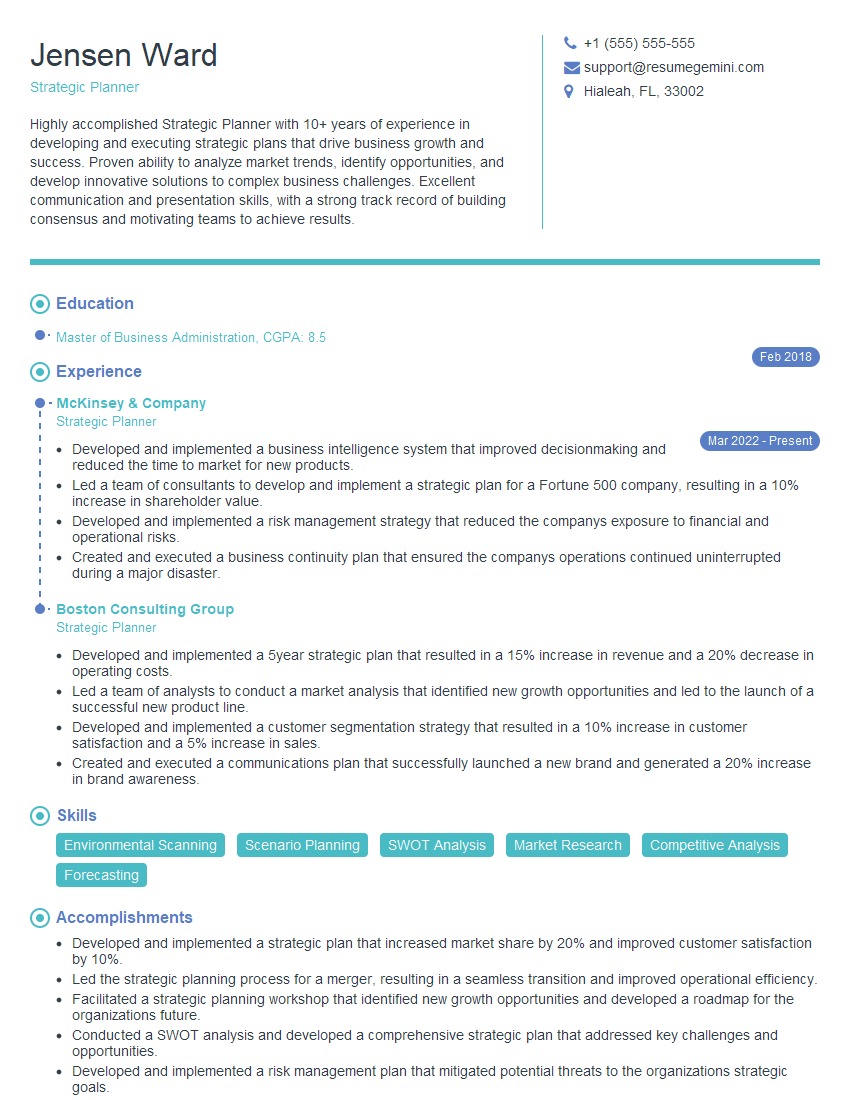
Strategic Planner Resume Sample
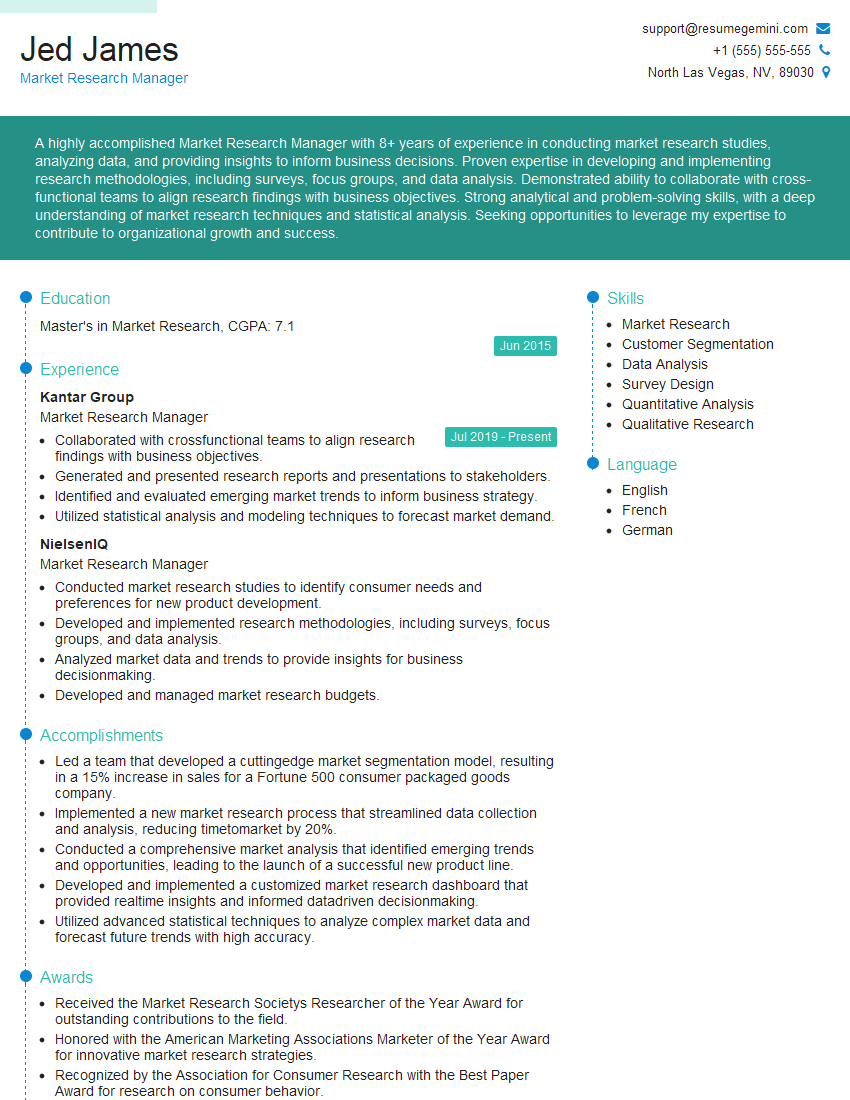
Market Research Manager Resume Sample
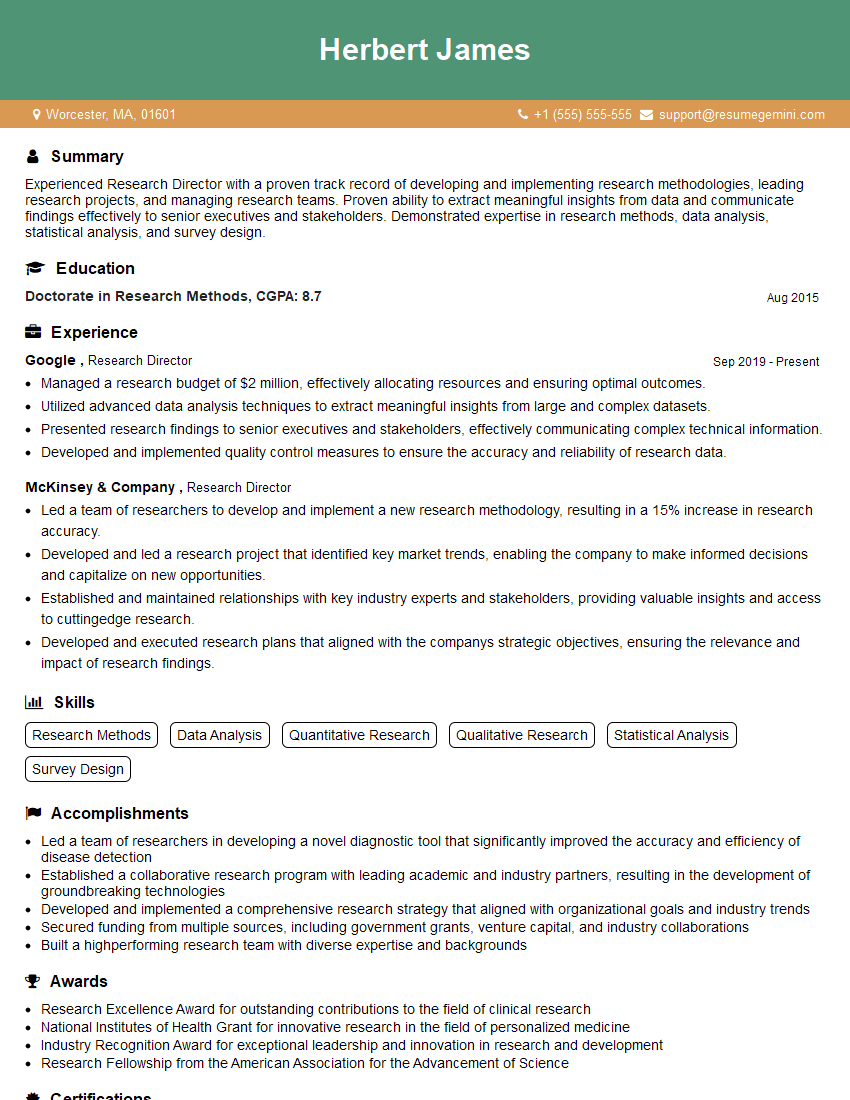
Research Director Resume Sample
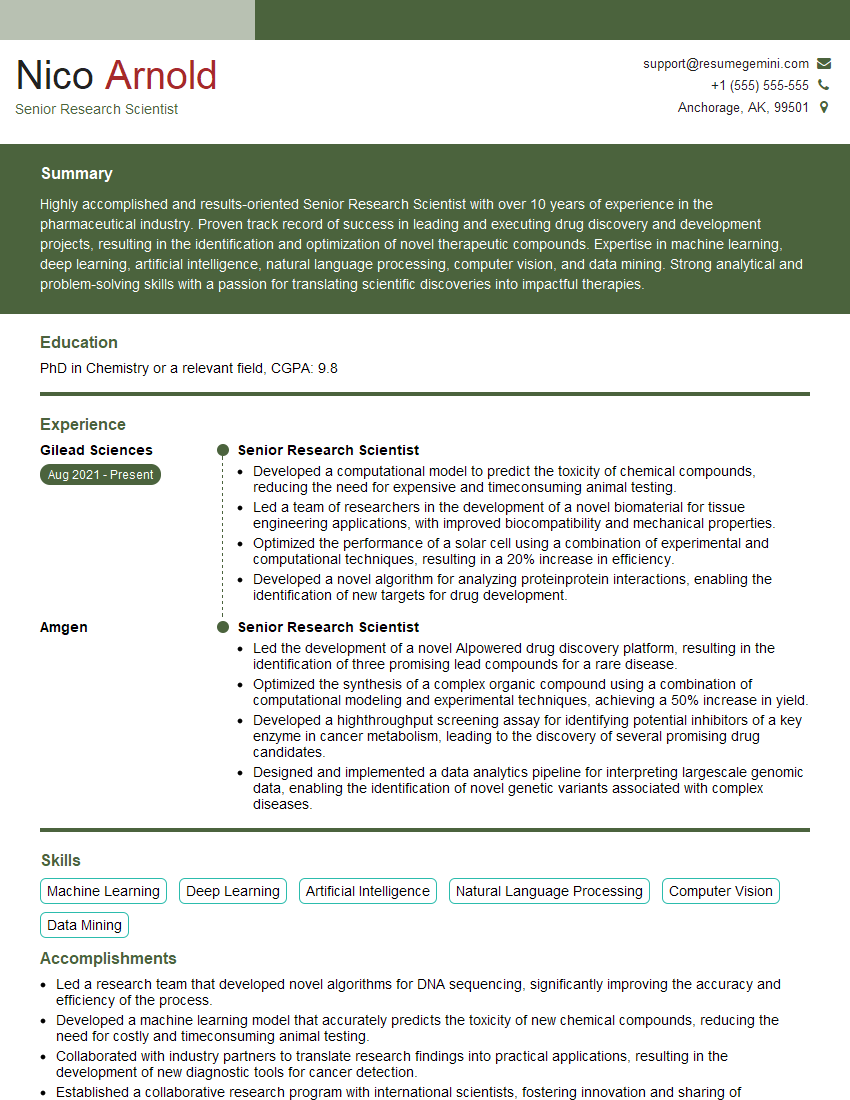
Senior Research Scientist Resume Sample
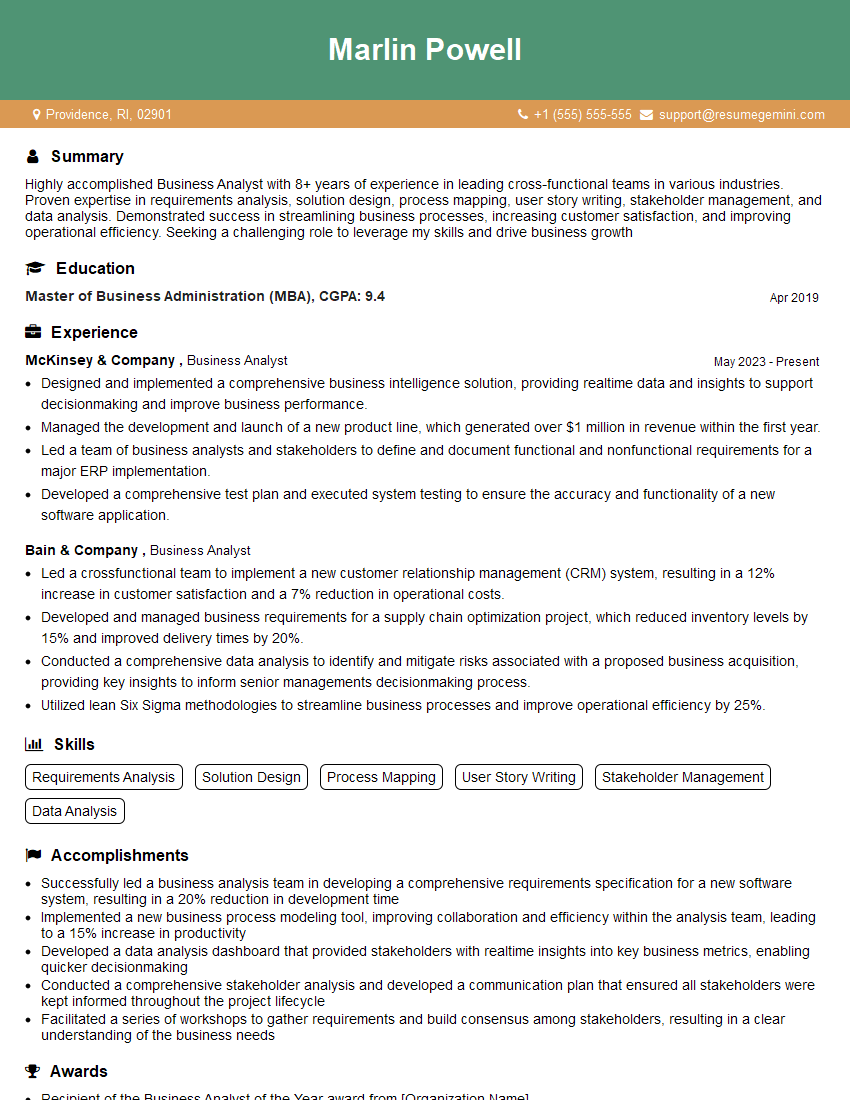
Business Analyst Resume Sample
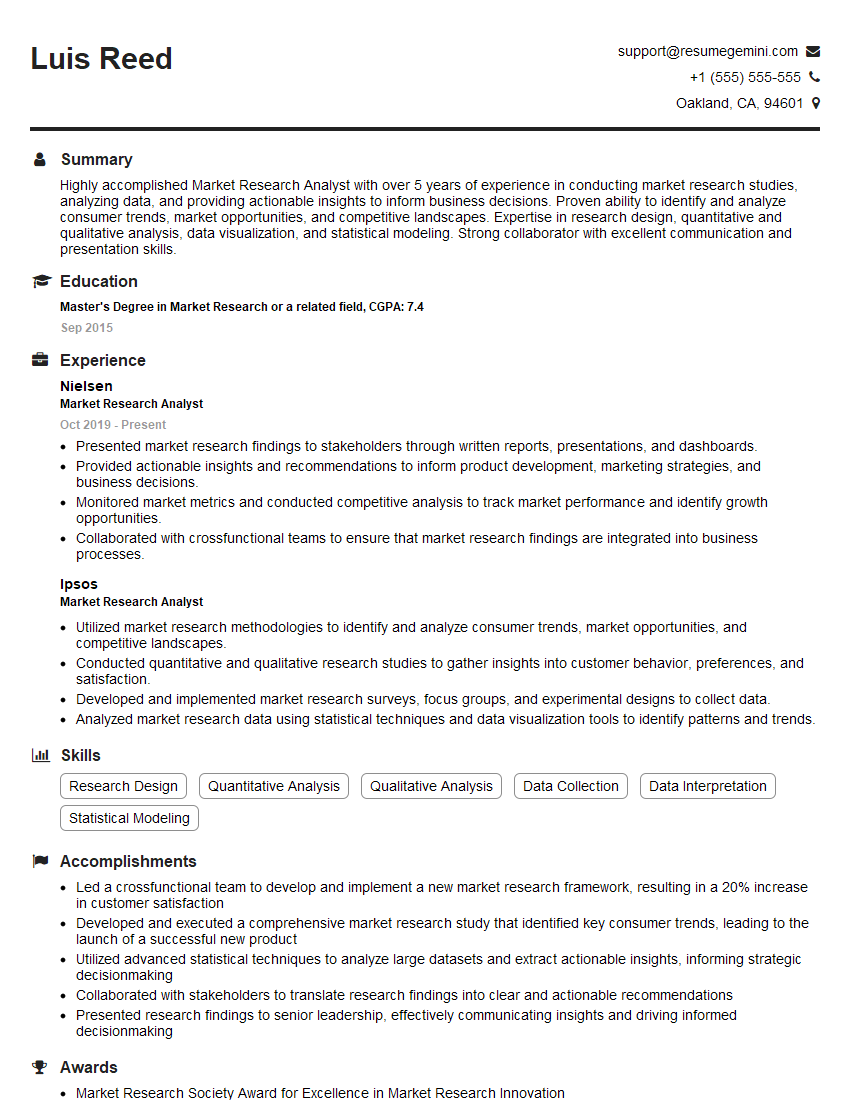
Market Research Analyst Resume Sample
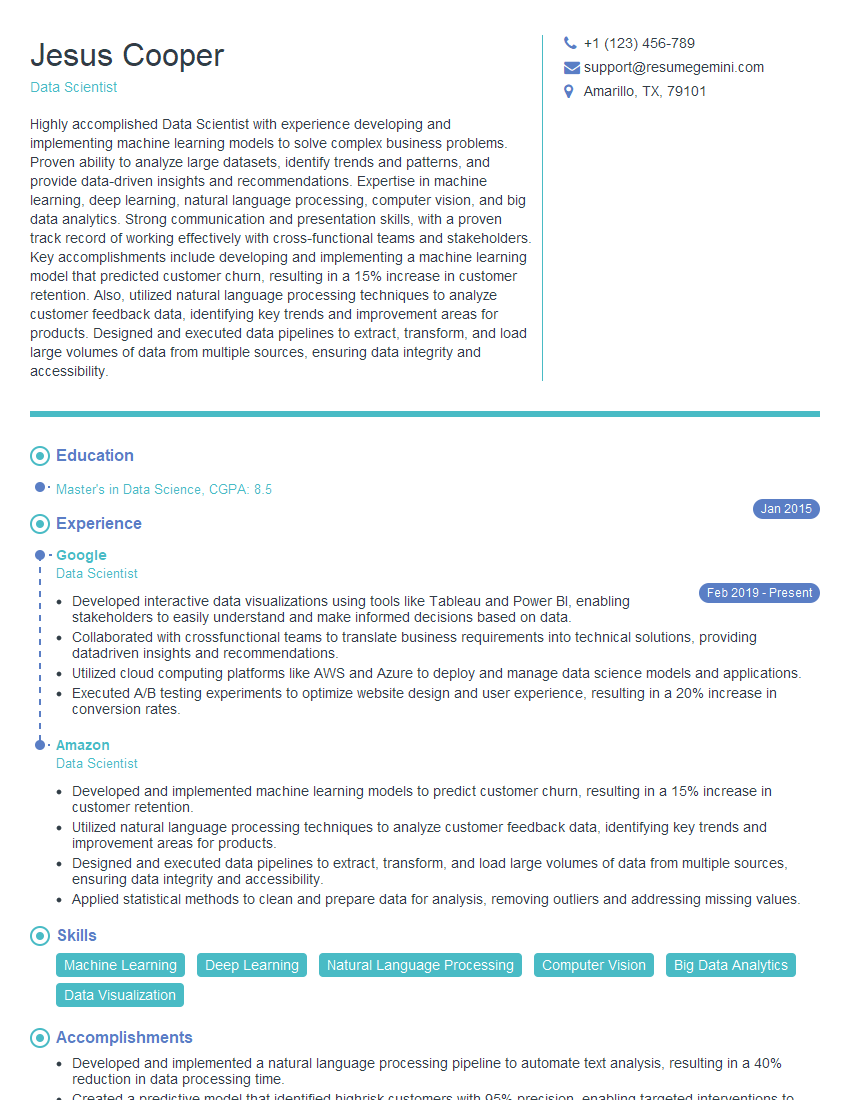
Data Scientist Resume Sample
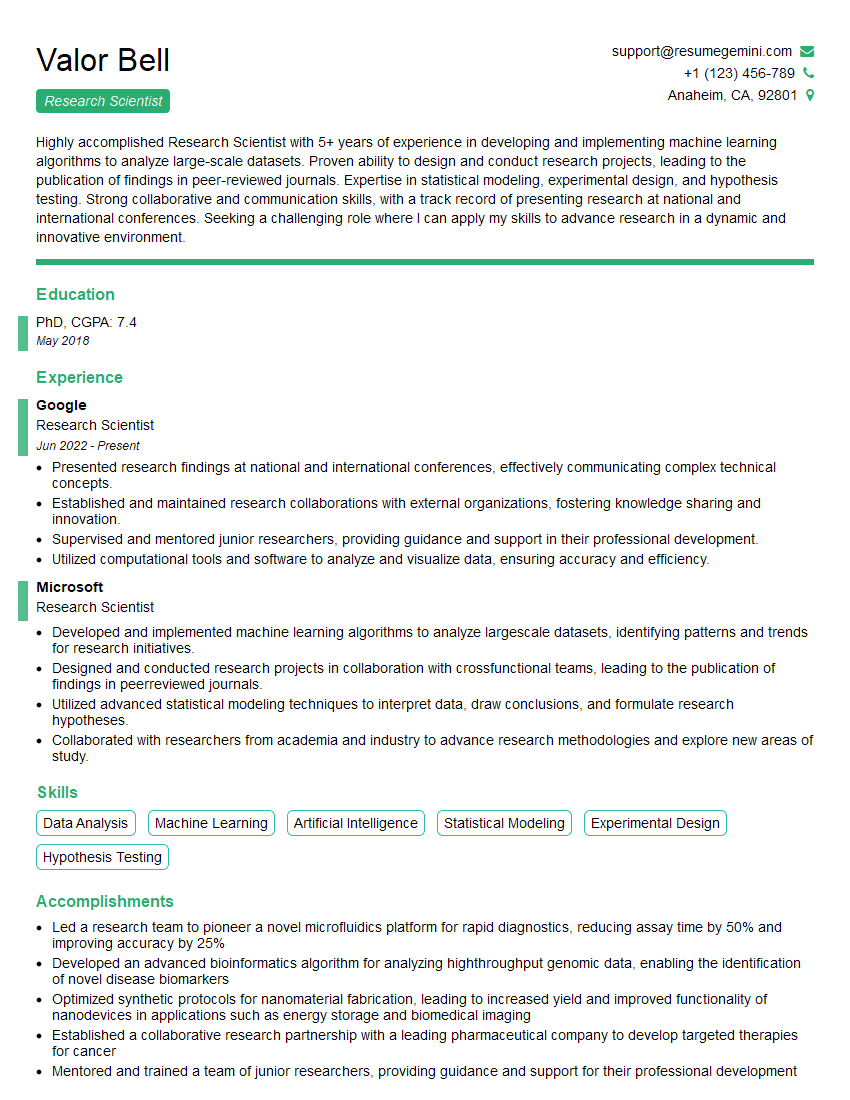
Research Scientist Resume Sample

Product Development Manager Resume Sample
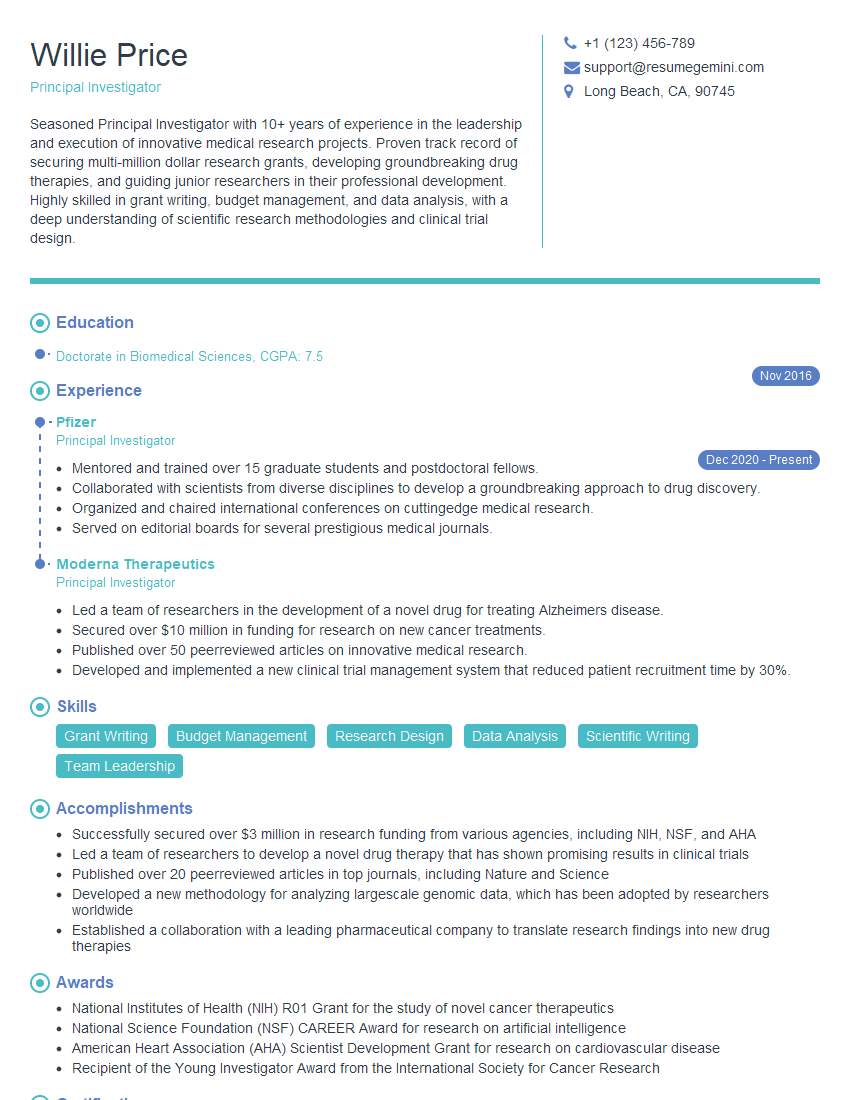
Principal Investigator Resume Sample
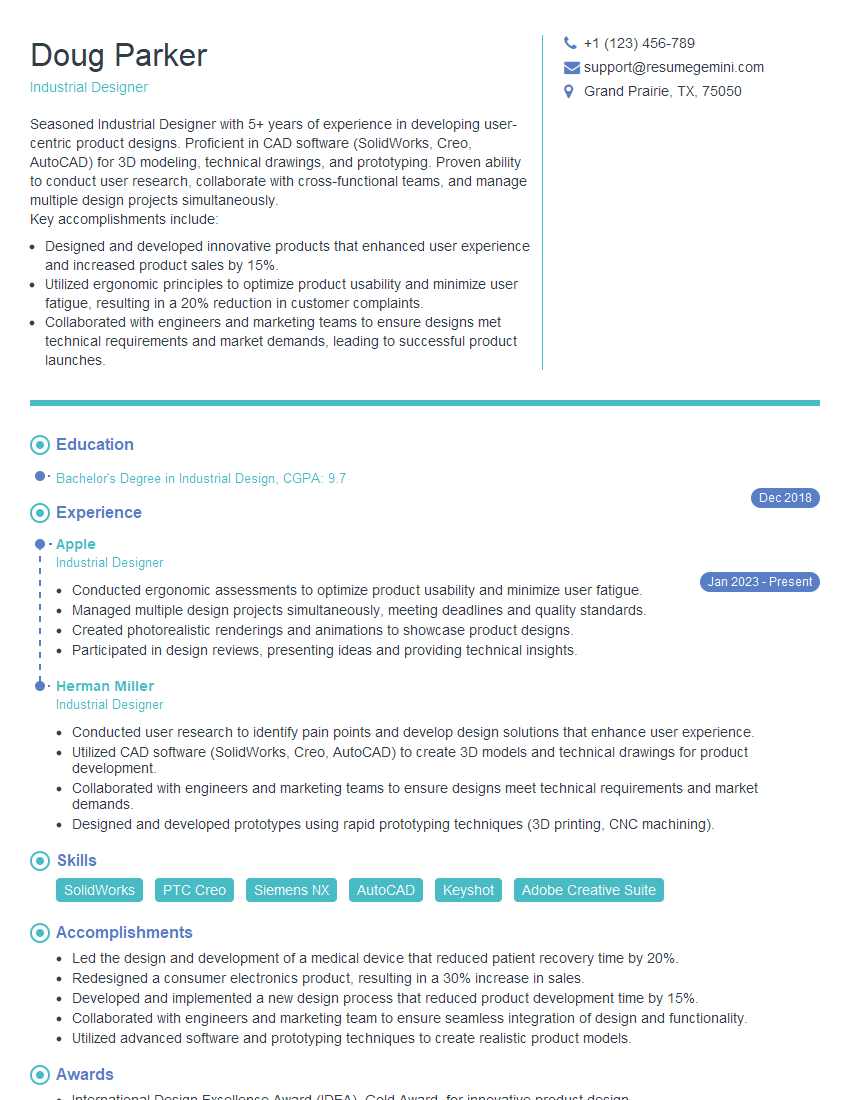
Industrial Designer Resume Sample
Explore more articles
Users Rating of Our Blogs
Share Your Experience
We value your feedback! Please rate our content and share your thoughts (optional).
What Readers Say About Our Blog
Very informative content, great job.
good