Preparation is the key to success in any interview. In this post, we’ll explore crucial Research and Experimentation interview questions and equip you with strategies to craft impactful answers. Whether you’re a beginner or a pro, these tips will elevate your preparation.
Questions Asked in Research and Experimentation Interview
Q 1. Explain your understanding of the scientific method.
The scientific method is a systematic approach to investigating phenomena, acquiring new knowledge, or correcting and integrating previous knowledge. It’s a cyclical process, not a linear one, involving observation, hypothesis formation, experimentation, analysis, and conclusion. Think of it like solving a detective mystery: you start with clues (observations), form a theory (hypothesis) about what happened, test your theory (experiment), examine the evidence (analysis), and then determine if your theory holds (conclusion).
- Observation: Carefully noting a phenomenon or event.
- Hypothesis: Formulating a testable explanation for the observation.
- Experimentation: Designing and conducting experiments to test the hypothesis.
- Analysis: Analyzing the data collected from the experiments.
- Conclusion: Drawing conclusions based on the analysis and determining whether the hypothesis is supported or refuted. This often leads to new observations and the cycle repeats.
For example, observing that plants grow taller in sunlight leads to a hypothesis that sunlight is necessary for plant growth. Experiments could then involve comparing plant growth in sunlight versus darkness. Analysis of the data would then support or refute the initial hypothesis.
Q 2. Describe your experience with experimental design, including choosing appropriate methodologies.
My experience in experimental design encompasses various methodologies, selected based on the research question and available resources. I’ve worked extensively with both between-subjects and within-subjects designs. Between-subjects compares different groups (e.g., treatment vs. control), while within-subjects compares the same group under different conditions. Choosing the right one is crucial for minimizing bias and maximizing statistical power.
For instance, in a study evaluating a new drug’s effectiveness, a randomized controlled trial (RCT) – a type of between-subjects design – would be ideal. Participants are randomly assigned to either a treatment group (receiving the drug) or a control group (receiving a placebo). This randomization helps to ensure that any observed differences are due to the drug and not other confounding factors. In contrast, if I were studying the effect of sleep deprivation on cognitive performance, a within-subjects design might be more appropriate, measuring the same participants’ cognitive abilities under both well-rested and sleep-deprived conditions.
Beyond these fundamental designs, I’ve also utilized more complex methods such as factorial designs (investigating multiple independent variables), and quasi-experimental designs (when random assignment isn’t feasible).
Q 3. How do you ensure the validity and reliability of your research findings?
Ensuring validity and reliability is paramount. Validity refers to whether the study actually measures what it intends to measure, while reliability refers to the consistency and reproducibility of the results.
- Internal Validity: This addresses whether the observed effects are truly due to the independent variable and not confounding factors. Randomization, control groups, and careful experimental design are crucial for high internal validity.
- External Validity: This refers to the generalizability of the findings to other populations or settings. Using representative samples and carefully considering the context of the study are important for external validity.
- Reliability: This is established through consistent measurements. Using standardized procedures, reliable instruments, and testing for inter-rater reliability (when multiple raters are involved) strengthens reliability.
For example, in a study assessing the effectiveness of a new teaching method, internal validity would be strengthened by using random assignment to treatment and control groups, while external validity would be enhanced by using a diverse sample of students and teachers representing various educational settings.
Q 4. What statistical methods are you proficient in?
My statistical proficiency encompasses a wide range of methods, including descriptive statistics (mean, median, standard deviation), inferential statistics (t-tests, ANOVA, chi-square tests), correlation analysis, regression analysis (linear, multiple, logistic), and non-parametric tests (Mann-Whitney U, Kruskal-Wallis). I am also experienced in using statistical software packages such as R and SPSS to conduct these analyses.
The choice of statistical method depends heavily on the type of data (continuous, categorical, ordinal) and the research question. For example, a t-test would be used to compare the means of two groups, while ANOVA would compare the means of three or more groups. Regression analysis would be used to model the relationship between an independent and dependent variable.
Q 5. How do you handle outliers in your datasets?
Outliers—data points significantly different from the rest—require careful consideration. Simply removing them without justification can bias the results. My approach involves a multi-step process:
- Identification: I use box plots, scatter plots, and z-scores to identify potential outliers.
- Investigation: I investigate the reason for the outlier. Was there a data entry error? Is it a genuine extreme value representing a different population?
- Handling: Depending on the investigation, I might:
- Correct errors: If the outlier is due to a data entry error, I correct it.
- Transform data: Log transformation or other data transformations might reduce the influence of outliers.
- Use robust methods: Employ statistical methods less sensitive to outliers (e.g., median instead of mean, non-parametric tests).
- Keep and document: If the outlier is a genuine extreme value and its removal would distort the data’s natural distribution, I retain it but document it and analyze the results both with and without it.
Ignoring outliers isn’t appropriate; understanding their origin and their impact on the analysis is key.
Q 6. Explain your process for data cleaning and preprocessing.
Data cleaning and preprocessing is a critical step, often consuming a significant portion of the research time. My process typically involves:
- Data Import and Inspection: I import the data and visually inspect it for inconsistencies, missing values, and obvious errors.
- Missing Data Handling: I address missing data using appropriate techniques like imputation (replacing missing values with estimated values based on other data points) or exclusion (removing data points with missing values, only if the loss is minimal and does not introduce bias). The choice of technique depends on the amount of missing data and the nature of the variable.
- Outlier Detection and Treatment: (As described above)
- Data Transformation: I might transform data to meet the assumptions of statistical tests (e.g., normalization for certain parametric tests).
- Data Consistency Checks: I check for inconsistencies across variables, ensuring data integrity.
- Data Reduction (if necessary): Depending on the data size and complexity, I might use dimension reduction techniques (e.g., Principal Component Analysis) to simplify analysis while retaining important information.
For example, if dealing with survey data, I would check for inconsistencies in responses, address missing responses thoughtfully, and potentially recode categorical variables for analysis.
Q 7. Describe a time you had to troubleshoot a failed experiment. What did you do?
In one study investigating the effects of different light wavelengths on plant growth, an experiment failed to produce significant results. The initial hypothesis predicted faster growth under blue light. However, after careful review, we discovered that a batch of plants had been inadvertently exposed to a different temperature than the controlled group. This difference was not initially recorded as a potential confounding variable.
The troubleshooting involved:
- Re-examining the experimental setup: I meticulously reviewed every step of the experimental process, focusing on potential sources of error and inconsistencies.
- Analyzing environmental factors: We discovered the temperature variation by meticulously reviewing lab logs and checking temperature sensors’ records.
- Data re-analysis: After identifying the temperature discrepancy, I re-analyzed the data, stratifying it by temperature to check for differences within temperature groups. This revealed that the observed lack of difference in growth rates was likely due to the confounding temperature effect.
- Revised Experimental Design: The experiment was redesigned to account for temperature control, and we repeated the experiment with stricter environmental controls. This time, the results demonstrated a statistically significant difference in plant growth under different light wavelengths.
This experience highlighted the importance of meticulous record-keeping, thorough data analysis, and the critical need to consider potential confounding variables before launching an experiment.
Q 8. How do you interpret p-values and confidence intervals?
P-values and confidence intervals are crucial statistical concepts used to interpret the results of research. A p-value represents the probability of observing the obtained results (or more extreme results) if there were no real effect (the null hypothesis is true). A low p-value (typically below 0.05) suggests that the observed results are unlikely to have occurred by chance, providing evidence against the null hypothesis. However, it doesn’t measure the size of the effect, only the likelihood of observing the data given no effect.
A confidence interval, on the other hand, provides a range of values within which the true population parameter is likely to fall with a certain level of confidence (e.g., 95%). For example, a 95% confidence interval of [10, 20] for the mean difference between two groups suggests we are 95% confident that the true mean difference lies between 10 and 20. It gives a measure of the effect size and precision of the estimate.
Example: Imagine a study comparing the effectiveness of two drugs. A p-value of 0.01 indicates strong evidence against the null hypothesis (that the drugs are equally effective). A 95% confidence interval for the difference in effectiveness of [2, 5] suggests we are 95% confident that the first drug is 2 to 5 units more effective than the second.
It’s crucial to interpret both p-values and confidence intervals together. A low p-value combined with a wide confidence interval suggests the study may lack precision despite showing statistical significance. Conversely, a high p-value with a narrow confidence interval might indicate a small but precise effect that requires a larger sample size to achieve statistical significance.
Q 9. What are the different types of biases that can affect research?
Numerous biases can creep into research, compromising the validity of the findings. These biases can be broadly classified into:
- Selection bias: Occurs when the way participants are selected for a study leads to a sample that is not representative of the target population. For example, a study on exercise habits conducted only among gym members might not be generalizable to the broader population.
- Confirmation bias: Researchers may unconsciously favor information that confirms their pre-existing beliefs, leading them to interpret data selectively. To mitigate this, pre-registering research hypotheses and using blinding techniques are helpful.
- Publication bias: Studies with positive results are more likely to be published than those with null results, leading to a skewed understanding of the topic’s state of knowledge. Pre-registration and initiatives like registered reports attempt to address this bias.
- Observer bias: Occurs when the researcher’s expectations influence their observations or interpretations of data. Blinding participants and researchers can reduce this bias.
- Recall bias: Participants may have difficulty accurately recalling past events, leading to inaccurate data, particularly in retrospective studies. Careful study design and methods to aid recall can help lessen this.
- Measurement bias: Inaccurate or unreliable measurement instruments lead to biased results. Careful instrument validation and pilot testing are necessary.
Addressing biases requires meticulous planning, rigorous methodology, and critical self-reflection throughout the research process.
Q 10. How do you manage your time when working on multiple research projects?
Managing time across multiple research projects requires effective organization and prioritization. I employ several strategies:
- Prioritization: I identify the most critical and time-sensitive projects, focusing my energy on those first. This often involves considering deadlines, potential impact, and resource availability.
- Task Breakdown: I break down each project into smaller, manageable tasks. This makes the overall project less daunting and allows for better tracking of progress.
- Time Blocking: I dedicate specific blocks of time to work on each project. This prevents task-switching and improves focus.
- Regular Review: I set aside time for weekly or bi-weekly reviews of my progress on each project. This allows me to adjust my schedule as needed and address any roadblocks effectively.
- Delegation: Where appropriate, I delegate tasks to others, freeing up my time for more high-level work. This often requires collaborating with colleagues and effectively communicating project expectations.
- Utilizing Tools: Project management software, like Trello or Asana, helps keep everything organized and provides a visual representation of my workload.
Maintaining a healthy work-life balance is also critical to long-term productivity. Regular breaks and time for personal activities help prevent burnout and maintain focus.
Q 11. Explain the difference between qualitative and quantitative research.
Qualitative research explores complex social phenomena through in-depth understanding of experiences, perspectives, and meanings. It uses methods such as interviews, focus groups, and observations to gather rich, descriptive data. The goal is to develop an in-depth understanding of the research topic, often leading to the generation of hypotheses for future quantitative research. Data analysis is typically iterative and interpretive.
Quantitative research focuses on measuring and quantifying phenomena, using statistical methods to analyze numerical data. Experiments, surveys, and structured observations are common data collection techniques. The aim is to test hypotheses, establish relationships between variables, and generalize findings to a larger population. Statistical analysis techniques, such as regression and ANOVA, play a key role in interpreting the data.
Example: A qualitative study might explore the lived experiences of patients with a specific illness through in-depth interviews, while a quantitative study might investigate the relationship between treatment adherence and health outcomes using survey data and statistical analysis.
Often, a mixed-methods approach, combining qualitative and quantitative methods, is used to gain a more comprehensive understanding of a research question. The strengths of one method can complement the weaknesses of the other.
Q 12. Describe your experience with different types of data analysis techniques (e.g., regression, ANOVA).
My experience encompasses a broad range of data analysis techniques. I am proficient in:
- Linear Regression: Used to model the relationship between a dependent variable and one or more independent variables. I’ve used it extensively to predict outcomes, control for confounding factors, and assess the strength of associations. For example, I used linear regression to predict patient survival based on various clinical factors.
- ANOVA (Analysis of Variance): Applied to compare the means of three or more groups. I’ve used ANOVA to assess the effectiveness of different treatment interventions in clinical trials or to examine the differences in outcomes across different subgroups.
- Logistic Regression: Used when the dependent variable is binary (e.g., success/failure, presence/absence). I’ve applied this to predict the likelihood of an event occurring, such as predicting patient readmission to a hospital.
- Survival Analysis: Used to analyze time-to-event data, such as time until death or relapse. I have used this method to evaluate the impact of interventions on survival time in patients with a specific disease.
- Clustering and Factor Analysis: These techniques were applied to group similar observations or variables and identify underlying factors. For instance, I’ve used clustering to identify distinct patient subgroups with similar characteristics.
Beyond these techniques, I am also familiar with other methodologies like time-series analysis, structural equation modeling, and various non-parametric tests, depending on the nature of the data and research questions.
Q 13. How do you determine the appropriate sample size for a research study?
Determining the appropriate sample size is crucial for ensuring the reliability and validity of research findings. Several factors influence the required sample size, including:
- Desired level of precision: The smaller the margin of error you want, the larger the sample size needed.
- Significance level (alpha): The probability of rejecting the null hypothesis when it is true (typically set at 0.05). A lower alpha requires a larger sample size.
- Power (1-beta): The probability of correctly rejecting the null hypothesis when it is false. Higher power requires a larger sample size.
- Effect size: The magnitude of the difference or relationship being investigated. Larger effect sizes require smaller sample sizes for detection.
- Population variability: Higher variability in the population requires a larger sample size to achieve the same level of precision.
There are various methods for calculating sample size, including power analysis using statistical software (like G*Power or R). Power analysis considers the factors listed above and provides an estimate of the minimum sample size needed to detect a meaningful effect with the desired level of confidence.
Example: In a clinical trial comparing two treatments, if the expected difference is small, a larger sample size will be needed to detect this difference with sufficient power. If a large effect size is expected, a smaller sample size might suffice.
Q 14. How do you present your research findings to both technical and non-technical audiences?
Presenting research findings effectively to both technical and non-technical audiences requires tailoring the communication style and content to the audience’s knowledge level. For technical audiences (e.g., colleagues at conferences or peer reviewers), I use precise terminology and detailed explanations of methodologies and statistical analysis. The focus is on the nuances of the methods and the interpretation of the results. I may include detailed graphs, tables, and equations to support the findings.
When presenting to non-technical audiences (e.g., the public, policymakers, or administrators), I focus on conveying the key findings in a clear, concise, and accessible manner. I avoid technical jargon and use simple language. Visual aids such as charts and infographics, compelling narratives, and relatable examples help make the information easy to understand. The focus is on the implications of the research and its significance for the audience.
Regardless of the audience, I always ensure the presentation is well-structured, visually appealing, and engaging. A clear message summarizing the key takeaways is essential.
Example: When presenting to colleagues, I might discuss the nuances of a specific statistical test used. When presenting to the public, I’d focus on the implications of the research for their health or well-being, using a non-technical language and avoiding complex statistics.
Q 15. What software or tools are you proficient in for data analysis and visualization?
My expertise in data analysis and visualization spans a variety of software and tools. For statistical analysis, I’m highly proficient in R, leveraging its extensive libraries like ggplot2 for visualization and dplyr for data manipulation. I also have significant experience with Python, utilizing libraries such as pandas for data wrangling, NumPy for numerical computation, and matplotlib and seaborn for creating insightful visualizations. For larger datasets and more complex analyses, I’m comfortable using SQL for database management and querying. Finally, I regularly utilize spreadsheet software like Excel for initial data exploration and creating presentations.
For example, in a recent project investigating customer churn, I used R’s ggplot2 to create compelling visualizations of churn rates across different customer segments, revealing key patterns that informed targeted interventions. In another project involving a large clinical trial dataset, I used SQL to efficiently query the database and extract relevant variables before performing statistical analysis in Python.
Career Expert Tips:
- Ace those interviews! Prepare effectively by reviewing the Top 50 Most Common Interview Questions on ResumeGemini.
- Navigate your job search with confidence! Explore a wide range of Career Tips on ResumeGemini. Learn about common challenges and recommendations to overcome them.
- Craft the perfect resume! Master the Art of Resume Writing with ResumeGemini’s guide. Showcase your unique qualifications and achievements effectively.
- Don’t miss out on holiday savings! Build your dream resume with ResumeGemini’s ATS optimized templates.
Q 16. Explain your experience with literature reviews and synthesizing research findings.
Conducting thorough literature reviews is crucial for establishing a strong foundation for any research project. My approach involves a systematic process, beginning with identifying relevant keywords and databases (like PubMed, Web of Science, and Scopus). I then use advanced search strategies to refine my results, focusing on high-impact journals and reputable sources.
Synthesizing findings requires critical evaluation of the literature’s strengths and weaknesses. I assess the methodology, sample size, and potential biases of each study. I use tools like thematic analysis to identify recurring themes and patterns across studies. This allows me to identify areas of consensus, controversy, and gaps in the existing knowledge. The final synthesis is then presented in a clear and concise manner, highlighting key findings and their implications.
For instance, in a recent review on the effectiveness of a particular treatment, I identified a significant discrepancy between studies using different outcome measures. By carefully analyzing these differences, I was able to highlight the need for standardized assessment methods in future research.
Q 17. How do you identify and address ethical considerations in your research?
Ethical considerations are paramount in all my research activities. My approach involves proactively identifying and addressing potential ethical issues throughout the entire research process. This begins with obtaining informed consent from participants, ensuring their privacy and confidentiality through anonymization and secure data storage. I adhere strictly to relevant guidelines and regulations, such as IRB (Institutional Review Board) protocols.
Furthermore, I’m mindful of potential biases in research design and data analysis. I actively seek to mitigate bias through rigorous methodology and transparent reporting of findings. Data integrity is also a core principle; I meticulously document all research procedures and data transformations to ensure accuracy and replicability. In cases involving sensitive data, I employ robust anonymization techniques and adhere to strict data security protocols.
For example, in a study involving vulnerable populations, I ensured that all participants understood the research procedures and their rights before providing informed consent. The data was anonymized and stored securely, adhering to all relevant ethical regulations.
Q 18. Describe your experience with hypothesis testing.
Hypothesis testing is a fundamental aspect of my research. It involves formulating a testable hypothesis, collecting data, and using statistical methods to determine whether the data supports or refutes the hypothesis. I’m proficient in various statistical tests, including t-tests, ANOVA, chi-square tests, and regression analysis, selecting the appropriate test based on the research question and the type of data.
The process typically involves setting a significance level (alpha), calculating a p-value, and comparing it to alpha. If the p-value is less than alpha, we reject the null hypothesis in favor of the alternative hypothesis. However, I understand the importance of considering effect sizes alongside p-values to gain a complete understanding of the results. I’m also experienced in interpreting confidence intervals to quantify the uncertainty around estimates.
For instance, in a study comparing two different teaching methods, I used a t-test to determine whether there was a statistically significant difference in student performance between the two groups. The results indicated a statistically significant difference, supporting the hypothesis that one method was superior.
Q 19. How do you ensure the reproducibility of your research?
Reproducibility is critical for ensuring the validity and reliability of research findings. My approach to ensure reproducibility involves meticulous documentation of the entire research process. This includes detailed descriptions of the study design, data collection methods, data analysis techniques, and all software and packages used. I utilize version control systems like Git to track changes in code and data.
Furthermore, I strive to use open-source software and publicly available datasets whenever possible. This allows others to easily replicate my analysis. I also carefully document all data transformations and cleaning steps, providing clear explanations for any decisions made. When using custom code, I write clear, well-commented code with comprehensive documentation. I believe in making all necessary materials available to facilitate reproducibility.
For example, in a recent publication, I included a detailed supplementary materials section with all the code, data, and analysis scripts used in the study, making it easily reproducible by other researchers.
Q 20. Explain your understanding of different research designs (e.g., randomized controlled trials, observational studies).
Understanding different research designs is crucial for selecting the most appropriate approach for a given research question. Randomized controlled trials (RCTs) are considered the gold standard for evaluating the effectiveness of interventions. They involve randomly assigning participants to either an intervention group or a control group, allowing researchers to isolate the effect of the intervention.
Observational studies, on the other hand, do not involve random assignment. They are useful for exploring associations between variables but cannot establish causality. There are various types of observational studies, including cohort studies, case-control studies, and cross-sectional studies, each with its own strengths and limitations. The choice of research design depends on the research question, the availability of resources, and ethical considerations.
For example, an RCT might be used to evaluate the effectiveness of a new drug, while a cohort study might be used to investigate the long-term effects of exposure to a particular environmental factor. Understanding these differences is crucial for interpreting research findings accurately.
Q 21. How do you manage conflicts or disagreements within a research team?
Conflict resolution is an essential skill in a collaborative research environment. My approach emphasizes open communication and respectful dialogue. When disagreements arise, I encourage team members to express their perspectives clearly and constructively. I facilitate discussions by actively listening to all viewpoints and seeking common ground.
If necessary, I may use structured conflict resolution techniques, such as brainstorming alternative solutions or employing a mediation process. The goal is to find a mutually acceptable solution that aligns with the overall research objectives. Emphasis is placed on maintaining a positive and collaborative team environment, even during challenging times. Respecting diverse opinions and valuing team members’ contributions is vital to navigating any disagreements effectively.
For example, in a past project where team members disagreed on the statistical methods to be used, I facilitated a discussion where we reviewed the strengths and weaknesses of each approach. This collaborative approach led to a consensus decision that was ultimately beneficial to the project.
Q 22. Describe a time you had to adapt your research methodology due to unexpected challenges.
Adaptability is crucial in research. During my PhD research on the effectiveness of novel drug delivery systems, we initially planned to use in vivo studies exclusively in mice. However, unexpected inconsistencies in the mice’s responses, potentially due to an unforeseen batch variation in the supplier’s feed, threatened the validity of our results. We had to quickly pivot.
To address this, we incorporated in vitro cell culture experiments as a complementary approach. This allowed us to isolate the drug’s effect from the confounding variables associated with the mice. We used a validated cell line mimicking the target tissue and meticulously controlled the culture conditions. This two-pronged approach allowed us to corroborate our findings, significantly strengthening the robustness of our conclusions. It was a valuable lesson in the importance of having contingency plans and the flexibility to adjust methodology when faced with unforeseen obstacles. It also highlighted the importance of meticulous record-keeping and rigorous controls.
Q 23. How do you stay up-to-date with the latest advancements in your field?
Staying current in a rapidly evolving field like mine requires a multi-faceted approach. I regularly read peer-reviewed journals such as Nature, Science, and specialized publications in pharmaceutical sciences and drug delivery. I subscribe to relevant newsletters and follow key researchers and institutions on social media platforms dedicated to scientific discourse.
Attending conferences and workshops provides invaluable opportunities for networking and learning about cutting-edge research directly from experts. Furthermore, actively participating in online communities and discussion forums, particularly those focused on my specific area of interest (e.g., nanomedicine), allows me to engage with the latest findings and debates. I also find that reviewing pre-prints on platforms like bioRxiv can offer a glimpse into the most recent advancements before formal publication.
Q 24. How do you prioritize tasks and manage deadlines in a fast-paced research environment?
Effective task prioritization and deadline management are crucial in research. I use a combination of techniques. Firstly, I break down large projects into smaller, manageable tasks using a project management tool. This helps me visualize the workflow and identify potential bottlenecks early on. I prioritize tasks based on urgency and importance, using methods like the Eisenhower Matrix (urgent/important). This ensures I focus on the most critical aspects first, avoiding unnecessary delays.
Secondly, I set realistic deadlines for each task and incorporate buffer time to account for unexpected delays. Regular progress reviews, both self-assessments and meetings with collaborators, help me stay on track. Finally, effective communication is vital. Open communication with my supervisors and team members ensures everyone is informed about progress and any potential roadblocks. This proactive approach minimizes conflicts and streamlines the entire research process.
Q 25. Explain your experience with peer review and responding to feedback.
Peer review is an integral part of the scientific process, crucial for maintaining research quality and integrity. I have extensive experience submitting manuscripts to peer-reviewed journals and responding to reviewers’ comments. The process typically involves submitting a manuscript, receiving feedback from anonymous reviewers, and revising the manuscript based on their suggestions. I’ve found that even critical feedback is invaluable.
I approach responding to peer reviews systematically. I carefully read each comment and address them point-by-point. Where appropriate, I provide a detailed explanation of my revisions, incorporating suggestions where they are valid and providing counter-arguments where I believe the reviewers’ points are not entirely justified. A professional and respectful tone is maintained throughout the process. The goal is to improve the clarity, rigor, and impact of the research.
Q 26. What are your career goals in the field of research and experimentation?
My career goals are centered on making significant contributions to the field of drug delivery and nanomedicine. I aspire to lead an independent research group, securing funding to pursue innovative research projects focused on developing novel therapies for unmet medical needs. This includes mentoring and training the next generation of scientists. I envision translating my research findings into clinical applications, ultimately improving patient outcomes. I’m also keen to contribute to the broader scientific community through leadership roles in professional organizations and continued engagement in scientific discourse.
Q 27. Describe a significant research accomplishment you are proud of.
I’m particularly proud of my work on developing a novel targeted drug delivery system using biocompatible nanoparticles. This research involved designing and synthesizing nanoparticles capable of carrying anti-cancer drugs directly to tumor cells while minimizing adverse effects on healthy tissues. We demonstrated significant improvement in therapeutic efficacy in pre-clinical models, publishing our findings in a highly respected journal. This work has the potential to revolutionize cancer treatment, paving the way for more effective and less toxic therapies. It’s been incredibly rewarding to see this research progress from the initial conceptual stage to pre-clinical validation, and I am excited about its future potential.
Key Topics to Learn for Research and Experimentation Interview
- Research Design & Methodology: Understanding various research methodologies (qualitative, quantitative, mixed methods), experimental design principles (control groups, randomization), and data collection techniques.
- Data Analysis & Interpretation: Proficiency in statistical analysis, data visualization, and interpreting results in the context of the research question. Practical application includes using statistical software (e.g., R, SPSS) to analyze datasets and draw meaningful conclusions.
- Hypothesis Formulation & Testing: Formulating testable hypotheses, designing experiments to validate them, and understanding the limitations of statistical significance.
- Literature Review & Critical Analysis: Ability to critically evaluate existing research, identify gaps in knowledge, and synthesize information from diverse sources to inform your own research.
- Problem-Solving & Analytical Skills: Demonstrating the ability to break down complex problems into manageable components, identify key variables, and develop creative solutions using a scientific approach.
- Communication & Collaboration: Effectively communicating research findings through presentations and written reports, and collaborating effectively within a research team.
- Ethical Considerations in Research: Understanding and applying ethical guidelines related to data privacy, informed consent, and research integrity.
- Specific Techniques & Tools: Depending on the specific role, familiarity with relevant tools and techniques (e.g., specific statistical software, experimental apparatus, coding languages) might be beneficial. Research the job description carefully to identify these.
Next Steps
Mastering Research and Experimentation skills is crucial for career advancement in many fields, opening doors to exciting opportunities and intellectual stimulation. A strong resume is your first step to showcasing these skills effectively to potential employers. Crafting an ATS-friendly resume is essential for maximizing your chances of getting noticed. We highly recommend using ResumeGemini to build a professional and impactful resume that highlights your unique qualifications. ResumeGemini provides examples of resumes tailored specifically to Research and Experimentation roles, helping you present your experience in the most compelling way. Take advantage of these resources to elevate your job search and land your dream role!
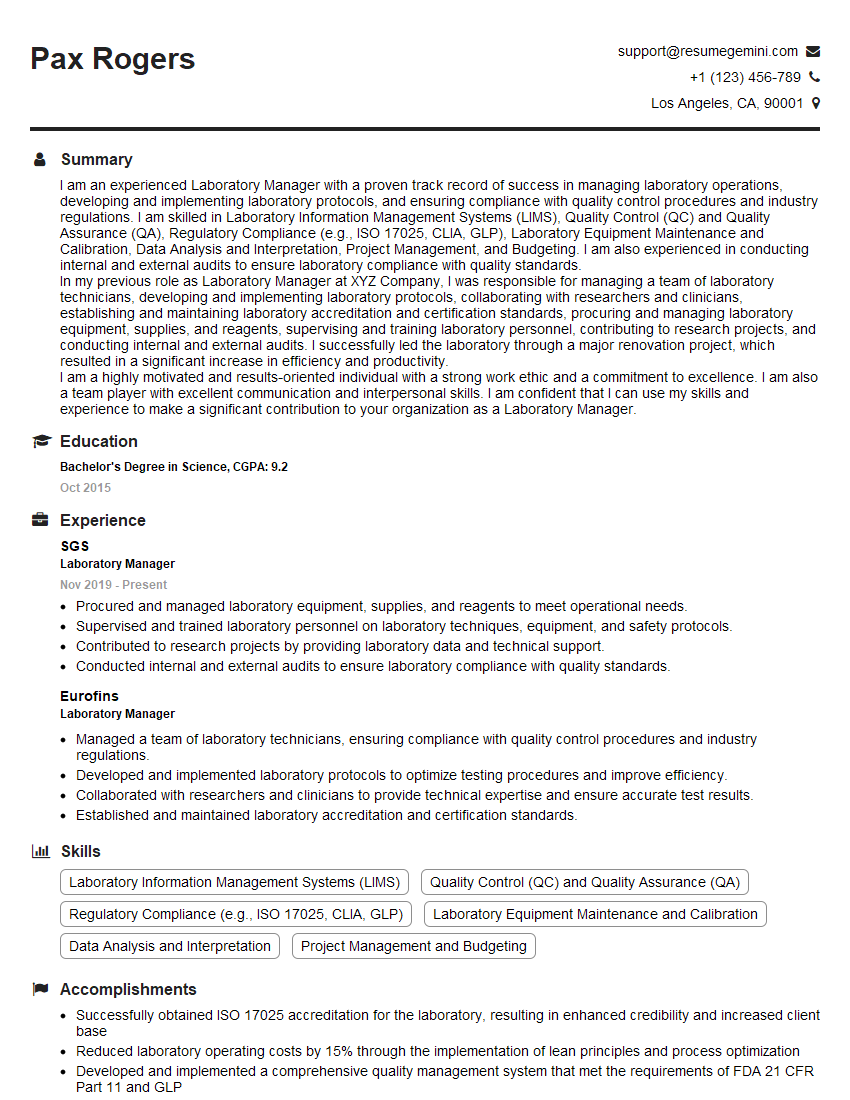
Laboratory Manager Resume Sample
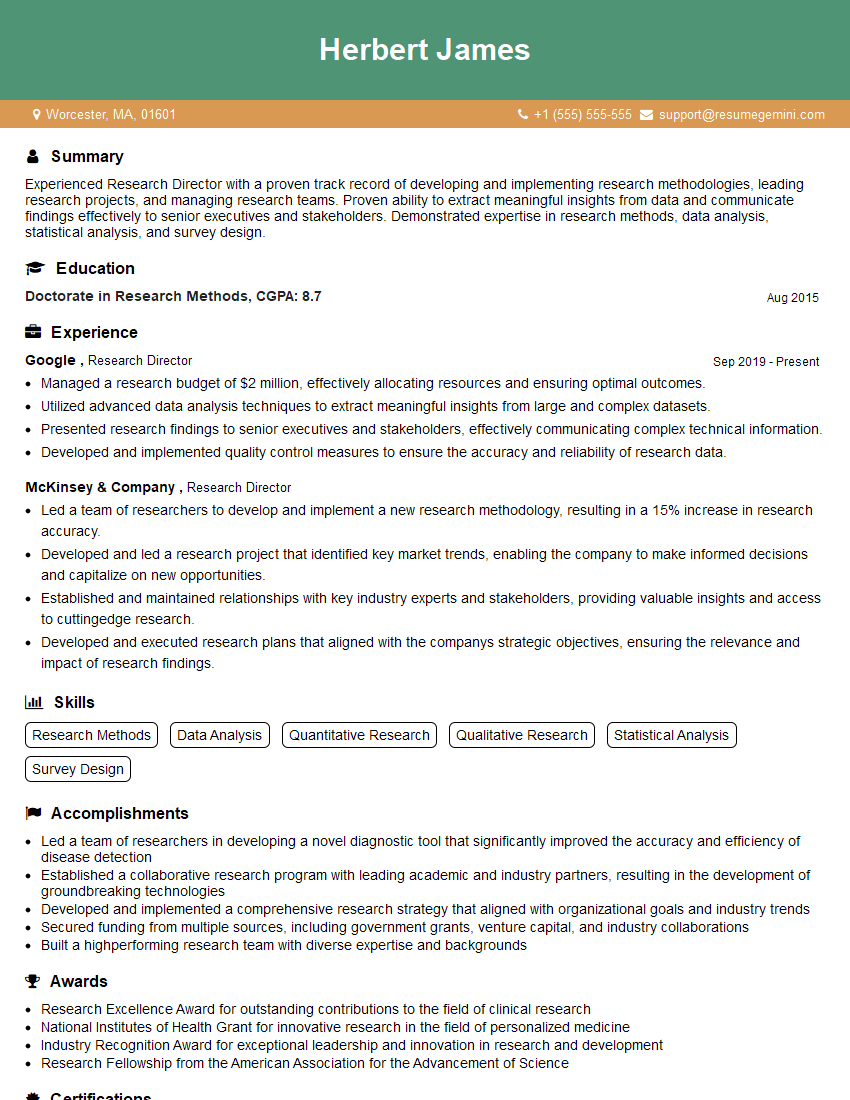
Research Director Resume Sample
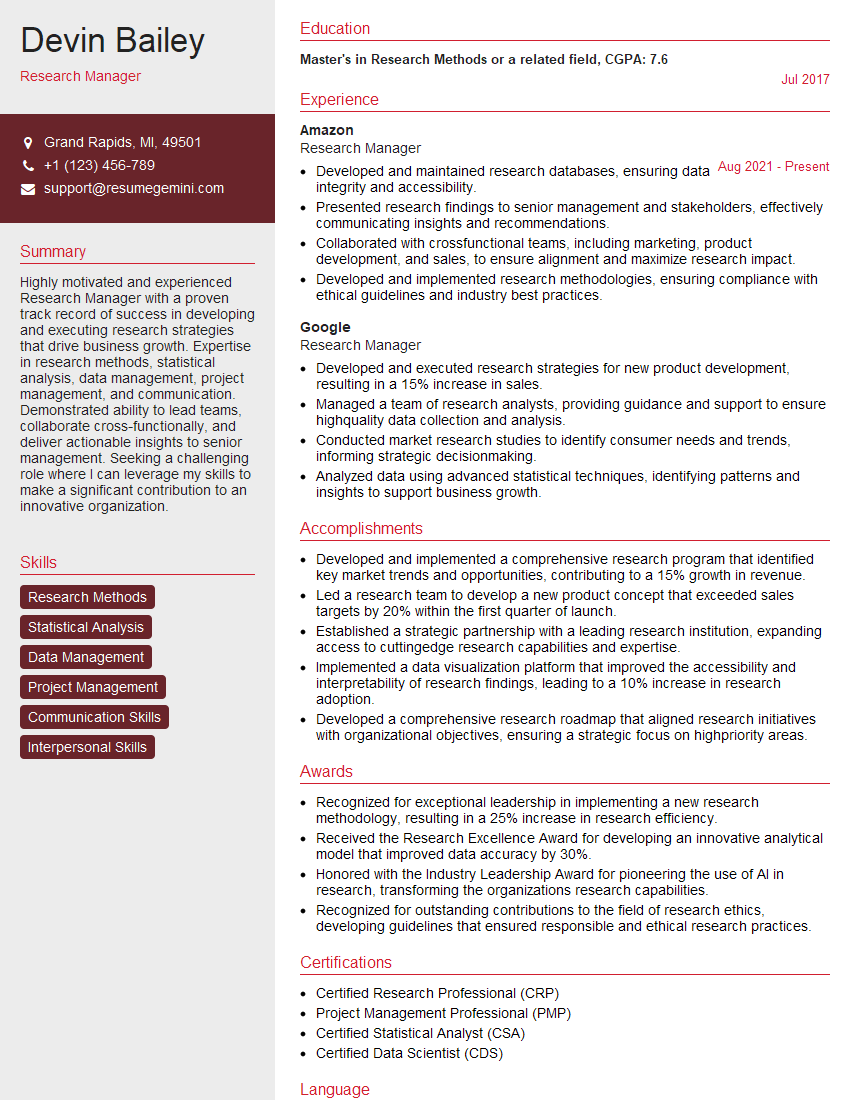
Research Manager Resume Sample
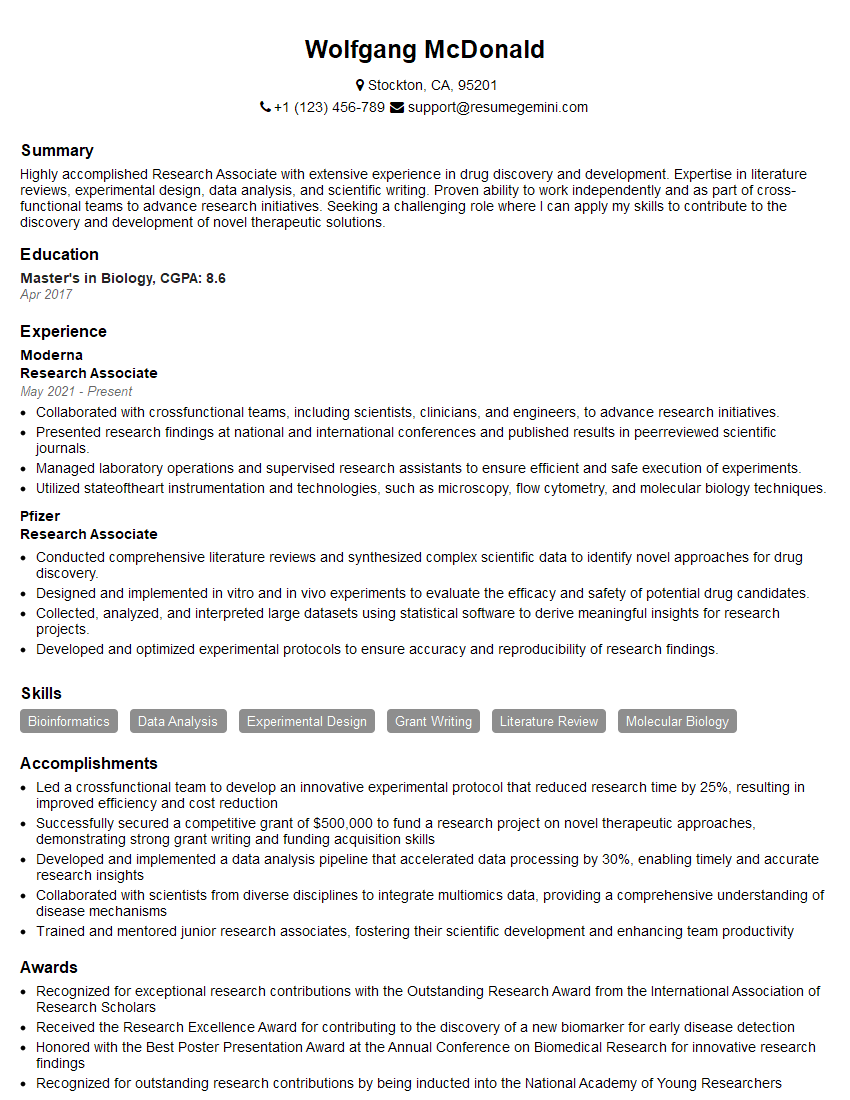
Research Associate Resume Sample
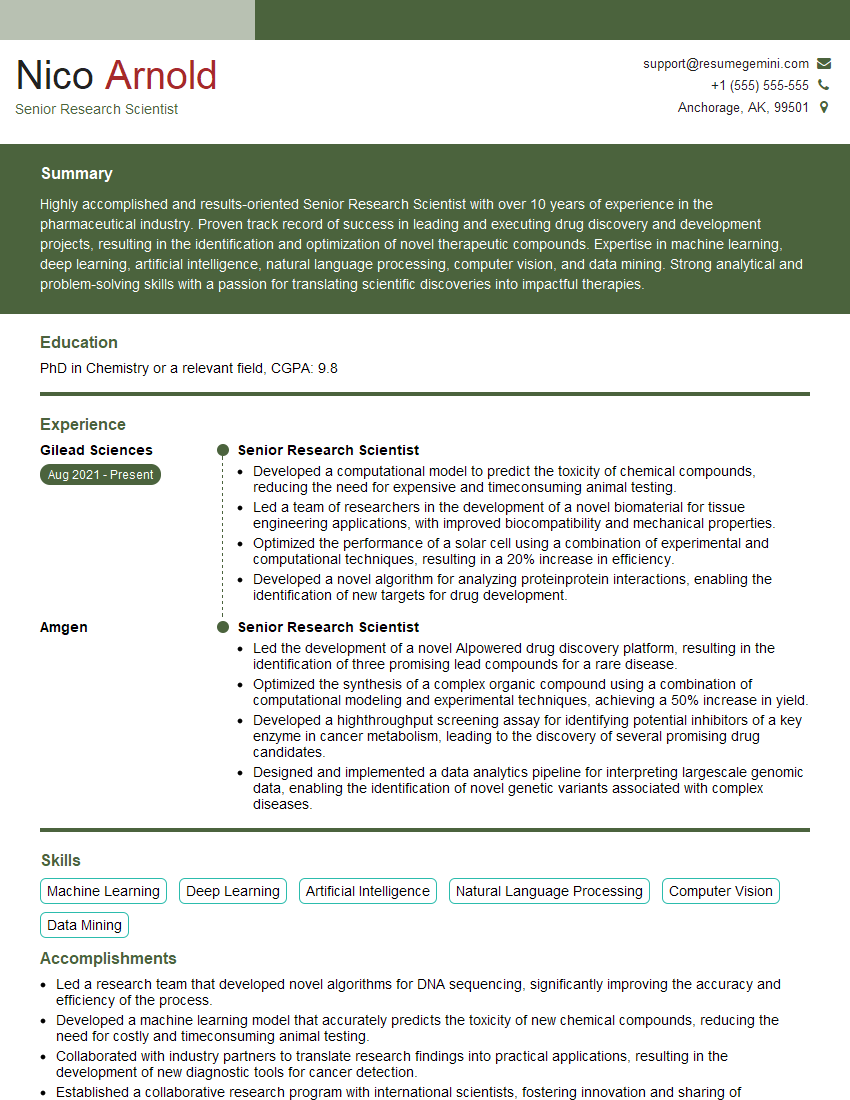
Senior Research Scientist Resume Sample
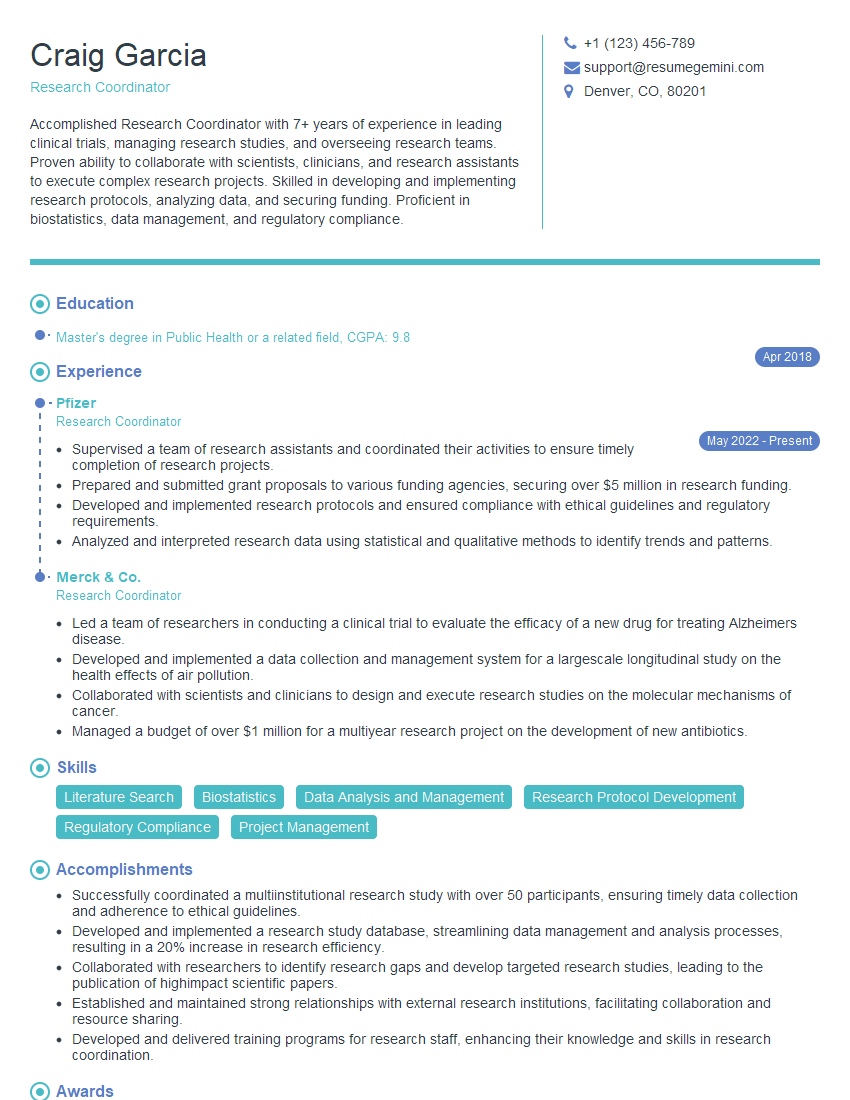
Research Coordinator Resume Sample
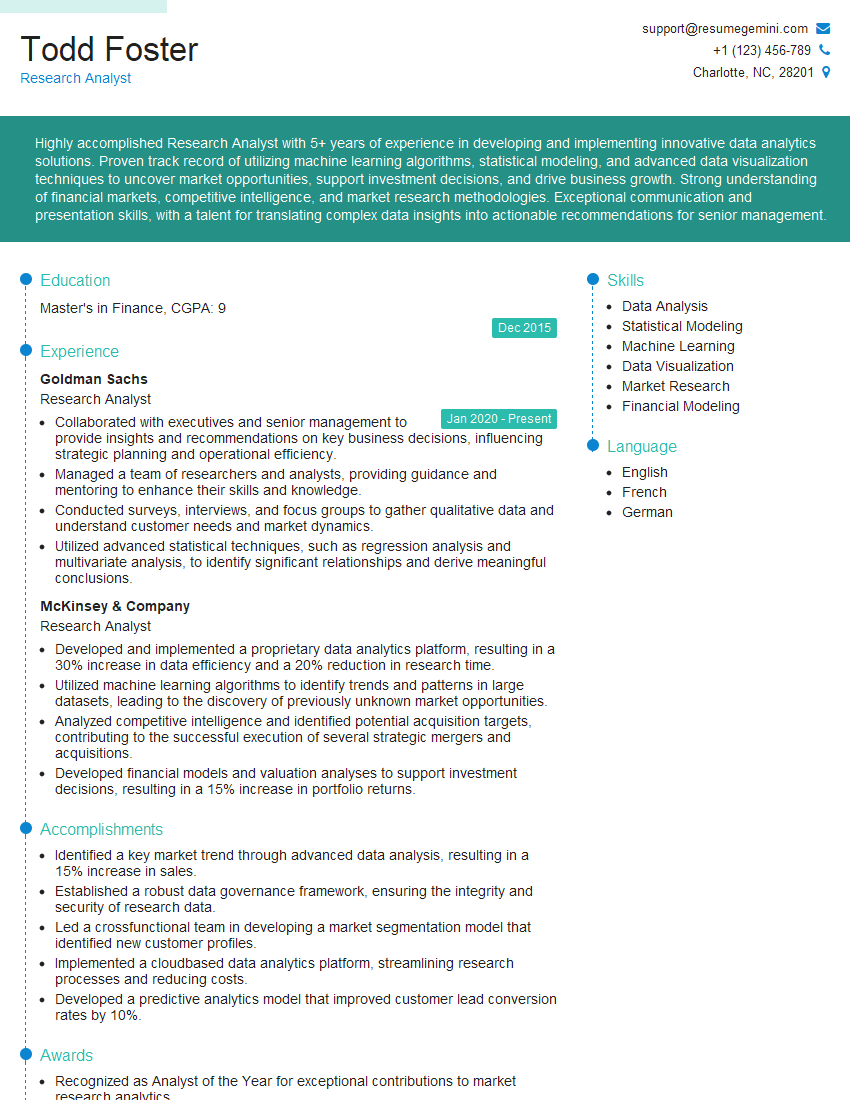
Research Analyst Resume Sample
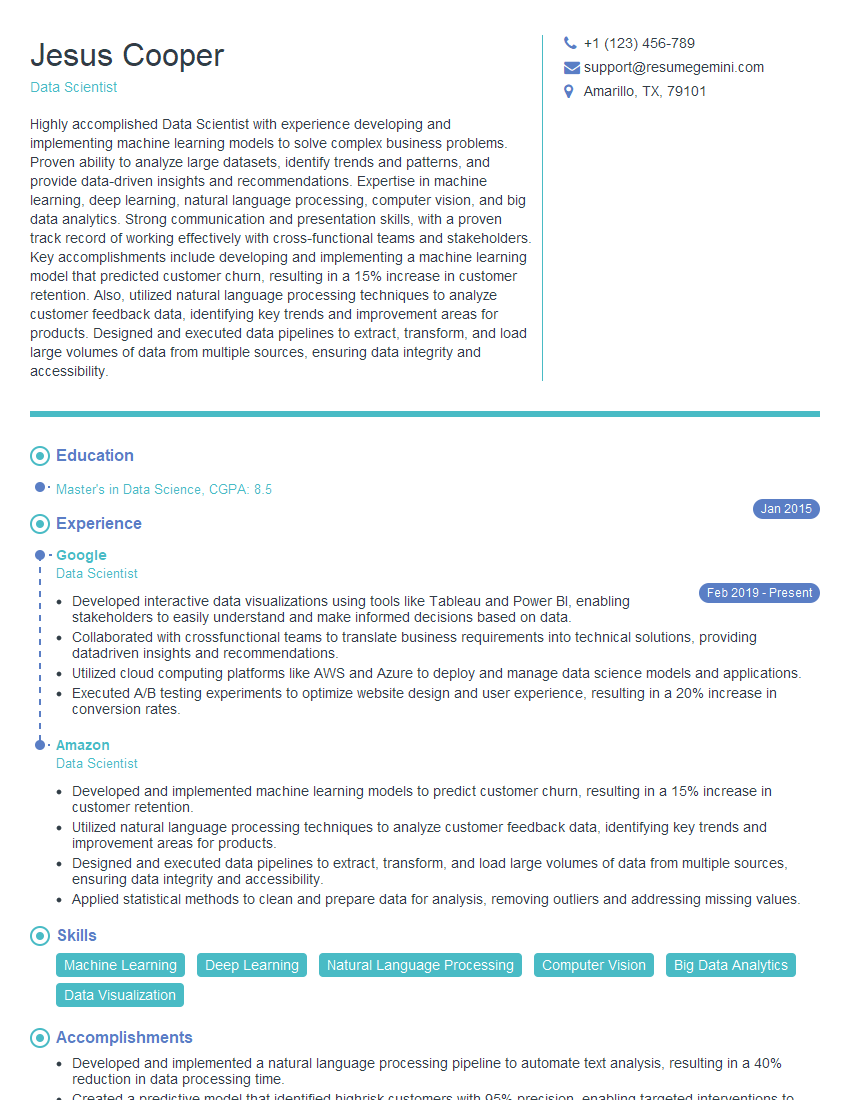
Data Scientist Resume Sample
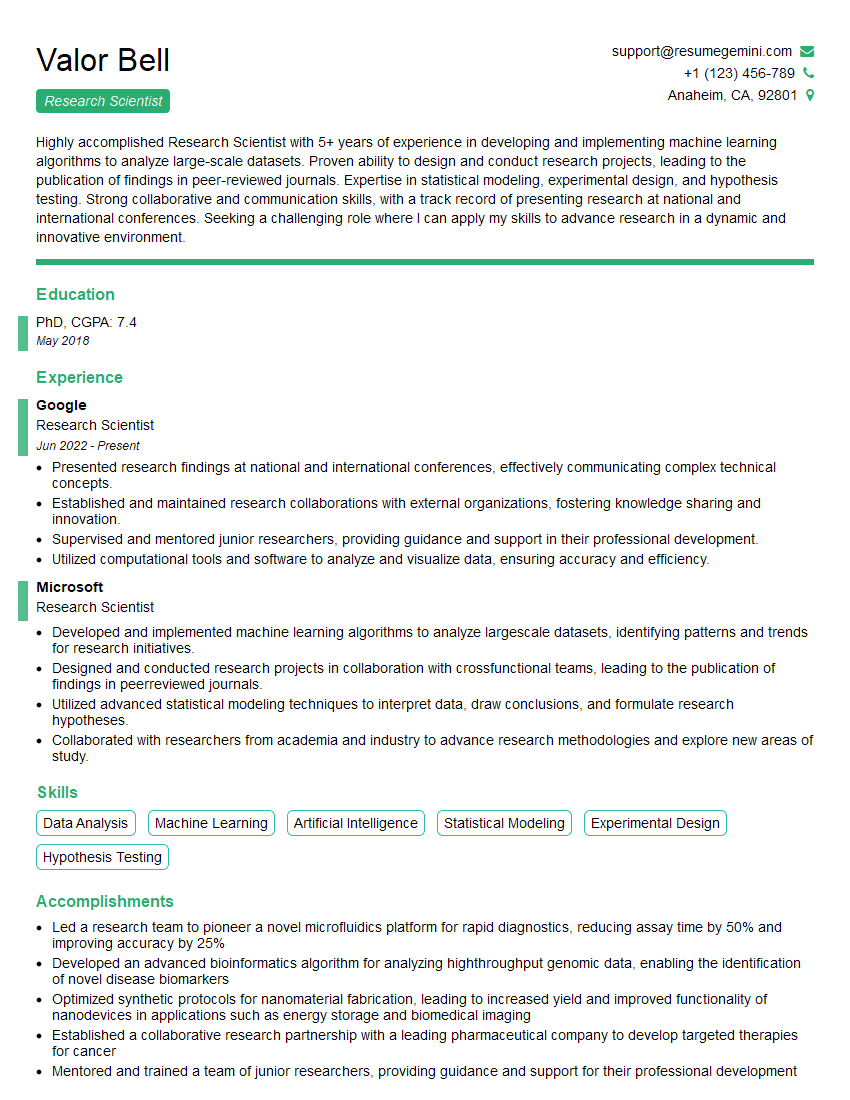
Research Scientist Resume Sample

Statistical Analyst Resume Sample
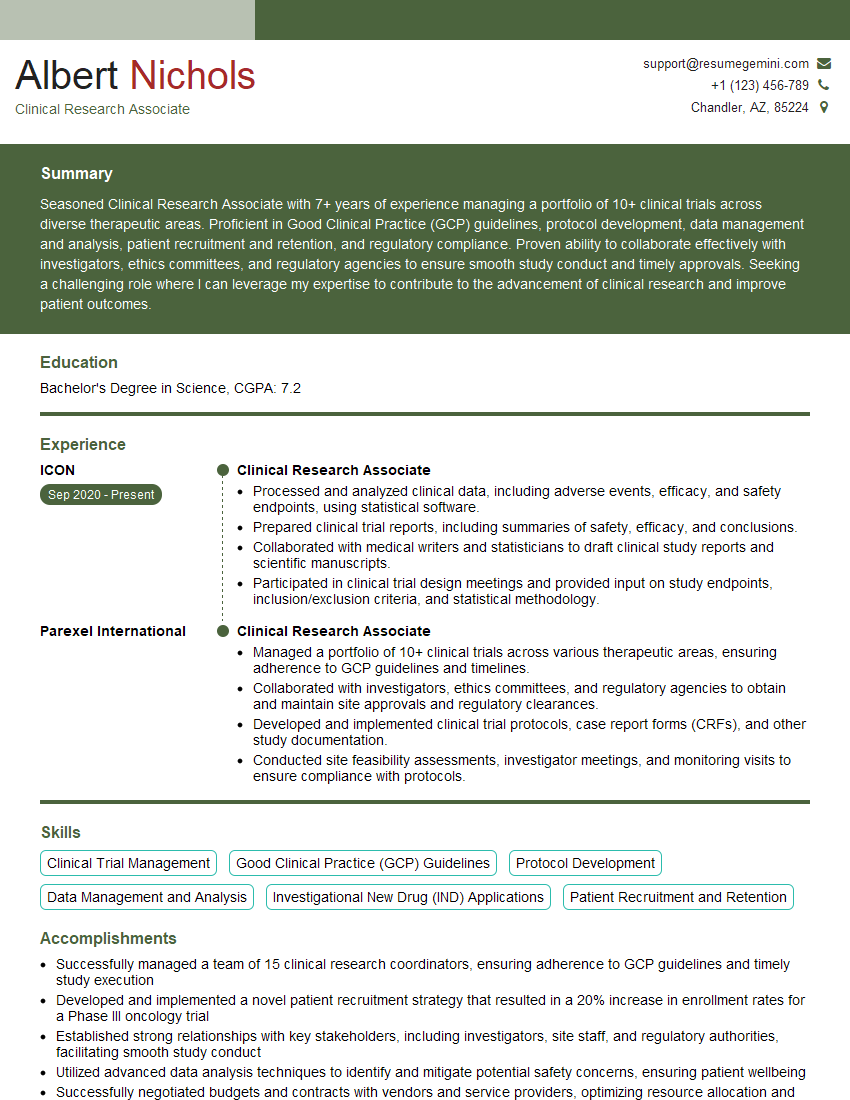
Clinical Research Associate Resume Sample
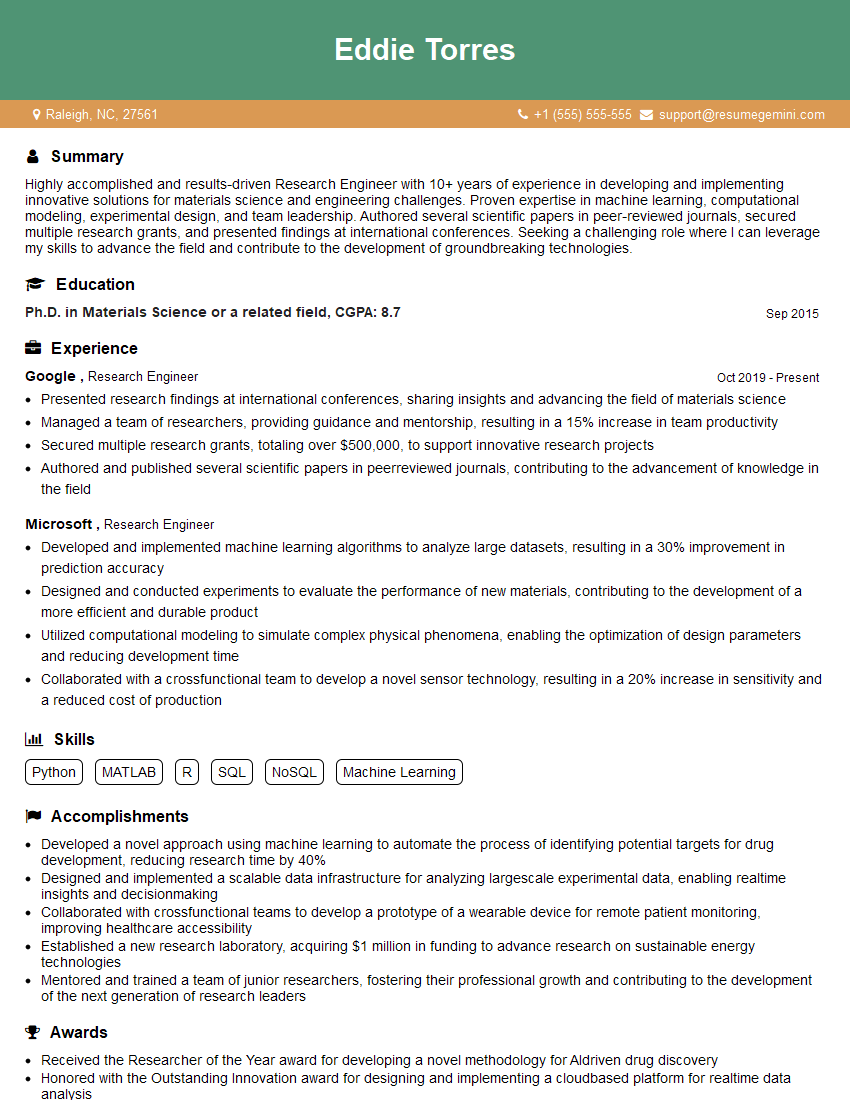
Research Engineer Resume Sample
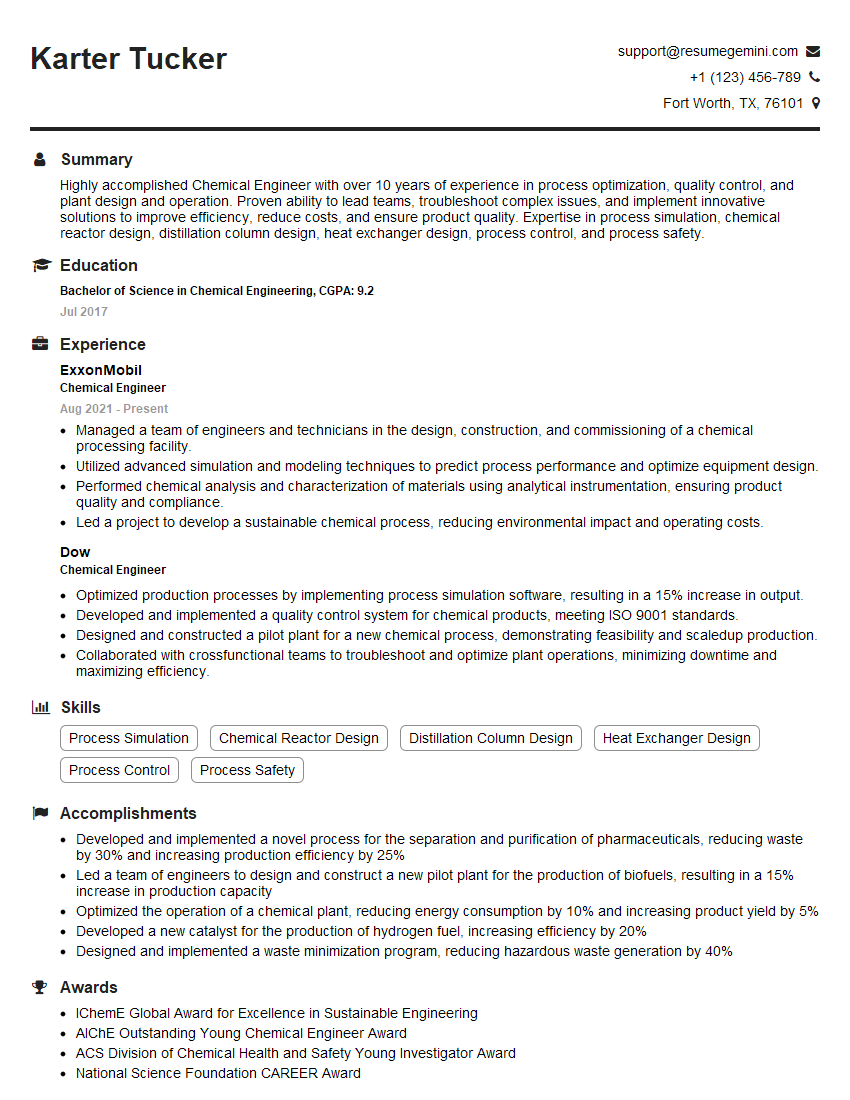
Chemical Engineer Resume Sample
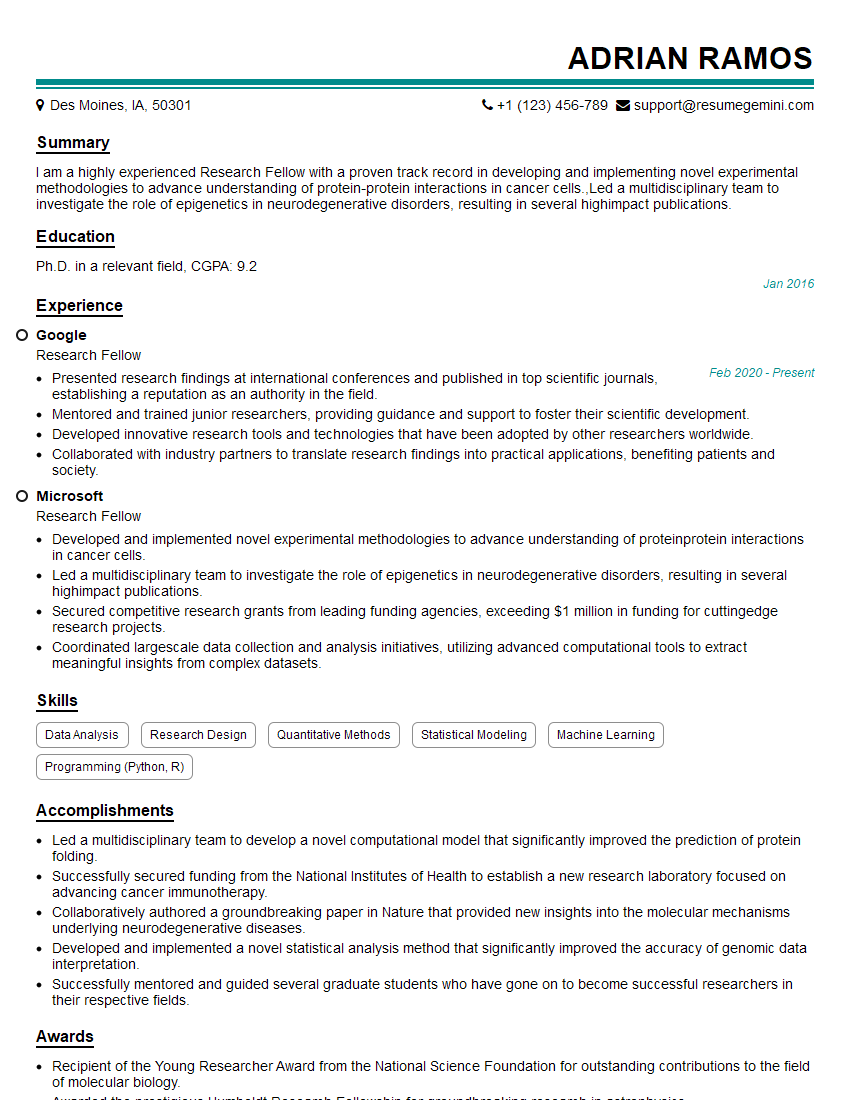
Research Fellow Resume Sample
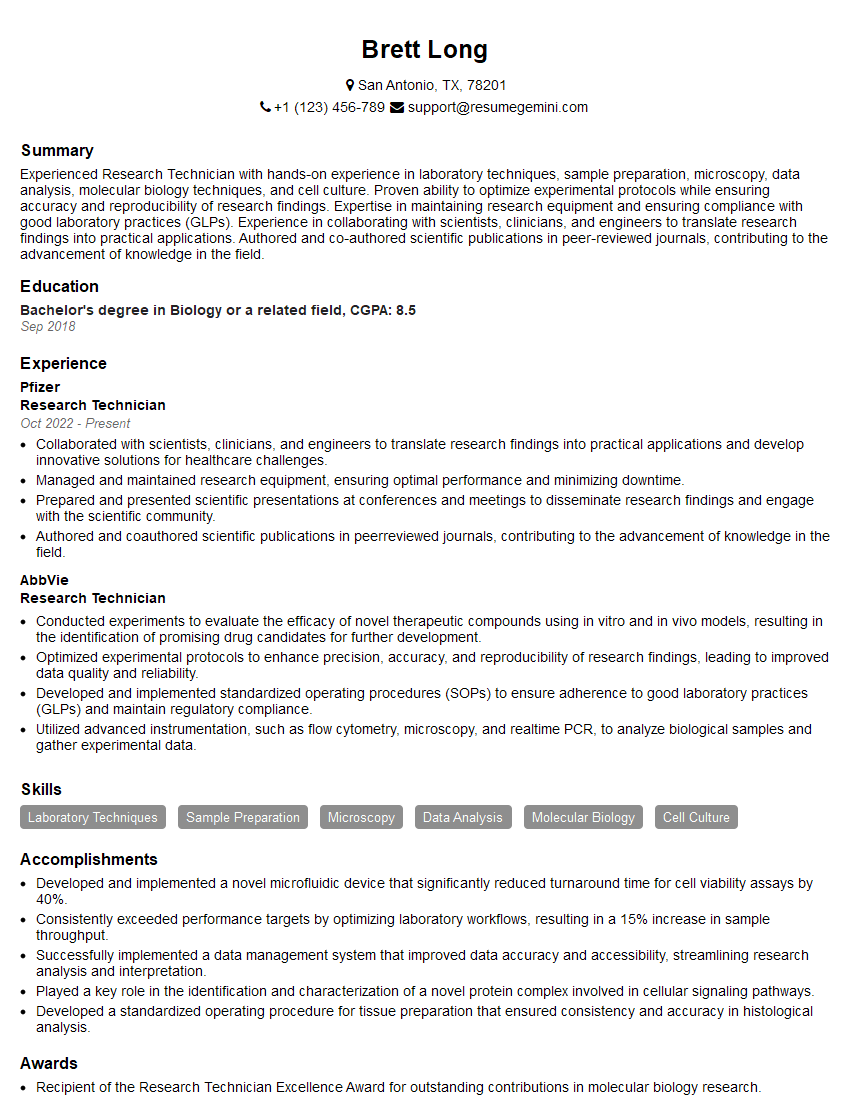
Research Technician Resume Sample
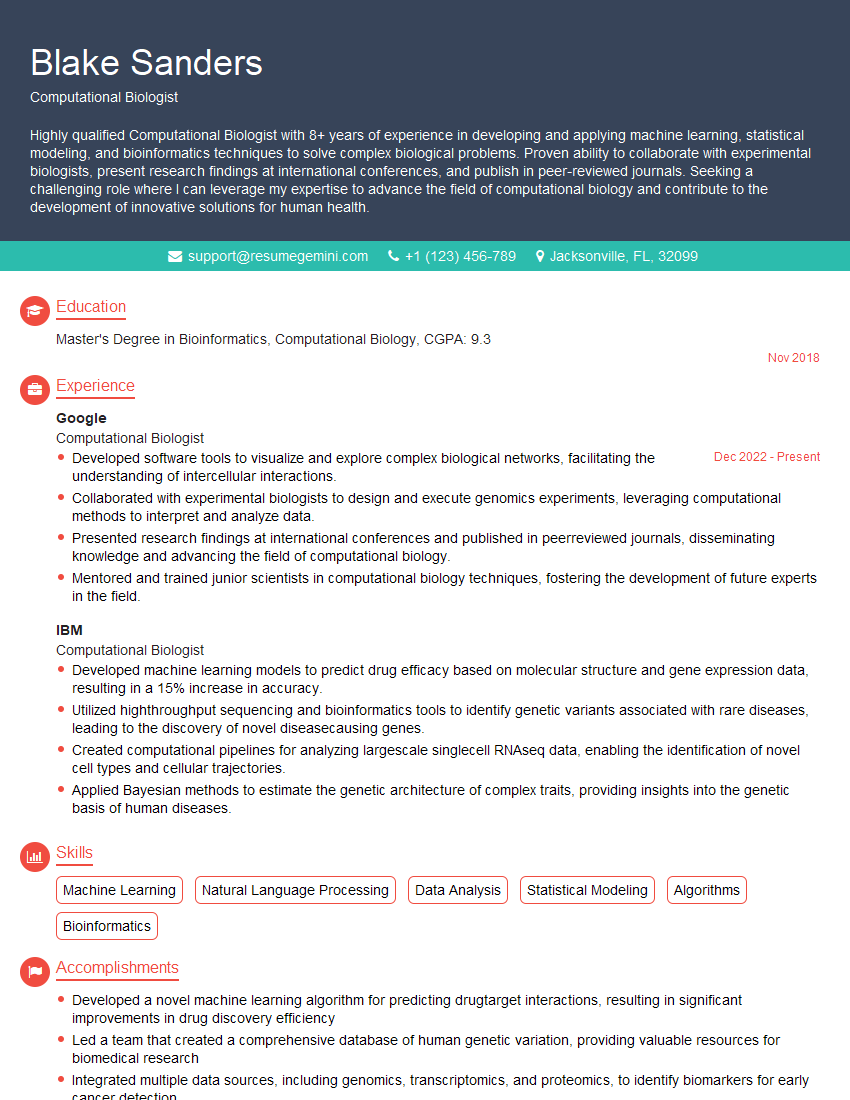
Computational Biologist Resume Sample
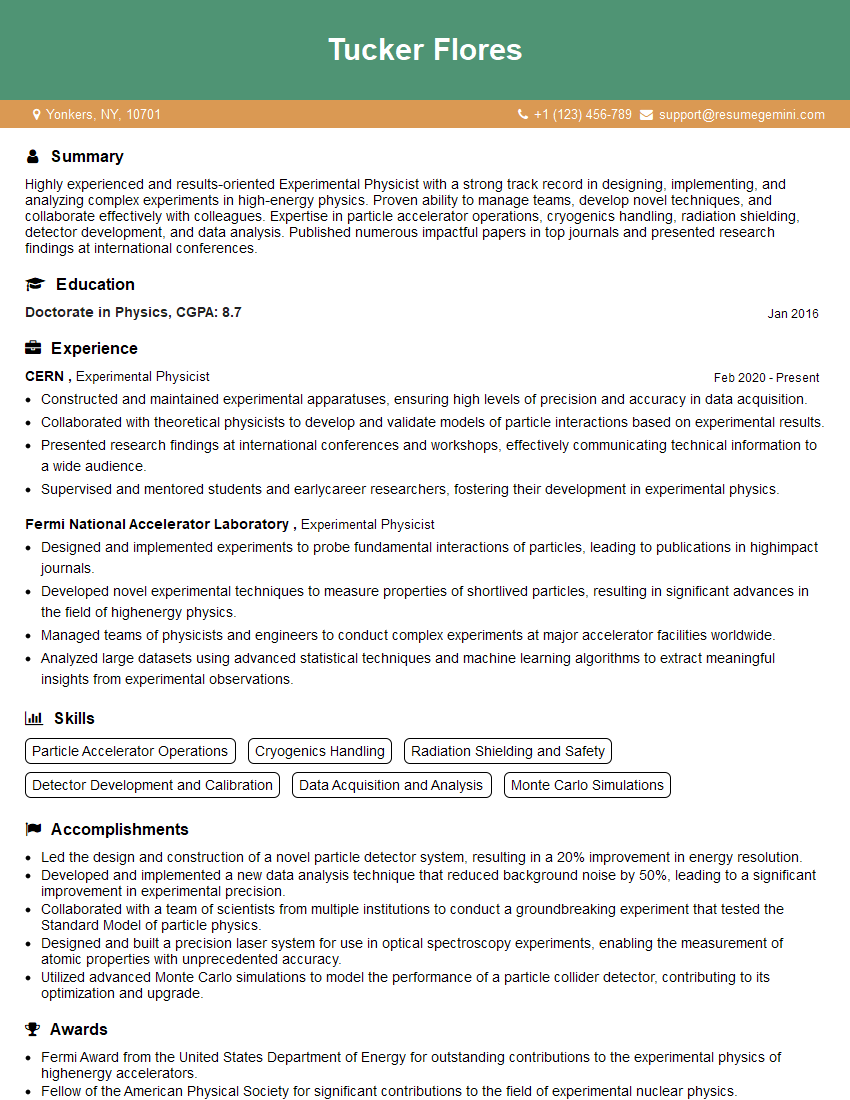
Experimental Physicist Resume Sample
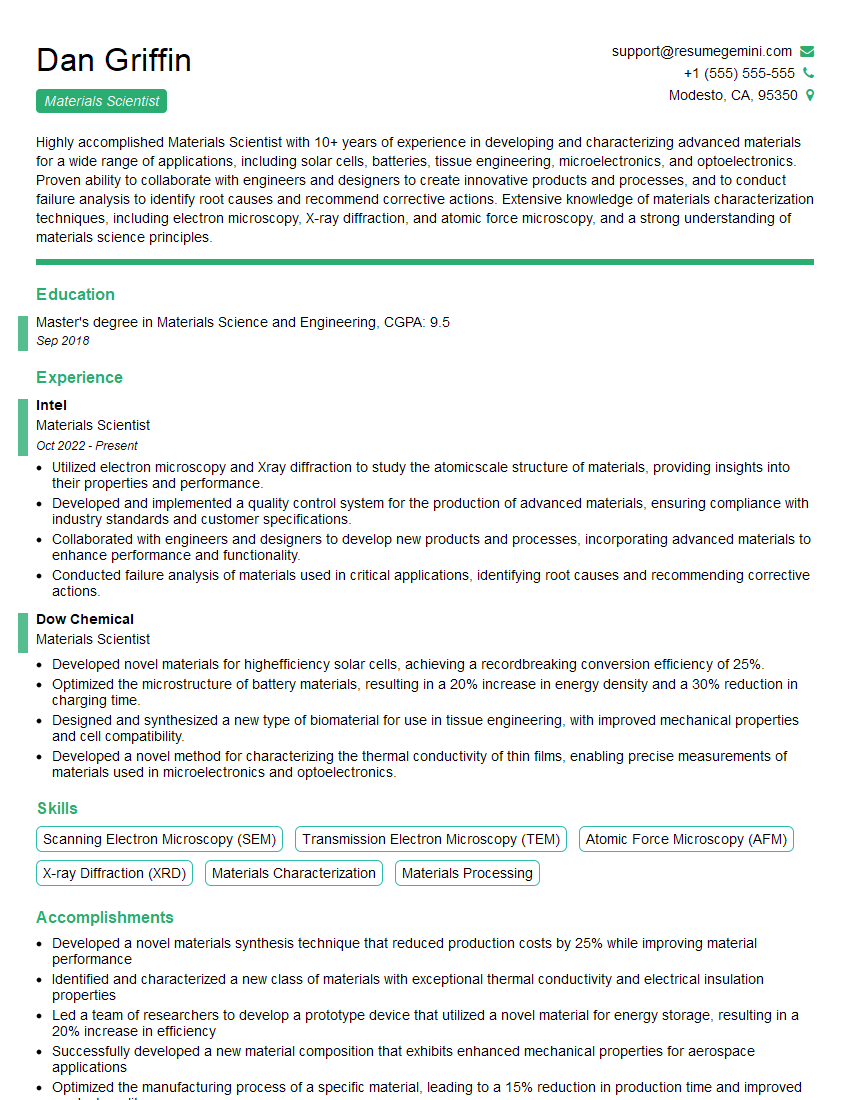
Materials Scientist Resume Sample
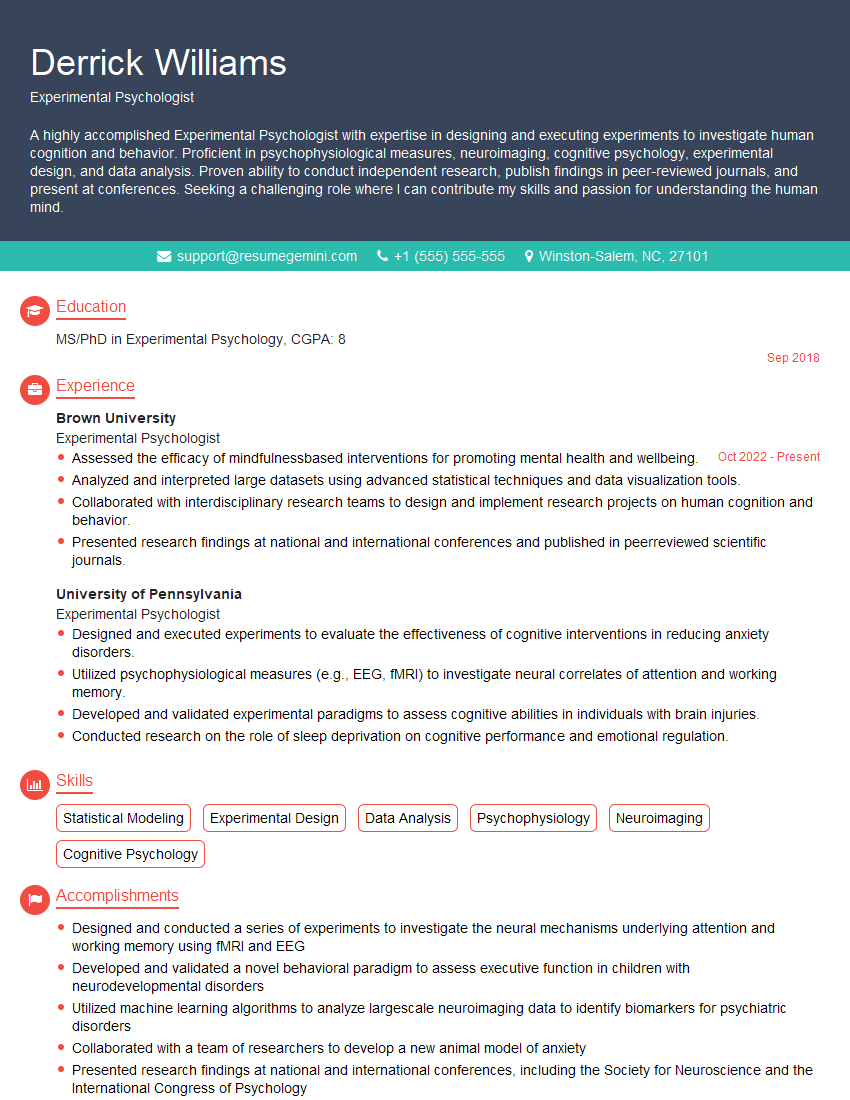
Experimental Psychologist Resume Sample
- Laboratory Manager
- Research Director
- Research Manager
- Research Associate
- Senior Research Scientist
- Research Coordinator
- Research Analyst
- Data Scientist
- Research Scientist
- Statistical Analyst
- Clinical Research Associate
- Research Engineer
- Chemical Engineer
- Research Fellow
- Research Technician
- Computational Biologist
- Experimental Physicist
- Materials Scientist
- Experimental Psychologist
Explore more articles
Users Rating of Our Blogs
Share Your Experience
We value your feedback! Please rate our content and share your thoughts (optional).
What Readers Say About Our Blog
Very informative content, great job.
good