Feeling uncertain about what to expect in your upcoming interview? We’ve got you covered! This blog highlights the most important Risk Assessment and Mitigation in Potato Production and Processing interview questions and provides actionable advice to help you stand out as the ideal candidate. Let’s pave the way for your success.
Questions Asked in Risk Assessment and Mitigation in Potato Production and Processing Interview
Q 1. Describe your experience with HACCP principles in potato processing.
HACCP, or Hazard Analysis and Critical Control Points, is a preventative food safety system. In potato processing, I’ve extensively applied HACCP principles to identify and control biological, chemical, and physical hazards throughout the entire production chain, from raw material receiving to finished product distribution. This involved creating detailed flow diagrams, conducting hazard analyses to determine potential risks at each stage (such as Listeria contamination during cooling or enzymatic browning during processing), and identifying critical control points (CCPs) where control is essential to prevent or eliminate these hazards. For example, a CCP might be the blanching stage, where temperature and time are carefully monitored to inactivate enzymes and reduce microbial load. My experience includes implementing and maintaining HACCP plans, conducting regular monitoring and verification activities, and responding to deviations from the plan to ensure continued food safety.
For instance, in one project, we discovered that a specific supplier’s potatoes were consistently showing higher than acceptable levels of Clostridium botulinum spores. Through our HACCP plan, we identified the supplier as a potential hazard and implemented corrective actions, including switching suppliers and implementing a more stringent testing regime. This ensured that the final product consistently met safety standards.
Q 2. Explain the common risks associated with potato storage and how to mitigate them.
Potato storage risks primarily involve deterioration in quality and the potential for spoilage. Common risks include sprouting, enzymatic browning, weight loss due to dehydration, and microbial growth (leading to rot and off-flavors). Mitigation strategies are multifaceted and depend on factors like potato variety, storage duration, and environmental conditions.
- Sprouting: Controlled atmosphere (CA) storage, using reduced oxygen and increased carbon dioxide levels, inhibits sprouting. Properly chilling potatoes to around 4°C (39°F) also slows down sprouting. Application of sprout inhibitors like chlorpropham is another option.
- Enzymatic Browning: Reducing exposure to oxygen and keeping potatoes cool minimizes browning. Pre-treatment with antioxidants like ascorbic acid can also be effective.
- Weight Loss: Maintaining high relative humidity (RH) levels within the storage facility minimizes weight loss due to transpiration. Proper ventilation also helps to regulate humidity and prevent condensation.
- Microbial Growth: Maintaining low temperatures, good ventilation, and sanitation practices in the storage area significantly reduce microbial growth. Regular inspection for signs of rot and removal of affected potatoes is crucial. Treatment with fungicides might be necessary in some cases, but this needs to be carefully considered to comply with regulations.
For example, in a large-scale storage facility, we implemented a system of regular temperature and humidity monitoring with automated alerts for deviations from optimal ranges. This early detection system allowed for swift corrective action, preventing significant losses due to spoilage.
Q 3. How would you conduct a risk assessment for pesticide residues in potatoes?
A risk assessment for pesticide residues involves a systematic evaluation of the likelihood and potential severity of contamination. It’s a multi-step process:
- Hazard Identification: Identify all pesticides potentially used on potatoes in the supply chain. This includes considering the types of pesticides used, application rates, and pre-harvest intervals (PHIs).
- Exposure Assessment: Determine the potential for exposure of consumers to pesticide residues. This includes evaluating factors such as pesticide degradation rates, washing effectiveness, and processing methods.
- Risk Characterization: Evaluate the potential health effects associated with the identified pesticide residues using toxicological data (e.g., Acceptable Daily Intake – ADI). Compare the estimated exposure to the ADI to determine the level of risk.
- Risk Management: Develop and implement strategies to mitigate the identified risks. This might include selecting potato varieties less prone to pest infestation, using integrated pest management (IPM) techniques, implementing Good Agricultural Practices (GAPs), and establishing stringent residue monitoring programs.
For example, I’ve led risk assessments that involved reviewing pesticide use records from farms, analyzing samples for residue levels, and comparing these levels to regulatory limits (e.g., maximum residue limits – MRLs) set by authorities like the EPA or EU. If residue levels exceeded MRLs, this triggered immediate corrective actions, including product recall or investigation into the source of contamination.
Q 4. What are the key quality control measures during potato harvesting?
Key quality control measures during potato harvesting aim to minimize damage, maintain quality, and prevent contamination. These include:
- Careful Handling: Using appropriate machinery and techniques to minimize bruising and cuts during digging, lifting, and conveying. This minimizes the entry points for microbial contamination and reduces storage losses.
- Pre-Sorting: Removing damaged, diseased, or excessively soiled potatoes in the field. This reduces the load on processing facilities and minimizes the risk of spoilage or contamination.
- Cleaning: Removing soil and debris from the potatoes to reduce the level of soilborne pathogens. This involves using appropriate cleaning equipment and ensuring sufficient water pressure.
- Rapid Cooling: Quickly cooling harvested potatoes to retard enzymatic browning and microbial growth. This extends the shelf life and maintains quality.
- Segregation: Separating potatoes based on size, quality, and intended use. This improves efficiency and maintains the consistency of product quality.
For instance, in a project I worked on, implementing a field-based pre-sorting system decreased the amount of damaged potatoes reaching the processing plant by 20%, resulting in reduced waste and improved product quality.
Q 5. Describe your experience with implementing and maintaining a food safety management system (FSMS).
My experience with FSMS, or Food Safety Management Systems, spans various aspects including implementation, maintenance, and improvement. I’ve worked with ISO 22000 and other recognized standards. Implementation includes defining the scope of the system, identifying and managing hazards, establishing control measures, implementing monitoring and verification procedures, and ensuring traceability throughout the process. This includes developing and documenting standard operating procedures (SOPs), training personnel, and conducting internal audits. Maintaining the system involves regular monitoring of CCPs and other control measures, record-keeping, internal audits, and management review. Improvement involves continuous monitoring of effectiveness, identifying areas for improvement, and implementing corrective actions. This often utilizes data analysis to identify trends and proactively prevent issues.
For example, in one plant, we integrated a real-time monitoring system into the FSMS. This system automated data collection for key parameters like temperature and pH, providing immediate alerts for deviations from pre-set limits. This proactive approach led to a significant reduction in non-conformances and improved response time to potential hazards.
Q 6. How do you identify and manage potential biological hazards in potato production?
Biological hazards in potato production primarily involve various pathogens like bacteria (e.g., Pseudomonas, Erwinia), fungi (e.g., Phytophthora, Fusarium), and viruses (e.g., Potato virus Y). Managing these hazards necessitates a multifaceted approach:
- Good Agricultural Practices (GAPs): Employing sound farming practices to reduce the incidence of pathogens. This involves crop rotation, resistant varieties, appropriate soil management, and minimizing stress on plants.
- Pest and Disease Management: Utilizing integrated pest management (IPM) strategies that minimize the use of chemical pesticides while effectively controlling pests and diseases. This often incorporates biological control methods and monitoring techniques.
- Sanitation: Maintaining proper sanitation in the field and during harvesting to prevent the spread of pathogens. This includes cleaning equipment and minimizing soil contamination.
- Seed Health: Using certified seed potatoes that are free of common pathogens. This is a crucial step in preventing the spread of diseases.
- Post-Harvest Handling: Proper handling and storage practices to minimize the growth and spread of pathogens after harvest. Rapid cooling and proper storage conditions are essential.
For instance, implementing a robust seed health program and introducing resistant potato varieties reduced the incidence of late blight (caused by Phytophthora infestans) by 40% in a particular region, significantly reducing crop losses.
Q 7. What are the critical control points (CCPs) in a potato processing line?
Critical Control Points (CCPs) in a potato processing line are stages where control is essential to prevent or eliminate food safety hazards. These can vary depending on the specific processing operations, but some common CCPs include:
- Blanching: Controlling temperature and time to inactivate enzymes and reduce microbial load.
- Cooking: Ensuring sufficient heat treatment to eliminate pathogens.
- Cooling: Rapidly cooling cooked potatoes to prevent microbial growth.
- Drying (if applicable): Maintaining appropriate conditions to prevent microbial growth and maintain product quality.
- Packaging: Ensuring proper packaging to protect the product from contamination and maintain its shelf life.
- Metal detection: Detecting metal contaminants before packaging.
- Water treatment: Using safe and potable water in all stages of the process.
The exact CCPs and their associated control measures are determined through a thorough HACCP analysis specific to each facility and its processes. Monitoring these CCPs is critical to ensure food safety and product quality.
Q 8. Explain your understanding of the legal and regulatory requirements related to potato safety.
Potato safety is governed by a complex web of legal and regulatory requirements, varying by country and region. These regulations aim to ensure the safety and wholesomeness of potatoes throughout the entire supply chain, from farm to fork. Key aspects include Good Agricultural Practices (GAPs), Good Manufacturing Practices (GMPs), and Hazard Analysis and Critical Control Points (HACCP) principles.
For example, regulations often specify acceptable levels of pesticide residues, limits on microbial contamination (like Salmonella and E. coli), and standards for handling and processing to prevent physical contamination (e.g., foreign objects). Traceability requirements are crucial, allowing for rapid identification and removal of contaminated batches in case of an incident. Compliance often involves regular inspections, audits, and documentation of all procedures. Failure to comply can lead to significant penalties, including product recalls, fines, and even legal action. Understanding these specific regulations is critical for any organization working within the potato industry.
Q 9. How would you investigate and resolve a food safety incident involving potatoes?
Investigating a food safety incident involving potatoes requires a swift, systematic approach. First, we need to contain the situation, preventing further distribution of potentially contaminated products. This involves immediately tracing the affected batch back through the supply chain using traceability records. Then, we launch a thorough investigation to identify the root cause of the contamination. This may involve collecting samples from various stages of production, from the field to the processing plant and even at retail locations. Laboratory testing helps determine the nature and extent of the contamination, pinpointing the source and type of hazard (microbial, chemical, or physical).
Once the root cause is established, corrective actions are implemented, including cleaning and sanitizing equipment, retraining personnel, and reviewing existing safety protocols. A comprehensive report is prepared documenting the incident, its cause, the corrective actions taken, and preventative measures to avoid recurrence. This information is vital not only for internal improvements but also for communication with regulatory agencies and customers, rebuilding confidence and transparency.
Q 10. Describe your experience with root cause analysis in potato production issues.
Root cause analysis (RCA) is essential for preventing the recurrence of potato production issues. My experience involves applying various RCA methodologies, such as the ‘5 Whys’ technique, fishbone diagrams, and fault tree analysis. For instance, a drop in potato yield might initially be attributed to poor weather. However, by repeatedly asking ‘why,’ we might uncover the root cause: inadequate irrigation infrastructure coupled with poor soil management practices.
Another example: If we find high levels of bruising in harvested potatoes, the RCA might reveal improper harvesting equipment, insufficient operator training, or inadequate field handling techniques. By systematically investigating the contributing factors, we can develop targeted solutions, improving processes, and minimizing future losses. The key is to not just address the symptoms but to delve deeper into the underlying causes, creating a more resilient and efficient potato production system.
Q 11. How would you manage the risk of contamination during potato washing and peeling?
Managing contamination risk during potato washing and peeling involves a multi-pronged strategy focusing on sanitation, equipment design, and operator training. Firstly, the washing and peeling equipment must be constructed from food-grade materials, easily cleanable, and designed to minimize crevices where microorganisms can accumulate. Regular cleaning and sanitization schedules are paramount, using approved chemical sanitizers and following strict protocols to ensure efficacy. Water quality itself is also crucial – monitoring for contaminants and ensuring adequate chlorine levels.
Operator training is equally vital. Staff must be thoroughly educated on proper hygiene practices, including handwashing, wearing appropriate protective gear, and adhering to cleaning procedures. Regular monitoring and audits of these processes are vital to ensure compliance and identify potential weaknesses before they lead to contamination. For example, regular swab testing of equipment surfaces can detect the presence of pathogens and confirm effective sanitation procedures.
Q 12. What are the key indicators of potato quality, and how do you monitor them?
Key indicators of potato quality are numerous, and monitoring them throughout the production process is essential. These include visual parameters like size, shape, color, and the absence of defects such as bruising, cuts, and disease symptoms. Internal quality factors such as dry matter content, starch content, and specific gravity are also important and are often measured using specialized instruments.
Monitoring involves regular sampling and testing at various stages: from the field, through harvesting, storage, and processing. Data from these tests help establish quality standards, track consistency, and allow for early identification of problems. We use both destructive and non-destructive methods, balancing the need for accurate data with the cost and time constraints. For example, we might use image analysis to assess surface defects, while employing near-infrared spectroscopy (NIRS) to quickly determine dry matter content.
Q 13. How do you manage the risk of microbial contamination in potato products?
Microbial contamination is a major concern in potato products, potentially leading to foodborne illnesses. Management involves implementing stringent hygiene protocols throughout the entire process, from the field to the finished product. This starts with appropriate GAPs, minimizing soil contamination and avoiding damage that allows microbial entry. During processing, maintaining appropriate temperatures (e.g., chilling immediately after peeling to prevent microbial growth) is crucial.
Furthermore, we use effective sanitization procedures at every critical control point, including washing and peeling equipment, storage facilities, and packaging lines. Monitoring microbial levels through regular testing of raw materials, in-process samples, and finished products ensures compliance with regulatory limits. Implementation of HACCP principles is vital in identifying and controlling these critical points, proactively managing the risk of microbial contamination. For example, regularly testing potato samples for Clostridium botulinum spores in low-acid potato products is crucial to avoid botulism.
Q 14. What are the common physical and chemical hazards in potato processing, and how can they be mitigated?
Common physical hazards in potato processing include foreign objects like metal fragments (from equipment wear) or stones (from the field). Chemical hazards include pesticide residues, sanitizing agents, and even substances leaching from packaging materials. Mitigation involves robust preventative measures.
For physical hazards, metal detectors and X-ray inspection systems are utilized to identify and remove contaminants. Regular equipment maintenance helps prevent metal fragments. Careful field practices minimize the presence of stones and other foreign materials. For chemical hazards, adhering to strict pesticide application guidelines during farming and using food-grade materials throughout processing is critical. Regular testing ensures compliance with residue limits and the absence of unwanted chemicals. Detailed record-keeping and traceability throughout the supply chain aid in identifying and addressing any issues that may arise.
Q 15. Explain your approach to identifying and assessing risks in the supply chain.
Identifying and assessing risks in the potato supply chain requires a systematic approach. I typically employ a Hazard Analysis and Critical Control Points (HACCP) framework, augmented by Failure Mode and Effects Analysis (FMEA). This involves a multi-stage process:
- Hazard Identification: We start by brainstorming potential hazards at each stage – from farming practices (e.g., soil contamination, pest infestation, weather events) through harvest, storage, processing (e.g., equipment malfunction, cross-contamination), packaging, distribution, and finally, retail. We consider biological (bacteria, viruses), chemical (pesticides, cleaning agents), and physical (foreign objects) hazards.
- Risk Assessment: For each identified hazard, we evaluate its likelihood of occurrence and the severity of its potential consequences. This often involves using risk matrices that score likelihood and severity, leading to an overall risk rating (e.g., low, medium, high). For instance, Salmonella contamination is a high-severity, medium-likelihood hazard, demanding more attention.
- Supply Chain Mapping: Visualizing the entire supply chain via flow charts helps identify critical control points (CCPs) – steps where control can prevent or eliminate a hazard. For example, proper washing and peeling are CCPs for reducing bacterial contamination.
- Risk Prioritization: We prioritize hazards based on their overall risk ratings, focusing resources on the highest-risk issues first. This allows efficient allocation of resources to mitigate the most critical threats.
This structured approach ensures a comprehensive risk assessment, enabling proactive mitigation strategies.
Career Expert Tips:
- Ace those interviews! Prepare effectively by reviewing the Top 50 Most Common Interview Questions on ResumeGemini.
- Navigate your job search with confidence! Explore a wide range of Career Tips on ResumeGemini. Learn about common challenges and recommendations to overcome them.
- Craft the perfect resume! Master the Art of Resume Writing with ResumeGemini’s guide. Showcase your unique qualifications and achievements effectively.
- Don’t miss out on holiday savings! Build your dream resume with ResumeGemini’s ATS optimized templates.
Q 16. How would you develop and implement a risk mitigation plan for a specific potato-related hazard?
Let’s say the specific hazard is Listeria monocytogenes contamination in ready-to-eat potato products. A risk mitigation plan would involve:
- Establish Critical Limits: Define acceptable levels of Listeria. This could involve regular environmental monitoring and testing of finished products to ensure they remain below regulatory limits.
- Develop Control Measures: Implement preventive controls at CCPs, such as stringent sanitation protocols (cleaning and sanitizing equipment, facilities, and surfaces at regular intervals), thorough employee hygiene practices (handwashing, protective clothing), and effective temperature control during storage and distribution (maintaining cold chain integrity). We might also introduce methods like high-pressure processing (HPP) or irradiation as additional controls.
- Monitoring and Verification: Regular monitoring procedures must be in place to ensure the effectiveness of the control measures. This includes regular environmental swabs, product testing, and temperature monitoring throughout the process. Records should be meticulously kept.
- Corrective Actions: If monitoring reveals deviations from established critical limits, a documented corrective action plan needs to be in place. This includes immediate actions to rectify the situation (e.g., equipment shutdown for cleaning, product recall), root cause analysis to prevent recurrence, and verification of the effectiveness of the corrective actions.
- Documentation and Review: The entire mitigation plan, including monitoring data, corrective actions, and reviews, needs to be meticulously documented and regularly reviewed to ensure its ongoing effectiveness and to adapt to changing circumstances.
This systematic approach, underpinned by HACCP principles, ensures that the risk of Listeria contamination is minimized effectively.
Q 17. Describe your experience with using statistical process control (SPC) in potato processing.
Statistical Process Control (SPC) plays a vital role in maintaining consistent product quality and identifying potential problems in potato processing. We utilize various SPC charts, such as X-bar and R charts, to monitor key process parameters like the weight of potato chips, their thickness, or the moisture content.
For example, we might monitor the weight of bags of potato chips. By plotting the average weight (X-bar) and the range of weights (R) over time, we can detect trends or shifts indicating potential issues. If a point falls outside the control limits or if a pattern emerges (e.g., a consistent upward or downward trend), it signals a need for investigation. This could indicate a problem with the weighing equipment, inconsistencies in the filling process, or other issues that need to be addressed. The data from these charts helps us to make data-driven decisions for process improvements and reduces variability in the final product. This reduces waste and improves the quality consistency that consumers expect.
Q 18. How do you ensure traceability throughout the potato production and processing chain?
Traceability is crucial for ensuring food safety and managing potential recalls. We implement a robust traceability system using batch coding and lot tracking throughout the entire potato production and processing chain. Each batch of potatoes is uniquely identified from the field (using GPS coordinates and farm identification) through harvest, storage, processing, packaging, and distribution. This information is recorded using a combination of manual and automated systems. Barcode scanning at various stages ensures accurate tracking, minimizing the risk of errors. A centralized database manages and stores all this information, enabling rapid identification of the source of any contaminated product in case of a recall. This system allows quick and efficient response to food safety issues, safeguarding both consumer health and our company’s reputation.
Q 19. What are your strategies for managing allergens in potato products?
Managing allergens in potato products requires stringent measures at every stage. Our strategy focuses on:
- Ingredient Sourcing: We carefully select suppliers who adhere to strict allergen control standards and provide documentation confirming the absence of allergens (or their presence, clearly labeled). This includes verifying that the potatoes themselves are free from cross-contamination with other crops containing allergens.
- Dedicated Processing Lines: We maintain dedicated processing lines for allergen-free products, using separate equipment and avoiding cross-contamination risks. This is particularly crucial for products that share processing facilities with other goods containing nuts, dairy, soy, etc.
- Strict Cleaning Protocols: Rigorous cleaning and sanitation procedures are implemented between production runs to eliminate any residual allergen traces from equipment and surfaces. This includes using validated cleaning agents and verification processes to ensure effectiveness.
- Clear Labeling: All products are clearly labeled, listing all ingredients, including potential allergens, in compliance with all relevant regulations. This helps consumers make informed decisions.
- Allergen Management Training: Employees involved in handling ingredients and products undergo thorough training on allergen awareness, prevention, and control measures. This builds a safety culture throughout the organization.
By implementing these strategies, we minimize the risk of allergen cross-contamination, protecting consumers with allergies.
Q 20. How would you manage the risk of cross-contamination in a potato processing facility?
Managing cross-contamination risk in a potato processing facility requires a multi-pronged approach:
- Spatial Separation: Raw and processed areas should be physically separated to prevent cross-contamination. Airflow management also plays a significant role, minimizing the chance of airborne particles transferring contaminants.
- Equipment Sanitation: Equipment used in processing should be thoroughly cleaned and sanitized between production runs using validated cleaning procedures. This includes dedicated equipment for specific products and the use of different colored cutting boards or containers to further delineate areas.
- Employee Hygiene Practices: Employees need to follow strict hygiene protocols, including handwashing, wearing appropriate protective clothing (hairnets, gloves, etc.), and avoiding activities that could contaminate products.
- Pest Control: Implementing effective pest control measures is critical. Regular inspections and professional pest control services are essential to prevent pests from introducing contaminants.
- Material Handling: Proper storage and handling of ingredients and materials also prevent cross-contamination. Using separate containers for different products and avoiding mixing of ingredients can significantly reduce this risk.
- Allergen Management: (As discussed previously) Implementing dedicated allergen-free lines and stringent cleaning protocols are also crucial for preventing cross-contamination.
Regular auditing and inspections help ensure adherence to these protocols and identify potential vulnerabilities before they lead to contamination incidents.
Q 21. Explain the importance of employee training in maintaining food safety in potato production.
Employee training is fundamental for maintaining food safety in potato production. Well-trained employees are the first line of defense against contamination and quality issues. Our training program covers:
- HACCP Principles: Employees receive training on HACCP principles, enabling them to understand and contribute to food safety programs.
- Good Manufacturing Practices (GMP): GMP training emphasizes hygiene, sanitation, and appropriate handling procedures to prevent contamination.
- Allergen Awareness: Training emphasizes the dangers of allergens and how to prevent cross-contamination (especially for ready-to-eat products).
- Hazard Recognition and Reporting: Employees are trained to identify potential hazards and report them promptly to supervisors.
- Specific Equipment and Process Training: Workers are trained in the safe and efficient operation of specific equipment used in their areas. This is particularly important for machinery like peelers, slicers, and fryers.
- Safety Procedures: Training includes safe handling procedures for chemicals and other materials used in processing, as well as proper use of personal protective equipment.
- Regulatory Compliance: Employees are made aware of relevant food safety regulations and their importance.
Regular refresher training and competency assessments ensure that employees maintain their knowledge and skills, creating a strong food safety culture.
Q 22. How would you manage the risk of equipment failure in a potato processing plant?
Managing equipment failure risk in a potato processing plant requires a multi-pronged approach focusing on prevention, detection, and response. Think of it like maintaining a complex machine – regular check-ups are key to avoiding breakdowns.
Preventative Maintenance: This is the cornerstone. We’d implement a rigorous preventative maintenance schedule, including regular inspections, lubrication, and part replacements based on manufacturer recommendations and usage patterns. For example, a specific conveyor belt might need inspection every week, while a larger processing machine might require monthly servicing. This schedule would be meticulously documented and followed.
Redundancy and Backup Systems: Critical equipment, like the main peeling machine or the sorting system, should have backup systems in place. This ensures continuous operation even if a primary component fails. It’s like having a spare tire in your car – you hope you never need it, but it’s crucial to have.
Early Warning Systems: Integrating sensors and monitoring systems to detect anomalies like unusual vibrations, temperature fluctuations, or power surges can provide early warnings of potential failures. Think of it like a car’s check engine light – it alerts you to a problem before it becomes a major issue. This data can then inform preventative maintenance efforts.
Operator Training: Well-trained operators are crucial. They should be able to identify potential problems early and understand the safe operating procedures for all equipment. Regular training sessions would cover troubleshooting, preventative maintenance tasks, and emergency procedures.
Emergency Response Plan: A well-defined emergency response plan, including procedures for equipment failure, is crucial. This plan should outline steps for isolating failed equipment, initiating repairs, and minimizing production downtime. Regular drills would ensure the team is prepared and can react efficiently.
Q 23. Describe your experience with developing and reviewing Standard Operating Procedures (SOPs) related to food safety.
I have extensive experience in developing and reviewing Standard Operating Procedures (SOPs) for food safety, focusing on HACCP (Hazard Analysis and Critical Control Points) principles. I’ve worked in multiple settings, from small-scale processing plants to larger facilities. My approach emphasizes clarity, practicality, and regulatory compliance.
Development Process: When developing SOPs, I start with a thorough hazard analysis, identifying potential biological, chemical, and physical hazards at each stage of potato processing, from harvest to packaging. This involves reviewing existing literature and collaborating with plant personnel to gain a deep understanding of the processes. The team then works together to define critical control points (CCPs) – steps where hazards can be controlled or eliminated. The SOPs are then written to clearly define responsibilities and procedures for each CCP.
Review Process: Regular review and updating of SOPs is essential due to changing regulations, technological advancements, or improved practices. I usually lead these reviews, ensuring consistency with current best practices and regulatory compliance (e.g., FDA, GFSI standards). This is done through a combination of internal audits, inspections, and feedback from staff.
Example: In one instance, we revised an SOP for washing potatoes to incorporate improved sanitation techniques based on new data on bacterial contamination. This included modifying the wash cycle parameters, adding a sanitizing step, and implementing a more effective monitoring system.
Q 24. How do you measure the effectiveness of risk mitigation strategies?
Measuring the effectiveness of risk mitigation strategies involves a combination of quantitative and qualitative methods. It’s not just about whether a strategy was implemented; it’s about demonstrating that it actually reduced risk. We use Key Performance Indicators (KPIs) to track this.
Quantitative Measures: This could involve tracking the frequency of incidents (e.g., equipment failures, contamination events, product recalls) before and after implementing a mitigation strategy. Statistical analysis would be used to determine if there’s a statistically significant reduction in the frequency or severity of these incidents. We might track metrics like percentage of defects, yield loss due to spoilage, and downtime.
Qualitative Measures: We also collect qualitative data through employee surveys, interviews, and observations to assess factors such as employee satisfaction with the new safety measures, ease of following SOPs, and overall perceptions of workplace safety. This data provides valuable context and highlights areas needing further improvement.
Example: After implementing a new training program for employees on the proper use and maintenance of a particular piece of equipment, we tracked a significant decrease in equipment-related incidents as well as positive feedback in employee surveys indicating a greater understanding of safety procedures.
Q 25. What are your strategies for reducing waste and improving efficiency in potato processing?
Reducing waste and improving efficiency in potato processing requires a holistic approach focusing on optimization at every stage. It’s about squeezing maximum value from every potato.
Process Optimization: This involves analyzing each step of the process to identify and eliminate bottlenecks, inefficiencies, and sources of waste. Lean manufacturing principles are valuable here, focusing on streamlining workflows and minimizing unnecessary movements.
Improved Yield: Minimizing losses from peeling, cutting, and other processing steps is crucial. This often involves upgrading equipment to improve precision and reduce material waste. Using advanced sorting and grading technologies can help by selecting potatoes with consistent sizes and qualities, thereby reducing waste associated with damaged or misshapen potatoes.
Waste Recycling: Potato peels and other byproducts can be valuable resources. We can explore options like composting, creating animal feed, or even extracting valuable compounds for other applications. The residual water can be processed to reuse.
Data-Driven Decisions: Using data from production monitoring systems to identify areas for improvement is essential. Real-time data on yields, waste, and equipment performance enables timely adjustments and prevents losses.
Technology Upgrades: Investing in advanced technologies, like automated sorting and quality control systems, can significantly improve efficiency and reduce waste.
Q 26. Describe your experience with using data analysis to identify and mitigate risks.
Data analysis plays a vital role in identifying and mitigating risks throughout the potato processing chain. Think of data as a detective – it reveals patterns and insights we wouldn’t see otherwise.
Predictive Maintenance: Analyzing data from equipment sensors allows for predictive maintenance, anticipating potential failures before they occur and scheduling repairs proactively. We may use statistical models to predict when equipment needs attention, minimizing downtime.
Process Monitoring: Tracking key process parameters, like temperature, pressure, and moisture content, provides real-time insights into process stability and helps identify deviations that could lead to safety or quality issues. Control charts and other statistical process control (SPC) methods are often used to monitor data.
Quality Control: Analyzing data from quality control checks helps identify trends in product defects and trace them back to their source, enabling corrective actions to prevent future problems. This could involve analysing data from testing of the finished product.
Example: In one case, we analyzed historical data on equipment failures and identified a specific machine that was prone to breakdowns during peak production periods. By upgrading the machine and optimizing its operating parameters, we significantly reduced downtime and improved production efficiency.
Q 27. How would you communicate risk assessment findings to management and other stakeholders?
Communicating risk assessment findings effectively to management and stakeholders is crucial for gaining support and implementing necessary changes. Clear, concise, and visually appealing presentations are key.
Tailored Communication: The style and content of communication should be tailored to the audience. Technical details should be limited for management summaries, whereas more detailed information would be provided for technical teams.
Visual Aids: Using graphs, charts, and tables to present data effectively is essential. This makes the findings more accessible and understandable.
Prioritization: Prioritize risks based on likelihood and severity. Focus communication on the most critical risks first. A risk matrix visually ranking the risks is beneficial.
Actionable Recommendations: The communication shouldn’t just identify risks; it should propose concrete, actionable mitigation strategies, assigning responsibilities and timelines for implementation.
Regular Reporting: Regular updates on risk status, including progress on implementing mitigation strategies, should be provided. This transparency helps build trust and demonstrates accountability.
Q 28. What is your experience with different types of potato processing technologies and their associated risks?
I have experience with various potato processing technologies, each with its associated risks. My experience includes working with conventional methods and newer technologies.
Conventional Methods: These include peeling, slicing, dicing, and frying, often using mechanical processes. Risks here involve equipment malfunctions, worker safety issues, and potential for cross-contamination. For example, traditional peeling methods can lead to higher waste and more manual handling.
Advanced Technologies: I’m familiar with technologies like high-pressure processing (HPP) for extending shelf life, microwave processing for faster cooking, and automated sorting and grading systems for improving quality and reducing waste. These advanced technologies introduce their own set of risks, such as high energy consumption, specialized maintenance needs, and the potential for equipment malfunctions. HPP for example needs very specialized equipment maintenance.
Risk Management: Regardless of the technology, a robust risk assessment and mitigation plan is essential. This includes identifying potential hazards, implementing safety measures, and establishing monitoring and control procedures. The risks associated with each technology should be well understood and mitigated accordingly.
Key Topics to Learn for Risk Assessment and Mitigation in Potato Production and Processing Interview
- Hazard Identification and Analysis: Understanding potential hazards throughout the entire potato production chain, from planting and harvesting to processing and distribution. This includes biological (diseases, pests), chemical (pesticides, fertilizers), and physical (foreign objects) hazards.
- Risk Assessment Methodologies: Familiarity with various risk assessment frameworks (e.g., HACCP, ISO 22000) and their application in a potato production and processing context. This includes understanding risk matrices and prioritizing hazards based on likelihood and severity.
- Mitigation Strategies: Developing and implementing effective control measures to minimize or eliminate identified risks. Examples include Good Agricultural Practices (GAPs), sanitation protocols, quality control checks, and traceability systems.
- Regulatory Compliance: Knowledge of relevant food safety regulations and standards (e.g., FDA, USDA) impacting potato production and processing, and how to ensure compliance.
- Data Analysis and Reporting: Understanding how to collect, analyze, and interpret data related to risk assessment and mitigation. This includes the use of statistical methods and the ability to communicate findings effectively.
- Supply Chain Management: Analyzing risk within the entire supply chain, from growers to consumers, and developing strategies to manage risks across all stages.
- Crisis Management and Contingency Planning: Developing plans for responding to potential crises, such as outbreaks of disease or product recalls.
- Economic Considerations: Balancing the costs and benefits of various risk mitigation strategies. Understanding the financial implications of different approaches.
- Technological Advancements: Staying current on emerging technologies and their potential applications in improving risk assessment and mitigation in potato production and processing (e.g., automation, sensor technology).
Next Steps
Mastering Risk Assessment and Mitigation is crucial for career advancement in the food industry. Demonstrating a strong understanding of these principles is highly valuable to employers. To significantly increase your job prospects, invest time in crafting an ATS-friendly resume that highlights your skills and experience effectively. ResumeGemini is a trusted resource that can help you build a professional and impactful resume. Examples of resumes tailored to Risk Assessment and Mitigation in Potato Production and Processing are available to help guide your process. Take the next step towards securing your dream role!
Sustainability Manager Resume Sample

Operations Manager Resume Sample
Plant Manager Resume Sample
Production Manager Resume Sample
Quality Assurance Manager Resume Sample
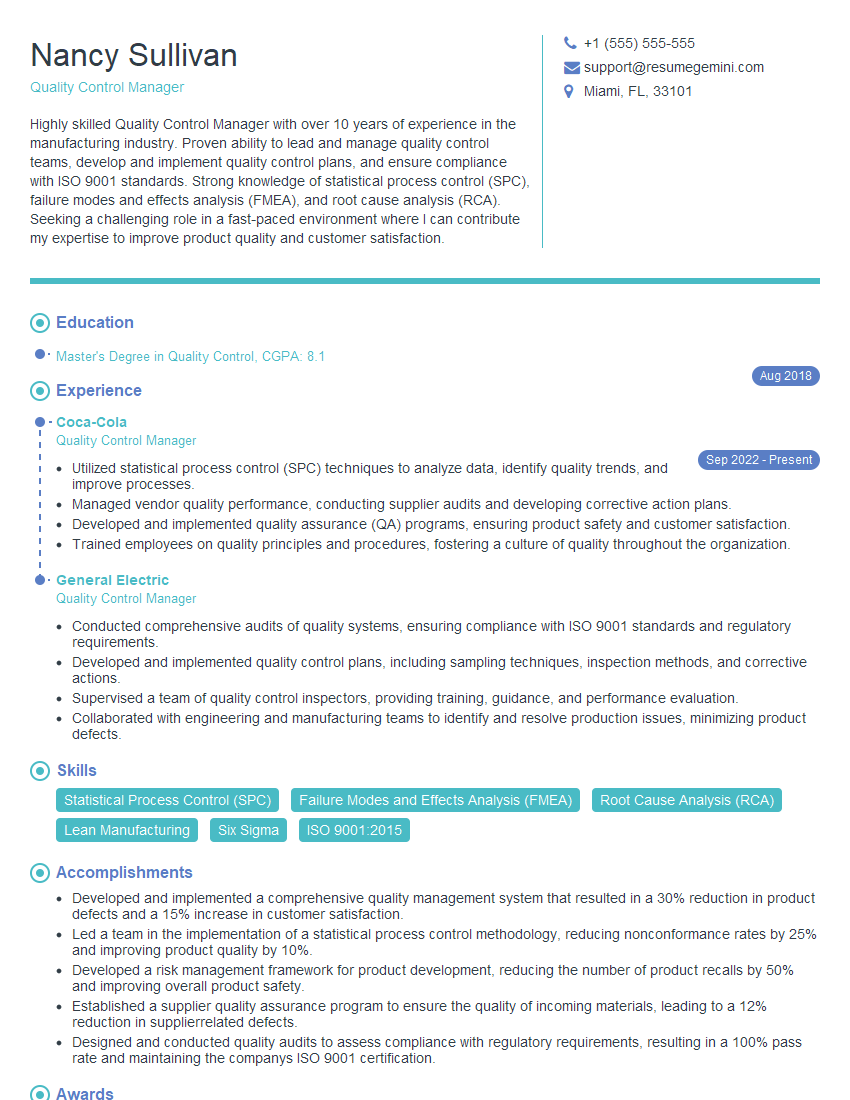
Quality Control Manager Resume Sample
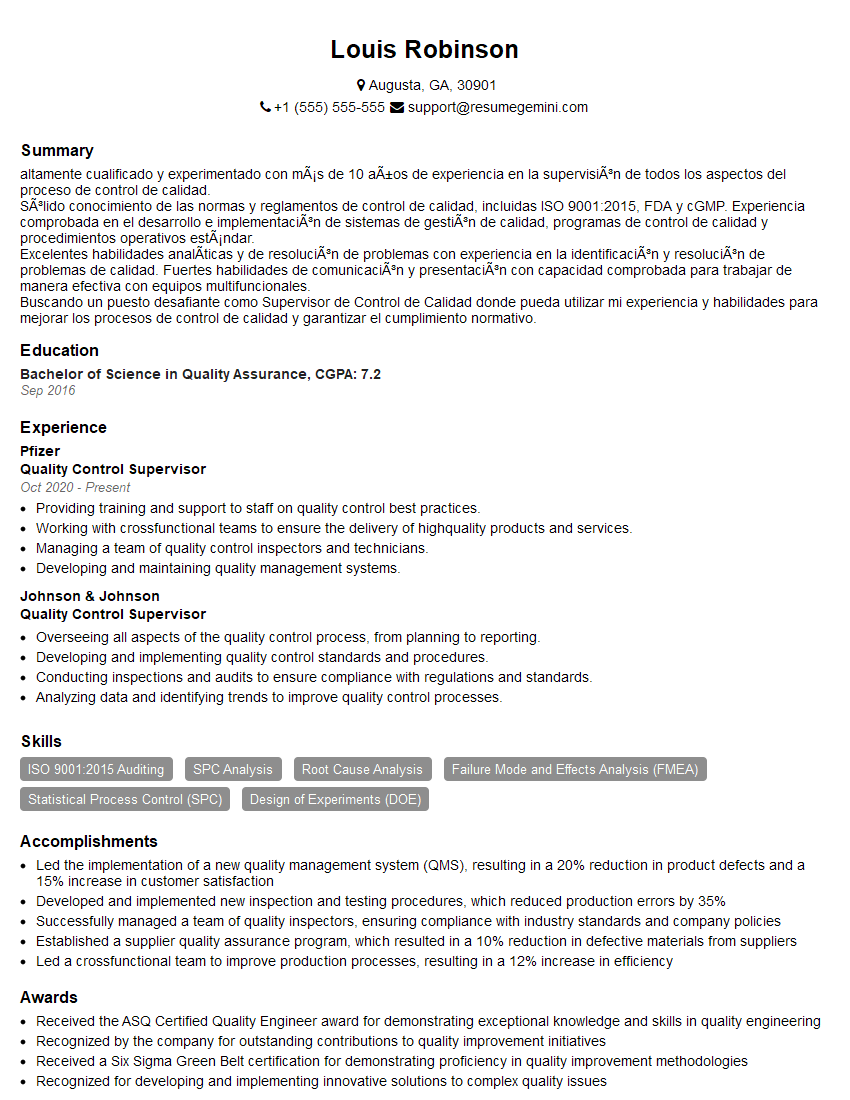
Quality Control Supervisor Resume Sample
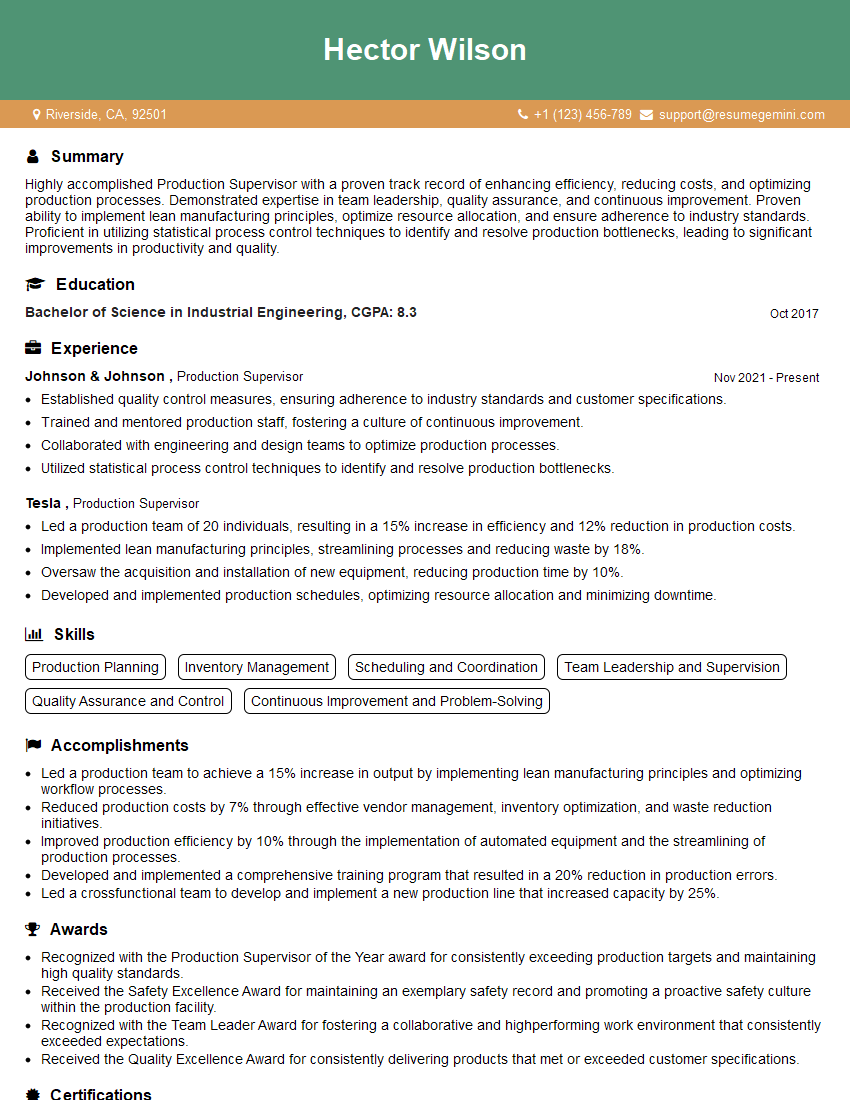
Production Supervisor Resume Sample

Supply Chain Manager Resume Sample
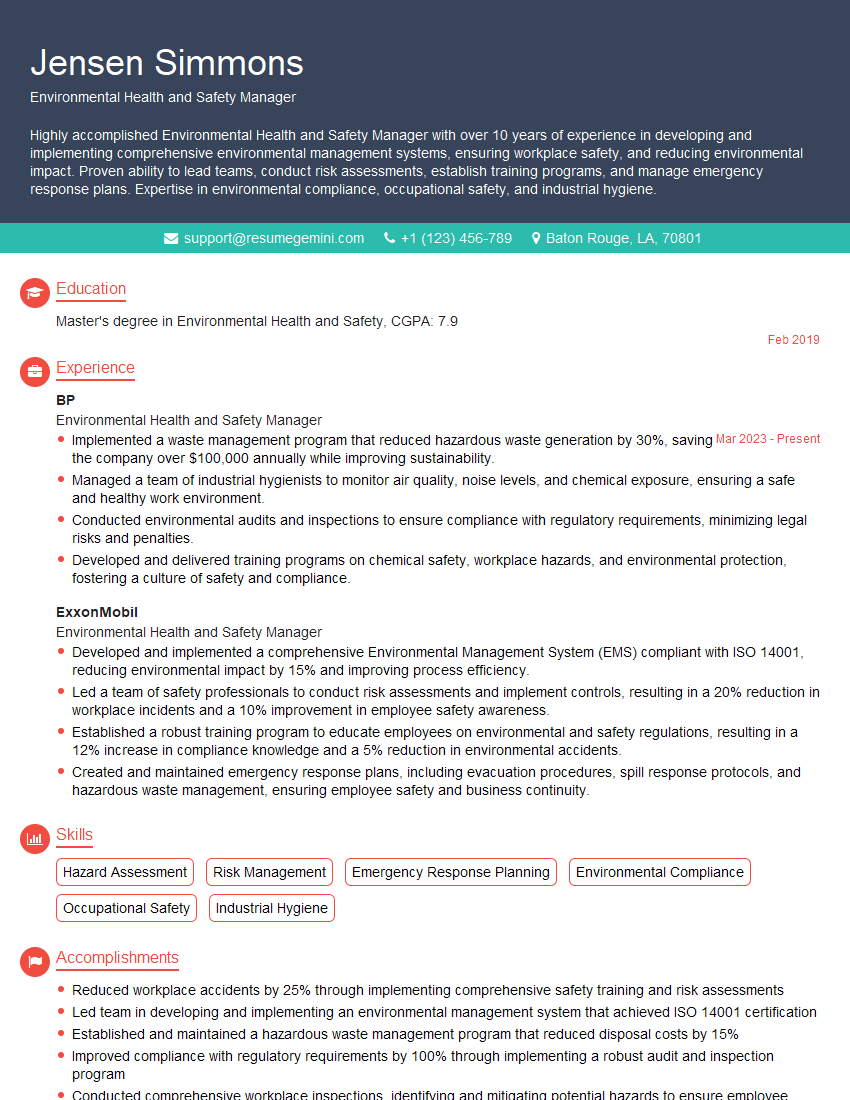
Environmental Health and Safety Manager Resume Sample
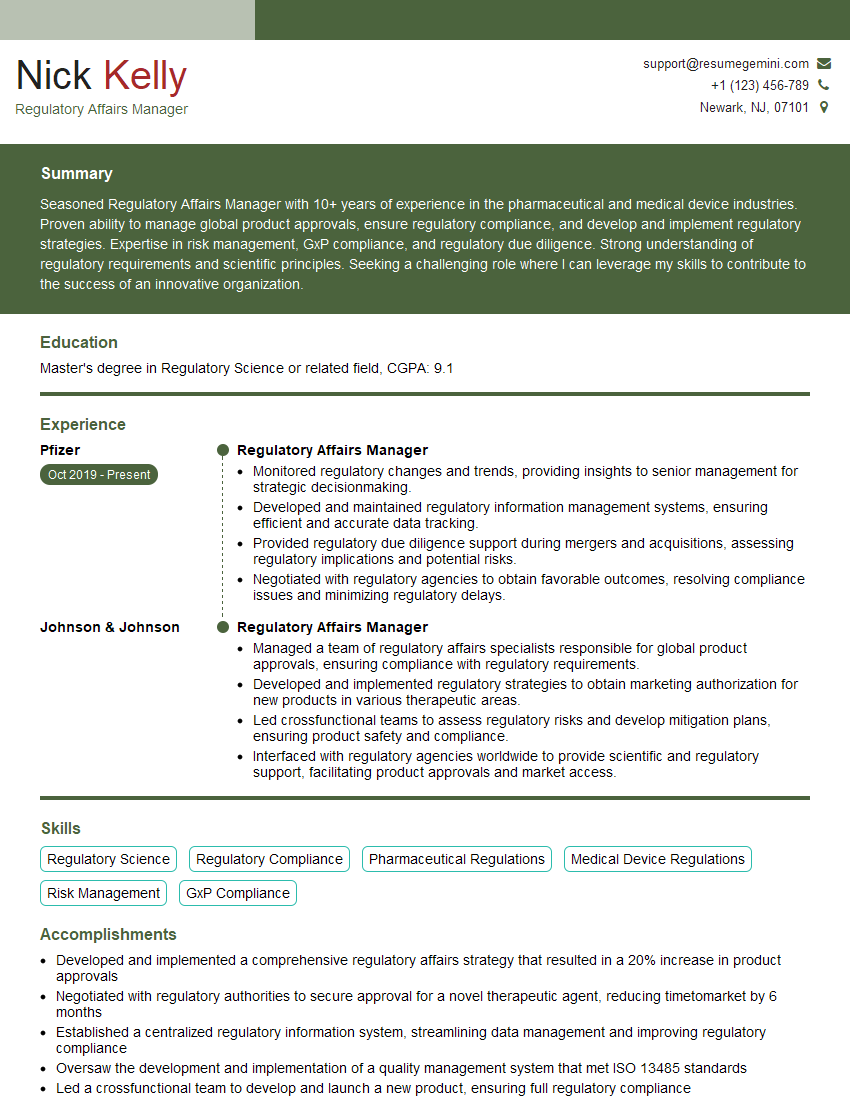
Regulatory Affairs Manager Resume Sample
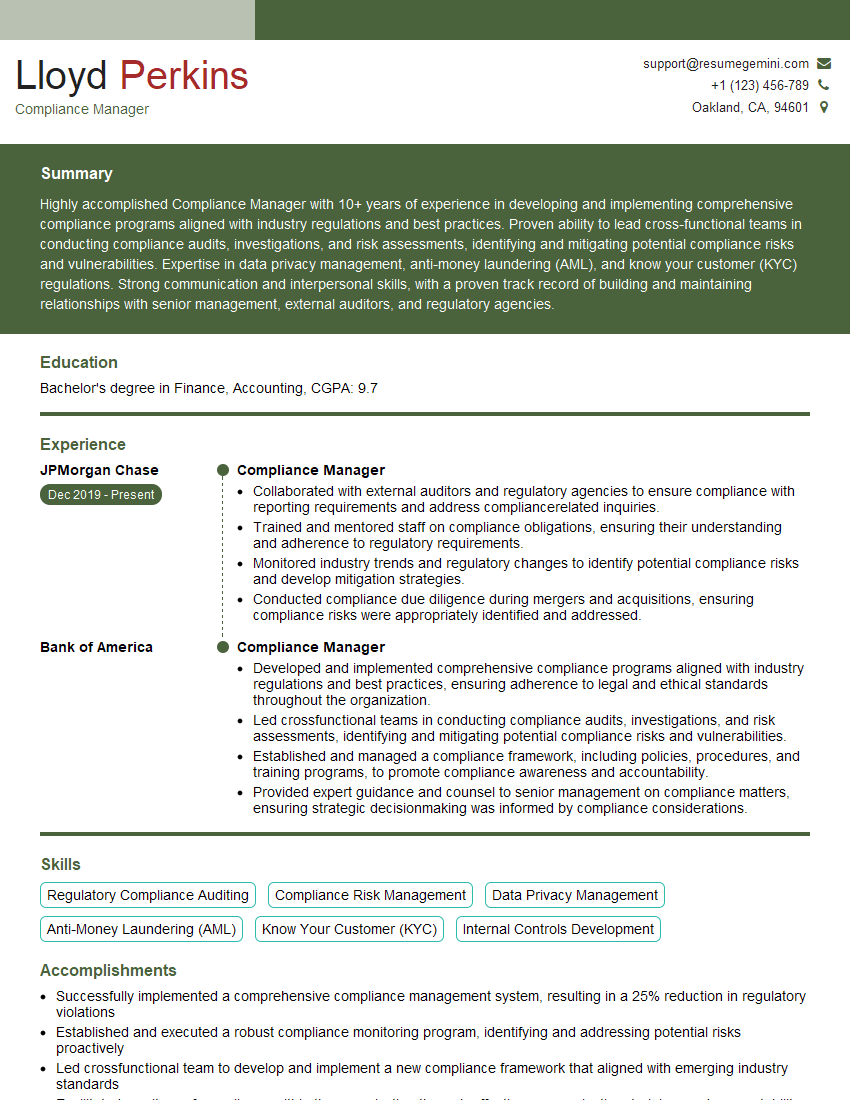
Compliance Manager Resume Sample
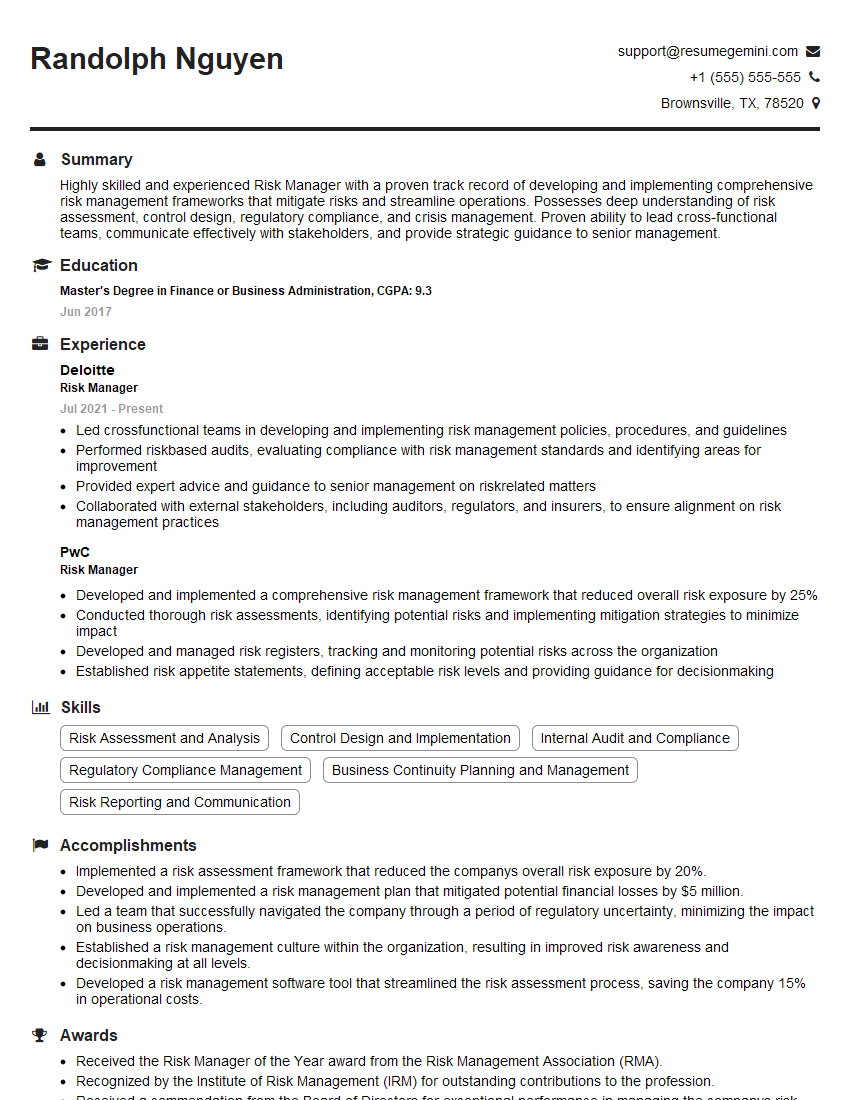
Risk Manager Resume Sample
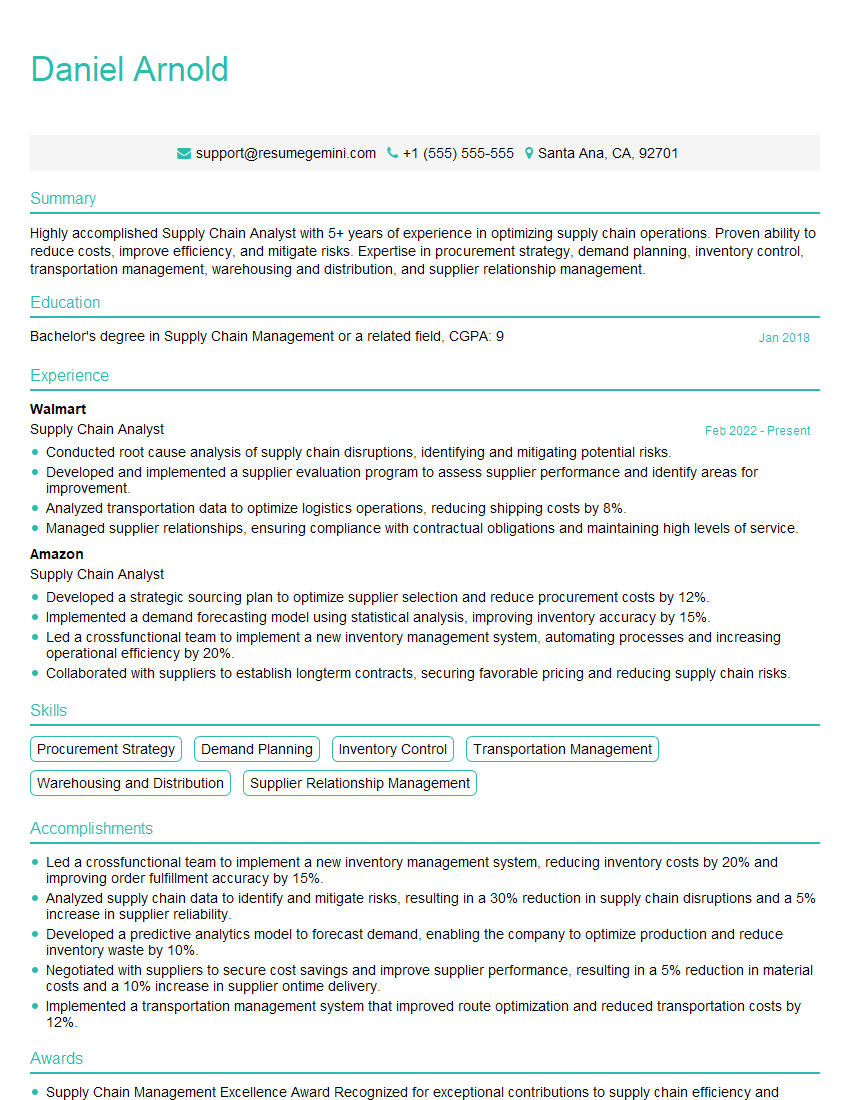
Supply Chain Analyst Resume Sample
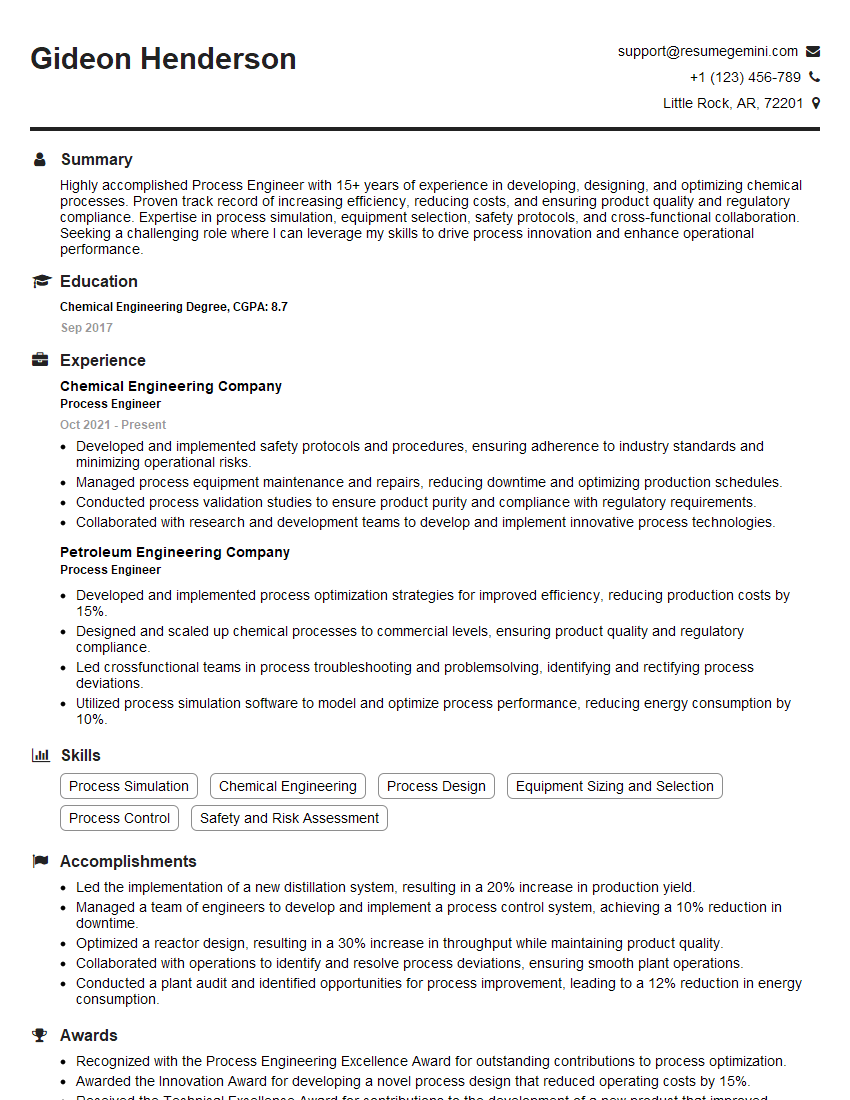
Process Engineer Resume Sample
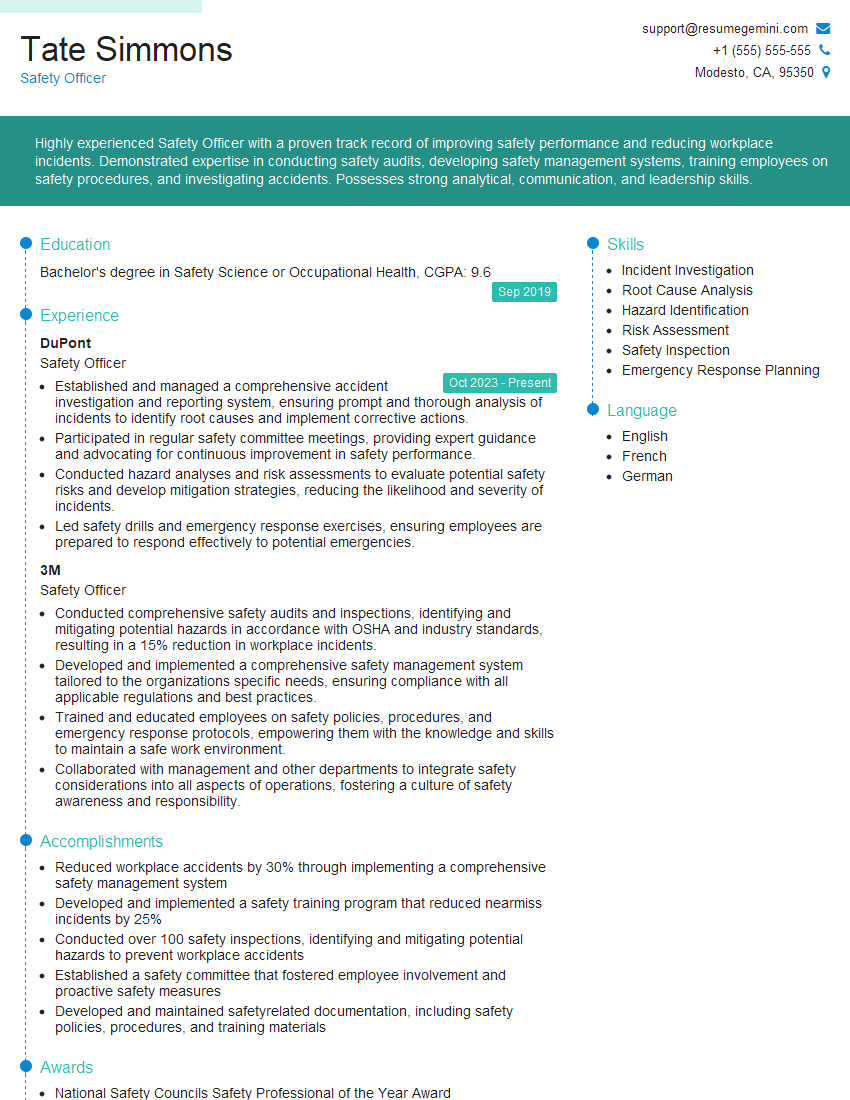
Safety Officer Resume Sample
- Sustainability Manager
- Operations Manager
- Plant Manager
- Production Manager
- Quality Assurance Manager
- Quality Control Manager
- Quality Control Supervisor
- Production Supervisor
- Supply Chain Manager
- Environmental Health and Safety Manager
- Regulatory Affairs Manager
- Compliance Manager
- Risk Manager
- Supply Chain Analyst
- Process Engineer
- Safety Officer
Explore more articles
Users Rating of Our Blogs
Share Your Experience
We value your feedback! Please rate our content and share your thoughts (optional).
What Readers Say About Our Blog
Very informative content, great job.
good