The thought of an interview can be nerve-wracking, but the right preparation can make all the difference. Explore this comprehensive guide to Roads and Bridges interview questions and gain the confidence you need to showcase your abilities and secure the role.
Questions Asked in Roads and Bridges Interview
Q 1. Explain the different types of bridge foundations and their suitability for various soil conditions.
Bridge foundations are crucial for transferring the bridge’s weight and loads safely to the underlying soil or rock. The choice of foundation depends heavily on the soil conditions at the site. Let’s explore some common types:
- Shallow Foundations: These are used when the soil is strong enough to support the load near the surface. Examples include spread footings (individual concrete pads under columns), combined footings (supporting multiple columns), and raft foundations (a large, continuous slab for multiple supports). They’re suitable for strong, stiff soils like well-compacted gravel or dense sand. However, they are unsuitable for weak, soft soils or areas with high water tables.
- Deep Foundations: These are necessary when the soil near the surface is weak or unstable. They transfer the load to stronger soil layers deeper down. Common types include piles (driven or bored into the ground), caissons (large, hollow cylinders sunk into the ground), and piers (massive columns extending from the foundation to a bearing stratum). Piles are excellent for loose sands, clays, and other compressible soils; caissons are useful in water-bearing soils and for very heavy loads; and piers are often employed in areas with significant scour potential.
Soil Suitability Example: A bridge crossing a river with a deep layer of soft clay overlying a strong bedrock would likely require deep foundations like piles or caissons to transfer the loads to the stable bedrock. In contrast, a bridge built on a stable rock formation might only require shallow foundations.
Q 2. Describe the process of pavement design, including material selection and structural considerations.
Pavement design is a complex process involving several stages, aiming to create a durable, safe, and cost-effective surface. It starts with a thorough site investigation, understanding the anticipated traffic loads (volume and weight), subgrade conditions (soil type and strength), and environmental factors (temperature variations, rainfall).
Material Selection: This depends on factors like traffic volume, climate, and cost. Common materials include:
- Aggregates: Crushed stones, gravel, and sands form the base and subbase layers, providing strength and drainage.
- Asphalt Concrete: A mixture of aggregates and bitumen, it forms the surface layer, offering flexibility and skid resistance.
- Portland Cement Concrete (PCC): A rigid pavement providing high strength and durability, but more susceptible to cracking due to temperature variations.
Structural Considerations: The design focuses on ensuring sufficient thickness of each layer to withstand the expected stresses from traffic loads. This involves structural analysis using software or empirical methods, considering factors like modulus of elasticity of materials, traffic loading, and subgrade strength. Flexible pavements (asphalt) rely on the distribution of stresses through layers, while rigid pavements (concrete) resist them directly. Consideration is also given to drainage, ensuring water doesn’t accumulate and weaken the pavement.
Example: A high-traffic highway would require a thicker pavement structure with a strong base and subbase, possibly using PCC for its high load-bearing capacity. A low-traffic residential street might use a thinner asphalt pavement structure.
Q 3. What are the key factors influencing the design of highway curves?
Highway curve design is critical for safety and comfort. Key factors include:
- Design Speed: The maximum safe speed for vehicles traversing the curve. This determines the radius of curvature and superelevation.
- Radius of Curvature: The radius of the circular arc of the curve. Smaller radii require sharper turns and necessitate careful consideration of design speed and superelevation.
- Superelevation (Banking): The tilting of the road surface towards the inside of the curve. This helps counteract centrifugal force, reducing the need for lateral friction and increasing safety at higher speeds.
- Sight Distance: The distance needed for a driver to see an approaching vehicle or obstacle. This influences the length of the curve and the placement of any obstructions.
- Transition Curves: These are used to smoothly transition between straight sections and circular curves, minimizing abrupt changes in curvature that cause driver discomfort and potential accidents.
Example: High-speed highways require larger radii and higher superelevation compared to low-speed residential streets. The selection of the appropriate curve geometry helps ensure driver safety and comfort.
Q 4. How do you assess the structural integrity of an existing bridge?
Assessing the structural integrity of an existing bridge involves a multi-faceted approach:
- Visual Inspection: A thorough examination of the bridge’s components (deck, girders, piers, abutments, foundations) to identify visible damage like cracks, corrosion, spalling, or deterioration.
- Non-Destructive Testing (NDT): Techniques like ultrasonic testing, ground penetrating radar, and magnetic particle inspection are used to detect internal defects without damaging the bridge structure. They can reveal hidden cracks, corrosion, or voids.
- Load Testing: Controlled loading of the bridge using trucks or specialized equipment to measure its deflection and stress response. This helps assess its capacity and compare it to design limits.
- Material Testing: Samples of concrete or steel are taken for laboratory testing to determine their strength, durability, and material properties. This data helps understand material degradation over time.
- Analysis and Evaluation: The inspection and testing data are analyzed using engineering principles and software to evaluate the bridge’s structural condition, identify potential deficiencies, and recommend necessary repairs or rehabilitation.
Example: A bridge showing signs of corrosion on its steel girders would require NDT (e.g., ultrasonic testing) to assess the extent of corrosion and determine if it compromises the structural integrity. Load testing might be used to verify the bridge’s load capacity post-repairs.
Q 5. Explain the different types of pavement materials and their respective advantages and disadvantages.
Pavement materials vary in their composition, properties, and suitability for different applications. Here are some common types:
- Asphalt Concrete (AC): Flexible pavement offering good skid resistance, durability, and relatively low cost. Disadvantages include susceptibility to rutting under heavy traffic and potential for cracking in cold climates.
- Portland Cement Concrete (PCC): Rigid pavement with high load-carrying capacity, durability, and long lifespan. Disadvantages include susceptibility to cracking due to temperature changes and potentially higher initial cost.
- Jointed Plain Concrete Pavement (JPCP): PCC pavement with controlled joints to accommodate thermal expansion and contraction. It’s durable but prone to joint deterioration.
- Continuously Reinforced Concrete Pavement (CRCP): PCC pavement without joints, relying on steel reinforcement to handle thermal stresses. It’s less prone to joint issues but more complex to construct.
Example: Highways with heavy traffic volumes may benefit from PCC due to its high load-carrying capacity, while low-volume residential streets might use AC for its cost-effectiveness.
Q 6. Describe your experience with different types of soil stabilization techniques.
Soil stabilization aims to improve the engineering properties of soil, making it suitable for construction purposes. My experience encompasses several techniques:
- Cement Stabilization: Mixing cement with soil to increase its strength, stiffness, and bearing capacity. It’s effective for improving weak, silty or clayey soils. I’ve used this extensively in pavement subbase construction.
- Lime Stabilization: Similar to cement stabilization but using lime as the binder. Lime is particularly effective in improving the plasticity of clayey soils. I’ve used this successfully for stabilizing expansive clay subgrades.
- Fly Ash Stabilization: Utilizing fly ash (a byproduct of coal combustion) as a pozzolanic material to improve soil strength and reduce permeability. It’s environmentally friendly and cost-effective, particularly useful in areas with access to fly ash sources.
- Chemical Stabilization: Using various chemical additives like polymers or resins to improve soil strength and reduce erosion. This is a versatile method suitable for various soil types but can be more expensive than other techniques. I’ve successfully applied this in sensitive ecological areas.
Example: In a project involving expansive clay soils, lime stabilization was employed to reduce swelling and shrinkage, ensuring a stable subgrade for the pavement.
Q 7. What are the common causes of pavement distress and how are they addressed?
Pavement distress refers to any type of damage that reduces its serviceability and structural integrity. Common causes include:
- Fatigue Cracking: Repeated traffic loading causing cracks in the asphalt or concrete. It’s often addressed through crack sealing, patching, or overlaying.
- Rutting: Deformation of the pavement surface under repeated traffic, leading to depressions. This is often caused by excessive traffic loads or poor material properties. This can be mitigated by improved pavement design and material selection.
- Thermal Cracking: Cracking in concrete pavements due to temperature variations. The use of construction joints and proper concrete mixes can reduce this issue. In addition, crack sealing is an effective repair method.
- Potholes: Localized depressions caused by water infiltration, freeze-thaw cycles, and traffic loading. They require prompt patching and addressing underlying drainage problems.
- Edge Cracking: Cracking at the edges of concrete pavements due to stresses from traffic loading and temperature variations. Properly designed joints are a preventative measure.
Addressing Distress: The approach depends on the type and severity of distress. Minor cracking might only need sealing, while severe rutting or potholing might require extensive patching, rehabilitation, or even full reconstruction.
Example: Extensive fatigue cracking in an asphalt pavement might be addressed by applying a thin asphalt overlay to distribute loads and improve the surface.
Q 8. Explain the significance of hydraulic design in road and bridge construction.
Hydraulic design in road and bridge construction is crucial for ensuring the structures can withstand the forces of water, preventing damage and ensuring longevity. It involves analyzing how water flows around and interacts with the structure, considering factors like rainfall, runoff, and river flow.
This analysis dictates the design of drainage systems, such as culverts and bridges, ensuring they are adequately sized to handle anticipated water volumes. For example, designing a culvert under a roadway requires calculations to determine the necessary diameter and slope to prevent flooding during heavy rainfall. Poor hydraulic design can lead to erosion, undermining of foundations, and even catastrophic failures. We use specialized software and hydrological data to model water flow and predict potential issues, allowing us to create robust and safe designs. A key aspect is ensuring the design accounts for both normal and extreme weather events, including the possibility of 100-year floods.
Q 9. How do you account for environmental impact assessments in road and bridge projects?
Environmental impact assessments (EIAs) are paramount in road and bridge projects. They are a legal and ethical requirement, aiming to minimize the negative environmental effects of construction and operation. The process begins with identifying potential impacts, such as habitat loss, air and water pollution, noise pollution, and disruption to local ecosystems.
We conduct thorough site surveys, ecological studies, and water quality assessments. Mitigation strategies are then developed and integrated into the design and construction phases. This could involve relocating sensitive species, implementing erosion and sediment control measures, using eco-friendly construction materials, and implementing noise barriers. For instance, on a recent project near a protected wetland, we rerouted the road to minimize habitat disruption and created a wildlife corridor to maintain connectivity. The EIA report then needs to be reviewed and approved by relevant authorities before the project can proceed. Failing to adequately address environmental concerns can lead to project delays, legal challenges, and reputational damage.
Q 10. What are the different methods for controlling traffic during road construction?
Controlling traffic during road construction is critical for worker safety and minimizing disruption to the public. Several methods are employed, often in combination. These include:
- Detours: Diverting traffic onto alternative routes using clearly marked signage and temporary road markings.
- Lane Closures: Reducing the number of traffic lanes available, often utilizing temporary barriers and signage. This requires careful planning and coordination with traffic management agencies.
- Traffic Signals and Control Devices: Using temporary traffic signals, flag persons, and pilot cars to guide and regulate traffic flow through construction zones.
- Nighttime Construction: Performing work during off-peak hours to minimize disruption to daily commutes.
- Pilot vehicles: Using escort vehicles to guide traffic through narrow or complex construction areas.
Effective traffic control requires meticulous planning and coordination, including detailed traffic management plans which must be reviewed and approved by relevant authorities. Ignoring proper traffic control measures can lead to accidents, delays, and public inconvenience.
Q 11. Describe your experience with using CAD software for road and bridge design.
I have extensive experience using CAD (Computer-Aided Design) software for road and bridge design, primarily AutoCAD Civil 3D and MicroStation. These platforms allow us to create detailed 2D and 3D models of our projects, enabling precise design and analysis.
My work involves creating alignment design, cross-sections, earthwork calculations, and generating construction drawings. The ability to visualize the design in 3D greatly aids in identifying potential clashes and conflicts early in the process. For bridge design, I use CAD software to model the structure, analyze structural performance, and generate detailed fabrication drawings. Furthermore, the integration of CAD with other engineering software for hydraulic analysis and structural analysis helps in efficient project delivery. For example, I used Civil 3D to optimize the alignment of a recent highway project, minimizing land acquisition and environmental impact while meeting design standards. This software’s automation capabilities significantly increased efficiency and accuracy.
Q 12. Explain the importance of quality control and quality assurance in road and bridge projects.
Quality control (QC) and quality assurance (QA) are fundamental to ensuring the safety and longevity of road and bridge projects. QA focuses on the overall process, verifying that procedures and standards are followed, while QC is more focused on the individual components and verifying their adherence to specifications.
QA involves creating and implementing detailed quality plans that cover all aspects of the project, from design to construction. QC involves regular inspections, testing of materials, and verification of workmanship. Examples include regular testing of concrete strength, inspecting steel for defects, and ensuring proper compaction of soil. A robust QA/QC program minimizes defects, reduces rework, and ultimately results in a higher-quality, safer, and more cost-effective project. This is achieved through clear documentation, meticulous record-keeping, and the use of checklists and standardized procedures. Failure to maintain adequate QA/QC can have significant consequences, including structural failures, legal liabilities, and project delays.
Q 13. How do you handle project delays and cost overruns?
Project delays and cost overruns are common challenges in construction. My approach involves proactive risk management from the outset. This includes careful planning, realistic scheduling, and comprehensive cost estimations. We utilize critical path method (CPM) scheduling to identify critical tasks and potential bottlenecks. Regular monitoring of progress and early identification of potential issues are vital.
When delays occur, I employ a systematic approach: first, identifying the root cause, then developing and implementing corrective actions. This might involve adjusting the schedule, negotiating with subcontractors, or optimizing construction methods. Cost overruns are addressed by carefully reviewing the budget, negotiating with suppliers, identifying opportunities for cost savings, and, if necessary, seeking additional funding through change orders. Open communication with all stakeholders is critical throughout the process. A recent project faced delays due to unexpected subsurface conditions. By quickly adapting our construction methodology and working closely with the client and subcontractors, we managed to minimize the impact and complete the project within a reasonable timeframe.
Q 14. What are the key considerations for designing a bridge in a seismic zone?
Designing a bridge in a seismic zone requires special considerations to ensure its structural integrity during an earthquake. This involves incorporating features that enhance its ability to withstand significant ground motion.
Key design considerations include: selecting appropriate materials with high ductility; using seismic isolation systems to decouple the bridge from ground shaking; designing the bridge substructure to resist lateral forces; incorporating energy dissipation devices to absorb seismic energy; and implementing robust detailing to prevent brittle failures. The design must comply with relevant seismic design codes and guidelines, which vary depending on the specific seismic zone and the magnitude of anticipated ground motion. Advanced computer modeling and simulations are employed to predict the bridge’s response to seismic loading, ensuring it remains safe and functional during and after an earthquake. For instance, we used base isolation bearings and ductile detailing in a recent bridge project in a high seismic zone, resulting in a structure capable of withstanding a significant earthquake.
Q 15. Describe your experience with different types of bridge inspection techniques.
Bridge inspection employs a variety of techniques, each suited to different aspects of assessment. Visual inspection remains fundamental, involving a detailed examination of the bridge’s components – the deck, substructure, abutments, piers, and bearings – for signs of distress like cracks, corrosion, spalling, and scour. This is often complemented by more advanced methods.
Close-range photogrammetry: High-resolution cameras capture images that are processed to create highly accurate 3D models of the bridge. This allows for detailed measurements and detection of subtle deformations that might be missed during visual inspection.
Ultrasonic testing: Uses sound waves to detect internal flaws or defects within concrete or steel members. Think of it as a sort of bridge ‘x-ray’. It’s particularly useful for finding hidden cracks or voids.
Ground Penetrating Radar (GPR): Electromagnetic waves penetrate the ground to reveal subsurface conditions, helping assess scour depth around bridge foundations or detecting voids under pavements.
Structural Health Monitoring (SHM): Involves installing sensors on the bridge to continuously monitor its behavior under various loads and environmental conditions. This allows for early detection of potential problems and predictive maintenance.
My experience encompasses all these methods. For instance, on a recent inspection of a historic arch bridge, we combined visual inspection with close-range photogrammetry to create a precise 3D model, allowing us to quantitatively assess the extent of cracking in the masonry arches and plan targeted repairs.
Career Expert Tips:
- Ace those interviews! Prepare effectively by reviewing the Top 50 Most Common Interview Questions on ResumeGemini.
- Navigate your job search with confidence! Explore a wide range of Career Tips on ResumeGemini. Learn about common challenges and recommendations to overcome them.
- Craft the perfect resume! Master the Art of Resume Writing with ResumeGemini’s guide. Showcase your unique qualifications and achievements effectively.
- Don’t miss out on holiday savings! Build your dream resume with ResumeGemini’s ATS optimized templates.
Q 16. What are the common challenges in managing a large-scale road and bridge project?
Managing large-scale road and bridge projects presents numerous interconnected challenges. These can be broadly categorized into:
Budgetary constraints: Overruns are common due to unforeseen site conditions, material cost fluctuations, and changes in design requirements.
Schedule adherence: Meeting deadlines while coordinating the efforts of multiple contractors and adhering to strict regulatory compliance is critical.
Stakeholder management: Balancing the needs of the community, government agencies, contractors, and other stakeholders requires careful communication and negotiation.
Risk management: Potential risks, such as weather delays, material shortages, or labor disputes, need proactive mitigation strategies.
Environmental concerns: Minimizing the environmental impact of construction requires careful planning and adherence to regulations.
Safety: Ensuring worker safety throughout the project lifecycle is paramount.
For example, on a recent highway expansion project, we encountered unexpected bedrock, causing significant delays and budget overruns. We mitigated this by implementing a revised design, working closely with the contractor to optimize construction methods, and ensuring transparent communication with stakeholders to manage expectations.
Q 17. Explain the process of bidding and contract management for road and bridge projects.
Bidding and contract management are crucial for successful road and bridge projects. The process typically starts with the preparation of detailed design documents and specifications. These documents form the basis for the tender process.
Bidding phase: Potential contractors submit bids based on the provided documents. Evaluation criteria typically include price, experience, project schedule, and safety record. The lowest bid isn’t always chosen; a holistic evaluation ensures quality and reliability.
Contract award: Once a suitable contractor is selected, a formal contract is negotiated and signed. This contract outlines the scope of work, payment terms, project schedule, and dispute resolution mechanisms.
Contract management: Throughout the project, regular meetings are held to monitor progress, address issues, and manage changes. This often involves change orders, which document modifications to the original scope of work and their associated cost implications. Effective communication is vital.
Closeout: Once the project is completed and approved, the contract is formally closed, including final payment and project documentation handover.
Using a robust contract management system, including regular progress reports, helps maintain transparency and accountability, preventing conflicts and ensuring project success. It’s crucial to anticipate potential problems and address them early in the process.
Q 18. What are the latest trends and technologies in road and bridge engineering?
Road and bridge engineering is constantly evolving. Key trends include:
Advanced materials: High-performance concrete, fiber-reinforced polymers (FRP), and self-healing materials are being used to improve durability and reduce maintenance needs.
Sustainable construction practices: Reducing the carbon footprint of construction through the use of recycled materials, efficient construction methods, and renewable energy sources is becoming increasingly important.
Digital twins: Creating virtual representations of road and bridge assets allows for predictive modeling and improved maintenance scheduling.
Building Information Modeling (BIM): Facilitates collaboration among designers, contractors, and owners, streamlining the design and construction process.
Automation and robotics: Automated construction techniques are improving efficiency and worker safety.
Sensor technology and data analytics: Real-time monitoring of bridge health enables predictive maintenance and minimizes downtime.
For example, the use of FRP composites in bridge decks offers significant advantages in terms of weight reduction, corrosion resistance, and ease of installation. This translates to longer lifespan and lower maintenance costs.
Q 19. How do you ensure the safety of workers on a road or bridge construction site?
Worker safety is paramount. A comprehensive safety program should be in place throughout the entire project lifecycle. This includes:
Pre-construction planning: Identifying potential hazards, developing control measures, and providing necessary training to all personnel.
Site safety inspections: Regular inspections to identify and address hazards, ensuring compliance with safety regulations.
Personal Protective Equipment (PPE): Ensuring all workers use appropriate PPE, such as hard hats, safety vests, and safety harnesses.
Traffic management: Implementing effective traffic control measures to protect workers from vehicular traffic.
Emergency response plan: Having a well-defined emergency response plan in place to deal with accidents or other emergencies.
Safety training: Providing regular safety training to workers on site-specific hazards and safe work practices.
On one project, a detailed risk assessment led to the implementation of a sophisticated fall protection system on a high-level bridge deck, preventing potential fatal accidents.
Q 20. Explain the role of geotechnical investigations in road and bridge design.
Geotechnical investigations are crucial for safe and economical road and bridge design. They provide information on subsurface conditions, influencing foundation design and overall structural stability.
Soil testing: Determining soil type, strength, and compressibility is vital for foundation design. Methods include laboratory testing of soil samples and in-situ tests like cone penetration tests (CPT) and Standard Penetration Tests (SPT).
Rock characterization: Identifying rock types, strength, and fracturing patterns is important for foundations built on rock. This might involve drilling core samples and conducting rock mass classification studies.
Groundwater assessment: Evaluating the groundwater table, its level fluctuations, and its potential impact on the foundation is essential. This involves monitoring well installation and groundwater level measurement.
Seismic considerations: In seismically active areas, geotechnical investigations assess the soil’s response to earthquake loading, informing the design of earthquake-resistant foundations.
For instance, a recent bridge project required extensive geotechnical investigations due to the presence of expansive clays. The investigations informed the design of a deep foundation system to mitigate the risk of settlement, ensuring the long-term stability of the bridge.
Q 21. Describe your experience with different types of drainage systems used in road construction.
Effective drainage systems are vital for preventing pavement damage and ensuring the longevity of road infrastructure. Several types are used:
Surface drainage: This involves the design of features like crown sections in roadways and ditches or swales along the sides of the road to collect and convey surface runoff. Proper grading is essential for efficient drainage.
Subsurface drainage: This uses perforated pipes or other drainage media embedded beneath the pavement to collect and remove subsurface water. This is particularly important in areas with high groundwater levels or poor drainage characteristics.
Stormwater management systems: These systems manage stormwater runoff, often including detention basins, retention ponds, or infiltration systems. These reduce the volume and velocity of runoff, minimizing erosion and flooding.
Culverts: These are enclosed conduits used to convey water under roads or railways. They come in various materials, including concrete, corrugated metal, and plastic.
In a recent highway project, we implemented a combination of surface and subsurface drainage systems, incorporating infiltration trenches to manage stormwater runoff sustainably and protect against erosion. This ensured the long-term durability of the road and minimized environmental impact.
Q 22. What are the key factors to consider when designing for accessibility in road and bridge projects?
Designing accessible roads and bridges involves ensuring safe and convenient use for everyone, regardless of age, ability, or disability. This goes beyond simply meeting minimum regulatory requirements; it’s about creating inclusive infrastructure.
- Pedestrian Access: Wide, level sidewalks, curb ramps compliant with ADA standards (Americans with Disabilities Act), tactile paving for visually impaired individuals, and clear pedestrian crossings are crucial. For example, I worked on a project where we incorporated textured paving stones to guide visually impaired pedestrians across a busy intersection.
- Bicycle Accessibility: Dedicated bicycle lanes, separated from vehicular traffic, are vital. We need to consider the gradient of the bike lanes to ensure they’re suitable for all types of bikes and abilities. I’ve found that incorporating well-placed bike racks at regular intervals also significantly improves accessibility for cyclists.
- Public Transportation Integration: Convenient access points for buses and trains, with clear signage and waiting areas sheltered from the elements, are key. One project involved redesigning a bus stop to include a raised platform to ease boarding for wheelchair users.
- Clear Signage and Wayfinding: Signage should be legible, well-lit, and placed at appropriate heights and locations, considering different visual abilities. Simple, intuitive designs are crucial. We utilized large, clear fonts and contrasting colors in a recent project to improve wayfinding for all users.
- Bridge Design: Bridges must have accessible ramps and elevators for users with mobility impairments. Adequate lighting and clear signage are equally critical for safe passage.
In summary, accessibility in road and bridge projects requires a holistic design approach that considers the diverse needs of all users, integrating universal design principles from the outset.
Q 23. Explain the importance of sustainability in road and bridge engineering.
Sustainability is paramount in road and bridge engineering; it’s about minimizing environmental impact throughout the project lifecycle, from design to demolition. This involves economic, social, and environmental considerations.
- Reduced Carbon Footprint: Using sustainable materials like recycled aggregates in concrete or locally sourced timber reduces embodied carbon. Choosing construction methods that minimize energy consumption during the construction phase is also key. For instance, I’ve specified the use of low-carbon concrete and optimized the logistics of material delivery to reduce emissions.
- Minimized Environmental Disturbance: Careful site selection and construction practices can minimize habitat disruption and pollution. We’ve employed techniques like erosion and sediment control measures to protect waterways and surrounding ecosystems.
- Waste Management: Implementing efficient waste management strategies throughout the construction process, recycling and reusing materials, and reducing landfill waste are crucial. In one project, we successfully diverted over 80% of construction waste from landfills.
- Resource Efficiency: Optimizing material use and adopting efficient design solutions can reduce the overall resource consumption. For example, implementing a Life Cycle Assessment (LCA) early in the design stage helped us select materials with the lowest overall environmental impact.
- Long-Term Durability and Maintainability: Designing for longevity reduces the need for frequent repairs and replacements, lowering the overall environmental footprint. Careful material selection and robust design contribute to this.
Sustainable practices not only benefit the environment but also enhance project longevity, reducing long-term maintenance costs and improving the overall value of the infrastructure.
Q 24. How do you manage stakeholder expectations in a road and bridge project?
Managing stakeholder expectations is a crucial aspect of successful road and bridge projects. Stakeholders can include residents, businesses, government agencies, and environmental groups, each with differing priorities.
- Early and Frequent Communication: Regular updates through newsletters, public meetings, and online platforms maintain transparency and allow for early feedback. I’ve found that proactively addressing concerns reduces misunderstandings and conflicts.
- Collaborative Approach: Involving stakeholders in the decision-making process through workshops and feedback sessions fosters a sense of ownership and buy-in. This collaborative approach helps to resolve conflicting interests.
- Clear Communication Strategy: Using simple, accessible language, avoiding technical jargon, and ensuring that all communication channels are accessible (e.g., translation services) is vital. Visual aids like maps and diagrams can be particularly helpful.
- Managing Expectations Realistically: Setting clear expectations from the start and outlining potential challenges and delays openly builds trust and prevents disappointment. It’s important to be upfront about limitations.
- Conflict Resolution: Establishing mechanisms to address conflicts and complaints efficiently and fairly, for instance, through mediation or arbitration, helps to prevent escalated disputes.
By actively engaging stakeholders, proactively addressing their concerns, and maintaining open communication, we can manage expectations effectively and ensure project success.
Q 25. Describe your experience with different types of retaining walls used in road construction.
Retaining walls are critical in road construction, particularly in areas with significant variations in terrain. My experience encompasses various types:
- Gravity Walls: These walls rely on their own weight for stability. They are relatively simple to construct but require a large footprint and are suitable for low-height applications. I’ve used them successfully in smaller projects with stable soil conditions.
- Cantilever Walls: These walls use reinforced concrete and are designed to resist overturning and sliding forces. They’re efficient for moderate heights and are a common choice in urban areas. I’ve incorporated cantilever walls in several highway projects where space was limited.
- Counterfort Walls: These walls incorporate vertical supports (counterforts) to increase stability, allowing for greater height compared to cantilever walls. They are often used in situations requiring significant retention height. I’ve found them particularly useful in mountainous regions.
- Gabion Walls: Constructed using wire baskets filled with stones, these walls are environmentally friendly and highly permeable. They are often used in less formal settings or where aesthetic integration with the natural landscape is desired. I’ve utilized them for slope stabilization in projects near sensitive ecosystems.
- Sheet Pile Walls: These walls consist of interlocking steel or timber sheets driven into the ground to create a continuous barrier. They are particularly suitable for water-retaining applications and areas with unstable soils. This is a technique I’ve used in projects near waterways.
The selection of retaining wall type depends on factors such as soil conditions, height of the wall, aesthetic considerations, environmental impact, and cost. Thorough geotechnical investigations are essential to ensure the right choice for each project.
Q 26. What are your strategies for risk management in road and bridge projects?
Risk management is crucial for successful road and bridge projects, as they are complex endeavors susceptible to various hazards.
- Risk Identification: A comprehensive risk assessment is the first step, identifying potential risks across all project phases, such as design errors, construction delays, material shortages, adverse weather conditions, and environmental concerns. I utilize both qualitative and quantitative methods in this process.
- Risk Analysis: Each identified risk is analyzed to determine its likelihood and potential impact. This often involves using risk matrices to prioritize high-risk items.
- Risk Response Planning: Mitigation strategies are developed for high-risk items, such as contingency plans for delays, alternative material sourcing strategies, and robust quality control procedures. I incorporate these strategies directly into the project plan.
- Risk Monitoring and Control: Throughout the project, risks are continuously monitored, and the effectiveness of mitigation strategies is evaluated. This involves regular progress reviews and reporting, allowing for timely adjustments to the plan as needed.
- Insurance and Bonding: Appropriate insurance coverage and surety bonds provide financial protection against unforeseen events and ensure project completion. I collaborate with insurance professionals to secure comprehensive coverage.
A proactive and well-structured risk management plan is vital to minimize disruptions, avoid cost overruns, and ensure the timely completion of safe and reliable infrastructure.
Q 27. How do you incorporate the principles of life-cycle costing in your design decisions?
Life-cycle costing (LCC) considers all costs associated with a project over its entire lifespan, from design and construction to maintenance, repair, and eventual demolition. It’s a crucial aspect of responsible decision-making.
- Initial Costs: These include design, land acquisition, materials, labor, and construction costs. We meticulously estimate these to establish a baseline.
- Operational Costs: These are ongoing costs associated with the operation and maintenance of the infrastructure, such as inspection, cleaning, repairs, and snow removal. I typically include predictive maintenance schedules to factor these costs accurately.
- Repair and Rehabilitation Costs: These costs are associated with addressing damage or deterioration over the asset’s life. Robust designs and material selection minimize these costs. Detailed modeling is utilized to predict needed repairs and schedule preventative maintenance.
- Disposal Costs: These are costs associated with the eventual demolition and disposal of the structure at the end of its life. Material selection and planning for deconstruction influence these costs.
- Decision Making: By comparing the LCC of different design options, we can make informed decisions that minimize the total cost of ownership. I routinely use LCC analysis to justify choices and defend cost-effective solutions.
Incorporating LCC analysis ensures that the most cost-effective and sustainable solutions are chosen, considering both short-term and long-term financial implications. This results in better value for money and a longer-lasting asset.
Q 28. Describe your experience with the use of Building Information Modeling (BIM) in road and bridge projects.
Building Information Modeling (BIM) is transforming road and bridge engineering. It’s a process involving the creation and management of digital representations of physical and functional characteristics of places.
- 3D Modeling: BIM allows for the creation of detailed 3D models of the entire structure, facilitating better visualization and coordination among stakeholders. This has significantly improved our ability to visualize complex designs and identify potential clashes early on.
- Improved Collaboration: The shared digital model facilitates collaboration among designers, engineers, contractors, and other stakeholders, improving communication and reducing errors. We have seen significant reductions in errors and misunderstandings through using BIM.
- Clash Detection: BIM helps identify potential clashes between different components of the design before construction begins, saving time and money by addressing issues proactively. This has saved significant costs and prevented delays in several of my projects.
- Quantity Takeoff: BIM software automatically generates accurate quantity takeoffs, which aids in material ordering and cost estimation. This has led to more accurate budgeting and reduced waste.
- 4D and 5D BIM: Extending BIM to include time (4D) and cost (5D) information allows for improved project scheduling and cost control. We’ve used 4D and 5D models to simulate construction sequencing and track budget performance in real-time.
BIM is no longer just a technology; it’s an integrated process transforming how we design, build, and manage infrastructure. It enhances efficiency, reduces costs, and improves the overall quality of road and bridge projects.
Key Topics to Learn for Roads and Bridges Interview
- Highway Design Principles: Understanding geometric design elements like horizontal and vertical alignments, sight distances, and superelevation. Practical application includes analyzing existing road designs for safety improvements.
- Structural Analysis of Bridges: Mastering concepts like stress, strain, and load distribution in various bridge types (e.g., beam, arch, suspension). Practical application involves evaluating bridge stability and load-carrying capacity.
- Materials Science in Construction: Knowledge of properties and applications of materials like concrete, asphalt, steel, and timber in road and bridge construction. Practical application includes selecting appropriate materials based on project requirements and environmental conditions.
- Construction Management and Scheduling: Understanding project planning, resource allocation, and risk management in road and bridge projects. Practical application involves optimizing construction timelines and budgets.
- Soil Mechanics and Foundation Engineering: Knowledge of soil properties, bearing capacity, and foundation design for roads and bridges. Practical application includes designing stable and durable foundations.
- Hydraulics and Hydrology: Understanding water flow, drainage design, and erosion control in road and bridge projects. Practical application includes designing effective drainage systems to prevent flooding and damage.
- Transportation Planning and Traffic Engineering: Understanding traffic flow, capacity, and safety analysis. Practical application includes designing efficient and safe road networks.
- Sustainability and Environmental Considerations: Knowledge of environmentally friendly construction practices and mitigation of environmental impacts. Practical application includes incorporating sustainable materials and minimizing carbon footprint.
- Quality Control and Assurance: Understanding methods and procedures to ensure quality throughout the construction process. Practical application includes implementing quality control measures to meet project specifications.
- Problem-Solving and Critical Thinking: Ability to analyze complex problems, identify solutions, and make informed decisions. This is crucial in all aspects of Roads and Bridges engineering.
Next Steps
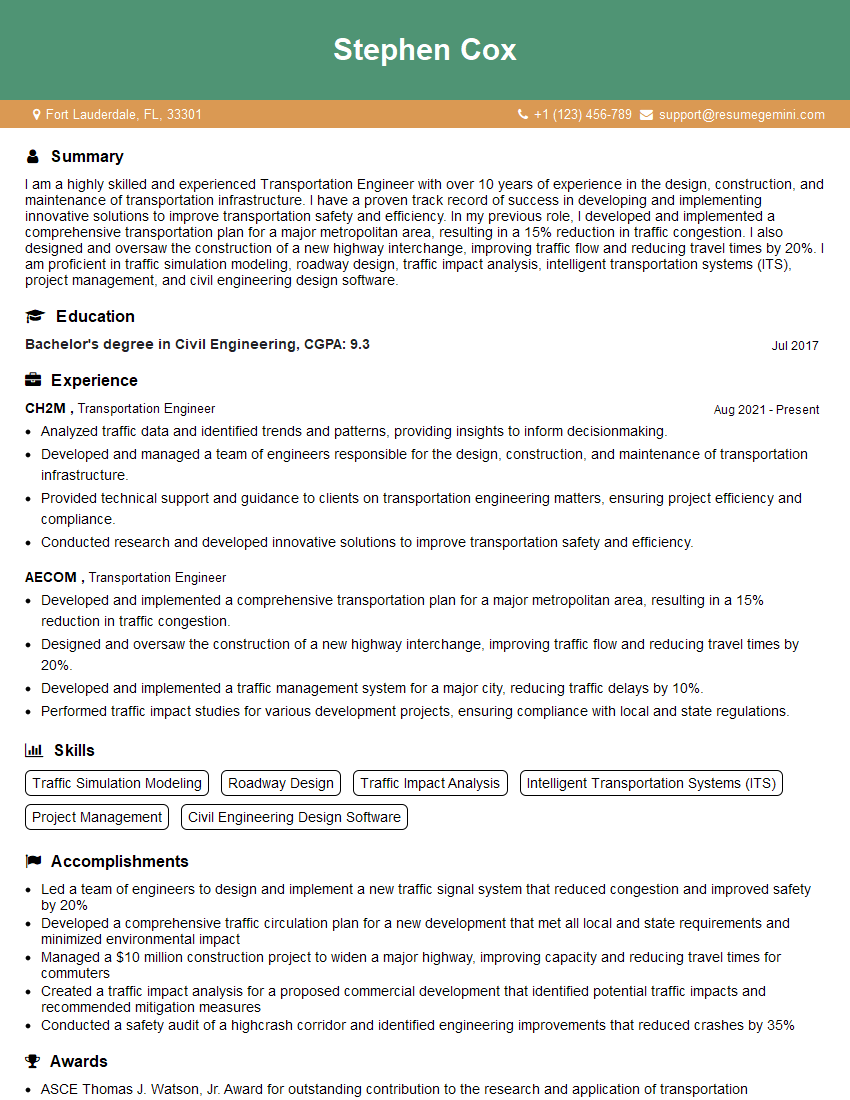
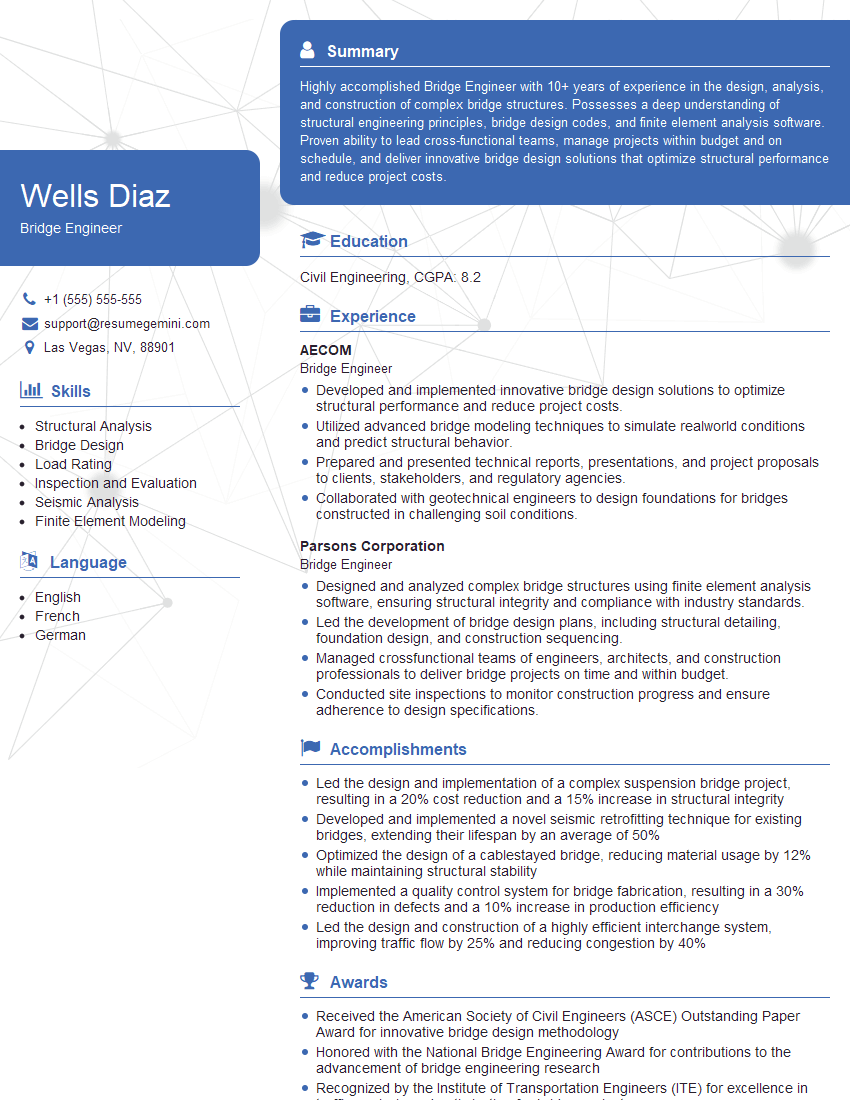
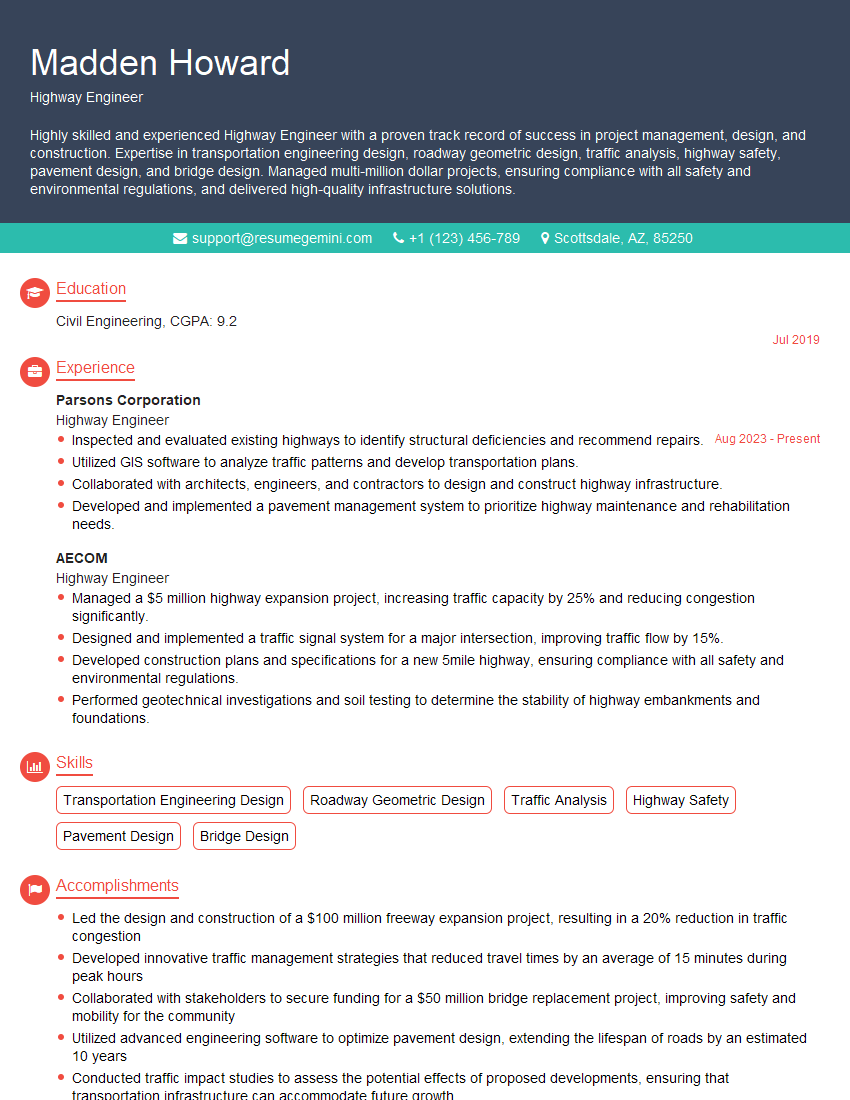
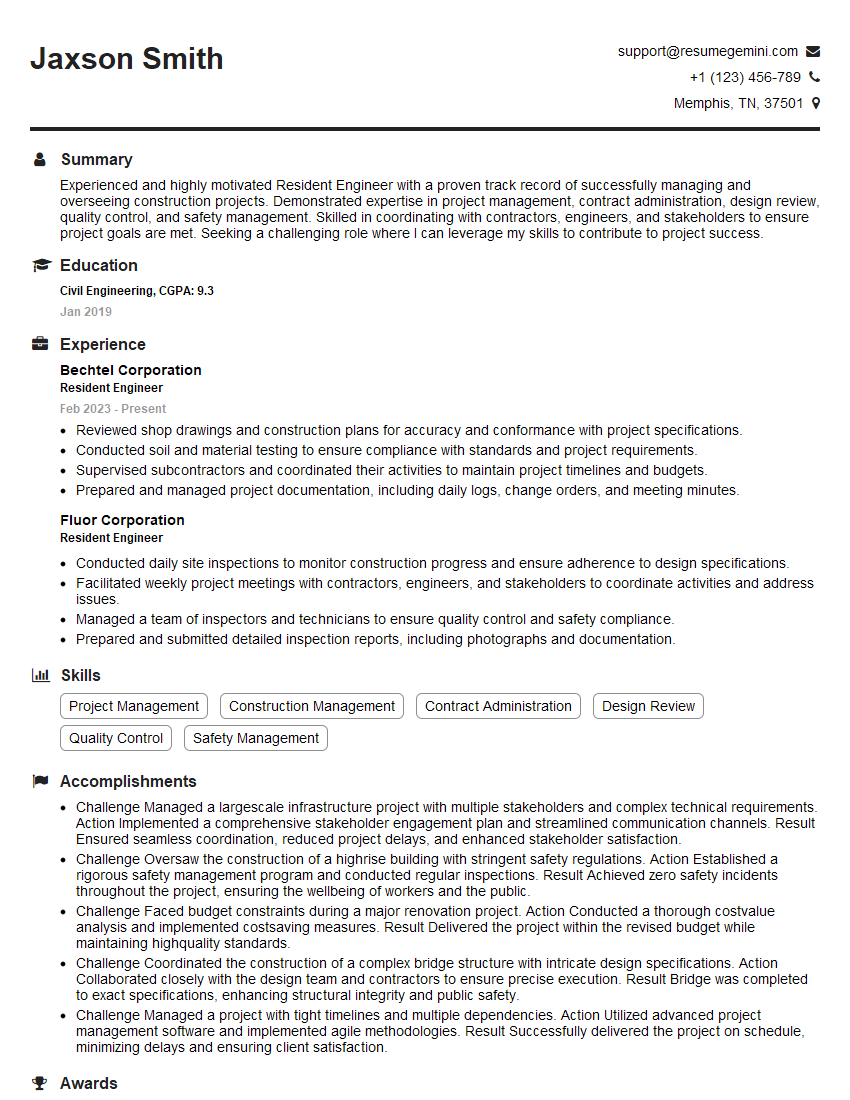
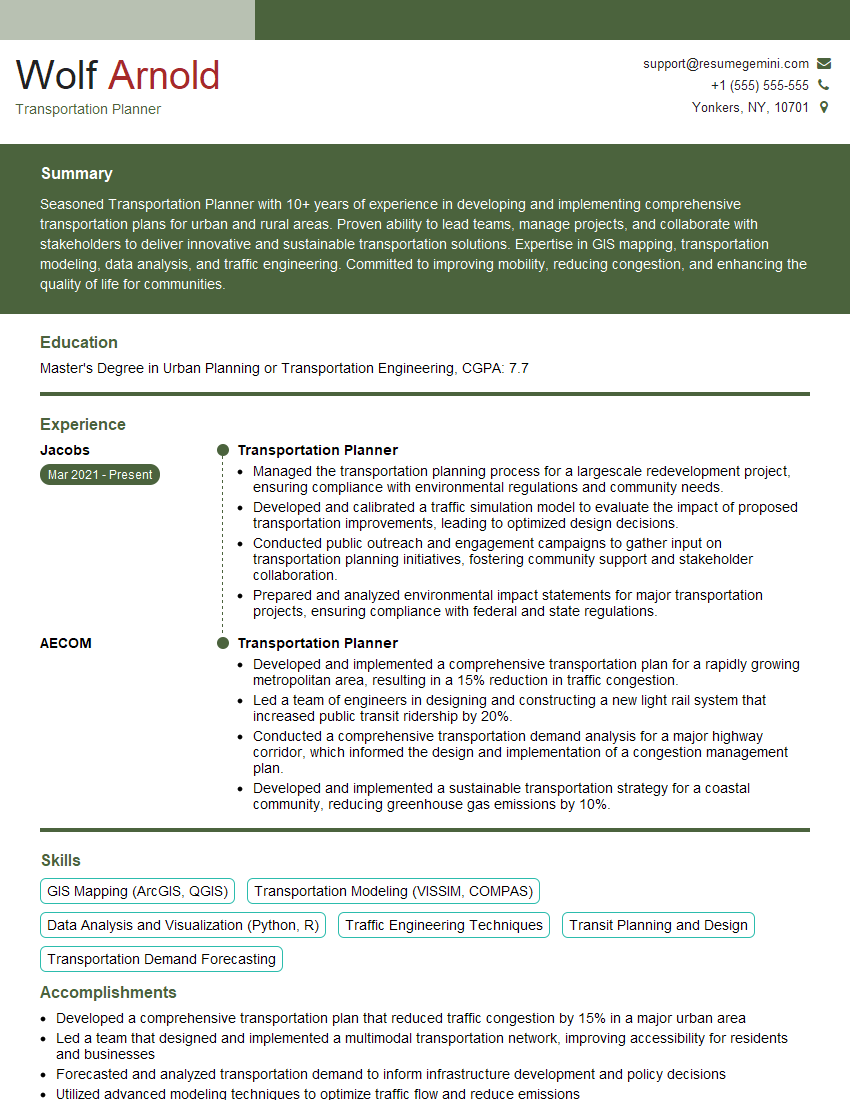
Mastering these key areas in Roads and Bridges engineering will significantly enhance your career prospects, opening doors to challenging and rewarding roles. To stand out in today’s competitive job market, it’s crucial to present your skills and experience effectively. Creating an ATS-friendly resume is paramount. ResumeGemini is a trusted resource that can help you build a professional resume that highlights your qualifications and gets noticed by recruiters. Examples of resumes tailored to the Roads and Bridges industry are available to guide you.

Explore more articles
Users Rating of Our Blogs
Share Your Experience
We value your feedback! Please rate our content and share your thoughts (optional).
What Readers Say About Our Blog
Very informative content, great job.
good